
Sr. Director of Culturally Responsive-Sustaining CS Education, #CSforAllNYC, #equity, My tweets are my own.
Joined July 2009
- Tweets 1,514
- Following 478
- Followers 774
- Likes 2,466
196 Photos and videos

Christy R. (I can't give you a checklist)Crawford retweeted

7 Aug 2024
I’ve been pretty silent about politics thus far but I’ll tell you this. Having a teacher as Vice President is a beautiful thing. Having a family of educators in the White House is even more beautiful. Tim Walz and his wife are teachers. There is a certain type of thoughtfulness, capacity to see beyond and humanity that educators have. To teach or to have ever taught changes you in the most magical ways. You need people with that outlook in power and in proximity to it.
27
122
1,013
47,817
Christy R. (I can't give you a checklist)Crawford retweeted

1 Aug 2024
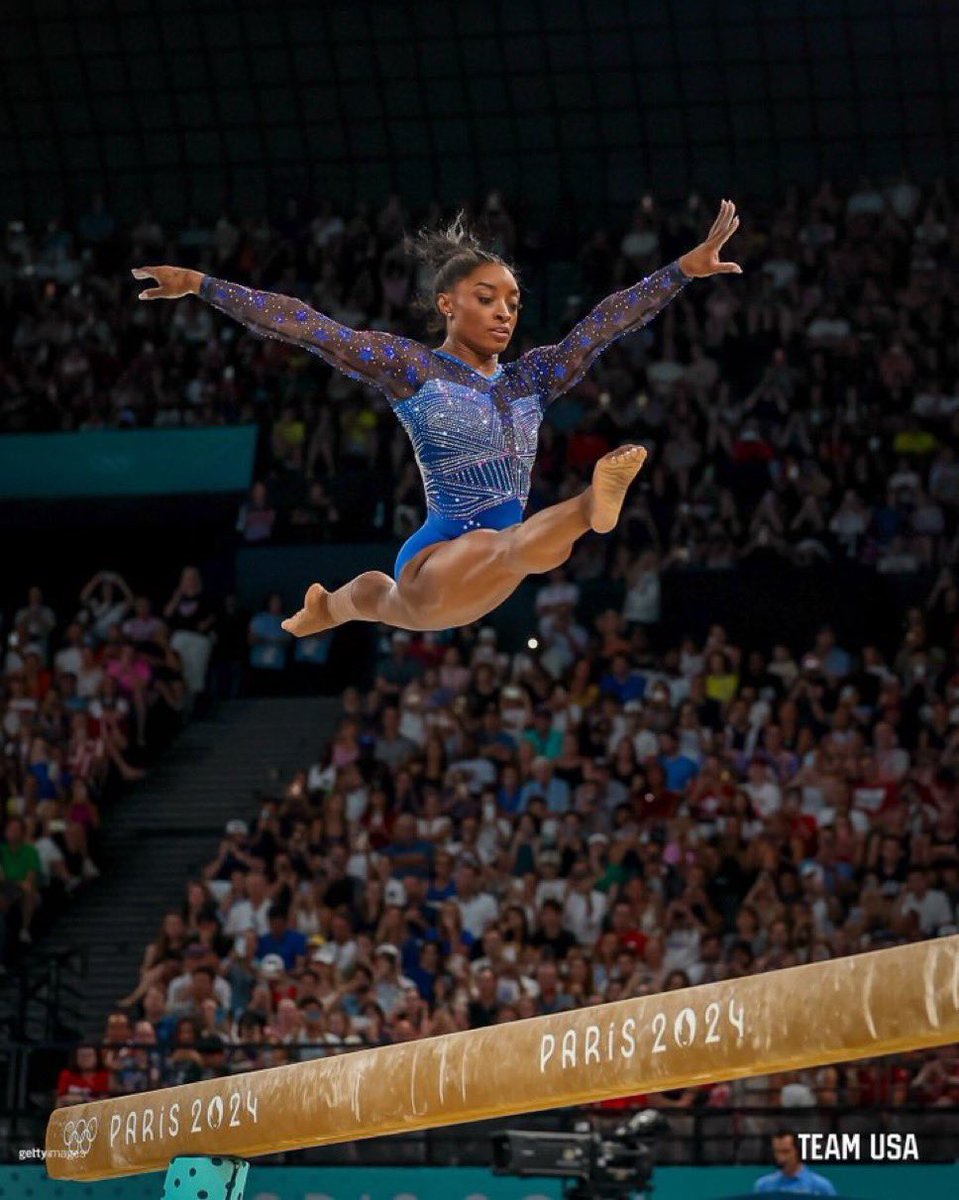
Winning Gold Medals is a "Black Job"
2,680
20,266
172,601
2,716,909
Christy R. (I can't give you a checklist)Crawford retweeted

1 Aug 2024
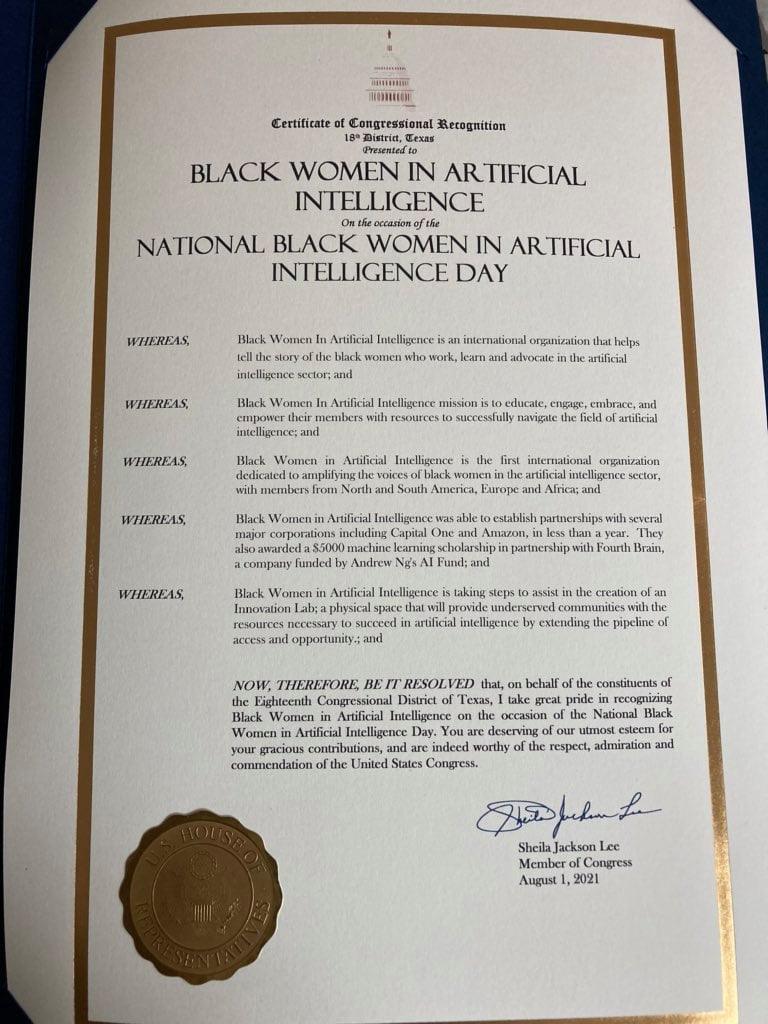
Today we celebrate National Black Women In Artificial Intelligence day and we salute and remember Congresswoman Sheila Jackson Lee who was instrumental in ensuring that this day was possible.
6
43
121
6,613
Christy R. (I can't give you a checklist)Crawford retweeted

25 Jul 2024
MAGA is breaking down because Kamala Harris made a video with RuPaul's Drag Race.
All she did was asking people to register to vote, and they are losing their sh-t. And they call Democrats "snowflakes?"
2,109
4,498
34,865
2,568,913
Christy R. (I can't give you a checklist)Crawford retweeted

25 Jul 2024
I am seeing people question whether Kamala Harris is “really Black.” I don’t think these people know the origins of judgements of who’s “really Black.” Let’s dive into history.
Beginning in the 15th century, human traders not only constructed what we now call Blackness—combining the different peoples of Africa into one race, one inferior race, worthy of enslavement. These human traders also judged who was “really Black“ based on whatever ethnic groups in West Africa they imagined made the best “slaves.” Different human traders from Portugal, France, Holland, and England expressed various ideas about who were “really Black,” meaning who made the best “slaves.”
Human traders created a hierarchy of peoples of African descent, what I call ethnic racist ideas in my work, where ethnic groups from regions like Senegambia were imagined to be superior (“slaves”) than ethnic groups from regions like Angola. These ethnic racist ideas contributed to different ethnic groups across West Africa being priced differently in the transatlantic human trade. So, originally, to be considered “really Black” was to be considered really servile.
By contrast, racist theorists constructed White people as the “free” race. These racist ideas became so widespread the anti-slavery resistance of biracial people were attributed to their “partial” Whiteness, including in books like Harriet Beecher Stowe’s Uncle Tim’s Cabin. Which is to say, both White enslavers and White abolitionists suggested biracial abolitionists, like Frederick Douglass, were not “really Black” because biracial people were not completely servile.
Today, these racist ideas of Black people as servile justifies Black people disproportionately still having to work in service jobs. When Black people become leaders and have the audacity to give direction, the attacks are regular and toxic and personal since racist ideas socialize people of all races, including Black people, to resist taking direction from Black leaders. Today, like two centuries ago, the servant, not the leader, is “really Black.”
Over the last few centuries, antiracist Black people have reconstructed Blackness by eradicating the “slave,” by decolonizing the mind, by making Blackness equal to Whiteness (and other racial identities), by making Blackness a global identity of solidarity, of cultural diversity, of resistance that includes biracial people who identify as Black. After these radical reconstructions of Blackness, it is easy to not know that human traders were the first group to judge who was “really Black.”
168
366
1,505
175,352
Christy R. (I can't give you a checklist)Crawford retweeted

25 Jul 2024
😱 When Kamala Harris is elected President, Inauguration Day falls on MLK Jr Day in 2025 & she’ll be sworn in by Justice Ketanji Brown Jackson.
So the 1st Black woman Supreme Court justice will swear in the 1st Black woman President on MLK day?! 🫨🥲💙🔥🇺🇸
5,417
8,832
51,312
2,226,597
Christy R. (I can't give you a checklist)Crawford retweeted

24 Jul 2024
>>> Kids interview @KamalaHarris
"I don't like Donald Trump."
"Me either."
944
9,058
55,539
4,527,111
Christy R. (I can't give you a checklist)Crawford retweeted

25 Jul 2024
Yes Sistas-- #WinWithBlackWomen call will be back this Sunday at 830pm -(like we have always had) log in and instructions will be sent soon - tell your sisters and group chat. ( and yes we will have overflow options) - @WinWithBLKWomen
33
462
1,574
86,151
Christy R. (I can't give you a checklist)Crawford retweeted

25 Jul 2024
BREAKING: The Kamala Harris campaign just released their first ad. Retweet to make sure every American knows who Kamala Harris is and what is at stake this November.
3,596
39,409
100,747
5,094,696

Christy R. (I can't give you a checklist)Crawford retweeted

23 Jul 2024
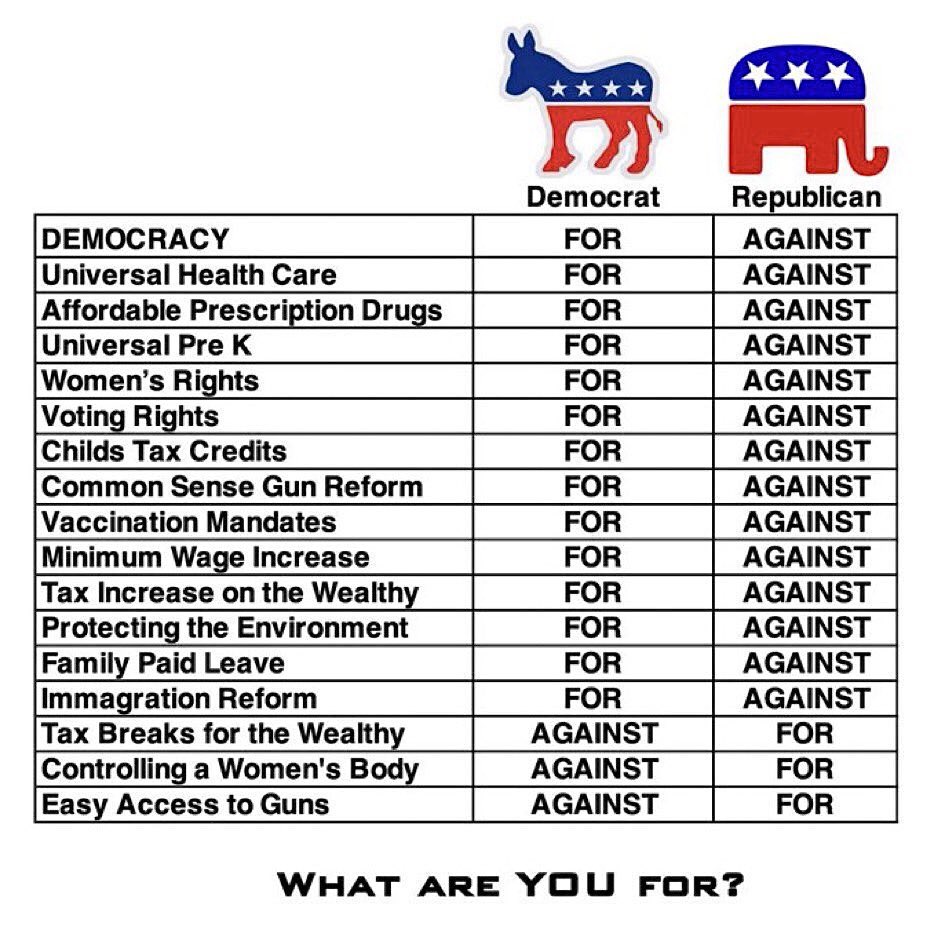
Let me just park these facts right here. 💙🇺🇸
4,219
23,130
70,266
3,501,363
Christy R. (I can't give you a checklist)Crawford retweeted

23 Jul 2024
Kamala addresses the fact that some people don’t like her laugh. The message is quite beautiful.
1,385
9,949
75,447
6,439,755
Christy R. (I can't give you a checklist)Crawford retweeted

24 Jul 2024
There’s a movement

770
10,184
77,220
2,416,178
Christy R. (I can't give you a checklist)Crawford retweeted

23 Jul 2024
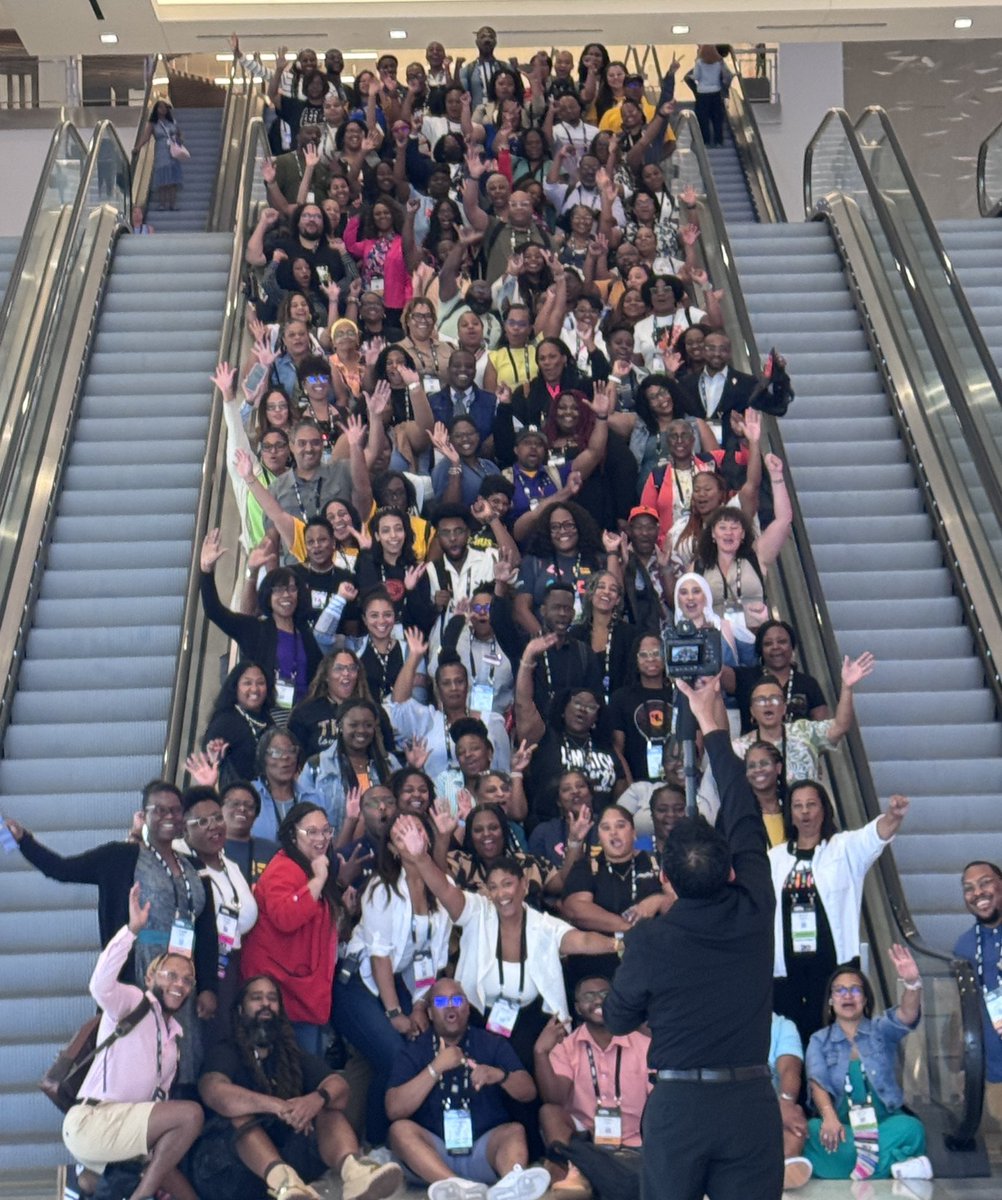
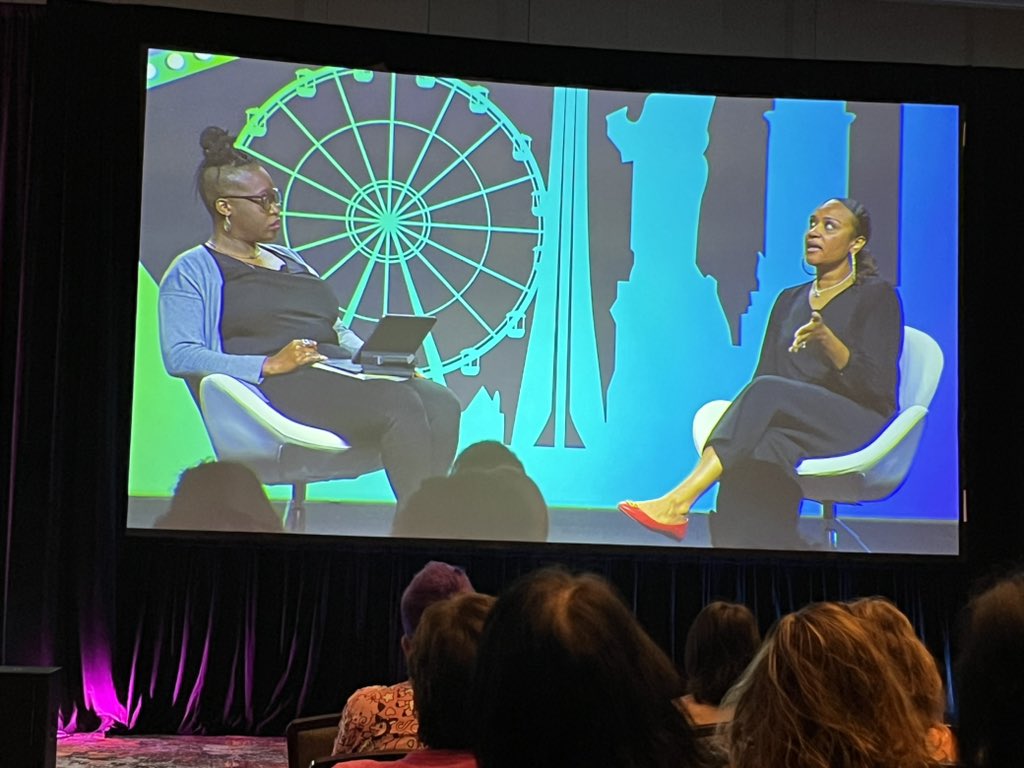
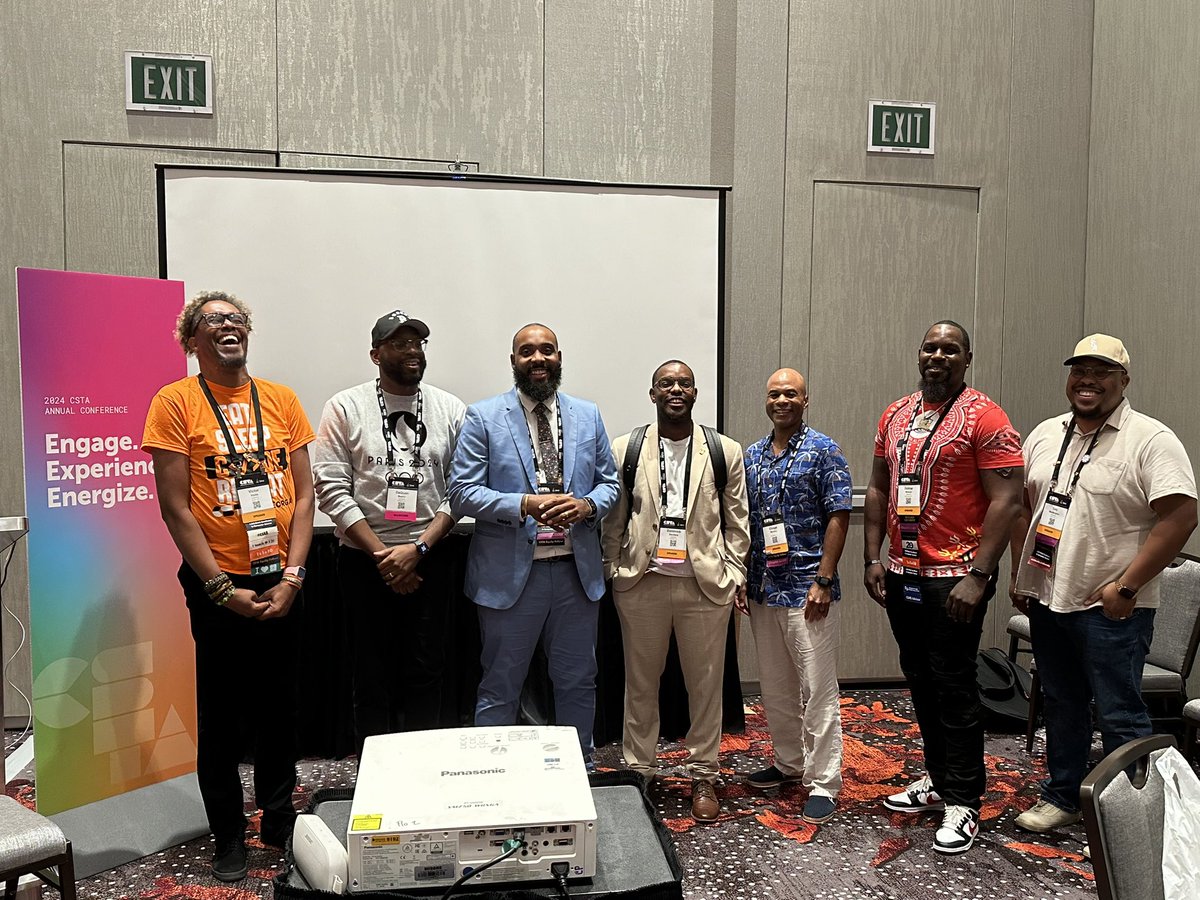
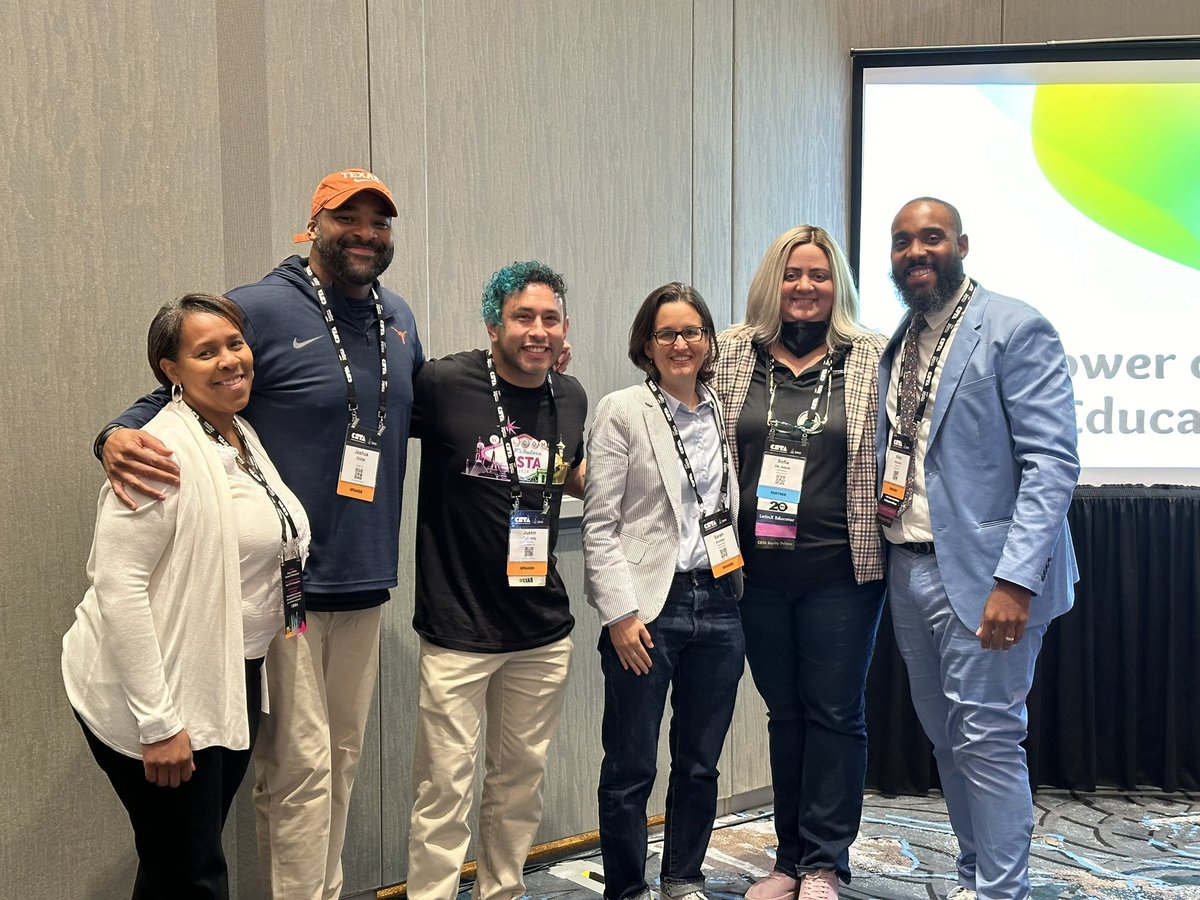
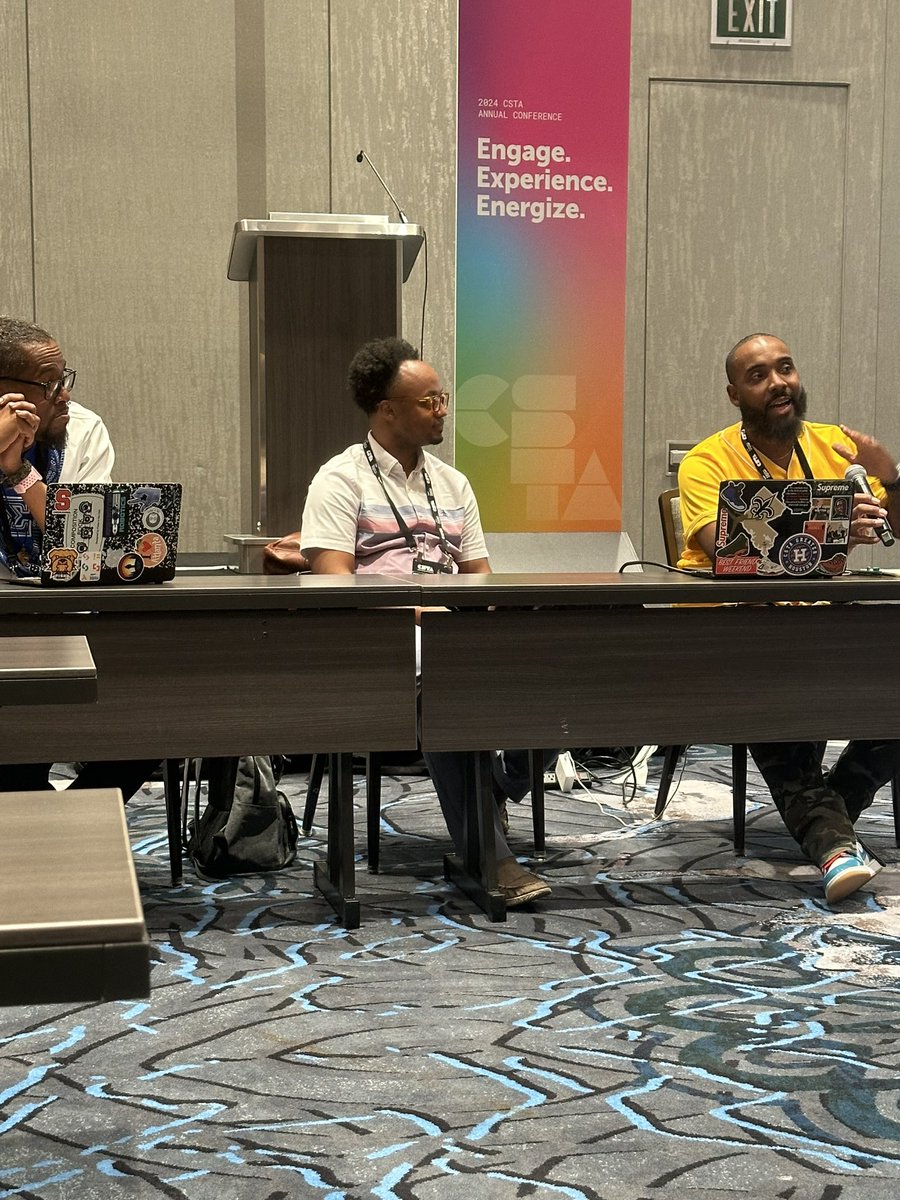
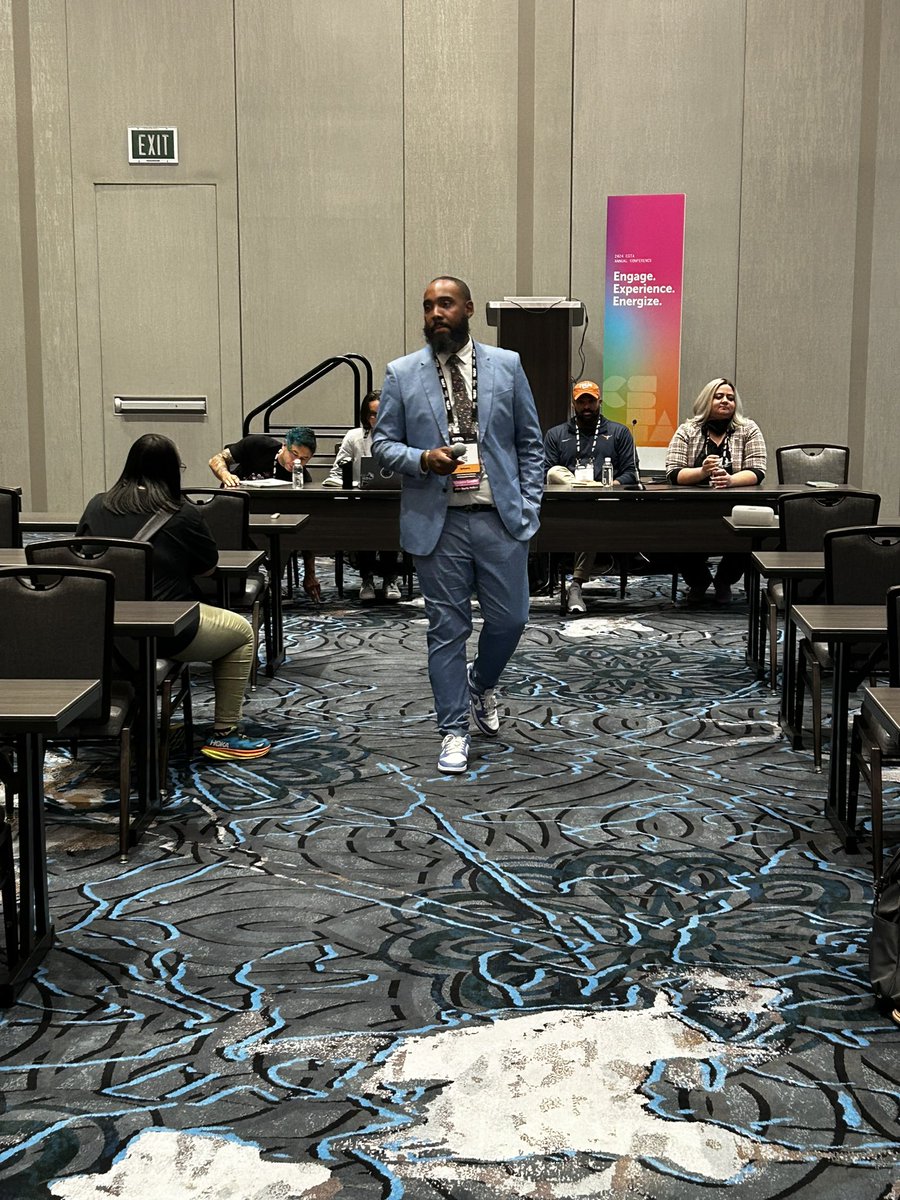
#CSTA2024 was an amazing experience! Grateful to @csteachersorg for the opportunity to share the stage with leaders in CSEd. Special thanks to all my co-presenters and panelists for the insightful discussions. Let's keep building, working, and impacting students' lives every day!
6
21
446
Christy R. (I can't give you a checklist)Crawford retweeted

23 Jul 2024
Man, Trumpers are running scared. @KamalaHarris has made them lose their damn minds. They are spewing so many stupid attacks and conspiracies. Let’s go through some of them, shall we…
4,958
5,367
24,189
1,458,628
Christy R. (I can't give you a checklist)Crawford retweeted

21 Jul 2024
Black Women getting ready to save the Democracy...again.
842
1,220
9,361
209,102
Christy R. (I can't give you a checklist)Crawford retweeted
21 Jul 2024
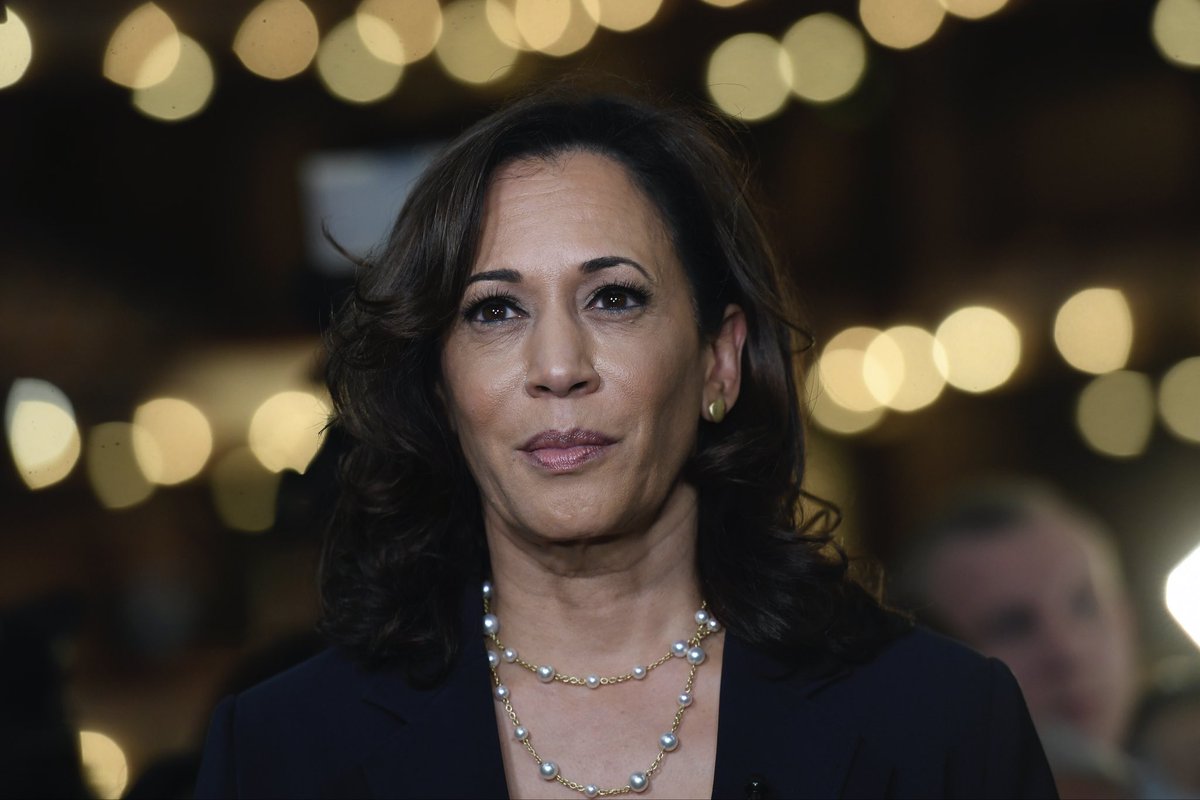
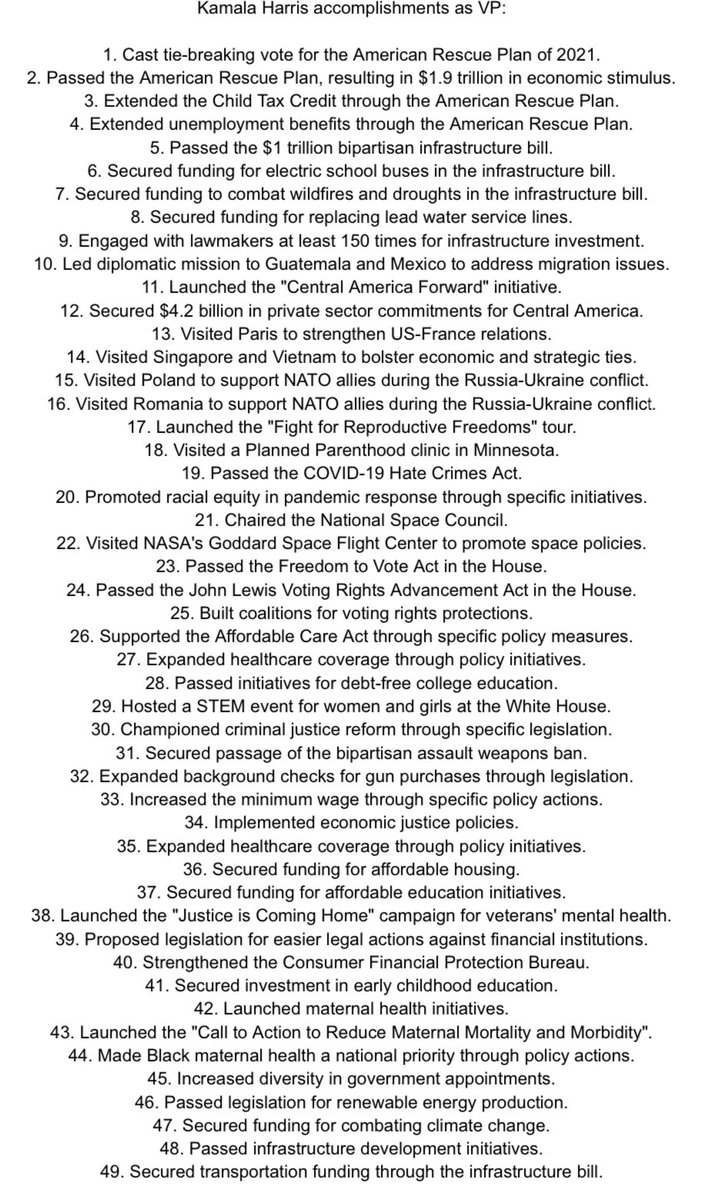
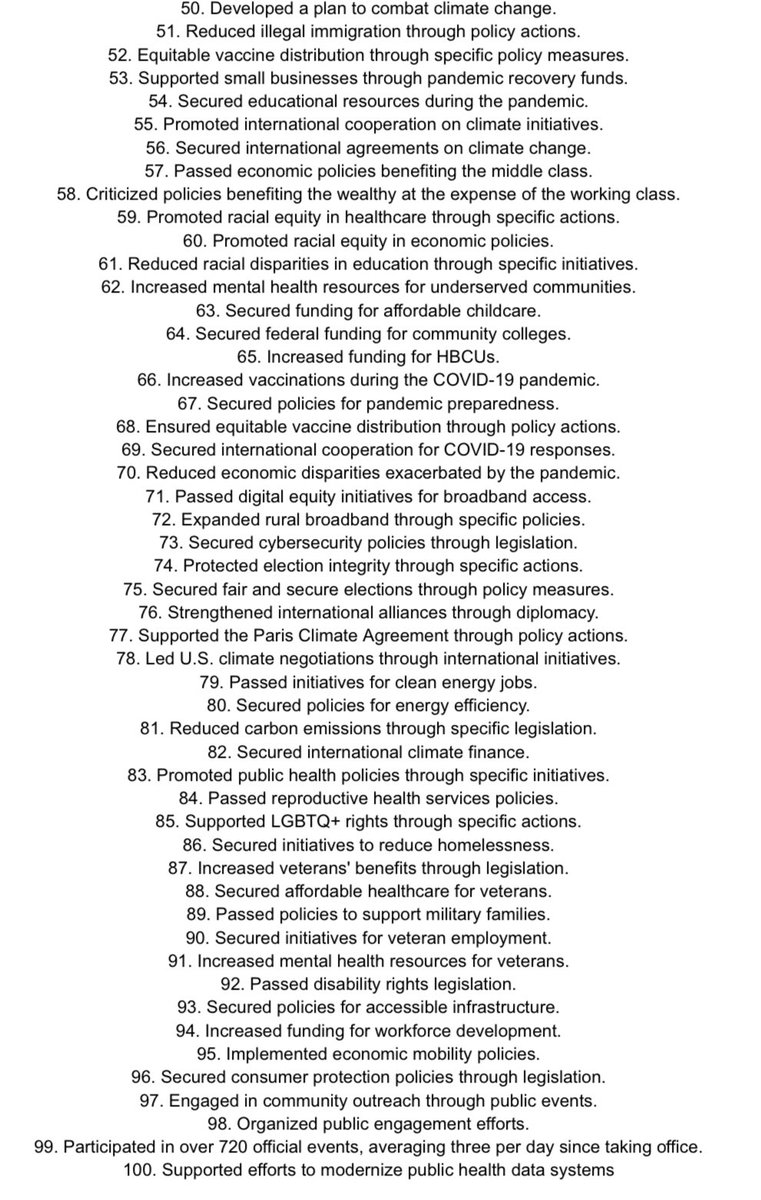
A reminder of our VP’s accomplishments in her first term:
340
4,665
13,082
828,137
Christy R. (I can't give you a checklist)Crawford retweeted

21 Jul 2024
Wow.
The Harris team are out of the blocks in lightening quick time with this superb ad
x.com/AdamJSmithGA/status/18…
Community note
This ad is from the 2020 Democratic Primary Campaign.
newsweek.com/kamala-harris-…
828
10,400
52,452
5,385,598
Christy R. (I can't give you a checklist)Crawford retweeted

17 Jul 2024
At #CSTA2024, @conorpeterson talks about how authentic collaboration with diverse expertise enables the tech-enabled art exhibits at @MeowWolf.
Collaboration works when ideas are defined, iterations are allowed, there’s no singular owner, contributors are accountable peers.
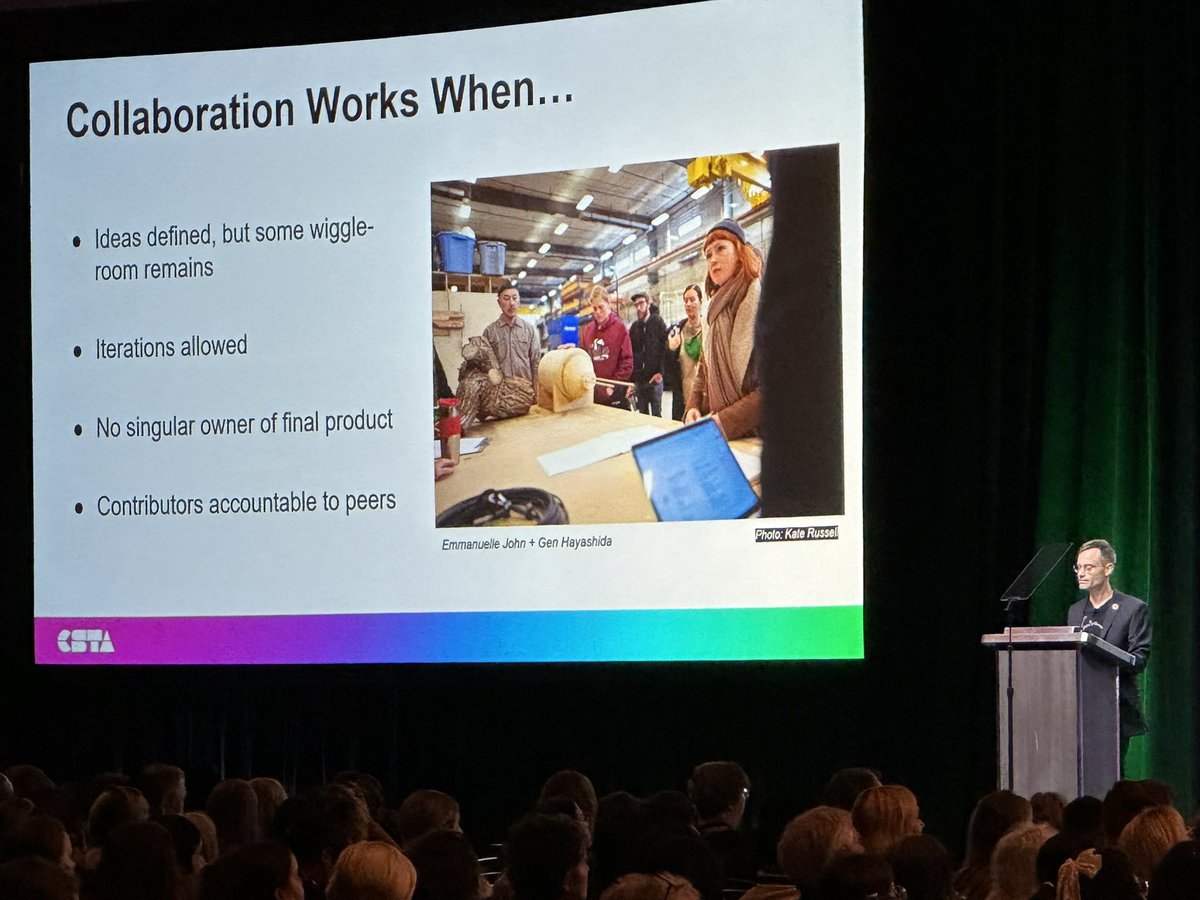
ALT Collaboration works when ideas are defined, iterations are allowed, there’s no singular owner, and contributors are accountable peers
3
11
381