
CD Genomics is aiming at providing the research community with high quality Next Generation Sequencing and Long Read Sequencing services.
Joined June 2013
- Tweets 1,365
- Following 1,511
- Followers 667
- Likes 0
Photos and videos
Rare-variant meta-analysis across biobanks without sharing individual-level data. MetaSTAARlite runs on summary statistics — results concordant with pooled analysis. UK Biobank (190K WGS) All of Us (94K WGS) validated. nature.com/articles/s43588-0…
18
ChIP-seq dissolves chromatin before immunoprecipitation. CUT&RUN/CUT&Tag work in situ — cells and nuclei stay intact. Lower background, higher resolution. New Nature Primers maps the full enzyme-tethering landscape. nature.com/articles/s43586-0…
11
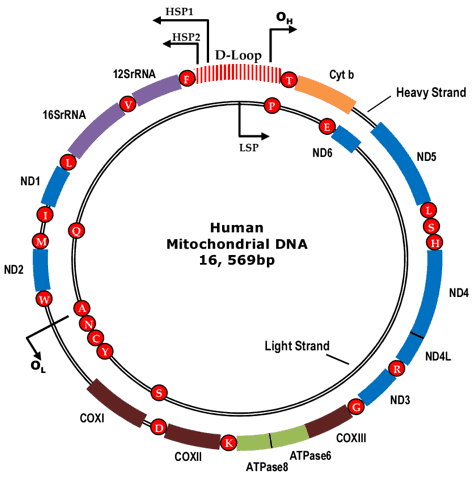
PCR-based mtDNA sequencing erases epigenetic marks and creates regional bias. CD Genomics offers PacBio amplification-free full-length mtDNA — preserving base modifications. 100% coverage, heteroplasmy phasing. cd-genomics.com/mitochondria…
1
1
74
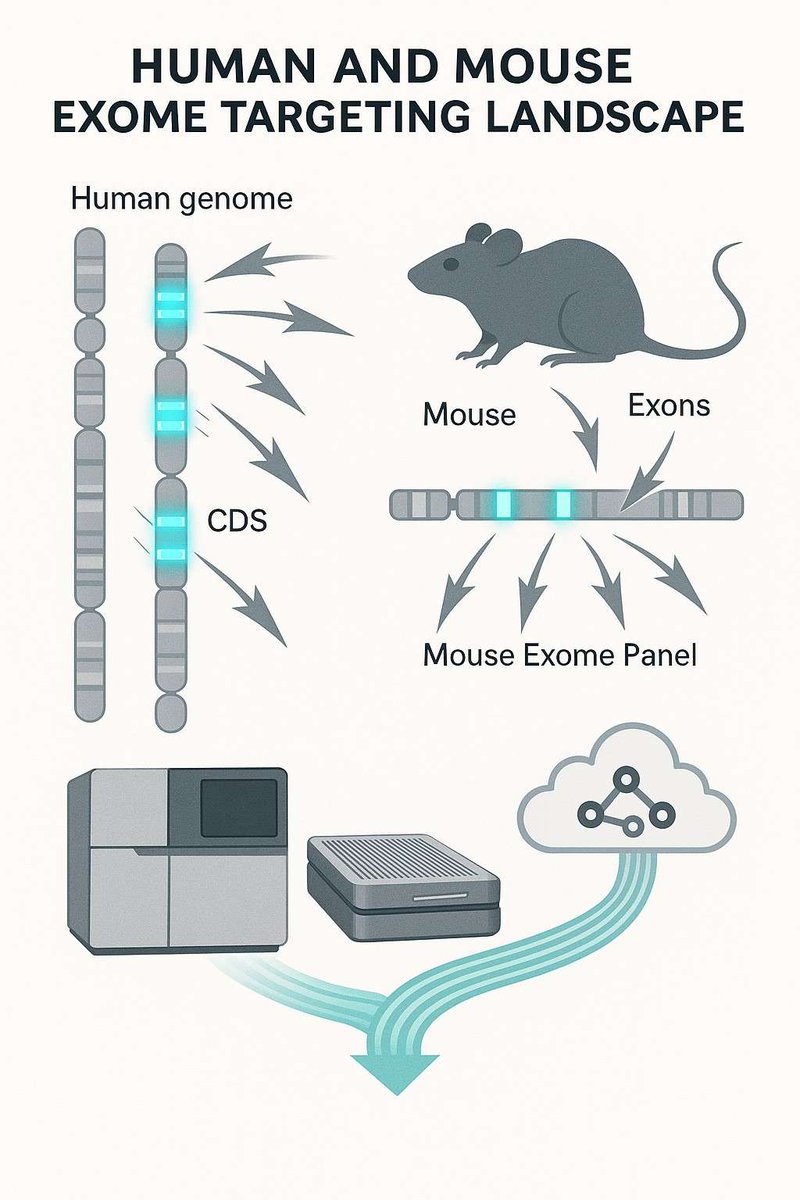
The exome is 1-2% of the genome and contains >85% of known disease variants. Three human panels (germline/inherited disease/tumor) mouse exome panel. Coverage >99.9% protein-coding regions, dropout-optimized. cd-genomics.com/human-mouse-…
10
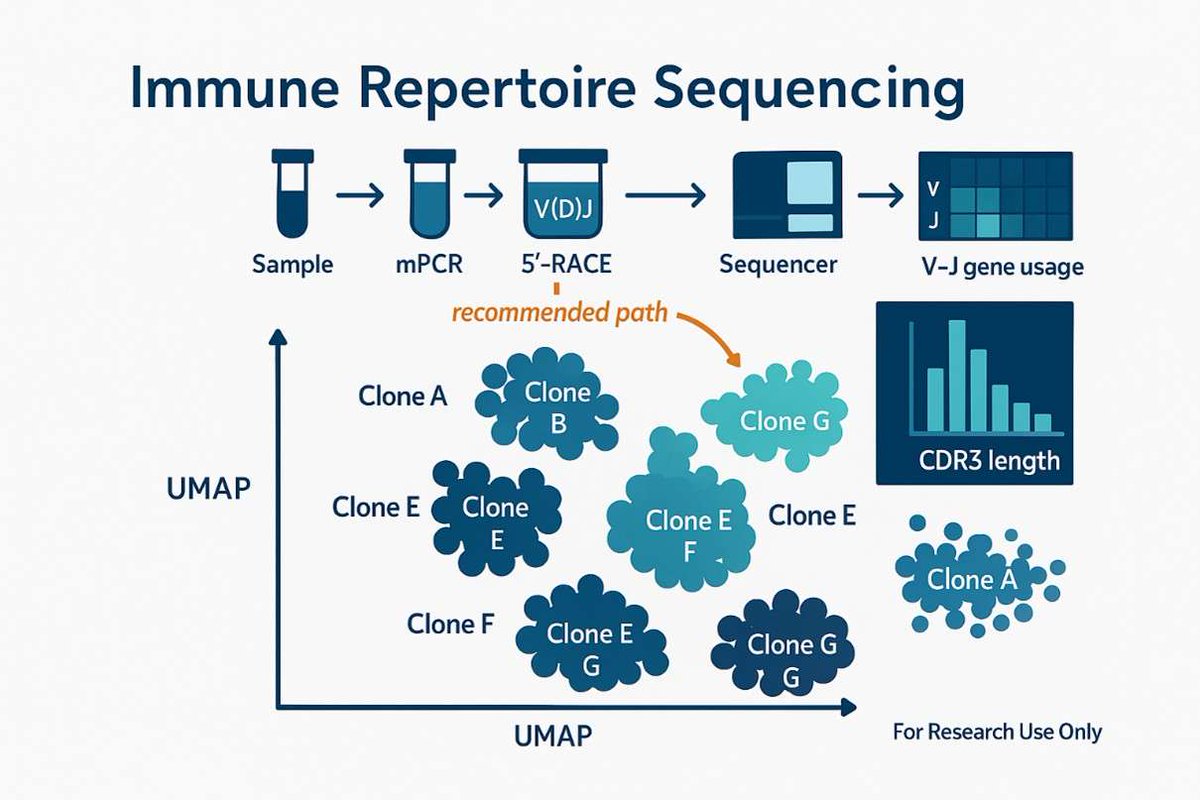
Most mPCR-based TCR-seq underrepresents rare clones before sequencing even starts. 5' RACE: one primer pair per cycle, full-length TCR (CDR1 CDR2 CDR3), lower bias. The method shapes the biology you can see. cd-genomics.com/tcr-seq.html
1
1
24
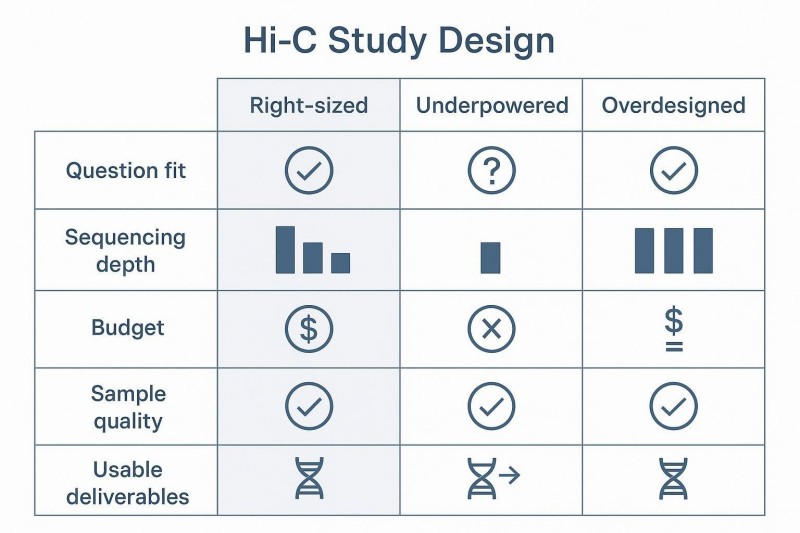
Hi-C for resolution is the wrong starting point. Resolution is an output — your question is the input. Wrong order = budget spent on data that can't support your conclusion. cd-genomics.com/3d-genomics/…
1
1
19
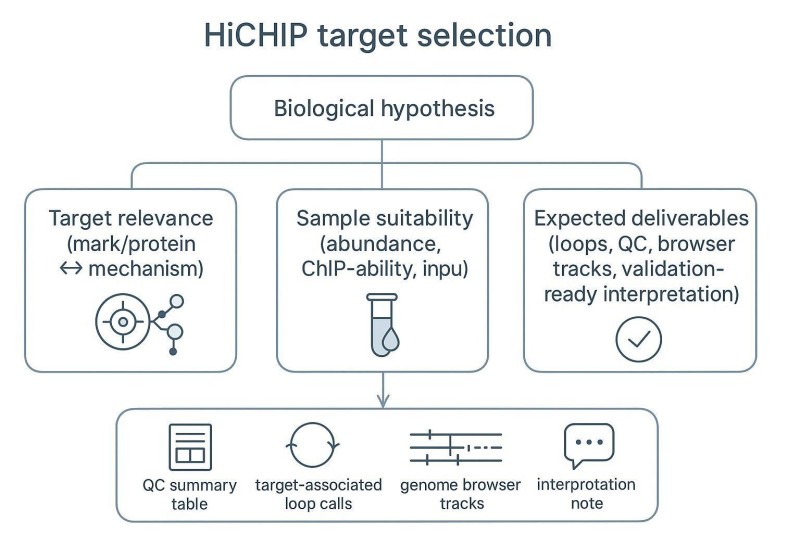
HiChIP failures are usually anchor failures, not sequencing failures. Stronger enrichment != stronger evidence. Wrong anchor = uninterpretable data. cd-genomics.com/3d-genomics/…
18
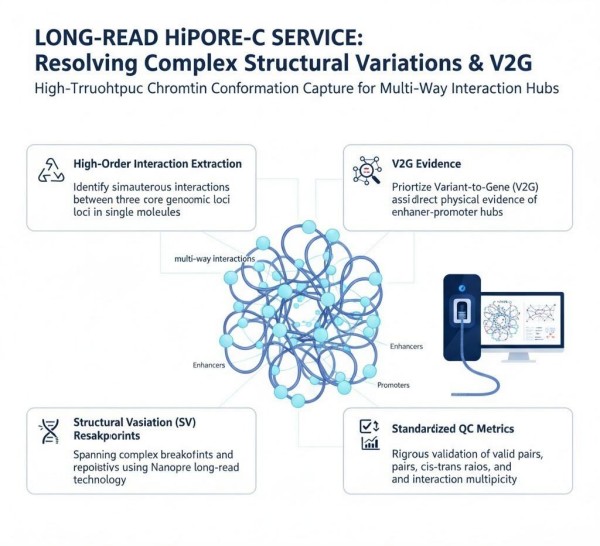
Hi-C: pairwise contacts. HiPore-C: ≥3 loci per read — simultaneous co-occupancy in a single molecule. Enhancer hubs aren't inferred. They're in the read. N50 >15 kb, PromethION. cd-genomics.com/3d-genomics/…
30
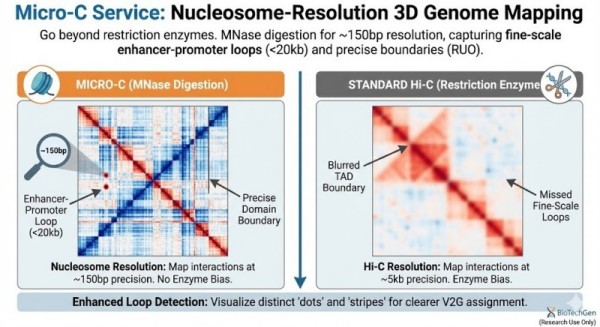
Hi-C resolution floor = restriction enzyme fragment size (~4 kb). Micro-C uses MNase instead — fragments down to single nucleosomes (~150 bp). One order of magnitude finer. No enzyme motif blind spots. cd-genomics.com/3d-genomics/…
38
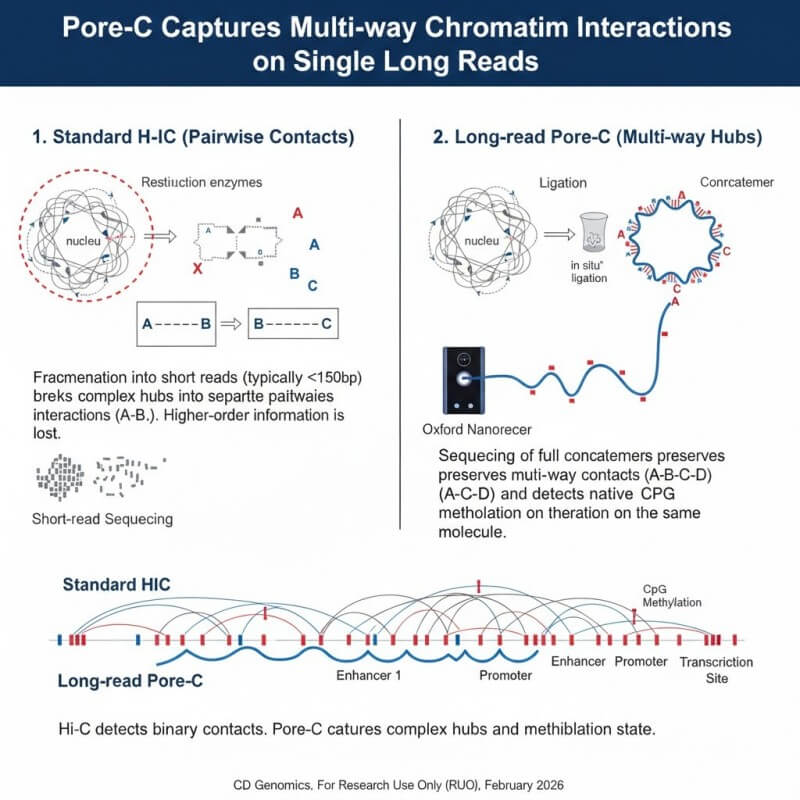
Hi-C gives you pairwise contacts. Always two loci, always a projection. Pore-C reads intact concatemers — 3 restriction fragments per molecule, direct multi-way contacts. One read = one conformation event. cd-genomics.com/3d-genomics/…
11

May 28
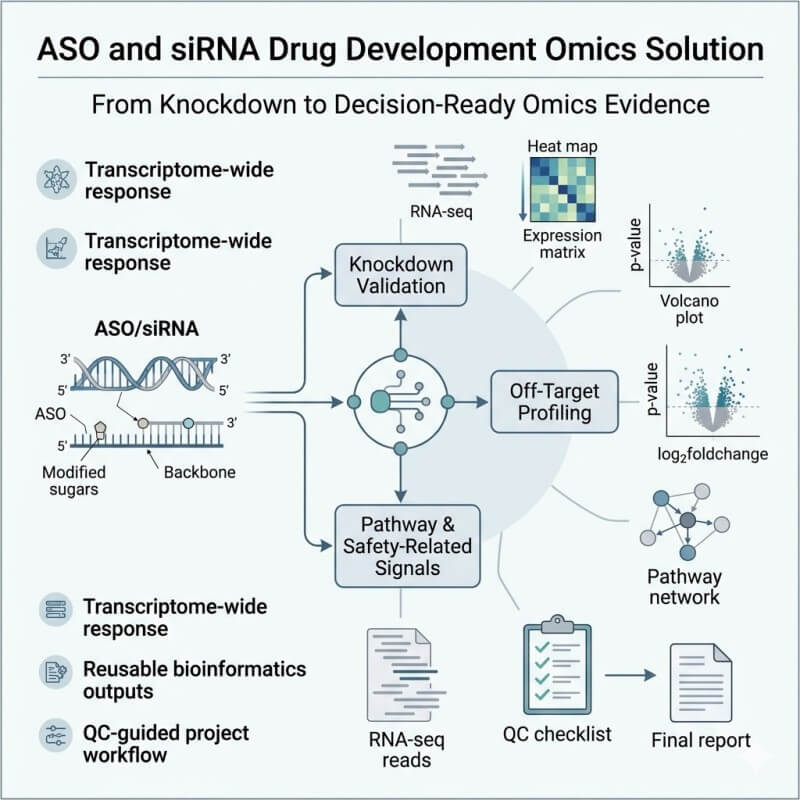
Knockdown efficiency is the easy question. What else changed in the transcriptome? ASO/siRNA Drug Development Omics — RNA-seq small RNA-seq SeedMatchR off-target analysis. cd-genomics.com/aso-sirna-dr…
1
2
48
May 28
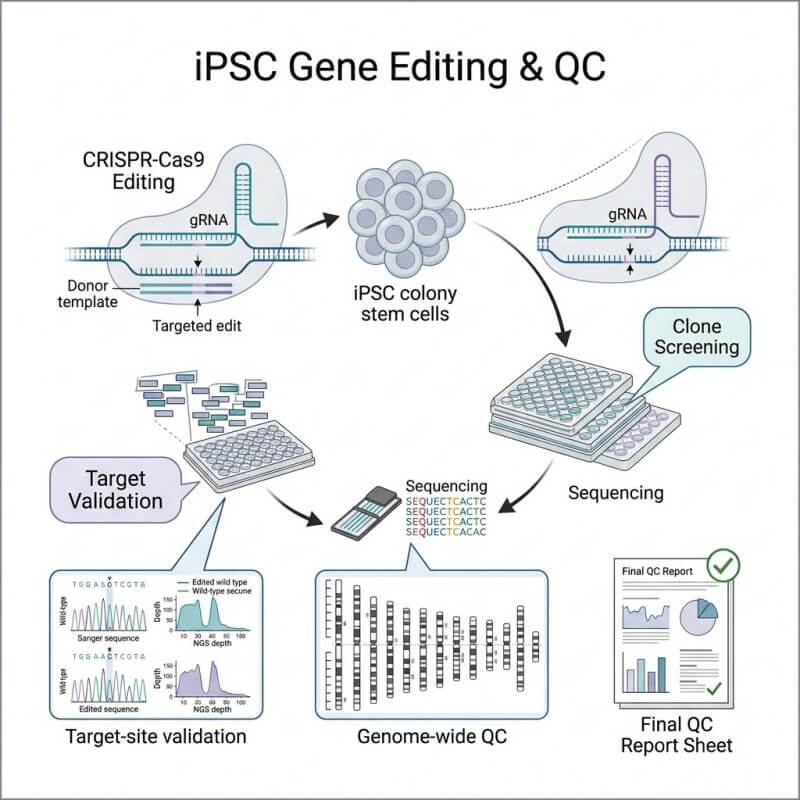
Your CRISPR-edited iPSC passed Sanger. Looks clean. But a 2022 study found 33% of such clones carry hidden on-target defects. Standard QC isn't enough. cd-genomics.com/ipsc-gene-ed…
1
1
18
May 21
Thousands of non-coding GWAS risk variants for tauopathies — but how do they act? This study shows they converge on microglial functional modules: immune response, lipid metabolism, sphingomyelin regulation. Glia are the missing link. nature.com/articles/s41467-0… #GWAS
31
May 19
Gel purification eliminated from RNA-seq library prep. Exonuclease I digests excess primers after RT — primer dimer gone, no gel needed. Combined with high-processivity RTase: >10x sensitivity improvement. nature.com/articles/s42003-0… #RNAseq #AQRNAseq #LibraryPreparation
1
22
May 19
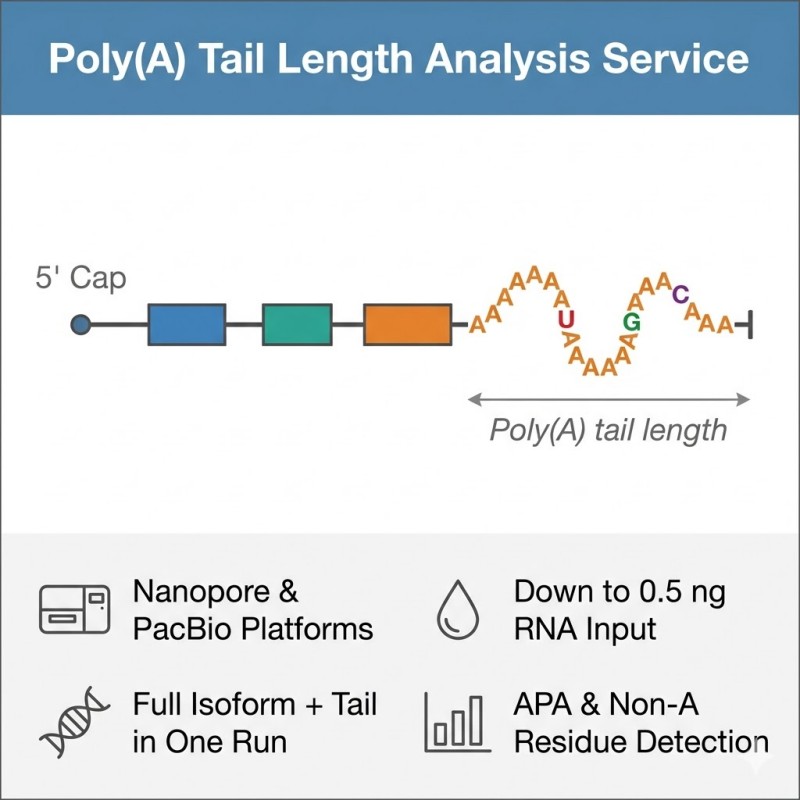
17% of mRNAs contain U, G, or C residues inside their poly(A) tails. Not just at the 3′ end — embedded within. PAIso-seq (PacBio HiFi) detects them. CD Genomics delivers the full profile. cd-genomics.com/polya-length… #PolyA #PAIsoSeq
1
1
69
May 19
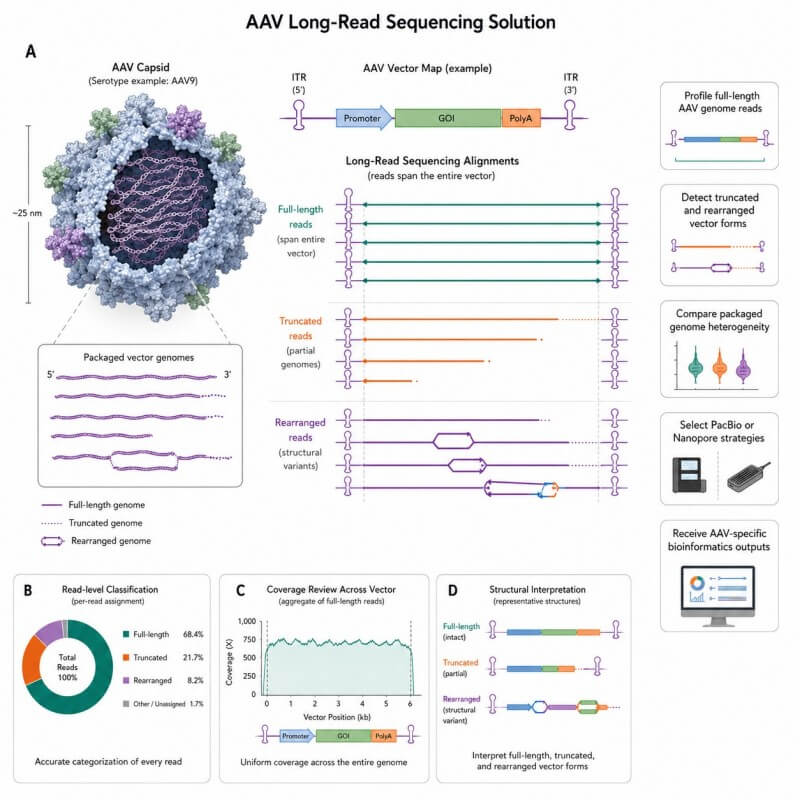
Your AAV QC passes. But are the packaged genomes full-length? Long-read sequencing reveals truncated, rearranged, and concatemeric forms standard methods miss. CD Genomics shows you what's really inside. cd-genomics.com/aav-long-rea… #AAV #LongReadSequencing
1
1
41
May 19
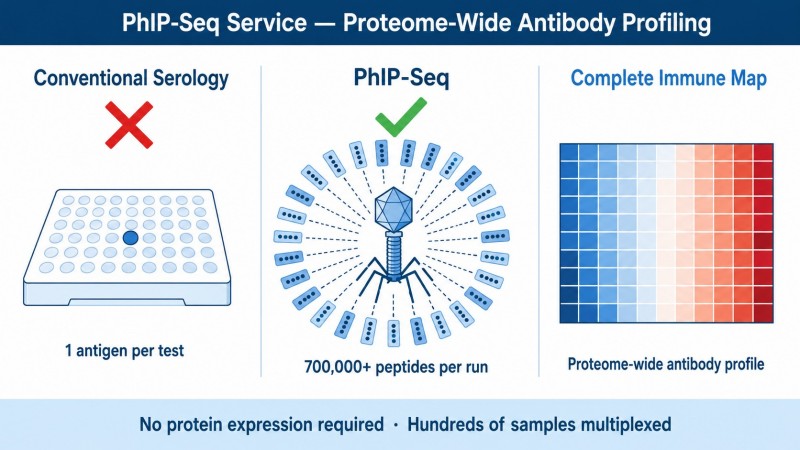
700,000 peptide targets. One serum sample. PhIP-Seq maps antibody binding across the entire proteome — no recombinant proteins, no prior target selection. CD Genomics delivers the full profile. cd-genomics.com/phip-seq-ser… #PhIPSeq #AntibodyProfiling
25
May 12
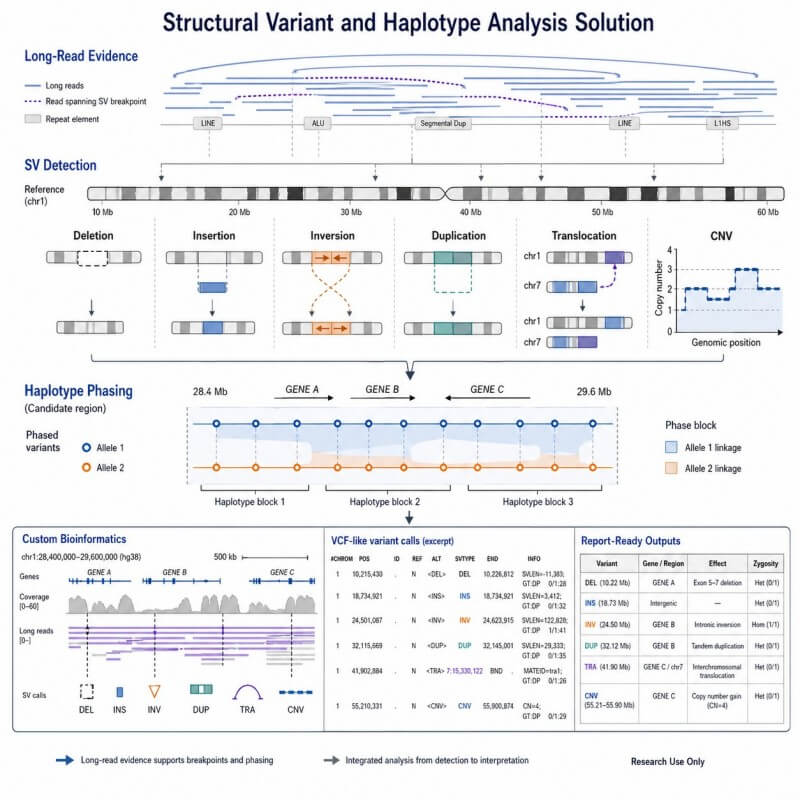
SNPs not explaining your candidate region? SVs — deletions, duplications, inversions, CNVs — may be the answer. CD Genomics SV & Haplotype: sequencing → detection → phasing → interpretation. cd-genomics.com/structural-v… #StructuralVariants #Genomics
1
1
45
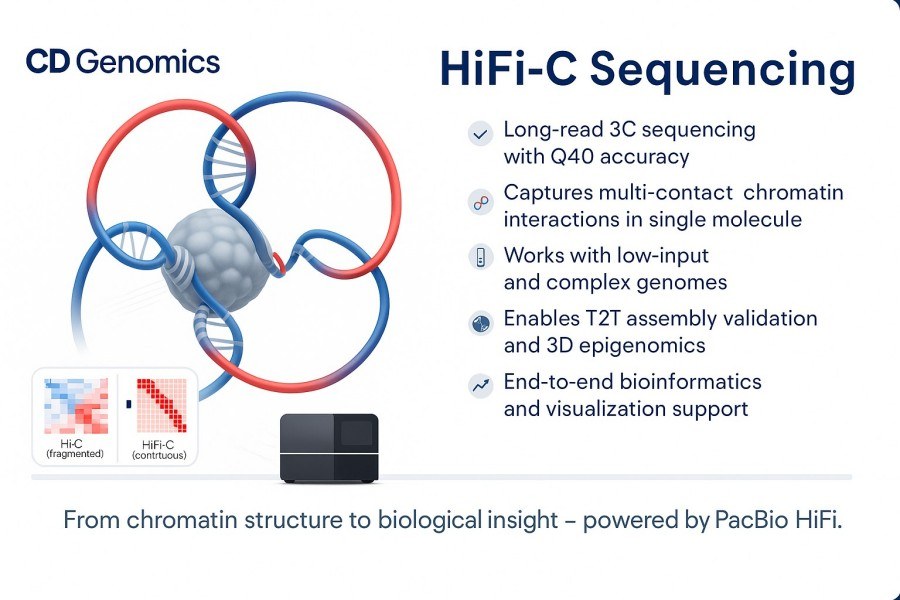
Hi-C misses centromeres. Pore-C needs millions of cells. HiFi-C fixes both. 99.99% accuracy (Q40), 60K cell input, multi-contact detection per read. That's the 3D genome mapped with zero compromises. cd-genomics.com/longseq/hifi… #HiFiC #3DGenomics #PacBio
1
2
78
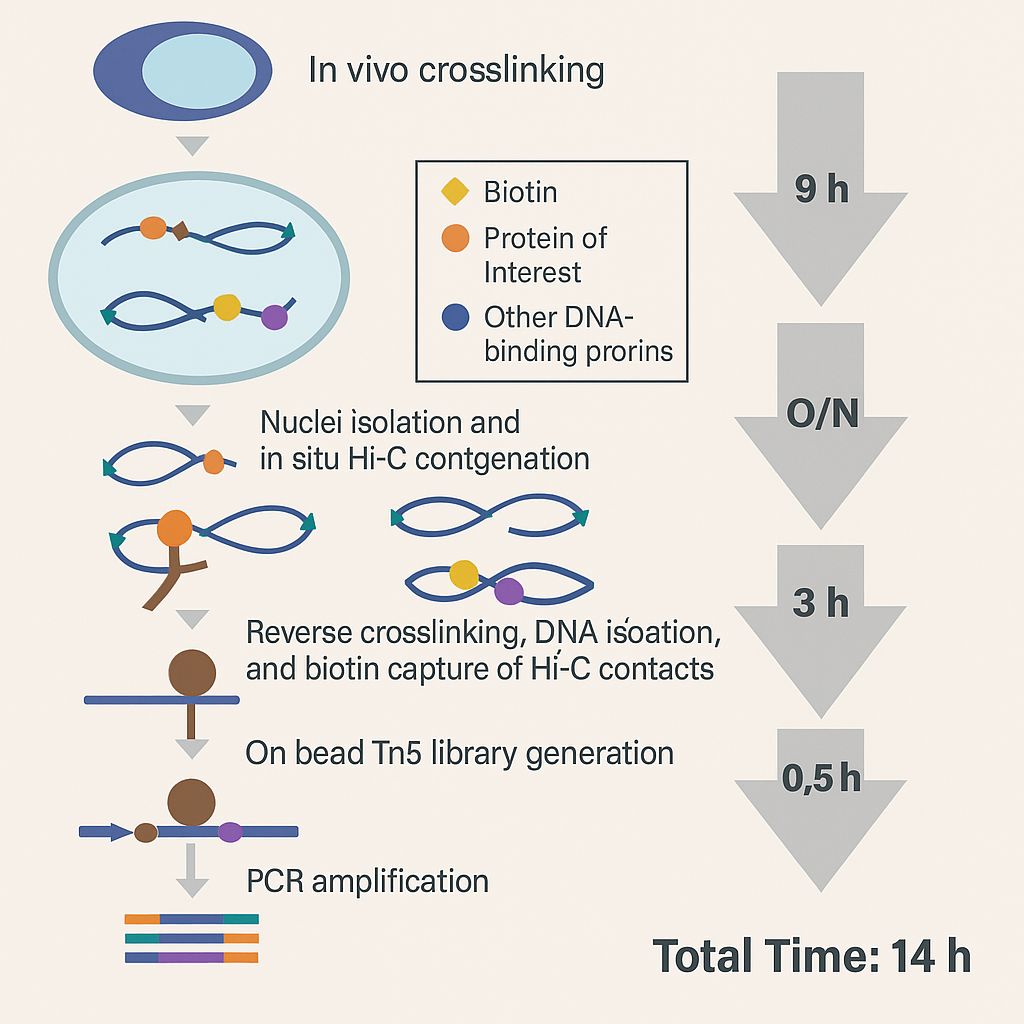
Struggling with Hi‑C's massive data volume and ChIP‑seq's flat view? HiChIP sequencing service is here! Get protein‑centric 3D genome interaction maps from as few as 100K cells. Unlock spatial gene regulation. #HiChIP #Genomics cd-genomics.com/longseq/hich…
40