Der Staat ist die Wirklichkeit der konkreten Freiheit
Joined February 2022
- Tweets 41,144
- Following 3,849
- Followers 13,162
- Likes 61,380
5,950 Photos and videos





Pinned Tweet

7 Feb 2025
7 Feb 2025

🚨 Sick and tired of politics as usual? JOIN the American Communist Party now and get to work right away!
We have MASSIVELY streamlined the application process.
NOW is the time to take the next step!
JOIN NOW!
30
44
350
210,051
Chris Morlock retweeted

The disgusting and filthy bourgeoisie are the enemies of all people and all nations.
Their tastes are ugly, their worldview is retarded, their habits are swine-like, their culture is depraved and degenerate.
And they rule only since the people lack confidence in themselves.
42
185
655
8,216
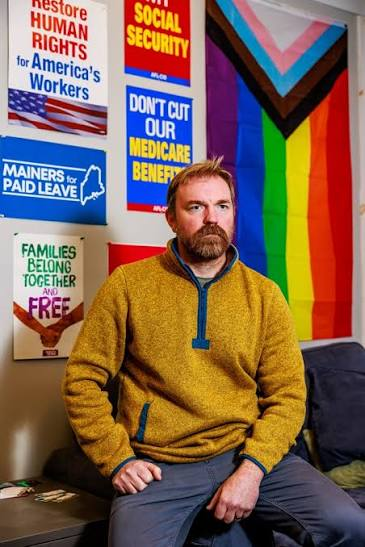
It's hilarious the "it" DSA guy these days got a Totenkopf tattoo on his chest. After a lifetime of being called a "Fascist" by the urban menial service class DSAoid for being an ML, this is particularly gross and depressing but it makes perfect sense. History repeats itself as farce then tragedy.
11
15
144
4,058
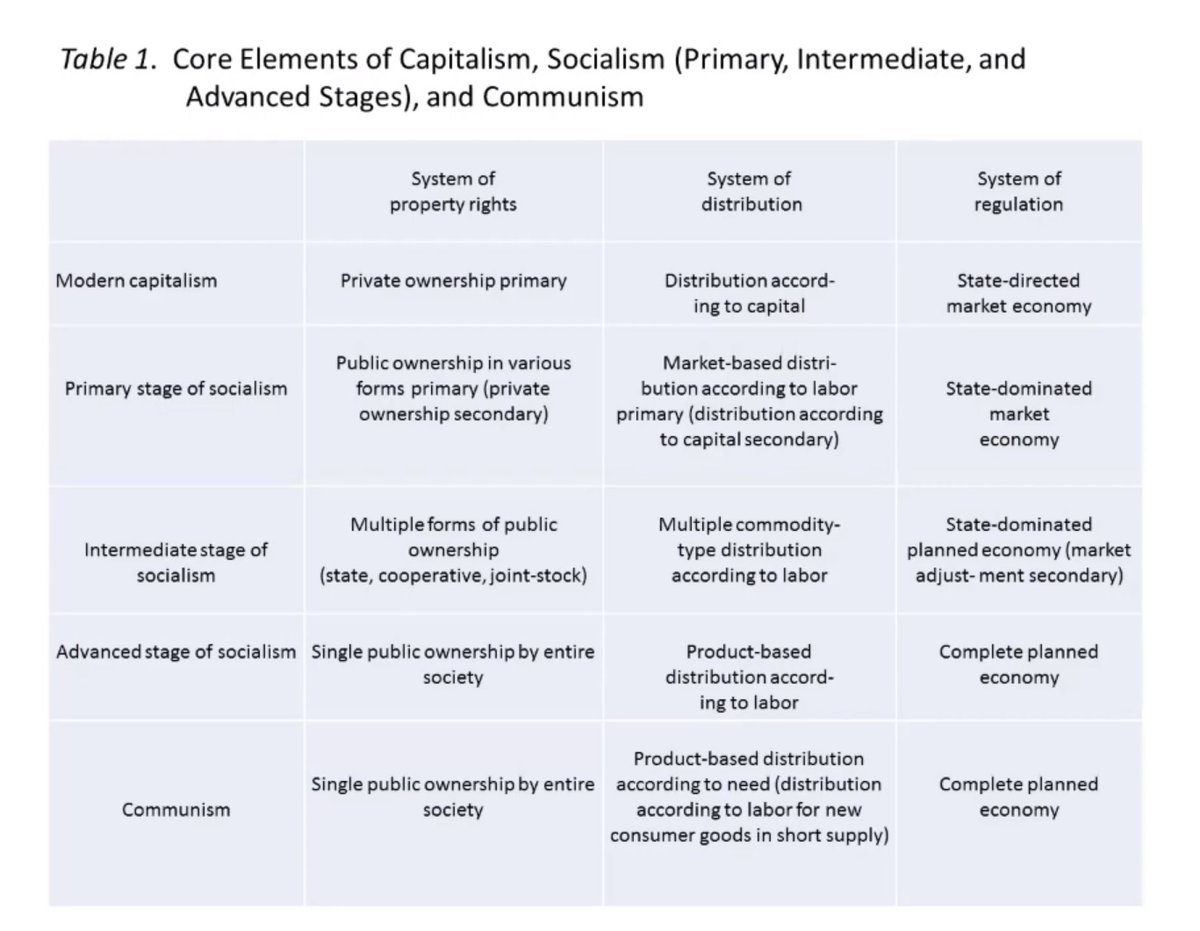
This is the reason no one understands Diamat in the west: the people doing the explaining are degenerate idiots.

tired of explaining diamat from now on I'm just showing people this picture

5
6
97
3,410
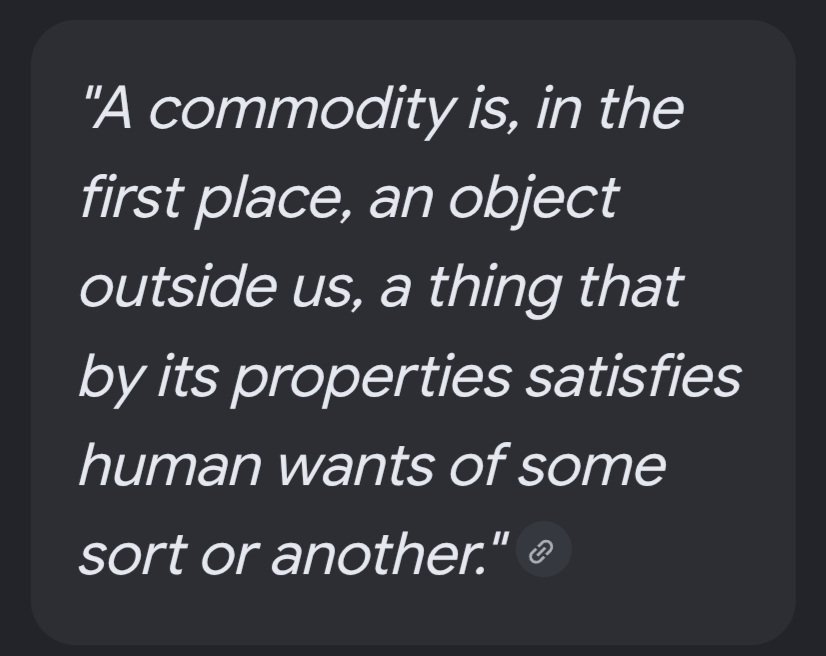
Maybe the dumbest thing some Trotskyist (this is an RCI guy) has ever said, which is amazing because I've had a lifetime arguing with these idiots.
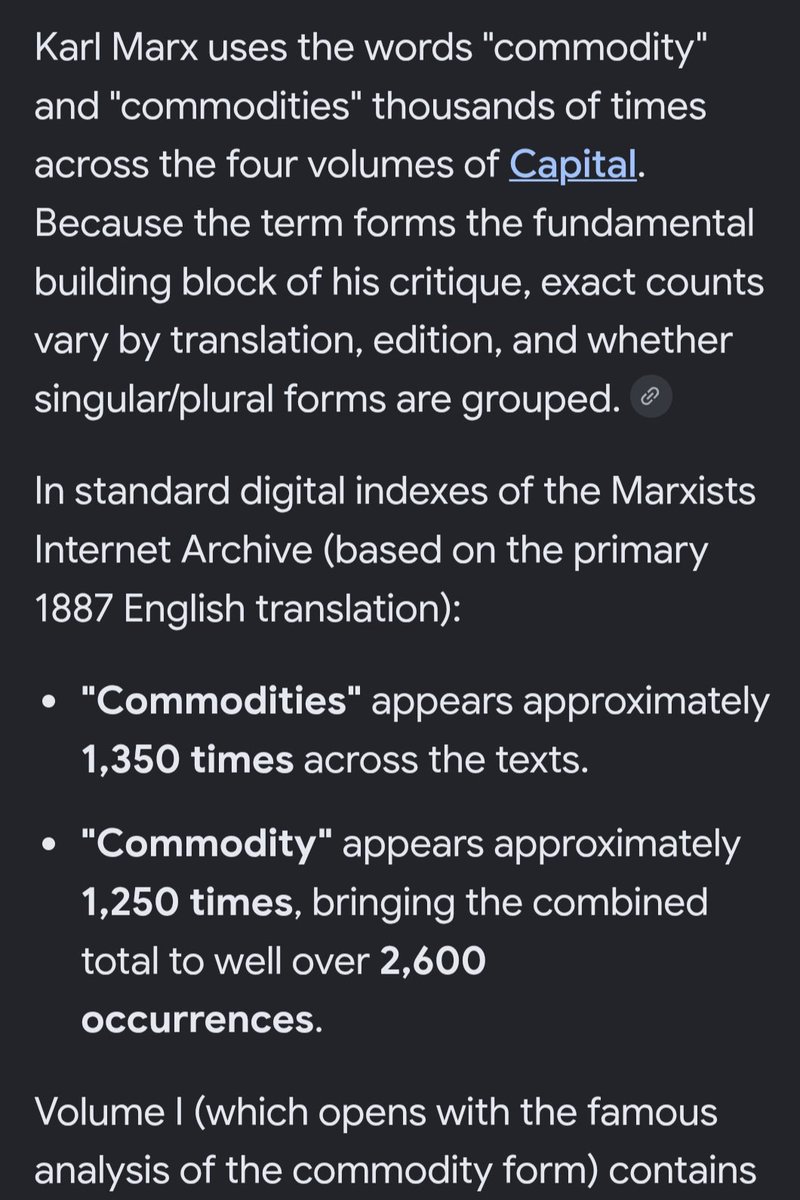
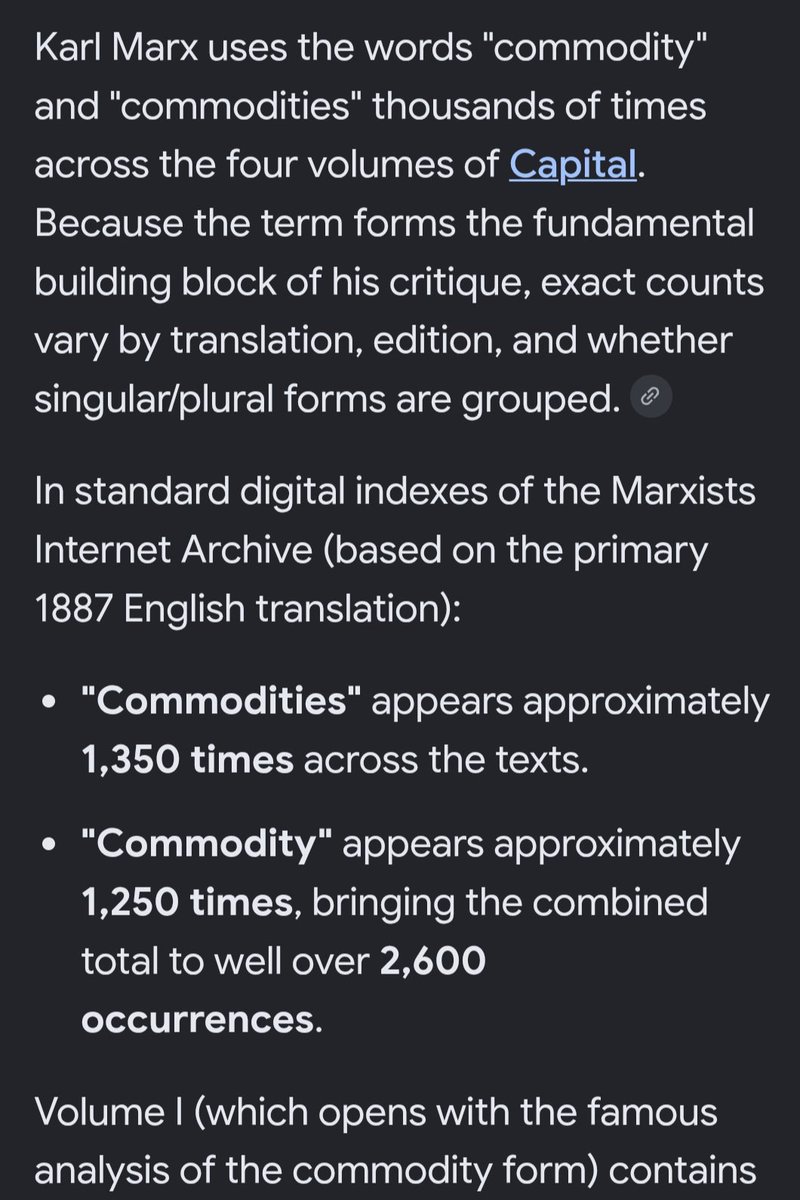
Marx spent his entire life analyzing commodities, but to the western left they are unimportant and it's anti-Marxist.
I give up and resort to public humiliation to reach these sub-humans.

The fact all you care is about commodities shows you're just bourgeois.
Give it up morlock, you're as far from communism as it gets
8
4
64
1,625
Jun 13
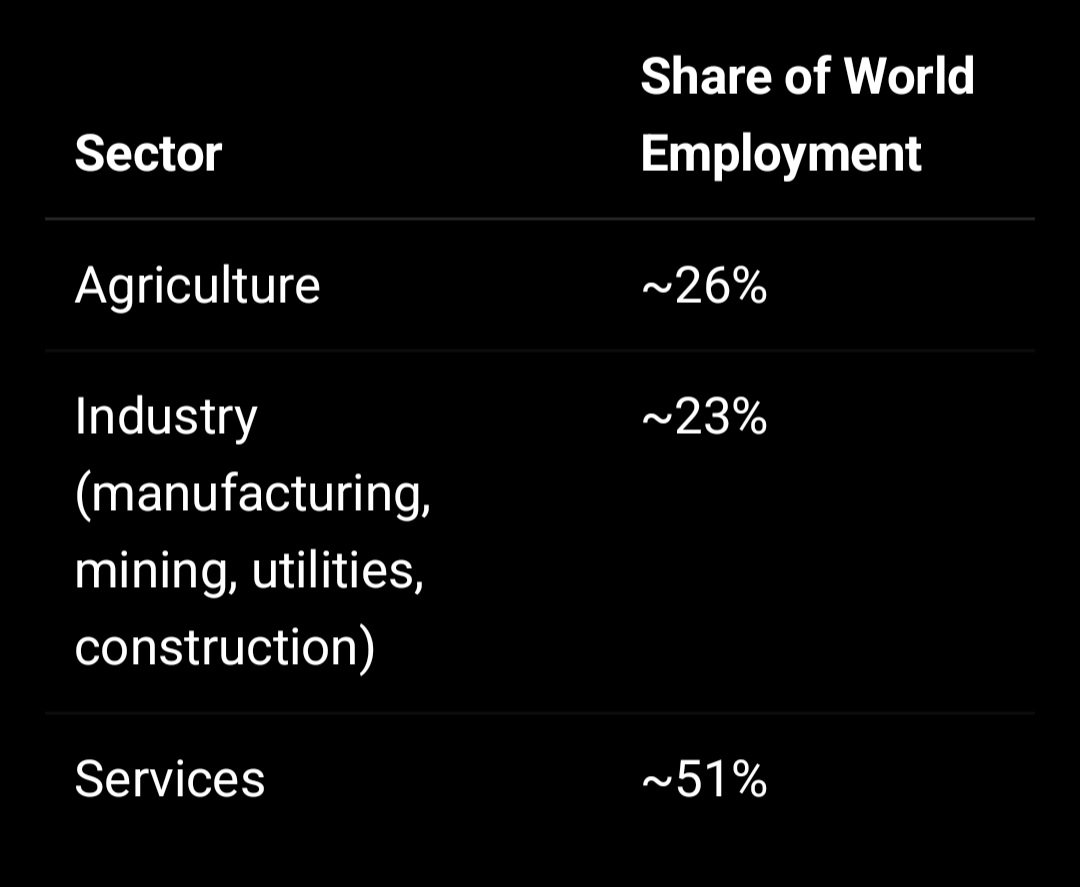
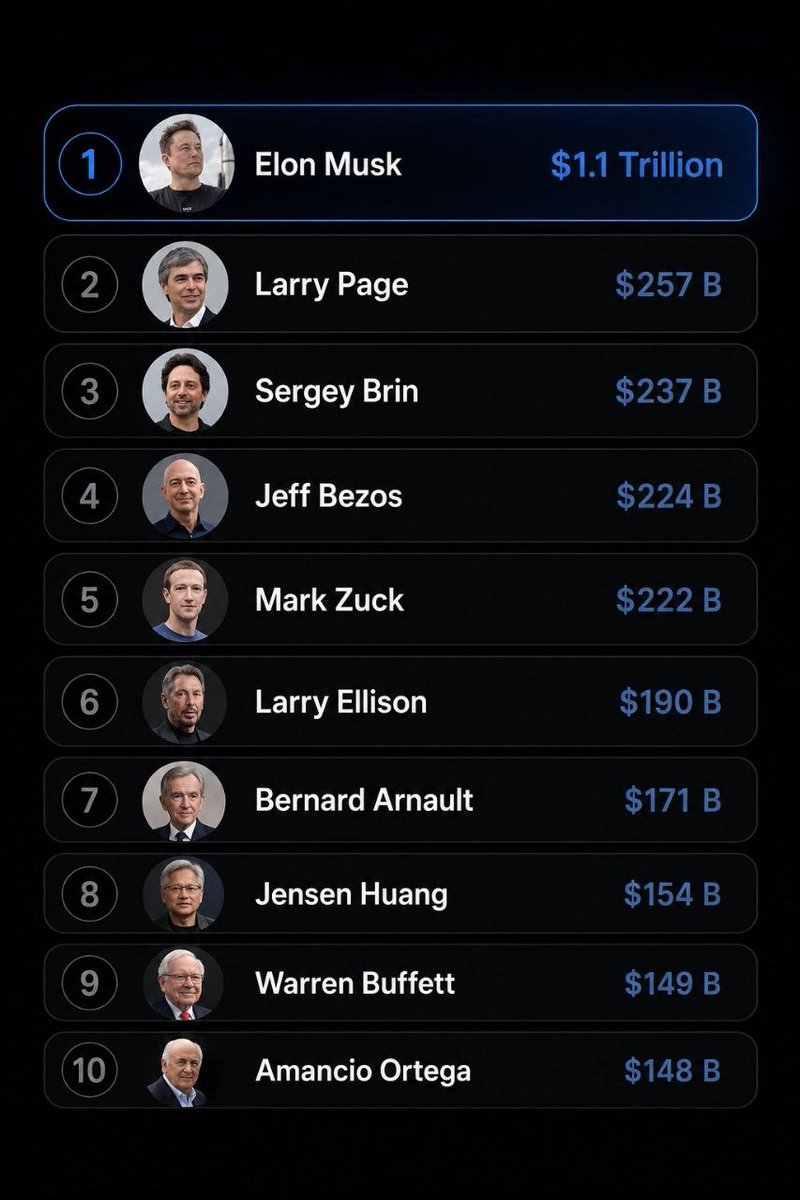
Who cares. The real question: where are the actual producers of something real that benefits and advances humanity?

16
42
331
7,344
Jun 13
It's hilarious that the last guy in America making anything (a crappy electric car and rockets that go up and down and explode) is the richest man in modern history.
Obviously it means nothing as Musk is a pawn for the rentier bourgeoisie economic order of the dollar, but it still is funny that some marginally productive guy (who couldn't hold Henry Ford's jock strap) is the king of oligarchs.
They must hate this intrinsically- they wanted a bastard unproductive chump like Zuckerberg or Ellison, not the vaguely Nazi Boer autistic engineer guy who "pulled up the ladder" better than any other boomer.
Still, they will take him...

2
10
94
2,494
Jun 12
You just described Marxism Leninism. The only substantive difference is that it's not ambigiuous. This science aufhebens all.
Jun 12

Things like MAGA Communism are supposed to be a weird novelty but they're exactly what you'd expect considering China's ambiguous position as both the left's model socialist state and the right's model capitalist dictatorship
3
5
74
2,065
Jun 12
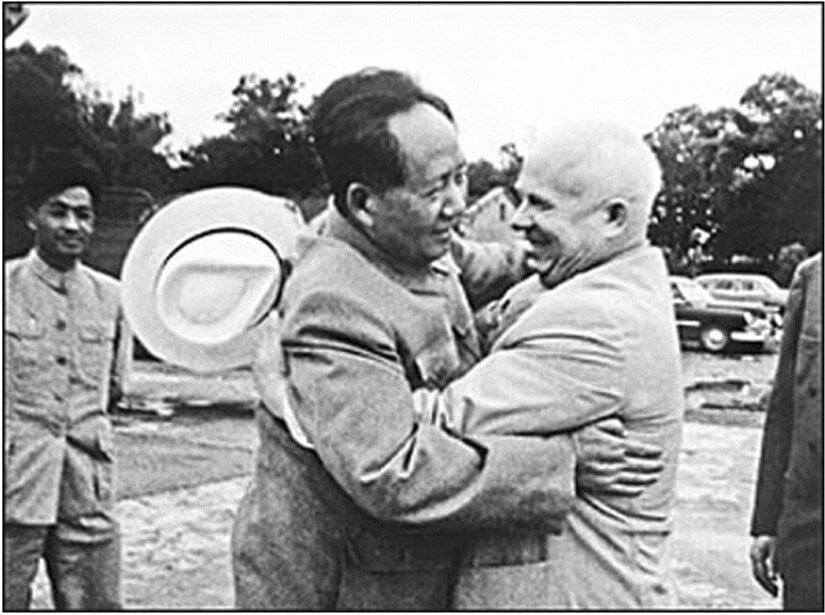
The quotation commonly attributed to Mao from a May 11, 1964 briefing with the leadership group of the State Planning Commission should be rejected outright. Not only is the sourcing weak but the content itself is fundamentally at odds with the actual line advanced by the Chinese Communist Party during the Sino-Soviet split. According to the commonly circulated version Mao supposedly declared that "the Soviet Union today is a dictatorship of the bourgeoisie, a dictatorship of the big bourgeoisie, a fascist German dictatorship, a Hitlerite dictatorship, and people are afraid to fight against it."
This is not a minor disagreement over wording. It is a claim that Mao had concluded by 1964 that the Soviet Union was essentially equivalent to Nazi Germany. If that had truly been the position of the CCP then it would have appeared throughout the major polemics of the period. It would have been a central theme of the Sino-Soviet split. Instead it is conspicuously absent from the documents that actually defined the dispute. The Chinese attacked Khrushchev for revisionism. They attacked peaceful coexistence. They attacked ideological concessions to imperialism. What they did not do was build their public case around the assertion that the Soviet Union had already become a fascist state.
The quotation also collapses under theoretical scrutiny. The Soviet Union in 1964 still maintained state ownership of industry, central planning, collective agriculture, and the political monopoly of the Communist Party. One may criticize the Soviet leadership. One may criticize revisionism. One may even argue that capitalist tendencies were emerging. None of this amounts to a "Hitlerite dictatorship." Such language is not Marxist analysis. It is polemical excess.
The more likely explanation is that this quotation achieved prominence not because it reflected the real content of the Sino-Soviet dispute but because it served a political purpose during the Cold War. Western intelligence agencies and anti-communist institutions spent decades exploiting divisions within the international communist movement. The Sino-Soviet split was one of the greatest strategic victories ever handed to the West. Any narrative that transformed ideological disagreements into permanent hostility between communist states objectively served that goal.
It is therefore not accidental that some of the most extreme anti-Soviet formulations found fertile ground in sections of the New Communist Movement in the West. By the 1970s and 1980s entire organizations were defining themselves less by their commitment to socialism and more by their opposition to actually existing socialist states. Weakly sourced quotations became weapons. Historical nuance disappeared. The purpose was no longer to understand the split but to deepen it.
In this sense the quotation functions as a wedge. Whether fabricated, embellished, mistranslated, or simply repeated without verification, its role has been the same. It encourages Marxist-Leninists to view the Soviet experience not as a complex historical question but as something equivalent to fascism itself. That framework was enormously useful to the enemies of socialism. It transformed disagreements within the communist movement into irreconcilable camps and helped reproduce decades of sectarian division.
The fact that this quotation remains popular despite its weak documentary foundation is itself revealing. It survives because it serves a factional purpose. It provides a convenient slogan for anti-Soviet polemics. It reinforces narratives of Marxist-Leninist disunity that have circulated for generations.
Nikita Khrushchev was an idiot but fantasizing and larping western org views of the Sino-Soviet split hyperbolically is for the usual blue hair crowd looking to turbo larp water under the bridge.

According to Chairman Mao this is what happened after Stalin died:

3
14
67
2,898
Jun 12
What does this have to do with the ACP? Random anonymous furry anime pfp gets boosted to spread baseless lies, shocker.

Pov: acp member
2
4
39
719
Jun 12
RCA has no street protest game, it's dominated by the other Trots (PSL through ANSWER) and they have nothing to show for playing Marcy's permitting racket. Add to this protests outside of DNC staged events have produced zero, including the largest pre 2019 protest in 2006 that achieved 750k marching in San Francisco.
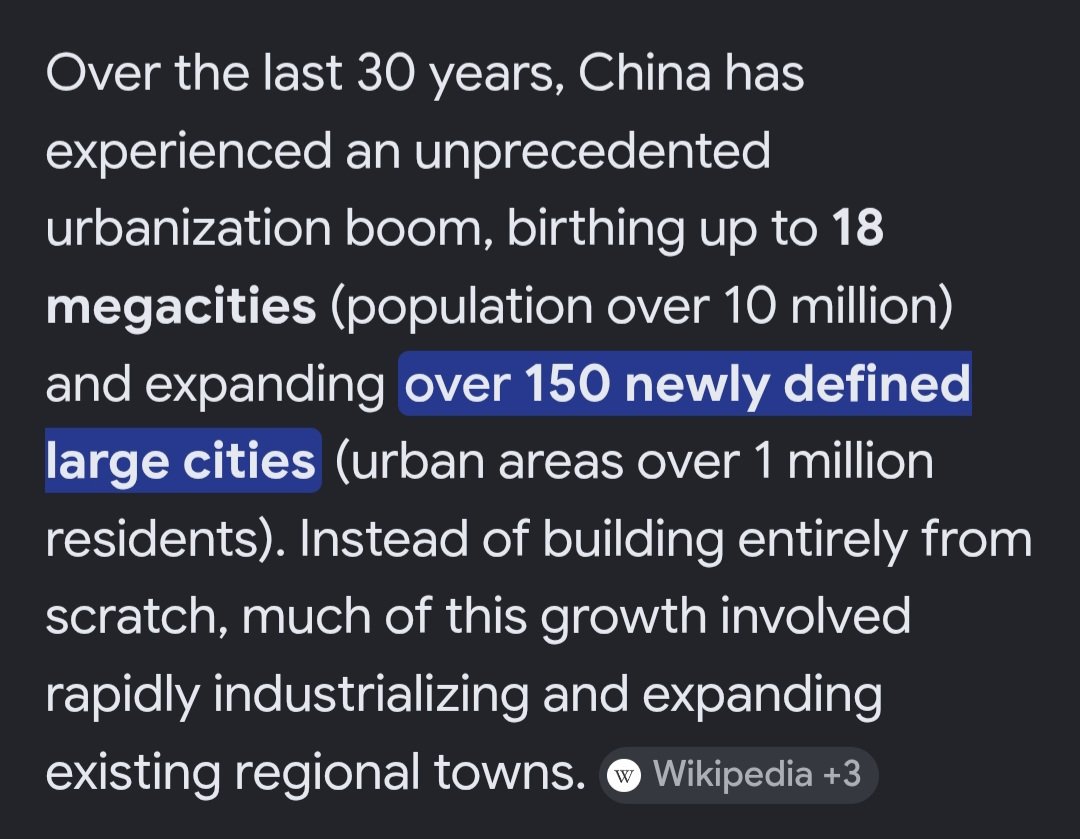
Big fat zero for a simple reason: urban centers produce nothing and are mass consumption points. Suburban sprawl contains the mass of manufacturing, if there is any left. The rural areas food production is far too spread out to control.
They found this out the hard way in France with the Gilets Jaunes, they could shut down Paris for months with zero real consequence for heavily insured corporations. They can shut down supply to meet the shut down of demand. Only when the yellow vests concentrated on rural and suburban roads and shipping did they win some concessions.
So protest is performative because it dosen't have any material consequences in our immaterial urban simulated lives. No production, no power.
Jun 10

As nice as this sounds, no amount of charity work will overthrow the oppression of the billionaires. It is waste of time and resources.
Intervening in protests allows the revolutionary party to connect with the masses, spread the ideas of marxism, recruit, and even guide the movement of the masses if they are influential enough.
Picking up trash does none of that.
4
8
38
1,330
Chris Morlock retweeted

In the spirit of learning and accessibility, we have uploaded a free, full PDF of our "A Political Life" translation to a file-hosting website. Feel free to download and read!
pdfhost.io/v/9KdPNzwkz7_A_Po…
If you want to support our work, pick up a physical or Kindle copy on Amazon.

We are happy to announce our first translation is up on Amazon!
A Political Life, by Wang Huning
This is the first English translation of the memoir of one of the top eight leaders of China--a man sometimes called "Xi Jinping's Brain."
Check it out!
amazon.com/dp/B0H3R54X8T
1
2
6
504
Jun 11
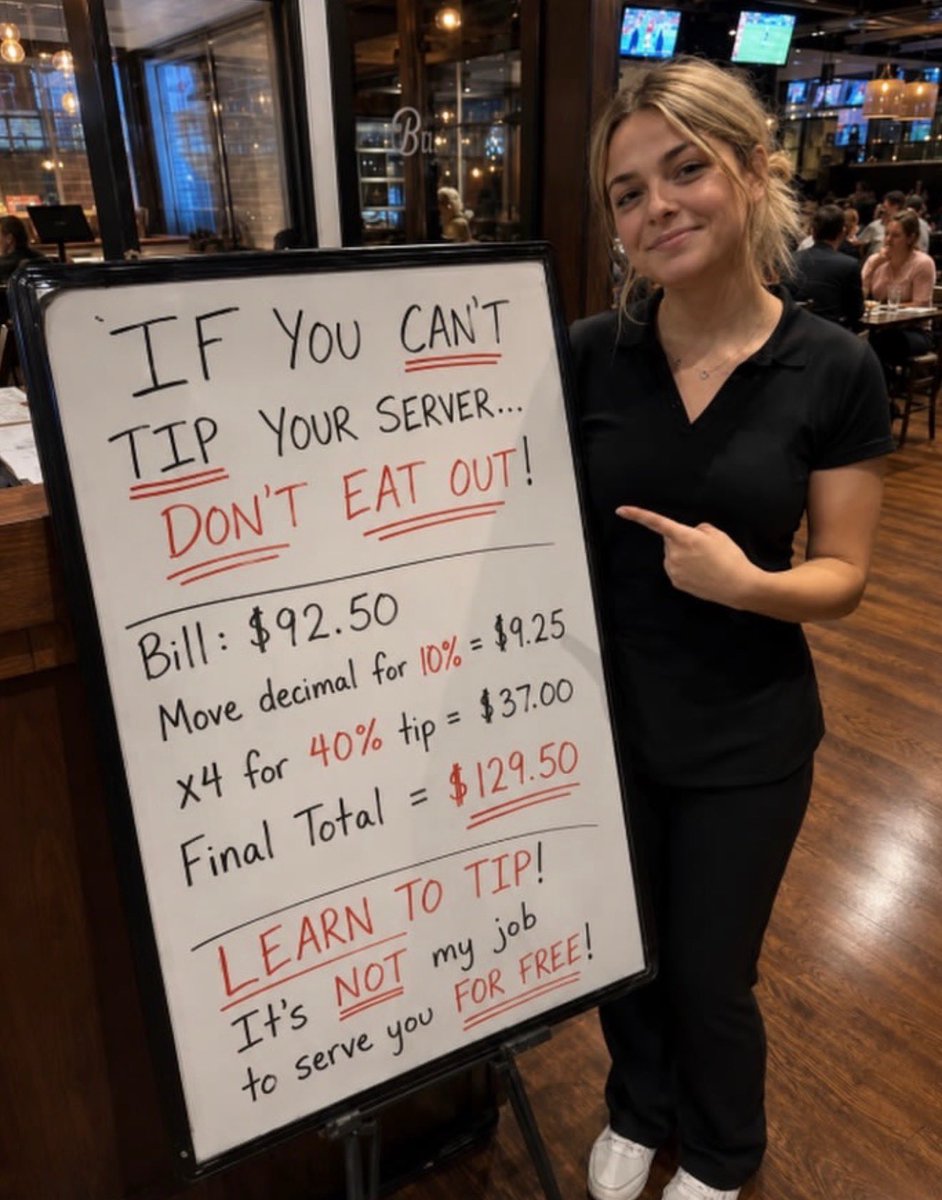
No one should have to beg like this. Legitimizing menial service based on voluntarism is beneath human beings. Communism will eradicate this.

Community note
This image depicts a staged sign created as rage bait for social media engagement. instagram.com/reel/DZOe_srhi… instagram.com/p/DYXC3Aojm-5
14
9
142
3,788
Jun 11
It's the same story. Everyone watch this excellent video and follow @redgod_wav & @Logo_Daedalus

4
17
108
2,505
Jun 10


3
4
66
1,644
Jun 10
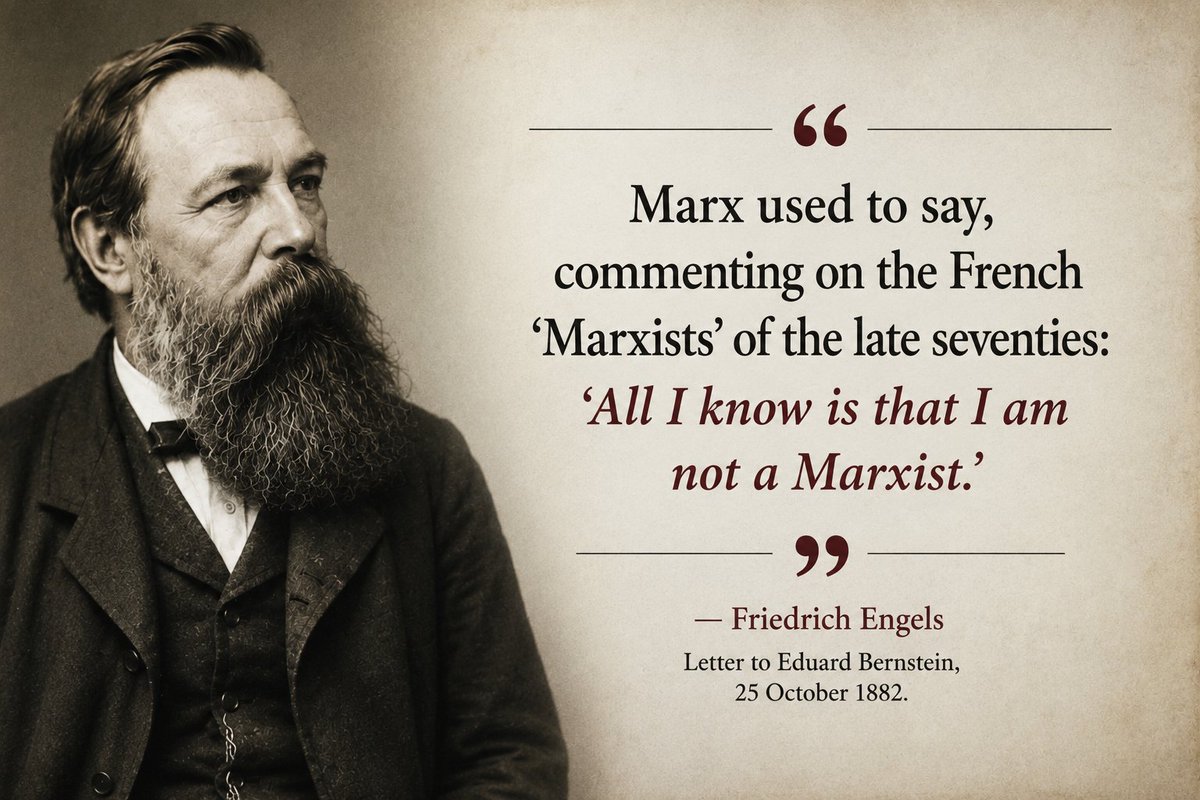
This is true. Having been in business and manufacturing for 20 years, having actually run businesses, almost all western Marxism operates off a simple implication of "profit appears". Given the audacity of this concept in the aggregate, it's clear 95% of IC Marxoids work institutional.
Even Marx himself suffers from some of this, having never made a profit in his life. But Engels is different, and the irony of both Marx & Engels work being funded from the Salford cotton mill is deep. Engels knew what production took.
Something like 80% of businesses fail, a quarter of the corporate economy is in a perpetual zombie state where it simply exists to service its own debt and can never grow. The "Pareto principle", or 80/20 rule, is another right wing trope that is also actually fundamentally true.
Say these things to Marxoids and its deer in headlights blank stares. It's clear that they know not production nor are aware of its brutal attrition - and their analysis is as usual detached from anything real.

I’ve still never seen a Marxist even acknowledge the concepts of risk or loss, probably because Marxism falls apart if profits aren’t a forgone conclusion.
9
11
118
4,867
Jun 10
You blame the legions of crappy Marxoids and "critical theorists" who turned inter-subjectivty into the religion of intersectionality and standpoint epistemology you can find baked into CNN these days for misinterpreting Gramsci (the "original" understanding itself a cherry picked new left 1970's translation that was completely biased)?
So some prison notebooks of a failed revolutionary who no one cared about for 50 years suddenly becomes fundamentally relevant to the New Left/NCM boomer run farce that was the 1960's and that writing is good, we must return to it and "reinterpret it"?
Such are the re-runs and mental gymnastics of western Marxoidisms. People were never relevant in their time being resurrected to be resurrected because we got it wrong the first time around...
Jun 10

I’m a Gramsci defender but I blame the Gramsci hate more on Gramsci’s historical misuse (plus some misleading formulations in his work which do not take away from his work nevertheless) than I blame it on his haters themselves
4
2
34
1,224
Jun 10
The kicker is that these tendencies have a combined big fat zero to show for their efforts in the west. They sit in a class position of urban menial service to financial oligarchy prunarily made of university students.
They are just the biggest whiners and think their crying will cut them in on IP rents morally chiding real projects that exist. A license to judge and feel superior until they join the Democrats in their 30's. The Jouissance of being revolutionary while never actually being asked to do it.
A fat 401k and a life of middling austerity is waiting for those that just become libs and forget about the bullshit.

Maoists, Hoxhaists, Trotskyists, and Leftcoms should just place a revolver to their temple then click.
Debating them is a waste of time, if they wanna be depressed and blackpilled and think everything except their dead niche LARP sucks, then let them. Can't fix stupid.
7
4
50
1,556
Jun 10
True. The fascination with Gramsci in the west 1000x above his weight is completely silly. Intersubjectivity is a crutch when isolated.
Jun 10

> be gramsci
> continue with right wing shift in your party
> be thrown in prison
> write 800 pages of nonsense everyone pretends to have read
> die
> be an icon for liberals who larp Marxism
What does he even do
1
31
1,335
Chris Morlock retweeted

Jun 9
How crazy is it that the Hasan Piker, Bernie Sanders NATO left refuses to acknowledge this

41
201
871
15,696
Jun 10
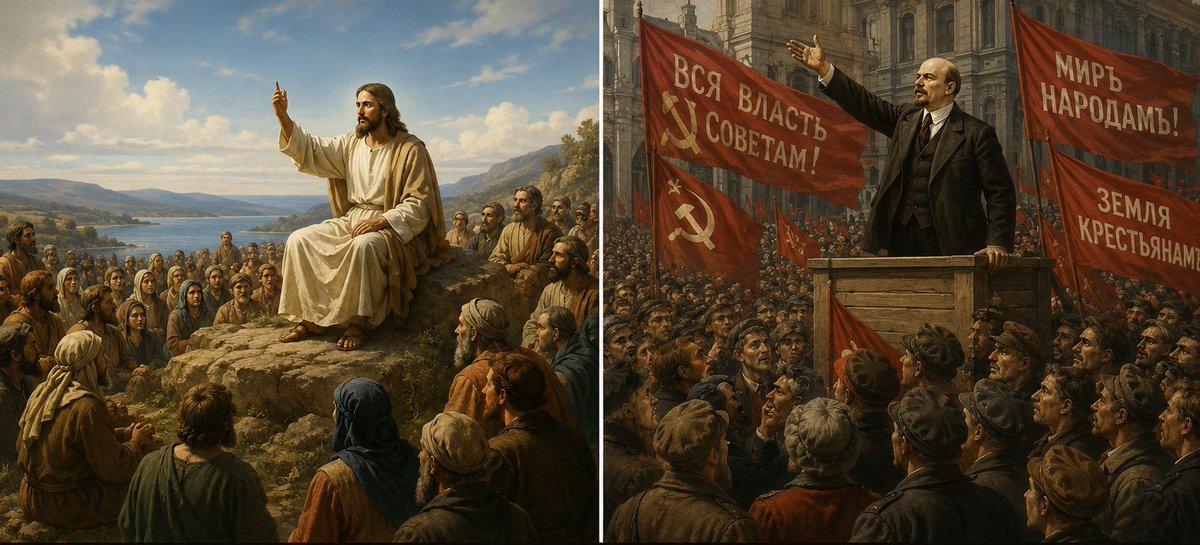
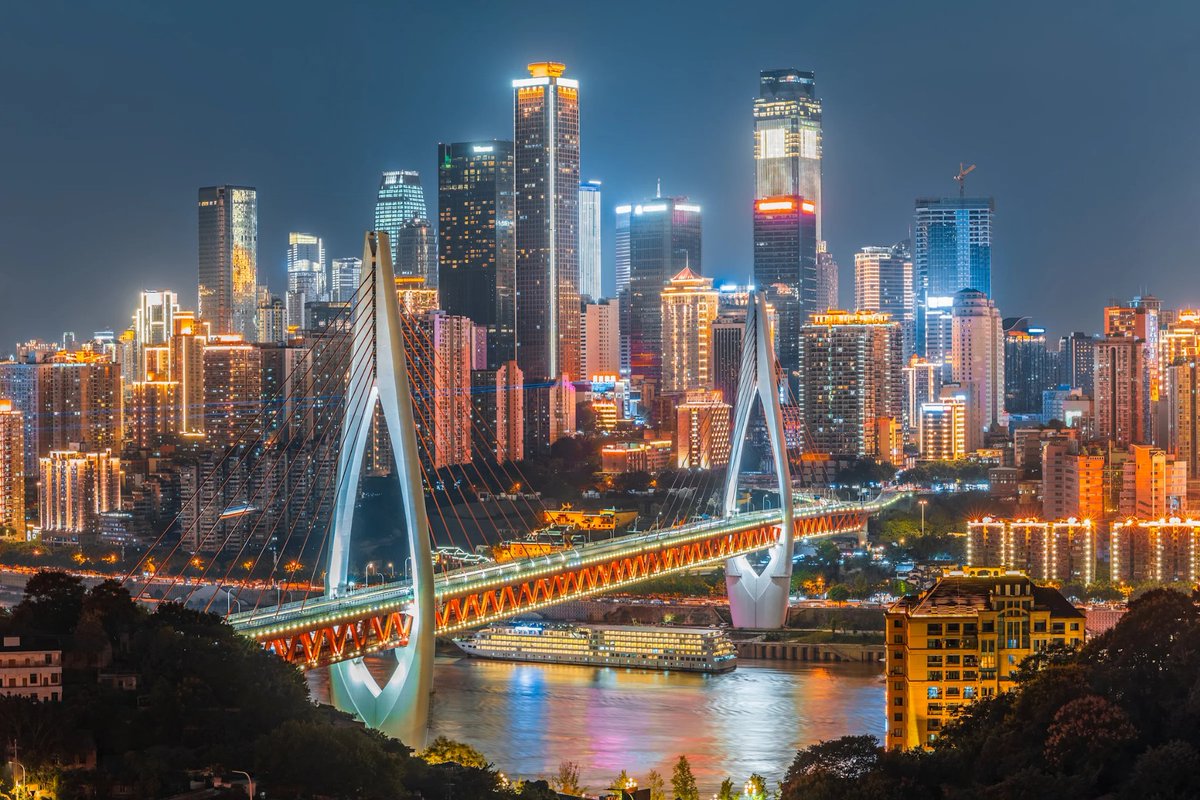
Fantasy vs. Reality.


1
3
45
1,672