
Joined June 2012
- Tweets 40,919
- Following 4,862
- Followers 64,368
- Likes 116,846
2,671 Photos and videos
Pinned Tweet

Jan 26
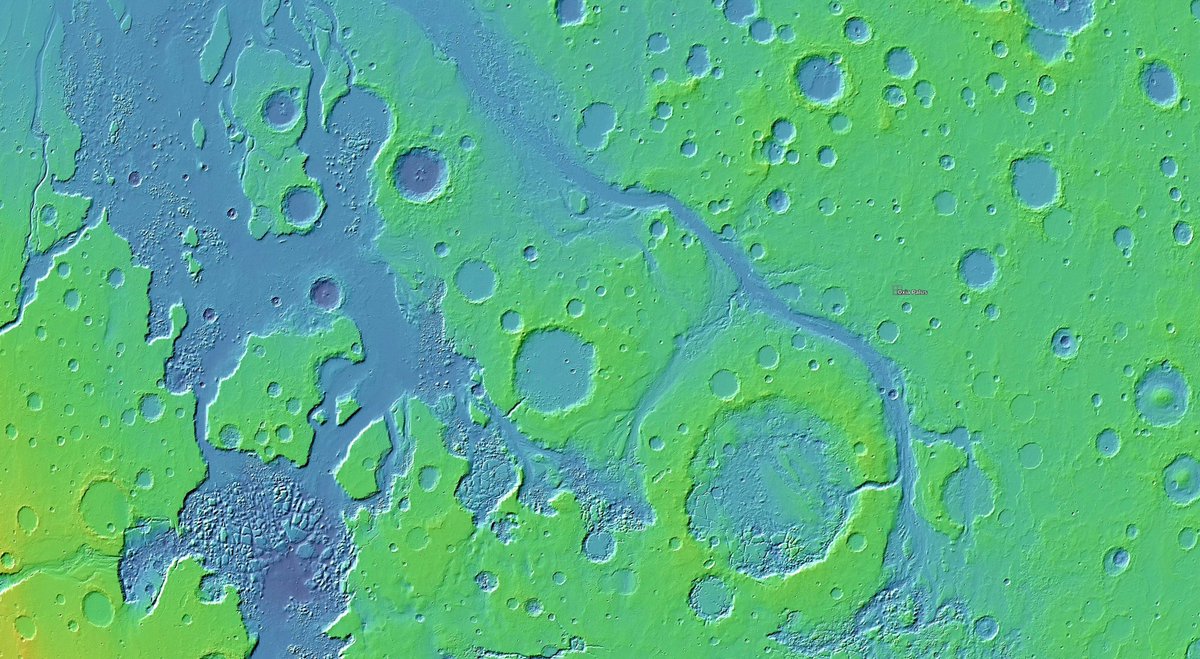
You can now enjoy a colored relief map render of this dataset streamed through Google Earth. Download the .kml file (drive.google.com/file/d/1bS1…) and open it in your Google Earth Pro client. Enjoy!
Jan 8

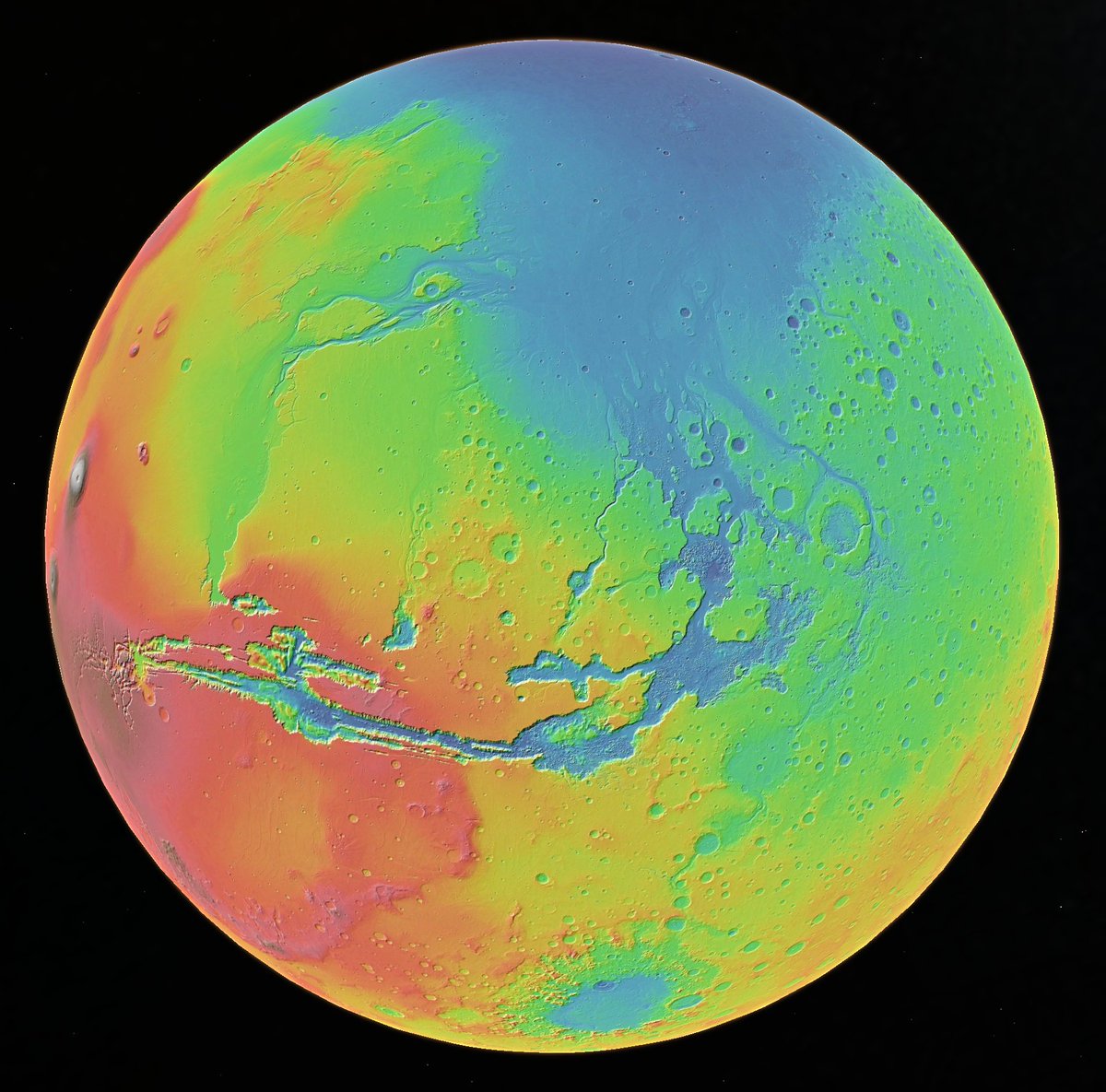
Okay team. Here it is. A 28 m resolution global map of the planet Mars, viewable on Google Earth. The starter version with just 271,790,899,200 pixels. One of the most beautiful things I have ever made. Please, enjoy!
drive.google.com/file/d/19So…
16
25
292
126,506
Jun 13
The lesson I take from the SpaceX IPO is that the only thing stopping us from solving arbitrarily difficult problems is extreme creativity in business models.
No amount of tax and spend programs got us reusable rockets and great electric cars. Customer delight is a necessary precondition for success.
There seems to be some discussion around whether successful entrepreneurs should give up control of their companies so they can subsidize some philanthropic venture that otherwise has no value prop sufficient to run it as a business where customers voluntarily exchange money for goods and services at a competitive and reasonable price.
This misses the point. Transformational products deliver tangible value at 1000x the rate of charities whose value cannot be tested in the market place. Think about the undeniable value of the smart phone, satellite Internet, electric consumer devices, etc etc.
I think the transformational moment for SpaceX was when Elon stepped away from the philanthropic Mars greenhouse concept and fixed his resolve on unlocking radically better rockets for humanity. The greenhouse would have been, at best, a neat trick. Falcon and Starship give humanity a durable economic engine to maintain and improve access to space, forever.
69
217
2,210
219,255

Casey Handmer retweeted

Jun 12
I was informed about car seats today
> new safety law is announced
> I ask the lady if it's actual safety or just rent seeking
> she doesn't understand
> I pull out diagram explaining what is safety and what is rent seeking
> she laughs and says it's good safety sir
> look inside
> it's rent seeking
26
49
2,083
85,746
Casey Handmer retweeted

Jun 12
Elon needs to start a campaign to vilify billionaires
66
75
2,619
90,399
Jun 12
A great update on the best way to scale up solar radiation management. Keep a lid on extreme temperatures, stabilize the ice sheets, bring down CO2, avoid deleting all the coastlines.

5
15
162
17,265
Jun 10
Going back for more, now a post about the Australian immigration system. The TL;DR: is just use a market-based mechanism to allocate scarcity instead of colossal torrents of bureaucratic process that have obviously failed.
caseyhandmer.wordpress.com/2…
Apr 21
Not content with kicking the hornet's nest just once, I have written another post about Australian policy, this time on its failure to aggressively modernize its defense force in response to four years of data from Ukraine and other contemporary theaters. Somehow, Australia manages to spend more on defense every year than the entire cost of the Manhattan project and produces essentially no determinative weapons systems internally.
caseyhandmer.wordpress.com/2…
2
2
35
4,576
Jun 10
Time to finally fix Trespasser!
Jun 9

Fable has solved 3D worldbuilding... utterly insane. This is all completely custom-built ThreeJs, running in the browser.
1
33
6,164
Jun 9
Has anyone put a hydrofoil on an e-bike? I'm ready for the amphibious riding experience.
9
46
5,492
Jun 9
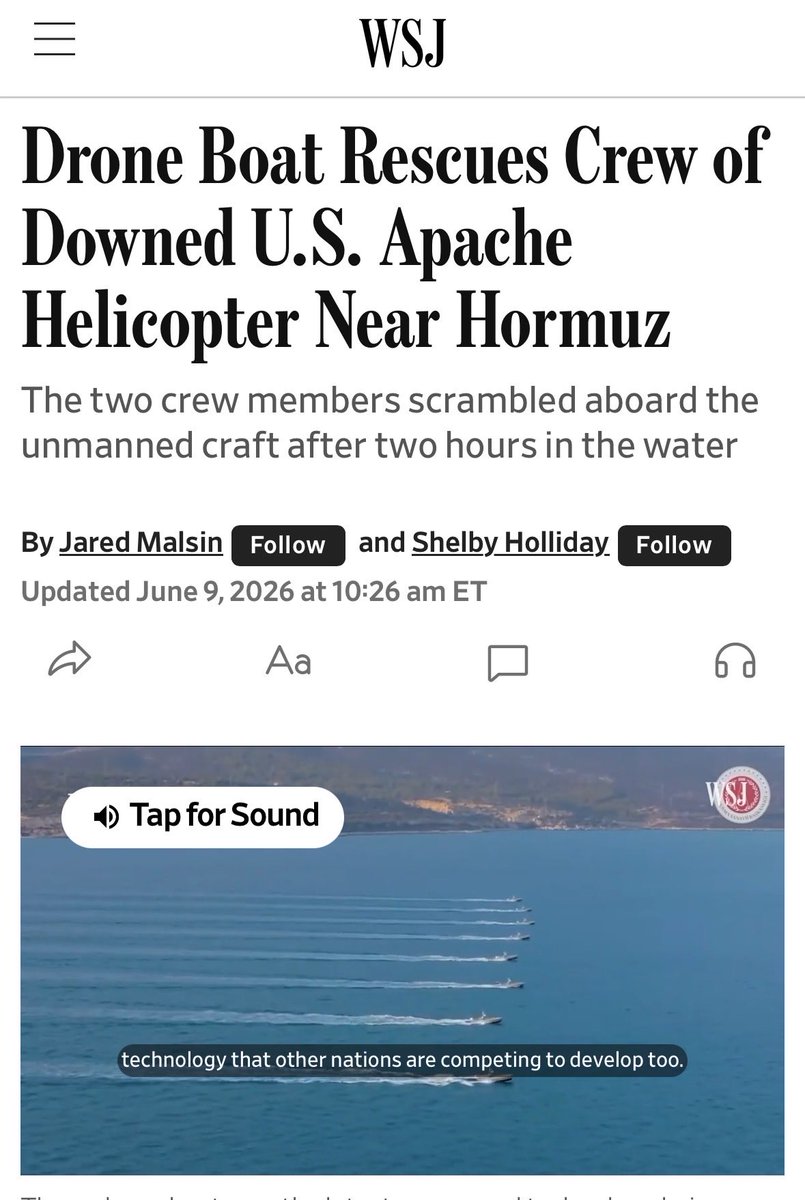
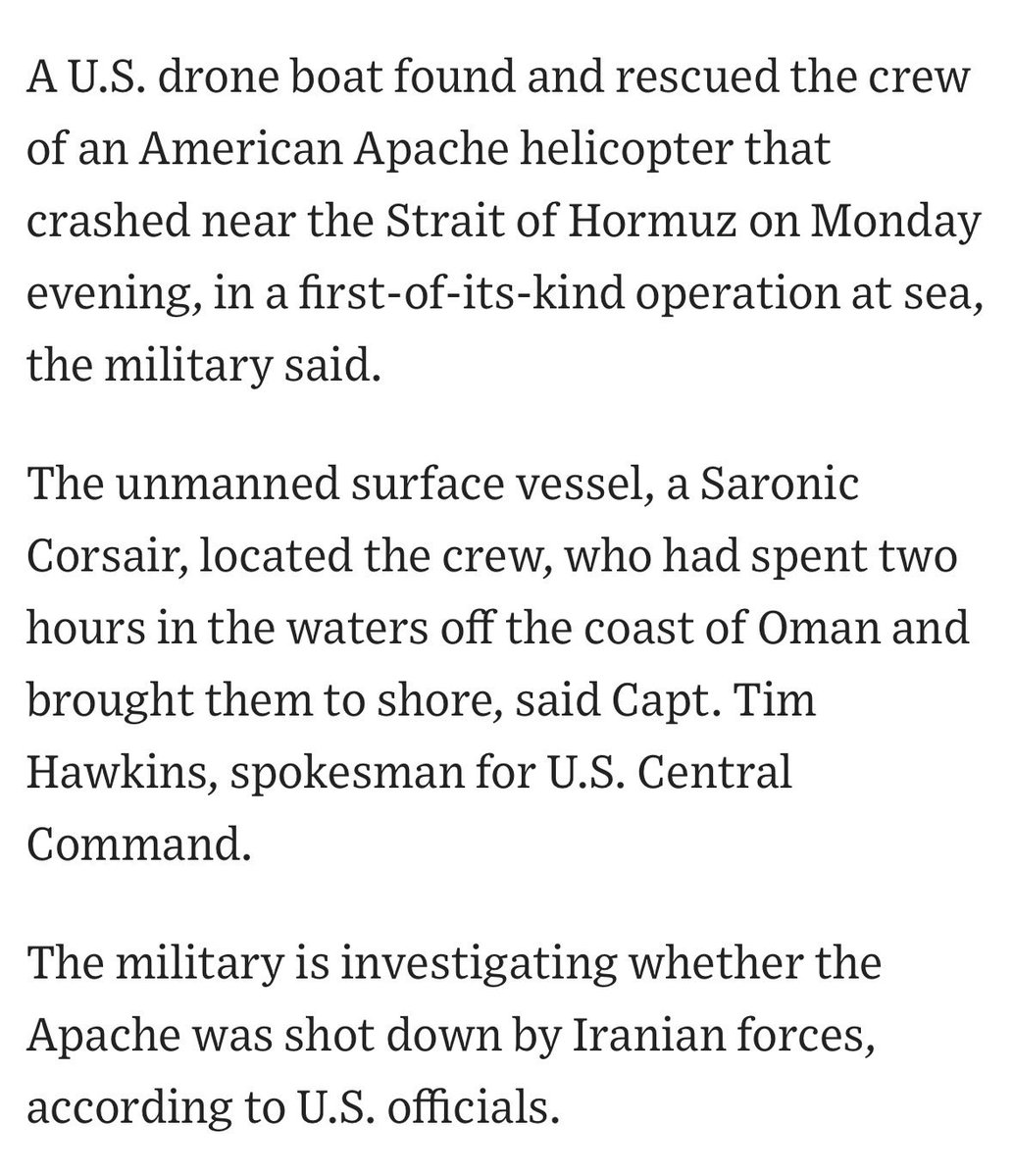
This entire event will be confusing as hell for posterity.
"What do you mean you used a robot boat to rescue two human helicopter pilots in a war zone?"
"Ha ha gramps, you had robot boats but not robot helicopters that's a good one."
Note that Homer's depiction of war chariots also doesn't quite make sense.
Jun 9

This was an absolutely massive win for @Saronic
And by extension the broader US Defense Tech Ecosystem
And also the American Warfighter
I’m not an investor in Saronic but believe in giving praise when it’s due
Bravo 👏
6
5
227
21,199
Jun 9
I guess I should tell a VC horror story. I probably shouldn't say who but I was invited to breakfast with a guy who invented the web browser, ostensibly to discuss American Dynamism and synthetic chemistry.
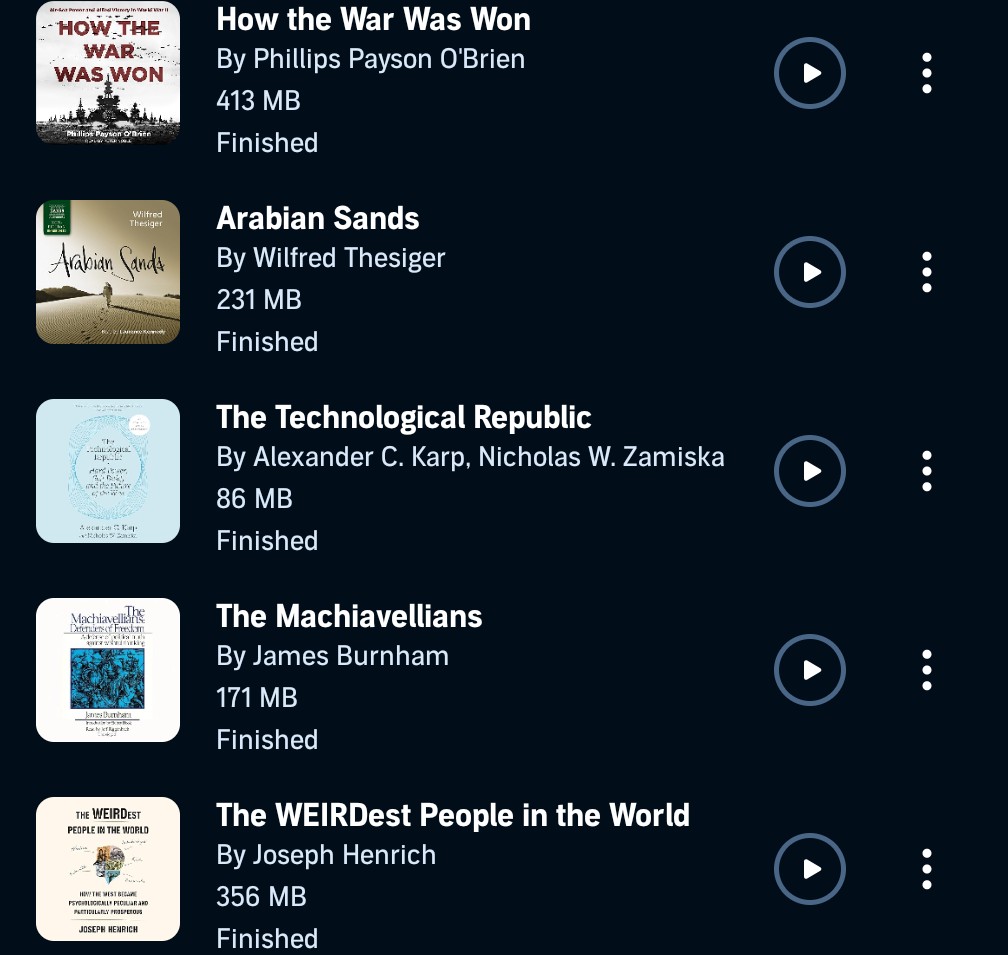
Anyway, what I thought was a brief warm up discussion turned into a high speed monologue on James Burnham that was so long I lost all sense of space, time, and feeling in my lower legs.
You might think there's only so much that can be said about James Burnham but that is incorrect. It turns out to be the Oracular source of write only line noise that powers all of SSL/TLS on the modern Internet. SpaceX makes about a billion dollars a year just retransmitting the self-encrypting ideas of Burnham back and forth through the atmosphere.
This incidentally also disproves Dark Forest Theory and solves the Fermi Paradox.
30
8
485
119,843
Jun 9
Granite Act Now!
Jun 8

Our statement on the UK government’s demand that all content on all devices sold or used in the country be scanned, on the presumption of nudity, using a dystopian combination of age verification and content scanning. This proposal will not safeguard children. It endangers us all.
signal.org/blog/pdfs/2026-06…
7
87
10,949
Jun 8
Australia can double its birth rate with two changes: double the number of houses, halve the number of taxes.
Jun 7

Australia’s fertility rate has plummeted.
They’ve hit the lowest rate in history at 1.48 — well below the 2.1 replacement rate.
The average age of mothers was 25 in 1971, and now it’s 32.
This is a human catastrophe.
18
11
222
22,277
Jun 8
It's not hard to get a Russian visa. $100 for business visa and invitation.

Have said for years that Russia should abandon strict reciprocal visa rules and make it as easy as possible for Westerners to visit. Let people see Moscow, Petersburg, Novogorod, Kazan, Sochi, Lake Baikal and ordinary Russian life for themselves, without the filter of relentlessly hostile Western media.
It would be good soft power and a useful source of foreign currency revenue.
The best propaganda is no propaganda at all. Just open the door.
3
30
9,707
Jun 7
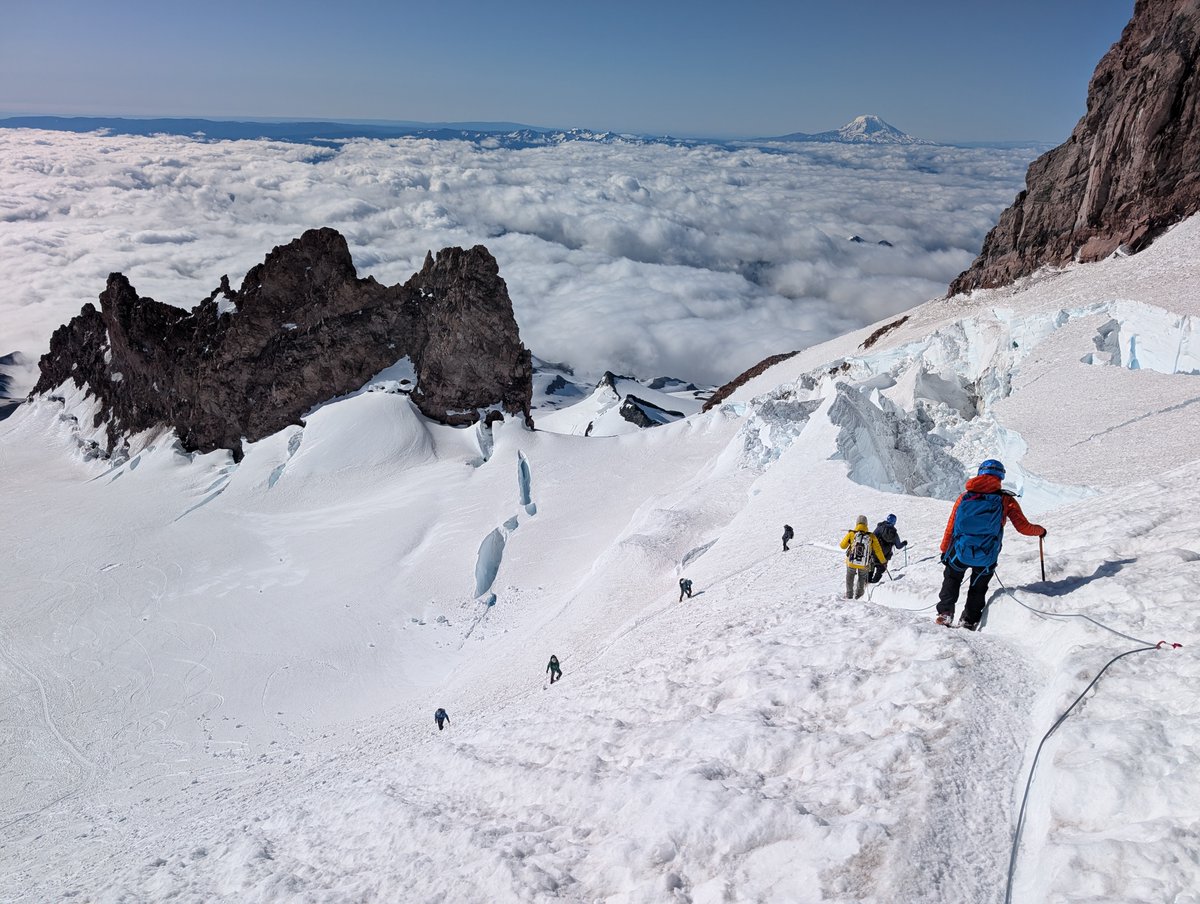
Last week with some hiking buddies of mine from grad school we took a crack at Mt Rainier. On summit day it was too windy to get to the tippy top but we did get to clamber across crevasses and watch the alpen glow refract through the glacier, compare stats on our respective exercise watches, compare injuries of age, experience hypothermia and hypoxia simultaneously, and tell outrageously tall stories of semi-mythical past exploits, back in the time before mobile phones and satellite internet. In short, it was grand.
Enough recreation and relaxation, back to re-industrialization!
11
4
435
16,834
Jun 6
If you think about flood control tech that doesn't involve dams a radically better future is possible.
It does involve a parallel underground canal system.

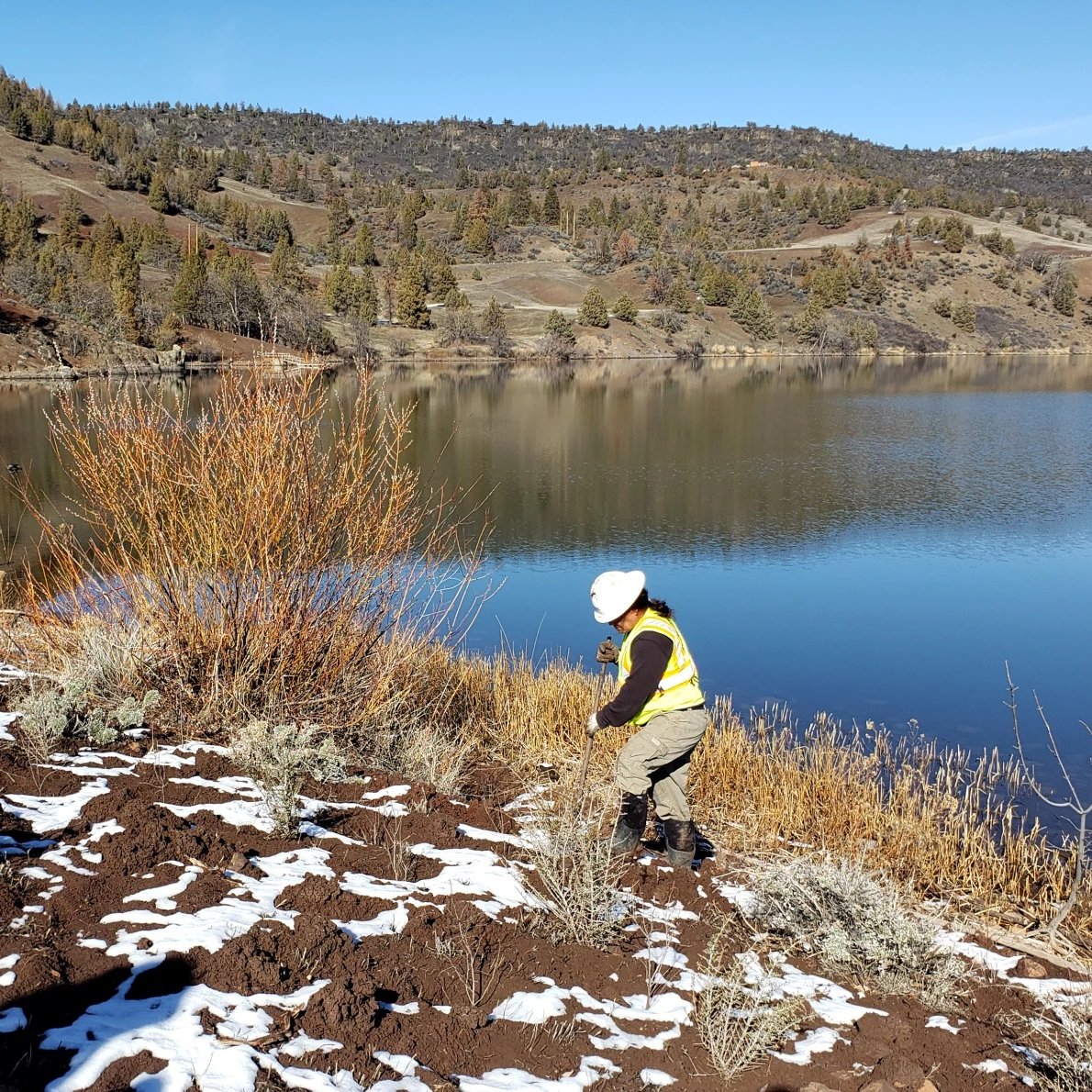
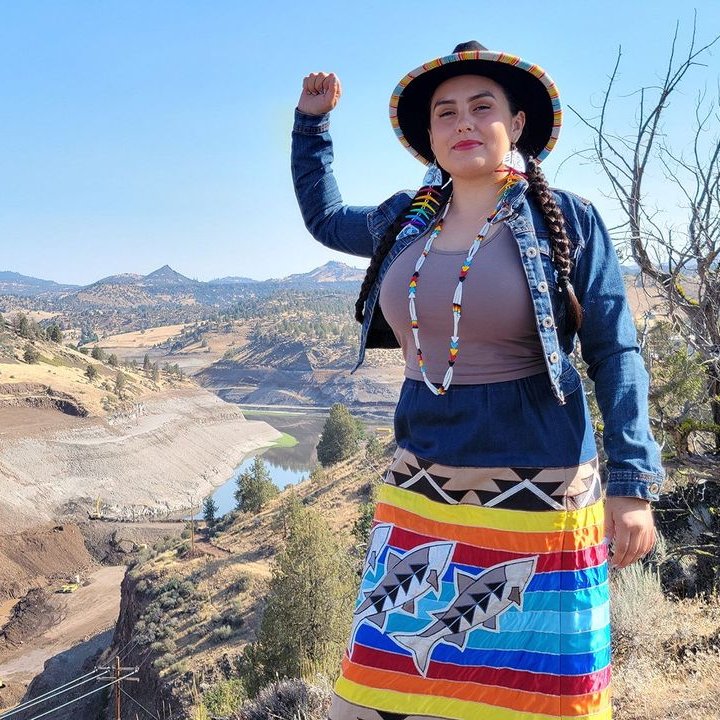
After the dams came down on the Klamath River, the Yurok Tribe didn't wait for nature to fix itself.
For decades, four hydroelectric dams turned a living river into stagnant reservoirs. They blocked salmon and steelhead from 400 miles of spawning grounds, fueled toxic algae blooms, and raised water temperatures past what the fish could survive.
When the last dam came down in late 2024, the river ran free again. But the exposed reservoir beds, 2,200 acres of bare sediment, were unstable and wide open to invasive species.
So the Yurok Tribe got to work. Along a 38-mile stretch, tribal crews hand-sowed billions of native plant seeds, planted 76,000 trees and shrubs, and seeded 28,000 acorns.
Nearly 100 native plant species. All by hand. All from seeds collected locally and grown out specifically for the restoration.
It's already working. Salmon are spawning in the Upper Klamath Basin for the first time in over a century. Lupines and willows are stabilizing the banks. The river is breathing again.
The Klamath is now the largest dam removal and river restoration project in US history, and the people doing the heaviest lifting are the ones who have lived along that river for thousands of years.
8
3
101
19,842
Jun 6
No-one does it like Ti. Let's reshoot 2001 while we're at it.

Set is ready @ElonMusk
We built it 25min from downtown Austin and can shoot anytime in the next 7 days on 1h notice.
Humanity is on the verge of becoming a multi-planet species and spacefaring civilization.
My goal with this interview is to help people viscerally feel what that future is going to look like and get everyone excited to help build it.
2
5
214
14,733
Jun 6
Australia needs twice as many houses and half as many taxes.
Jun 5

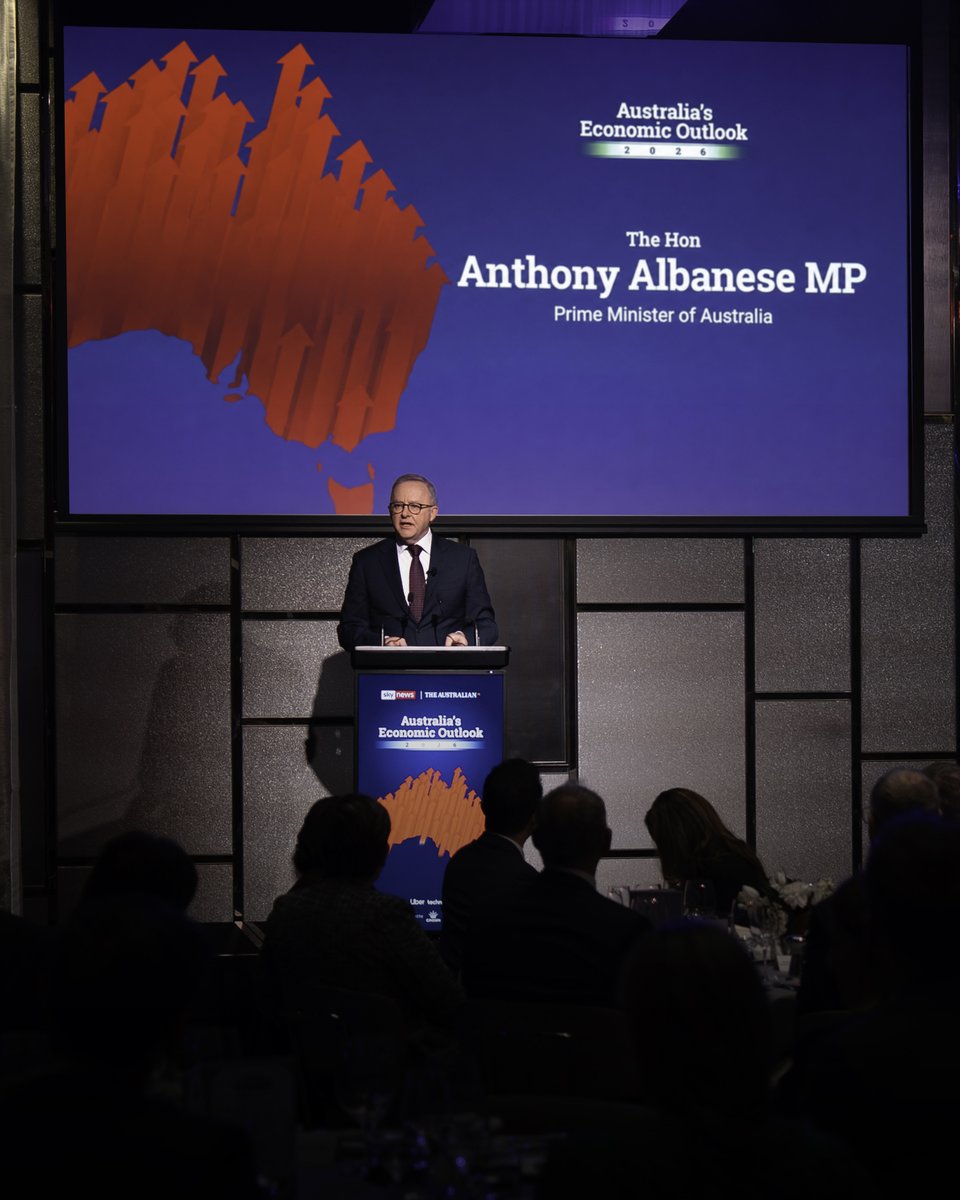
The changes the Howard Government made in 1999 to Capital Gains Tax were supposed to boost investment in the share market.
Instead, they turbo-charged property as an investment vehicle.
And that fundamentally altered the equation for first home buyers – and for young Australians.
Since 1999, house prices have risen by over 400%. More than twice as fast as average incomes.
And in the same period, home ownership rates for Australians aged between 25 and 34 fell by 7% points.
It is no wonder that more and more young people – and indeed their parents and grandparents - have been worrying they will never own a home.
That feeling of having the deck stacked against you is only magnified when young Australians turn up to an auction and get outbid by property investors being given a leg up from the tax system.
Our reforms to negative gearing and capital gains tax remove these distortions.
Bringing more first home buyers back into the market.
4
4
62
6,992
Jun 6
The bear case for SpaceX is that we humans don't find a way to feed AIs with space solar power and instead they convert Earth's crust into solar powered computronium, which will cause ... problems for agriculture. Among other things.

Harnessing even a millionth of the Sun’s power, which is extremely difficult, results in an economic value far more than a million times than that of Earth’s current entire economy
15
4
102
10,716