Joined January 2012
- Tweets 3,629
- Following 790
- Followers 135
- Likes 79,568
4 Photos and videos





Cindy Sobota retweeted

Jun 14
(The phone rings.)
Cashier: "Hello, [Name] Pizza... Oh, f***, not again."
(She hangs up. A few customers come and go, and the phone rings again.)
Cashier: "Hello, [Name] Piz- f*** this!"
Customer: "Hey, lady, problem with the phone?"
Cashier: "Some sicko keeps calling from a blocked number and making creepy comments."
Customer: "Hang on. I gotta go find my friend."
(He pays and leaves... and comes back with a 6'8" NYPD cop.)
Cop: *with a minor Russian accent* "I hear you're having a problem with a caller?"
Customer: "No, no. Do the accent! Make it f***in' scary!"
Cop: *in a deeper voice with a thick accent* "Excuse me. I hear you have problem with caller?"
(The cashier explains. The cop orders a slice of pizza and he and his friend sit and chat for a few minutes. Then the phone rings.)
Cashier: "It's a blocked number!"
Cop: *on the phone, with the accent* "Hello.... You are thinking my body is what? I am thinking your body probably very fragile. Very easy to- Oh, he hung up."
(They stare at the phone a few minutes.)
Customer: "Problem solved?"
Cashier: *to customer* "So... is your buddy there single?"
Cop: *in accent* "Boris have many women. All are love him!"
Customer: "You're married and your name isn't Boris!"
Cop: "Boris is name of accent. Has life of its own."
1
54
992
23,178
Cindy Sobota retweeted

Jun 13
They don’t care for the poor.
They just envy the rich.

269
5,631
38,737
582,023
Cindy Sobota retweeted

Definitely

52
632
6,852
47,978

Cindy Sobota retweeted

Jun 2
How we got here.
1. "If only we didnt have to be in the closet, then we would be happy."
2. "If only we got some validation and representation in film and media, then we would be happy."
3. "If only we could marry each other, then we would be happy."
4. "If only we got a protected status from the government, then we would be happy."
5. "If only people would accept us for who we are, then we would be happy."
6. "If only people were compelled by law to join us in our fantasy and constantly validate us, then we would be happy."
7. "If only we could make people celebrate us for a whole month, then we would be happy."
88
350
1,923
49,917

Listen to every word from Henry Nowak’s father.
Its worse than we predicted.
He told police he was stabbed 4X and he couldn’t breathe 9X.
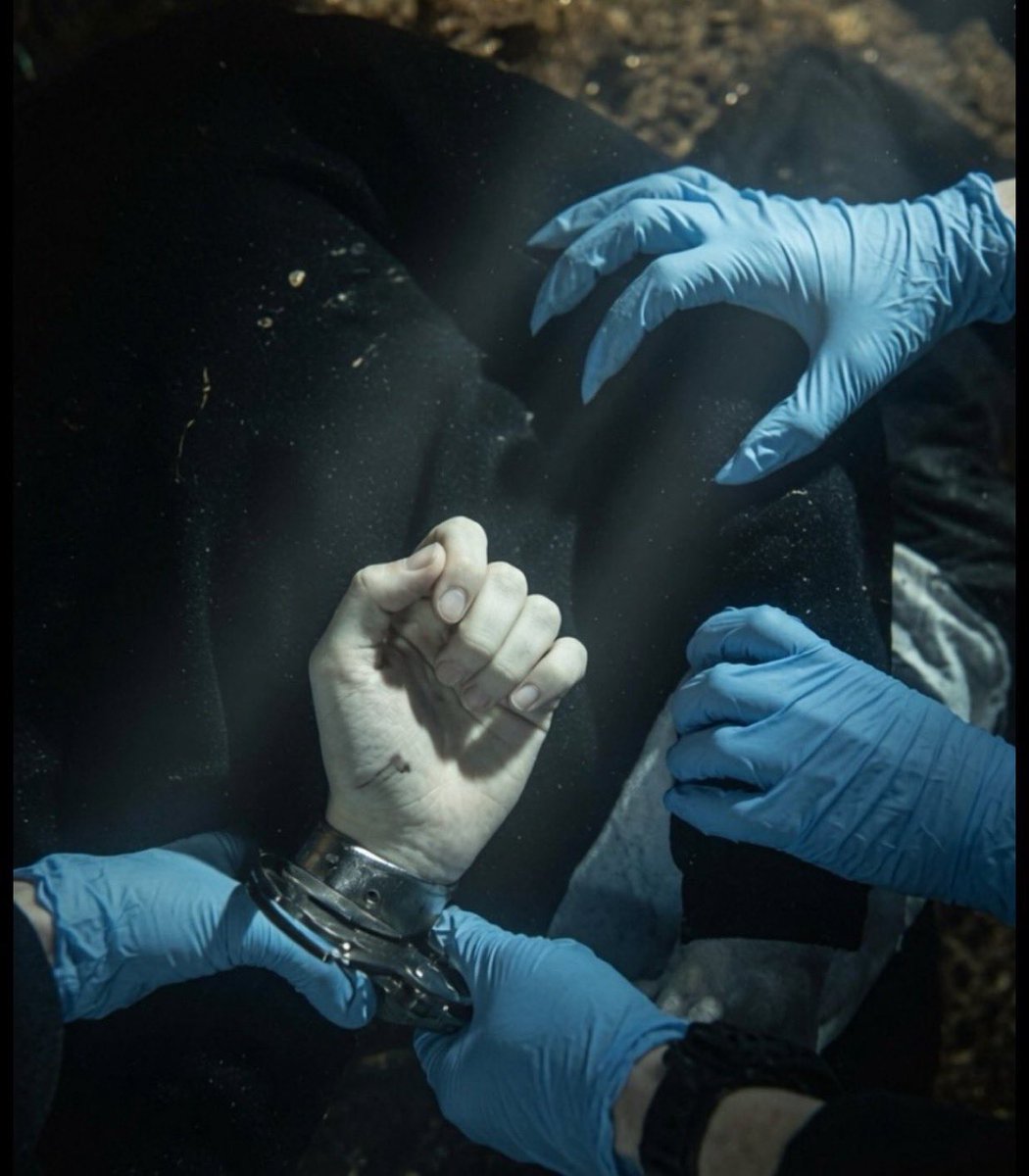
They cuffed Henry and let him die.
Police never cuffed Vickrum even after arrest.
Footage must be worse than imagined.
Must be released!
930
19,516
67,430
765,382
Cindy Sobota retweeted

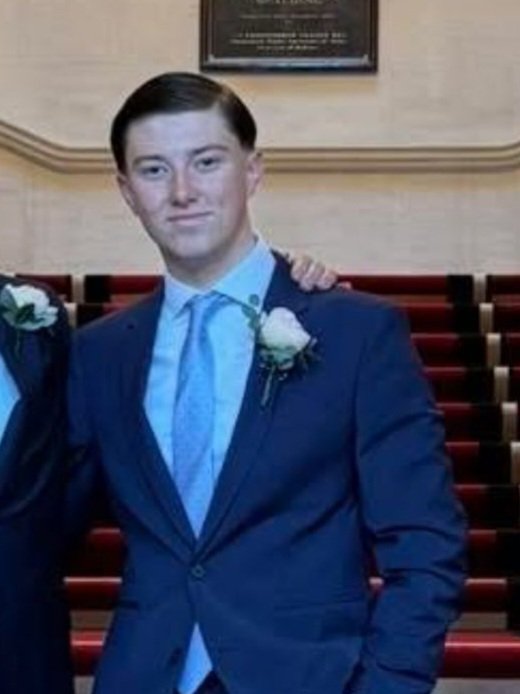
Vickrum Digwa has just been jailed for life with a minimum term of 21 years for the murder of Henry Nowak.
Now put the officers who let him die on trial!
Release the bodycam footage!

1,312
17,263
84,204
626,906
Cindy Sobota retweeted

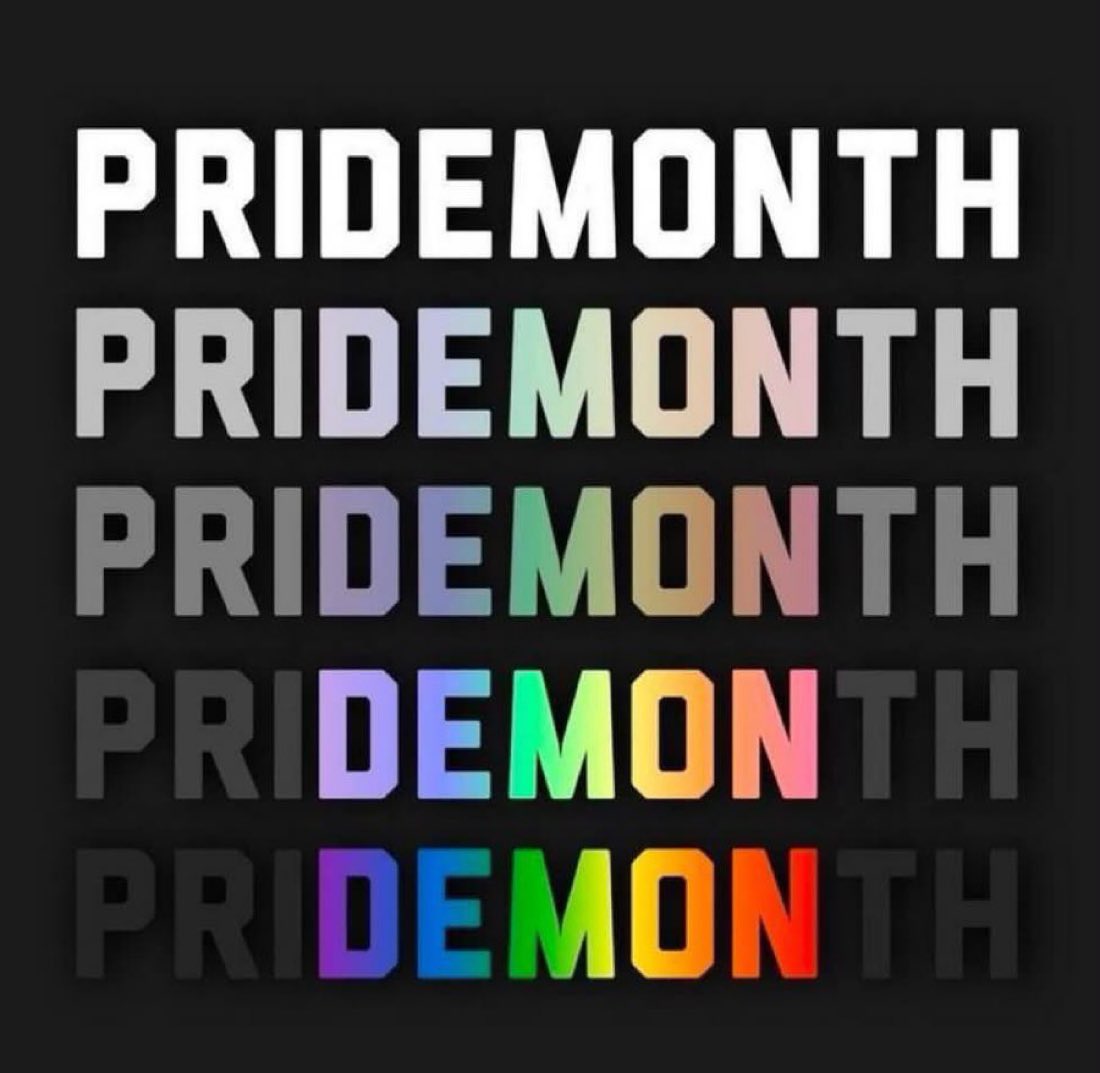
How quickly people forget that Satan was kicked out of Heaven for pride.
309
2,642
11,821
174,791
Cindy Sobota retweeted

May 30
Cancer was, in the 1920s, named the disease of the modern industrial age.
Otto Warburg, working in Berlin, demonstrated that cancer cells run on glucose. They prefer it. They run on it inefficiently, even in the presence of oxygen, in a way healthy cells do not. He won the Nobel Prize in 1931 for the work. The mechanism is now called the Warburg effect and sits in every oncology textbook published since.
In the 1970s, an American radiologist used Warburg's principle to build the PET scan. He injected radioactive glucose into the patient, waited twenty minutes, and watched on the screen where the glucose concentrated. The tumour lit up. The healthy tissue did not.
The machine has been used millions of times. It is, mechanically, a sugar detector. The thing it is detecting is the thing the cancer is eating.
The patient, after the scan, walks down the corridor to the oncology consultation. The oncologist explains the diagnosis. The dietitian, often in the same building, recommends wholegrain pasta, oat porridge, and fruit at every meal as part of a balanced recovery diet.
The mechanism is in the textbook. The textbook is on the shelf. The shelf is in the same building as the dietitian.
The two have not been introduced.
62
755
3,033
50,915
Cindy Sobota retweeted

May 31
Anyone who claims the lack of joy about the 250th is a function of a rough economy was not alive in 1976.
The country rocked in its 200th celebration and the economy was a FREAKING MESS.
There is this Gen Z misconception that the '70s and early '80s were some sort of economic golden age of readily available, well-paying jobs, low cost housing and an all around sense of prosperity.
WRONG.
Google "Stagflation." Google "gas lines." Google "mortgage interest rates in the 1980s."
Our economy today is a golden age by comparison, without exaggeration.
Yet somehow in 1976 we could gleefully celebrate our nation's birthday without Democrats turning it into a Howard Zinn-inspired anti-history hatefest.
1,882
6,125
26,313
422,466
Cindy Sobota retweeted
May 28
Things that are "plant-based":
- Heroin. From the poppy.
- Nicotine. From tobacco.
- Cyanide. From apple seeds and cassava.
- Ricin. From the castor bean.
- Strychnine. From the nux vomica tree.
- Hemlock. The one that killed Socrates.
- Digitalis. From foxglove. Stops the heart.
- Atropine. From deadly nightshade.
- Oleander, every part of it, enough to kill a child from a single leaf.
Things that are "made from animals":
- Milk.
- Eggs.
- Meat.
- Butter.
- Cheese.
One of these categories contains most of the deadliest poisons known to man.
The other is what your grandmother fed you.
"Plant-based" was never a health claim. It was always a marketing department.
48
755
3,022
50,988

May 29
.... The truth has been outlawed

A very sad announcement.
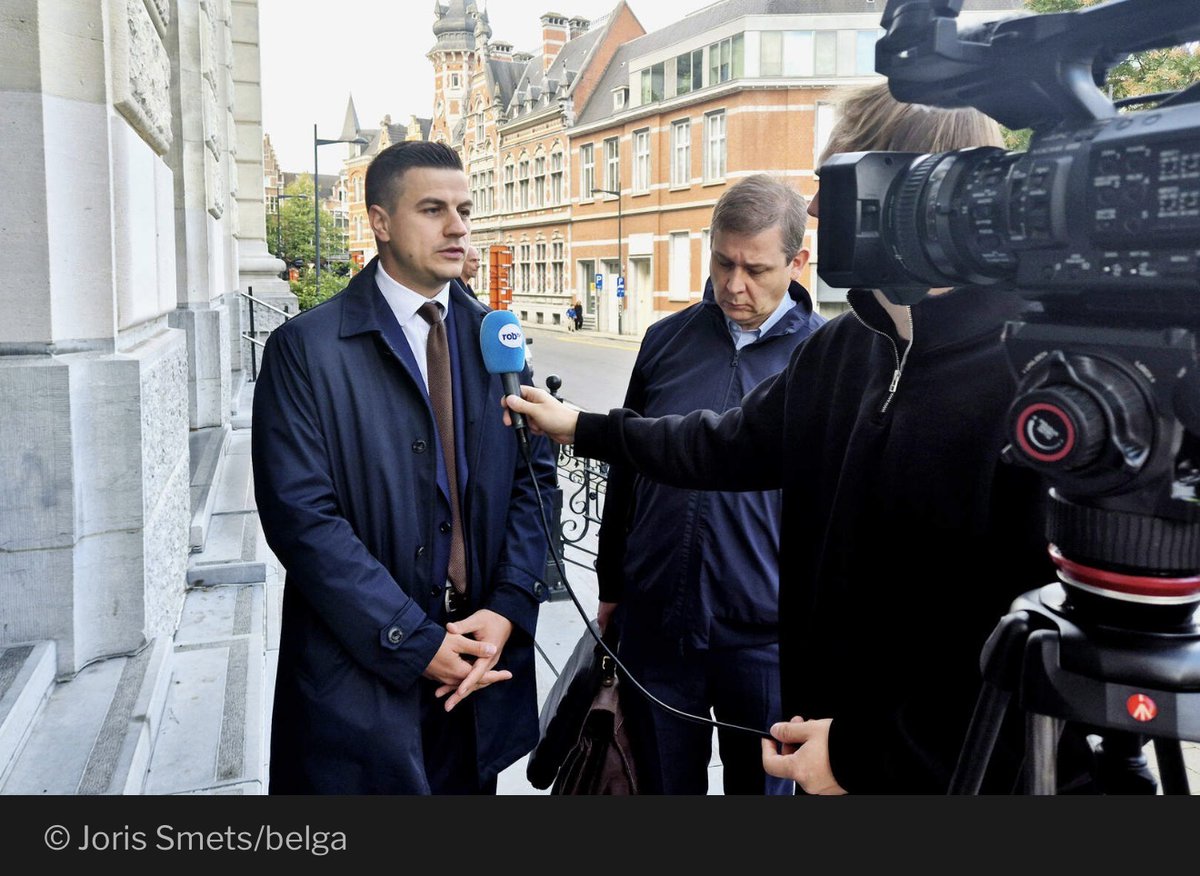
I have just been convicted a second time for 'hate speech' and it is only due to a technicality that I could not immediately be sent to jail —to the judge's frustration.
In an ironic turn of events it's actually thanks to my previous prison sentence (for memes in a private group chat) that I am now still free —in a physical sense, at least.
Call me naive but I didn't think they would take it this far, given that this precedent criminalises many of the arguments used by even the most moderate politicians critical of mass migration.
In February 2024 I gave a lecture at Catholic University Leuven wherein I linked mass migration to crime and a deterioration of our quality of life. Every single point I made was 100% the truth and based on scientific evidence.
Cynically, even the judge that convicted me admits as much by writing in his verdict: “Even if all of the statements made by Van Langenhove are based on scientific evidence and statistics, it makes no difference to the criminal intent. Van Langenhove is not charged with spreading false information. He is charged with presenting facts in a way that incites hatred against persons on the grounds of one or more of the protected criteria in the Anti-Racism Law.”
That's a lot of words just to say he wants to send me to prison for speaking the truth.
Even the regime media write: "It did not matter to the court that Van Langenhove was quoting scientific sources. The judge argued that Van Langenhove's main message was that a big part of the societal problems like insecurity, housing shortages and lowering educational standards are due to mass migration."
You may think the regime media are being sympathetic to me in the first sentence, but in reality they are warning people: even if you speak the truth, if you go against our narrative, we will crush you in every way possible.
Both the public prosecutor and the judge did not present a single real argument as to how or against whom I would have incited hatred. So even if I would accept their crazy, dystopic law, I still did not break it.
The only argument they present is that I created a "hostile atmosphere of us versus them” in regards to migrants. But even this silly argument (which is not even a punishable offence) is not true. To me, the deadly disease is self-hatred and one of its worst symptoms is replacement migration. My enemy is thus NOT the migrants themselves but those orchestrating the mass migration.
Sadly, in Belgium, evidence is not needed and ‘vibes’ are enough to put someone in jail.
Given the fact that I have another court case coming up in September and that I have a dozen active criminal investigations for hate speech, time is running out for me. I have already paid more than €420,000 in legal fees and there is no ending in sight. I have been in an intense battle of attrition for eight years and must now regroup to make sure I can still win.
If you want to help me, you can do so via the links below. If you can help in other ways, please contact me via DM.
If you live in a country that still has free speech, never let them touch it, however noble they make the motives sound, because this is where it leads to.
2
Cindy Sobota retweeted

“God is good and God is perfect. I know that Satan is always trying to distract me from reading the word of God. Satan hates it when you read the Bible.” - Charlie Kirk
Which is why you should read it every single day.
239
3,705
19,416
141,348
Cindy Sobota retweeted
May 20
If you have to take your liver as a capsule, that is your body telling you something.
If you have to whip it into a pate with half a pound of butter and a fistful of bacon so you can get it past the back of your throat, that is also your body telling you something.
The thing your body is telling you is that you do not need to be eating liver right now.
The gag reflex is one of the most accurate diagnostic instruments you have. It is, at this moment, quietly suggesting that you may already be at the upper end of your vitamin A and copper tolerance, and would prefer not to deal with another hit of either.
Trust it.
48
58
598
17,849
Cindy Sobota retweeted

May 19
California Democrats fought to ensure you needn’t show ID when you vote.
While it would be wrong to come to Los Angeles and vote, it would certainly be ironic.
1,106
9,583
53,899
709,221
Cindy Sobota retweeted

May 19
Holy crap there are a lot of supremely entitled brats spouting off some really financially illiterate talking points on here this morning.
Everything from eating lunch to purchasing a home.
The cold hard truth is there's no easy trick to saving money without sacrificing some of your luxuries gang.
60
50
671
9,135
Cindy Sobota retweeted

May 19
I will start caring about your health when YOU do.
I am so tired of people who do NOTHING to keep themselves healthy lecturing everyone about healthcare they are entitled to…at OUR expense.
33
21
329
7,410
Cindy Sobota retweeted

May 19
Japanese neuroscientists spent years working out how to put a crying baby to sleep. They wired 21 babies to heart monitors, tested different ways of being held, and landed on a 13-minute routine. The grandma in this video has been doing it for three generations.
Three labs working independently arrived at the same answer from different angles. The first piece came from a pediatrician named Harvey Karp who published it in 2002 after years of studying how parents around the world calm their babies. Babies are born with a built-in calming switch in their brain. The switch flips on whenever something mimics the womb: warmth, snug pressure, gentle movement, a steady whooshing sound. Once it flips, fussing stops and sleep takes over. Karp called it the calming reflex. Every parent has set it off dozens of times without knowing it has a name.
The second piece comes from a sleep lab in Geneva. In 2019, researchers there put adults on a bed that rocked gently, about one sway every four seconds, and watched their brains all night. People fell asleep faster. They also dropped into deeper sleep, the kind where the brain locks in memories from the day. The part of your inner ear that senses motion is wired directly into the parts of your brain that handle sleep. Rocking syncs your brain waves.
The third piece is the most direct. A 2022 study put tiny heart monitors on 28 babies at home and watched how their bodies reacted to different kinds of touch. Only four kinds of touch worked: rocking, patting, bouncing, and stroking. Each one triggered the calming response within seconds. Heart rate dropped. The body shifted into rest mode.
The 13 minutes came from a team at RIKEN, one of Japan's biggest research institutes. They tracked how different ways of holding babies affected their heart rates and figured out the exact recipe. Walk around with the baby in your arms for five minutes. Then sit, still holding them, for another five to eight minutes. Only then put them down. The wait was the surprise finding. Put the baby down too early and they wake up. Give them eight full minutes of held sleep first, and they stay asleep.
All of this lived inside grandmothers' arms for thousands of years before anyone hooked a baby up to a sensor. Passed quietly from mother to daughter to granddaughter. The neuroscience just caught up.
What you're watching is roughly the same protocol a Japanese lab might publish in 2026. Grandma already knew. The citations are optional.

52
978
7,185
705,075
Cindy Sobota retweeted
May 10
The Bible has one of the best Mothers’ Day stories, one that every son or daughter can relate to.
It’s the wedding at Cana. (John 2:1-11)
Jesus goes to this wedding with His mother, Mary, and the wedding celebration runs out of wine. (That was kind of a disaster. Can you imagine a modern wedding reception where the open bar runs out of booze?)
Jesus had not started His ministry yet but Mary knew who He was and what powers He possessed.
Mary just looks at Jesus and simply says “They have no more wine.”
Every son or daughter knows that terse, commanding look—“Do something about it Jesus, I’m not playing.” (That’s not actually scripture, that last part is my imagination.)
So Jesus says: “Woman, why do you involve me? My hour has not yet come.”
Then, in one of the more humorous moments in the Bible, Mary just ignores Jesus and looks at the servants and says: "Do whatever he tells you.”
It’s really easy to imagine Jesus rolling His eyes, giving off a deep sigh, and then doing what His mother told Him to do. He turned six stone jars of water into the best wine anyone had ever tasted.
Because even the Son of God listens to His mother.
Happy Mothers’ Day.
316
1,989
11,304
157,637