
Writer of science fiction, scifi-mysteries, scifi-thriller and scifi-horror.
Joined May 2014
- Tweets 12,223
- Following 469
- Followers 431
- Likes 5,281
9,105 Photos and videos







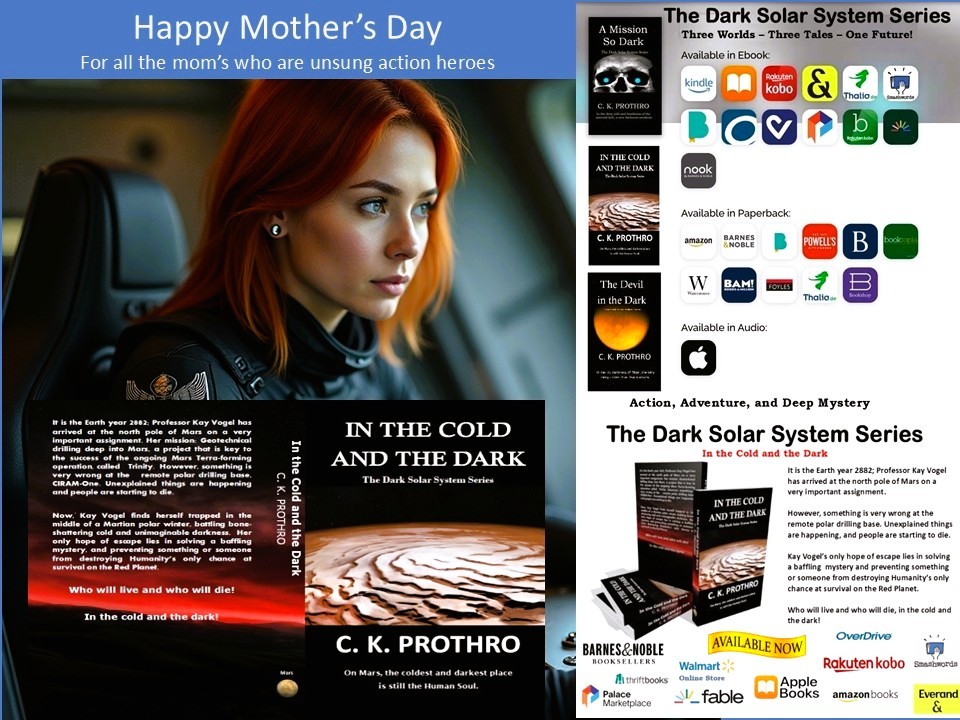

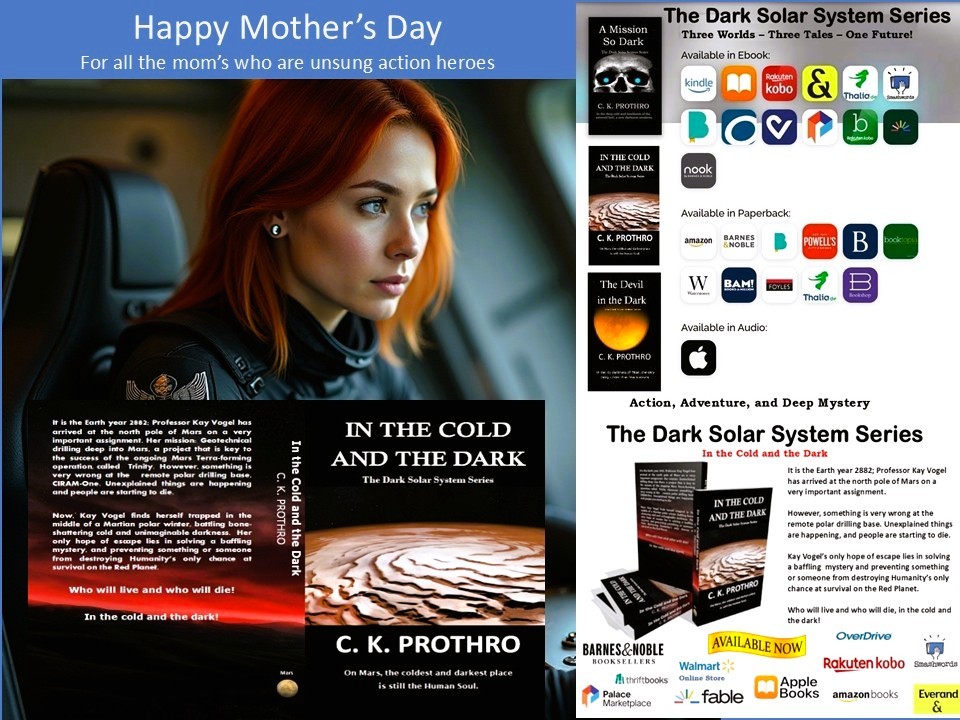

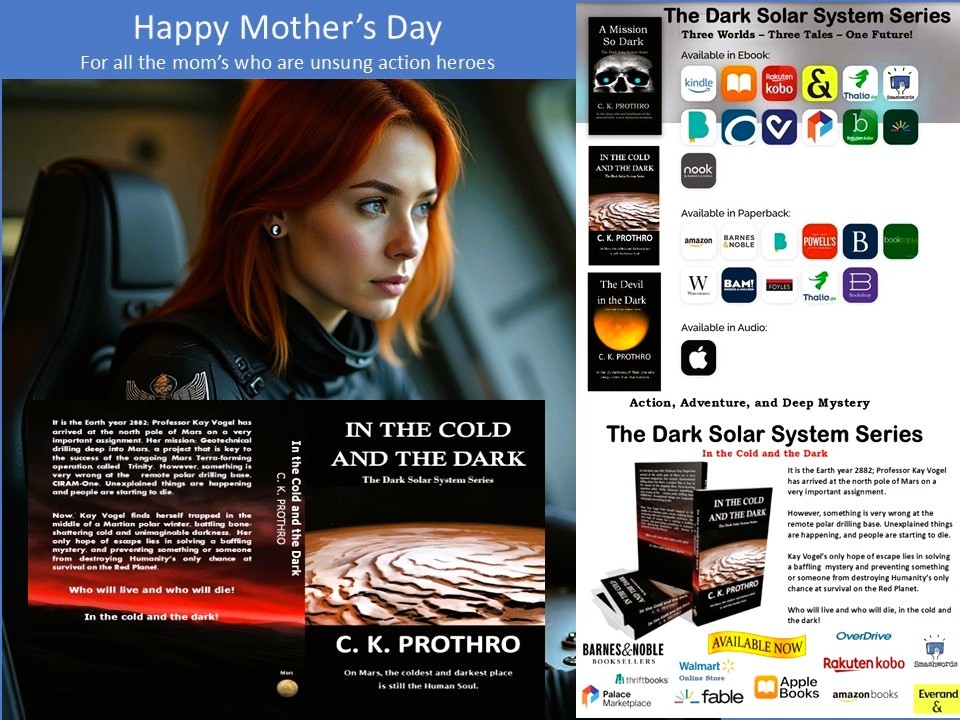
The Dark Solar System Series retweeted

Crossing the Labyrinth of Night - Deimos
Over Mars (Mars II)
8
38
295
11,514
The Dark Solar System Series retweeted

The solar system is larger than you think.
Using the Oort Cloud as an approximate boundary would mean that the size of our solar system approaches nearly 2 light years!
That's equivalent to almost 12 trillion miles.
2
10
62
6,670
The Dark Solar System Series retweeted

Jun 3
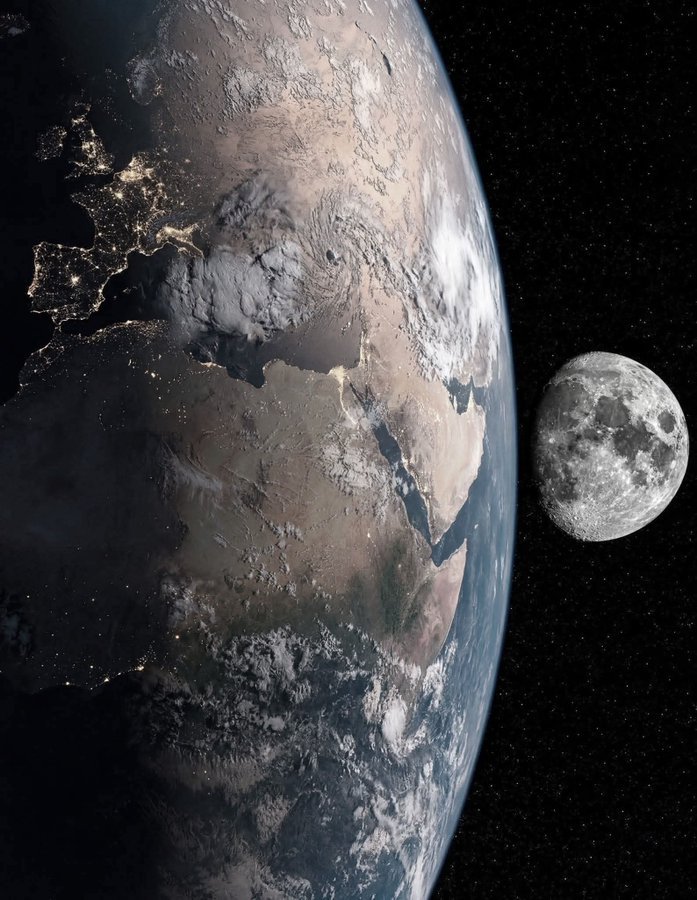
Cosmic Photobomb: Earth and the Moon in Perfect Alignment
Behold one of the most stunning views of our home planet and its loyal companion captured from space!This breathtaking image was taken by Japan’s Himawari weather satellite (geostationary at approximately 35,766 km above Earth). In a rare and perfectly timed alignment, the Moon dramatically “photobombs” the shot, peeking out from behind Earth’s glowing crescent edge like a celestial intruder.The contrast is mesmerizing — our blue, cloud-swirled planet against the stark, cratered lunar surface set in the blackness of space. Moments like this remind us just how dynamic and beautifully choreographed our Earth-Moon system truly is.A true masterpiece of accidental astronomical art!
6
57
230
7,434

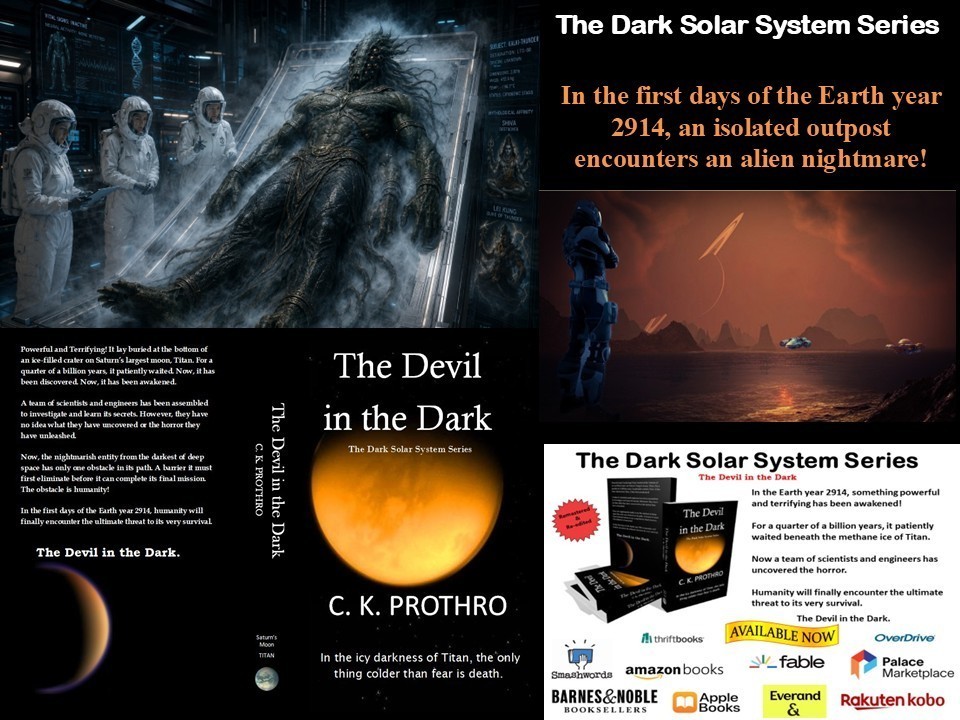
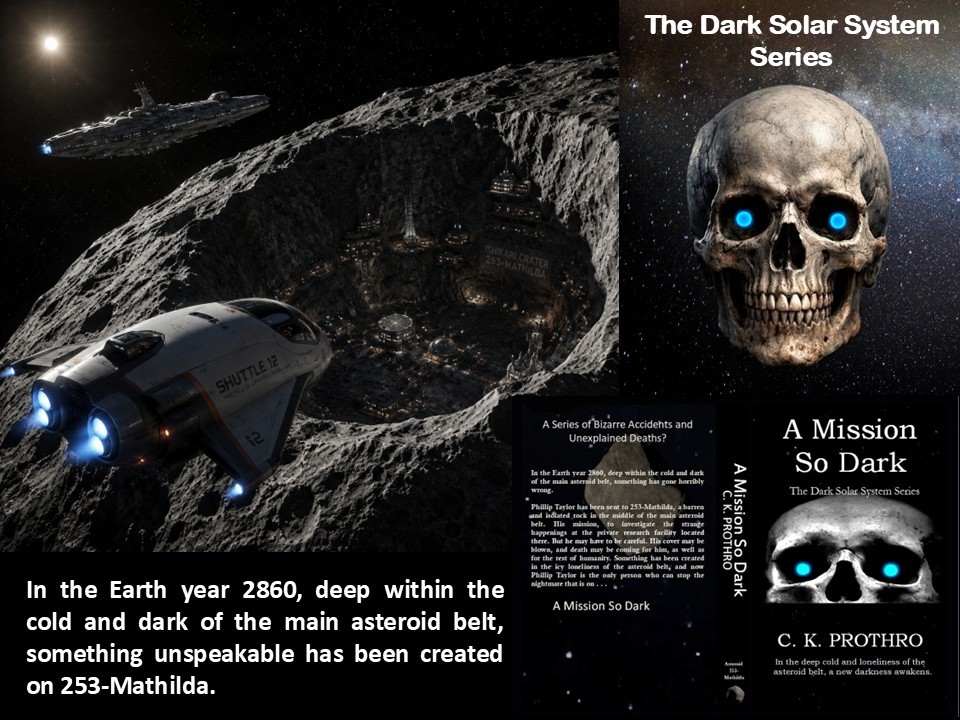
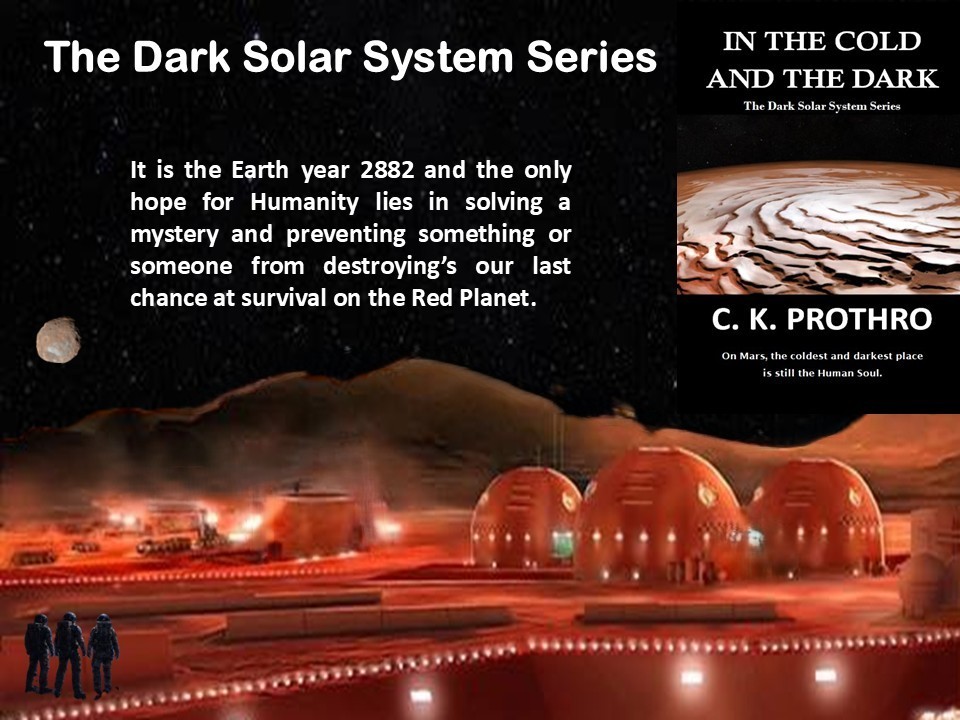
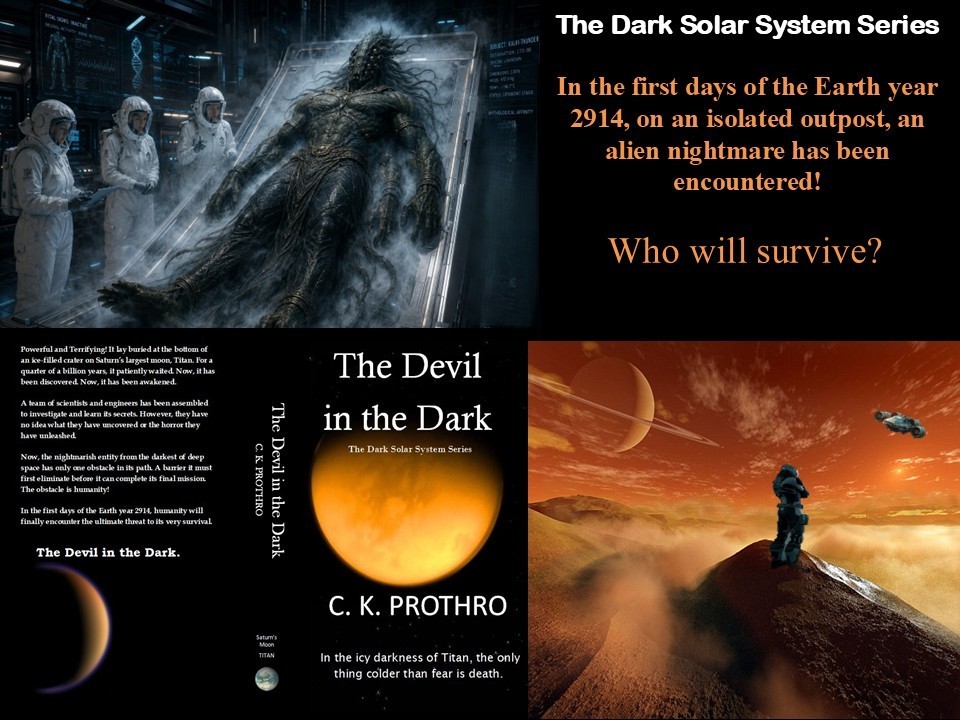
Yes! I know the 4th story in the Dark Solar System Series is behind schedule, but in the meantime, if you haven’t, check out this novel. books2read.com/The-Dark-Sola…
#horrorfamily #horrorcommunity #horrornovel #horrorlover #horrorfiction #horrorreads
3
Yes, the 4th story in the Dark Solar System Series is coming. In the meantime, if you haven’t, check out this novel. books2read.com/The-Dark-Sola…
#smashreads #bloggers #BookBuzz #BookReview #bookaddict #thebookferret #booklr #bookpets #bookfandomblog
4
Yes! I know the 4th story in the Dark Solar System Series is behind schedule, but in the meantime, if you haven’t, check out this novel. books2read.com/The-Dark-Sola…
#futuristic #bookbangs #BookBoos #WhattoReadnext #giftforreaders #bookobsessed #bookhauler
4
Yes, the 4th story in the Dark Solar System Series is coming. In the meantime, if you haven’t, check out this novel. books2read.com/The-Dark-Sola…
#ShamelessSelfPromoThursday #BookwormsUnite #BookishCommunity #PageTurnerUnveiling #eBookDiscovery
7
The Dark Solar System Series retweeted
Jun 3
Zooming into Mars...
7
27
249
13,065
The Dark Solar System Series retweeted
Jun 3
ESA's overview of Becquerel Crater
This crater is 167 km in diameter and descends to a depth of approximately 3.5 m.
The large mound within the walls of Becquerel Crater rises approximately 1 km above the crater floor and consists of hundreds of layers of light-colored deposits, each only a few meters thick, consisting of sulfate-bearing rocks.
Mars
2
18
96
9,418
The Dark Solar System Series retweeted

May 16
Arthur C. Clarke on BBC's Horizon in 1964, when he gave some astonishing predictions about the future.
49
442
2,642
99,286
The Dark Solar System Series retweeted

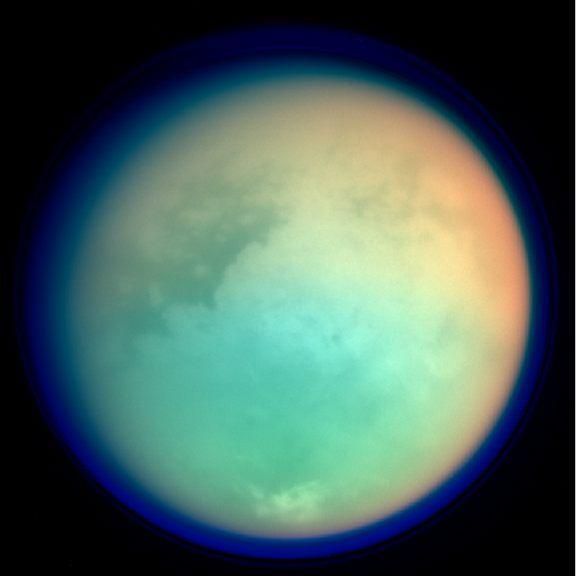
Did you catch For All Mankind's "The Sirens of Titan"? It's an amazing dream of human exploration on Titan. Here at PSI, we're working to make that future possible. Check out Explore Titan, led by PSI's Amanda Hendrix buff.ly/GjJrWQ0
2
12
22
631
The Dark Solar System Series retweeted

May 12
Remember what Leo said at the end of this film?
"The thing is, we really did have everything, didn't we?"
One of the most incredible and poignant final scenes you're likely to see –
🎬🎥📽️. Don't Look Up (2021)
488
1,797
27,401
1,995,320
The Dark Solar System Series retweeted

May 11
This is a real photo of mars.
No filter. No AI.
Just a 50-mile crater packed with ancient ice, shot by ESA's Mars Express.


147
550
6,035
400,140
The Dark Solar System Series retweeted

May 12
Humans, Aliens, and Bananas
250
287
2,129
200,887
The Dark Solar System Series retweeted

May 10
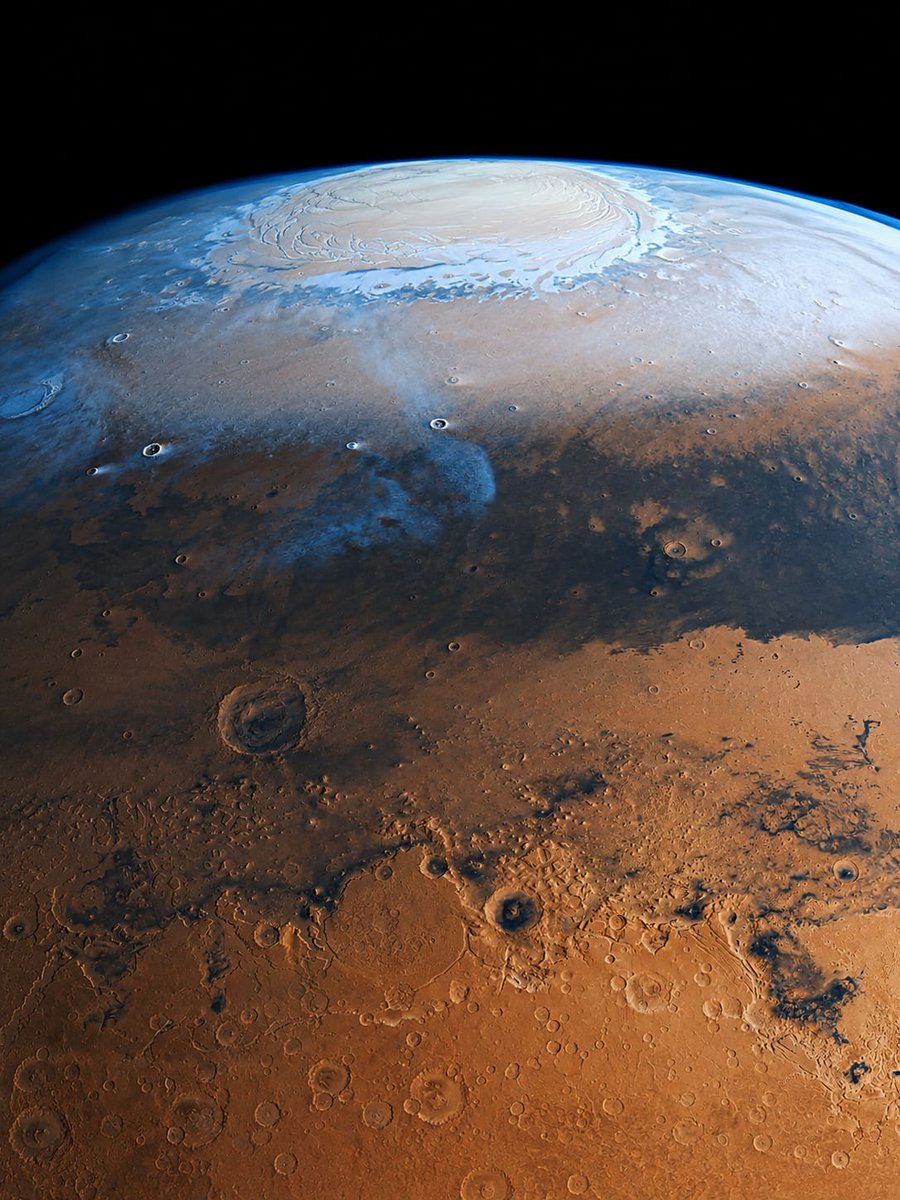
Clearest image ever taken of Mars' North Pole. Yes that's water ice.
22
218
1,783
26,699

Our Mars Telecommunications Network solution accommodates the proven Electra UHF radio with no modifications. Because we can operate Electra in a lower orbit, we're uniquely positioned to meet the essential need for reliable UHF relay from assets on the Martian surface or in the Martian atmosphere. That matters for ongoing missions like the Curiosity and Perseverance rovers, and also for future missions like Skyfall that need reliable communication with Earth without requiring unrealistically high power or high-precision antenna pointing.
18
123
885
65,531
The Dark Solar System Series retweeted
May 11
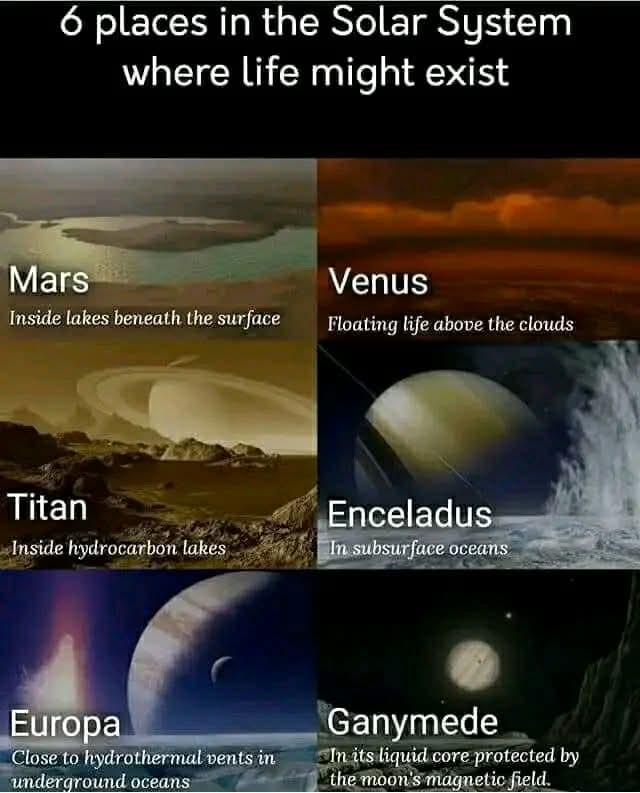
The Solar System....
2
12
67
5,201
The Dark Solar System Series retweeted
May 11
A simulation of a flyby of Pluto, based on New Horizons images.
On July 14, 2015, the New Horizons spacecraft flew past Pluto at 31,000 mph. The journey to its destination took the spacecraft 9 years, 5 months, and 27 days
4
35
170
7,769
The Dark Solar System Series retweeted

May 10
This is what happens when you decide to recreate your favorite Star Wars scene..🎻⚔️❤️
72
1,253
6,977
426,058