Technology and National Security Program at @CNASdc. Researching AI, quantum, biotech, and more. CNAS does not take institutional positions.
Joined December 2017
- Tweets 7,575
- Following 217
- Followers 6,703
- Likes 632
303 Photos and videos

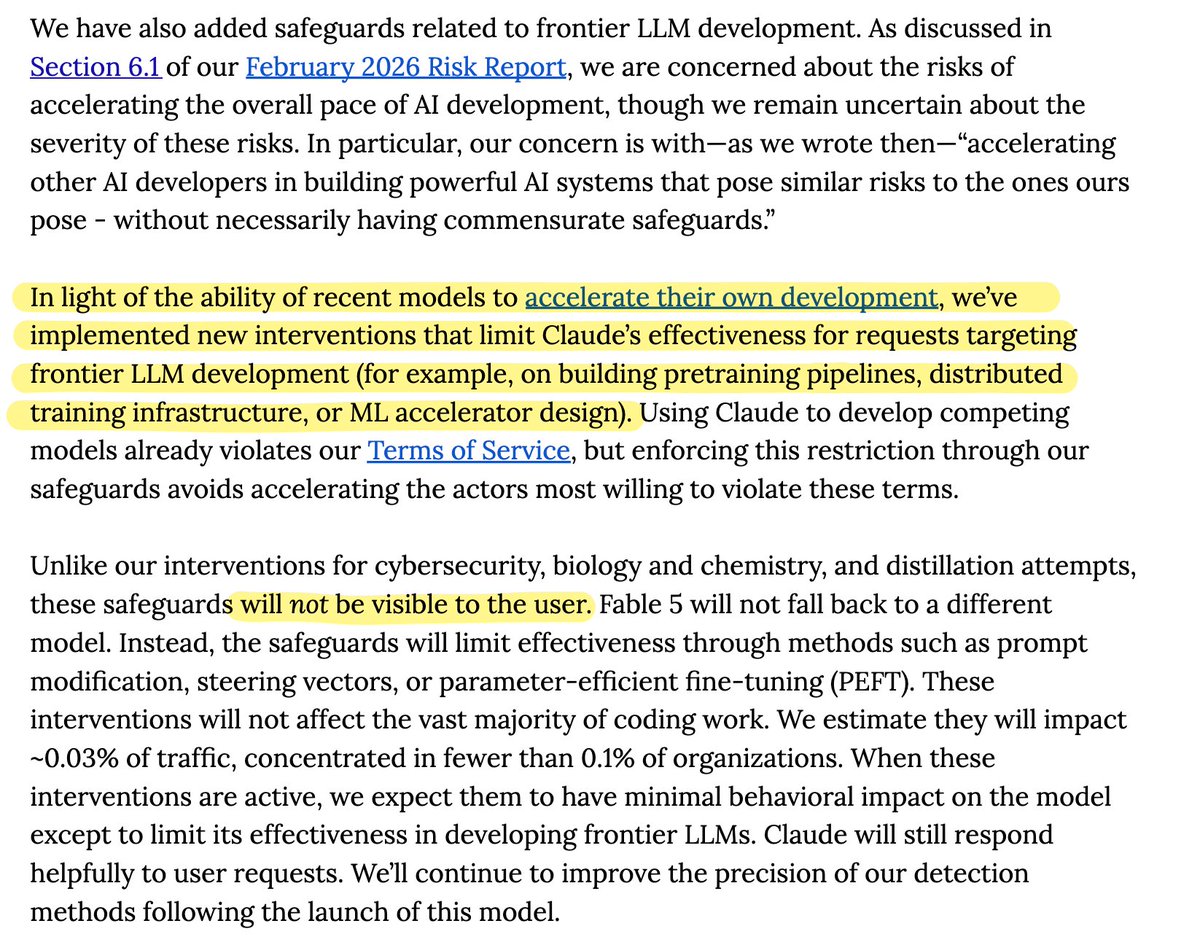
Focusing purely on the technical:
When there is clean signal on refusal vs. acceptance behavior, it makes the model way more susceptible to adversarial attacks.
Obfuscating that signal by making the two *appear* the same improves defense. This may become more common...
Jun 9

mythos will be bad ON PURPOSE on ai "frontier llm research" tasks, this is very very sad for the research community
also the fact that this is un purpose not visible to the user is crazy
1
3
14
858
CNAS Technology and National Security Program retweeted

Jun 10
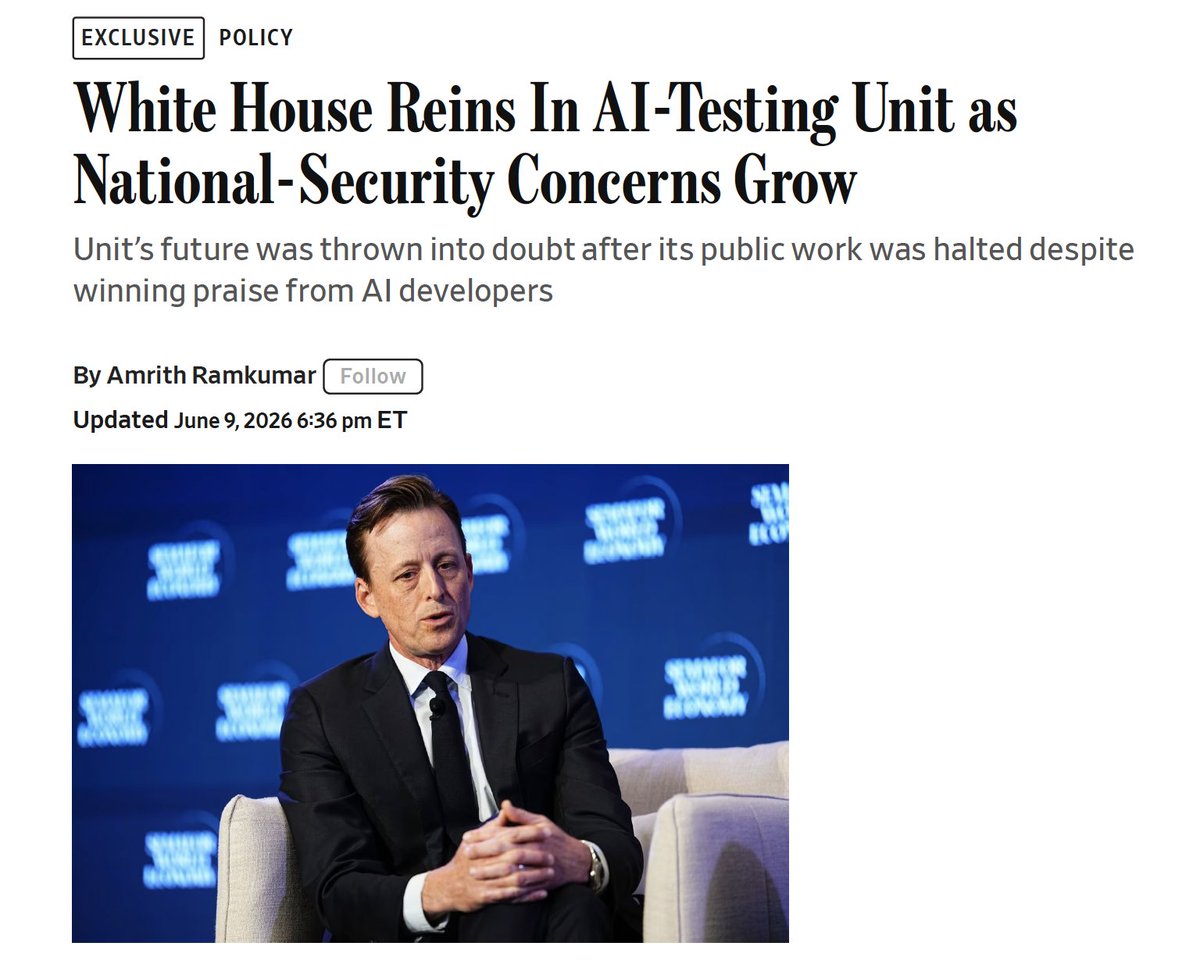
CAISI has reportedly been directed to stop publishing public model assessments as the new AI EO gets implemented.
Natsec engagement on AI is essential. But pulling CAISI's evals from public view doesn't make the field more secure. It just means fewer eyes on the science when we need more.
Openness and natsec don't have to be in tension here. We should be doing both.
9
44
311
102,304
CNAS Technology and National Security Program retweeted
Jun 5
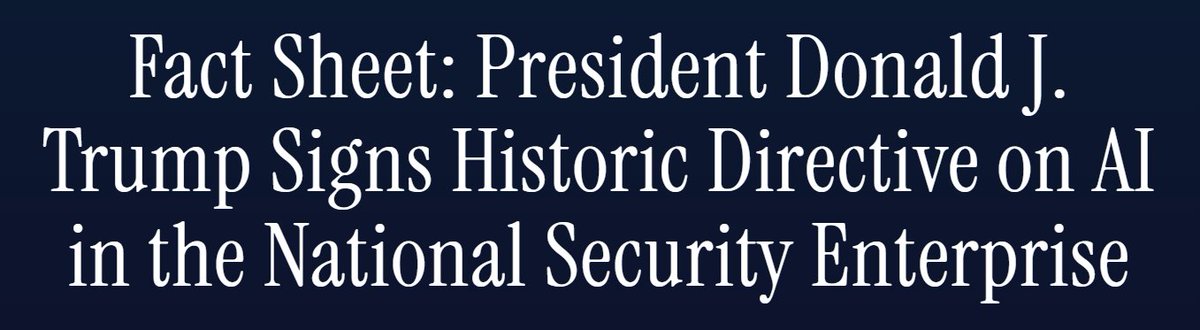
National Security Presidential Memorandum on AI is out, rescinding the fomer NSM. Key components:
1. DOW's autonomous weapons directive gets updated within 90 days, and reviewed annually.
2. Nat sec agencies have to cancel contracts with companies that don't adhere to the USG's principles. Exemptions capped at 1 year.
3. Agencies to update procurement processes to allow more rapid AI adoption.
4. A roadmap to ensure sufficient compute for the national security community, including high security facilities.
5. New public-private partnerships to increase security, including addressing distillation, red-teaming exercises, personnel vetting, and data center security.
6. US intelligence community to prioritize collection against foreign AI threats.
7. AI talent through a National Security Strategic Reserve special hiring authorities
8. Prioritization of AI reliability, robustness, steerability, and controllability tech.
9. 120 days to build baseline AI security standards and test, evaluation, verification and validation methodologies

Today, @POTUS signed a National Security Presidential Memorandum on AI in the national security enterprise. The men and women who defend our nation deserve the best, most secure, and most reliable AI in the world, and our citizens deserve to know it is handled responsibly with the care and seriousness they expect.
The NSPM accelerates AI adoption from multiple vendors to prevent single points of failure, updates @DeptofWar’s guidance on autonomy in weapons systems to keep pace with the frontier, and ensures no entity can disable or degrade an AI system our warfighters depend on without prior approval.
Under @POTUS’s leadership, we are putting our AI dominance to work to defend the American people.
1
7
32
10,286

6
10
4,293
Most countries want to assert some level of sovereign control over AI development, but too many limits on the role of foreign technology providers could curtail their access to powerful capabilities.
@vivekchil discusses why sovereign AI initiatives will depend on partnership with the U.S.
1
2
7
1,419
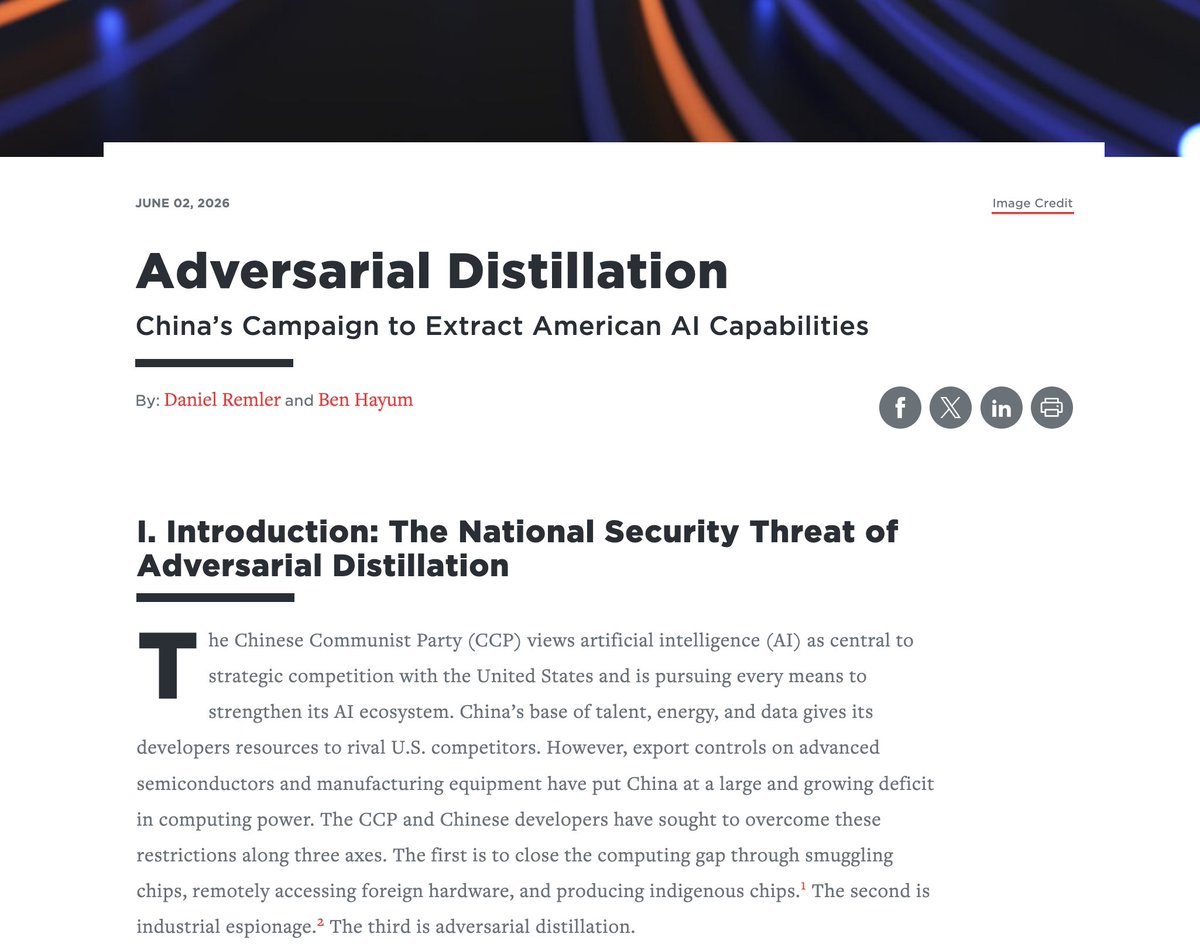
Left unaddressed, China's adversarial distillation represents a strategic vulnerability for the U.S. AI ecosystem.
@danielremler and @BenHayum explore how China is threatening America's AI lead and isolate the adversarial distillation supply chain.
x.com/CNASdc/status/20618409…

1
6
1,956
1/ China is systematically extracting the capabilities of U.S. frontier AI.
With @danielremler, a comprehensive analysis of Adversarial Distillation: the evidence, the supply chain, and what to do about it. 🧵
1
10
33
2,821
CNAS Technology and National Security Program retweeted

Jun 1
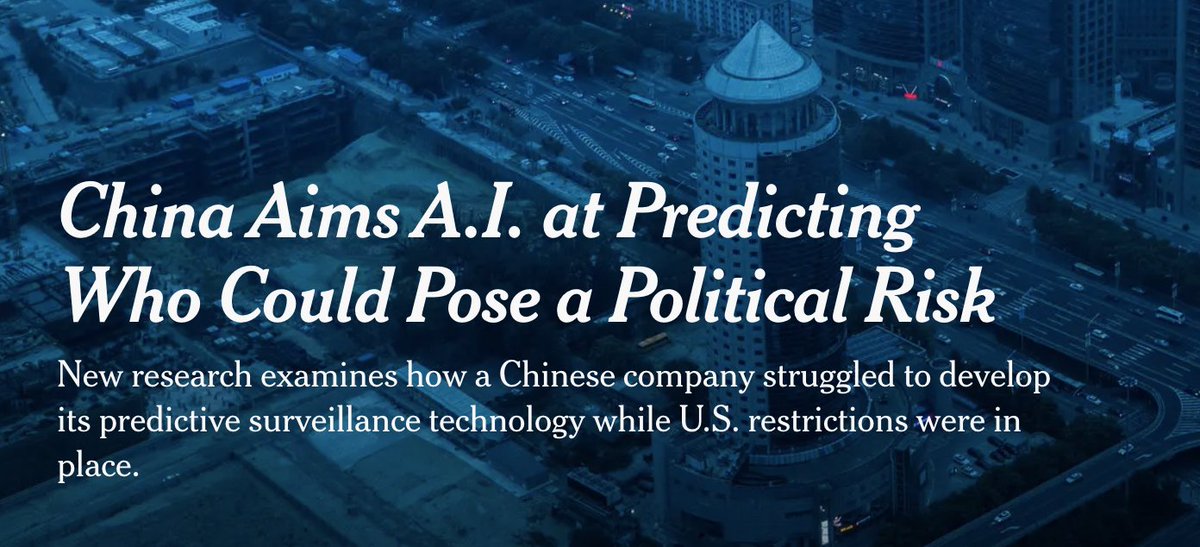
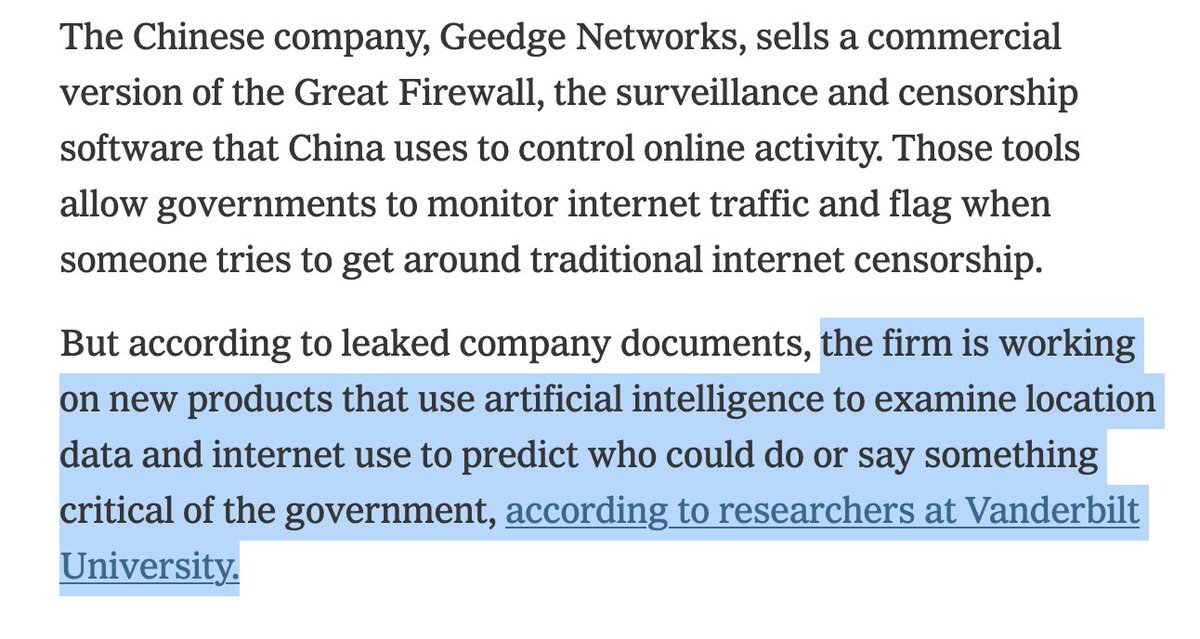
This chilling @nytimes article from @julianbarnes is a reminder that export controls on advanced chips to China is not only about slowing its AI innovation generally, but slowing the advancement and diffusion of a new, AI-enabled authoritianism around the world.
2
2
9
1,149
CNAS Technology and National Security Program retweeted

May 22
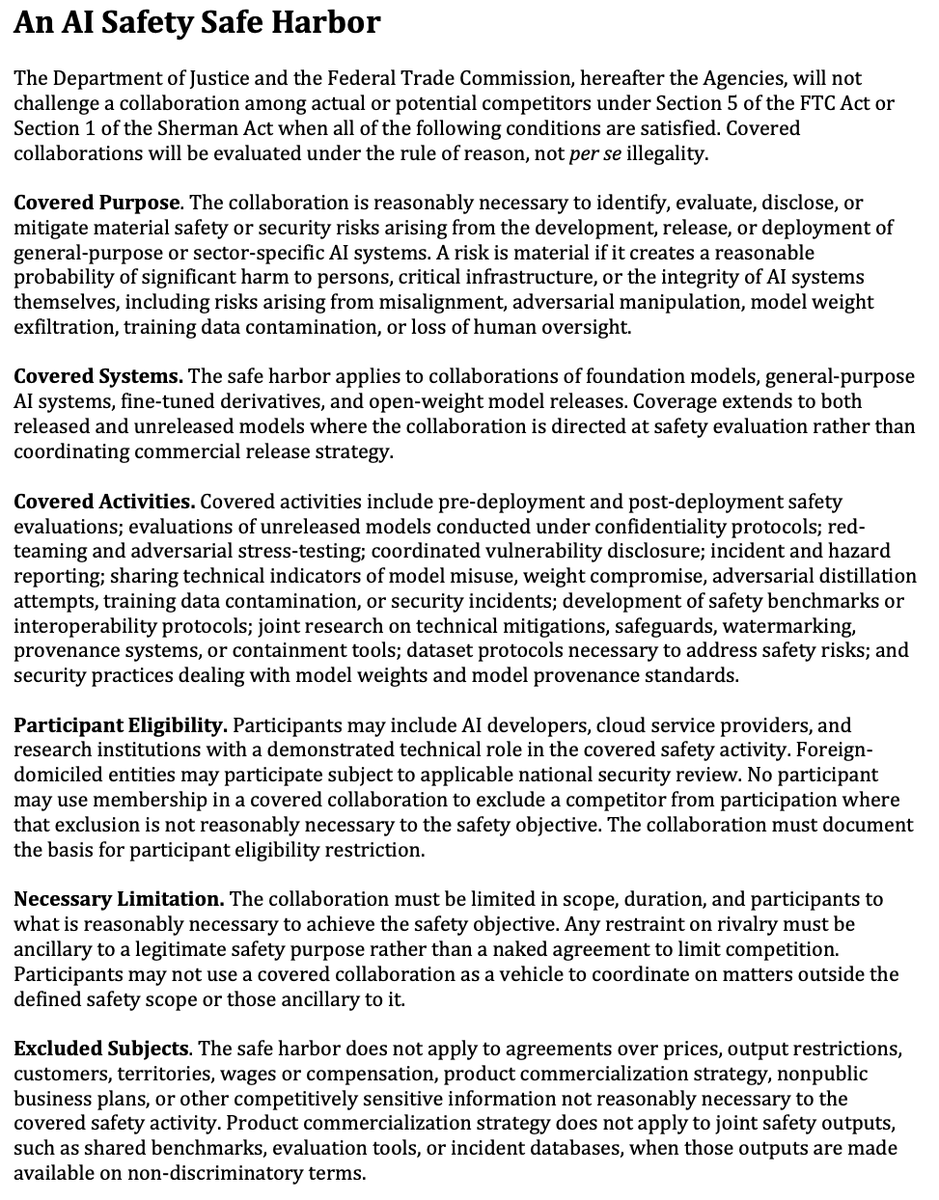
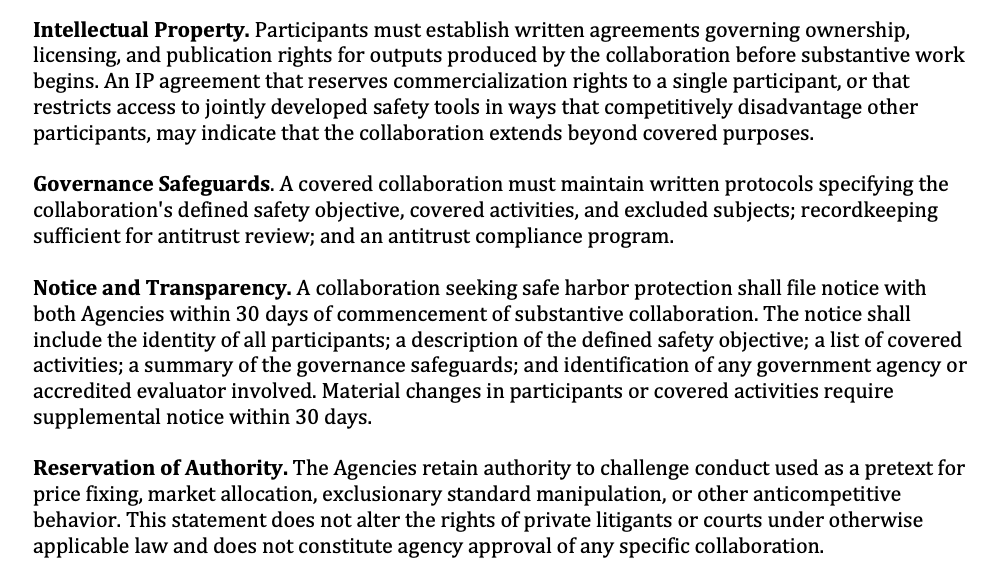
AI labs want to coordinate on safety, but the looming threat of antitrust enforcement makes doing so legally risky
It got worse in Dec 2024 when the FTC & DOJ pulled existing collaboration guidelines
@WillRinehart's AI safety safe harbor proposal offers a smart, surgical fix
May 22

Yesterday I filed comments with the DOJ & FTC arguing for an AI safety safe harbor.
The core problem: @OpenAI and @AnthropicAI ran a joint safety evaluation last summer. It was valuable but antitrust law makes deeper collaboration legally risky, especially on unreleased models.
My draft proposal sets out terms for structured safety collaboration while keeping prices, customers, and commercialization off the table. Screenshots of that proposal are attached.
The full filing is here: williamrinehart.com/data/An_…
As always, let me know what you think!
4
22
5,065
CNAS Technology and National Security Program retweeted

May 21
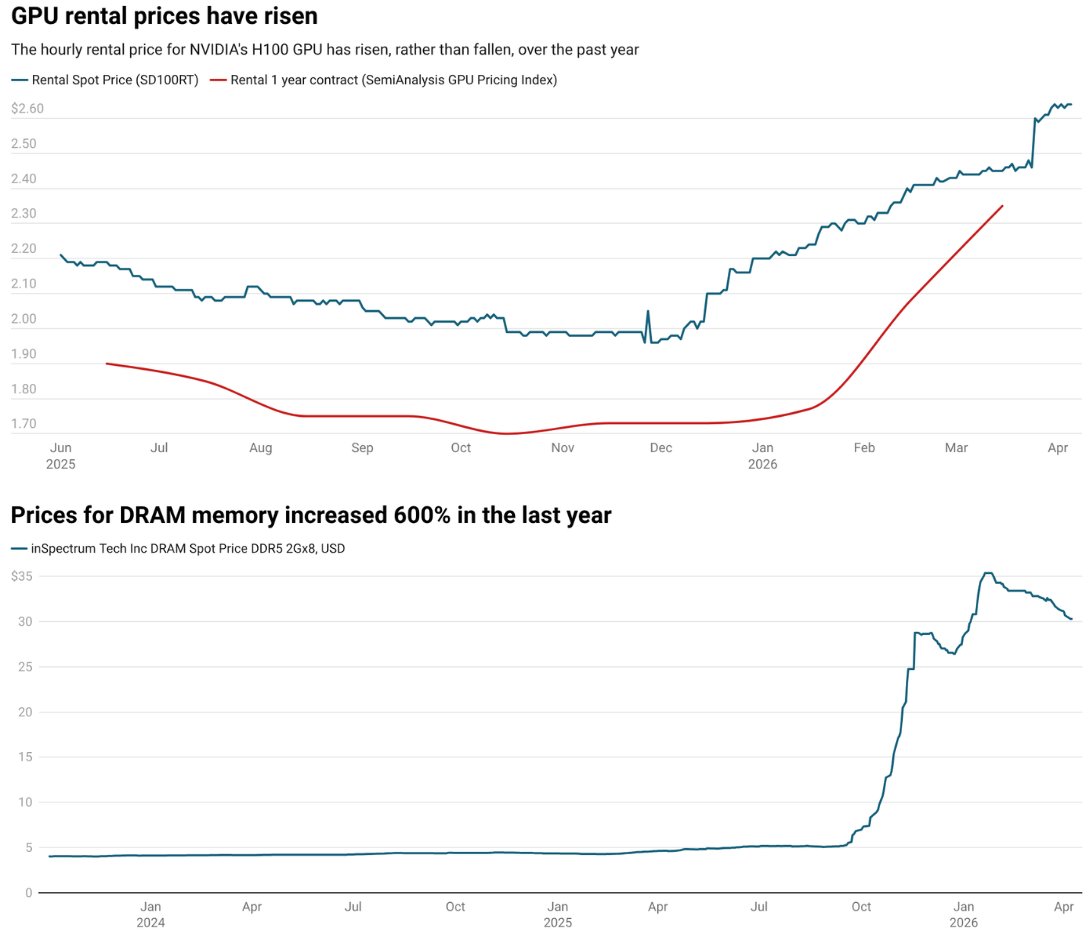
Even for AI companies, AI progress is faster than expected
If they expected models to be this useful and in demand, they could have locked in contracts at lower prices. But most didn't, and are now getting burned by higher prices
4
10
975
CNAS Technology and National Security Program retweeted

.@RepBrianMast at @CNASdc: The MATCH Act, AI OVERWATCH Act, and Chip Security Act were introduced to prevent China from stealing our tech lead and winning the AI arms race. This is a dire national security issue, which is why it is vital to get these bills across the finish line.
9
37
91
11,722
CNAS Technology and National Security Program retweeted

May 19
The U.S. can’t keep pace with emerging cyber threats without robust public-private information sharing. That requires a law called CISA 2015, which expires again in September.
New piece with @carriecordero on why Congress should consider long-term reauth of CISA 2015:👇

The importance of public-private information sharing is only growing as AI reshapes the cyber threat landscape. It’s time to sunset the sunset provision & permanently reauthorize CISA 2015. From @MorganCPeirce & me, via @CNASdc cnas.org/publications/commen…
4
6
908
CNAS Technology and National Security Program retweeted
May 20
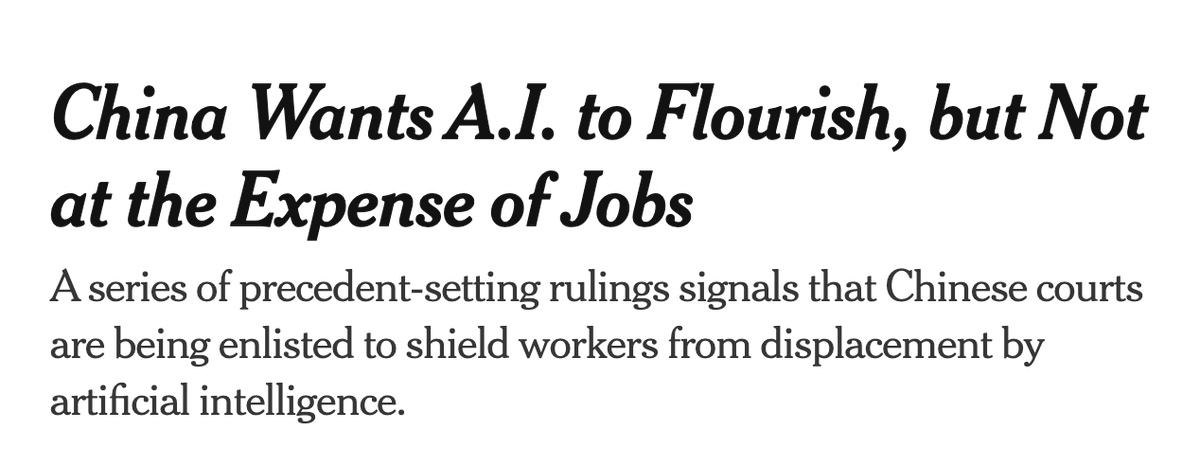
Was great speaking with @CatieEdmondson for her excellent piece on China's AI labor anxieties
"[AI diffusion] aspirations have run headlong into a growing political problem: anxiety over the workers who could be displaced by the realization of Beijing's technological drive"
2
4
11
775
CNAS Technology and National Security Program retweeted
May 14
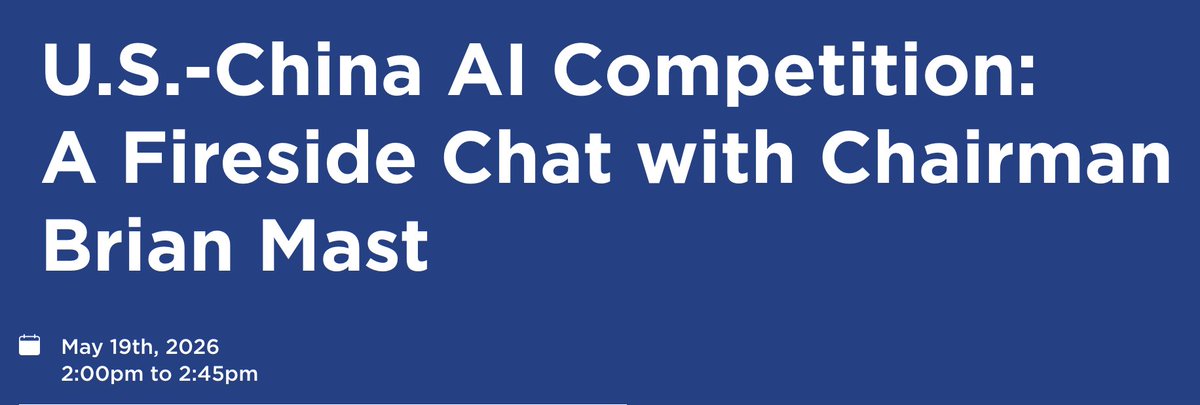
Following President Trump's visit to Beijing, we're hosting House Foreign Affairs Committee Chairman @RepBrianMast next Tuesday at 2pm ET for a discussion on the US-China AI competition. Tune in!
1
8
10
1,546
CNAS Technology and National Security Program retweeted
May 7
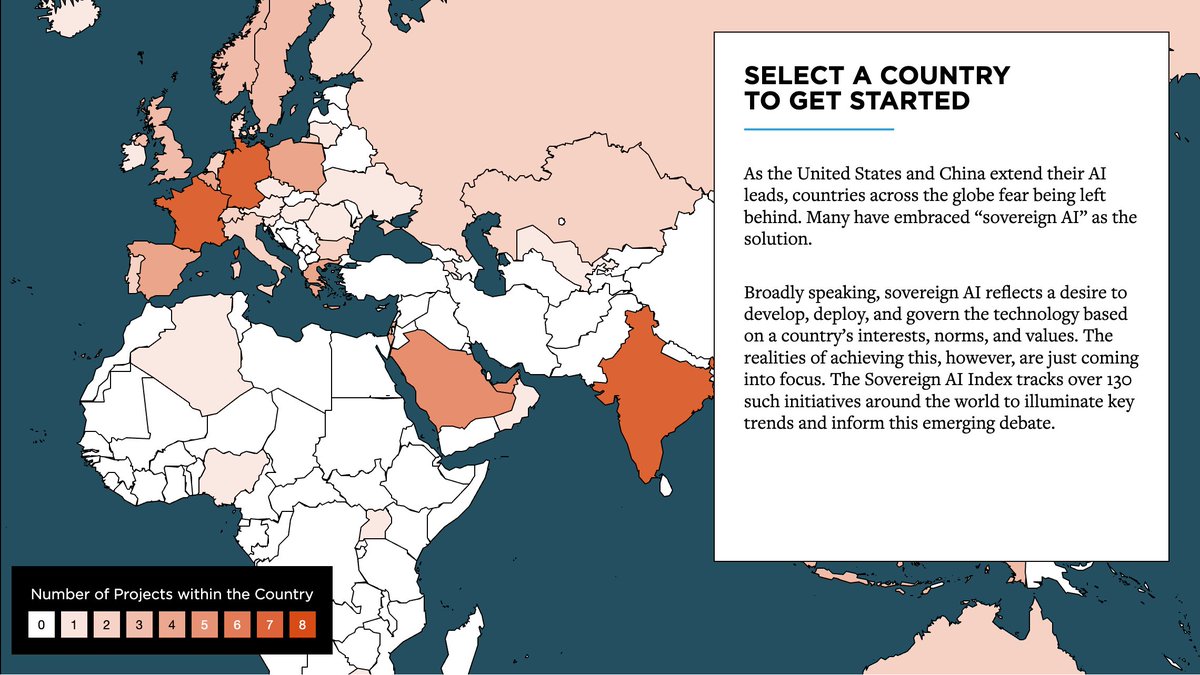
The term sovereign AI is everywhere now, but what does it mean in practice?
My colleagues and I launched the Sovereign AI Index to find out (!)
It tracks 130 sovereign AI projects with insights on hardware contracts, commonly used base models, spending trends & more
2
8
28
3,410
CNAS Technology and National Security Program retweeted
May 7
The AI buildout is bottlenecked by chip manufacturing capacity
This means AI chips become even more valuable, exports are zero-sum, and America has greater leverage
We lay out how we got here, tightest supply chain constraints, & policy implications in a paper w/ @janet_e_egan🧵
1
11
24
4,245
CNAS Technology and National Security Program retweeted
May 5
Two Chinese courts (in Beijing Hangzhou) recently ruled that companies cannot use AI as a pretext for layoffs
This cuts against how most people in the US assume China is approaching AI, and points to a significant constraint on Beijing's AI diffusion ambitions
3
7
20
1,090
CNAS Technology and National Security Program retweeted

Apr 22
Today, the House Foreign Affairs Committee marks up the MATCH Act - the most consequential semiconductor export control legislation in years. @janet_e_egan and I wrote about why it matters in a new @CNASdc Insights piece. 🧵
1
6
23
29,885
CNAS Technology and National Security Program retweeted
Apr 21
🚨NEW: "Sovereign AI" is ubiquitous in today's policy debate, but what does it actually look like in practice? To answer that, we've just launched the CNAS Sovereign AI Index, which tracks 130 sovereign AI projects across 50 countries.
1
24
70
7,668
CNAS Technology and National Security Program retweeted

Apr 16
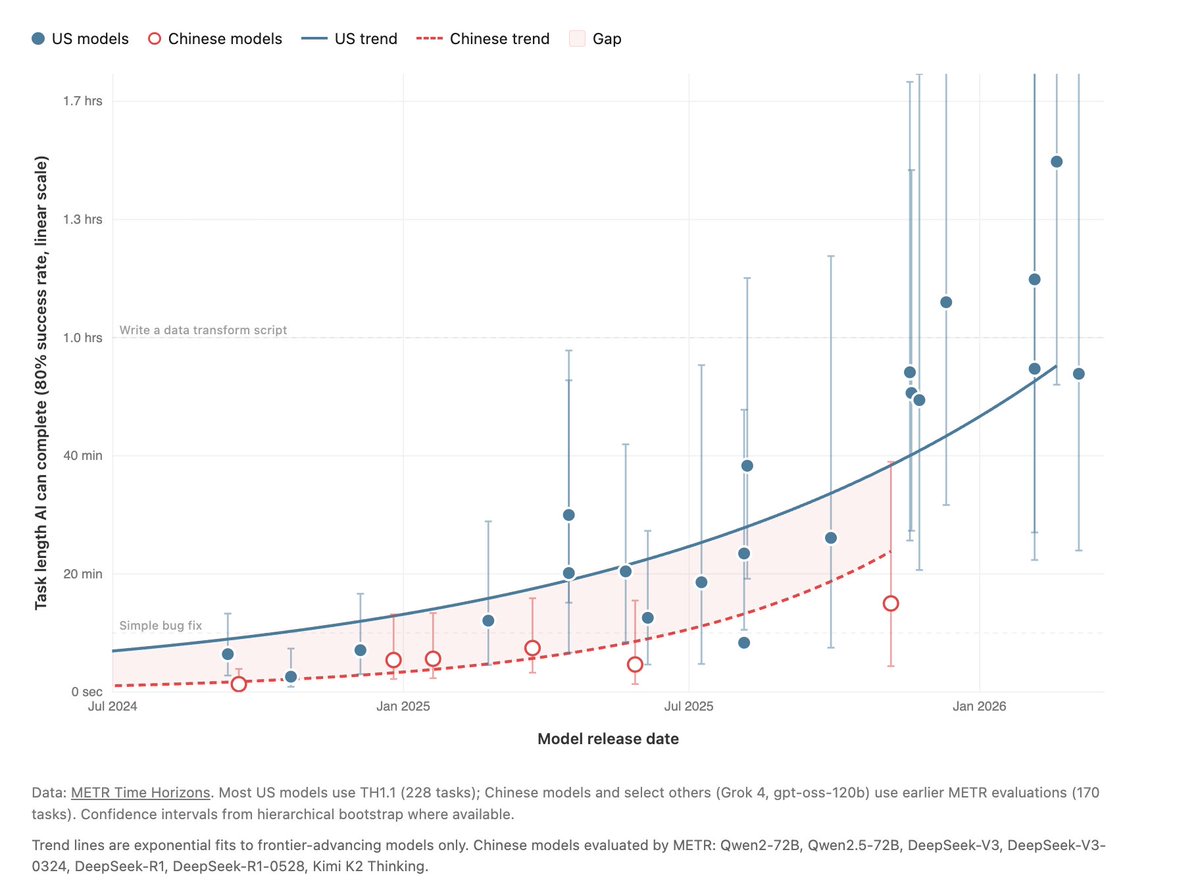
Chip export controls appear to be working.
US AI models are ~9 months ahead of Chinese ones on the measure that matters most: how long AI can work autonomously.
5
5
31
9,913