PhD Research Scientist. Reproduction, Aging, Evolution, & (Epi)genetics🧬Stats and R nerd. Martial Artist. Motorcyclist🏍Outdoorsy⛺️ Aquatec🎧. He/him/eh 🇨🇦
Joined January 2015
- Tweets 3,143
- Following 1,331
- Followers 634
- Likes 5,923
229 Photos and videos
Pinned Tweet

14 Sep 2018
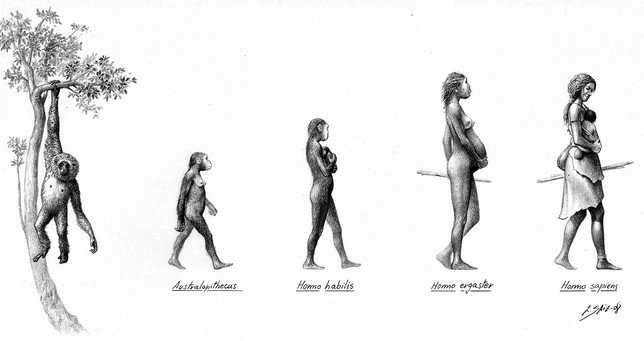
Trying to find evolution schemes depicting women. If you have one or wish to contribute, post here! #sciart #evolution (image: Eduardo Saiz)
16
217
489
8 Jul 2024
New work looking at how epigenetic clocks and cell composition derived from Illumina EPICv1 and v2 compare, led by our outstanding colleagues @UBC @koborlab Always thrilled to publish with such a great team!

Ever wondered about compatibility of @illumina #infinium V1 versus V2 #arrays for #epigenetics population studies including #epigenetic age & #risk scores? Check out our newest, courtesy of our wonderful #bioinformatics team and an awesome group of amazing @collaborators - enjoy!
6
381
Calen P. Ryan 🌊 retweeted

11 Jun 2024
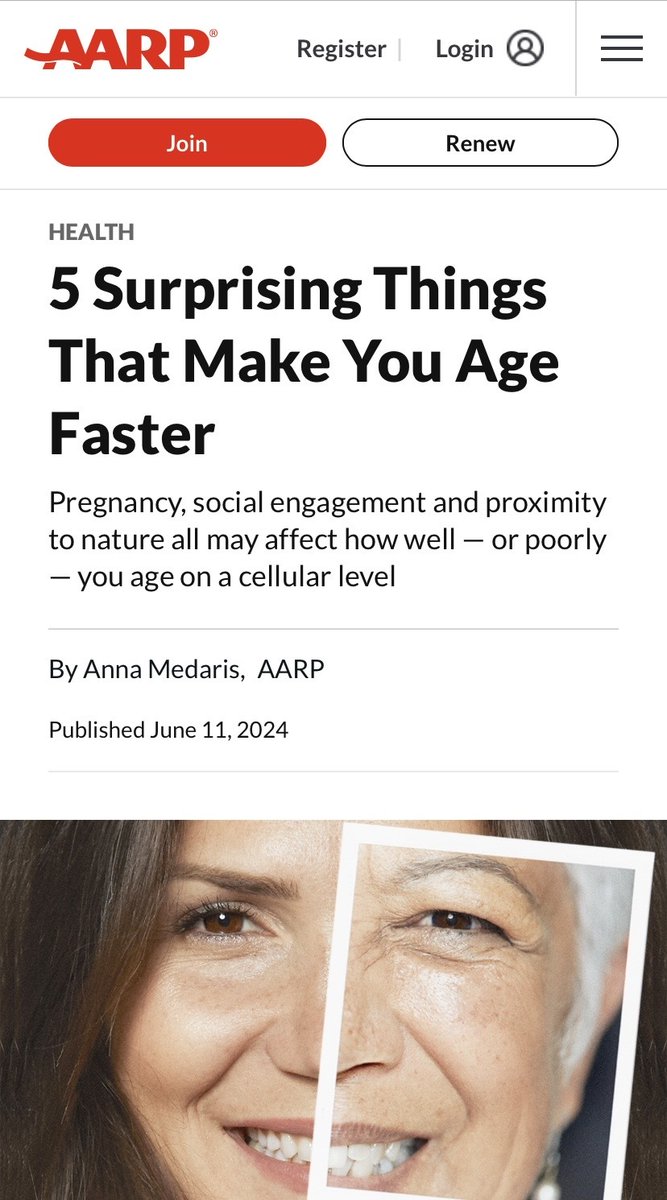
My latest story for @AARP is live! As a bonus, I got to hang out with my editor IRL at this past weekend's @AHCJ conference in NYC. TY @mkaeberlein @CalenRyan @StevenAustad for your research & insight. aarp.org/health/healthy-livi… #aging #longevity #healthwriting #freelance

1
9
375
Calen P. Ryan 🌊 retweeted

7 May 2024
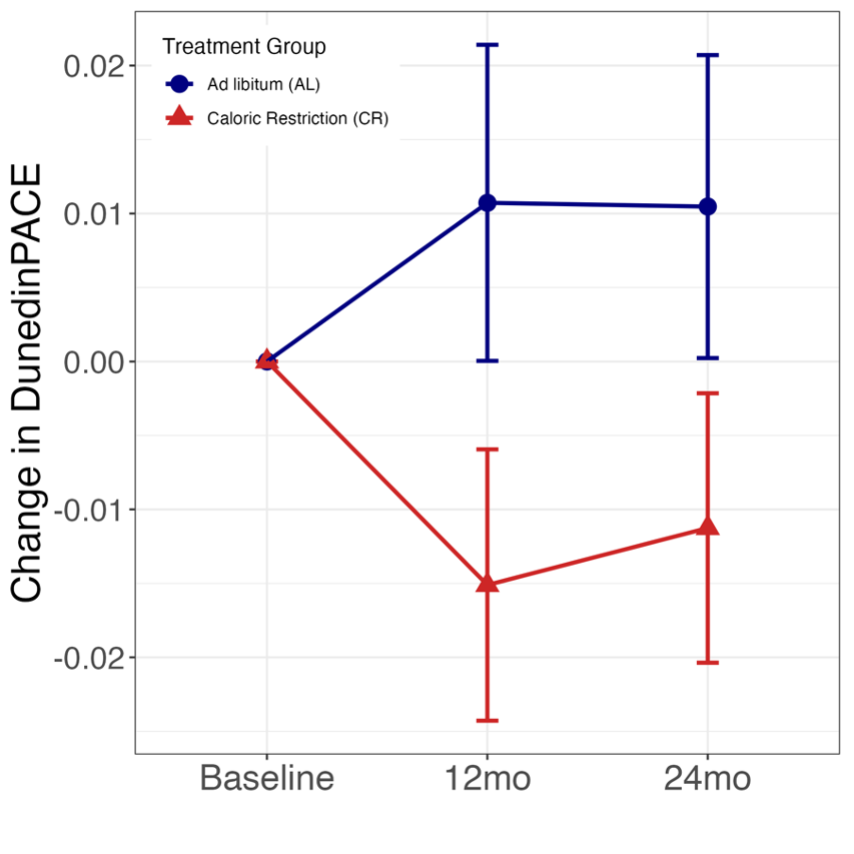
🧬What is the link between telomeres and aging, and why does caloric restriction appear to influence them?
A new study sheds some light.
lifespan.io/news/exploring-h…
@whastings2012 @Wolf_SarahE @CalenRyan @RacetteSusan @DrLeanneRedman @Danbelsky
#TelomereAttrition #CALERIE #CR
4
20
1,157
8 Apr 2024
Stimulating questions and great discussion on our recent paper with @eabrown18 - read more about it in her article with @NatGeo!
8 Apr 2024

Not news for us moms, but interesting nonetheless! By @eabrown18 for @NatGeo
nationalgeographic.com/premi…
5
3
340
8 Apr 2024
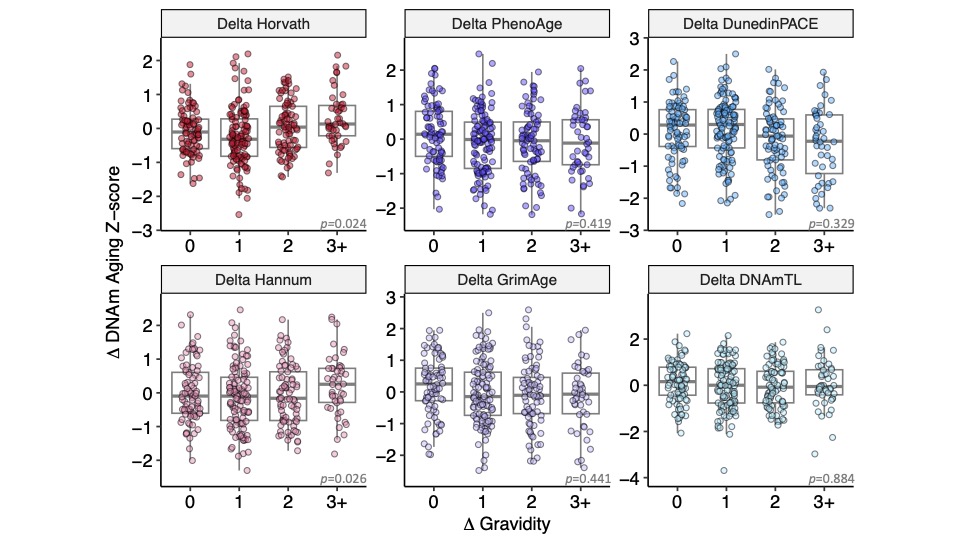
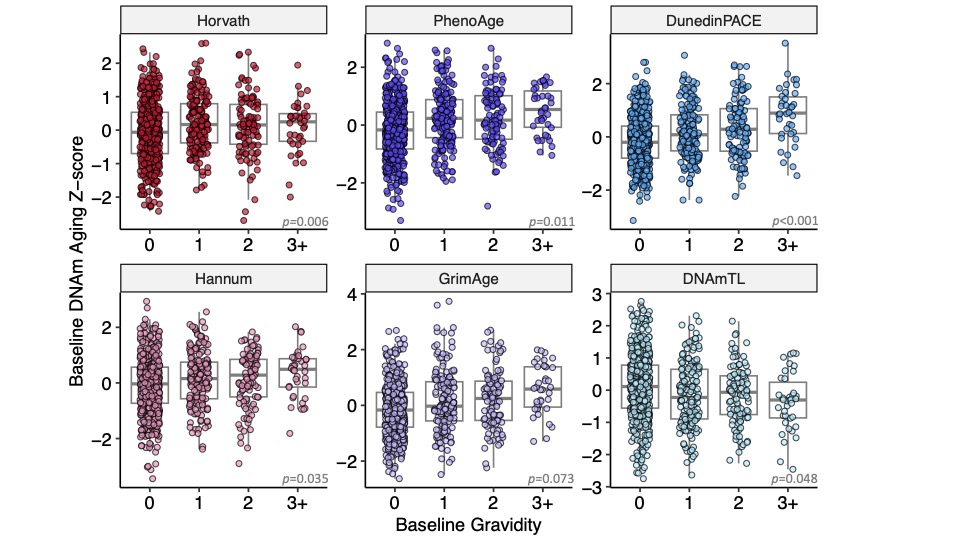
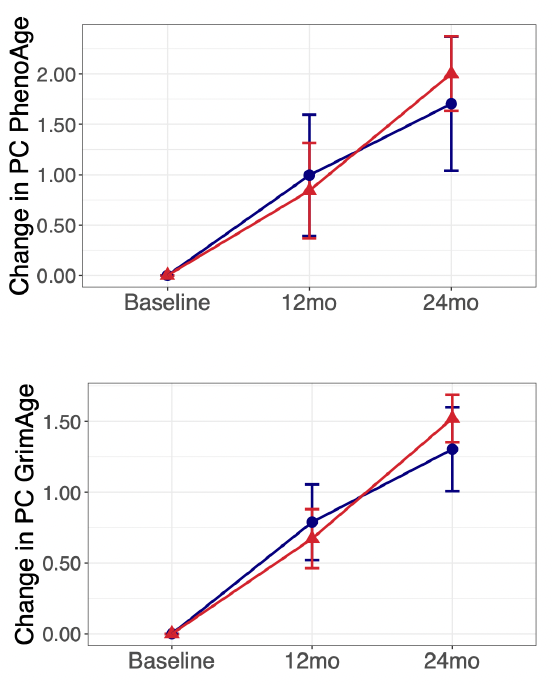
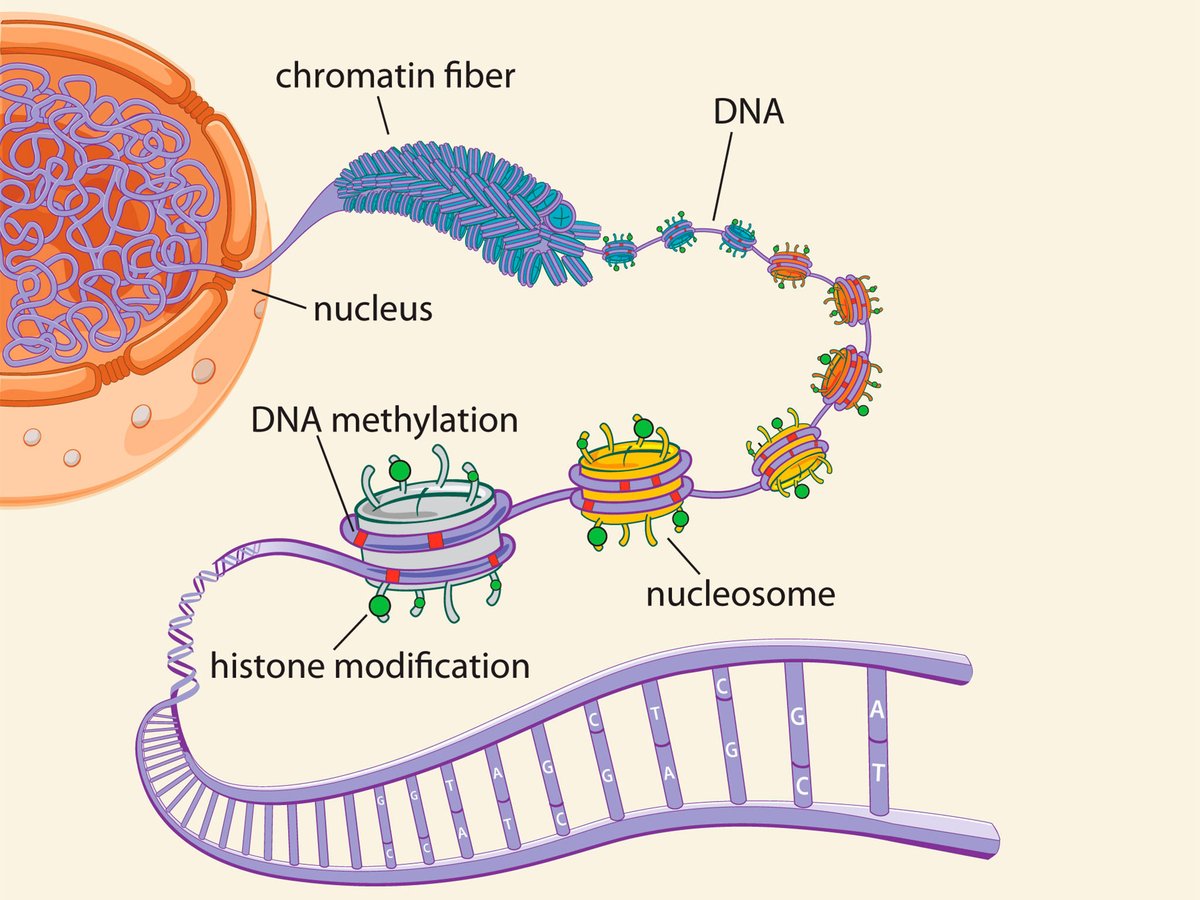
We measured biological aging using 6 epigenetic clocks, a family of revolutionary tools for studying aging and predicting health and longevity. You can read more about them in my not too out-of-date review article. onlinelibrary.wiley.com/doi/…
2
3
253
8 Apr 2024
The effects we see are small, and we still don’t know the long-term implications. But this kind of research may one day help us identify who is at the greatest risk and devise ways to support them to minimize any long-term costs of reproduction.
1
180
8 Apr 2024
More broadly, these kinds of studies are highlighting how research in biological aging has often overlooked women and women’s health: we really think more carefully about pregnancy, menstruation, and menopause, when building, testing, and validating measures of biological aging.
1
8
427
8 Apr 2024
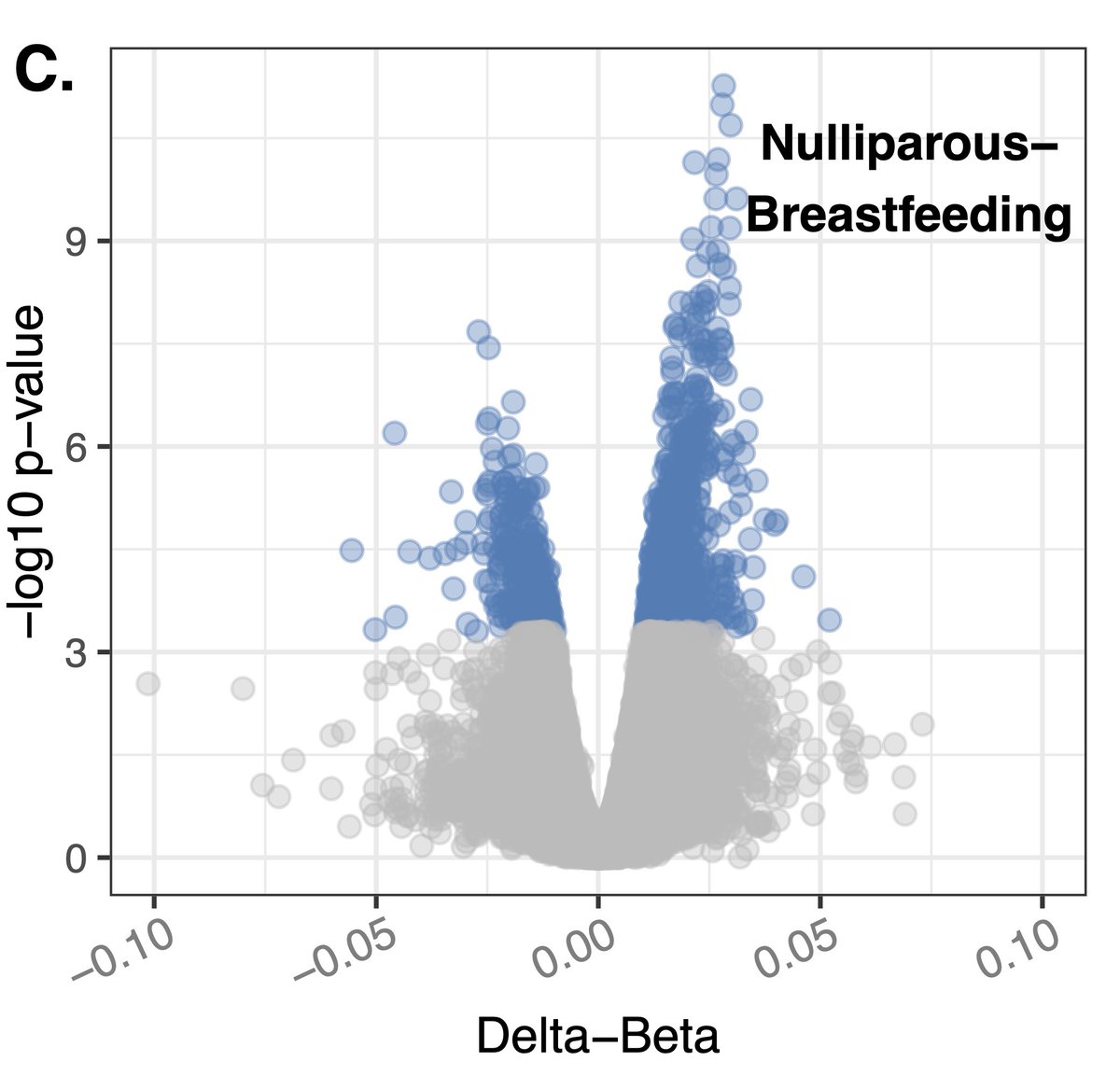
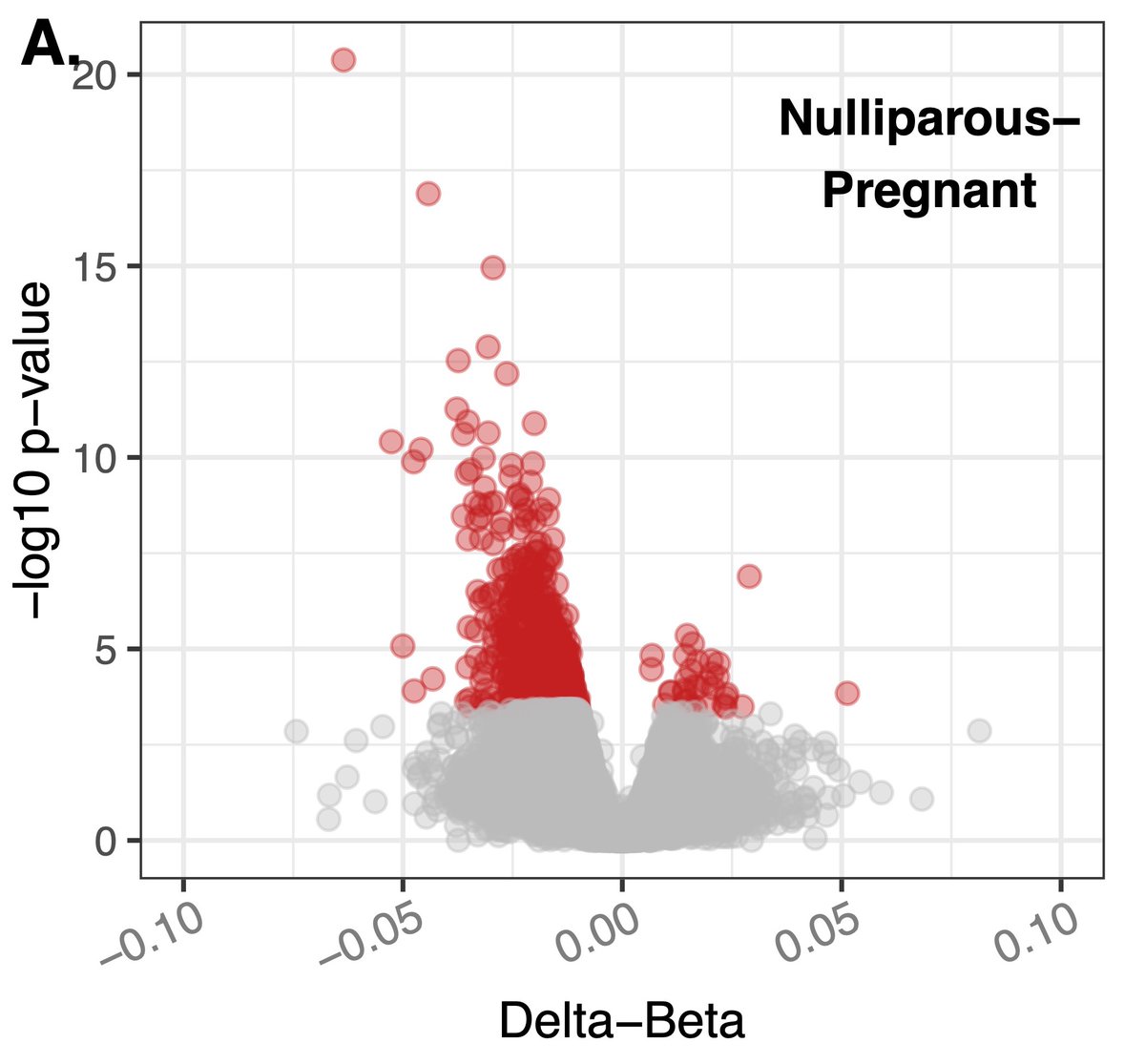
Our publication showing that pregnancy is associated with faster epigenetic aging is out now in @PNASNews!
pnas.org/doi/10.1073/pnas.23…
@koborlab @Danbelsky @ChrisKuzawa
A thread about the paper below 👇
5
15
57
7,055
8 Apr 2024
To do this, we studied n=1735 young (20-22y old) men and women participating in the Cebu Longitudinal Health and Nutrition Survey (CLHNS), an ongoing, long-term study of growth, development, and health in the Philippines.
1
172
8 Apr 2024
We previously showed that parity was associated with biological aging among post-menopausal women. Here, we asked if it is possible to detect these ‘costs of reproduction’ among young adults, decades before they start to show signs of disease or mortality. x.com/talia_shirazi/status/1…
25 Nov 2020

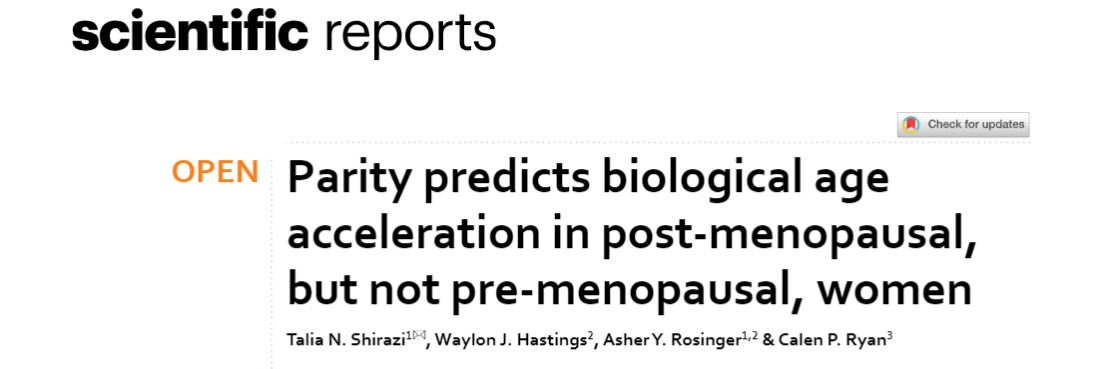
“Parity predicts biological age acceleration in post-menopausal, but not pre-menopausal, women” by ✋ @whastings2012 @asher_rosinger @CalenRyan is out in @SciReports today (rdcu.be/cbisw)! A small-ish 🧵 breaking down what we found: (1/n)
1
3
260
8 Apr 2024
Research in plants and animals generally supports this hypothesis, as do large epidemiological studies showing higher risk for some diseases and all-cause mortality, especially at the high end of fertility and among younger mothers. e.g. Zhang et al. 2016
nature.com/articles/srep1935…
1
1
172
8 Apr 2024
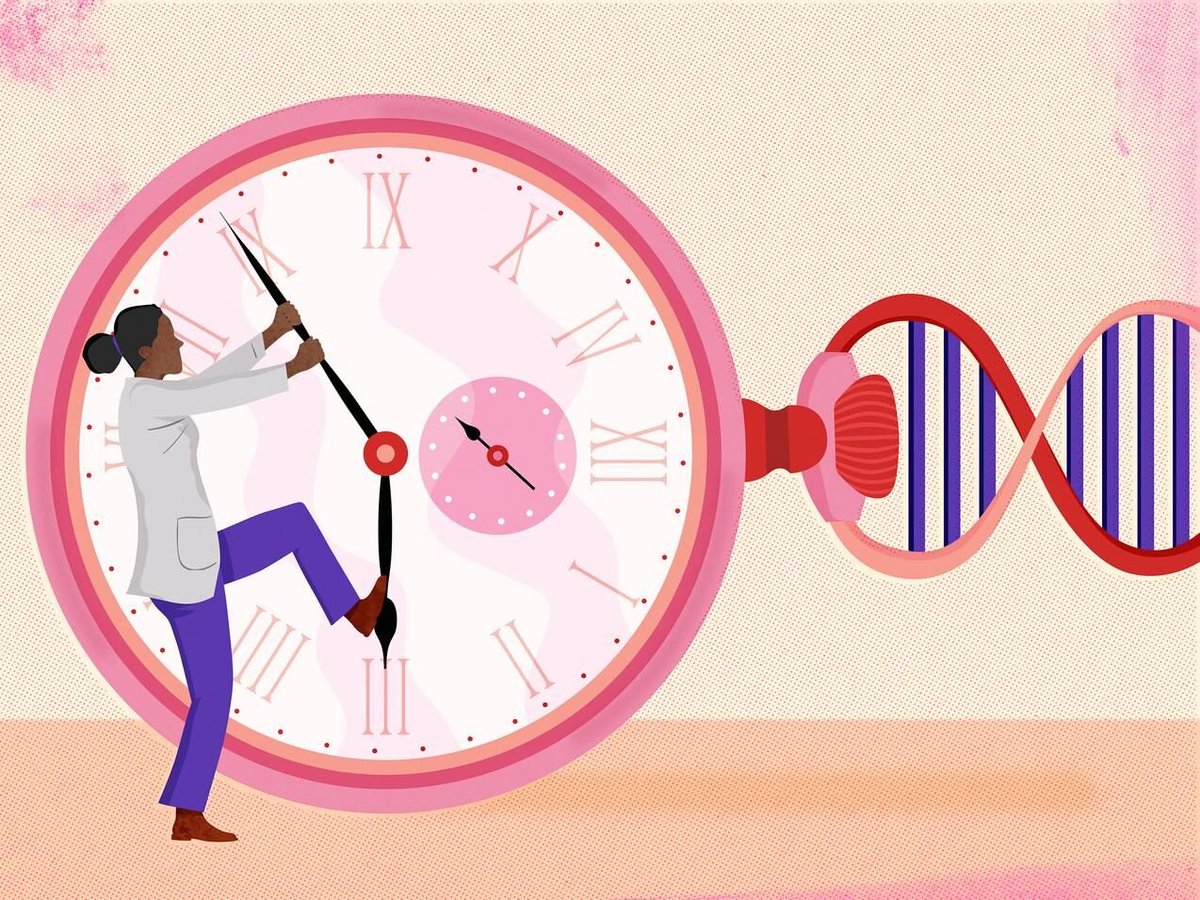
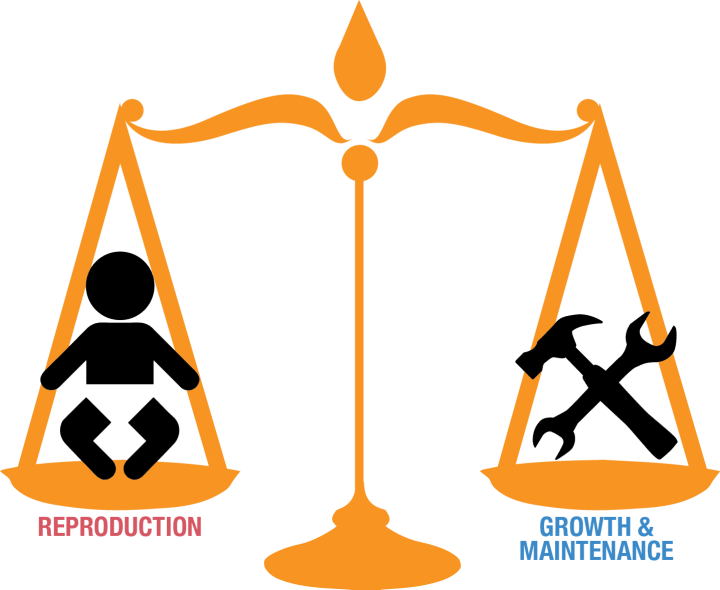
Evolutionary theory leads to the prediction that energy and resources allocated to reproduction should come at the expense of somatic maintenance, leading to faster biological aging. [Image courtesy of Dr. Amy Boddy]
1
1
239