Assistant Lecturer in Chemistry at @atusligo_ie | Research interests in ion channels and glycans using MD simulations | Views & opinions are my own |
Joined May 2016
- Tweets 672
- Following 830
- Followers 304
- Likes 1,351
106 Photos and videos
Pinned Tweet

12 Dec 2023
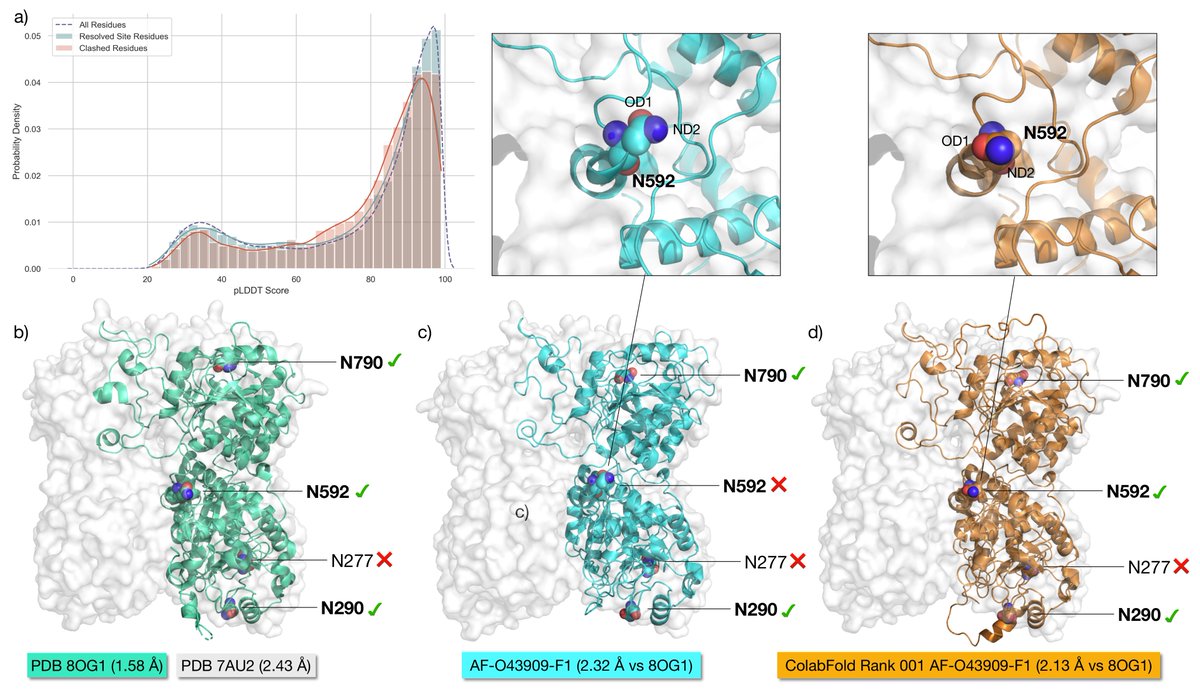
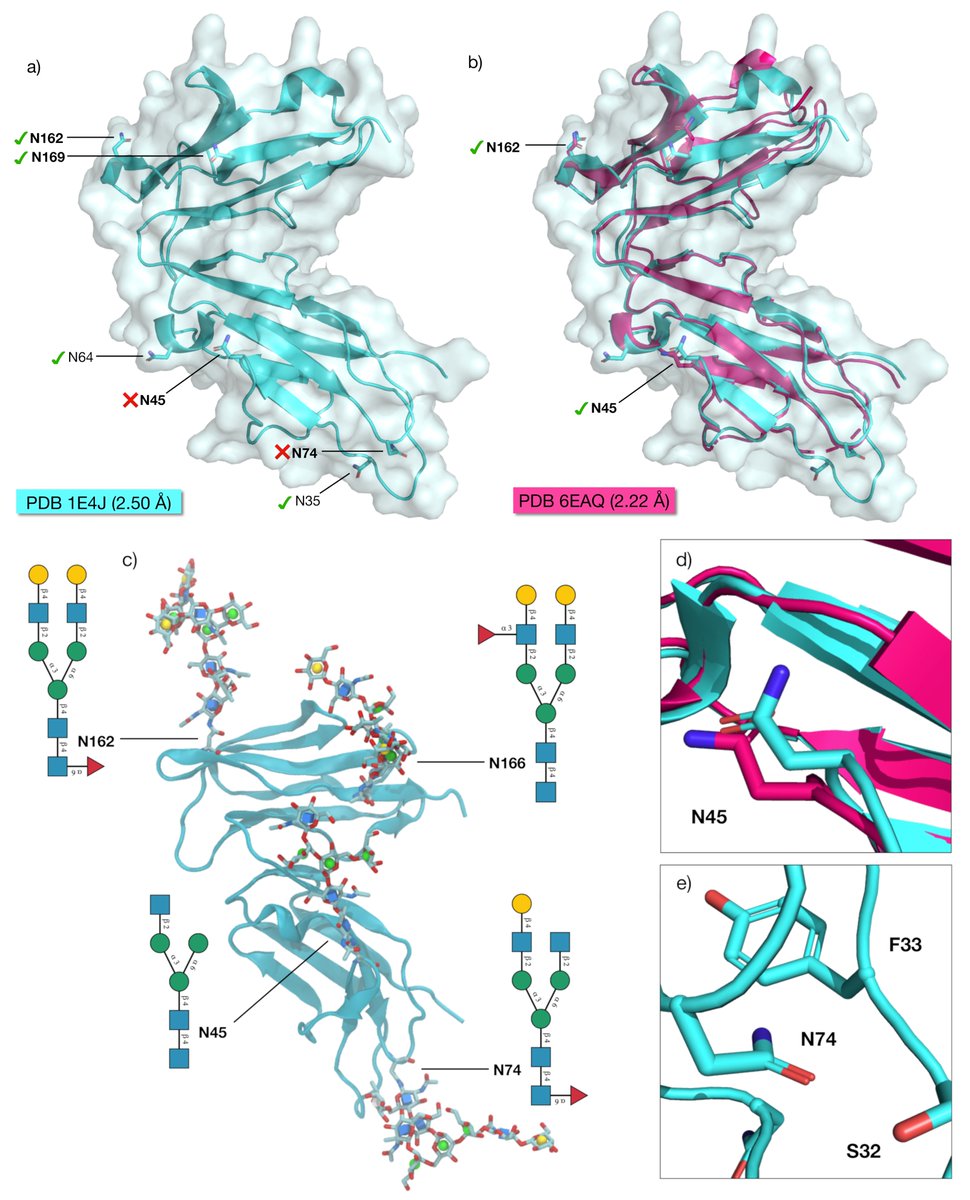
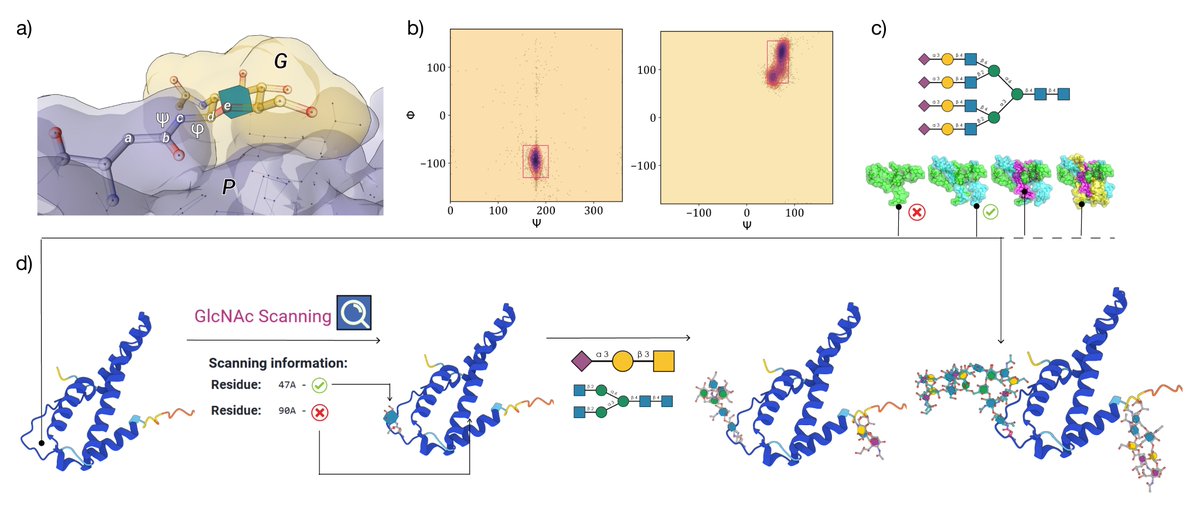
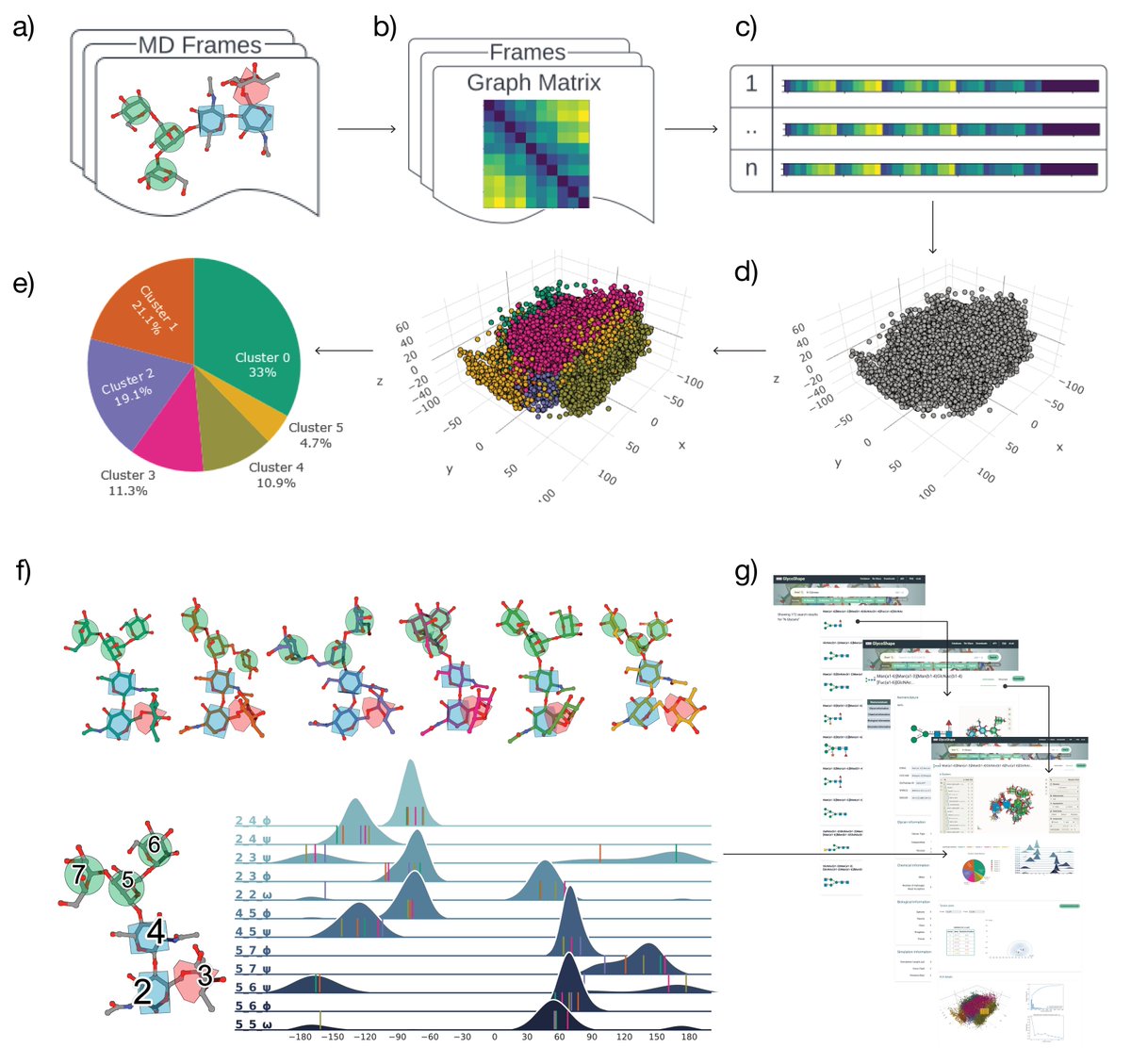
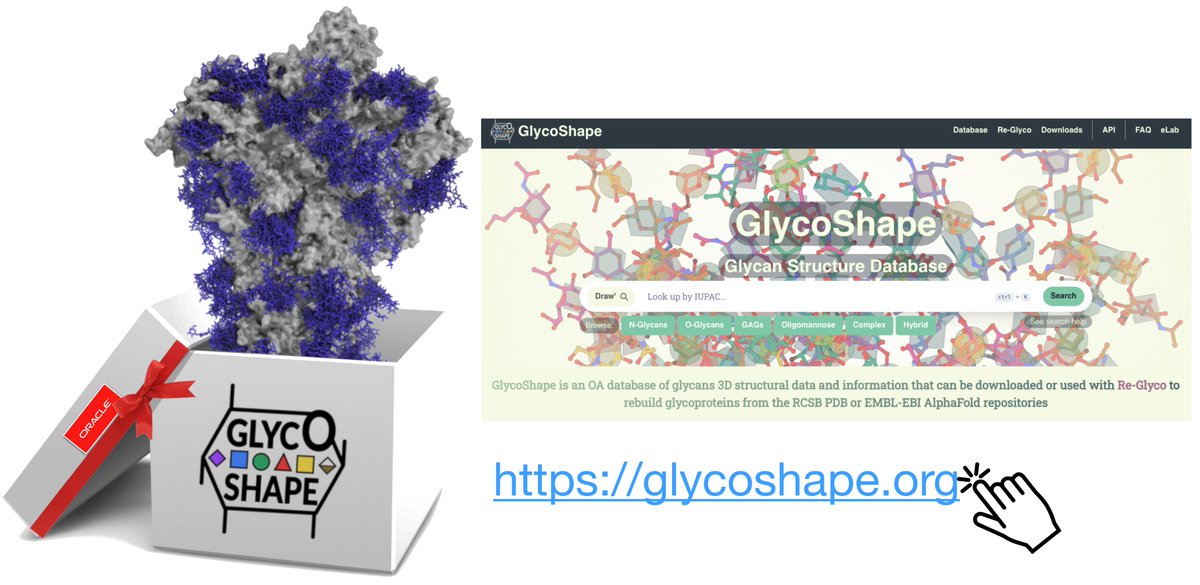
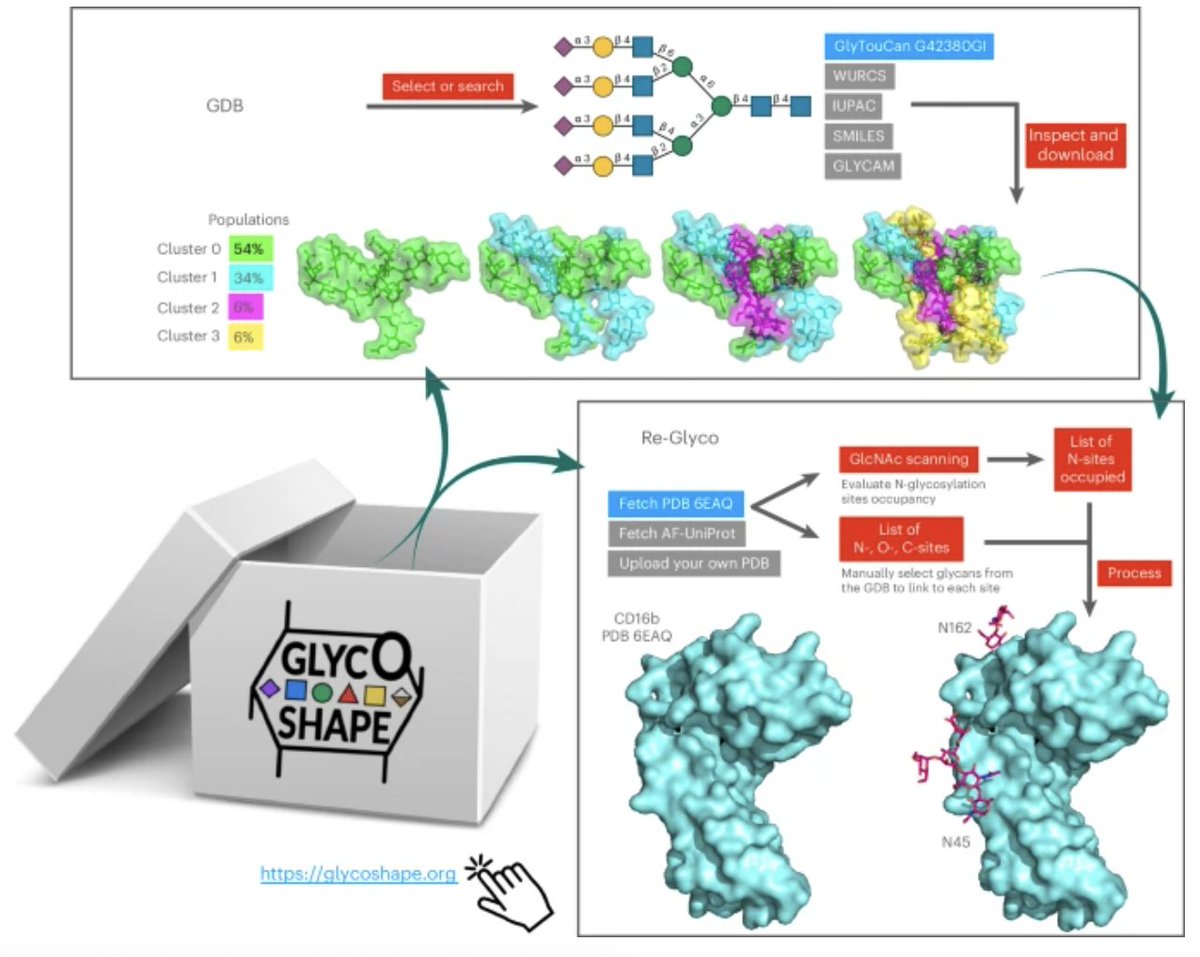
It’s the most wonderful #glycotime of the year! Let us (@ElisaTelisa @Ojas_Singh_) introduce you to #GlycoShape (glycoshape.org), a web platform that allows users to restore glycoproteins 3D structures (PDB, AF/RoseTTAFold or own) to their natural, functional state by adding the missing glycan structures doi.org/10.1101/2023.12.11.5… 🧵1/8
5
66
194
24,440
Callum Ives retweeted

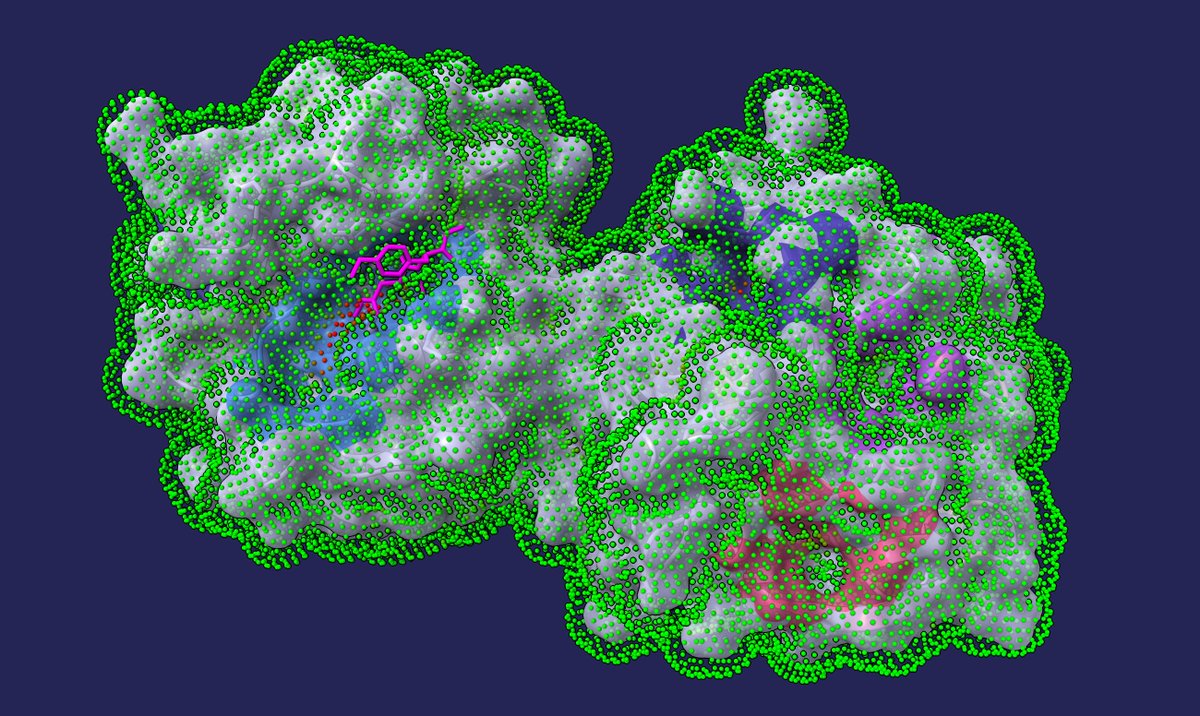
🚨 New #P2Rank release out! P2Rank can now run fpocket directly and then re-score predictions with PRANK. Additionally, @UCSFChimeraX is now supported for structure visualisation. Glad to have had my tiny contribution to this feature! And it looks so good!
PDB: 4GQQ @PDBeurope
4 Nov 2024

🚀 P2Rank 2.5 now offers ChimeraX visualizations of ligand binding site predictions (alongside PyMOL ones)! Huge thanks to @JavierUtges and @UCSFChimeraX team for inspiration and help.
Release Details: github.com/rdk/p2rank/releas…
💡 Feedback welcome! The current visualization style may not be that useful to biologists and chemists. What would make it more informative? Ideas on style, features, or details to include?
#Bioinformatics #StructuralBiology #DrugDiscovery
3
30
1,374
Callum Ives retweeted

12 Nov 2024
🚨 Paper Alert🚨
Our latest paper from @UZDundee group reveals how Na ions negatively modulate the μ-opioid receptor (μ-OR)! 🧬 Huge thanks to all involved.
Full story: cell.com/structure/fulltext/…
Funded by @EastbioDTP, work performed at @UoDLifeSciences
#GPCR #opioid
7
13
913
Callum Ives retweeted

15 Oct 2024
GlycoShape, a web-based platform, supplements 3D glycoprotein structures with missing structural information about glycans. @ElisaTelisa
nature.com/articles/s41592-0…
21
70
7,831
Callum Ives retweeted

17 Oct 2024
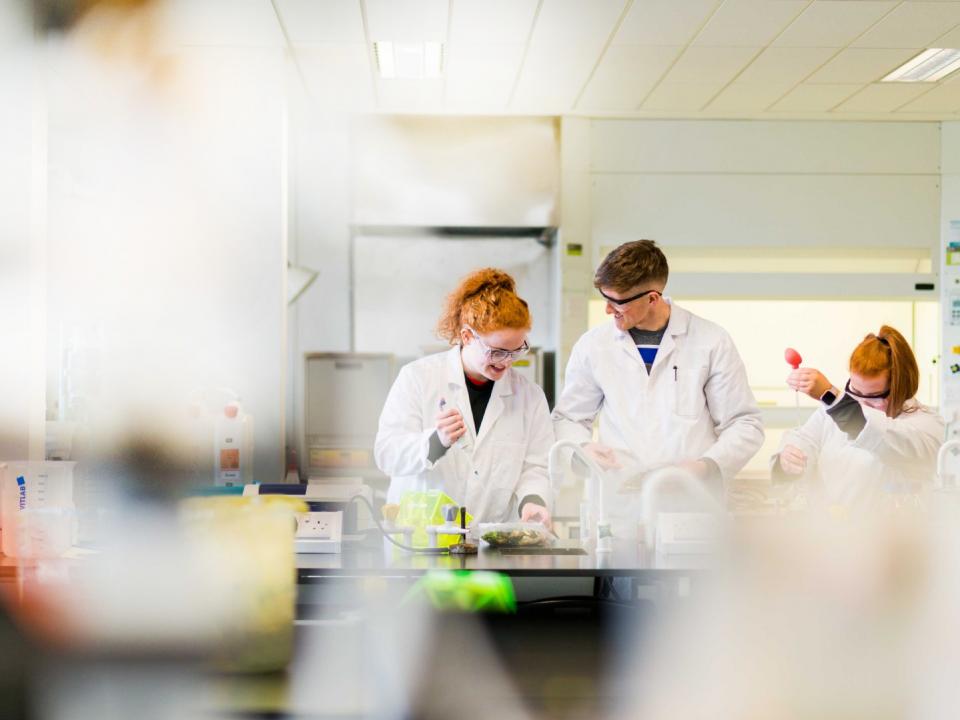
🎓Five of #ATU researchers have been named among the World’s Top 2% Most Cited Scientists, according to an updated analysis by Emeritus Professor John Ioannidis from Stanford University in collaboration with Elsevier BV and SciTech Strategies Inc.
✍️ atu.ie/news/atu-researchers-…
8
9
1,242
Callum Ives retweeted

15 Oct 2024
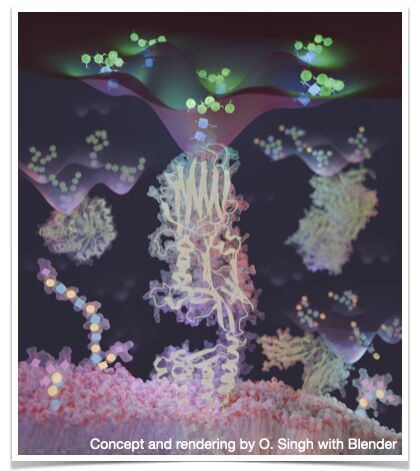
New Nature Methods #glycotime! Restoring protein glycosylation with GlycoShape (glycoshape.org) ihttps://www.nature.com/articles/s41592-024-02464-7 @ElisaTelisa @unisouthampton
4
10
808
Callum Ives retweeted

14 Oct 2024
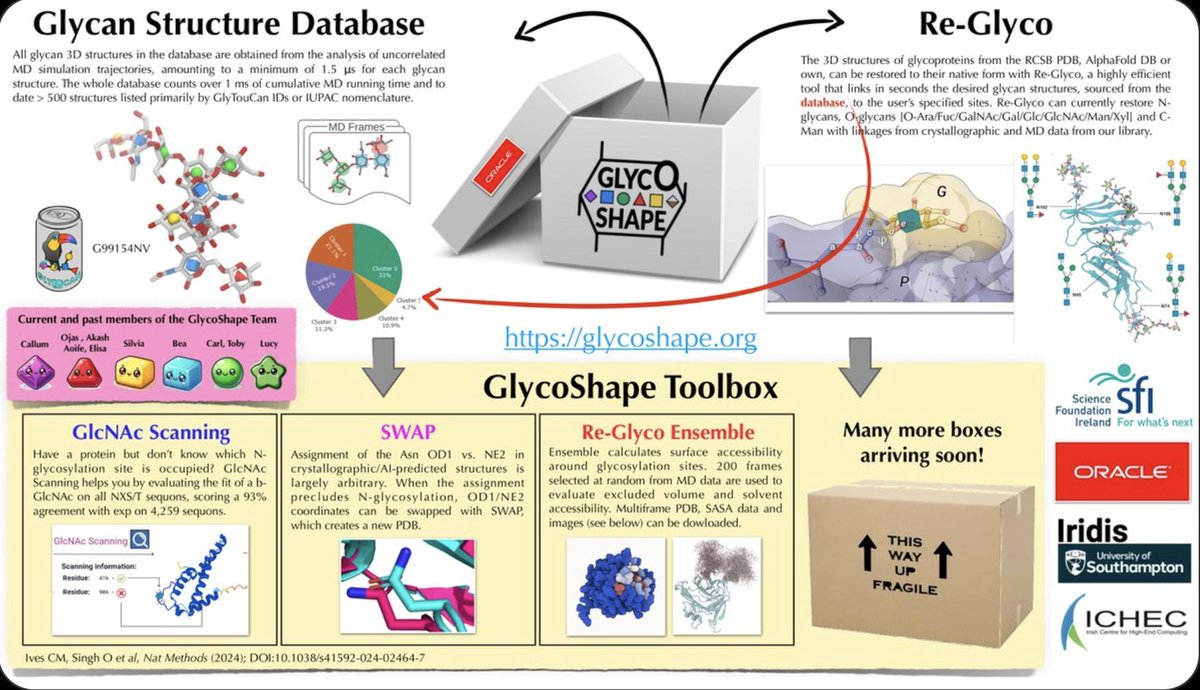
Beautiful #glycotime work by @ElisaTelisa @CallumMIves @Ojas_Singh_ @Oracle
GlycoShape🔺🟨🟦🟢
Visit: glycoshape.org
Read: nature.com/articles/s41592-0…
1
14
57
3,567
Callum Ives retweeted

14 Oct 2024
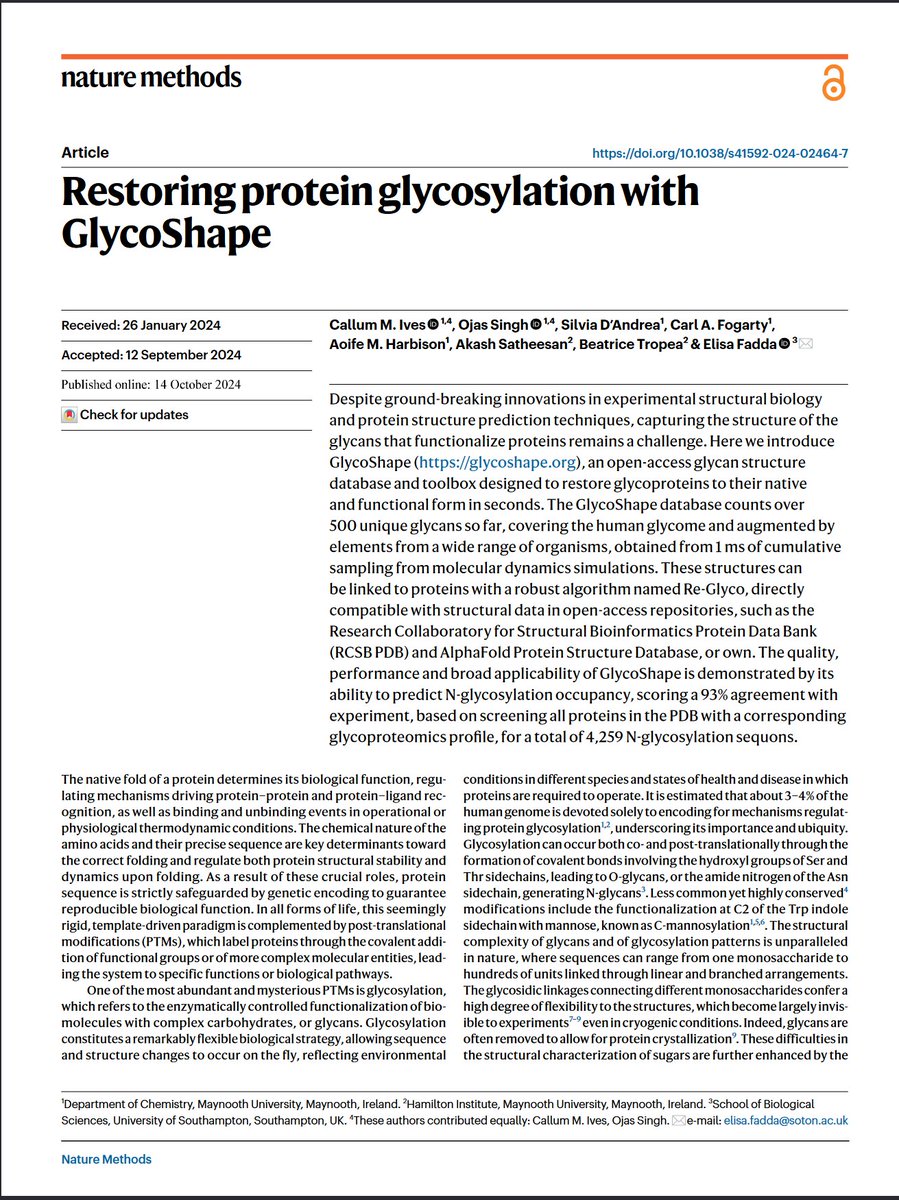
Excited to share my first paper has been published in Nature Methods!! A big thanks to my amazing co-authors @CallumMIves and of course to the support of my team and my supervisor @ElisaTelisa 🎉🎉🎉🔺🟢🟦
3
29
123
12,055
Callum Ives retweeted

3 Oct 2024
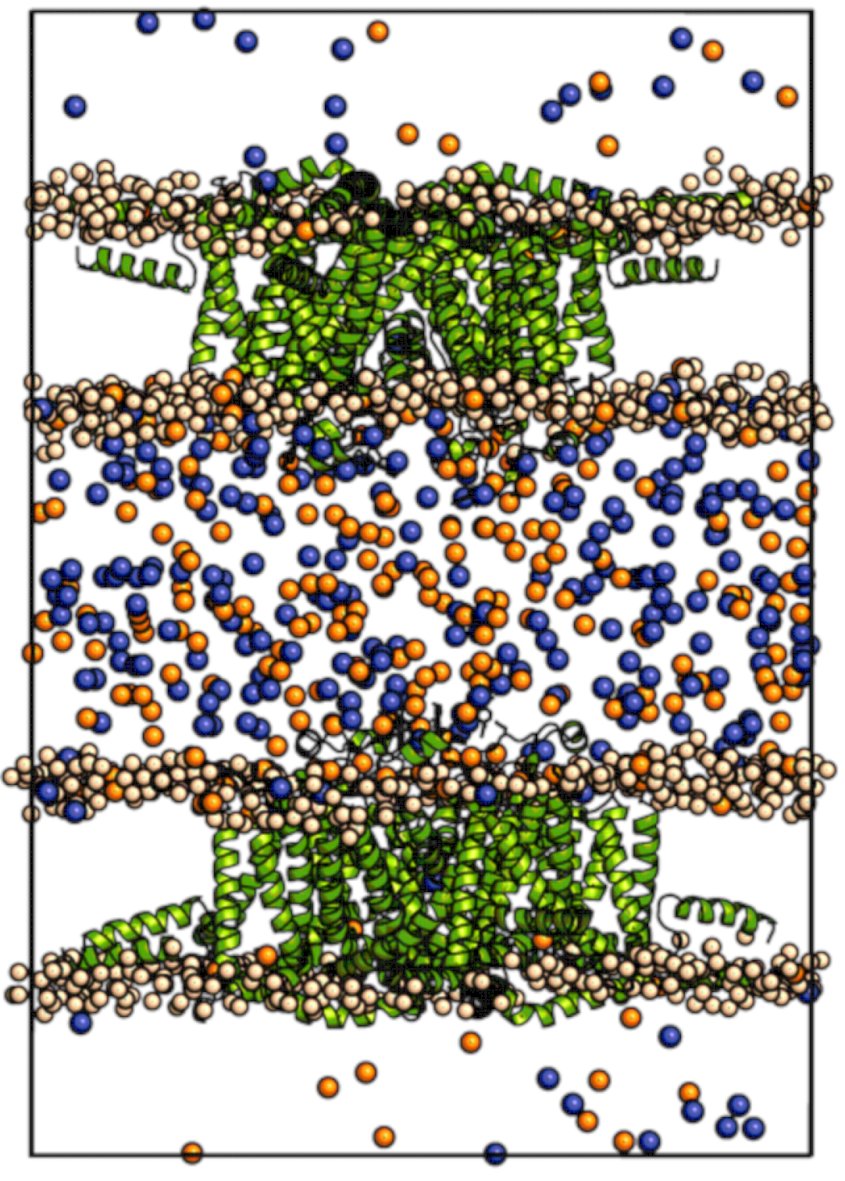
Hydrophobic residues at the channel gate allow only the monovalent cations to pass through the TRPM5 ion channel, simulations revealed a new channel mechanism. ow.ly/44QJ50TAgO0
5
12
864

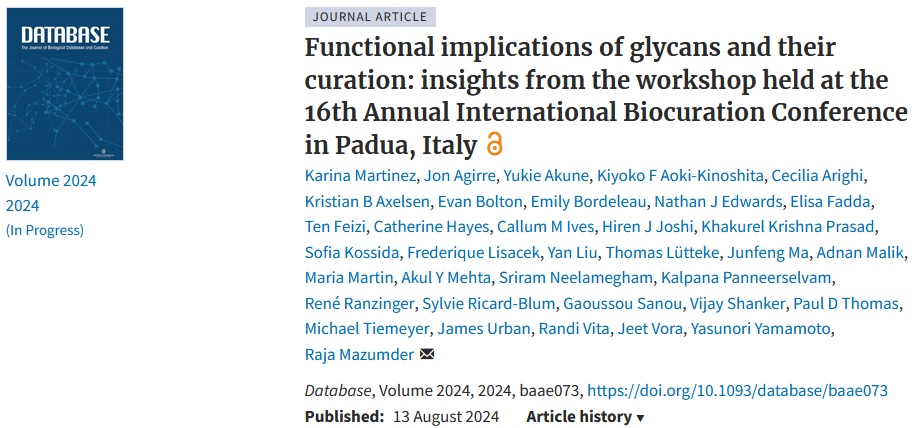
@gly_gen & collaborators shared on their curation workshop held in Padua, Italy. Discover how bioinformatics resources are advancing the collection and annotation of glycan function-related data. Thx @biocurator @SFGlycobiology
pubmed.ncbi.nlm.nih.gov/3913…
3
4
567
23 Aug 2024
Happy to share the final paper from my PhD with @UZDundee and @UoDLifeSciences! In this work we looked into the selectivity of TRPM5, an interesting ion channel implicated in both taste and insulin secretion. 1/4
doi.org/10.1016/j.bpj.2024.0…
1
6
9
993
23 Aug 2024
We used molecular dynamics simulations under voltage and ion gradients to investigate ion permeation across TRPM5, which revealed a new cation selectivity mechanism underpinned by the function of a ‘‘hydrophobic funnel’’ at the internal exit of the selectivity filter. 3/4
1
117
23 Aug 2024
111
Callum Ives retweeted

21 Aug 2024
Refining Martini Force Field Interactions for Accurate Glycoprotein Modeling biorxiv.org/cgi/content/shor… #biorxiv_biophys
2
3
584
Callum Ives retweeted
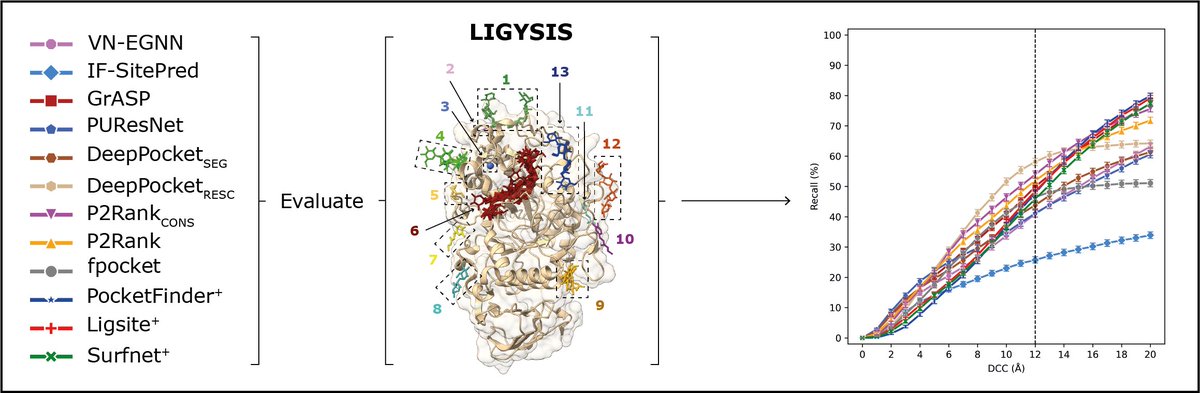
Our pre-print "Comparative evaluation of methods for the prediction of protein-ligand binding sites" is out on Research Square. Check it out!
🔗 tinyurl.com/Utges-LBS-comp
On this paper we benchmark 11 ligand binding site prediction tools on our curated reference dataset: LIGYSIS!
3
30
66
5,903
Callum Ives retweeted
2 Aug 2024
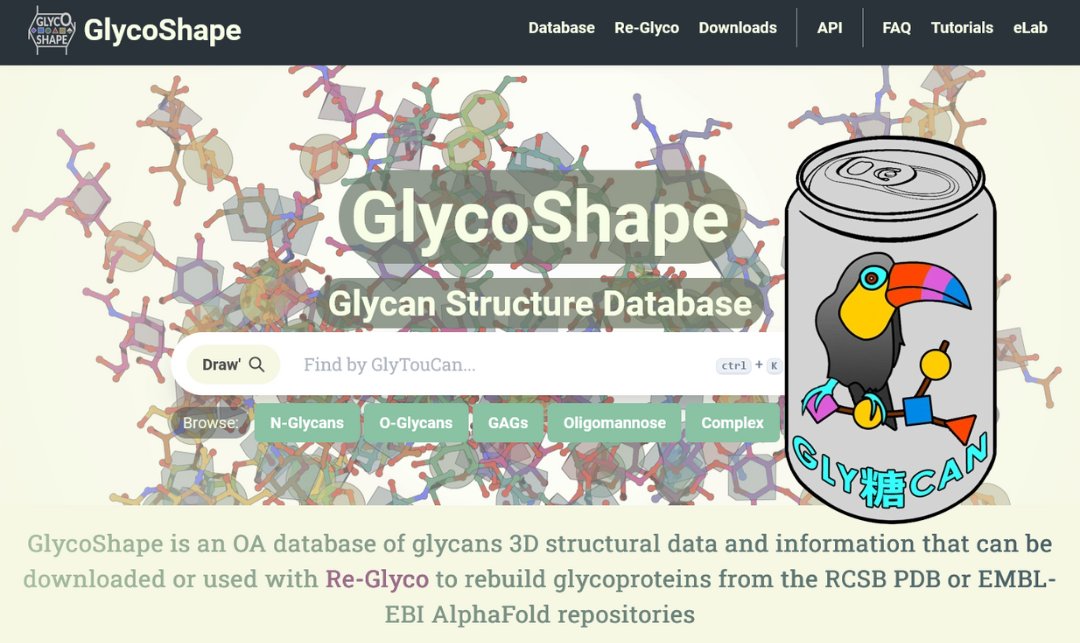
🚨 We've updated the glycan structure database on @GlycoShape (glycoshape.org)! You can now search through and rebuild glycoproteins with 453 unique glycans 🥳
Glycans are now primarily listed by their GlyTouCan IDs @glytoucan @kiyokof 🎉
#glycotime
12
34
1,525
Callum Ives retweeted
2 Jul 2024
Out now! CandyCrunch is a deep learning-based tool for predicting glycan structures from tandem mass spectrometry data.
@_jurban @karlsson_niclas @CallumMIves @ElisaTelisa @daniel_bojar
nature.com/articles/s41592-0…
5
26
8,064
Callum Ives retweeted

1 Jul 2024
Meet CandyCrunch, our AI-glycomics model featured in @naturemethods! Trained on 500k spectra for rapid glycomics analysis on all glycan types.
@ElisaTelisa, @CallumMIves, @karlsson_niclas, @_jurban
More data=better models, so keep on uploading! #glycotime
nature.com/articles/s41592-0…
1
21
59
4,636
Callum Ives retweeted

13 Jun 2024
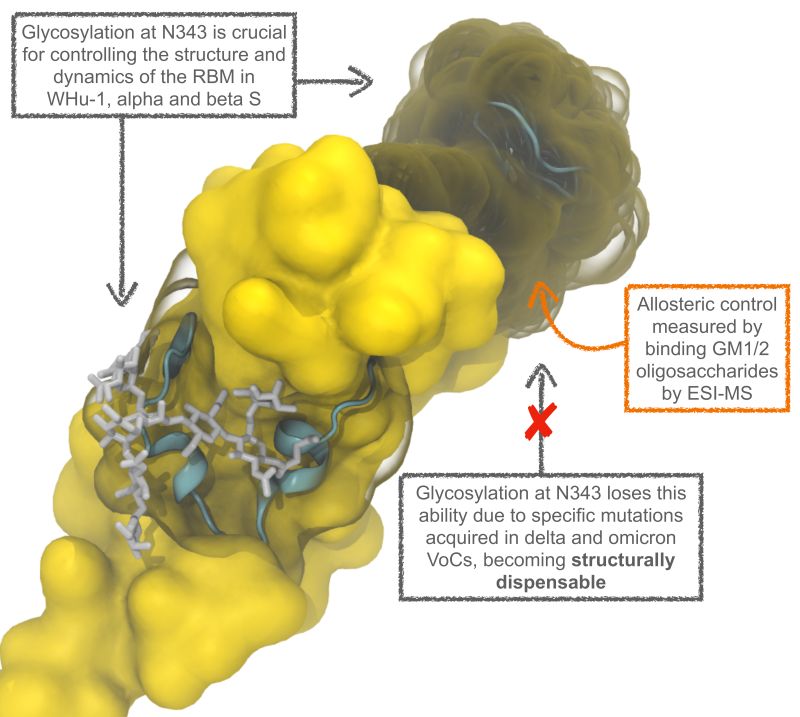
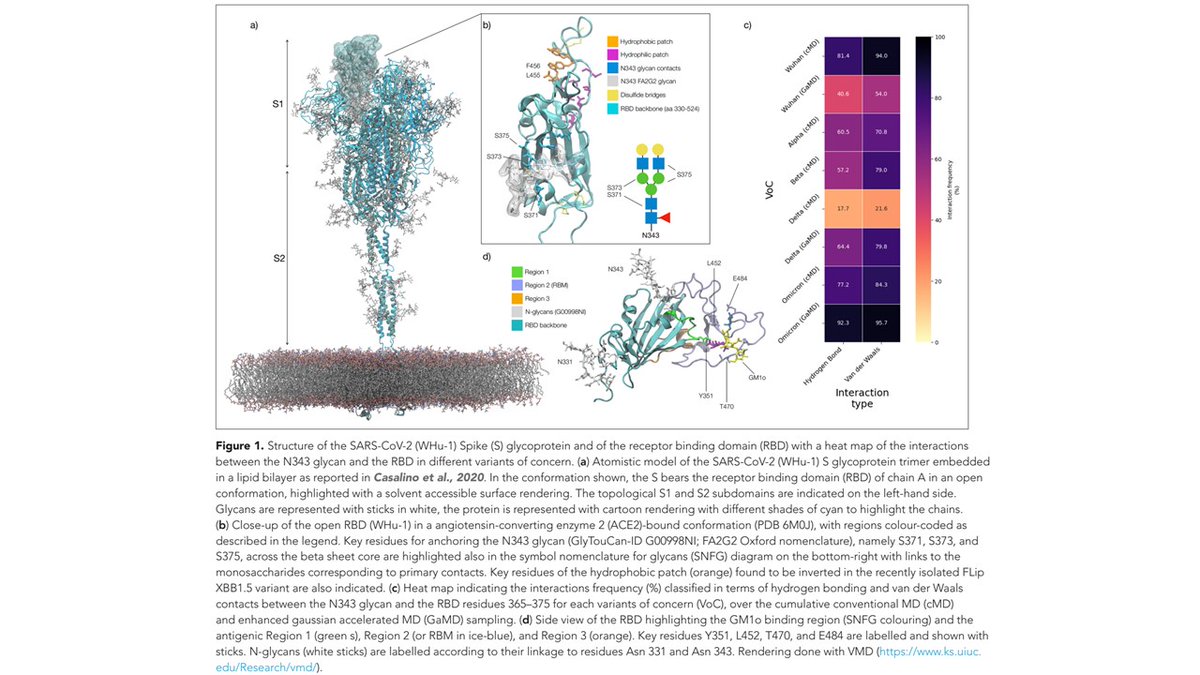
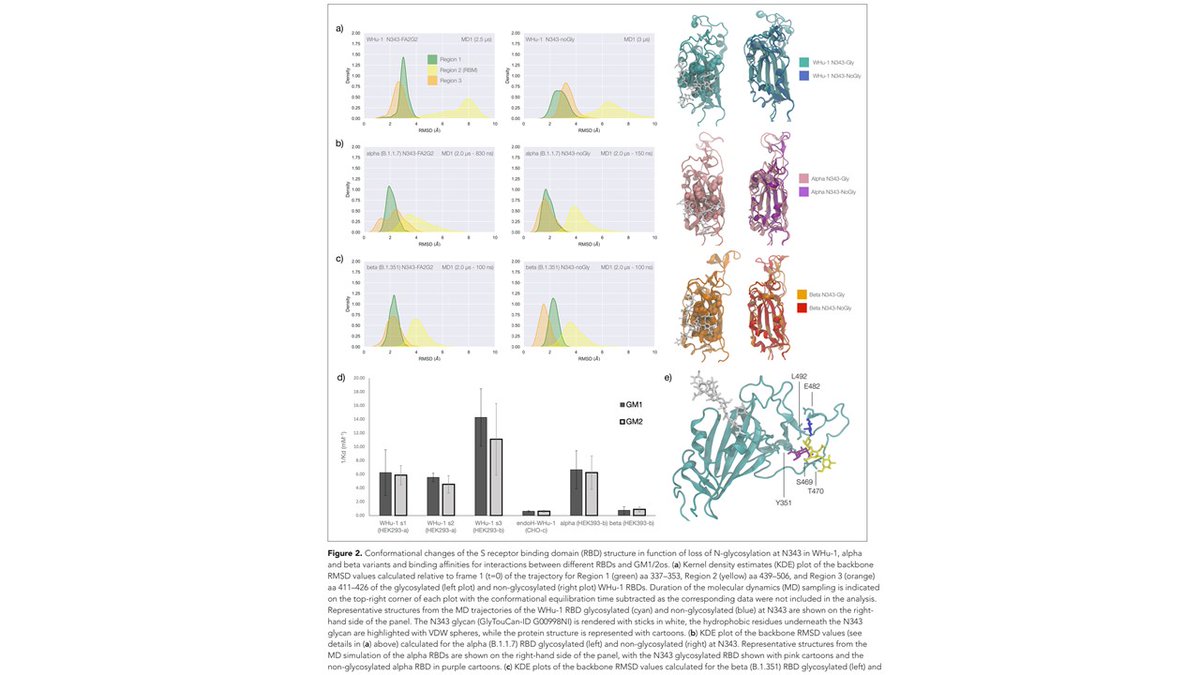
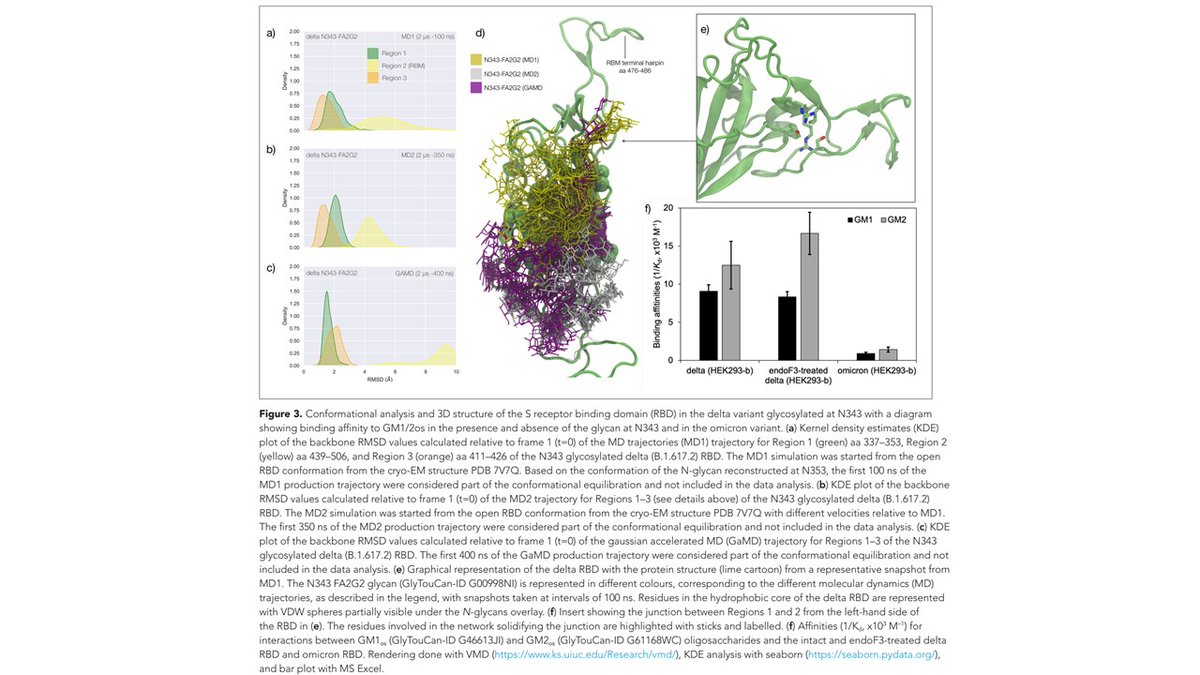
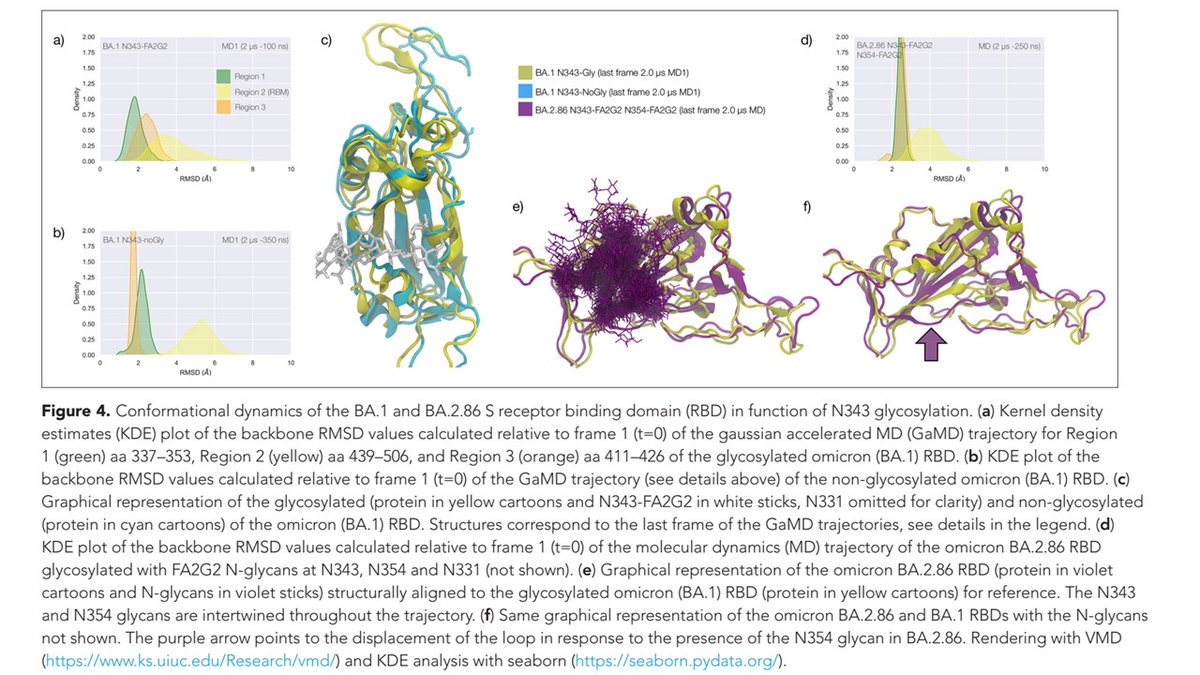
Interesting study @CallumMIves @ElisaTelisa shows how important is N-glycosylation at N343 for receptor binding domain of SARS-CoV-2 tinyurl.com/323m9e85
#glycotime
7
19
1,462
13 Jun 2024
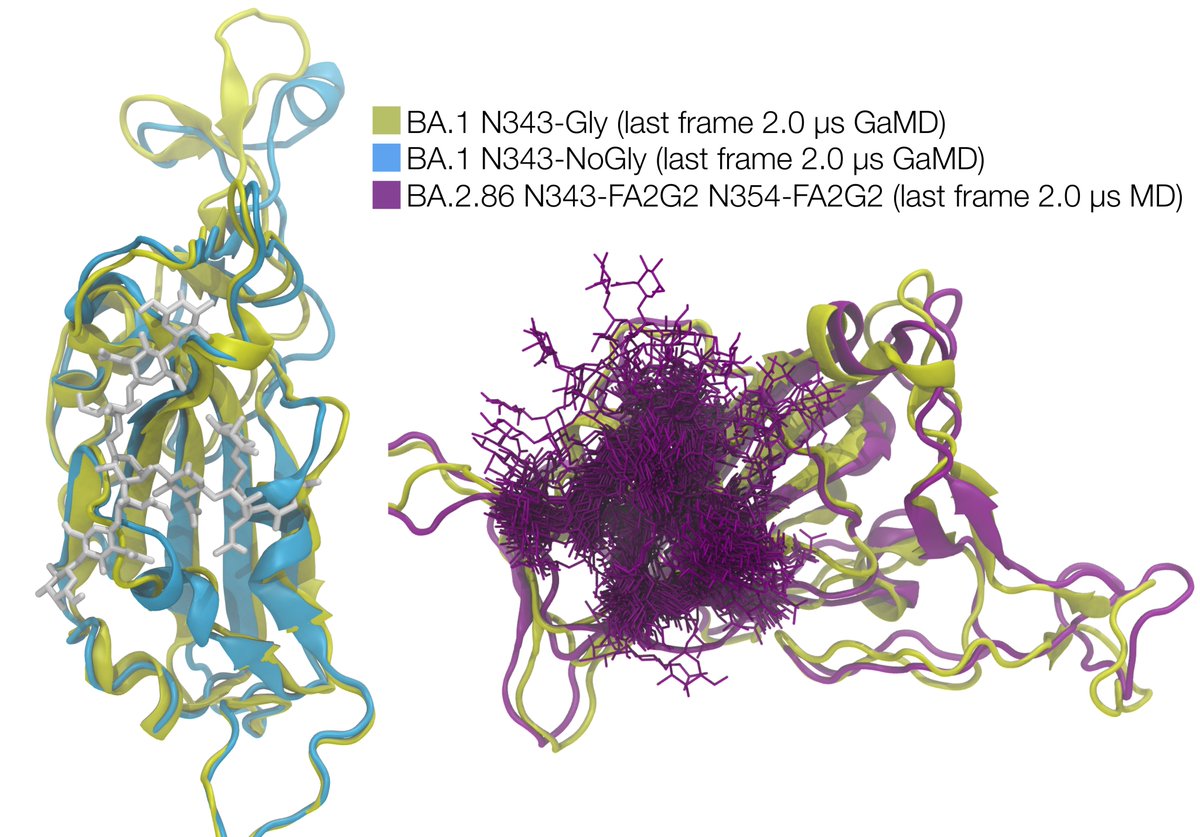
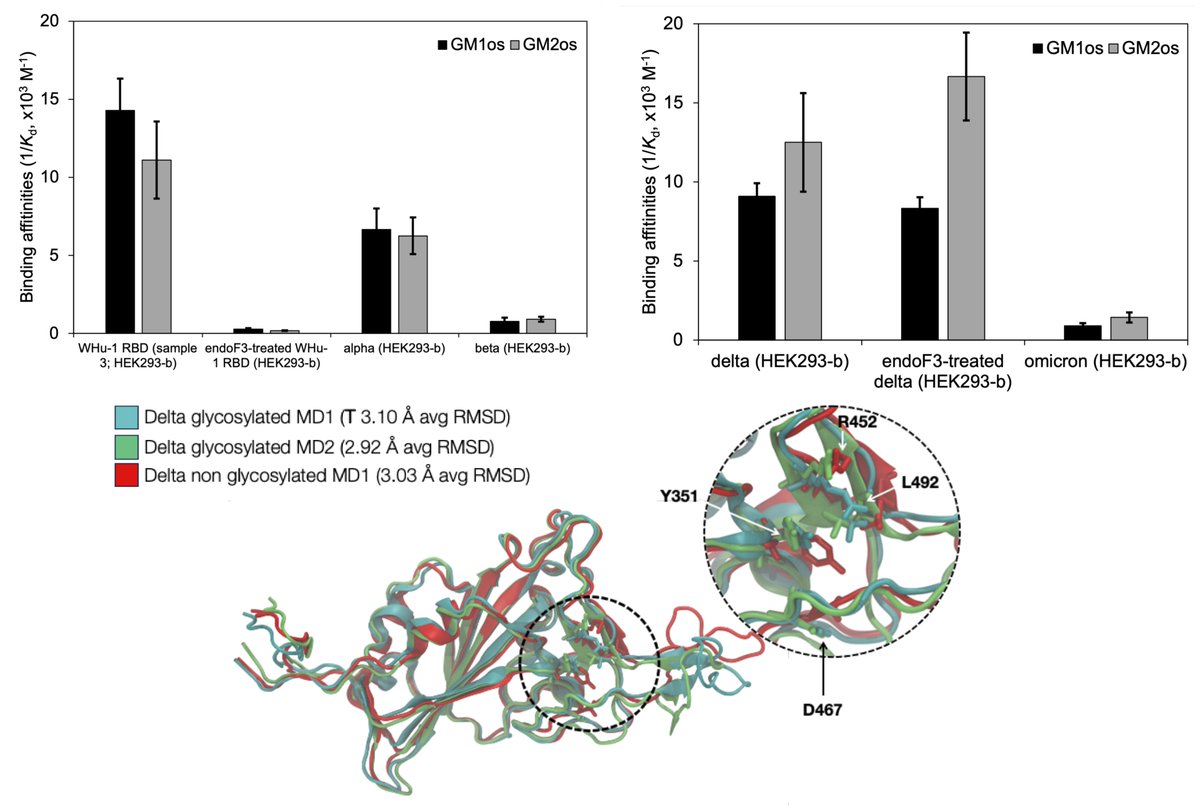
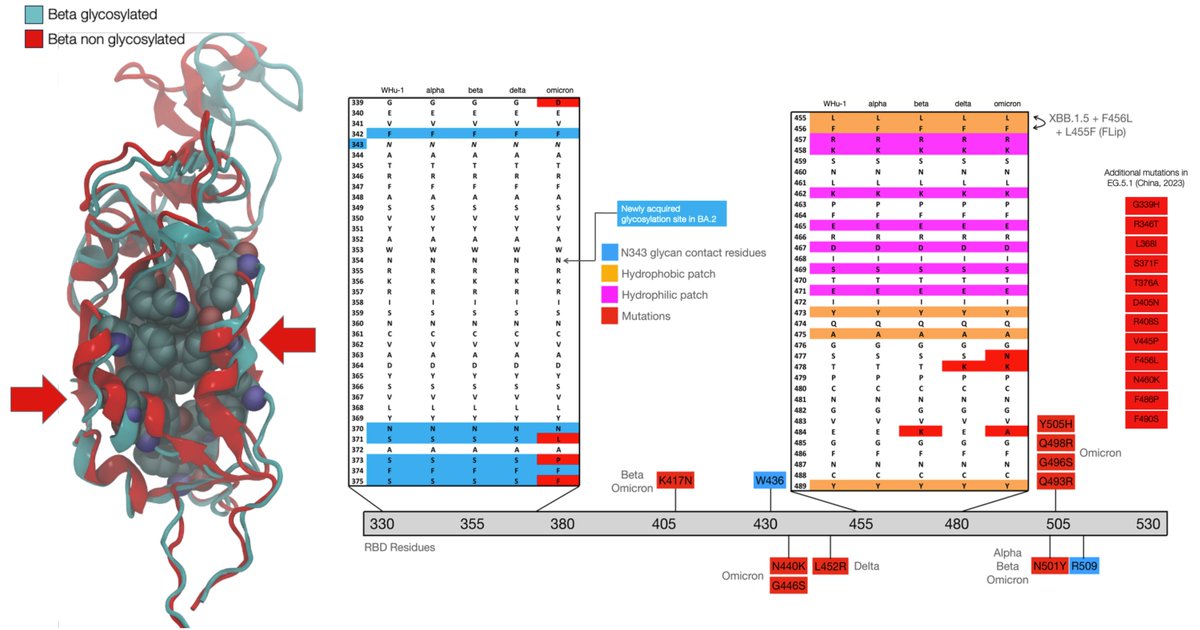
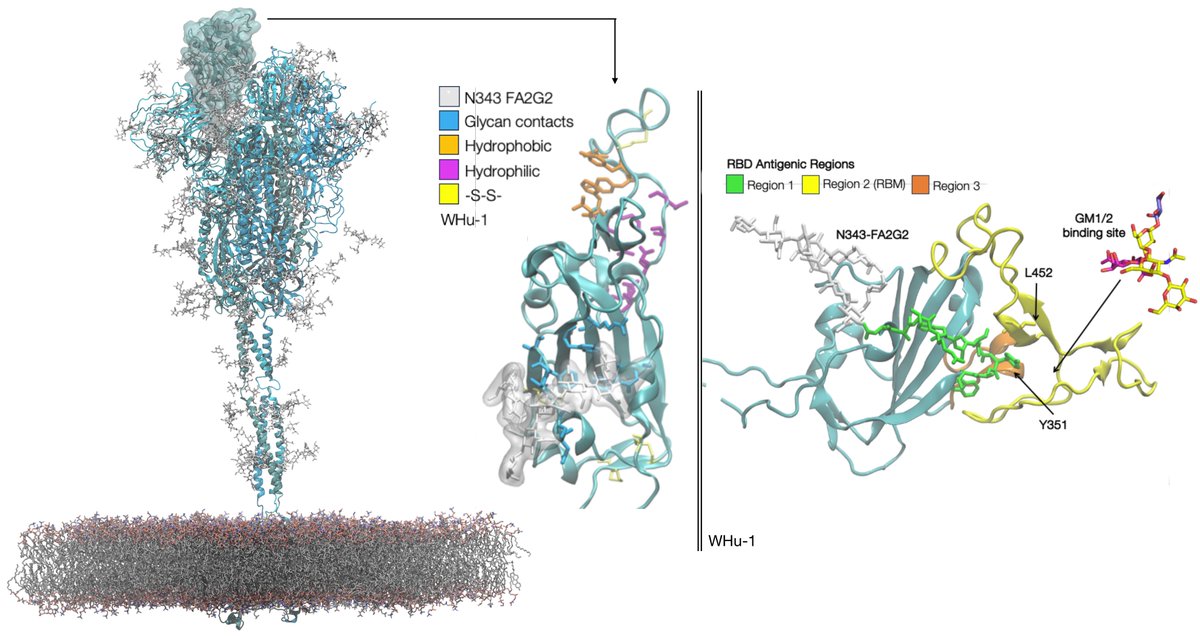
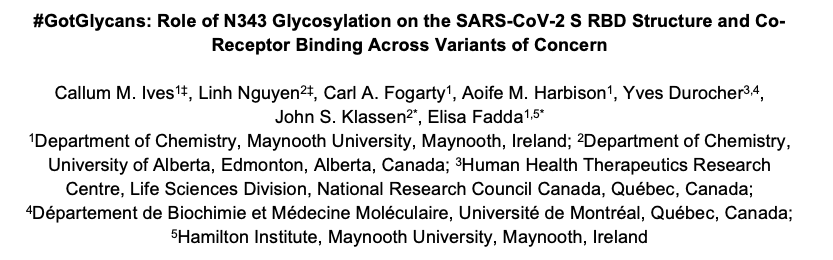
Excited to share the Version of Record of our @eLife paper! In this work we show through extensive MD sims (@ElisaTelisa) & ESI-MS (Klassen Group) how glycosylation of SARS-CoV-2 S RBD works with the protein structure to modulate co-receptor binding! doi.org/10.7554/eLife.95708.…
1
12
41
2,741