
671 Photos and videos
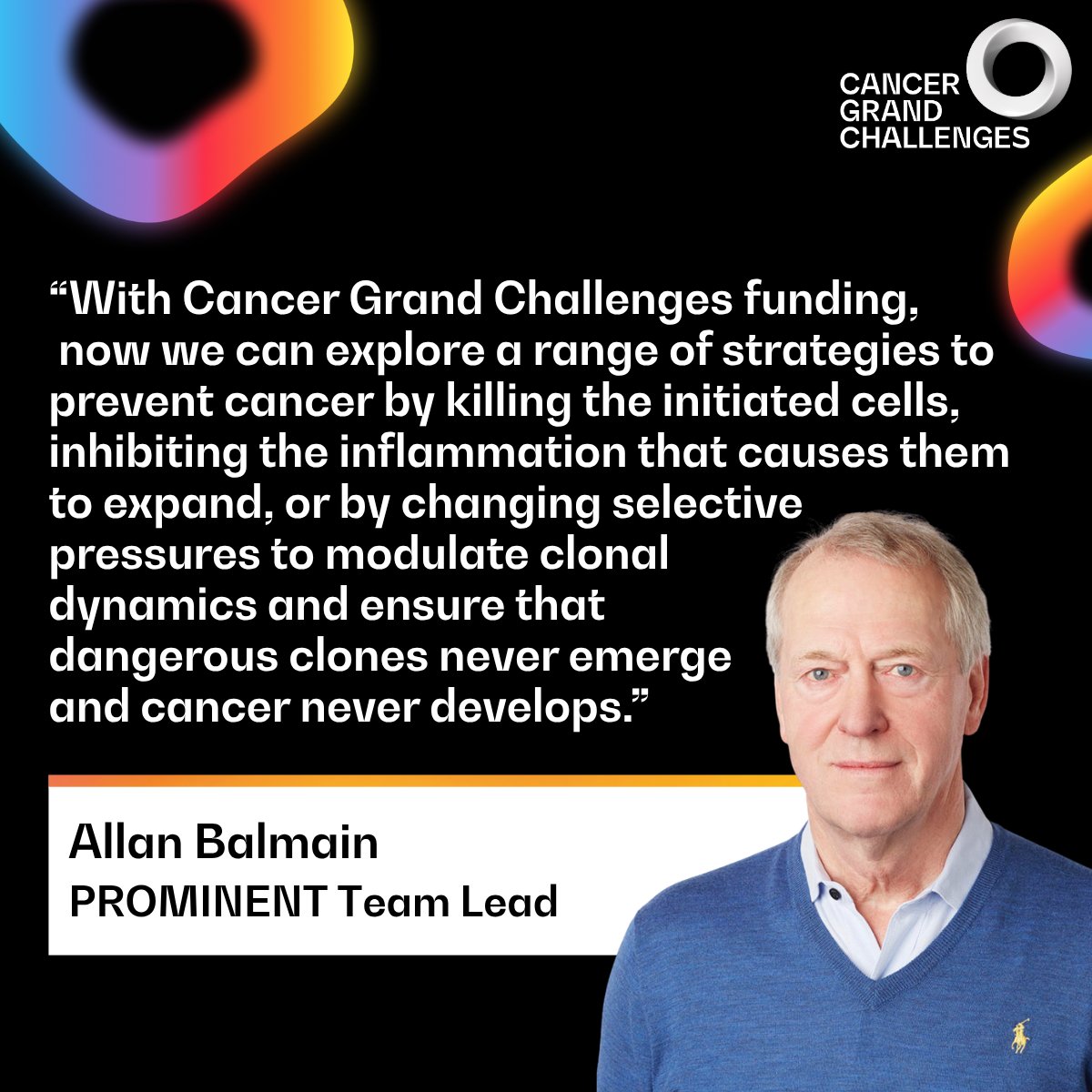
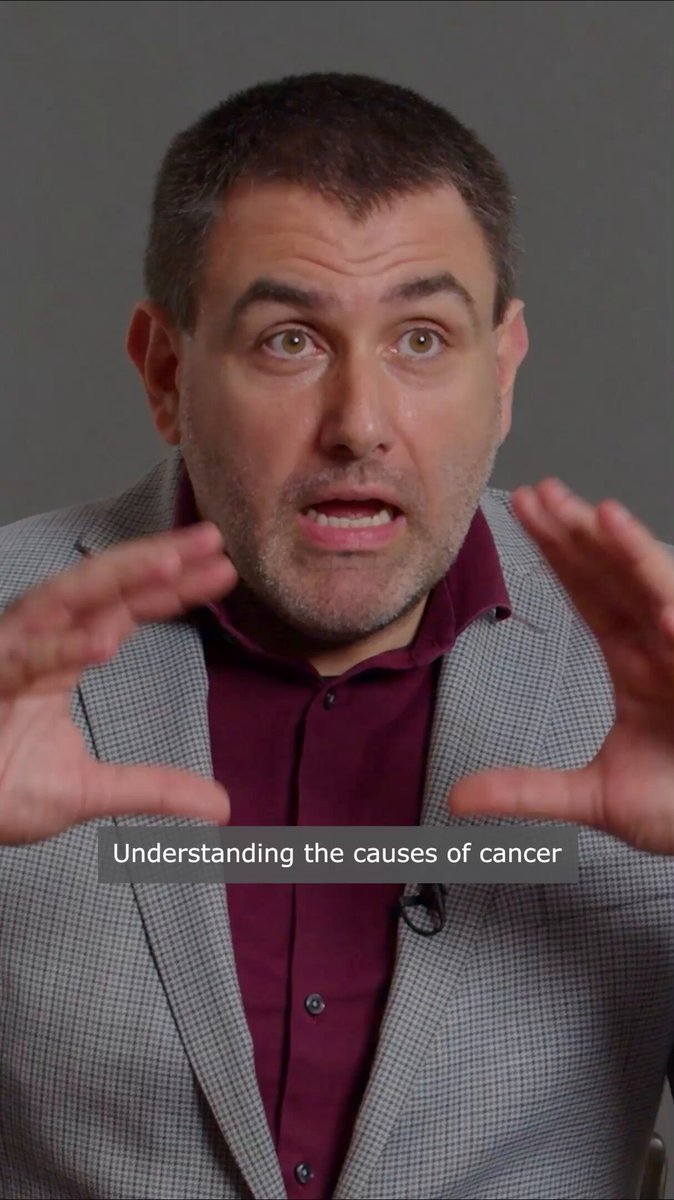
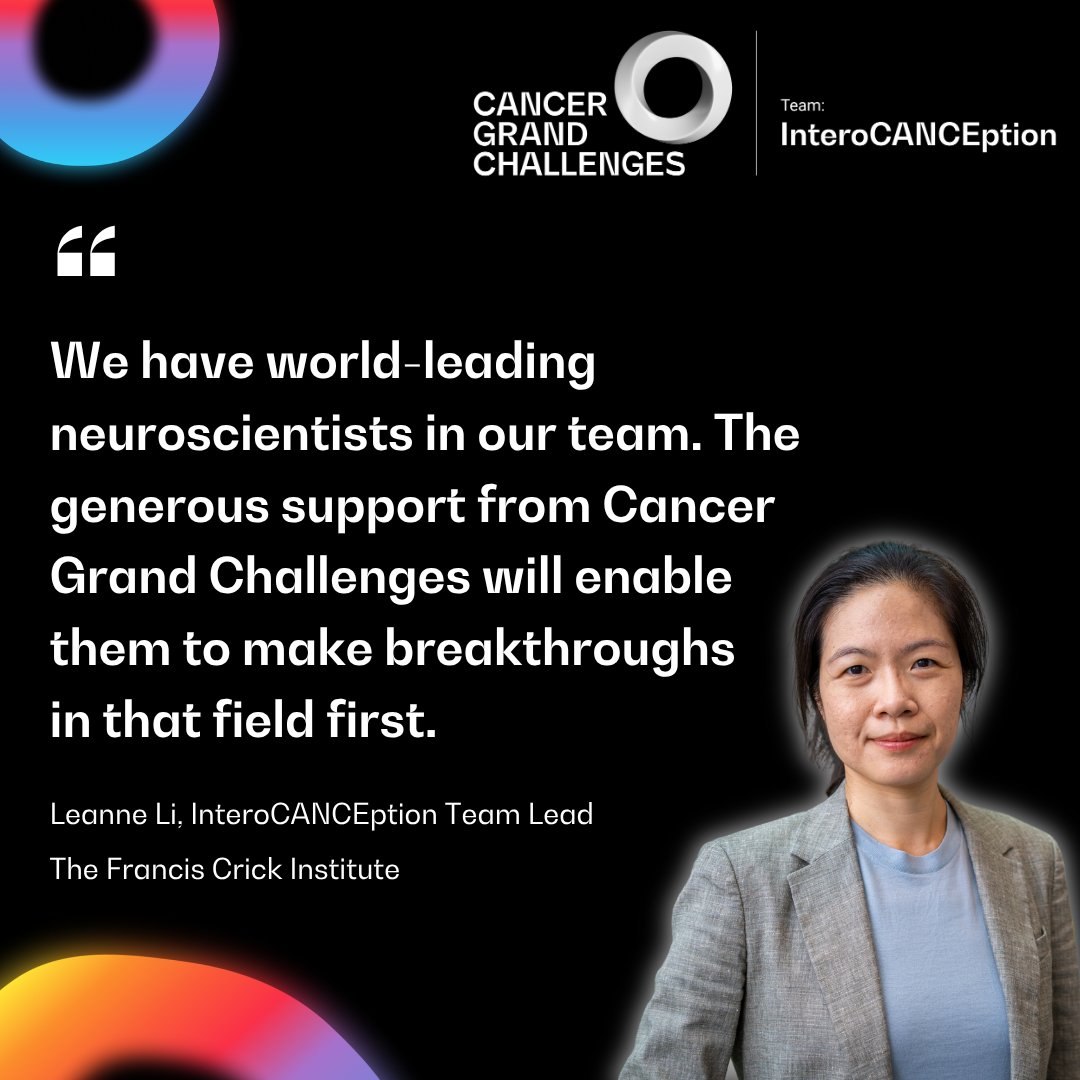
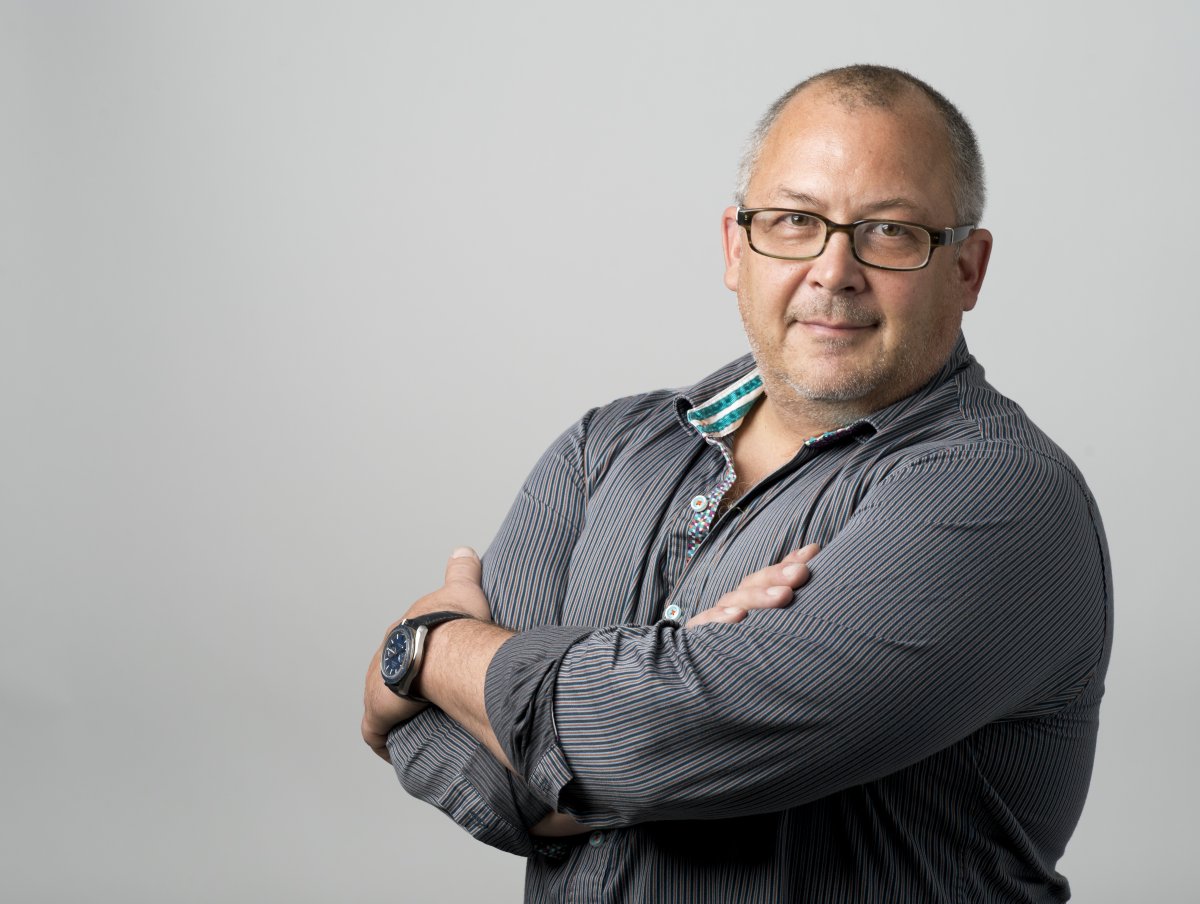

New research from Allan Balmain (@UCSF) and team PROMINENT in @ScienceMagazine has identified how environmental mutagens and tumour promoters interact to drive cancer development in the skin.
Find out how this work could open up new opportunities for cancer prevention: cancergrandchallenges.org/ne…
PROMINENT is funded by @CR_UK, @theNCI and @ContraCancerEs through Cancer Grand Challenges.
5
267
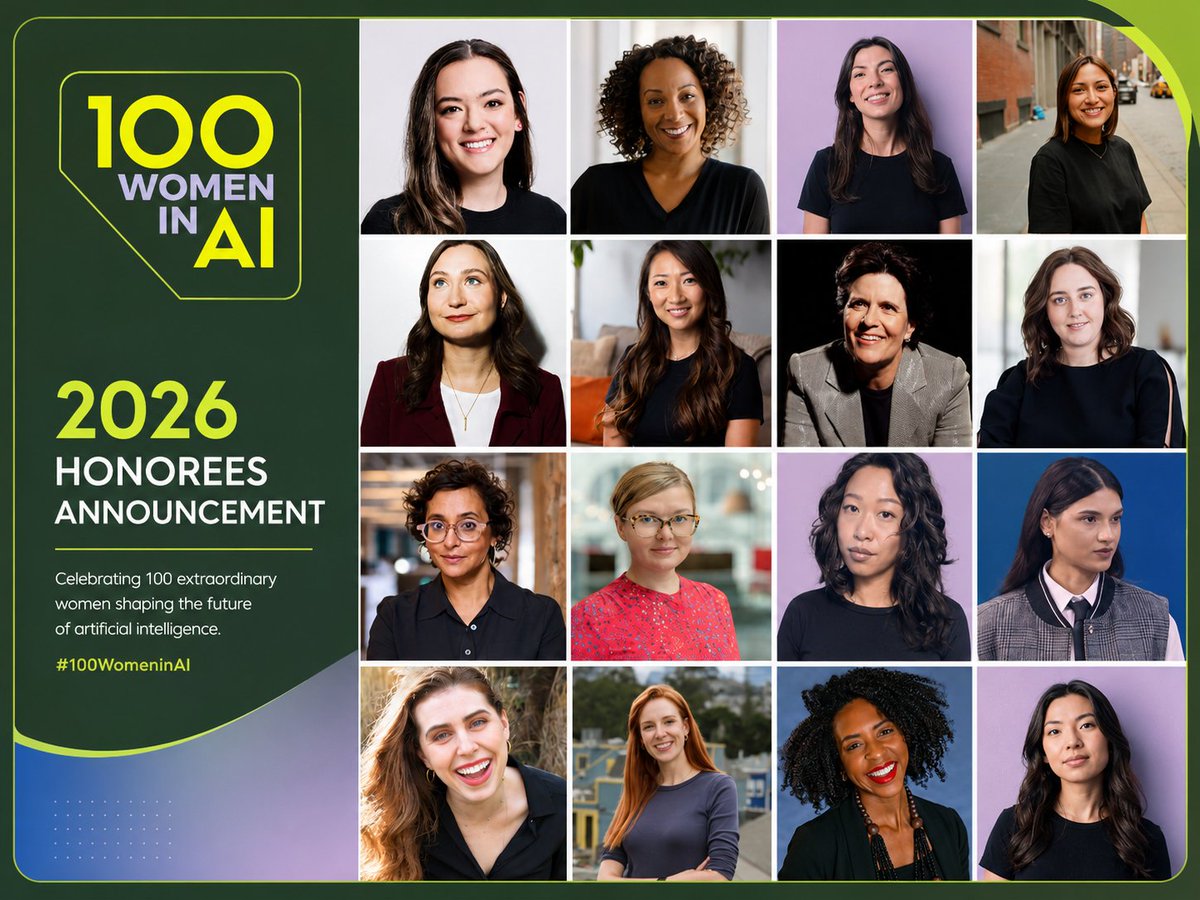
Congrats to Regina Barzilay on this well‑deserved recognition, being named on the 100 Women in AI list 👏
As part of team MATCHMAKERS, she’s helping tackle the T cell receptor (TCR) challenge - decoding how T cells recognise cancer. Her work developing AI tools to predict tumour antigens is pushing us closer to truly personalised immunotherapies.
Jun 4

The future of AI is being built by remarkable women across startups, research, and industry.
Proud to celebrate the #100WomenInAI community during #NYTechWeek tonight! See the 2026 list here: the depth of talent and leadership is inspiring. 100womeninai.com/
5
603
New work led by David Phillips and Jill E. Kucab at King’s College London, of team Mutographs, is helping us understand how carcinogens leave their mark on human DNA.
Using human organoid models that closely mirror real tissues, the team can recreate exposures in the lab and capture their effects in unprecedented detail.
With ultra‑precise DNA sequencing, they are revealing clear, chemical-specific fingerprints of carcinogens - providing new insight into how environmental exposures shape the mutations that drive cancer.
🗞️ Read more in this new paper: cell.com/cell-reports/fullte…
1
4
6
905
Think of the dark proteome like a room full of mystery keys.
Most keys in the body are well labelled and we know what they do.
But these dark ones? No labels. No instructions.
Meet the ILLUMINE team on the hunt to discover whether (and how) these dark proteins influence some of the toughest cancers.
Learn more about ILLUMINE 👉 youtube.com/watch?v=vYYhnrTd…
---
ILLUMINE is funded by @CR_UK, @theNCI, @CancerResearch and KiKa (Children Cancer Free Foundation) through Cancer Grand Challenges.
2
5
509
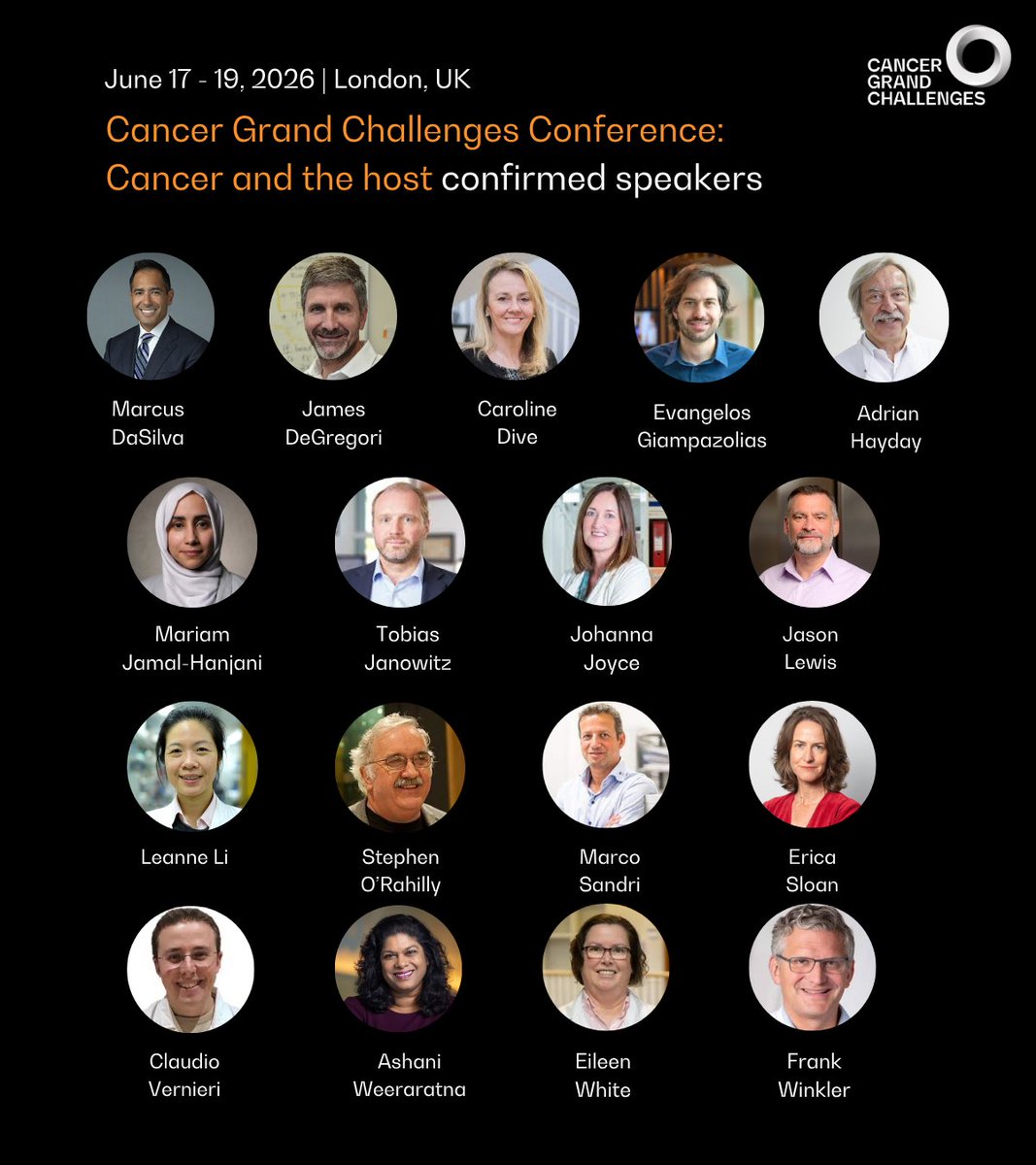
We're bringing together scientists from across the world to explore cancer in its full systemic context 🙌
From 17–19 June at The Royal Society in London, scientists from across disciplines will come together to explore one of the most exciting frontiers in cancer research: how the host shapes cancer.
Over three days, we'll examine the complex interactions between cancer and the body's immune, metabolic and nervous systems, asking what new opportunities emerge when we view cancer in its full systemic context.
This meeting reflects the Cancer Grand Challenges approach: bringing together diverse expertise, perspectives and ideas to tackle some of cancer's toughest challenges.
While the conference is now fully booked, we'll be sharing key insights, thought-provoking discussions and highlights throughout the week.
Follow our page to stay connected to the conversation!
4
7
590
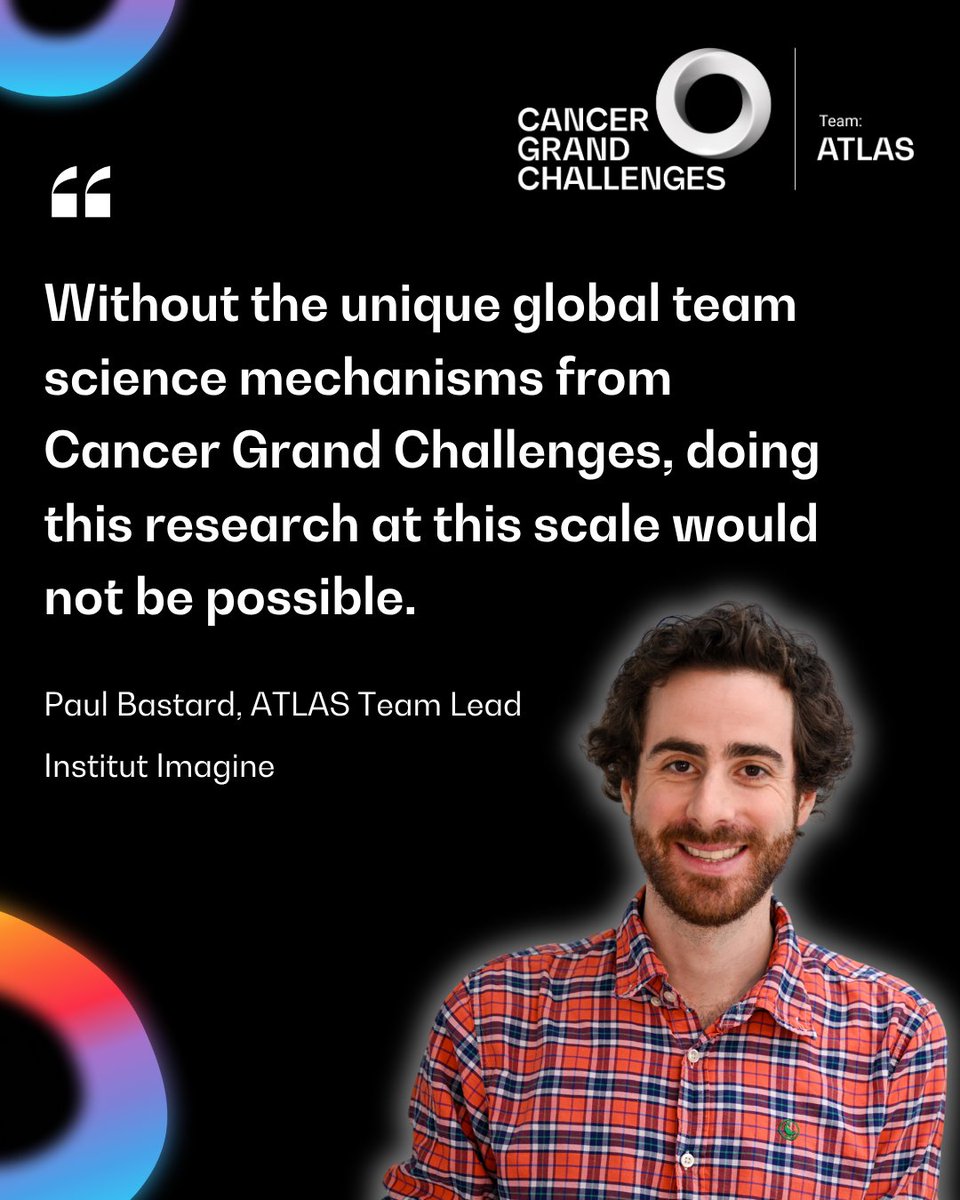
Studying cancer avoidance isn’t straightforward.
It means finding individuals who don’t develop cancer, and analysing them at scale.
That level of research needs global collaboration, and Cancer Grand Challenges makes it possible.
Read how team ATLAS is tackling this challenge, with the aim of developing new ways to stop cancer before it even begins ➡️ technologynetworks.com/cance…
2
4
258
A future without cancers starts with understanding its origins.
Meet the CAUSE team on a mission to uncover the hidden triggers of cancer.
They’re using cutting‑edge tech to reveal what really causes DNA mutations – the tiny genetic changes that fuel tumour development and progression.
Learn more about CAUSE 👉 youtube.com/watch?v=F8Yj6C7u…
---
CAUSE is funded by @CR_UK, @theNCI and @kwf_nl through Cancer Grand Challenges.
3
399
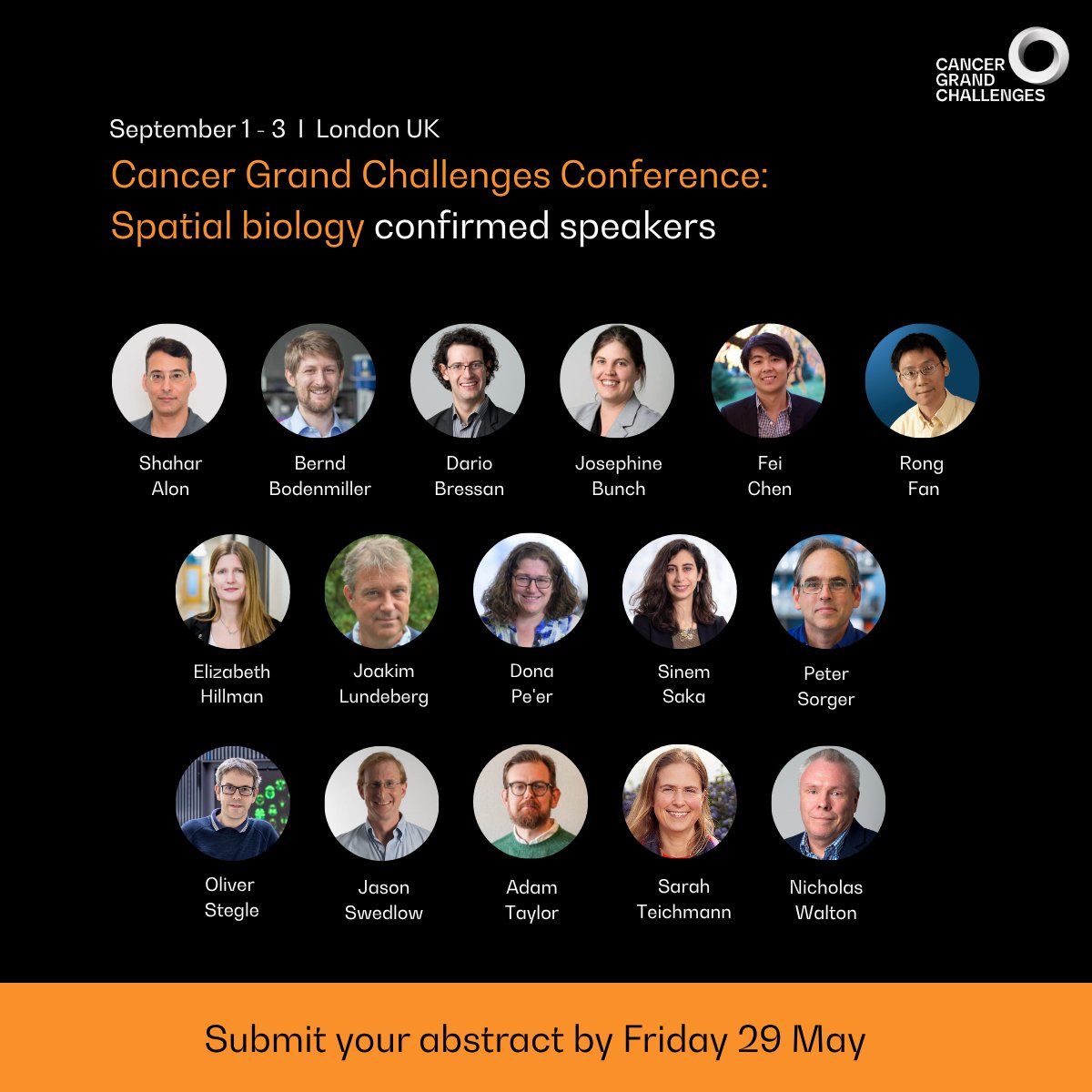
Final call for abstracts! 🔬
Spatial biology is transforming how we understand cancer, from tumour evolution and the microenvironment to treatment responses.
This September, the Cancer Grand Challenges Conference: Spatial Biology will bring together global leaders in cancer research, tech development and clinical practice for three days of breakthrough science, bold ideas and new collaborations.
There will also be editors from leading scientific journals attending, making this a fantastic opportunity to share your work with a broad and influential community across cancer research and publishing.
Submit your abstract by Sunday 31 May for the opportunity to present your research and be part of the conversation shaping the future of spatial biology in cancer.
📍 The Royal Society, London
📅 1–3 September 2026
⏰ Abstract deadline: Sunday 31 May
Submit your abstract and secure your place ➡️ lnkd.in/eM7b6GX5
#SpatialBiology #CancerResearch
#ShaharAlon, #BerndBodenmiller, #DarioBressan, #RongFan, #JosephineBunch, #FeiChen, #ElizabethHillman, #JoakimLundeberg, #DanaPe'er, #SinemSaka, #PeterSorger, #OliverStegle, #JasonSwedlow, #AdamTaylor, #SarahTeichmann, #NicholasWalton
1
2
4,288
We bring together experts from across disciplines to enable bold, collaborative science 🤝
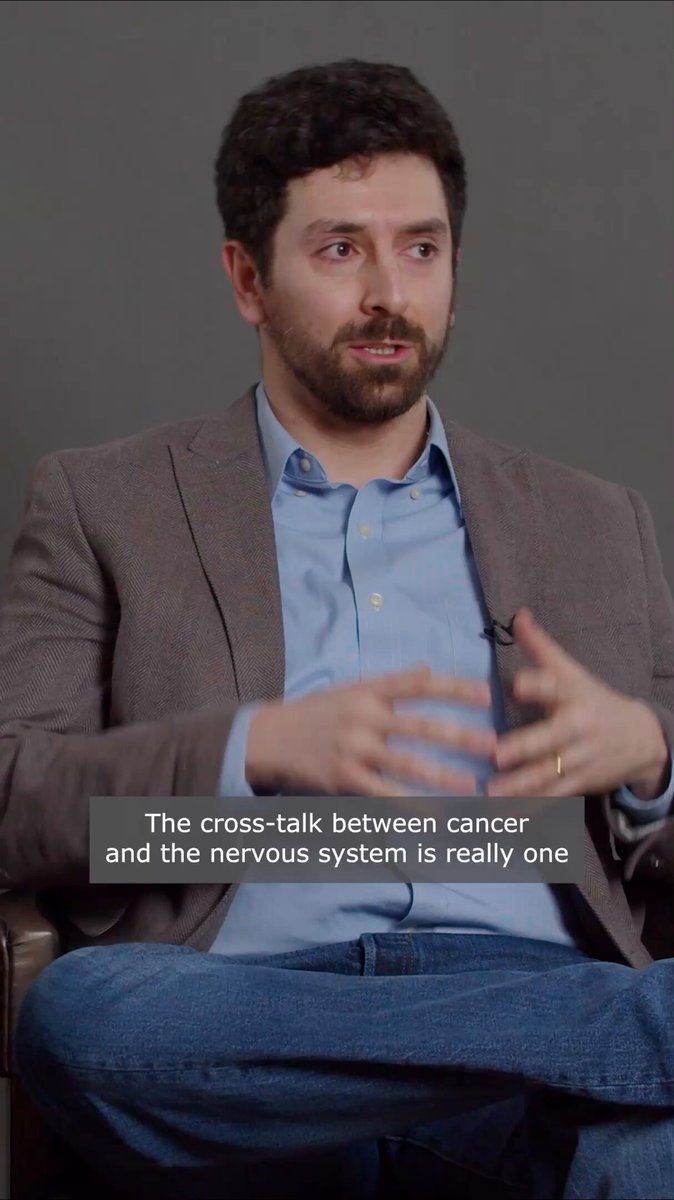
One example of this is Team InteroCANCEption, a team of cancer biologists, neuroscientists and immunologists who are working to uncover how tumours and the nervous system communicate – to influence cancer growth, spread and immune response.
Read all about their work in this new Technology Networks article ➡️ technologynetworks.com/tn/ar…
1
2
312
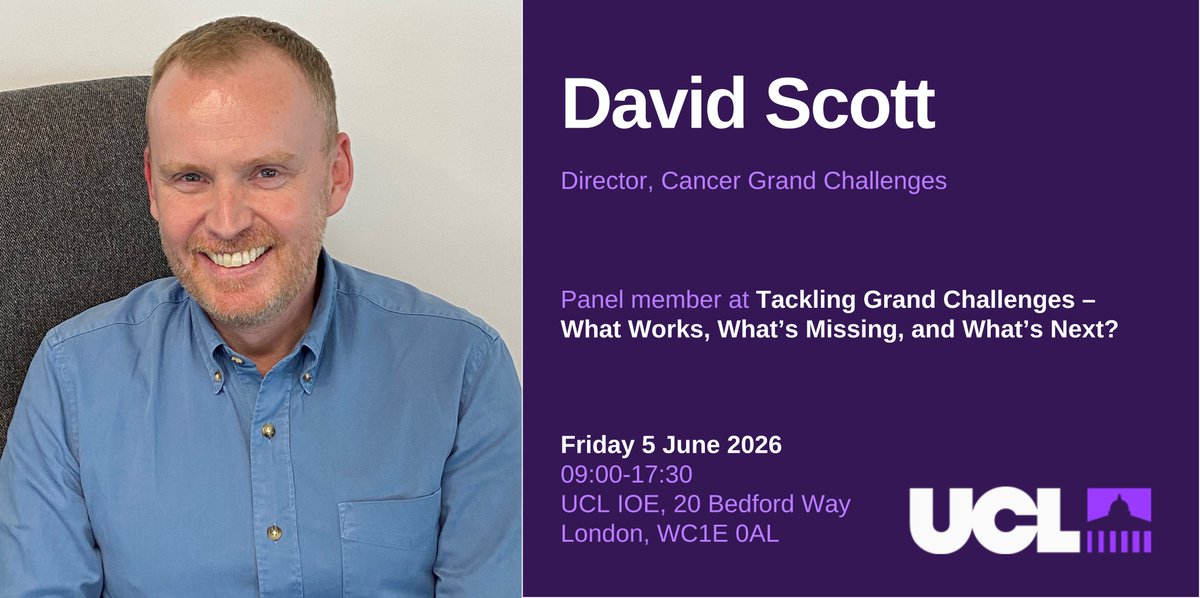
Our very own David Scott will be speaking at a @GrandChallenges event next week 🎤
David will join researchers, policymakers, practitioners and innovators to explore what works in tackling complex challenges, share insights across sectors, and consider how strategies must evolve in a rapidly changing world.
Don’t miss the chance to hear from him!
Find out more and register ➡️ eventbrite.co.uk/e/tackling-…
2
3
254
Why are some people immune to cancer?
One of our new teams, ATLAS, is studying people who avoid cancer despite age, genetics or lifestyle risk factors, hoping to uncover what makes them different.
If we can unlock the secrets of cancer avoidance, we may be able to develop new strategies to stop cancer before it even begins.
Learn more about ATLAS 👉 youtube.com/watch?v=dFJAYwS0…
---
ATLAS is led by Paul Bastard, @InstitutImagine, and is funded by @CR_UK and Torrey Coast Foundation through Cancer Grand Challenges.
4
12
534
Award-winning science 🏆
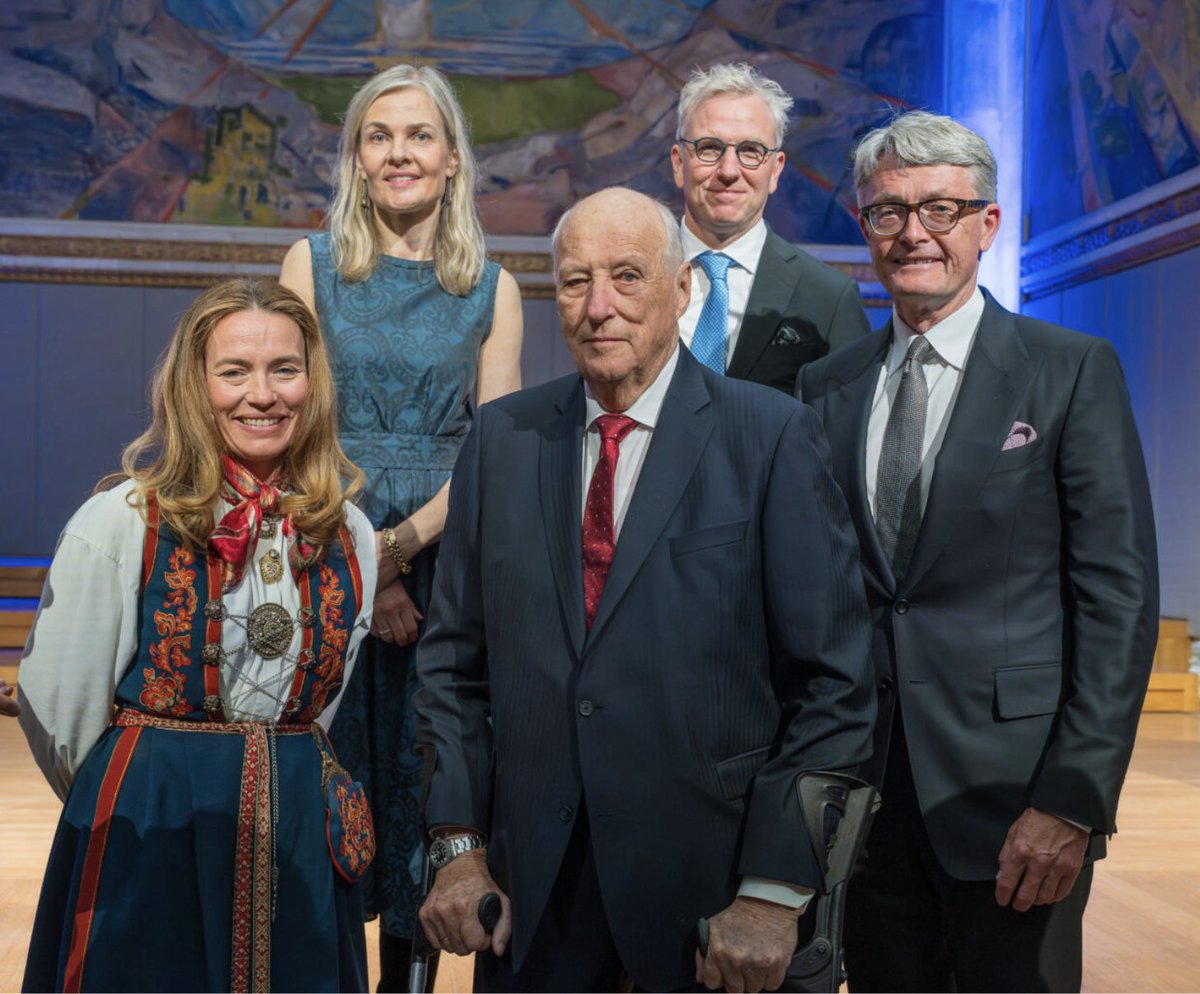
Congratulations to Professor Johnanna Olweus, member of team MATCHMAKERS, for winning the King Olav's Cancer Research Prize for groundbreaking work harnessing donor T cells to target cancer more effectively.
Research like this is helping turn cutting-edge science into real treatments for patients.
Read more about the work of team MATCHMAKERS ➡️ cancergrandchallenges.org/ma…
8
480
Spatial biology is transforming cancer research 🔬
This September, the Cancer Grand Challenges Conference: Spatial biology will bring together global leaders in cancer research, technology development and clinical practice for three days of breakthrough science, bold ideas and new collaborations.
Submit your abstract by Friday 29 May for the opportunity to present your research and be part of the conversation shaping the future of the field.
📍 The Royal Society, London
📅 1–3 September 2026
Secure your place today to hear from a leading lineup of speakers cancergrandchallenges.org/co…
1
6
517
New speaker announced 📣
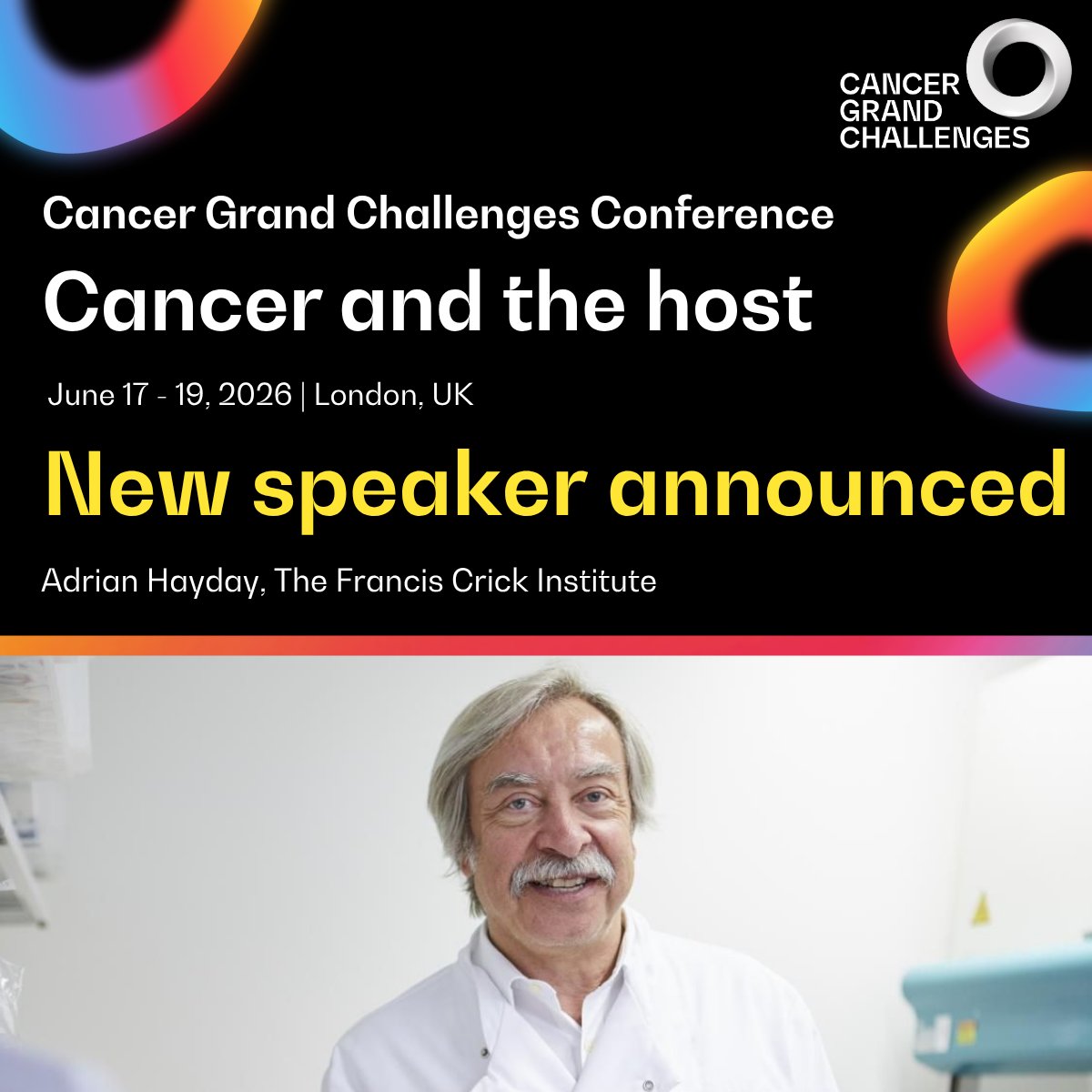
We're delighted to welcome Adrian Hayday, an immunologist at @TheCrick, to our Cancer Grand Challenges Conference: Cancer and the host!
Adrian's talk will explore how our understanding of T cells in cancer has evolved - and the regulation of physiology [or not] by T cells.
Secure your place and join the conversation ➡️ cancergrandchallenges.org/co…
4
7
518
Imagine the human body is a house and the brain is the alarm system.
Usually, the nervous system can sense when something’s wrong - like a door left open or a window breaking.
Led by Leanne Li at @TheCrick, the InteroCANCEption team wants to know if the brain can also sense a tumour in the same way, by picking up small signals from inside the body through the nervous system
If we can understand the body’s internal alarm system, we can drive meaningful advances in our understanding of neuroimmune interactions, with the ultimate aim of developing innovative therapies that target the nervous system and expand what is possible in cancer treatment.
Learn more about InteroCANCEption 👉 youtube.com/watch?v=QvW3goWF…
---
InteroCANCEption is funded by @CR_UK and @theNCI through Cancer Grand Challenges.
1
267