The Carnegie Institution for Science is dedicated to scientific discovery and supporting exceptional individuals in an atmosphere of independence.
Joined March 2009
- Tweets 31,956
- Following 5,298
- Followers 12,801
- Likes 28,825
7,318 Photos and videos
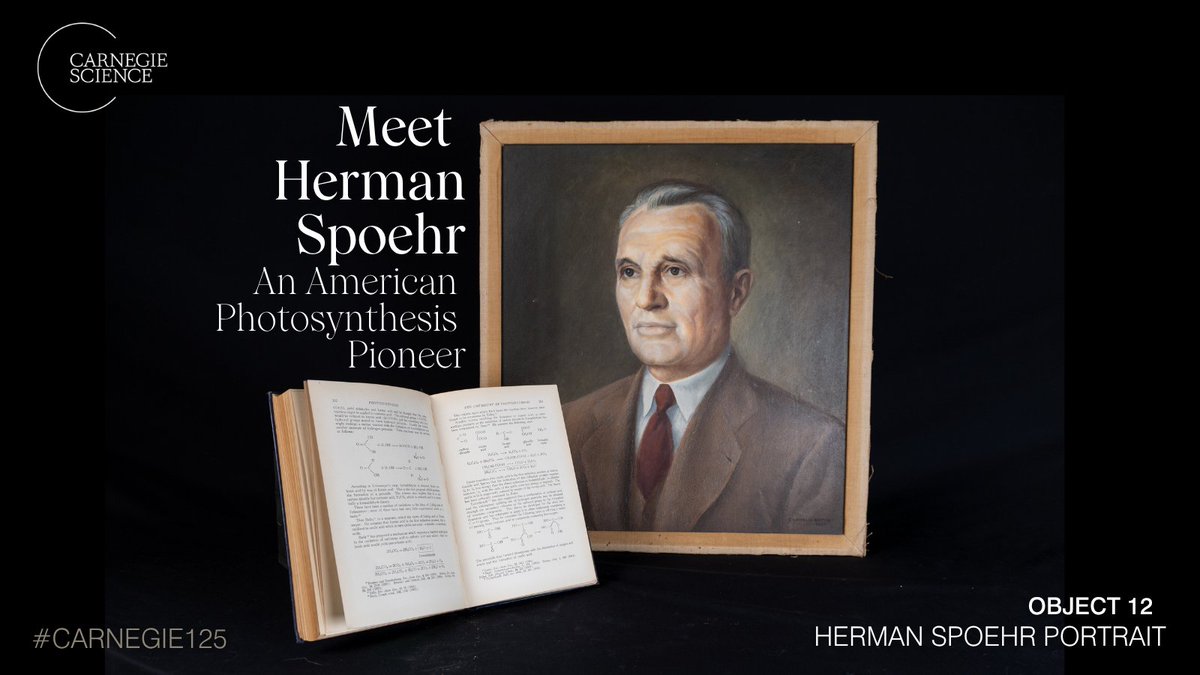

This oil painting of Herman Spoehr watched over Carnegie's Plant Biology library at Stanford for decades—a fitting post for the man who spent 40 years watching over American #photosynthesis research.
Object No. 12 in our #Carnegie125 series: bit.ly/4e5wsNP
1
1
81
To learn what distant 🌟or 🪐 are made of, astronomers read their light. From IR to UV, every molecule leaves a signature. It takes the whole range to read the universe.
This month, let's celebrate the full spectrum in our cosmos & community!
🌈 carnegiescience.edu/universe…
1
61
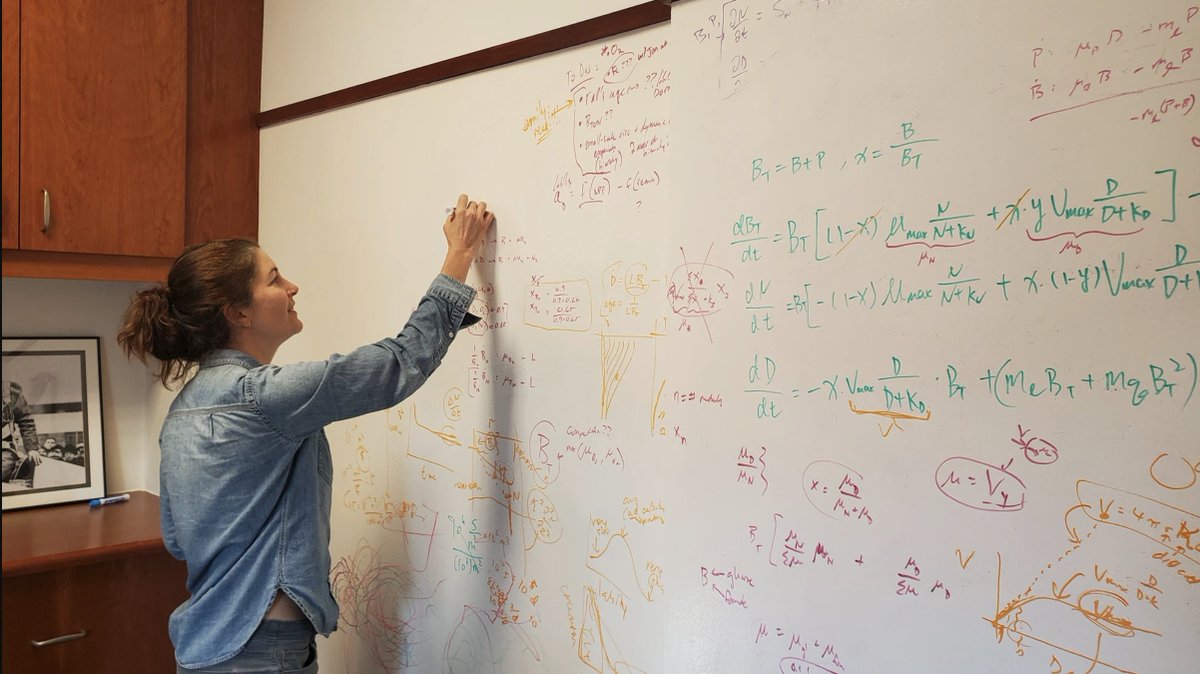
Meet a scientist who treats the ocean like a giant, slow bioreactor. 🌊🦠
This #WorldOceansDay, learn how Carnegie's Emily Zakem studies the invisible marine microbes that help drive the ocean's carbon cycle and shape Earth's climate.
👉 carnegiescience.edu/meet-emi…
2
117
🌊 Happy #WorldOceansDay! The ocean shapes our weather, our climate, and nearly all life on Earth.
But there's a question the experts can't agree on: where did all this water come from?
Read the story👇
carnegiescience.edu/where-di…
#WorldOceansDay #PlanetaryScience
2
1
4
148
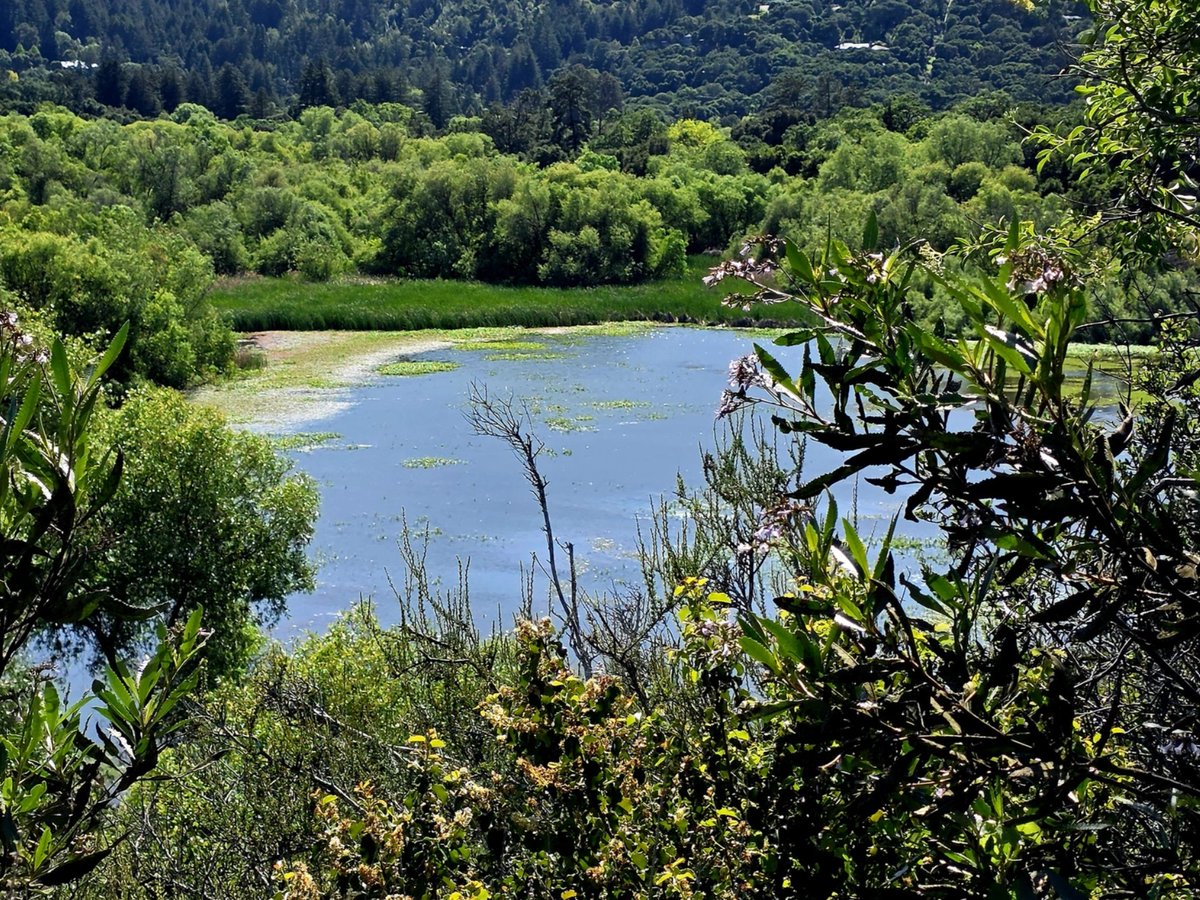
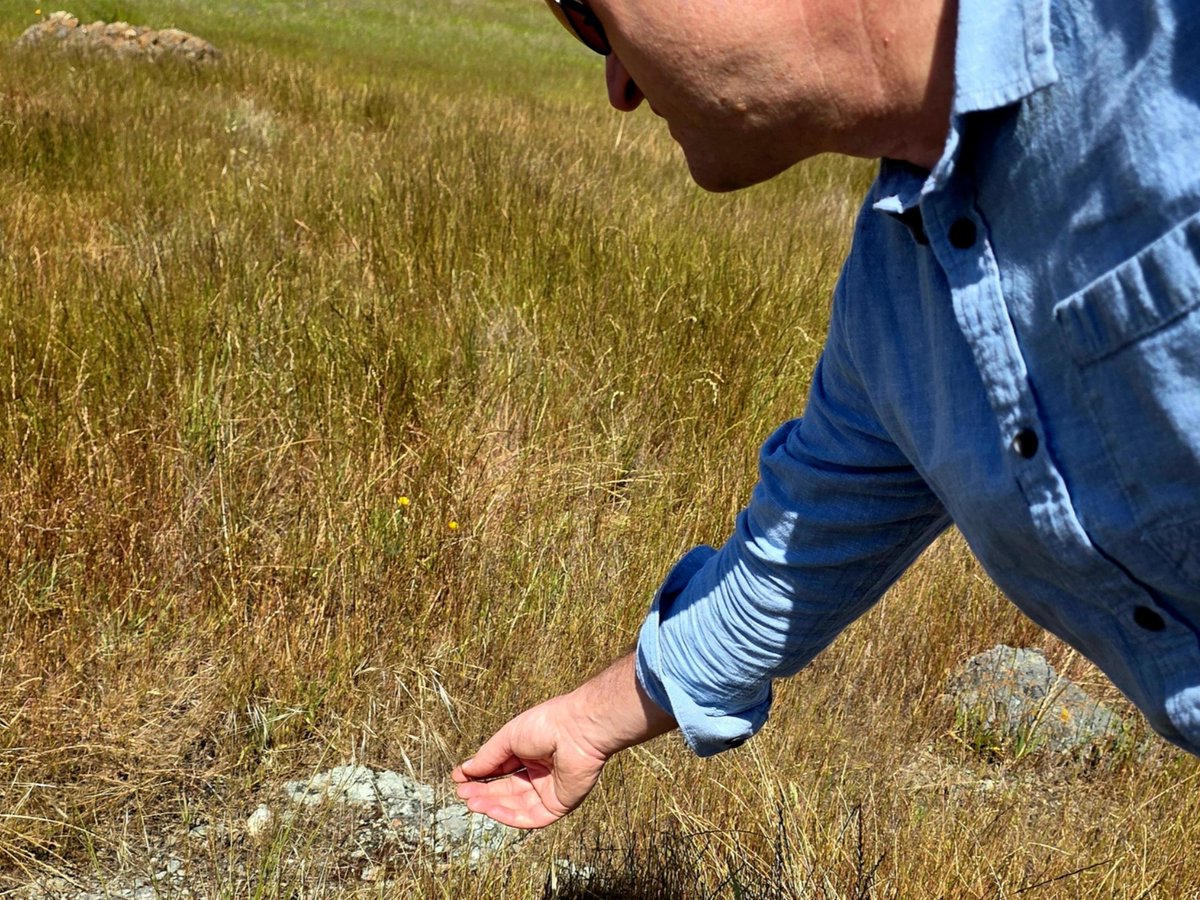
For Jeffrey Dukes, fieldwork looks like a 30-year conversation with a thousand-acre preserve in the California foothills. #Fieldwork #Ecology
Read the story: carnegiescience.edu/what-pla…
2
131
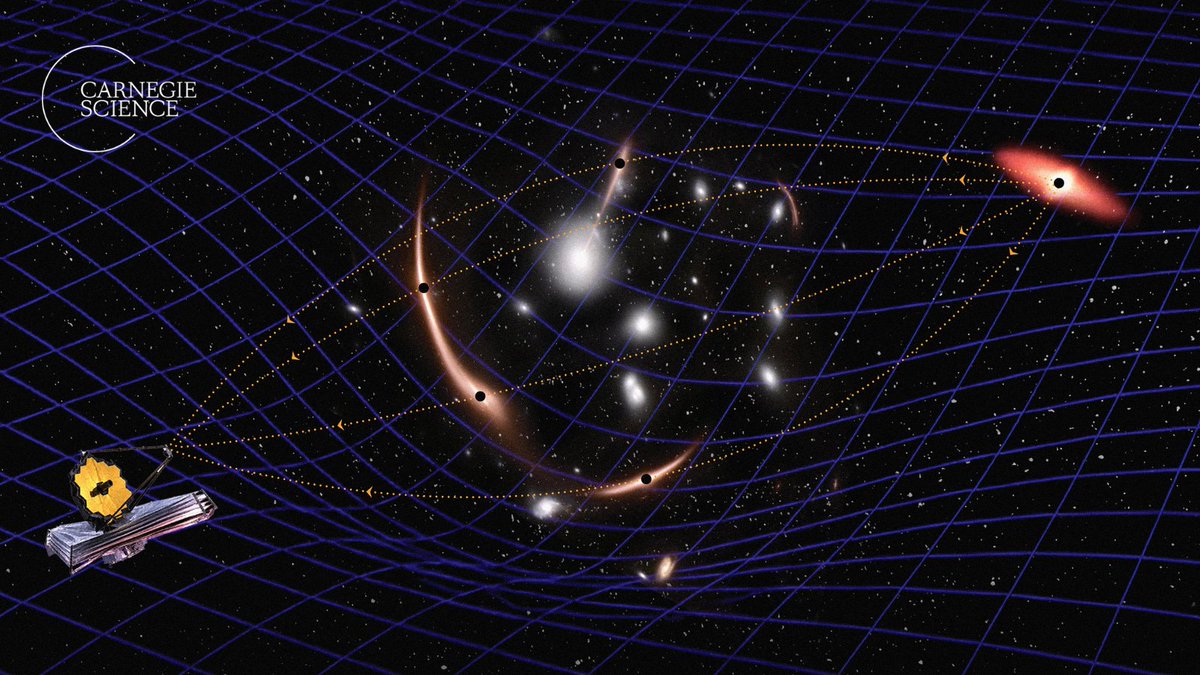
A team led by Carnegie's Andrew Newman used @NASAWebb & gravitational lensing 🔍 to peer into the heart of an early-universe galaxy and directly measure its dormant black hole—a cosmic first!
The work is published in @ScienceMagazine
Press Release: bit.ly/3S4TbAR
4
6
350
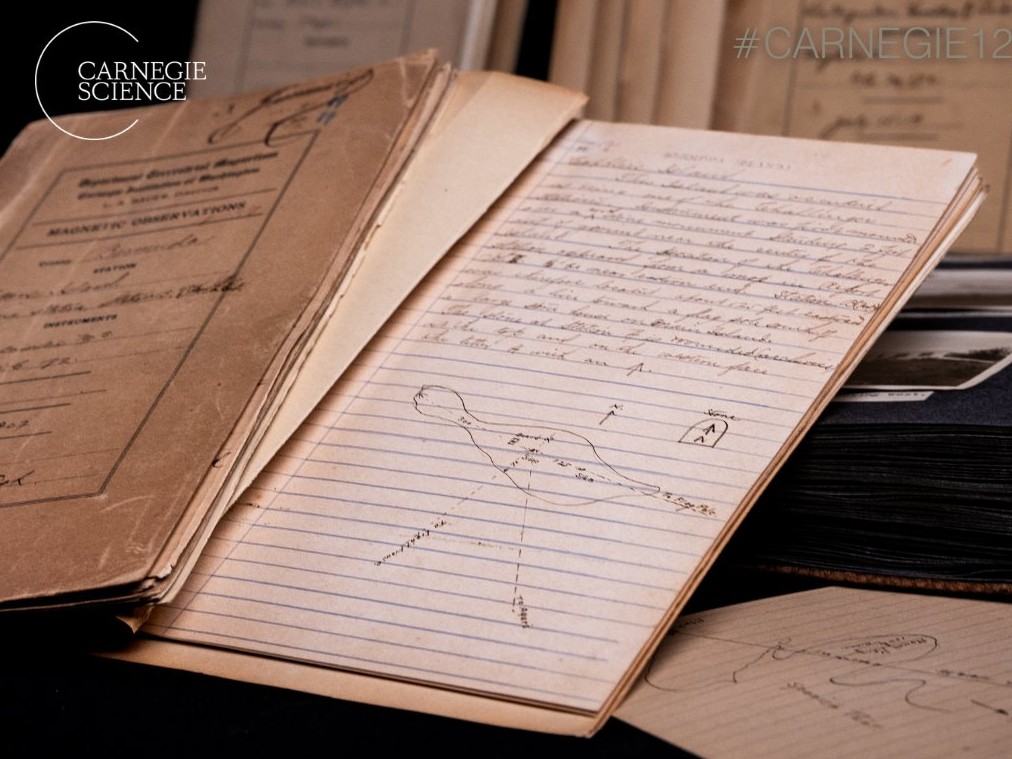
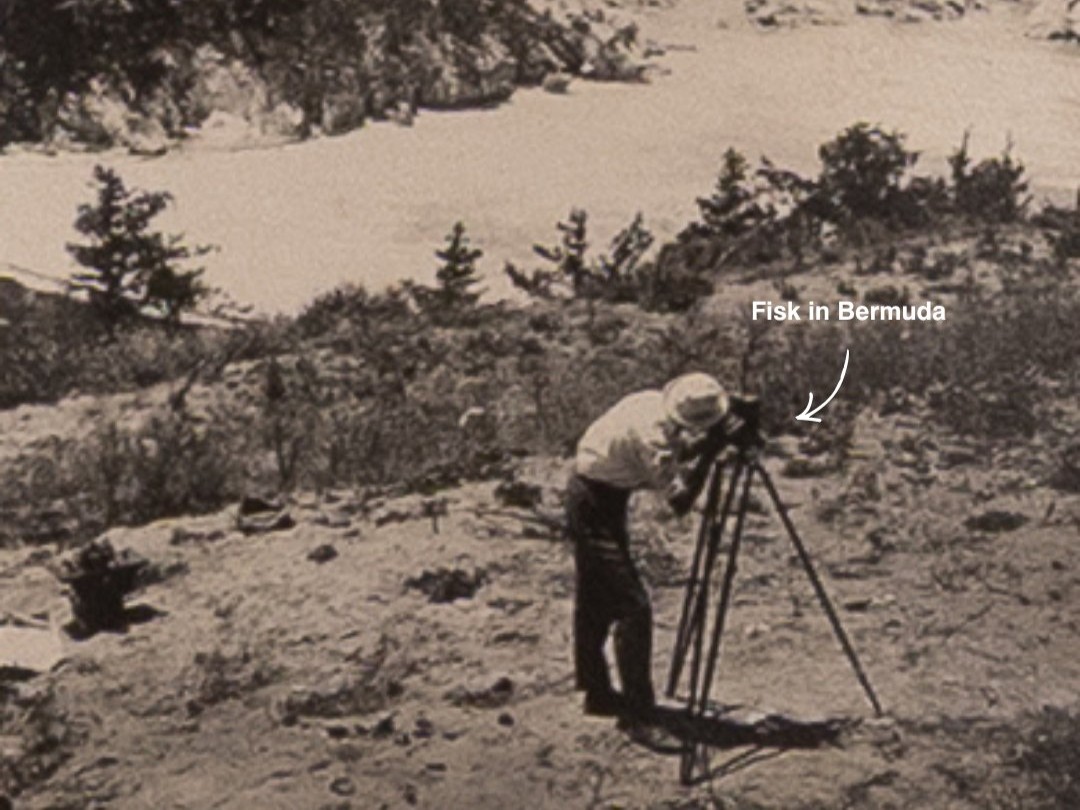
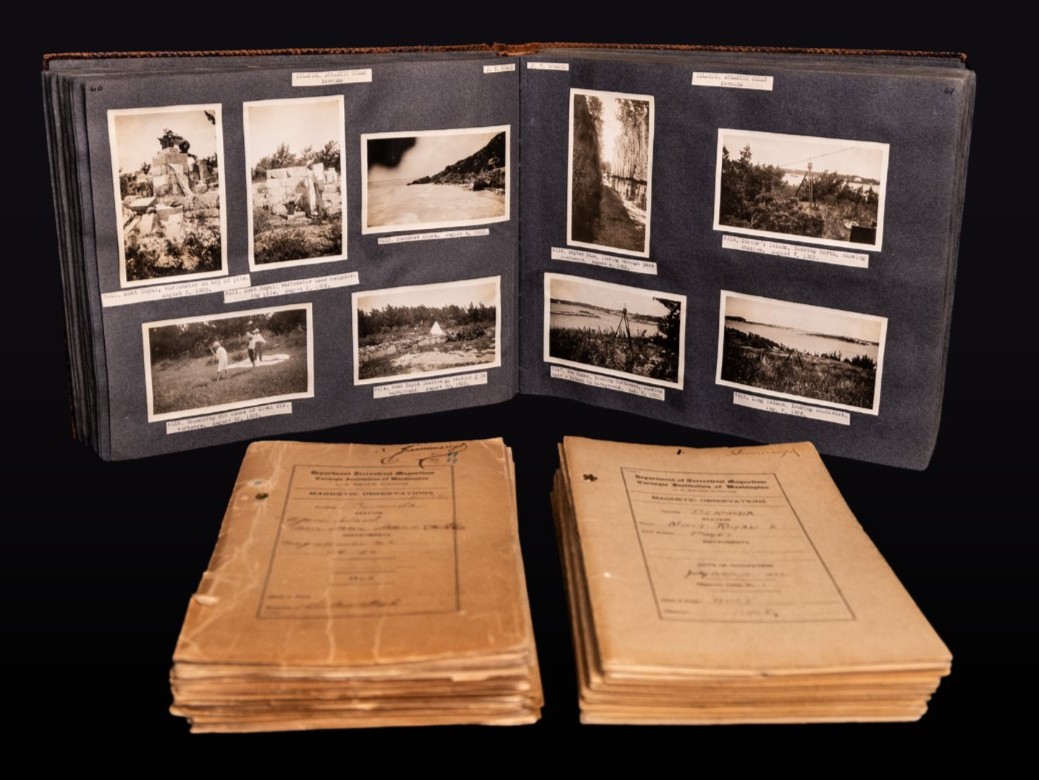
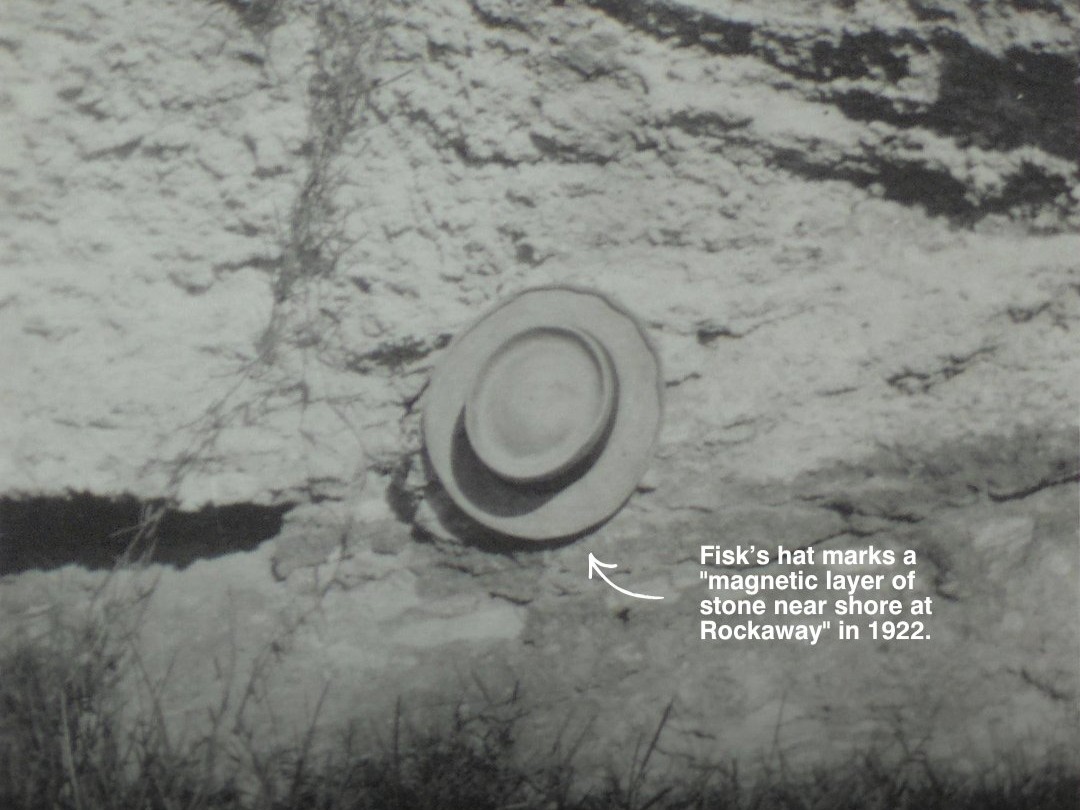
🧭 In 1907, a Carnegie "magnetician" named Harlan Wilbur Fisk boarded a ship for Bermuda with a magnetometer, an observing tent, and a mystery to solve. #Carnegie125
🔗 carnegiescience.edu/object-1…
1
127
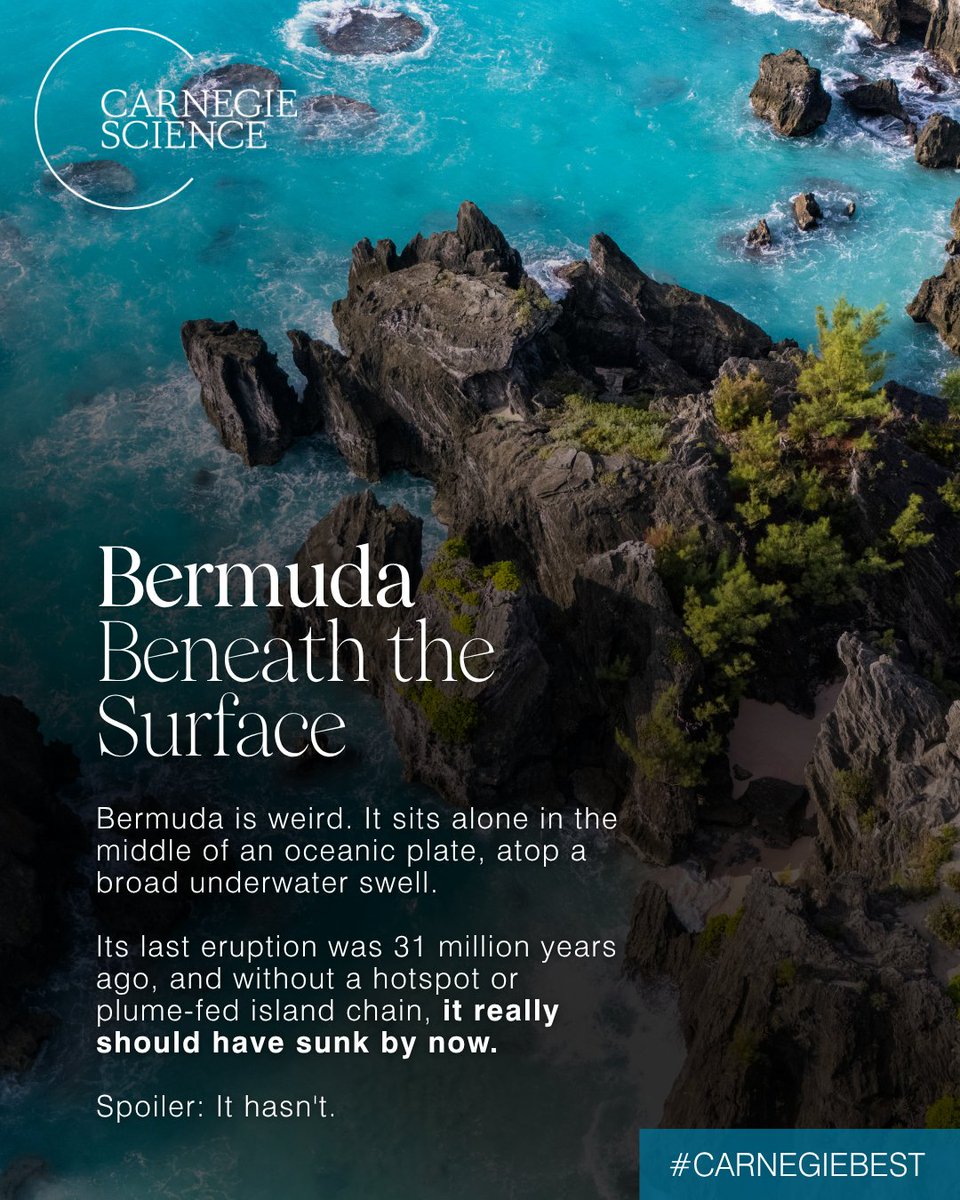
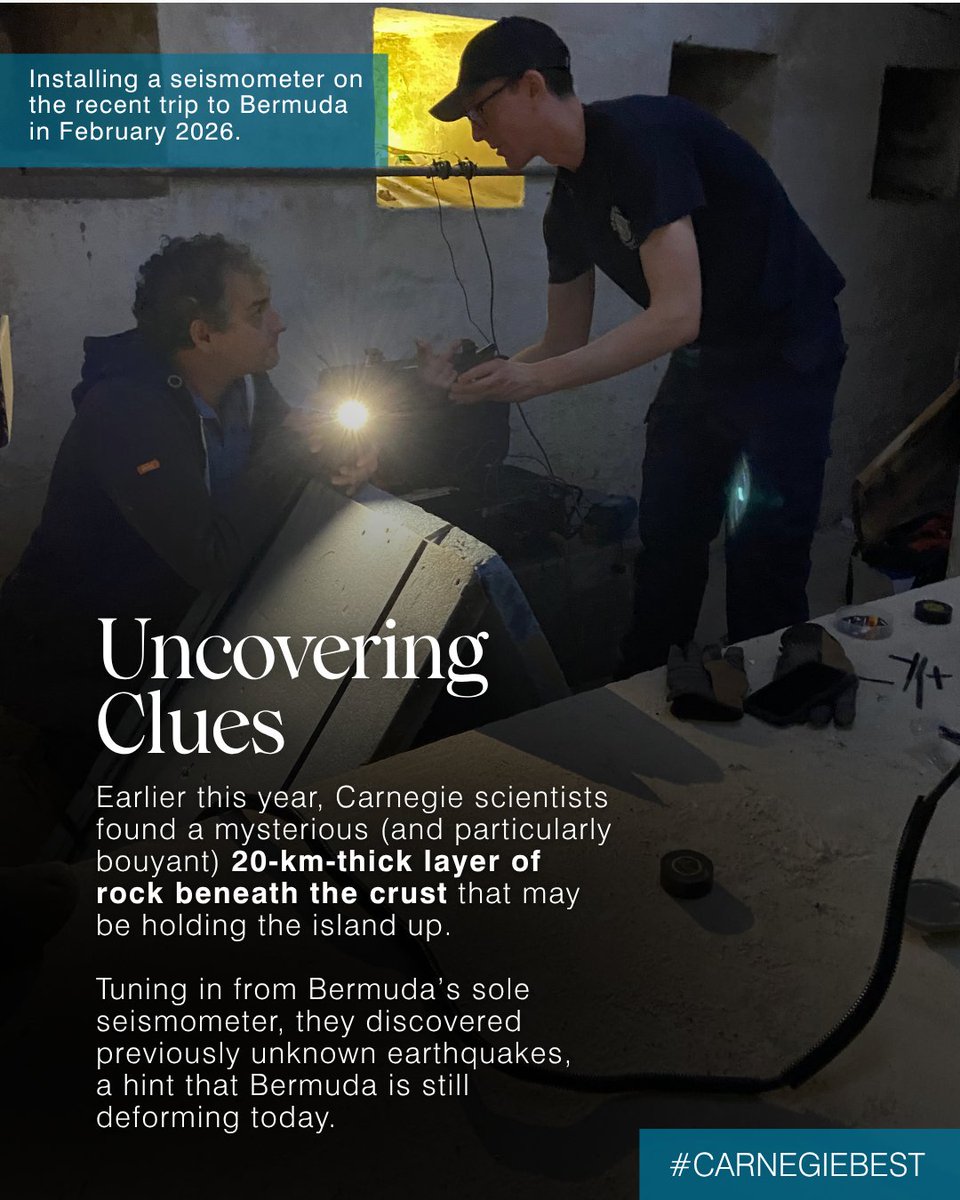
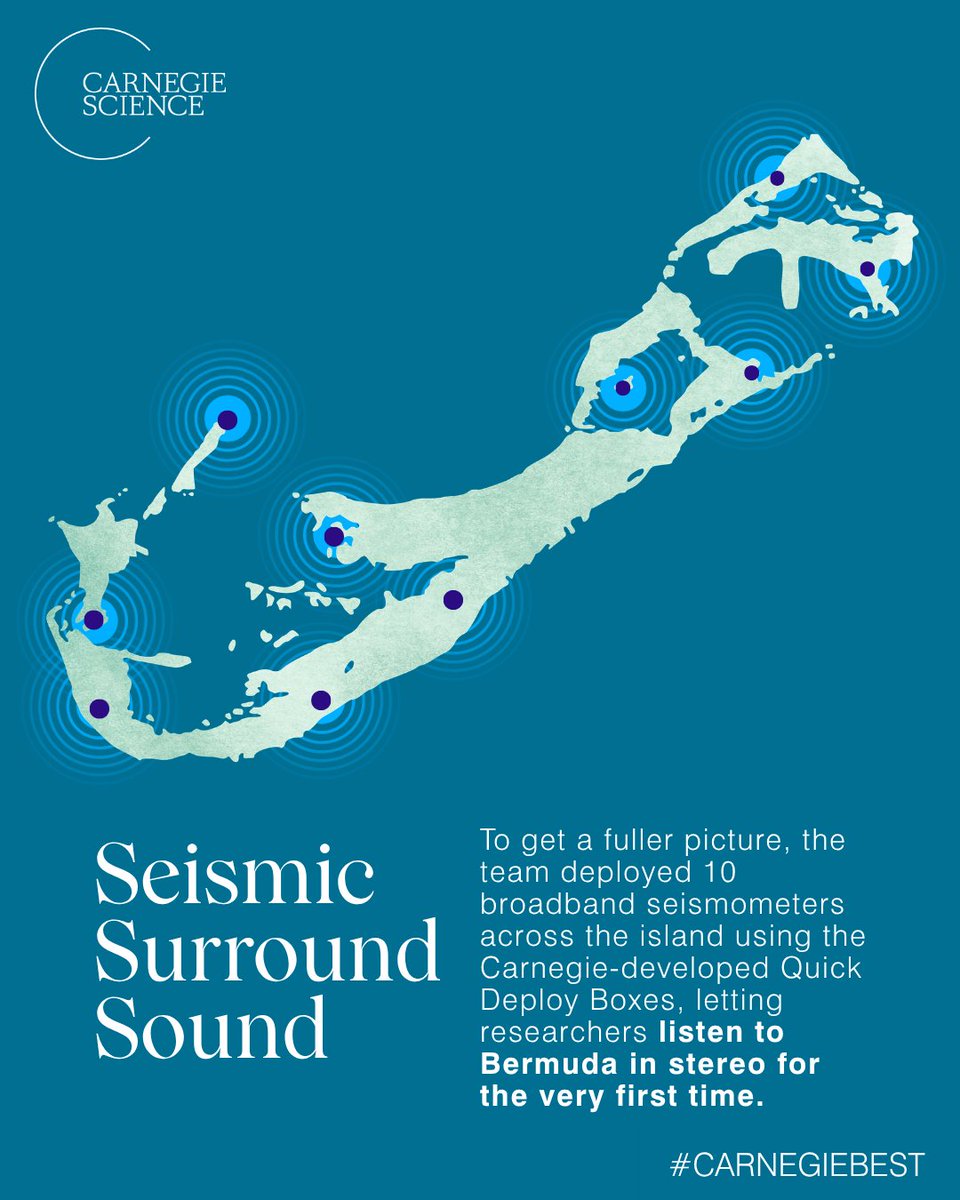
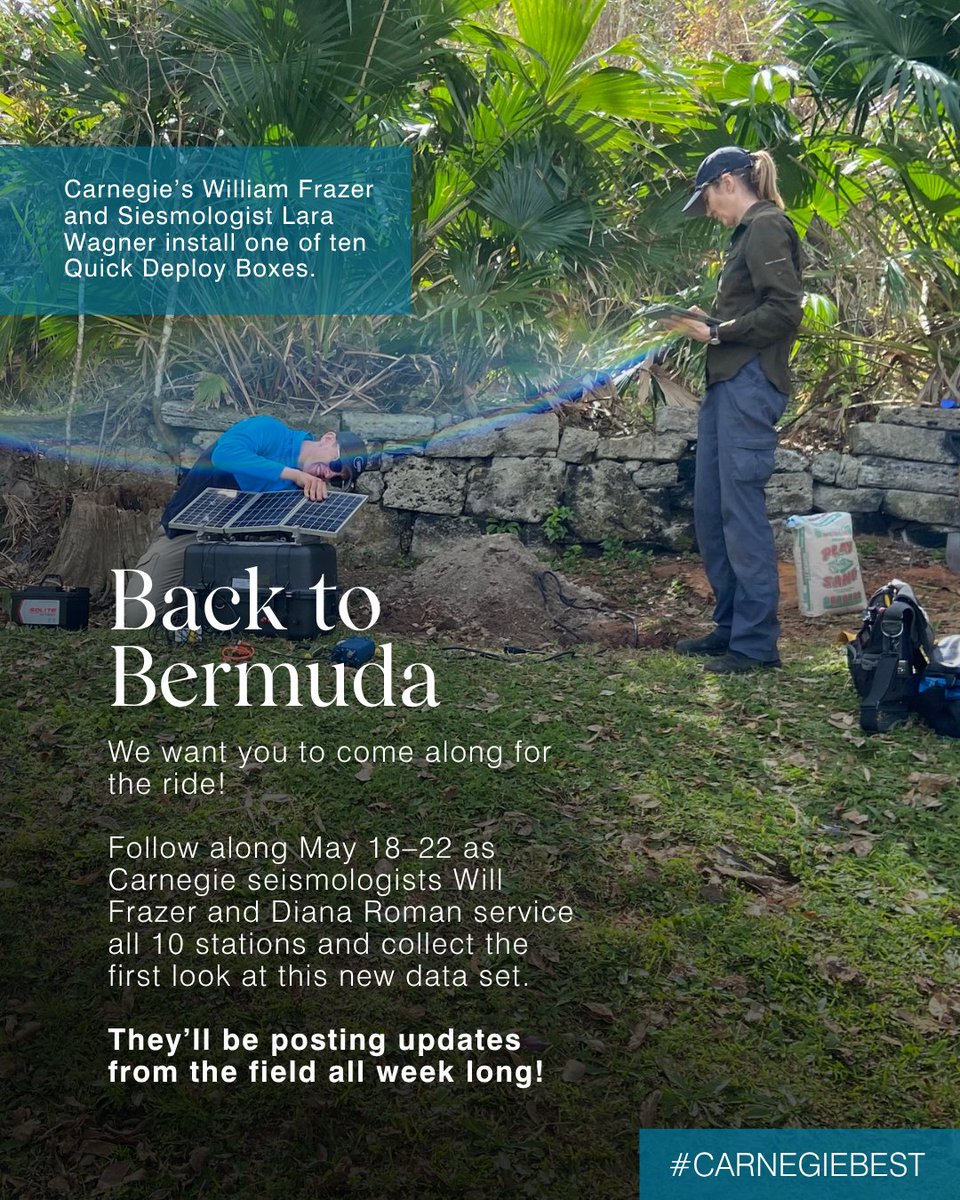
Next week, we'll be listening to #Bermuda in stereo for the first time!
Follow along on the @CarnegiePlanets Instagram for behind-the-scenes looks at the fieldwork, science, and story of this mysterious volcanic island. #CarnegieBEST
Learn more 👇
carnegiescience.edu/bermuda-…
179
POV: You're watching the universe unfold. 🌌
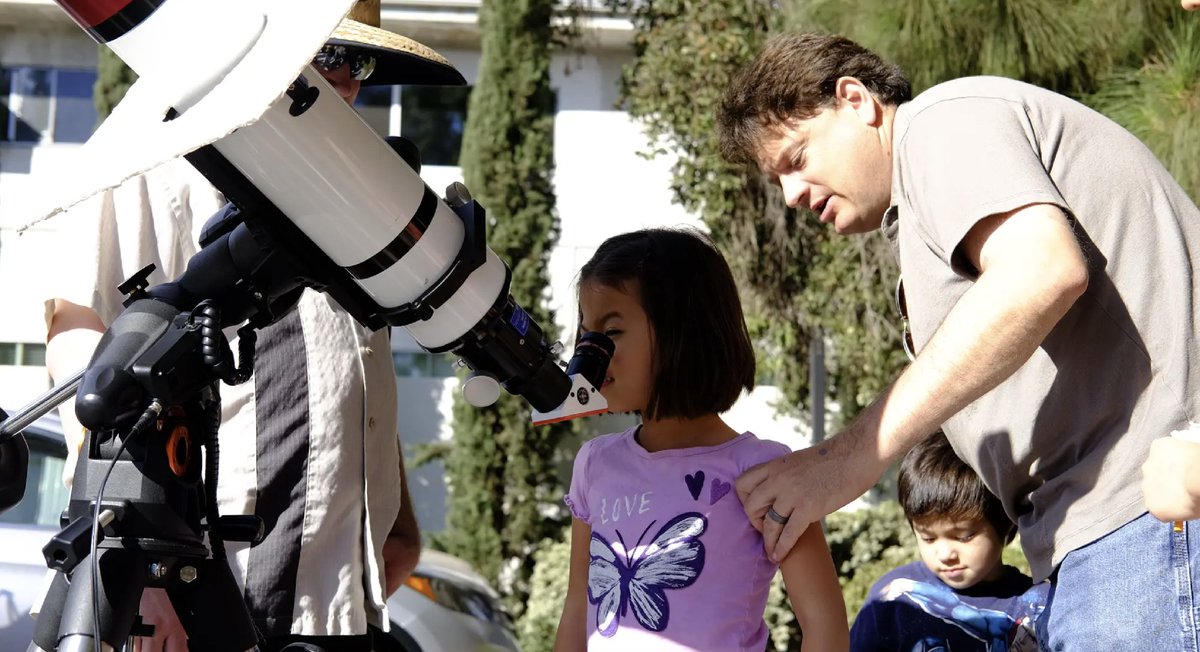
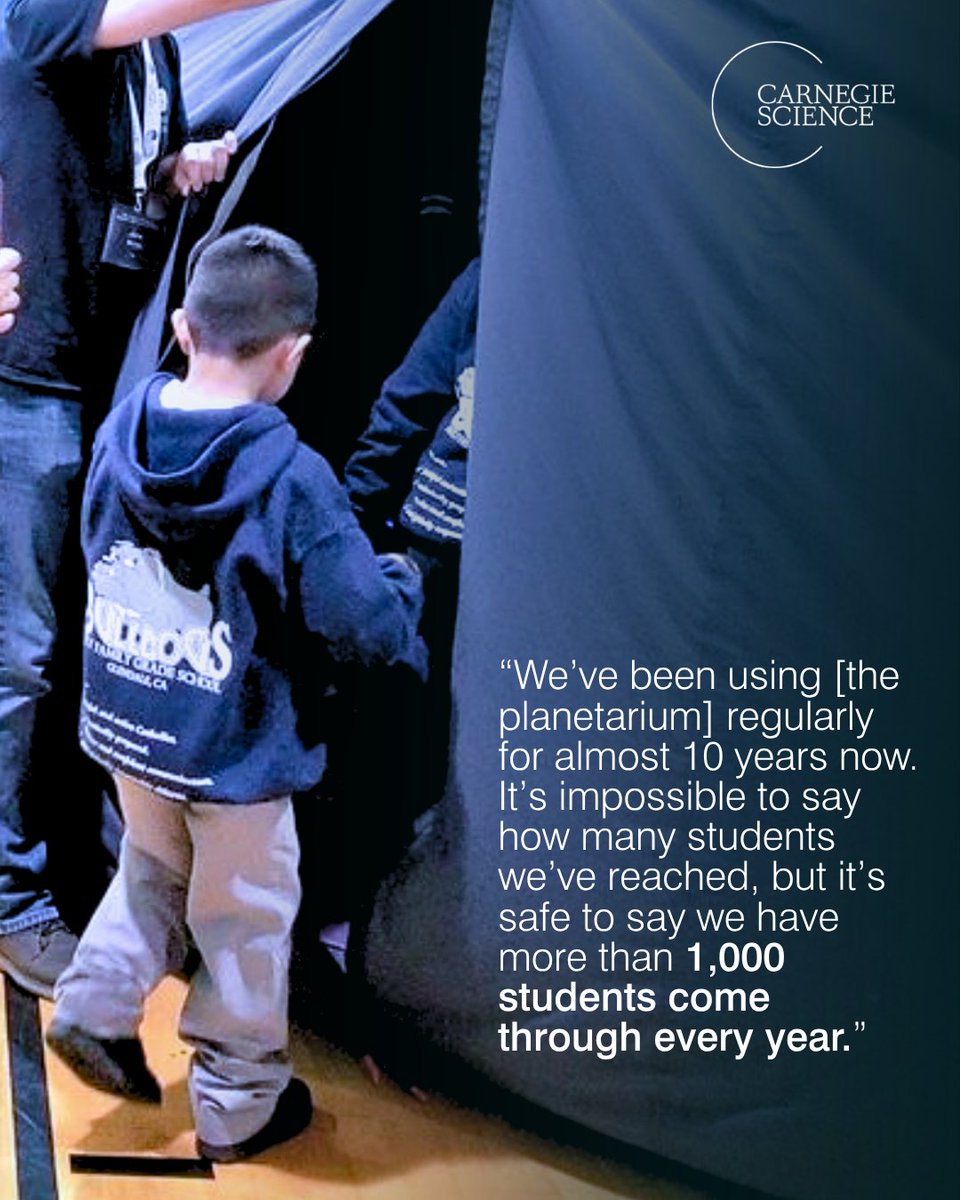
Happy #InternationalDayOfPlanetariums! Inside our portable planetarium, kids explore the Solar System, go stargazing in Chile, and travel in time—all from their own classroom. 🔭✨
Learn more: bit.ly/3PqHHGY
#Carnegie125
1
132
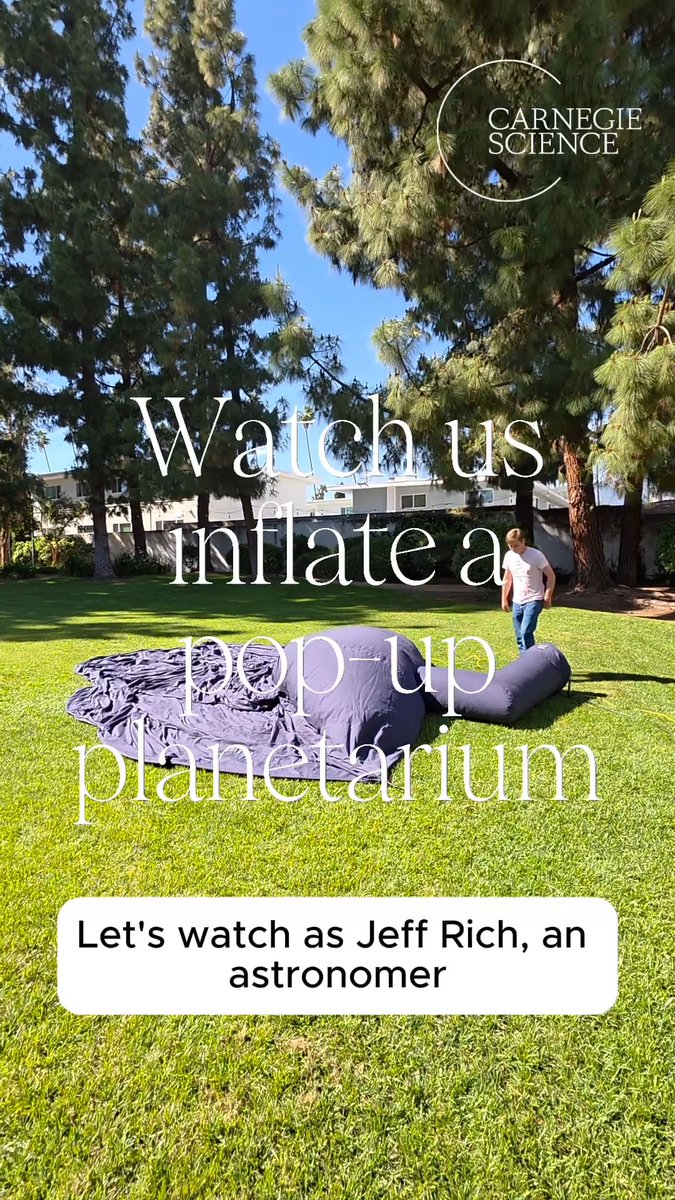
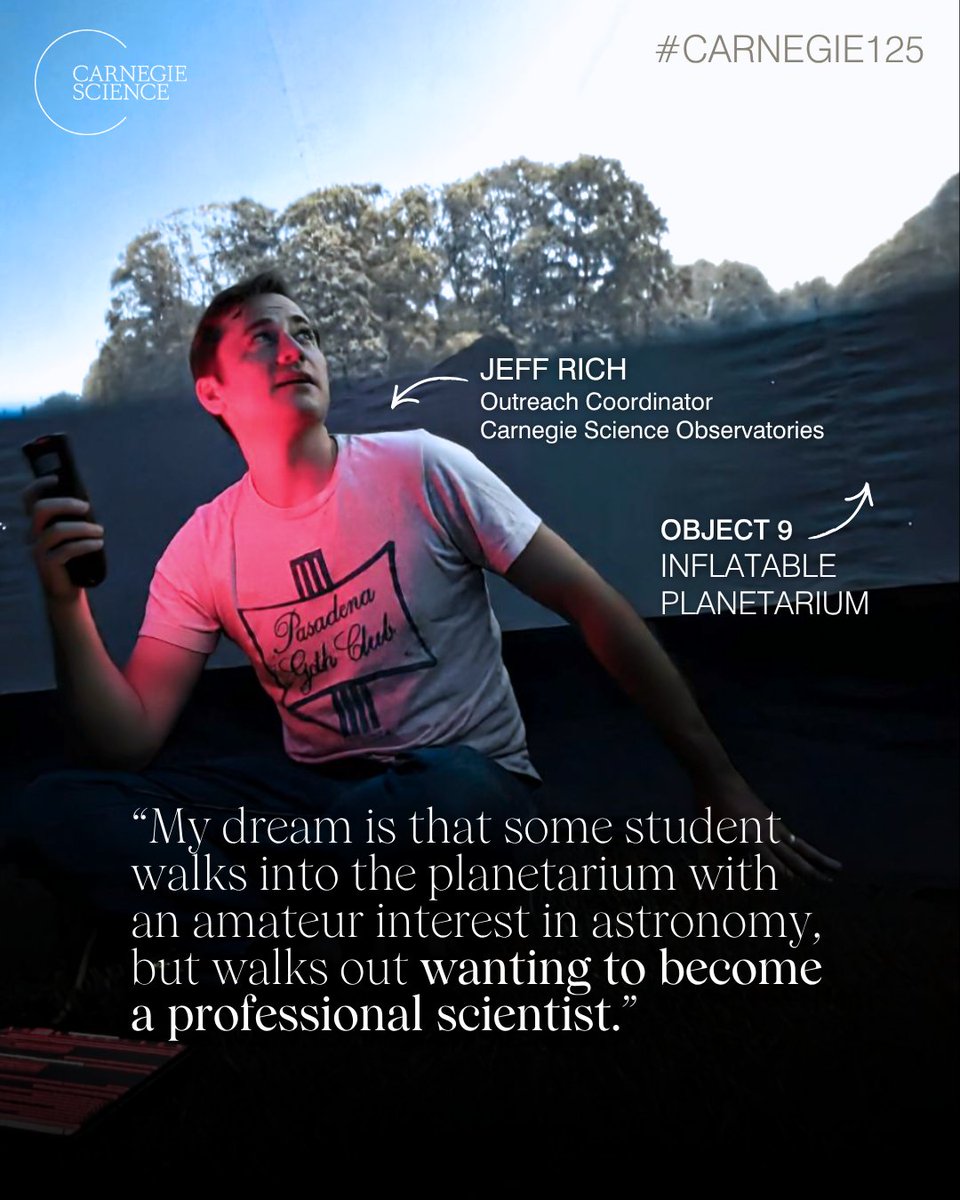
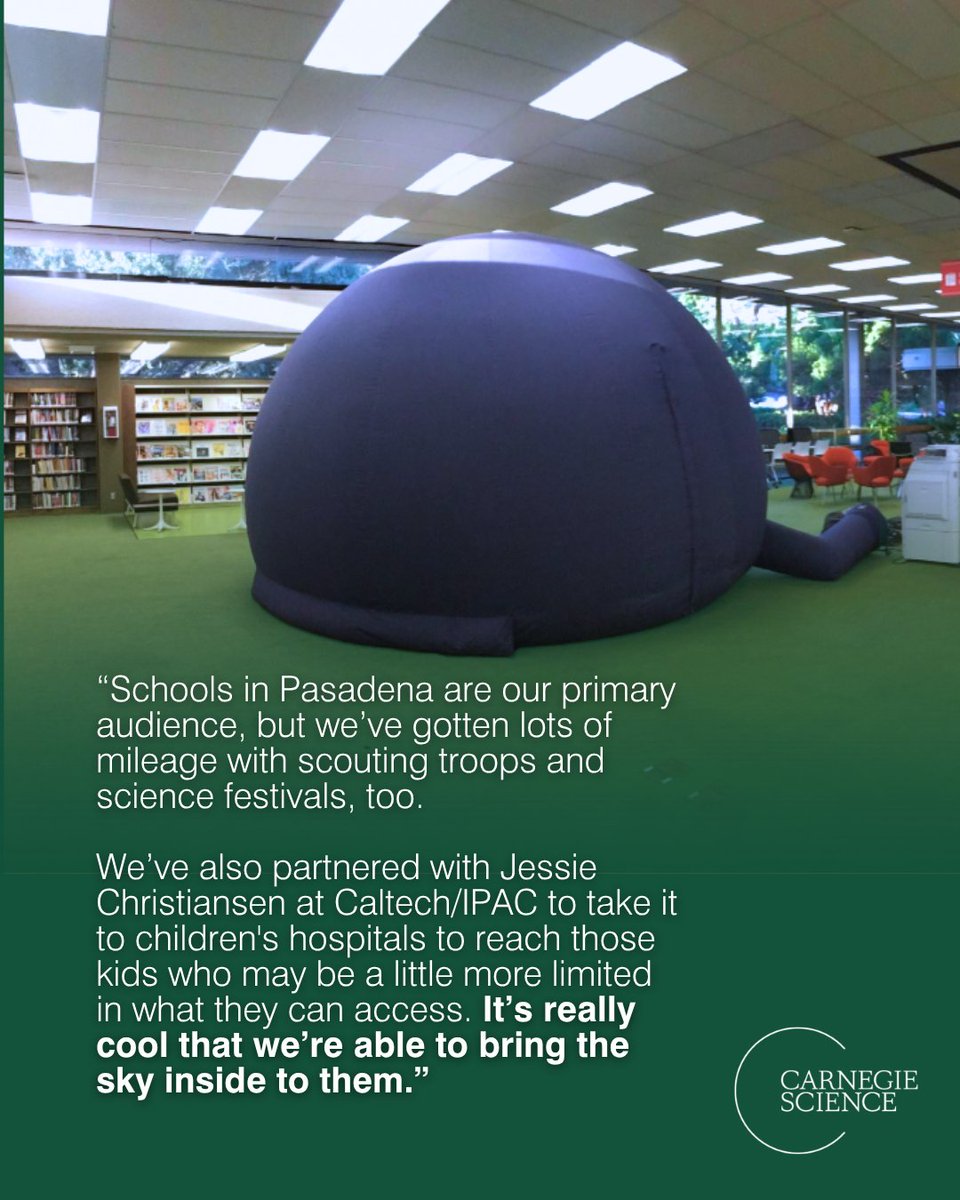
One of our most beloved of our educational initiatives fits inside the trunk of a car! The Inflatable Planetarium is the ninth item in our #Carnegie125 objects campaign.
We sat down w/ Outreach Coordinator Jeff Rich to learn more. Read the full Q&A👇
carnegiescience.edu/object-9…
97
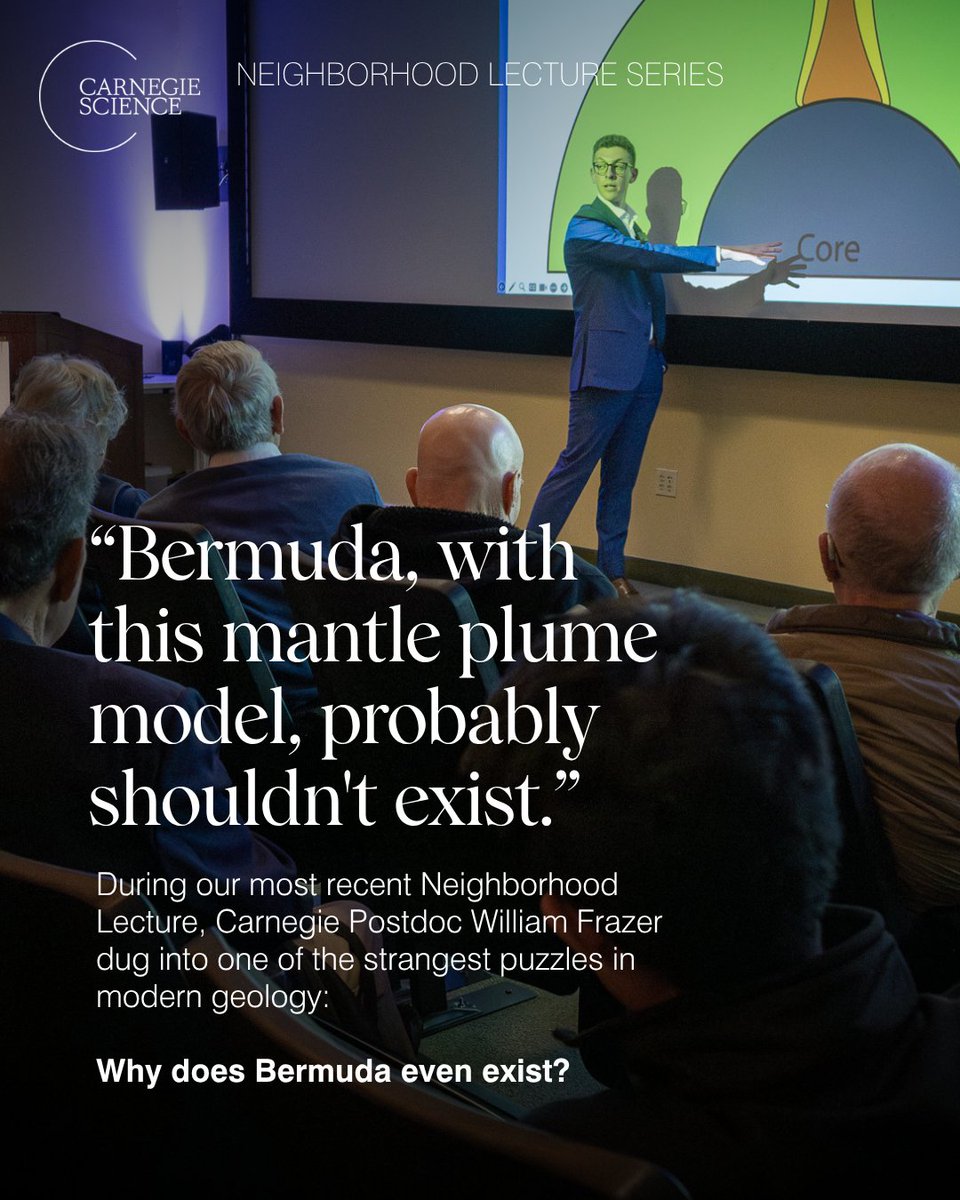
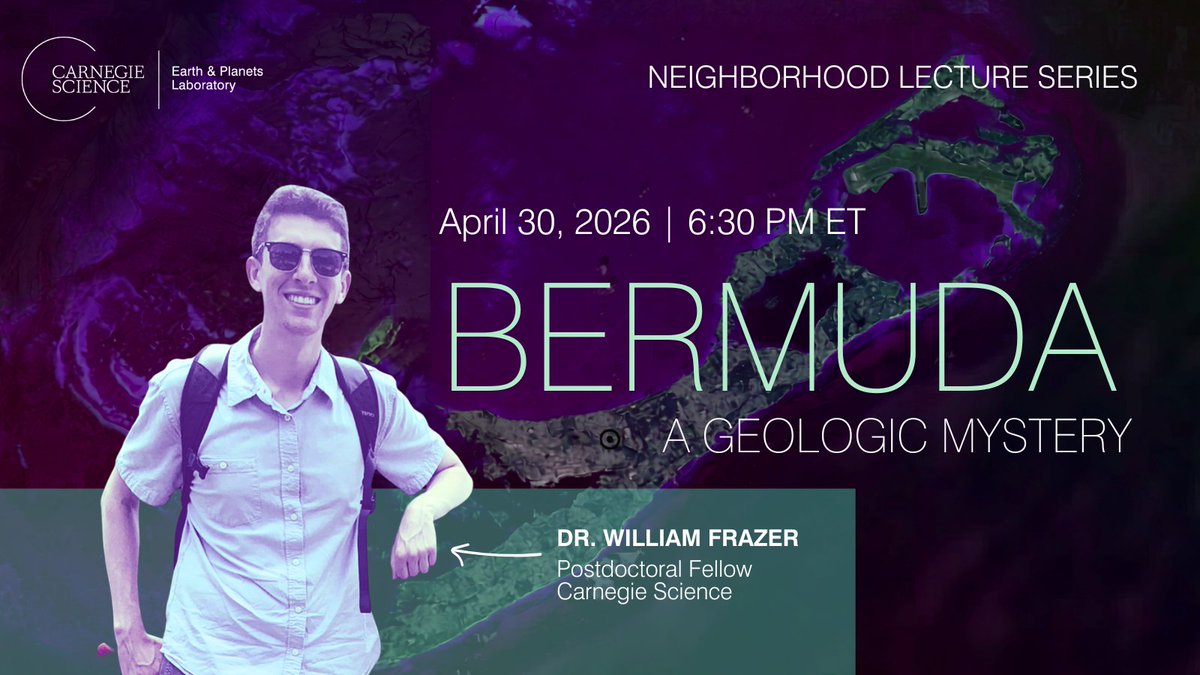
🤯 🏝️ Want to know the REAL mystery of Bermuda?
At a recent #NeighborhoodLecture, #CarnegiePostdoc William Frazer took us beyond the triangle to one of the strangest puzzles in modern geology: Why does Bermuda exist?
Good news, we recorded it for you: bit.ly/4tUuhlK
1
3
144
Carnegie Science retweeted

4 May 2025
You don't have to be in a galaxy far, far away to use The Force—just come on down to the high-pressure lab!
#StarWarsDay #MayTheForceBeWithYou #MaytheFourth
4
5
585
Carnegie Science retweeted
4 May 2024
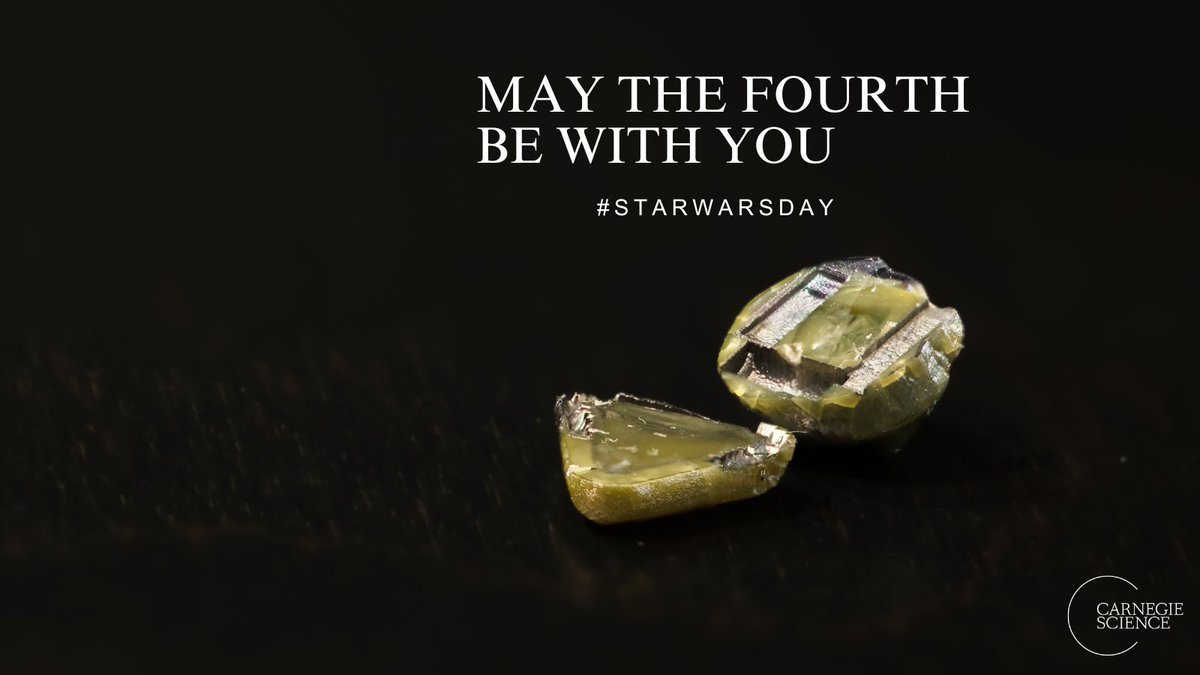
Diamonds form under extreme pressure and temperature conditions and studying them helps @carnegieplanets geoscientists understand the forces that shaped our planet's history #StarWarsDay #MayTheFourthBeWithYou
1
2
4
667
Carnegie Science retweeted
4 May 2022
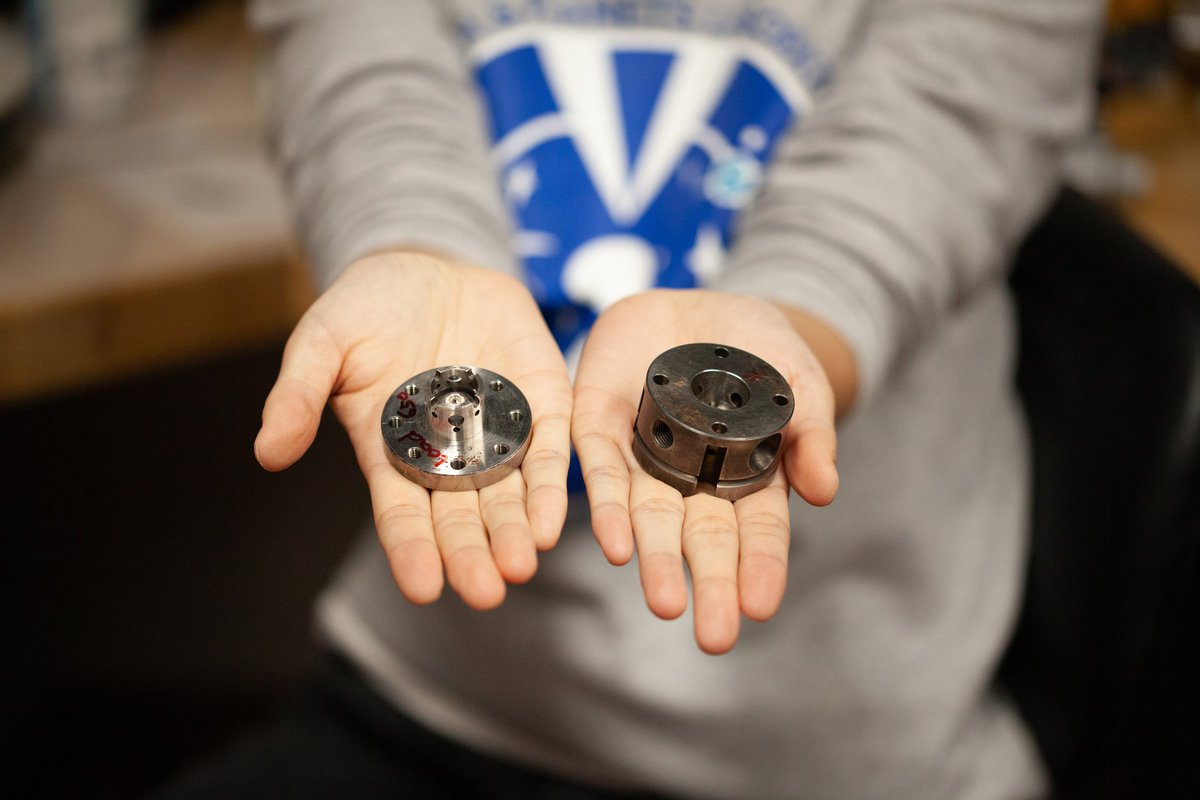
The materials scientists at @CarnegiePlanets use the force every day to understand fundamental chemical processes and synthesize novel materials with potentially useful properties. #StarWarsDay
3
6
Carnegie Science retweeted
4 May 2023
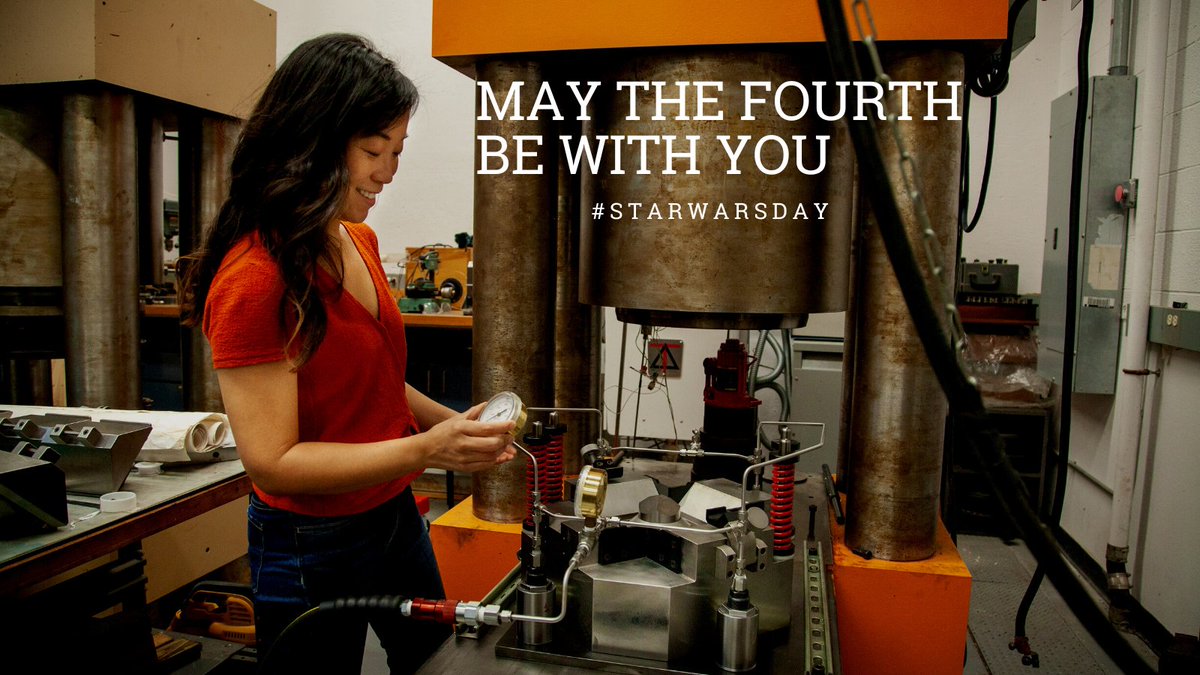
The high-pressure geochemists and geophysicists at @CarnegiePlanets use the force every day to elucidate what's happening deep inside our own and other planets. #StarWarsDay #MayTheFourthBeWithYou
1
5
6
795
Carnegie Science retweeted
4 May 2024
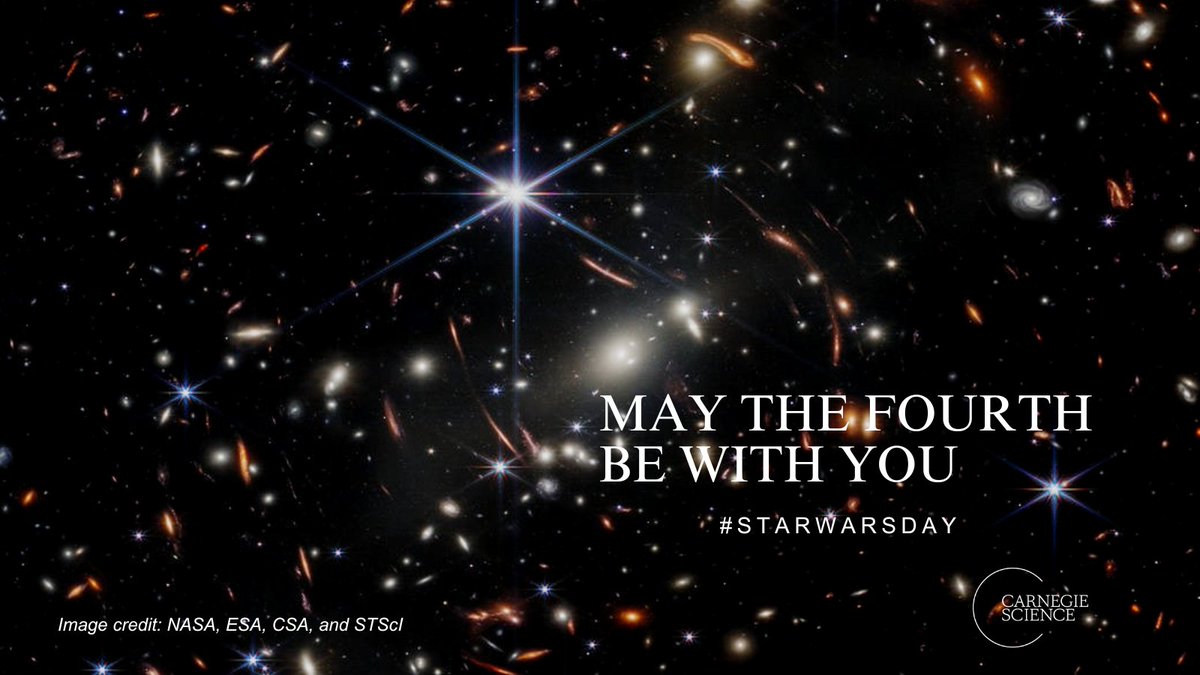
Our @CarnegieAstro scientists study, among other things, galaxies far, far away, elucidating the secrets of the early universe and the first generations of stars. #StarWarsDay #MayTheFourthBeWithYou
3
11
877
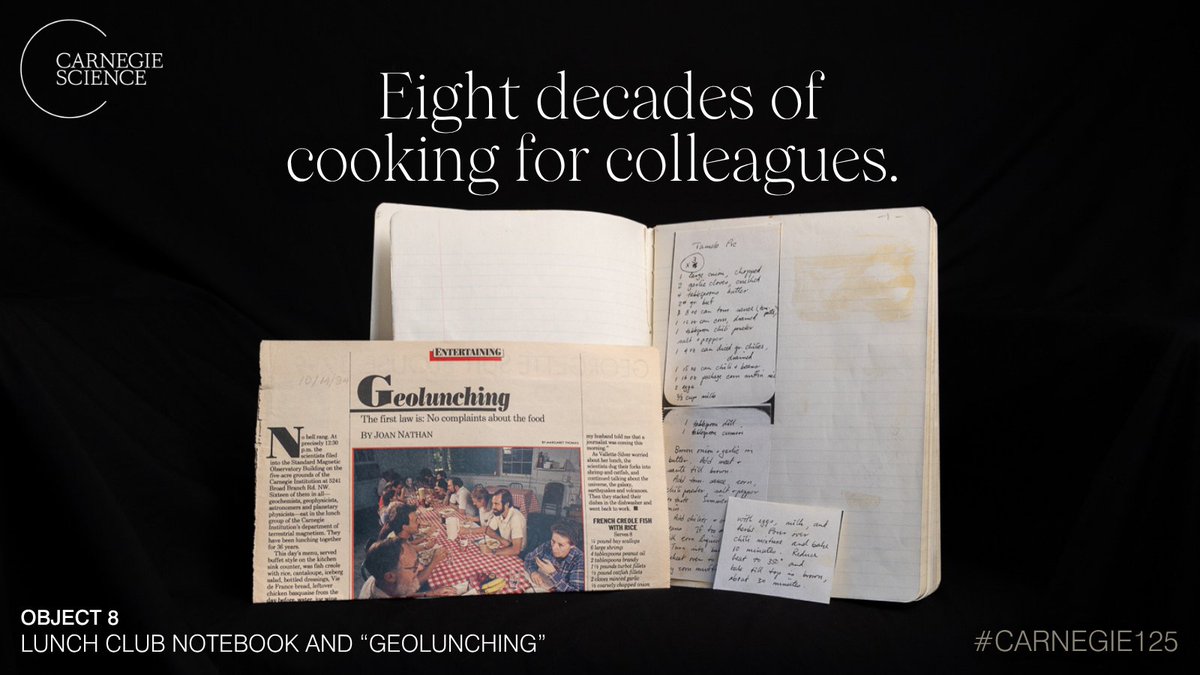
Object 10 of #Carnegie125: a @washingtonpost clipping by @Joan_Nathan
and a worn grey notebook marked "Lunch Club." Two objects that serve as windows into the oldest surviving tradition at the Earth & Planets Lab.
Full story The Lunch Club Cookbook: bit.ly/4ef5aFb
116
There's still time to get your tickets for tonight's event!

A seismic mystery lurks beneath Bermuda. Join us for a special #NeighborhoodLecture as Carnegie postdoc William Frazer goes beyond the triangle to uncover the truth! 🔺🏝️🕵️🪨🤯
🗓️ April 30 @ 6:30 PM ET
📍 Earth & Planets Laboratory | Washington, D.C.
🔗 bit.ly/geo-mystery
93
Carnegie Science retweeted

La stella più incontaminata è una gigante rossa della Via Lattea e ha così pochi metalli che potrebbe appartenere alla 2/a generazione di corpi celesti formatisi poche centinaia di milioni di anni dopo l'universo. @LCOAstro @carnegiescience ansa.it/canale_scienza/notiz…
1
2
271
Carnegie Science retweeted

Apr 20
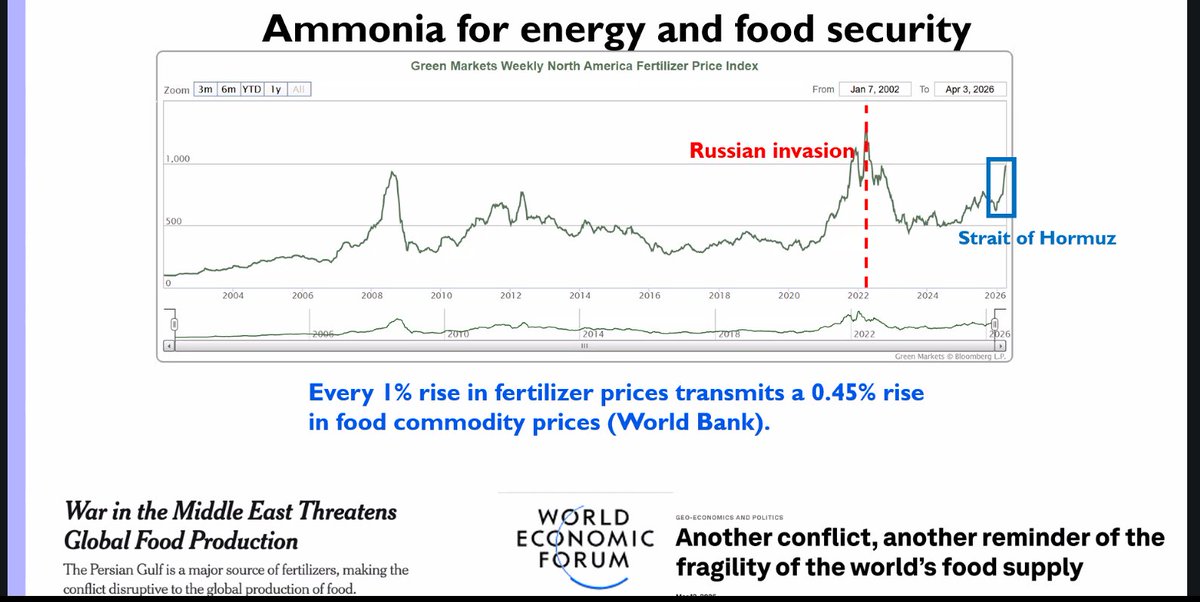
Thanks to @TheRosaLab leader Dr. Lorenzo Rosa for coming to our campus and presenting inter alia his timely research on the impact on food prices of fertilizer supply chain disruptions due to wars in #Ukraine and #Iran cc: @carnegiescience
1
1
3
261