
Father, Chiropractor, Golfer
Joined December 2011
- Tweets 1,868
- Following 2,621
- Followers 477
- Likes 7,991
84 Photos and videos





Case Ruckman retweeted

Jun 13
⛳️🗣️ Katt Williams with the perfect explanation about why people love the game of golf!
13
72
696
89,153
Case Ruckman retweeted

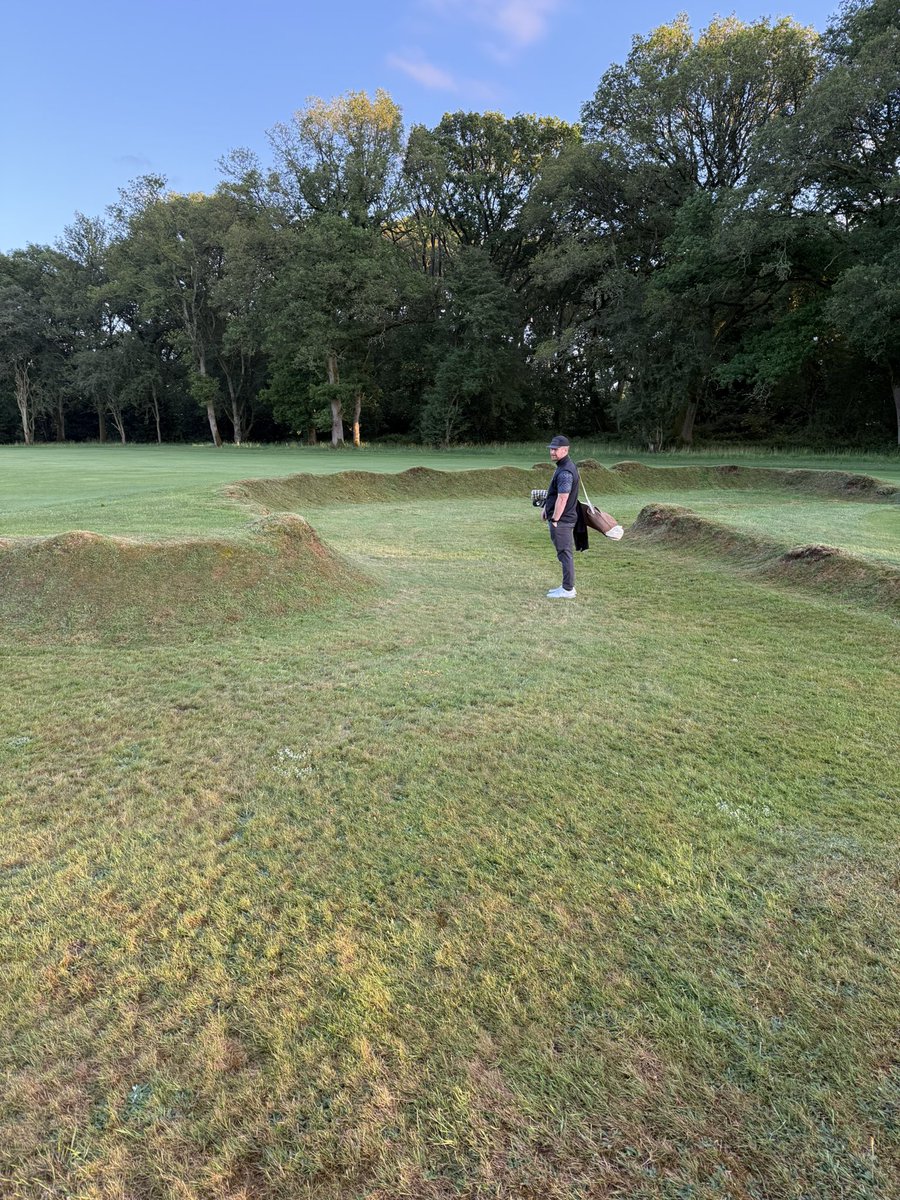
Got down to Huntercombe this week. Stunning natural use of the land and some of the best green complexes around. Will be rushing back!


5
2
89
7,205
Case Ruckman retweeted

Joe Wants to Know, I am driving through your state/county/region and can stop to play one round on a pay to play course, where are you sending me and what state are you in?
101
1
23
11,548
Case Ruckman retweeted

Jun 3
Angela Duckworth is a psychologist who proved that talent is wildly overrated and grit predicts success.
She revealed 10 daily habits that build grit that schools never teach you.
1) Adding the word "yet"
10
169
1,035
175,704
Case Ruckman retweeted

Here’s a little follow up from the David Duval video yesterday.
Justin Rose explains how he “feels” his right ear turn towards the ground during the downswing.
His ultimate goal is to keep the head and body moving to avoid any flipping.
39
41
1,141
209,245
Case Ruckman retweeted

May 18
What a treat to be back in the Scottish Highlands and @RoyalDornochGC ...those who have been know what a special place it is...and we've experienced the full range of the Highlands weather in just two days...




8
6
117
6,670
Case Ruckman retweeted

This is must watch!
breaks down the secret to tour quality bunker shots.
Wrist data provided by
3
11
342
42,763
Case Ruckman retweeted

May 6
Chris Williamson dropped a brutal truth on Rogan:
Most people only tinker — new haircut, lose five pounds, switch jobs.
But real transformation? Rewiring your body, your country, your entire worldview? That’s unicorn-rare.
And here’s what almost nobody says out loud: the hardest part isn’t the work.
It’s the loneliness that hits when you start moving at a different velocity.
You become the weirdo training six nights a week, eating differently, journaling at dawn, chasing something you can’t fully explain. Your self-belief doesn’t stay Hollywood-strong — it flickers hard. You’re scrabbling in uncertainty, wondering if any of this is even working.
The old crew doesn’t get it. The pull back to “normal” is magnetic. You might lose entire friend groups… sometimes more than once.
That isolation isn’t a glitch. It’s the feature. The price of refusing average.
In a world built for comfort and sameness, choosing the uncertain climb is one of the last truly rebellious moves left. It forges depth most people will never touch.
I’ve lived those lonely chapters chasing my own new start. The doubt is heavy. The freedom on the other side is heavier.
What’s the biggest change you made that left you out of sync with your old circle — and did you ever find your new one?
124
544
5,686
574,597
Case Ruckman retweeted

Sitting on the floor is one of the single highest-leverage habits you can have for staying mobile into old age
The inability to get up and down off the ground unassisted is one of the top reasons people end up in nursing homes, yet most adults haven't practiced it in decades
With this, you start restoring the end-range hip, knee, and ankle positions modern life strips away
20–30 minutes a day is all it takes
47
324
3,467
303,272
Case Ruckman retweeted

May 1
I have caddied on Tour and the Korn Ferry Tour. Here are some things I did for my player that you can use in your own game.
Note the amount of rollout on every green. When you hit an 8 iron, find your divot, walk off the distance to where the ball ended up. Write it down. That information becomes gold later in the round.
Know where you putt best from. A putt that breaks slightly right to left is often easier to manage than a straight one. When you have options on approach, favor the side that gives you the putt you like.
Plan your round the night before. Wind direction is on your weather app right now. If you know your course you can decide how you are going to play each hole before you ever get there. No decision fatigue on the course. You just execute.
Chart your iron shots. Iron you hit. Wind direction. How far it flew. Find your divot, walk it off from where you measured, write down the number. Do it every round for a few months and you will know your distances better than you ever have.
This sounds like a lot. It is at first.
But once you start thinking this way you stop guessing. You stop second guessing your club choice on the 14th hole with water left. You step in with a number you trust and a plan you already made.
That is where confidence comes from.
Not the range. The data.
32
31
741
172,524
Case Ruckman retweeted

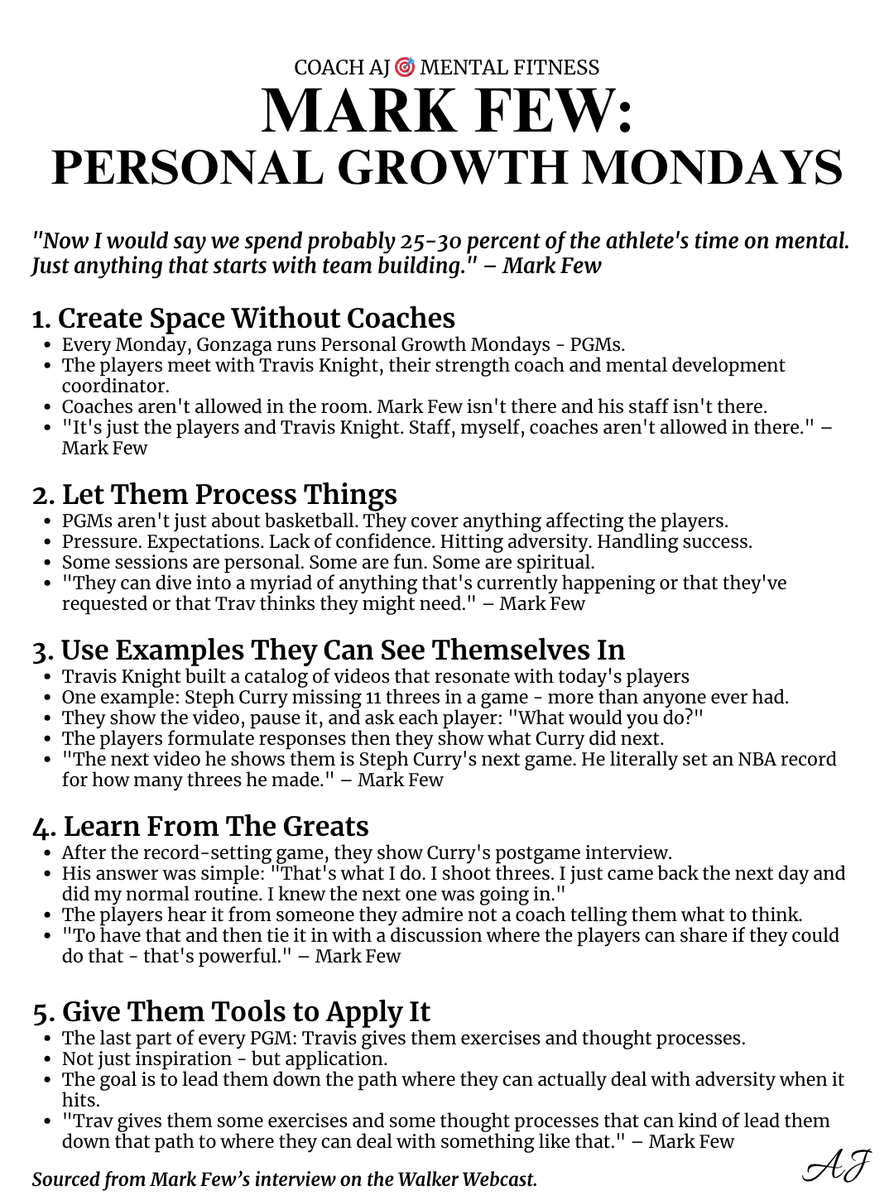
Mark Few explains the process Gonzaga uses to work on mental toughness and adversity.
"We spend probably 25-30% of the athlete's time now on mental."
Then he explained what that looks like: "We do this thing called PGMs - Personal Growth Mondays."
"We start every Monday with this Personal Growth Monday. Staff, myself, coaches aren't allowed in there. It's just the players and Travis Knight, our strength coach and mental coach."
They invest the time every week. You can't let the mental game be an afterthought.
"They can dive into a myriad of anything that's currently happening or that they've requested...Processing pressure. Processing expectations. Lack of confidence. Hitting adversity. Handling success."
The best teams train the mind, the body, and develop the person.
Your mind is affected by your daily thoughts, habits and unconscious biases.
Mental fitness helps you build resilience and thrive.
Without investing time in mental fitness, managing stress, anxiety, and challenges becomes harder.
(🎥 Walker Webcast)

Mark Few has taken Gonzaga to the NCAA Tournament 26 straight years.
Every Monday, he runs "Personal Growth Mondays" - but coaches aren't allowed in the room.
It's just the players and their mental development coach.
Here's how it works:
(📌Bookmark this)
17
110
799
273,737
Case Ruckman retweeted

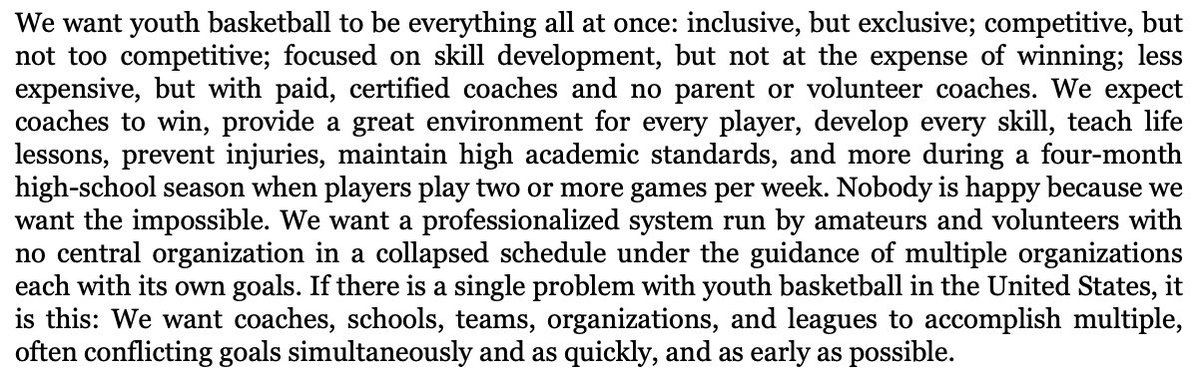
This may be the best (most important 🤷♂️) paragraph I have written in 25 years.
26
116
469
89,580
Case Ruckman retweeted

Simon Sinek offers a counterintuitive take: The moment you step in and fix the problem, you stop being a leader:
You got promoted because you were the best at the job.
And that's precisely what makes leadership so difficult.
The same instinct that made you great at the work, seeing the problem, knowing the answer, fixing it fast, becomes a liability the moment you move into a leadership role.
Simon is direct about this:
"Then you're not leading. You're just doing the work. You just have the leadership position."
The people who now report to you may not be as good as you. They'll move slower. They'll miss things you would have caught immediately.
And in those moments, every instinct will tell you to step in.
But that instinct is exactly what you have to resist.
"You can't just come in and tell them how you would do it. You have to push them to solve the problems the way that they would, just like someone did for you once before."
Someone once gave you the space to figure it out. That patience is what shaped you. Now it's your turn to offer the same to others.
Simon points to Chanel as a company that has built this principle into its culture.
Newly hired senior leaders are not allowed to speak in meetings for their first three months.
"You don't know anything about our company. And you'll learn by listening."
Chanel trusts that their leaders will be around for the long term, so 90 days of silence is a small price to pay for someone who truly understands the business before they start shaping it.
That's institutionalised patience. And it's almost unheard of.
Most organisations reward speed, decisiveness, and output. So the pressure to swoop in and fix things feels justified, even virtuous.
But Simon draws a hard line between having a leadership position and actually leading.
One is a title. The other is a practice.
And that practice demands something most high performers find deeply uncomfortable. Watching someone struggle toward an answer you already have, and choosing to let them find it themselves.
That restraint is the real work of leadership.
50
306
2,180
282,812
Case Ruckman retweeted

Number of players to average over 120mph club head speed on the @PGATOUR
Year : No of players
'07: 9
'08: 10
'09: 7
'10: 7
'11: 8
'12: 11
'13: 15
'14: 10
'15: 13
'16: 14
'17: 18
'18: 17
'19: 23
'20: 20
'21: 21
'22: 22
'23: 29
'24: 31
'25: 42
‘26: 40 (so far)
4
4
70
23,356
Case Ruckman retweeted

Un profesor del MIT dio la misma conferencia cada enero durante 40 años, y cada una de las veces no cabía ni un alma en el aula.
La vi a las 2 de la mañana y cambió por completo mi forma de entender la comunicación.
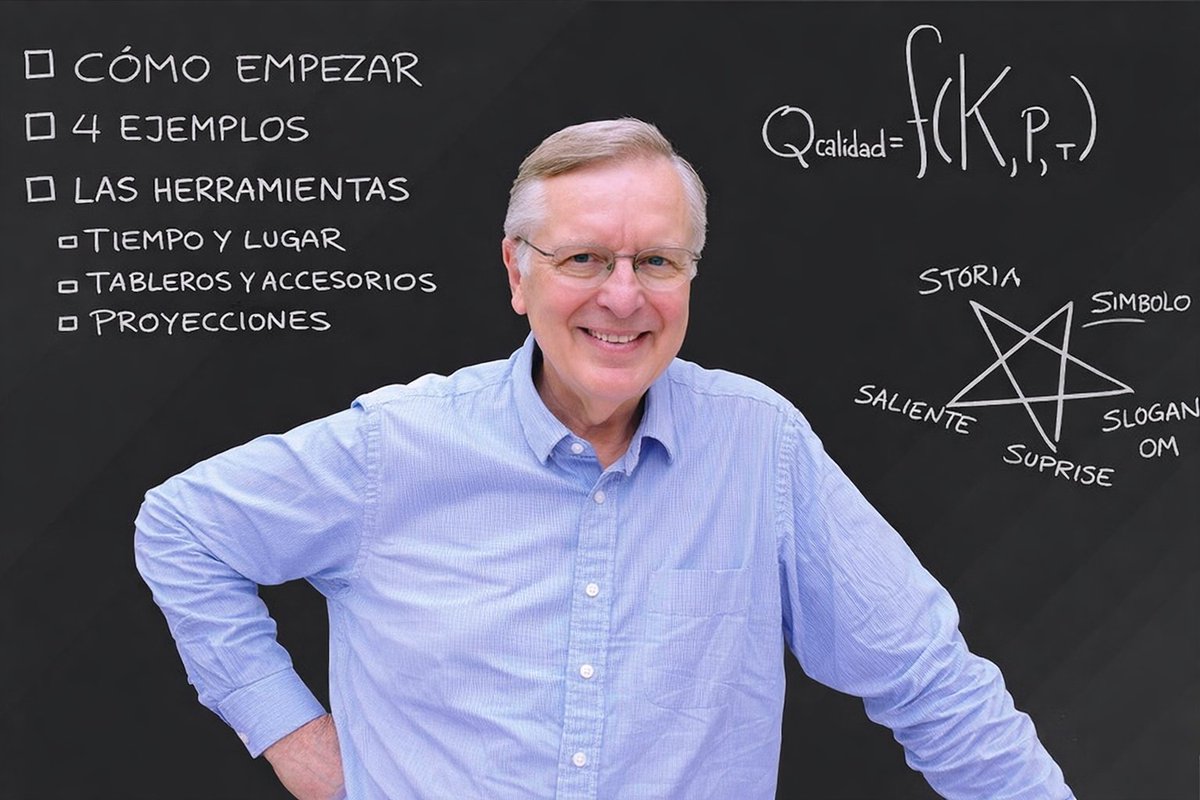
Su nombre era Patrick Winston. La conferencia se titula "Cómo hablar" (How to Speak).
Su frase de apertura te golpea como un camión: "Tu éxito en la vida vendrá determinado en gran medida por tu capacidad para hablar, tu capacidad para escribir y la calidad de tus ideas, en ese orden".
Ni tu nota media, ni tus títulos, ni tu coeficiente intelectual. Cómo hablas es lo que separa a las personas que son escuchadas de las que son ignoradas.
Este es el esquema que inculcó a los estudiantes del MIT durante cuatro décadas:
1) Nunca empieces con un chiste: Empieza diciendo a la gente exactamente qué es lo que va a aprender. "Prepara la bomba antes de verter nada". Él lo llamaba la "promesa de empoderamiento": dales una razón para no levantarse del asiento en los primeros 60 segundos.
2) La regla de las 5S: Para que una idea se quede grabada debe ser: Símbolo, Slogan, Sorpresa, Saliente (relevante) e Historia (Story). Cualquier idea que valga la pena recordar cumple al menos tres de estas.
3) La técnica del "casi acierto" (Near Miss): Esta parte me dejó alucinado. No te limites a mostrar lo que está bien; muestra lo que parece estar bien pero no lo está. Ese contraste es lo que hace que el cerebro registre algo de forma permanente.
4) Su regla final: Termina con una contribución, no con un resumen. No recapitules lo que ya dijiste. Dile a la gente qué les has dado que no tenían antes de entrar por la puerta.
He usado este esquema en ventas, entrevistas y presentaciones desde que lo vi, y los resultados no son sutiles.
Patrick Winston falleció en 2019, pero esta clase sigue siendo gratuita en el OpenCourseWare del MIT. Una hora, vista por millones de personas, y no cuesta absolutamente nada.
Video: "How to Speak", Patrick Winston, MIT OpenCourseWare, RES.TLL-005, January IAP 2018.
Fuente: MIT OpenCourseWare.
Licencia: CC BY-NC-SA.
Términos: ocw. mit. edu/ terms
133
4,643
22,512
2,000,181
Case Ruckman retweeted
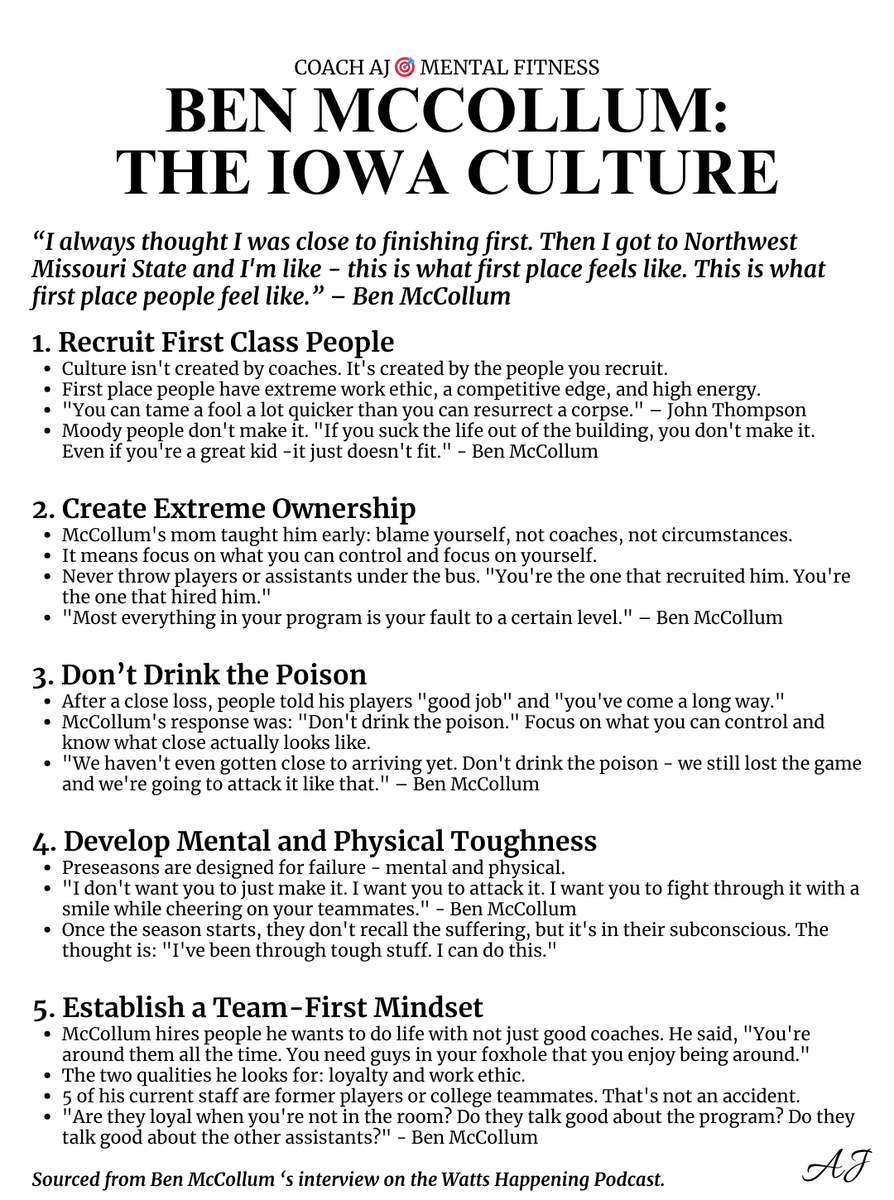
Ben McCollum shares what it feels like to be around first-place people and a first-place culture.
"I went to Northwest Missouri State, and my first practice with Steve Tapmeyer - best coach I've ever been around - I sat there and I'm like, 'This is what first place feels like. This is what a first-place culture feels like. This is what first-place people feel like.'"
That was the wake-up call. He realized what first-place people have:
"They've got an extreme work ethic. They've got an edge to 'em that other people don't - a competitive spirit."
Then he quoted John Thompson:
"You can tame a fool a lot quicker than you can resurrect a corpse...We want guys with a little edge to 'em."
You can coach skills, but you can't coach competitive spirit. You don't want to consistently coach their effort and attitude.
The last thing they look for: Energy givers.
"Over the years, we found that guys that are moody don't make it in our program."
"If you're moody, if you have low energy, if you suck the life out of the building - you don't make it."
Talent isn't enough. Your energy matters. Your attitude matters.
Successful people have a competitive edge, they bring energy, and they look to consistently get better.
They raise the standard through what they do.
(🎥 Watts Happening Podcast)
Ben McCollum knows that to change your team - it starts with the people and the culture.
• 4 national titles at Northwest Missouri State.
• Drake's first NCAA win in 50 years.
Now Iowa's first Sweet 16 in 27 years.
Here's how he builds culture:
(📌Bookmark this)
28
384
3,078
715,443

Mar 11
Damn

68
Case Ruckman retweeted

Mar 8
Going on a golf trip. Playing Charleston Muni, True Blue, Caledonia and Pawleys Island. Any tips? Flying out on Thursday.
110
3
193
57,839
Case Ruckman retweeted

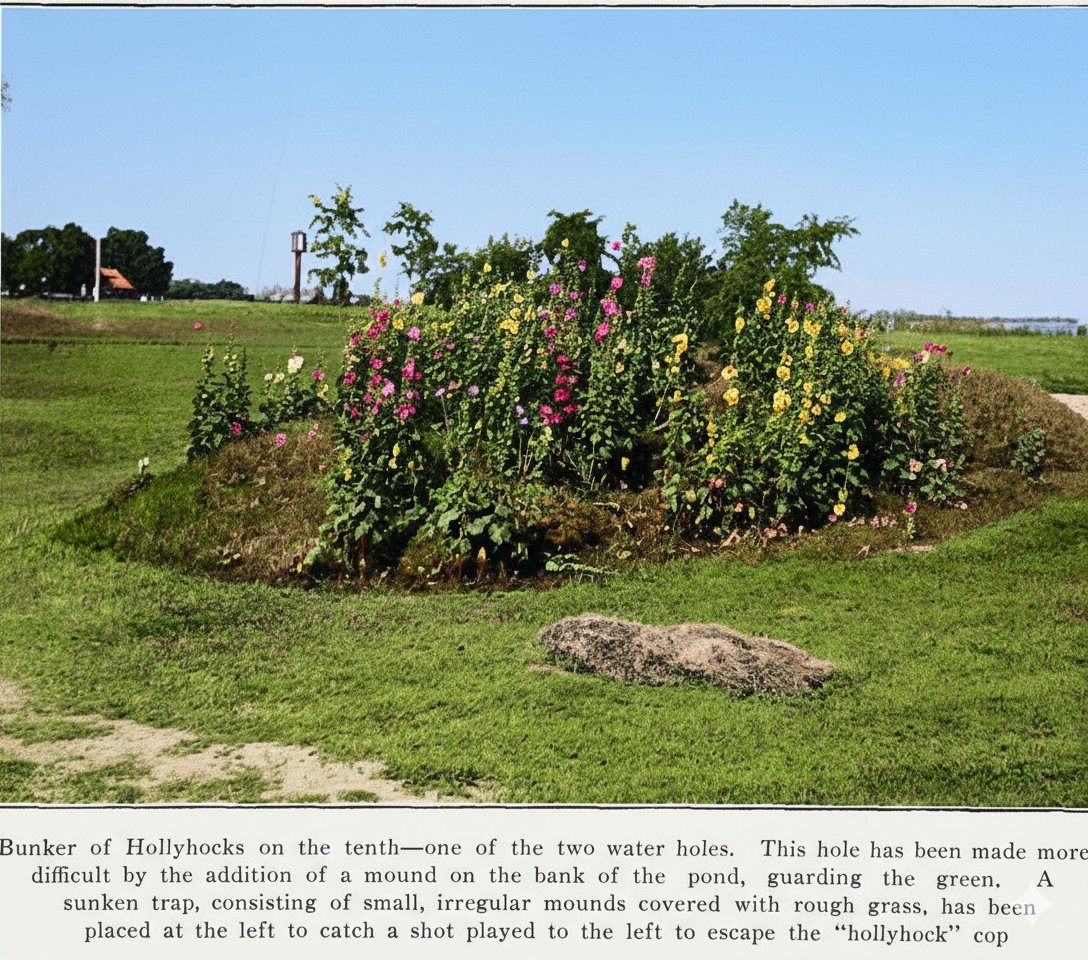
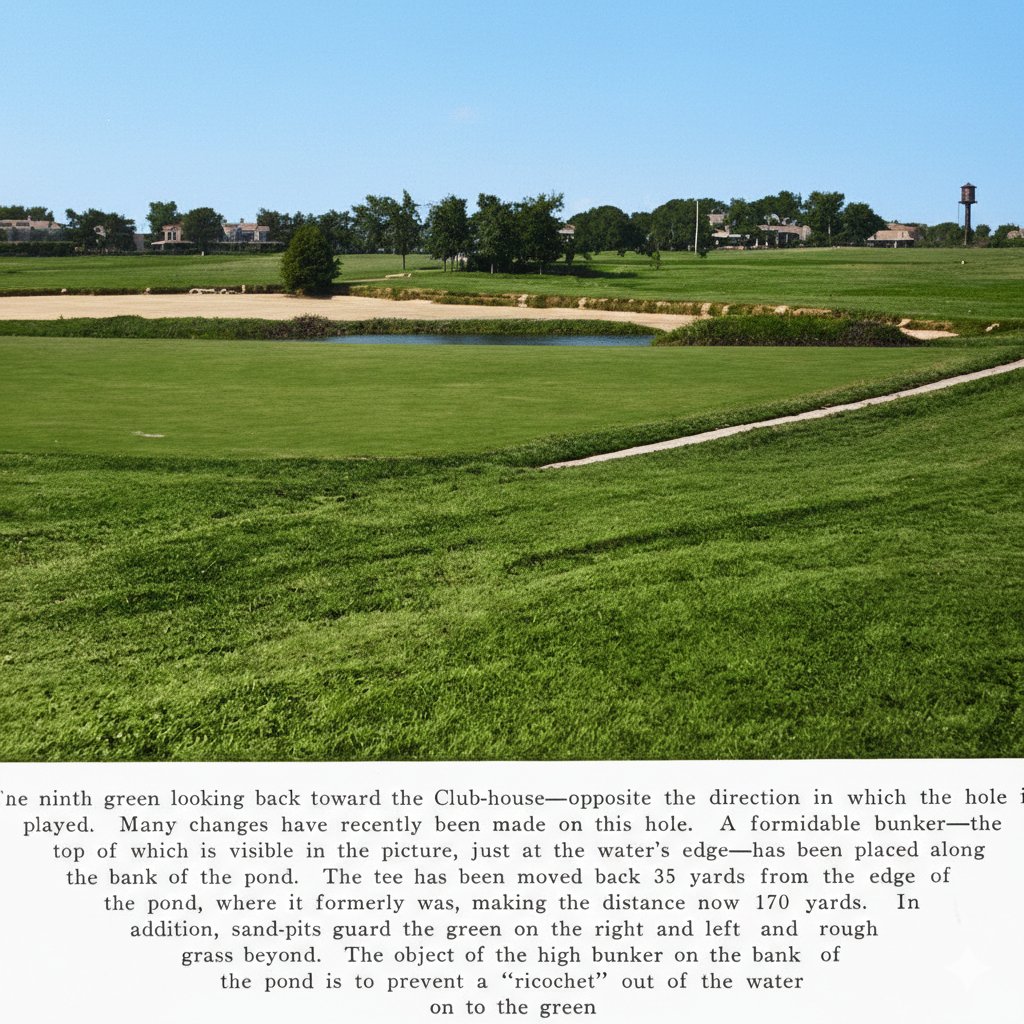
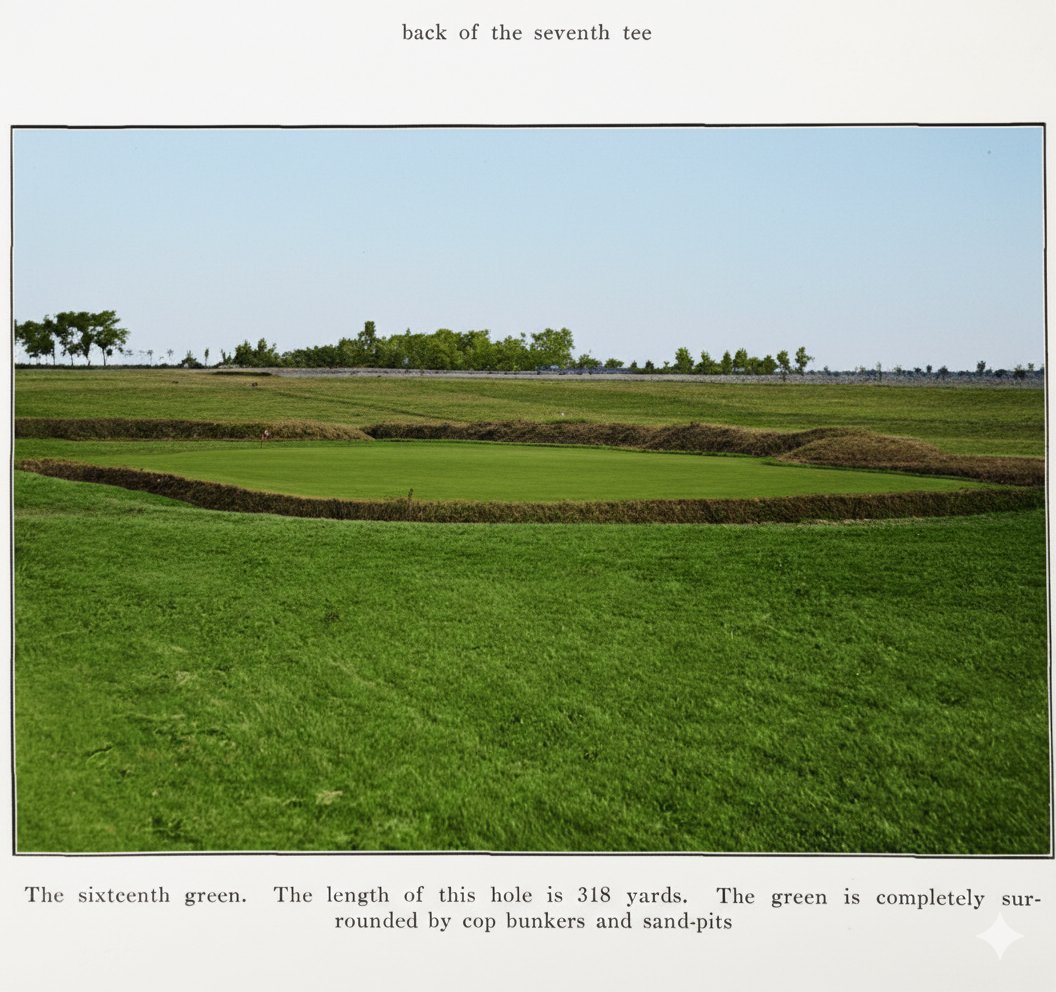
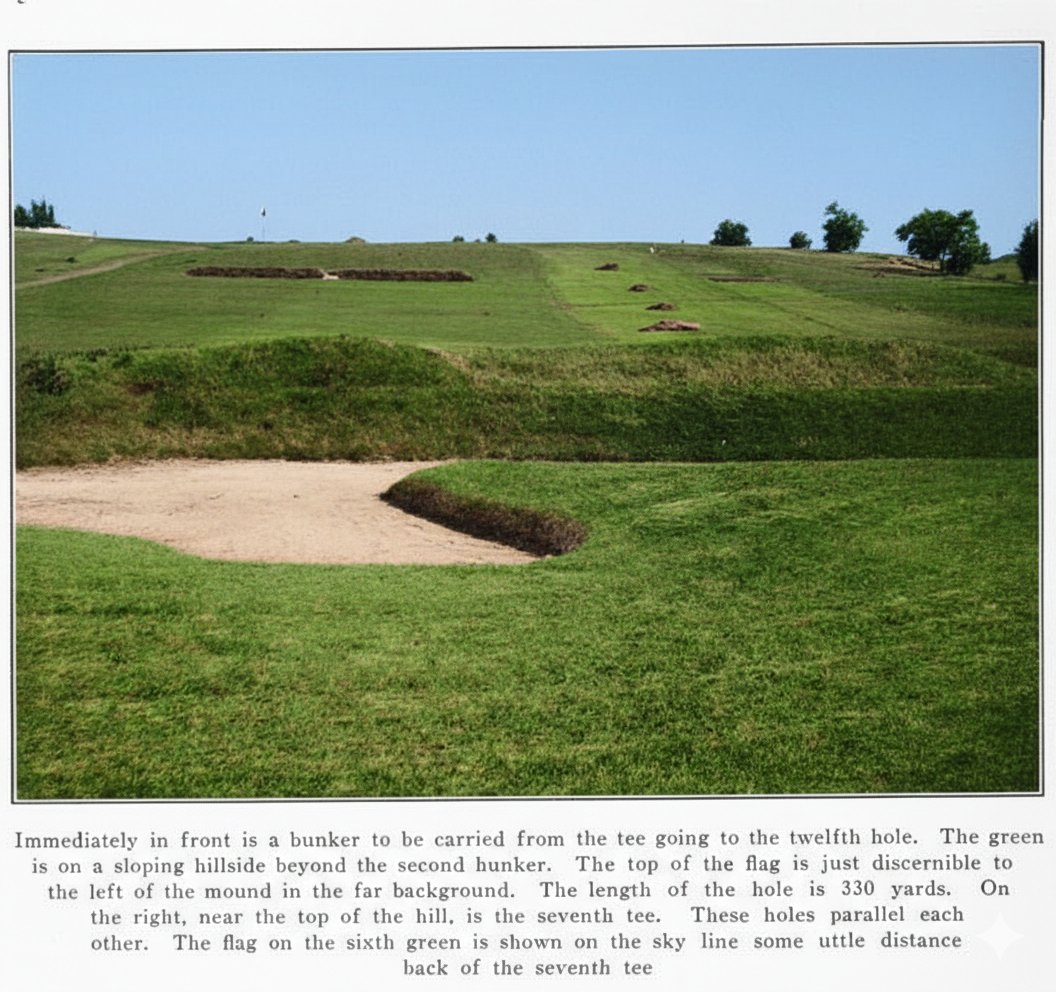
Chicago Golf Club, Aug. 1909, American Golfer, colorized. Bring back hollyhock as a hazard! @lbt3um
3
9
122
14,423
Case Ruckman retweeted

I ran a poll asking what the most important factor in a junior golfer’s development is.
I was shocked that everybody didn’t pick Parenting.
Because after 25 years in competitive golf, having 3 kids of my own play D1 golf, coaching at Duke and Ohio State, and working with hundreds of junior golf families, here’s what I’ve observed, researched and learned:
How you parent is the single biggest factor in your child’s junior golf success.
Almost nobody shows parents how to do this well. I’m on a mission to change that.
So, here are the 10 most important factors in elite golf parenting. From my chapter on Parenting in Becoming Elite:
1.Create a Safe Environment. Your home must be a safe harbor, not a pressure cooker. Your love is unconditional and separate from their golf score. Same affection after an 85 as after a 65. If your mood changes with their scorecard, you are creating a toxic environment that destroys their love for the game. And eventually your relationship.
2.The Car Ride Home. This is where most parents blow it. The car ride home is a sanctuary. A no golf talk zone. Enforce the 48 Hour Rule. Let them decompress, listen to music, stare out the window. The post round autopsy is one of the most damaging things a parent can do.
3.Body Language. Your kids are reading you on every single shot. Every. Single. Shot. A fist pump after a birdie tells them birdies are what matter. Slumped shoulders after a bogey tells them you’re disappointed. Your expression must be the same after a birdie as after a double bogey. Calm, positive, steady. You are the emotional thermostat.
4.Communication. The most important words when they come off the 18th green: I love to watch you play. Not “what did you shoot.” Not “what happened on 12.” After 48 hours, ask open ended questions. How do you feel about your round? What were you most proud of? What do you want to work on? You are a facilitator, not a judge.
5.Creating Ownership. A player led journey is sustainable. A parent led journey leads to burnout. If you are more invested than they are, that is a red flag. Motivation must come from within. Great parents ask questions instead of giving answers. The player who owns their development keeps improving long after the lessons end.
6. Giving them Freedom. Be a lighthouse, not a tugboat. At tournaments, stay at least 50 yards away. Do not walk the fairway with them or stand behind every green. Give them space to breathe and compete. Do not talk to them during the round unless they initiate. They are in their performance bubble. Do not burst it.
7.Allowing Them to Fail. Failure is not the enemy. It is a prerequisite to growth. Your child is more resilient than you think. They can handle failure and disappointment. They need you to believe in them and let them learn, not protect them from every setback. Removing the opportunity to fail is the real enemy.
8.Staying in Your Lane. You are the parent. Not the coach. Not the caddy. Not the swing analyst. These roles do not mix. Constantly offering swing advice creates a toxic triangle of confusion. Hire a professional. Trust them. Stay out of the way. Your job is love and support. Period.
9.Building an Identity Beyond Golf. If your child’s entire sense of self worth is tied to their golf score, you are setting them up for misery. They are a person who plays golf, not the other way around. Encourage other interests. Protect their social life. Let them go to school dances. Family vacations and time with siblings are sacred. A one dimensional identity is one of the three ingredients that causes burnout.
10.Playing the Long Game. This is a 10 year journey, not a 10 tournament sprint. You are not in a race to be the best 12 year old golfer. You are on a patient journey to see how good they can be at 18, at 22, and beyond. Slow down. The car rides, the early morning tee times, the post round ice cream. These are the moments you will remember. Savor them.
60
77
845
108,963