
Joined July 2024
- Tweets 248
- Following 134
- Followers 925
- Likes 329
54 Photos and videos


Pinned Tweet

14 Feb 2025
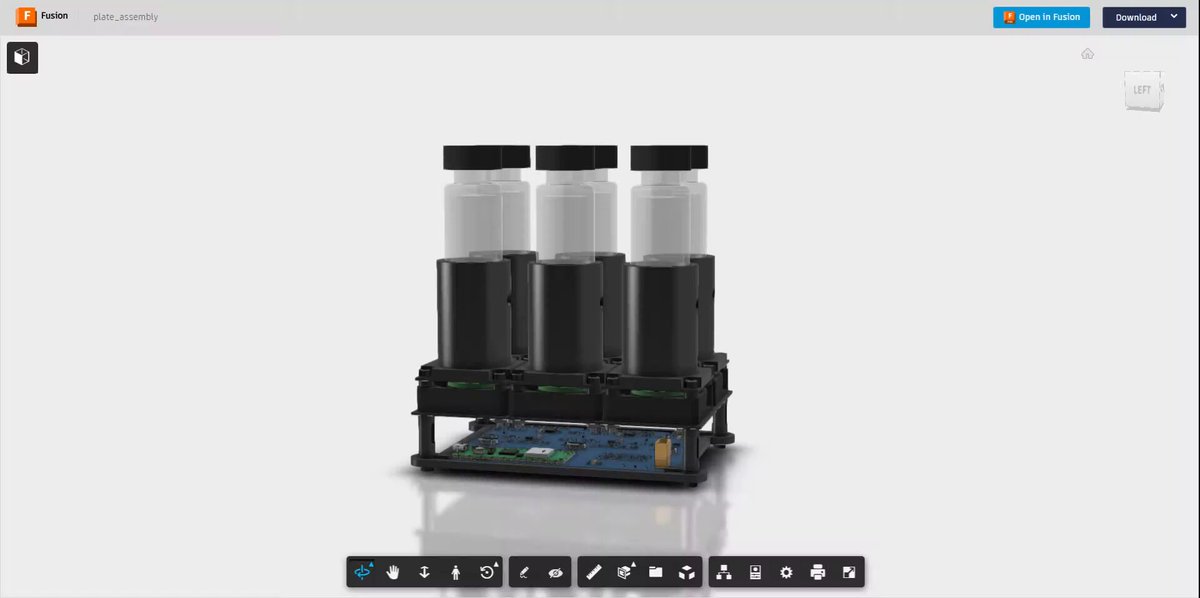
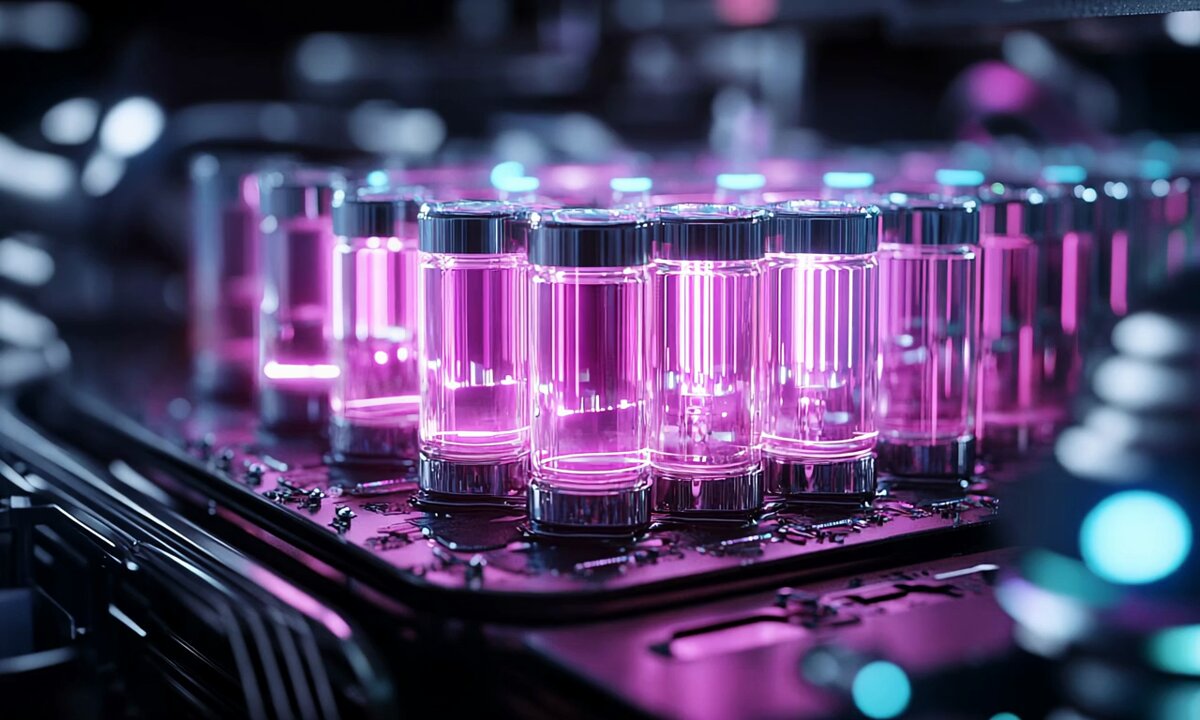
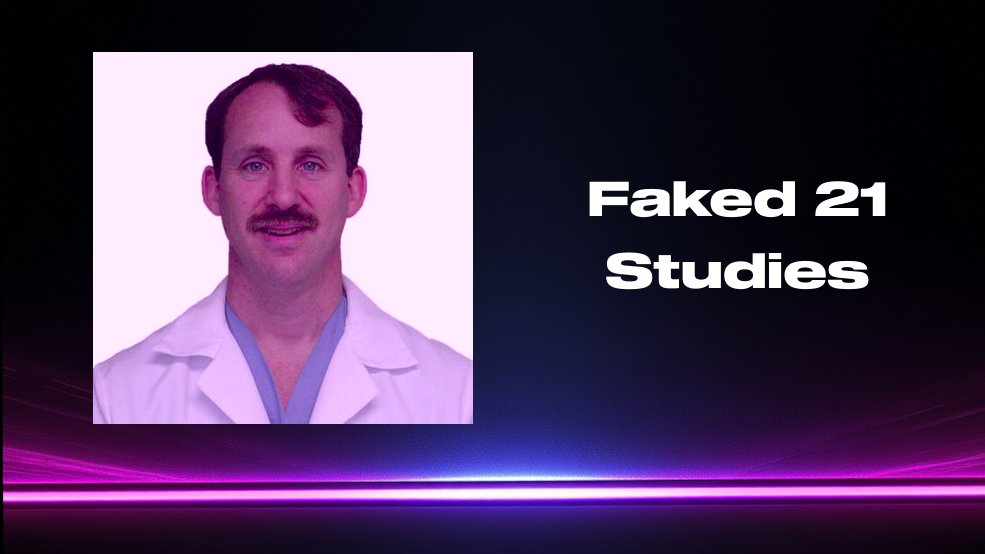
The on-chain bioreactor mainframe is here!
What if anyone, anywhere could run verifiable scientific experiments without a lab?
What if AI & biotech had access to trustless, reproducible data?
Here’s why it’s HUGE 🧵👇
8
7
37
3,188
22 Nov 2025
🔥🔥🔥
21 Nov 2025

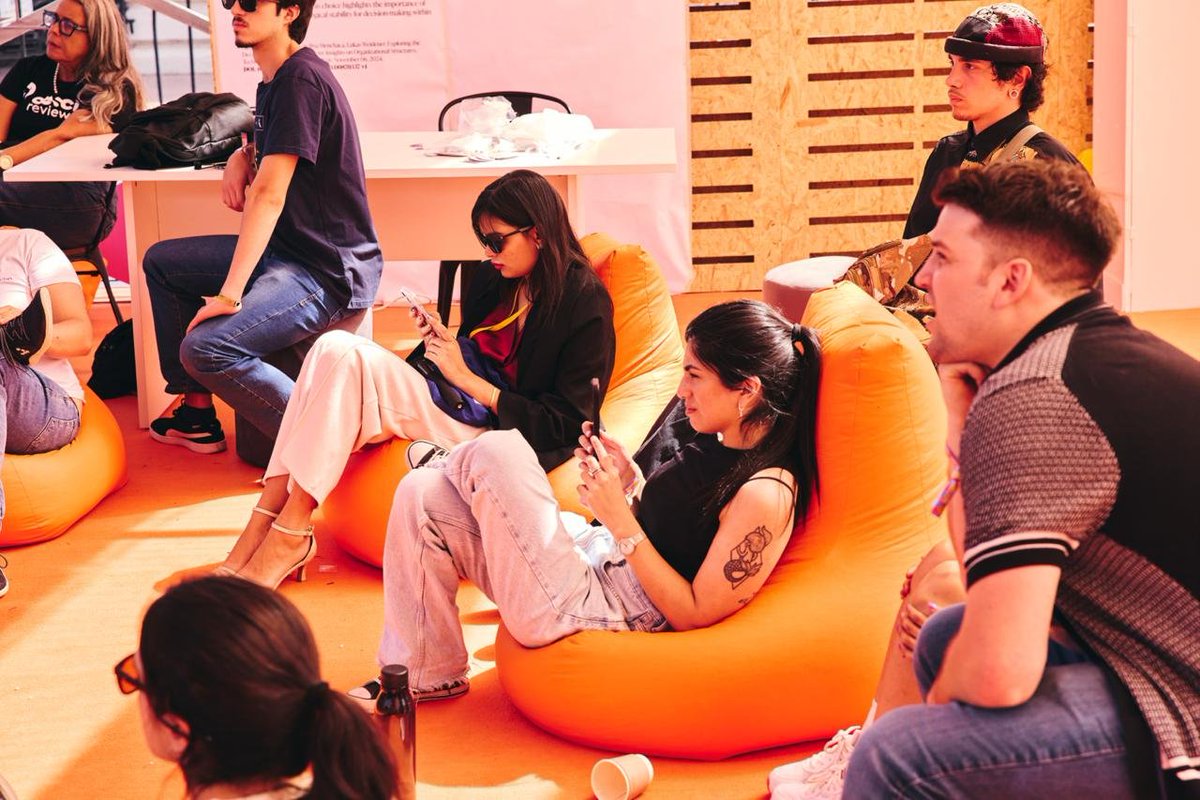
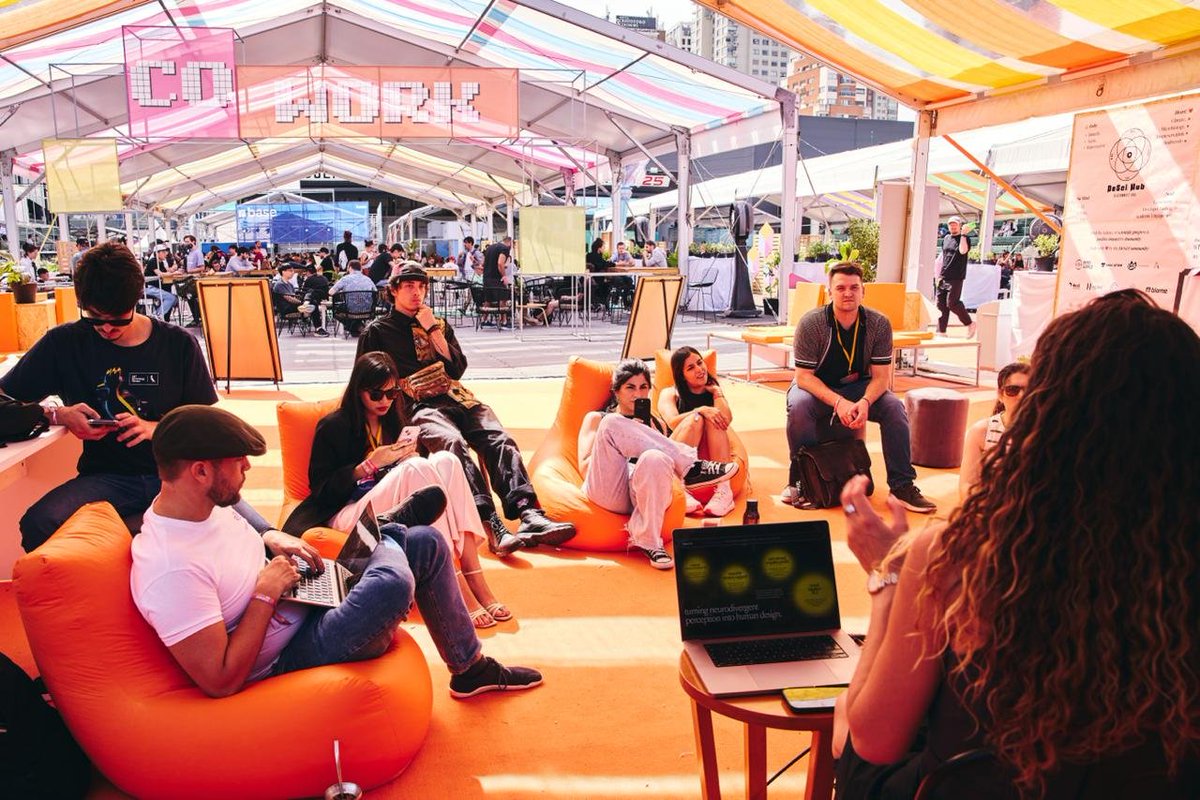
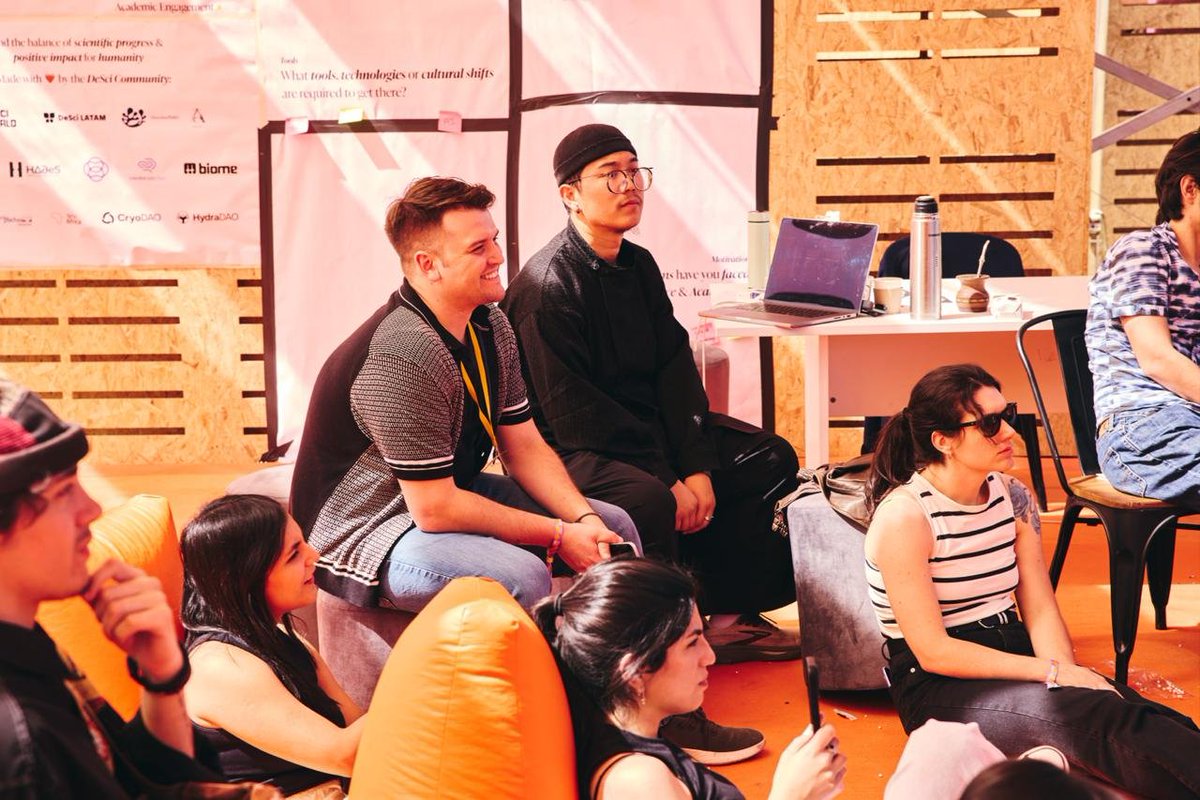
Community Hub Feature: DeSci
The hub is created to introduce the DeSci movement to the Ethereum community and to show how blockchain can transform scientific research into a true public good.
1
411
Causality Network retweeted

15 Nov 2025
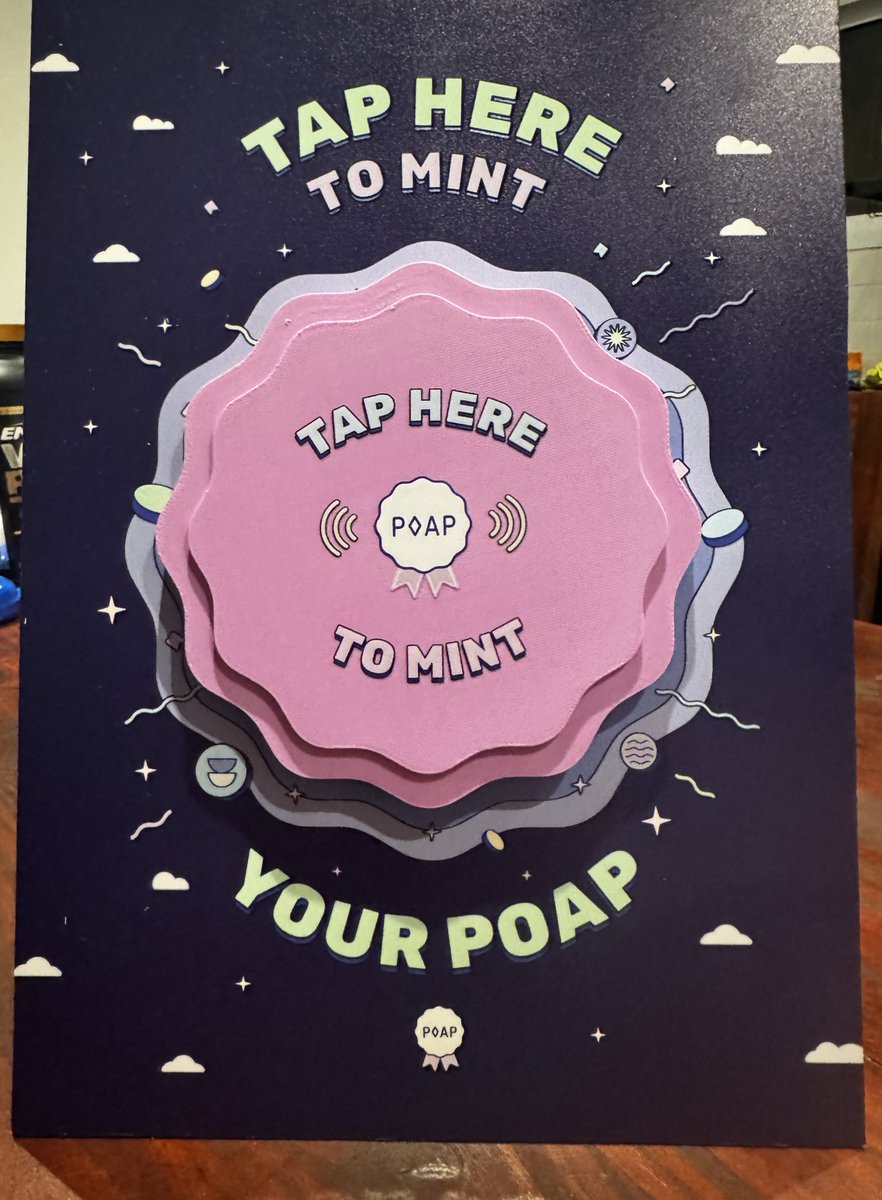
Adivinen qué…
Nuestro @poapxyz del DeSci Hub ya está listo!
Podes venir a mintearlo a partir del lunes en el main stage!
1
5
24
899
Causality Network retweeted

12 Nov 2025
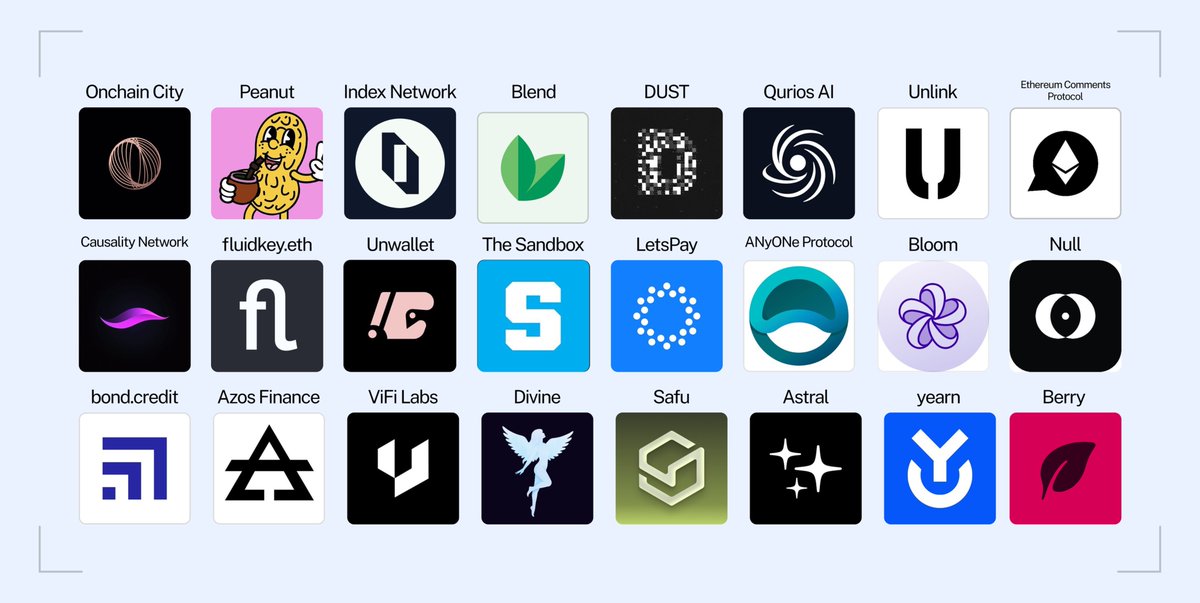
After reviewing 100 incredible applications and running a @jokerace_io community vote, we’re thrilled to announce the 24 teams selected for Founders Lab 🎉
These teams will receive 1:1 mentorship from some of Ethereum’s top builders at @EFDevcon learning from the best in GTM, fundraising, product, and scaling.
Big thank you to everyone who applied, the quality of projects was insane. The energy, ideas, and conviction remind us why Ethereum’s founder community is unmatched.
Congrats to all the selected teams 👇
1. @OnchainCity
2. @joinpeanut
3. @indexnetwork_
4. @blend_money
5. @Dust_Org
6. @Qurios_ai
7. @unlink_xyz
8. @ecp_eth
9. @CausalityNet
10. @fluidkey
11. @wall8_xyz
12. @TheSandboxGame
13. @LetsPayFi
14. @AnyoneFDN
15. @bloomsocialhq
16. @0xNullEth
17. @bondoncredit
18. @AzosFinance
19. @ViFi_Labs
20. @DivineResearch
21. @SafuLabs
22. @AstralProtocol
23. @yearnfi
24. @berryinvesting
105
48
388
100,908
Causality Network retweeted

6 Nov 2025
1
8
255
Causality Network retweeted

6 Nov 2025
Ten thousand years of human commerce just became the beta version.
v1.0 ships today.
Introducing Arkhai, where intelligence meets agency.
30
49
145
20,401
5 Nov 2025
Amazing leap from FutureHouse.
A platform of AI agents to automate literature review, hypothesis generation, and experiment design. It also traces every claim back to code and citations!
The next step is automated labs that execute the experiments that then feed data back into the AI.
But this raises a big issue: we could get “deepfake-style” science built on lies that then poisons the model.
We need to make sure we have a way to verifying what the automated lab did and not what the AI told us it did!
5 Nov 2025

Today, we’re announcing Kosmos, our newest AI Scientist, available to use now.
Users estimate Kosmos does 6 months of work in a single day. One run can read 1,500 papers and write 42,000 lines of code. At least 79% of its findings are reproducible. Kosmos has made 7 discoveries so far, which we are releasing today, in areas ranging from neuroscience to material science and clinical genetics, in collaboration with our academic beta testers. Three of these discoveries reproduced unpublished findings; four are net new, validated contributions to the scientific literature. AI-accelerated science is here.
Our core innovation in Kosmos is the use of a structured, continuously-updated world model. As described in our technical report, Kosmos’ world model allows it to process orders of magnitude more information than could fit into the context of even the longest-context language models, allowing it to synthesize more information and pursue coherent goals over longer time horizons than Robin or any of our other prior agents. In this respect, we believe Kosmos is the most compute-intensive language agent released so far in any field, and by far the most capable AI Scientist available today. The use of a persistent world model also enables single Kosmos trajectories to produce highly complex outputs that require multiple significant logical leaps. As with all of our systems, Kosmos is designed with transparency and verifiability in mind: every conclusion in a Kosmos report can be traced through our platform to the specific lines of code or the specific passages in the scientific literature that inspired it, ensuring that Kosmos’ findings are fully auditable at all times.
We are also using this opportunity to announce the launch of Edison Scientific, a new commercial spinout of FutureHouse, which will be focused on commercializing our agents and applying them to automate scientific research in drug discovery and beyond. Edison will be taking over management of the FutureHouse platform, where you can access Kosmos alongside our Literature, Molecules, and Precedent agents (previously Crow, Phoenix, and Owl). Edison will continue to offer free tier usage for casual users and academics, while also offering higher rate limits and additional features for users who need them. You can read more about this spinout on our blog, below.
A few important notes if you’re going to try Kosmos. Firstly, Kosmos is different from many other AI tools you might have played with, including our other agents. It is more similar to a Deep Research tool than it is to a chatbot: it takes some time to figure out how to prompt it effectively, and we have tried to include guidelines on this to help (see below). It costs $200/run right now (200 credits per run, and $1/credit), with some free tier usage for academics. This is heavily discounted; people who sign up for Founding Subscriptions now can lock in the $1/credit price indefinitely, but the price ultimately will probably be higher. Again, this is less chatbot and more research tool, something you run on high-value targets as needed.
Some caveats are also warranted. Firstly, we find that 80% of Kosmos findings are reproducible, which also means 20% are not -- some things it says will be wrong. Also, Kosmos certainly does produce outputs that are the equivalent to several months of human labor, but it also often goes down rabbit holes or chases statistically significant yet scientifically irrelevant findings. We often run Kosmos multiple times on the same objective in order to sample the various research avenues it can take. There are still a bunch of rough edges on the UI and such, which we are working on. Finally, we are aware that the 6 month figure is much greater than estimates by other AI labs, like METR, about the length of tasks that AI Agents can currently perform. You can read discussion about this in our blog post.
Huge congratulations to our team that put this together, led by @ludomitch and @michaelathinks: Angela Yiu, @benjamin0chang, @sidn137, Edwin Melville-Green, Albert Bou, @arvissulovari, Oz Wassie, @jonmlaurent. A particular shout out to @m_skarlinski and his team that rebuilt the platform for this launch, especially Andy Cai @notAndyCai, Richard Magness, Remo Storni, Tyler Nadolski @_tnadolski, Mayk Caldas @maykcaldas, Sam Cox @samcox822 and more.
This work would not have been possible without significant contributions from academic collaborators @mathieubourdenx, @EricLandsness, @bdanubius, @physicistnevans, Tonio Buonassisi, @BGomes_1905, Shriya Reddy, @marthafoiani, and @RandallBateman3.
We also want to thank our numerous supporters, especially @ericschmidt, who has been a tremendous ally. We will have more to say about our supporters soon!
1
3
433
3 Nov 2025
1
1
118
17 Oct 2025
DeFi rewired money.
DePIN is wiring the world.
We are wiring the wet lab.
1
3
268
16 Oct 2025
The more powerful our tools get, the easier it becomes to falsify the world.
3
177
15 Oct 2025
Make the cost of lying higher than the cost of telling the truth
2
149
15 Oct 2025
In an era of cheap synthesis, Truth becomes expensive.
3
163
13 Oct 2025
Web3 made money verifiable.
We're doing the same for lab work.
Beta opening soon 👀
2
10
402
1 Oct 2025
Everyone’s freaking out about TEEs
Physical attacks should be expected, and the hardware designed with that it mind!
That's why you need tamper proofing and regular auditing to ensure state. Even then, you want continual observation add an additional security layer.
Our devices are designed with these types of attack in mind!
1 Oct 2025

a new TEE blockchain exploit just dropped. surprise!
next time someone tells you a TEE can be used in web3 use cases to ensure integrity or honesty of nodes, send them this post.
TEEs are web2 tech. cryptography is web3.
here’s some notes showing how messy this gets:
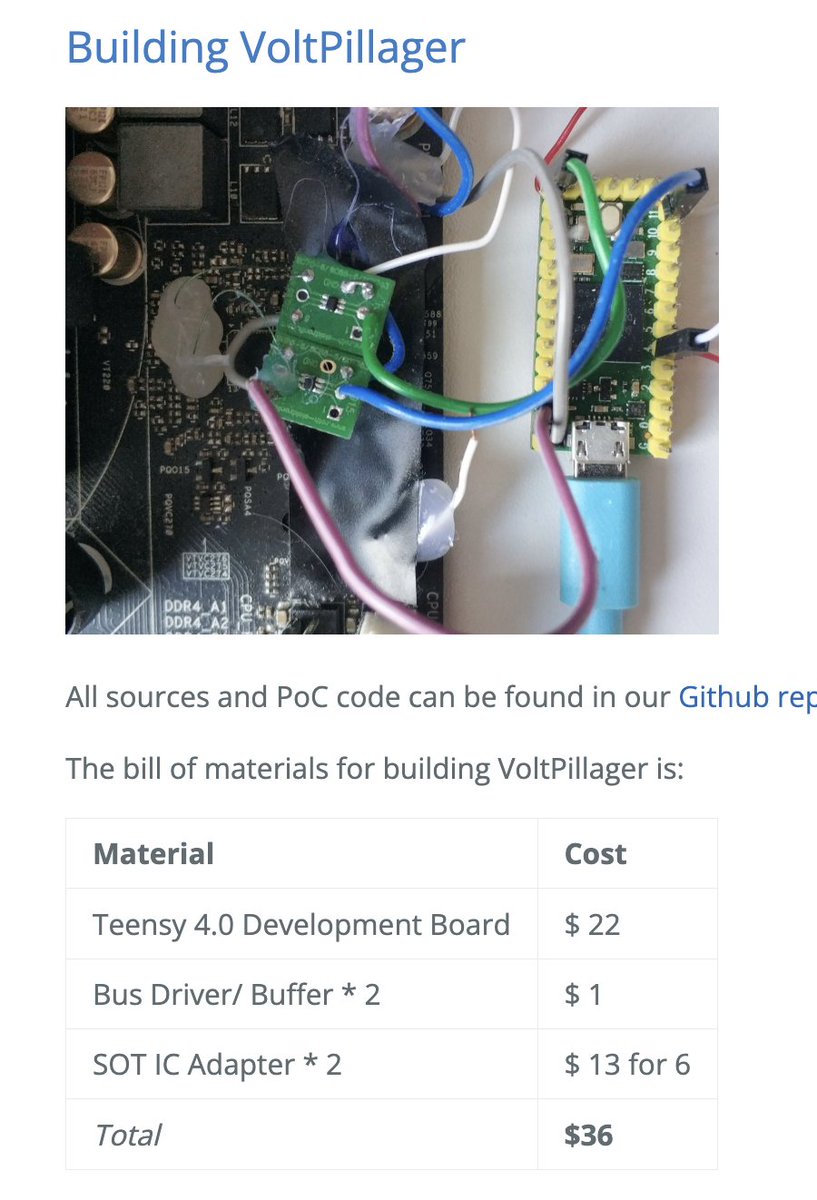
voltpillager: hardware undervolting attacks on intel sgx with a $30 tool: zt-chen.github.io/voltpillag…
glitching the amd secure processor: github.com/PSPReverse/amd-sp…
older tea stains / past scandals:
from today: arstechnica.com/security/202…
sgx fail: sgx.fail/
badram: badram.eu/
in short, past tee disasters: foreshadow (2018 speculative-exec leaks), voltpillager (2021 $30 undervolting sgx break), secret network (2022 research showed extracting the sgx consensus seed lets you decrypt past private txs), badram / sev glitches (2024 cheap memory-aliasing attacks on amd), battering-ram & wiretap (2025 cheap interposer attacks against ddr4 sgx/sev-snp).
yet people still have the audacity to call TEEs “the future.” they are not, and saying this is hurting our industry.
2
223
3 Sep 2025
2
7
531
7 Aug 2025
Glad to be a partner on this DeSci hackathon taking place at the leading hub for interdisciplinary tech in SF @frontiertower
7 Aug 2025

Curious how robotics, AI, blockchain, smart glasses, and more can advance science? Come to the Biopunk DeSci Hackathon this weekend Aug 9-10.
lu.ma/biopunk-desci-hackatho…
1
1
9
783
Causality Network retweeted

28 Jul 2025
The world deserves better science
Scientists deserve better tools
That’s why we built this
28 Jul 2025

Scientists are always taking notes and pics in the wet lab
Now smart glasses do it hands free
Another app built with MentraOS
2
3
37
2,090
26 Jun 2025
Imagine if they also made their data available for free as some as they are published too!

From 1 July, researchers funded by the NIH will be required to make their scientific papers available to read for free as soon as they are published in a peer-reviewed journal. Here’s Nature’s guide on what researchers need to know.
go.nature.com/4lx3OGl
8
425
Causality Network retweeted

19 Jun 2025
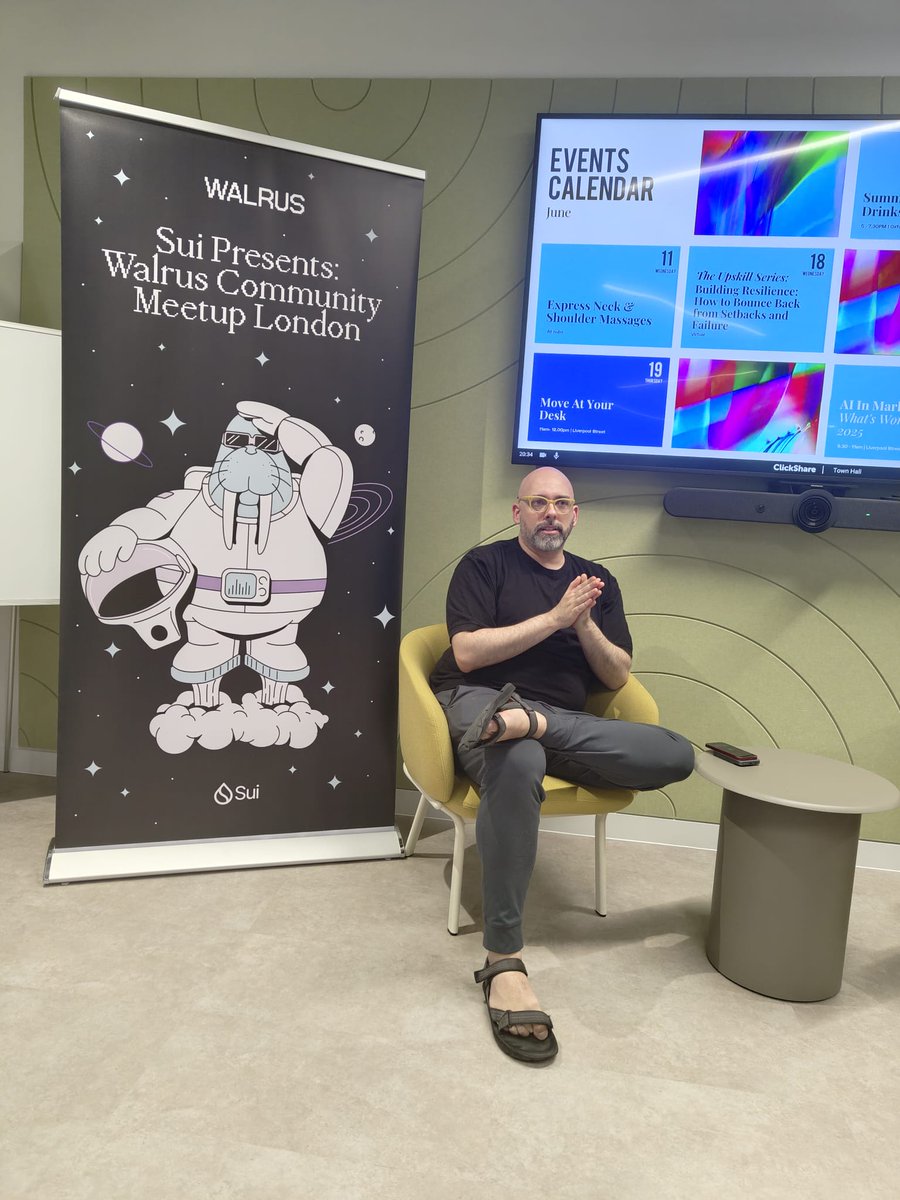
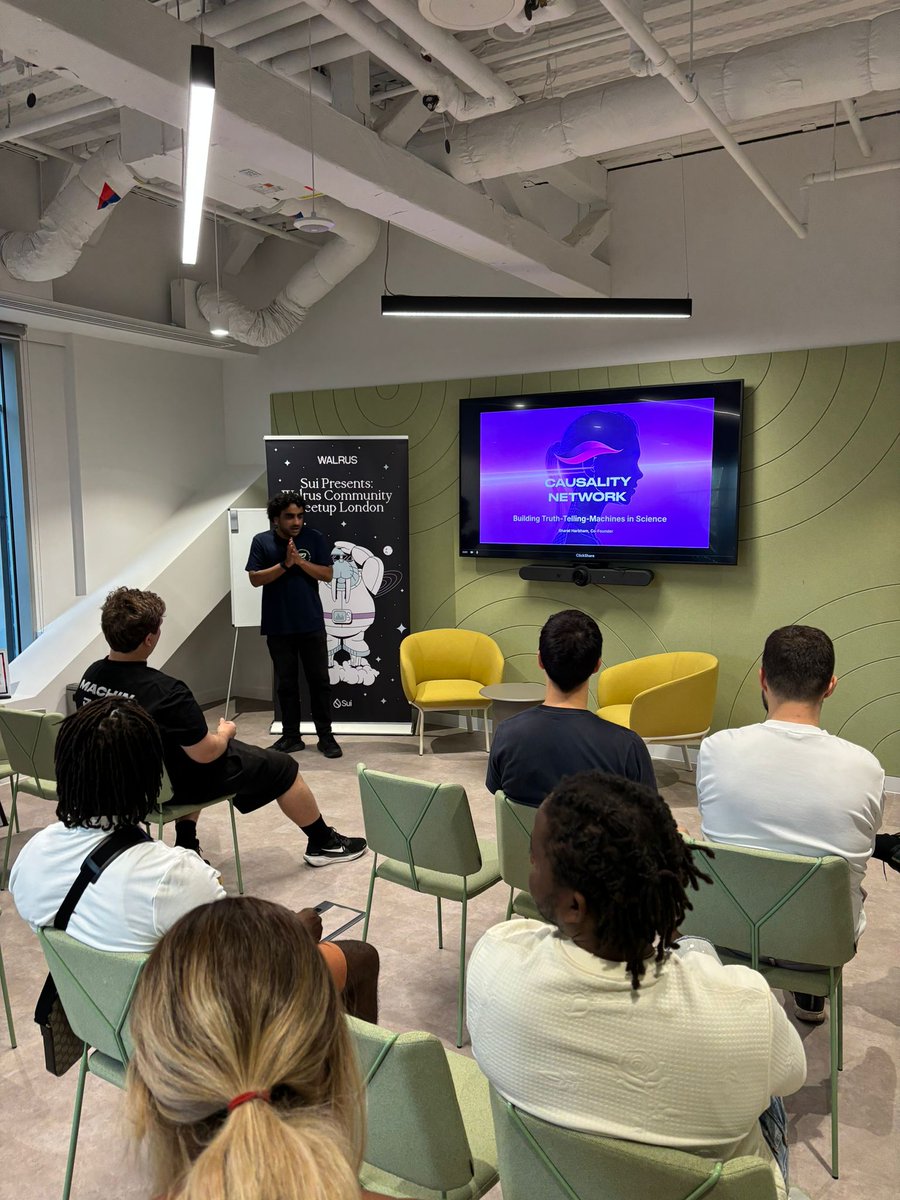
A huge thanks to our fantastic speakers from last night's @SuiNetwork London event:
Big thank you to @ikadotxyz's @d3h3d_ and @illuminfti for explaining the why and how of Ika and providing valuable insights into Web3 brand/community-building.
And, a big thanks to @BH1991 for the fascinating talk on @CausalityNet and the need for verified scientific data.
1
2
31
1,597
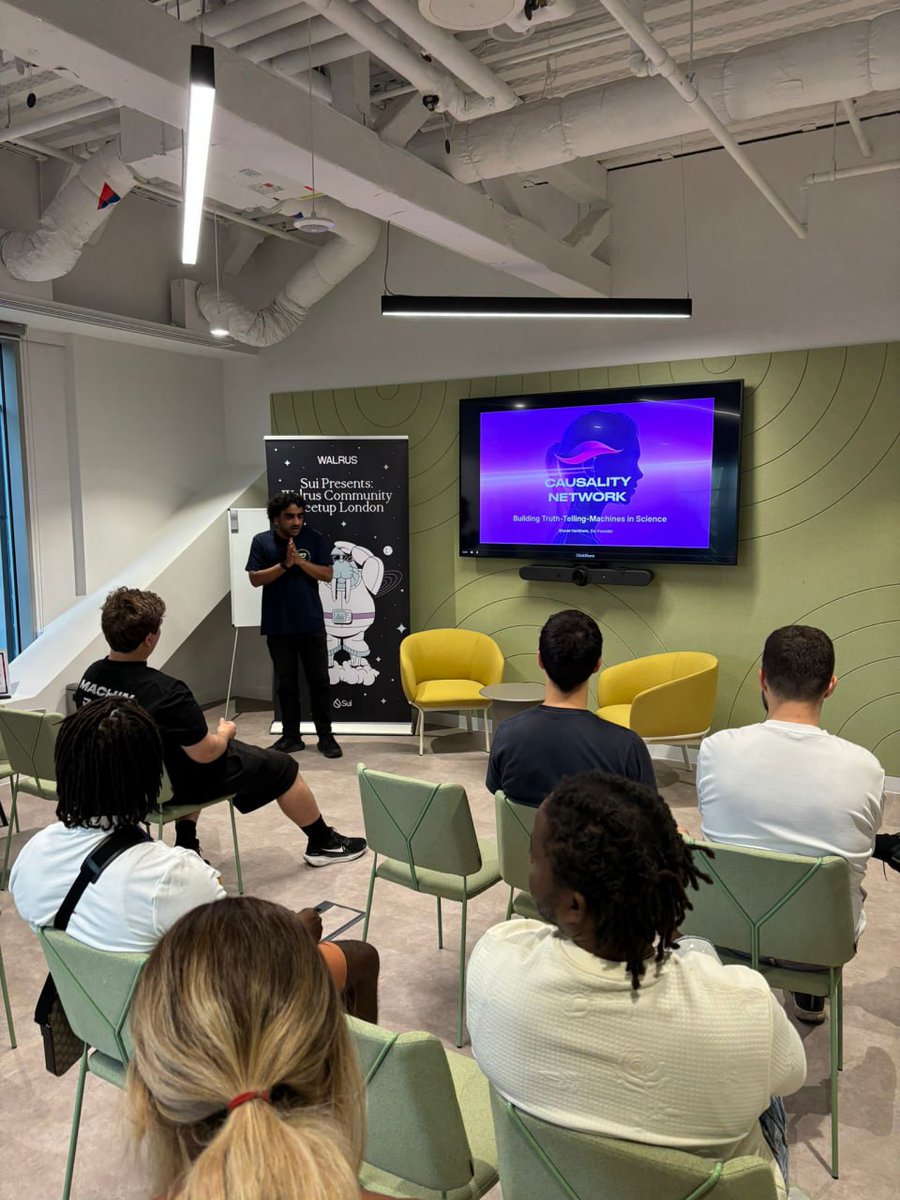
19 Jun 2025
Great energy at the @SuiNetwork meetup yesterday
We gave a talk titled "Building Truth-Telling-Machines in Science"
We will be sharing some super cool updates soon 👀
2
1
10
430
Causality Network retweeted

17 Jun 2025
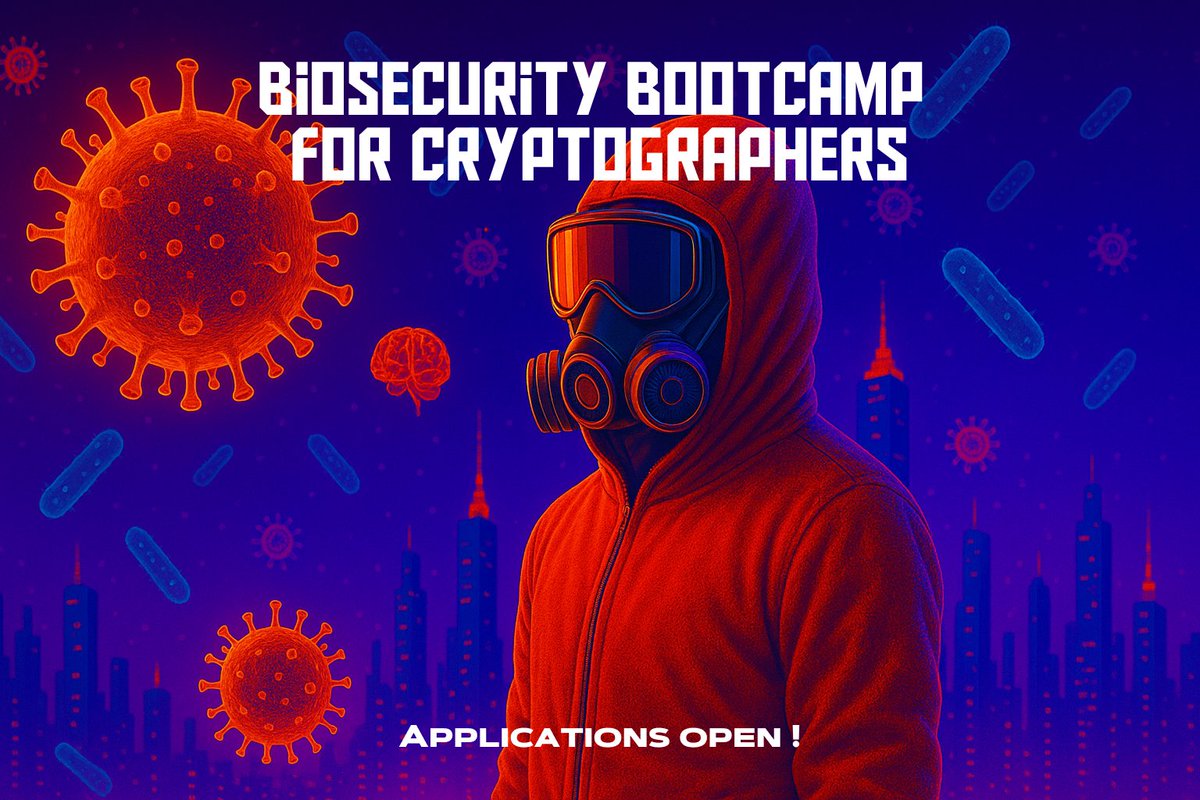
Attention zk/FHE/MPC developers & cryptographers!
Want to build crypto systems that matter?
Join our 5-day Biosecurity Bootcamp— No science background needed!
Apply below 👇
3
5
29
2,046