We exist as a bridge between the party and the Chinese, E & SE Asian communities in the UK and to promote better understanding between the West and East.
Joined March 2012
- Tweets 7,808
- Following 1,954
- Followers 1,463
- Likes 1,289
398 Photos and videos



Chinese E & SE Asian LibDems retweeted

21 Feb 2025
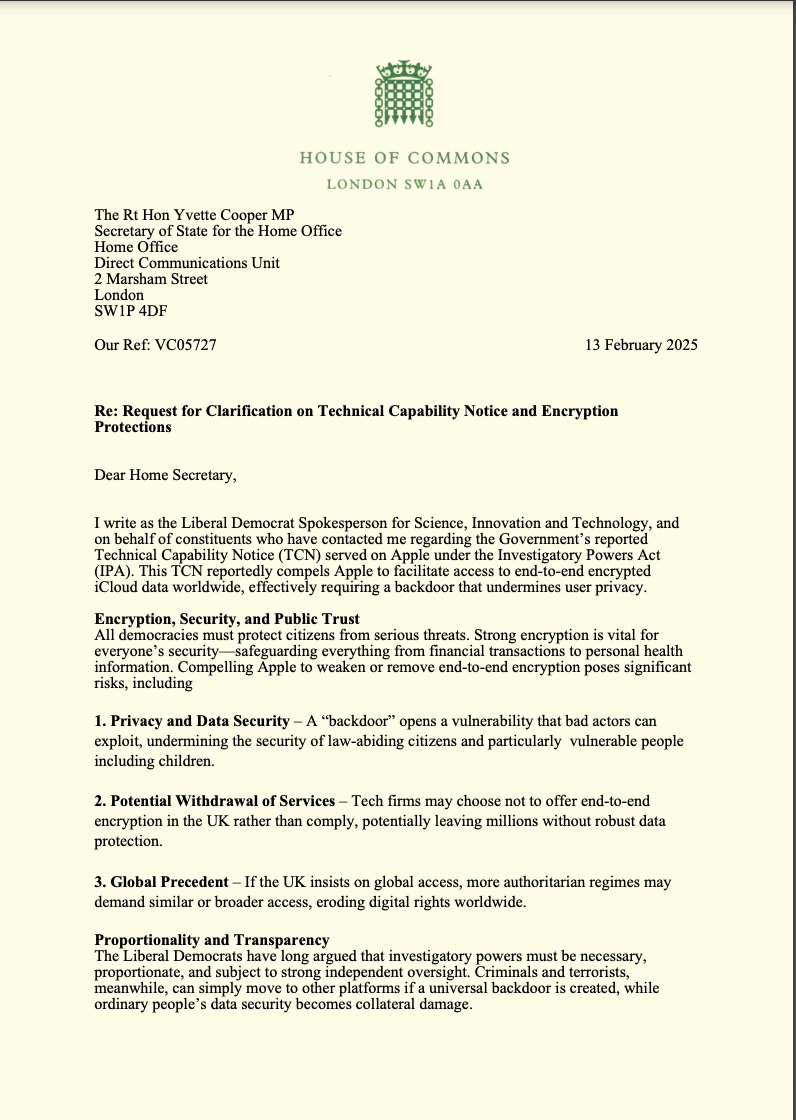
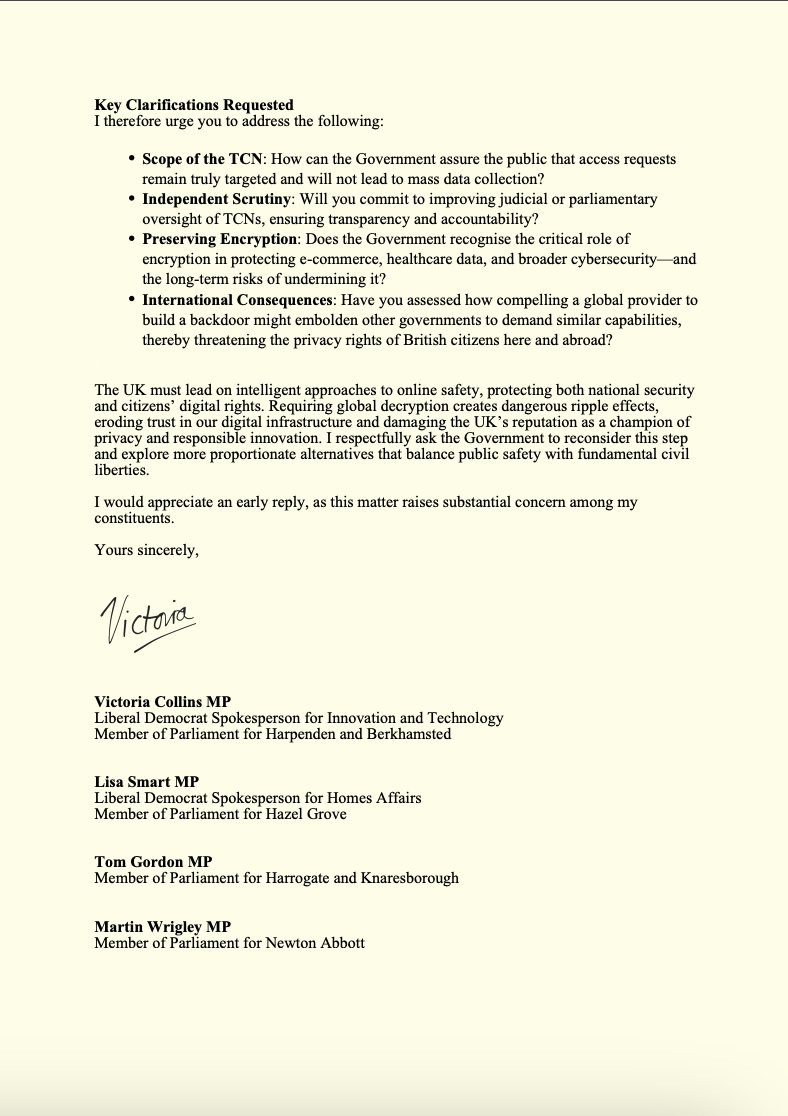
Apple pulling their data protection tool from UK customers is extremely worrying, and exactly what the Lib Dems have been warning against
Our recent letter to the Home Secretary highlights those concerns
The government must act swiftly to restore trust
bbc.co.uk/news/articles/cgj5…
12
52
146
12,641
Chinese E & SE Asian LibDems retweeted
20 Feb 2025
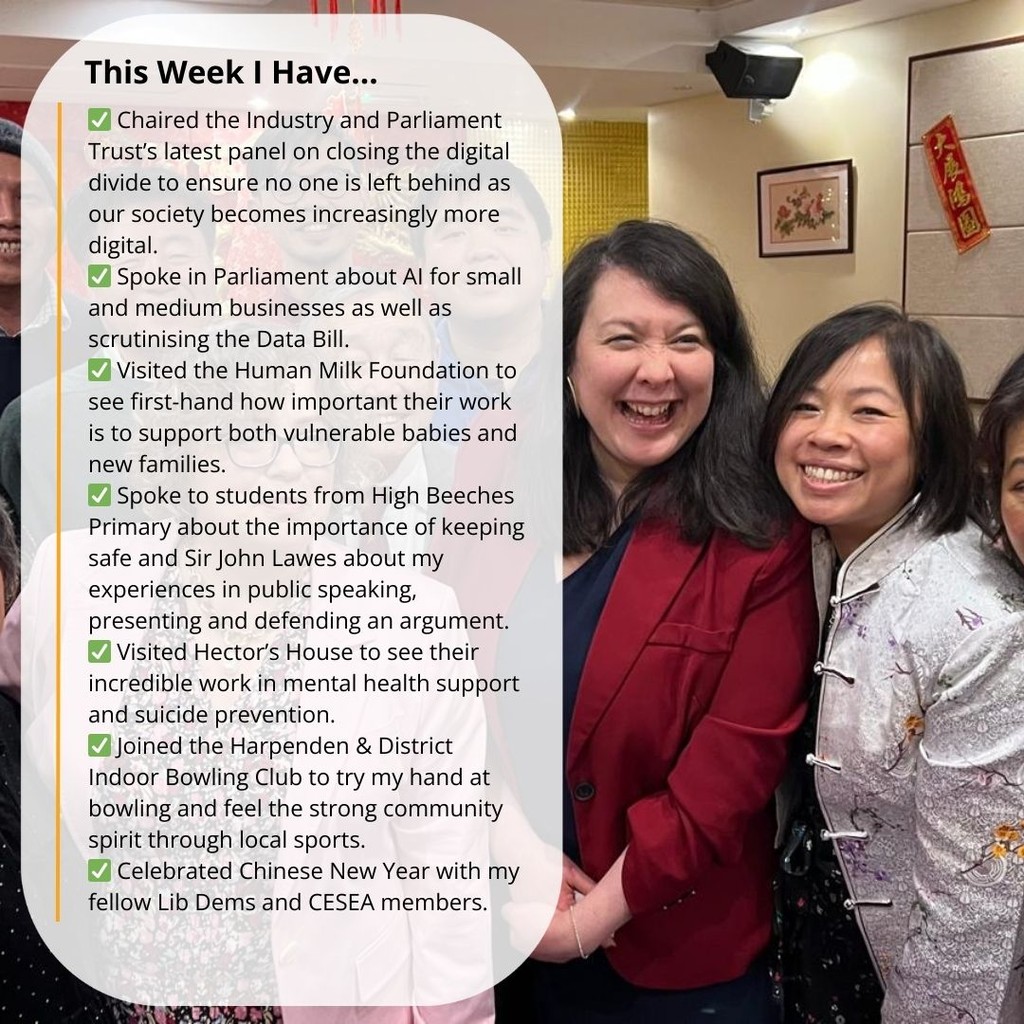
👋🏻 Some of the things I got up to last week!
1
3
404
Chinese E & SE Asian LibDems retweeted
20 Feb 2025
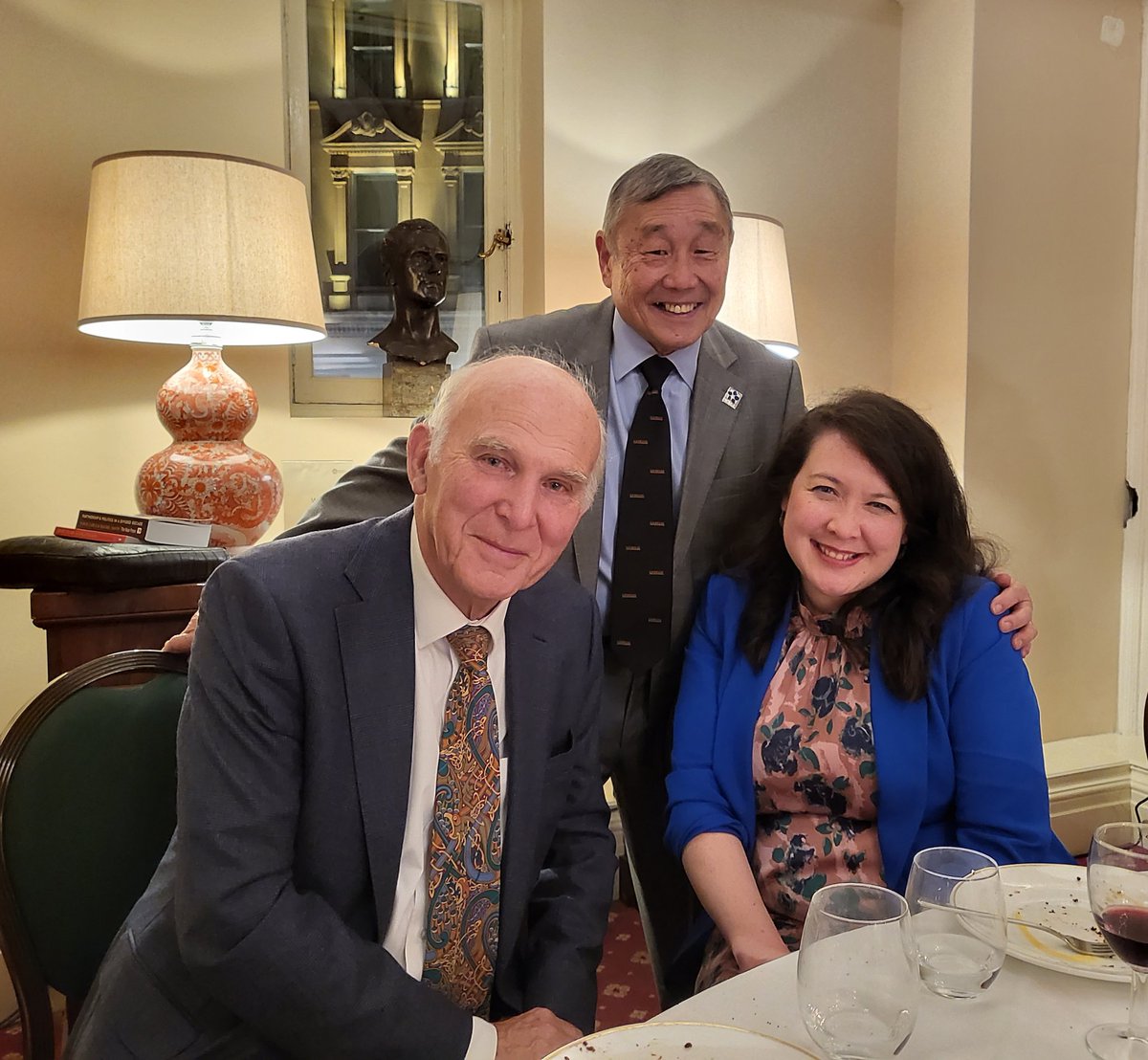
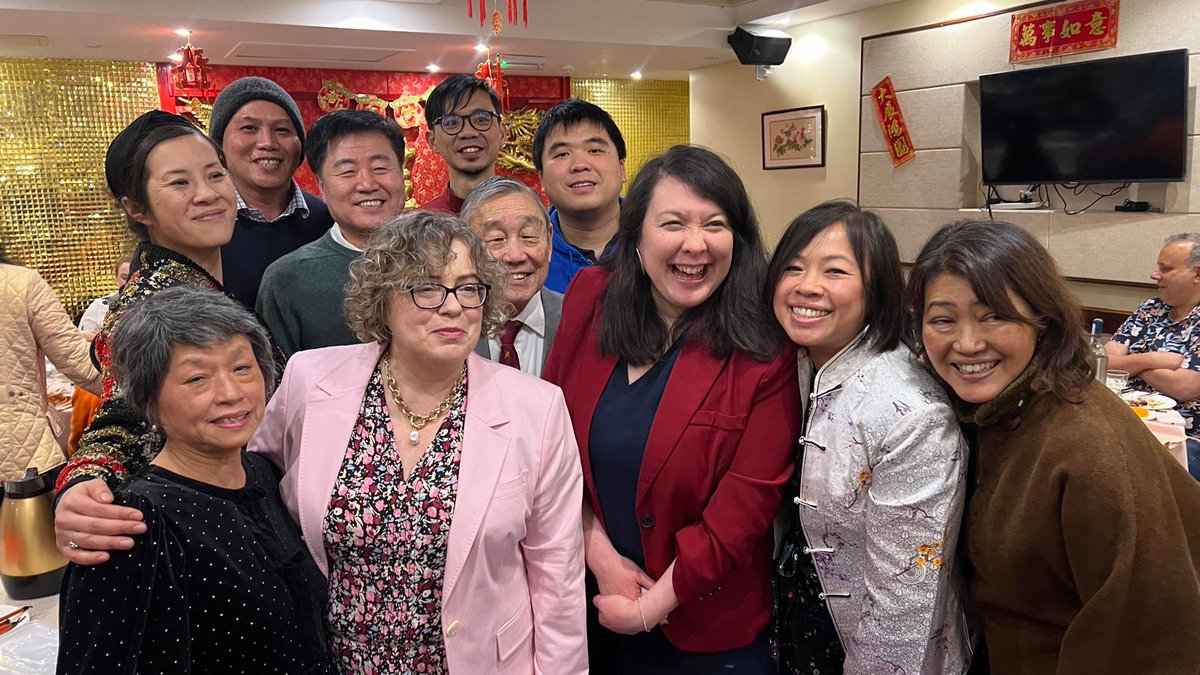
I was delighted to be the guest of honour at @LibDems Chinese New Years dinner. It was a fantastic evening celebrating culture, community, and the Year of the Snake - and the food was delicious, too! 🍜
Wishing everyone health, happiness and prosperity for the year ahead! 🐍
1
9
378
Chinese E & SE Asian LibDems retweeted

5 Feb 2025
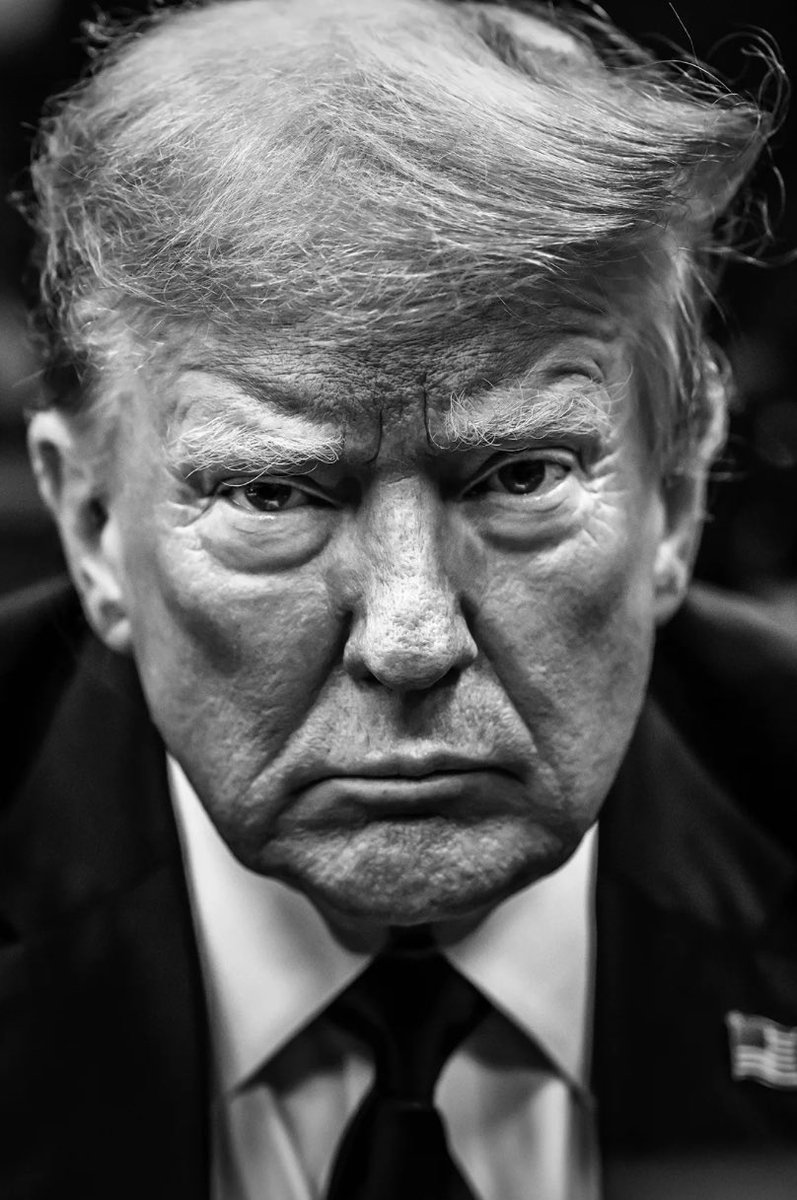
I’ll be 90 this year. I’ve seen many things in my life - but I never thought I’d see a
US president acting like a fascist, advocating ethnic cleansing, imperilling the world.
There’s no ‘special relationship’, Britain’s role must be to stand with those Trump seeks to oppress.
13
95
294
3,989
Chinese E & SE Asian LibDems retweeted

5 Feb 2025
Today is a momentous day @LibDems @LibDemLords @LDCRE1 chair @RjlynchJ work cross party with Shirley Oaks Survivors Association delivers stark change for sexually abused individuals. See his article in @libdemvoice
libdemvoice.org/
1
1
154
Chinese E & SE Asian LibDems retweeted

5 Feb 2025
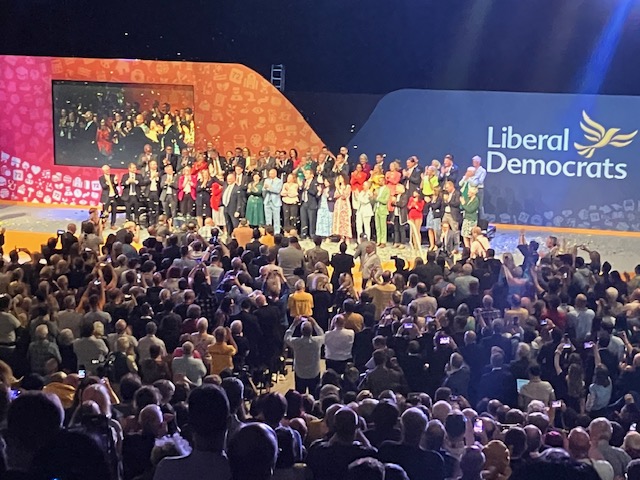
#LDConf is coming soon so book now! 21-23 March in Harrogate. Rates for first timers, full pass, concessionary (including full time students), online - something for everyone - don't miss out! Register: libdems.org.uk/conference
1
9
13
739
Chinese E & SE Asian LibDems retweeted

31 Jan 2025
Christians may support Trump/Vance, but they absolutely must call out this false teaching. In the Good Samaritan, Jesus clearly tells us that our neighbour is *everyone* - including the ‘alien’ - and that you must love them, and that love is costly. Jesus trumps your politics…
30 Jan 2025

JD VANCE: There is a Christian concept that you love your family and then you love your neighbor, and then you love your community, and then you love your fellow citizens, and then after that, prioritize the rest of the world
A lot of the far left has completely inverted that
1,297
248
2,518
703,267
Chinese E & SE Asian LibDems retweeted
31 Jan 2025
Today marks the 5-year anniversary of Brexit.
And yet, a recent survey from local businesses highlighted the ongoing detrimental impact of leaving the EU.
🇪🇺 The Lib Dems are speaking up and calling for a customs union deal with the EU.
bbc.co.uk/news/articles/cm29…
97
117
338
9,498
Chinese E & SE Asian LibDems retweeted
27 Jan 2025
Honored to sign the Holocaust Educational Trust’s Book of Commitment last week. Today, we remember the millions of lives lost and reaffirm our commitment to stand against hatred, prejudice and discrimination. @HolocaustUK

4
5
21
992
Chinese E & SE Asian LibDems retweeted
26 Jan 2025
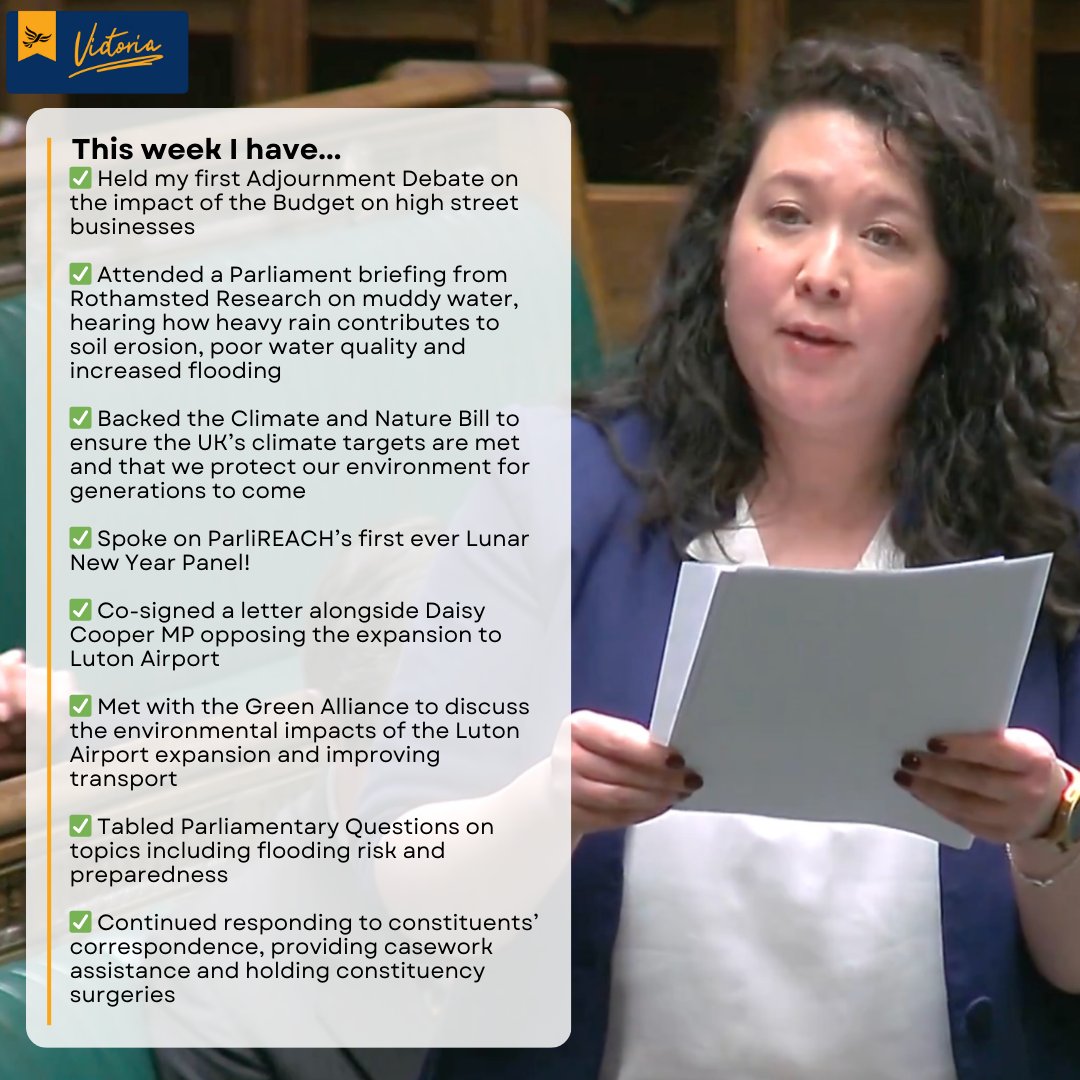
👋 A few things I've been up to this week!
4
9
1,634
Chinese E & SE Asian LibDems retweeted
29 Jan 2025
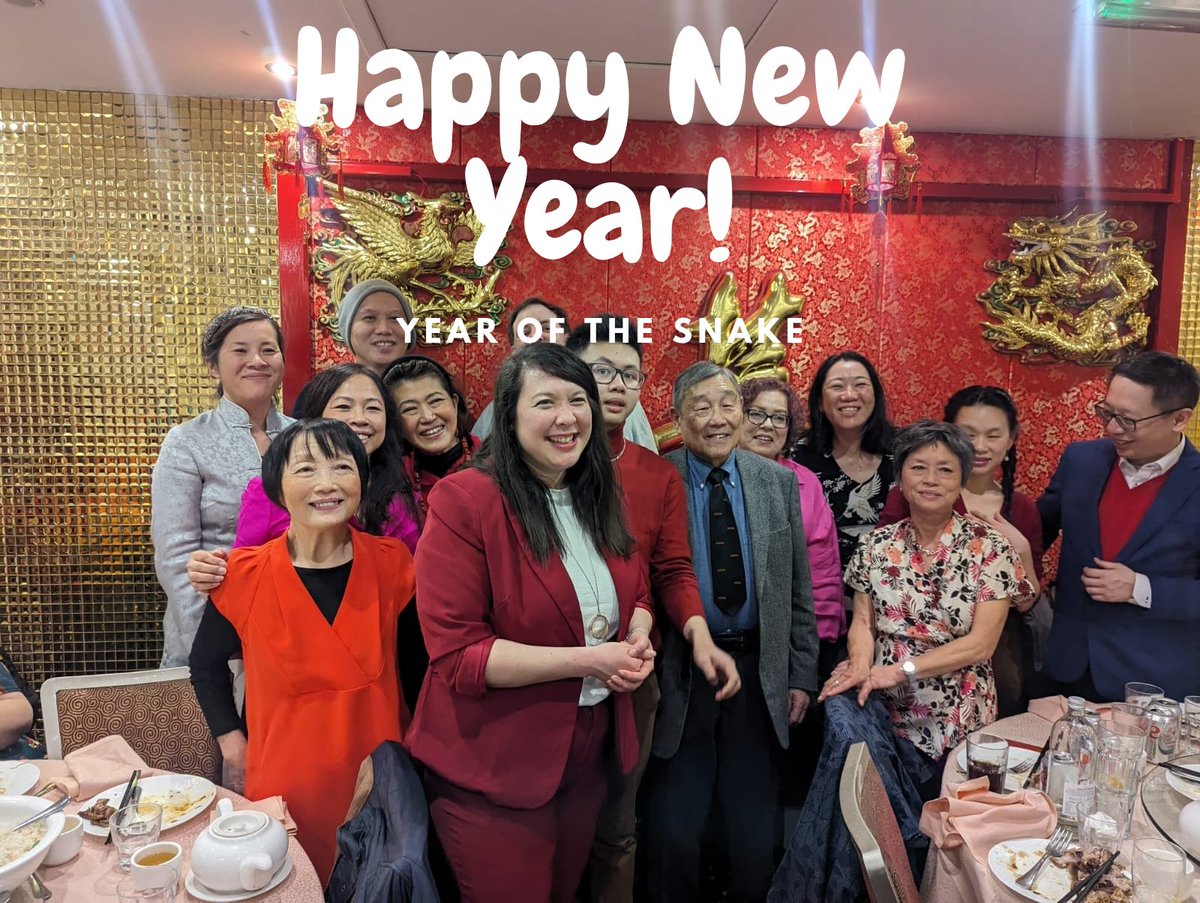
As the first Lib Dem MP of East and South East Asian origin - today has been a little more special than usual.
With various symbolism - as always the positive and the negative - I'd like to see the year of the snake as shedding bad energy and starting afresh.
7
15
67
2,389

29 Jan 2025
#Malaysian PM Anwar Hopes CNY Celebrations Mark Fresh Start To Strengthen Nation's Unity bernama.com/en/news.php?id=2…
41
28 Jan 2025
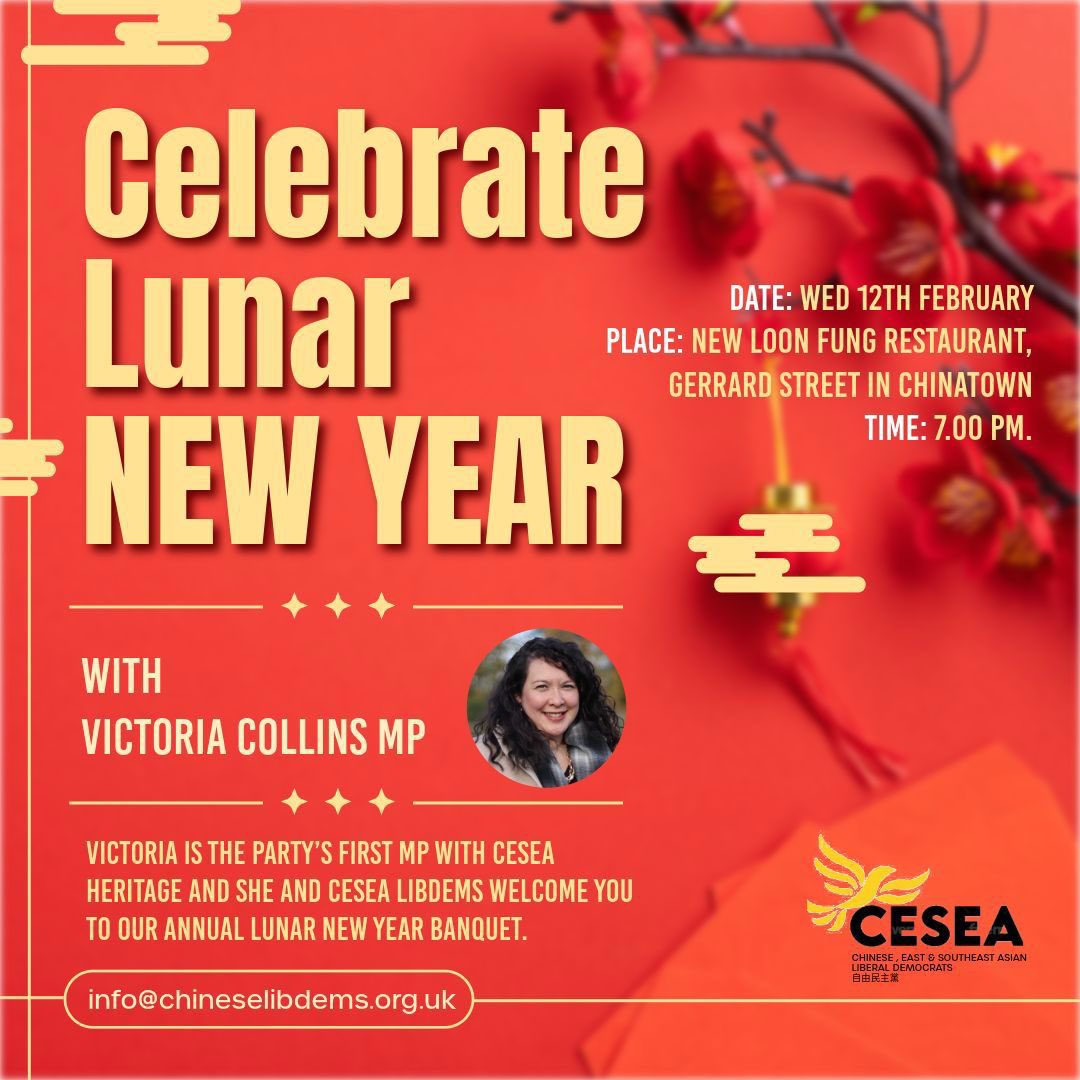
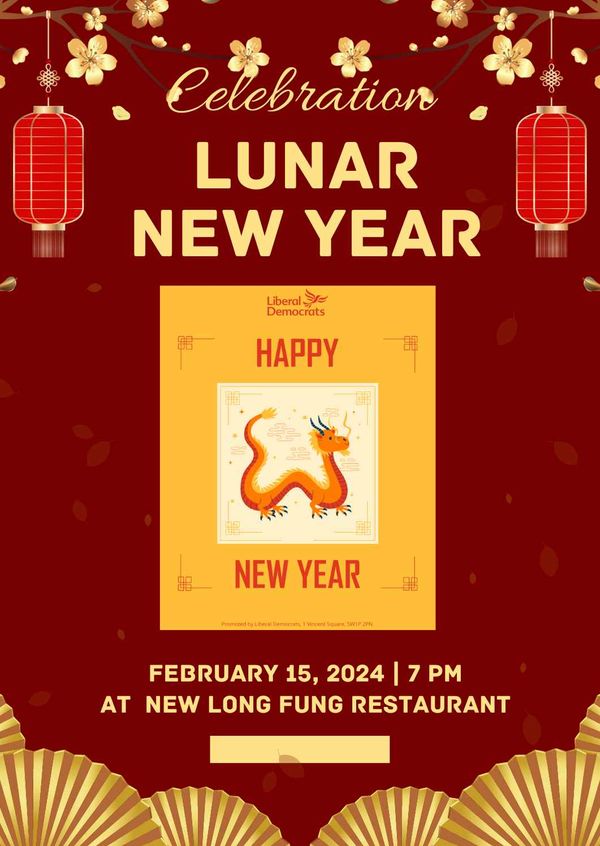
Join CESEA Lib Dems with @TweetingCollins at our Lunar New Year Dinner on Wednesday 12th February 2025!
Book your ticket via info@chineselibdems.org.uk
3
4
256
Chinese E & SE Asian LibDems retweeted

27 Jan 2025
This is such an important video and response to the second reading of my CAN Bill on Friday! Thank you @Ed_Miliband for sharing this. I'm looking forward to working together on this going forward.
24 Jan 2025

My thoughts on the Climate and Nature Bill debated in Parliament today 👇
14
9
27
3,147
Chinese E & SE Asian LibDems retweeted

26 Jan 2025
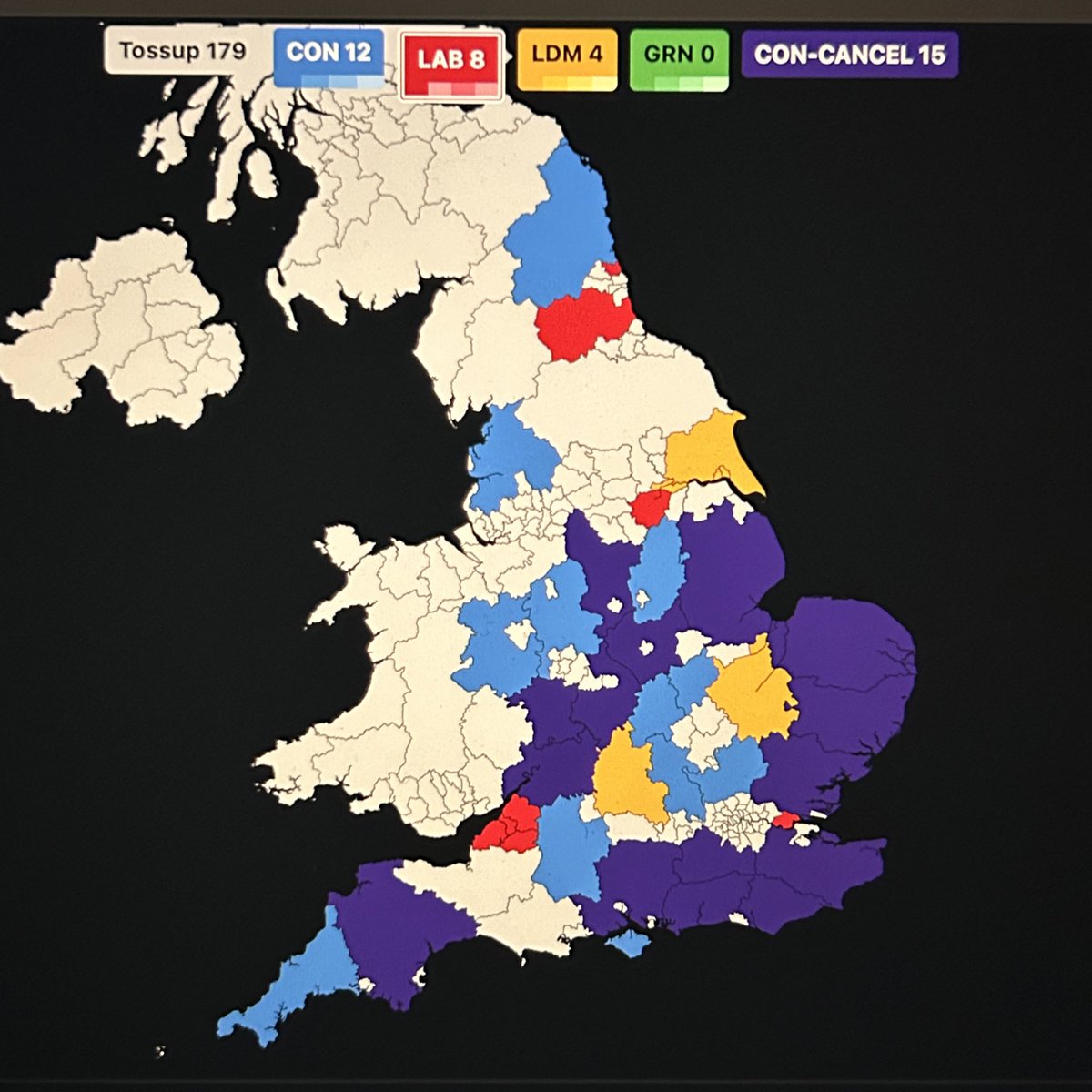
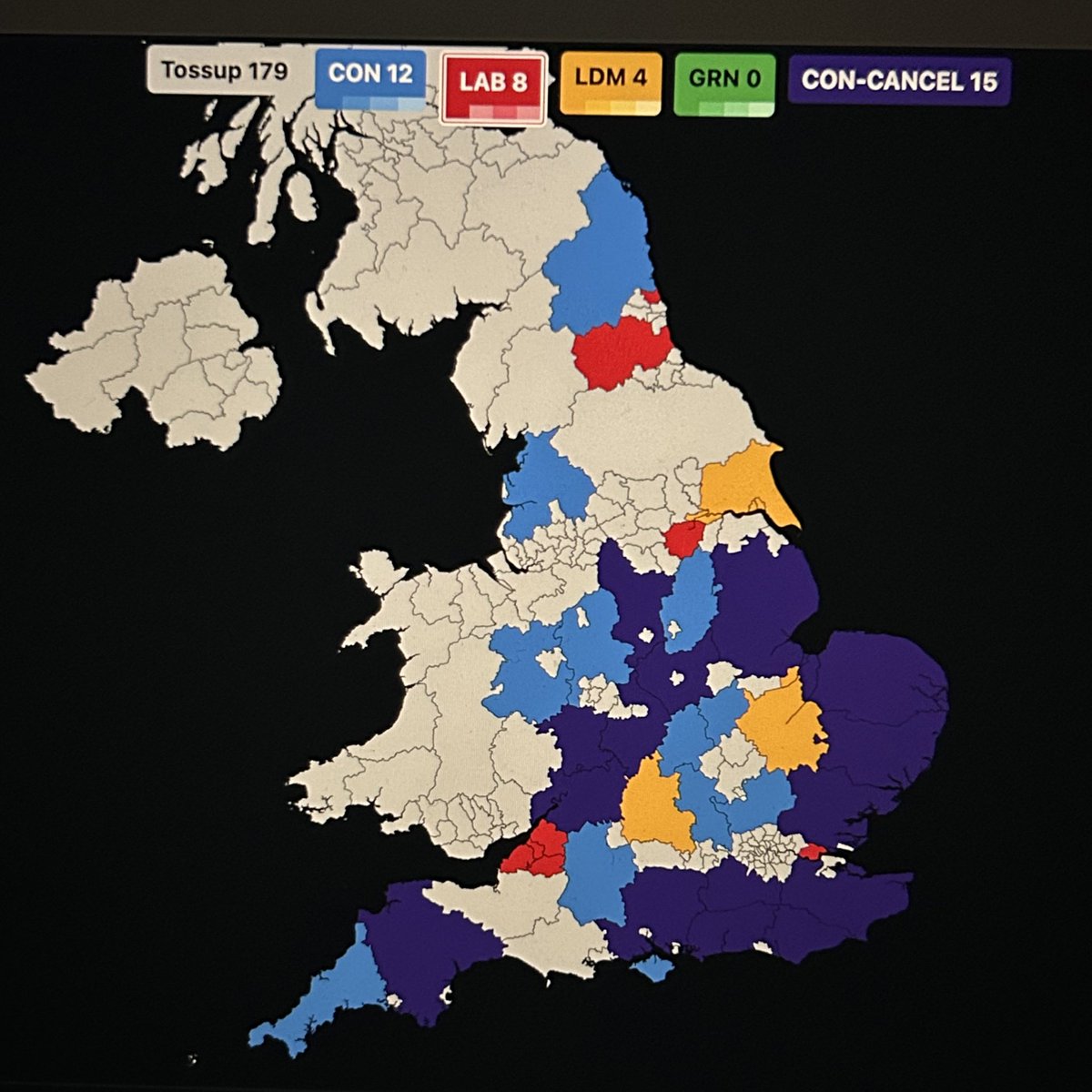
🗳️Local elections 2025 - who is defending where
🔵Tories defend 27 councils, hence applied to cancel elections in 15 (purple)
🌹Labour will be seriously challanged in WECA & Durham
🔶Lib Dems hold majorities in Cambridge, Oxford & Hull/East Yorkshire
🍀Greens control 0 councils
9
11
53
4,615
Chinese E & SE Asian LibDems retweeted

24 Jan 2025
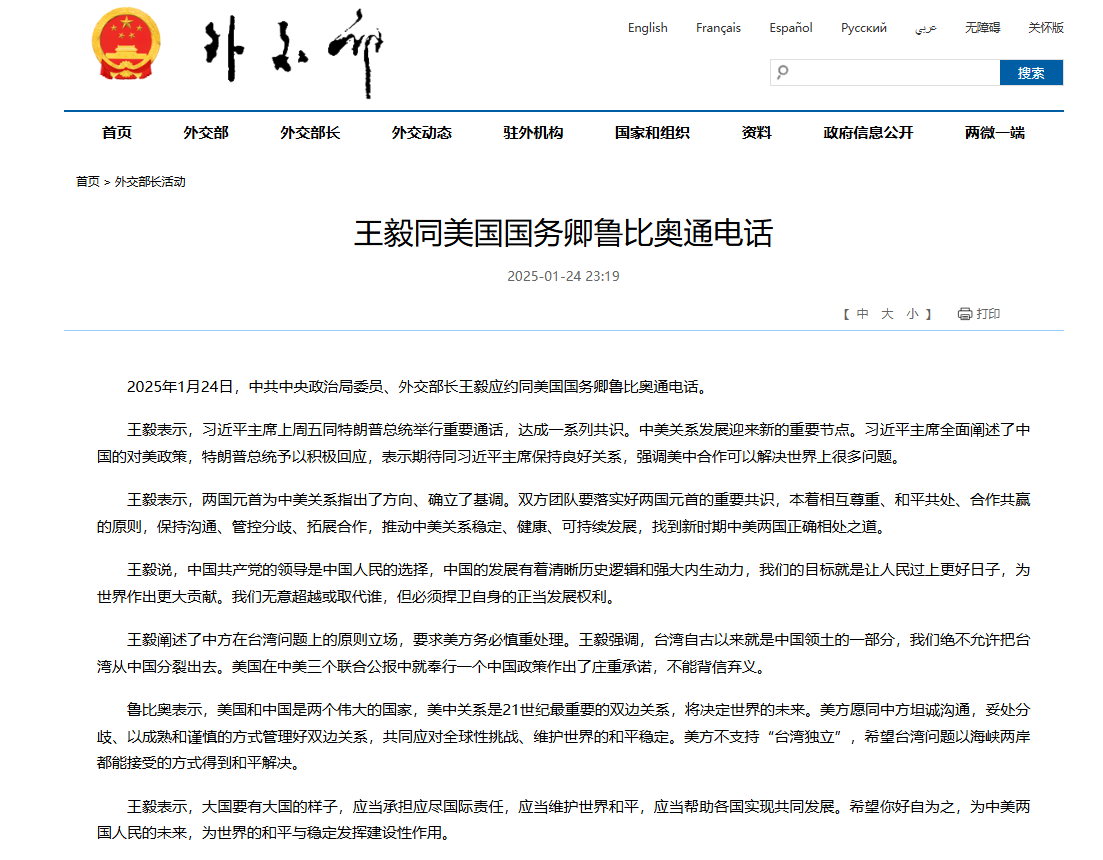
This is a very interesting piece of news. One hour ago, the Chinese Ministry of Foreign Affairs website posted a Chinese statement saying that Chinese Foreign Minister Wang Yi spoke with Rubio over the phone on the 24th at Rubio's request. I checked, and as of now, neither the MFA nor China's official news outlets have released an English version of this statement. Additionally, the US Department of State's website only mentions Rubio's calls with other foreign ministers so far, with no information about this particular conversation yet.
I have tried to translate some of the more intriguing parts of the Chinese news release.
1. Wang Yi said, our goal is to enable our people to live better lives and to make greater contributions to the world. We have no intention of surpassing or replacing anyone, but we must safeguard our legitimate right to development.
2. Wang Yi elaborated on China's principled stance on the Taiwan issue, urging the US to handle the matter with utmost caution. Wang emphasized that China will never allow Taiwan to be separated. He stressed that the US has made solemn commitments to the One-China policy in the three Sino-US joint communiqués and must not break its word.
3. Rubio stated that the United States and China are two great nations, and the US-China relationship is the most important bilateral relationship of the 21st century, one that will determine the future of the world. He noted that the US is willing to engage in candid communication with China, properly manage differences with maturity and prudence, and work together to address global challenges and safeguard world peace and stability. He reiterated that the US does not support "Taiwan independence" and hopes the Taiwan issue can be resolved peacefully in a manner acceptable to both sides of the Taiwan Strait.
4. Wang said that great powers should act like great powers - they must shoulder their international responsibilities, uphold world peace, and help all nations achieve common development. He expressed hope that Rubio would act wisely (with caution and prudence) and constructively for the future of the peoples of both China and the United States, as well as for global peace and stability.
My understanding is that Wang clearly informed Rubio of China's intention, that is to ensure its own people live better lives and to increase its contributions to the world, rather than to replace the United States. However, if the US suppresses China and deters its development, China will respond in kind.
From the Chinese news release, it seems that Taiwan took up a considerable portion of the conversation, indicating that it is the core concern and the ultimate red line for China in the bilateral relations. The US has indeed made significant commitments in the three joint communiqués, but its actions in recent years have run counter to these agreements. Wang suggested his disappointment.
Rubio's response was generally cooperative in tone. He mentioned that the US-China relationship will determine the future of the world, implying that collaboration or confrontation between the two nations will directly shape the global order. This statement reflects an effort to diffuse some of the current tensions and to establish some degree of cooperation. He explicitly stated that the US does not support Taiwan independence, but similar statements have been made by many US politicians, who nevertheless act inconsistently with this stance. During his time in Congress, Rubio repeatedly used Taiwan as a tool to provoke the Chinese mainland. His actions as Secretary of State will require further observation.
Rubio mentioned the hope for a peaceful resolution acceptable to both sides of the Taiwan Strait, reflecting the preference for dialogue over military conflict. At the same time, this leaves room for the US to maintain its strategic ambiguity on Taiwan.
Wang's remark that major powers need to act like major powers is clearly a subtle admonition to the US, gently pointing out that some of its recent words and actions have fallen short of the standards expected of a great power. The phrase "好自为之" (act wisely/with caution and prudence) is a stern expression in Chinese, carrying a tone of caution or even warning. My cursory search of news articles suggests that this might be the first time in 20 years that a Chinese foreign minister has used this term publicly.
I look forward to finding more clues about this conversation from the official English release by the Chinese side and the US Department of State's website.
104
274
1,245
220,716
24 Jan 2025
Join us at our Lunar New Year Celebration dinner!
Date: Wed 12th February
Place: New Loon Foong Restaurant, Gerrard Street in Chinatown
Time: 7.00 pm.
Victoria Collins our party’s first CESEA MP will be our Guest of Honour.
email info@chineselibdems.org.uk to book tickets!
1
62
Chinese E & SE Asian LibDems retweeted

22 Jan 2025
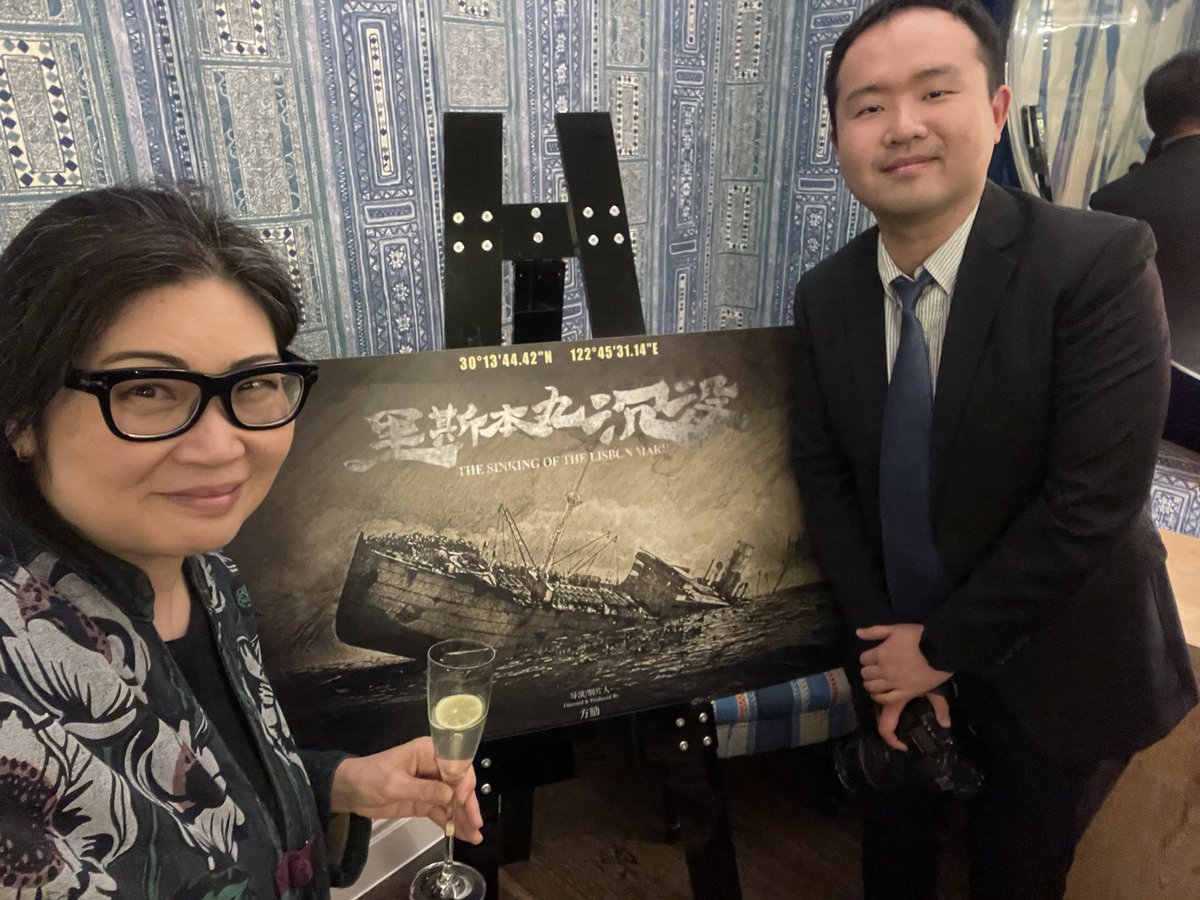
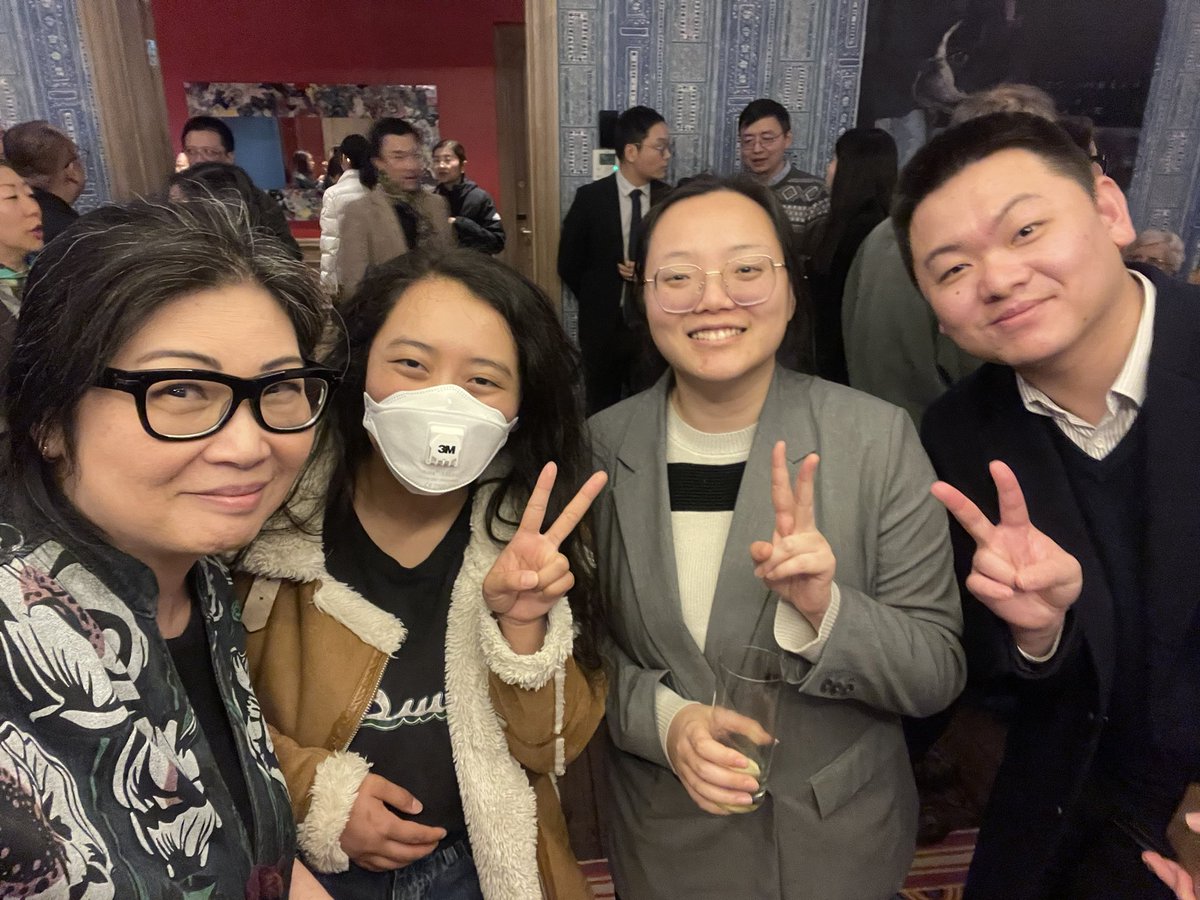
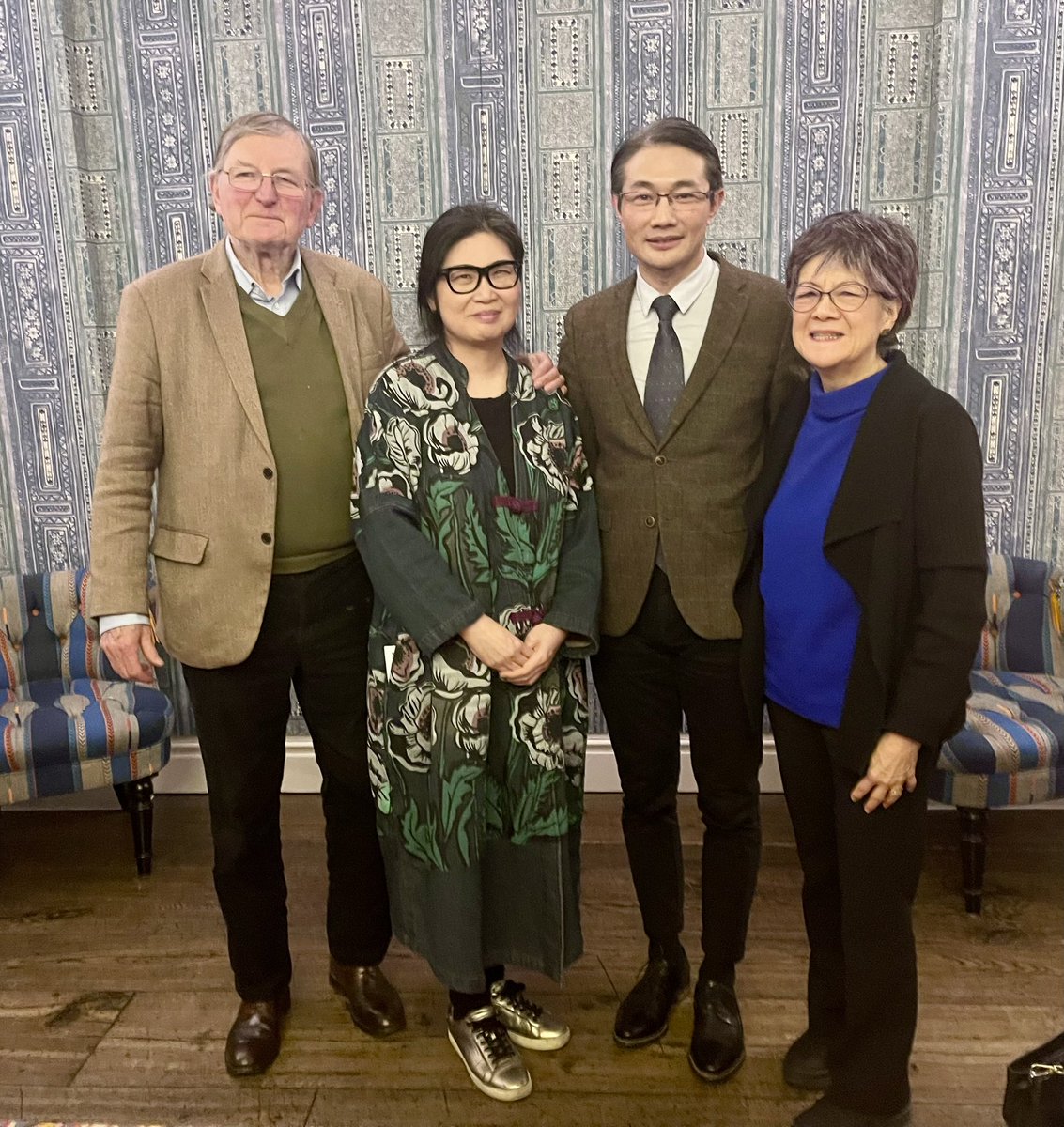
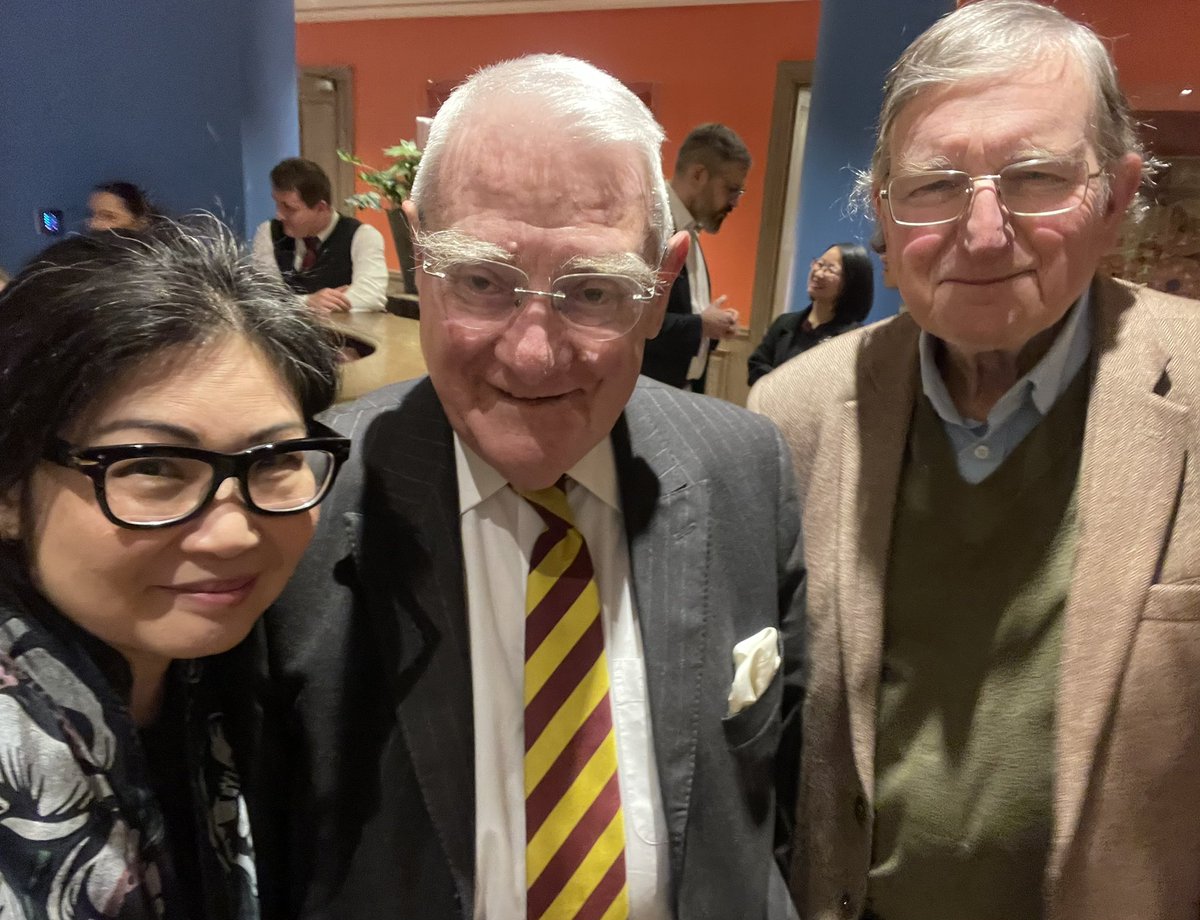
XieXie @ChineseEmbinUK for inviting me to the Special screening ‘The Sinking of the Lisbon Maru’ (里斯本丸沉沒)
“Local Chinese fishermen in the waters near Zhoushan Archipelago played a heroic role, rescuing hundreds of POWs despite the risks involved.” 💪🙏
#WW2
#VE80th
#VJ80th
1
1
2
141