
A marketplace for communities, freedom, innovation, and new jurisdictions. Real estate at the edge of what’s possible. All listings are Bitcoin-friendly.
Joined June 2024
- Tweets 1,141
- Following 1,198
- Followers 656
- Likes 78,100
162 Photos and videos






Pinned Tweet

Jan 22
There is nothing cutesy, based or edgy about having to face the reality that you might have to escape your country or community because its institutions have been corrupted or captured. There's nothing fun about realizing your family is subject of state sponsored reprograming or disenfranchisement. Having invested in a place through generations with your sweat and blood and then having to give up on it as a hope, refuge, a project and most importantly a home is terrifying as it is destabilizing for one existentially.
2
316
Citadel Jump retweeted

Jun 4
Learn more about @BitcoinProspera here!

He quit Poland for the best job in Bitcoin.
@itsTomekK visited Próspera a year ago. Day two: bought a motorbike on Facebook Marketplace to lock the move in. He's never left.
He's now building the Bitcoin District: a modular Bitcoin neighborhood up a jungle valley, inside the only jurisdiction on earth where you can pay 1% corporate tax in BTC and denominate your books in sats.
Free Cities Podcast EP 183 recorded in @ProsperaGlobal👇

2
9
784
Citadel Jump retweeted

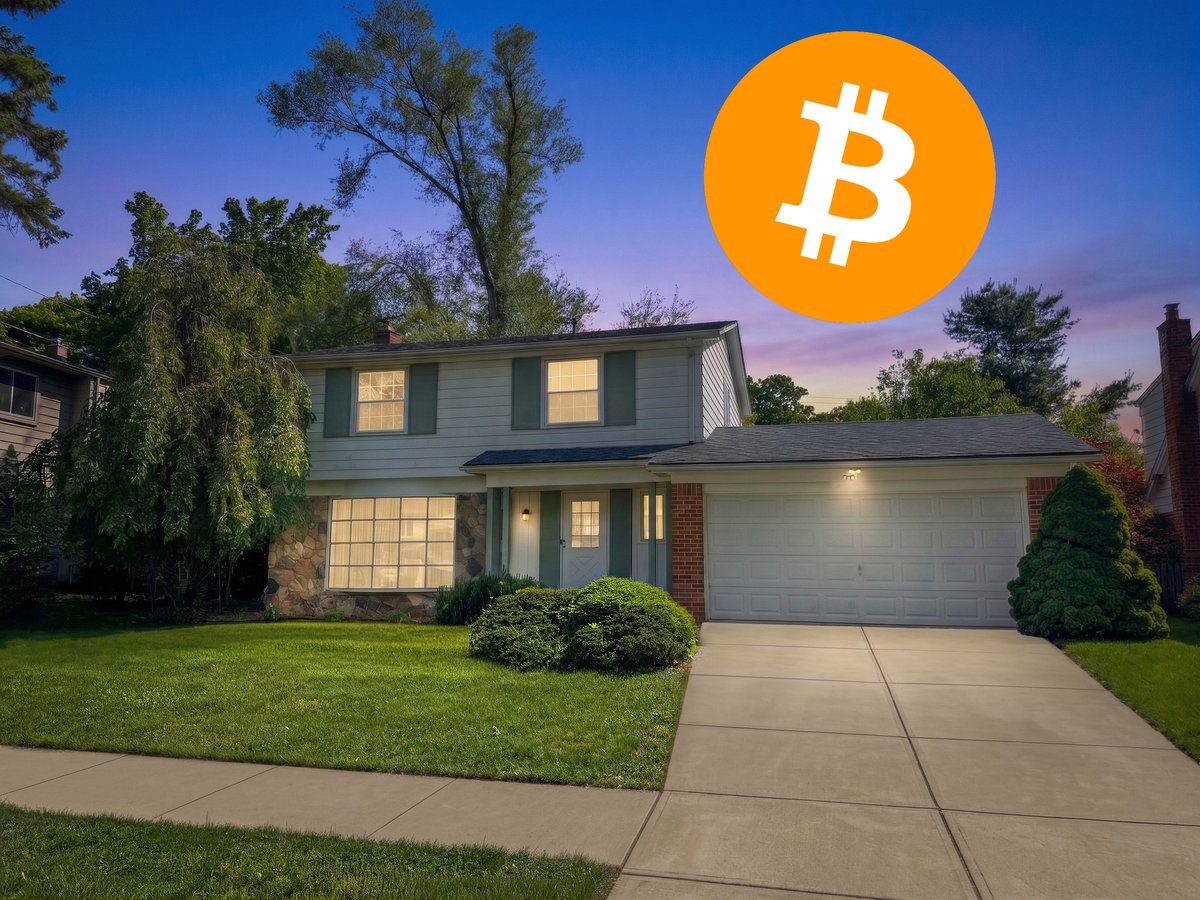
BREAKING: The first Federal National Mortgage Association-backed mortgage using Bitcoin in the US just closed using Coinbase 🇺🇸
The homebuyer said: “We closed on our home and my Bitcoin stayed intact. We didn’t have to liquidate, didn’t have to time the market” 🙌
138
446
2,203
117,387
Citadel Jump retweeted

Jun 1
This is a concrete, charismatic idea.
It aligns the public with AI progress, and could slow the anti- data center sentiment.
@SenSanders is ahead of the right on political responses to AI, as expected

Bernie Sanders: “That is why I will soon be introducing the American A.I. Sovereign Wealth Fund Act. This legislation would give the public a direct ownership stake in the largest A.I. companies in our country.” nytimes.com/2026/06/01/opini… via @NYTOpinion
5
11
61
12,430
Citadel Jump retweeted

Apr 11
Iran wants to be paid in Bitcoin.
Interesting.
Isn't $XRP faster than banks?
Isn't $SOL faster than VISA?
Isn't $ETH programmable and cheap?
Isn't $USDC stable and fast?
Maybe "speed" is just marketing.
Maybe "finality" is what matters when it comes to money (and thus freedom).
Money is worthless if it can be sanctioned, censored, confiscated, have a network hiccup, have issuers who black-list wallets, or exchanges delist them.
Iran doesn't care how fast your money is if they can't reliably receive it, hang on to it, and spend it in the future.
It's that simple.
245
391
2,517
93,229
Citadel Jump retweeted
Apr 18
If you think UBI will lead to purposelessness
You are revealing that you believe **human meaning comes from economic productivity alone**
We are not on earth to create shareholder value to to make GDP go up
We are here to pursue virtue, glory, God
All human societies knew this pre-modernity, and you know it too
156
34
411
116,695
Citadel Jump retweeted

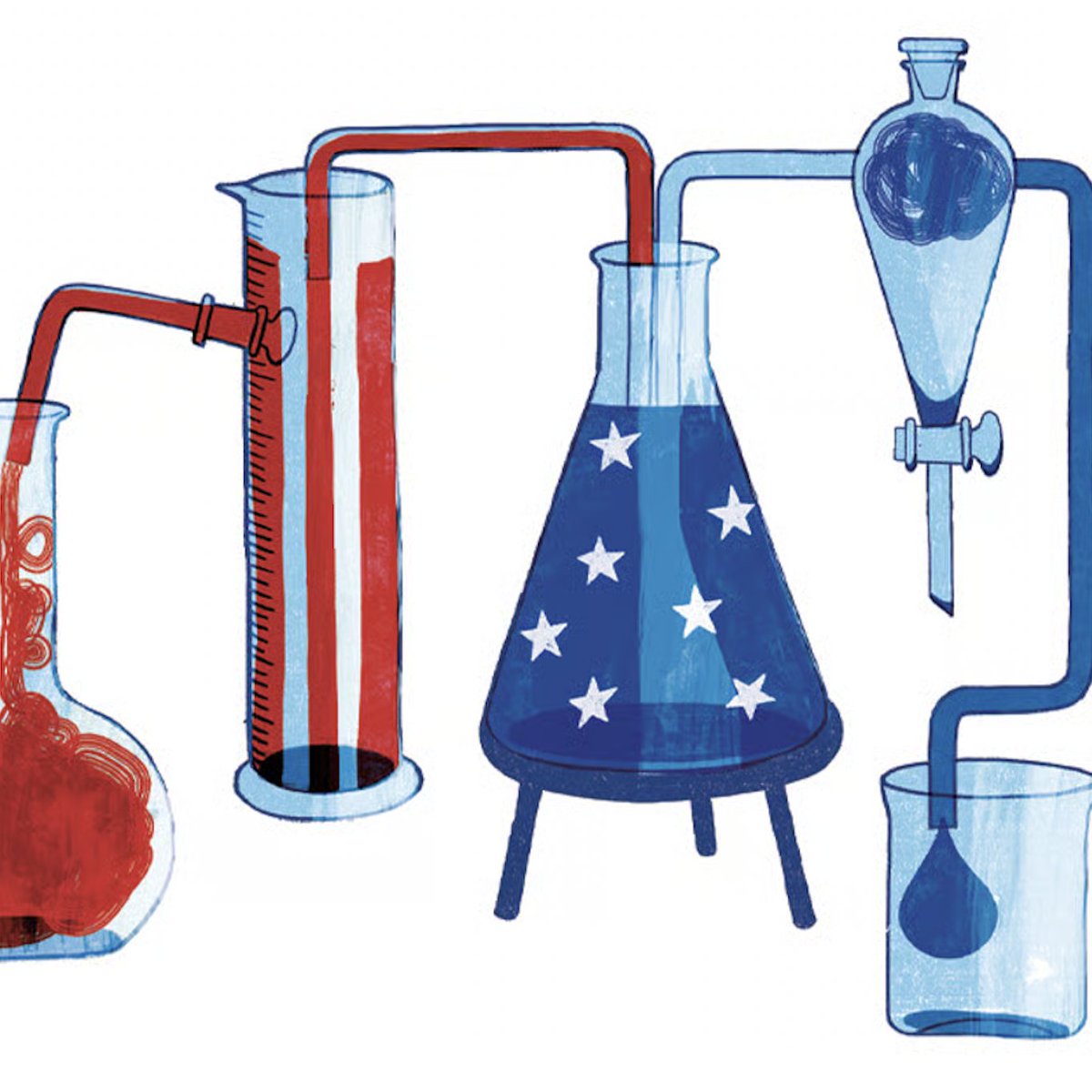
To highlight again why "American Federalism 2.0" could save US biotech competitiveness vis a vis China:
- It is easy to implement: no national reform required, just a safe harbor policy by @DrMakaryFDA
- States like Montana, New Hampshire, Utah, Florida, Texas etc. already have robust frameworks
- Whatever works creates data to improve federal policy and approval decisions, whatever doesn't work is easy to address (states can shut down bad actors, and if that fails FDA can publish adjusted guidance with low effort)
Patients are already waiting to be treated (or not waiting and taking matters into their own hands as @sytses @andrewjrod or @paul_conyngham). Let's act now!
x.com/NiklasAnzinger/status/…

This is making the rounds, and it's great - but we need to go much further to stay competitive with China:
They key is to let states do it, the FDA just needs to create acceptance for state-led programs.
- New Hampshire's HB1734 creates the option for private/non-profit/independent scientific review boards (like IRBs) to apply regulatory frameworks for phase-1s or equivalent (like Australia CTN). Federal rules would prohibit actual phase-1/INDs to be conducted this way, but if the FDA just issues guidance to accept such trials this would unleash state innovation. Everyone wins: the FDA already accepts Australia's trials, and this way those can just be brought into the US territory. By doing it through states, no federal law needs change.
- Montana's SB 535 and New Hampshire HB 1734 allow for post-phase-1 "right-to-try 2.0" access. The key is that they're a) very broad, any patient qualifies instead of required proof they die in 6 months, and b) the provider has better monetization options. Again, we're already doing that: a) off-label drugs have just passed a phase-1 but not proven efficacy, b) right-to-try is federal policy and the moral case for patients is obvious.
This creates a whole alternative pathway post-phase-1 that gives biotechs many more options to innovate. Montana & New Hampshire are creating oversight mechanisms that ensure safety but are administered more efficiently through scientific review boards (which again have oversight by state health departments, i.e. if there are bad actors their licenses can be revoked).
Again, everyone wins: through these official state pathways there is less grey market for stem cell clinics and these programs could collect outcome data that improves official INDs for approval by the FDA.
These state frameworks, including also e.g. Utah, Florida, Texas are genuinely innovative.
@FDA @DrMakaryFDA need to create recognition for state frameworks, so there is clarity about federal-state legal conflicts - otherwise these programs will attract grey markets (larger, credible players need clarity). This is much simpler than federal-level changes, and unleashes decentralized regulatory innovation.
@sytses @RuxandraTeslo @cremieuxrecueil @ATabarrok @dr4liberty @zachweinberg @patricksmalone @GraniteBio
2
18
523
Citadel Jump retweeted

Three years ago, Próspera had one building and a hostile government that swore to destroy it.
Today? Every metric is up and to the right.
@MrTimothyAllen sits down with co-founder @gabedelgadoa to hear the full story - and the master plan that's even bigger than you think...

3
11
25
2,029
Citadel Jump retweeted
Apr 10
This is why we created the demand-first model.
Getting people to move is the hard part, and it goes a long way to unlock financing and government support in countries that want foreign investment.
Buying land is trivial, and doing so reduces negotiating leverage with governments.
Apr 9

omg this has been exactly my experience for 20 years - ppl sending me links to deserted cities / schools / ranches w/ the mindset that the right land parcel is what will enable building a new community.
Land is cheap, plentiful, and basically never the limiting factor. What's hard to get is govt permission & group willing to move.
4
4
40
5,094
Apr 10
Exactly right
Apr 9
omg this has been exactly my experience for 20 years - ppl sending me links to deserted cities / schools / ranches w/ the mindset that the right land parcel is what will enable building a new community.
Land is cheap, plentiful, and basically never the limiting factor. What's hard to get is govt permission & group willing to move.
2
48
Citadel Jump retweeted
"We'll buy the land. Pay for the fire brigades. Pay for electricity. We're not asking for handouts - just the freedom to make our own rules."
Is this the future of governance? @titusgebel at the Doha Debates just broke down exactly why Free Cities aren't utopian fantasy - they're a voluntary, self-funded alternative to the system.
No subsidies. No freeloading. Just a deal: you let us govern ourselves, we pay our way.
The real question isn't whether it works. It's whether governments are actually scared it might. 👀
📺 Full debate on YouTube → Doha Debates or Al Jazeera English
#FreeCities #TitusGebel #DohaDebates #FutureOfGovernance #SpecialEconomicZones #Voluntaryism #Innovation #FreeMarket
1
5
22
2,702
Citadel Jump retweeted
Apr 6
Agree that current elites are despicable; we are reacting to this.
Praxis is designed to intensify commitment to the People of the West. This commitment mediates all of our choices, strategic and cultural - symbols, education, hierarchies, etc. We are explicitly selecting for commitment to this mission.
3
3
26
2,796
Citadel Jump retweeted

Apr 6
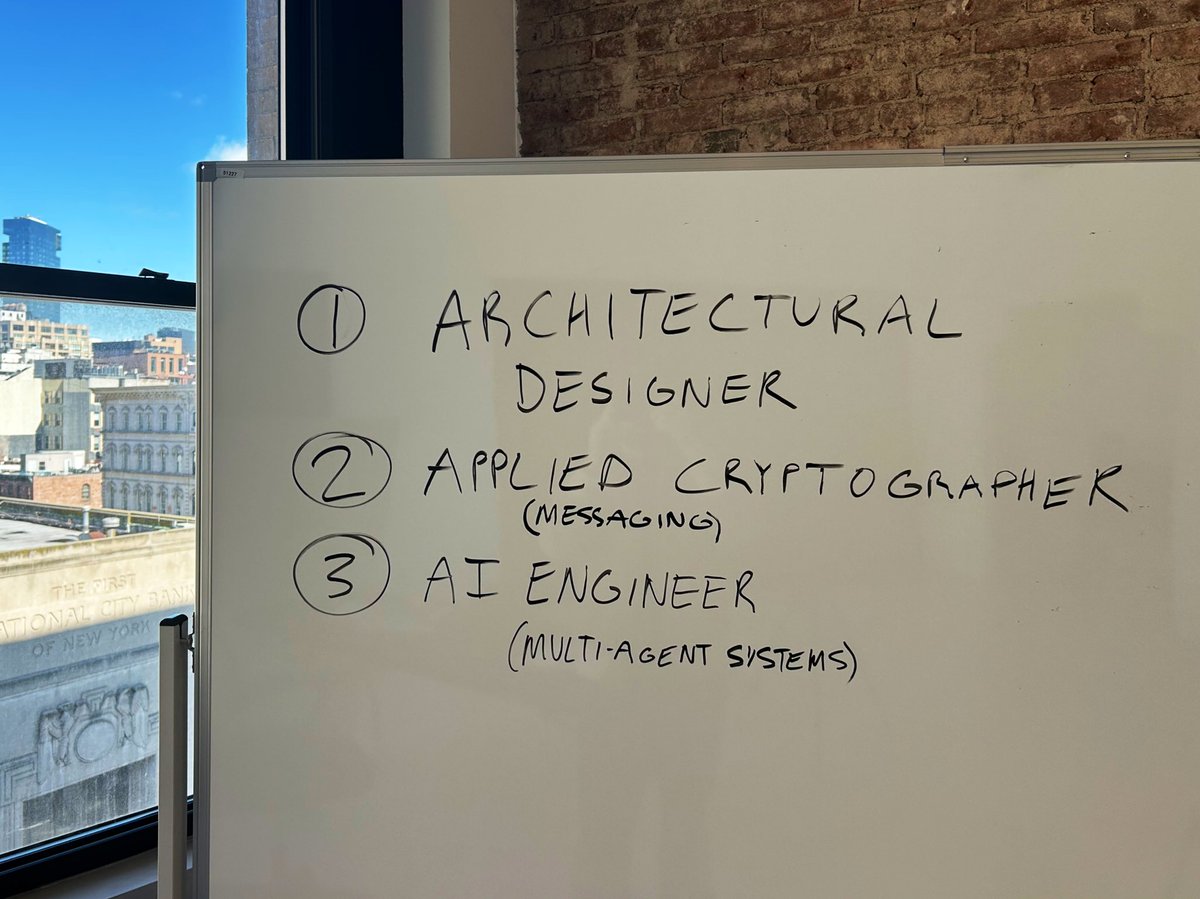
HIRING — Praxis is an online community starting a new city. We are looking for:
1. ARCHITECTURAL DESIGNER — to concept residential and public spaces in the city.
2. APPLIED CRYPTOGRAPHER (messaging) — to securely connect our global community.
3. AI ENGINEER (multi-agent systems) — to connect our global community through new social experiences.
To apply, send your resume, GitHub/portfolio, and a short note on your interest in Praxis to HIRING @ PRAXISNATION dot ORG.
14
8
117
37,894
Citadel Jump retweeted

Apr 5
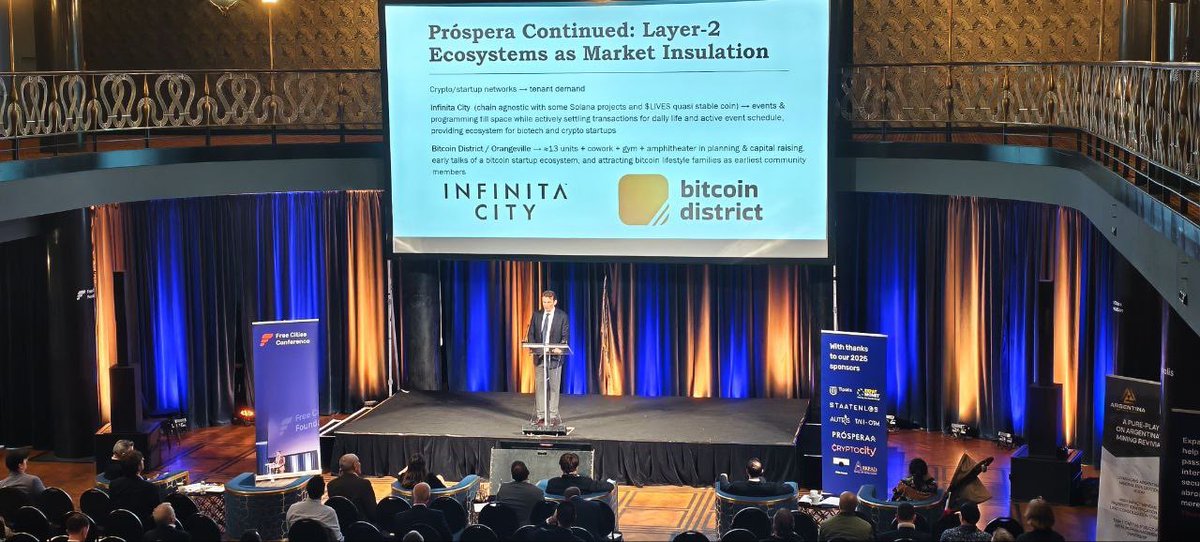
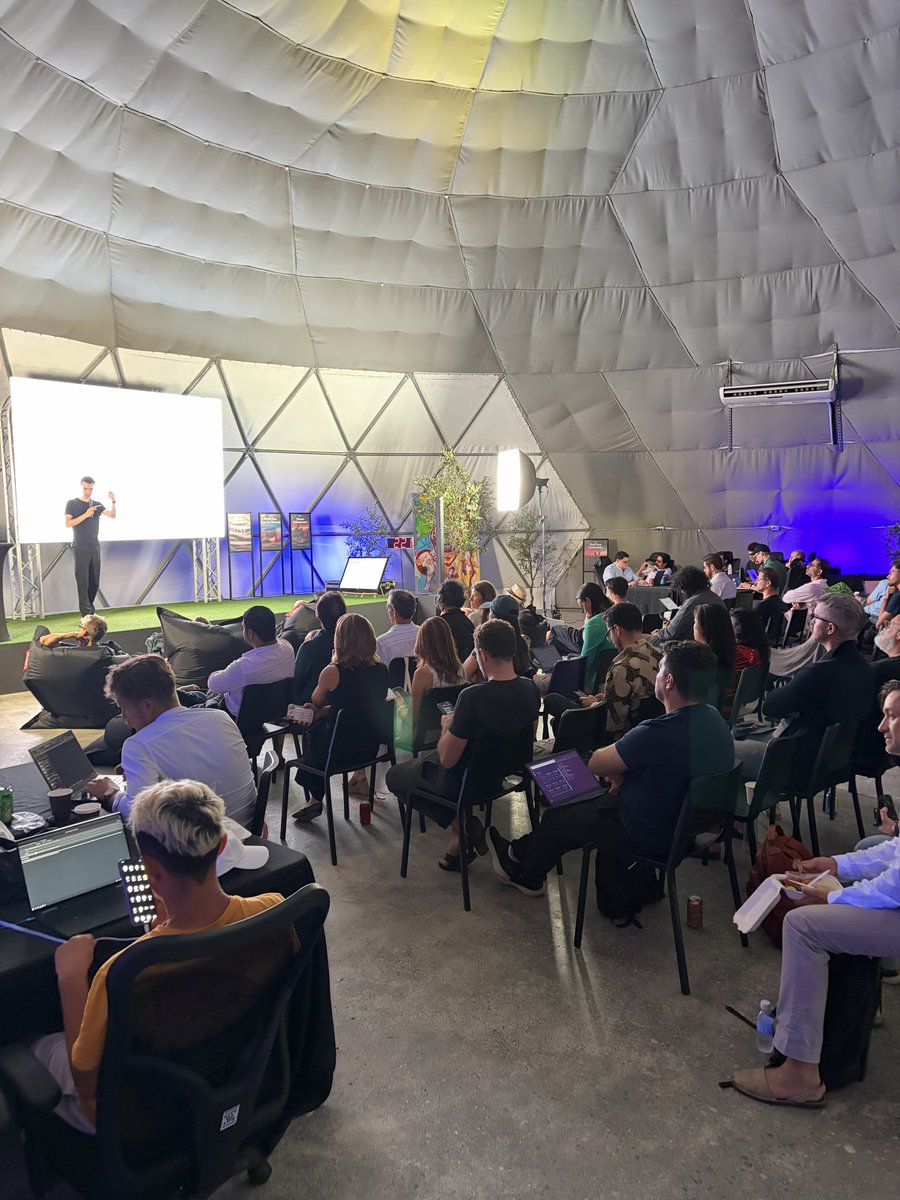
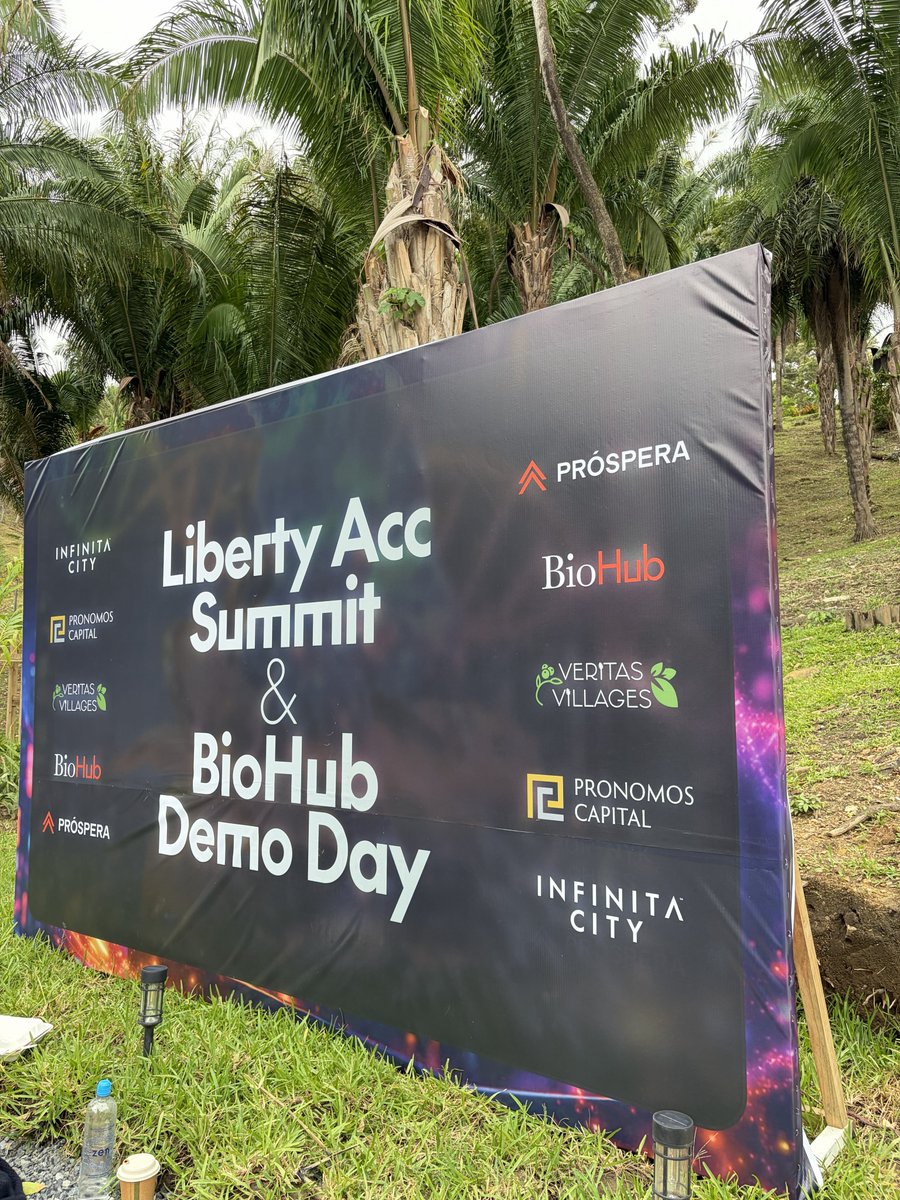
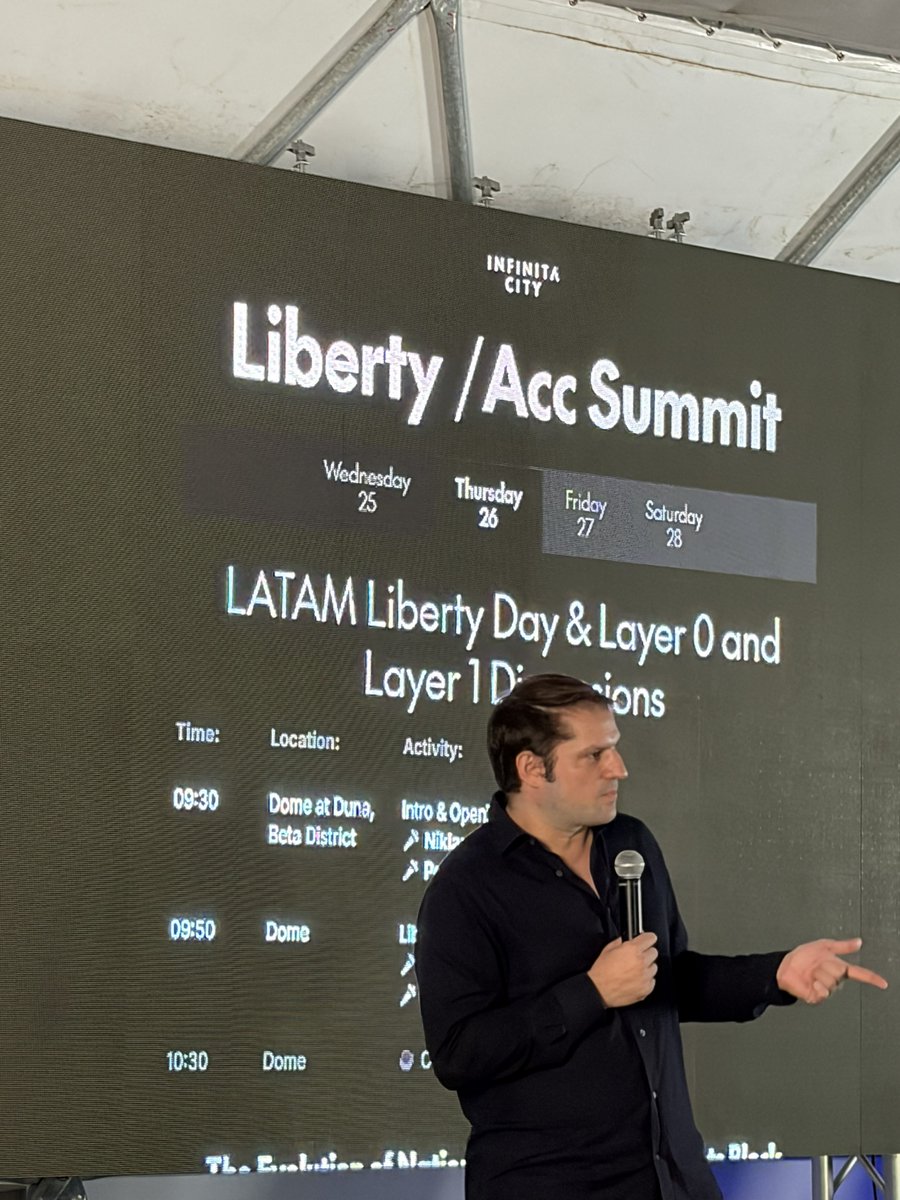
I have just returned from Honduras, where I co-hosted the Liberty Acceleration Summit ("Lib/Acc") with @infinitacity,@Prosperahn, @PronomosVC, and @StartSocieties
~100 people building a way out of chaos and dysfunction by creating new homes, on all continents for the advancement of good governance, science, reason, and acceleration of technologies that make human lives longer and better
🧵👇

2
6
27
980
Citadel Jump retweeted
This is making the rounds, and it's great - but we need to go much further to stay competitive with China:
They key is to let states do it, the FDA just needs to create acceptance for state-led programs.
- New Hampshire's HB1734 creates the option for private/non-profit/independent scientific review boards (like IRBs) to apply regulatory frameworks for phase-1s or equivalent (like Australia CTN). Federal rules would prohibit actual phase-1/INDs to be conducted this way, but if the FDA just issues guidance to accept such trials this would unleash state innovation. Everyone wins: the FDA already accepts Australia's trials, and this way those can just be brought into the US territory. By doing it through states, no federal law needs change.
- Montana's SB 535 and New Hampshire HB 1734 allow for post-phase-1 "right-to-try 2.0" access. The key is that they're a) very broad, any patient qualifies instead of required proof they die in 6 months, and b) the provider has better monetization options. Again, we're already doing that: a) off-label drugs have just passed a phase-1 but not proven efficacy, b) right-to-try is federal policy and the moral case for patients is obvious.
This creates a whole alternative pathway post-phase-1 that gives biotechs many more options to innovate. Montana & New Hampshire are creating oversight mechanisms that ensure safety but are administered more efficiently through scientific review boards (which again have oversight by state health departments, i.e. if there are bad actors their licenses can be revoked).
Again, everyone wins: through these official state pathways there is less grey market for stem cell clinics and these programs could collect outcome data that improves official INDs for approval by the FDA.
These state frameworks, including also e.g. Utah, Florida, Texas are genuinely innovative.
@FDA @DrMakaryFDA need to create recognition for state frameworks, so there is clarity about federal-state legal conflicts - otherwise these programs will attract grey markets (larger, credible players need clarity). This is much simpler than federal-level changes, and unleashes decentralized regulatory innovation.
@sytses @RuxandraTeslo @cremieuxrecueil @ATabarrok @dr4liberty @zachweinberg @patricksmalone @GraniteBio

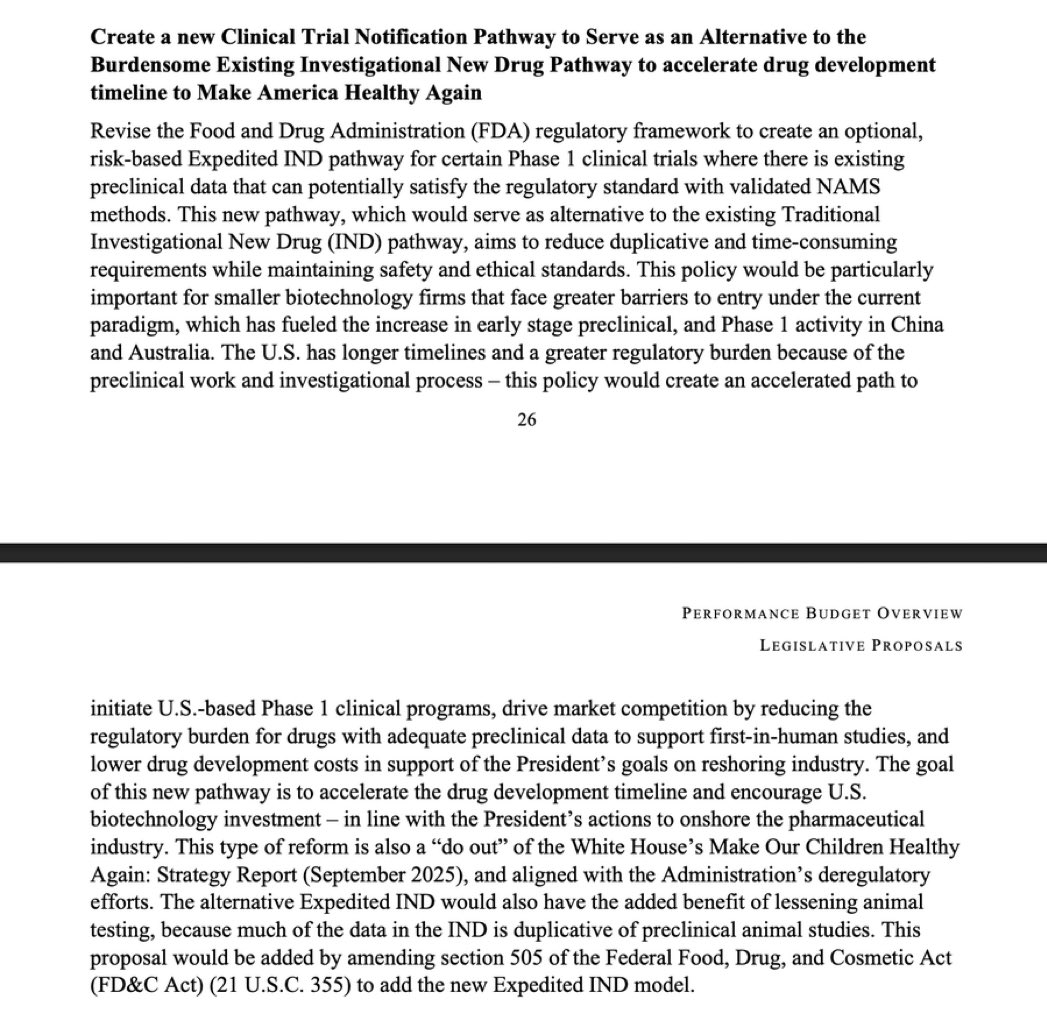
🚨 Major boost for US biotech: @WhiteHouse backed @US_FDA proposal for an **optional risk-based Expedited IND pathway** — slashing Phase 1 timelines to first-in-human trials using validated preclinical data.
Reduces duplicative requirements that drive longer/higher-burden US timelines vs. China/Australia (where early trials can be 50-60% cheaper & start in weeks, vs. US delays of months to a year). Saves significant time & money for smaller firms.
#Biotech #FDA
8
18
90
20,599
Citadel Jump retweeted
Mar 24
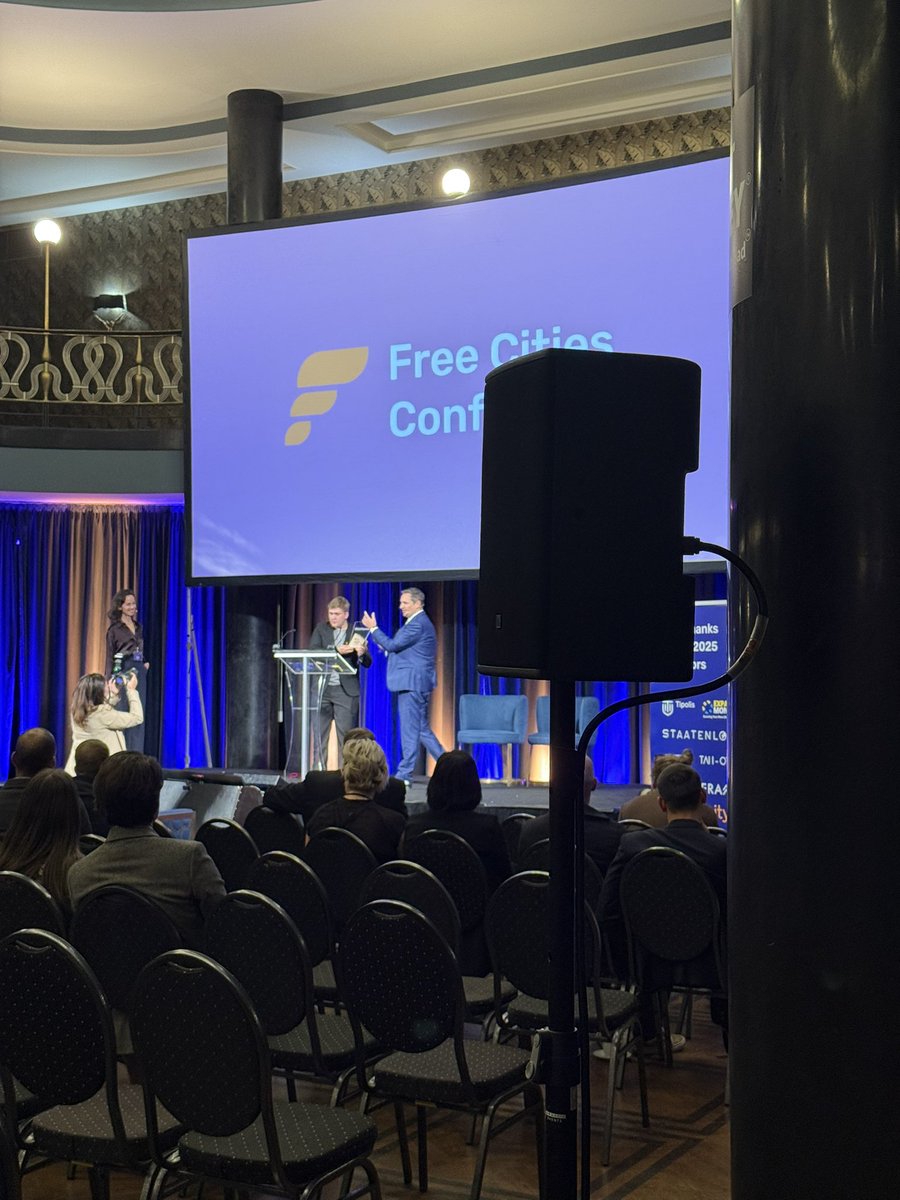
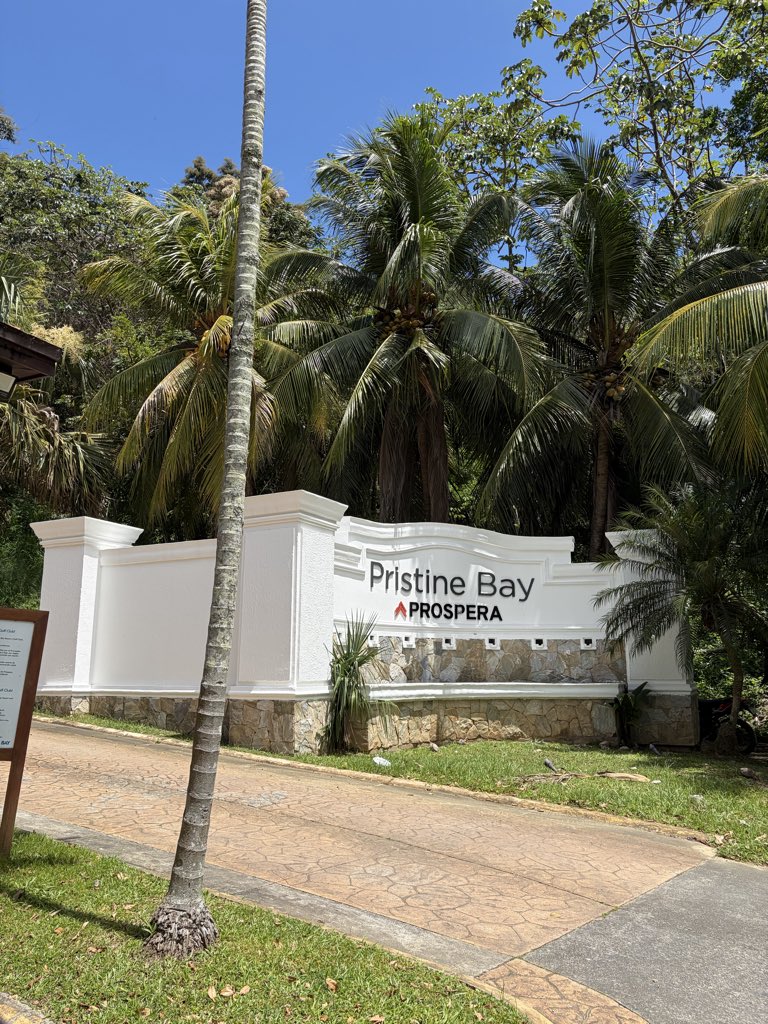
I am back in Prospera to co-host the Liberty Acceleration Summit 2026 with @Prosperahn @infinitacity @PronomosVC and @StartSocieties
Three days of learning, training, and exchange between investors and entrepreneurs building special jurisdictions, charter cities, and innovation in governance
All in the most economically free jurisdiction on the planet
4
12
43
1,308
Citadel Jump retweeted
Mar 24
ANNOUNCING: Applications have been re-opened
Praxis is an online community building a new city
Escape the permanent underclass — APPLY NOW
70
48
742
159,173

Mar 23
We’re seeing an increase in family offices reaching out to invest in parallel real estate assets and developments. Much of this is a result of what’s transpired in the Middle East.
Dubai —>Próspera
1
3
171
Feb 26
Interesting timing after @blocks cut nearly half its workforce. We’re entering a coordination era. Humanity must organize and align—and proximity to the best-aligned clusters will compound.
Two worlds: your descendants become Prometheus “Engineers”… or they’re stuck in a trailer, sedated by VR.
Location decides.
Feb 23

Where you live as this unfolds will matter more than anything else.
109
Feb 23
Where you live as this unfolds will matter more than anything else.

I spent 100 hours over the past week researching, writing and editing the piece we just put out.
It’s a scenario, not a prediction like most of our work. But it was rigorously constructed, dismissing it outright requires the kind of intellectual laziness that tends to get expensive.
And we’ve released it for free. Hopefully you enjoy it.
citriniresearch.com/p/2028gi…
199