
I’m here for discussions (ahem, shitposts) on aesthetics, literature, religion, history, politics and philosophy. It’s all in jest and mostly unserious.🇺🇸🇳🇵
Joined March 2025
- Tweets 6,857
- Following 686
- Followers 552
- Likes 12,321
543 Photos and videos










Pinned Tweet

6 Mar 2025
Whether you’re a stranger or a friend, if you’re visiting my profile, drop a book recommendation. If I’ve read it, I’ll tell you what I think about it. If I’ve not, I’ll add it to my reading list.
22
19
16,551
ClamRespector retweeted

Jun 13
Curiously the quadratic formula is known in Brazil as Bhaskaras formula. Turns out the Portuguese started translating Indian texts from 1519 and took it to Europe and the new world. Over the next 200 years, all manner of mathematical, medical and philosophical concepts boom in Europe, which for some reason are also in Indian texts.
Interestingly multiple scholars invent the same science around the same time unknown to each other like Calculus.
Jun 13

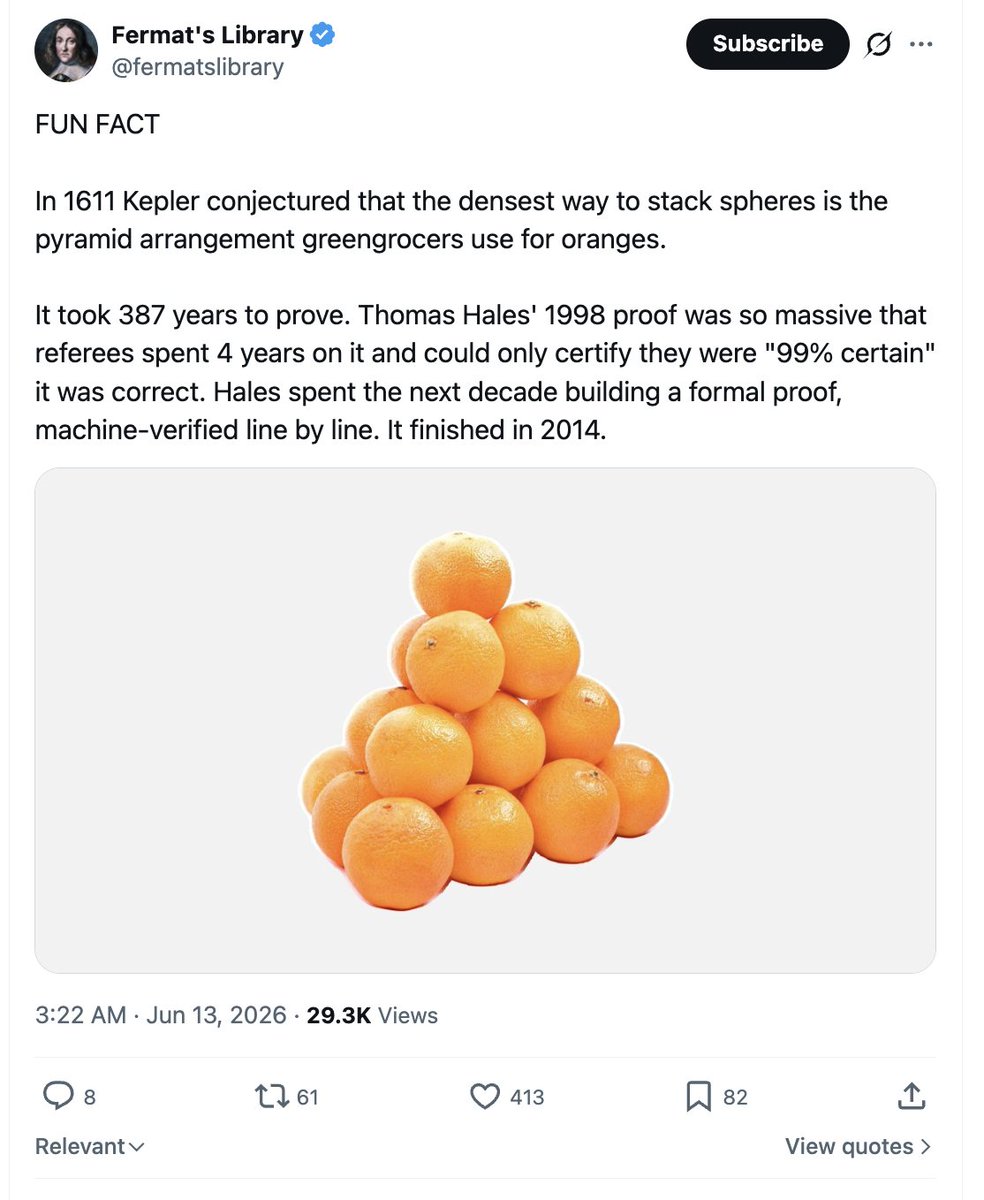
Nah... that is not even the best part. Here is the real FUN FACT:
In the Aryabhatiya (Ganitapada, Verse 21), written in 499 CE, Aryabhata introduces the mathematics of stacking. He explicitly lays out the formula for finding the total number of items in a pyramid pile with a triangular/square base. For a pyramid stack where each side of the base has 'n' spheres:
Total Spheres = [ n × (n 1) × (n 2) ] / 6
Think about the timeline here. Johannes Kepler conjectured that this layout was the densest in 1611. Aryabhata had already mapped out the exact algebraic discrete-volume matrix to count every single individual sphere within that dense packing formation 1000s yrs earlier.
Fun Fact is still not over. Fast-forward to the 12th century. The legendary mathematician Bhaskara II takes Aryabhata’s foundation & elevates it into a poetic, highly advanced art form in his textbook, the Lilavati. Bhaskara creates a dedicated mathematical category called Citi-Ghana (the volume of a pile). He did not just give 1 formula; he realized that different stacking bases create different geometric properties. He breaks down eqns for:
- Triangular-based pyramids (where spheres rest in the gaps of a triangular grid)
- Square-based pyramids (the standard grocery-stack style)
- Oblong piles (where the base is a rectangle)
To solve these, Bhaskara had to utilize Varga-Sankalita (the sum of squares of natural numbers) & Ghana-Sankalita (the sum of cubes). While Western mathematics at the time was struggling with basic arithmetic using Roman numerals, Indian scholars were utilizing advanced series expansions to handle the discrete boundaries of 3 dimensional sphere packing.
Now the Fun Fact is over 🙏🙏
9
249
745
19,348
ClamRespector retweeted

Jun 14
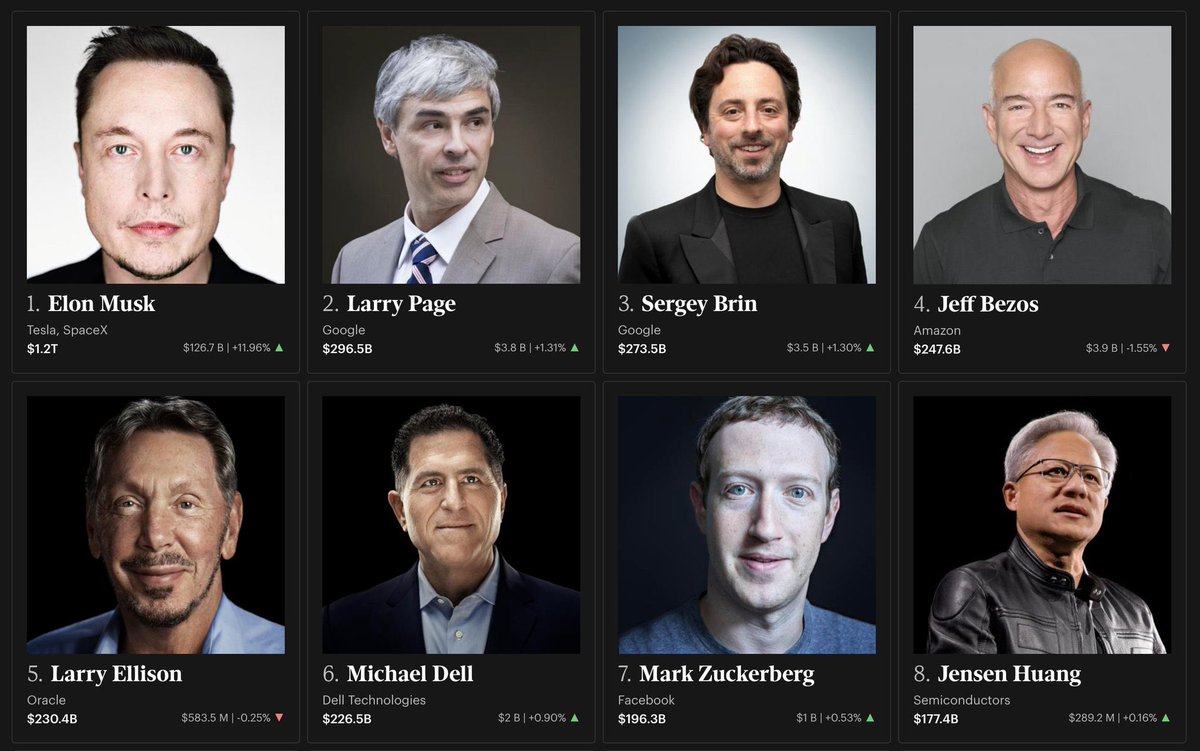
not a single person on this list is a DINK
75
60
1,759
205,767
ClamRespector retweeted

Jun 13
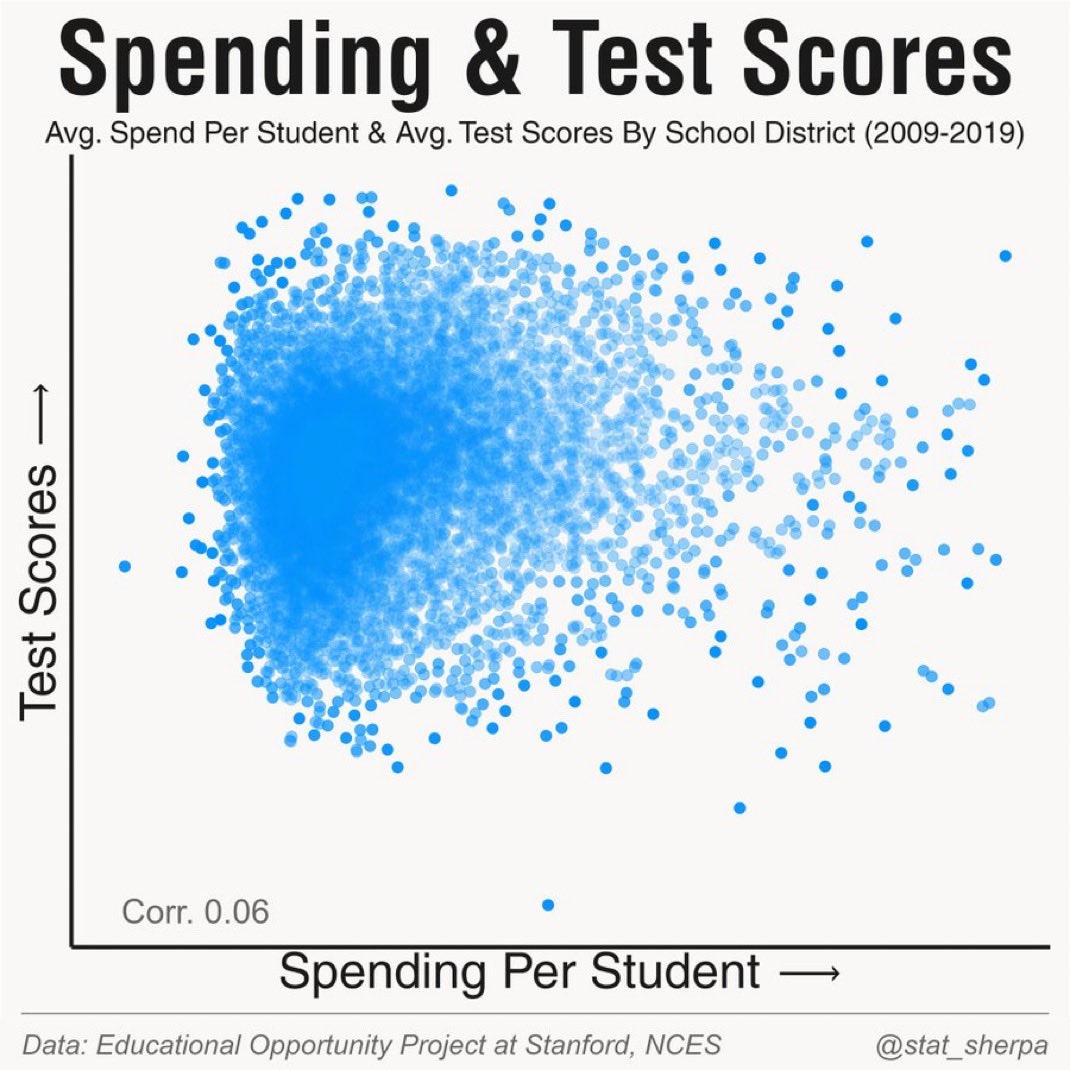
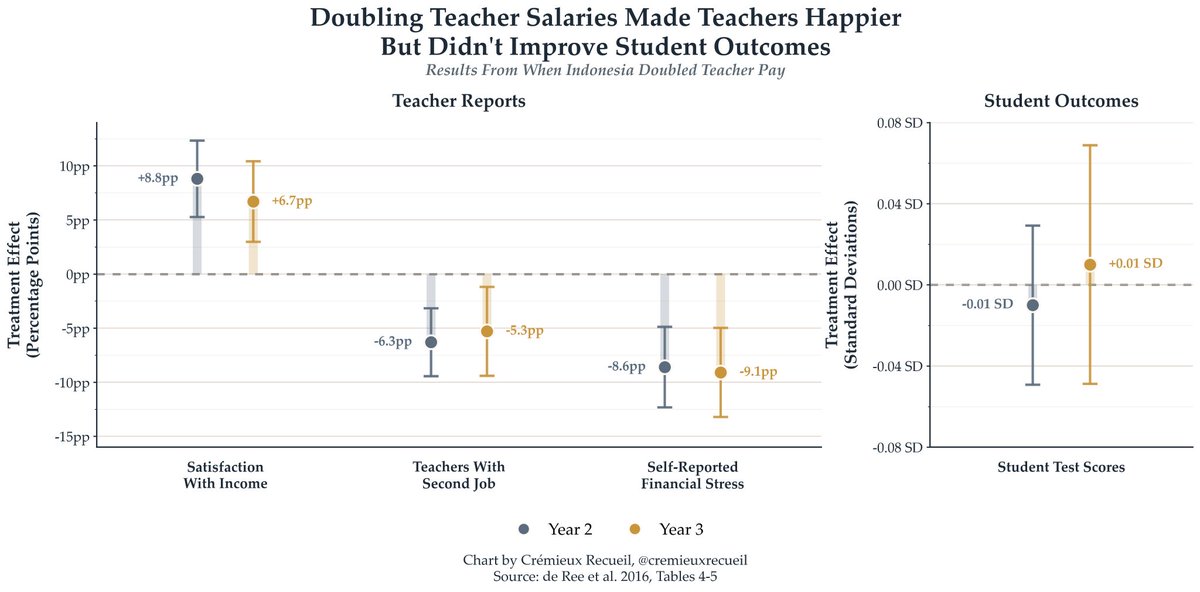
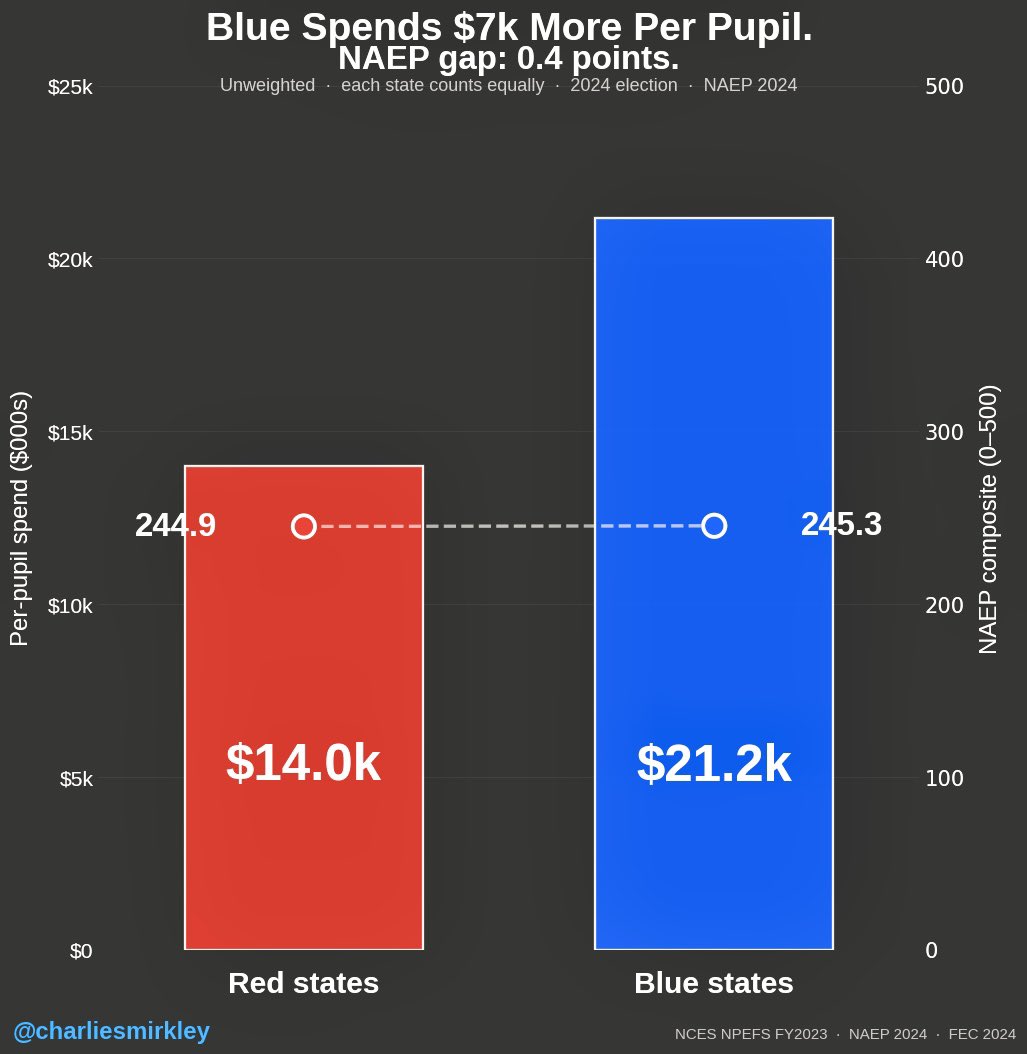
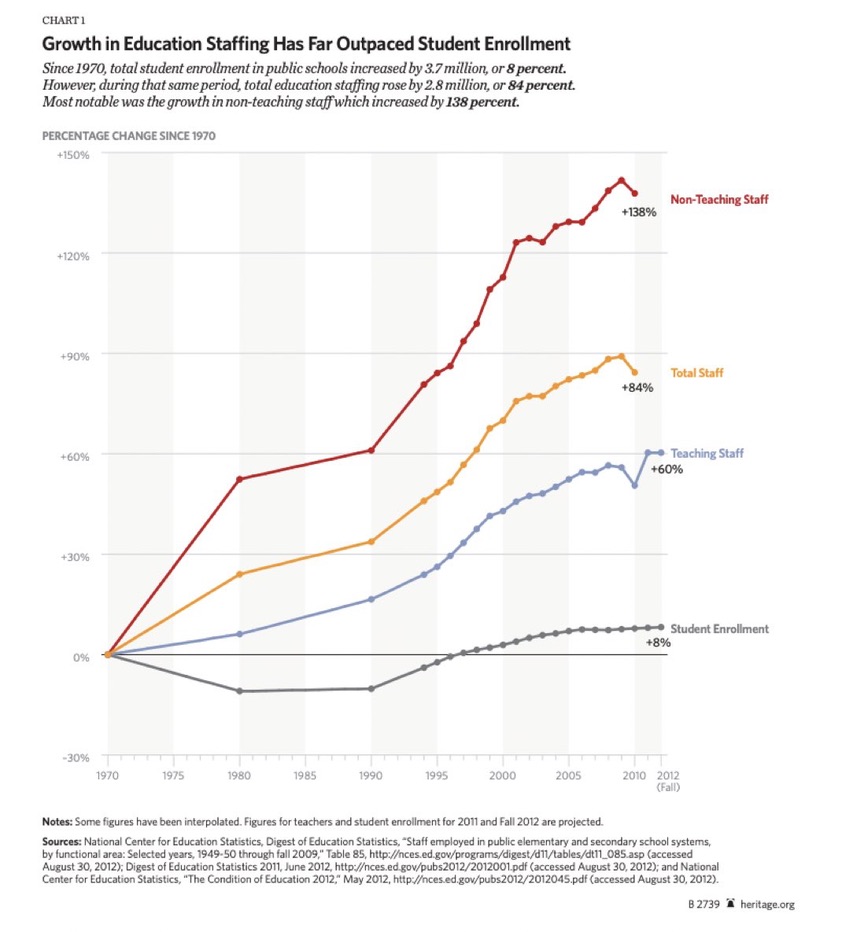
Throwing more money at public schools, even doubling teacher salaries, has virtually no effect on student outcomes.
Jun 12

Elon Musk: Trillionaire
Jeff Bezos: Billionaire
Public School Teachers: Can anyone help me get some pencils for my students?
126
1,148
9,164
523,612
ClamRespector retweeted

Jun 12
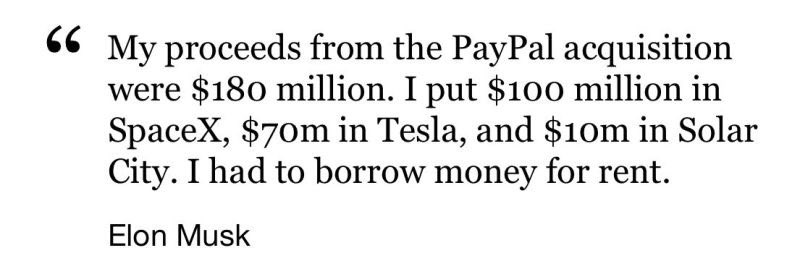
an all-time bet on yourself
Jun 12

JUST IN: SpaceX officially opens at $1,960,000,000,000.00 in market cap.
104
2,440
35,473
1,741,723
ClamRespector retweeted

Jun 10
I miss when celebrities didn't know how to use the internet properly and ended up creating ultra gems by accident

115
9,312
189,438
1,429,024

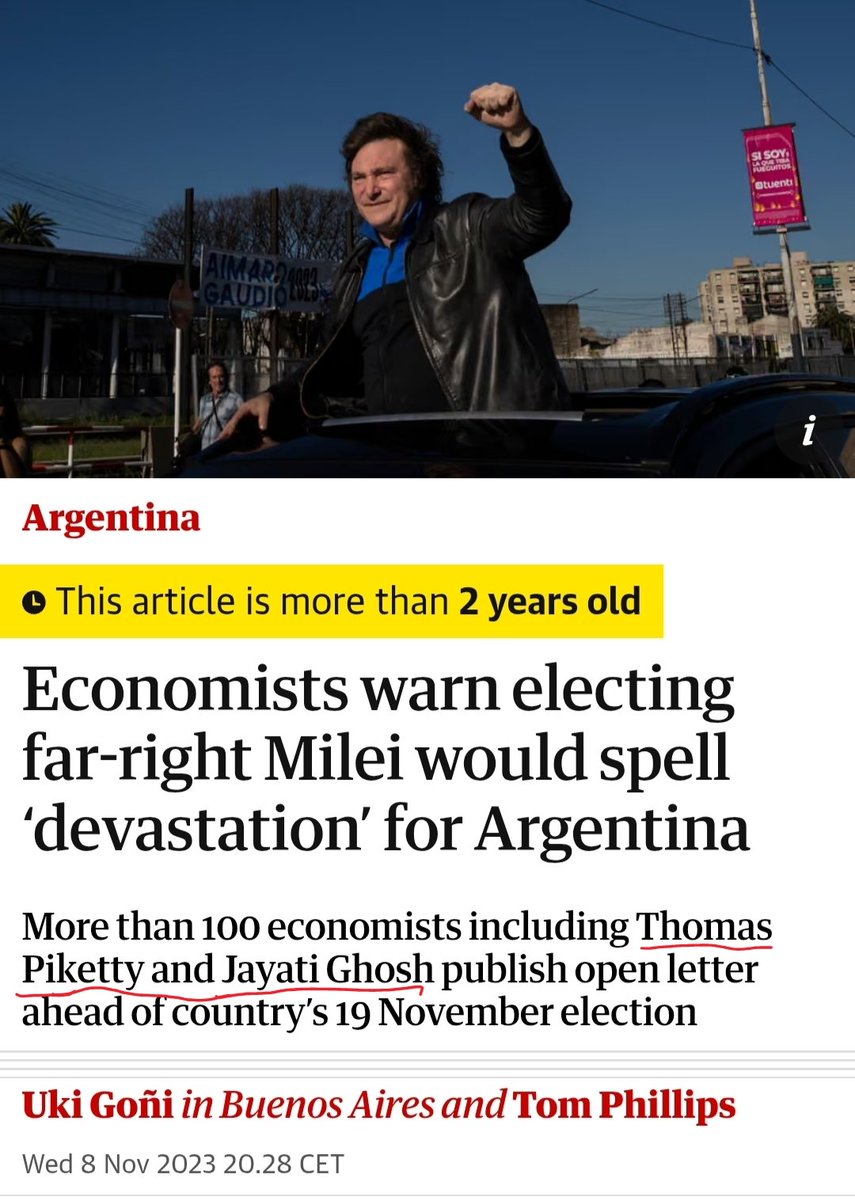
These names sound familiar somehow, like I've seen them in a very similar context before? 🤔
Jun 10

No, you are Bond Villain communists who hate human flourishing. Perhaps you used to be economists.

15
198
1,771
62,190
ClamRespector retweeted

Jun 10
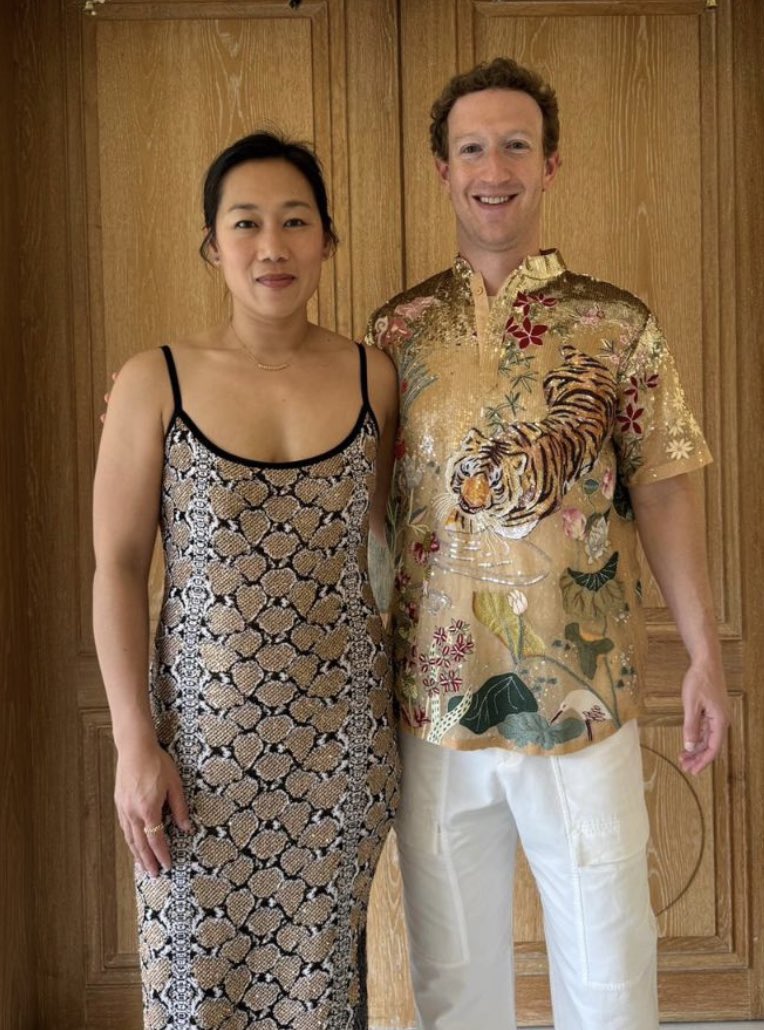
i know he’s not a saint but it’s kinda hard for me to hate zuck i mean look at that shirt man he’s on a white boy level we’ve never seen
456
229
11,178
1,058,242
ClamRespector retweeted

Jun 9
I come back to this speech every once in a while:
“in the 1,526 singles matches I played in my career, I won almost 80% of those matches
… what percentage of points do you think I won in those matches?
only 54%.”
88
1,244
19,242
2,266,796
ClamRespector retweeted

Jun 9
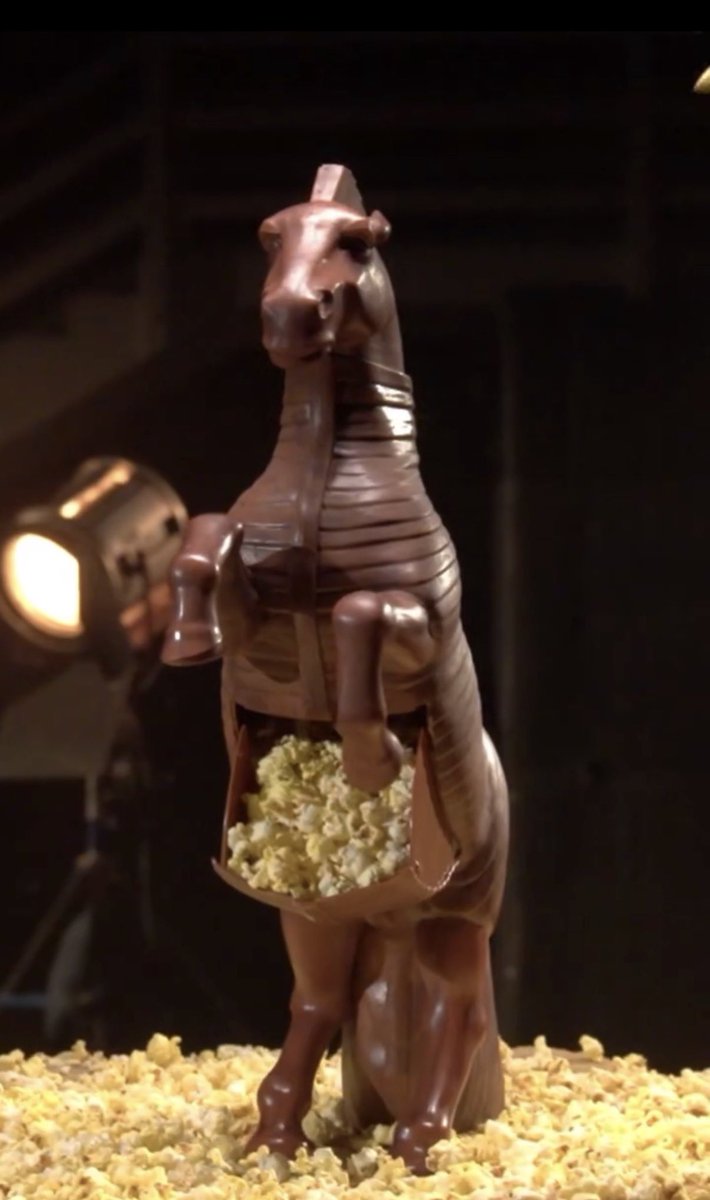
>going to see the odyssey
>order popcorn
>worker asks if I want a themed bucket
>I ask her if it’s Odyssey or Iliad
>she doesn’t understand
> I pull out a chart explaining what is Odyssey and what is Iliad
>she laughs, “it’s a good bucket sir”
>get themed bucket
>it’s Iliad

First look at the Trojan Horse popcorn bucket for ‘THE ODYSSEY’.
Community note
The Trojan horse is not mentioned in the Iliad, which ends before the sack of Troy. The primary literary tradition for the Trojan horse is the Aeneid.
en.wikipedia.org/wiki/Trojan_Ho…
184
1,648
39,224
2,703,594
ClamRespector retweeted

Jun 9
A complete refutation of the lefts worldview.

145
981
26,696
1,112,755
ClamRespector retweeted

Jun 10
The cafeteria lady at the SpaceX canteen realizing she became a millionaire after 10 years of selling coffee to Elon Musk
Jun 10
JUST IN: SpaceX IPO reportedly expected to mint 4,000 new millionaires — “from engineers to cafeteria workers”
184
1,395
43,343
4,767,248
ClamRespector retweeted

Jun 9
This is biblical.
A woman in her eighties. Ten years into Alzheimer's. Hadn't spoken a full sentence in five years.
Takes one, 5 gram dose of psilocybin.
She slept 19 hours and woke up and spoke for hours about her life, recognized family and held real conversations. She regained bladder control after five years, walked on her own. and dressed herself. Gains held for weeks.

1,277
8,726
75,204
3,605,121

Some dudes are so mentally cucked that when they see a woman they find beautiful, their immediate thought is how many guys she must have been with
2
28
2,683
RT @stanveuger: Love Piketty’s claim that he and his 45 collaborators spent two years thinking deeply, truly considering the world anew, be…
188

Why you should be on X:
You can see real-time supply-chain information shared directly by Korean semiconductor engineers, for free.
You get raw, unfiltered information without it going through sell-side analysts or research houses.
This is why I don’t use Reddit or other social media platforms. They don’t have this kind of information.
Jun 5

SK하이닉스 일본 주재원 계신 분이랑 커피챗 내용 간단하게 공유
1. 메모리 수요가 너무 강력해서 일본 고객들에게 줄 메모리가 없다.
미국이랑 중국 고객 주고 나면 일본에 줄 물량이 없다고 함. 그래서 일본업체들 찾아가서 매번 쓰미마셍 고개 숙인다고 함.
2. 메모리 부족으로 닌텐도 같은 전자제품 가격 계속 올리는 중.
메모리가 없어서 난야 같은 업체 뿐만아니라 윈본드 같은 업체도 찾는중.
CXMT는 기가바이트 통해서 이미 소비자용 제품으로 들어가고 있다고 함.
3. 일본에 있는 CXMT 한국엔지니어를 통해 듣기로는 CXMT 설계능력이 생각보다 엄청 뛰어나다고 함. 2-3년 격차가 아니라 그보다 더 좁혀질것 같다고 함. 진짜 중국의 똑똑한 인재들이 밤낮 안가리고 일한다고 함.
한국도 경계해야 할듯.
4. 메모리 가격은 계속 인상 중.. 몇프로인지는 밝힐 수 없지만 계속 인상중. 오늘 엔비디아 소캠에 메모리 줄었다는 이슈로 주가가 내리는데 메모리 가격은 오히려 올라서 영업이익은 계속 올라갈 전망.
*개인적으로 걱정되는건 이런 메모리 가격 상승이 Capex 투자 부담으로 이어져서 AI 싸이클이 빨리 끝날까봐 걱정임. 구글도 채권찍고 있고 빅테크들도 현금이 떨어져 가는게 걱정됨.
*투자권유, 매수,매도 추천 아닙니다.
57
285
5,640
670,220
ClamRespector retweeted
Jun 7
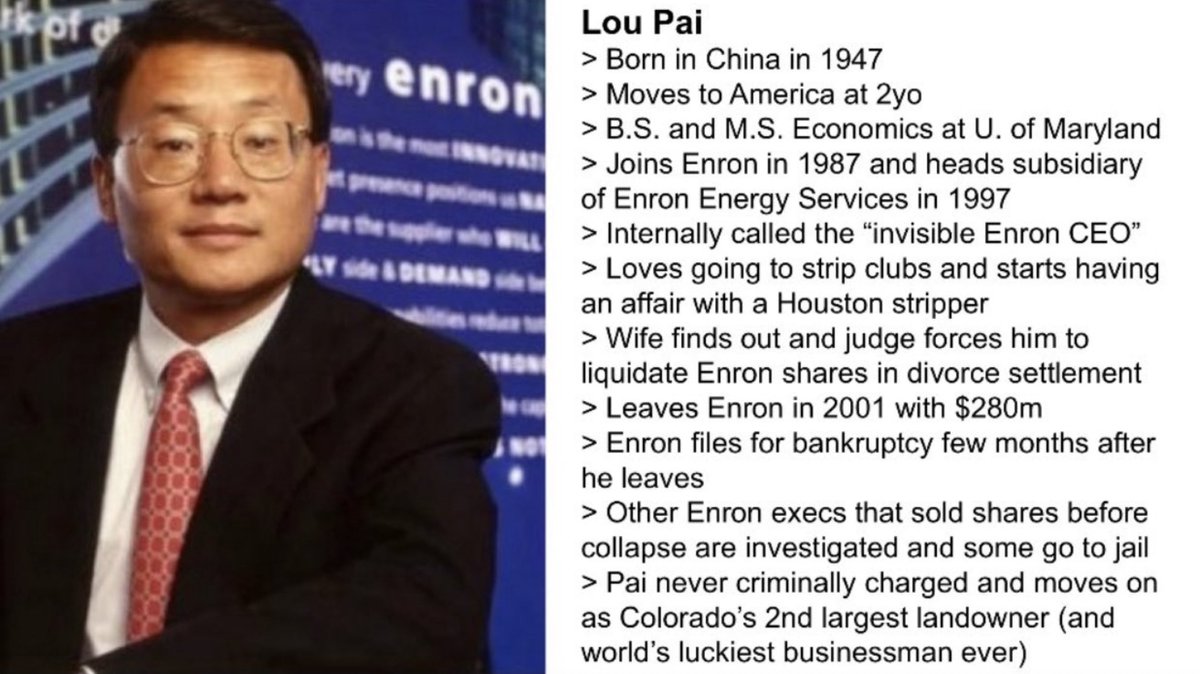
so begins the luckiest sequence of events in corporate history
Jun 7

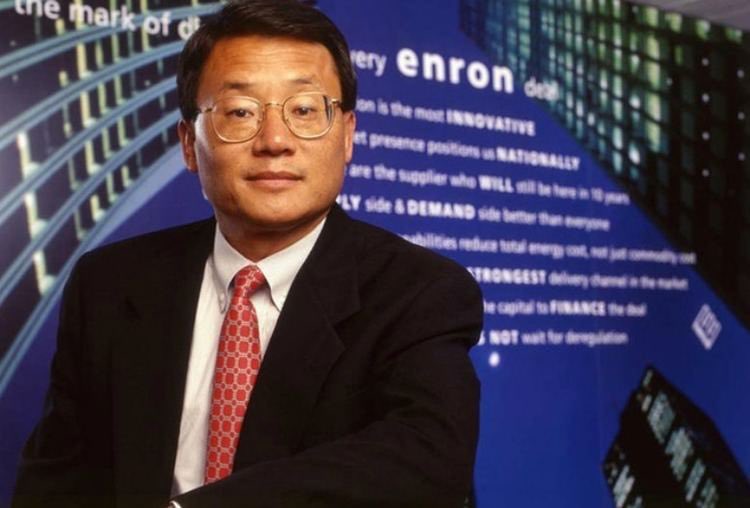
Enron executive Lou Pai completes the sale of 340,000 shares of Enron stock, cashing out $250 million and formally leaving the company. His reasoning is unknown.
21
104
1,643
210,768
ClamRespector retweeted

Jun 8
Wait a minute


A small group of high-end companions are charging time-poor technorati thousands an hour by offering a blend of sex, attention and genuine intellectual rapport. Check out the full story: forbes.com/sites/annatong/20… (📸: Jamel Toppin for Forbes)

21
699
16,581
1,142,901