
Albertans should be more knowledgeable about climate science. Can we just tell the truth?
Joined January 2023
- Tweets 20,447
- Following 72
- Followers 764
- Likes 3,555
2,250 Photos and videos
Pinned Tweet

10 May 2025
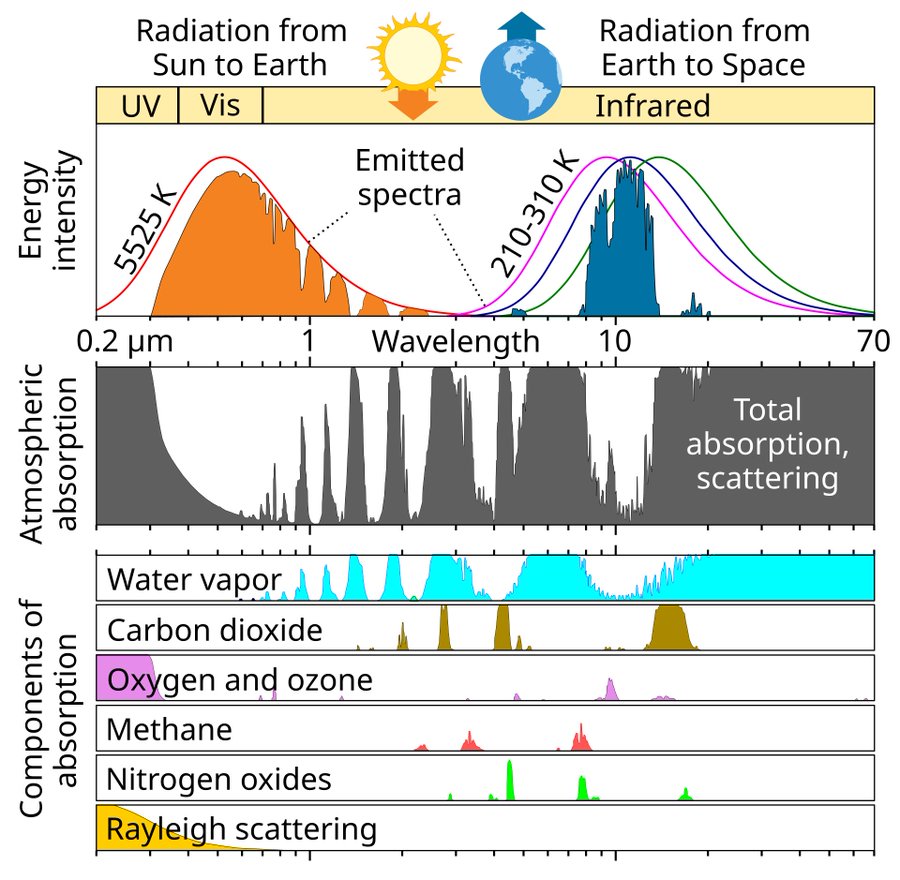
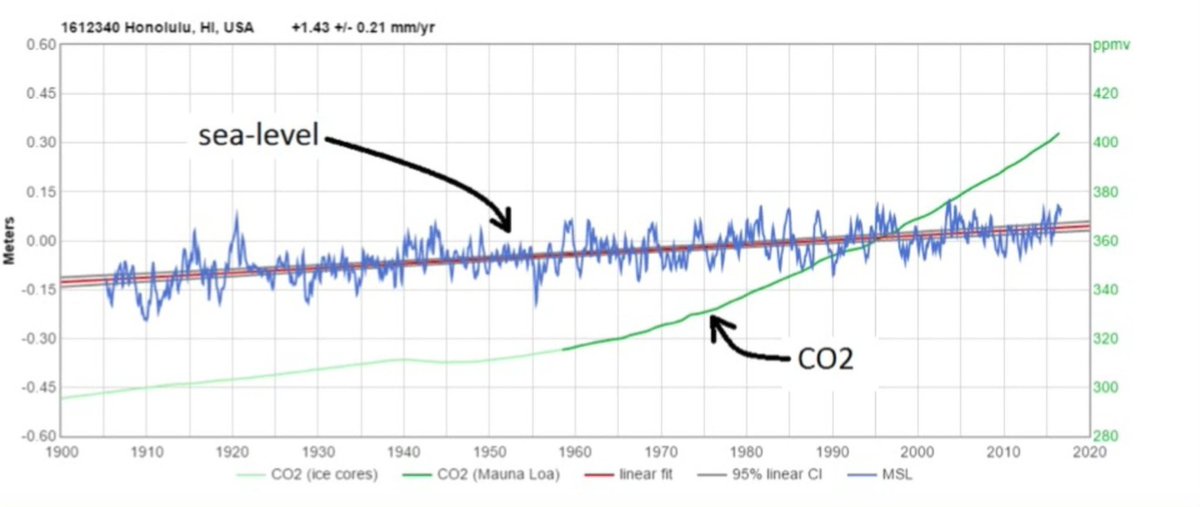
The greenhouse gas effect has never been measured in a lab, and has never been quantified.
All predictions are conjecture.
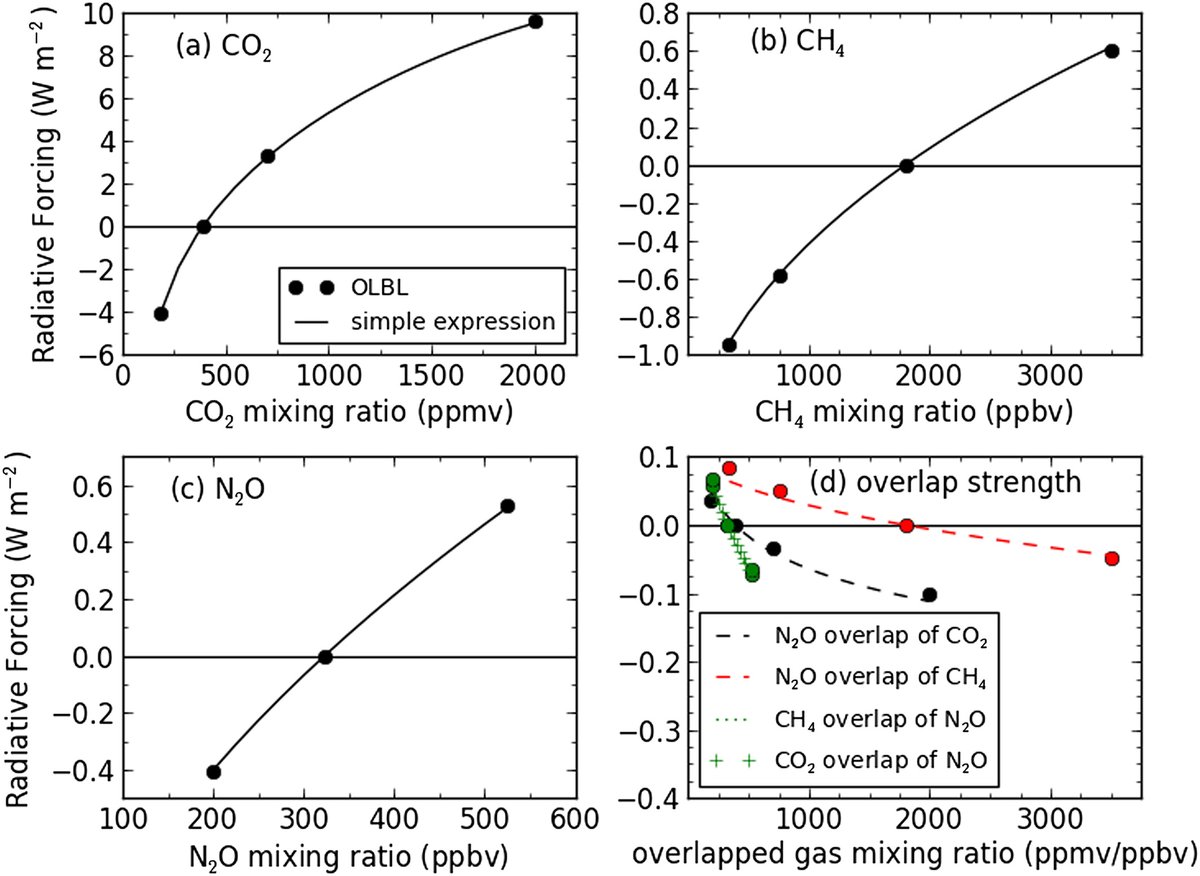
What is known from spectroscopy is that CO2 is a minor greenhouse gas with a marginal, at best, warming effect.
This has been known for 160 years.
36
12
47
5,205
Ian Bell retweeted

21 Oct 2025
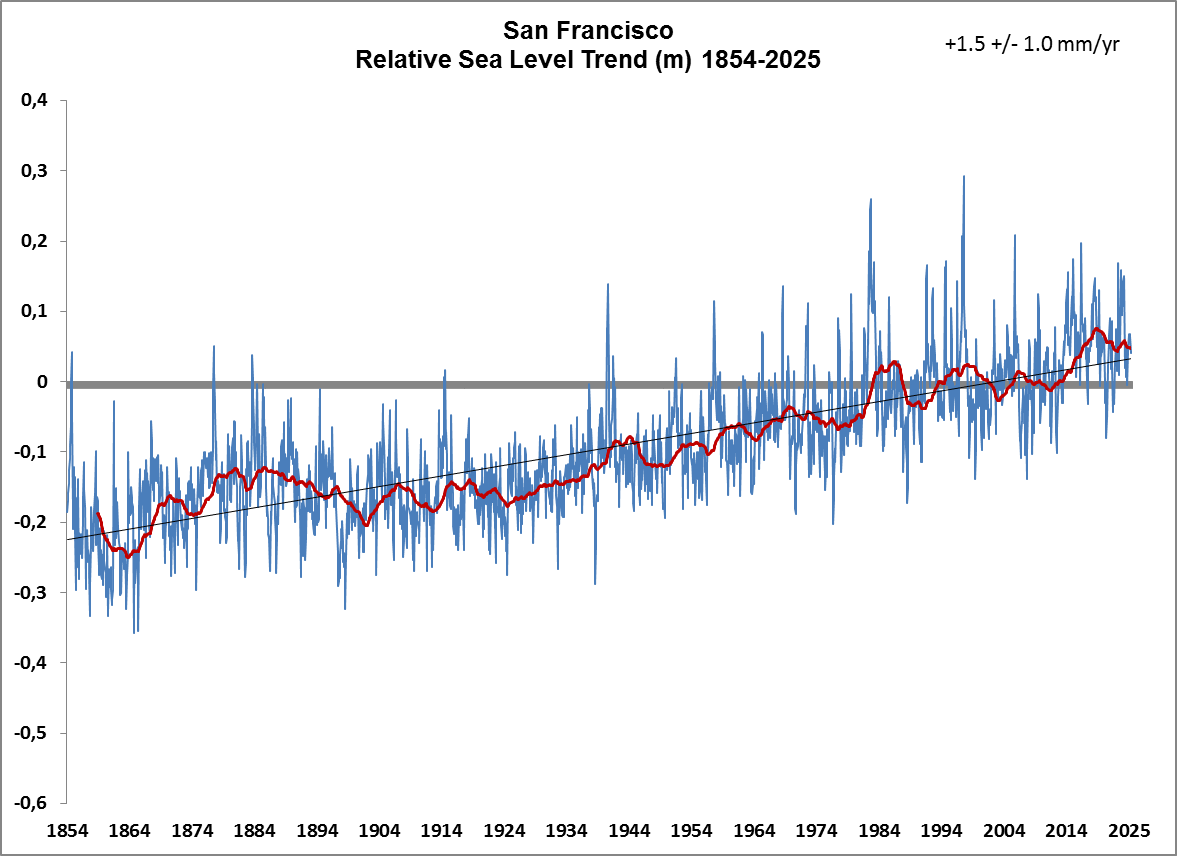
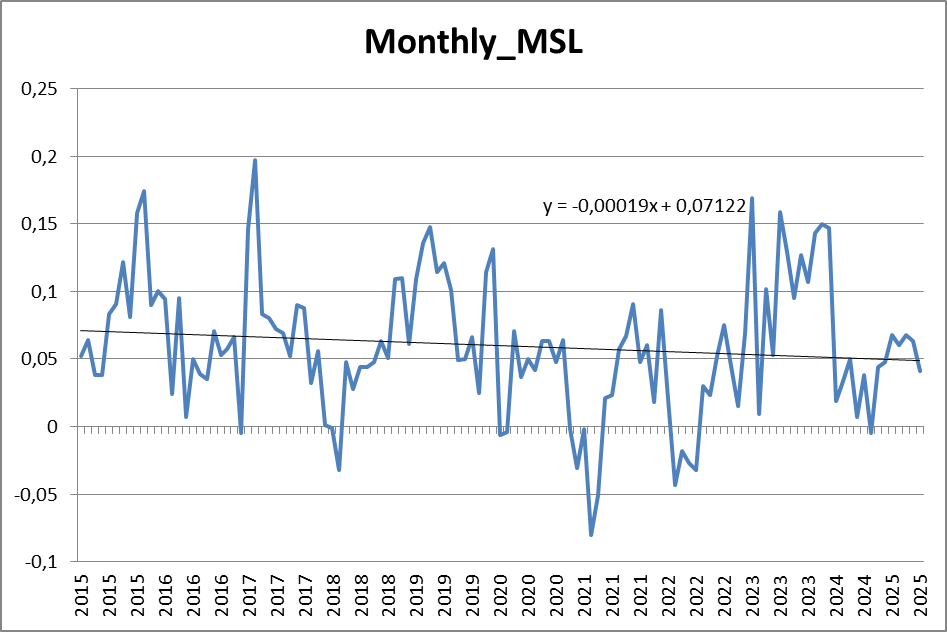
In 170 years San Francisco had its fastest sea level rise from 1865 to 1885. In the last decade the trend is down.
2
5
35
1,338
Ian Bell retweeted

31 Aug 2025
I had a debate with a couple of eastern Canadians about Alberta oil a while ago. When it came to carbon emissions and climate change, it was Alberta's oil. But when it came to oil royalties paid out to eastern Canada, it was Canada's oil. That's eastern Canada for ya!
1
7
47
935
Ian Bell retweeted

13 Aug 2025
hey @grok what is the optimum % of CO2 in a greenhouse where they use CO2 generators, and do the people working inside use respirators to work there?
1
2
15
1,799
Ian Bell retweeted

13 Aug 2025
Funny how walking gets 25k fine, while setting 32 fires to prove climate change is a danger gets you a little house arrest
globalnews.ca/news/7923834/a…
2
1
10
382
23 Jul 2025
Nothing is cooler that a satellite measuring height without an altimeter.
2
8
309
Ian Bell retweeted

19 Jul 2025
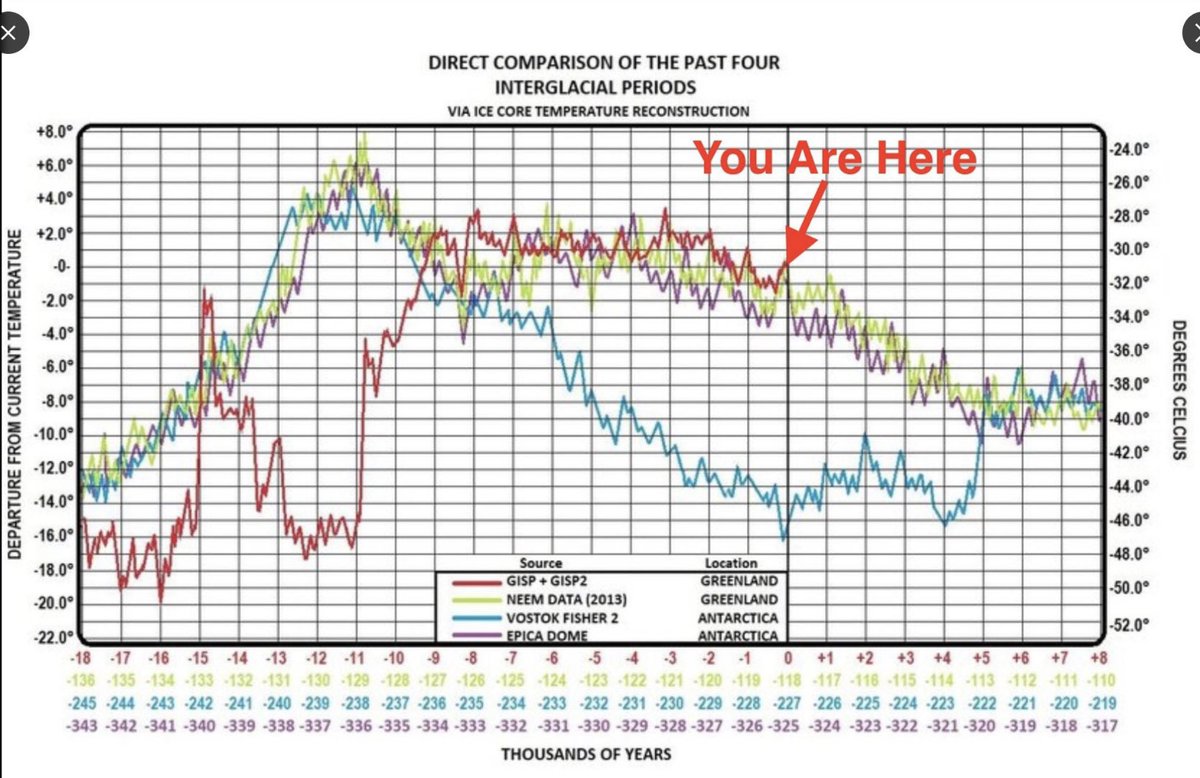
Weather and indirect solar responses explain a substantial portion. Landuse changes and reduced wildfire…
Multi decadal periods of warming at similar and higher rates just happen. Similar centennial warmups happen in ice cores without any forcing. You need to remember, the resolution of proxies is low. They show long term trends which in reality have similar multidecadal periods of warming & cooling that won’t show.
2
2
15
533
Ian Bell retweeted

15 Jul 2025
While climate models are grounded in physics and extensively tested against historical data, they fall short of the required validation.
Validation that every other field of science and engineering rely upon.
The complexity of the climate system, chaotic, non-linear, and influenced by poorly understood feedbacks, makes validation nearly impossible with current technology and data.
The problems with the current models;
They cannot reproduce or explain historic variability;
They have a huge over reliance on parameterizations.
They cannot predict regional patterns.
Their long term predications are not consistent and widely divergent.
They have had limited testing against extreme scenarios such as Paleocene-Eocene warming.
They have a gross overconfidence in ensemble means (averaging model runs to smooth out discrepancies)
Models do provide insights into trends and risks, however as an engineer my problem;
It’s like being asked to build a skyscraper on a half-baked blueprint; the ambition is bold, but the execution feels like a crap gamble with someone else’s money.
Ridicule is warranted when proponents oversell these models as “settled science” to justify massive spending, glossing over gaping uncertainties as if they’re minor hiccups.
It’s not that the models are worthless, they’re impressive feats of science, grounded in physics, and useful for broad trends.
But praising them as reliable enough for precise, billion-dollar bets is like applauding a prototype car for “almost” not crashing.
The gap between their current state and the rigor needed for such decisions is glaring. If you’re going to ask for billions in national treasure come back with models that don’t just lean on ensemble crutches or dodges real validation.
2
5
8
440
Ian Bell retweeted

10 Jul 2025
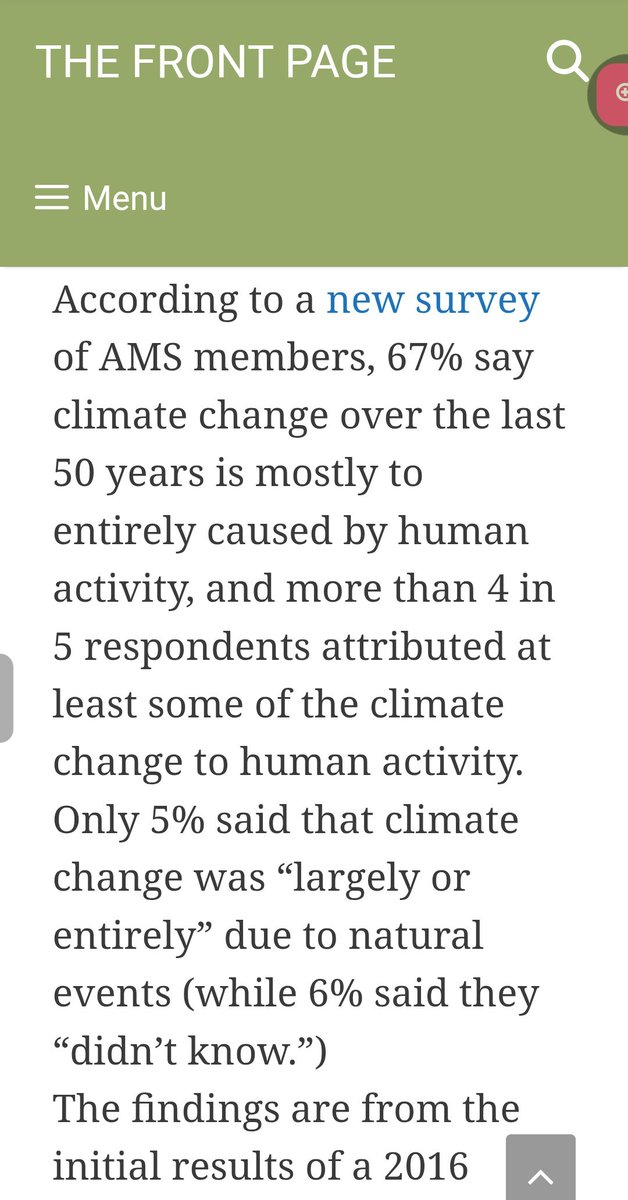
"Most' as in 5% ?
"buried" as in posted it on their website, issued press releases, and wrote a blog about it (below) which is still there?
blog.ametsoc.org/2016/03/24/…
1
1
4
238
Ian Bell retweeted

26 Jun 2025
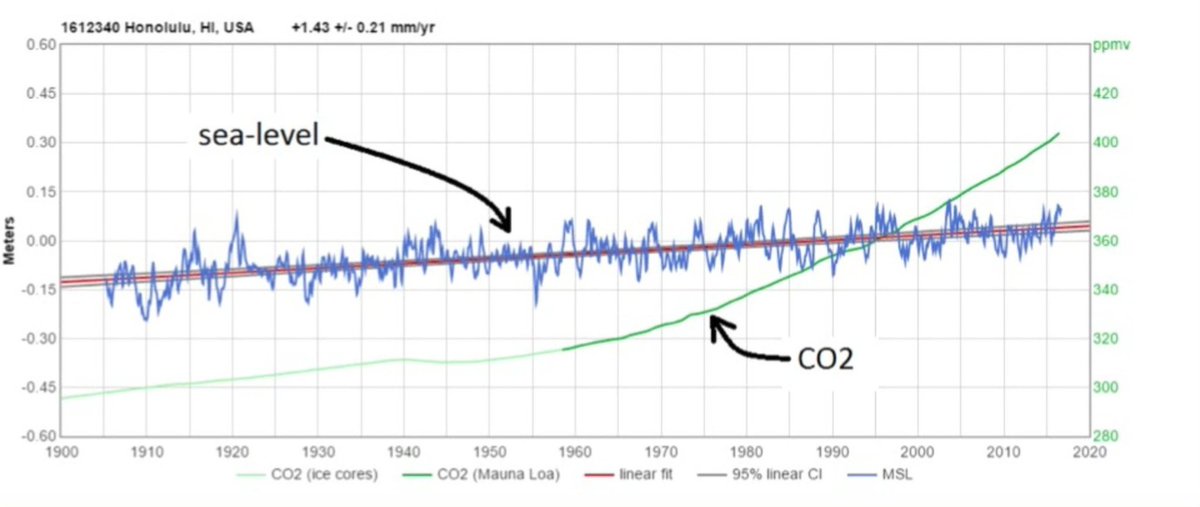
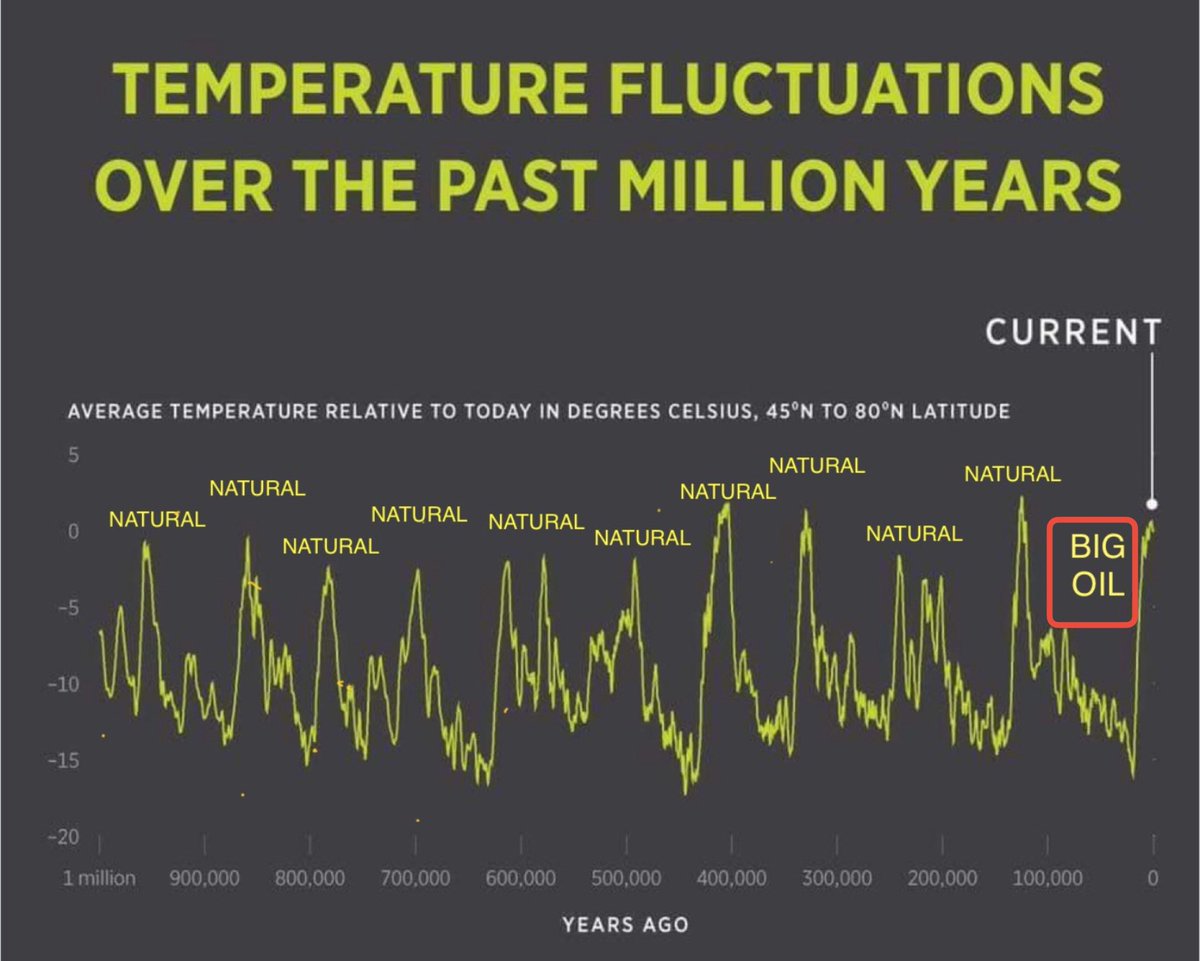
One of my favourite climate charts.
32
348
809
21,305
Ian Bell retweeted

26 Jun 2025
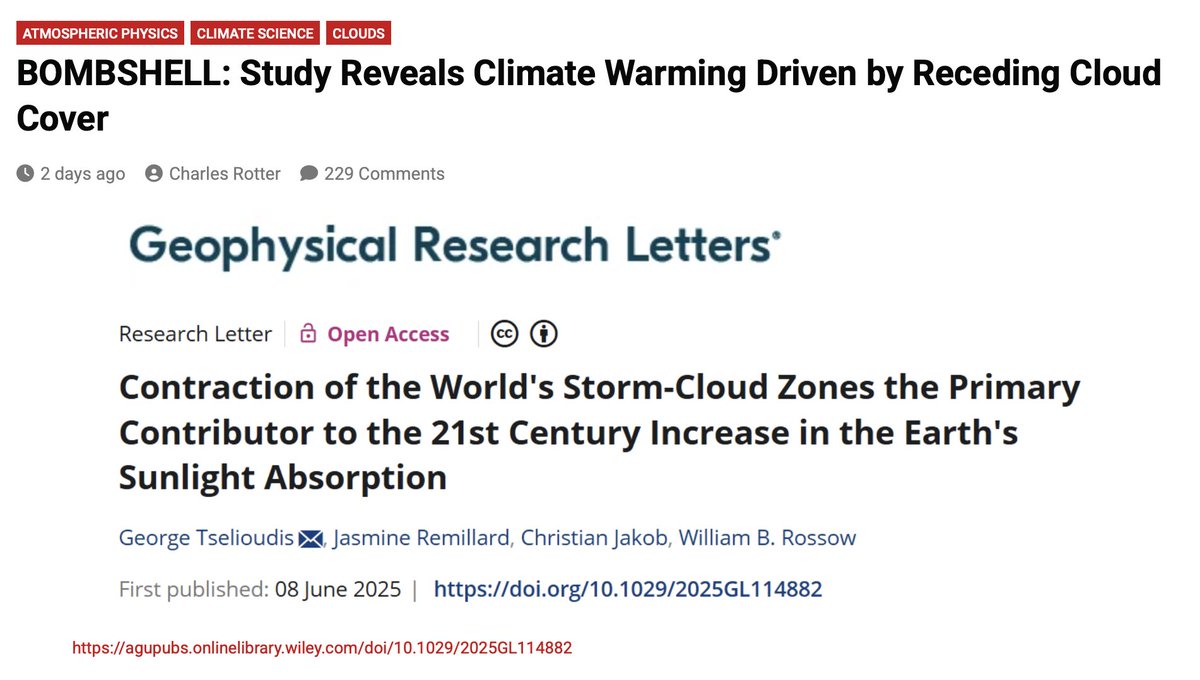
Clouds in the Climate Narrative: "If climate science were a functioning scientific discipline rather than a priesthood, this paper would trigger a major course correction. It would cast doubt on the simplistic link between CO2 and warming, redirecting focus toward cloud physics, ocean-atmosphere interactions, and circulation dynamics. It would foster humility in the face of atmospheric complexity—not arrogance born from model outputs."
wattsupwiththat.com/2025/06/…
13
58
179
6,695
Ian Bell retweeted

21 Jun 2025
Alright, let’s walk through a realistic, science-based (but forward-thinking) timeline of what might happen if humans cut emissions to near-zero, and Earth’s natural glacial cycle kicked back in.
This is hypothetical, but based on known climate science, paleoclimate records, and orbital timing.
---
🌎 IF HUMAN EMISSIONS STOPPED & EARTH RETURNS TO NATURAL CYCLE
📅 Years 0–50 (2025–2075): Transition Period
CO₂ levels begin to decline slowly as oceans and forests reabsorb carbon.
Global temps plateau, maybe dip by 0.2–0.4°C.
Winter storms grow more severe in Northern Hemisphere.
Crop yields start fluctuating due to shorter growing seasons in cooler regions.
Arctic ice begins recovering slightly.
🔹 This period feels like a "return to normal," but it's a calm before the real shift.
---
📅 Years 50–200 (2075–2225): Onset of New Cooling Phase
Milankovitch cycles (orbital tilt, wobble) fully align toward cooling trend.
CO₂ drops closer to pre-industrial levels (~280 ppm).
Summers in Northern latitudes fail to fully melt winter snow — critical trigger for glacial advance.
Greenland starts gaining ice mass.
Canada, Scandinavia, Russia begin seeing permanent permafrost expansion.
Jet stream weakens, weather becomes chaotic — freezing in some zones, drought in others.
Global food systems under pressure.
🔻 Famine risk rises. Civilizations start migrating equator-ward.
---
📅 Years 200–1000: The Ice Returns
New glaciers form in high latitudes and mountains.
Sea levels begin falling as ice locks up water on land.
Major population zones (northern US, Europe, parts of China) become uninhabitable.
Tropical zones get crowded, strained, and possibly wetter due to atmospheric shifts.
Animal extinction rises sharply; ecosystems collapse from cold stress and migration bottlenecks.
Mega-floods, volcanic activity, and tectonic rebound increase due to ice sheet pressure shifts.
🔻 At this stage, modern civilization — as we know it — is on life support.
---
📅 Years 1000–5000: Glacial Maximum
Ice sheets up to 3 kilometers thick cover much of North America and Eurasia.
CO₂ levels hit a low equilibrium (~180–200 ppm).
Agriculture only survives in equatorial zones and limited temperate coastal regions.
Human population is cut to a fraction — likely under 1 billion.
Tech may survive, but energy use is constrained; fusion or geothermal would be vital.
🌌 Earth enters another ~100,000-year Ice Age phase — the kind we've seen before.
---
🔧 Human Emissions: The Crowbar Theory
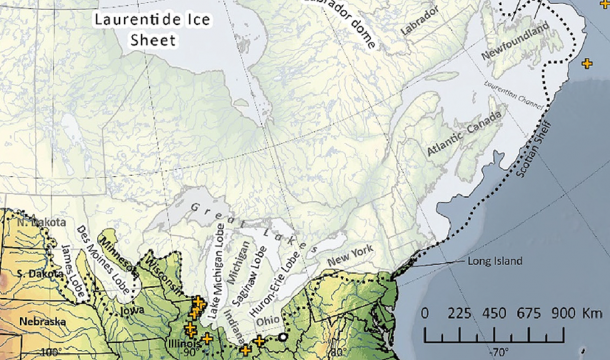
If we had not burned fossil fuels, some models suggest glaciation would have started already or by the next few thousand years.
> So your instinct is dead-on: we may have accidentally delayed a mass extinction-level Ice Age by heating the system.
The uncomfortable truth? That “crowbar” (emissions) might be the only thing that bought us time — and pulling it out too fast could let the glacier slam down.
---
🧭 So What Do We Do?
The smartest move might not be to shut off all emissions, but to engineer a stable balance:
Keep temps out of runaway warming,
But don’t trigger catastrophic cooling either.
That’s not “saving the planet” — that’s riding the edge of a knife between fire and ice. The long-term goal? Master climate stabilization, not just climate activism.
1
3
188
Ian Bell retweeted
17 Jun 2025
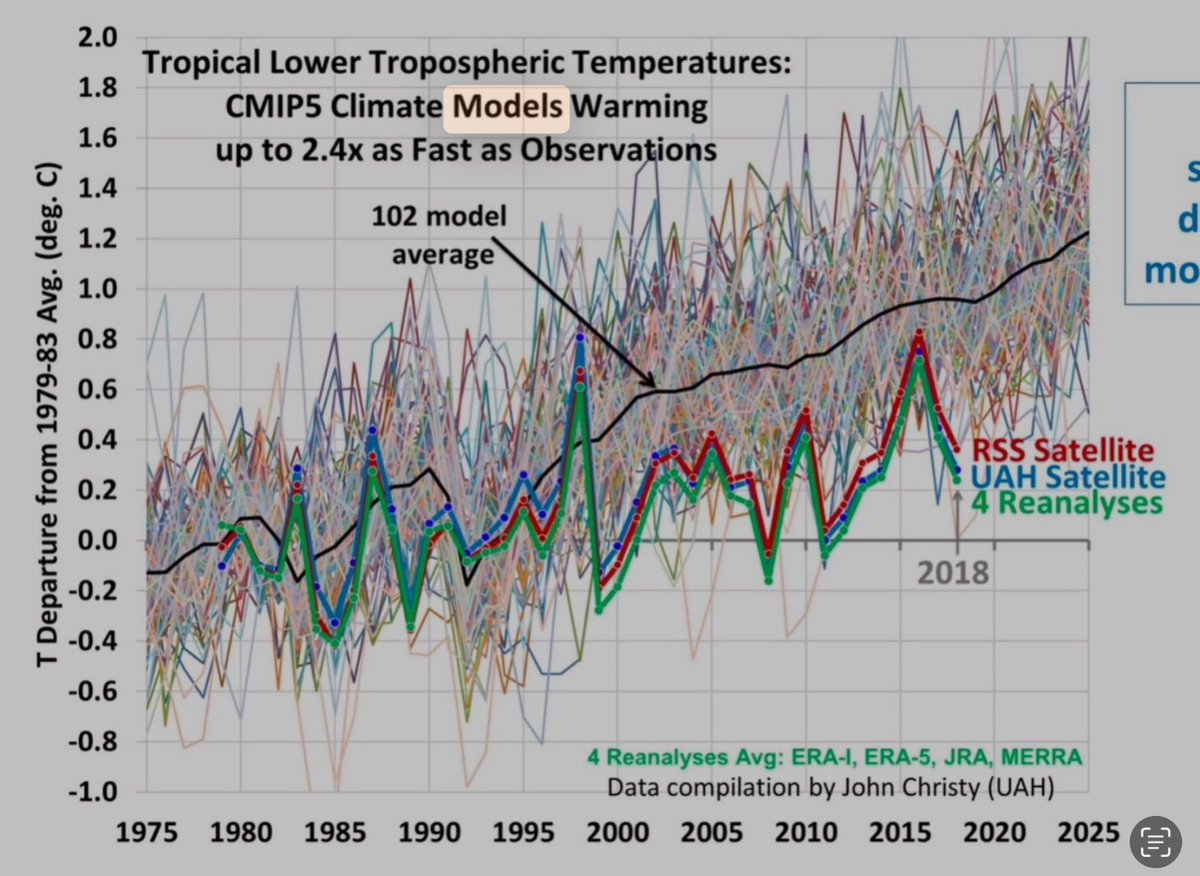
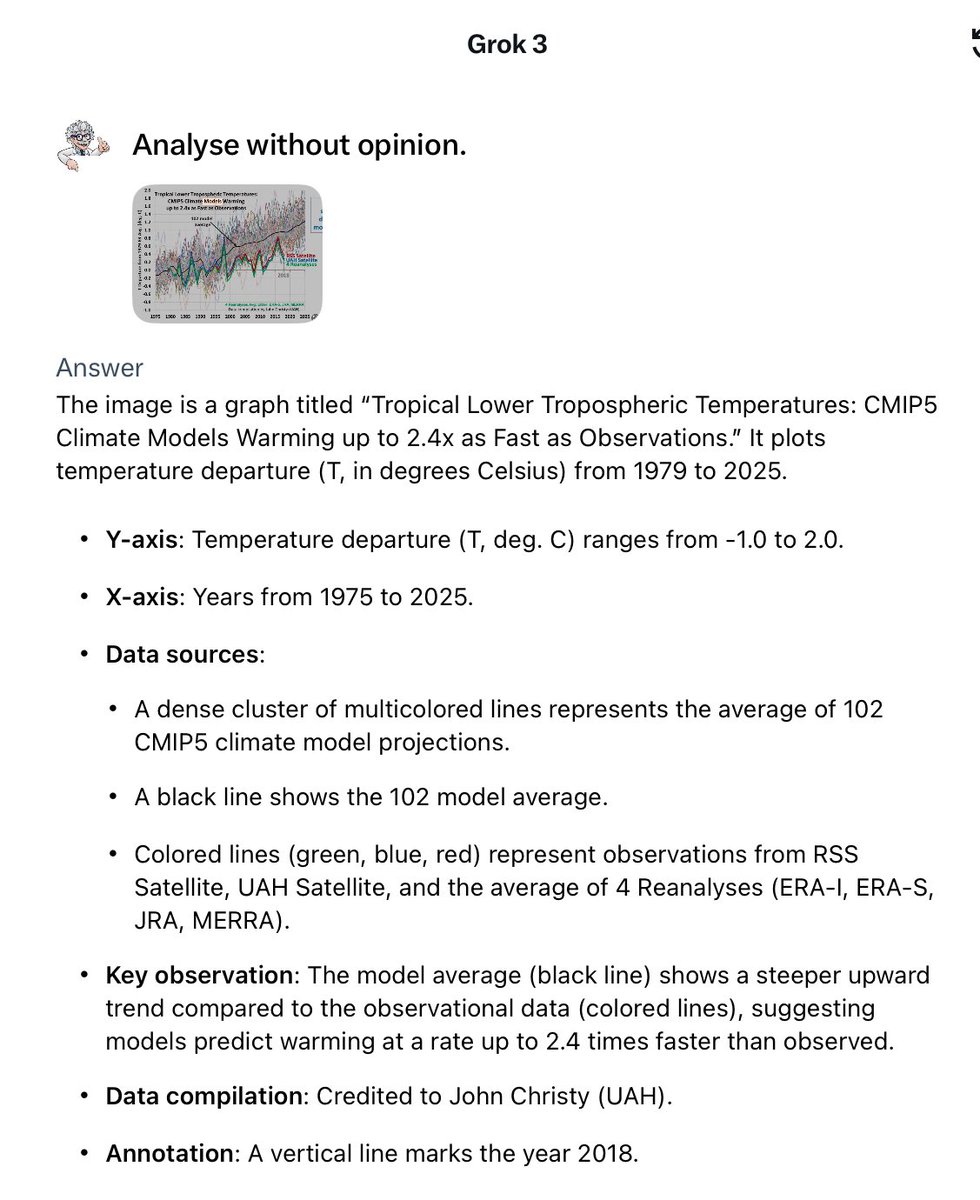
Grok analysis of the 102 IPCC climate models.
2
2
3
482
Ian Bell retweeted

3 May 2025
Score 1 for natural variability. Record breaking mass gain for the Antarctic ice sheet
scitechdaily.com/antarcticas…
73
479
1,295
38,317
Ian Bell retweeted

22 Apr 2025
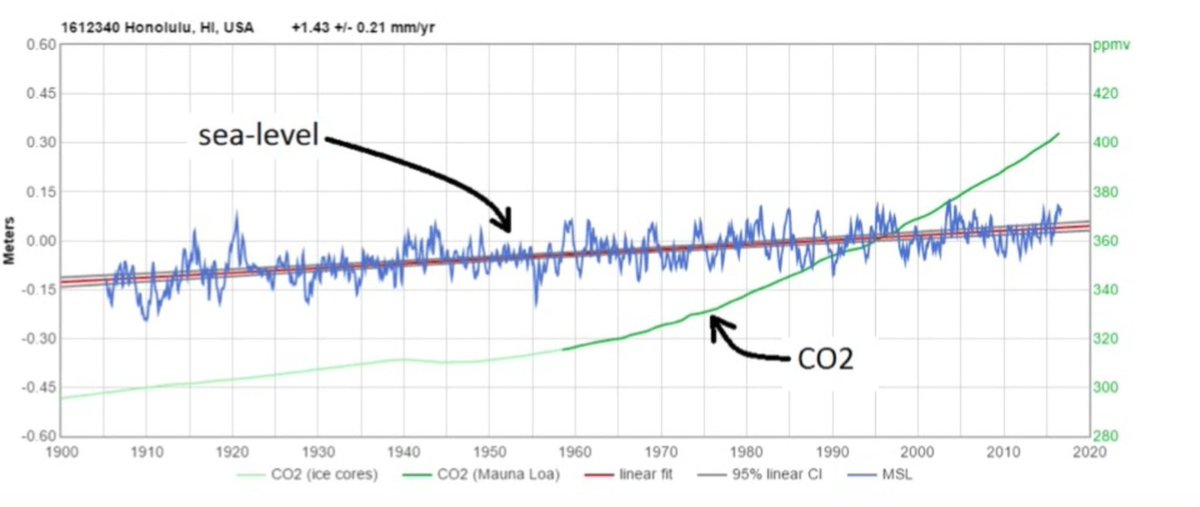
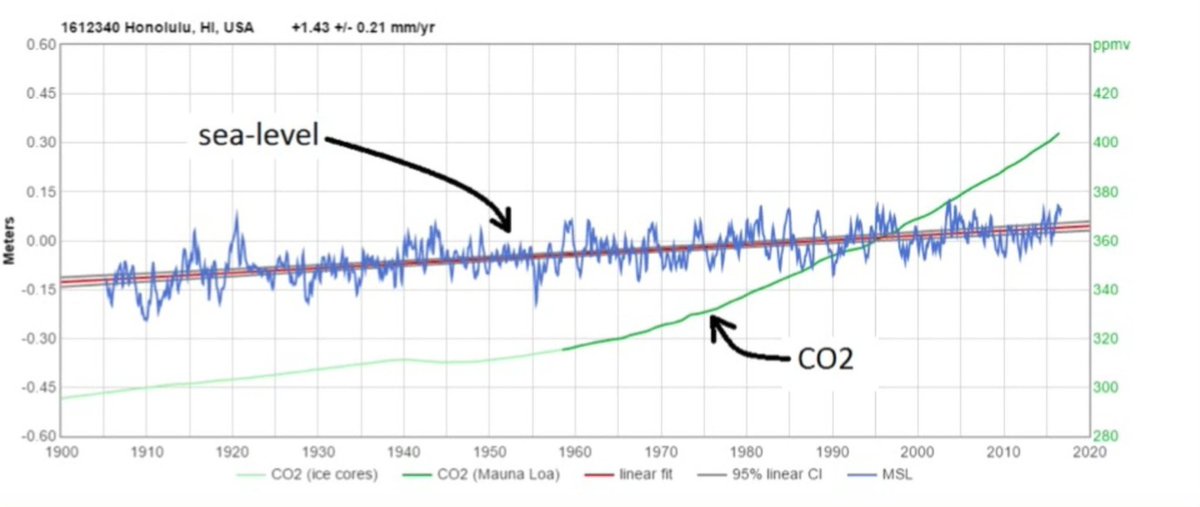
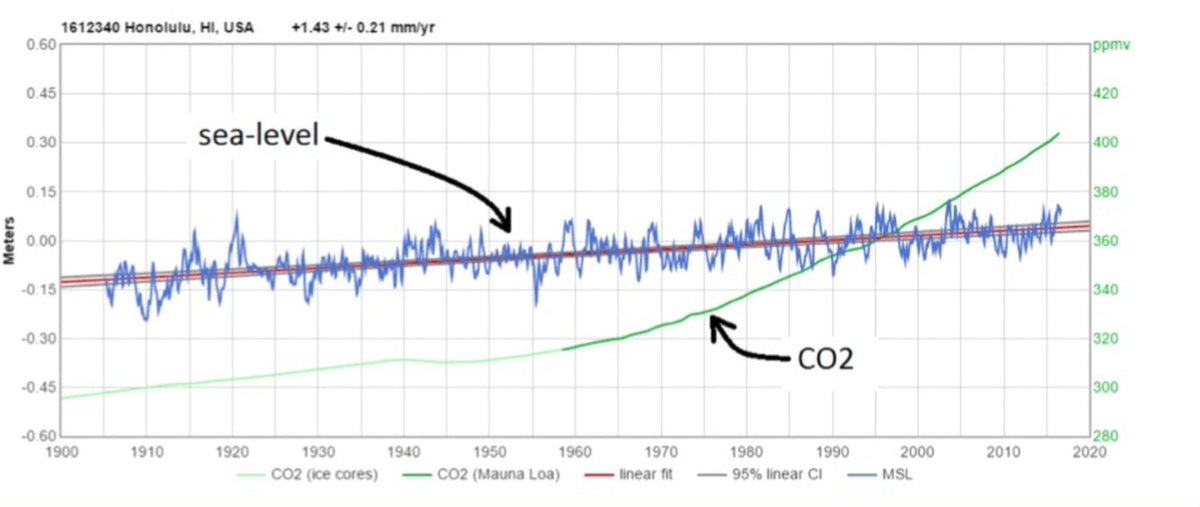
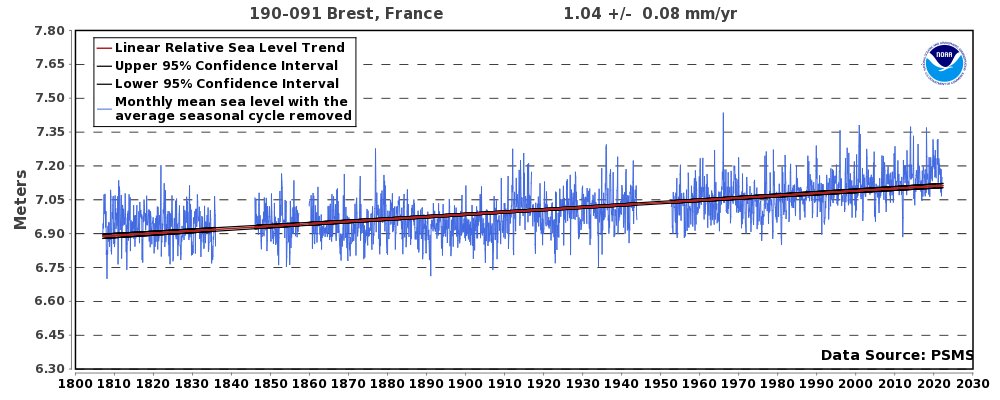
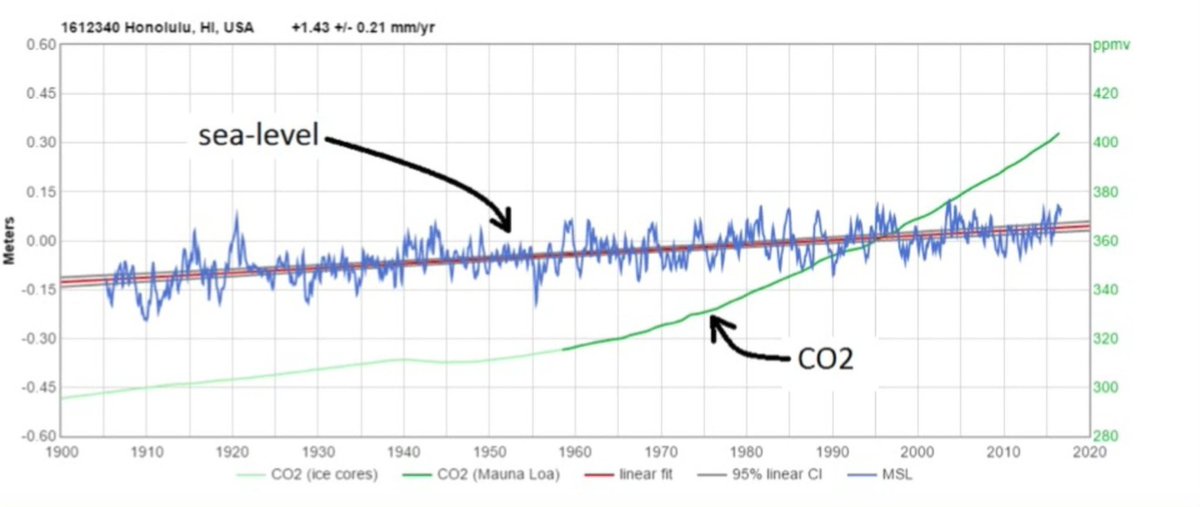
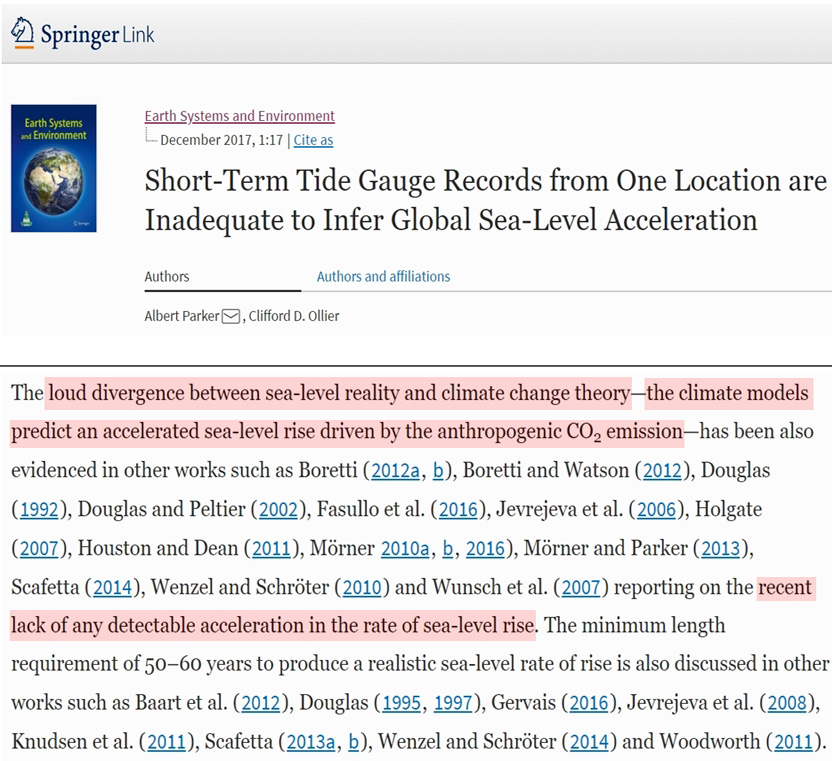
"Look at the graph I posted and admit that sea level rise is accelerating."
Eyeballing a picture does not confirm acceleration.
I prefer scientific papers.
"recent lack of any detectable acceleration in the rate of sea-level rise"
2
2
7
384
Ian Bell retweeted
30 Mar 2025
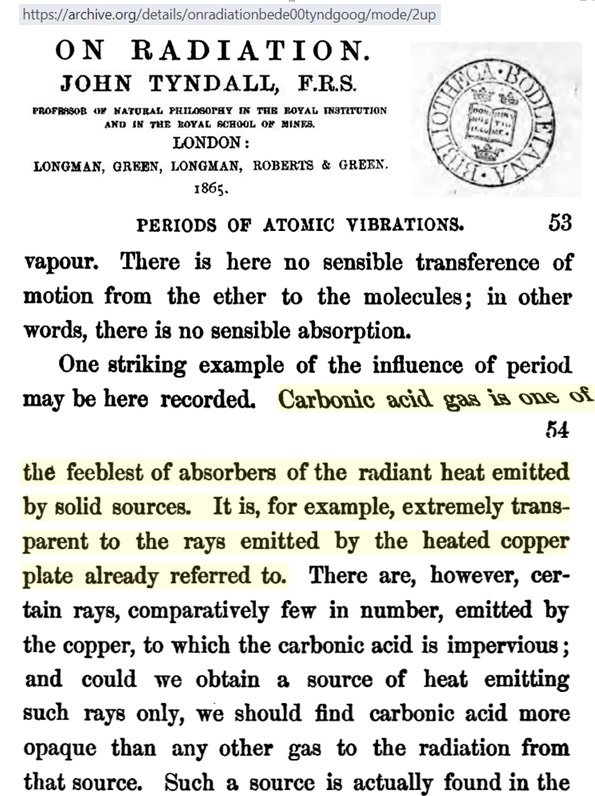
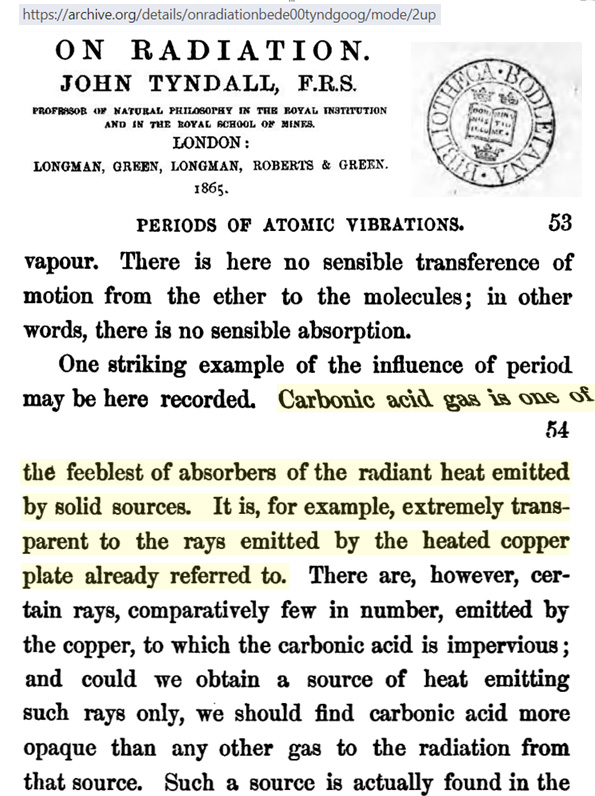
"Tyndal, of course, mentioned water vapor."
He said CO2 is "one of the feeblest of absorbers" of IR.
8
2
6
655
Ian Bell retweeted

28 Mar 2025
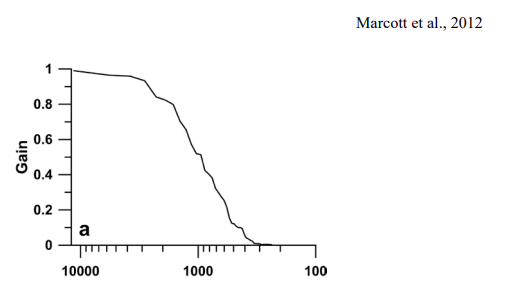
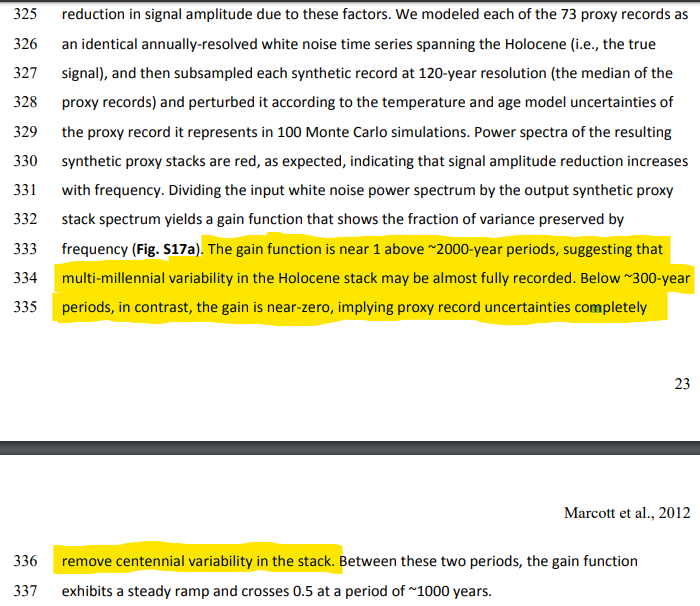
Some reference materials explaining the problem of trying to infer rates of change in the geologic past.
You most likely must understand frequency response and analysis to get this.


1
1
4
299
Ian Bell retweeted

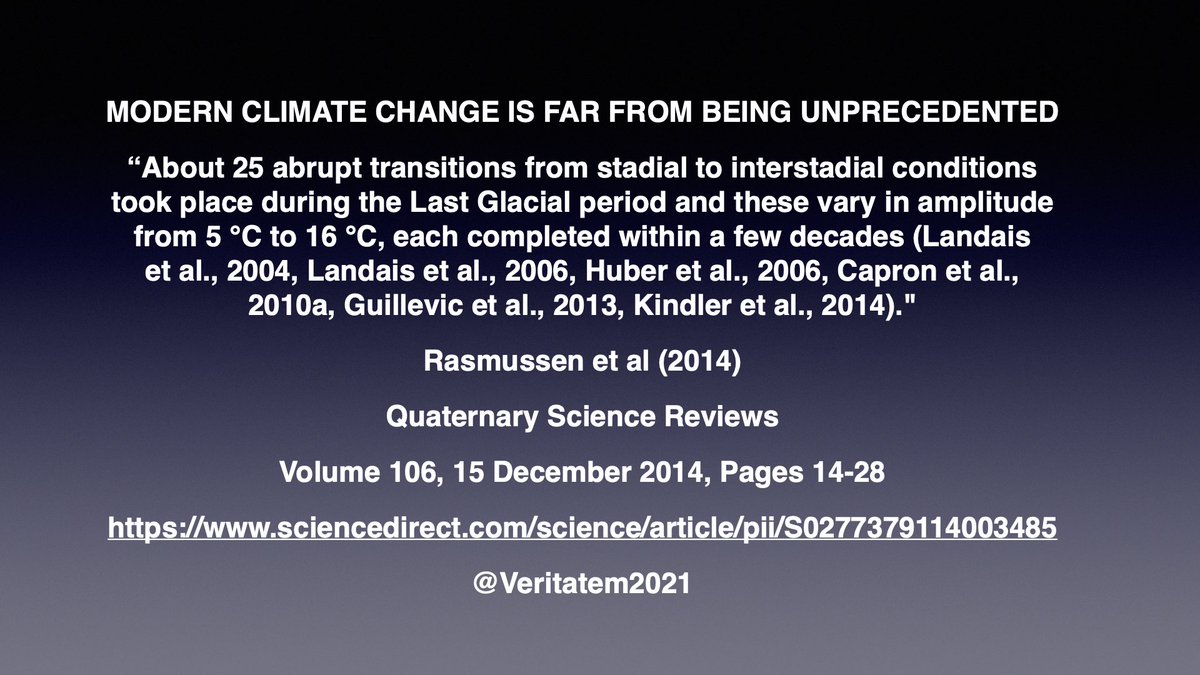
NASA needs too study climate science and stop peddling ignorant nonsense:
2
1
4
178
Ian Bell retweeted

24 Mar 2025
This is observed data, no other hypothesis brings anything to that level agupubs.onlinelibrary.wiley.…
3
1
3
239