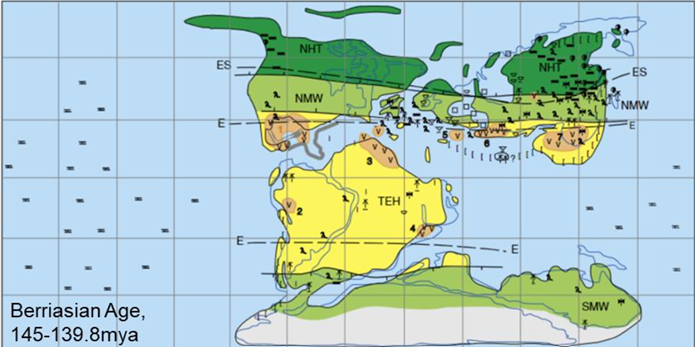
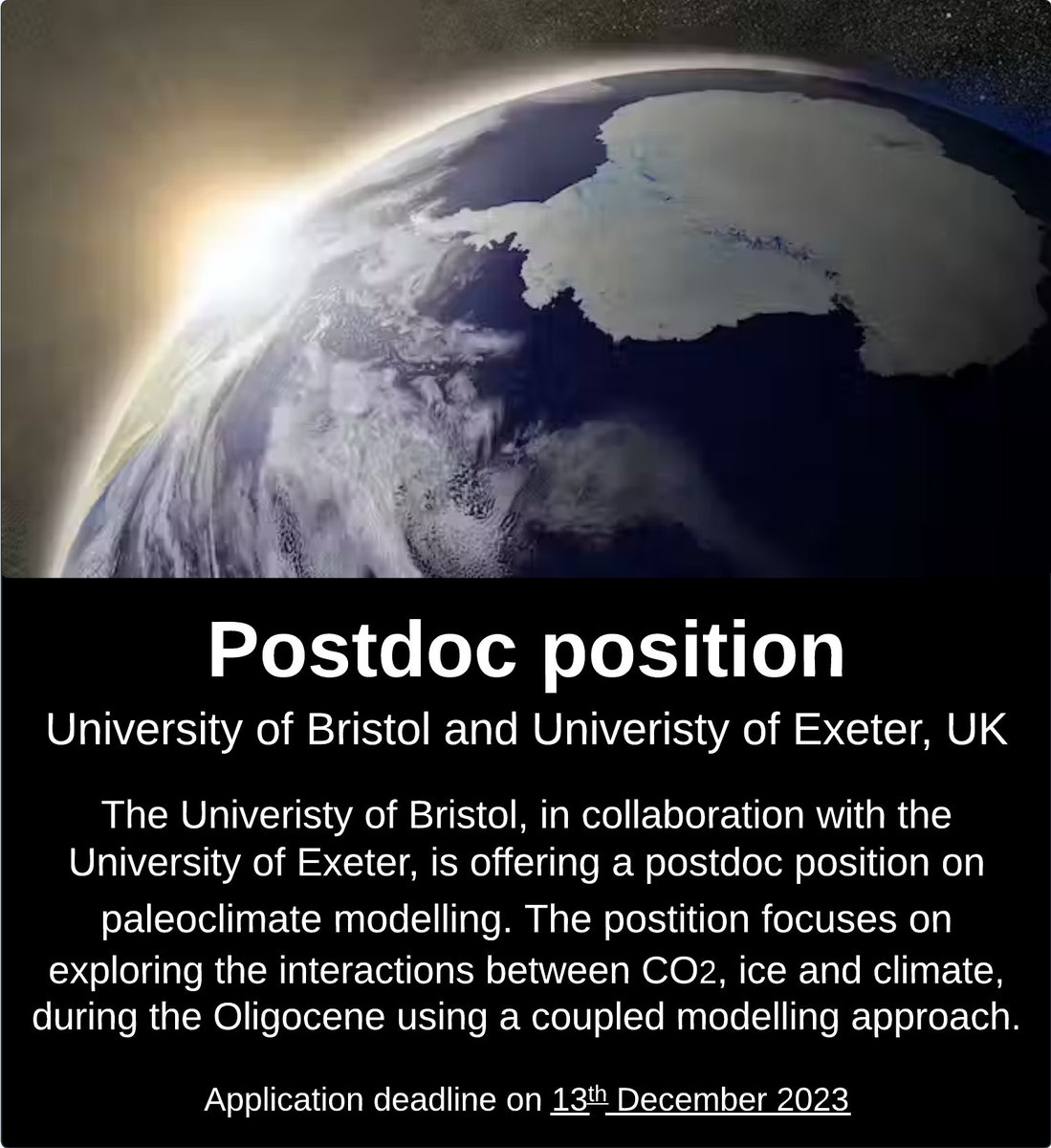
We are really pleased to announce a super-exciting opportunity for a 2-year postdoc to work understanding changes in latitudinal temperature gradient in Earth’s past history. More info and apply here: jobs.ac.uk/job/DLB419/senior…
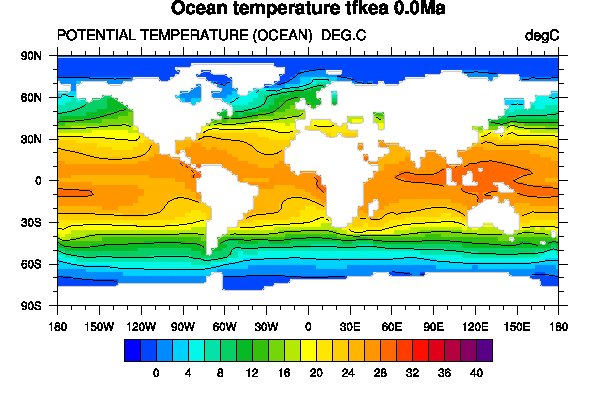
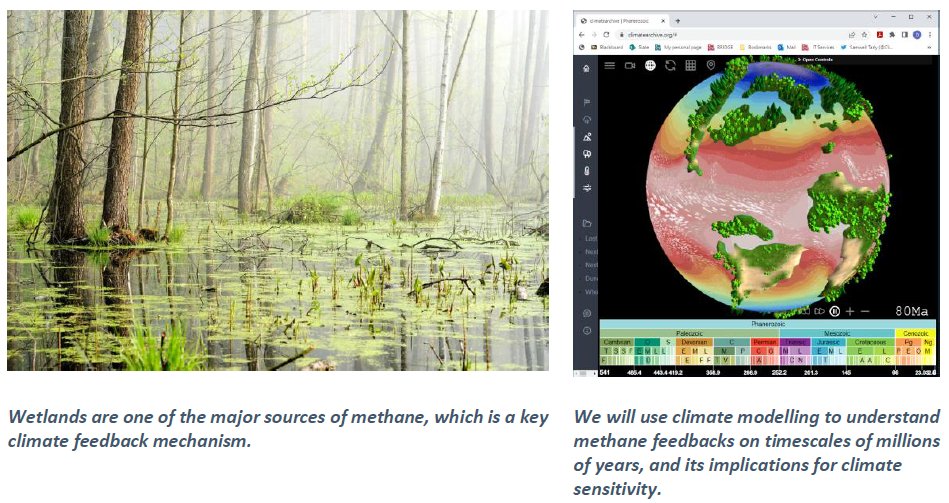
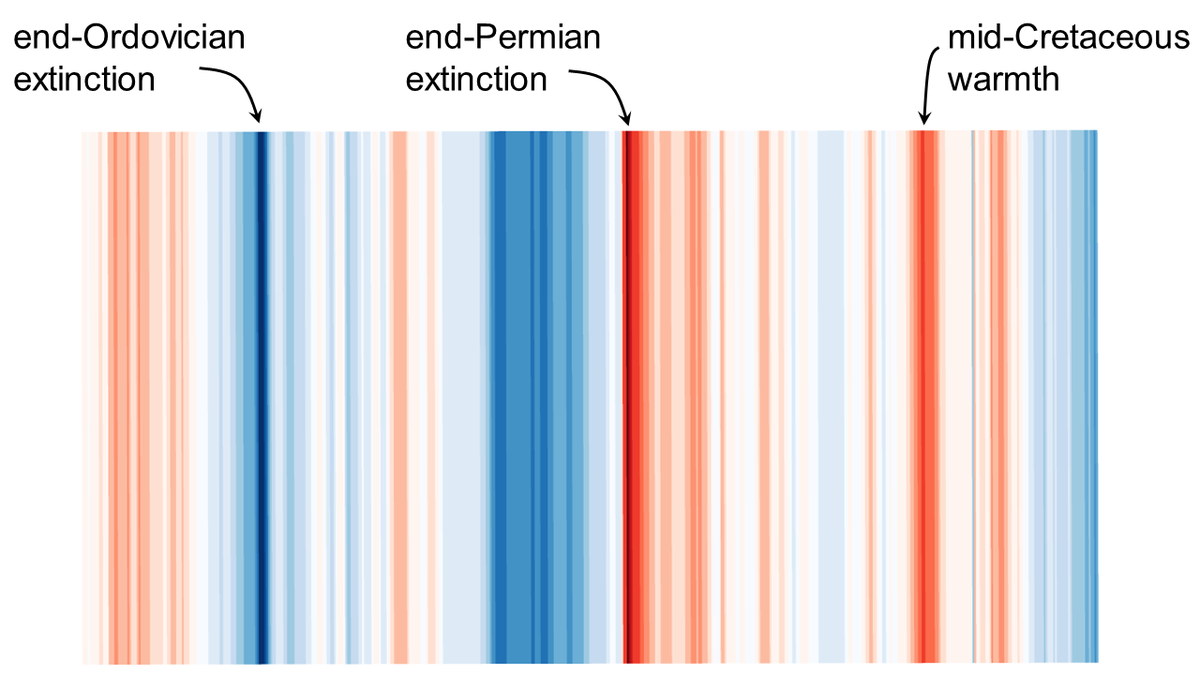
ALT Sea surface temperatures through the last 500 million years, simulated by a climate model.
Nature Geoscience piece: "Ocean drilling makes for more robust climate modelling of the future" nature.com/articles/s41561-0… . Data from IODP and other sources is essential for evaluating climate models under extreme conditions. Jiang Zhu @NCAR_Science , RIchard Wood @metoffice .
📢📢PhD position available!! 📢📢
"A unified approach to multiple timescale climate, sea-level, and coastal change projections in the UK"
For more info, and how to apply, see here:
noc.ac.uk/gsnocs/project/uni…
🌟Excited to share that my paper has been published in Climate of the Past! 📝We unveiled global dust emissions over the entire Phanerozoic (the last 540 million years) and determined that palaeogeography is the main driver of the variations. cp.copernicus.org/articles/2…
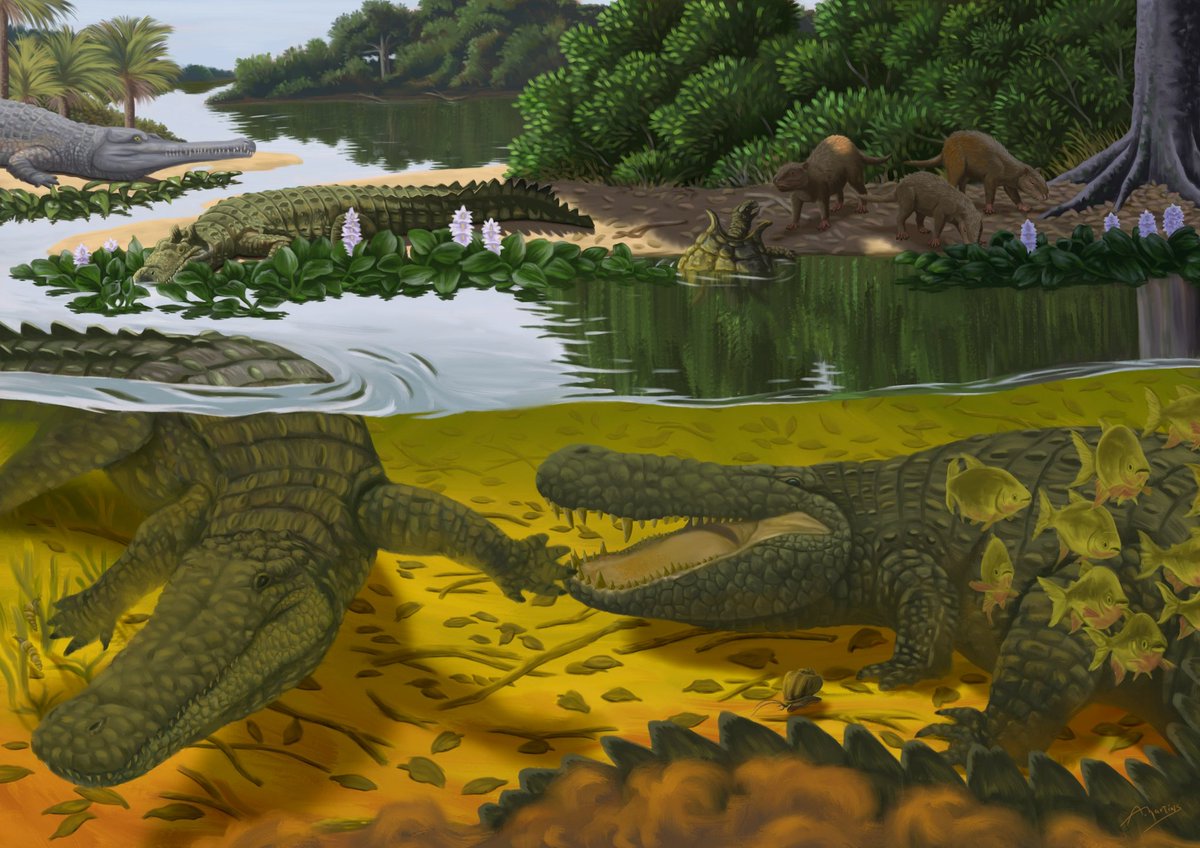
Ever wondered how giant Miocene crocodylians (e.g. Purussaurus and Mourasuchus) attained such large sizes? In this new paper led by PhD student @paiva_als, we show that climate of the Western Amazonian region played a key role!
sciencedirect.com/science/ar…
Follow the thread 🧵 👇
ALT Reconstruction of the wetland environment of the Miocene western Amazonian region. The incredible crocodylian diversity is represented, including Mourasuchus and Purussaurus in the front (submerged), as well as Acresuchus and Gryposuchus in the background (basking). The scene also includes a Stupendemys getting out of the water and some Neopiblema on the ground. This AMAZING paleoart was done by André Martins!
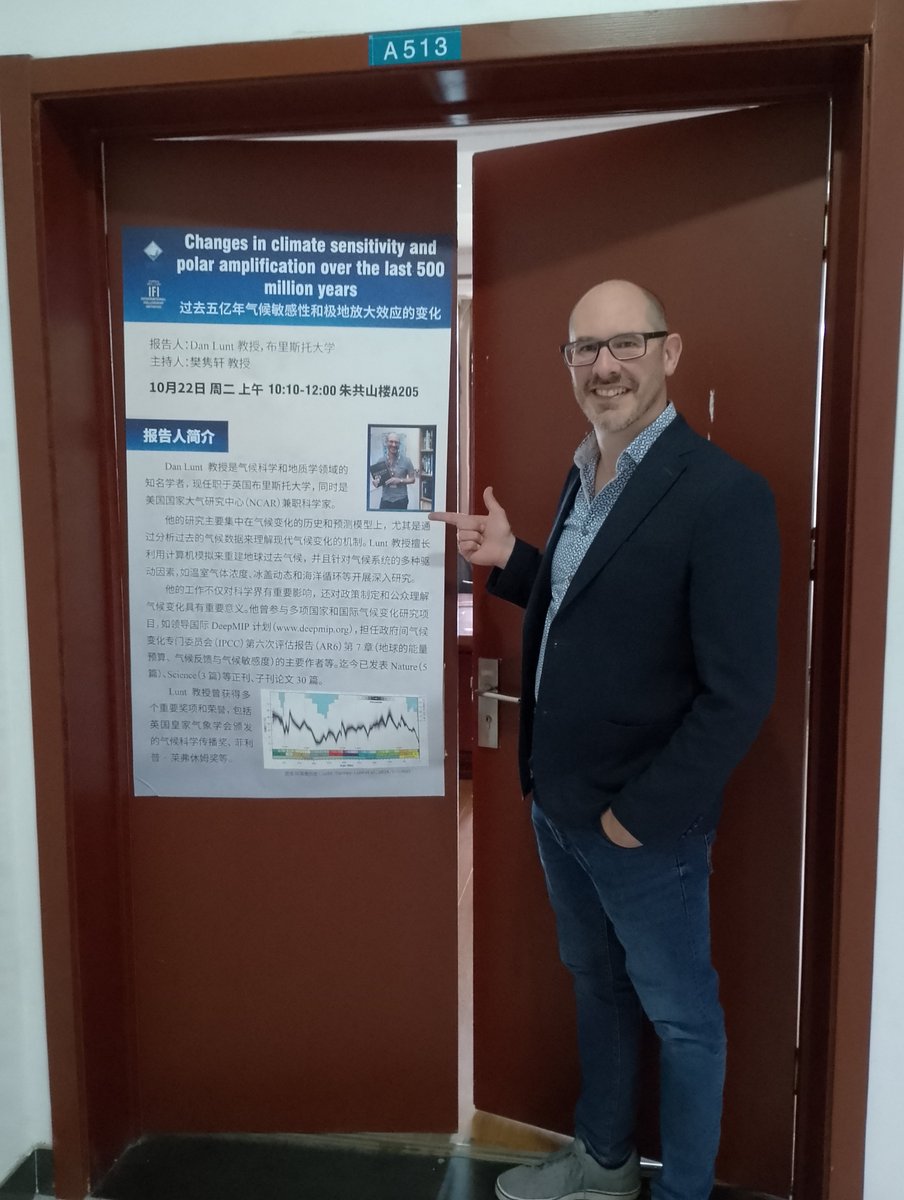
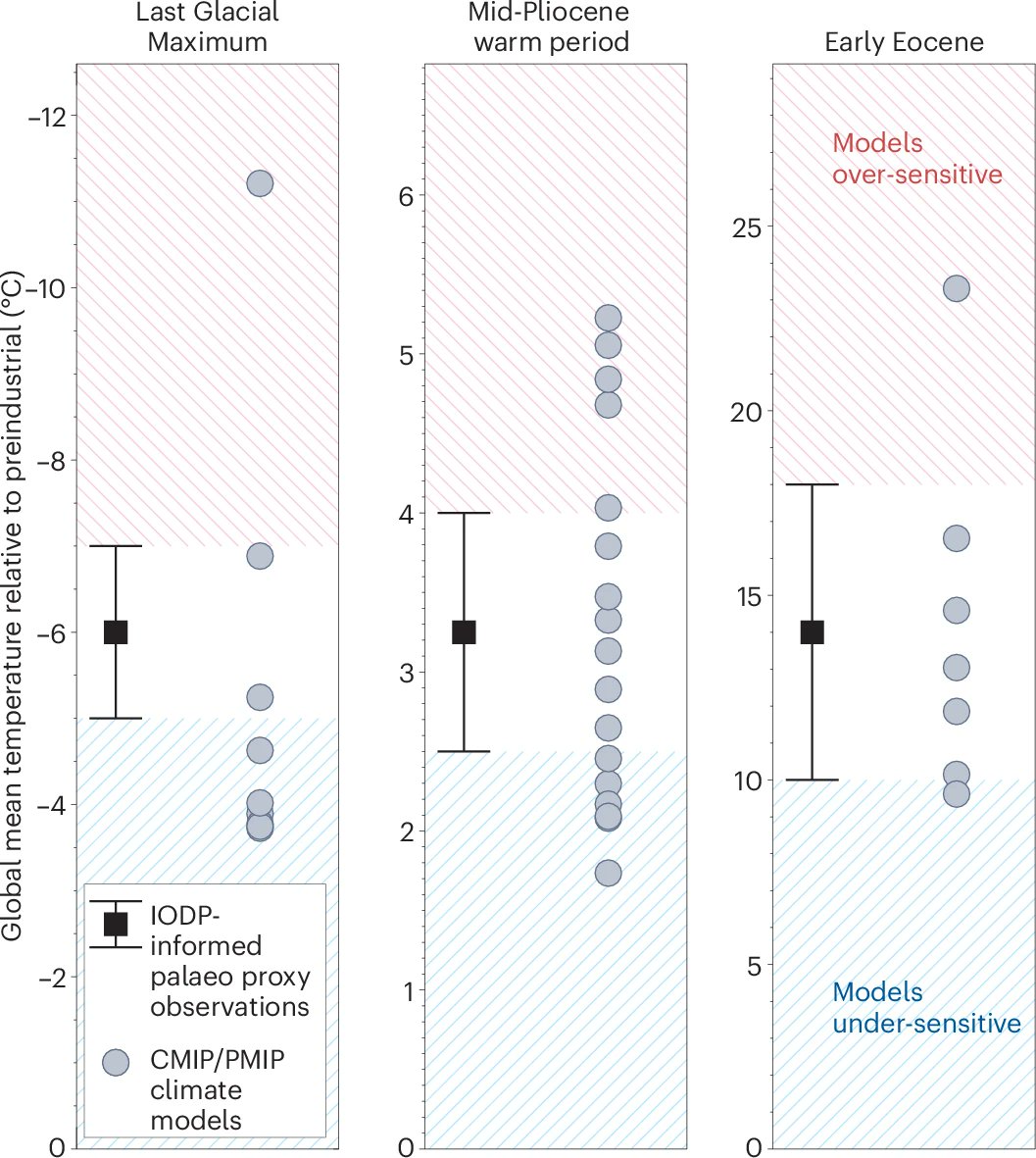
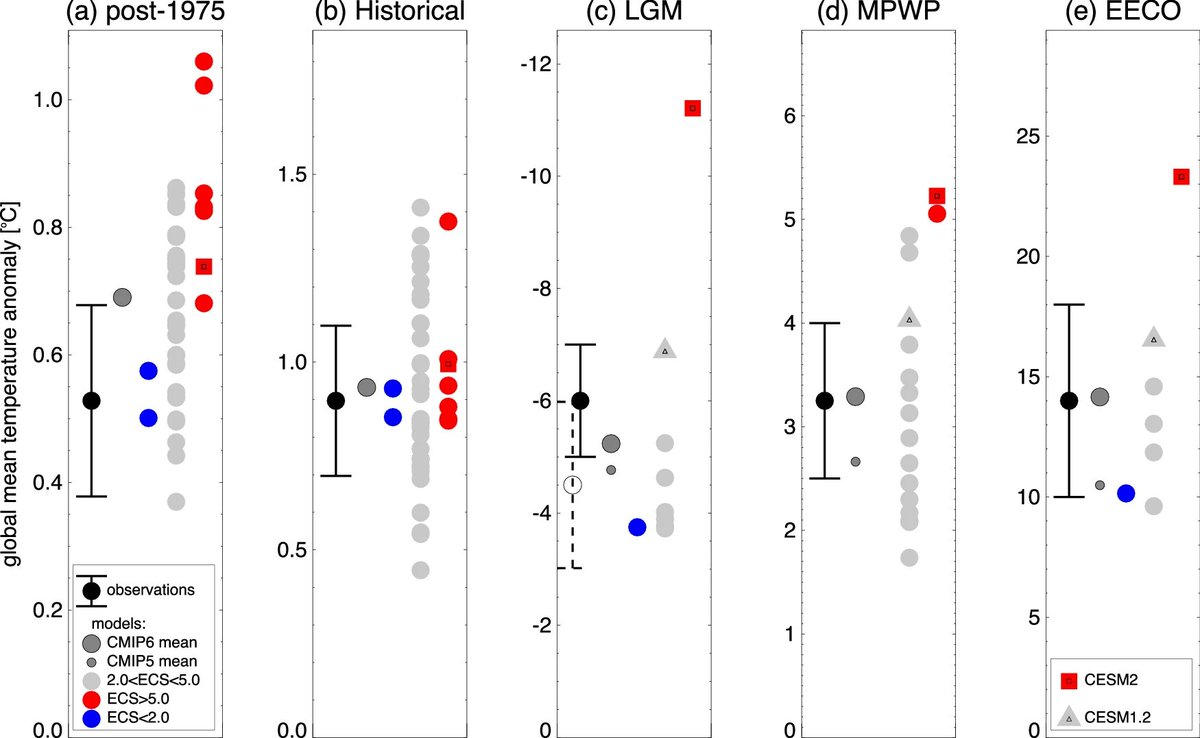
New paper led by Dan Lunt (@ClimateSamwell) in @CommsEarth that highlights the benefits of using the paleoclimate record in the model development and evaluation cycle, in particular for screening models with too-high or too-low climate sensitivity.(tinyurl.com/yz798rbh)
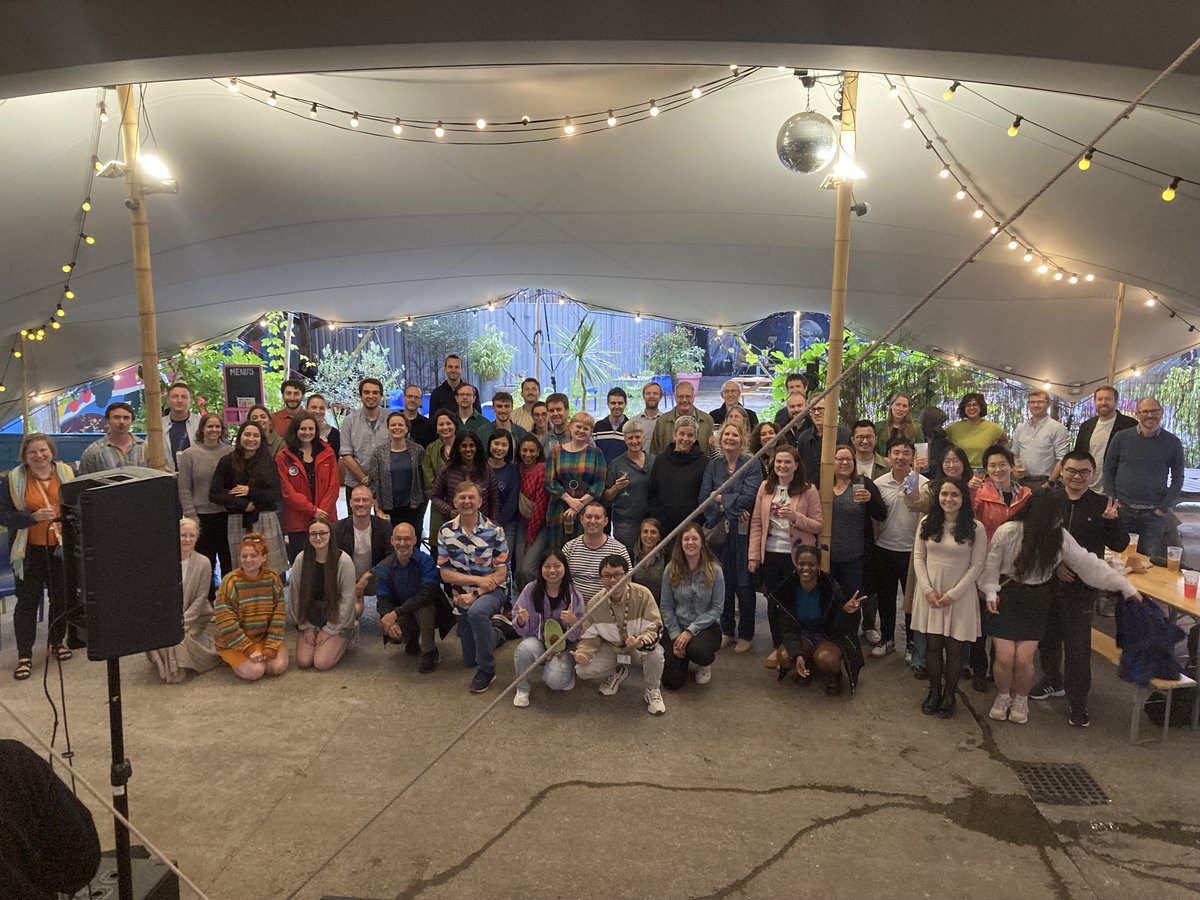
20yrs ago Valdes moved to Bristol and our climate/biochemistry group (BRIDGE) was born. We celebrated our anniversary by bringing back many of our alumni. I love co-leading the group with @OceanFMonteiro - life is a lot of fun when you have such friendly and exciting colleagues❤️
Really pleased for Freya Bennett, who just won an award from the @RGS_IBG for her undergraduate dissertation at @GeogBristol, on ENSO variability in deep time - congratulations to her!! She found some super-interesting changes in ENSO strength as a function of paleogeography.
🥳We are delighted to announce the winners of our 2023 dissertation prize as🥳:
1st place: 𝐅𝐫𝐞𝐲𝐚 𝐁𝐞𝐧𝐧𝐞𝐭𝐭 of @GeogBristol
2nd place: 𝐆𝐫𝐚𝐜𝐞 𝐝𝐞 𝐒𝐨𝐮𝐳𝐚 of @oxfordgeography
Congratulations to Freya and Grace!
Read more below 👇
New paper out! doi.org/10.1144/SP549-2023-1…
Everything you need to know about the impacts Tibetan tectonic evolution had on monsoons, climate, and biodiversity. Long story short, it's complex!
Led by Bob Spicer, with me, @Climate_AlexF, @rpancost, @ClimateSamwell, and many others!
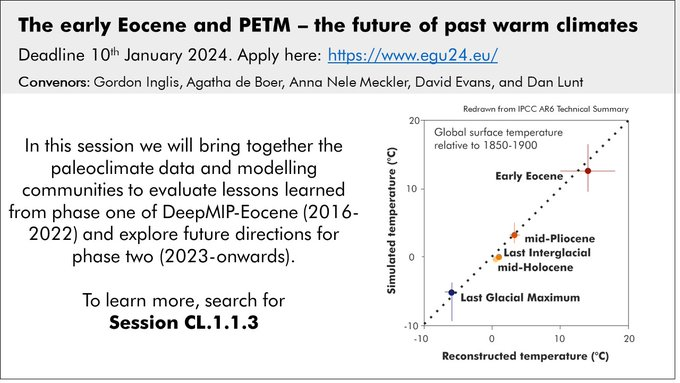
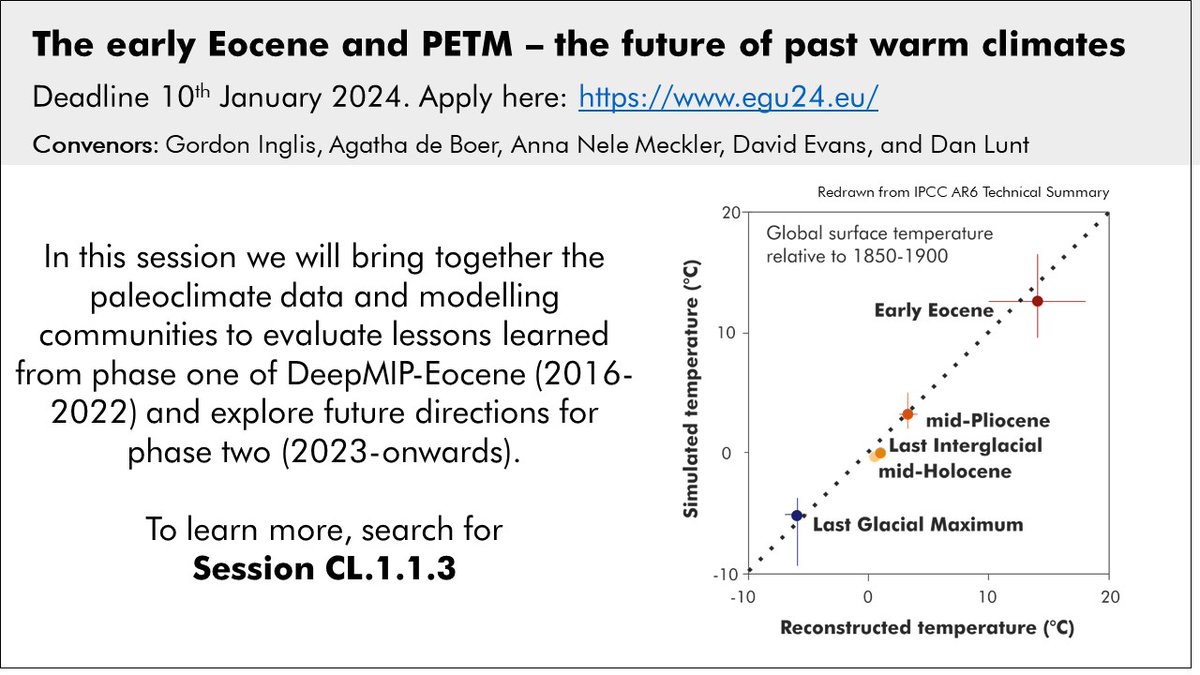
*DEADLINE 10th JAN* Attending EGU? Interested in past warm climates? Want to explore future directions for the next phase of DeepMIP? Then consider submitting to our EGU session on PETM and Eocene climate! More info here: tinyurl.com/deepmipeocene
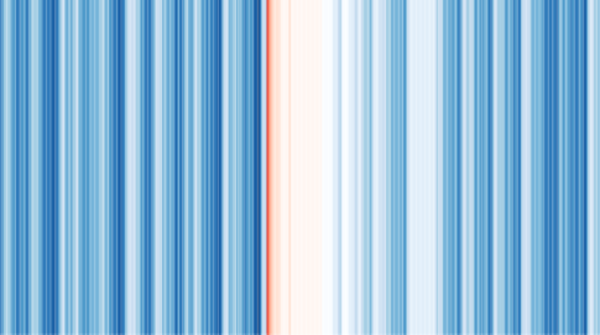
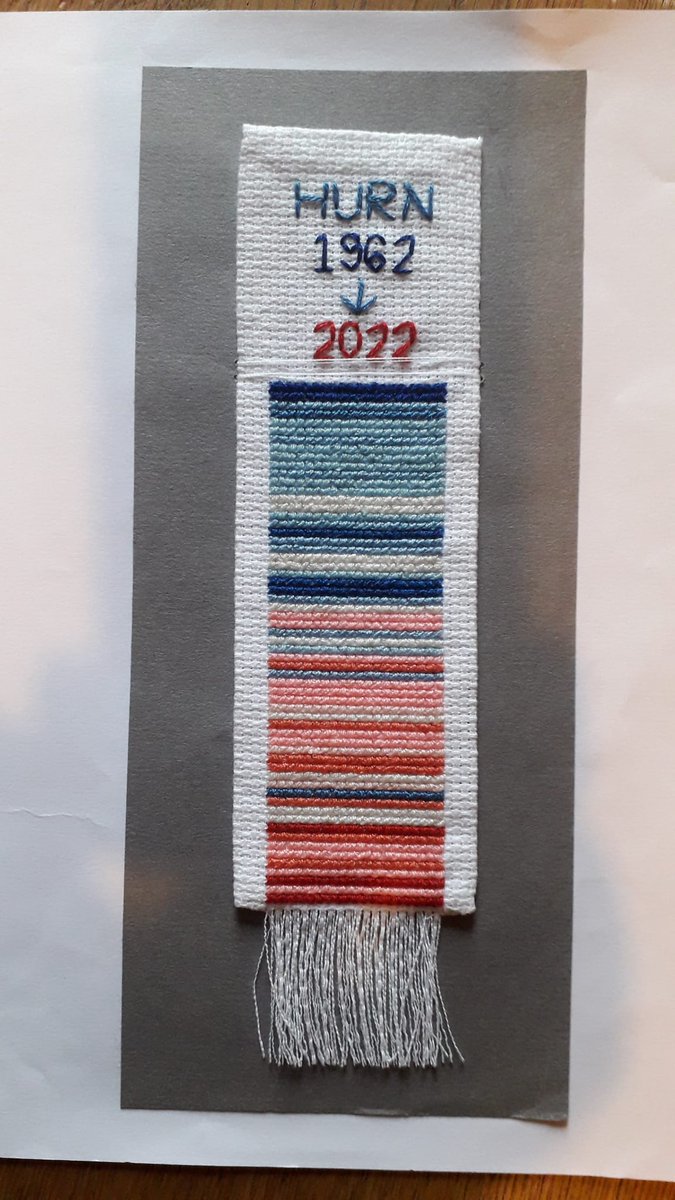
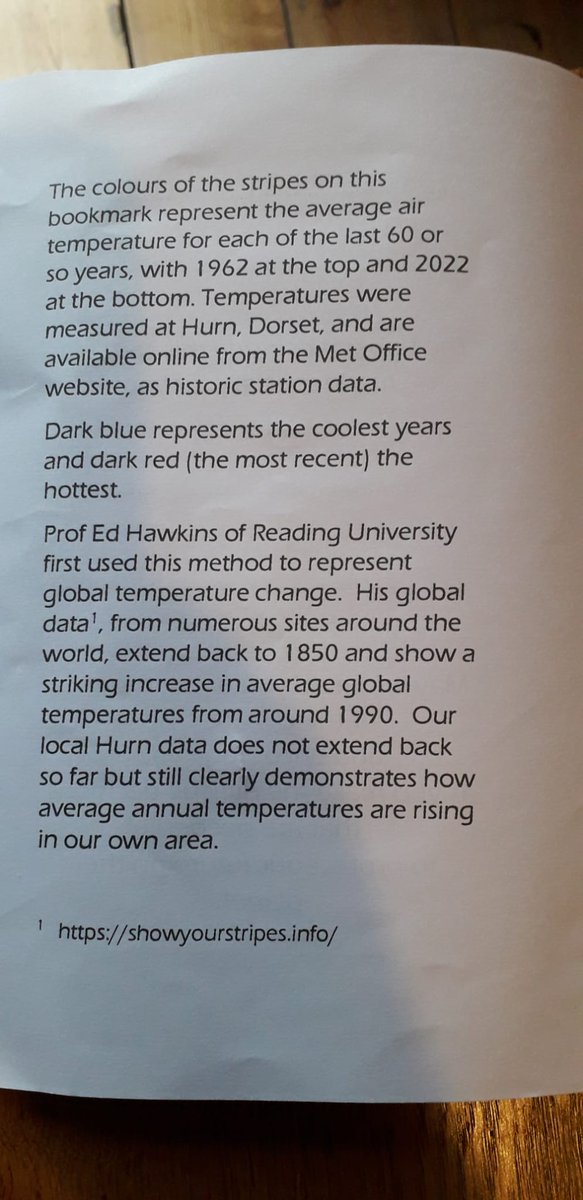
This beautiful hand-sewn bookmark tells a serious message - temperatures are increasing (in this case, in Dorset, UK). It was made as a reminder of the urgency of the climate crisis, by my mum! One of the "makers and shakers" of Wimborne. #ShowYourStripes
Attending EGU next year? Interested in the Eocene and PETM? Want to explore future directions for the next phase of DeepMIP-Eocene? Then consider submitting to our EGU session! Deadline 10th Jan. More info here: tinyurl.com/deepmipeocene
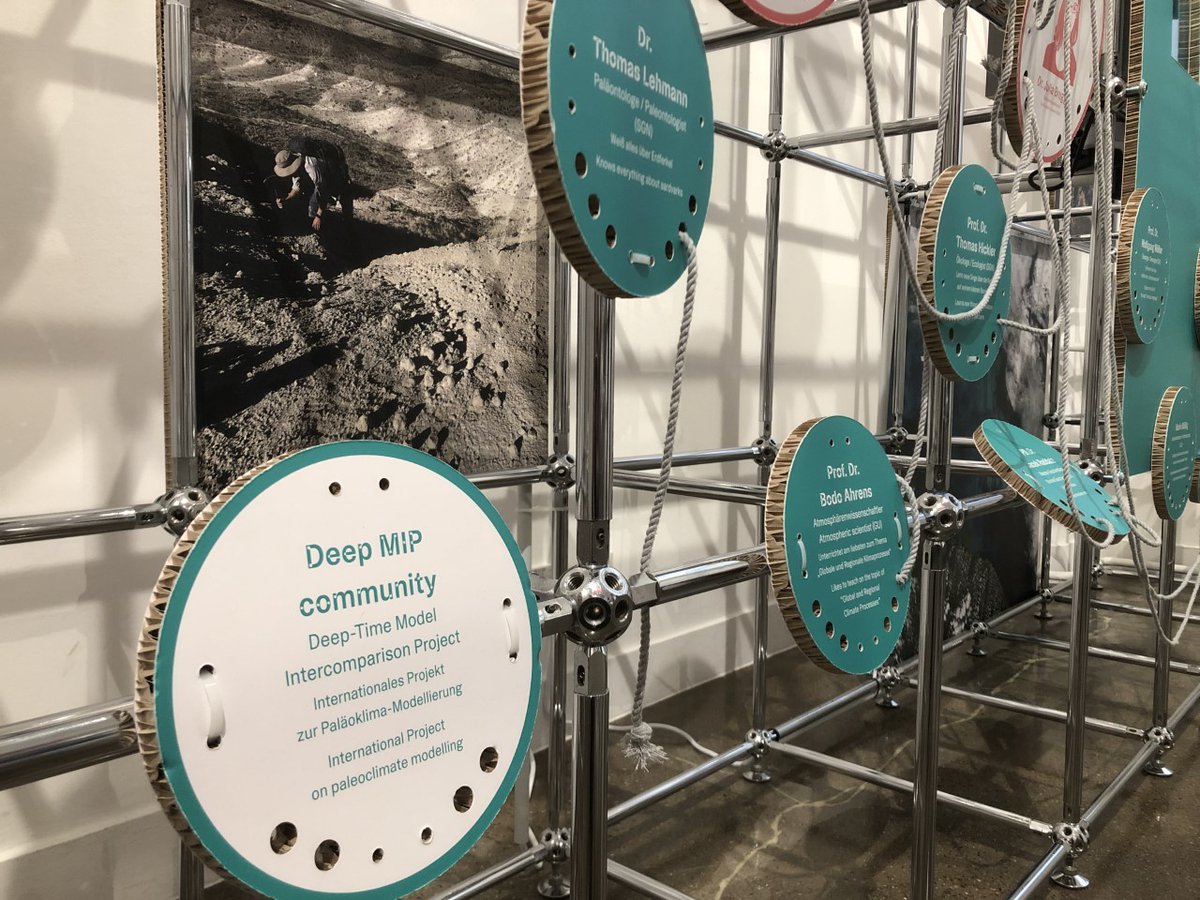
ALT The early Eocene and Paleocene-Eocene Thermal Maximum (PETM) provide insights into how the Earth system operates under elevated atmospheric CO2 concentrations. They also help to benchmark climate model simulations used to predict future climate and have contributed increasingly to successive IPCC reports. These time intervals have been the focus of the Deep-time Model Intercomparison Project (DeepMIP-Eocene; https://www.deepmip.org/), a large, international effort aimed at improving our understanding of these climate intervals. In this session we will bring together the paleoclimate data and modelling communities to evaluate lessons learned from phase one of DeepMIP-Eocene (2016-2022) and explore future directions for phase two (2023-onwards). We encourage submissions that focus on reconstructing, simulating, and understanding climate, biogeochemistry, and the environment of the early Eocene, late Paleocene, and PETM. We also welcome submissions from other Eocene hyperthermal