
What's right thing to do? Been with IBM, Greenpeace, ASH, Cabinet Office, Environment Agency, UN in Sudan, Welsh Government, DECC and now my own Counterfactual.
Joined February 2011
- Tweets 25,061
- Following 1,406
- Followers 13,693
- Likes 6,719
1,607 Photos and videos


Pinned Tweet

18 Oct 2021
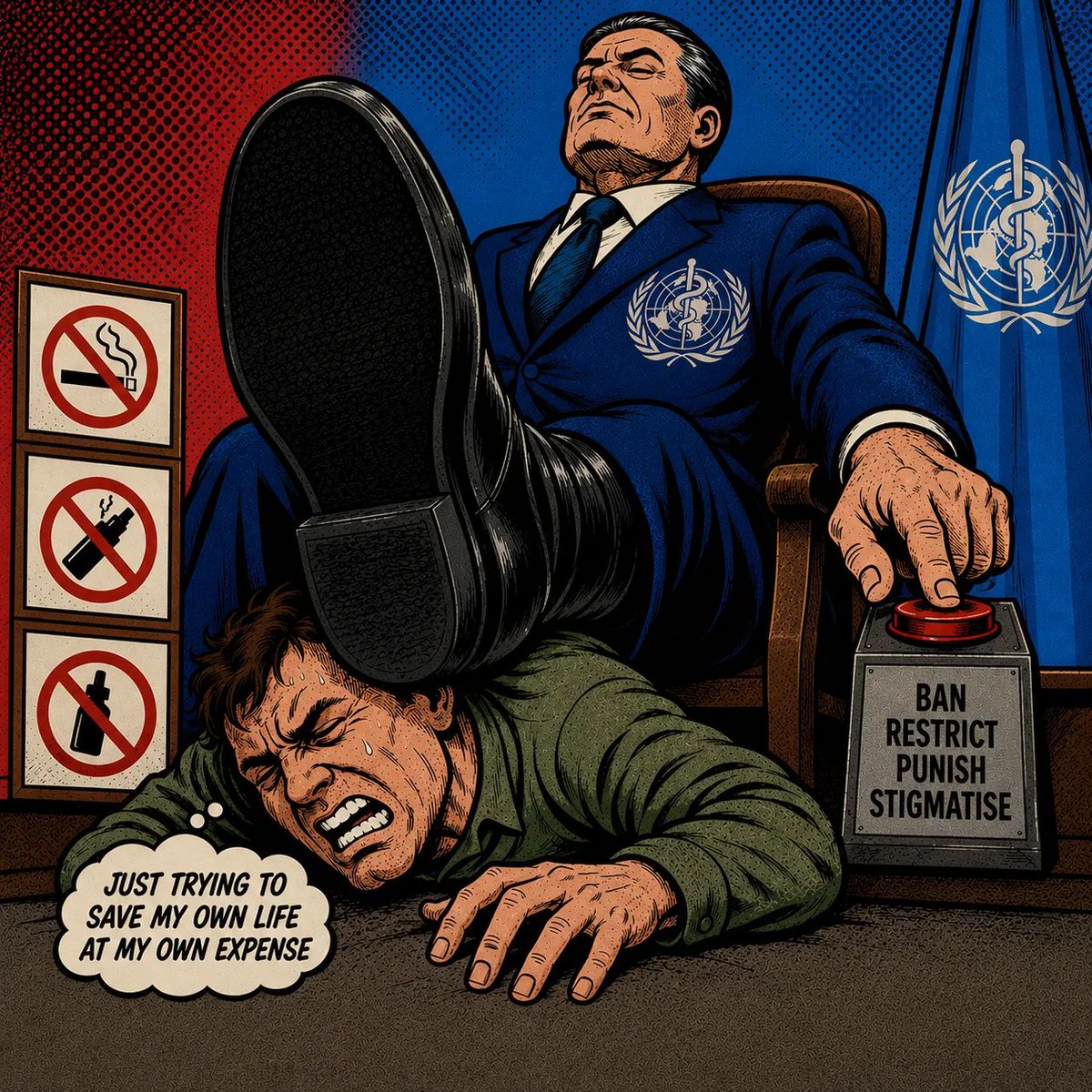
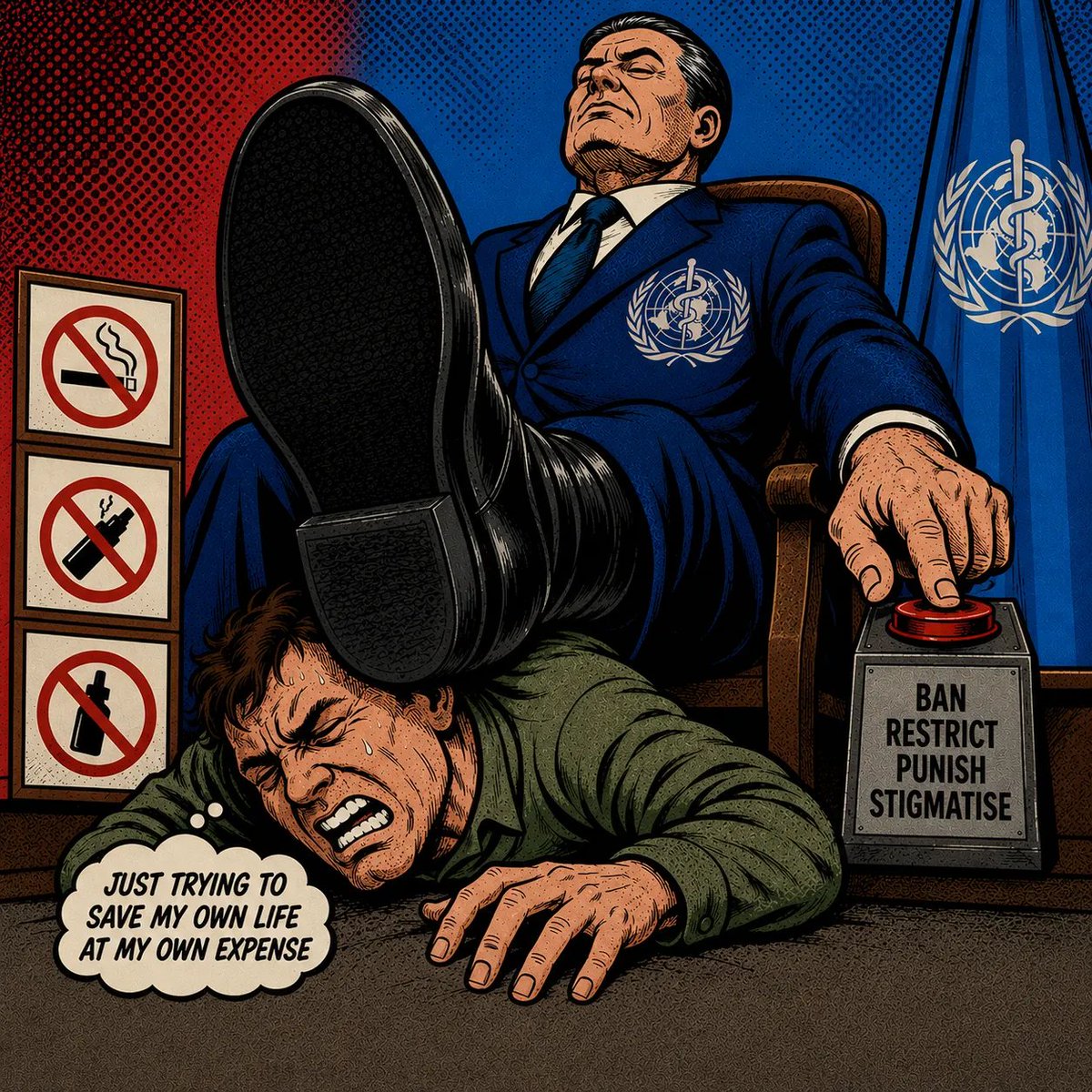
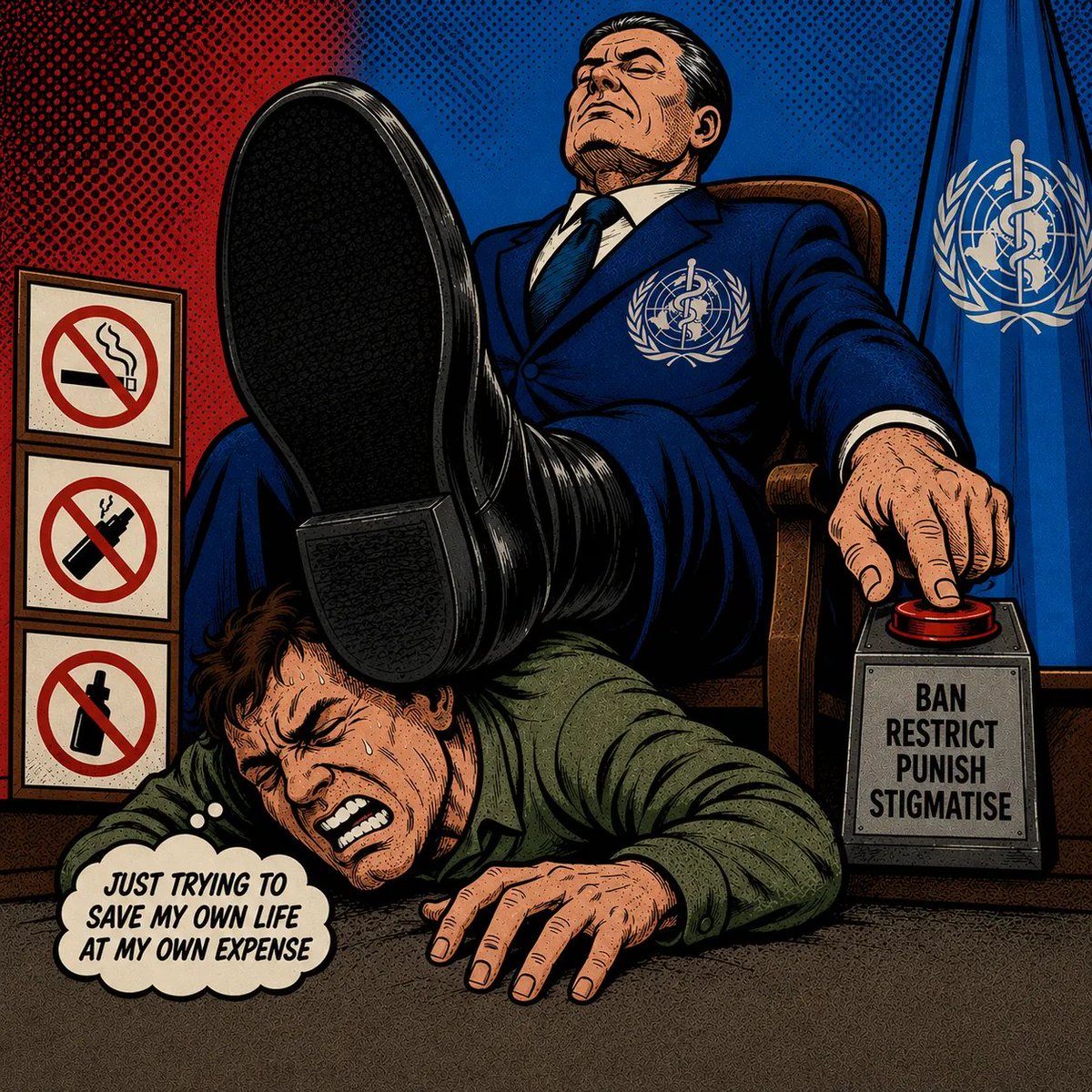
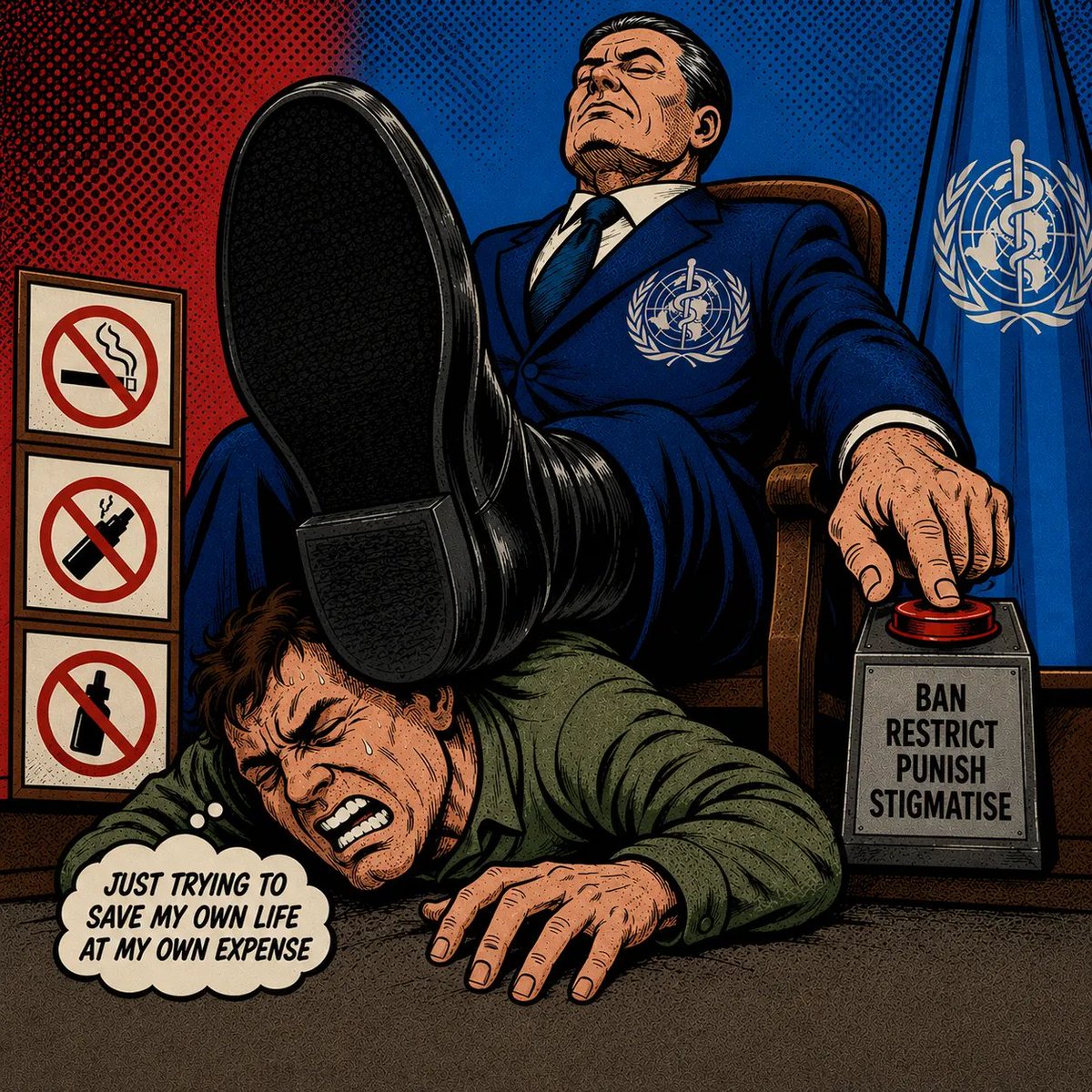
One hundred specialists call for WHO to change its hostile stance on tobacco harm reduction - new letter to FCTC delegates published.
clivebates.com/one-hundred-s…
#COP9 @DrTedros
1/2
19
261
348
Clive Bates retweeted

16h
Not bad Grok 😂 @jamomartin @Bludn_Gore
"**Chapman’s June 11, 2026 blog post is a textbook example of ideological advocacy masquerading as analysis.** It defends Australia’s extreme tobacco control regime while attacking criminologist James Martin’s Michael West piece, which highlights policy failure, the black market explosion, and Sweden’s success via harm reduction. Chapman’s piece is selective, omissive, and spun to protect his long-held prohibitionist worldview on nicotine. In the actual 2026 Australian landscape—marked by a catastrophic illicit tobacco and vape market—it collapses under scrutiny.
### Core Claims and Fact-Checks
**1. Pharmacy-only vapes protect the vulnerable and control youth access; illegal sales are the real problem.**
Chapman defends restricting legal vapes to pharmacies (post-2024 reforms) as a sensible control on “self-described law-abiding” retailers. He compares illicit vapes/tobacco to criminals selling subsidised medicines.
**This is disingenuous.** Australia’s model (all vapes pharmacy-only since July 2024, limited to tobacco/mint/menthol flavours ≤20 mg/ml in most states from October 2024, strengthened standards July 2025) has produced dismal legal uptake. TGA data showed only ~40,000 notifications by mid-2025, with many pharmacies not stocking products due to cost, complexity, or state rules.
Meanwhile, **~95.7% of vapes are illicit** (Illicit Tobacco and E-cigarette Commissioner 2024-25). The policy did not eliminate youth or criminal supply—it shifted it to the black market, where flavoured disposables and high-nicotine products thrive unregulated. Chapman’s “criminal tsunami” framing blames syndicates while ignoring that his preferred policies (high excise near-prohibition of alternatives) created the arbitrage opportunity. Legal tobacco now costs ~$30 per pack of 20; illicit is far cheaper.
The medicine analogy fails: medicines have rigorous pre-market approval and are not addictive consumer products sold openly for decades. Vapes have a strong evidence base for helping smokers switch (Cochrane reviews, RCTs showing superior switching vs NRT in some trials). Restricting them harms the very “vulnerable” Chapman claims to protect.
**2. Tobacco control does not harm poor/disadvantaged smokers; smoking has declined across groups since 2001.**
Chapman cites *Tobacco in Australia* data showing parallel declines in prevalence and consumption across SES groups. He notes only psychosis patients and prisoners have majority smoking rates; elsewhere, ex-smokers outnumber current smokers. Quitting is “mostly unaided.” High prices are like drink-driving penalties—necessary despite regressivity. Cheap cigarettes would kill “two in three long-term users.”
**This is half-true data weaponised to obscure reality.** Smoking prevalence *has* fallen long-term (daily smoking ~8.3% for 14 in 2022-23 per AIHW; adult current ~11%). Disadvantaged groups show parallel *relative* declines.
But:
- Absolute disparities persist or widened in impact. Low-SES groups still smoke at 2–3× the rate of high-SES.
- The tax is classically regressive: poor smokers spend a far higher share of income on nicotine. High prices do not magically confer “agency”—they create financial stress, debt, or substitution to illicit product (which lacks warnings and quality control).
- Many *have* quit, but current dependent smokers (especially those with mental health issues, poverty, or high stress) face barriers. “Mostly unaided” quitting was always true historically; it does not prove high prices restricted alternatives are optimal today.
- The “2 in 3 die” stat is accurate for continued *smoking*. It ignores that switching to vapes or snus slashes risk dramatically (vapes ~95% less harmful per multiple reviews). Denying legal access to less-harmful nicotine while cigarettes remain legal is the perverse calculation.
Chapman’s road safety analogy is weak. Drink-driving penalties target acute risk behaviour. Tobacco/nicotine addiction is a chronic condition. The rational policy response is regulated safer alternatives, not just price hikes that fuel crime.
**3. Sweden cherry-picking: Smokeless tobacco is freely available in US/Canada with no dramatic smoking reduction, so it’s not the answer. Sweden’s success is cultural, not replicable.**
Chapman notes low smokeless use in US (~2.6%) and Canada (~0.6%), with combustible tobacco use ~12.6% (US 2023-24) and ~12.9% (Canada 2022) vs Australia’s ~11.1%. He attributes Sweden’s ~4.8% daily smoking (achieved “smoke-free” <5% target in 2025) partly to culture (like surströmming or Vegemite).
**This is classic selective comparison and omission.**
Sweden’s model features widespread, culturally normalised *snus* (low-nitrosamine oral tobacco) alongside other controls. Smoking plummeted while total nicotine use remained significant but far less harmful. Nordic data consistently links snus availability to smoking reduction. Sweden has among Europe’s lowest tobacco-related disease rates.
US/Canada smokeless markets are dominated by higher-risk chewing tobacco/dip, not Swedish-style snus, and uptake is low for cultural/product reasons—not because the products are ineffective. Australia has effectively zero legal access to any smokeless or meaningfully regulated vape alternatives. Chapman ignores this asymmetry.
He also ignores rising nicotine pouch and vape use in Sweden alongside low smoking. The “cultural” dismissal is lazy—policy choices (never banning snus like the EU did elsewhere) enabled the outcome. Australia’s outlier prohibitionist approach to alternatives has no such success story to match.
**4. “Punishing” the tobacco industry and Martin’s naïveté about Big Tobacco as “white knights.”**
Chapman mocks the idea that high taxes, plain packaging, and restrictions “punish” the industry unfairly. He cites FCTC Article 5.3, historical industry opposition to tax (correct—PM and BAT documents show they feared volume drops), and notes the industry still derives 80% revenue from combustibles.
**Accurate on history, misleading on current reality.** The industry *has* opposed every effective measure and deserves scrutiny. However, Chapman’s framing that they are now “misunderstood” or that Martin sees them as saviours is straw-manning. Martin’s point (per his article) is pragmatic: demonising the legal industry while creating a policy vacuum filled by organised crime (Dubai-sourced “Manchester” etc., violence, firebombings) is counterproductive.
Legal sales volumes have collapsed under policy illicit displacement. Governments have lost billions in excise (ITEC estimates $7.7–11.8 billion evaded in 2024-25 alone). The industry is not “punished” out of existence—it remains highly profitable on remaining legal sales. The bigger winner from Australia’s approach has been transnational crime.
### Major Omissions in the 2026 Landscape
Chapman’s post barely engages the defining feature of current Australian tobacco/nicotine policy: **policy-induced market failure**.
- **Illicit tobacco**: Rose from ~12% (2017) to 50–60% (ITEC) or even experimental ABS estimate of **80% of tobacco consumed** (2025). Value ~$5.6 billion; massive excise loss; associated violence.
- **Vapes**: ~96% illicit.
- High excise (Australia among world’s highest prices) restrictive vape rules created the differential. Enforcement is reactive and expensive; root cause is policy.
- Risk of smoking reversal or stalled progress as cheap illicit product floods the market, especially among price-sensitive groups.
- Disadvantaged and young adults disproportionately affected by black market (cheaper but unregulated).
Chapman celebrates long-term declines from his preferred tools (tax, plain packaging, denormalisation) while ignoring the 2024–2026 blowback. His site and *Tobacco in Australia* resource are advocacy vehicles for this worldview.
### Overall Assessment: Spin and Worldview
Chapman has a decades-long record as a leading tobacco control advocate. His work helped deliver world-first plain packaging and strict measures. That record is real. But it has hardened into dogma: any nicotine product beyond heavily regulated cigarettes is suspect, industry-influenced, or a youth gateway. Harm reduction via regulated vapes or snus is downplayed or attacked. Unintended consequences (black markets, regressivity, lost revenue, criminal empowerment) are minimised or blamed on “criminals” rather than the policies that supercharged demand for illicit supply.
Martin’s piece highlights real failures. Chapman responds with credential-smearing, selective international comparisons, and moral posturing (“abominable moral calculation” flipped onto critics). It is not a balanced critique—it is damage control for a regime that has traded one set of problems (legal smoking) for another (criminal nicotine markets) while restricting adult smokers’ access to less-harmful options that evidence supports.
In 2026, Australia’s “success” looks increasingly Pyrrhic. Chapman’s post does not grapple with this; it doubles down on the ideology that helped create it. Brutal but accurate: this is advocacy, not analysis."
4
5
15
456
Clive Bates retweeted

Jun 12
Send your comments to the European Union regarding its proposed revision of the Tobacco Products Directive
The deadline is this Monday June 15. open.substack.com/pub/profet…
9
20
680
Clive Bates retweeted

Jun 12
Prof. Etter's submission to the EU consultation on the revision of the Tobacco Products Directive is a great read. 👇
Jun 12

Send your comments to the European Union regarding its proposed revision of the Tobacco Products Directive
The deadline is this Monday June 15. open.substack.com/pub/profet…
9
20
371
Clive Bates retweeted

Jun 12
“The design appears less like an open consultation and more like a path towards a pre-selected conclusion” - @eunews reports on valid criticism of the @EU_Commission’s perverse public consultation by @europethra. eunews.it/en/2026/06/11/crit…
11
27
442
Clive Bates retweeted

“The design appears less like an open consultation and more like a path towards a pre-selected conclusion: more restrictions, more bans, and greater regulatory control over all nicotine-based products.”
eunews.it/en/2026/06/11/crit…
17
28
488
Clive Bates retweeted

Jun 11
Have any of these nicotine prohibitionists ever checked in on how the actual War on Drugs is going? In short, the drugs are winning.
Especially in Palau. Cannabis is illegal there but it has one of the highest usage rates in the world. Good luck enforcing a ban on nicotine.
Jun 10

PALAU just asked the United Nations to review nicotine as a controlled drug.
Today, the tiny nation (pop. ~20,000) requested the WHO to evaluate whether nicotine should be scheduled under the 1971 international drug treaty.
🥴
nicotinereview.org/
nicotinereview.org/proposal
1
12
37
972
Clive Bates retweeted

"The survey is impossible to answer for anyone with an understanding of the differences in risk between different tobacco and nicotine products and a rational public health interest in the role that low-risk alternatives to smoking could play in reducing the burden of cancer, cardiovascular and respiratory disease in the European Union."
ethra.co/news/187-impossible…
10
30
420
Clive Bates retweeted

How vaping scare stories are made | Snowdon Substack snowdon.substack.com/p/how-v…
5
42
91
12,211
Jun 7
What is it about gravity that Big Pharma loves so much?
If the corpulent masses wish to lose weight, why should they have to buy expensive drugs? We need a government that sets the gravitational constant on the people’s terms, not the interests of the svelte elites.
Jun 6

What is it about the the bond markets that the Telegraph’s billionaire owners love so much?
We need a government which sets the terms, the people’s terms, and an elected plan, not the interests of the 1%.
Change is coming.
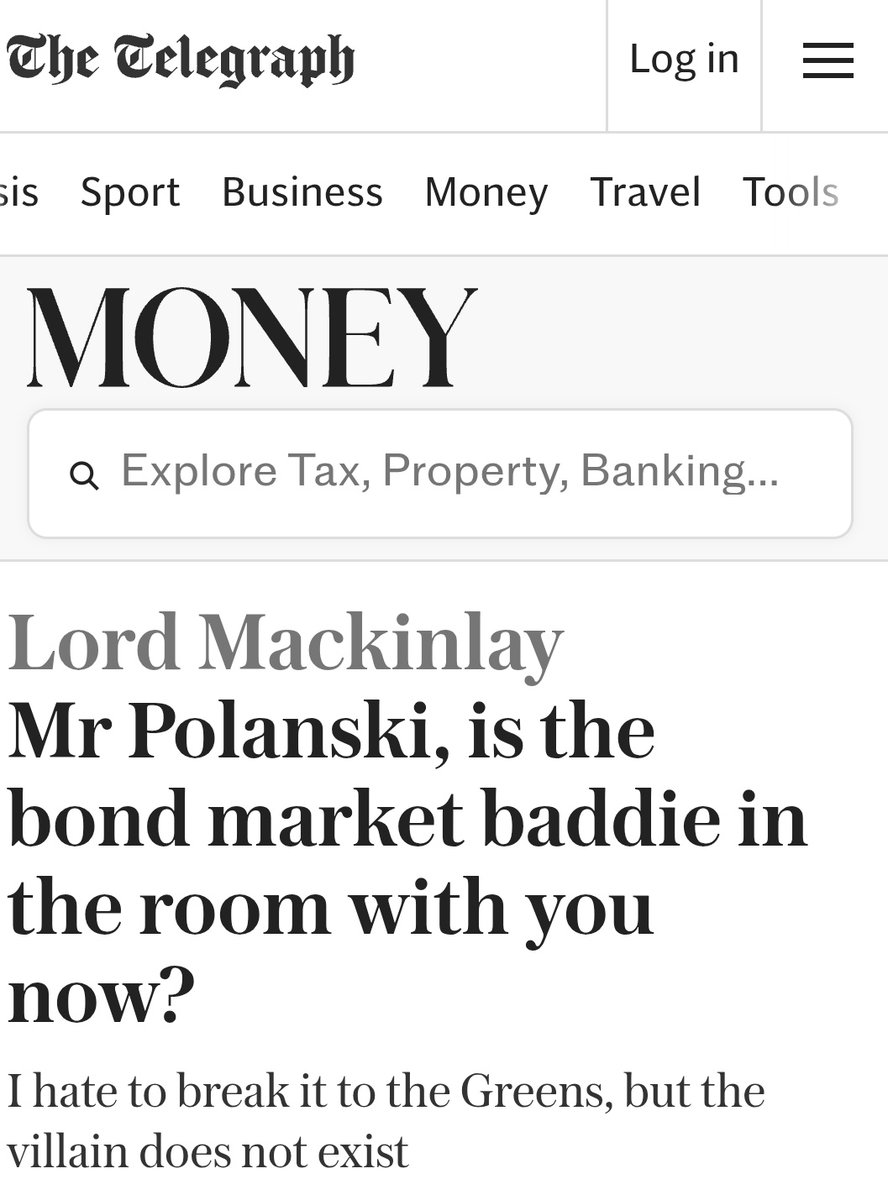
ALT Mr Polanski, is the bond market baddie in the room with you now?
1
7
13
636
Clive Bates retweeted

Jun 5
Big public health harassing people helping smokers quit.
They are truly terrified that their gravy train could stop.
Jun 5

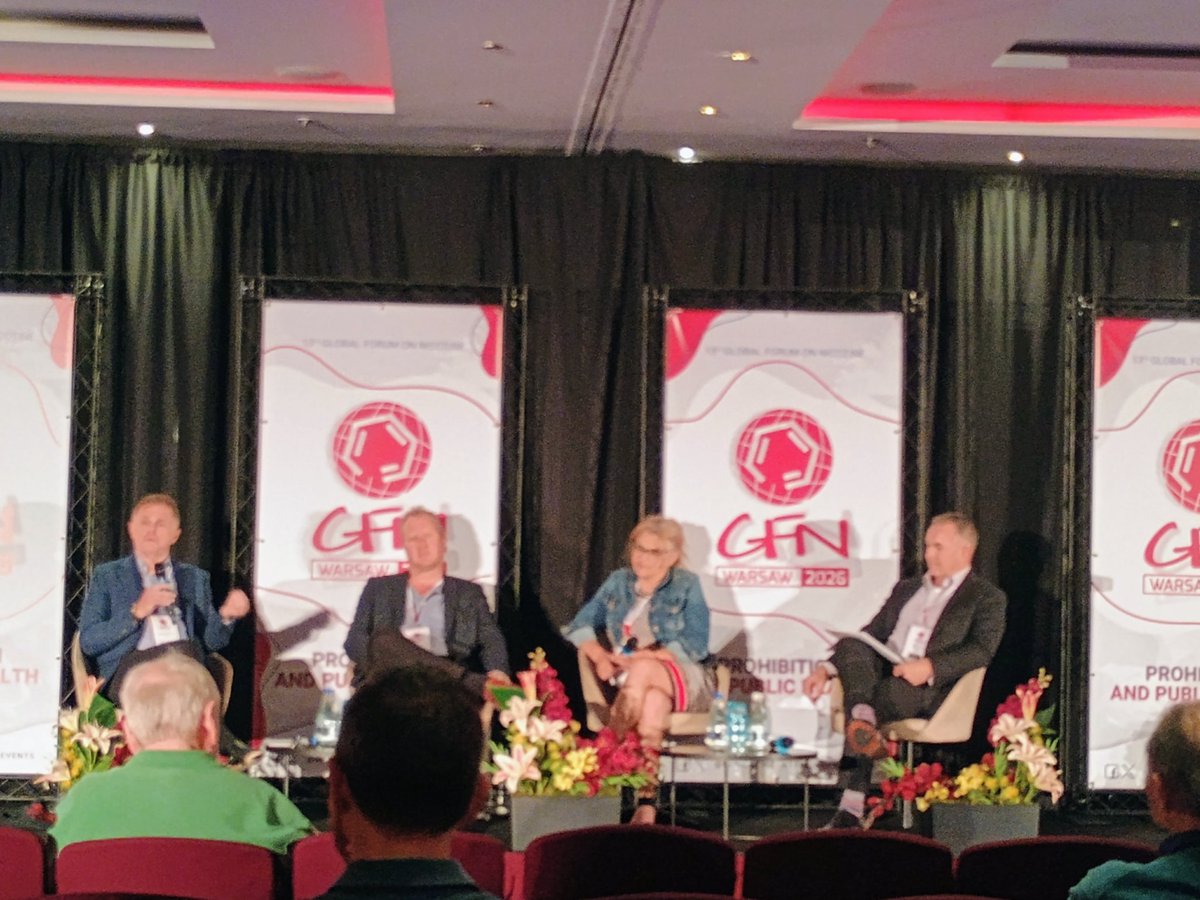
Closing panel of #GFN26. @DavidSweanor shares an anecdote of public health people "harassing" @papaioannoy after she opened a vape shop in his town to help people quit smoking
2
14
37
831
Clive Bates retweeted
Australia’s tobacco and nicotine policies are failing on nearly every conceivable front.
❌ Increased smoking
❌ Billions lost in tobacco excise
❌ Widening health inequalities
❌ Record growth in organised crime
We urgently need a new approach.
youtu.be/CMqbv8mhvBg
5
22
54
2,336
Clive Bates retweeted

Jun 5
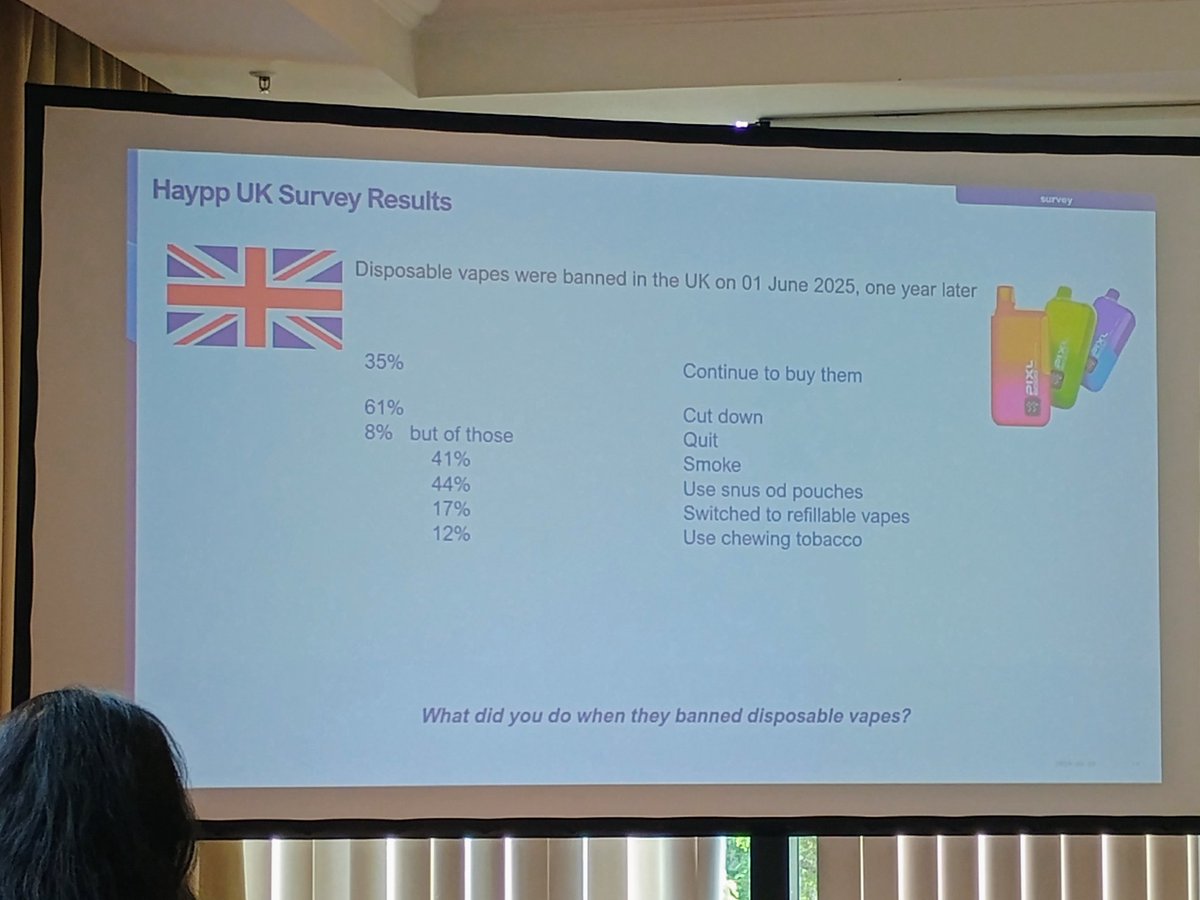
Marina Murphy from @HayppGroup presents data on what UK participants did after the ban on disposable e-cigarettes.
8% stopped vaping, but 41% of those 8% went back to smoking.
Remember that only a small increase in smoking can undermine any health gains. #GFN26
4
22
46
2,614
Clive Bates retweeted
"Eight Bloomberg anti-nicotine groups have essentially taken over the WHO tobacco control unit via its backroom operations of the WHO’s MPOWER programme. The WHO is unable to speak out as, practically bankrupt, they would have no tobacco control programme without Mike Bloomberg."
Jun 2

Why have I been getting so involved in the tobacco harm reduction debate? Have I given up on glyphosate, chemicals and plastics?
Far from it.
My latest piece shows how these issues are about the same things: zealots, poor science and bad risk management.
risk-monger.com/2026/06/02/f…
17
37
788
Clive Bates retweeted

Jun 3
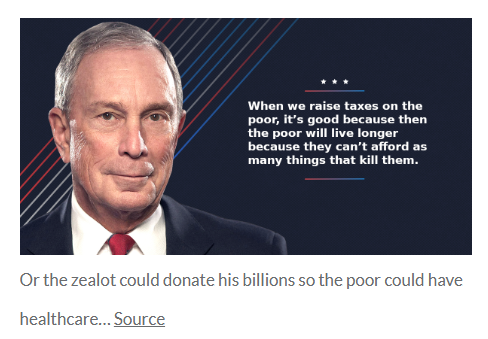
I put this classic Bloomberg quote into my last article as a reminder of why I get up in the morning.
Funding an army of activists to enforce some righteous sufferance, Mike thinks his prohibitions are doing good.
"Don't let the bastards grind you down!"
risk-monger.com/2026/06/02/f…
1
15
31
670
Clive Bates retweeted
Jun 3
Huge congrats to @LynneDawkins for receiving the Michael Russell Award at #GFN26!! 🎉🎉

1
7
18
638
Clive Bates retweeted
Interesting article from Bloomberg about what happens if the policies advocated by its proprietor are introduced.

Nicotine consumption has surged in Australia as the result of a rapid rise in the sale of illegal tobacco products, undermining the impact of strict government measures designed to eradicate smoking bloomberg.com/news/articles/…
3
15
46
5,150
Clive Bates retweeted

The WHO uses World No Tobacco Day to attack far safer alternatives to smoking. It is an abusive disinformation operation that spreads doubt, protects the cigarette trade, and promotes organised crime.
x.com/Clive_Bates/status/206…
clivebates.substack.com/p/wh…
May 31

If you want to get beyond trite slogans for World No Tobacco Day, see the real public health story here:
What’s wrong with WHO: ten fundamentals on tobacco and nicotine policy
clivebates.substack.com/p/wh…
If you disagree, tell me, and we can discuss it.
4
14
262
Clive Bates retweeted
Feb 18
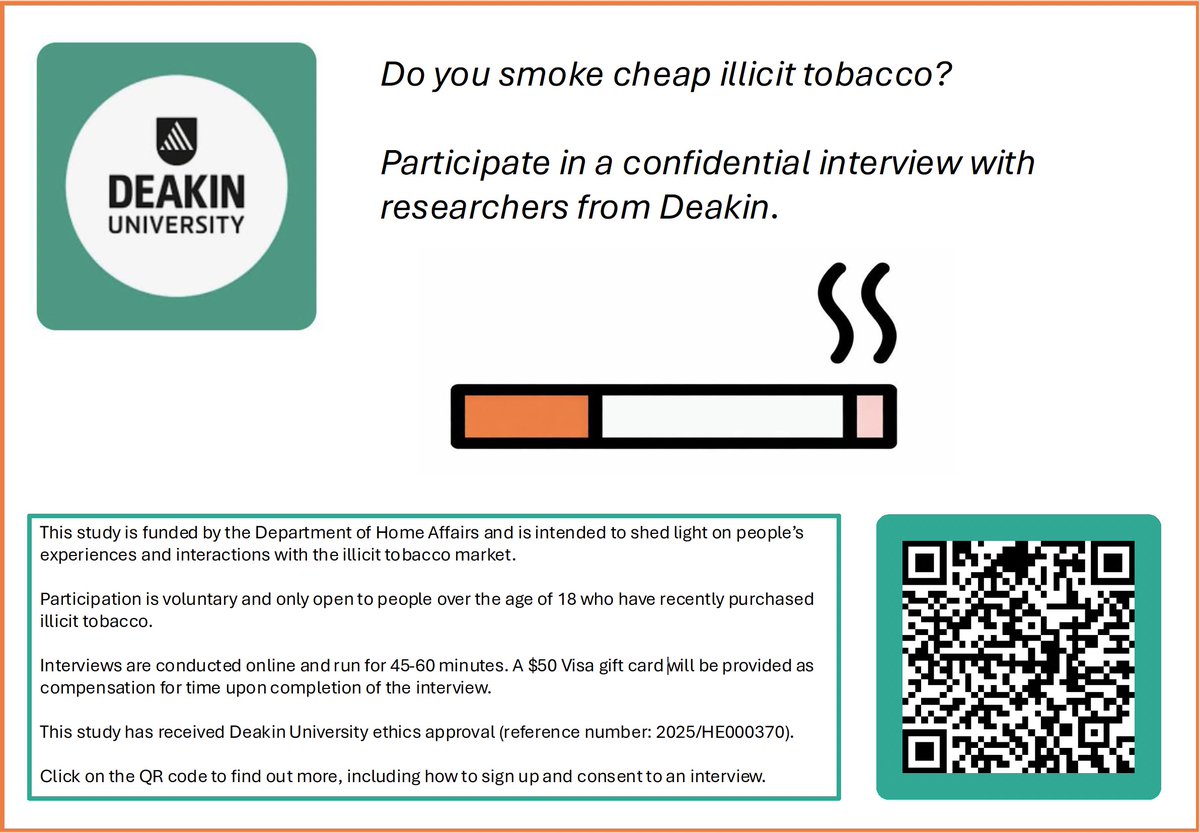
Do you smoke illicit tobacco in Australia?
Want to share your views on the tobacco black market?
Join us for a confidential interview.
See info sheet below and email me at james.m@deakin.edu.au for further info.
12
28
41
3,951
Clive Bates retweeted
Jun 1
"It is time for the President of the European Commission to demand the resignation of @OliverVarhelyi." Via @the_firebreak thefirebreak.org/p/oliver-va…
1
7
19
340
Clive Bates retweeted

Jun 1
Global tobacco policy has become increasingly disconnected from the main cause of tobacco-related #disease smoking itself.
clivebates.substack.com/p/wh…
3
11
213