OFA Football Development Officer ⚽️ and grassroots coach beginning the journey to UEFA B 🧠📚
Joined September 2020
- Tweets 729
- Following 308
- Followers 395
- Likes 1,768
48 Photos and videos
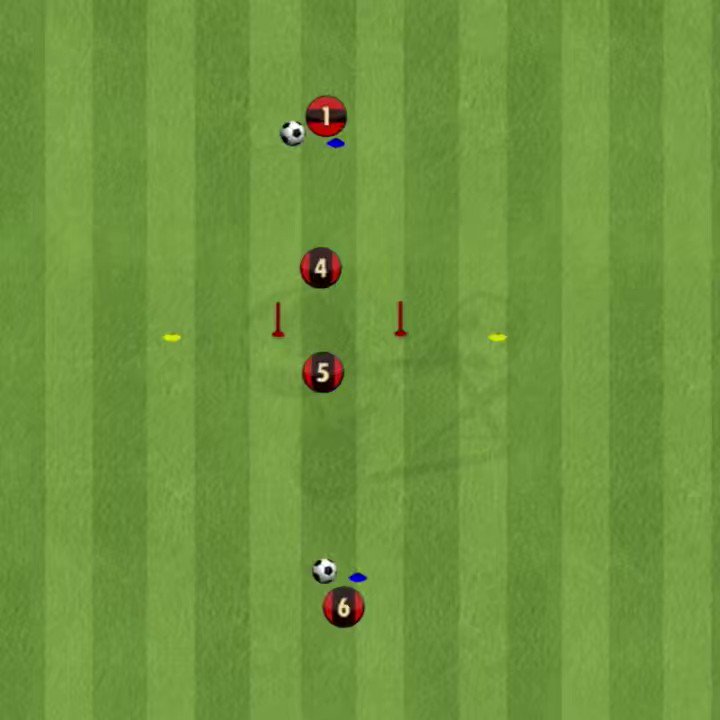
Alix retweeted

That was a fantastic day of football.
Bumping into lots of people I know, which was great to see so many familiar faces.
A great 3v3 festival for the FA, with loads of positive feedback from players, parents and coaches.
And I really enjoyed refereeing a U18s final.
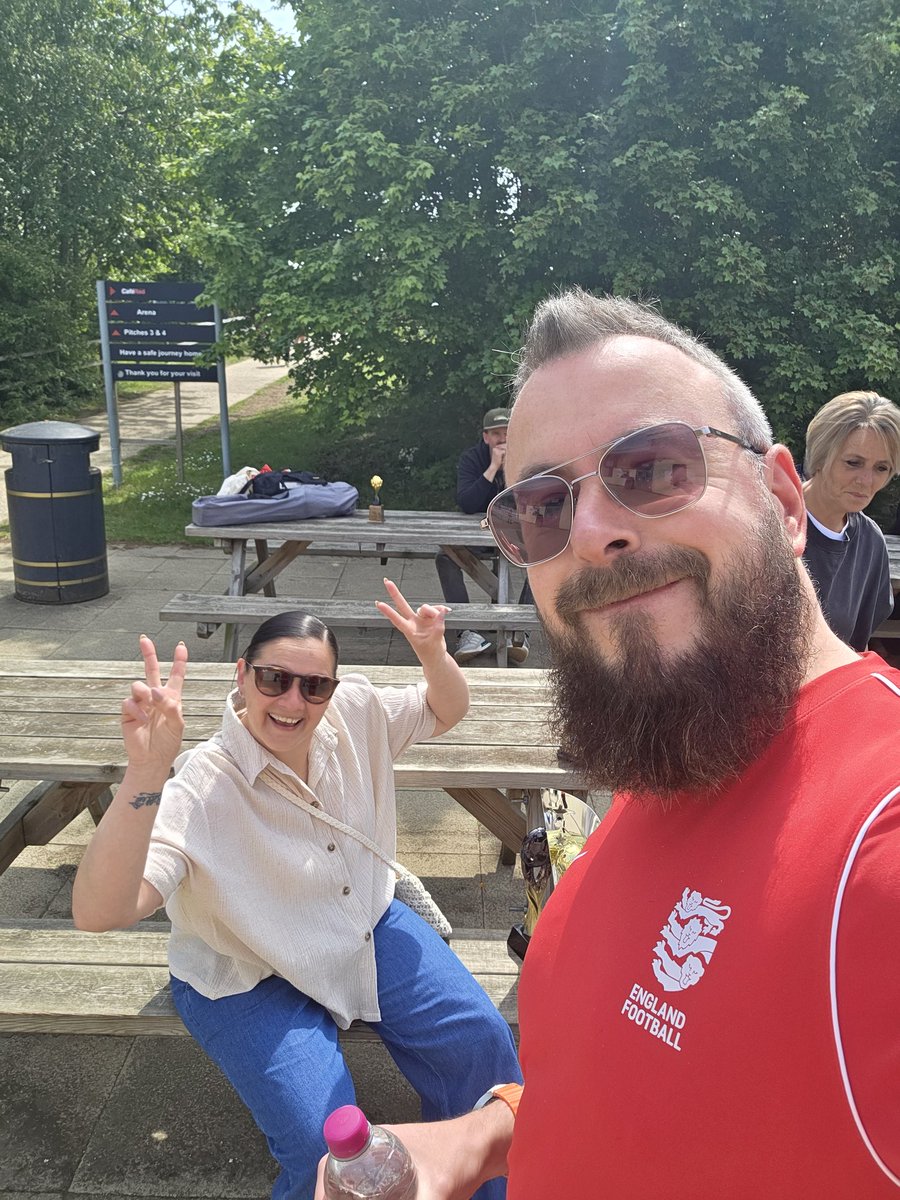
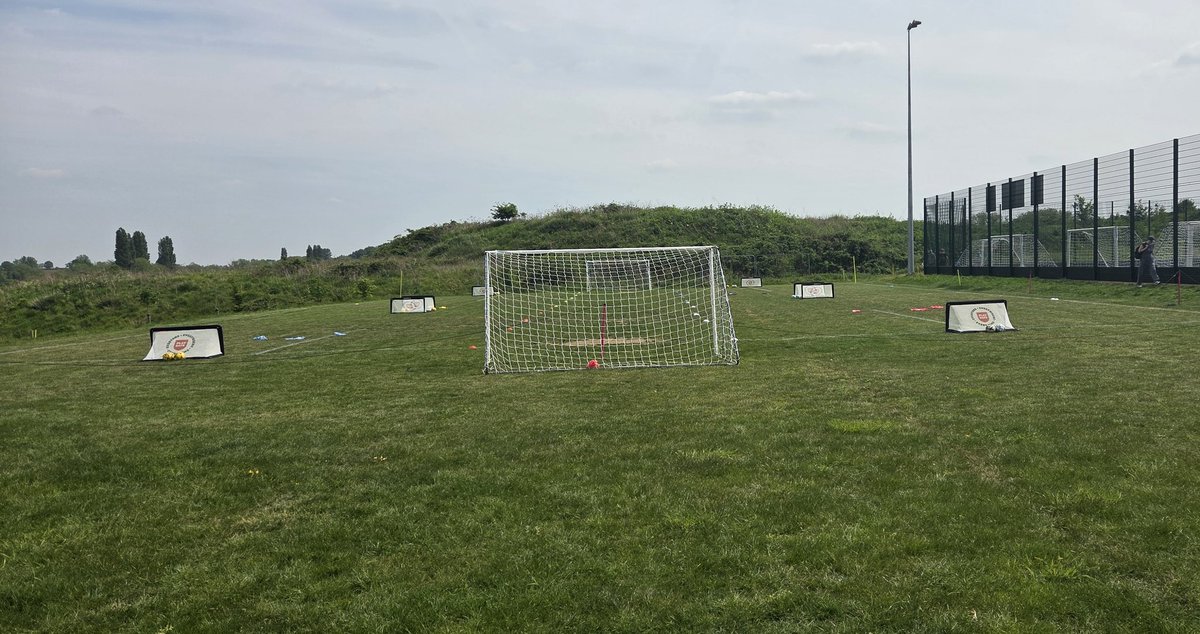

2
10
999
Alix retweeted

Apr 17
Absolutly delighted with how my @OxfordshireFA coach developer debut went on Monday night.
A group of 14 passionate coaches all wanting to learn and improve so it was my please to share my experiences with them and to recieve some fantastix feedback from the all!

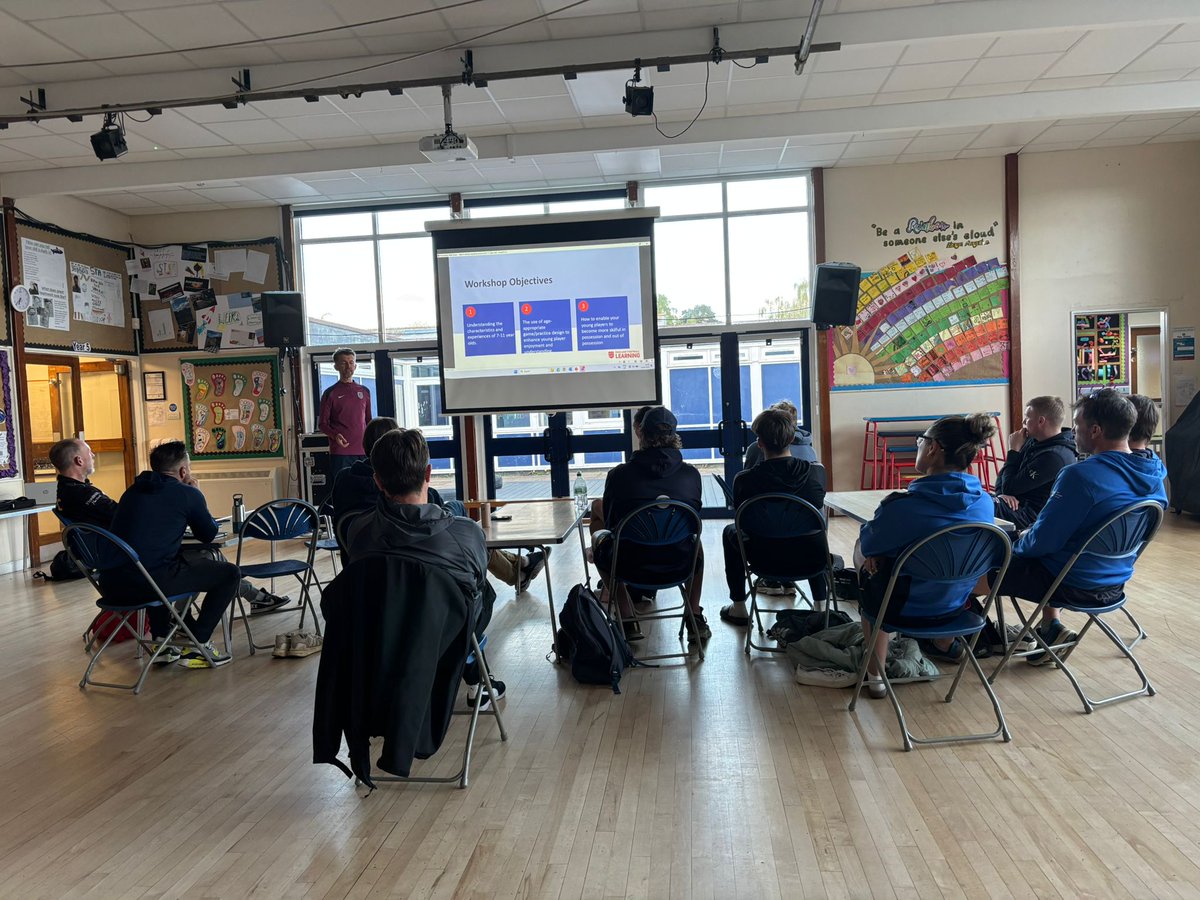

1
3
238

Feb 8
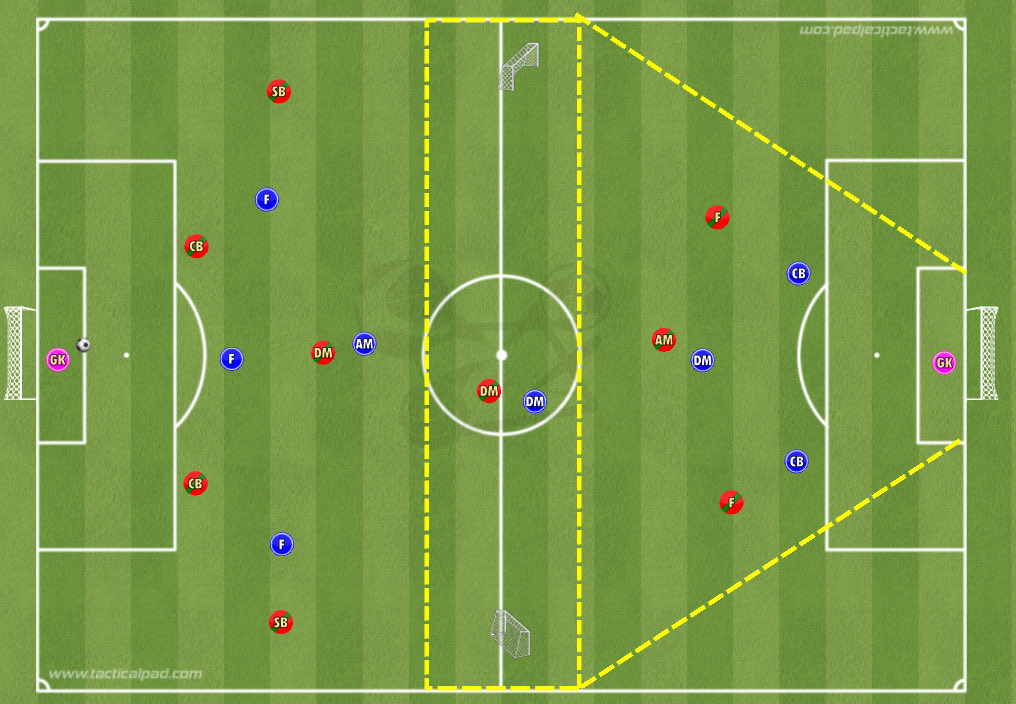
@SundayShare10 also wanted to share from Mondays “build the attack” CPD by the FA/Matt Jones. Really thought provoking practice design. Matt had the keeper play another ball immediately after the ball was played into the attacking 1/2…⬇️
1
1
3
2,780
Feb 8
which forced the defensive unit to keep the ball until the attackers ball was dead and therefore, the chance was presented to break the lines again. Lots of ideas and topics this could cover and something you could really build over a few weeks
1
2
186
Feb 8
@SundayShare10 absolute privilege listening to Tom Hartley this Wednesday evening. The CPD dived into coaching behaviours, covering topics like; the use of silence for problem solving, being person-centred, and inspirational motivation. Would highly recommend his podcast 🔗⬇️
1
1
2
1,691
Feb 1
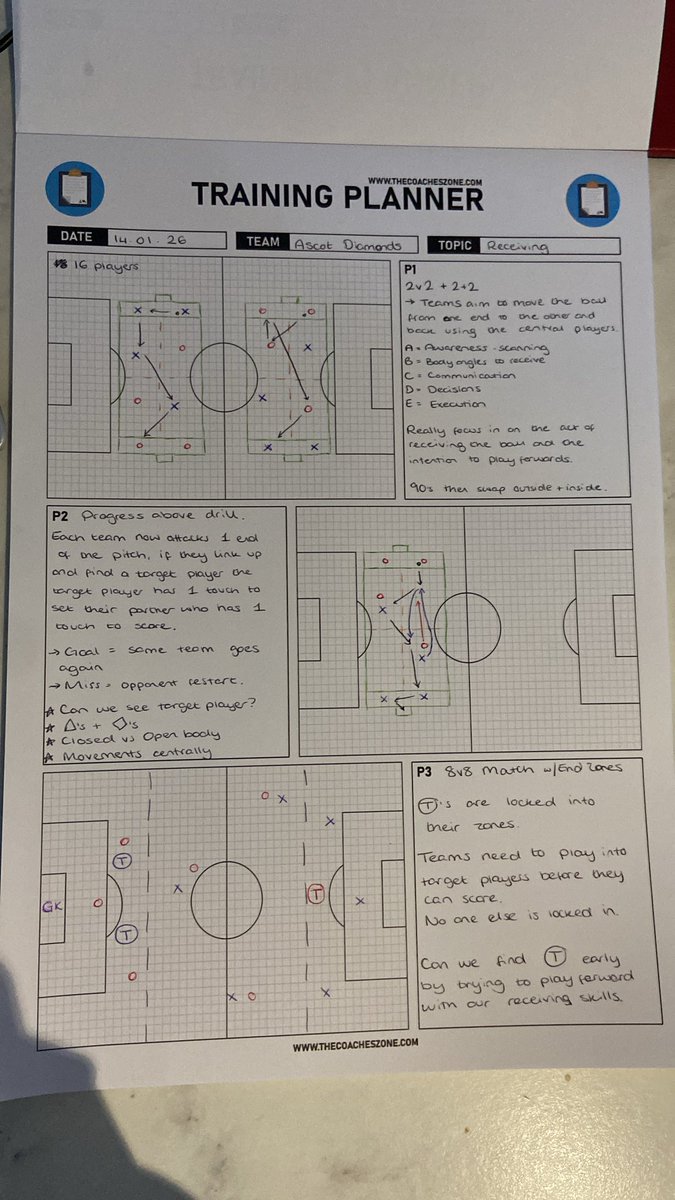
The next session in our receiving block. Lots of focus this week from me on the before and after, movements and spaces, can we use our team mates to beat an opponent to progress up the pitch @SundayShare10 feedback welcomed 👂🙏
114
Jan 25
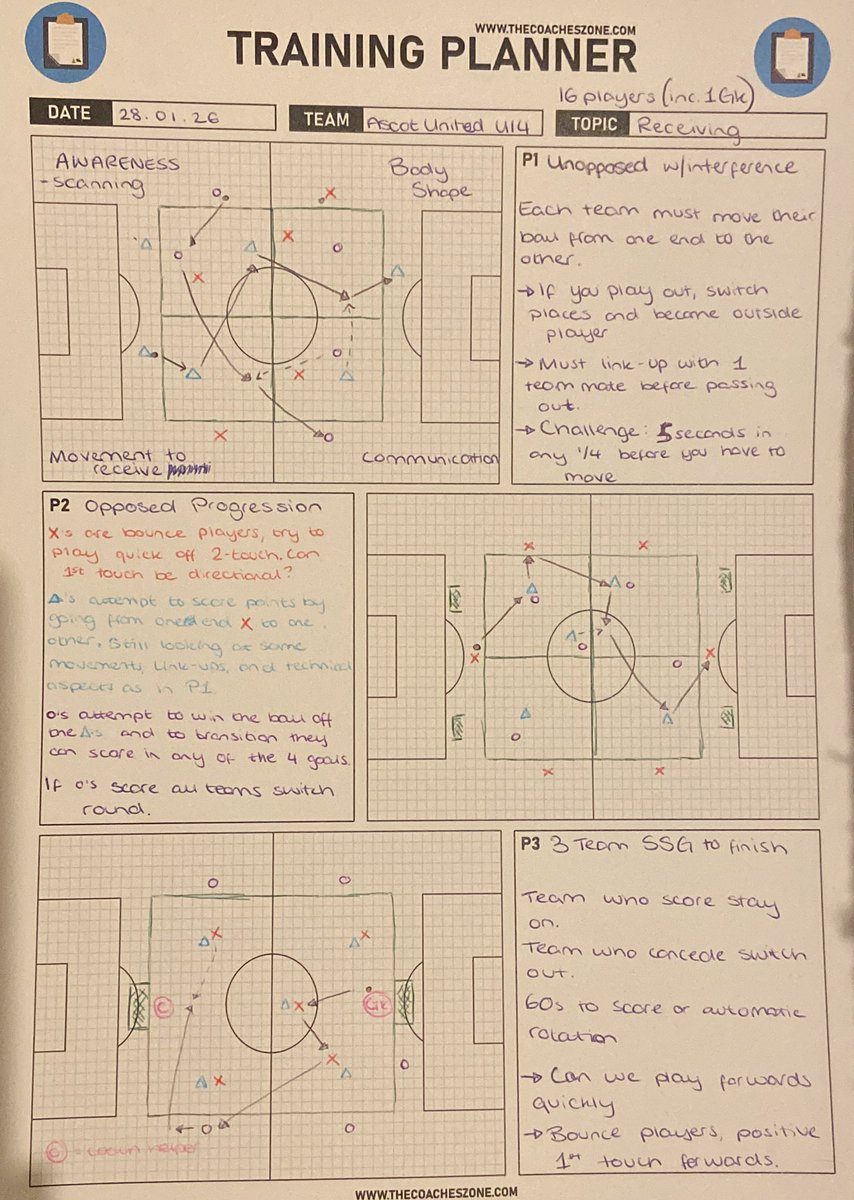
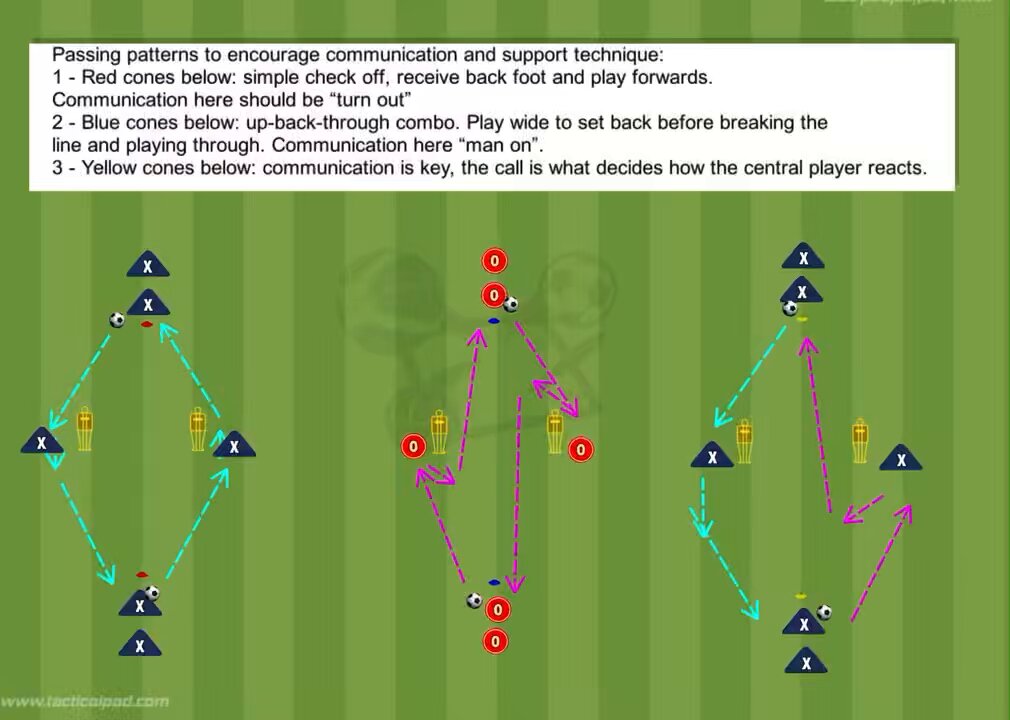
Started a new block with my u14s in the new year with a big focus on receiving to play forwards. Currently asking them to focus on Awareness 👀 Body Shape 📐 and Communication 🗣️
Excited to build on this over the next few weeks to consider decisions and intentions #SundayShare
15
3,390
Jan 23
An extremely surreal moment for me as a player, coach, and fan. To step on the grass at Wembley, kick a ball, and hopefully help some of these incredible volunteer coaches was a one of a kind experience to cap off a phenomenal 2025. Excited to see where 2026 takes me
Jan 22

“This is a dream come true” 🤩
As part of the England Football Family, a selection of Providers had the chance to play on the pitch at Wembley recently. 🏟️
From round to corner to the Channel Islands, from Comets to Wildcats to Just Play to Squad volunteers, this was a day they will never forget!
5
376
Alix retweeted

19 Dec 2025
The difference between a 'poor' coach and 'great one"
The difference isn’t tactics.
It isn’t qualifications.
It isn’t experience.
It’s how people feel around them.
A poor coach creates fear.
Fear of mistakes.
Fear of being blamed.
Fear of not being good enough.
They speak in “I”.
I told you.
I decided.
I was right.
When things go wrong, responsibility moves outward.
The referee.
The players.
The opposition.
They operate with a fixed mindset.
Players are labelled early.
Mistakes become flaws.
Potential is capped.
Control becomes the default.
Command and response.
Do as you’re told.
Think less. Obey more.
When things go well, the credit is taken.
When they don’t, criticism flows downward.
Public.
Negative.
Personal.
Winning becomes the justification for everything.
Selection.
Behaviour.
Treatment of players.
Any cost is acceptable.
A great coach looks nothing like that.
They inspire enthusiasm, not anxiety.
Players feel energised, not judged.
They speak in “we”.
We’ll learn from this.
We’ll fix it together.
We’re growing.
They take responsibility first.
For the environment.
For the standards.
For the learning.
They operate with a growth mindset.
Players are seen as developing, not defined.
Mistakes are information.
Setbacks are part of the process.
They don’t command.
They develop.
They ask questions instead of giving answers.
They empower players to think, decide, solve.
They trust people before they’re perfect.
Credit is shared.
Quietly.
Consistently.
Players are lifted, not put down.
Confidence is built, not borrowed from results.
Winning still matters.
But it never comes at the cost of people.
Because great coaches understand something poor coaches never do:
You don’t build success by controlling others.
You build it by growing them.
📸 SoccerCoachWeekly
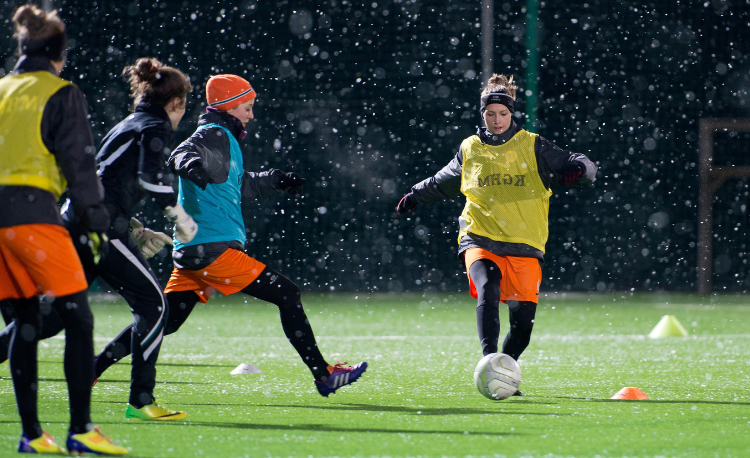
4
14
84
10,476
19 Oct 2025
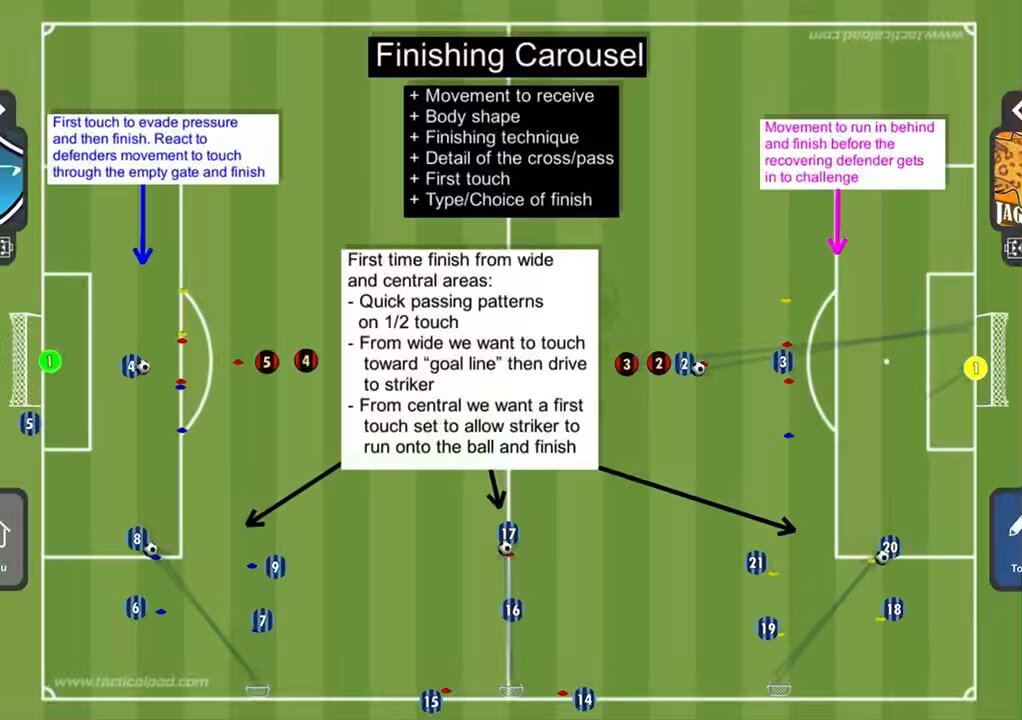
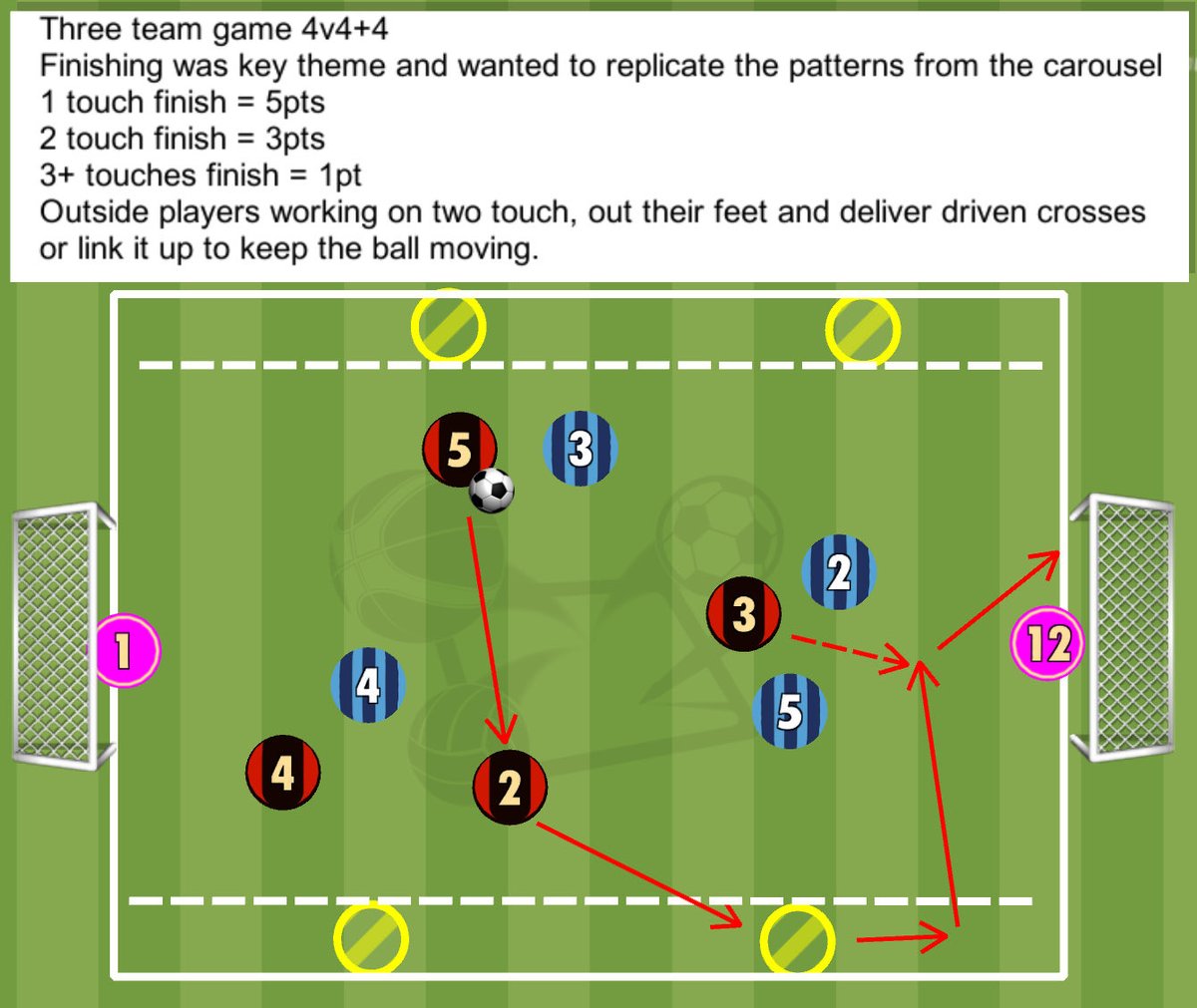
This week was our first session on a new block where we look at finishing the attack. The carousel looked to replicate some of the patterns and opportunities we had been creating and the overall focus was on boosting confidence and encouraging taking chances. @SundayShare10
1
2
1,978
12 Oct 2025
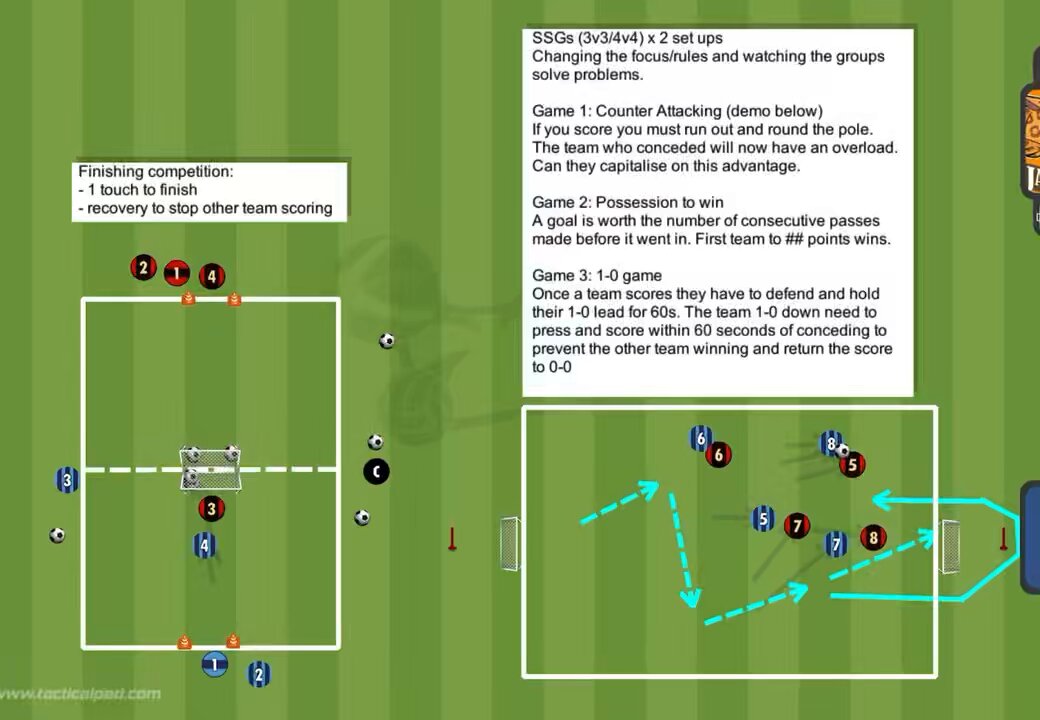
Before we roll onto the next topic and dive into the content and detail of our finishing the attack block we had a “fun” week… lots of games and shots and laughs, very little coaching … but regardless it’s still going to be my @SundayShare10
7
63
7,248
21 Sep 2025
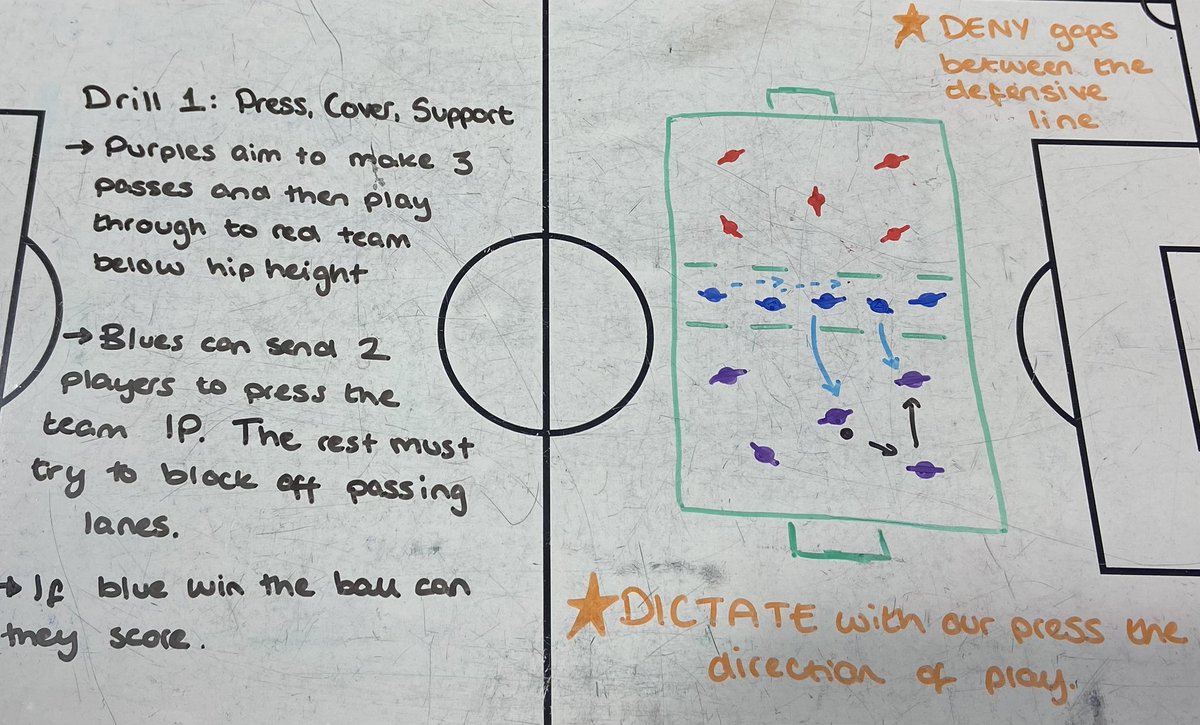
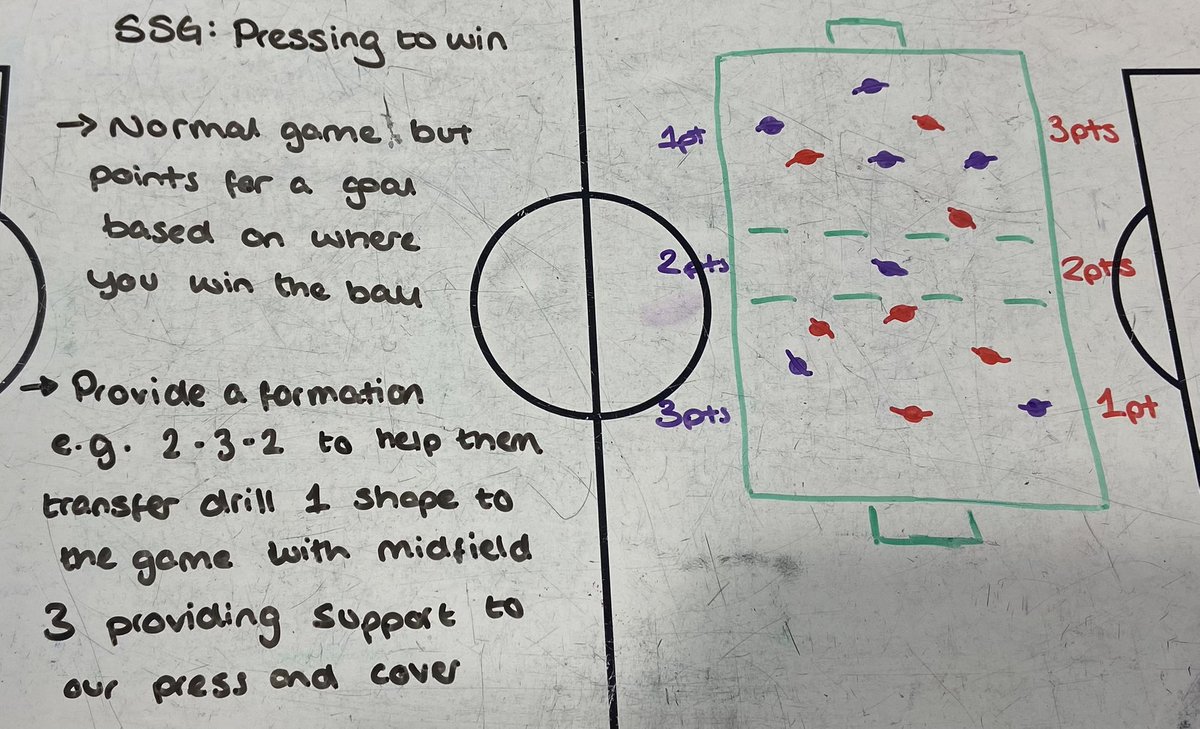
Really late @SundayShare10 but here is week 3️⃣ of the defensive block for my u14s. The girls unfortunately lost to a side from the division above Saturday morning but I couldn’t have been prouder of the way they’re applying what we practice 🙌
3
6
49
26,847
14 Sep 2025
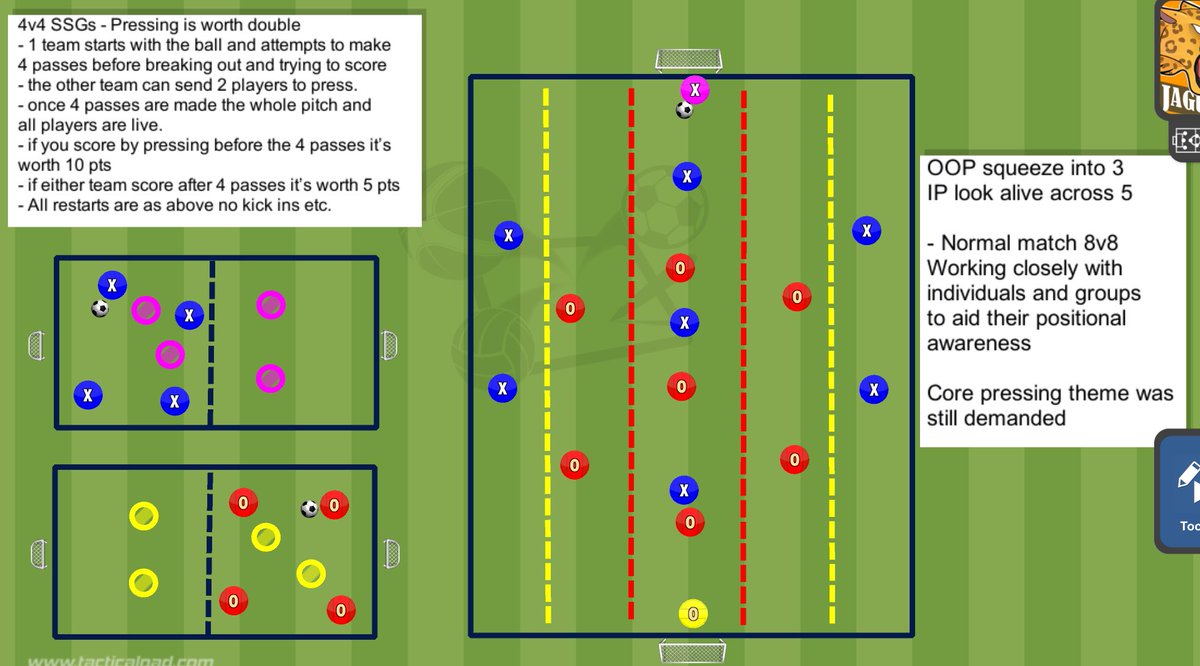
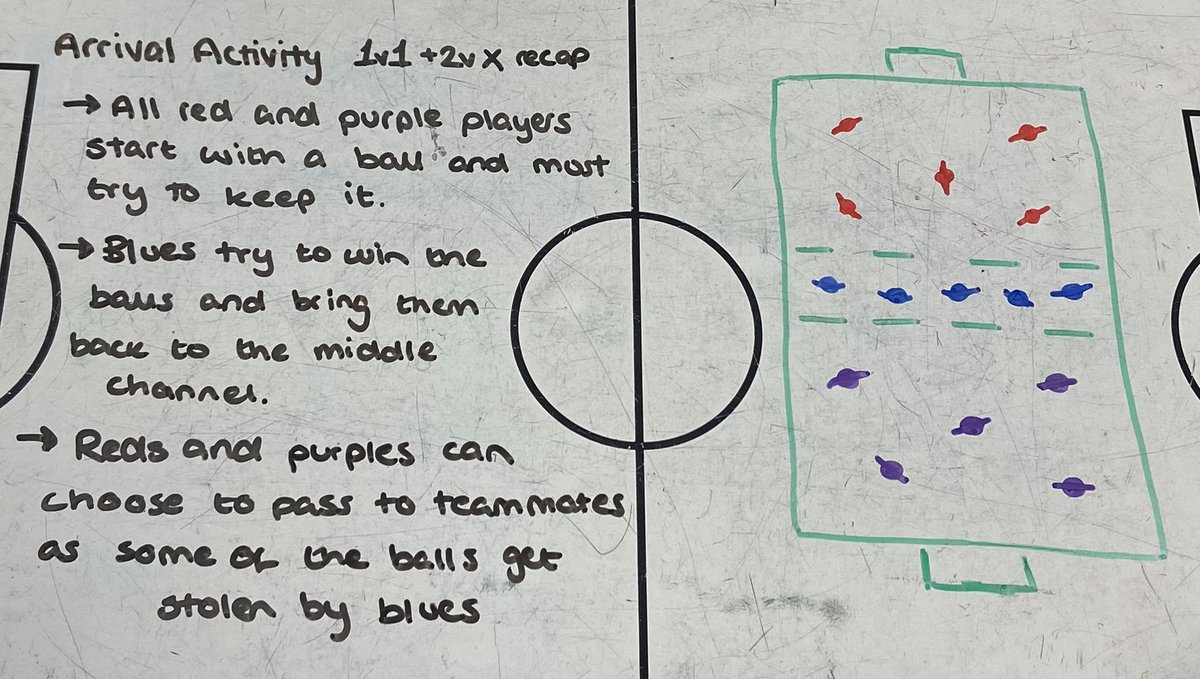
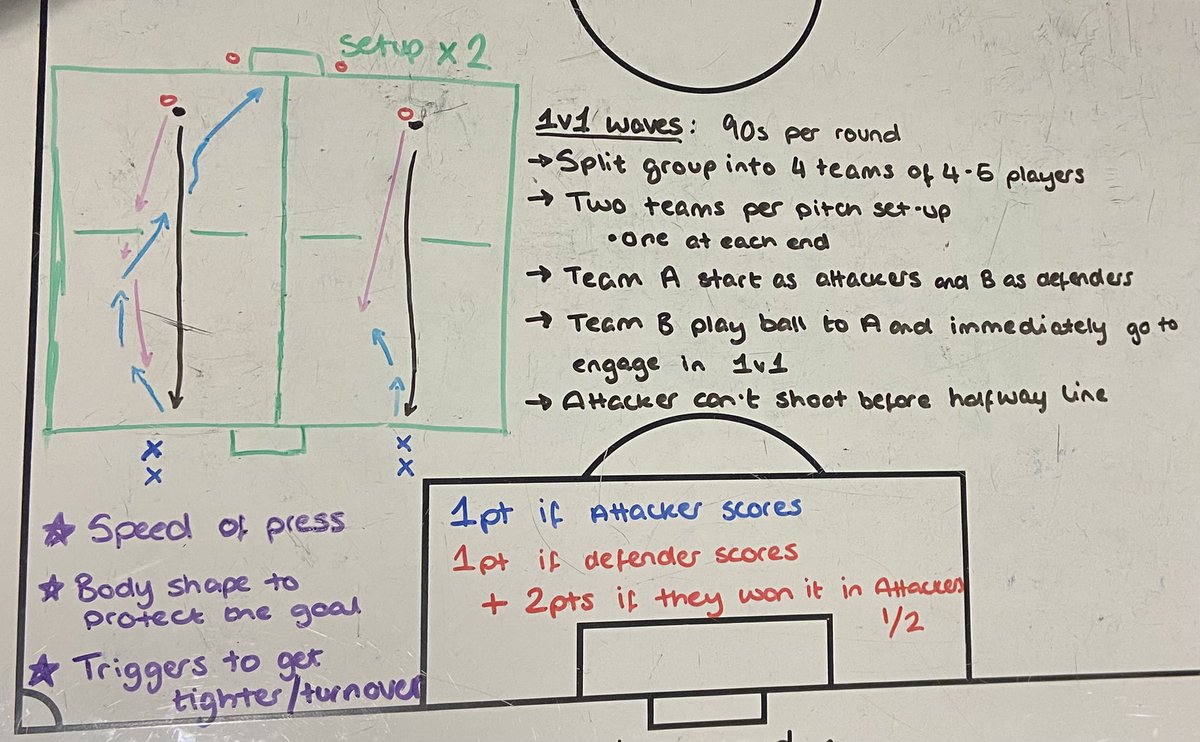
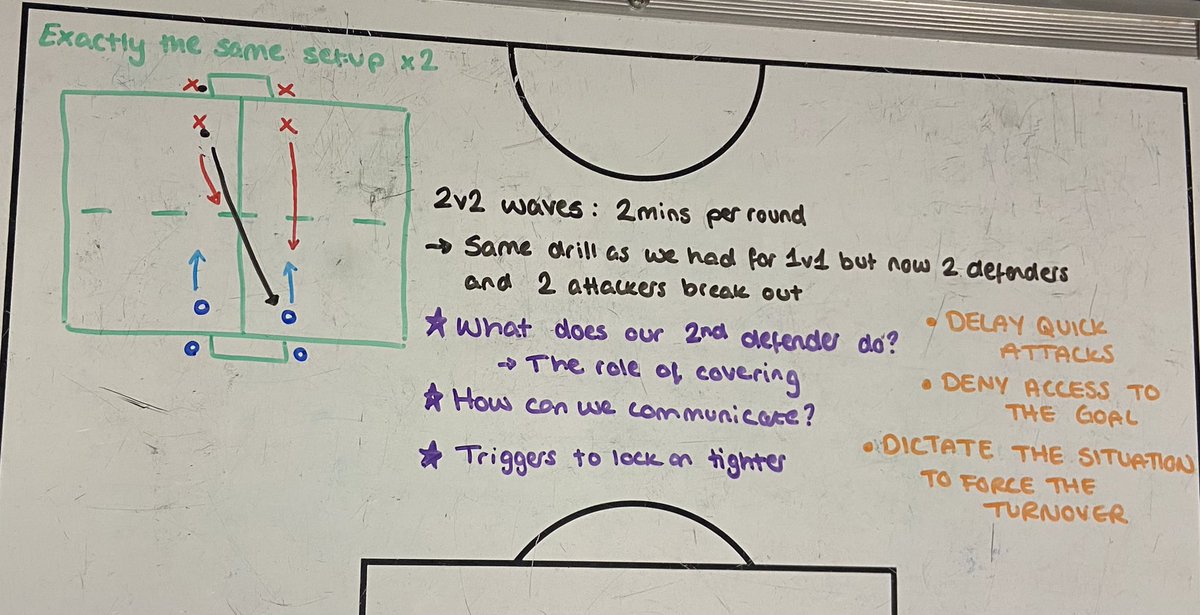
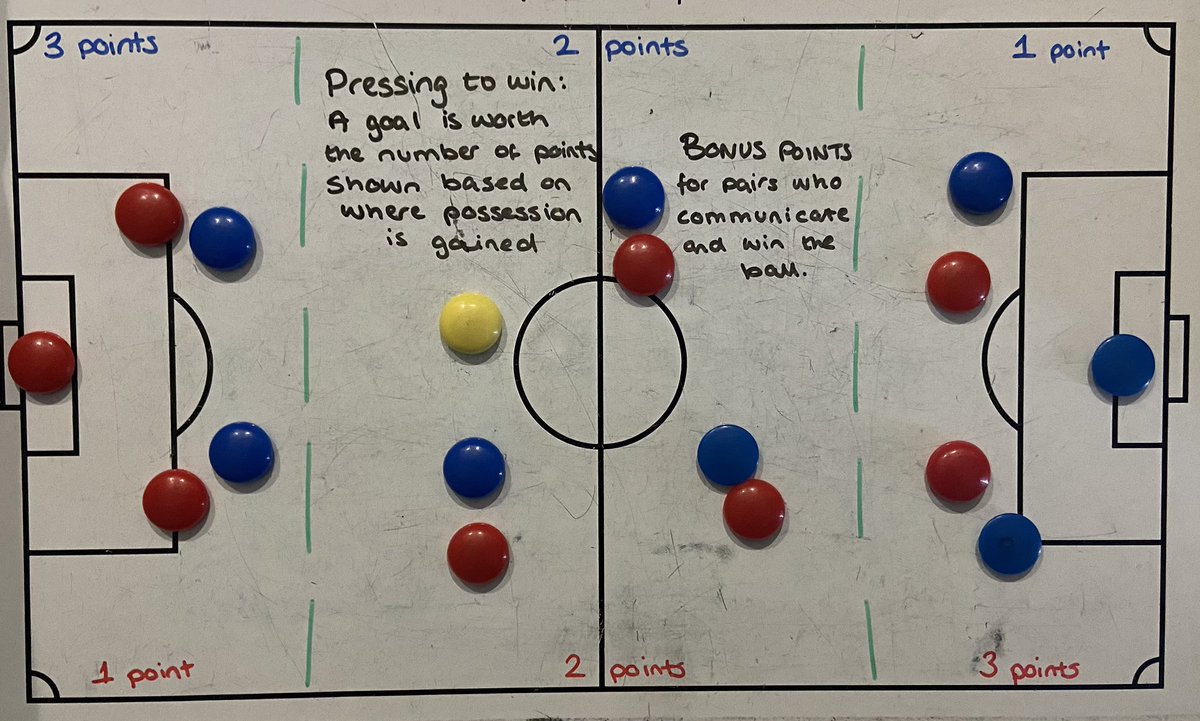
Week 2 of our Defensive principles, quick 1v1 recap, into 2v2 (the lines really seemed to help gauge positioning as a covering defender), into a pressing focused match. Curious to what tips and tricks coaches use to get more communication OOP (U14 girls) 💬🧠@SundayShare10
5
1,896
Alix retweeted

7 Sep 2025
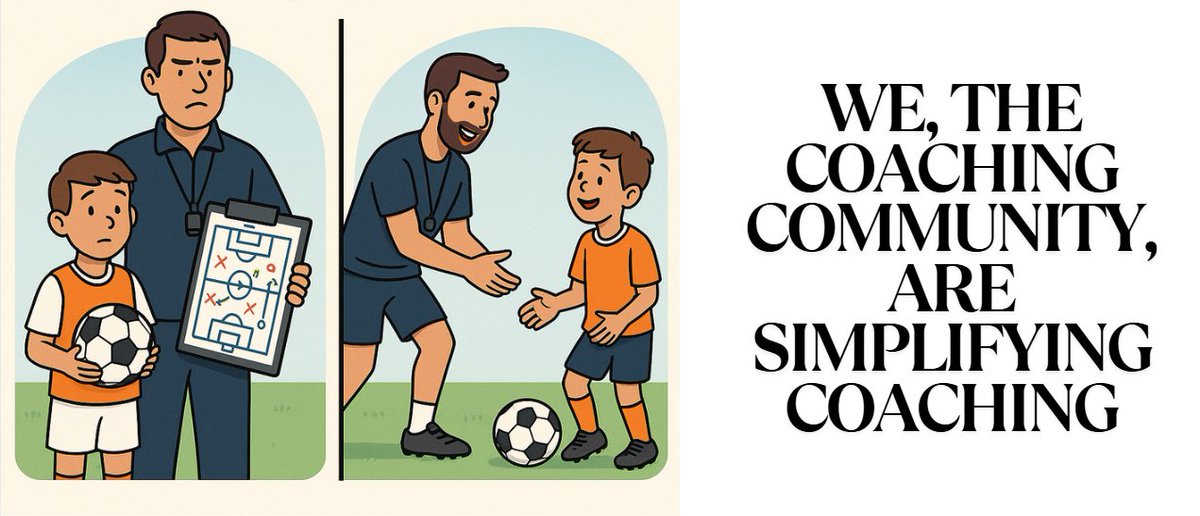
I've experienced nearly every myth in youth football over 15 years.
Parents believe them. We repeat them. Players can get confused.
Here are the biggest myths I've encountered in youth football (and the reality)...🧵
2
20
101
40,857
7 Sep 2025
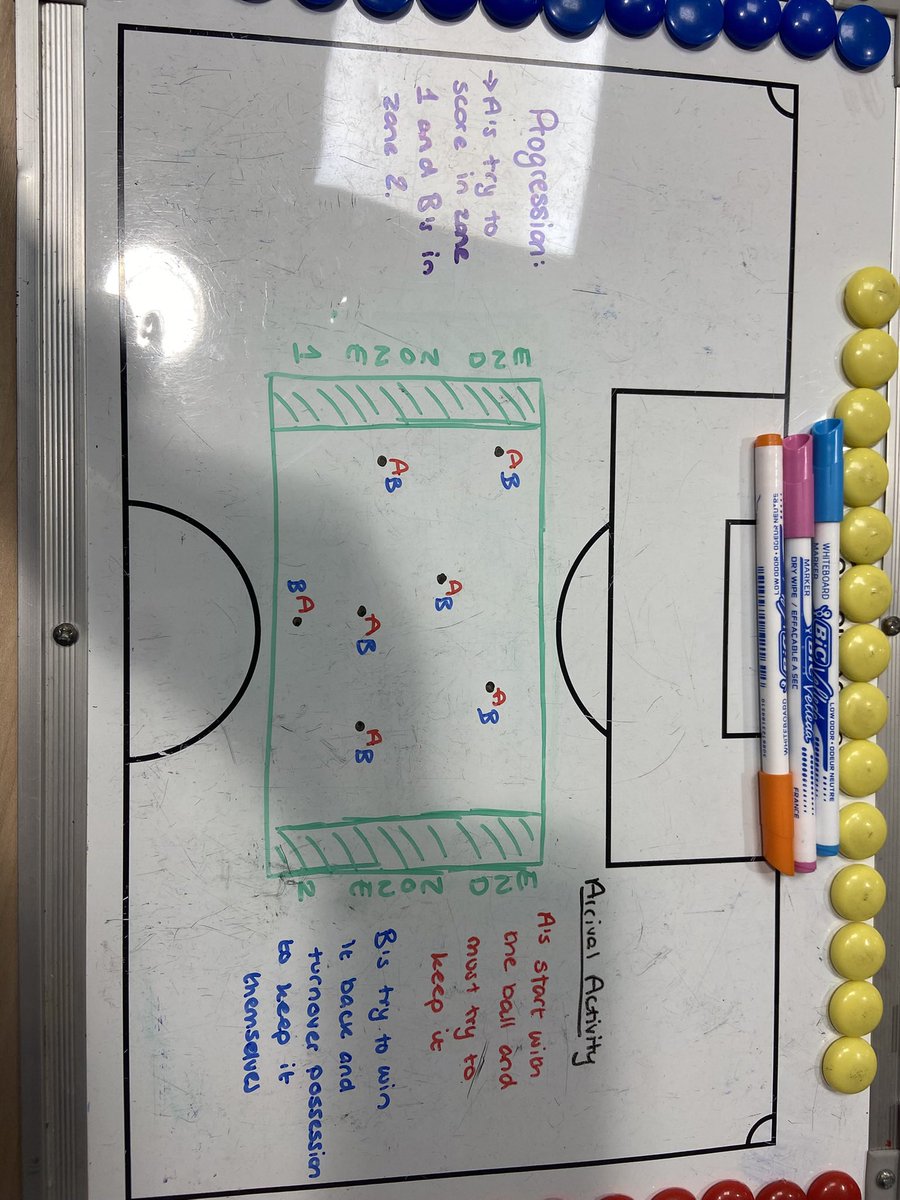
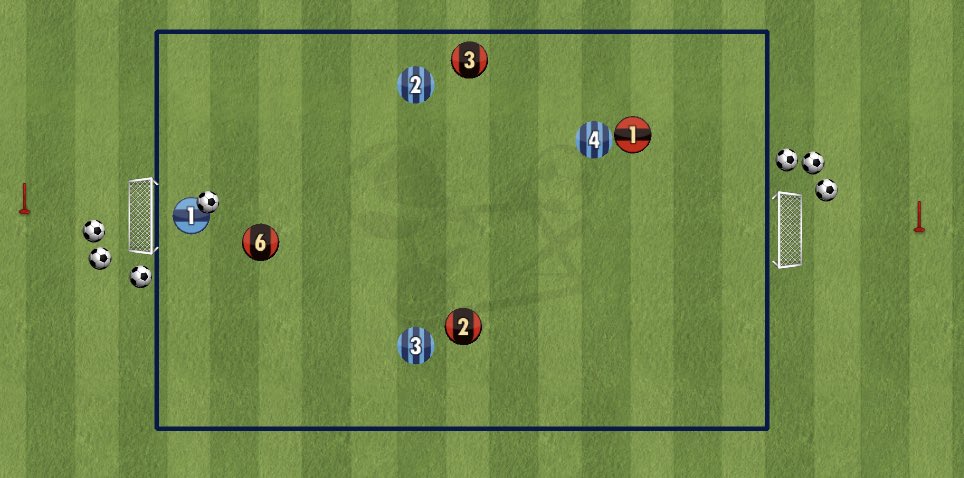
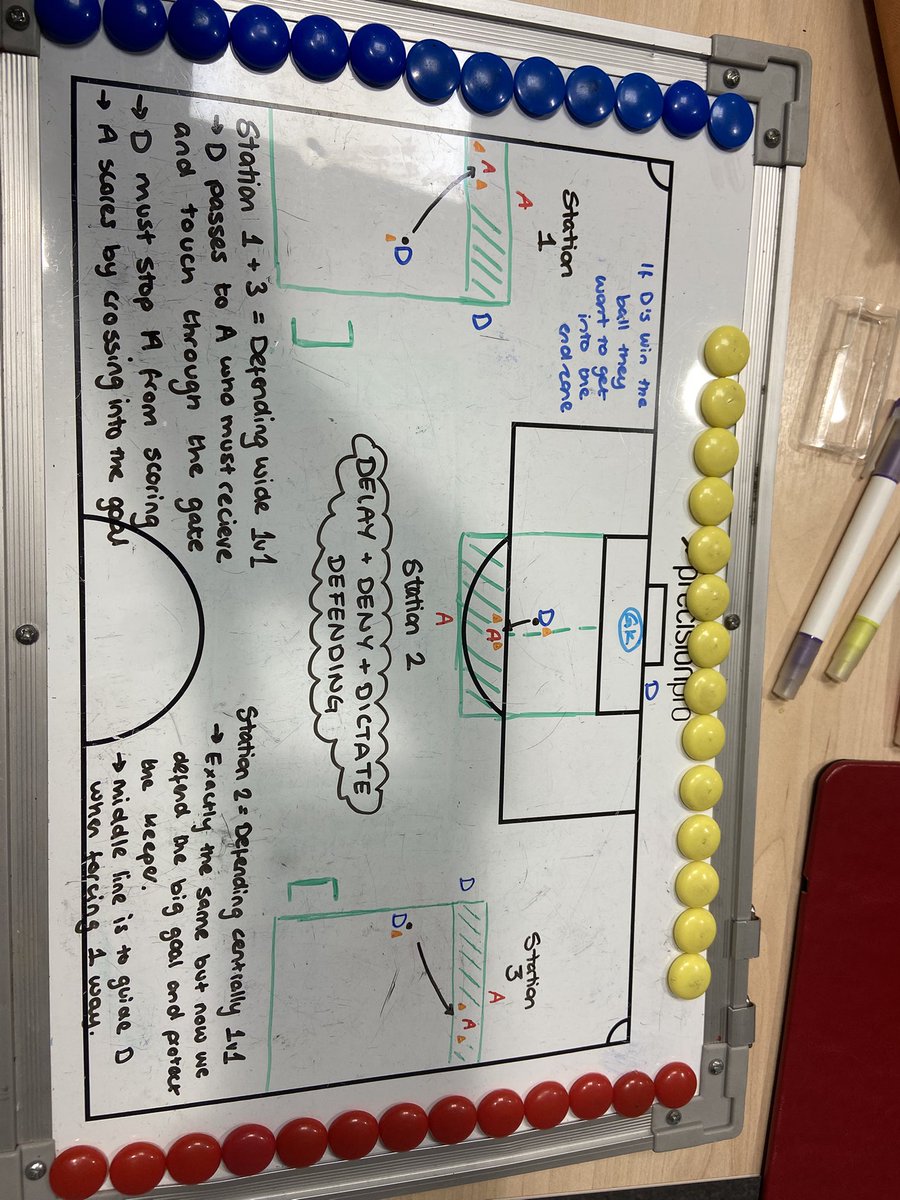
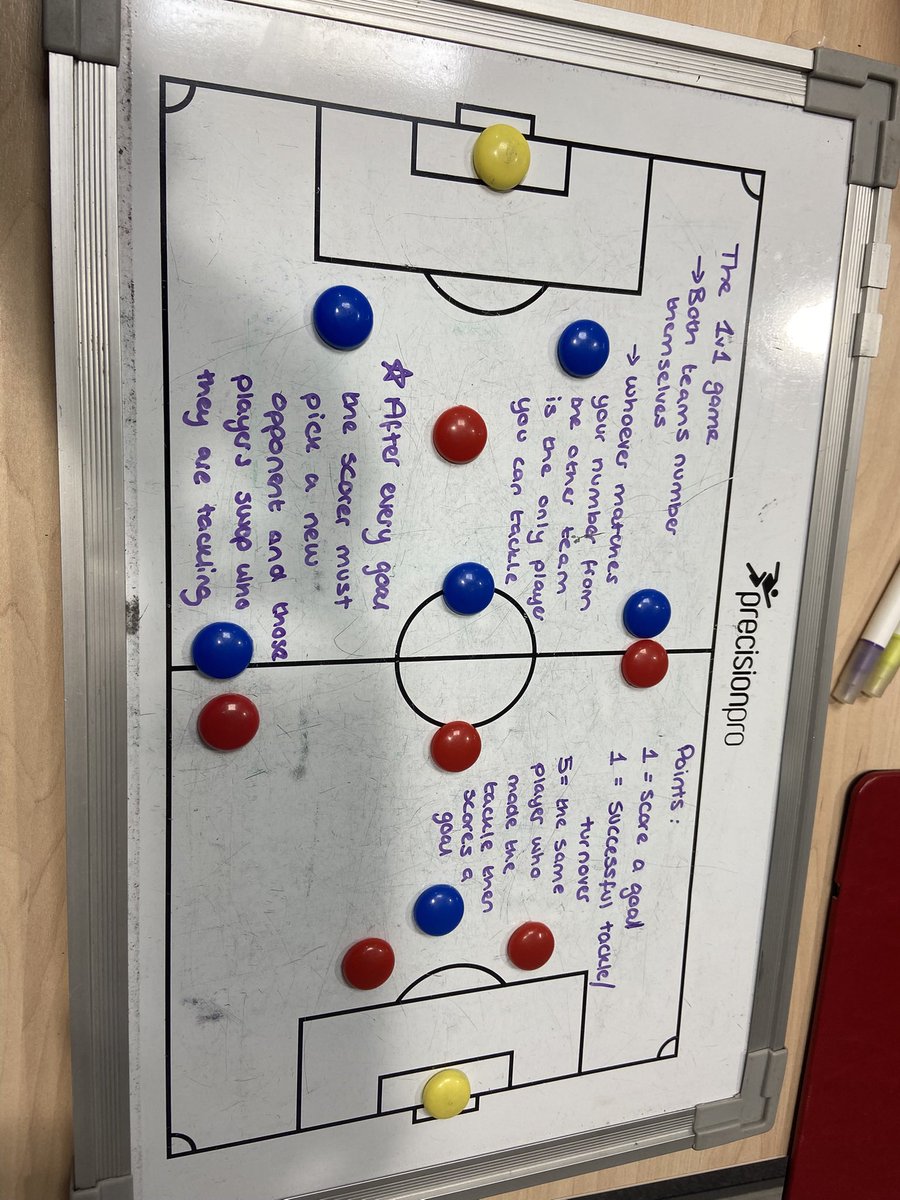
#sundayshare u14s diving into the first session in our out of possession block. On the night we actually skipped the second drill as we progressed the arrival activity for longer. Happy to hear thoughts or suggestions on how to build/improve/adapt this @SundayShare10
3
9
90
14,548
27 Mar 2025
RT @OxfordshireFA: Great evening of coach CPD with Mark Haining at Kidlington Youth FC tonight focussing on supporting new coaches. Big tha…
2
2
14 Feb 2025
It’s been an incredible start, can’t wait to see where the journey goes and to get stuck in with the relevant networks!
14 Feb 2025

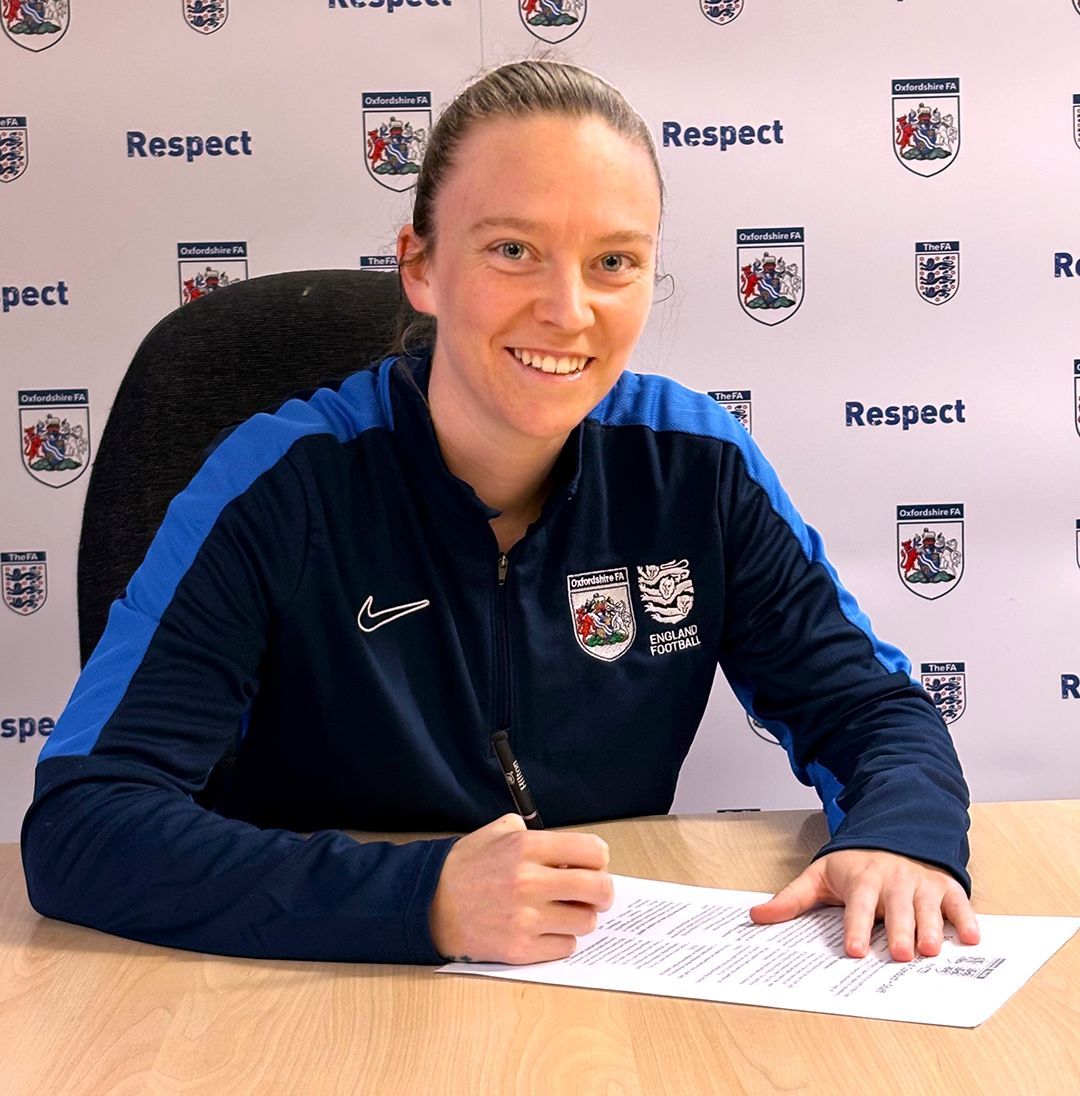
𝗡𝗲𝘄 𝗦𝗶𝗴𝗻𝗶𝗻𝗴 📝 Just before the transfer window shut, we were delighted to welcome Alix Todd to the #Oxfordshire FA team!
Alix joins us as our new Football Development Officer (Player Pathways). Learn about our new signing at the link below 👇
buff.ly/3CQN3Fc
7
16
2,084
27 Oct 2024
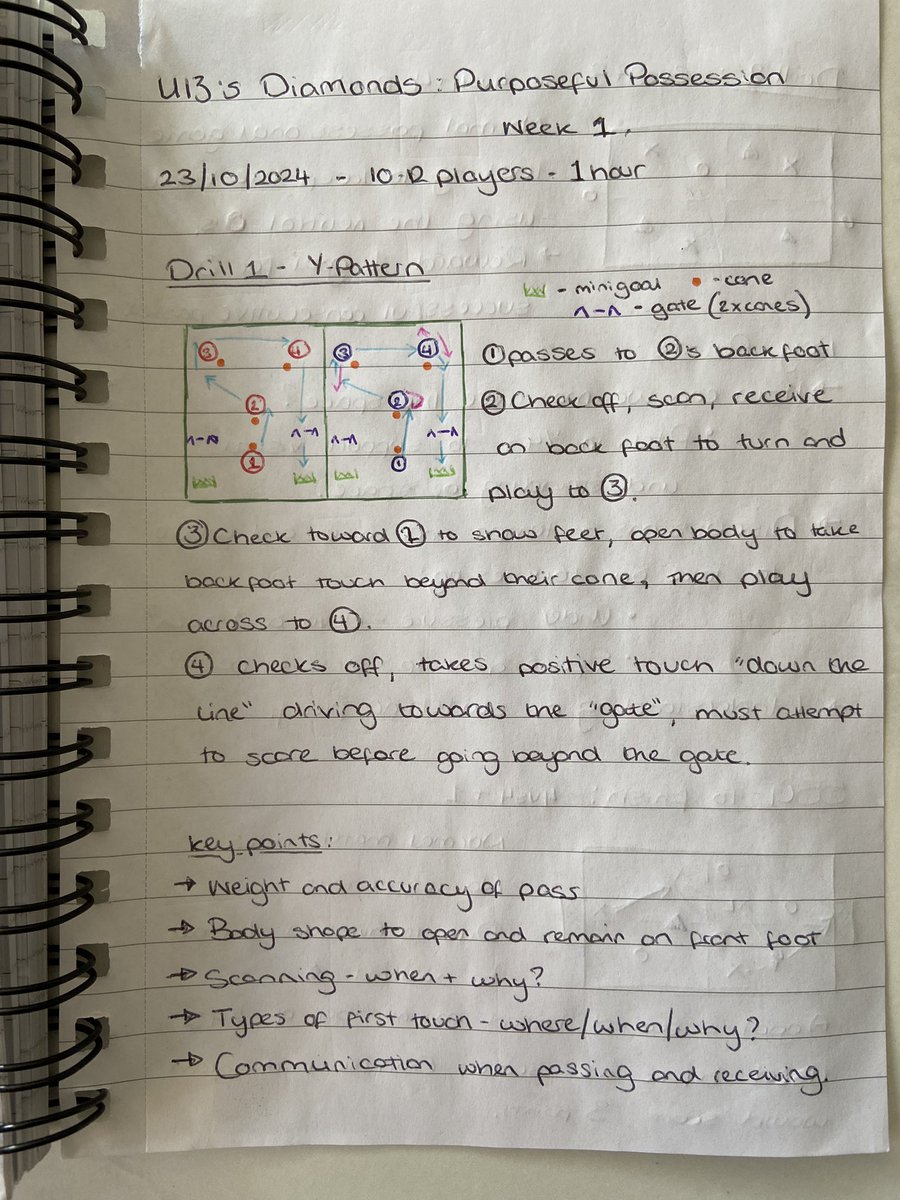
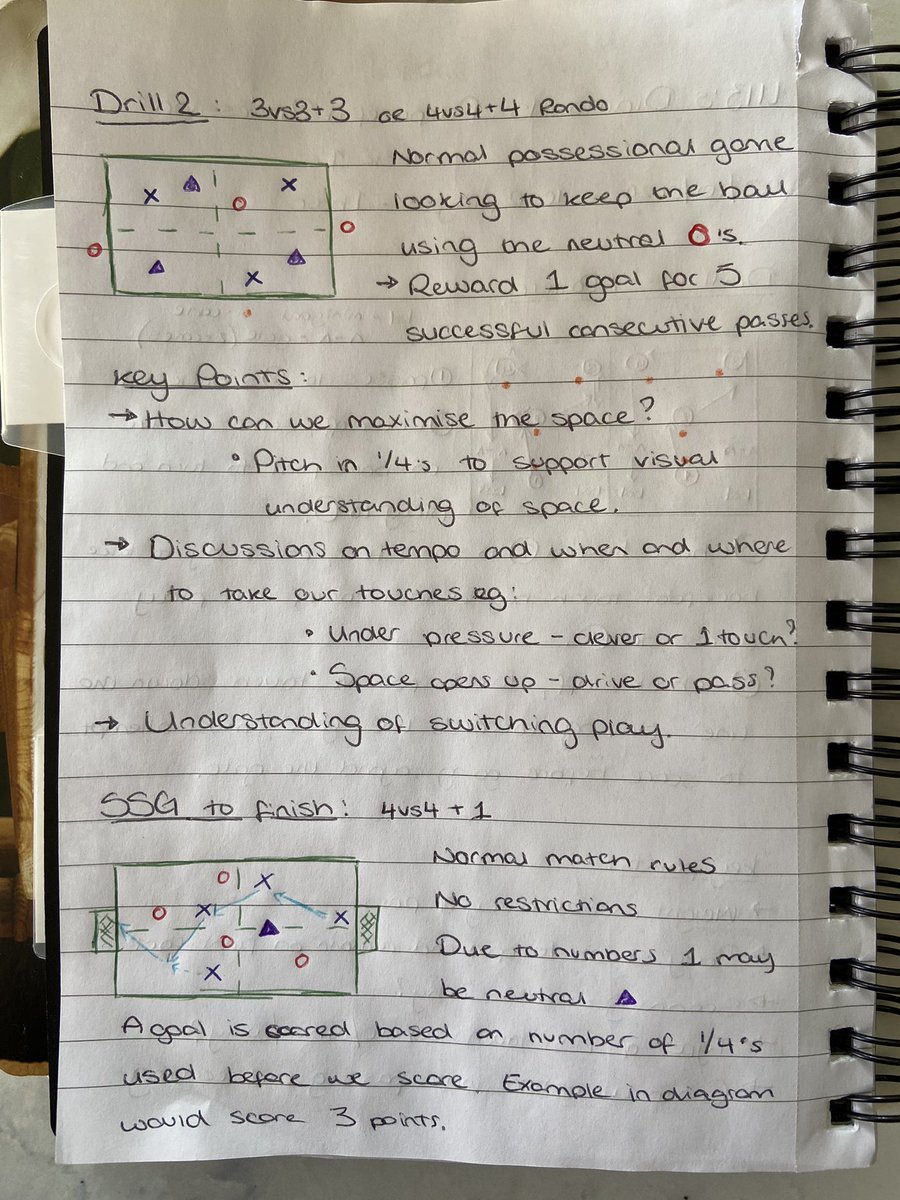
Getting back into good habits and contributing my #sundayshare … now coaching an u13s group once a week and this is the first session in a new block for them. Was extremely impressed with how they took the information on and the progress made @SundayShare10
1
9
1,687