
EIR @ManhattanInst. Opinions my own.
Joined January 2014
- Tweets 467
- Following 1,033
- Followers 246
- Likes 5,162
90 Photos and videos



Pinned Tweet

Apr 2
Free markets undefeated.

Poverty in Argentina Fell to Lowest Since 2018 Under Milei bloomberg.com/news/articles/…
4
98
1,085
42,437
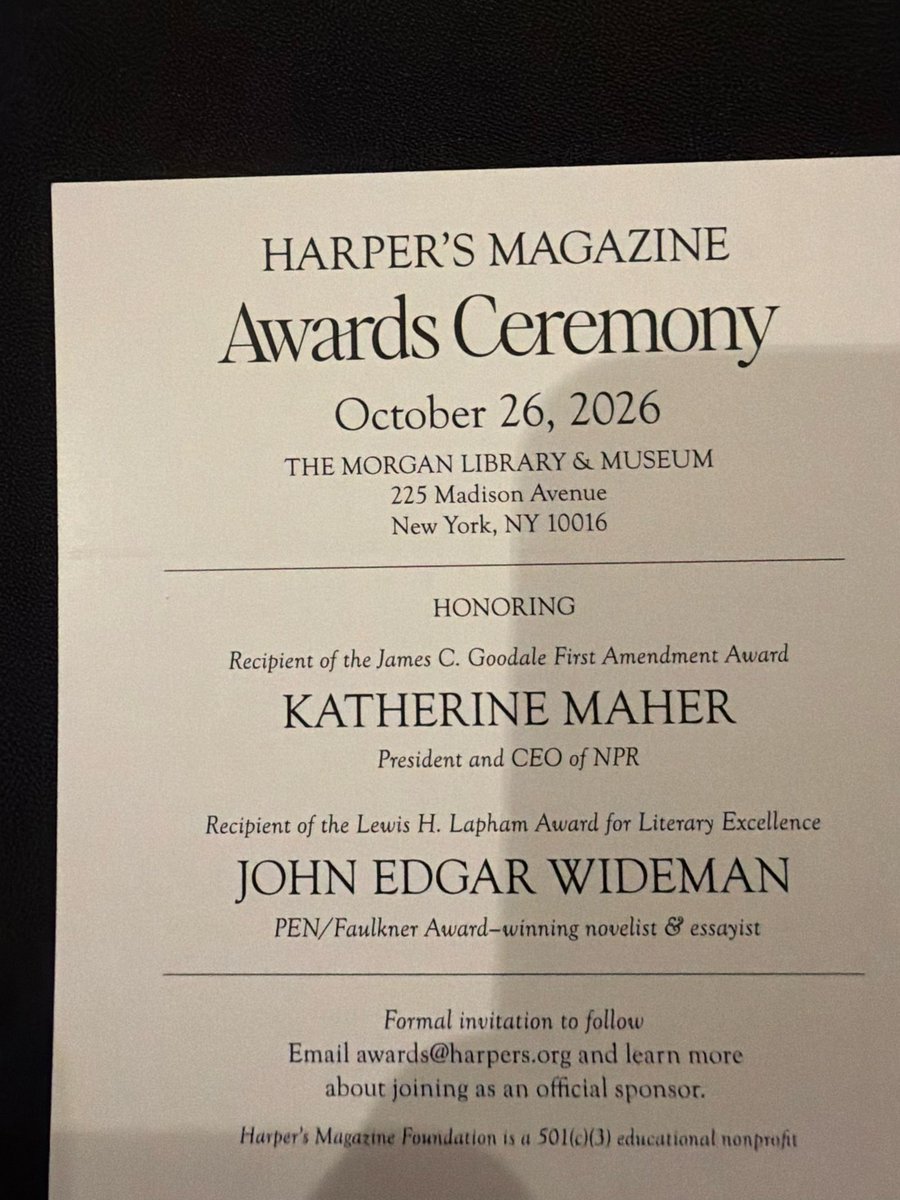
Guess who Harper’s Magazine has selected for their First Amendment Award?
17 Apr 2024

"The number one challenge that we see is the First Amendment in the United States"
NPR's new CEO Katherine Maher.
3
70
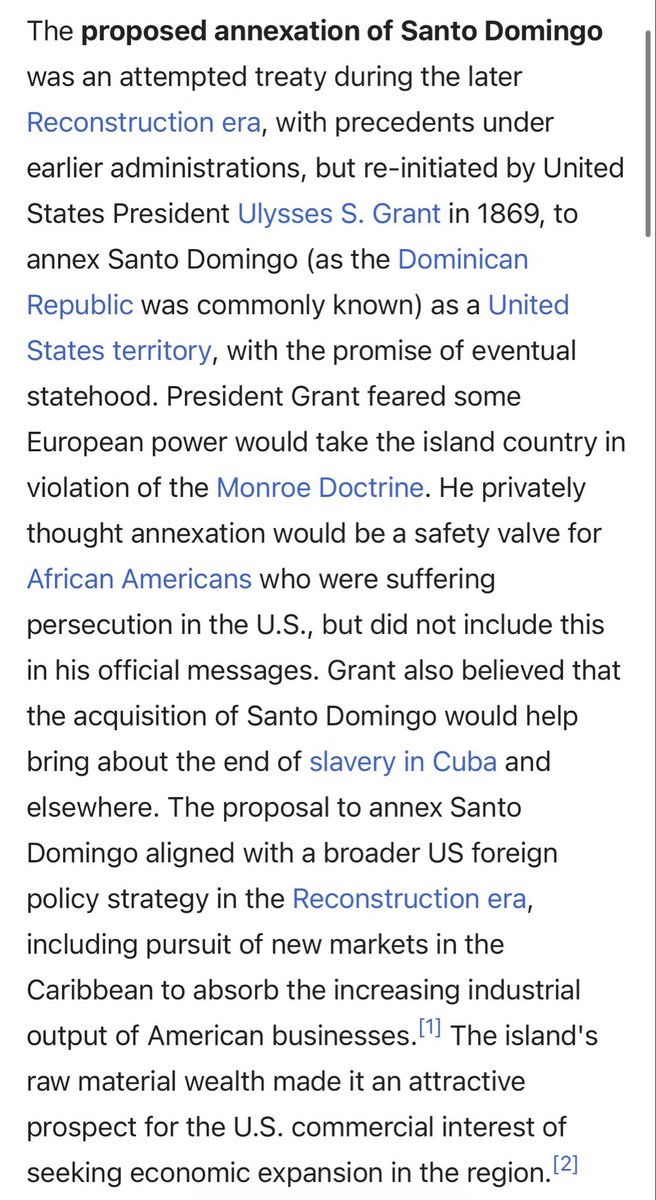
Crazy to think that the Dominican Republic nearly became a part of the U.S. in 1870.

Haiti v Scotland is the World Cup’s only group-stage match where both countries occupy the smaller, mountainous part of a major island shared with a larger neighbour.
Haiti has western Hispaniola. Scotland has northern Great Britain.
Stay tuned for more cutting-edge, geography-based World Cup analysis.


93
Jun 13
I’m in awe of this post. A must read.
Jun 12

USA. A Mexican restaurant. We had not yet ordered anything, and the food was already arriving.
Chips. Salsa. Unrequested. Free.
I stopped the waiter. "We have not earned these."
"They just come with the table, man."
They come with the TABLE. In my land, hospitality is a debt. Every gift creates an obligation, weighed carefully, returned in the proper season with interest of feeling. Here, the gift arrives before you have even proven you can pay for dinner.
This is not an appetizer. This is a declaration: we trust you. Eat.
I ate with the gravity the moment deserved. And then — I must report this calmly — the basket emptied, and a new one appeared.
"Did we…?"
"Refill," the waiter said. "It's bottomless."
Bottomless. They have wells of salsa. The supply lines of this nation are beyond anything my ancestors imagined.
My friend warned me. "Don't fill up on chips, dude."
Too late. I had accepted three baskets. Honor demanded each one be finished — an unfinished gift is an insult. By the time my actual food arrived, I was a ruined man.
I was not hungry. I was not comfortable. I had been defeated by a courtesy.
Generosity that arrives before the request cannot be repaid. It can only be survived.
I know the rule now. I have made my peace with the basket. One basket. Two at the most.
Who am I deceiving. There is no number of baskets I would refuse. The trust of a nation is in that salsa, and I intend to honor all of it.

1
74
Cole Maritz retweeted

Jun 12
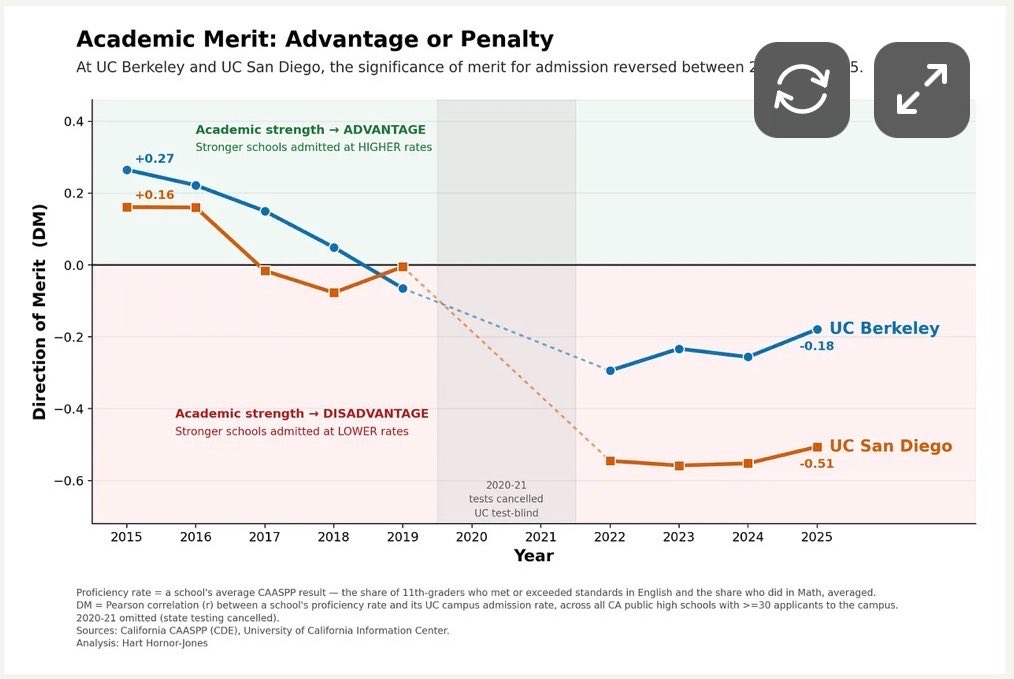
In University of California admissions, up is down:
“Today, the more successful a public high school is at preparing its students, the lower its graduates’ chances of getting into top UC campuses like Berkeley and San Diego”
47
147
1,254
213,875
Jun 12
Amen. Tall poppy syndrome is bad for everyone and is fundamentally un-American. We are a nation that encourages and celebrates success.
Jun 12

It's an incredible thing that the world's first trillionaire is an American.
Americans are among the richest people in the world, with some of the highest average wealth per capita and more billionaires than any other nation.
These things are laudable.
American prosperity should be celebrated, not vilified.
1
96
Jun 12
I agree. Algorithmic media is accelerating a Huntington-style clash of civilizations. National identity blurs but civilizational boundaries become more pronounced.
It’s not clear to me how AI might change this, however.
Jun 12

I remain convinced that @TheStalwart is right: shift toward algorithmic media is lowering the salience of national identity. This isn't irreversible. Technology will keep shaking the kaleidoscope. But it's a trend that helps explain otherwise puzzling aspects of youth politics.
1
124
Jun 11
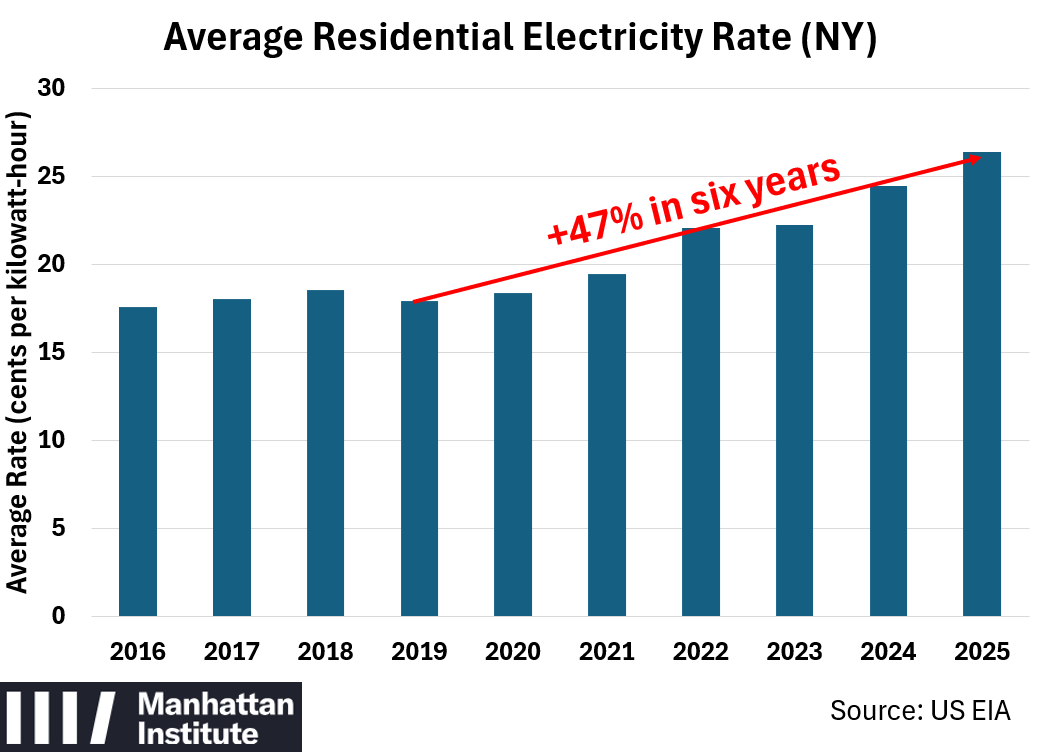
Average residential electricity rates increased 47% in NY over the last six years.
If NY politicians cared about affordability they would treat this with maximum urgency. We need more energy of every variety. Remove the permitting barriers and start building.
Jun 11

This chart, which has virtually nothing to do with data centers, explains a lot about why Albany wants to talk about data centers.
After years of near-zero growth (thanks to deregulation), NY electricity rates exploded. In parts of upstate, they doubled in just six years.
1
2
7
563
Jun 11
Classics being the top major at Columbia by SAT score is extremely bullish for the future of America.
Jun 11

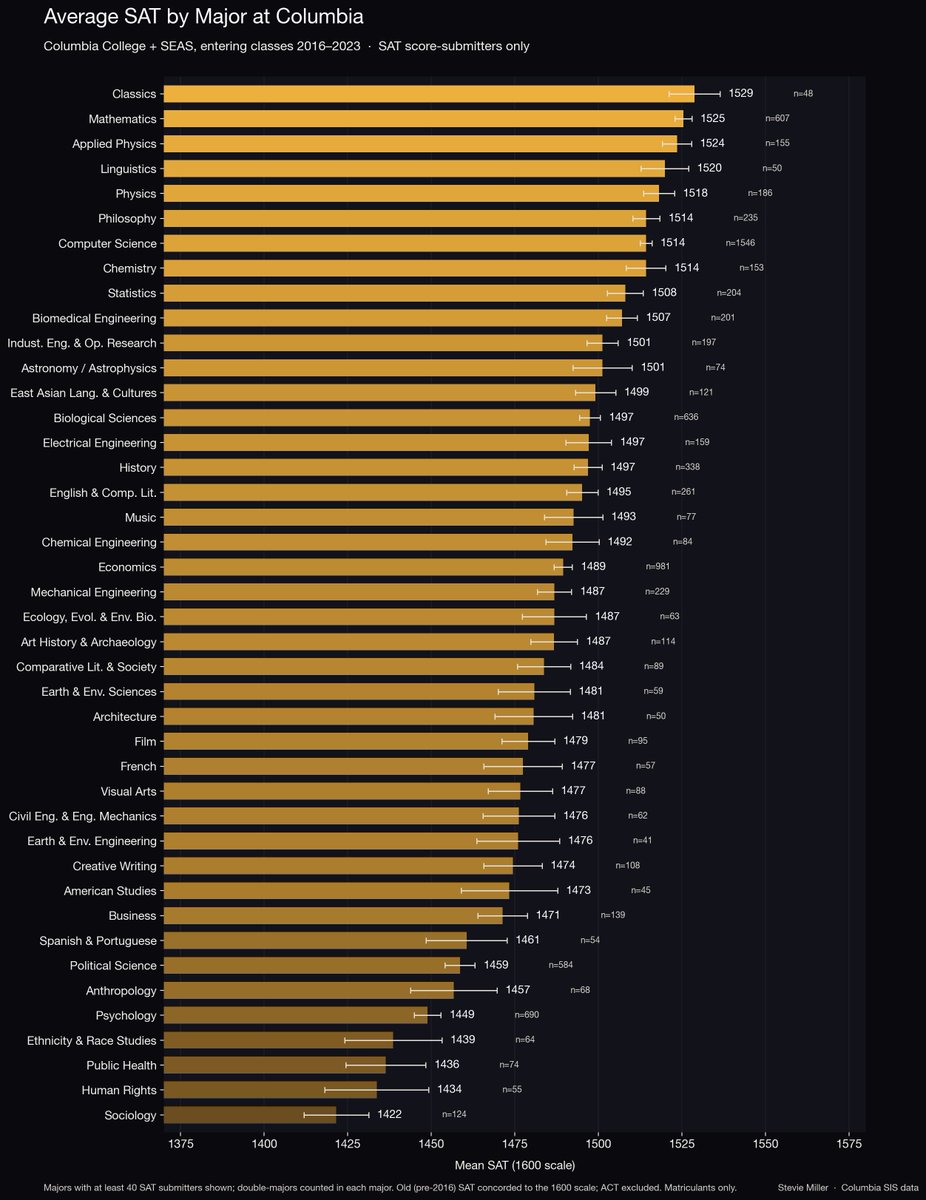
Average SAT by major at Columbia.
Classics improbably edges out Math and Physics for the top spot at 1529. Sociology is on the bottom (1422), though "Ethnicity & Race Studies", "Public Health", and "Human Rights" aren't too far in front.
The within-school spread is 100 points or so — around half of a standard deviation of the SAT-taker population.
1
227
Jun 10
63 New Yorkers have been arrested 5k times for crimes on the subway.
327 New Yorkers were arrested 6k times for shoplifting in 2022.
Imagine how much we could increase quality of life in NYC by arresting a tiny population of career criminals
Jun 10

80% of crime is committed by 20% of criminals. One review found the most active 10% of criminals commit 66% of all crime.
327 people accounted for 6,000 NYC shoplifting arrests in 2022.
As of last year, 63 New Yorkers had racked up 5,000 subway arrests between them. (And, of those criminals, only five were in custody!)
Our justice system let's habitual offenders off of the hook because it treats the offense, not the offender. Every decision — arrest, bail, charging, sentencing — turns on what was just done, not on who keeps doing it. The same handful of people churn through the system again and again.
The fix is focusing the system around offenders: focused deterrence on the violent few, bail that weighs reoffense risk, smarter three-strikes laws, and better tracking of career criminals. Stop sorting by crime. Start sorting by criminal.
@ManhattanInst senior fellow @CharlesFLehman in @thedispatch thedispatch.com/article/crim…
23
62
1,230
459,571
Jun 10
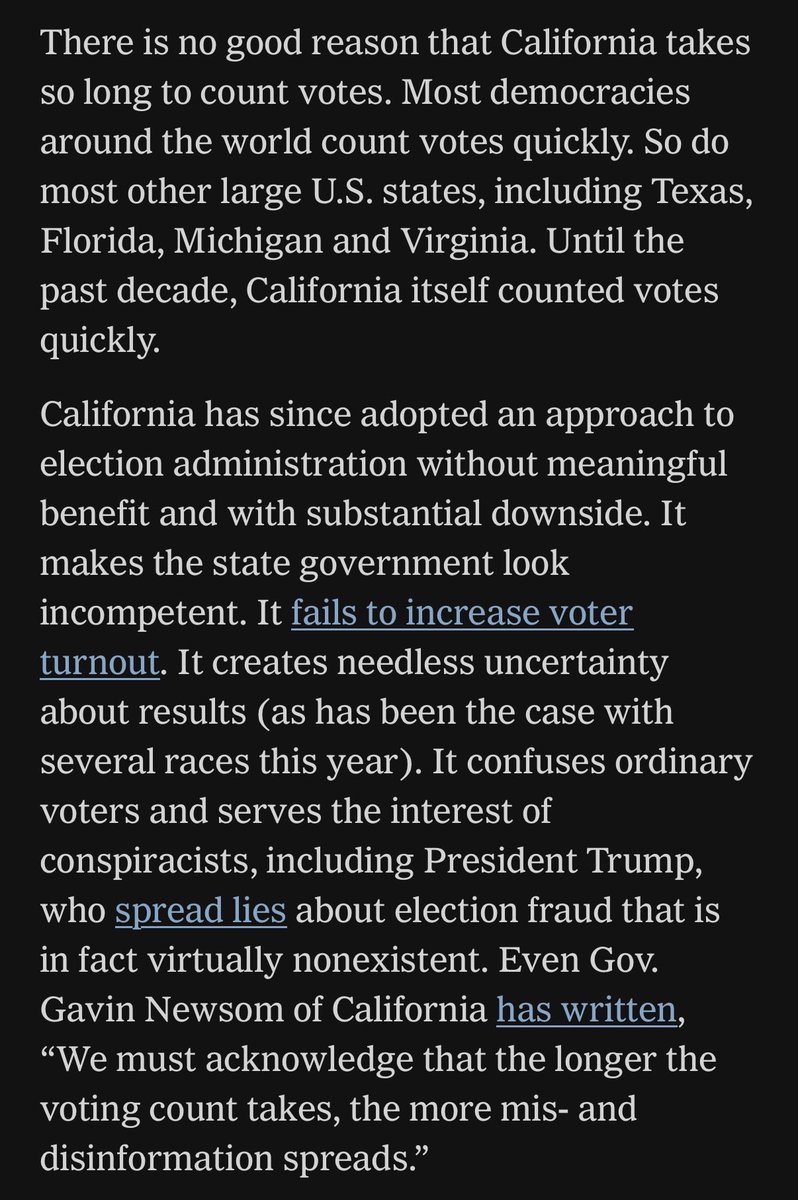
The NYT disagrees. California does not need to take this long to count every vote:
“Lawmakers say they are prioritizing accuracy and access, but states that tabulate results quickly have elections that are neither less accurate nor less accessible than California’s.”

Why do Republicans hate that California counts every vote?
1
1
193
Jun 10
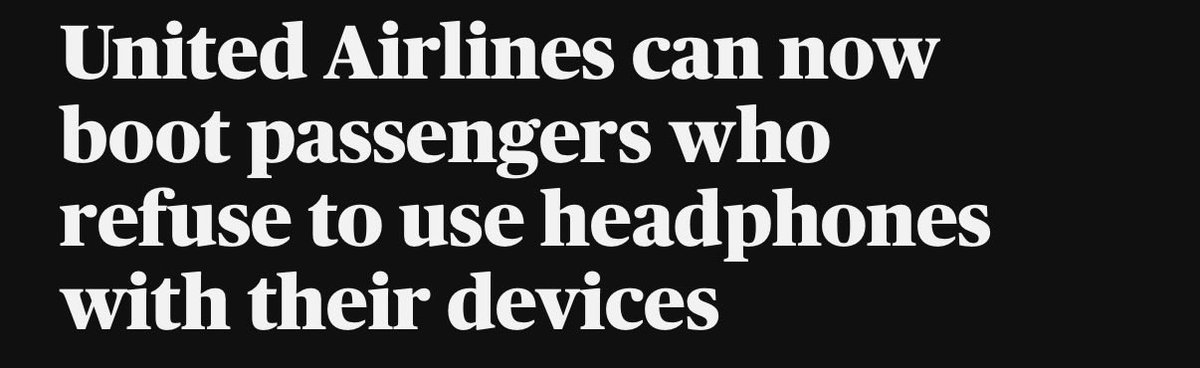
United banned listening to your music without headphones on planes, and it was met with universal praise.
We need to bring this same energy to public transportation. There’s zero justification for listening to music or taking a call without headphones on the train or bus.
Jun 10

Yesterday, May 8, a man asked a ~16 year old to tone down his phone conversation on a Bronx bus, and the teenager shot him to death (see images in the quoted post below).
A few months ago I was at a Christmas party and a guy I was talking to got extremely angry about people who listen to music without headphones on the subway, and he was even more angry about people who watched TikToks/Reels full blast without headphones. I think he is correct that these are terrible, anti-social behaviors that degrade the commons.
I also agree with his comparison of music and short-form videos. Playing music into the air in public places like a train/bus is no-good, anti-social, and usually sounds bad in one way or another [^1]--either people don't like your music, or your tinny phone speaker sounds terrible. In either case, people deserve a less polluted aural commons when on public transportation. TikToks/Reels are often worse, because they are not a continuous thread of sound like a song; the abrupt transitions from video to video can easy destroy someone's peace.
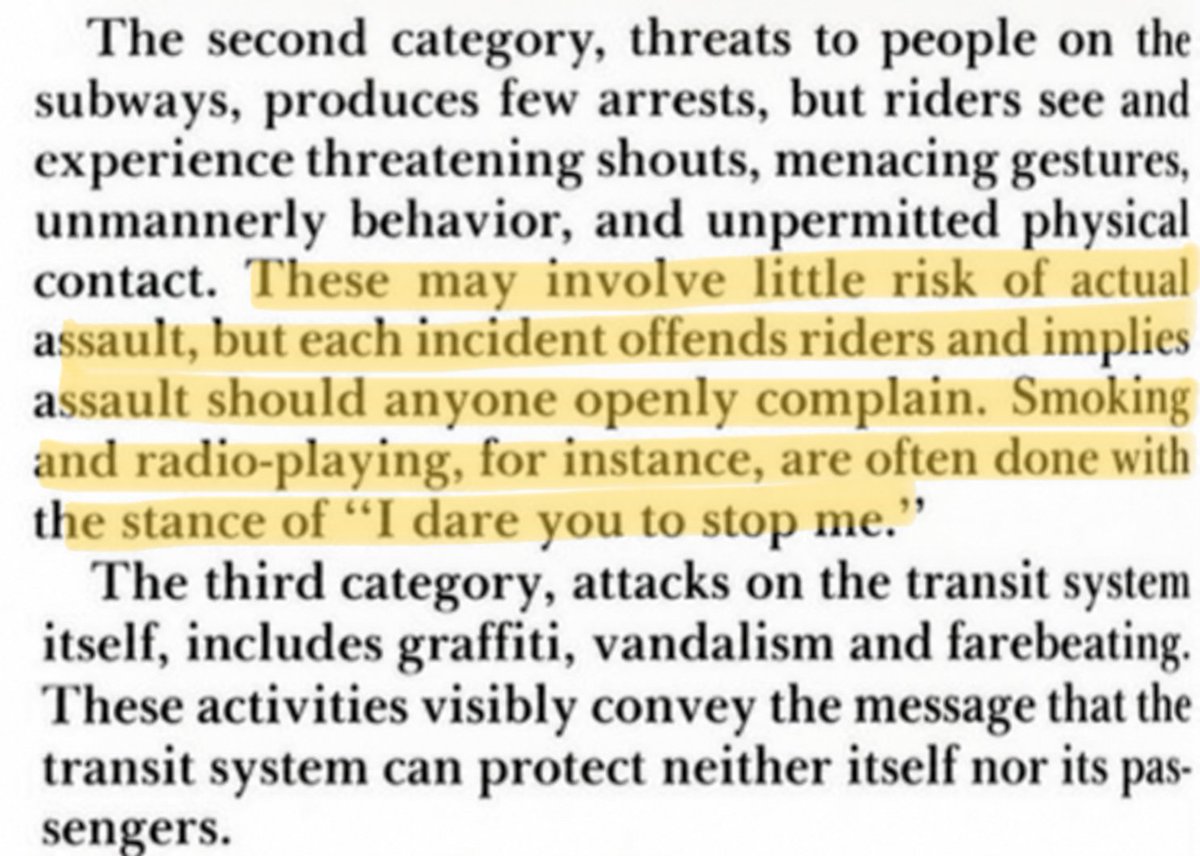
Now back to my angry Christmas interlocutor: part of the reason he was so angry was because he had the sense that "things were getting worse," and that New York City "didn't used to be like this." His idea that this behavior was new gave it more relative weight, and fed his anger more. I think it's true that since COVID the norms against anti-social headphonelessness have badly degraded to our widespread civic detriment. But also: we have been here before. The fact that Apple removed 3.5mm jacks from their phones and the advent of TikTok both might have something to do with why this is happening more now, but people did this as soon as they got mobile sound systems. See my highlighted excerpt below from page 10 of the first edition of Amicus, the journal from the Natural Resources Defense Council (NRDC). That we have been here and solved it before means we can solve it again, even if it won't be easy.
You might say "What's the big deal? Don't we have other fish to fry? So there's annoying sound on the subway, so what?" Perhaps, but I don't think this is a small thing, and I personally think it's worth addressing. It's not merely about a quality aural environment for the public, even though that's enough of a reason by itself. It's also because anti-social privatization of the public soundscape is often a threat. @Rafa_Mangual lays it out well here: x.com/Rafa_Mangual/status/20…
"Anti-social behavior—think about the guy blasting music from a speaker, talking loudly on speaker-phone, smoking inside the subway car, etc.—in public spaces is often engaged in ***_as a dare_***. The whole point is to provoke anger and annoyance in those around him, which serves two purposes, depending on the response he’s hoping for: (1) If everyone bites their tongues, the antisocial asshole gets to tell himself he’s such a badass no one would dare speak up; or (2) If someone confronts him, he finds his excuse to scratch a violent itch. Understand that saying something to these people will often come with a real risk of violent confrontation."
Both public transportation and public safety wonks have known this for decades; again, see my highlighted excerpt from the 1979 NRDC report: "...Smoking and radio-playing, for instance, are often done with the stance of 'I dare you to stop me.'"
And for this reason above all others--menacing the public--the problem is worth addressing. The public deserves an orderly, safe commute.
[1] There's a genuine tension here between keeping a clean aural commons, and allowing New York's culture to bloom with performers/people being themselves. Clearly, people are of different minds here, and sound policy and norms would converge on some sort of workable compromise. But I think "playing things from your phone without headphones on public transportation" or "being very loud on speakerphone" is generally a bad norm without redeeming positive externalities.
1
1
12
564
Jun 10
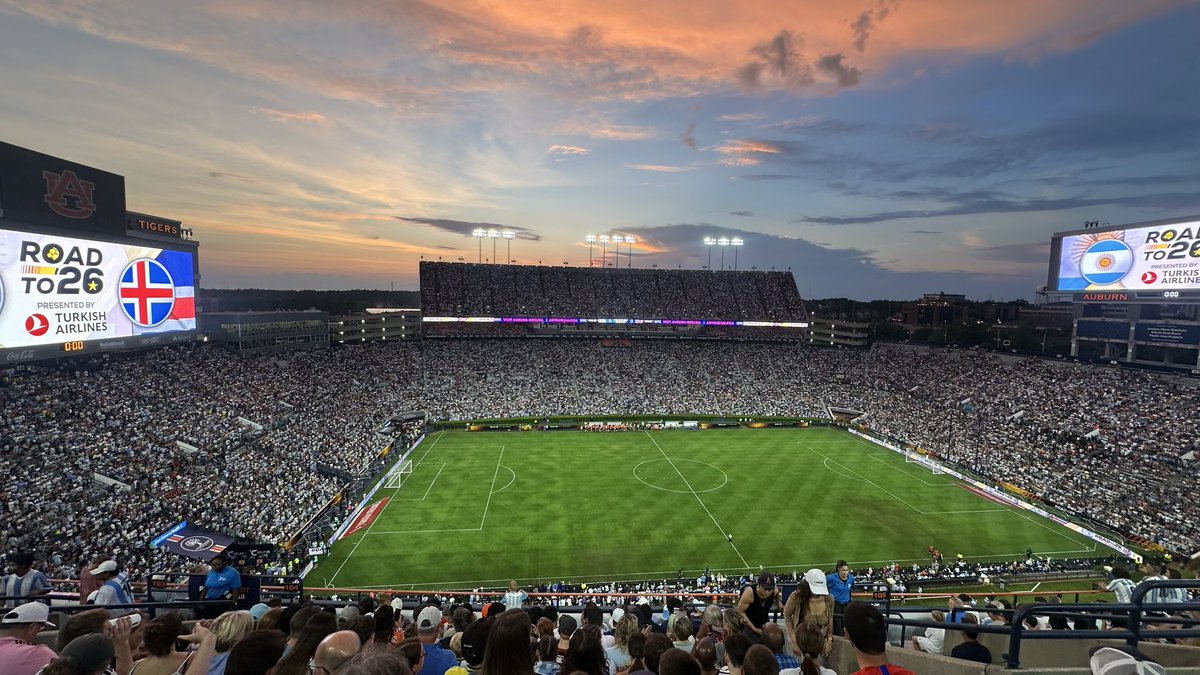
Me liking every tweet from a European discovering America at the World Cup.
Jun 10

This is the most “The European mind can’t comprehend this” moment of my life. One of my friends said, “Punch me five times tomorrow and I’ll still think this isn’t real.”
1
8
538
Jun 8
Perfect illustration that criminals, like everyone, respond to incentives. The most effective way to deter crime is to ensure that criminals will be caught and prosecuted.
Very cool seeing a company like Flock use technology to tilt the field in the police’s favor.
Jun 8

One of the most prolific criminals in all of San Francisco tells @adam22 that “crime in San Francisco is over with” because of Flock cameras drones. He complains that he can’t even do drivebys anymore.
It’s simple: when the risk of getting caught is too high, crime plummets.
2
194
Jun 8
This should absolutely not be allowed. Wow.
Jun 8

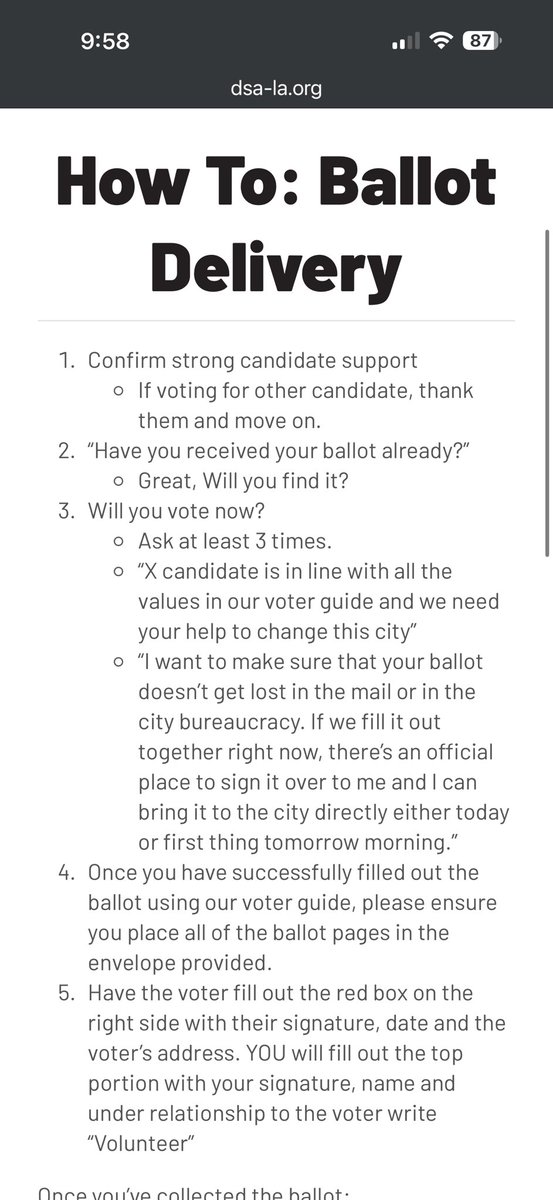
I believe LA county is counting votes more or less accurately, but “ballot harvesting” seems like a big problem.
If you can’t show up to a polling place with a MAGA hat, how is it ok for a DSA organizer to literally sit you and fill out your ballot for you?
2
133
Jun 8
New York has effectively given up on dealing with people suffering severe mental illness (‘emotionally disturbed persons’) and now law abiding citizens are being subjected to random attacks.
Enough. We need to get serious about removing violent disturbed people from the streets and putting them into treatment, whether they agree to it or not.

2 things about this incident are particularly distressing:
First, it’s so normal to New Yorkers that an untreated seriously mentally ill person might attack someone that it doesn’t shock them the least bit. A Penn Station worker reportedly said, “I’m just glad it wasn’t anything crazier than what it was.” Glad it wasn’t crazier than five people being stabbed?! NYers are so desensitized to the fact that it’s ABSOLUTELY crazy this happens.
Second, New York City spends more on mental health and social services than nearly everywhere else in the country. If these incidents are continuing to happen, it’s not because of a lack of funding. It’s because of a lack of leadership and a lack of focus on the people who need intensive treatment and services the most.
Even when a Mayor is laser-focused on the seriously mentally ill (versus the worried well, who don’t stab or push ppl in front of subways), it takes a lot of effort and coordination to prevent these incidents. Mayor Mamdani has zero interest whatsoever in addressing serious mental illness, which means preventing this type of tragedy has no chance because from the top, no one is even TRYING to prevent it. There’s no message to anyone else in city govt that this matters.
2
2
206
Jun 8
European cities are starting to resemble American cities, down to the ACAB graffiti. Sad to see.
Jun 8

Scenes like this in central Cologne are becoming increasingly common across Germany’s major cities.
What many Germans once associated with order and prosperity is now increasingly replaced by decay, homelessness, open drug use and neglected public spaces.
x.com/HGMaassen/status/20611…
2
54
Jun 7
While this is concerning, China seems to struggle to create effective western propaganda. Cutting its population off from the rest of the world seems to have made Chinese operatives less attuned to how to persuade non-Chinese audiences.
However, if/when AI becomes better at understanding western online sensibilities, we will be in a lot of trouble.

A careless code blunder just blew the lid off Beijing’s multi-million dollar AI propaganda operation targeting the West. France's digital interference watchdog, Viginum, has officially exposed "Fawn Mianju," a covert network of 13 multilingual fake news sites running on advanced automation and generative AI. The sophisticated network was completely compromised after a computer engineer working as a Senior Project Manager at China's state-run CGTN Digital accidentally left his login credentials exposed in the code.
This operation, which expanded on findings first uncovered by U.S. cybersecurity firm Graphika in 2025, operated with deep financial backing. The domains were registered in Beijing, hosted on Alibaba Cloud, and utilized expensive infrastructure alongside paid plugins to artificially manipulate search engine rankings. Using digital keys linked directly to AI language models, the network automatically scraped CGTN articles, lightly rewrote them, and republished over 2,300 articles, often within less than an hour of the original state media broadcast.
Sites like the French-language "Actu Méridien" were weaponized to manipulate public opinion across 89 countries, heavily targeting Western audiences and Francophone African youth. The articles aggressively peddled pro-Beijing narratives, painting China as the undisputed leader of the Global South and green energy transition while explicitly telling Western readers that aligning with Chinese interests would bring them massive benefits.
Despite the cutting-edge tech and heavy state funding, the operation was an organic flop. The articles struggled to breach 15,000 views, with nearly 40 percent of its top social media engagement traced back to fake accounts in Burundi whose sole purpose was to artificially inflate the content. While the reach was limited, French authorities warn that the operation exposes Beijing’s rapidly escalating capability to launch fully automated, stealth disinformation campaigns designed to quietly erode Western democratic alignment.
#Disinformation #CyberSecurity #France #China #AIPropaganda #Geopolitics #Viginum #NationalSecurity

1
83
Jun 4
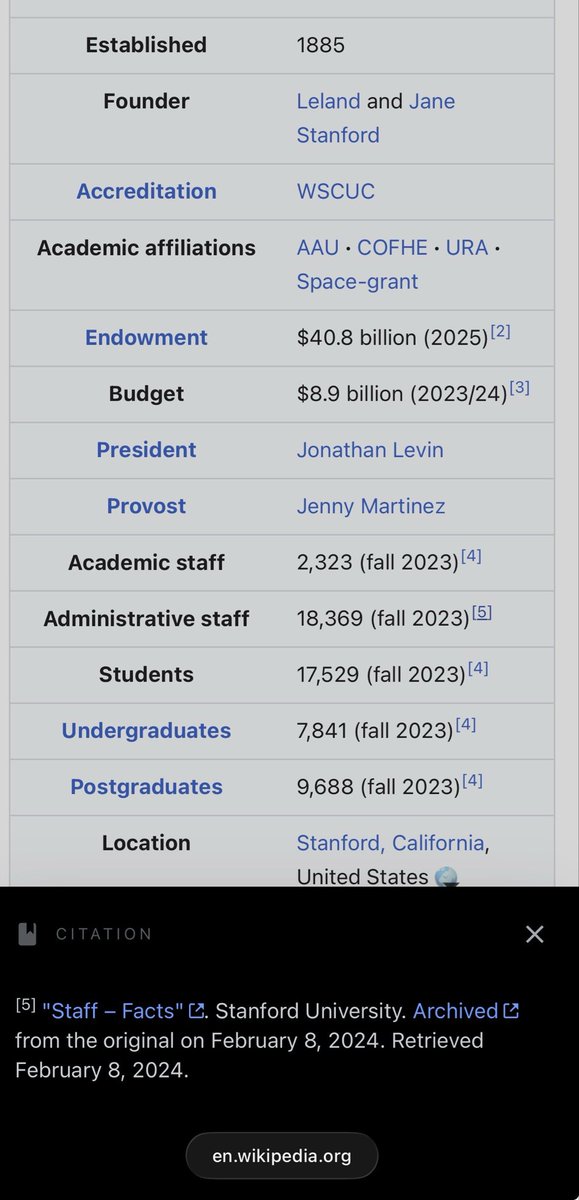
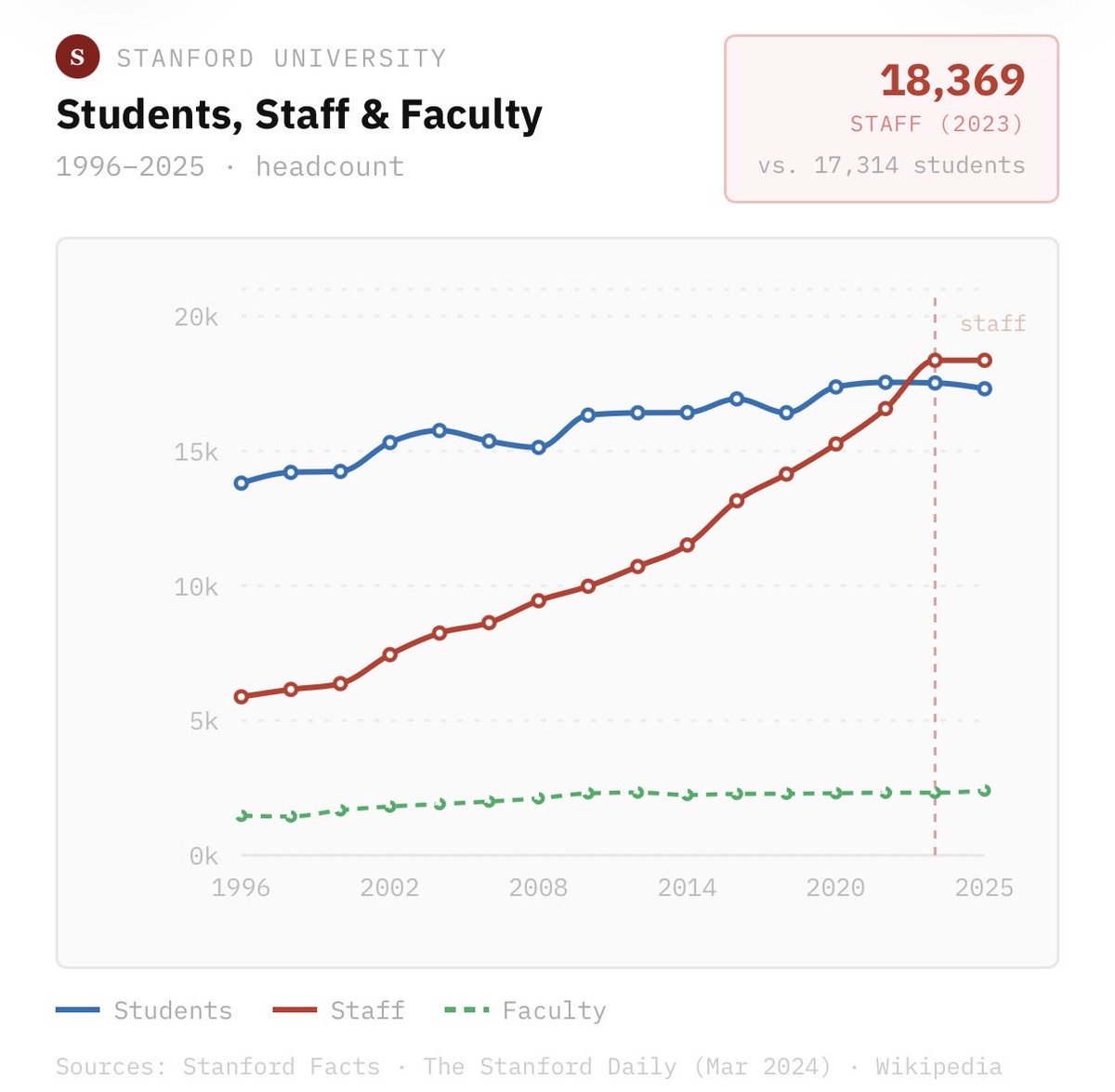
The same is true at Stanford, where there are now more admins than students: 18,369 staff vs. 17,314 students.
We need to dramatically reduce the number of administrators at these universities.
Jun 4

From 1985 to 2023 MIT administrative staff headcount increased 189% while faculty only grew 9%. This trend is everywhere across US universities. The rapid growth of administrative staff (versus faculty or students) is one of the largest underdiscussed problems in academia today.
32
95
578
40,850
Jun 7
For those saying that I’ve conflated admins with staff: Stanford refers to these workers as ‘Administrative Staff.’ As far as I can tell they don’t distinguish between educators and/or research staff versus pure admins.
But the overarching point is that there has been explosive growth in the number of admins and staff broadly at universities like Stanford despite very little student population growth.
1
44