
Infectious Diseases Physician and Microbiologist. Professor Medical School. Australian National University. Views are my own.
Joined July 2012
- Tweets 36,686
- Following 376
- Followers 12,768
- Likes 35
920 Photos and videos
Prof Peter Collignon retweeted

Jun 12
This sharing of Covid origins intel within US gov should've happened in week 1 of 2020. It would've informed everyone of a likely lab origin of Covid and preempted cover-up attempts.
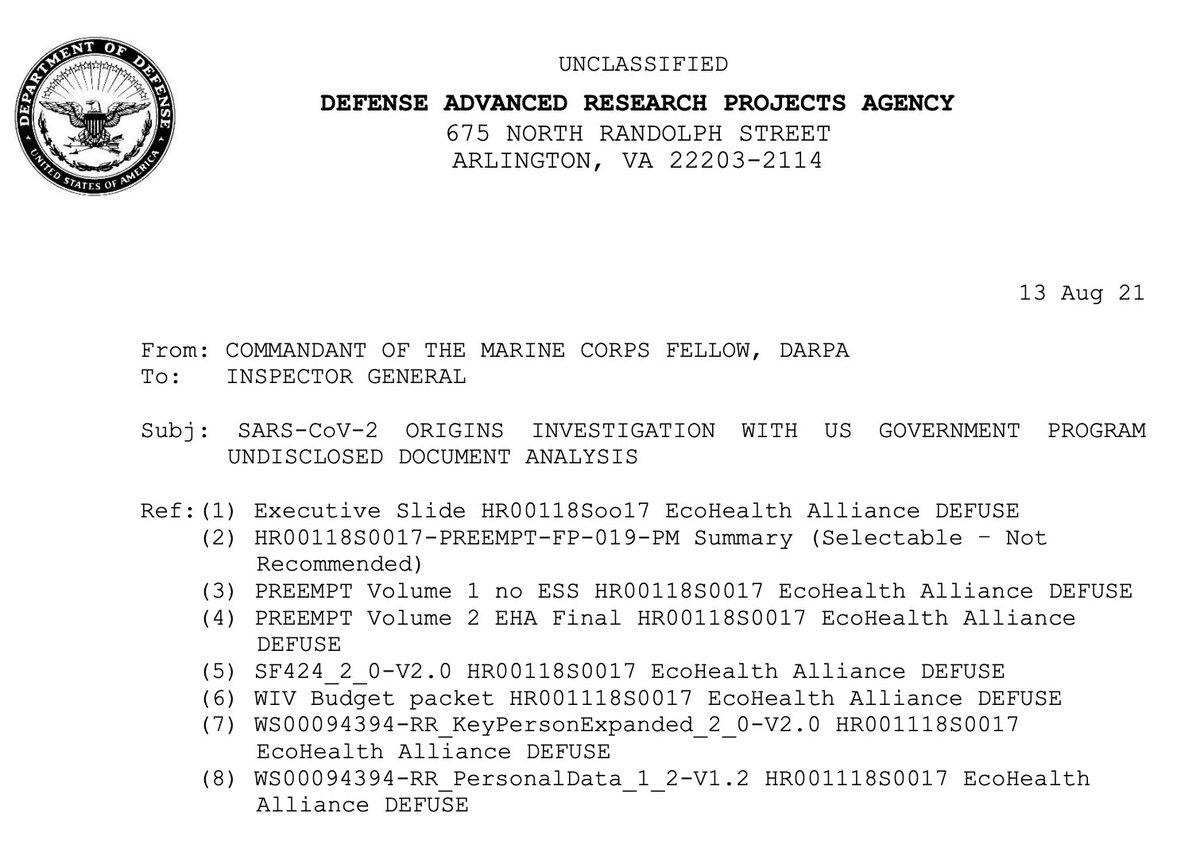
Why did it take 1.5 years for a whistleblower at DARPA to uncover a damning virus engineering proposal by Wuhan scientists and for this to be shared with NIH leaders who had funded similar research in Wuhan?
Jun 11

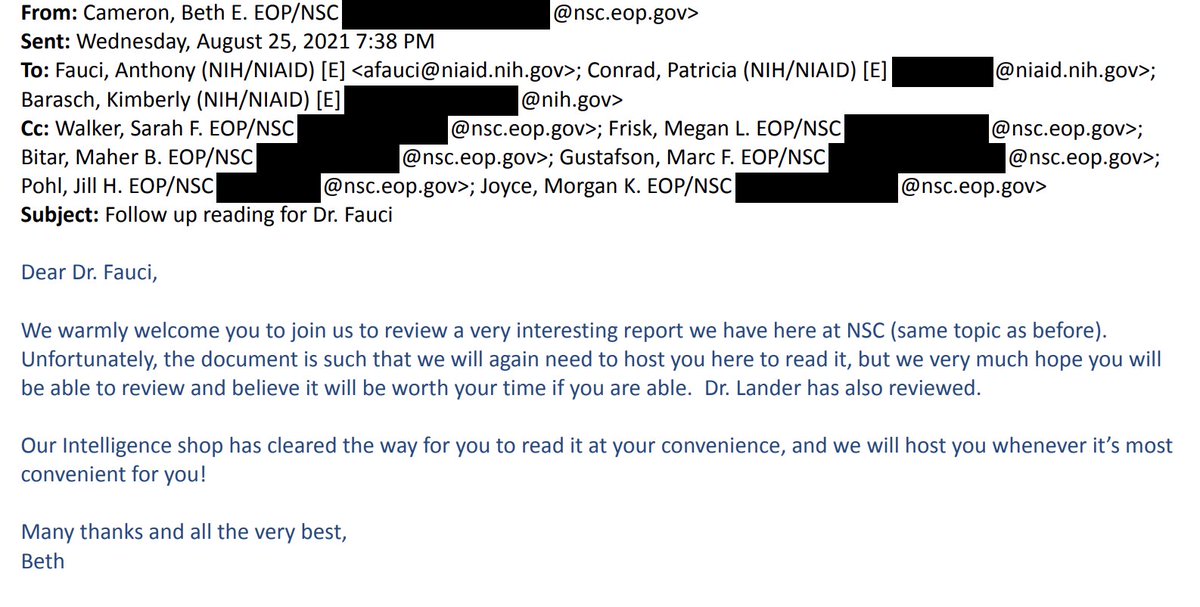
In 2021 a DARPA whistleblower said that he had uncovered a grant proposal in an unmarked folder with plans to create viruses like COVID, and that names of Wuhan scientists on the grant proposal matched names in U.S. intelligence intercepts.
Less than two weeks after the DARPA whistleblower’s report, the NSC “warmly” invited Fauci to be briefed again.
16
62
205
22,084
Prof Peter Collignon retweeted

Jun 11
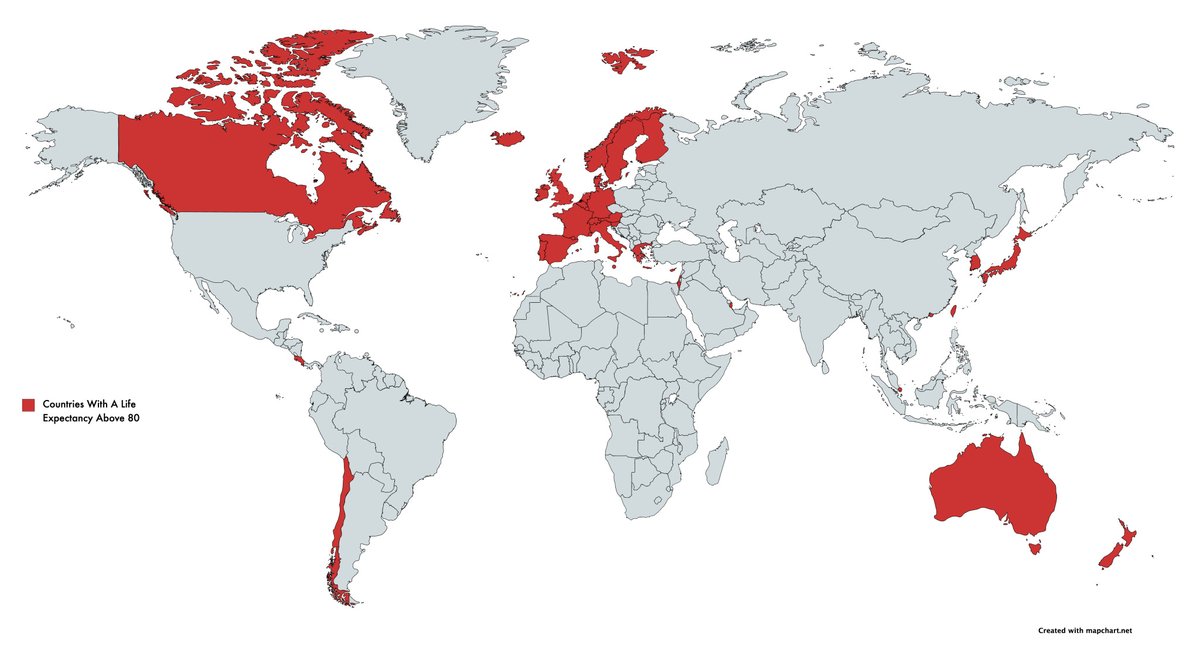
Countries where the overall average life expectancy is over 80.
96
637
6,507
501,688
Prof Peter Collignon retweeted

Jun 11
Really neat:
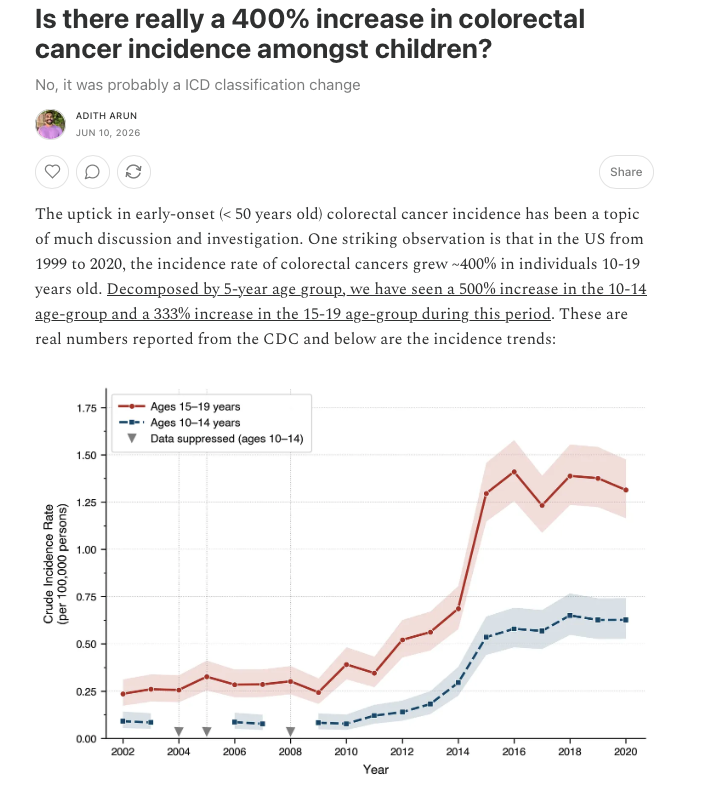
The huge uptick in early-onset colorectal cancer appears to be due to a classification change, rather than a real biological phenomenon.
Jun 10

Are colorectal cancer rates really on the rise in the young??
The shape of the incidence curves suggest not. Something happened around 2013. That something was the ICD classification system allowing neuroendocrine tumors of the appendix to be considered malignant colorectal cancers.
[1/2]
10
41
531
47,249
Prof Peter Collignon retweeted

High-Dose Vitamin C in Burns
Time to Stop?
🆕🔥🟢VICTORY RCT
High-dose intravenous vitamin C did not reduce mortality and organ dysfunction and may be associated with harm in patients with severe burn injury
The primary composite outcome of 28-day mortality and persistent organ dysfunction occurred in 40.8% of patients in the intravenous vitamin C group compared with 29.7% in the placebo group
jamanetwork.com/journals/jam…
5
20
3,138
Prof Peter Collignon retweeted
🆕💥🟢Platelet Dynamics in MSSA and MRSA bacteremia: Distinct Patterns and Prognostic Implications
🔺Platelet dynamics predict 30-day mortality in Staphylococcus aureus bacteremia
🔺Higher platelet counts consistently associate improved patient survival.
🔺Persistent thrombocytopenia correlates with longer duration of bacteremia
🔺Platelet count dynamics, and its prognostic implications, differ between MSSA and MRSA bacteremia #idxposts #SNAP @jesusrbano @DrToddLee
ijidonline.com/article/S1201…
1
20
54
11,969
Prof Peter Collignon retweeted
Jun 9
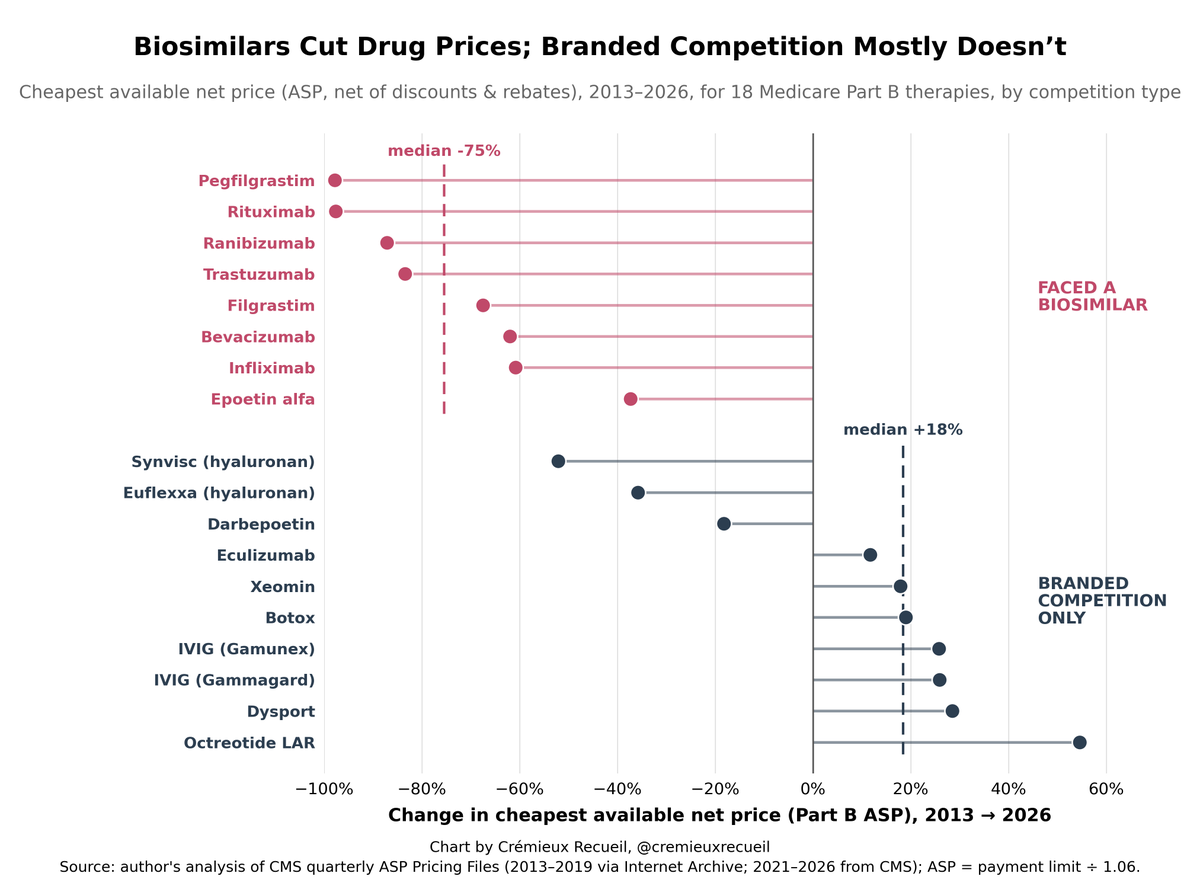
Drugs are an annoying market.
Competition between two branded drugs does basically nothing to prices. But if a generic enters the market, prices plummet.
If you're expecting drug prices to fall as a result of competition, think again!
24
21
319
49,122

It would be good if these WHO guidelines were followed to better control how antibiotics were used in livestock production globally. It was an honour to be the co-chair of the WHO group which put together these guidelines.
link.springer.com/article/10…

"This is one of the leading causes of the rise of superbugs, which are threatening to render antibiotics useless against increasingly resistant diseases. Antimicrobial resistance...is forecast to kill tens of millions of people unless there is concerted action, and to make what are currently routine surgeries such as hip replacements life-threatening."
1
6
702
Prof Peter Collignon retweeted

"Animal husbandry accounts for close to three-quarters of global use of antimicrobial medications and in many countries their use is poorly monitored. Some herds are routinely dosed and in many countries antimicrobials are used to increase the growth of animals bred for meat."
1
1
5
510
Prof Peter Collignon retweeted
"The use of antibiotics on livestock will rise by nearly a third in the next 15 years without government intervention, according to new global estimates, with potentially disastrous impacts on human resistance to essential medicines."
theguardian.com/environment/…
1
7
29
2,118
Prof Peter Collignon retweeted

Jun 4
La ciencia no se hace con miedo ni con “por si acaso”.
Se hace mirando los patrones epidemiológicos reales. Y los del ébola llevan 48 años mostrando alto y claro un hecho: transmisión por contacto.
y 15/15
4
9
58
2,388
Prof Peter Collignon retweeted
Jun 4
Afirmar que un virus es airborne sin evidencias sólidas no es “precaución”. Es irresponsabilidad. El pánico airborne mata más confianza que virus reales.
Esto que puede parecer poco importante, tiene 2 implicaciones muy relevantes:...
12 1/15
1
8
56
5,773
Prof Peter Collignon retweeted
Jun 4
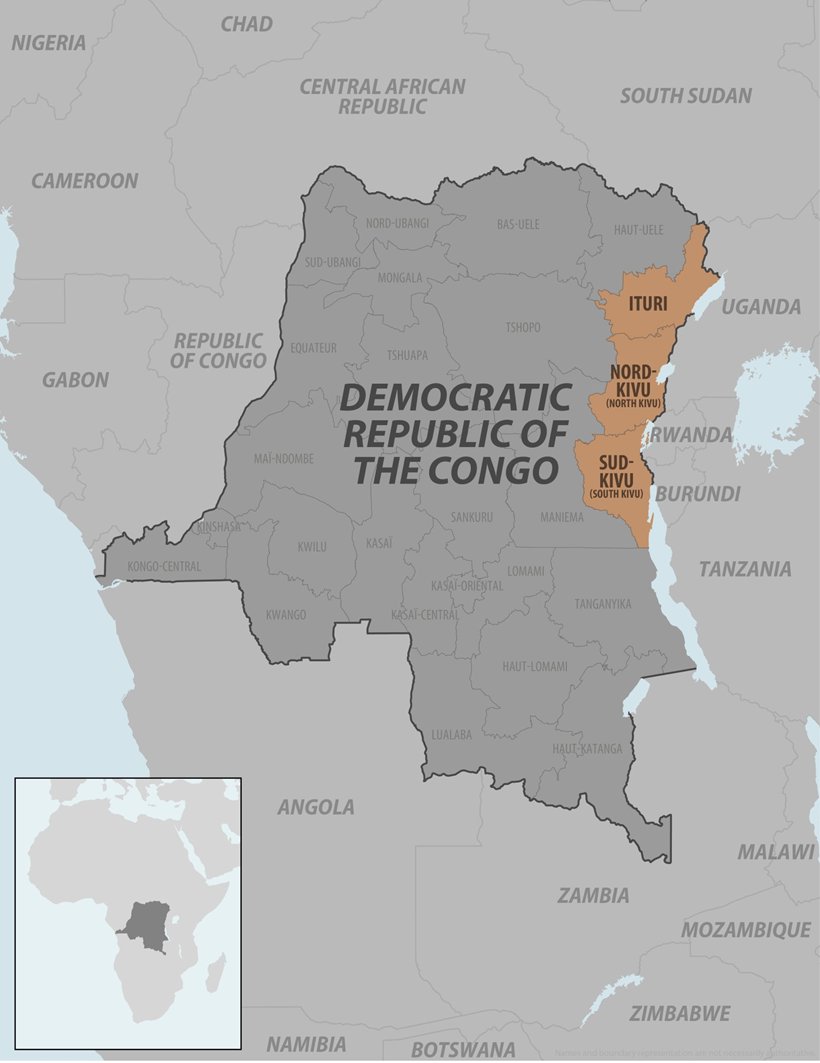
partir de ahí, solo casos muy próximos a la transmisión secundaria. No hay transmisión comunitaria sin contacto directo.
El brote actual en RDC sigue exactamente el mismo patrón: Inicia en Ituri y se propaga por contacto a zonas limítrofes.
9/15
1
3
26
3,363
Prof Peter Collignon retweeted
Jun 4
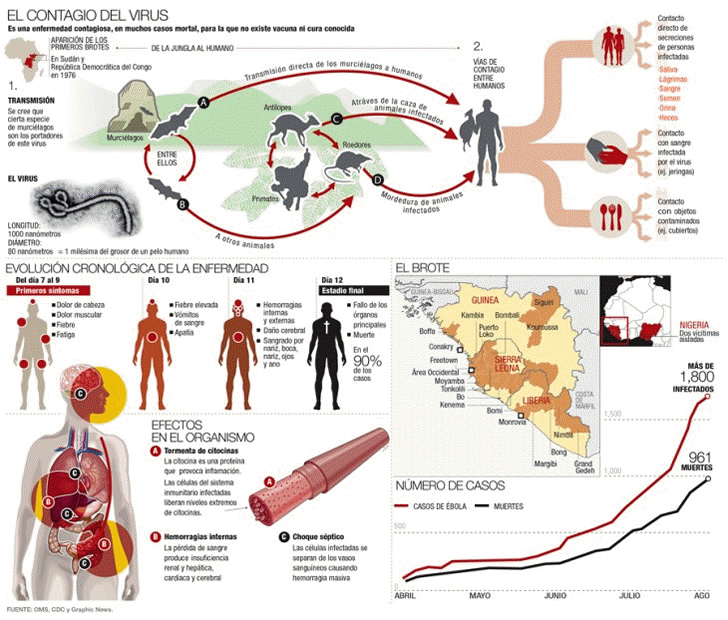
- Entorno familiar (57,3 %)
- Hospitales (18,2 %)
- Ritos funerarios (12,7 %)
Ninguna cadena asociada a eventos, escuelas, recintos públicos.
La transmisión se produce por contacto directo con fluidos corporales (sangre, vómito, diarrea, saliva, sudor, leche materna…)...
6/15
1
5
34
4,792
Prof Peter Collignon retweeted
Jun 4
Todos responden al patrón de transmisión por contacto:
- Clusters localizados
- Cadenas cortas
- Geografía muy focal
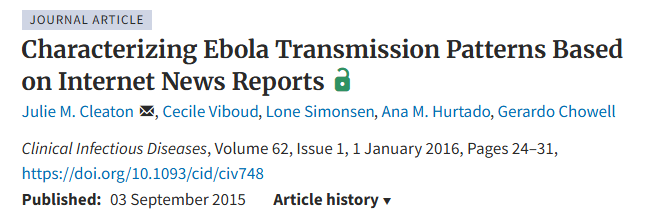
El más estudiado es el brote 2014-2016 (28.000 casos en Sierra Leona, Guinea y Liberia). Los casos se concentraron en:
5/15
academic.oup.com/cid/article…
1
4
30
5,319
Prof Peter Collignon retweeted

Jun 5
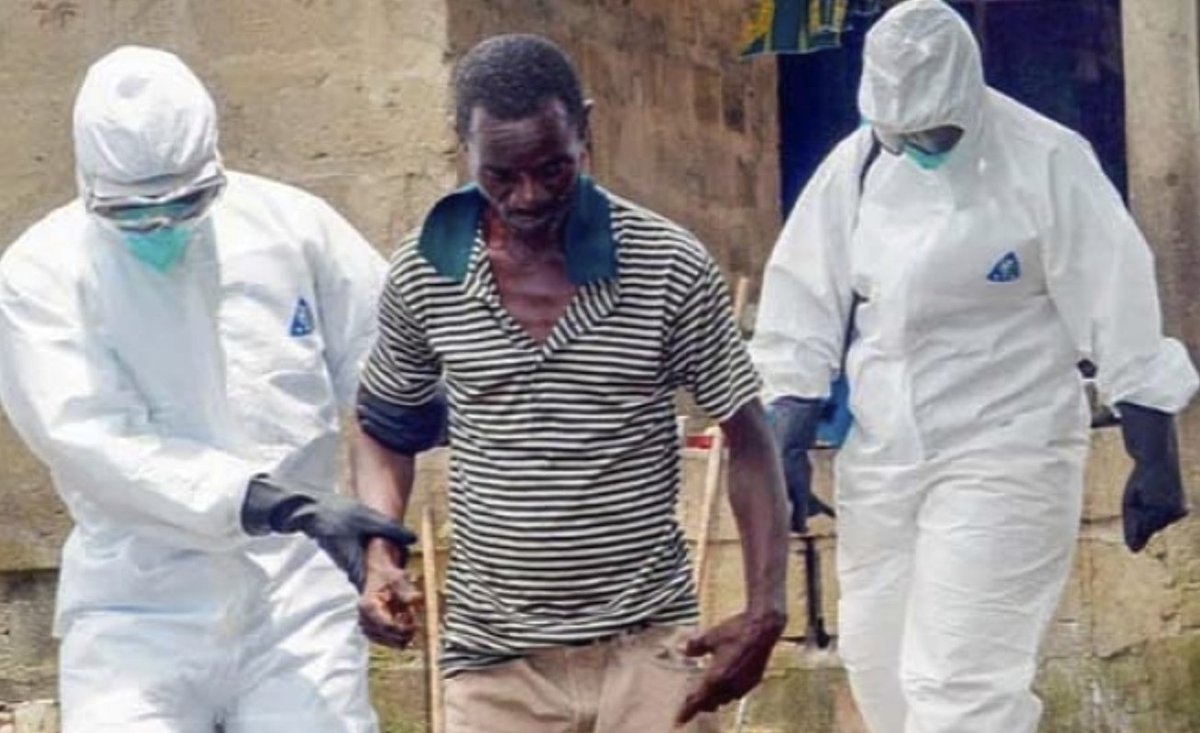
A good thread explaining how epidemiological evidence is used to assess the primary transmission mechanisms. Even if a droplet of bodily fluid passes through the air to another person under close contact, it doesn't necessarily mean airborne from an epi viewpoint.
Jun 4

🧵
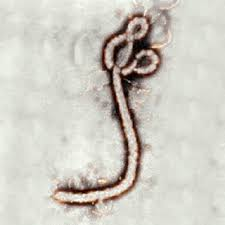
Se sigue insistiendo (como ya pasó con el hantavirus) en que el ébola es de transmisión aérea. El gran argumento: “no se ha demostrado lo contrario”.
Ese argumento no solo es pobre… es falso. La vía de transmisión de un virus deja una firma clara y ébola la tiene.
1/15
1
3
321
Prof Peter Collignon retweeted
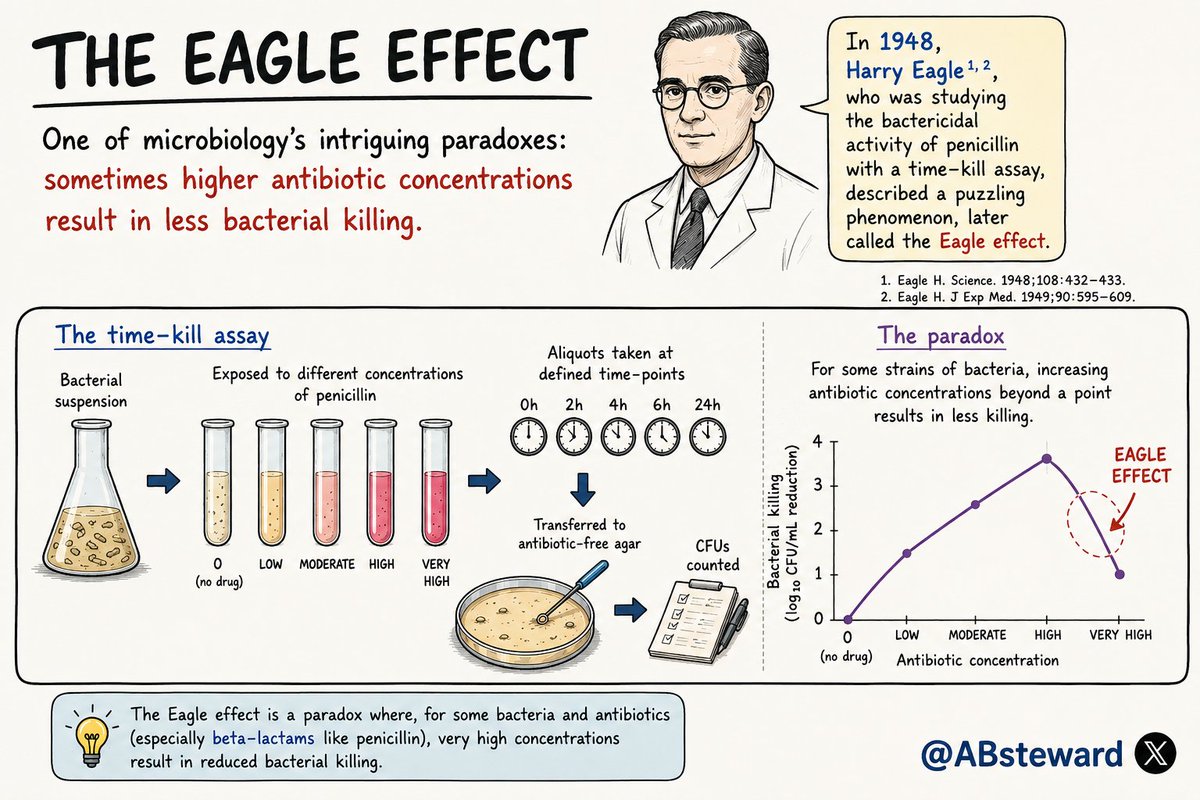
Have you ever heard of the Eagle effect?
When more kills less.
One of microbiology's most intriguing paradoxes: sometimes higher antibiotic concentrations result in less bacterial killing.
This phenomenon has even been proposed as a potential rationale for combination therapy.
5
60
134
10,535
Prof Peter Collignon retweeted

Jun 4
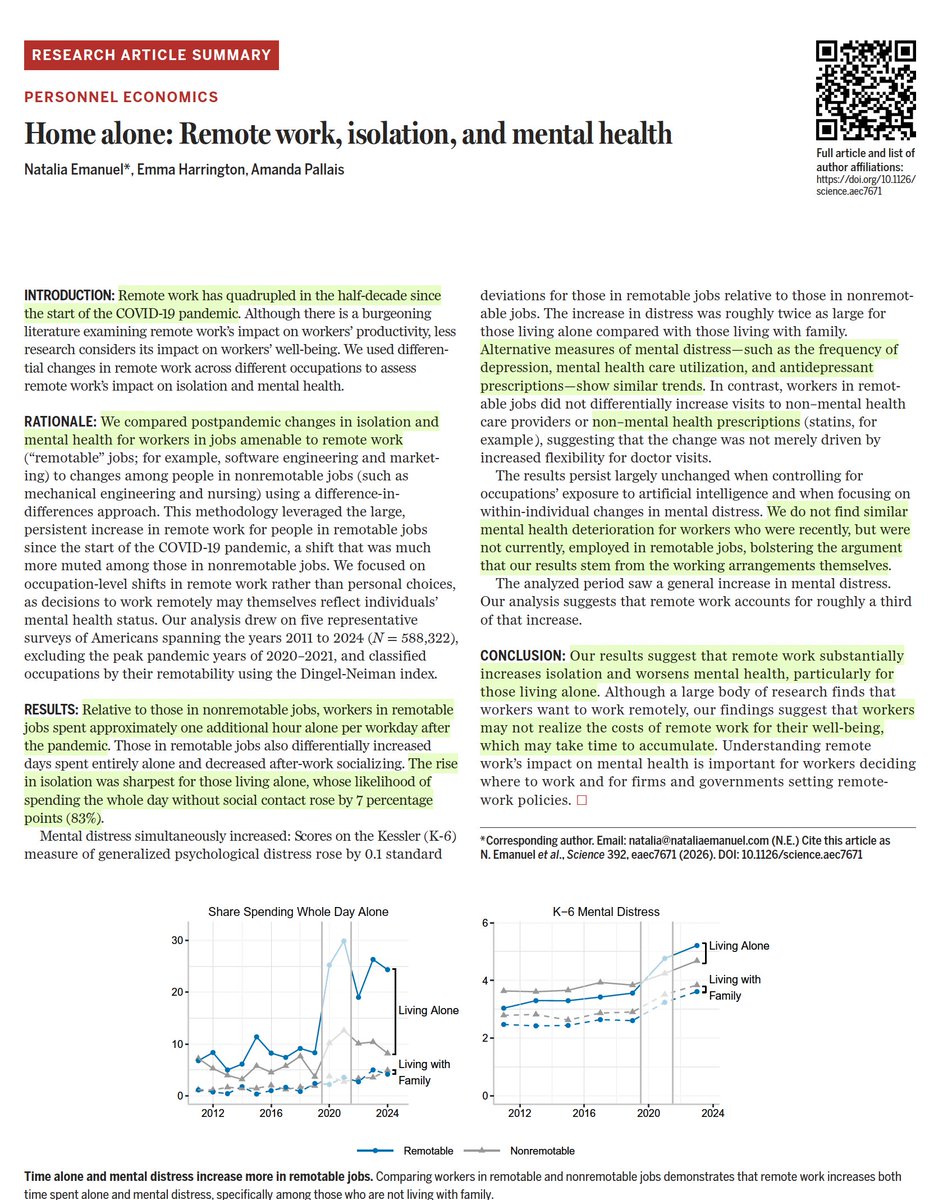
Home alone. Remote work can adversely influence mental health. A new study @ScienceMagazine
science.org/doi/10.1126/scie…
science.org/doi/10.1126/scie…
47
256
985
101,900
Prof Peter Collignon retweeted
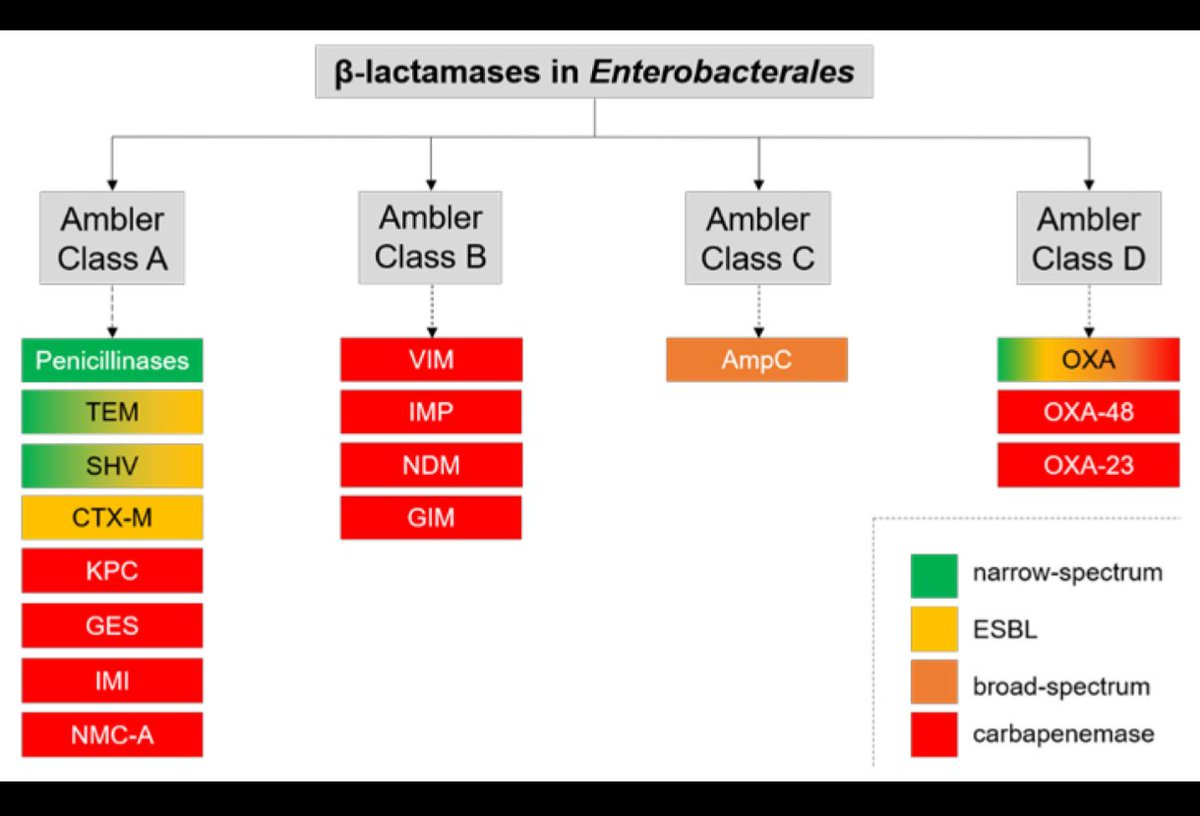
Not all β-lactamases are equal.
Know your β-lactamase → Ambler classification made simple—in one image #IDXposts
4
113
309
28,502
RT @Gabe__MD: Antibiotics instead of surgery for appendicitis
—————-
Three things missing from this conversation.
First, the group this h…
6
Prof Peter Collignon retweeted
Jun 4
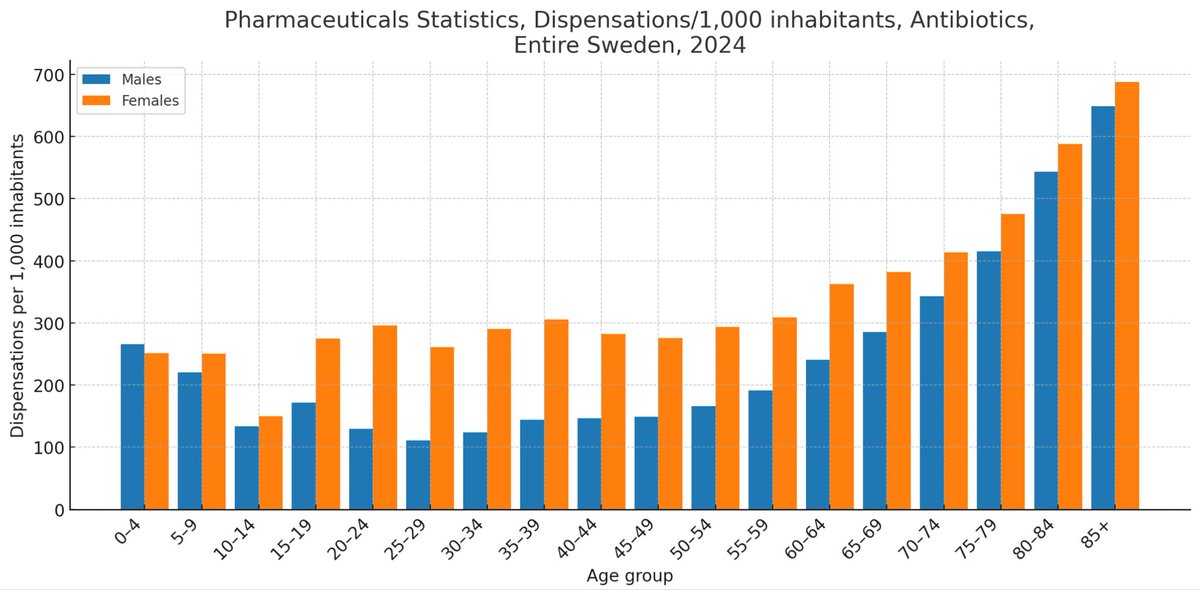
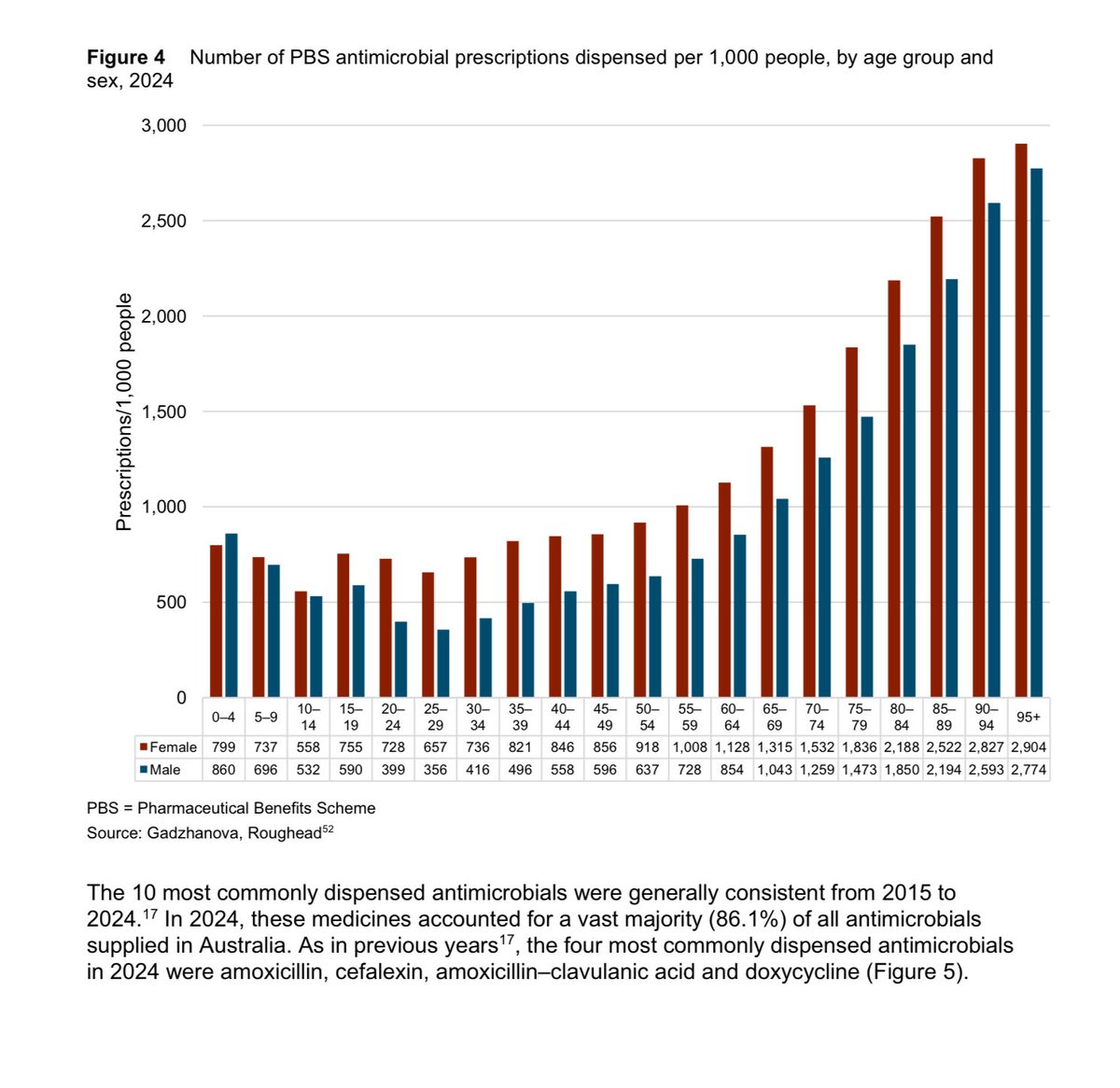
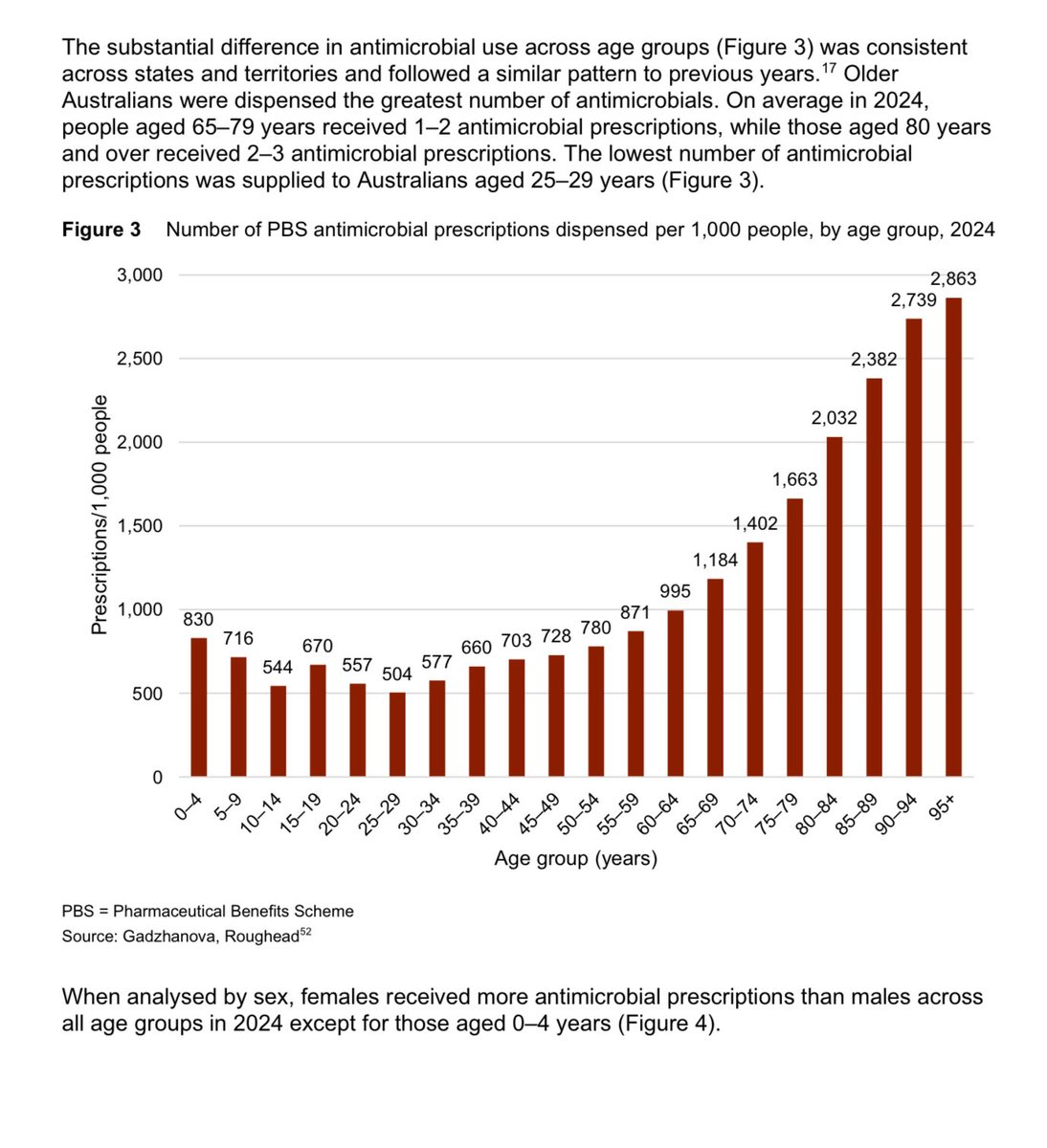
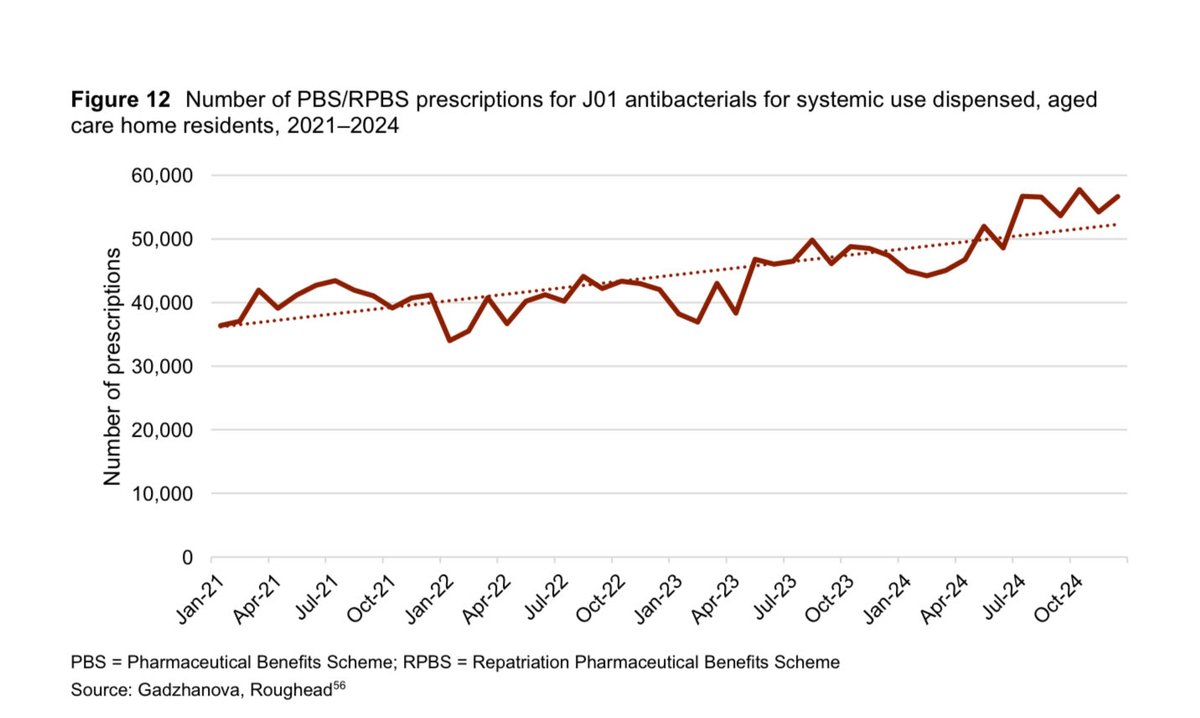
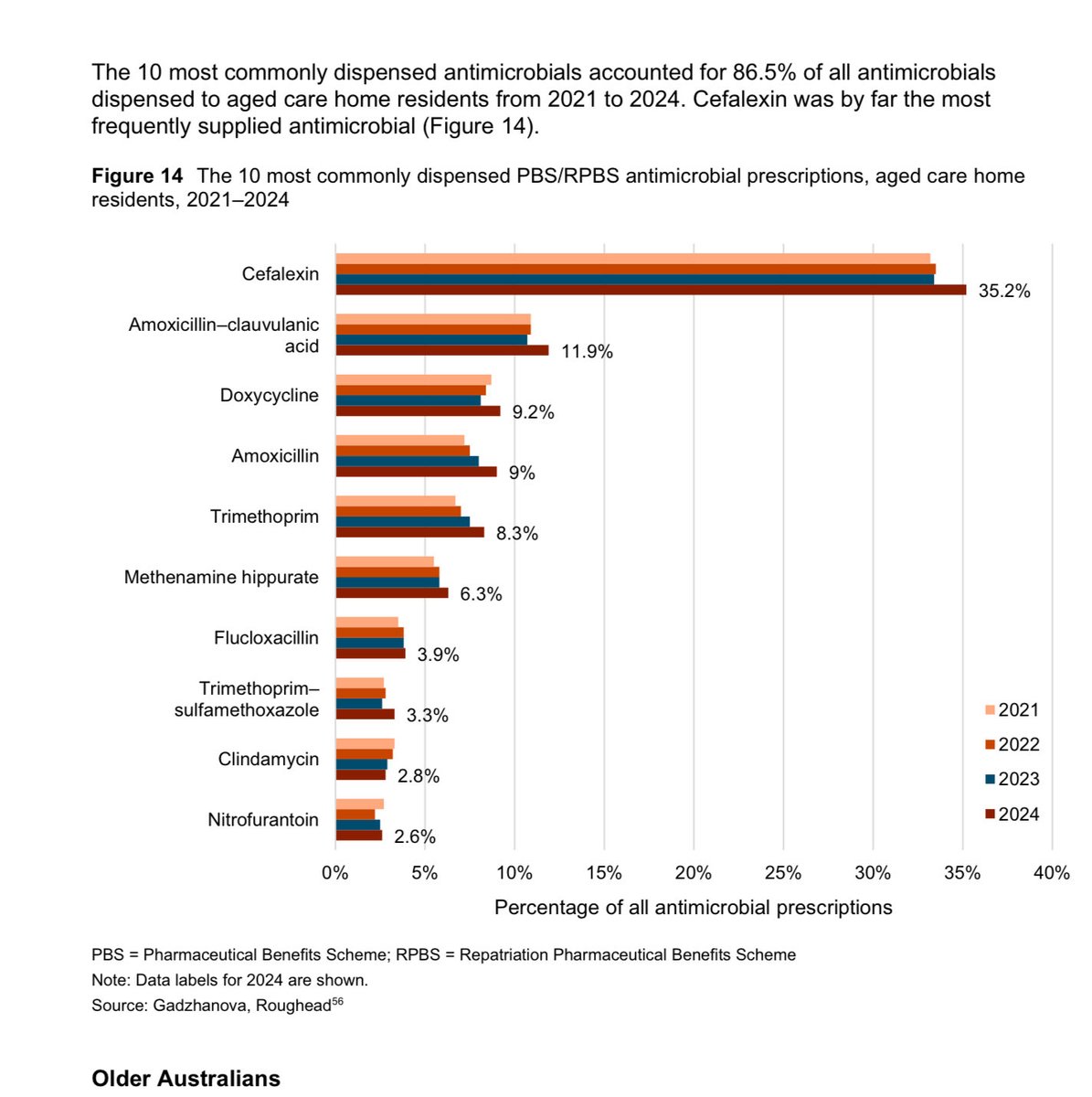
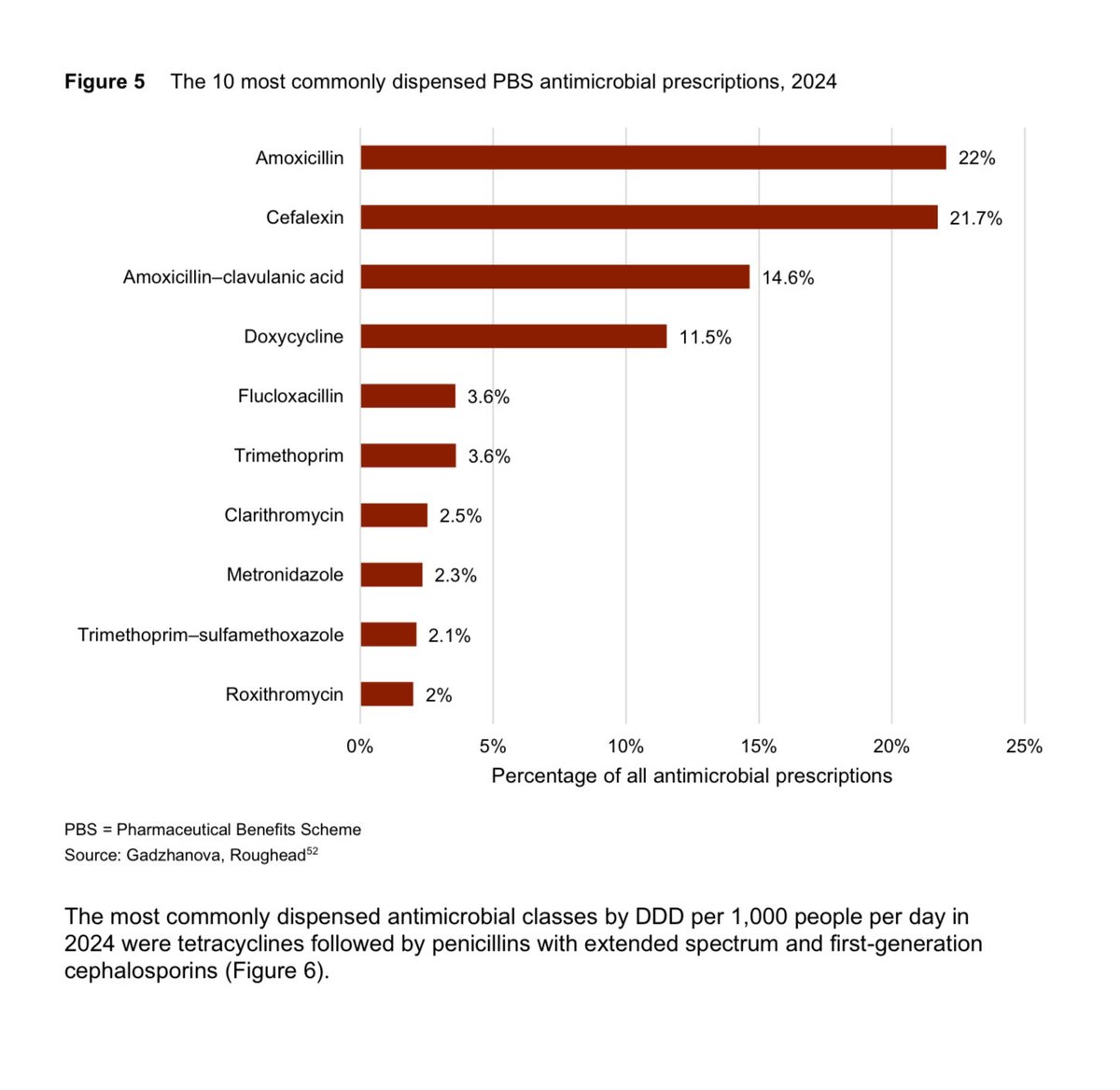
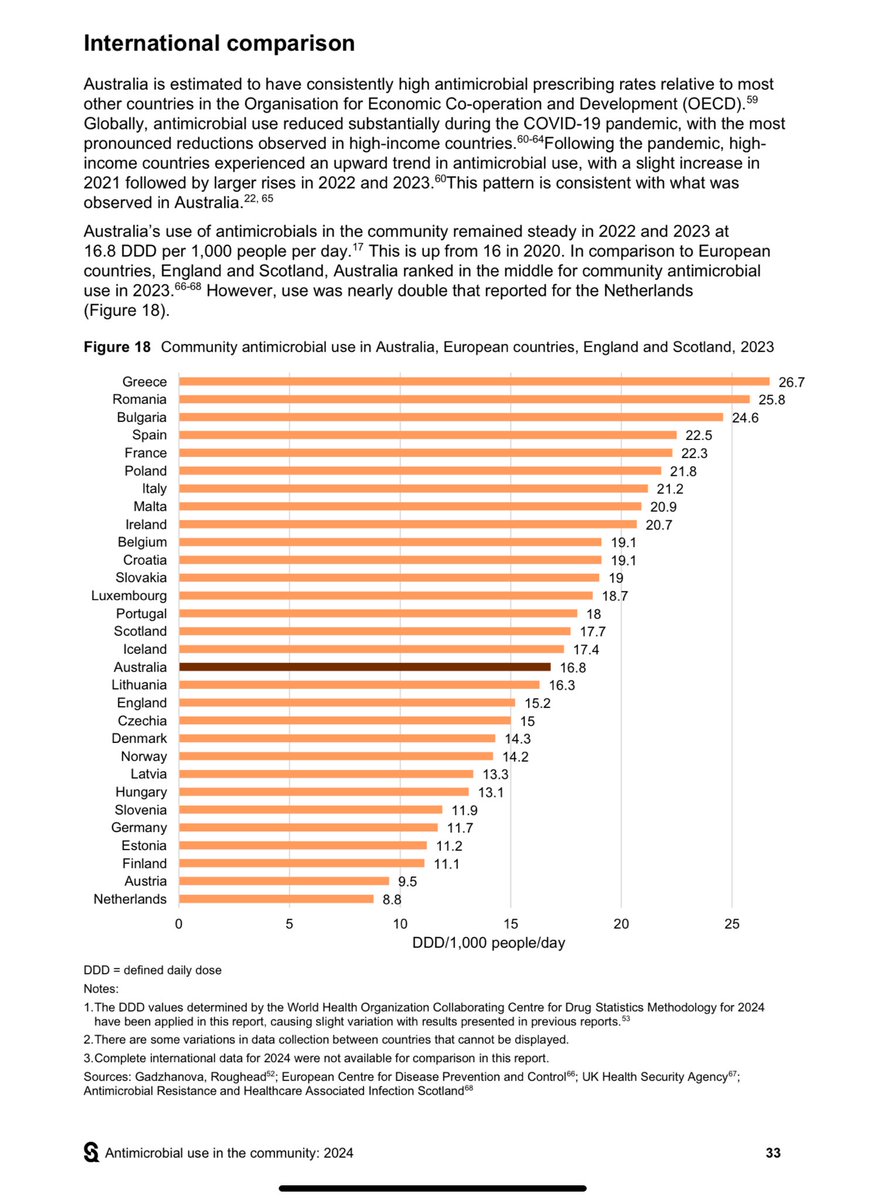
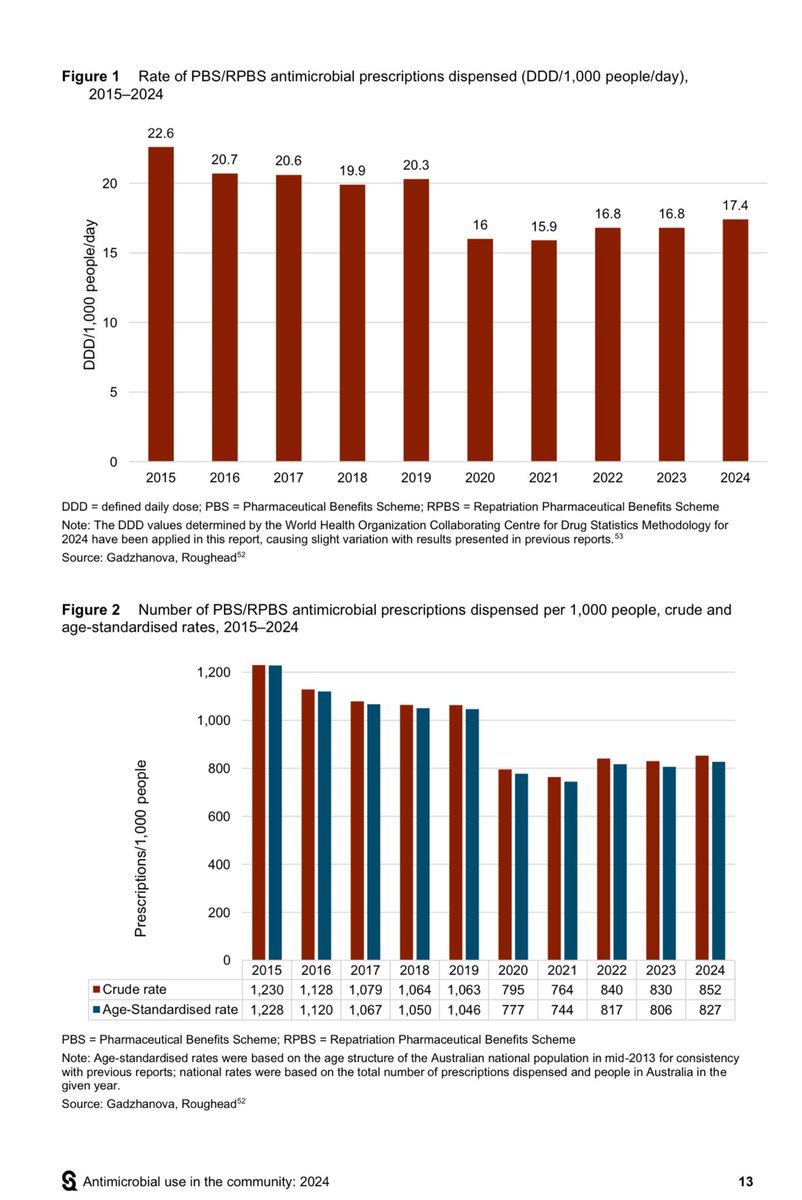
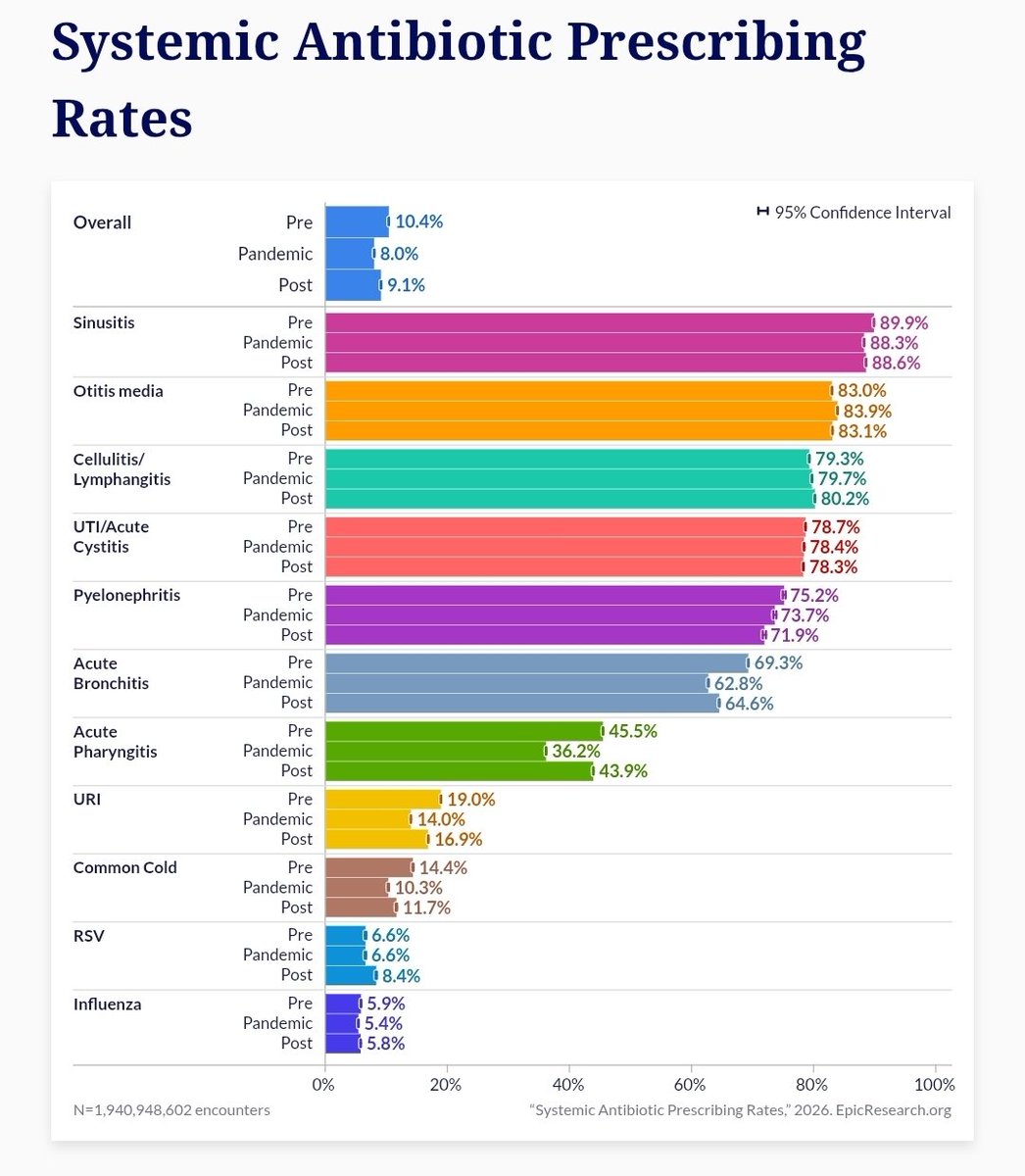
Antibiotic prescription rates are going back up to their pre-pandemic levels.
5
3
82
13,243