
Joined February 2024
- Tweets 26
- Following 145
- Followers 235
- Likes 51
10 Photos and videos
Collins Lab retweeted

29 Oct 2024
Beyond thrilled to present our O-MAP—now *published* @naturemethods (!!!)
O-MAP is a powerful new method for biochemically "dissecting" the subcellular microenvironment around an RNA of interest, using off-the-shelf parts and standard manipulations. 🧵
nature.com/articles/s41592-0…
31
109
443
68,204
Collins Lab retweeted

13 Nov 2024
Vertebrate retrotransposons are the future of gene therapy. But how do they insert their genes? 🔥🔥
Thrilled to present part 2 of my postdoctoral work with @NogalesLab @CollinsRNPLab @berkeleyMCB where we investigate this using #CryoEM and transgene insertion in 🧪 and cells!
4
59
272
50,519

16 May 2024
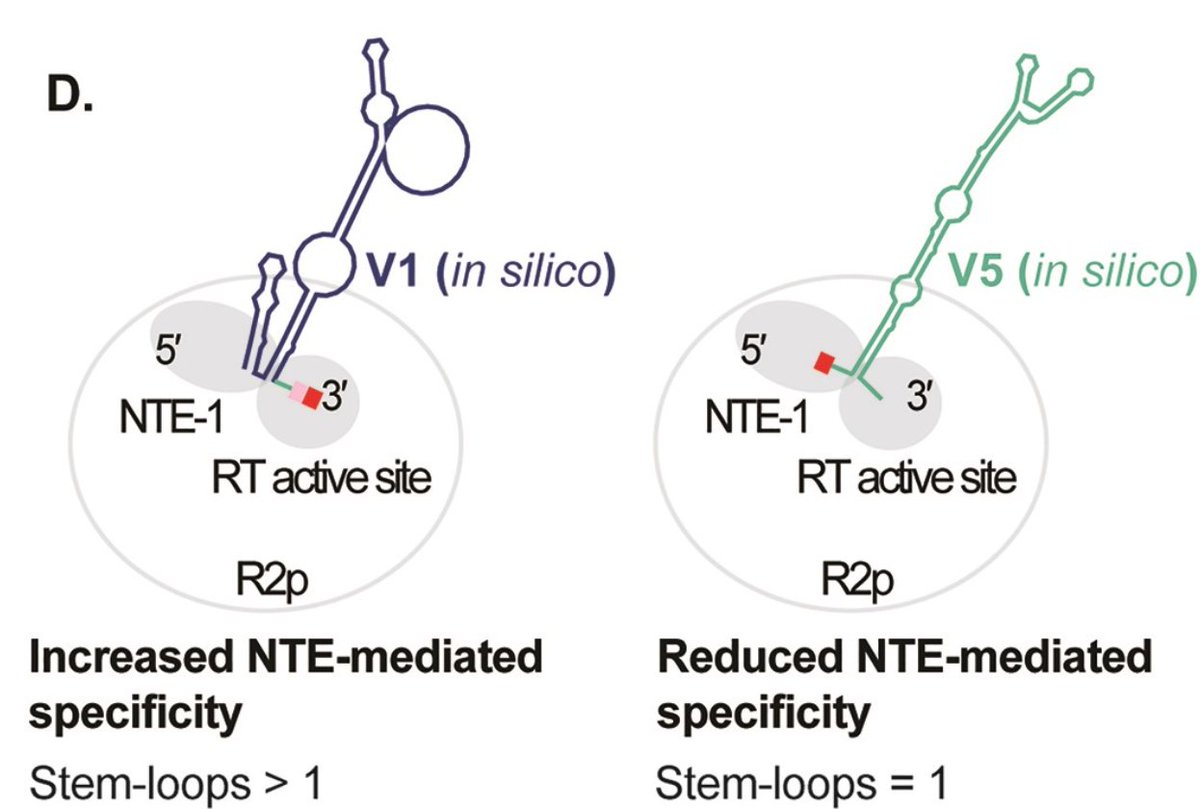
Hot off the presses!! How does R2 achieve its *exquisite* site specificity? Check out our new study led by former undergrad turned technician @rosajylee, now a PhD student @StanfordMed.
cell.com/cell-reports/fullte…
5
18
2,984
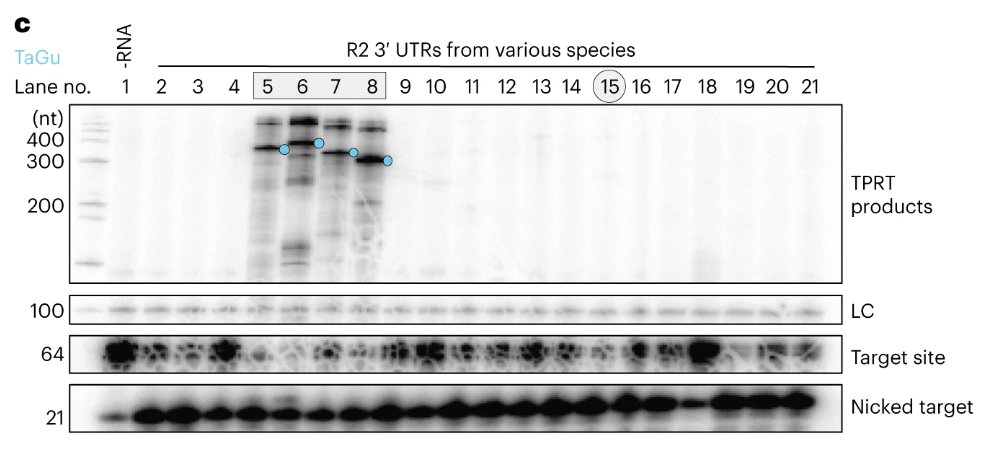
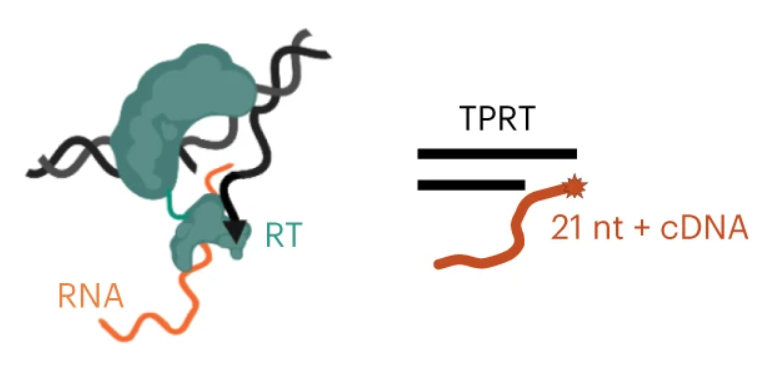
21 Mar 2024
Classical biochemistry will never die!
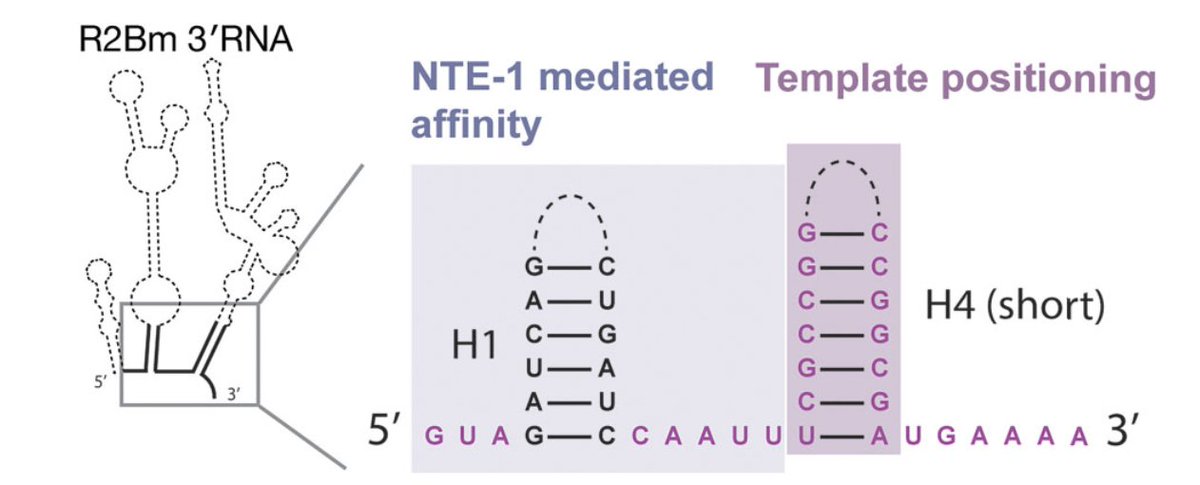
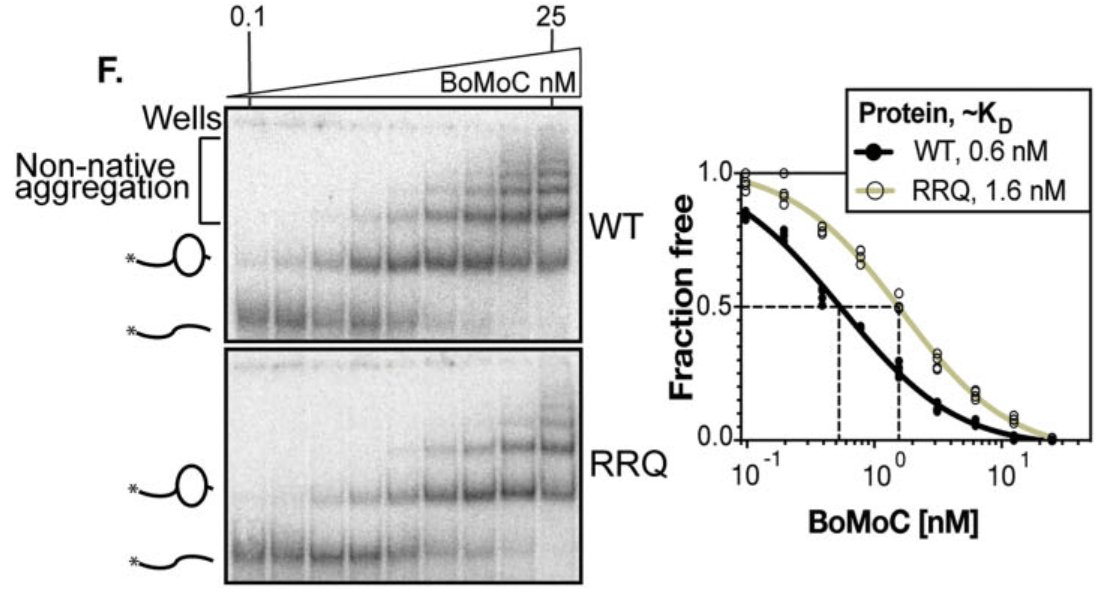
We are ecstatic to share this work published in @NAR_open by graduate student Anthony @arodz_var that expands our understanding of RNA requirements for binding and TPRT by the R2 retroelement.
A thread :
academic.oup.com/nar/advance…
1
3
21
4,443
21 Mar 2024
This work, combined with pre-existing knowledge of R2 biology, furthers our understanding of retroelement protein-RNA specificity. Additionally, it informs the design of retroelements as alternative tools for gene delivery.
1
341
21 Mar 2024
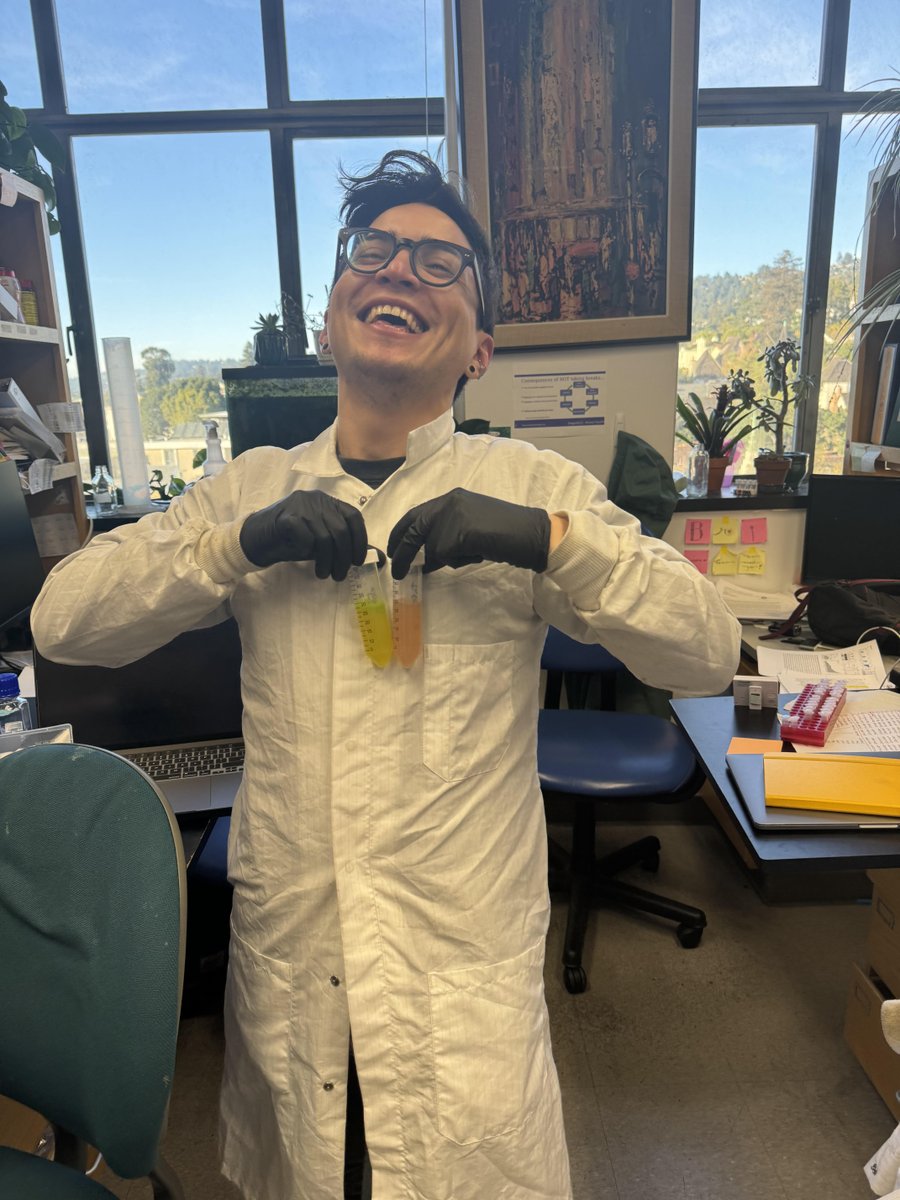
Of course we have to highlight the human behind the science! Anthony is a fifth year grad student in @berkeleyMCB. He is said to delight in the narcissistic love that retroelement proteins have for their own RNAs. We love you Anthony!!!
3
669
18 Mar 2024
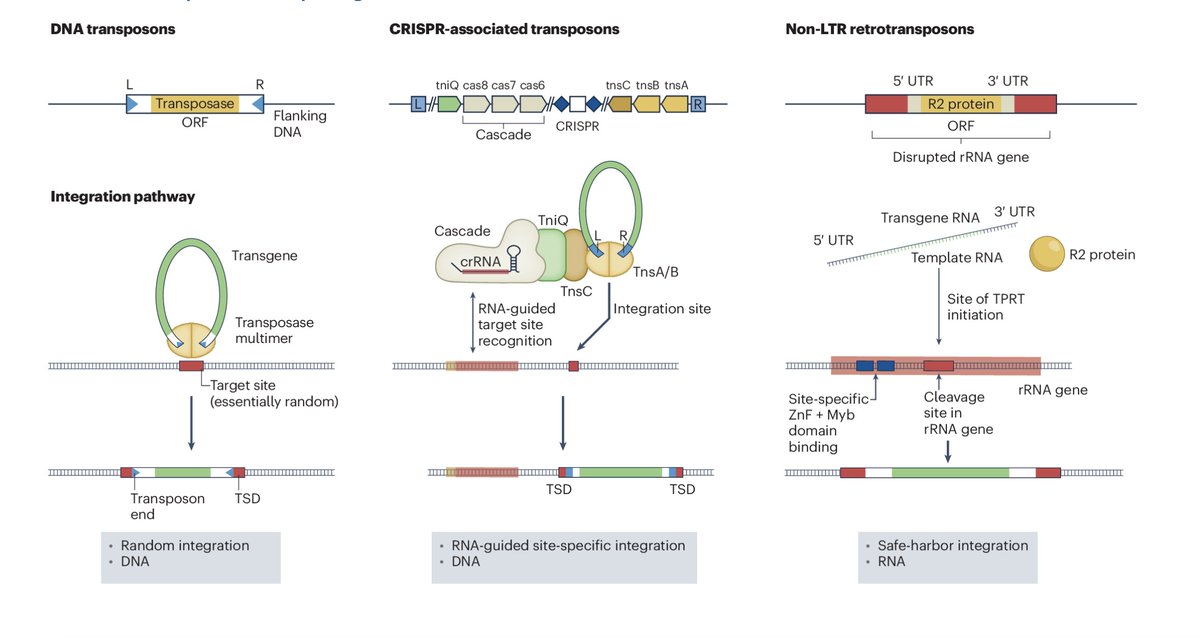
News and views on our R2 PRINT story!

2
25
10,192
21 Feb 2024
Check out this exciting Berkeley News article by @bobthesciguy about our work!
news.berkeley.edu/2024/02/20…
1
3
569
Collins Lab retweeted

20 Feb 2024
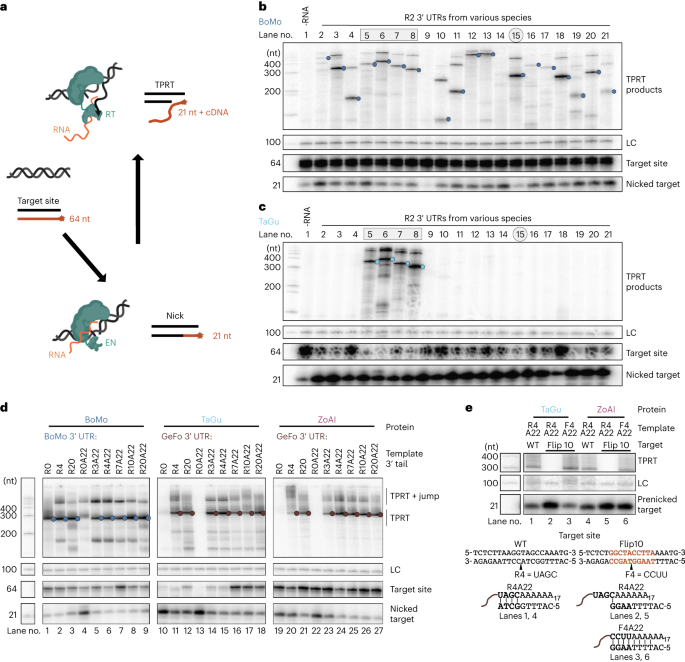
Harnessing eukaryotic retroelement proteins for transgene insertion into human safe-harbor loci - @CollinsRNPLab go.nature.com/3utPERu
2
38
180
32,479
Collins Lab retweeted

20 Feb 2024
Groundbreaking study by the @CollinsRNPLab demonstrating the use of R2 proteins from multiple species for genome editing!
20 Feb 2024

Today starts a new era of genome engineering!
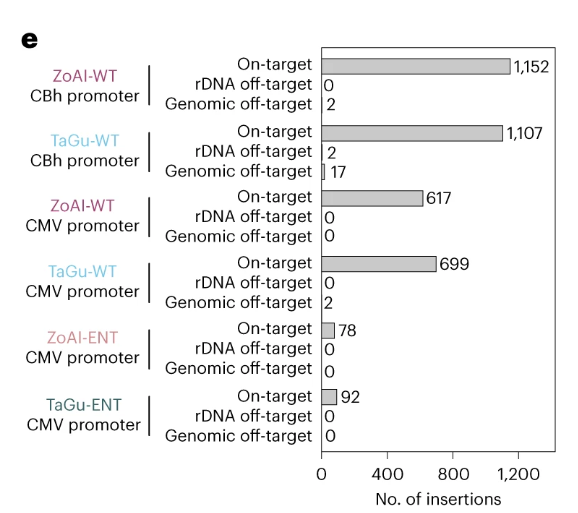
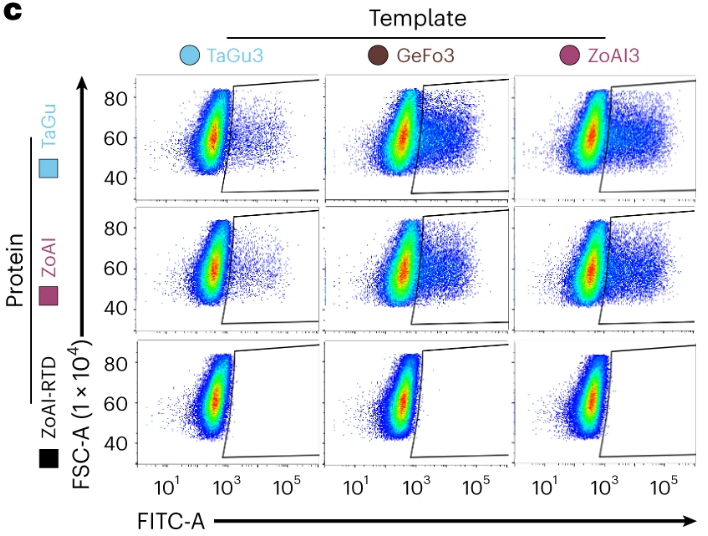
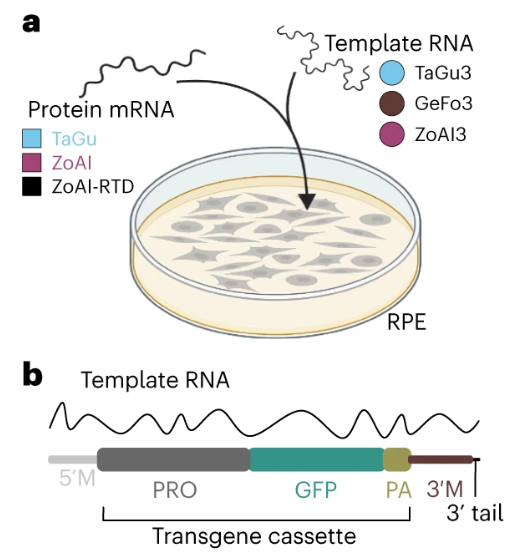
We use RNA-only delivery to safely and efficiently deliver genes of interest to the human genome! @CollinsRNPLab @berkeleyMCB
A thread 🧵:
nature.com/articles/s41587-0…
1
6
19
5,020
20 Feb 2024
Great thread from our bioinformatics expert, Connor!
20 Feb 2024
Today starts a new era of genome engineering!
We use RNA-only delivery to safely and efficiently deliver genes of interest to the human genome! @CollinsRNPLab @berkeleyMCB
A thread 🧵:
nature.com/articles/s41587-0…
2
425
20 Feb 2024
Bird bird bird, bird is the word!
Is the secret to safe gene addition a retroelement in birds?
We repurposed the avian R2 element to insert transgenes into human cells (and more!) using RNA-only delivery 🪶
a thread 🧵
nature.com/articles/s41587-0…
2
13
67
19,765
20 Feb 2024
PRINT is a complementary approach to existing methods for genome editing and we hope it provides new avenues for personalized medicine.
1
3
402
20 Feb 2024
This work took many years and many people to bring to fruition. We've come a long way from 1% GFP positive cells in October 2021!
10
671