
UNIMI research team is involved in inter-disciplinary projects, going from genomics, NGS and molecular evolution to machine learning and mathematical modelling
Joined June 2019
- Tweets 103
- Following 124
- Followers 62
- Likes 185
15 Photos and videos
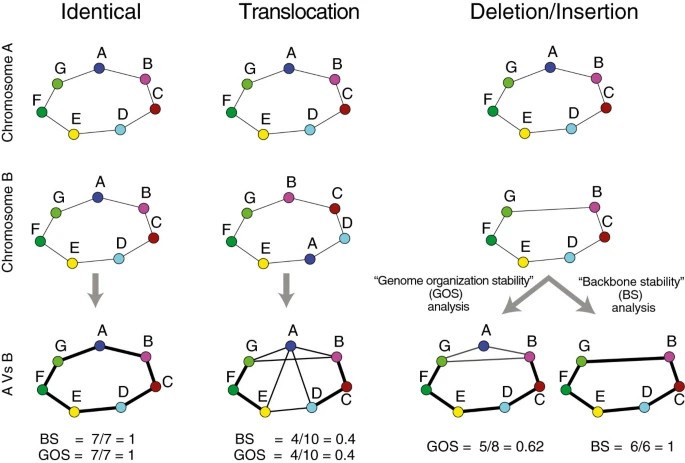


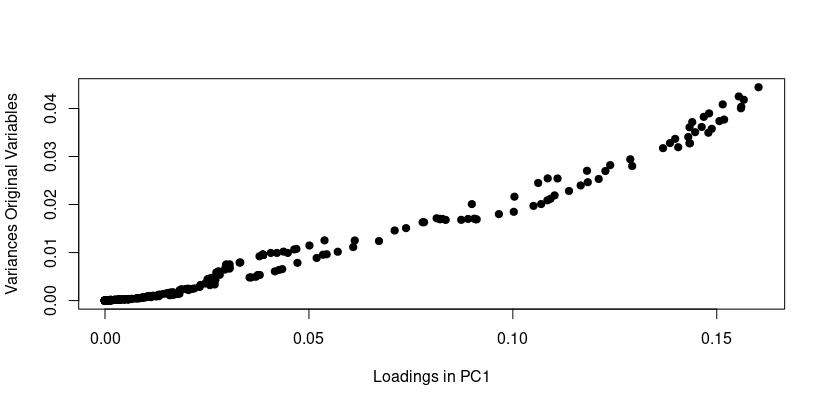


Reading lots of papers about scaling laws in bacterial growth. But, why no one has considered that variance is also introduced through the changes in copy number introduced by DNA replication?
doi.org/10.2142/biophysics.1…
doi.org/10.1016/j.cub.2014.1…
doi.org/10.1103/PhysRevE.101…
1
9
ComparativeSystemsBiologyGroup_unimi retweeted

11 Mar 2025
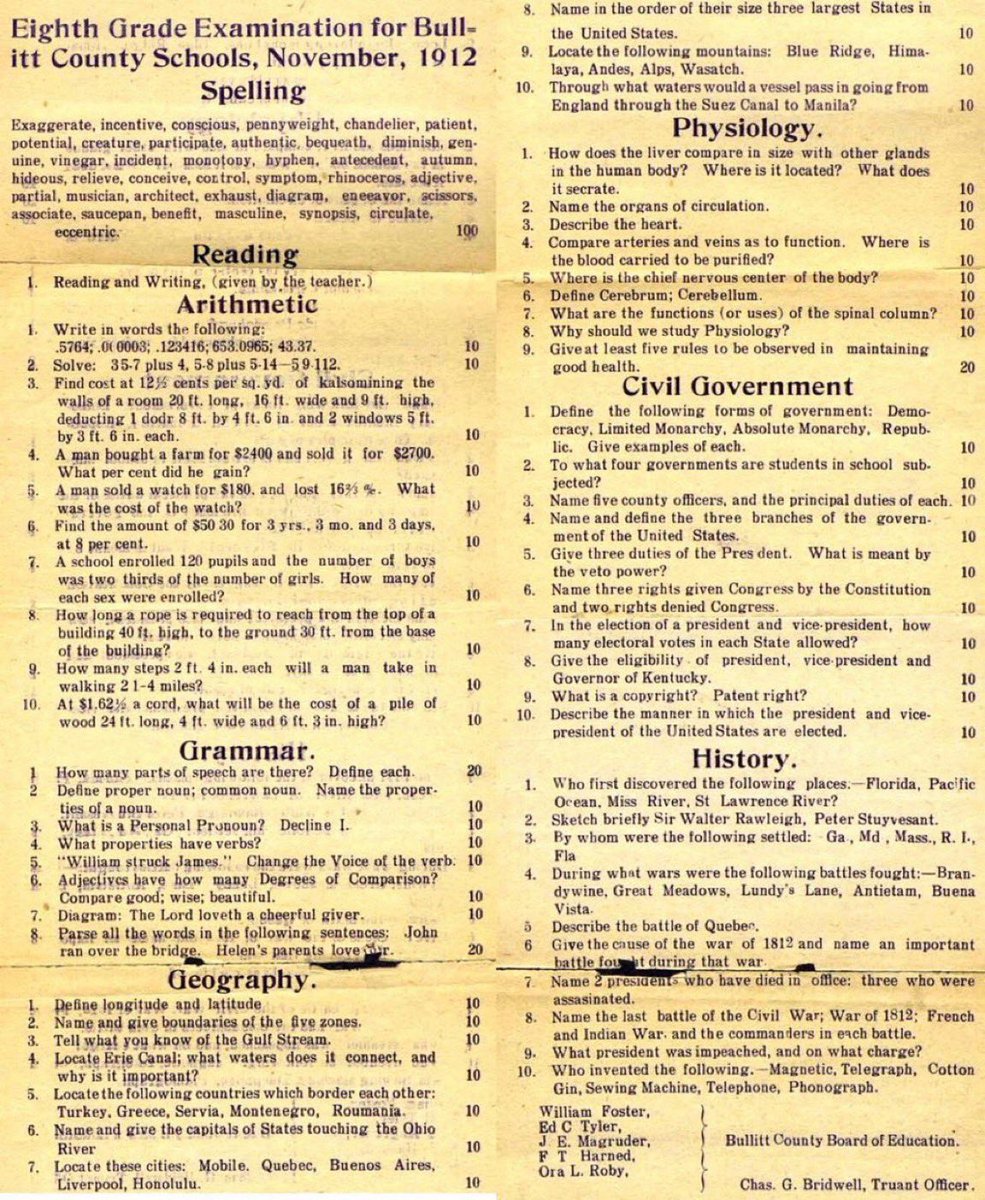
8th grade graduation exam from 1912.
This wasn’t for affluent kids in New England. This was rural Kentucky.
2,034
11,984
52,443
4,244,106
ComparativeSystemsBiologyGroup_unimi retweeted

13 Mar 2025
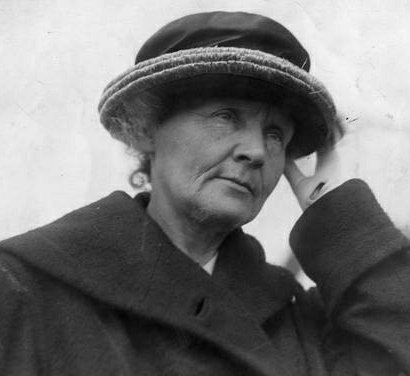
Be less curious about people and more curious about ideas.
-- Marie Skłodowska Curie
40
399
1,856
53,061
Congratulations to @dendenesara and @EmanueleBiondi5 for this important work. It was a long and tiring process, but it ended in the best possible way! Sinorhizobium meliloti FcrX coordinates cell cycle and division[...] pnas.org/doi/10.1073/pnas.24…
1
17
It was time! After two revisions at @MolBioEvol , and the incomprehensible decision to reject it based on mysterious simulations performed by the reviewer, we are proud to announce that @mSystemsJ liked it!
A novel hypothesis on the origin of operons:
journals.asm.org/doi/10.1128…
1
1
7
589
ComparativeSystemsBiologyGroup_unimi retweeted
16 Oct 2024
Paul Dirac explains the deep connection between mathematics and theoretical physics, highlighting how mathematical beauty often guides the discovery of new physical laws. ✍️
28
389
1,690
70,904
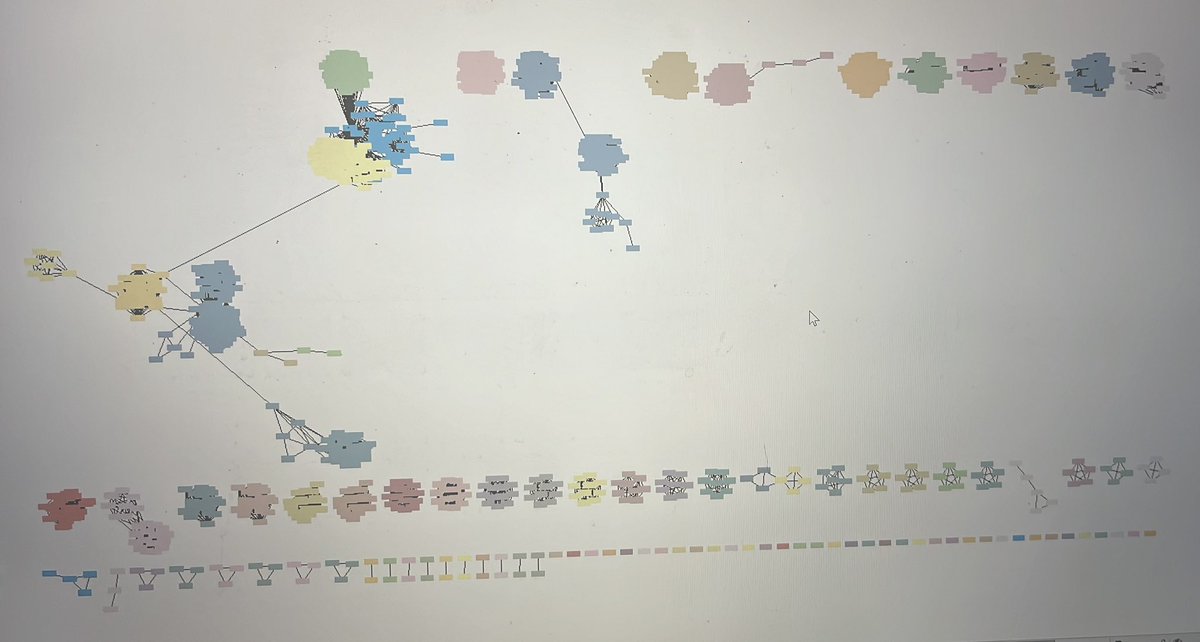
very easy to get fascinated by seeing things. I used to spend hours decorating my homology networks back in 2006-2008 but it is much more rewarding to exploit network theory to extract non trivial information about the biological system. So, go on!

Fascinated with graph theory and networks 😍🤯
Here a nice clustering of phages at the family level 👌
Planning to apply it to many more #genomics things 💪
#bioinformatics #microbialgenomics
1
3
106
ComparativeSystemsBiologyGroup_unimi retweeted
23 Jul 2024
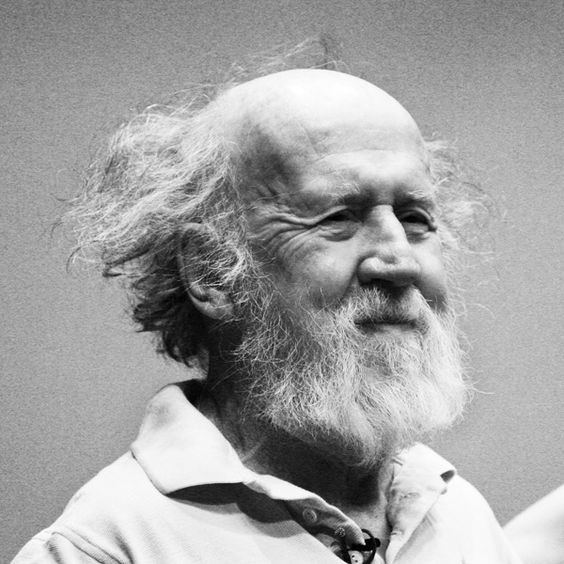
“Man is the most insane species. He worships an invisible God and destroys a visible Nature. Unaware that this Nature he’s destroying is this God he’s worshiping.”
-- Hubert Reeves (1932 - 2023)
He would have turned 92 today. He passed away last year in Paris.
170
1,565
4,564
163,347
ComparativeSystemsBiologyGroup_unimi retweeted

23 Jul 2024
Update -- Brownian motion evolution on a phylogeny (a GIF) using #phytools, plus the #Rstats code here: blog.phytools.org/2024/07/an….
22 Jul 2024

Amazing, any link for this ?
1
26
138
9,709
ComparativeSystemsBiologyGroup_unimi retweeted

7 Jul 2024
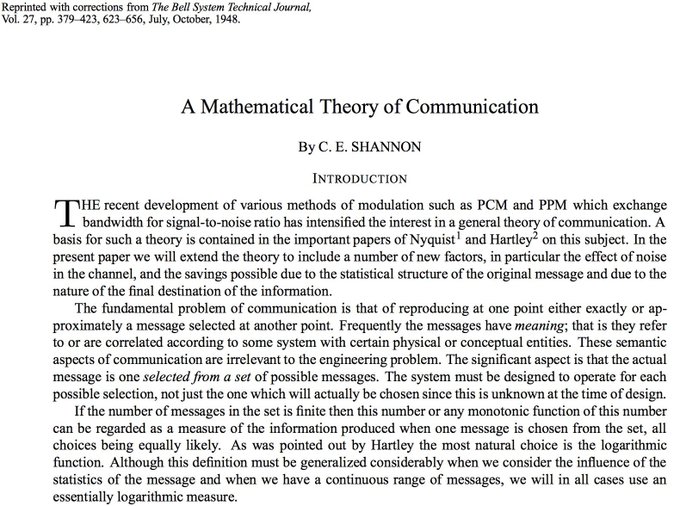
76 years ago #Today, Claude Shannon published the article 'A Mathematical Theory of Communication', cited over 100,000 times, which is rare for a scientific article and gave rise to the field of information theory.
18
338
1,252
139,593
ComparativeSystemsBiologyGroup_unimi retweeted

2 Jul 2024
In a blog post, she tells the story of the reaction she received when she pointed this out to her (tenured) professor at the time, and to others. She was basically told not to waste her time: "a lot of the scientific literature has problems". liorpachter.wordpress.com/20… 7/
2
32
258
150,260
ComparativeSystemsBiologyGroup_unimi retweeted

My book Interpretable Machine Learning has been career-defining.
Even though the book is available on the web for free, many have supported me by buying the ebook or paperback, which ultimately helped me become a full-time writer.
I'm grateful for all your support 🙏

12
147
976
59,956
many tell us about the books that they are going to read this summer. things like geometry, qed, qm, string theory. sincerely. stop showing off! no one trust you. very bad having this habit in science (saying things just to appear)
1
34
ComparativeSystemsBiologyGroup_unimi retweeted

18 Jun 2024
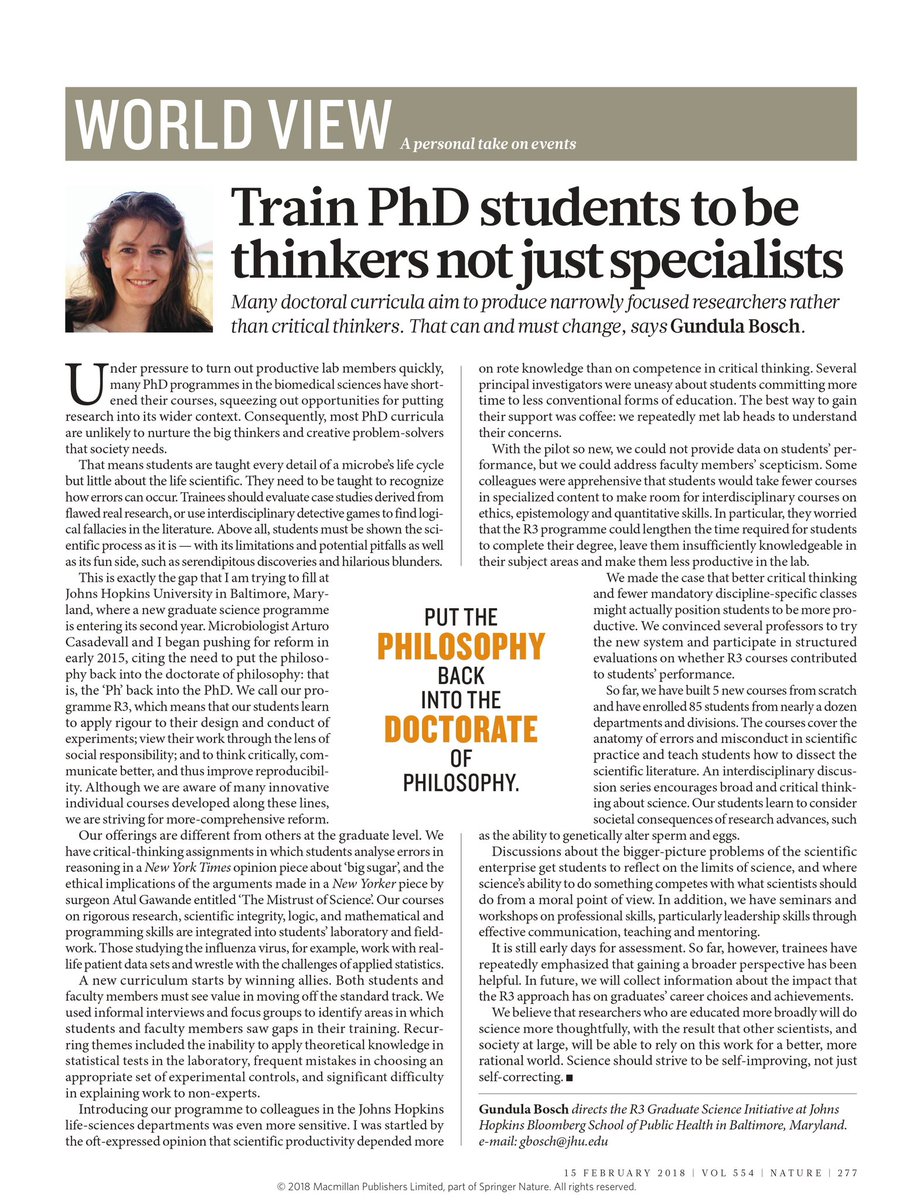
Train PhD students to be thinkers not just specialists
#PhD #PhDlife #academics #AcademicChatter #AcademicTwitter #Postdocs #Research #Science
26
529
1,893
350,652
ComparativeSystemsBiologyGroup_unimi retweeted

20 Jun 2024
If any PhD or Postdoctoral researchers are interested in joining the lab to work on Aquatic Microbiology in the Great Lakes region, let me know! The Walder Foundation Biota Postdoctoral Fellowships are now open walderfoundation.org/2025-bi…
6
124
164
26,730
alphafold3 not free...but all the structures that were used for training are public and free to use.. for profit? what do you think?
1
74
ComparativeSystemsBiologyGroup_unimi retweeted

4 Oct 2023
Single Molecule Bacteriology III is coming in 2024! Great working again with my favorite colleagues @AchillesKap @stephan_uphoff and Meriem El Karoui, and welcome @seamus_holden!
Register your interest here to receive the latest news: biochemistry.org/events-and-…
1
12
41
6,901
ComparativeSystemsBiologyGroup_unimi retweeted

30 May 2024
Simpson’s Paradox is a fascinating statistical phenomenon where the relationship between two variables can completely change when a third variable is considered. This often leads to contradictory conclusions if not carefully analyzed.
For example, in a data set, you might see a positive trend between variables X and Y. However, when you split the data into subgroups based on a third variable, Z, the trend might reverse or disappear.
Key takeaways:
✔️ Always consider potential lurking variables that could influence your results.
✔️ Be cautious with aggregated data; sometimes the real insights lie in the subgroups.
✔️ Use visualizations to better understand the relationships within your data.
Giannis Tolios shared this great visualization on Simpson's Paradox in a recent post, emphasizing the importance of thorough analysis to avoid such pitfalls. This paradox underscores the necessity for data analysts to be meticulous in their work to prevent erroneous interpretations.
#statistics #datascience #statisticalanalysis
11
241
1,205
168,318
ComparativeSystemsBiologyGroup_unimi retweeted

23 May 2024
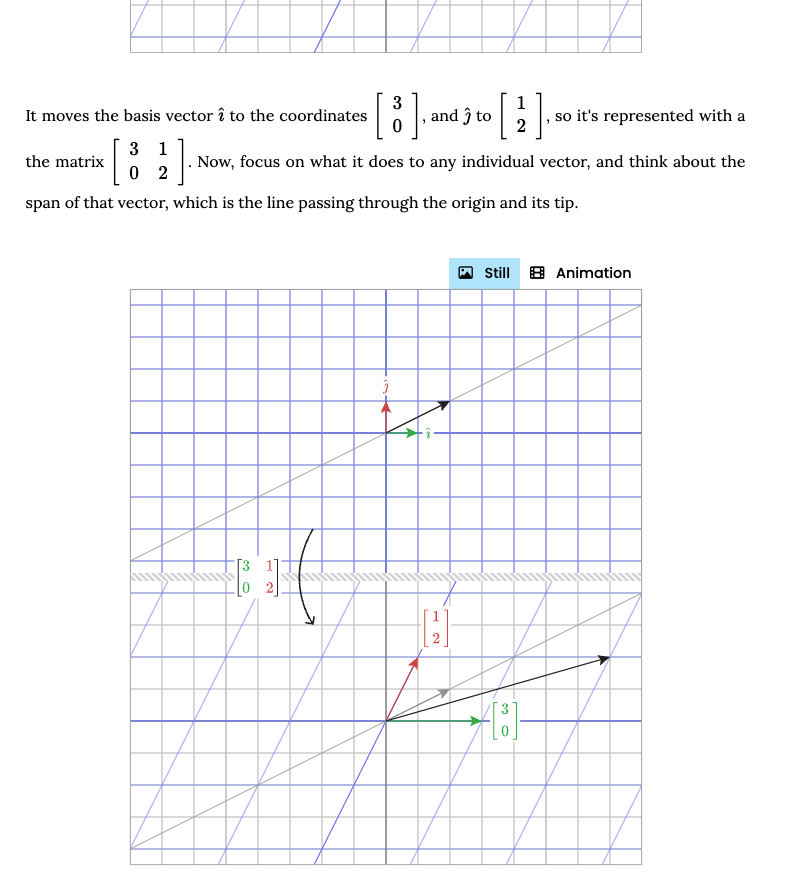
I often prefer to read math than to watch videos on it, especially in reviewing material. For anyone who feels the same, there are now written/illustrated versions of the linear algebra series, thanks to the help of Kurt Bruns.
3blue1brown.com/lessons/eige…
73
567
4,573
304,963