
Our veterans and their families proudly fought to defend freedom & prosperity. The mission continues as we stand up for policies that reflect that.
Joined May 2016
- Tweets 167
- Following 7
- Followers 21
- Likes 93
15 Photos and videos





Concerned Vets GA retweeted

Jun 12
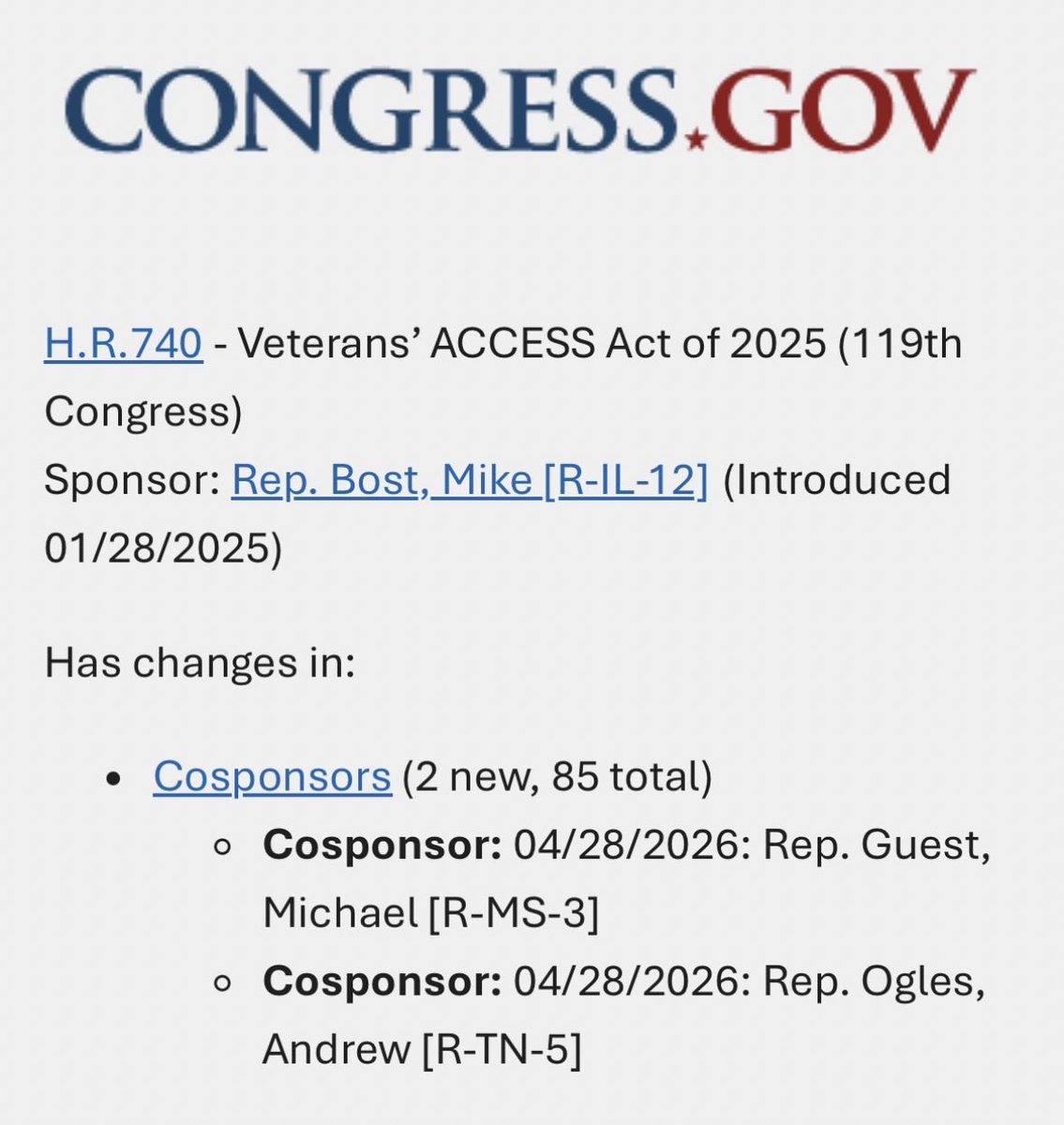
Sec. 621 - the Veterans ACCESS Act
The ACCESS Act would codify access standards for mental health care & expand access to life-saving mental health residential rehabilitation treatment programs (RRTP) for veterans at-risk of suicide or overdose deaths. In 2027, more than 40,000 veterans are expected to receive treatment through these programs. By standardizing clinical screenings & improving performance & oversight of these programs, thousands of veteran lives could be saved and improved.
2
6
13
224
Concerned Vets GA retweeted

Jun 14
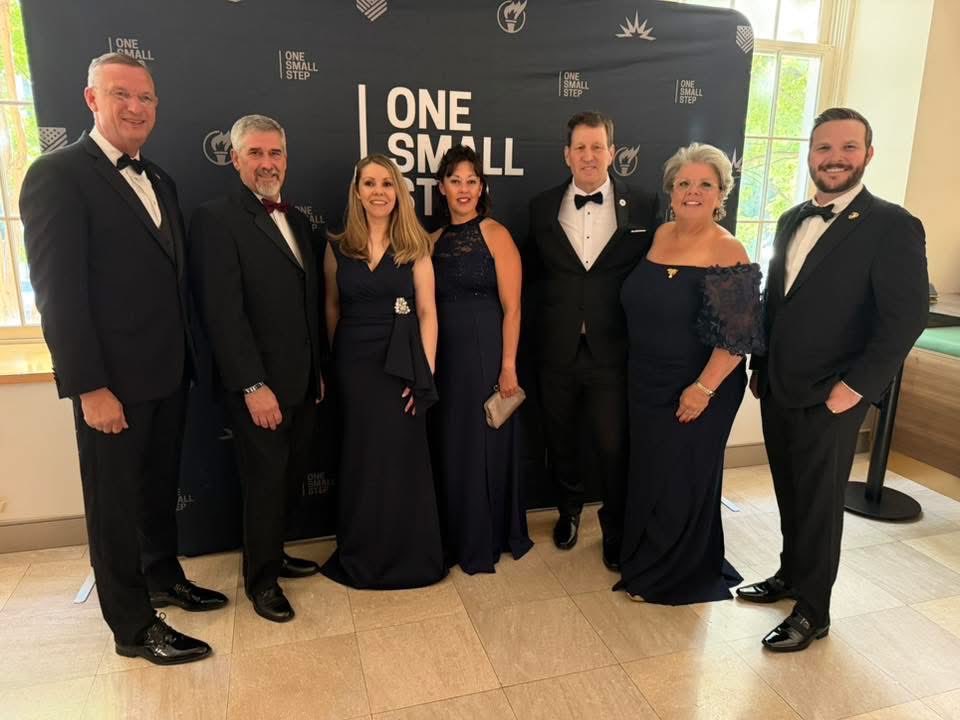
It was an honor to be part of this night.
1
3
30

Concerned Vets GA retweeted

We were honored to welcome @RepMcCormick to our A250 Liberty Ball Saturday evening!
Here he speaks about what America’s 250th anniversary means to him. #galibertyball #GAPol 🇺🇸
3
8
21
743
Concerned Vets GA retweeted

For too long, veterans have been denied the health care choices they deserve. The Veterans’ ACCESS Act will finally put 𝙑𝙀𝙏𝙀𝙍𝘼𝙉𝙎 𝙁𝙄𝙍𝙎𝙏—ensuring they have real options for both VA and community care.
3
7
283
Concerned Vets GA retweeted

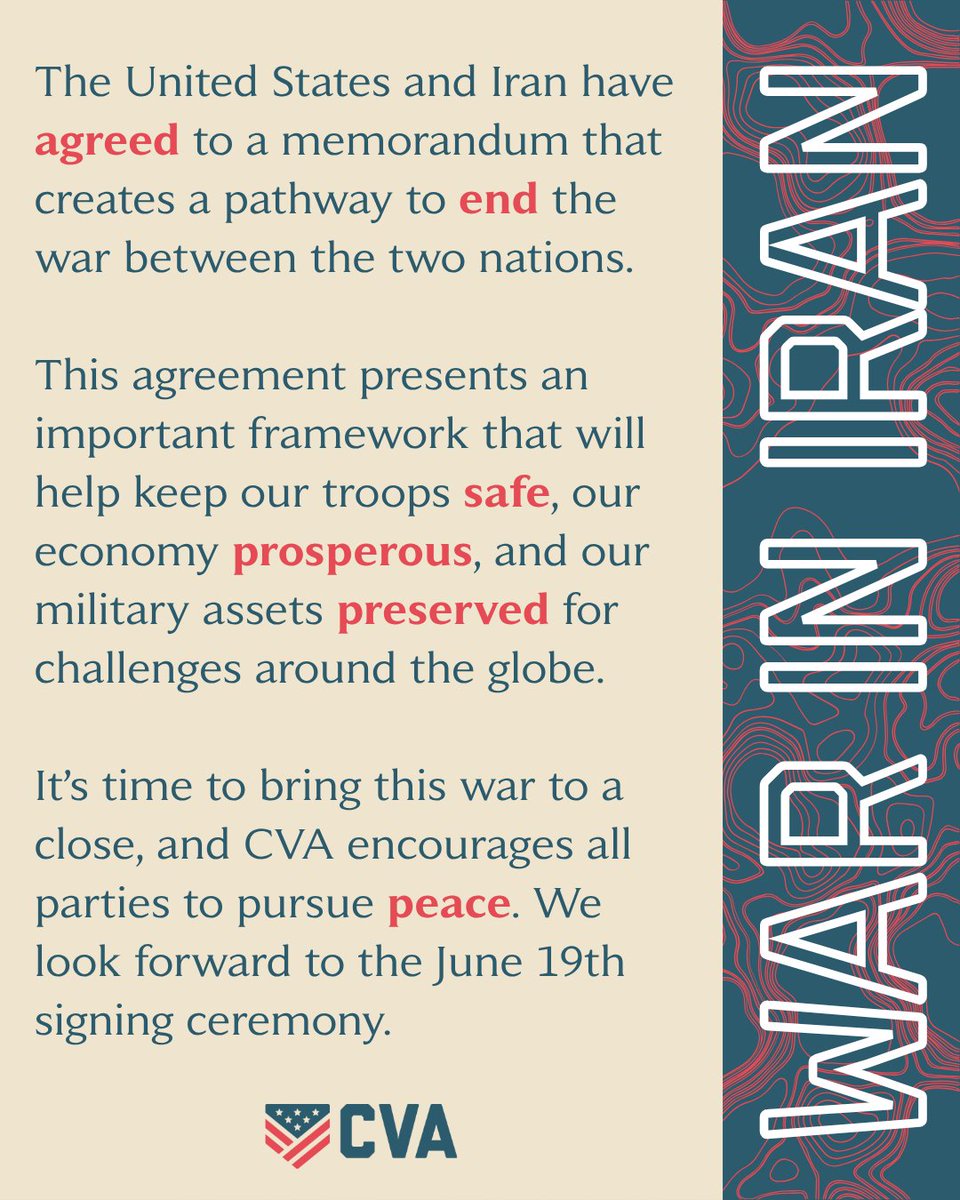
The U.S. and Iran are set to sign a peace deal to end the war.
Read CVA’s statement.
10
20
633
Concerned Vets GA retweeted

Jun 15
WOW

1
4
119

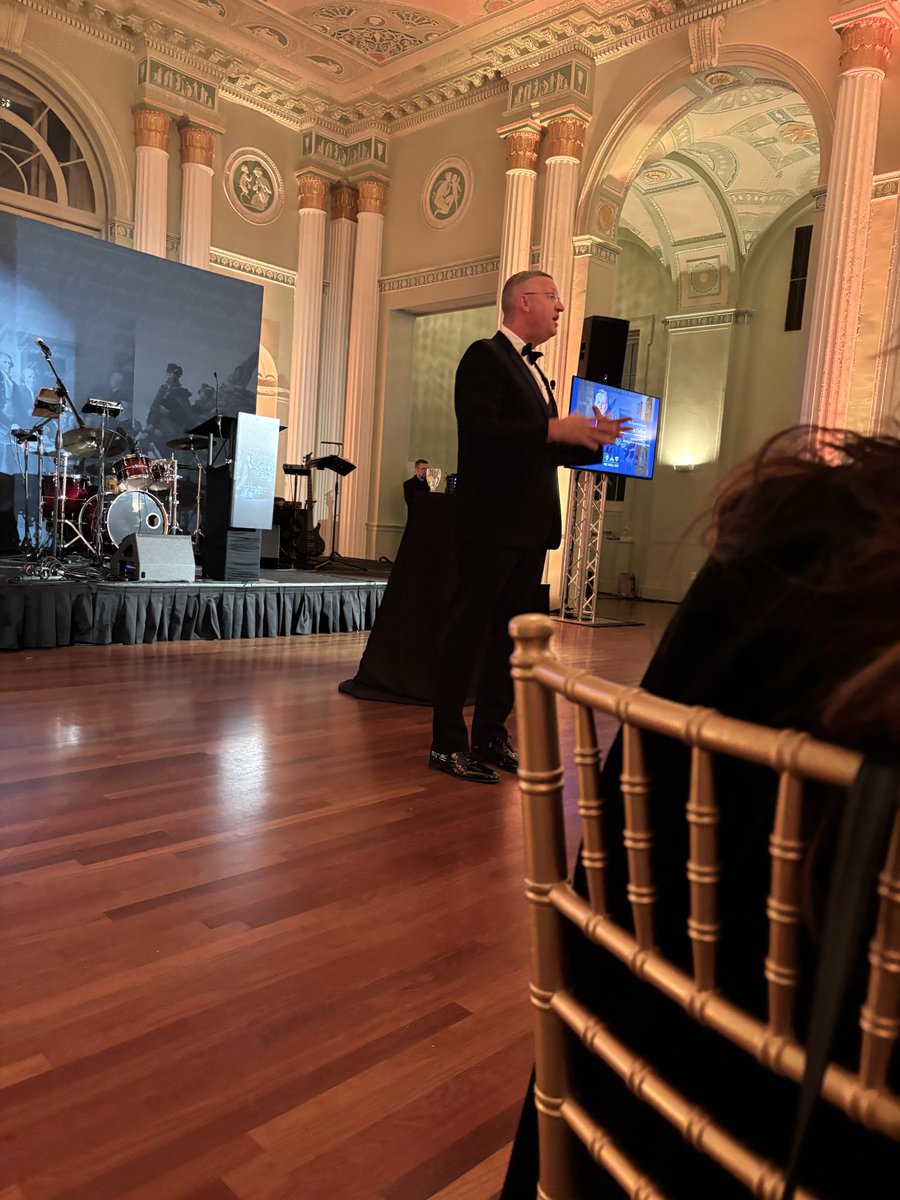
Concerned Veterans for America Georgia along with @LIBREinitiative & @AFPGeorgia had an amazing evening with Keynote speaker @SecVetAffairs

1
6
267
Concerned Vets GA retweeted
Jun 14
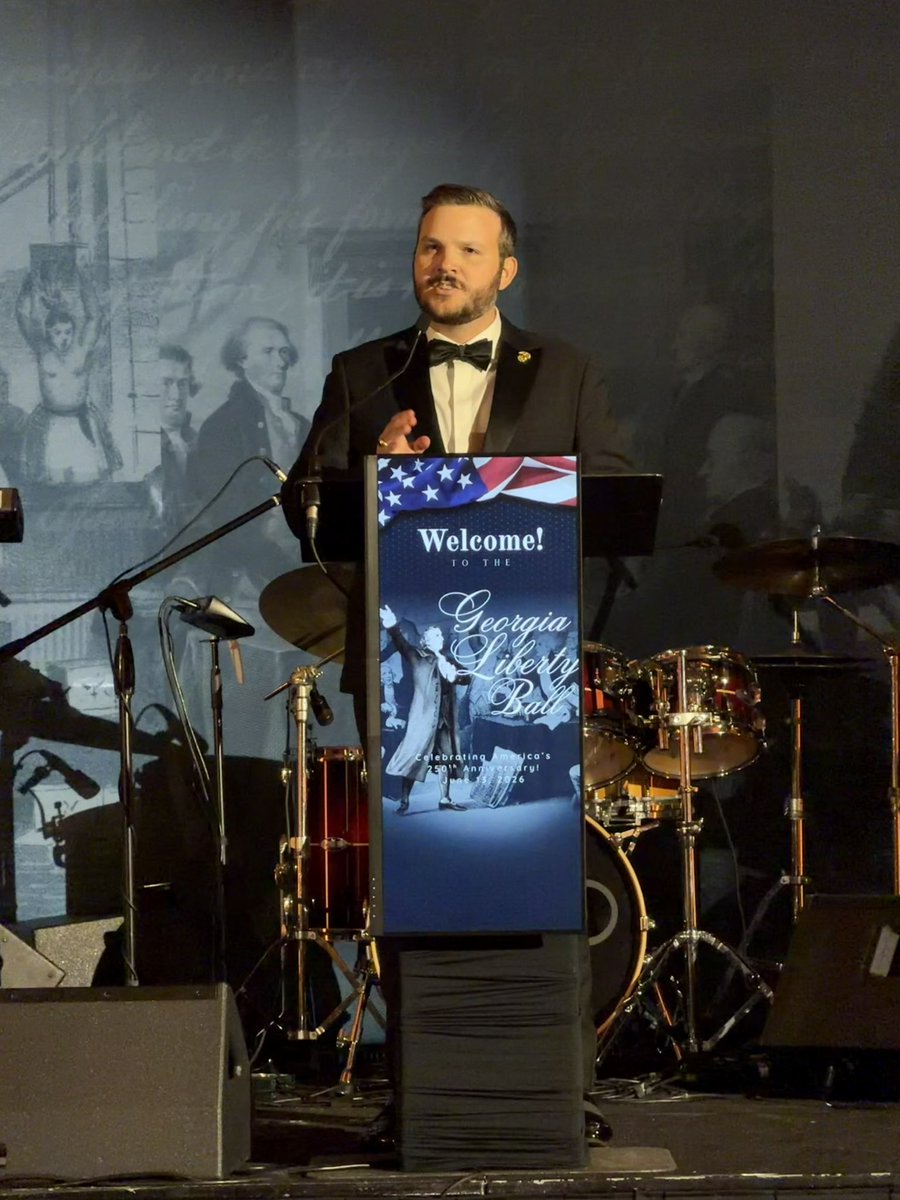
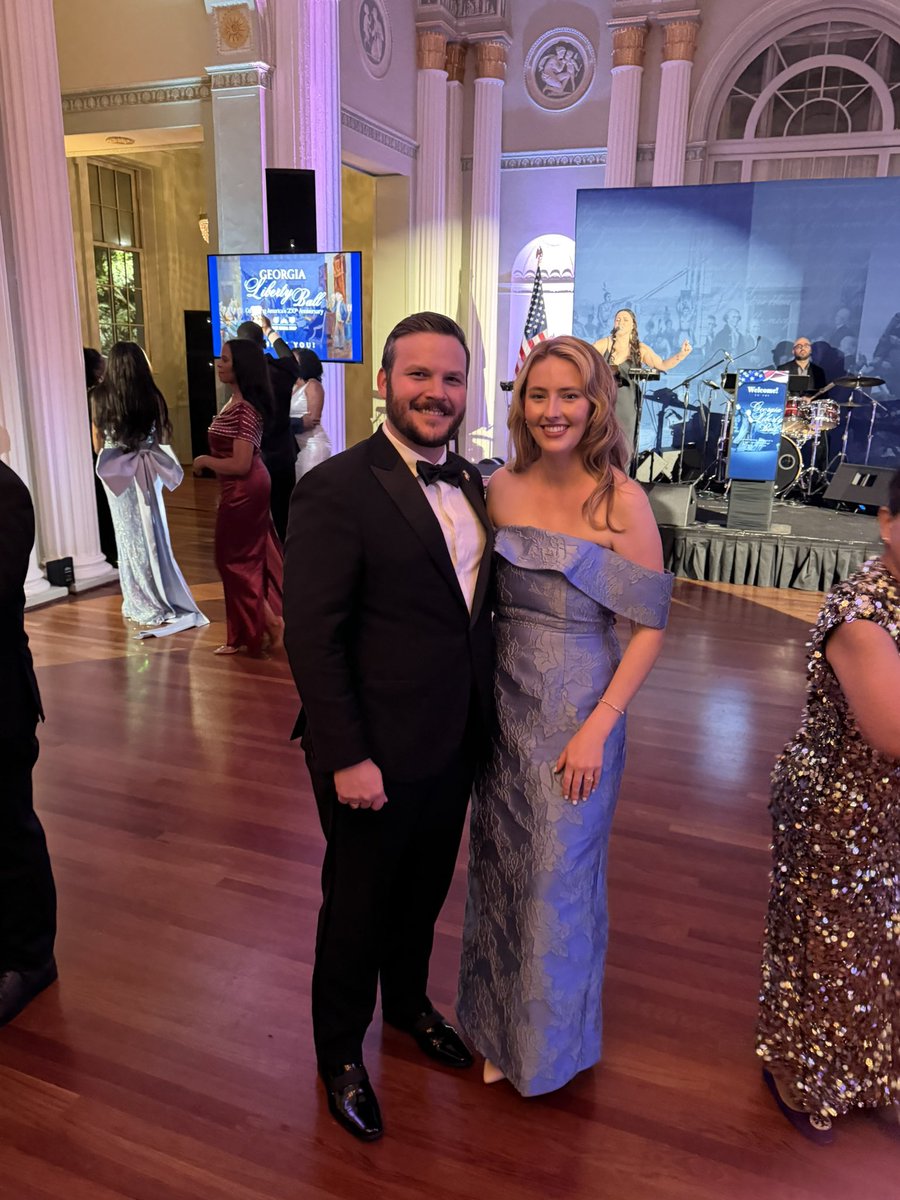
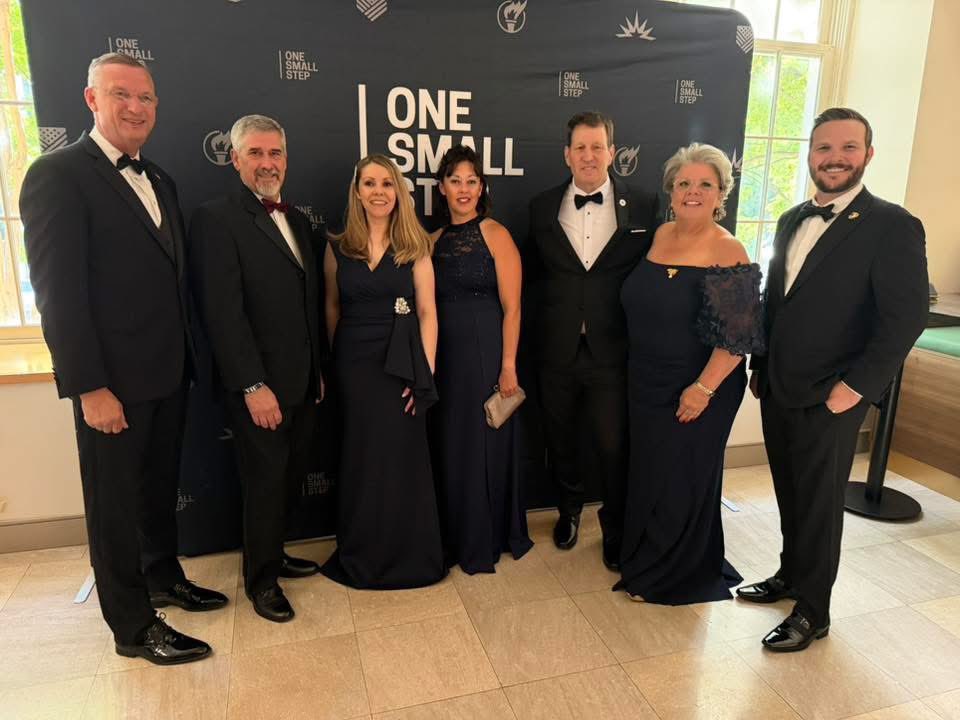
It was an honor to attend and speak at @AFPGeorgia, @ConcernedVetsGA, and @LIBREinitiative’s Liberty Ball last evening to reflect on the birth of our great nation and the principles we hold true 250 years later 🇺🇸 #LeadAmericaForward
3
15
658
It’s time for the Ball y’all. Georgia, an OG state getting ready to celebrate America’s 250th with an incredible line up of patriots!
1
3
119
Concerned Vets GA retweeted
What is the difference between community care and the Veterans’ ACCESS Act?
One expands health care choices for those who rely on the VA, the other requires the VA to offer these options at ease to the patient, as @SenJonHusted explains.
3
13
24
1,786
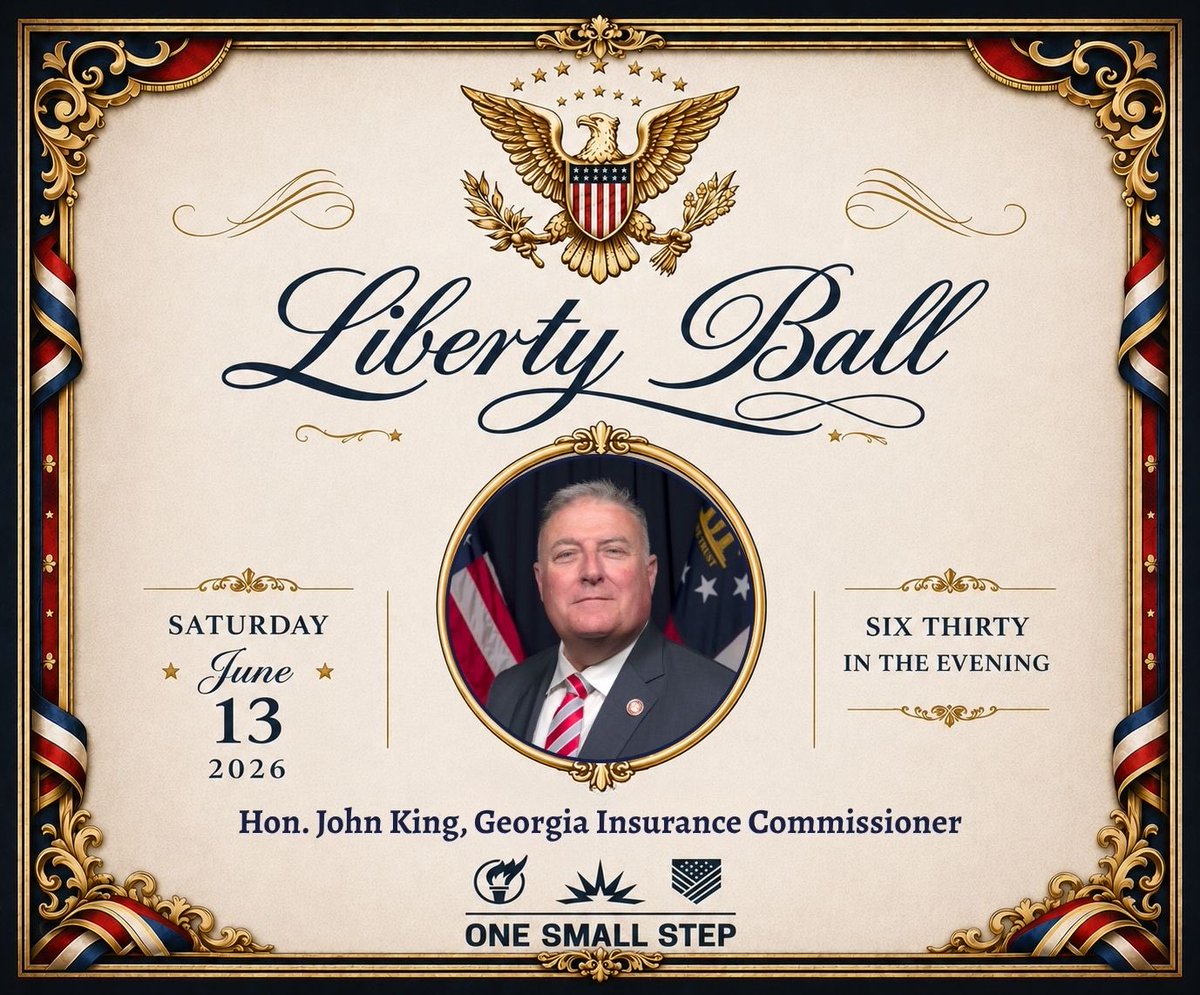
Looking forward to hearing from Commissioner King at the Liberty Ball
1
2
71
Concerned Vets GA retweeted
Jun 10
This is a good start. Looking forward to working with our @ConcernedVets team and members of Congress to ensure the Veterans’ Access Act language stays in when the bill passes.
Jun 10

BREAKING NEWS: Chairman Bost & I introduced the Take Care of America’s Veterans Act – comprehensive legislation including critical priorities such as the Major Richard Star Act, the Veterans ACCESS Act, the Love Lives On Act and several other bills to support our nation's veterans, their families, caregivers and survivors. veterans.senate.gov/2026/6/c…
6
1
8
490
Concerned Vets GA retweeted
As veteran representation in Congress declines, so does the firsthand experience of those who’ve answered the nation’s call to serve.
@PatHarriganNC on why America needs more veteran voices in Washington.
2
13
43
5,414
Concerned Vets GA retweeted
Jun 8
I recently had the chance to host @ConcernedVets policy panel talking with @AFPhq's @KurtCouchman and @defpriorities' @BH_Friedman about
"The Iran War and the Economy: A CVA Hosted Panel" youtu.be/VFtUlsWLgFU?si=8CIX… via @YouTube
5
8
600
Concerned Vets GA retweeted
Jun 8
Yes.

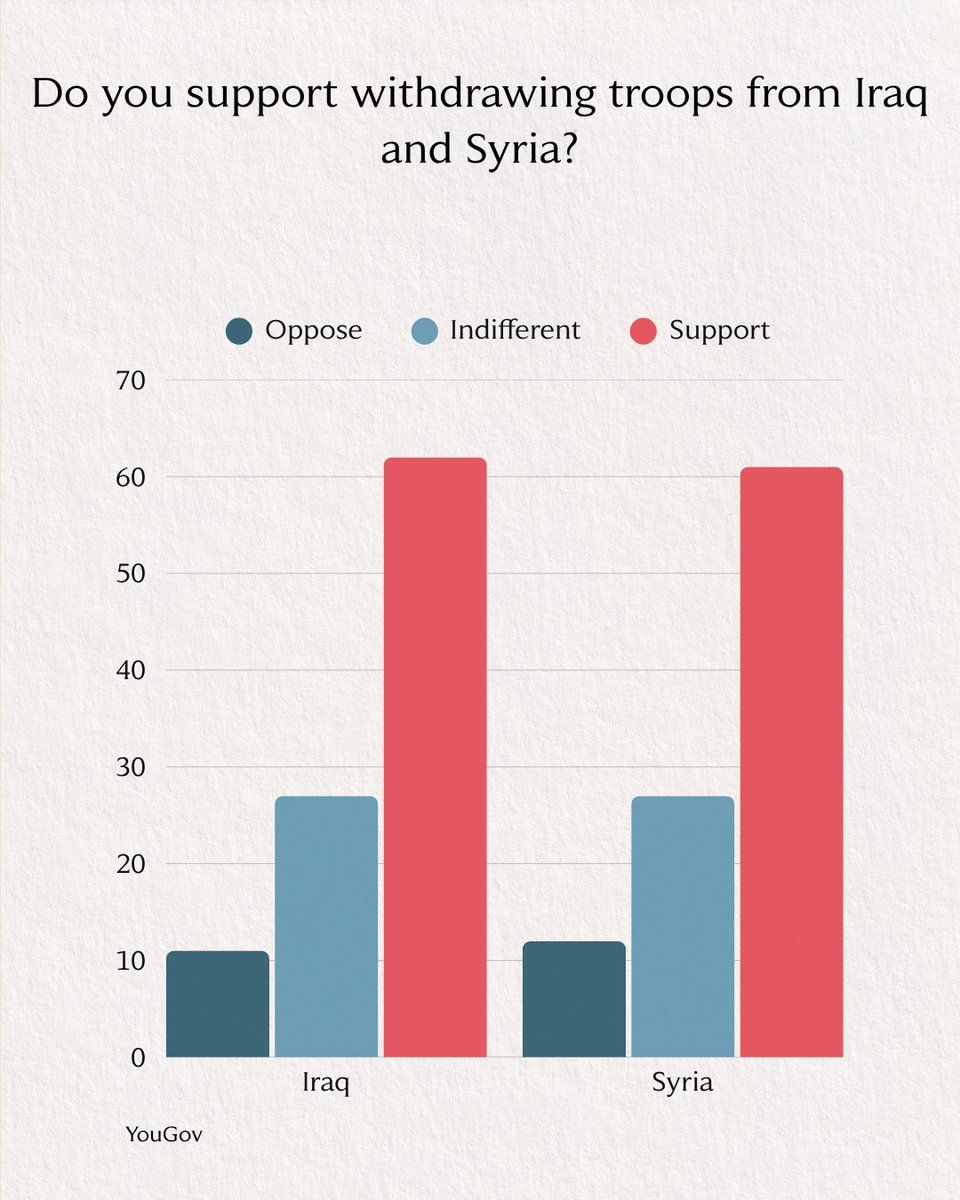
🤔 Perhaps the US should have a smaller presence in the Middle East and the Middle East should have a smaller presence in America?
1
4
113
We are so Honored and excited to have Secretary Collins join us for our Liberty Ball. Stay tuned for some great moments from the Ball
1
1
6
1,232
Concerned Vets GA retweeted
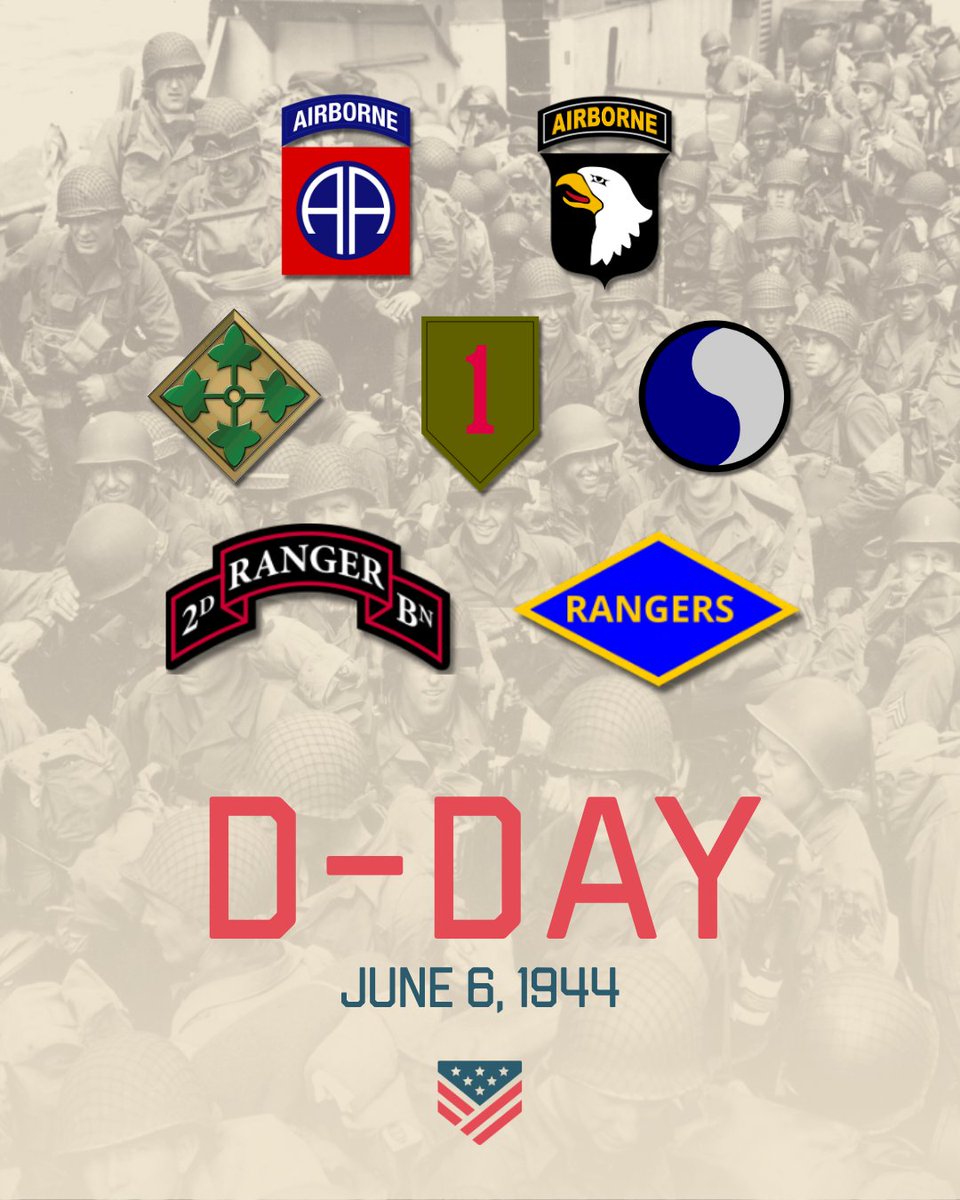
82 years ago, Allied forces stormed the beaches of Normandy and descended from the skies to break Hitler’s grip on Europe.
Some were just 17 years old, yet they fought with courage, grit, and resolve.
May their sacrifice and legacy continue to inspire today’s soldiers.
5
14
243
Concerned Vets GA retweeted
That is personal courage: doing the mission when fear is real, the odds are uncertain, and the cost could be everything.
The legacy of WWII airborne soldiers still lives on in today’s Army and in every soldier who chooses courage over comfort.
1
3
137
Concerned Vets GA retweeted
Soldiers of the 82nd and 101st Airborne Divisions jumped into darkness over Nazi-occupied France, scattered behind enemy lines, often far from their units and commanders.
They pressed on anyway, seizing bridges, disrupting enemy movements, and helping clear the way.
1
1
5
165