Christian | Husband & Father | Adventure Biker | Tesla Investor | WA Native | Nerd
Joined April 2009
- Tweets 4,453
- Following 7,402
- Followers 3,514
- Likes 10,898
94 Photos and videos
Richard Lange retweeted

"Elon Musk gave an incredible service nobody like him, because he's an incredible patriot. The good news is that 90% of the country knows that and they appreciate it and they really appreciate what he did. I just want to thank Elon and all of his people”
81
1,401
13,390
167,841
Richard Lange retweeted

SCOTUS JUST PUBLISHED THE EXACT LIST OF RIGHTS PARENTS NOW HAVE IF A SCHOOL TRIES TO BLOCK THEM OUT
Not vague victories. Not "parents win somehow." NAMED PROTECTIONS. SPECIFIC REQUIREMENTS. School by school.
🇺🇸 Advance notice — schools must tell parents BEFORE exposing children to the challenged books
🇺🇸 Opt-out right — parents can excuse their children from that specific instruction
🇺🇸 Free Exercise protection — forcing children into lessons that "pose a very real threat of undermining" religious beliefs is unconstitutional
🇺🇸 Preliminary injunction — this is ACTIVE NOW, not pending a future ruling
🇺🇸 Montgomery County, MD — the specific district that started this must comply immediately
🇺🇸 4th Circuit overruled — the lower court that sided with the school board was reversed
🇺🇸 Elementary grades targeted — the ruling applies to the LGBTQ -inclusive storybooks in elementary English classes
🇺🇸 Nationwide signal — any district with a no-opt-out policy on religious-conflict content now faces the same legal exposure
🇺🇸 Administrative burden — schools must build notification and opt-out systems before the 2025-2026 year begins
🇺🇸 Case continues — the injunction holds while the full lawsuit plays out in lower courts
💀 6-3 vote
💀 Majority: Roberts, Thomas, Alito, Gorsuch, Kavanaugh, Barrett
💀 ZERO deference to the school board's "no opt-out" policy
💀 100% parental religious exercise — that is what the court protected
Every protection on this list belongs to parents. Not administrators. PARENTS.
Justice Sotomayor warned this "will be chaos for this Nation's public schools." These are the rights that caused that chaos.
I'll keep you updated. Turn on notifications. 🚨
297
4,965
15,798
658,469
Richard Lange retweeted

Voyager 1 is 24 billion kilometers from Earth.
It communicates with us using a 23-watt transmitter.
Less than a refrigerator light bulb.
The signal takes 22 hours to reach us, traveling at the speed of light.
By the time it arrives, it's 20 billion times weaker than the power of a digital watch battery.
NASA's Deep Space Network picks it up using 70-meter dish antennas cooled to near absolute zero to reduce electronic noise.
The engineering required to hear a 23-watt signal from 24 billion km away is arguably more impressive than the spacecraft itself.
Launched 1977.
Still transmitting.
Still being heard.
We built something that works perfectly, 47 years later, in conditions no one has ever tested in.
That's what engineering for the long term looks like.
838
4,700
28,279
1,353,583
Richard Lange retweeted

Jun 7
Why Water Works for EV Fires
Lithium-ion battery fires in EVs differ from traditional gasoline fires. The main issue is thermal runaway—a self-sustaining chemical reaction inside battery cells that generates intense heat, flammable gases, and potential reignition. Water’s key role is cooling the battery pack and surrounding materials to break this cycle, rather than just smothering flames. iafc.org
• Fire departments (per guidelines from IAFC, NFPA, and others) recommend large volumes of water applied directly to burning surfaces and the battery area. This is often via standard hoses, fog nozzles, or specialized tools like piercing lances that deliver water inside the pack. iafc.org
• The lithium in these batteries is in salt/electrolyte form (not pure reactive lithium metal), so water doesn’t cause the dangerous reactions some people assume. High-voltage components are sealed, minimizing electrical shock risk to firefighters. nfpa.org
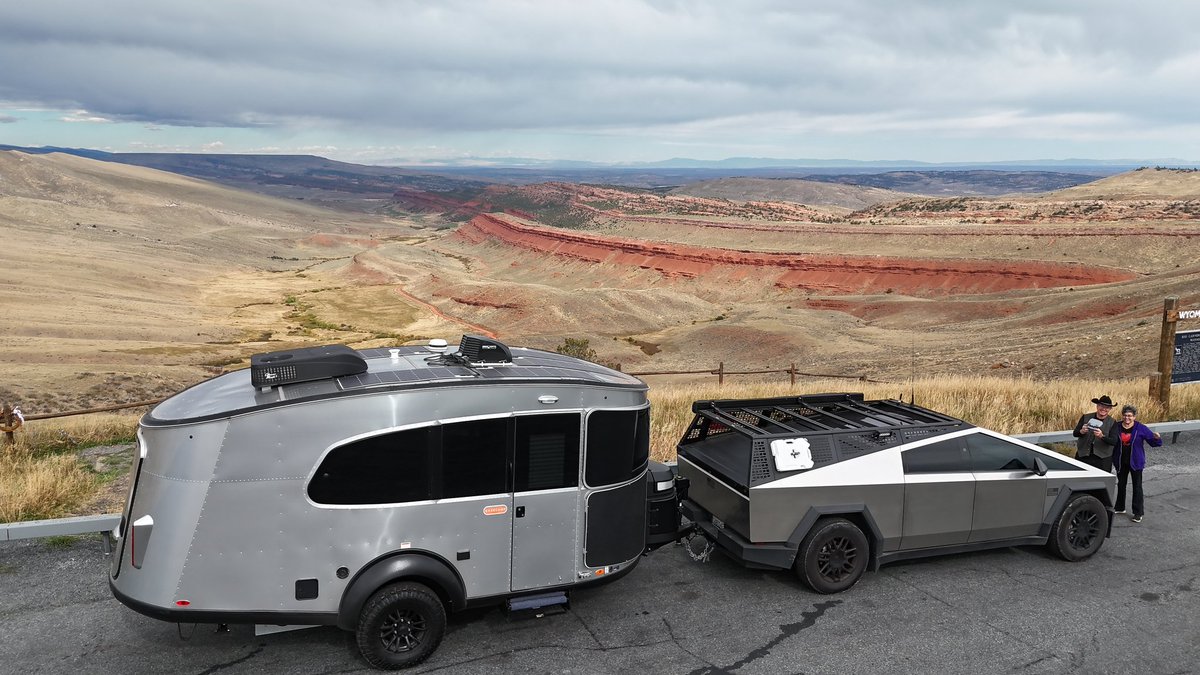
• In the Cybertruck incident you linked (a crash on SR 167 in Pacific, WA), crews used ~2,000 gallons to extinguish it. That’s notable but not extreme—gas vehicle fires can use hundreds to thousands of gallons too, while some EV battery fires need 8,000 or even tens of thousands depending on pack size and access. kiro7.com
1
4
120

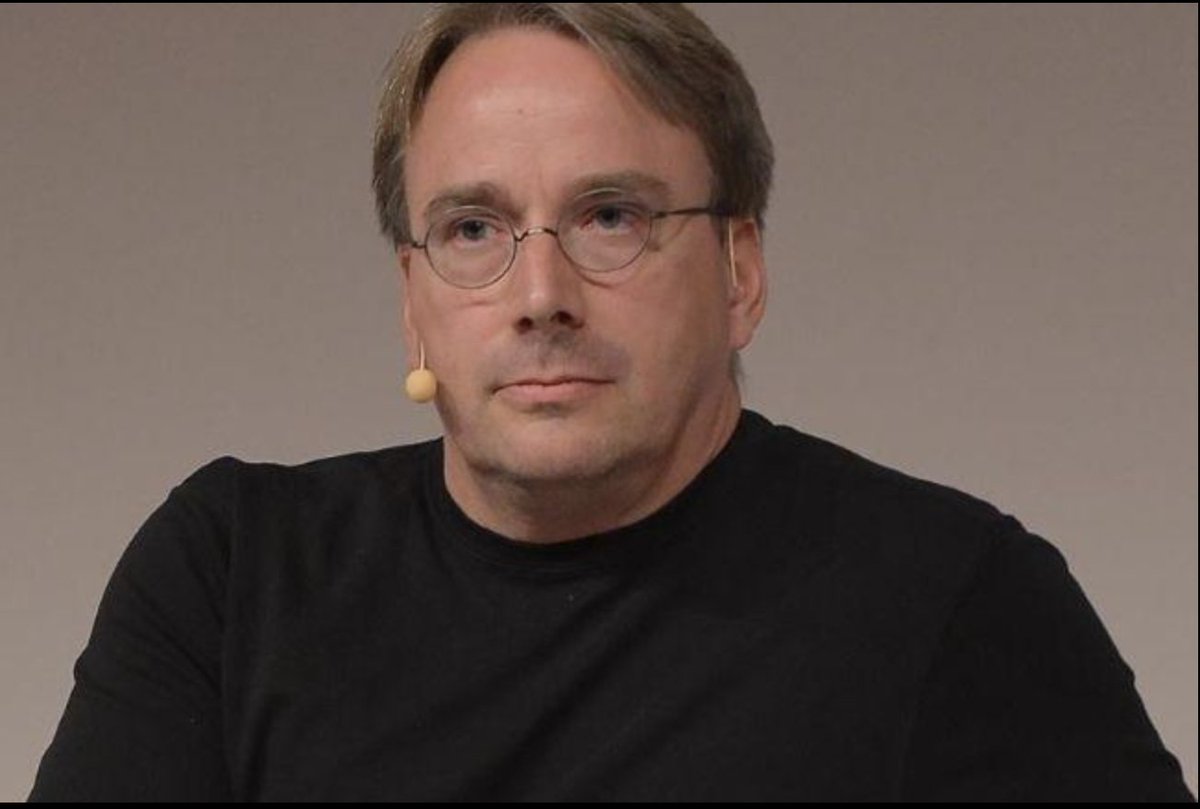
The creator of Linux just publicly called out the AI hype. Word for word.
Linus Torvalds took the stage at Open Source Summit 2026 and said this:
"When I see people saying 99% of our code is written by AI, I literally get angry. Because those same people — I can pretty much guarantee — 100% of their code is written by compilers. But they never say that."
He is not anti AI. The Linux kernel saw a 20% jump in submissions this release because of AI tools. He uses it. He gets it.
His point is something most people are too afraid to say.
AI is a productivity tool exactly like compilers were. Compilers boosted programming by 1000x. AI adds another 10x on top. Enormous. But nobody says "the compiler wrote my code." So why are we saying AI wrote it?
He also flagged something nobody is talking about.
AI is flooding small open source projects with drive-by bug reports. Someone runs a prompt, files a report and disappears when asked for a patch. Maintainers with one or two people are drowning trying to keep up.
"Sometimes AI reports a bug and when you ask for more information the person has done that drive-by and does not even answer your question. That is the real burnout issue."
And his final warning was the sharpest of all.
"People who do not understand the complexity of systems will prompt systems and write processes that will fail."
The AI hype crowd is very loud right now.
Linus has been building real systems for 35 years. When he talks, engineers listen.
Full interview here:
thenewstack.io/torvalds-ai-p…
259
1,689
8,341
789,288

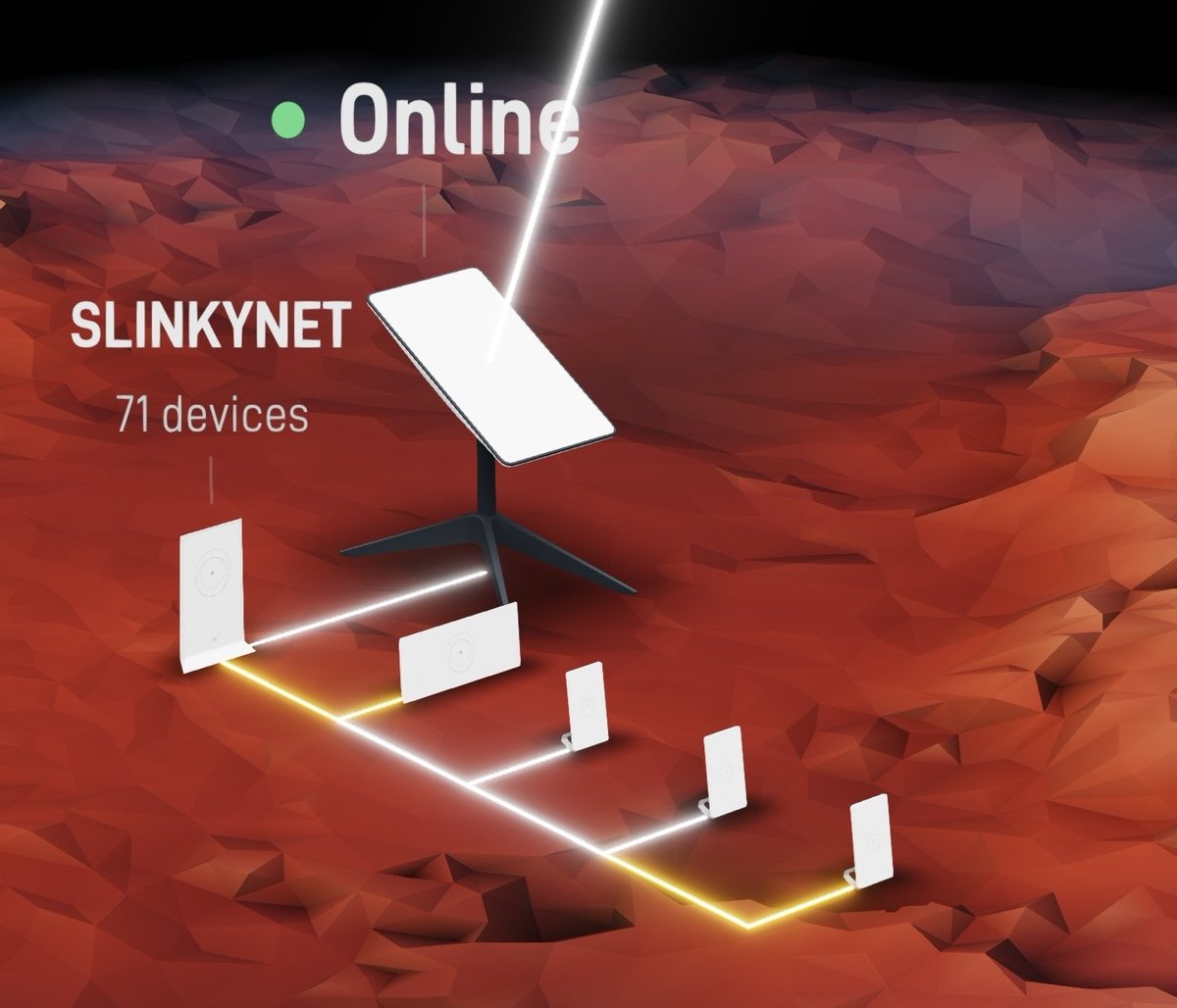
Starlink V3 satellites have >10X bandwidth of V2 and there’ll be >10X launched, which means >100X more bandwidth.
Also, altitude will be 350km vs 550km, so min latency can be cut in half.
Light travels 300km/ms in space, so physics round trip min latency drops to <5ms.
4,228
8,076
77,862
9,824,002
Maximus is now charging at 24A vs normal 48A. I think I've been inducted into the PCS failure club!
My VIN: 29xxx.
See if your invitation is in the mail with the PCS Detective.
pcsinfo.vercel.app/
@DaveMattson
@cybertruck
2
104
Richard Lange retweeted

Jun 4
California is no longer the state with the most Fortune 500 companies.
After all the departures, that title now belongs to Texas.
73
227
4,212
95,498
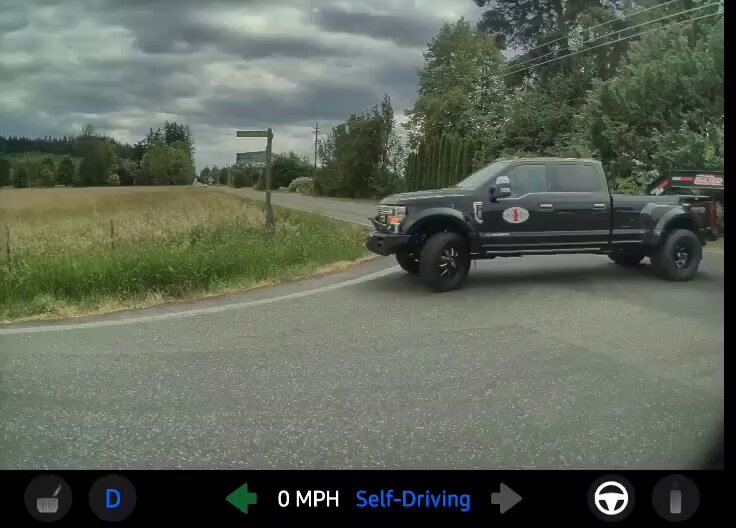
I know this has been enabled in the software, but it finally happened to me. A truck with a long trailer turned in front of me. FSD backed up to give him room. Smooth, subtle, and safe.
Thank you @Tesla
5
136
Richard Lange retweeted

Jun 3
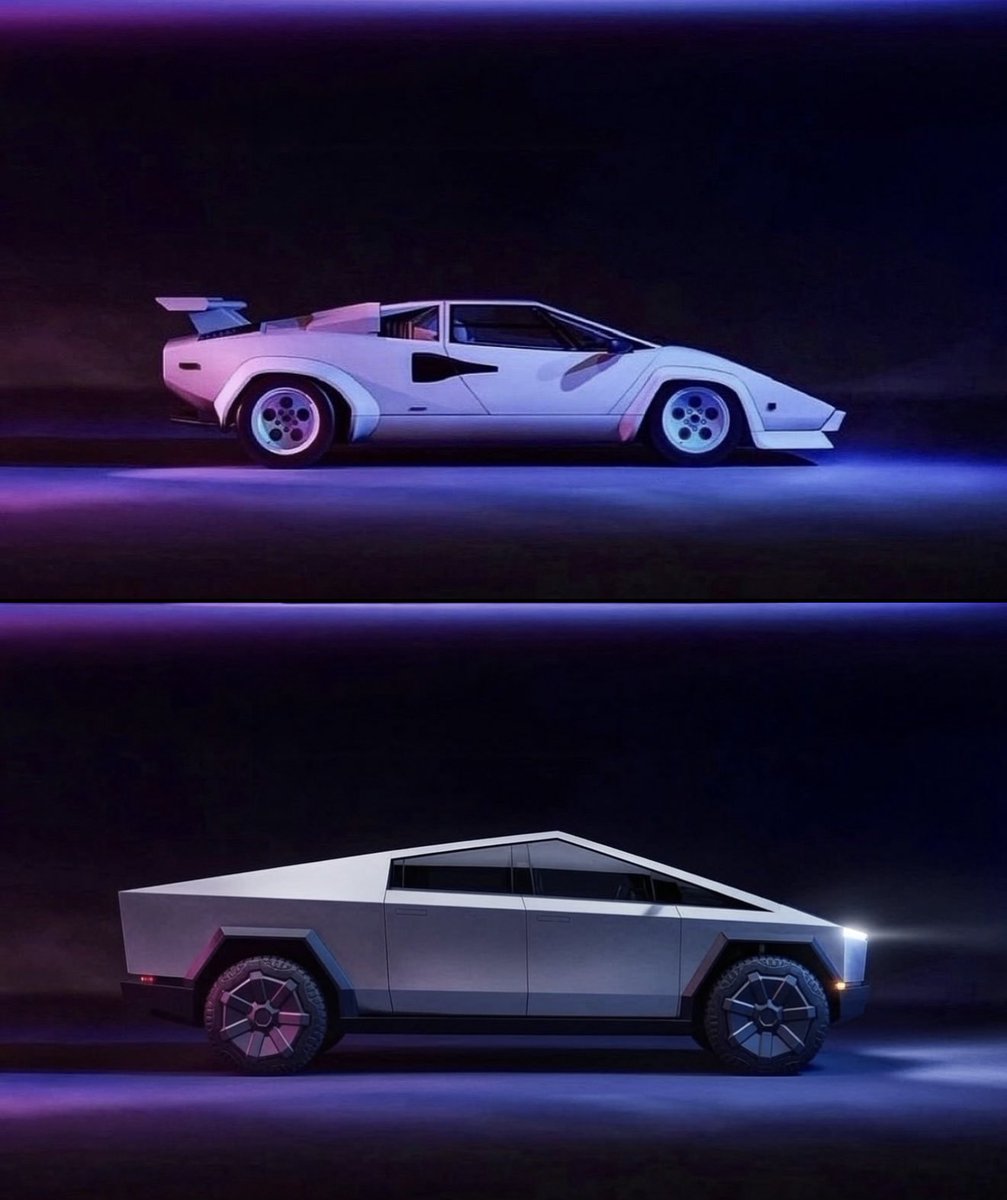
The Cybertruck reminds me of a 7,000 lb, armored, 80’s Lamborghini Countach,
Except with better acceleration.
136
54
1,005
119,336
Richard Lange retweeted

Jun 1
Elon Musk's children don't go to normal school. And the reason why will change how you think about education.
He pulled his kids out of one of the most prestigious schools in Los Angeles. Parents were furious. Media called him arrogant. The school had a waitlist of thousands.
His response: "They're teaching kids to solve problems that already have answers. I need them to solve problems nobody's thought of yet."
So he built a school. Inside SpaceX. Called it Ad Astra. No grades. No tests. No subjects in the traditional sense.
A nine year old could take apart a rocket engine and present their findings to actual SpaceX engineers. Students didn't study history. They debated whether they'd make different decisions than historical leaders using the same information available at the time.
The school had no grade levels. A seven year old could work alongside a thirteen year old if they were interested in the same problem.
When asked why he structured it this way, Elon said something that stuck with me:
"I don't care if they know the answer. I care if they know which questions are worth asking."
Most people spend their entire education learning how to be right. Elon teaches his children how to be curious.
The system rewards answers. Life rewards questions.
328
2,129
9,520
222,559
Richard Lange retweeted

May 28
🚨BREAKING:
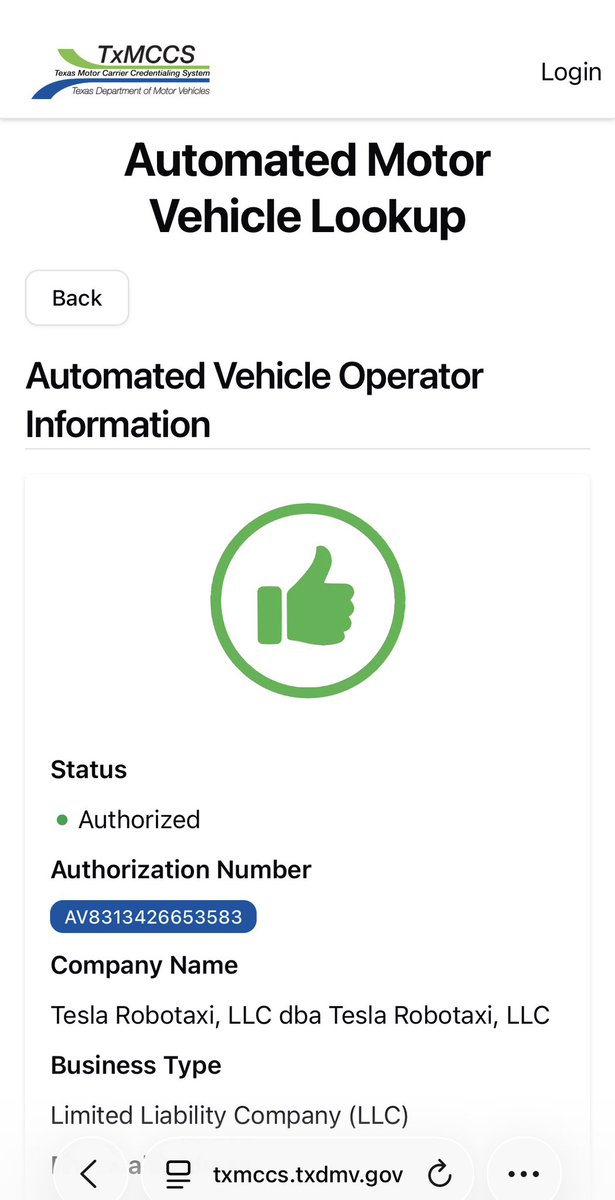
Tesla has been authorized by the State of Texas to operate driverless vehicles commercially under the new law that took effect today, May 28th, 2026. Tesla has officially self-certified the software running on its robotaxis as Level 4. $TSLA
367
1,629
10,969
862,613
Richard Lange retweeted

May 27
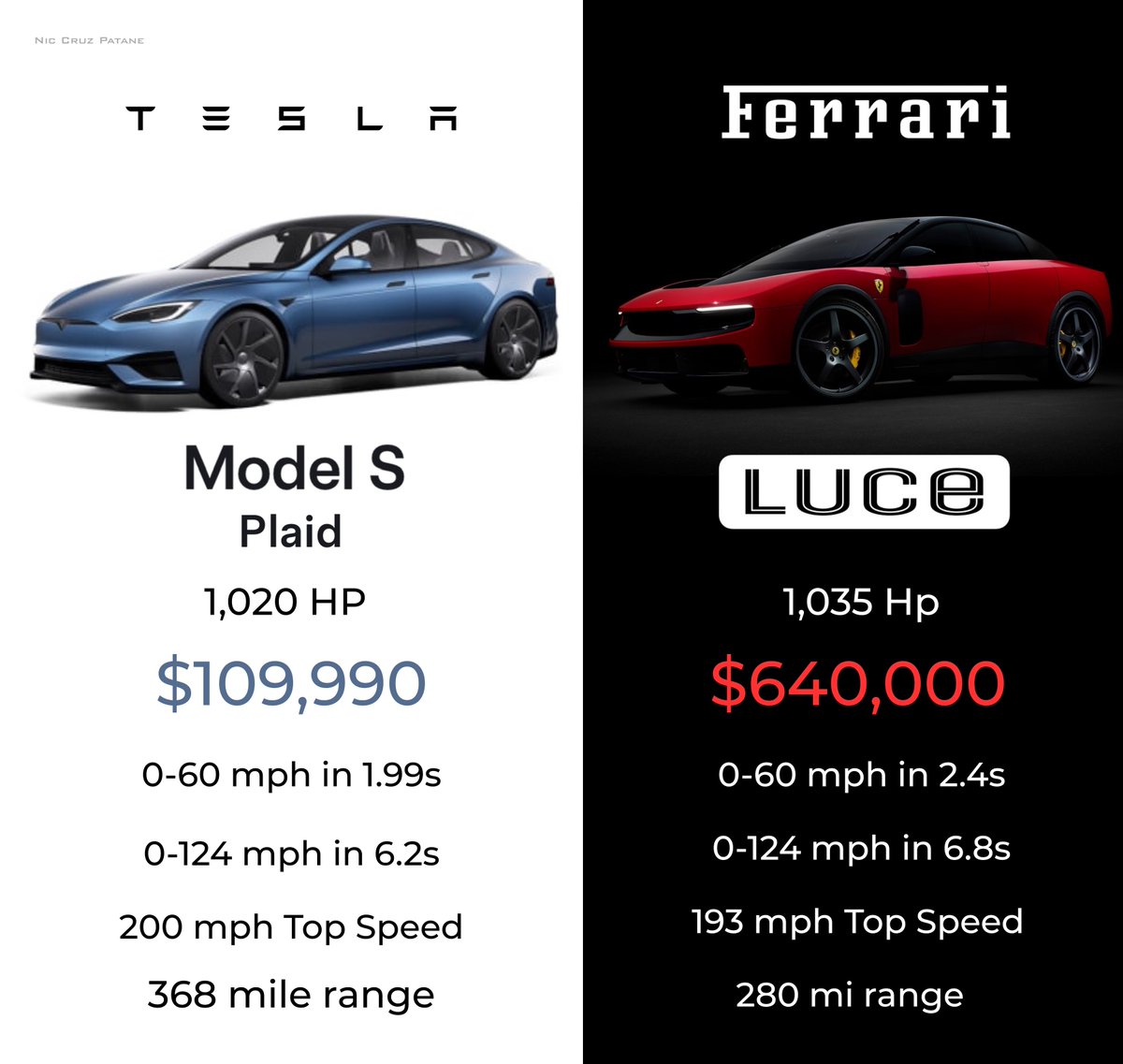
$109,990 Tesla Model S Plaid vs $640,000 Ferrari Luce EV
863
1,850
25,111
1,416,714
Richard Lange retweeted

May 20
🇨🇳 NEW: Chinese cities are rolling out AI-powered robot barber kiosks that scan customers in 3D and cut hair with millimeter precision for just 60 yen per session.
1,393
1,141
6,084
2,179,654
Richard Lange retweeted

May 20
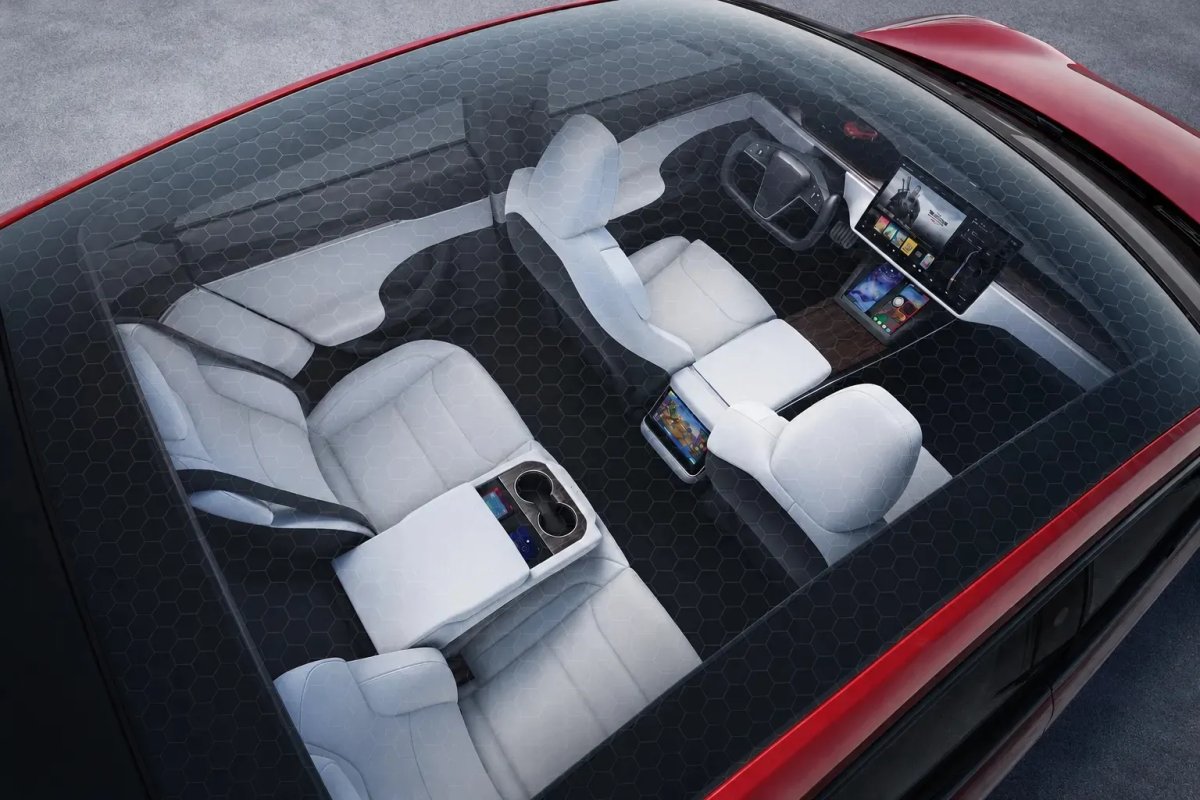
This is the 'coolest' Tesla patent application I've seen in a couple years.
The outer layer of the glass roof is solid, the inner layer is perforated, and there's an air gap between the two layers.
That means you can pump the HVAC system through the ceiling of the vehicle for even cooling.
It also means the ability to dampen sounds and alter resonance by changing the perforation matrix on the inner layer.
May 20

Tesla Patents Perforated Glass Roof with Active HVAC and Acoustic Tuning notateslaapp.com/news/4120/t…
77
210
2,950
372,225
Richard Lange retweeted

May 19
The engineering SpaceX is doing is nothing short of incredible.
This is something that I am never going to find mediocre. Truly astonishing every time
220
904
6,944
158,398
Richard Lange retweeted

May 17
In 1897, Campbell’s soup was a luxury.
A single can cost 30 cents nearly half a day’s wage for an industrial worker. Most families couldn’t afford it.
Then a petty family argument changed American food forever.
Arthur Dorrance owned the Campbell factory in Camden, New Jersey. His nephew, John, had just returned from Europe with a chemistry doctorate.
Arthur thought it was useless.
He hired John anyway — at $7.50 a week. Barely more than a laborer’s wage. And if the “college boy” wanted to run experiments, he had to buy his own equipment.
The factory workers laughed at him.
The place was brutally hot, loud, and smelled of boiling cabbage and beef fat. Campbell’s sold canned vegetables, preserves, and heavy soup in giant 32-ounce tins.
The real problem wasn’t the soup.
It was the water.
Railroads charged freight by weight, and soup was mostly liquid. Shipping costs made it expensive before it even reached a grocery shelf.
John had a simple idea:
Remove the water before shipping.
At first, it failed badly.
The broth scorched. Vegetables turned to mush. Fat separated. Beef became rubber. Workers mocked him for “burning lunch.”
But John kept experimenting in a tiny corner lab on the factory floor.
He adjusted temperatures.
Separated ingredients.
Calculated evaporation rates.
Tested batch after batch.
Finally, he cracked it.
He created a concentrated soup that kept its flavor while removing roughly half the water.
Instead of huge tins, he packed it into a small 10½-ounce can.
His uncle hated it.
Arthur thought customers would feel cheated by the tiny can filled with thick paste. He told John to abandon the idea.
John pushed for one small test run anyway.
Price: 10 cents.
Customers took the cans home, added one can of water, heated it up…
…and it tasted like the original 30-cent soup.
Sales exploded.
Freight costs collapsed.
Grocers loved the smaller cans.
Orders multiplied so fast Campbell’s shut down other product lines entirely.
The “useless” chemist took over the company.
And when the Great Depression hit decades later, millions of Americans couldn’t afford luxuries anymore.
But Campbell’s condensed soup still cost 10 cents.
It lasted for months.
It filled stomachs.
It became survival food for struggling families across the country.
John T. Dorrance never became famous like Edison or Ford.
But he quietly built one of the most important food products in American history by realizing something nobody else had:
Sometimes the most profitable innovation is simply removing what people don’t need.
John T. Dorrance:
The man who stopped paying to ship water.
117
1,423
9,065
317,120

May 17
Reminder: Portland/Vancouver charger chat tomorrow at Vancouver Mall Superchargers. 9A-12P. Come by and say hello. I look forward to meeting some of you.
1
2
9
427
Richard Lange retweeted

May 14
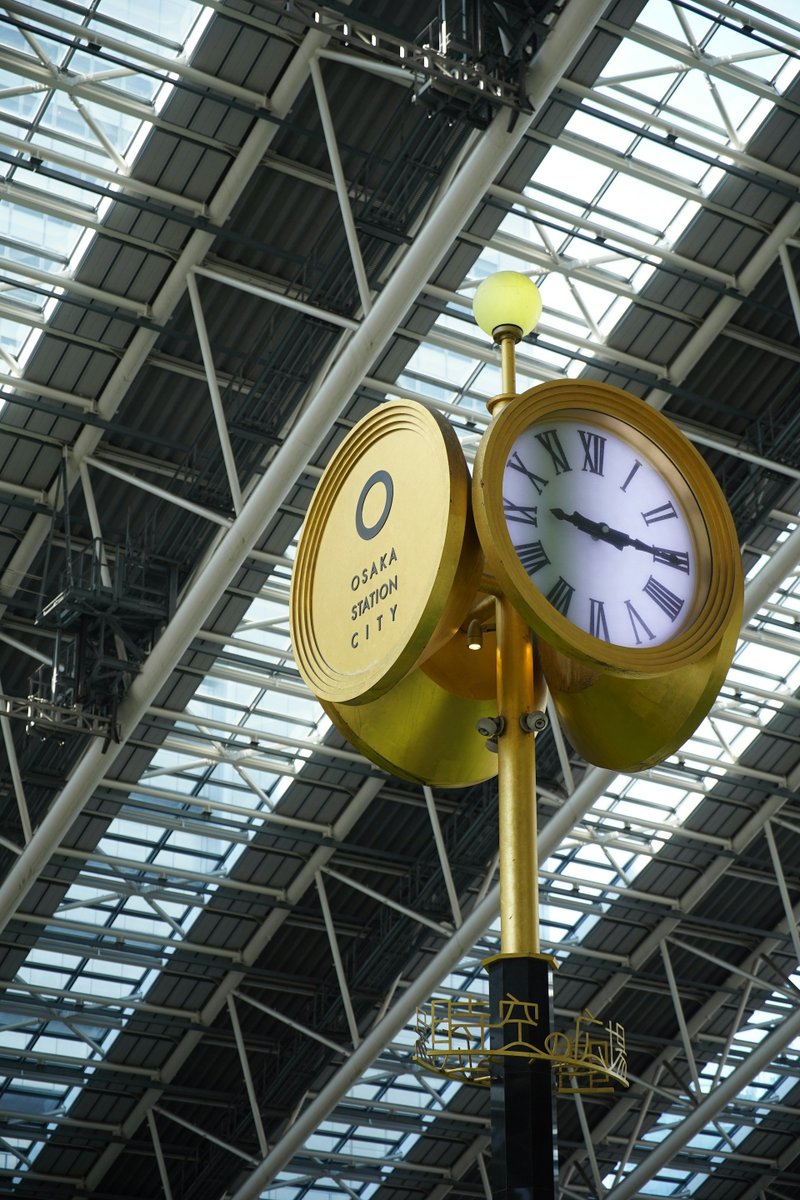
友人が去年日本に旅行して、帰国してすぐに電話をくれた。最初に言った言葉は「あの人たちは時間を絶対に甘く見ないぞ」だった。
東京でビジネスミーティングがあったと言っていた。ホテルを20分前に出発して、準備万端、責任感を持って臨んだ。
それでも4分遅刻した。
日本人の相手はすでに着席していた。お茶はすでに注がれていた。書類はすでに綺麗にテーブルに並べられていた。彼は顔を上げ、何も言わず、ゆっくりと時計を見た。
口論もない。声を荒げることもない。ただ、その視線だけ。
友人は謝罪した。相手は丁寧に微笑んで「では始めましょうか」と言った。しかし部屋の何かが変わっていた。雰囲気が違った。温かさが消えていた。
ミーティングの後、友人は日本人の同僚にその話をした。彼女は同情しなかった。
「日本では、早く来ていなければ、もう遅刻です。ちょうど時間通りに着くということは、相手のために余裕を持つほど敬意を払っていないということです」と彼女は言った。
そして彼にこう言った。「時間は誰かに返せない唯一のものです。それを無駄にするということは、その人の人生はどうでもいいと伝えていることです。」
この話を聞いてから、私はどこへ行くにも早めに到着するようになった。誰かが見ているからではない。あの言葉が頭から離れないからだ。
「誰かの時間を無駄にするということは、その人の人生はどうでもいいと伝えていることだ。」
かつていつも遅れて来ていたその友人は、今ではどこへ行っても一番乗りだ。
たった一度の日本旅行が、彼を完全に変えてしまった。
あの人たちは単に時間を守っているのではない。敬意を実践しているのだ。🇯🇵
179
1,762
11,856
1,302,990