
A collaborative effort to illuminate the K-12 curriculum landscape for educators & advocates. We get into the important weeds for popular and emerging programs.
Joined September 2018
- Tweets 24,907
- Following 525
- Followers 2,657
- Likes 38,891
280 Photos and videos






Curriculum Insight Project retweeted

Jun 11
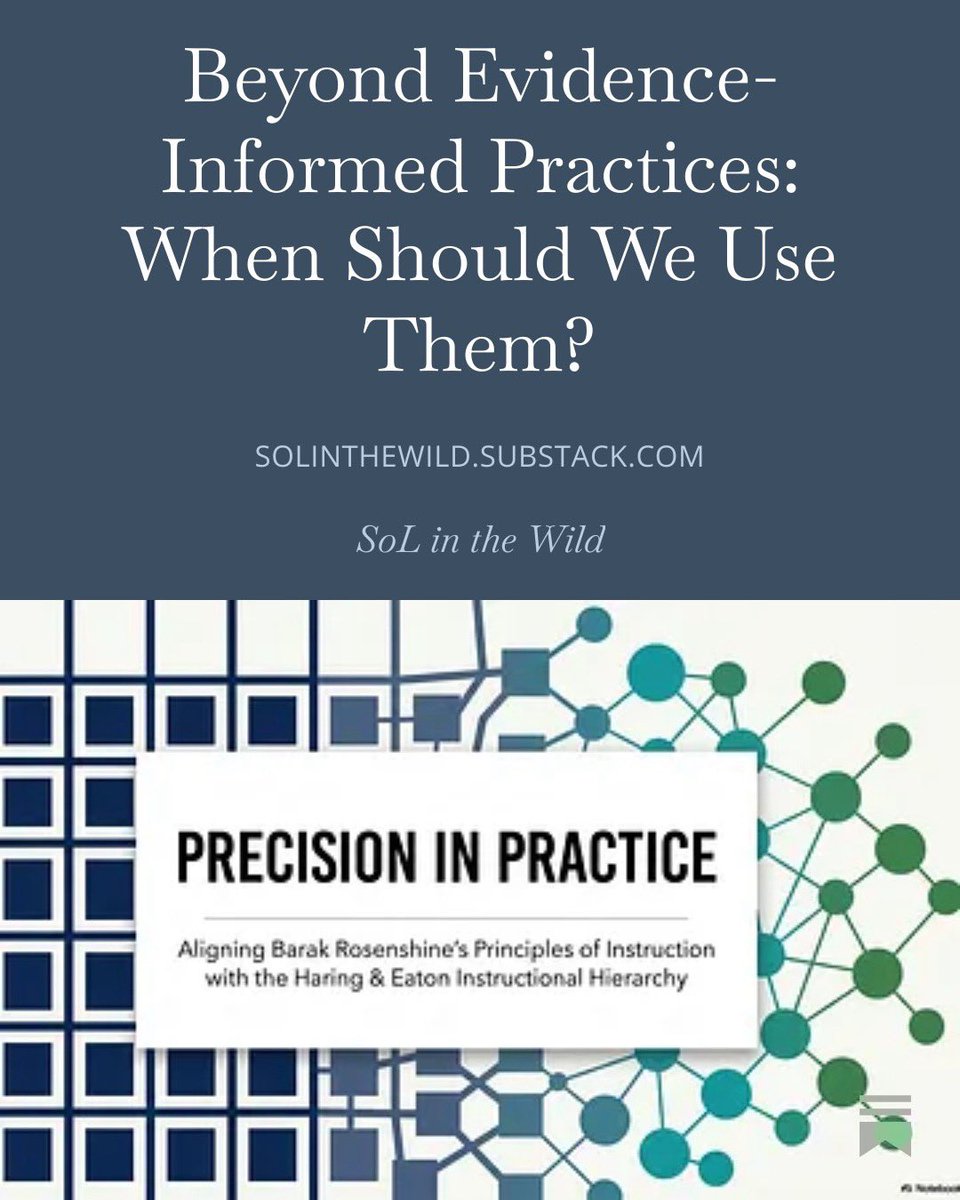
A significant challenge I still face, like many teachers, is translating theory and evidence to the classroom, especially in terms of when to use certain practices.
A framework I’ve found helpful when planning lessons is the confluence of Rosenshine’s Principles of Instruction and the Instructional Hierarchy.
In my latest blog, I explore how different Rosenshine principles align to acquisition, fluency, generalization, and adaptation, and how thinking about both together helps me plan instruction with greater precision.
2
7
32
5,305
Curriculum Insight Project retweeted

Jun 10
You're commingling two things here.
1. Introducing independent reading during the school day
2. The shift from whole books to passages
There are different things, and I don't think we benefit from commingling them. I would absolutely agree that the move to passages over books in the curriculum is a major issue. There isn't great evidence for drop-everything-and-read independent reading time, because a lot of kids didn't do anything effective with that time. Those programs tended to perform poorly in efficacy studies. Instead, I'd like to see schools introduce curricula that revolve around whole books, but where we know that the work with those whole books is actually happening in classrooms.
Here's a good piece by Chris Such explaining the issues with independent reading during the school day. curriculuminsightproject.sub…
1
2
4
259
Curriculum Insight Project retweeted

Jun 11
When we talk about how little content some students are taught, this is what we mean. It's malpractice.
In any event this is an excellent article discussing how to integrate SS and ELA at a MS interventist level.
open.substack.com/pub/scienc…

5
10
32
2,022
Curriculum Insight Project retweeted
Jun 10
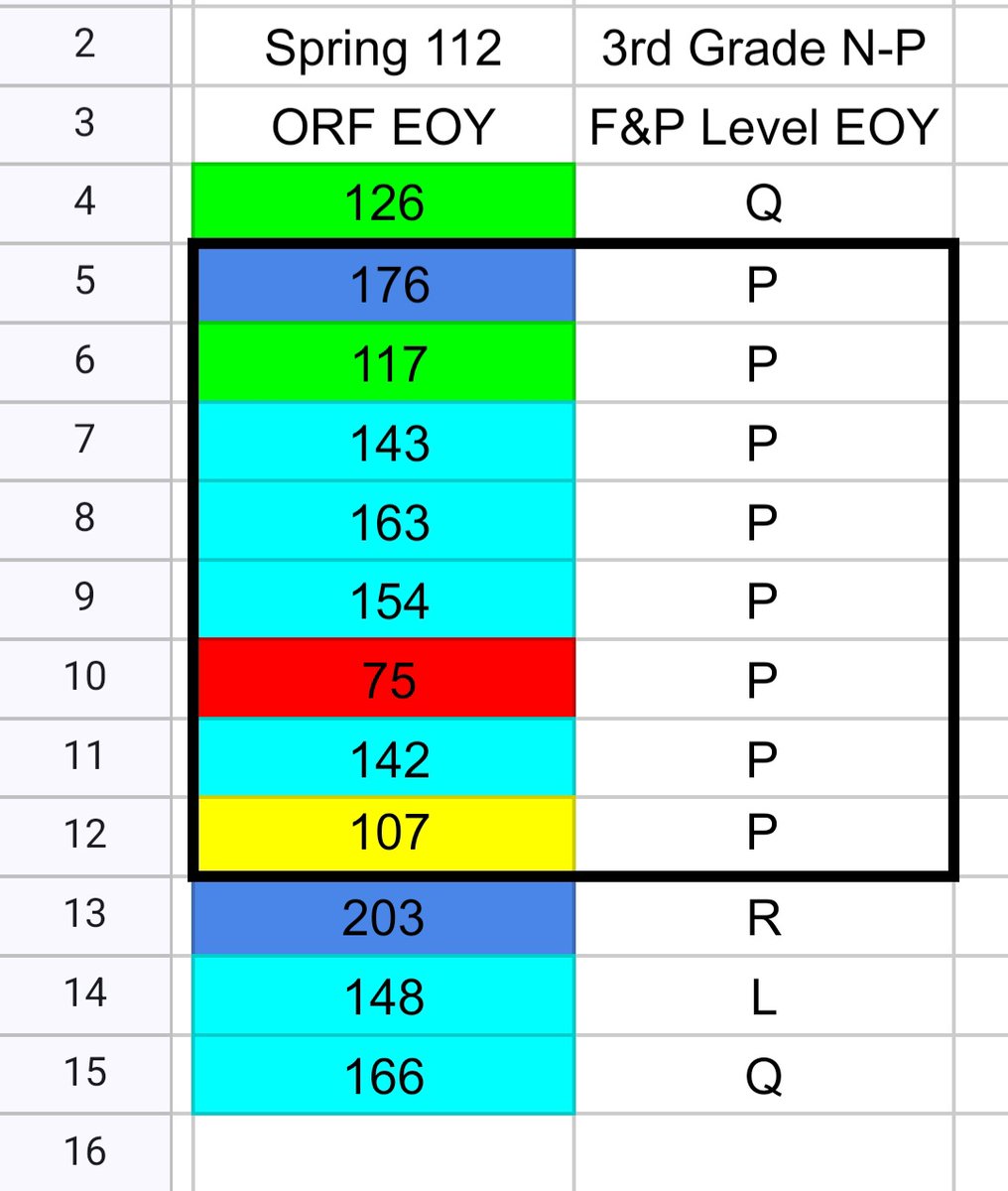
Notoriously, @burnsmk1 has said the Fountas and Pinnell assessment is no better than flipping a coin, based on his studies.
Here's a classroom-specific case In point.

Make it Make sense🤔
Why are we still insisting on wasting time on assessments that clearly DO NOT reflect student's ability.
My district still tests all students on their GL level.
This is my class.
@karenvaites @sstollar6 @SoRclassroom @HKorbey @CurriculumIP
3
6
27
2,565
Curriculum Insight Project retweeted

Possibility: maybe making elementary-age kids keep reading journals in which they have to answer the same tedious questions (What do you predict will happen next? How did these actions make you feel? What do you think the main character is thinking?) night after night after night is part of the problem.
Jun 9

The greatest trick English departments ever pulled was convincing students that analyzing a novel is more important than loving one.
21
11
316
21,781
Curriculum Insight Project retweeted

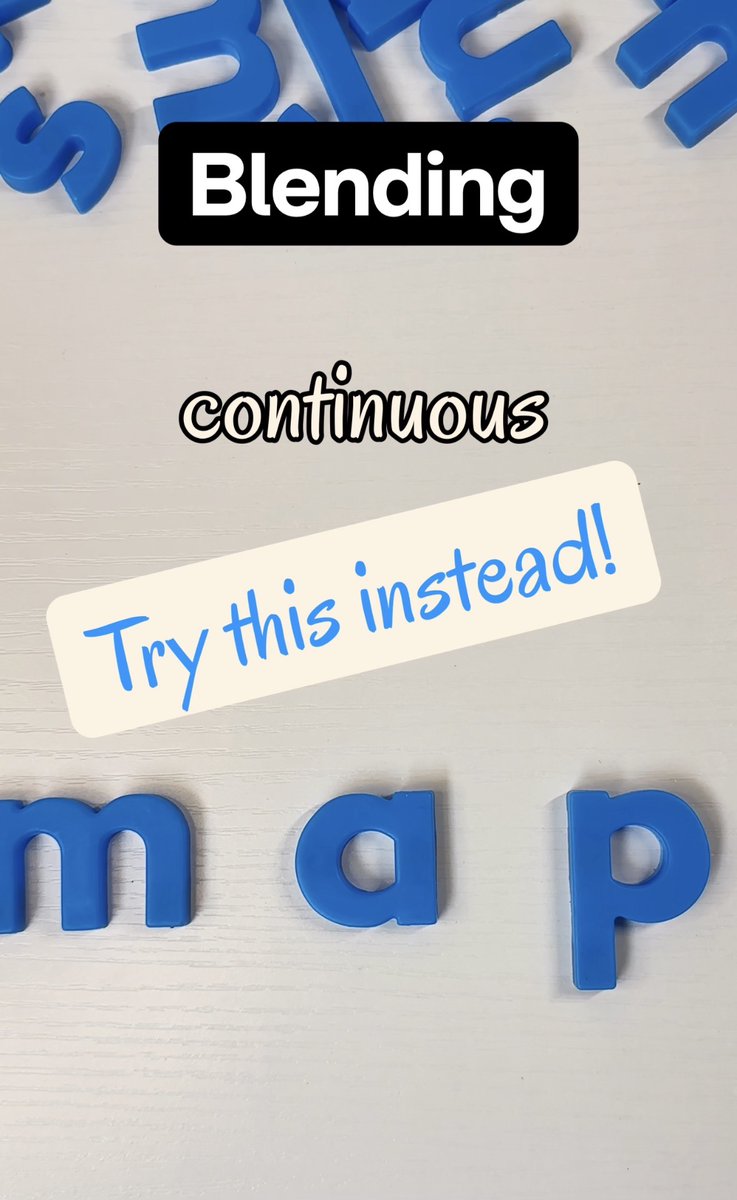
A quick tip for blending 🔥
When sounds are separated: m / a / p students may lose the first sound before they get to the end.
Instead, try continuous blending:
✨ stretch and connect the sounds
✨ keep it smooth
mmmaaap → map
2
8
32
2,056
Curriculum Insight Project retweeted

My Grade level this year implemented Facts on Fire. I had 0 students fluent on basic addition or subtraction facts BOY, by EOY I have 9 who are doing long division and 2x3 digit Multiplication using the algorithms.
2
15
795
Curriculum Insight Project retweeted

Jun 9
Here is what I have found that works with improving 5th graders spelling. Taking the "best bets" in research and putting it into practice.
- Teach students how to break words into syllables
- Teach students spelling patterns for certain sounds like /s/ can be spelled with an s, ss, se, ce, sc etc.
- Spelling dictation (retrieval practice)
- Using word sums and morphology matrices because the focus is on meaningful parts of words
- Providing enough practice spelling the words in different contexts
- Spelling is woven into vocabulary instruction. It isn't a standalone curriculum. Students don't EVER complain about working on spelling because it is embedded within learning the meanings of difficult words. Motivation matters!
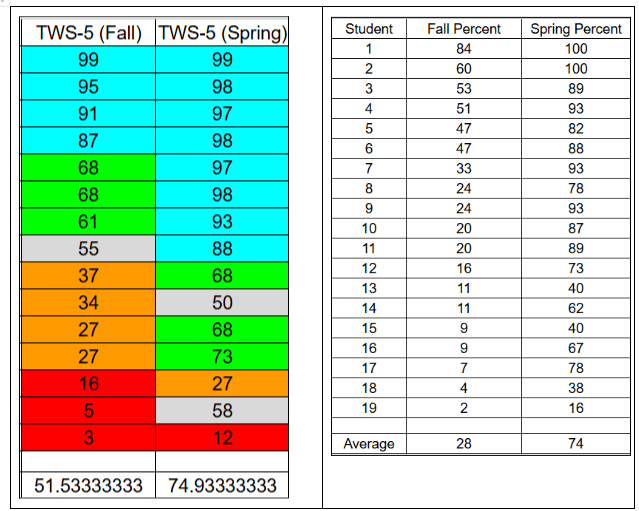
These are spelling results from my classroom this year.
On the left is from a standardized spelling assessment (Test of Written Spelling - 5th Edition). These words were not explicitly taught. These are percentile scores, so the 68th percentile means that the student did better than 68 out of 100 students of the same age. The average percentile for the class went from the 52nd to the 75th percentile.
On the right are scores from fall to spring on words taught in the Word Mapping Project curriculum. Sample words include procrastination, correspond, emphasis, foreign, and rambunctious. The scores are percentage of words correctly spelled. The average percentage of words correctly spelled went from 28% to 74%.
I'm so proud of my students. I often hear that students are lazy with regard to spelling. I beg to differ. Students need to be taught well.
8
14
117
8,374

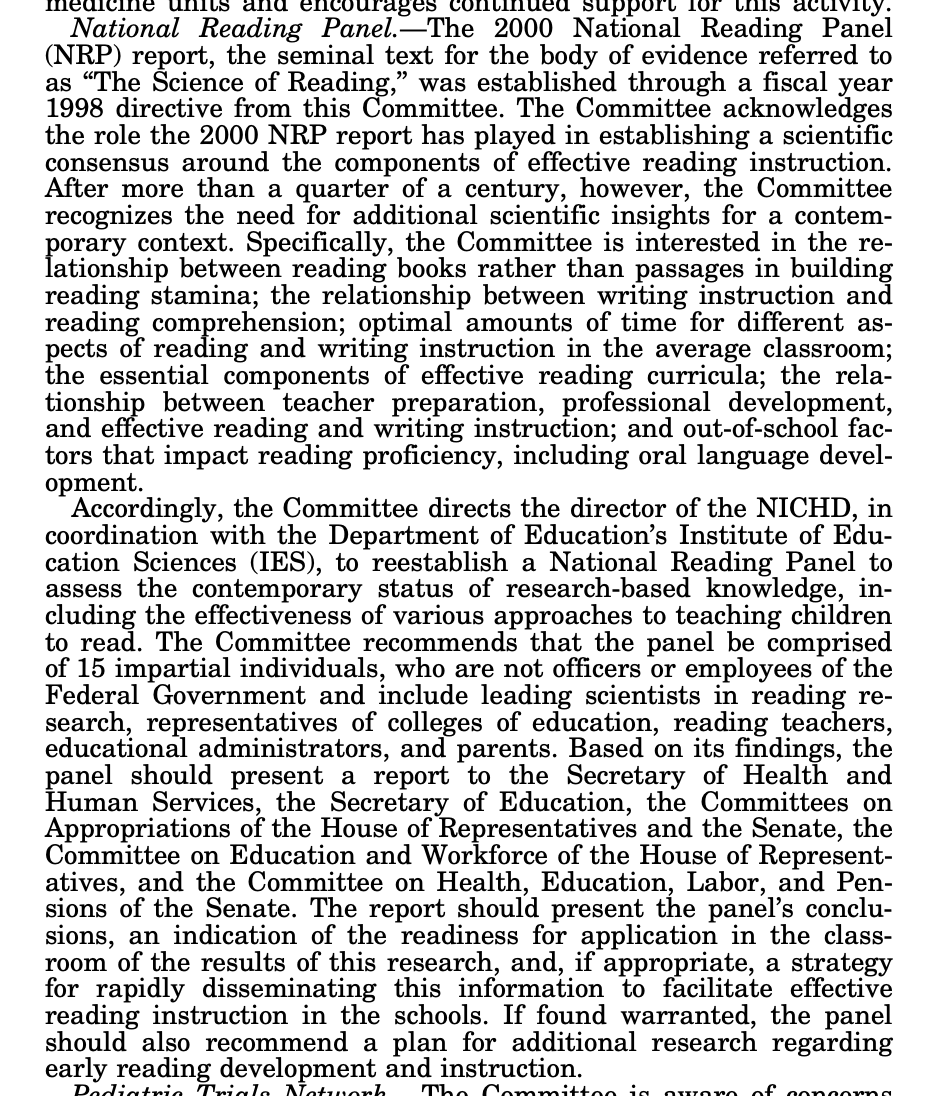
“the essential components of effective reading curricula…”
👀
Jun 9

The House Appropriations Committee has put National Reading Panel, the Sequel IN THE BUDGET, to my great delight.
I've advocated for a new NRP specifically to address today's most animating questions, such as "the relationship between reading books rather than passages in building reading stamina; the relationship between writing instruction and reading comprehension; optimal amounts of time for different aspects of reading and writing instruction in the average classroom; the essential components of effective reading curricula."
Most of these were completely unaddressed by the original NRP, others were lightly-addressed.
Also, it has been 25 years. There is new research, and a new landscape as we put the Reading Wars broadly in our rearview mirror. The primary animating questions are different today.
HT @Robert_Aderholt @rosadelauro @JoshHarder @CongMikeSimpson and colleagues for prioritizing this idea!
@KJWinEducation @MissyPurcell @natwexler @ChadAldeman @MichaelPetrilli @Veggievangelist @MeganGierka
1
2
200
Curriculum Insight Project retweeted

Jun 7
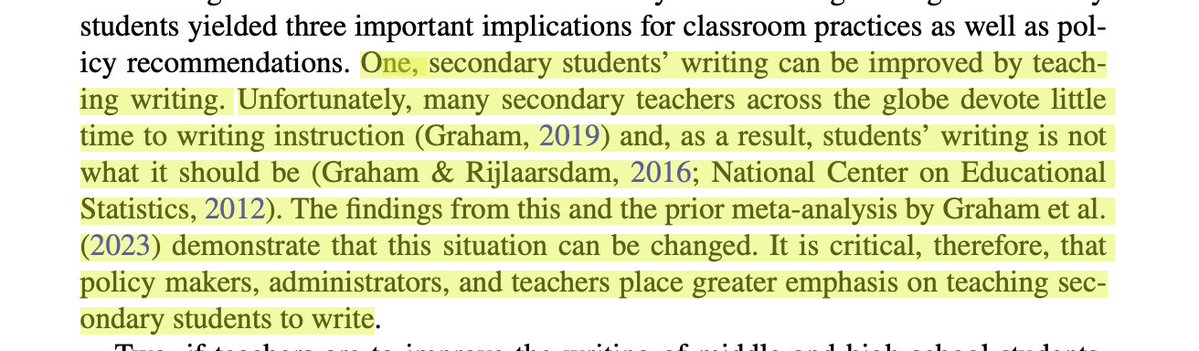
We hear a lot about the science of reading but is there a science of writing? There are a lot of bad ideas in this space but one idea that wider reading will, by itself, turn into good writing or that it's "caught not taught" is among the most widely held-beliefs in English teaching, but also very damaging because it excuses us from teaching writing explicitly.
The "caught not taught" absorption idea is to writing what whole language was to reading. The reading wars were a fight over whether decoding is caught or taught; the writing version of that fight is the same argument with the productive skill substituted for the receptive one.
Another important element is that writing ability is just assumed at secondary level and not taught explicitly. This is a mistake.
researchgate.net/publication…
16
20
125
18,724
Curriculum Insight Project retweeted
Jun 8
The “writing is caught” misperception is a big one.
The @CurriculumIP team wrote about the misperception, the studies in better practice, and a set of writing supplements commonly used in US schools to teach writing basics, in this piece.
curriculuminsightproject.sub…
3
13
1,315
Curriculum Insight Project retweeted

Jun 5
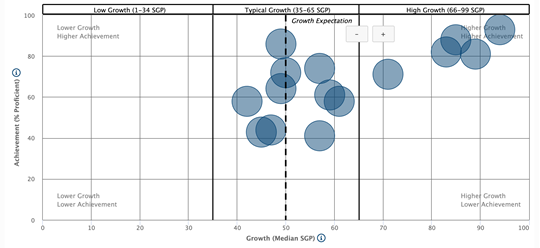
Just some benchmark data from a school that had 4 classroom teachers using facts on fire daily to supplement their core instruction. Its always amazing to see what some systematically focused, timed math fact retrieval practice for 6 minutes per day can do for student outcomes. If you are wondering which 4...look to the upper right corner where high achieve and high growth meet.
4
20
85
8,264
Curriculum Insight Project retweeted

Jun 5
The WMP is a well-designed resource that, with the training videos, any teacher will be able to use confidently. However, it's the little things that Sean adds in throughout the day that scale up the vocab instruction beyond the 30 min lesson. /1
Jun 4

Sean Morrisey @smorrisey discusses the Word Mapping Project and vocabulary instruction. The conversation began expansive, then narrowed, and was finally focused, targeted, and precise.
share.transistor.fm/s/fed5f3…

2
7
22
3,121
Curriculum Insight Project retweeted
Jun 6
Facts on Fire is a supplemental math resource, designed to help kids cement their math foundations via short, regular practice.
It’s giving us the latest window into the value of fact fluency.
And the importance of curriculum.
Jun 5

Just some benchmark data from a school that had 4 classroom teachers using facts on fire daily to supplement their core instruction. Its always amazing to see what some systematically focused, timed math fact retrieval practice for 6 minutes per day can do for student outcomes. If you are wondering which 4...look to the upper right corner where high achieve and high growth meet.
1
2
12
1,581
Curriculum Insight Project retweeted
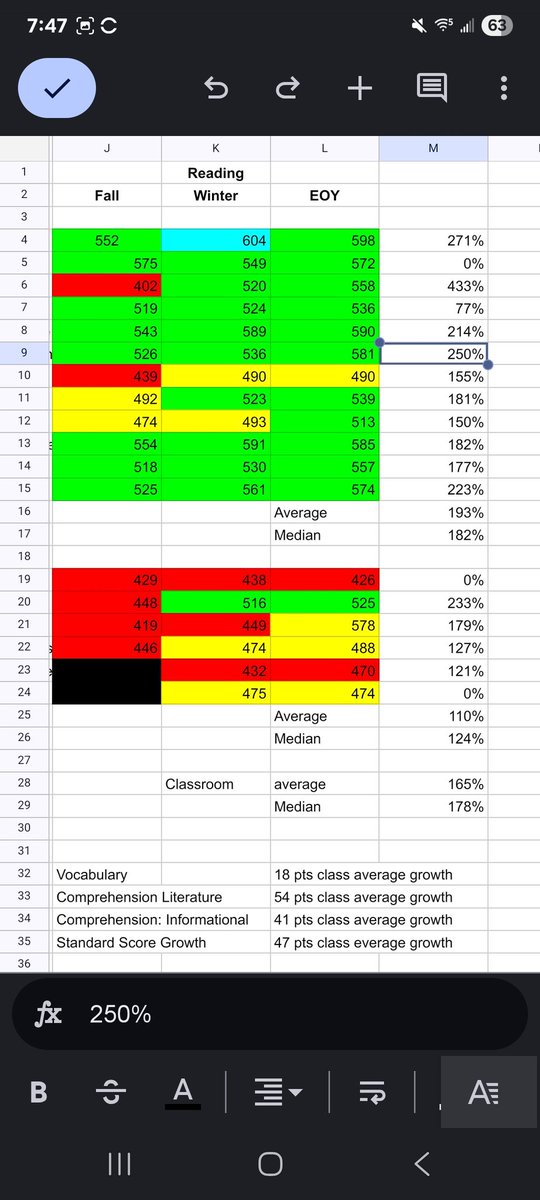
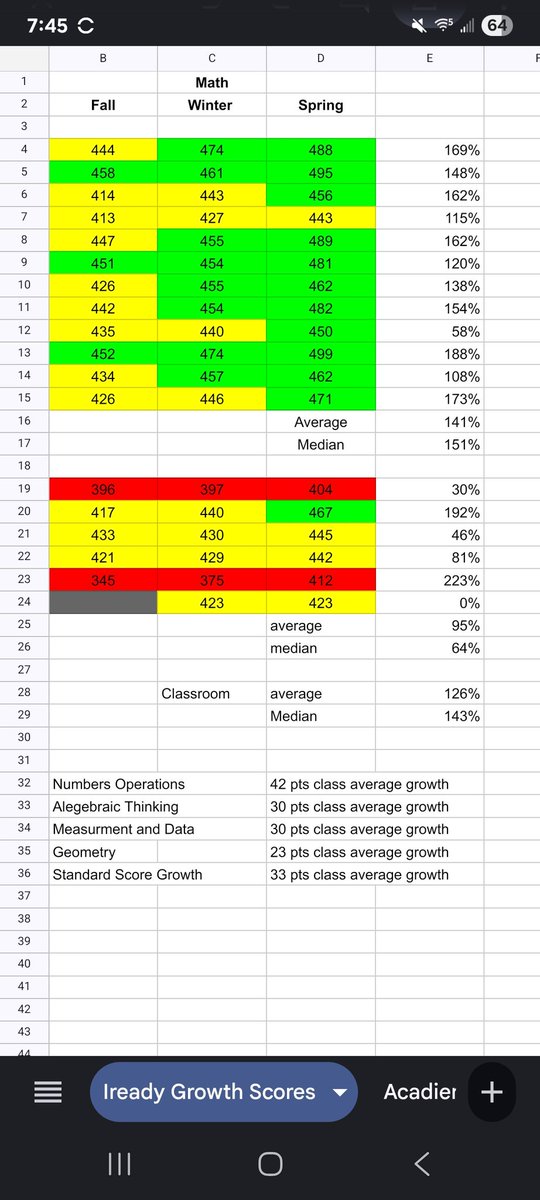
My first full year of changing my instruction to be in line with learning science and I can honestly say the data speaks for itself.
8
9
105
14,222
Curriculum Insight Project retweeted

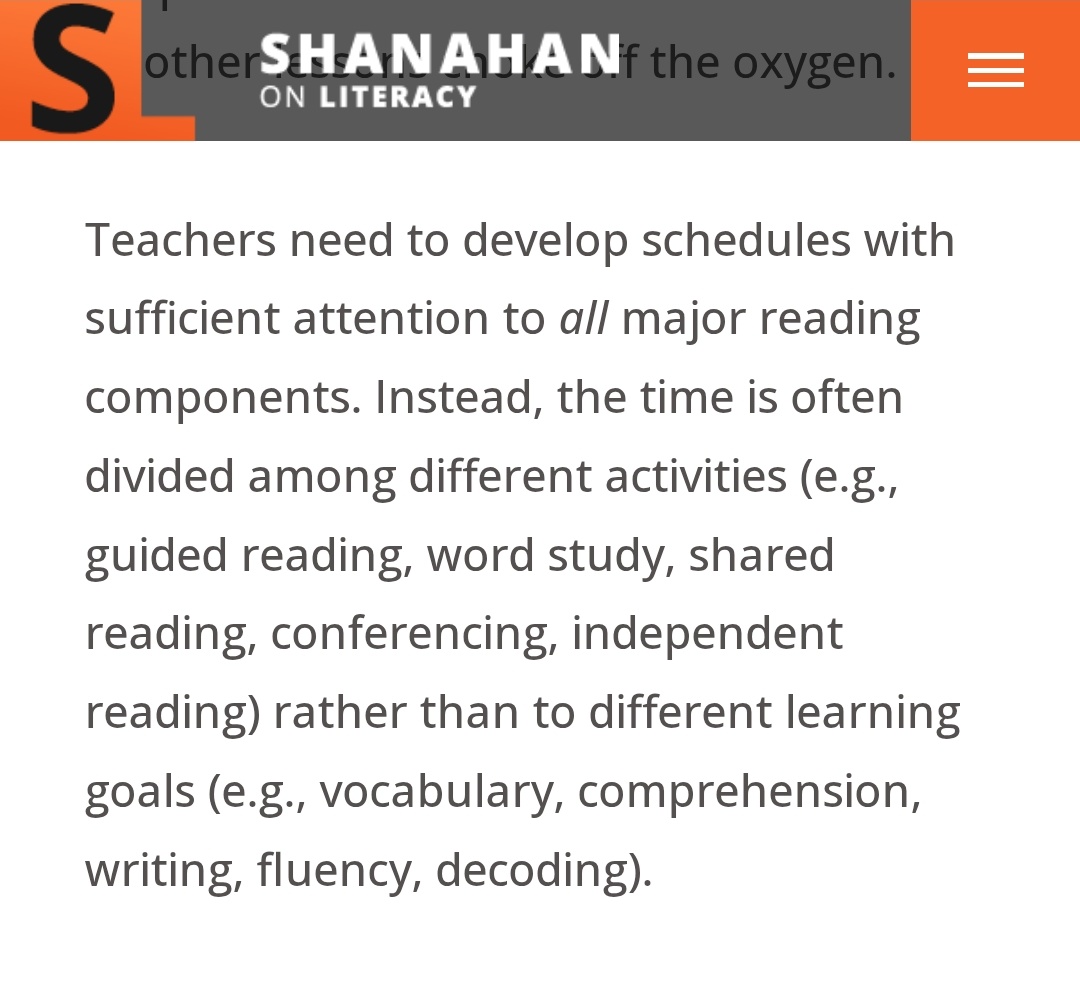
This is a HUGE mental hurdle to improving reading outcomes.
De-implementation starts at how we schedule our blocks. ⬇️
shanahanonliteracy.com/blog/…
4
14
52
6,114
Curriculum Insight Project retweeted

Jun 2
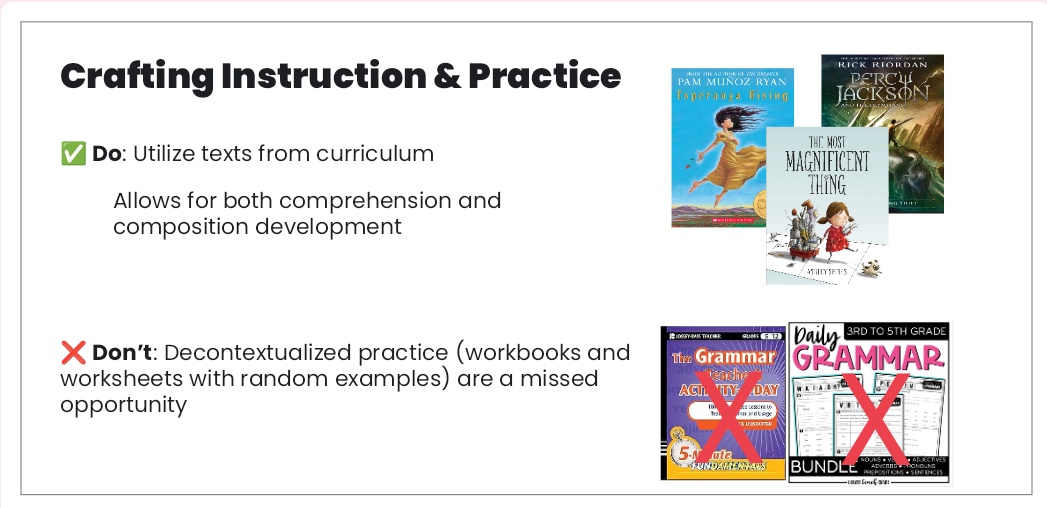
Absolutely. This is from a pres I do on syntax. Unfortunately "grammar skill of the day" is too common. In reading, building schema & semantic connections are so critical.
INTEGRATION 👑
1
1
8
371
Curriculum Insight Project retweeted
Jun 3
Indeed.
This meta is featured in the @CurriculumIP writeup on writing because it fits with everything else we know about writing instruction: students have more success when writing instruction is connected to content instruction.
Explained better here:
curriculuminsightproject.sub…
1
1
8
388
Curriculum Insight Project retweeted
Jun 4
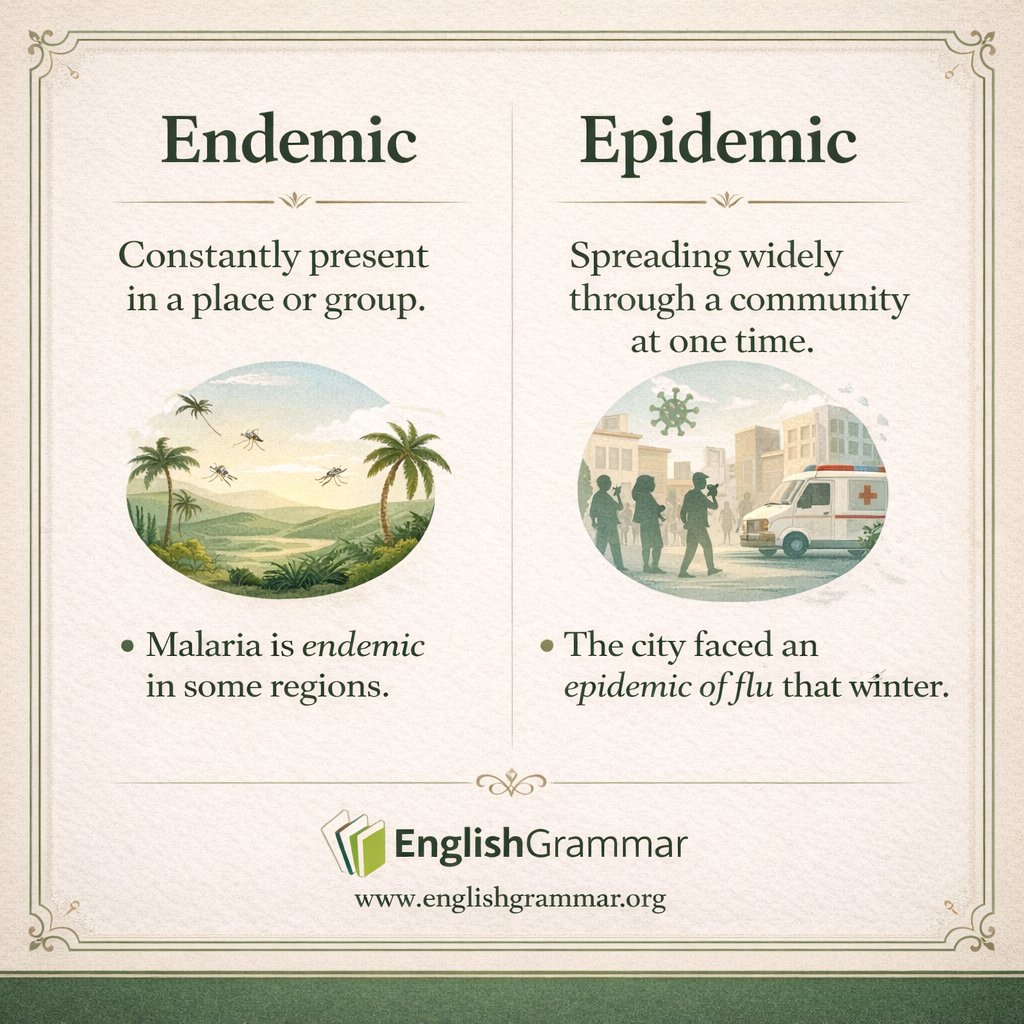
Just taught this in the Word Mapping Project curriculum last week.

2
3
33
1,960