
Curriculum Press empowers educators and students worldwide with access to some of the most popular, contemporary educational resources. 📚
Joined July 2014
- Tweets 969
- Following 144
- Followers 1,841
- Likes 20,459
7 Photos and videos






Curriculum Press retweeted

Jun 17
A single ship anchored off Ghana's coast generates about 12% of the country's electricity.
The MV Karadeniz Powership Osman Khan is 299 meters long and pumps out up to 480 MW of power.
It has been doing this since 2017.
91
467
3,467
296,324
Curriculum Press retweeted

Jun 16
Global warming and sea-level rise has quadrupled the amount of extreme coastal flooding, research concludes.
nature.com/articles/s41558-0…
41
117
188
5,664

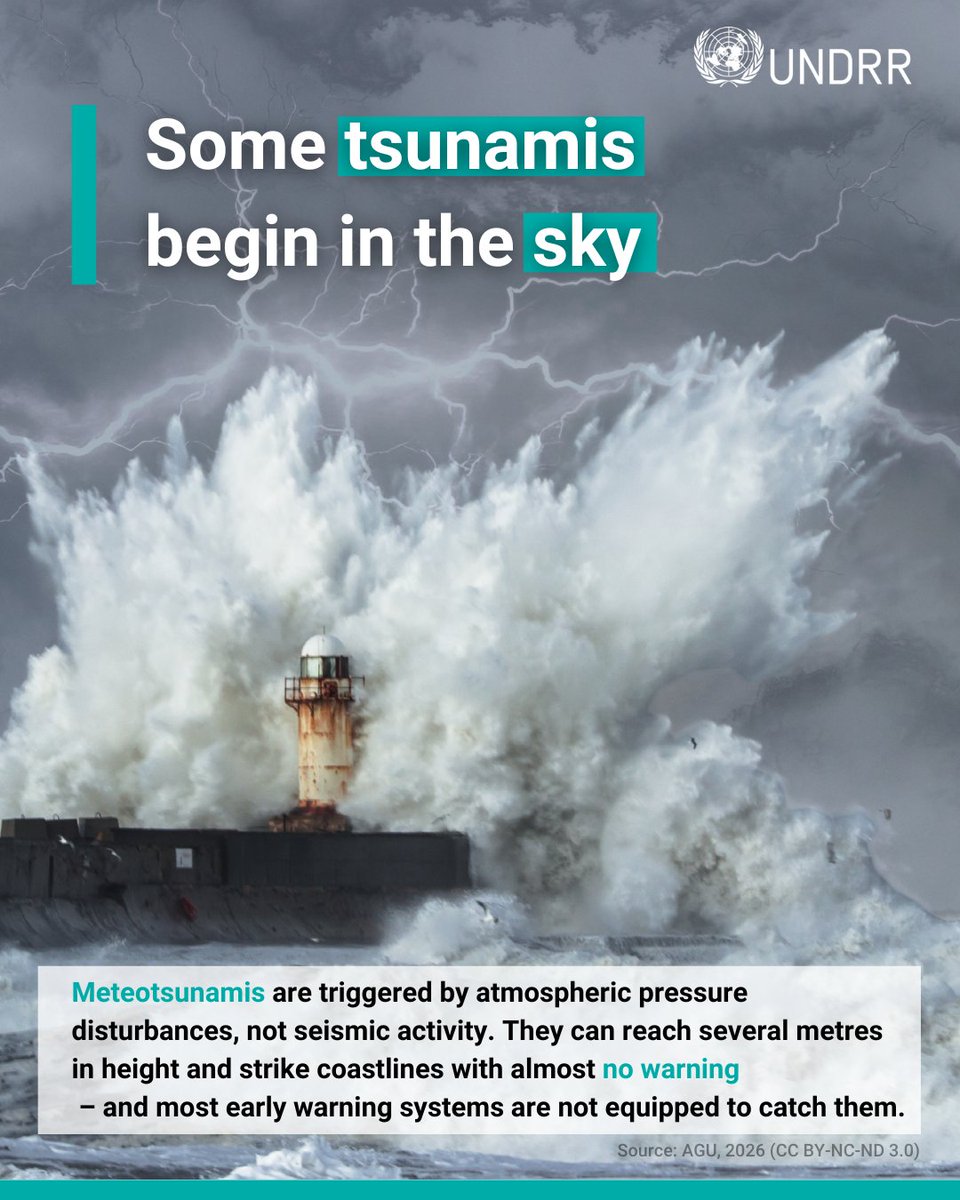
Did you know: Storms can generate tsunami-force waves with almost no warning?
🌊 Meteotsunamis – driven by storms and rapid pressure changes – are a serious and underrecognised coastal hazard, with waves reaching up to 10 metres.
Learn more ➡️ ow.ly/uxoC50ZcpbM
1
25
43
873
Curriculum Press retweeted

Jun 17
The “Cold Blob” and talk of the collapse of a vital ocean current has been all over the news lately. New research confirms the peculiar cold blob is a canary in a coalmine for our climate. A collapse would cause climate chaos. But how likely is it? Here’s a very simple video about how the AMOC works, the latest science, the tipping point, and what collapse would mean to Earth’s climate. #AMOC #climatechange #science #STEM
16
97
321
21,815
Curriculum Press retweeted

Gute kurze Erklärung: Was ist der Grund für die Abkühlung des Atlantiks vor Europas Küsten, und was bedeutet das für unsere Zukunft? wissenschaft.de/artikel/klim…
9
102
271
8,188
Curriculum Press retweeted

Jun 17
We are still pre-solstice and millions of people across Europe are about to endure another brutal heatwave. Sadly, this is just the beginning of what could potentially become one of the worst heatwaves in modern history for this region.
78
374
1,135
192,892
🌍🌾 Desertification is causing a growing health crisis.
🗓️On World Day to Combat Desertification & Drought we call for a united approach to reduce risks associated with desertification and drought.
📹 Watch 👇#UNited4Land #DesertificationandDroughtDay
4
54
92
3,324
Curriculum Press retweeted

June 20 is #ShowYourStripes Day! Use this graphic from the University of Reading & @AtmosScience to raise awareness of the rise in the Earth’s temperature. buff.ly/YUgbECW
#Climate #ClimateChange #ShowYourStrips
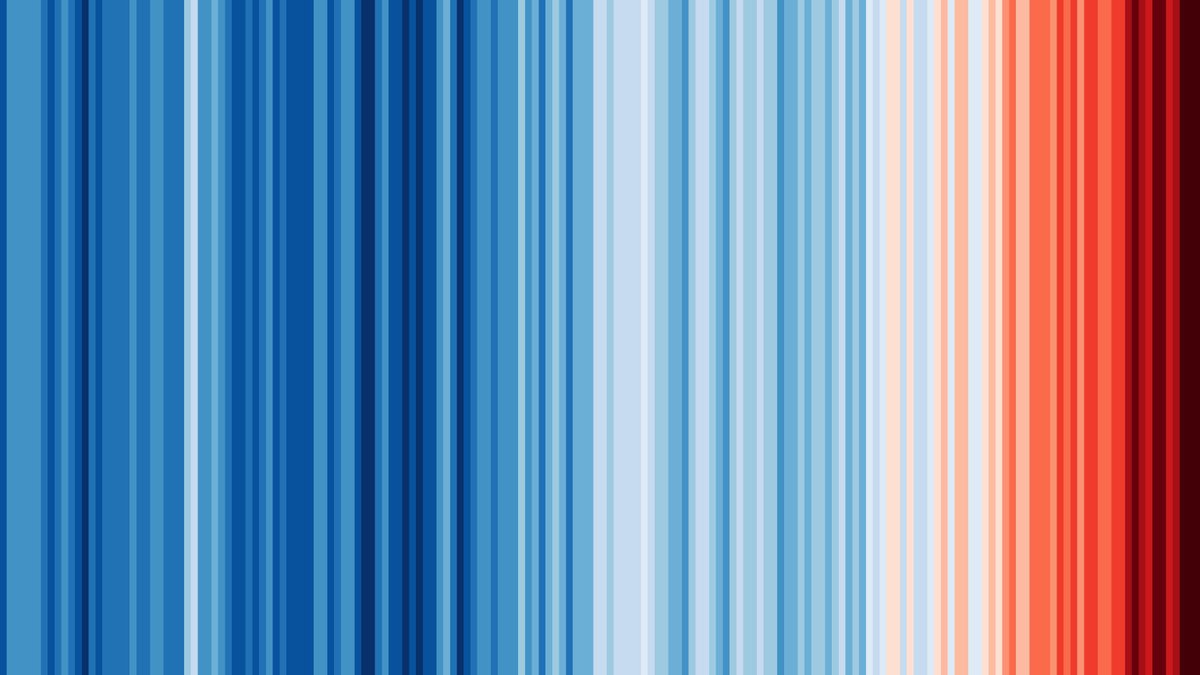
ALT Show Your Stripes Graphic. Graphics and lead scientist: Ed Hawkins, National Centre for Atmospheric Science, University of Reading., National Centre for Atmospheric Science, UoR. Data: Berkeley Earth, NOAA, UK Met Office, MeteoSwiss, DWD, SMHI, UoR & ZAMG
1
1
210
Curriculum Press retweeted

What gives Portsmouth its sense of place?
Developed in partnership with @UOP_SEGG @PortsmouthGeog.
Watch the full video on @timeforgeog and discover how you can put your geography to work in careers with Soilfix Limited, @OWC_News, and @Bluesky_int:
timeforgeography.co.uk/video…
1
1
1
489
Curriculum Press retweeted
How are our cities changing?
Developed in partnership with @RoyalHolloway.
Watch the full video on @timeforgeog and discover how you can put your geography to work in careers with @JacobsConnects, Geotechnical Engineering Ltd, and @Idoxgroup:
timeforgeography.co.uk/video…
2
6
384
Curriculum Press retweeted

Jun 9
June has started on a fairly cool note, but that's set to change in the coming days as high pressure builds northwards.
By Sunday it will be much warmer in the south with temperatures perhaps climbing into the high 20s Celsius in some spots📈
22
39
265
54,245
Curriculum Press retweeted

Jun 9
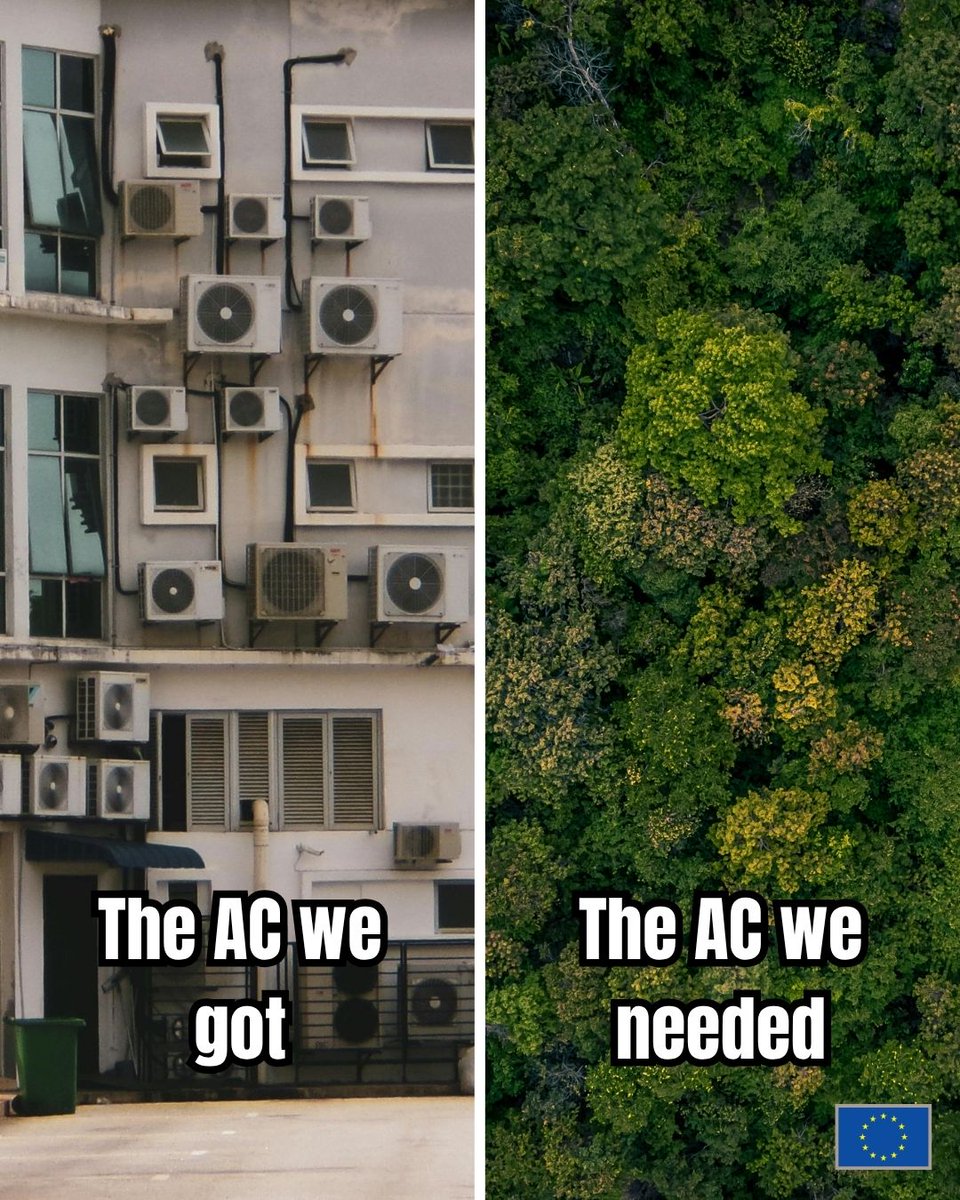
Europe is melting 🥵🌡️
Cities heat up faster than surrounding areas due to the urban heat island effect.
Trees are a simple & effective solution as they:
🌿cool our streets by at least 5°C
🌿can absorb over 22kg of CO2 per year on average
🌿make cities healthier & more livable
12
59
117
2,996
Curriculum Press retweeted
How does the fabric trade reveal urban change in East London?
Developed in partnership with Queen Mary University of London.
Watch the full video on @timeforgeog and discover how you can put your geography to work in careers with @IgneGroup, Geotechnical Engineering Ltd, and @RMetS:
timeforgeography.co.uk/video…
2
2
524
Curriculum Press retweeted

Jun 5
South Korea built a 32 km solar-covered bicycle highway with ~7,500 solar panels generating ~2.2 GWh of clean electricity annually, enough to power ~600 homes.
The South Korean solar bike highway is a glimpse of how infrastructure evolves during disruption.
Critics point to today's traffic noise and pollution, but those are largely artifacts of the fossil fuel era. As transport electrifies, tailpipe emissions disappear and road noise falls dramatically.
What remains is a bicycle corridor protected from traffic, shaded from the sun and rain, while generating clean electricity from the same footprint.
One asset. Multiple functions. More value.
That's not just a bike path. It's a preview of how smarter infrastructure gets built. #Bettrification
12
24
72
2,779
Curriculum Press retweeted

Jun 4
The French hate air conditioning.
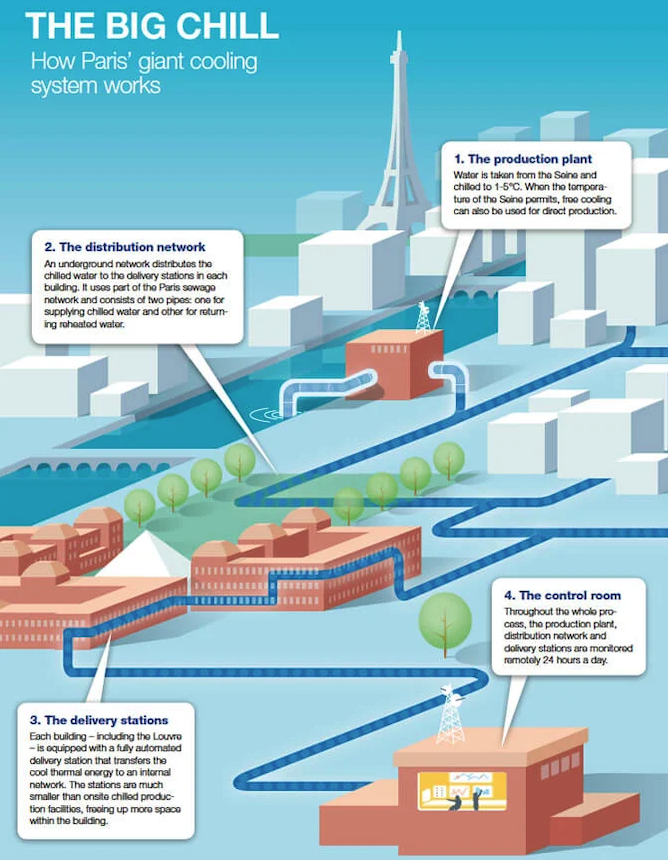
So Paris built a 120-kilometre machine under its streets for producing cold.
It’s called Fraîcheur de Paris, and it does for summer heat what district heating did for winter: centralise the problem.
Instead of every museum, office, hotel, hospital and shop bolting its own cooling plant onto the building, Paris moves cold through pipes.
The network sends water chilled to 2 to 4°C through buried supply lines. The water enters a connected building, absorbs heat through an exchange station, then returns at 12 to 14°C to be cooled again.
It essentially functions with two pipes. One carries the cold out, the other carries heat back.
The production plants cool the circuit from 12°C to 4°C. Some sites use the Seine as a heat sink. In colder periods, the system can use the river’s own temperature for free cooling, which means the machines work less and the electricity demand drops. The Seine water doesn’t become the building water. It stays separate, passing temperature across heat exchangers.
The scale is pretty strange when you see it written down though.
It's got 15 production sites, 4 storage sites, 120 km of underground network with 924 subscribers. This has resulted in 7 million square metres cooled, and 493 GWh of cooling sold.
A cold utility running beneath one of the densest cities in Europe.
The Forum des Halles has been cooled this way since 1979. The Louvre since 1986. Galeries Lafayette, Opéra Garnier, Hôtel de Ville, Station F, La Samaritaine and the National Assembly all sit on the same idea. Tourists stand in the Louvre looking at paintings while a municipal cold loop does part of the dull work below ground.
The boring part is the breakthrough.
Cold can be stored at night in chilled water or ice, then used during daytime peaks. The network is monitored from a control room with more than 125,000 control points. A delivery station inside a building takes 5 to 7 times less space than a standalone cooling installation and avoids the roof and façade clutter that turns cities into compressor farms.
That matters because conventional air conditioning solves heat by moving it somewhere nearby. In a dense city, thousands of private machines mean thousands of outdoor units rejecting heat into streets, courtyards and roofs, plus refrigerants, noise, vibration and maintenance spread across every building.
Paris’s public cooling network has a stated coefficient of performance of 4, against 3 for a wet standalone system and 2 for a dry standalone system. Against an equivalent set of autonomous installations, Fraîcheur de Paris says the network gives 100% higher energy efficiency, 35% less electricity use, 90% fewer refrigerant-fluid emissions and 50% lower CO2 emissions.
The climate backdrop is the real reason this exists.
Paris ran a full crisis exercise called “Paris at 50°C” in 2023. Météo-France’s 2050 reference trajectory for France points to heatwave days becoming five times more frequent, hot nights rising sharply in urban centres, and some local extremes around 48°C becoming possible.
The city signed a 20-year concession in 2022 with Fraîcheur de Paris, owned 85% by ENGIE and 15% by RATP. The contract is worth a projected €2.4 billion. The plan is to extend the network by 158 km by 2042, add 20 production plants and 10 storage sites, and reach more than 3,000 subscribers, including hospitals, nurseries, schools and care homes.
This is basically the infrastructure version of admitting that summer is becoming a public systems problem...
85
841
3,129
403,126
Curriculum Press retweeted
I'm afraid that this is why the US administration wants to shut down ocean observations: they don't want the people to know what is happening in our oceans, as it does not fit their ideology and the interests of their fossil fuel industry funders.
edition.cnn.com/2026/06/03/c…
159
3,386
6,973
93,736
Curriculum Press retweeted
Environmental and social impacts of clothing production
Developed in partnership with @rab_equipment, University of Chester, and @UOP_SEGG @PortsmouthGeog.
Watch the full video on @timeforgeog and discover how you can put your geography to work in careers with @atkinsrealis, @WTWcorporate, and @TWPScot:
timeforgeography.co.uk/video…
2
5
528
Curriculum Press retweeted
Moving home and feeling out of place
Developed in partnership with @LES_UniBham @unibirmingham and @UOP_SEGG @PortsmouthGeog.
Watch the full video on @timeforgeog and discover how you can put your geography to work in careers with @atkinsrealis, @Bluesky_int, and @Verisk:
timeforgeography.co.uk/video…
3
8
744
Curriculum Press retweeted

Jun 4
IKEA has installed 935,000 solar panels and is on track for 100% renewable electricity.
This isn’t a future idea. It’s already happening.
We have the solutions. Implement them.
#ActOnClimate #climate #energy #renewables
67
442
1,181
17,144