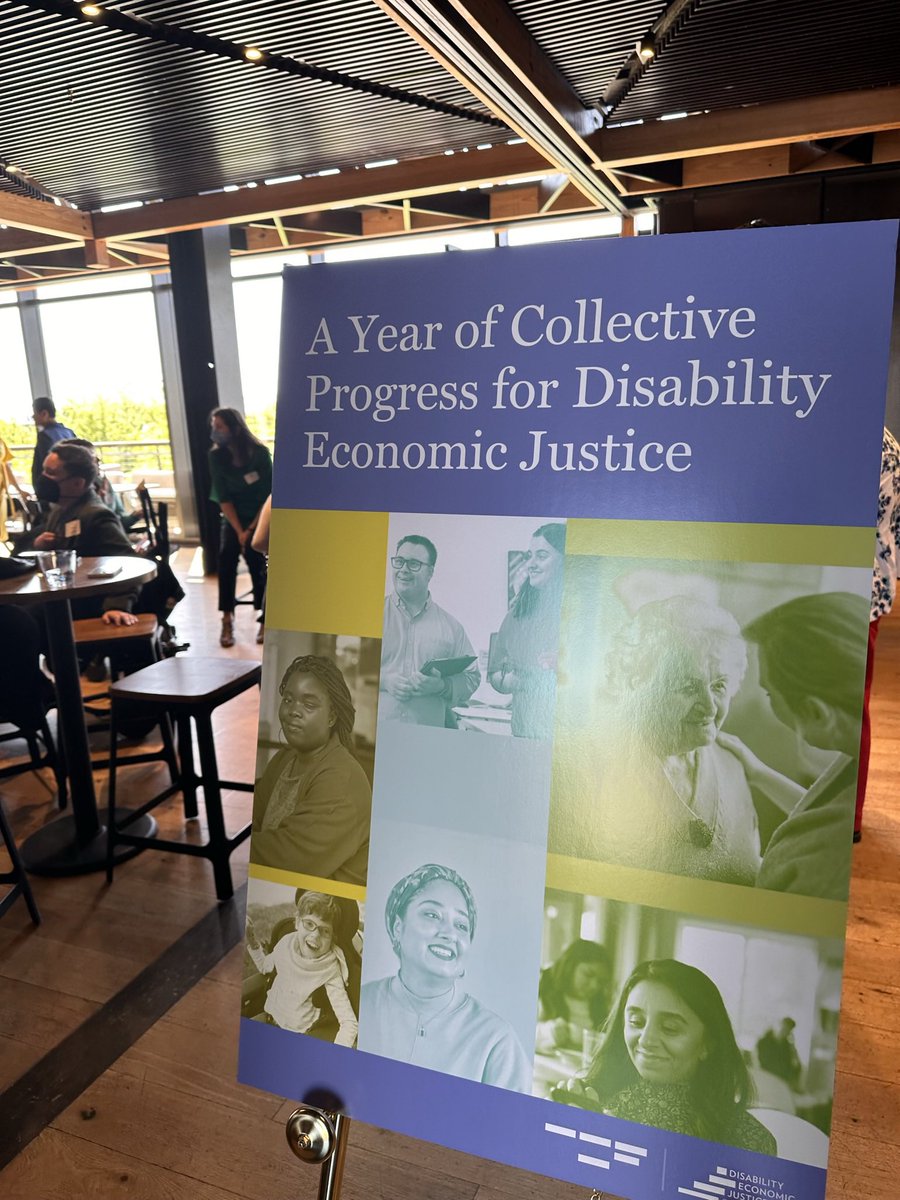
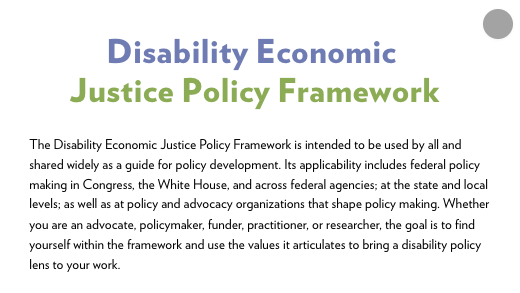
Bringing together research organizations and disability advocacy groups in partnership to learn from each other and drive a disability economic justice agenda.
Hello world! We're bringing together leading disability organizations, research and advocacy groups, and think tanks to collaborate, learn from each other, and work to finally achieve economic justice for disabled Americans.
Find out more: DEJC.org
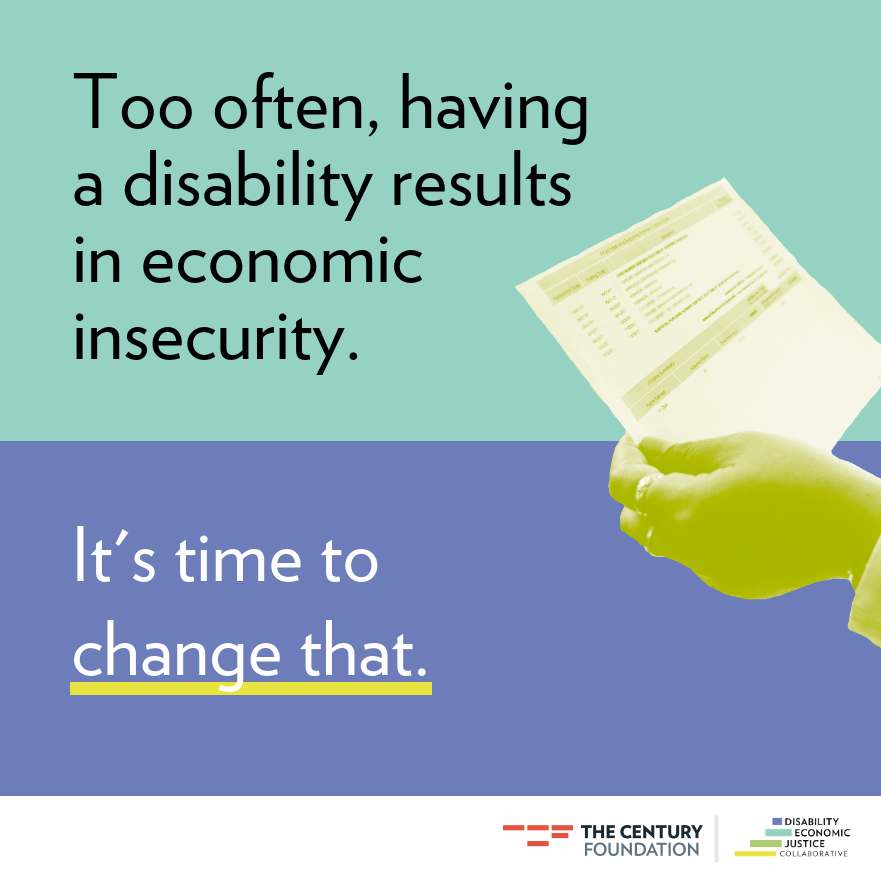
ALT Too often, having a disability means economic insecurity. The Disability Economic Justice Collaborative is here to change that.
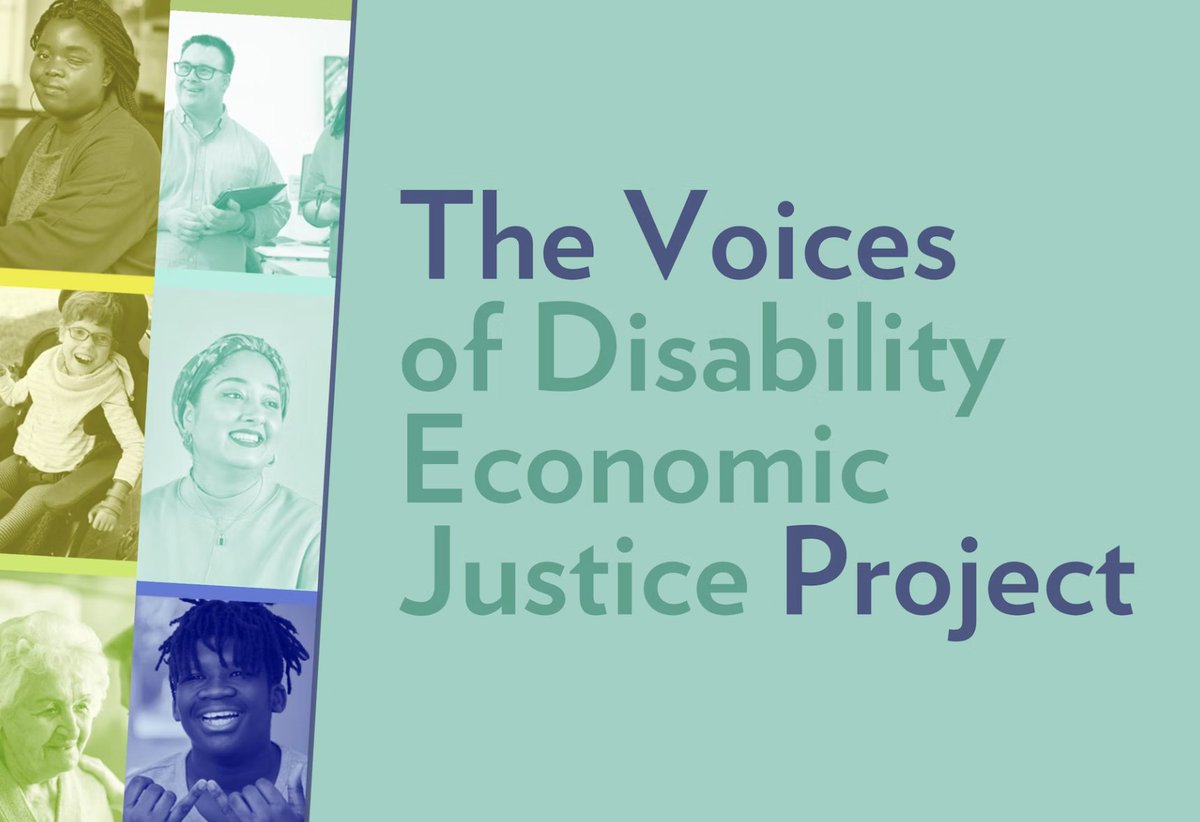
Time flies! It's been a whole year since the launch of the Voices of Disability Economic Justice project, a commentary series edited by Emily Ladau that shines a light on the economic disparities that disabled people experience.
linkedin.com/posts/dejc_voic…
Just as people with disabilities do not only practice Disability Pride in July, this National Disability Employment Awareness Month (#NDEAM), commit to expanding the conversation beyond October. Here's how: linkedin.com/feed/update/urn…
Care work is the backbone of our society. The U.S. has failed to adequately invest in it.
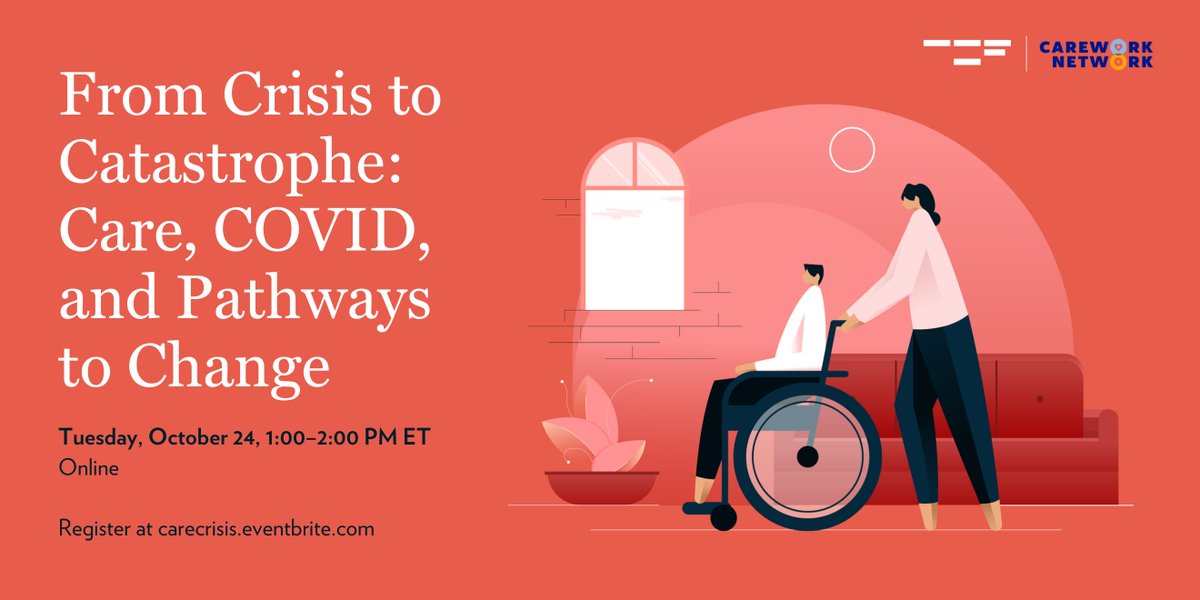
On 10/24: Join @TCFdotorg @CareworkN for a virtual event discussing the new book From Crisis to Catastrophe, and reimagining what the care sector could look like: bit.ly/3RQWVUB
ALT Illustration of person using a wheelchair. The wheelchair is being pushed by another person.
White text on red background reads: From Crisis to Catastrophe: Care, Covid, and Pathways to Change. Tuesday October 24, 1:00-2:00pm ET. Register online at carecrisis.eventbrite.com.
California Gov. Gavin Newsom has signed a bill that makes it easier for authorities to compel treatment for people with mental illness or addiction issues. apnews.com/article/californi…
New in the Voices of Disability Economic Justice series: Mary-Faith Martinez opens up about stigma she encounters as a young chronically ill person who has struggled to find an accessible work & receives financial support from her parents.
#VoicesOfDEJtcf.org/content/commentary/d…
Today, the U.S. Supreme Court will hear oral arguments to determine whether or not a disabled person acting as a tester should be able to challenge ADA violations in court.
If we lose tester standing, how will we enforce our rights?
We must #ProtectADAhuffpost.com/entry/scotus-or…
As National Disability Employment Awareness Month (#NDEAM) begins, remember: to achieve economic justice, we must break down systemic barriers to employment opportunities for disabled people. Our #VoicesofDEJ blogs offer insights on many of these barriers. tcf.org/topics/economy-jobs/…
Did you know today marks the 50th anniversary of the passage of the Rehabilitation (Rehab) Act of 1973? It was the first federal legislation to address access and equity for disabled people.
Learn more by checking out this interview series, 504 at 50. section504at50.org
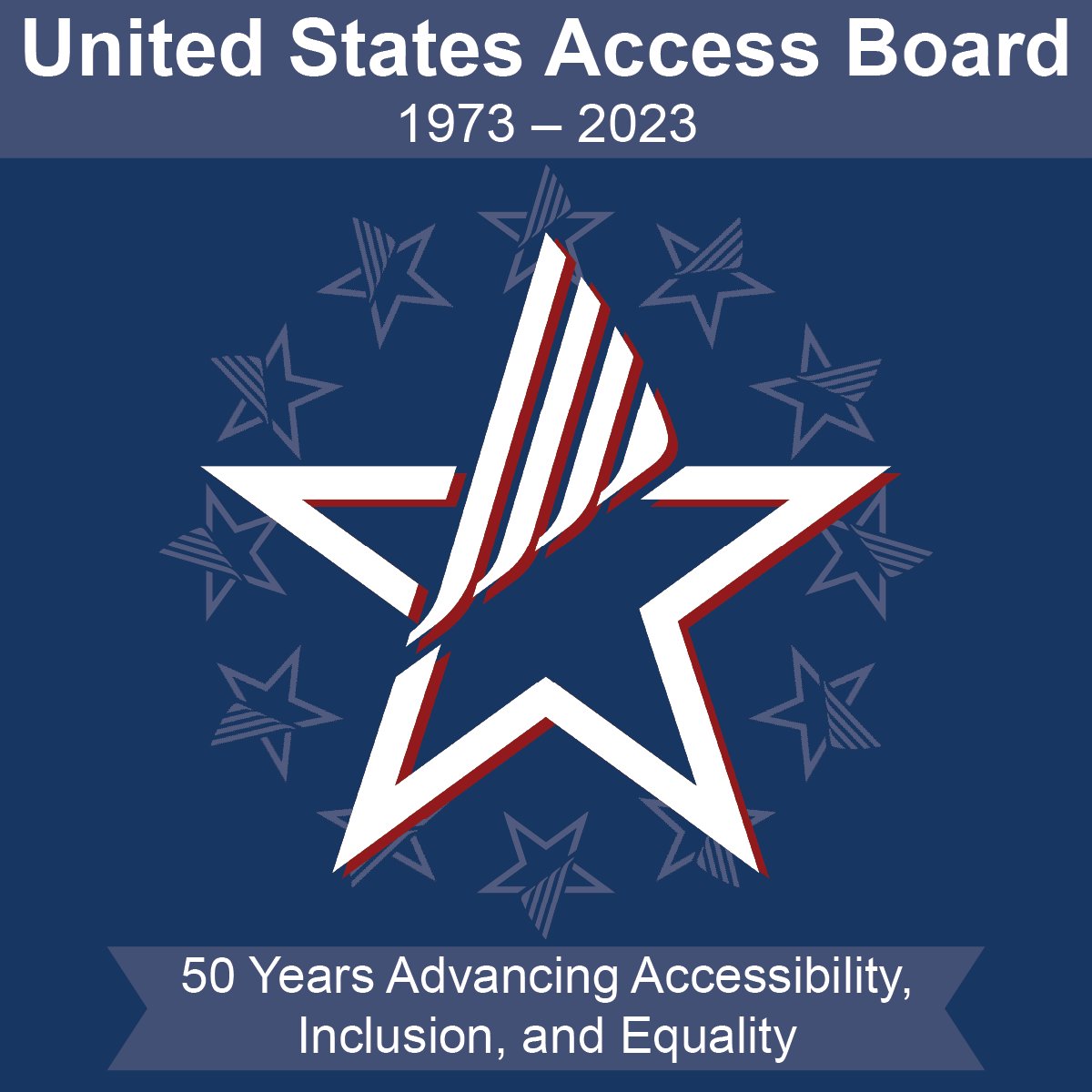
Today is the 50th anniversary of both the Rehabilitation Act and the Access Board! 🎉 Signed on September 26, 1973, the #RehabAct created the Board to enforce the #ABA and develop #accessible design standards. Through our work, we promote #equality for people with #disabilities.
ALT Graphic of the Access Board star logo in white and red over a blue background. A ring of 12 smaller grey stars surround the larger star in the center. Above, text reads, "United States Access Board, 1973 to 2023." Below, text reads, "50 years advancing accessibility, inclusion, and equality."
For years, researchers say it was difficult to study health inequities that people with disabilities experience, because the way this population was classified by the NIH limited access to funding.
Now, that's changed:
washingtonpost.com/wellness/…
For Aja Hannah, an autistic mom of neurodivergent kids, the lack of systemic supports available takes both an emotional and economic toll.
Read her perspective in our latest Voices of Disability Economic Justice piece.
#VoicesOfDEJ#DisabilityTwittertcf.org/content/commentary/b…
Do you have a story to share that shines a light on the economic disparities that disabled people experience?
Read our submission guidelines and send us a pitch! Pay for accepted pieces is $500.
#VoicesOfDEJ#DisabilityTwittertcf.org/disability-economic-…
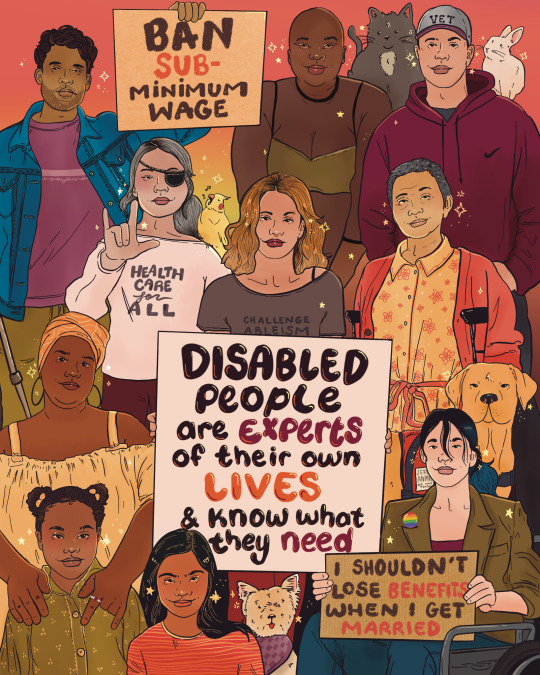
ALT Digital illustration of a large group of disabled people of different ethnicities, ages, and genders. Among the crowd are service and emotional support animals. There’s two smaller protest signs that read, ‘I shouldn’t lose benefits when I get married.’ And ‘ban subminimum wage’ the main sign reads, ‘disabled people are expert of their own lives and know what they need.’
With the school year in full swing, our newest #VoicesOfDEJ blog offers a powerful reflection on the financial and emotional fears that accompany seeking mental health support as an incoming college student.
Give it a read ⬇️
tcf.org/content/commentary/t…