Postdoctoral Fellow in the Casadevall Lab at Johns Hopkins School of School of Public Health - @BioRender Ambassador
Joined October 2018
- Tweets 3,137
- Following 625
- Followers 685
- Likes 1,740
239 Photos and videos

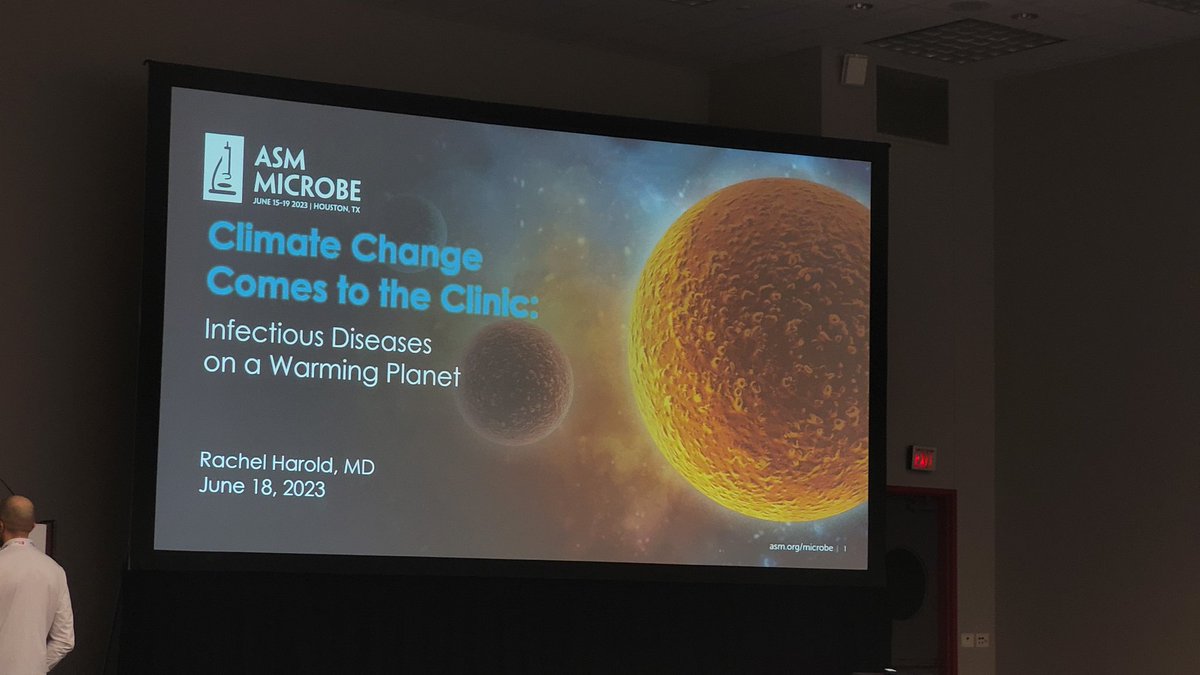
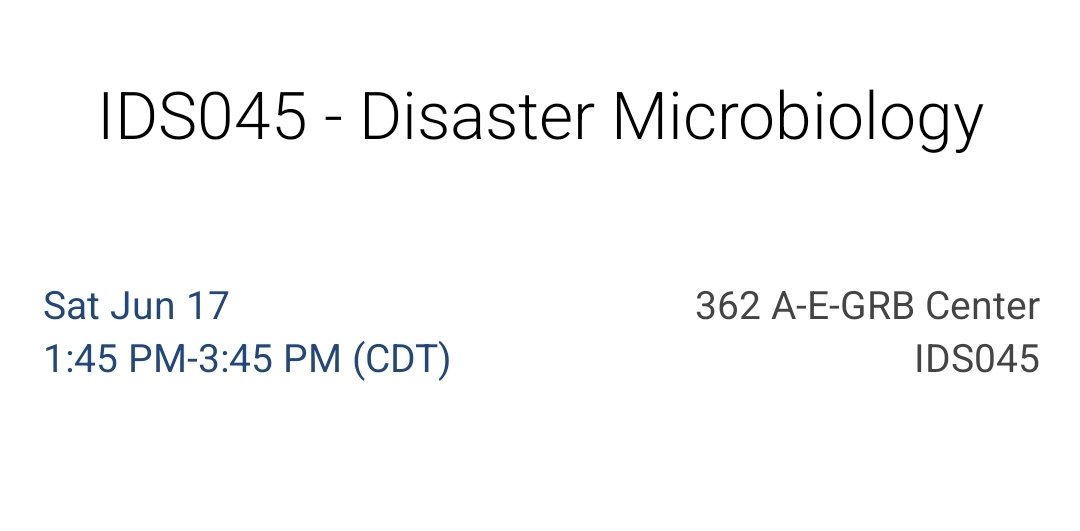
Pinned Tweet

3 Aug 2022
Check out our new review advocating for the creating of Disaster Microbiology as a new field of study and reviewing some of the years of extraordinary research showing how disasters shape microbe populations. @ACasadevall1 (1/) journals.asm.org/doi/10.1128…
1
9
30
Daniel Smith retweeted

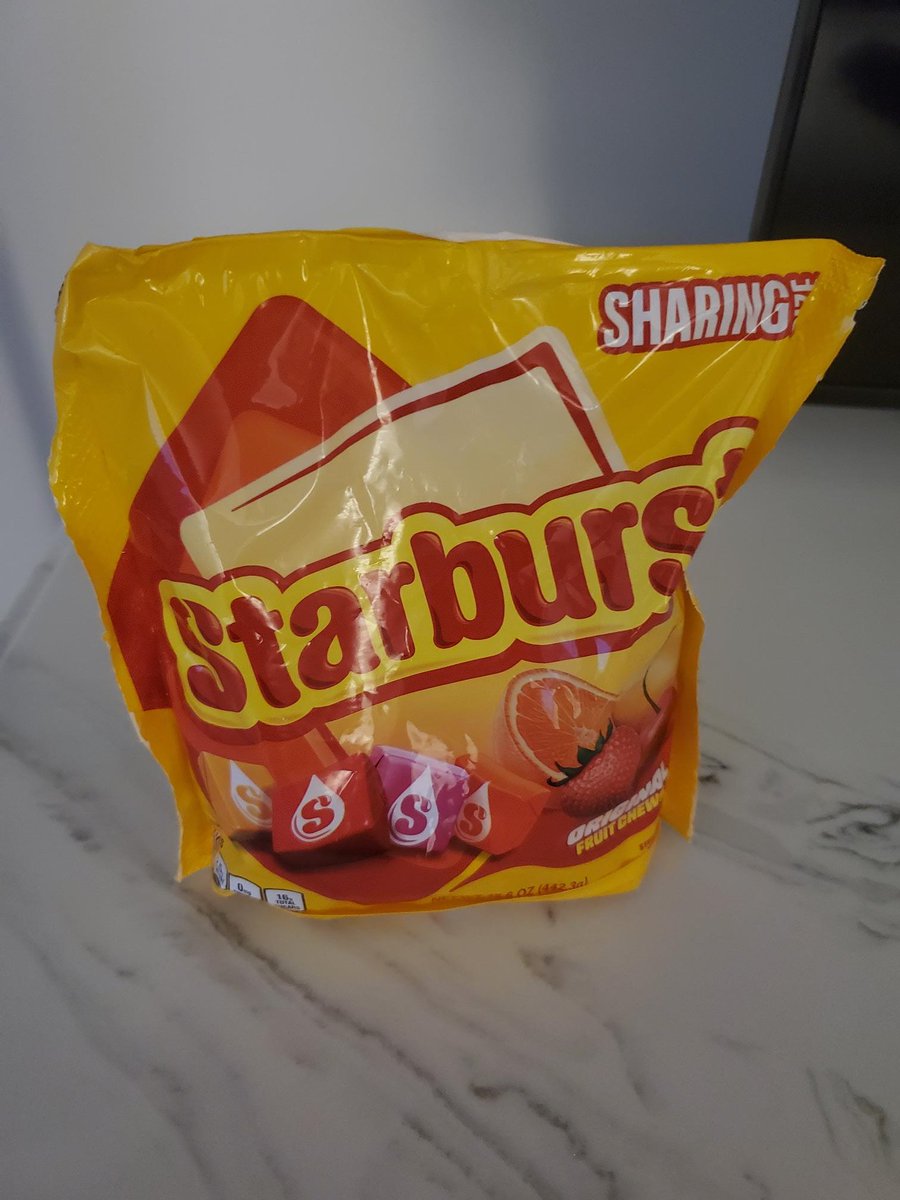
Visiting @Symbionticism was greeted with a package of starburst candy thanks to @markowenmartin who told him about using these to collect fungi from Baltimore sidewalks. However, all credit goes to highly innovative @Danfqsmith who thought of this - see pubmed.ncbi.nlm.nih.gov/4114…
1
2
4
1,009
Daniel Smith retweeted

“This study opens the door for future research into these adaptations & the identification of urban fungal species that may emerge as potential human pathogens in the near future,” said @JohnsHopkinsSPH researcher & @ACasadevall1 Lab member @Danfqsmith
earth.com/news/city-fungi-ar…
2
3
173
5 Nov 2025
Very excited to finally share our recent article studying fungal adaptation to high temperature in warmer and cooler neighborhoods of Baltimore! doi.org/10.1093/ismeco/ycaf1…
1
38
Daniel Smith retweeted

2 Sep 2025
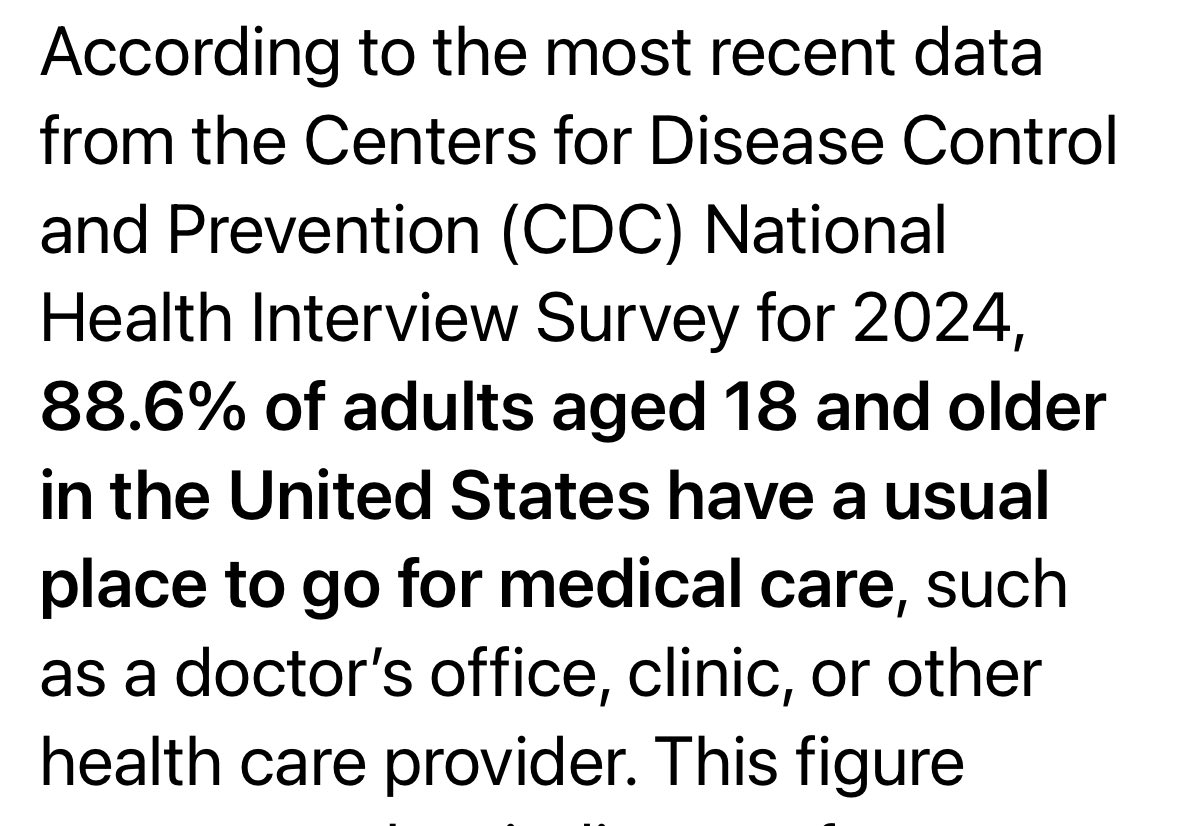
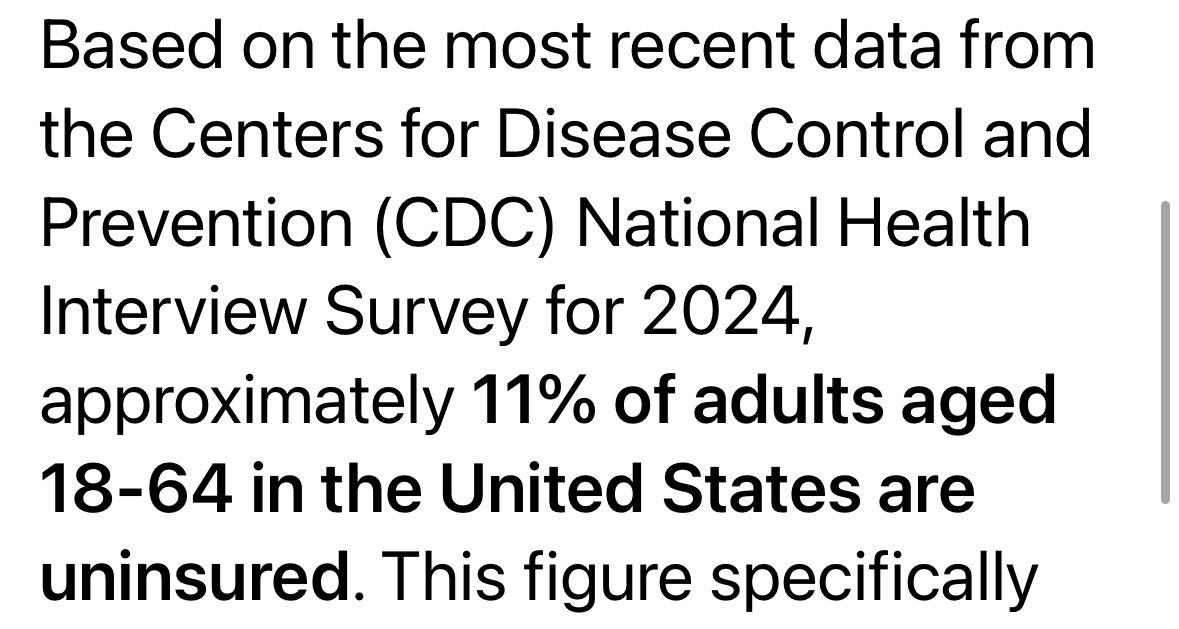
HHS leaders continue to claim everyone can get a COVID vaccine, but FDA's new rules require the “low risk” to consult a doctor first. With 11% of Americans lacking a healthcare provider (per HHS’s own data), this policy and claim ignores real access barriers.
42
167
651
22,497
Daniel Smith retweeted

2 Sep 2025
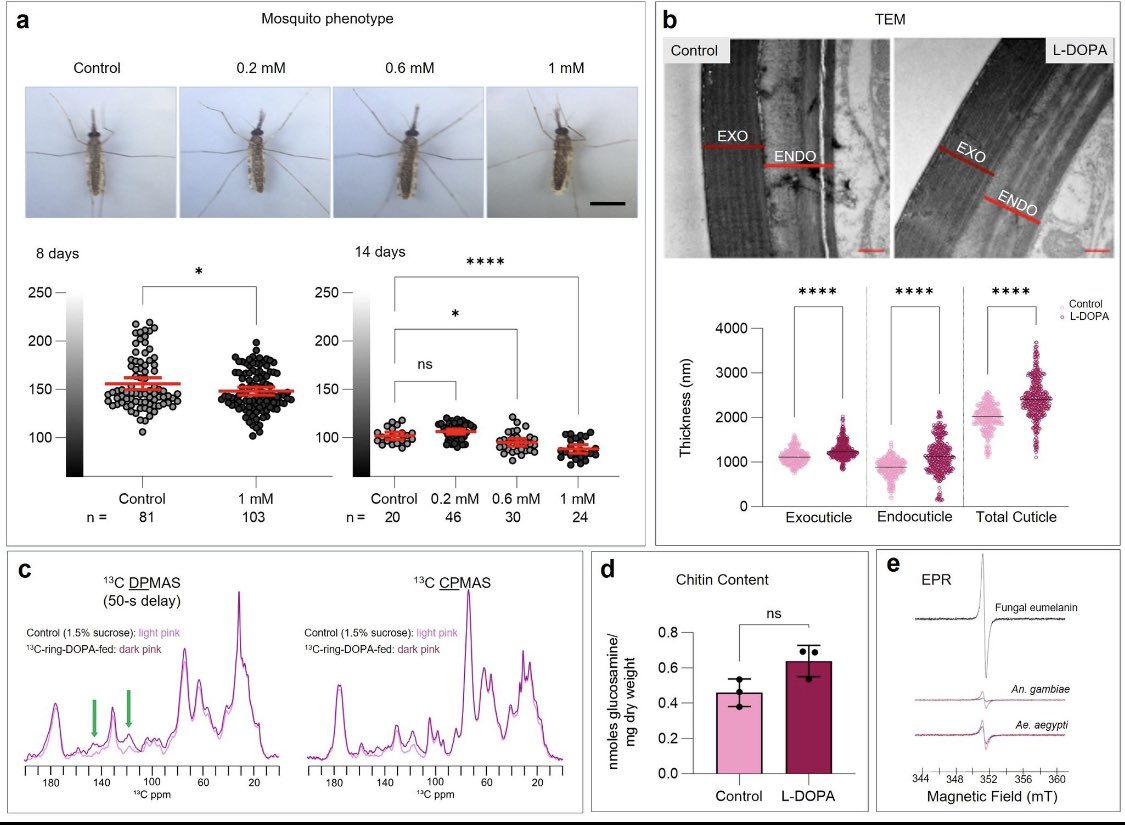
Last week my first author research article in the malaria field was published in nature.com/articles/s41467-0…
What a exciting and challenging journey @JohnsHopkinsMMI May this be the first of may more- looking forward to reading your comments and questions✨
2
2
8
532
Daniel Smith retweeted
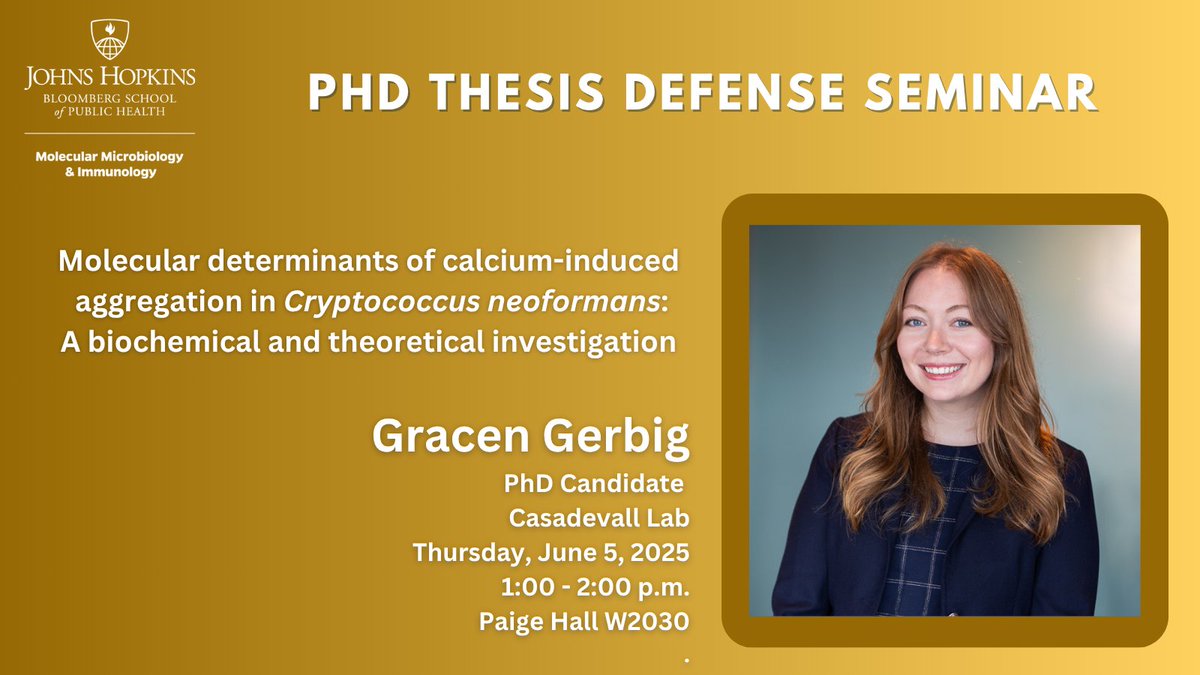
MMI PhD Candidate Gracen Gerbig who's training in the lab of @JohnsHopkinsMMI dept chair & @JohnsHopkinsSPH & @JHU_BDPs Arturo Casadevall @ACasadevall1 defends her PhD thesis today!
Thursday, June 5
Paige Hall
1:00 p.m.
#Cryptococcus neoformans
#fungi
Good Luck, Gracen!
1
3
338
27 Mar 2025
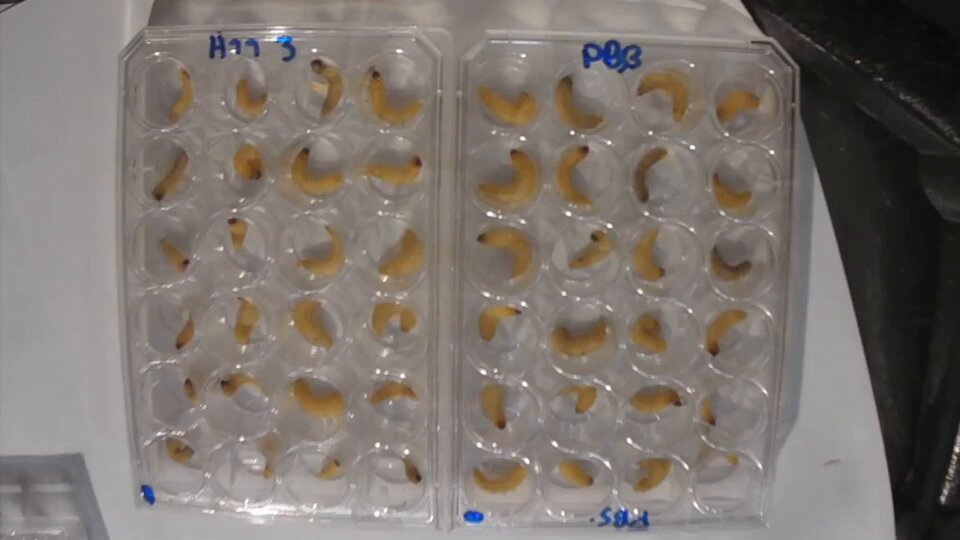
Fun project that started with looking at whether or not there is chaos during Galleria infections, and wound up also finding some interesting patterns that occur of infection (and lots of mesmerizing timelapses) @ACasadevall1
biorxiv.org/content/10.1101/…
3
1
17
932
Daniel Smith retweeted

13 Feb 2025
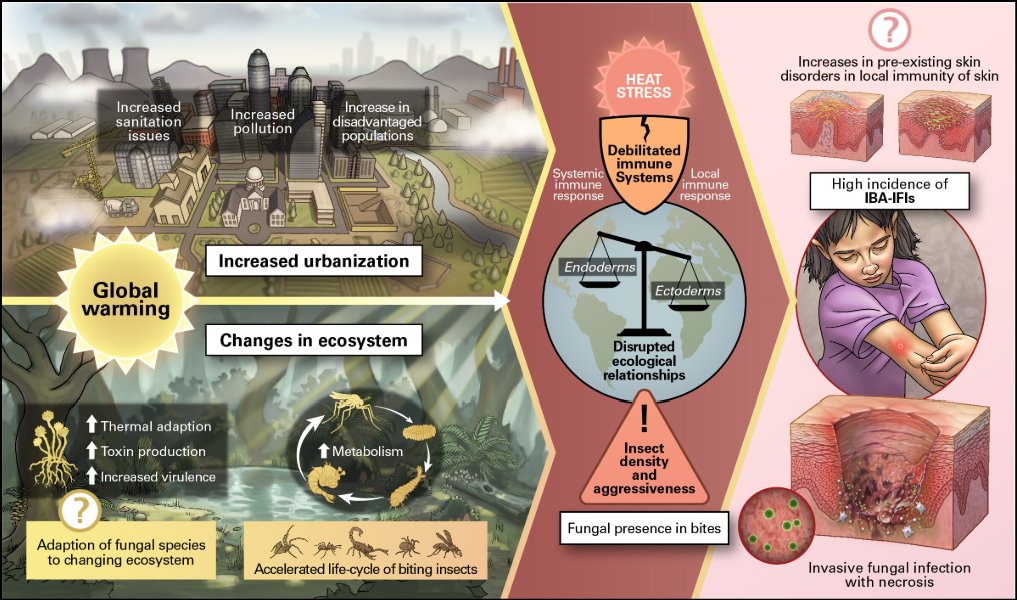
Would global warming bring an increase of invertebrate-associated cutaneous invasive fungal infections? @ACasadevall1 #mBio
journals.asm.org/doi/10.1128…
8
10
1,259
Daniel Smith retweeted

13 Feb 2025
Excited to announce a save the date for the upcoming Keystone Fungal Pathogenesis meeting! Jan 12-15 2026, mark your calendars! 🗓 Program and deadlines in link below #KSFungalPath26 @IlievLab
keystonesymposia.org/confere…
19
33
2,711
Daniel Smith retweeted

28 Oct 2024
This is great! @NIAIDNews have launched a collection of public domain illustrations (currently 550 individual icons) bioart.niaid.nih.gov/

16
1,041
3,073
617,346
Daniel Smith retweeted

23 Oct 2024
When my paper gets referenced once
2
160
1,794
74,562
Daniel Smith retweeted

22 Oct 2024
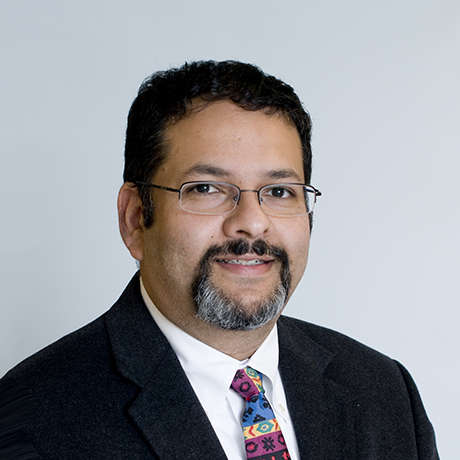
We’re excited to welcome Dr. Jay Vyas, as our new Assoc. Dean for Academic Innovation & Director of Physician-Scientist Programs at the Vagelos Institute for Basic Biomedical Science. He'll also join the Division of Infectious Diseases in @CUIMCDeptofMed.
columbiamed.link/3YdlLPR
1
8
54
23,515
Daniel Smith retweeted

12 Oct 2024
Disaster microbiology explores how microbiology relates to catastrophic events like hurricanes. In the wakes of #HurricaneHelene and #HurricaneMilton, how can we prepare to face the microbial aftermath of these natural disasters? asm.social/28t
19
31
4,001
Daniel Smith retweeted

3 Oct 2024
A bad day for the dinosaurs turned out to be a pretty good day for ants.
According to a new study led by Smithsonian entomologist and curator Ted Schultz, colonies of ants began farming fungi when an asteroid struck Earth 66 million years ago. Read more: s.si.edu/47QDtNK
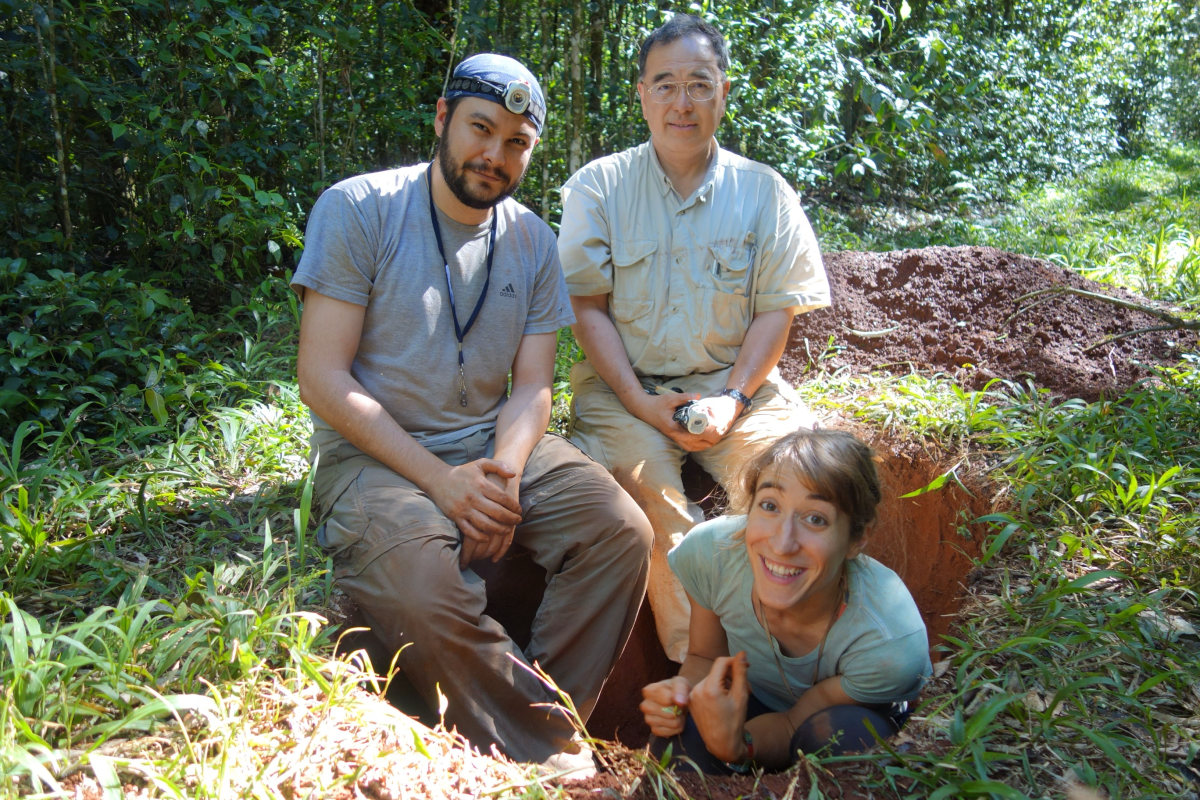
ALT Three people pictured in in the Chapecó National Forest in Santa Catarina, Brazil, in 2014, excavating nests of the rare lower-fungus-farming ant species Mycetophylax asper. Entomologist Ted Schultz (center), the curator of ants at the Smithsonian’s National Museum of Natural History, sits between Jeffrey Sosa-Calvo (left) and Ana Ješovnik (right). Image from Jeffrey Sosa-Calvo.
1
33
96
9,424
Daniel Smith retweeted
In this fun & fascinating @NPRShortWave segment co-hosts @emilykwong1234 & @ScienceRegina visit @ACasadevall1's Lab @JohnsHopkinsSPH
Listen & learn about fungi & how @Danfqsmith uses Starbursts on Baltimore sidewalks to test how fungi adapt to heat
npr.org/podcasts/510351/shor…
6
12
2,281
20 Sep 2024
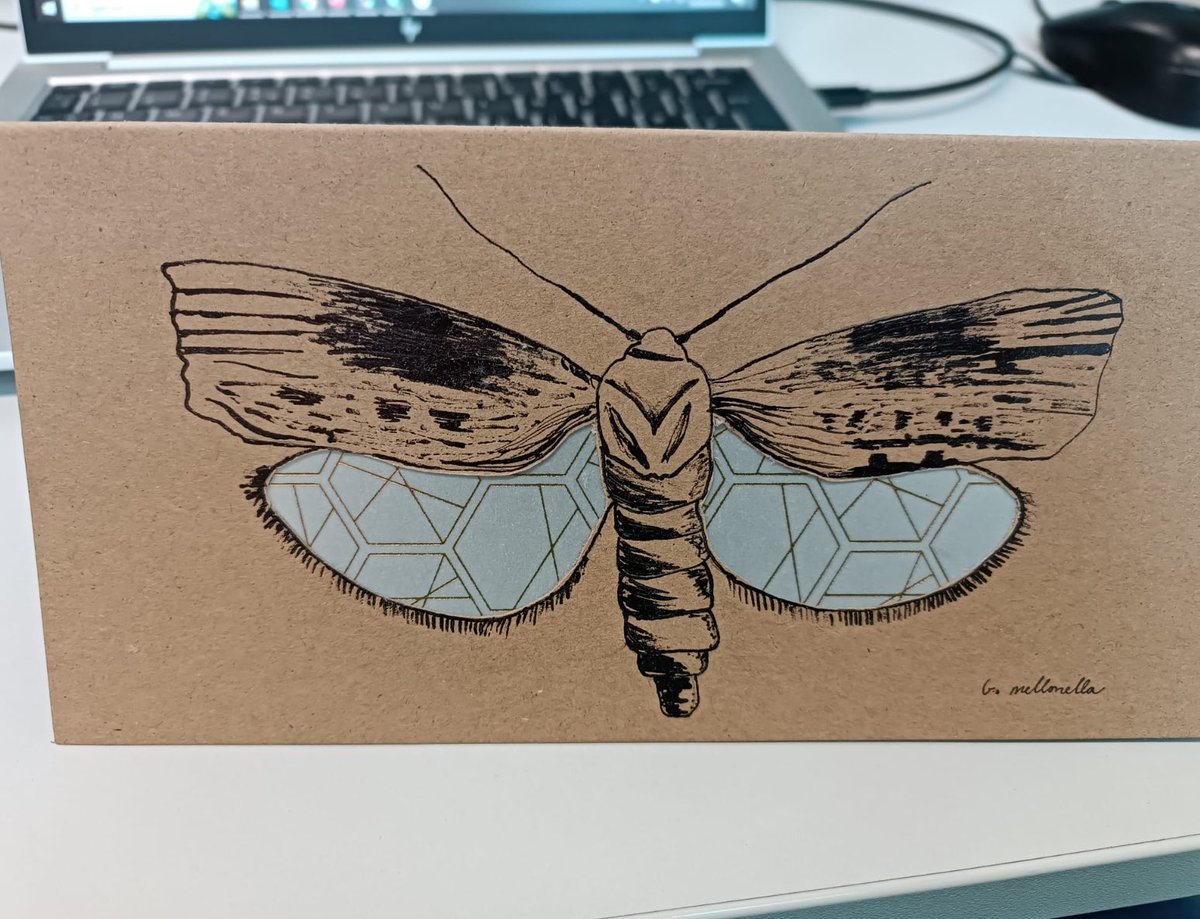
When your experiment goes so badly that the universe sends you ~96 evil eyes for protection 🧿🧿🧿
7
344

20 Aug 2024
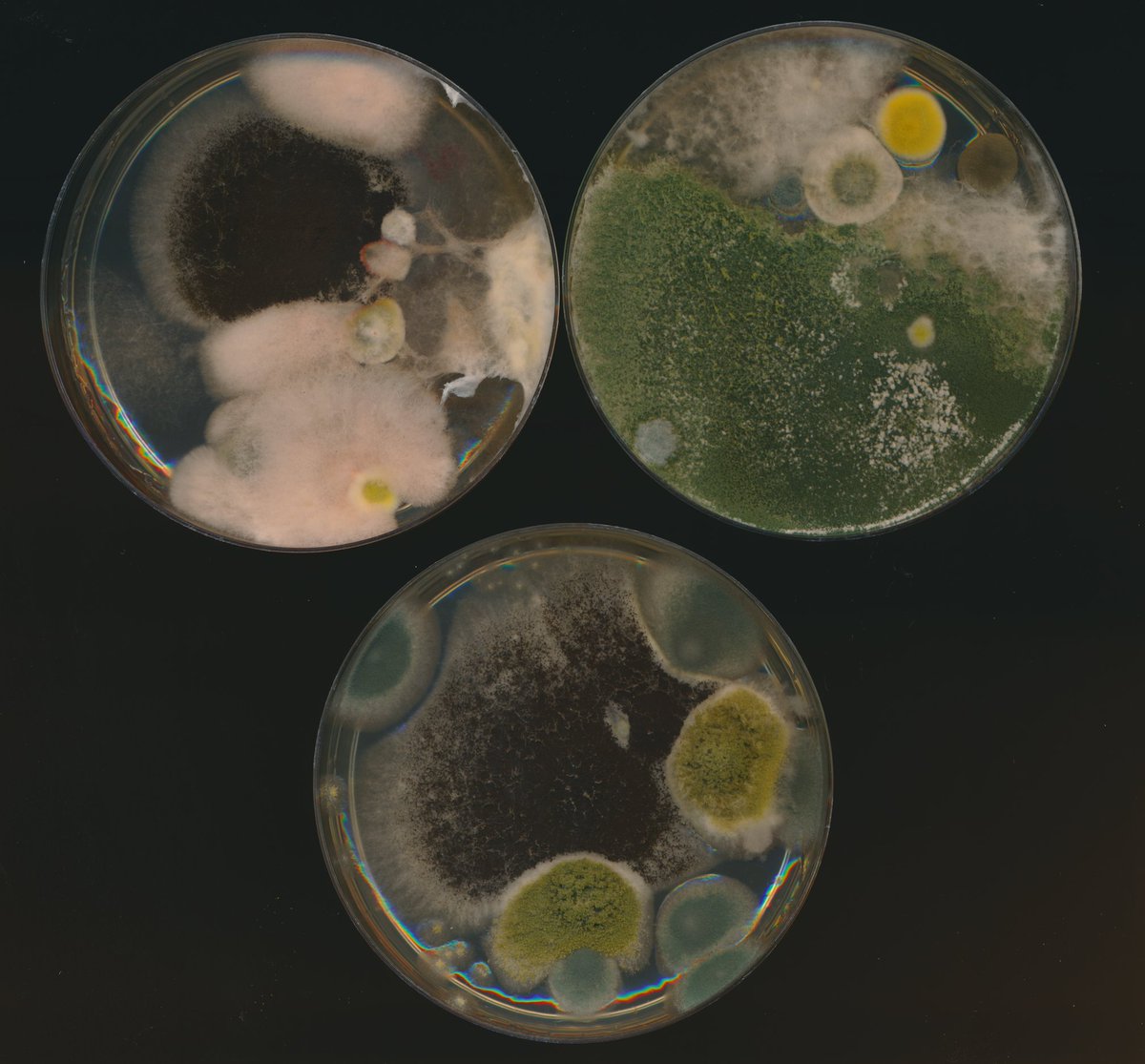
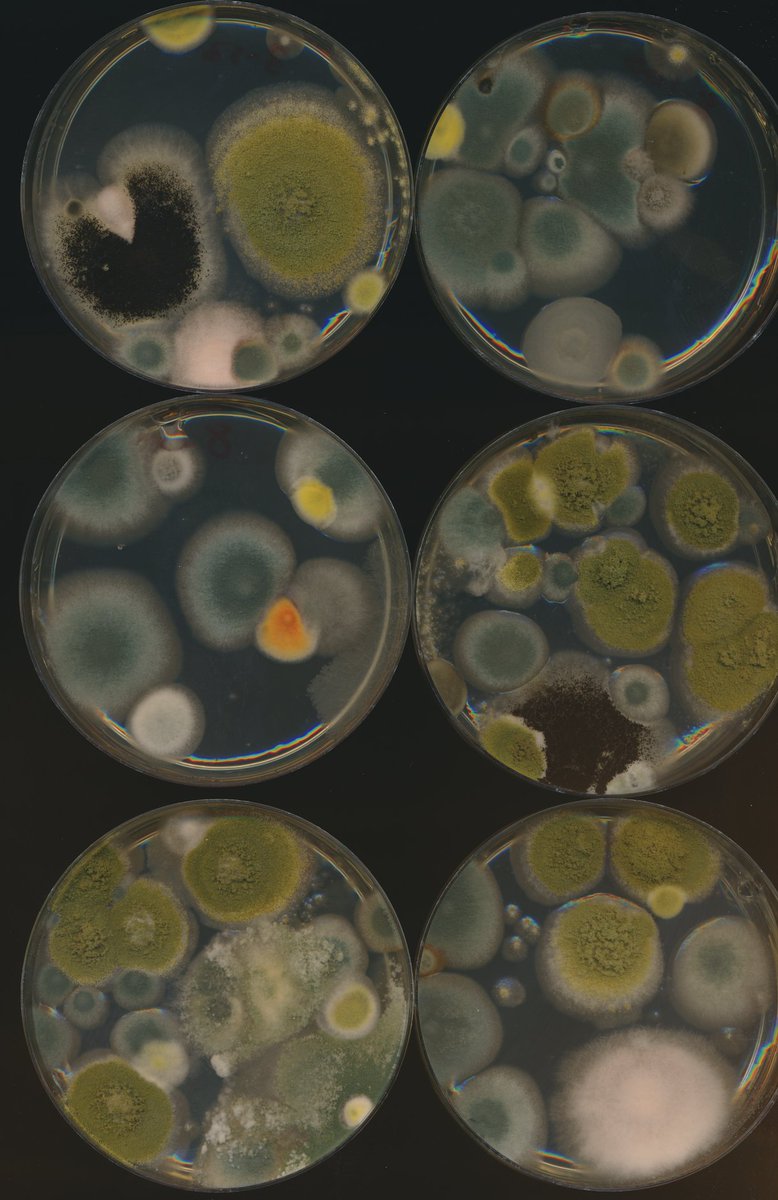
Everytime I grow molds, feel compelled to tweet how pretty they are
1
15
372
Daniel Smith retweeted

20 Aug 2024
the cells on the microscopy slide I messed up staring at me from the trash
13
71
1,304
67,291