MD-PhD student in the Glazer Lab @YaleMed 🧪 Chemistry Degree from @UPRM 🇵🇷 #RumboAlMDPhD
Joined July 2019
- Tweets 677
- Following 510
- Followers 845
- Likes 4,043
30 Photos and videos




Daniel A. Colón Ríos retweeted

7 Dec 2025
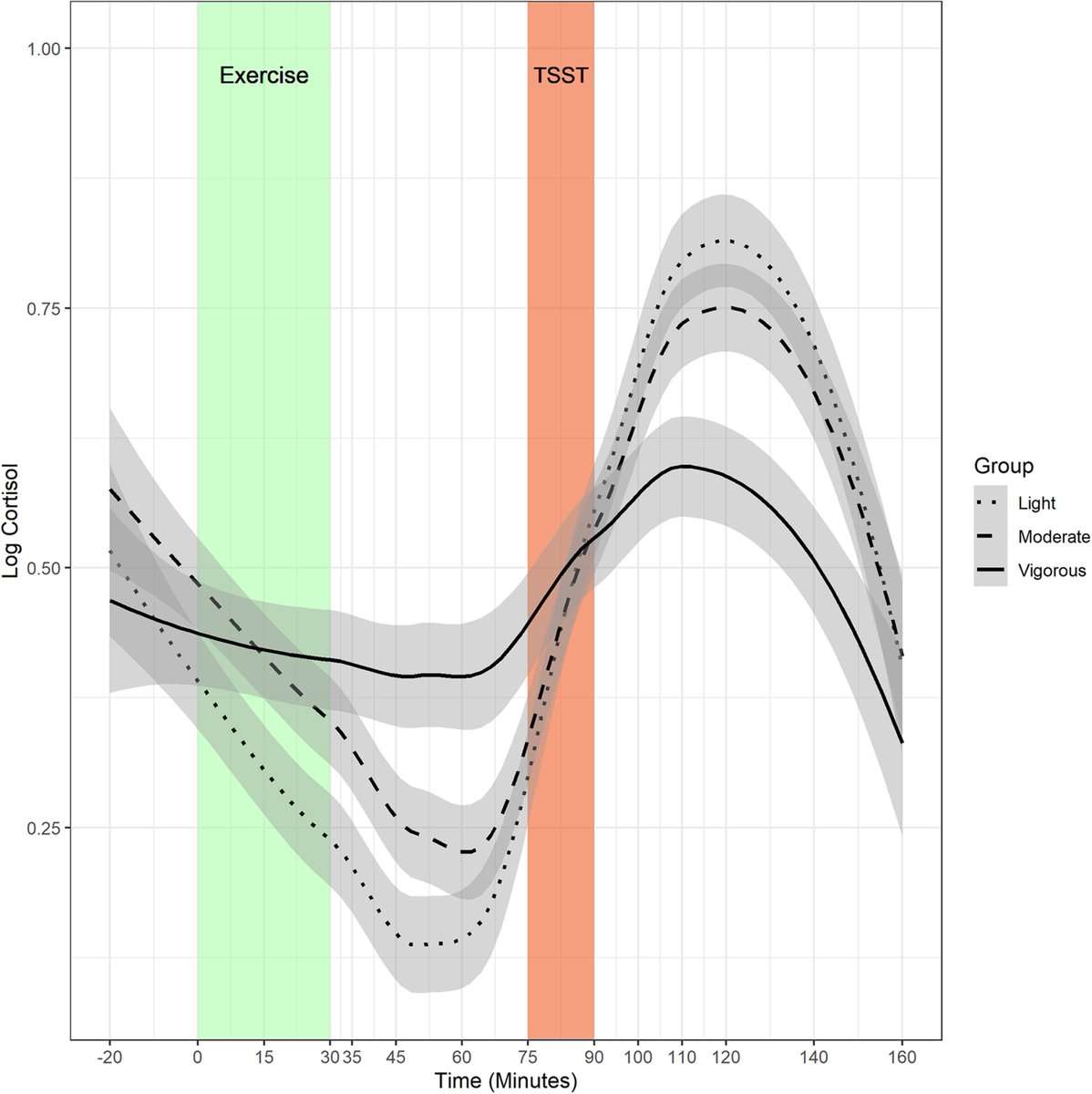
Cortisol from exercising suppresses the next cortisol response to a stressor.
Exercise before doing something stressful.
143
1,846
19,761
1,293,263

8 Dec 2025
Excited that part of my thesis work was published last week in NAR Cancer!
Work from our lab and others have shown that cancers with IDH1/2 mutations have a defect in homology-directed repair (HDR), rendering them sensitive to PARP inhibitor treatment.🧵 academic.oup.com/narcancer/a…
1
36
8 Dec 2025
with cediranib re-sensitized 53BP1- and REV7-knockout cells to PARP inhibitor treatment, providing insight into treatment regimens that may provide increased clinical benefits to patients! This works supports the original observation that IDH mutations confer a… 6/7 🧵
1
1
24
8 Dec 2025
HDR defect and may also provide the basis for new therapeutic strategies for patients with oncometabolite-producing malignancies.
Any thoughts on what else could lead to PARPi resistance in IDH-mutant cancers? 👀 Would love to hear your thoughts! 7/7 🧵
1
20
Daniel A. Colón Ríos retweeted

7 Nov 2025
As an MD/PhD, I'm probably biased here, but I find these oversimplified generalizations hard to understand.
A quick look at any list of influential biomedical scientists (Nobel laureates, leaders across fields, big pharma CSOs, biotech founders) shows that MD/PhDs (or MDs deeply engaged in research) are prominently represented.
Many are also excellent clinicians, particularly in highly specialized or rare disease areas, where clinical insight is the often the only driver of scientific discovery.
So the claim that MD/PhDs "seldom advance either basic knowledge or clinical practice" doesn’t hold up. And the shift toward administrative or leadership roles later in one’s career isn’t unique to MD/PhDs.
Most MD/PhDs I know are among the hardest-working people in either medicine or science. They commit to 15-20 years of training and most often end up earning less than purely clinical peers.
5 Nov 2025

The physician–scientist track (MD/PhD) in academic medical centers has become one of the great illusions of modern science - a path that promises to unite medicine and science but rarely fulfills either goal. Training stretches on for years as one person is expected to learn two professions at once, and in practice, they seldom master either. Many hold a token clinic for a few hours a week while running labs that produce derivative “translational” research — supposedly aimed at improving patient care. In reality, these efforts seldom advance either basic knowledge or clinical practice in a meaningful way.
The personal rewards, however, are significant: MD/PhDs are paid far more than PhDs alone, face far less competition for faculty positions, are treated better by upper administration, and are freed from the full clinical responsibilities of practicing physicians. They also enjoy privileged access to administrative roles in medical centers, journals, and professional societies - positions that often pay handsomely. Yet almost no one has seriously examined whether this track delivers genuine scientific or medical value, or if it merely sustains another bureaucratic layer within an already bloated healthcare system.
students-residents.aamc.org/…
18
20
289
79,400
Daniel A. Colón Ríos retweeted

27 Oct 2025
Excited to see my PhD work out! Here, we find an unexpected epigenetic mechanism that regulates oncogene amplification to promote tyrosine kinase inhibitor resistance in lung adenocarcinoma. Tweetorial below! ⬇️
nature.com/articles/s41594-0…
2
24
157
25,044
Daniel A. Colón Ríos retweeted

7 Aug 2025
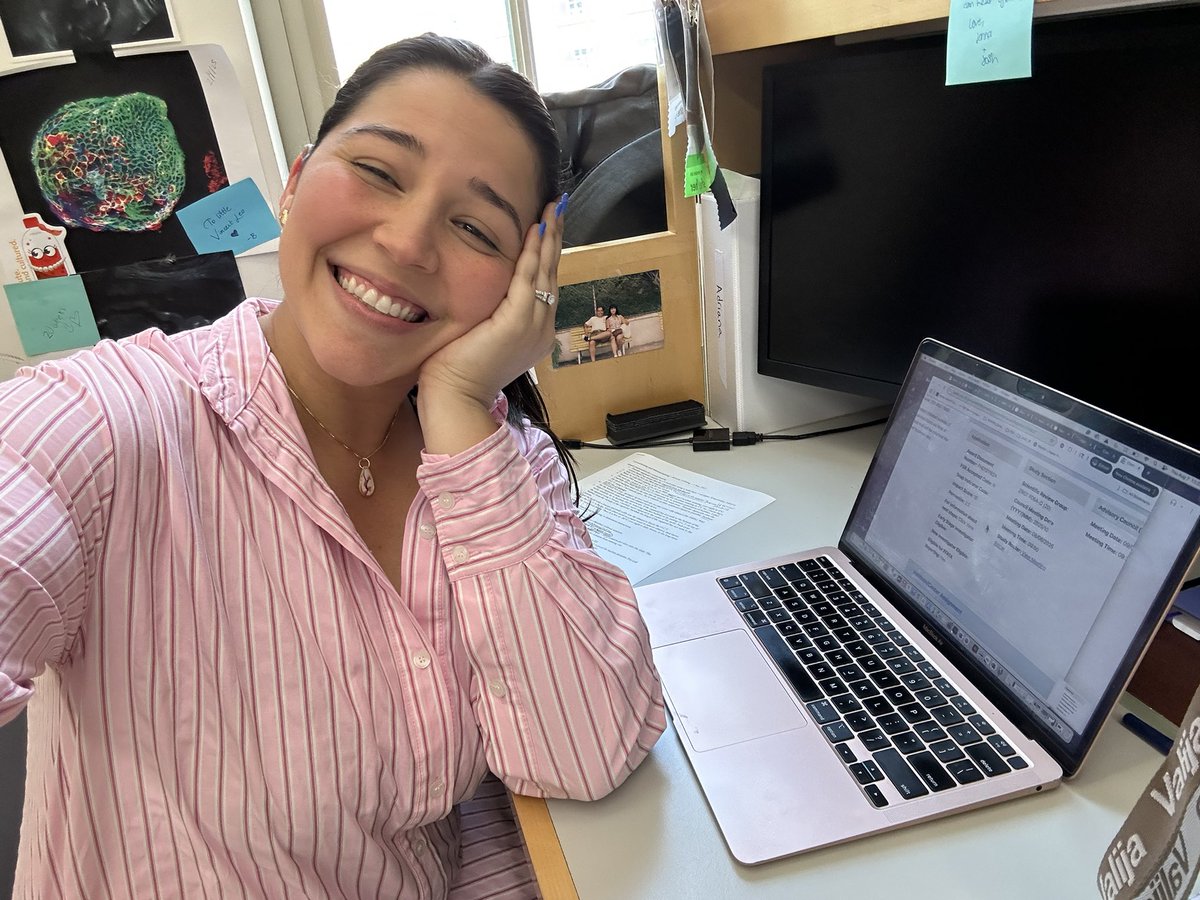
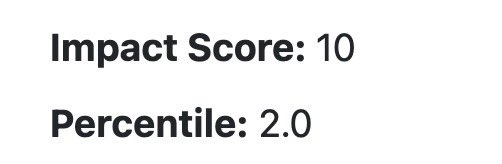
Just received my F31 score, and I'm in awe. So ecstatic the effort was noticed. Huge thanks to the team backing me up through this process, especially my PI @BernaSozen_ 🤍 Grateful to be part of @YaleGenetics #womenshealthresearch let’s gooo!!!
11
6
194
11,280
Daniel A. Colón Ríos retweeted

6 Aug 2025
Hi everybody! I am super excited to share the work done during my PhD published in @nature today! We describe a new mechanism of self- vs. non-self RNA discrimination by showing how N-glycans shield glycoRNAs from stimulating endosomal RNA sensors nature.com/articles/s41586-0…
16
78
470
36,322
Daniel A. Colón Ríos retweeted

16 Jul 2025
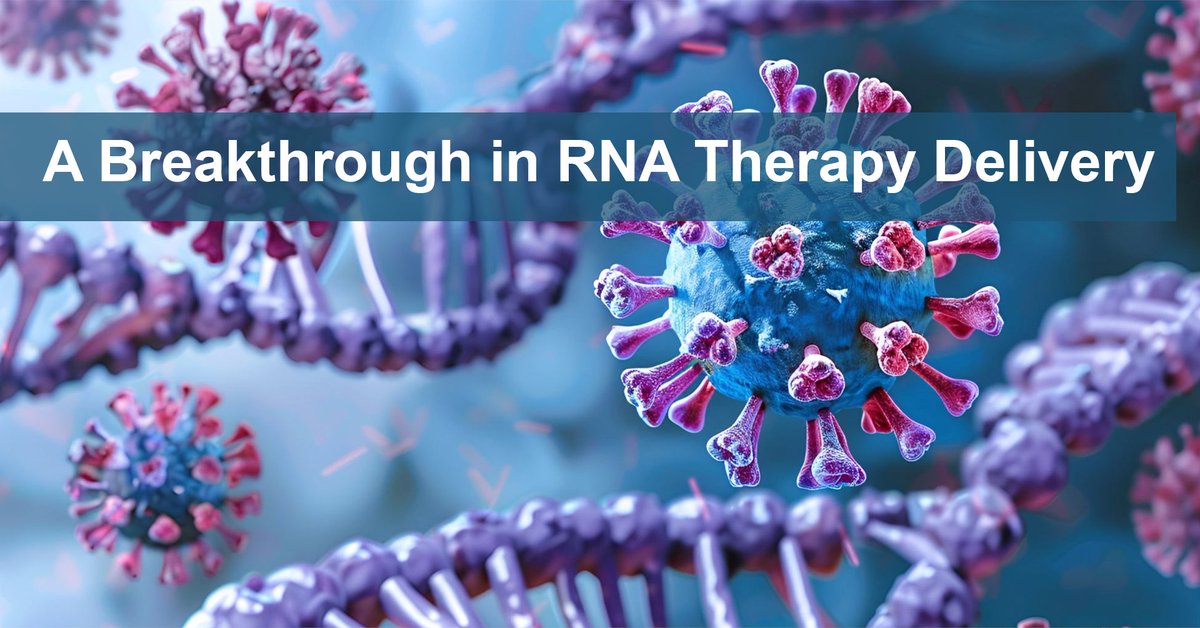
Yale researchers engineered an antibody, #TMAB3, to carry immune-activating RNA directly to hard-to-treat tumors-shrinking tumors, ⬆️ survival, avoiding healthy tissue. “This lays the foundation for personalized, tumor-targeted RNA therapies,”@Escobar_Lab.
yalecancercenter.org/news-ar…
@SmilowCancer @ScienceTM
3
8
550
Daniel A. Colón Ríos retweeted

6 Jun 2025
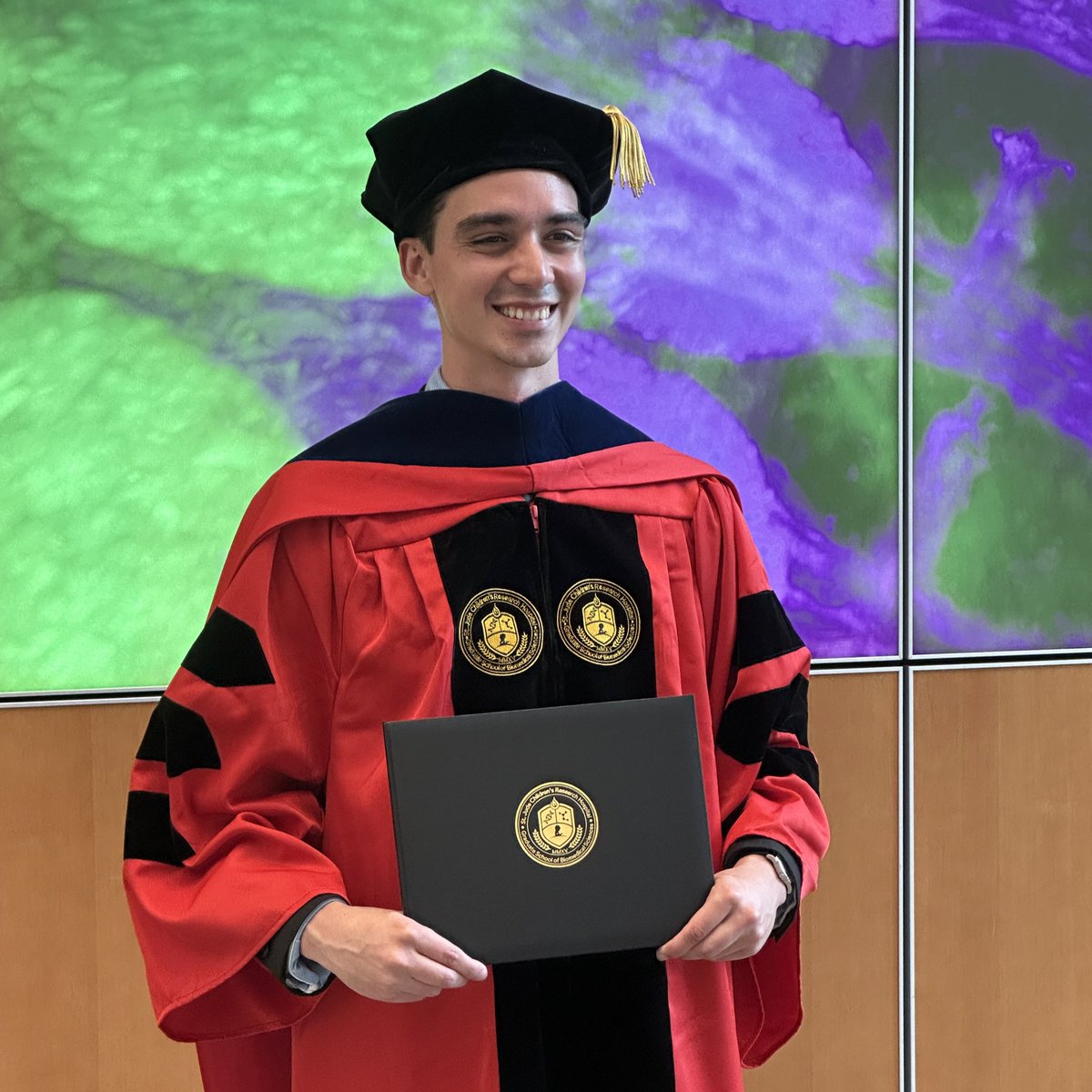
Officially Ramón Misla David, PhD 🙌💯
¡Lo logramos!
4
3
72
2,160

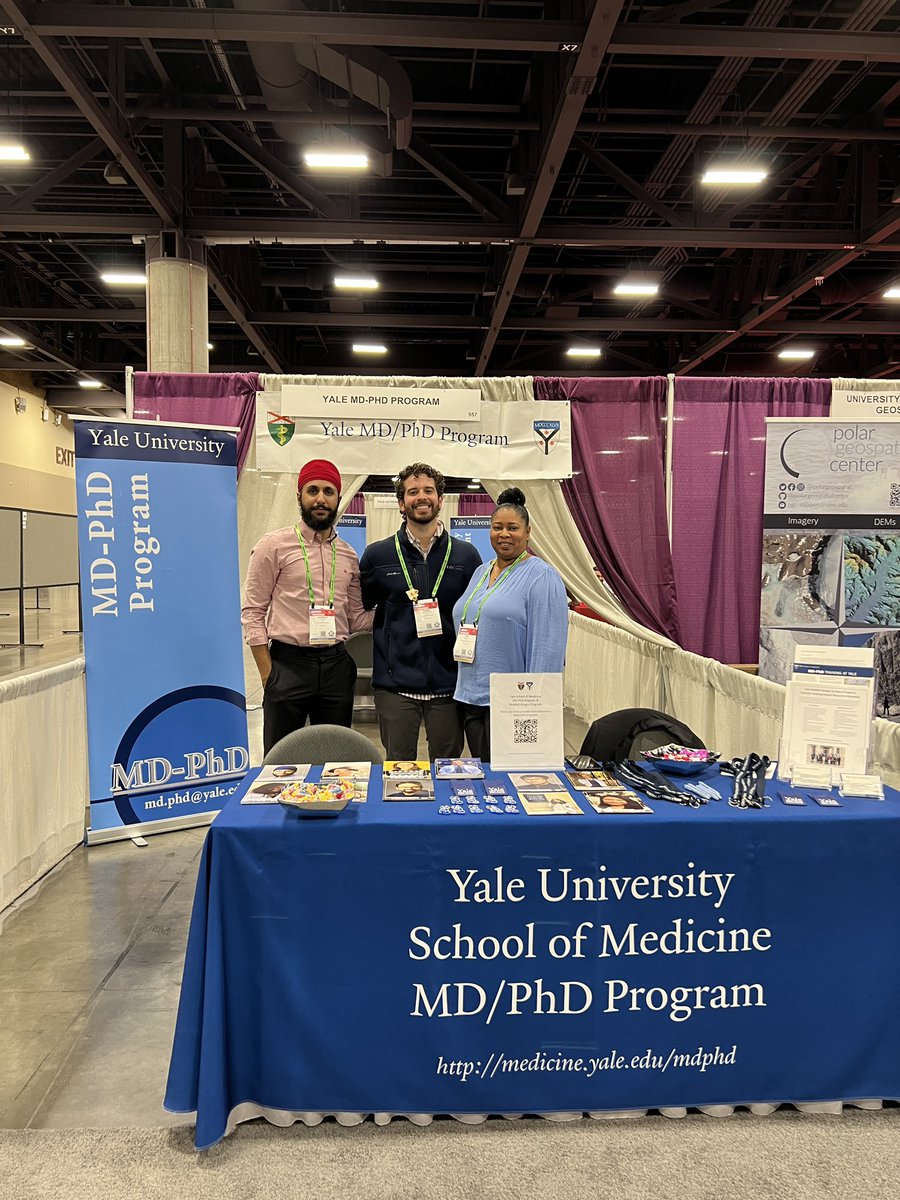
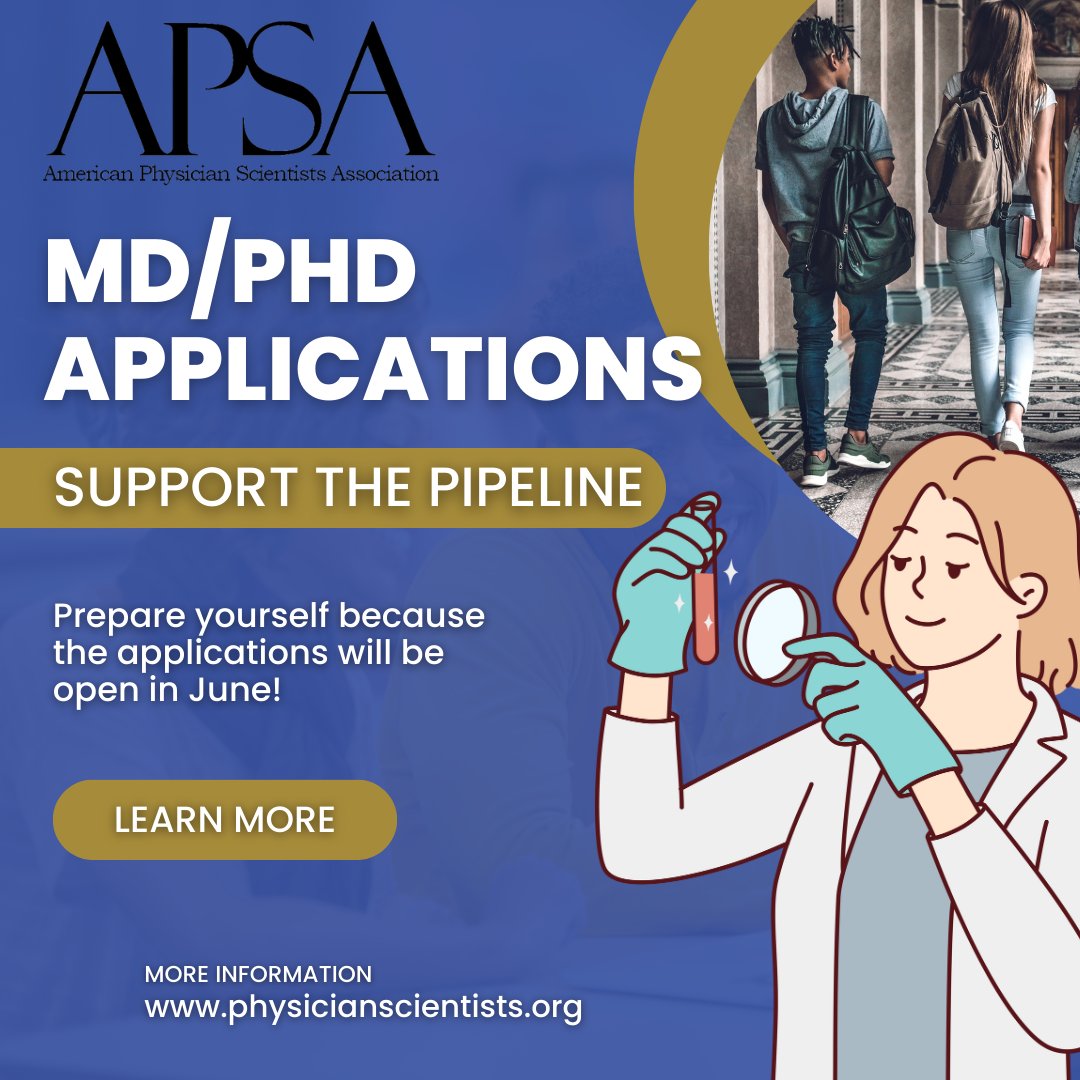
🩺 Attention MD/DO-PhD trainees! 🩺
Help out pre-med students interested in the #doubledocs pathway by sharing portions of your application materials (securely hosted on the APSA website, accessible to members only)!
forms.gle/SPkDdz4v9t3tUeYS7
#premed #APSA #physicianscientists
5
15
2,050
Daniel A. Colón Ríos retweeted

19 May 2025
Light and truth
Such a great honor to be there with all of you
Humbling also
@YaleMed
19 May 2025

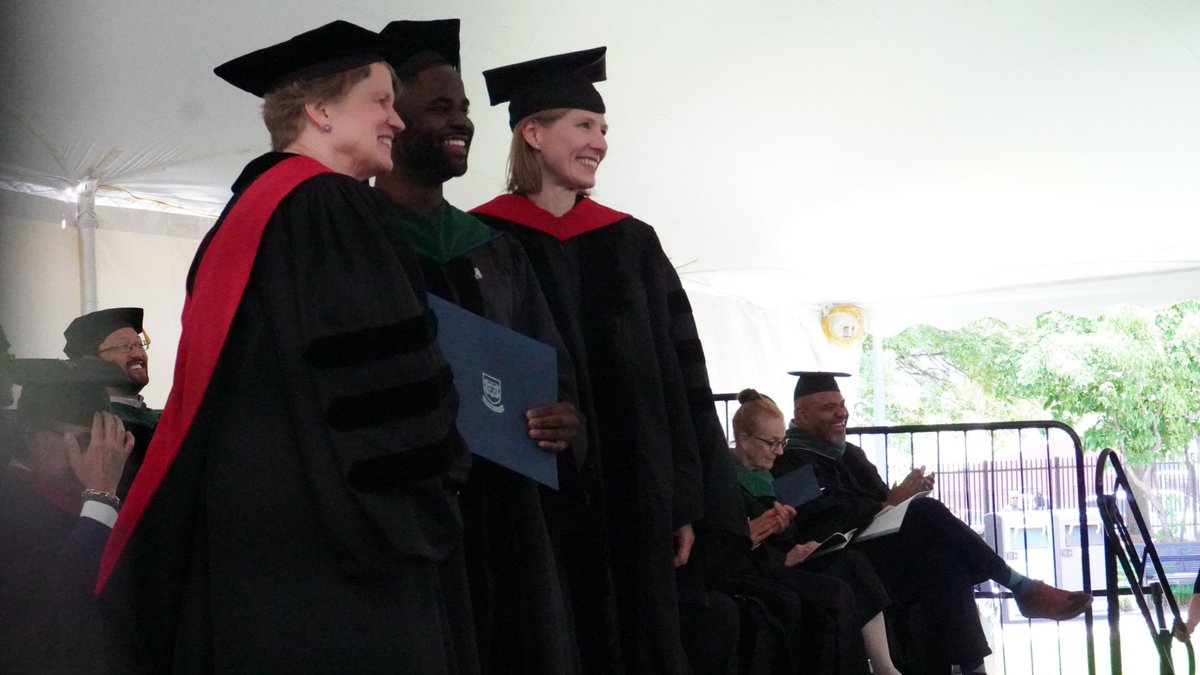
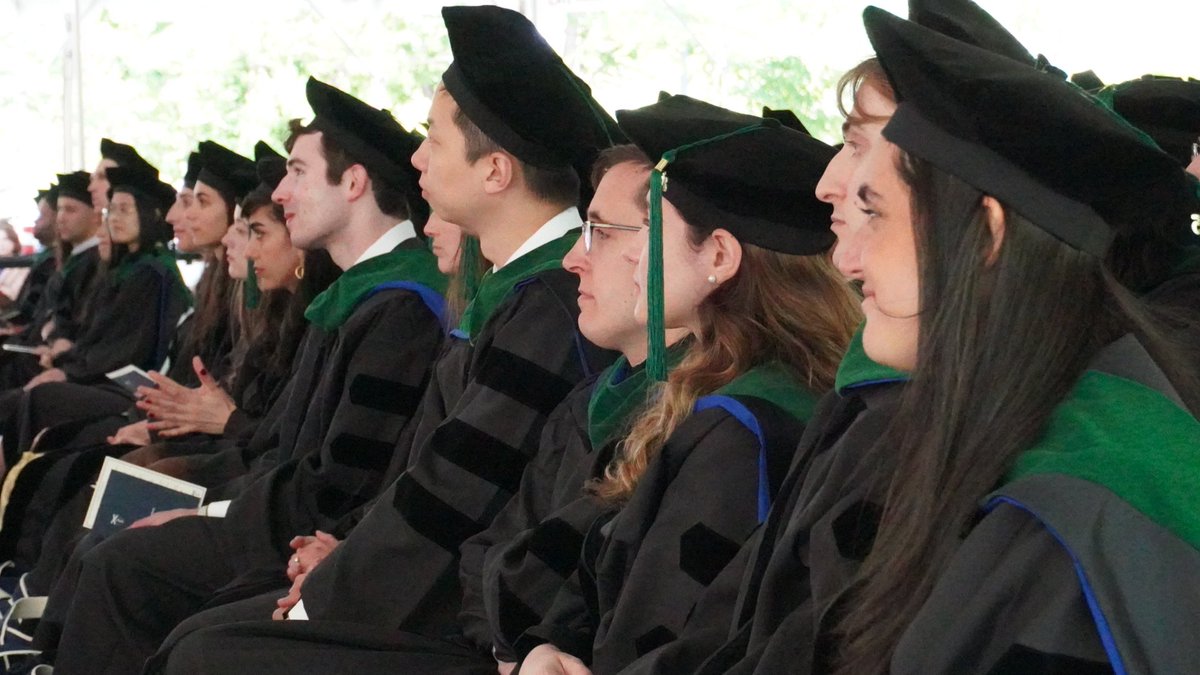
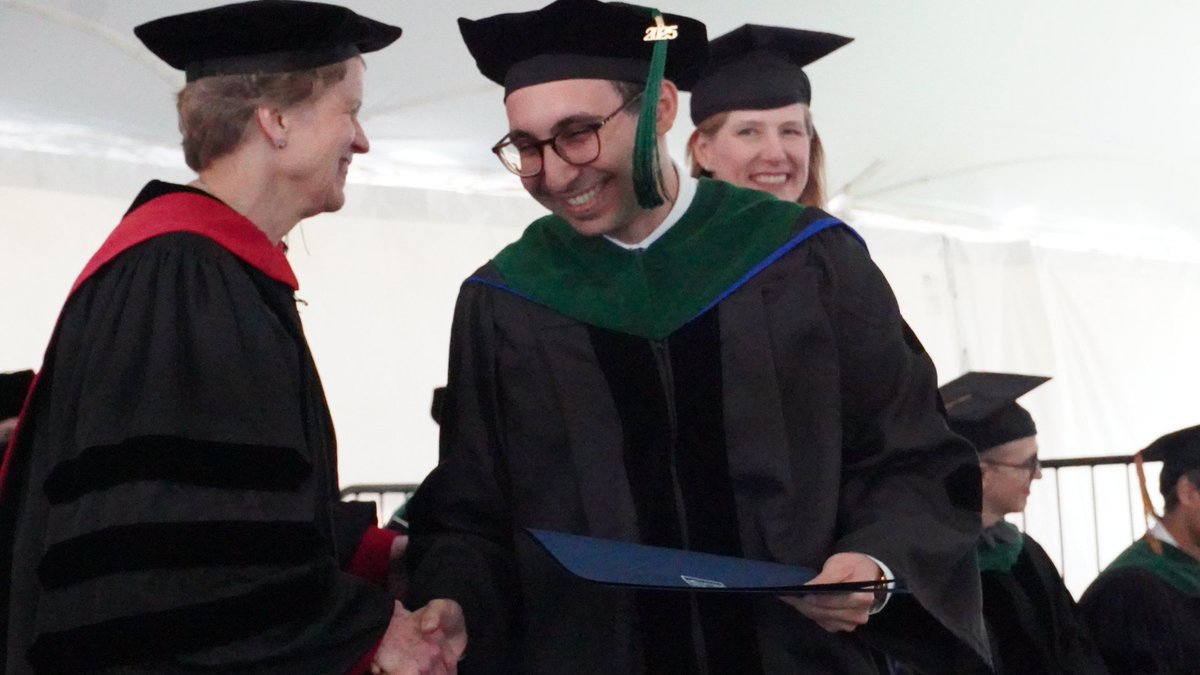
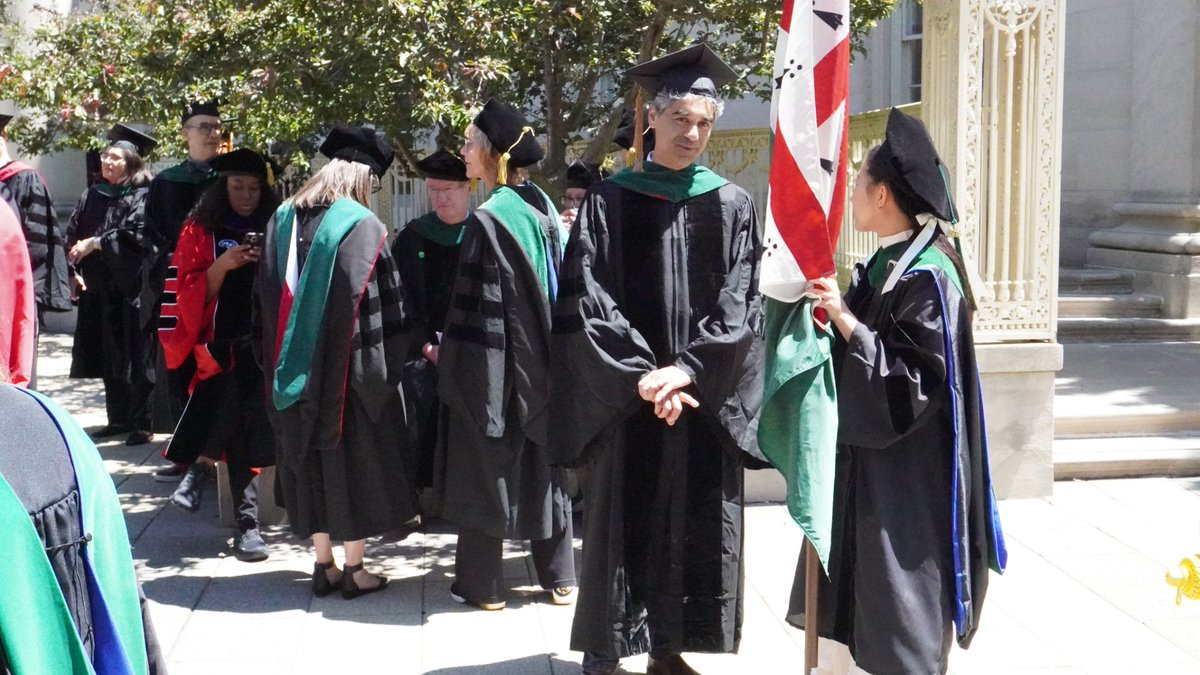
Parents, faculty and students gathered in Amistad Park to celebrate our newest #MD and MD/PhD graduates at #Commencement2025. Thanks to @DoctorQMD for an inspiring commencement address, and to the MD #Classof2025 for all your hard work!
1
2
17
1,742
Daniel A. Colón Ríos retweeted

20 May 2025
Grateful to be one of the recipients for the Pershing Square Sohn Cancer Prize from @psscra! It will greatly help our work to develop a novel vaccine for pancreatic cancer. Work was led by our post docs @nanamedici
and Diana Martinez-Saucedo! @YaleMed @YaleCancer

Dr. Luisa Escobar-Hoyos and the @Escobar_Lab at @YaleMed are developing a novel pancreatic cancer vaccine that leverages the body's existing immunity to bacteria to target and destroy pancreatic tumors. Congrats, Luisa! vimeo.com/1085105016
2
6
974
Daniel A. Colón Ríos retweeted

20 May 2025
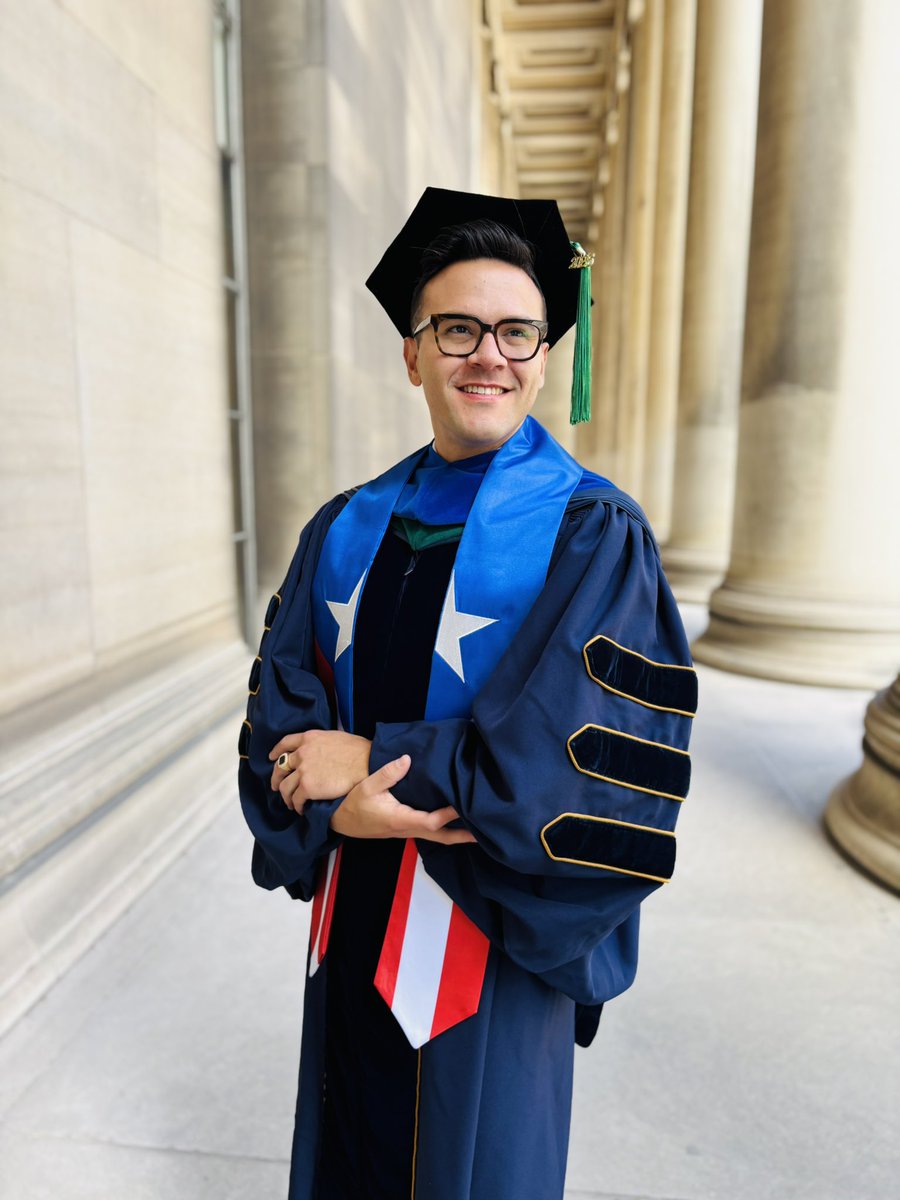
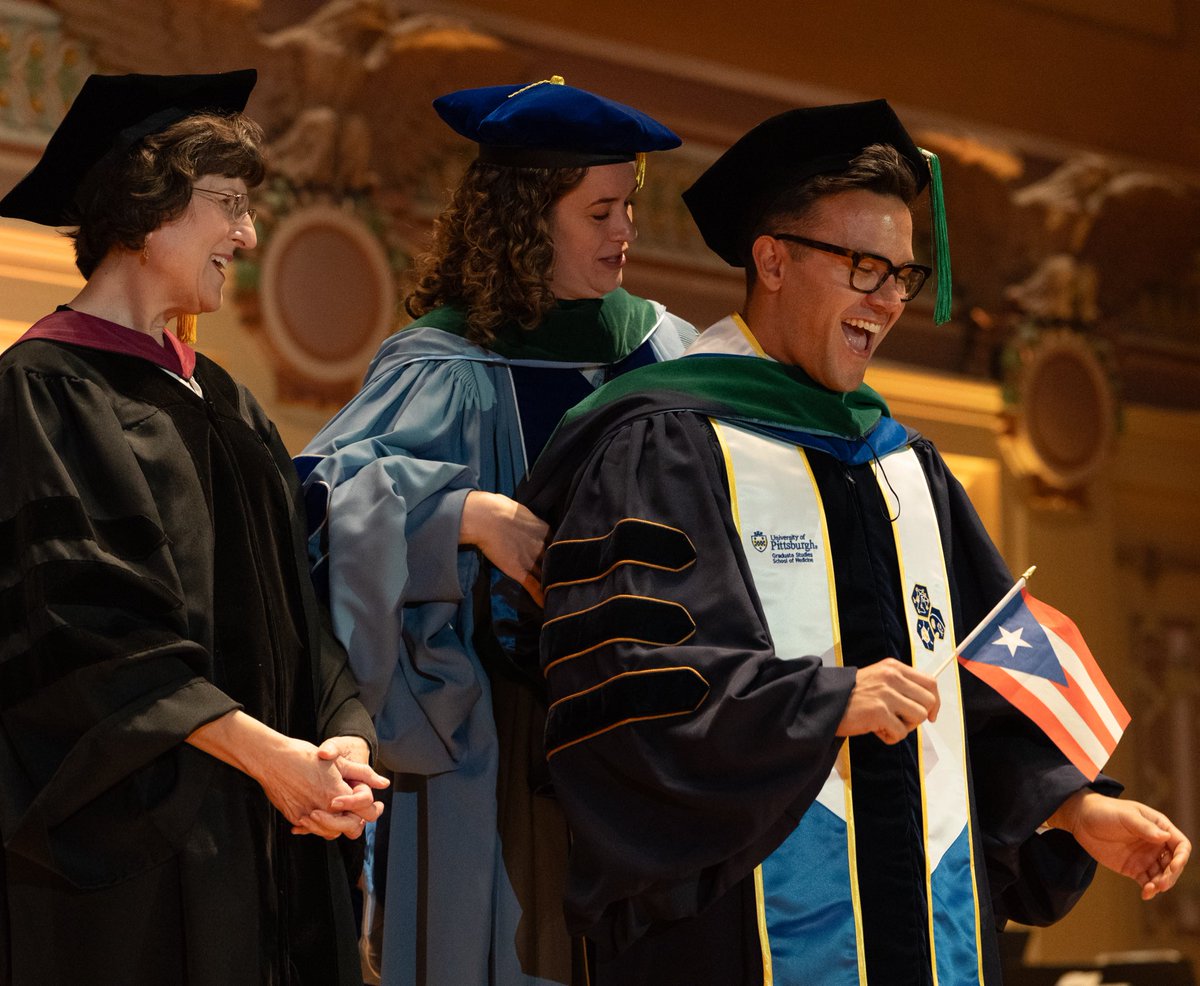
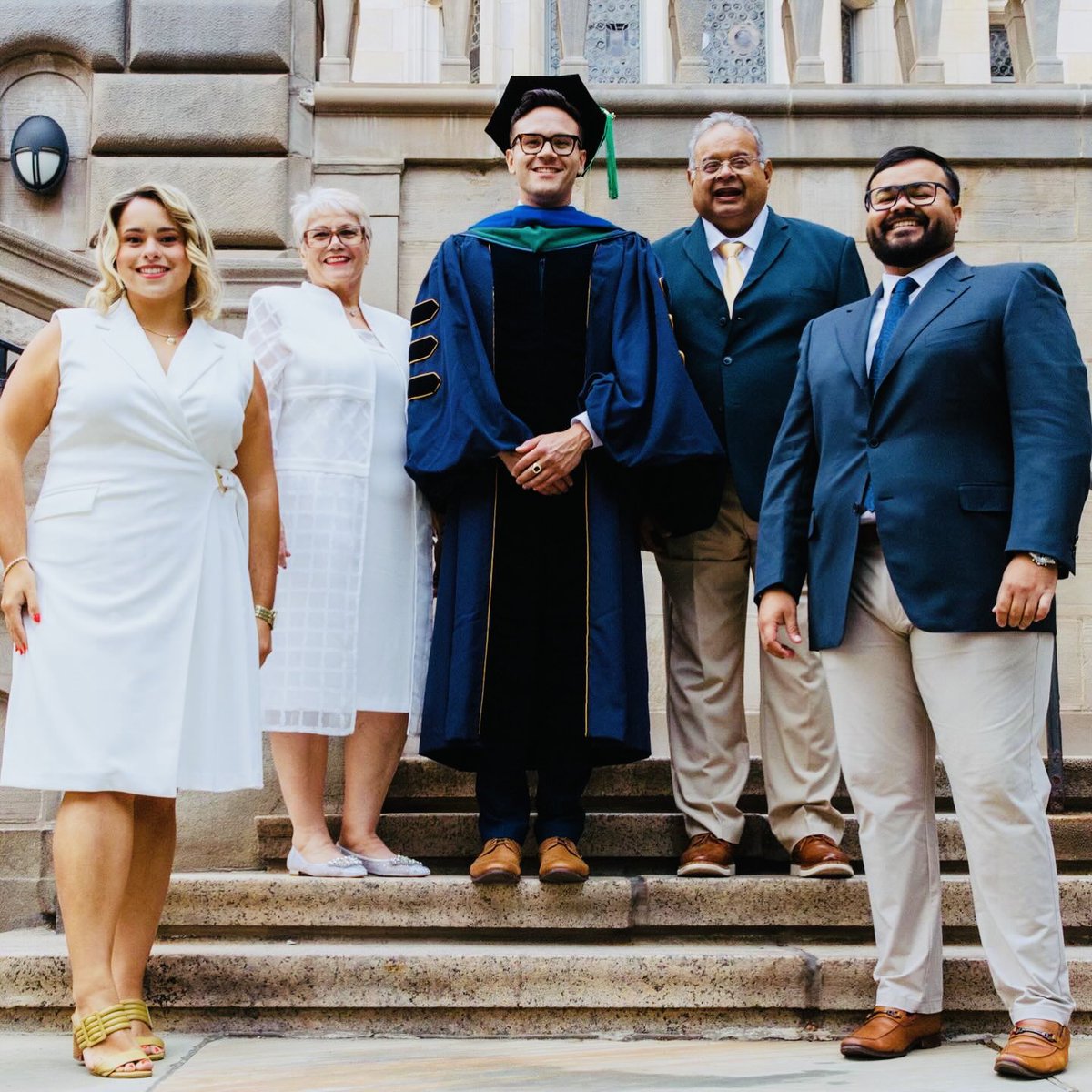
Officially the 1st Puerto Rican 🇵🇷 to complete the combined MD/PhD @PittCMU_MSTP. I stand on the shoulders of generations of Boricuas who fought tirelessly and whose legacy I take with me everywhere I go.
Aquí estuvimos, estamos y estaremos @uprm @PittTweet
13
7
87
3,145
Daniel A. Colón Ríos retweeted

23 Apr 2025
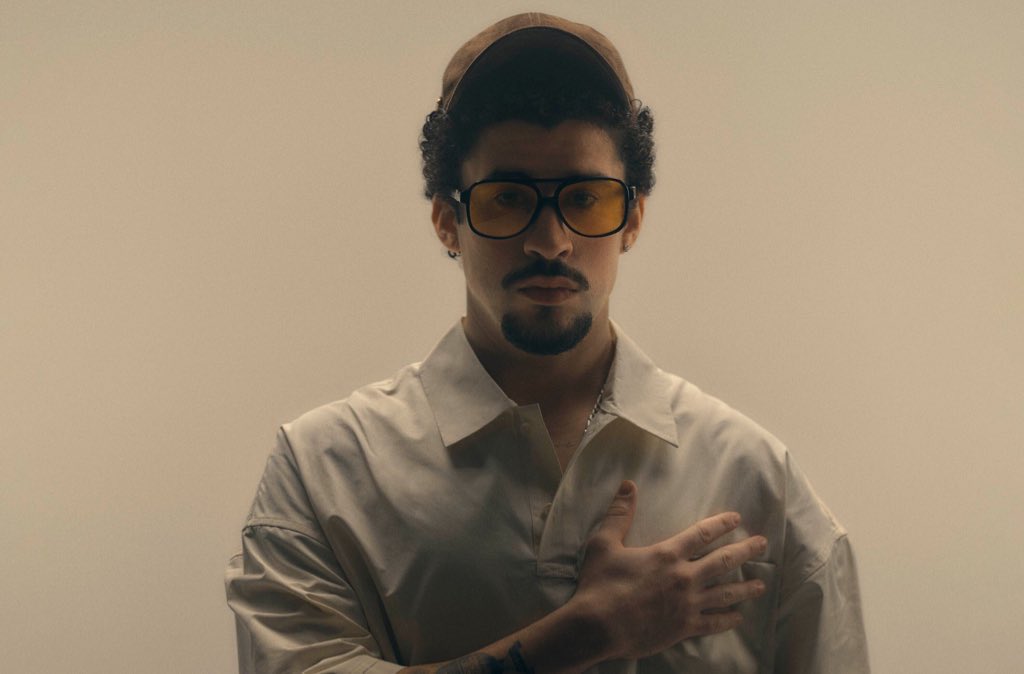
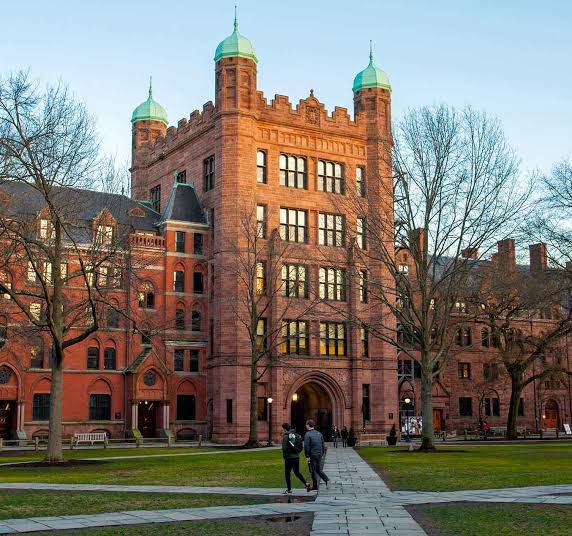
Bad Bunny will be the subject of the course “Bad Bunny: Musical Aesthetics and Politics” at Yale University. 🇺🇸📚
The class will explore the Puerto Rican artist’s cultural impact, the Puerto Rican diaspora and the politics embedded in his latest album
27
474
4,562
144,689
3 Apr 2025
When achieving milestones, I try to reflect on past experiences that helped me get to where I am now. With this one, and with recent news, I reflect on how programs such as MARC and RISE give underrepresented minorities the resources and platform to pursue careers in STEMM…
3 Apr 2025

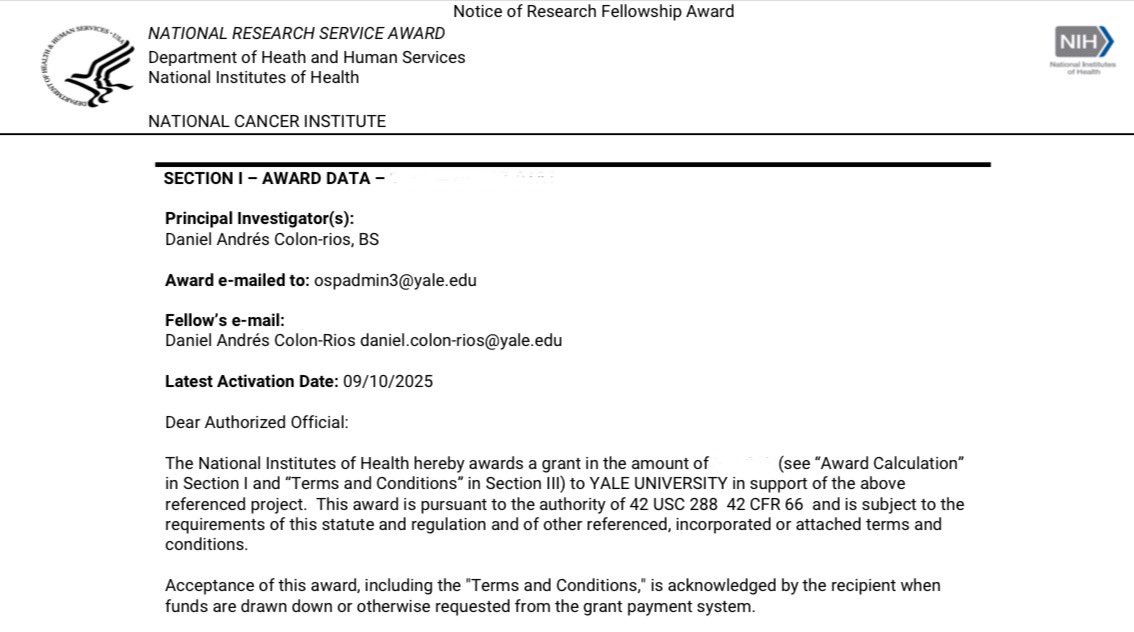
I’m extremely excited and fortunate to have been awarded a NRSA F30 Fellowship by the National Cancer Institute! This grant further enhances my integrated research and clinical training as I pursue a career as a physician-scientist. Grateful to my PI, mentors, and support system!
1
1
6
753
3 Apr 2025
As a former MARC scholar from @uprm, it saddens me to hear that these programs will not continue, but I am hopeful that the scientific community will continue this work, even if unofficially. Efforts like these are crucial to the advancement of science and medicine.
3
125