medical director @Nudge. previously neurosurgeon/scientist @NeurosurgUCSF @MGBNeurosurgery
Joined March 2011
- Tweets 603
- Following 1,365
- Followers 2,436
- Likes 1,748
26 Photos and videos
Pinned Tweet

22 Jul 2025
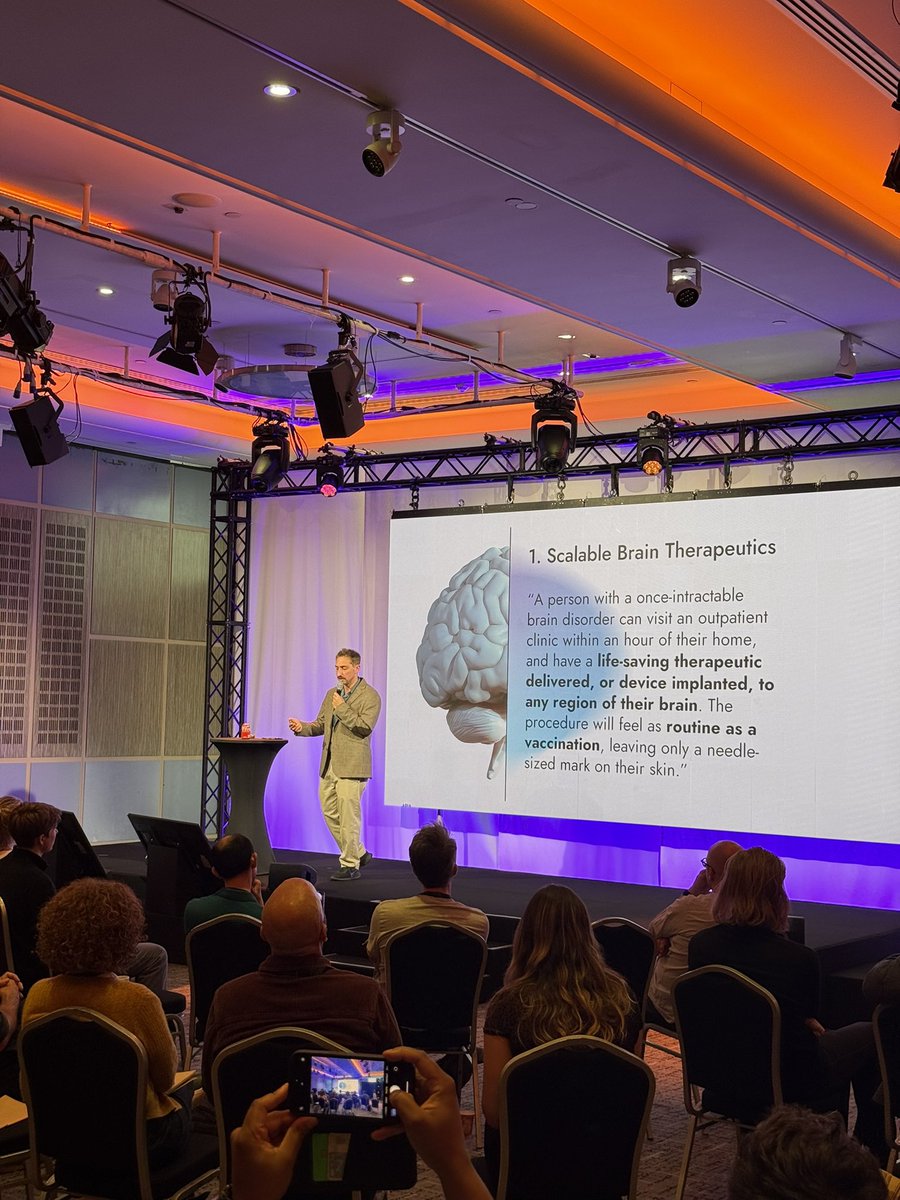
The first time I understood the impact of neuromodulation was while witnessing a deep brain stimulation surgery during my first year of medical school. What stuck with me--more than anything else--was the way the patient's face lit up when her symptoms disappeared.
Surgical treatments can be world-changing, but they won't reach everyone. Imagine you could safely target those same parts of the brain, but without surgery.
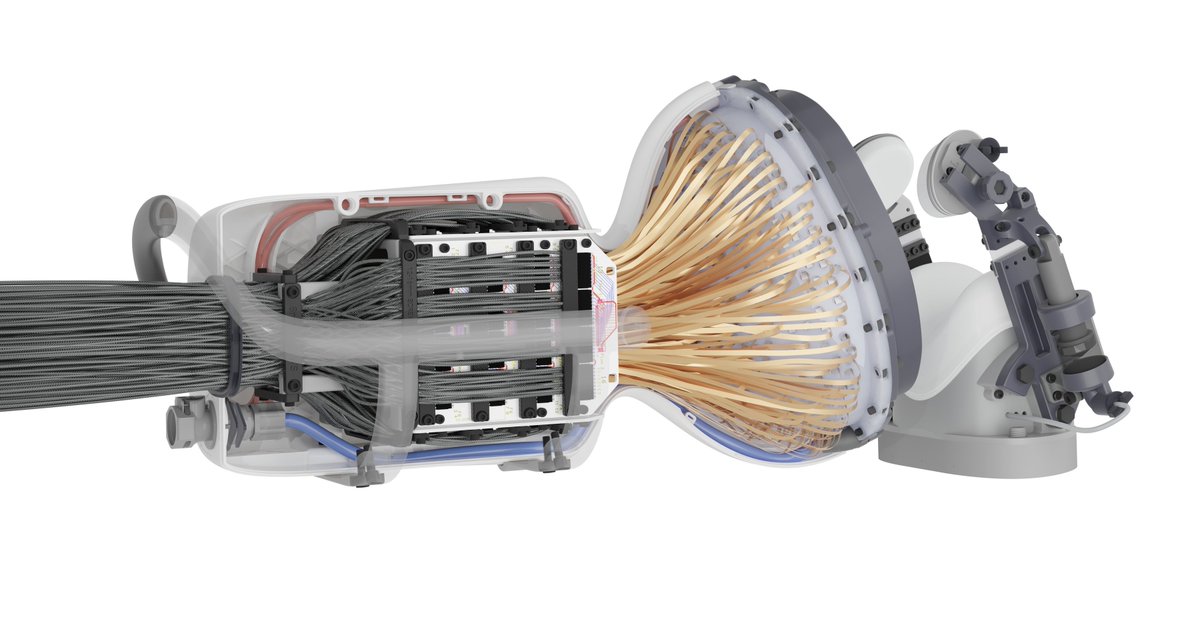
At @nudge, we're doing just that, by building non-invasive brain interfaces to deliver life-changing treatments to millions of people. Excited to see where we can take this.

Half the world will experience a brain disorder in their lifetime.
At @nudge, we're building brain interfaces that are safe, precise, and non-invasive to solve that problem.
We've raised a $100M Series A led by @ThriveCapital and Greenoaks to go faster.
We're hiring. Join us.
9
7
67
6,068
David Segar retweeted

Jun 3
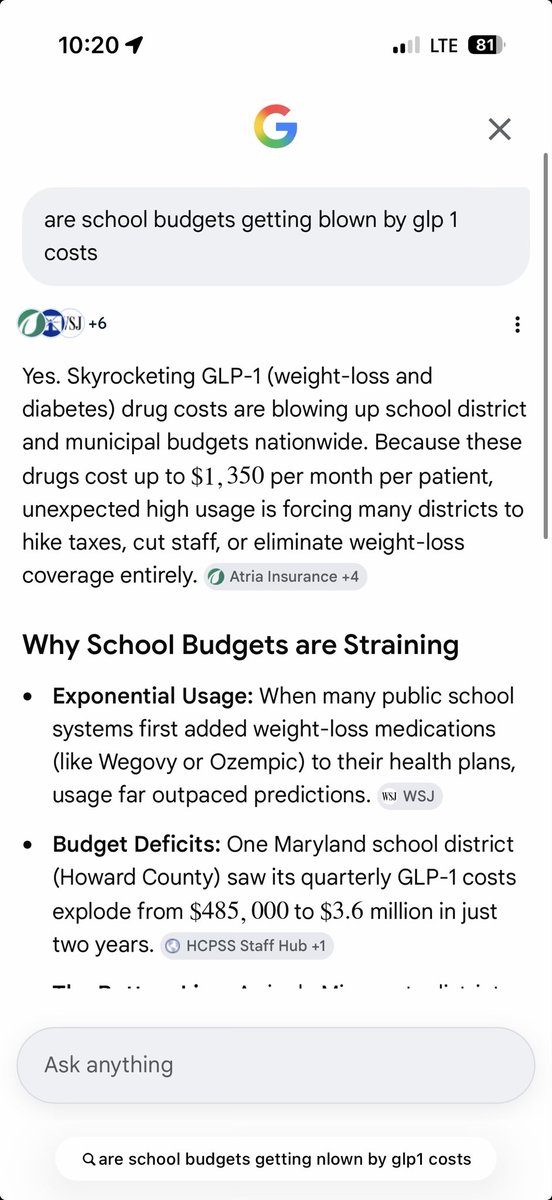
people truly don’t appreciate the coming health insurance apocalypse. as more substantial breakthroughs come out (and they are coming!) people will see outcomes totally unimaginable before. But the coverage won’t be there. I really need to write more on this topic
Jun 3

5
1
30
6,146
David Segar retweeted

Jun 2
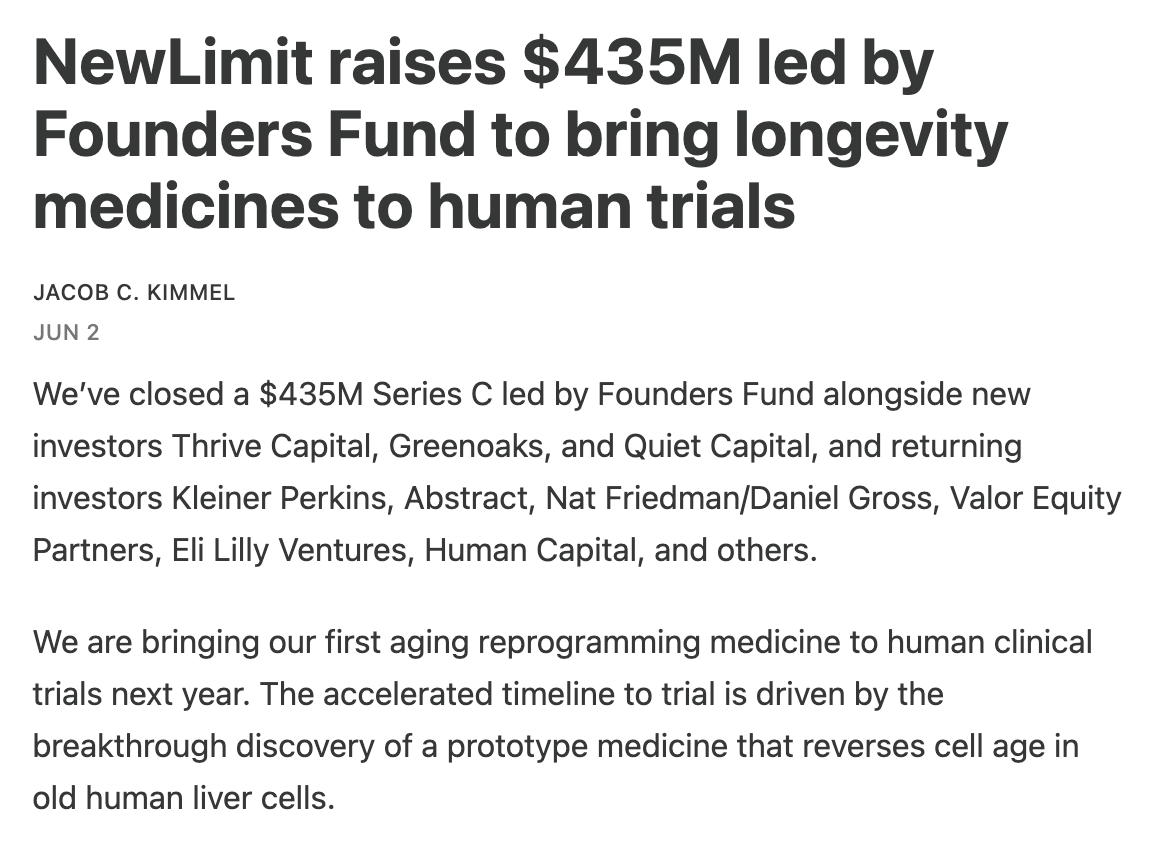
The aging research will continue. Thank you @foundersfund for leading, @ThriveCapital, @Greenoaks and @QuietCapital for joining and all our insiders for coming back.
44
34
553
206,951
David Segar retweeted

May 19
We're pleased to share our first @Nature paper: Robin is the first multi-agent system for discovery in biology that integrates novel hypothesis generation with experimental data analysis in one continuous workflow.
In this study, our team, including ophthalmologist @agreeb66, applied Robin to dry age-related macular degeneration, a leading cause of irreversible sight loss with limited treatment options. The system proposed drug-repurposing hypotheses, which were then tested experimentally in the lab.
Robin developed the experimental strategy for therapeutic hypothesis generation, proposed follow-up experiments, and extracted actionable insights from the resulting data, including validation in primary human retinal pigment epithelium (RPE) stem cells.
Robin also proposed a mechanism of enhancing RPE phagocytosis by modulating the cells circadian rhythm using an experimental drug, KL001, that has never before been used in humans or proposed for AMD. To our knowledge, this mechanism had not previously been proposed.
This work points to the future of AI-enabled science: systems that connect insights across fields, surface new mechanisms, and turn existing knowledge into testable hypotheses.
It also represents the broader opportunity FutureHouse is building toward: AI that helps science cross disciplinary boundaries and move from literature to experiment to discovery.
nature.com/articles/s41586-0…
5
49
209
16,540
David Segar retweeted

May 18
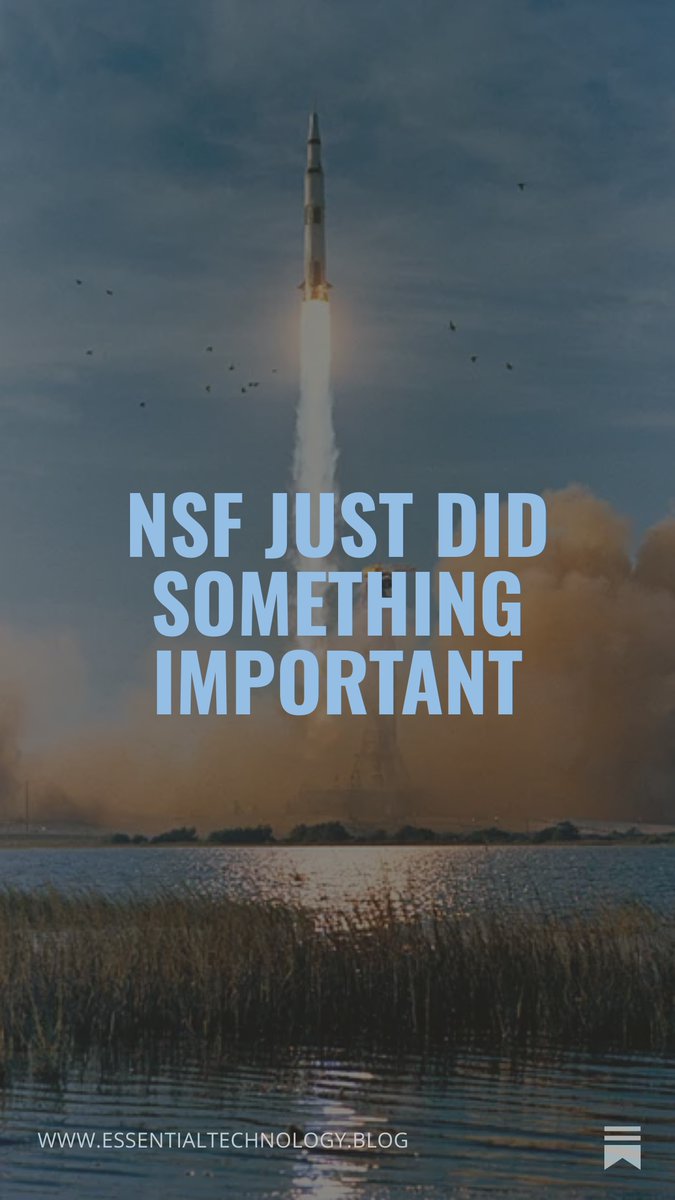
NSF not only ran with the X-Labs concept, but committed $1.5B This is a bold and exciting opportunity. We want to find the scientists and entrepreneurs who want to make the most of this moment.
1
18
63
17,462
David Segar retweeted

Mar 16
I may by slightly biased, but I think this is one of the best jobs in the world!
It would also be awesome to see incredible neurotech folks apply to this — huge opportunity for outsized impact.
Please share widely!
Mar 16

The search for ARIA’s next cohort of Programme Directors has begun 🚀
As an ARIA PD, you will design and actively manage a ~£50M R&D programme within or around our opportunity spaces with the goal of unlocking scientific and technological breakthroughs that benefit everyone.
There is no one way to be an ARIA PD – our existing cohorts come from a range of backgrounds, including academia, entrepreneurship, invention and industry, and have launched programmes in areas ranging from synthetic plants to multi-agent coordination to brain surgery-free neurotechnologies.
Full applications will open in August 2026 for a May 2027 start date – over the coming months we’ll be running webinars and in-person events across the UK, Europe, the US and Asia where you’ll get the chance to engage directly with the ARIA team and learn more about the opportunity.
Find out more about what it means to be a PD and register your interest to be the first to receive updates on the recruitment process: link.aria.org.uk/pdc3-x
6
29
6,536
David Segar retweeted

20 Nov 2025
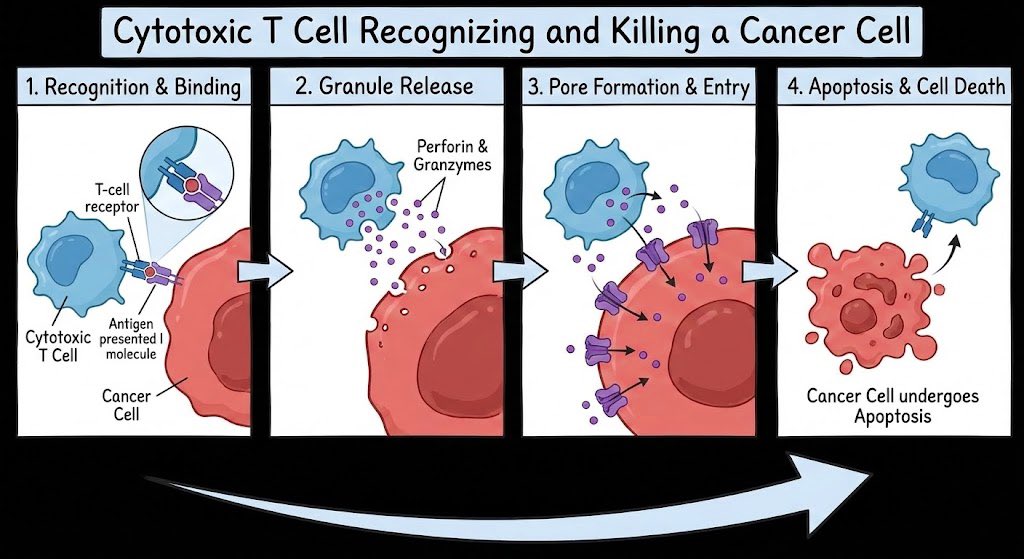
Until a few hours ago, creating this kind of scientific image would have required at least an hour of professional work. Now, with NanoBanana Pro, it only takes a simple prompt & less than 30 seconds!
Prompt: “Describe in an illustration the events for a cytotoxic T cell recognizing & killing a cancer cell.”
48
119
1,169
222,675
David Segar retweeted

16 Nov 2025
This is exciting; I expect we are going to see a lot more things like this and it will be one of the most important impacts of AI. Congrats to the Future House team.
edisonscientific.com/article…
820
1,079
9,344
2,914,356
David Segar retweeted

16 Nov 2025
Thanks!! Anyone who is interested can try Kosmos for themselves here:
platform.edisonscientific.co…
All possible in large part due to the amazing work you guys have been doing at OpenAI. Keep it up, and the next few years are going to be awesome.
40
77
518
159,413

David Segar retweeted
14 Nov 2025
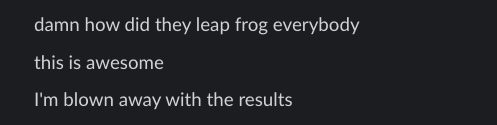
Seen on a friend's company slack...

6
5
39
10,314
David Segar retweeted

3 Nov 2025
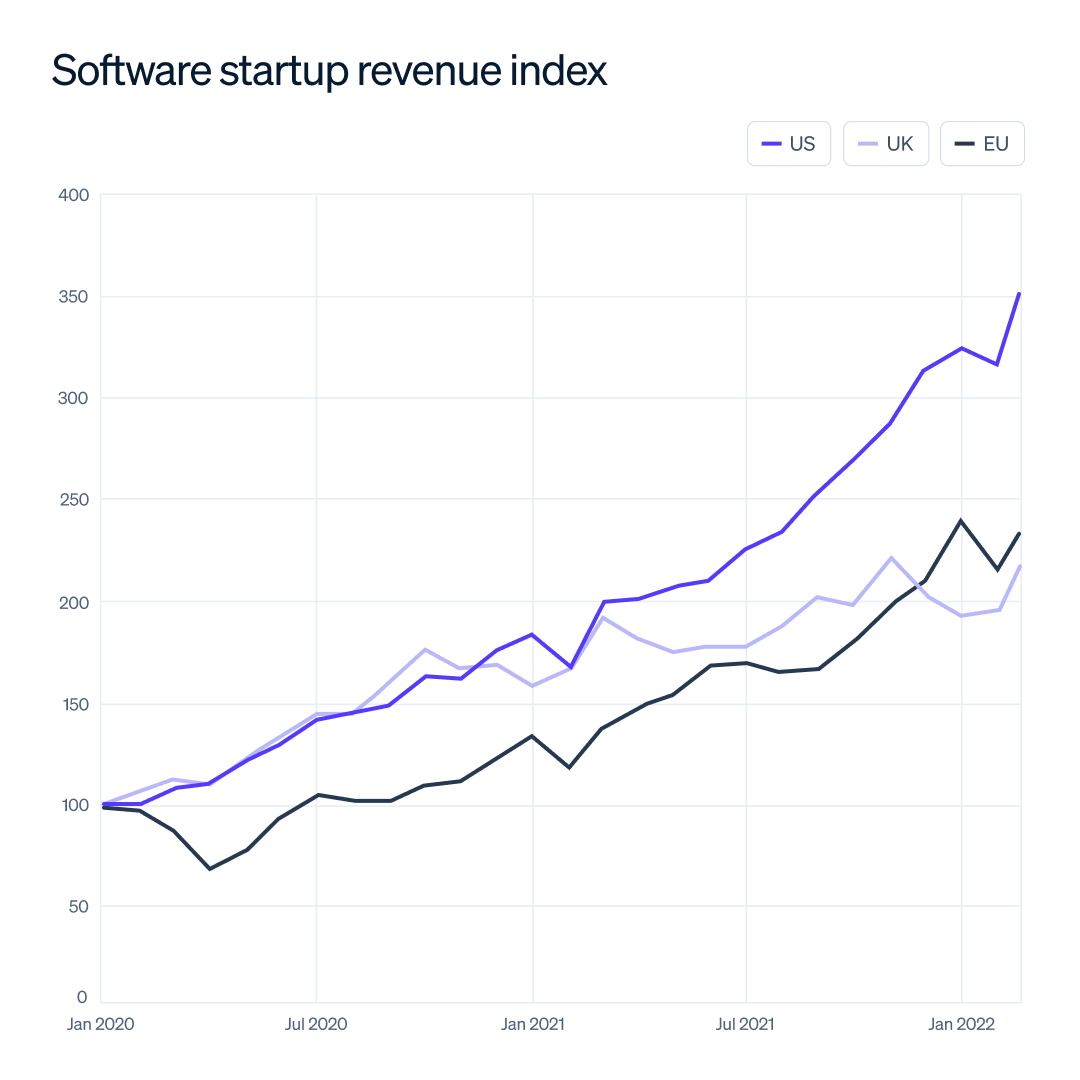
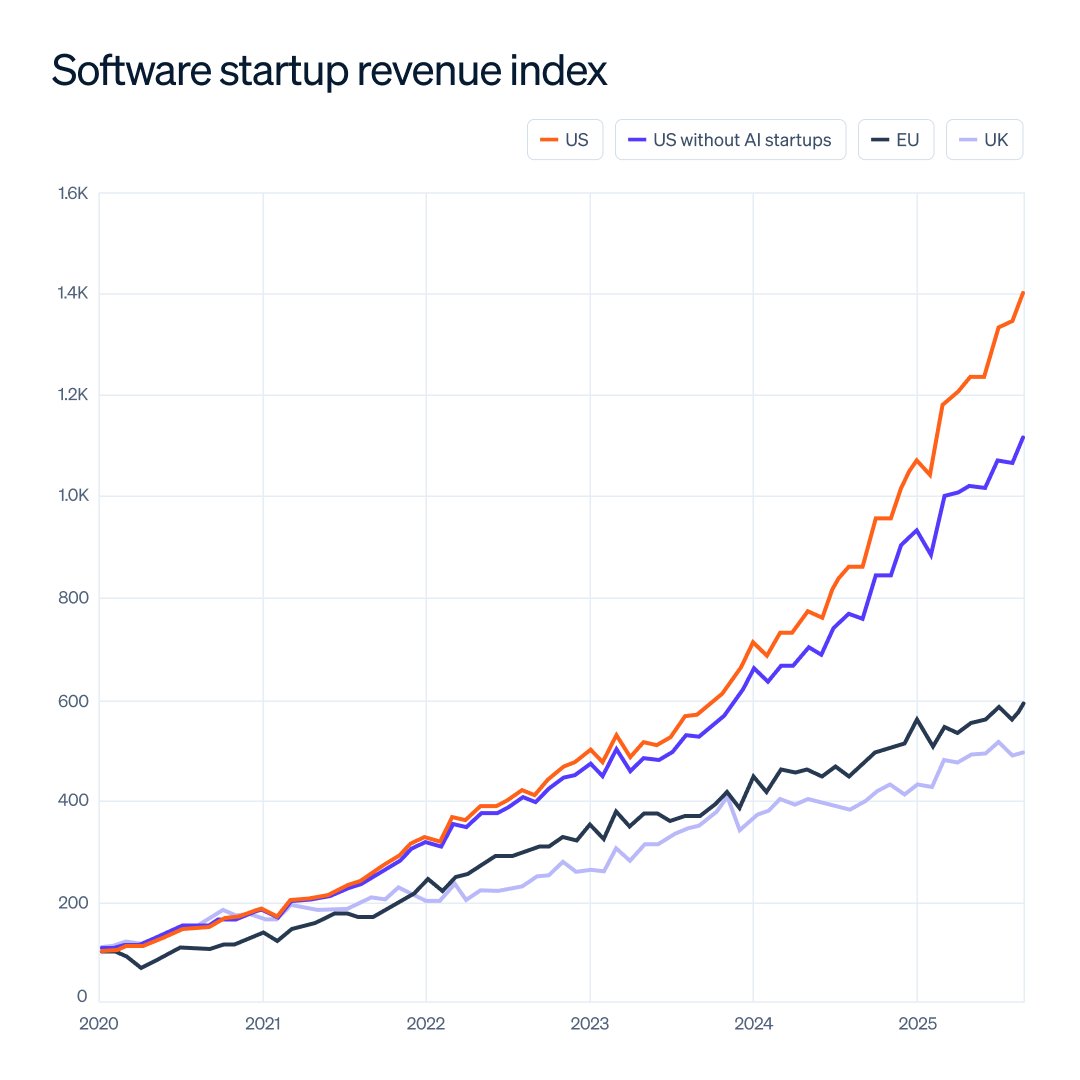
An interesting trend we're noticing at Stripe: US startups are pulling ahead of their peers elsewhere.
These charts show averaged revenue growth for software startups in each location. US startups typically grow somewhat faster than those elsewhere. However, since mid-2023, US companies have accelerated a lot. Interestingly, this is not just because of AI startups: if we strip those out, there's still a big divergence. Our leading hypothesis is that US startups (even those that aren't AI companies as such) are adopting new technologies (AI, stablecoins, etc.) faster than companies elsewhere. (This pattern of faster adoption among US companies was also seen with the internet itself.)
Whatever the cause, the pattern is striking.
[Methodological note: this pattern appears to hold beyond Europe as well.]
225
386
3,183
559,329
David Segar retweeted
27 Oct 2025
such incredible news: for the entire @uclh team, uk neurotech and most importantly for paul and the folks in the future who will benefit from this technology. huge congratulations to everyone involved 🚀
27 Oct 2025

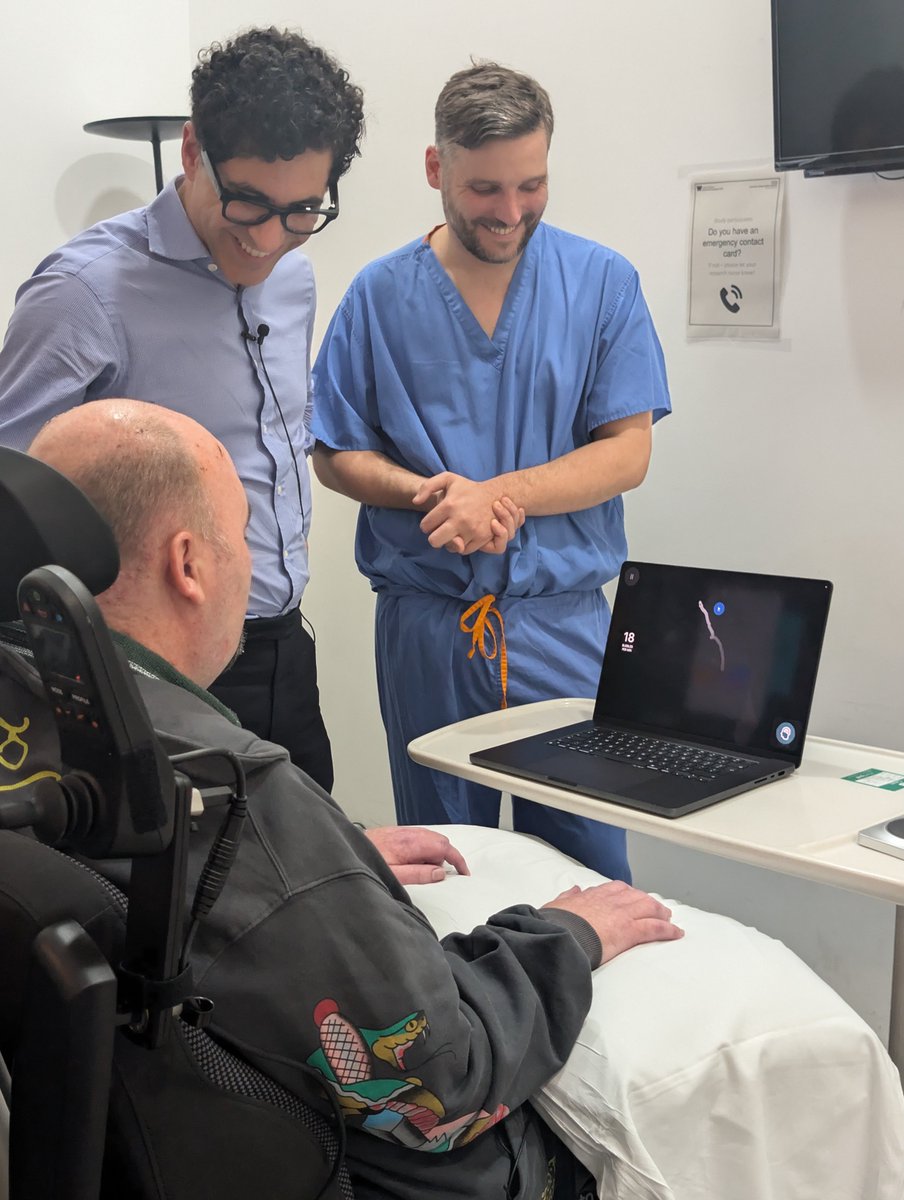
🇬🇧 We’re excited to announce our first participant in the UK!
Paul, who is paralyzed due to motor neuron disease, received his Neuralink implant at @uclh earlier this month and was able to control a computer with his thoughts just hours after surgery.
1
12
1,354
David Segar retweeted
22 Oct 2025
Cutting PhD spots is not the way for a country to win in a more competitive world.
21 Oct 2025

an absolute shame. @harvard cutting PhD admissions
"The Organismic and Evolutionary Biology department will shrink its class size by roughly 75 percent to three new Ph.D. students [...] Molecular and Cellular Biology will reduce its figure to four new students, and Chemistry and Chemical Biology will go down to four or five admits"
thecrimson.com/article/2025/…
8
7
112
19,931
David Segar retweeted

21 Oct 2025
@BBCNews followed one of the patients at @Moorfields in London who participated in our landmark clinical trial of PRIMA. She began losing her sight more than three decades ago due to age-related macular degeneration. Now she can read again for the first time in years.
@NEJM published the results of this trial yesterday in a new peer-reviewed original paper.
2
10
31
14,839
3 Oct 2025
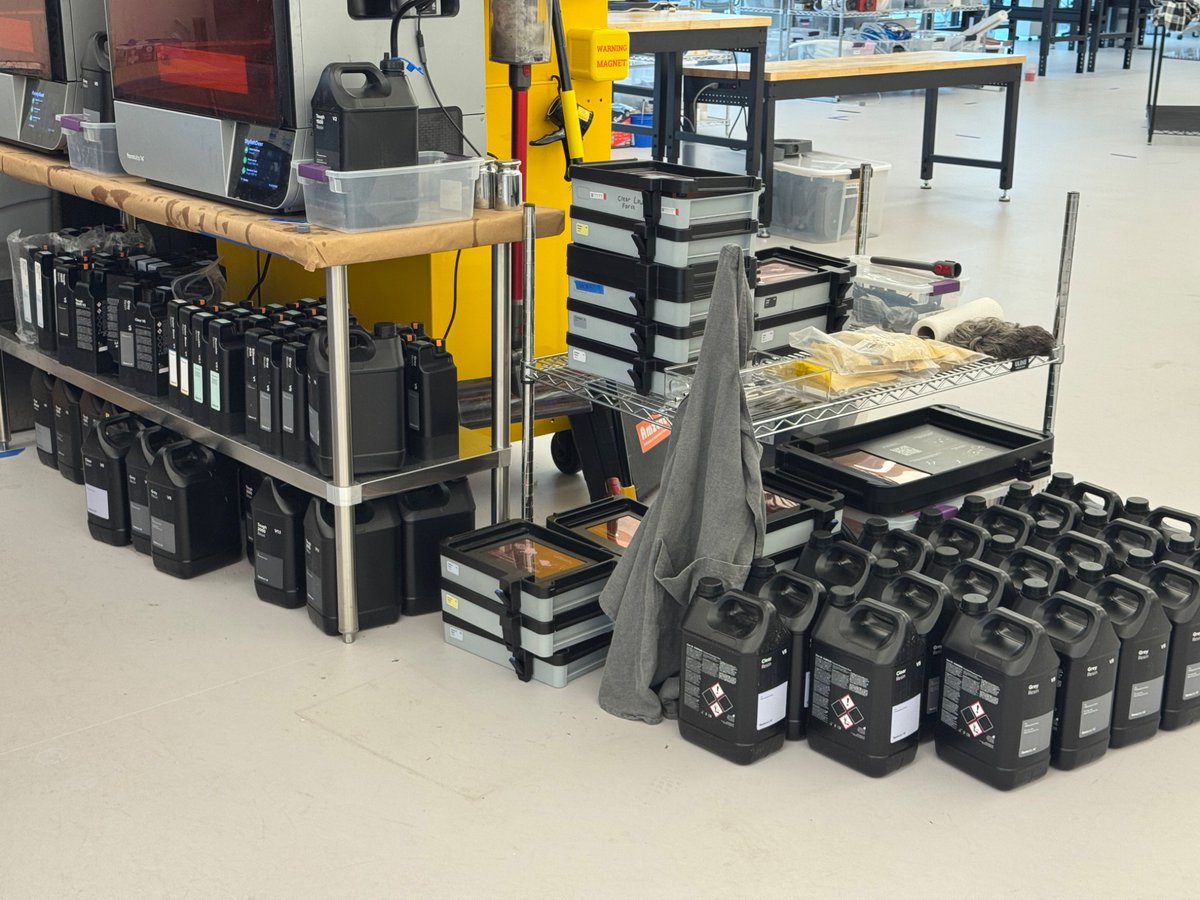
lets go

1
6
664
David Segar retweeted
20 Sep 2025
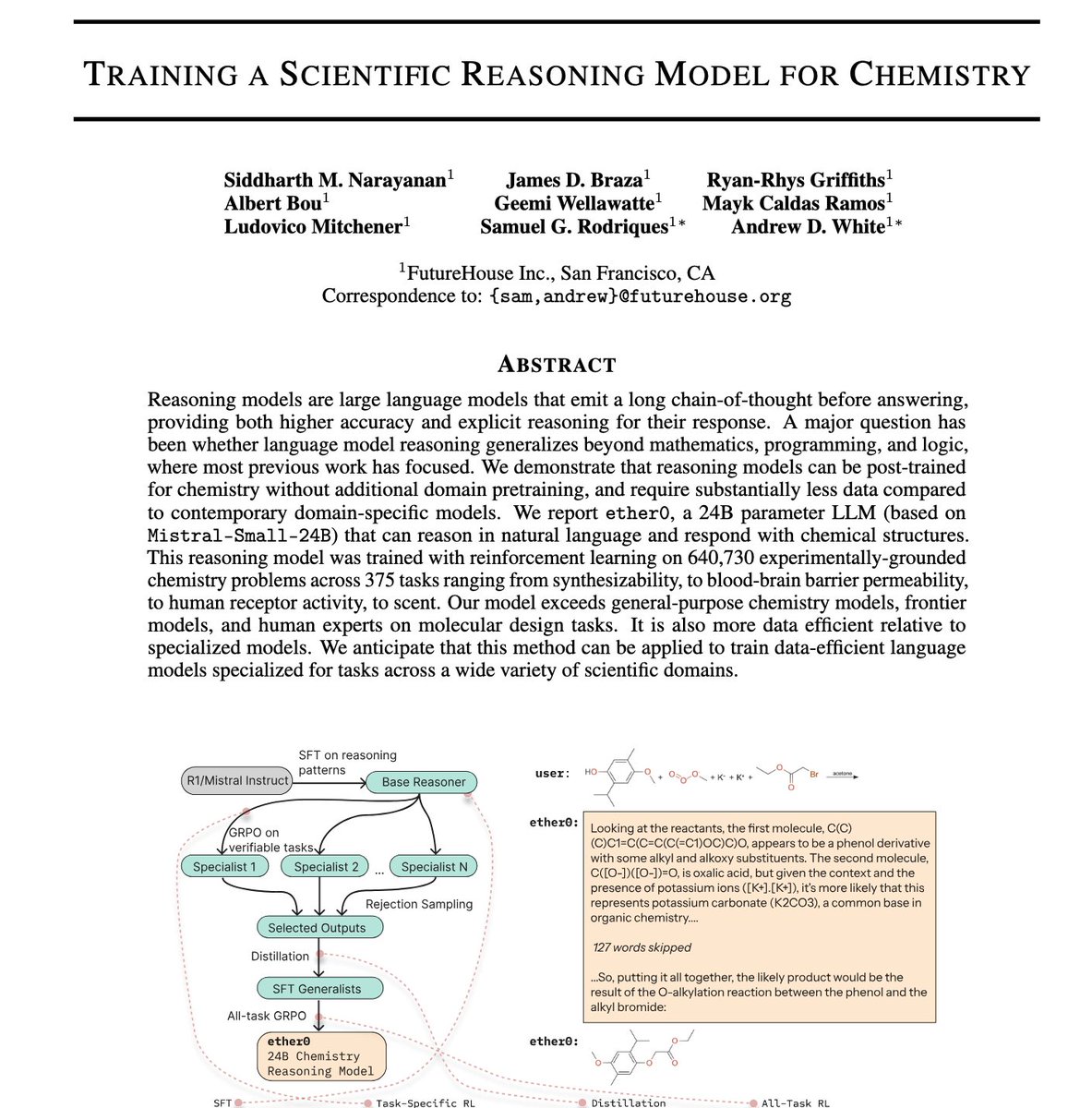
Our report on our molecular reasoning model, ether0, was accepted at NeurIPS! Congratulations to the team!

2
1
23
4,024
David Segar retweeted

18 Sep 2025
This is fascinating!
The goal has always been eliminate road deaths. If this holds up as Waymo scales, could be truly huge.
17 Sep 2025

As a neurosurgeon I care a lot about road safety.
By now you’ve probably seen @Waymo’s stunning safety results (like 91% fewer serious crashes). But they didn’t just publish data headlines. They released the raw CSV files and data dictionaries.
I did a much deeper analysis. A fascinating story emerges when you analyze how they’re achieving this.
This isn’t incremental improvement - it’s categorical. We’re looking at the potential elimination of traffic deaths as a leading cause of mortality.
The intersection breakthrough: Waymo has essentially solved intersection crashes, with 95% fewer injury incidents than human drivers in the same locations. That’s transforming the deadliest driving scenario.
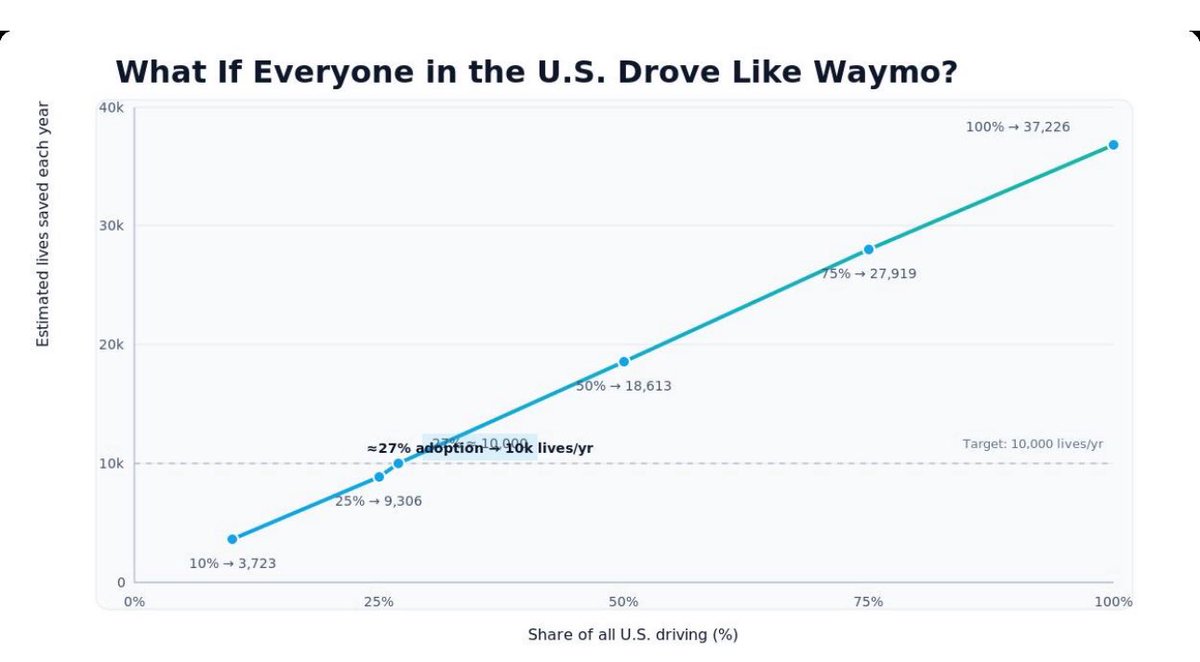
The national math: If every US vehicle performed like Waymo, we’d prevent 33,000-39,000 deaths annually and save $0.9-1.25 trillion in societal costs. Even partial adoption at 27% would save ~10,000 lives per year. In terms of magnitude, this would be the equivalent of eliminating every pedestrian death nationally in a year.
The physics signature: Here’s what fascinates me: 47% of Waymo’s contacts involve less than 1 mph delta-V. They’re not just avoiding crashes; they’re converting unavoidable incidents into gentle bumps. It’s like having physics itself on your side.
We’re not talking about marginal safety gains. The data represents a fundamental shift from harm reduction to harm prevention.
The methodology matters: I used their dynamic geographic benchmarks (comparing like-for-like road conditions) and verified the findings hold across San Francisco, Phoenix, LA, and Austin. The safety advantage actually increases in more complex urban environments.
Link to raw data below….
Notes on my approach:
Analysis based on 96 million miles of Waymo Rider-Only (RO) data through June 2025, utilizing Waymo's dynamic geographic benchmarks to compare Waymo Driver performance against human drivers under similar road conditions and operational design domains.
The projections for national impact (deaths prevented, societal costs) involve several assumptions. Given Waymo's zero reported fatalities, the direct serious injury reductions were mapped to national fatality statistics using established NHTSA-derived ratios that correlate serious injury crash rates with fatality rates. This extrapolation assumes that Waymo's observed serious injury prevention capability would translate proportionally to fatality prevention. Societal cost savings are estimated by applying average per-fatality and per-injury economic costs (e.g., medical, lost productivity, quality of life) as published by NHTSA, scaling these national averages to the projected number of avoided fatalities and injuries based on Waymo's safety performance. These figures represent the potential annual impact if the Waymo Driver's safety profile were widely integrated into the national fleet.
@ethanteicher
1
6
20
5,358
4 Sep 2025
A nice review of some big topics in the field
4 Sep 2025

Out now - a roadmap to develop precision focused ultrasound in psychiatry, with a great team brought together by the @FUSFoundation. Interested in where the field is going? Check this out 👇👇
brainstimjrnl.com/article/S1…
5
522
David Segar retweeted

4 Sep 2025
Out now - a roadmap to develop precision focused ultrasound in psychiatry, with a great team brought together by the @FUSFoundation. Interested in where the field is going? Check this out 👇👇
brainstimjrnl.com/article/S1…
1
13
44
2,720
2 Sep 2025
magical stuff from @bettslacroix and retro
31 Aug 2025

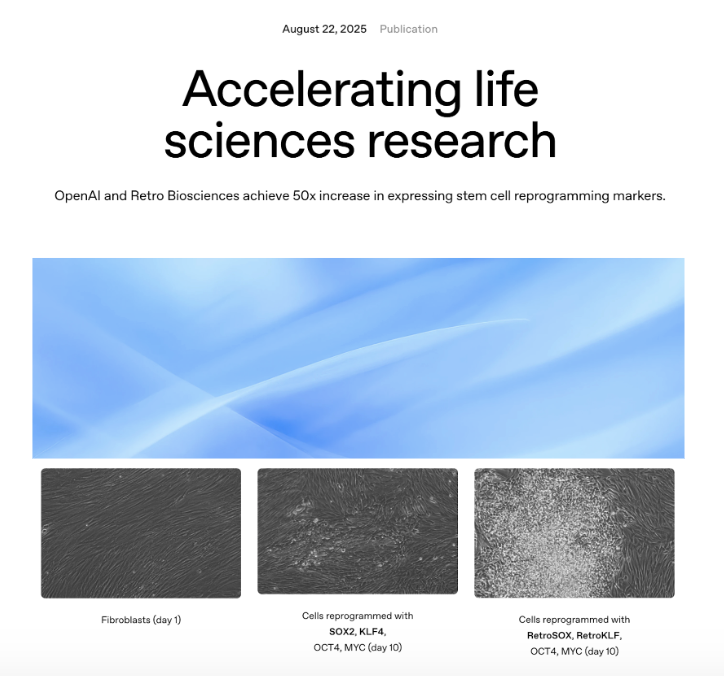
This is big. OpenAI and Retro used a custom model to make cellular reprogramming into stem cells ~50× better, faster, and safer. Similar Wright brothers’ glider to a jet engine overnight.
We may be the first generation who won't die.
Let's take a look at what they did. 🧵
2
453