📄 New paper in Microb Ecol
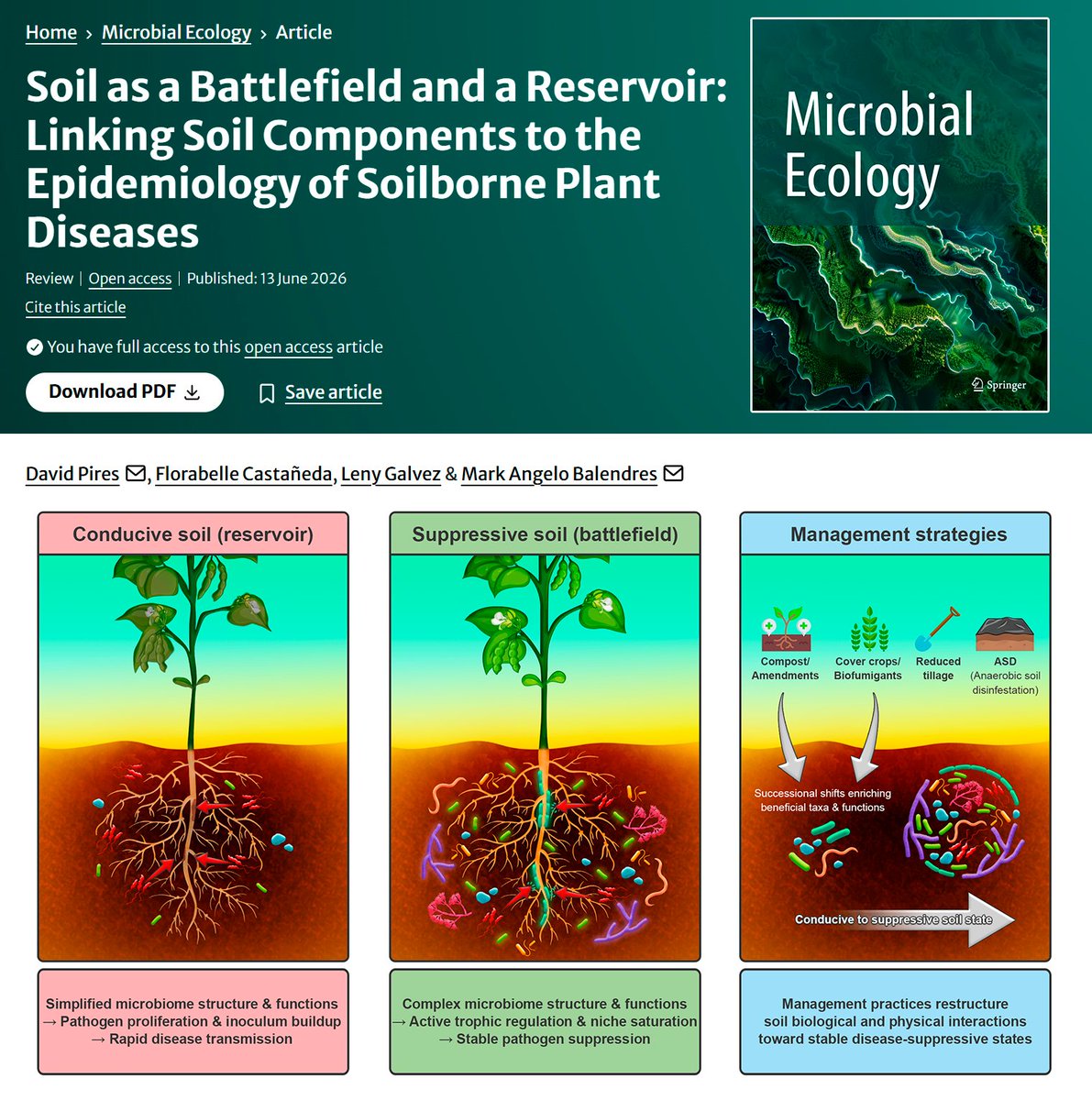
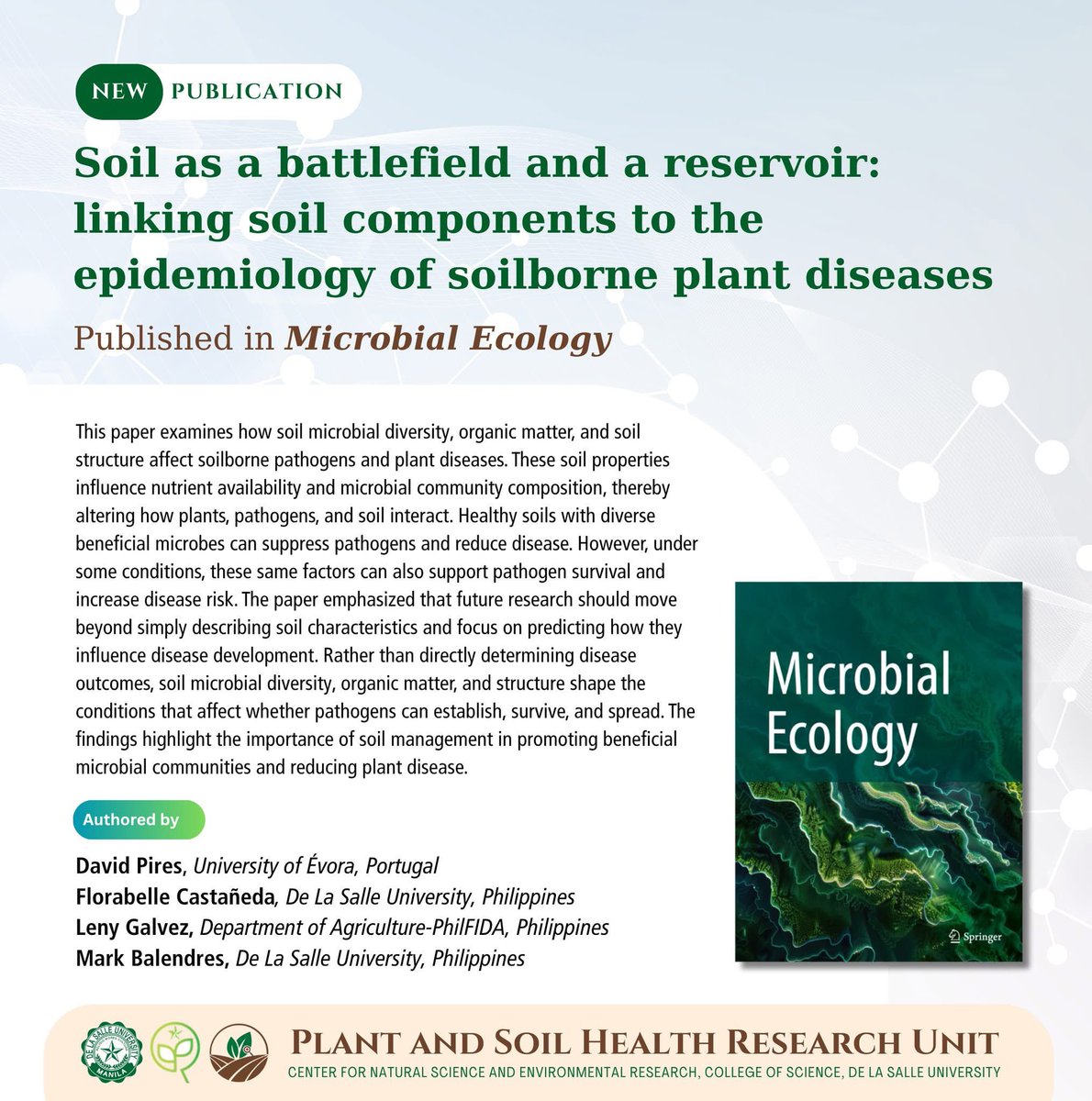
How do microbial diversity, organic matter & soil structure influence soilborne plant diseases?
We review mechanisms behind pathogen survival, spread & suppression, & how management can foster disease-suppressive soils.
🔗 doi.org/10.1007/s00248-026-0…
🪲An exciting review from the lab!
Can we unlock new biocontrol strategies to reduce insecticide use?
After exploring the microbiomes of leafhoppers and revealing their remarkable microbial diversity, we wanted to take the next step: how can this knowledge be used for sustainable pest management?
The recent detection of Dalbulus maidis in Québec, and its importance as a major pest across the Americas, motivated us to take a closer look at its microbiome and its potential for future biocontrol applications.
👏 Bravo to @TPellegrinetti , Abraao Almeida , and Joshua for leading this work!
🙏 Thanks to the @RqradQc and @NSERC_CRSNG for supporting this research through the @LeafHopeCan project 👏
🔗: doi.org/10.1093/jee/toag166
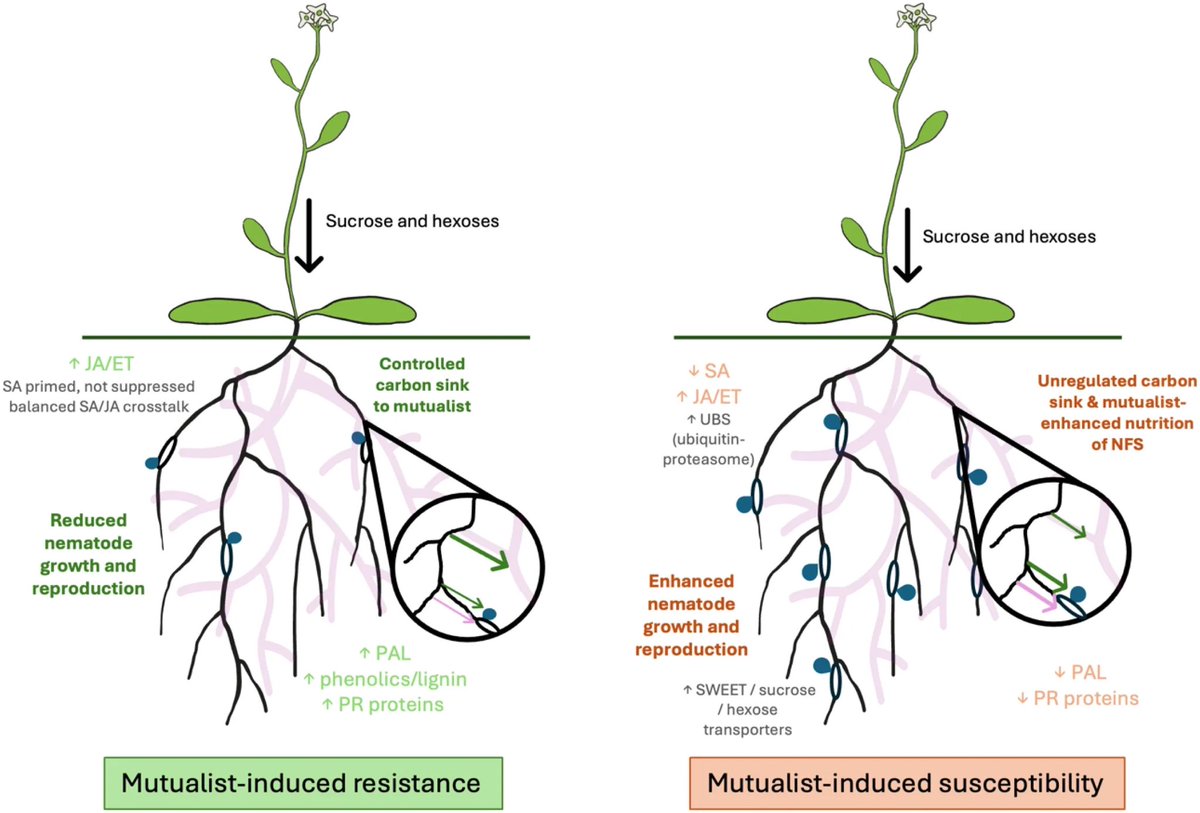
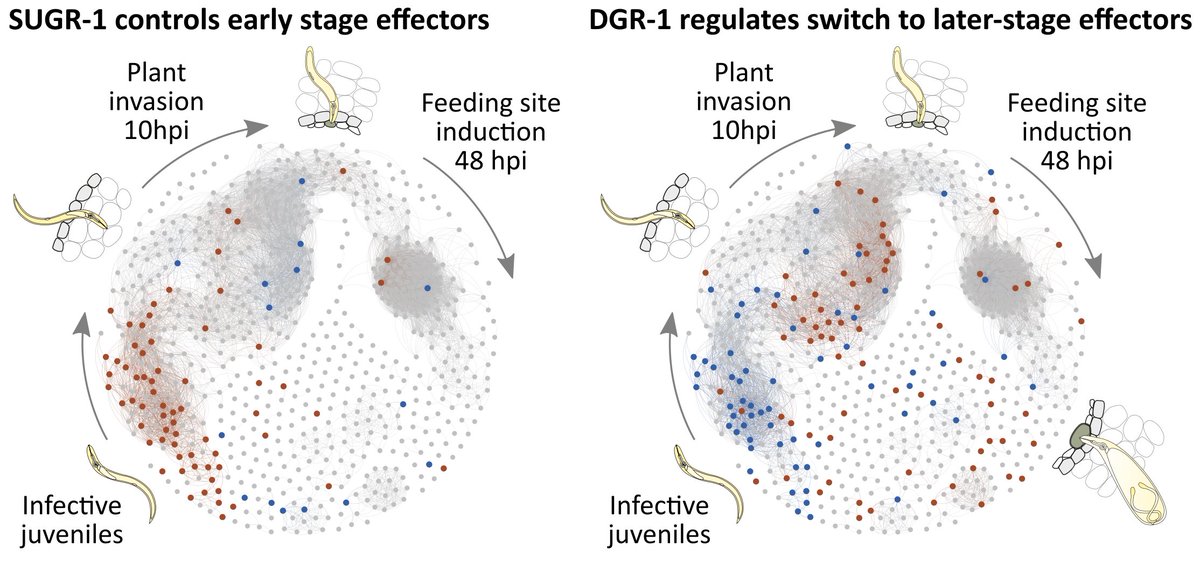
Very excited to share our new preprint on DGR-1: a nematode master regulator controlling the switch from destructive to biotrophic effectors. We show that nematodes hijack the natural compartmentalisation of plant signals to fine-tune DGR-1 expression. biorxiv.org/content/10.64898…
📄 New paper in Microbial Ecology
Our review examines how soil microbial diversity, organic matter, and soil structure influence the survival, spread, and suppression of soilborne plant pathogens.
doi.org/10.1007/s00248-026-0…
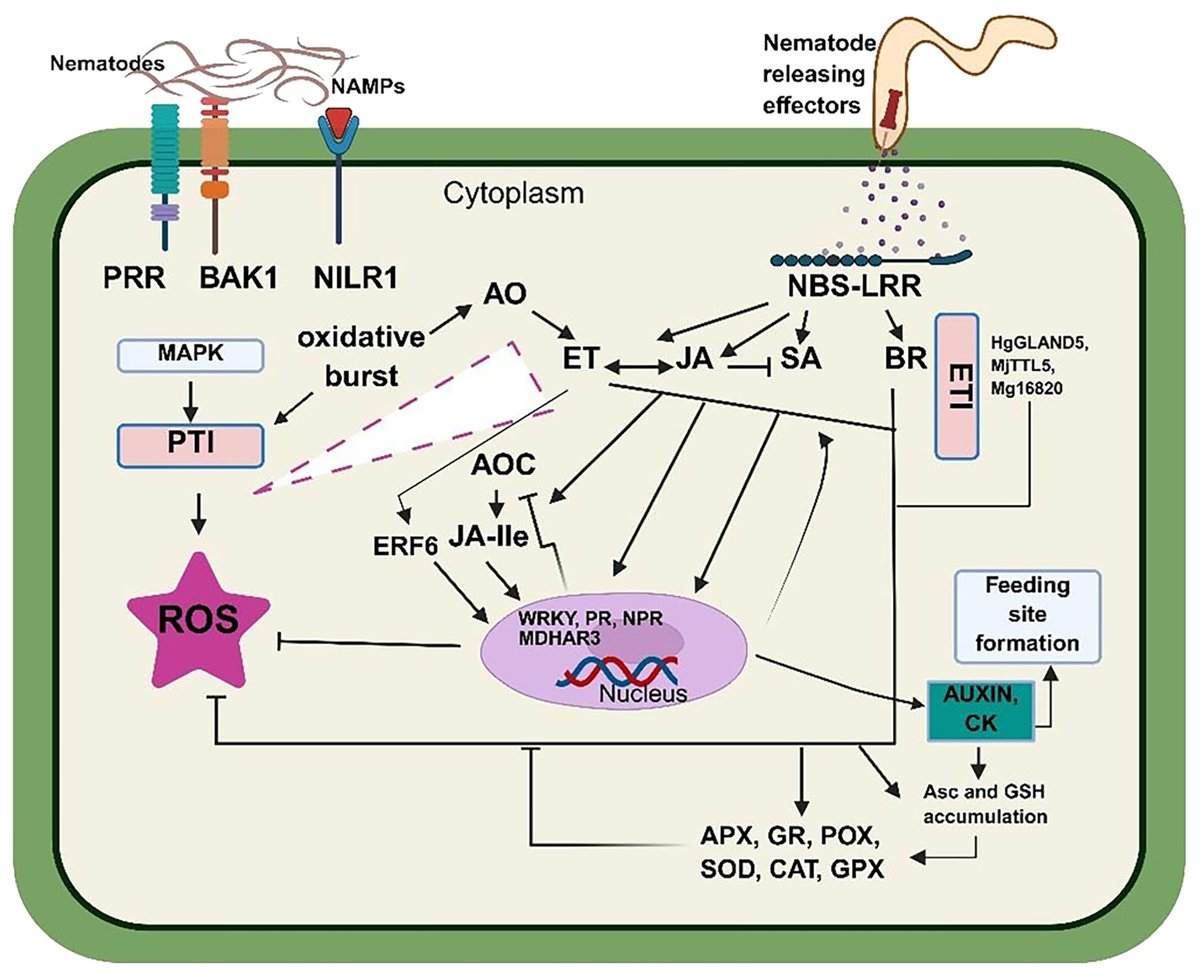
Plant-parasitic #nematodes have evolved specialized effector proteins, which can suppress reactive oxygen species (ROS) bursts, detoxify reactive molecules, or manipulate host pathways to reduce immune responses. Anil Kumar, Chunoti Changwal, and Thomas J. Baum review the current knowledge on these effector-driven strategies—their discovery using advanced genomics; their specific molecular mechanism of ROS suppression; and the critical interplay between ROS signaling and plant hormone pathways during infection—and provide an overview of the key techniques used to detect and quantify ROS in plant–nematode interactions: doi.org/10.1094/MPMI-11-25-0…
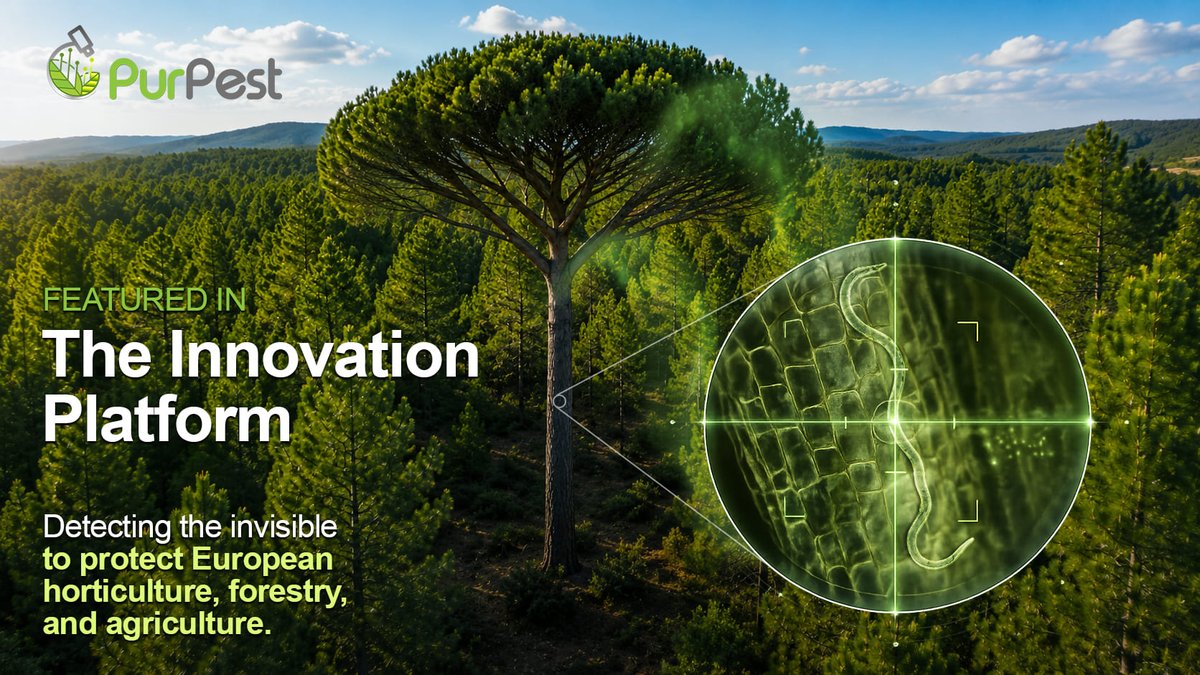
We're pleased to share that @PurPest_EU has been featured in Issue 26 of The Innovation Platform, highlighting our work to develop new approaches for protecting plant health and strengthening biosecurity across Europe.
🔗 Find out more: purpest.eu/news/purpest-inno…
ALT PurPest featured in The Innovation Platform promotional banner
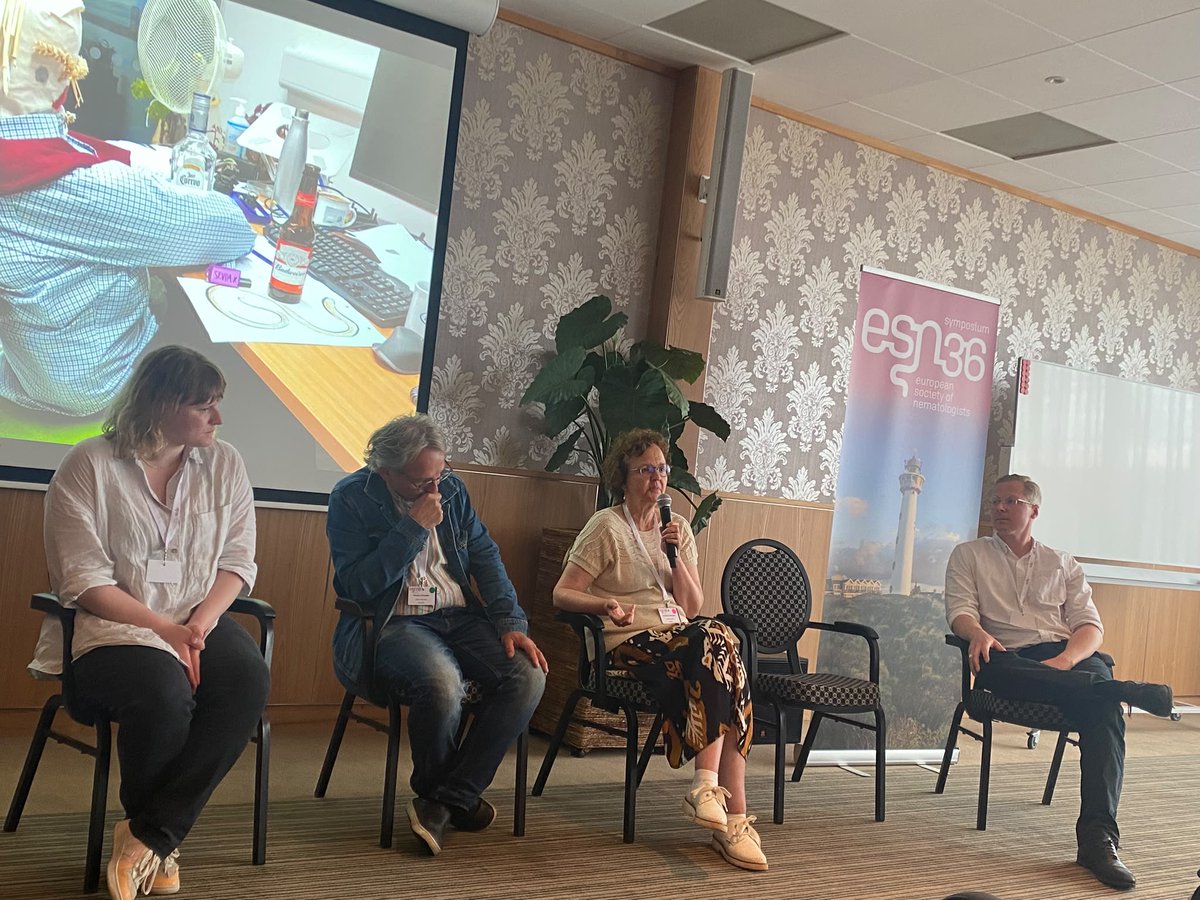
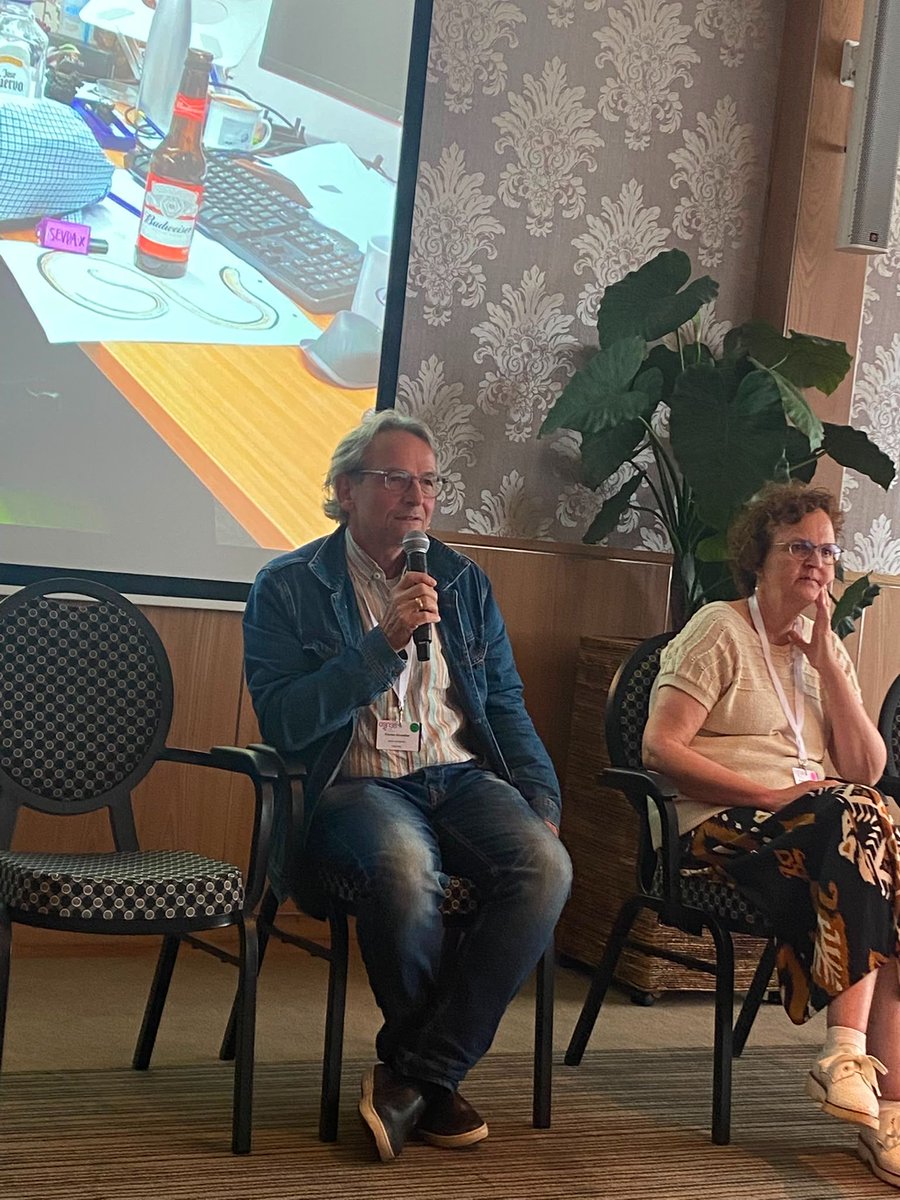
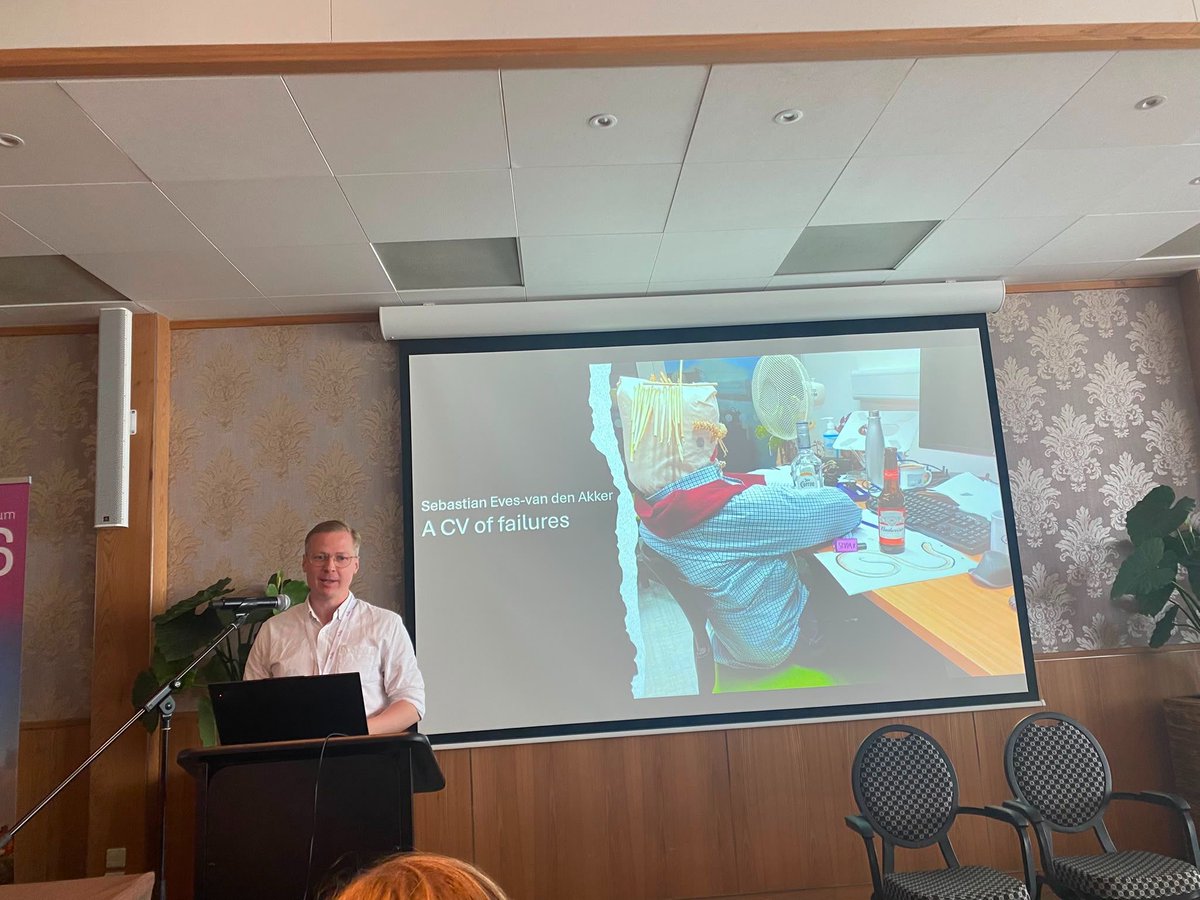
A huge thank you to everyone that attended our workshop at #ESN2026 and to our amazing speakers! It was great to talk with all of you and we had a lot of fun! 🪱
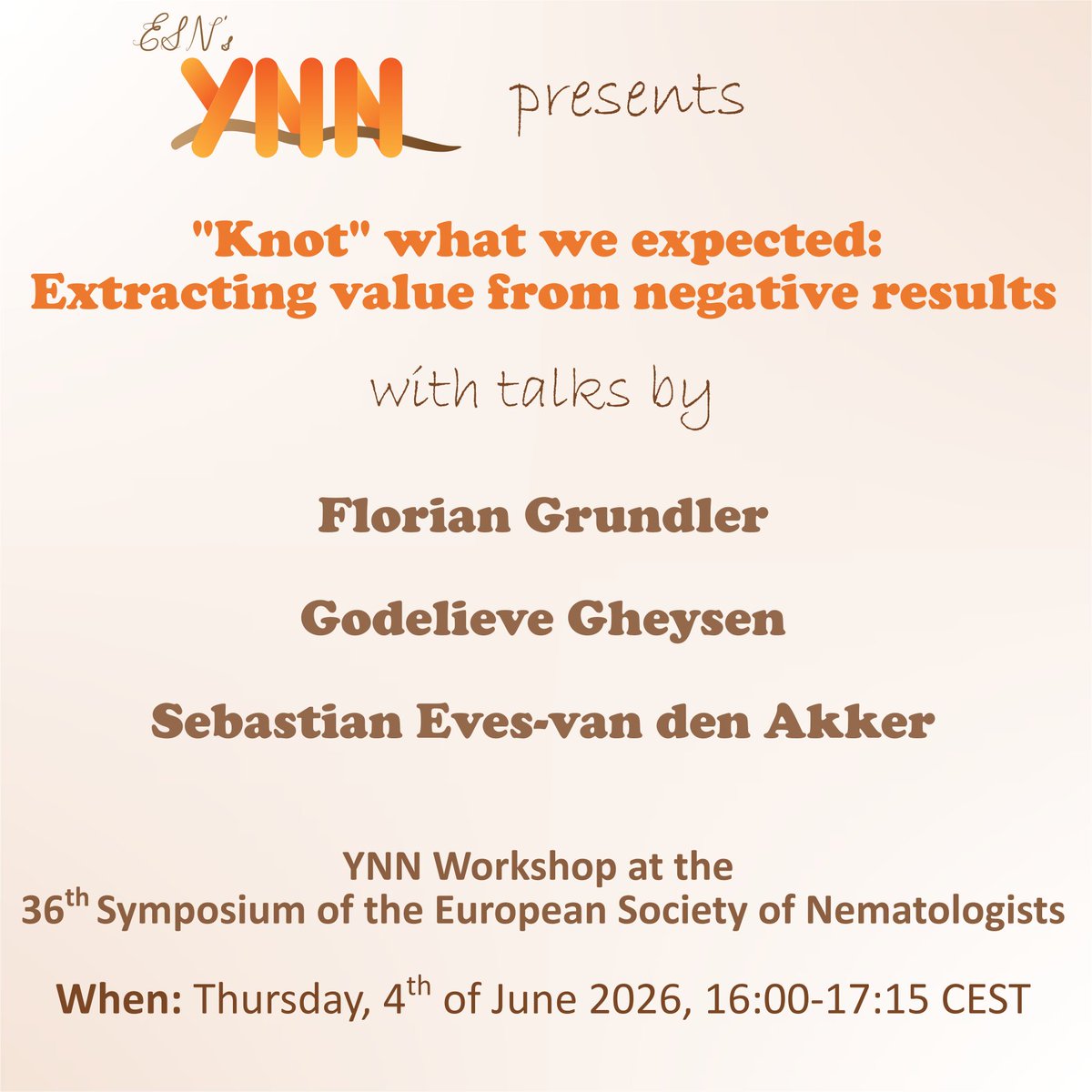
Counting down the days until #ESN2026! Don’t miss out on our YNN workshop where we will explore unexpected and negative results to extract meaningful messages! 🪱
New episode alert! Host Matt Kasson sits down with Dr. Melanie Medina López of Penn State University to discuss phytobiomes, soybean cyst nematode research, and the role of biocontrol in agriculture.
🎧 Listen now: plantopiapodcast.org/72
🤩 Don’t miss this Review:
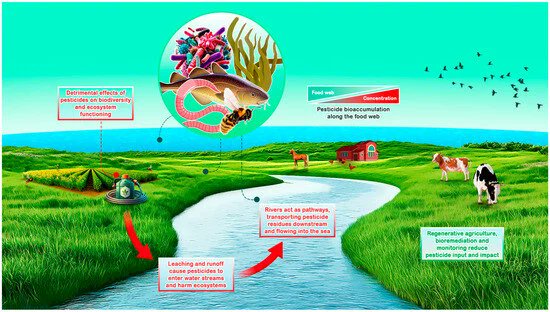
Pesticides in the Environment: Benefits, Harms, and Detection Methods
🎓Dr. Balendres et al., from De La Salle University, Philippines
🔍 Discover the full study: brnw.ch/21x35Yf#fungicides; #insecticides; #herbicides; #bactericides
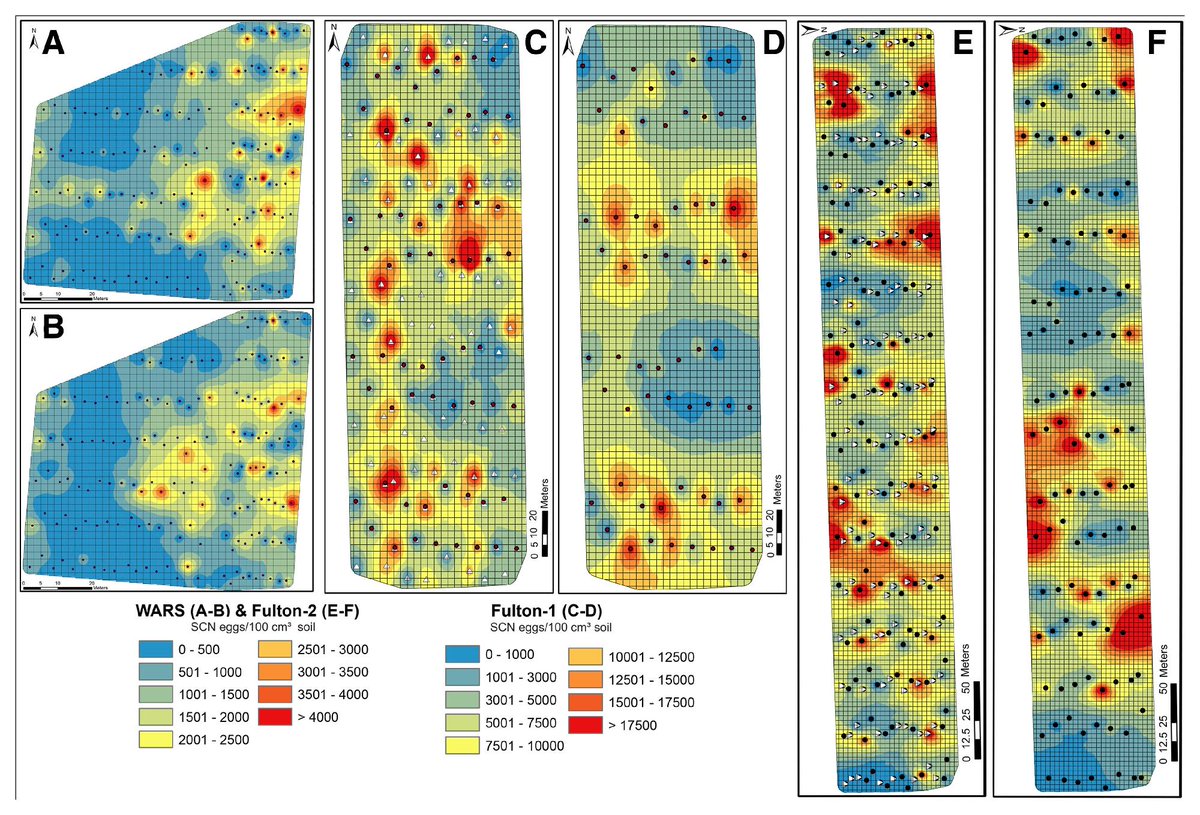
“Enhancing Prediction of Soybean Cyst Nematode Spatial Distribution Through Geostatistical Optimization: A Comparison of Manual and Automated Sampling Methods,” by Richard S. González Aquino et al. Learn more: doi.org/10.1094/PDIS-09-24-2…
ALT Fig. 2.
Maps display the geospatial distribution of Heterodera glycines egg population densities. Maps were created using inverse distance weighting interpolation analysis at three locations in Ohio: Western Agricultural Research Station (WARS) (A and B), Fulton-1 (C and D), and Fulton-2 (E and F), during the fall of 2022 and 2023. Soil samples were collected either automatically through an automated precision soil sampler (A, C, and E) or manually using a stainless soil probe (B, D, and F). The color gradient on the maps (ranging from red to blue) illustrates varying levels of H. glycines egg population densities, with red indicating higher densities and blue indicating lower densities. The black dots represent the soil samples used for objective 1, whereas the white triangles represent the soil samples used for objectives 2 and 3. SCN = soybean cyst nematode.
Our 2nd stakeholder webinar brought together participants from 24 countries to discuss:
🔬 Plant health threats impacting crops & forests
👃 VOC-based "e-nose" technologies
🌱 Socioeconomic implications
Missed the webinar? Full recording available here: purpest.eu/news/experts-disc…
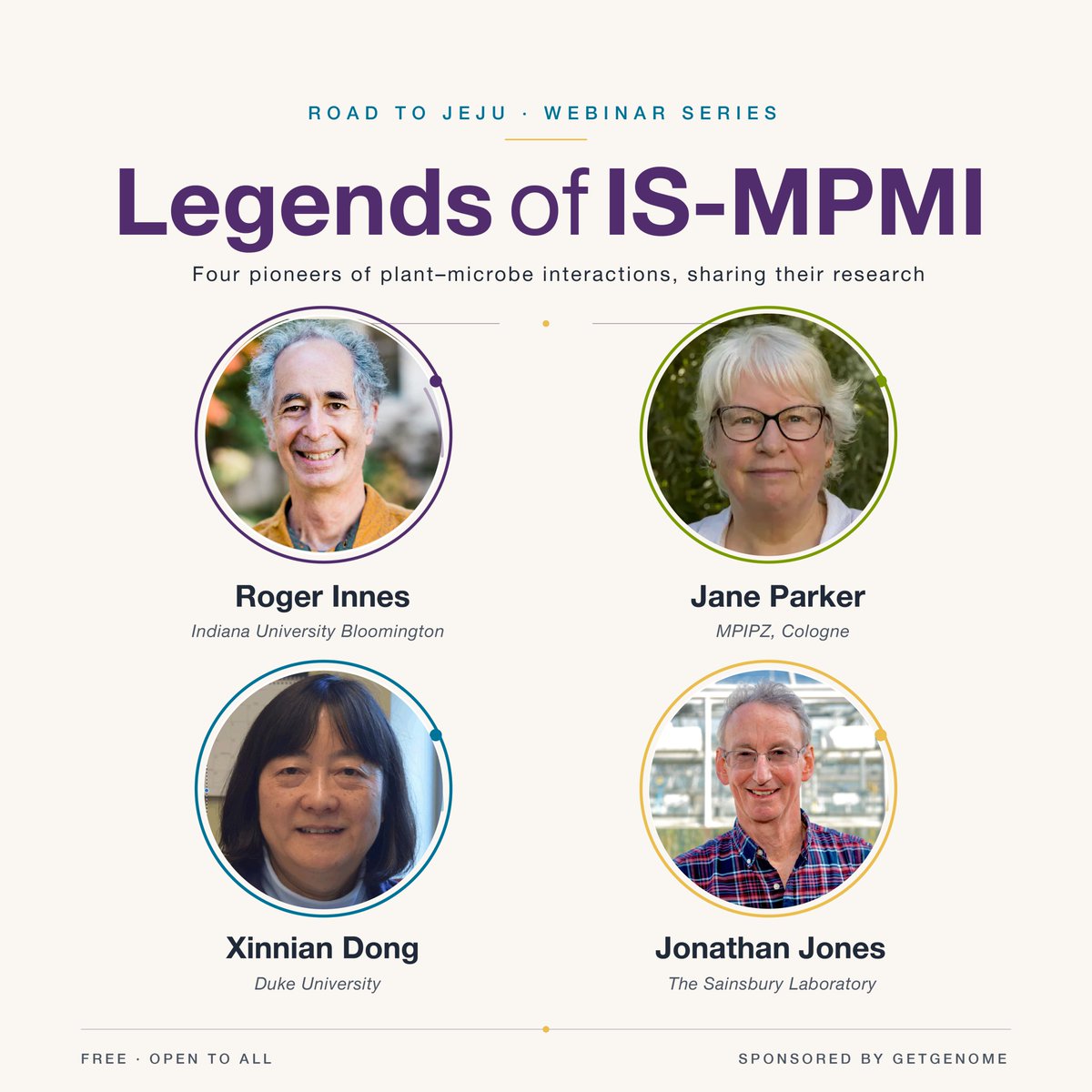
Free Webinar series sponsored by GetGenome: Road to Jeju. Check out our Legends of IS-MPMI speakers. Sign up to attend the first talk by Roger Innes on June 17. lnkd.in/gw4pKp4K Check back for how to apply to give a Rising Stars of IS-MPMI talk. repost!