
repost enthusiast
Joined August 2021
- Tweets 14,231
- Following 1,264
- Followers 442
- Likes 32,691
149 Photos and videos










David🇮🇪 retweeted

16h
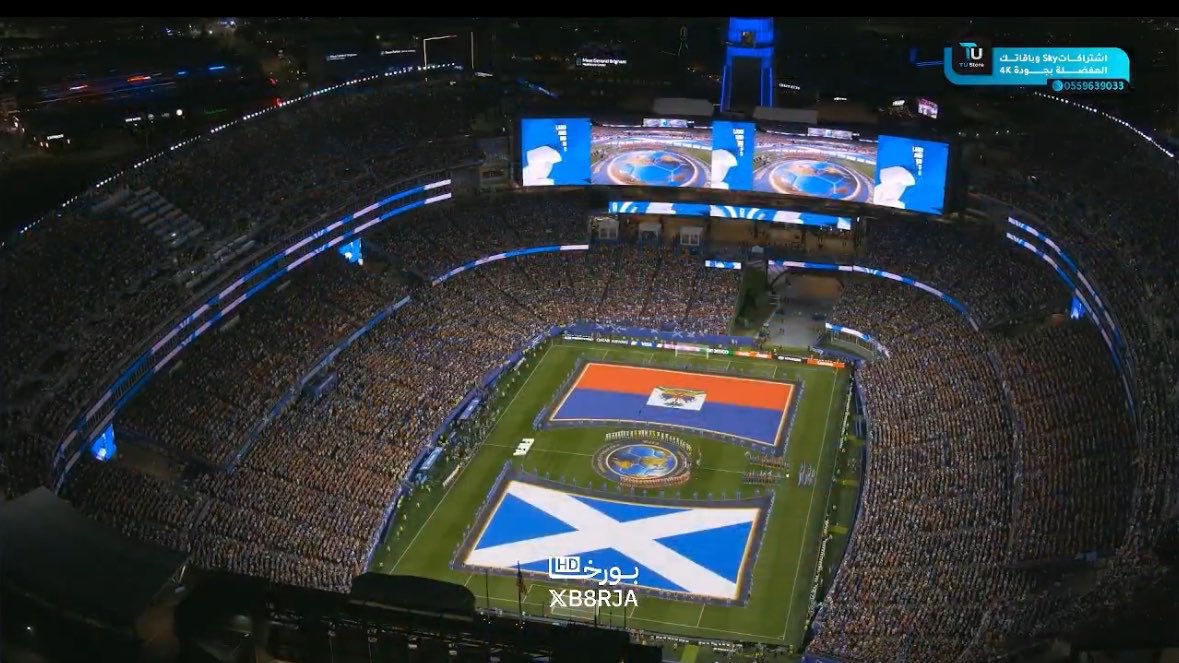
“El Súper bowl es el evento más grande del deporte”
Un Haití vs Escocia de fase de grupos del mundial:
119
11,840
156,379
1,192,214
David🇮🇪 retweeted

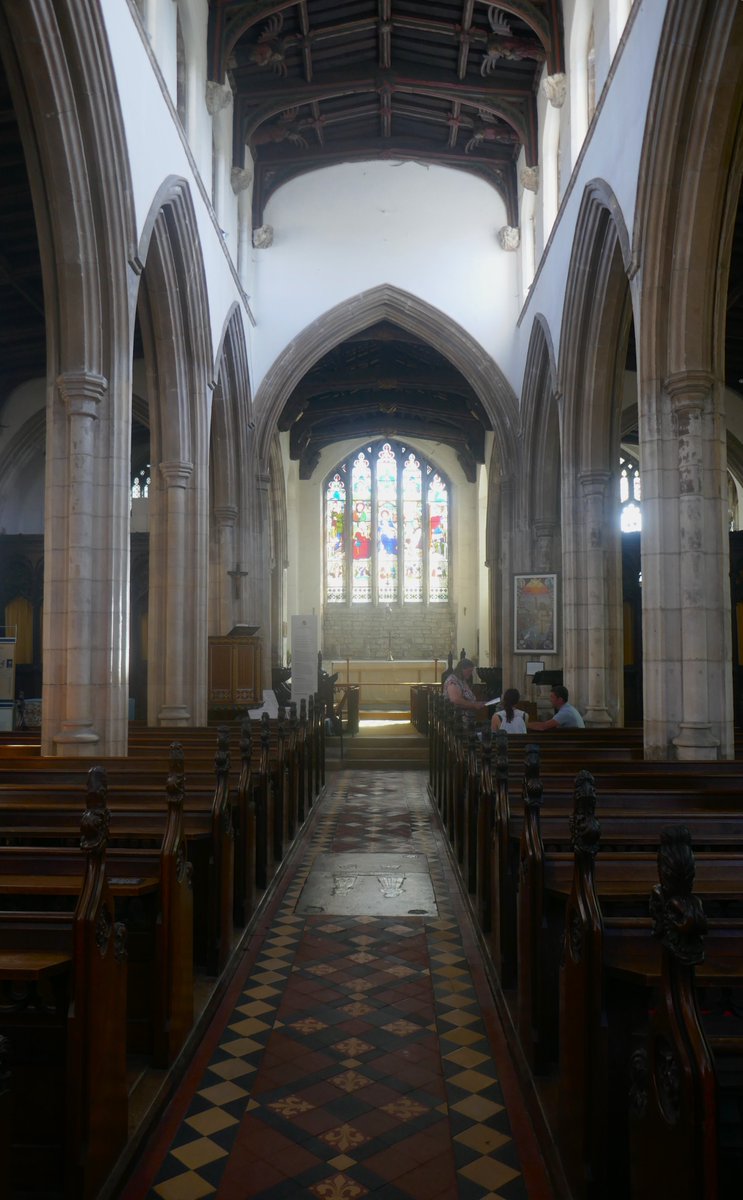
Greetings! Today's pics will be coming from St John's in #Stamford. Looking east
3
13
121


David🇮🇪 retweeted

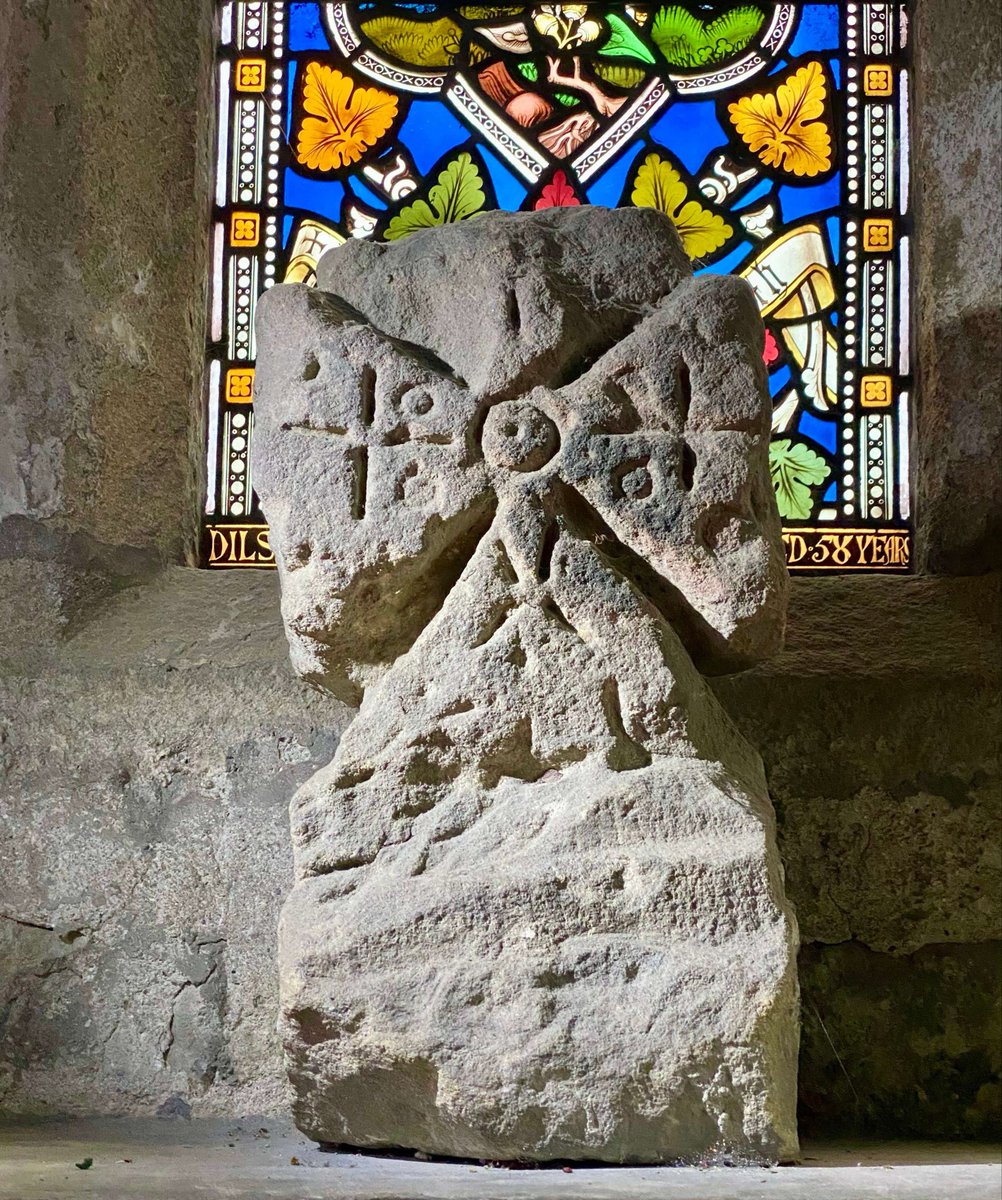
This is a Roman altar that has been given a 2nd life as an early Christian cross. The alteration is #AngloSaxon in date. The stone is now in St. Andrew’s Church, Corbridge. The #Roman site guarded a river crossing and two intersecting Roman roads. #SundayStonework
📷 my own.
6
15
228
David🇮🇪 retweeted

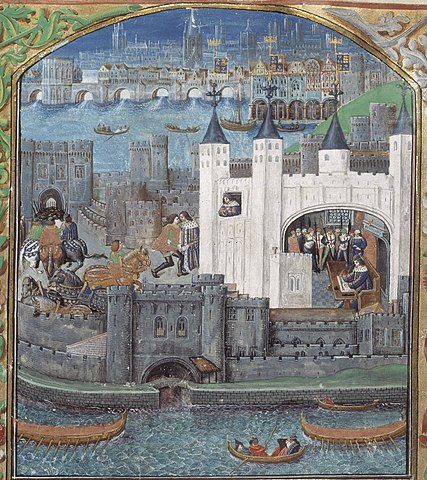
#OtD 14 Jun 1381 during the peasants’ revolt in England, Wat Tyler’s rebel army of some 50,000 to 100,000 people captured London Bridge and the Tower of London, killing the English Chancellor and Treasurer stories.workingclasshistory.…
15
27
1,651
David🇮🇪 retweeted

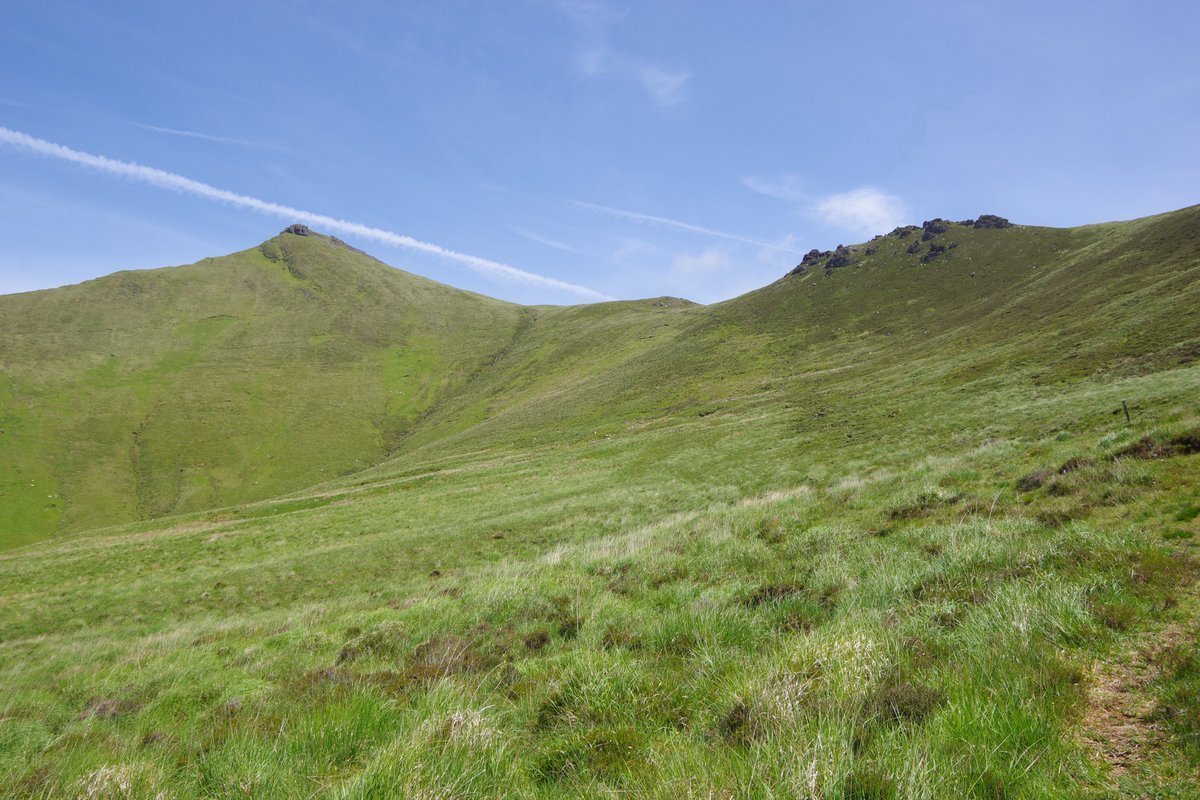
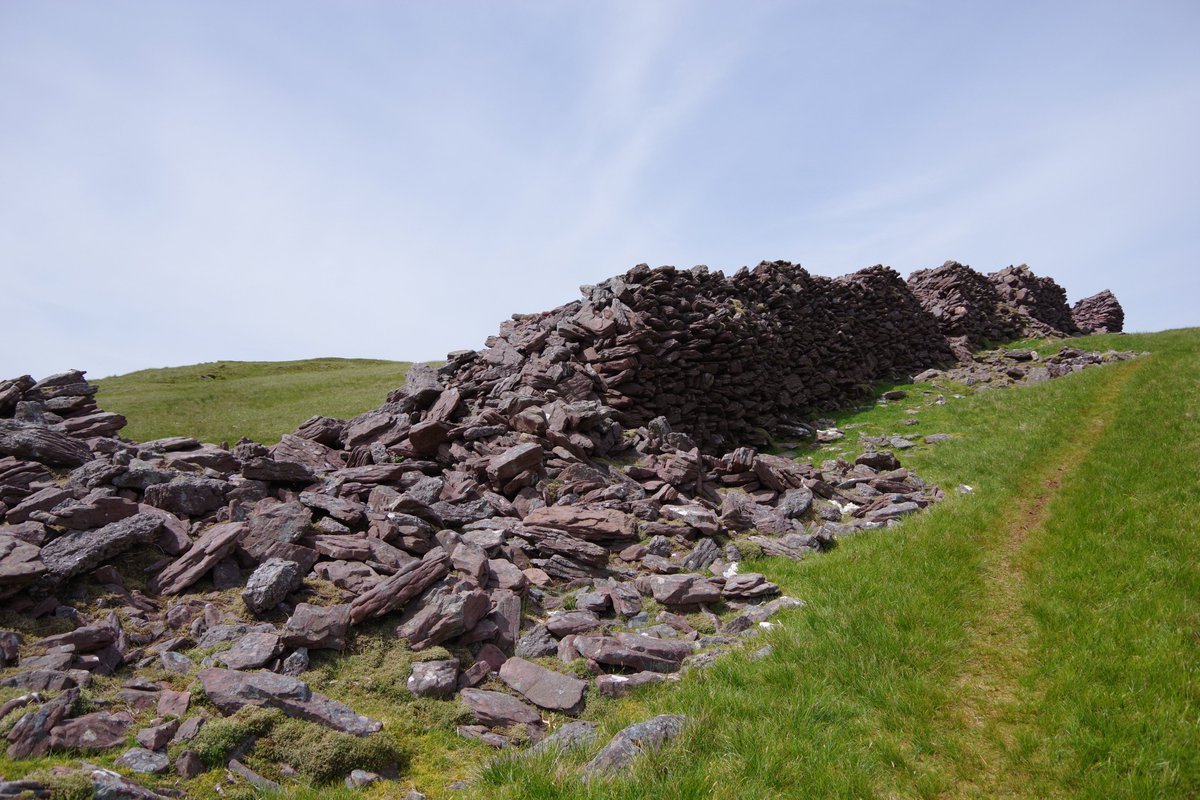
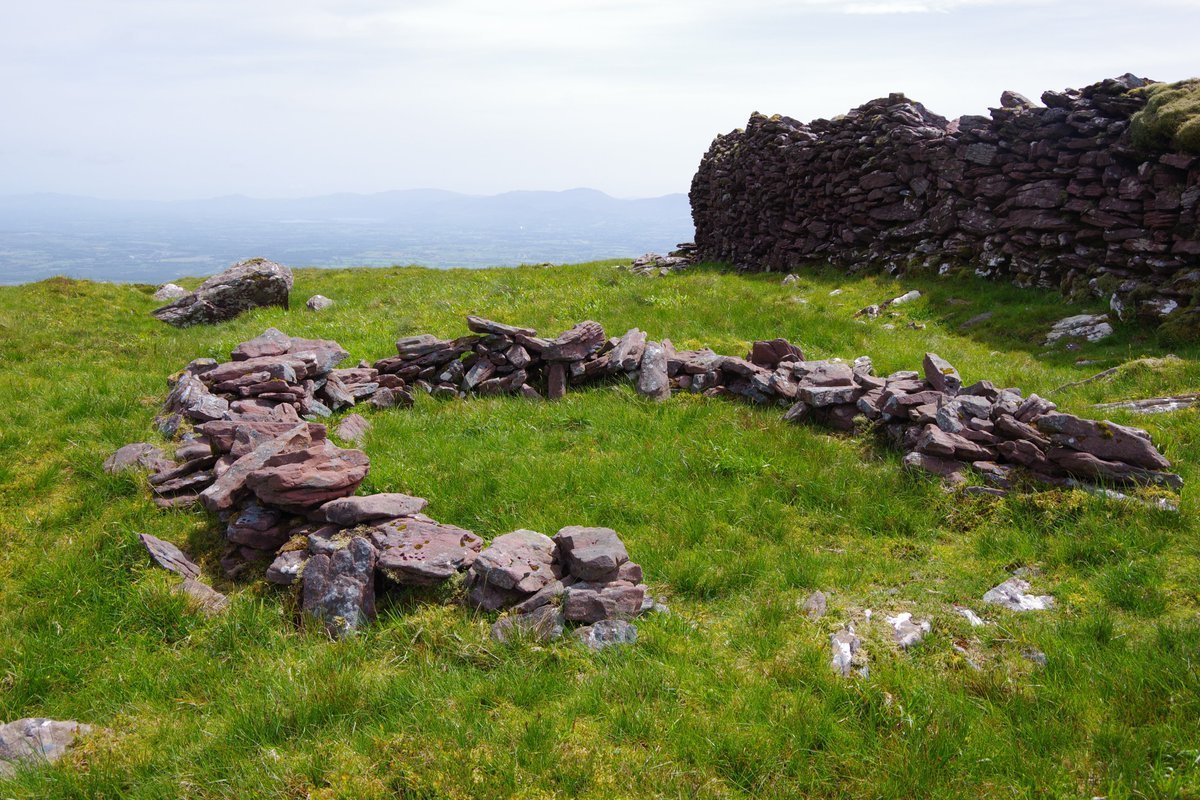
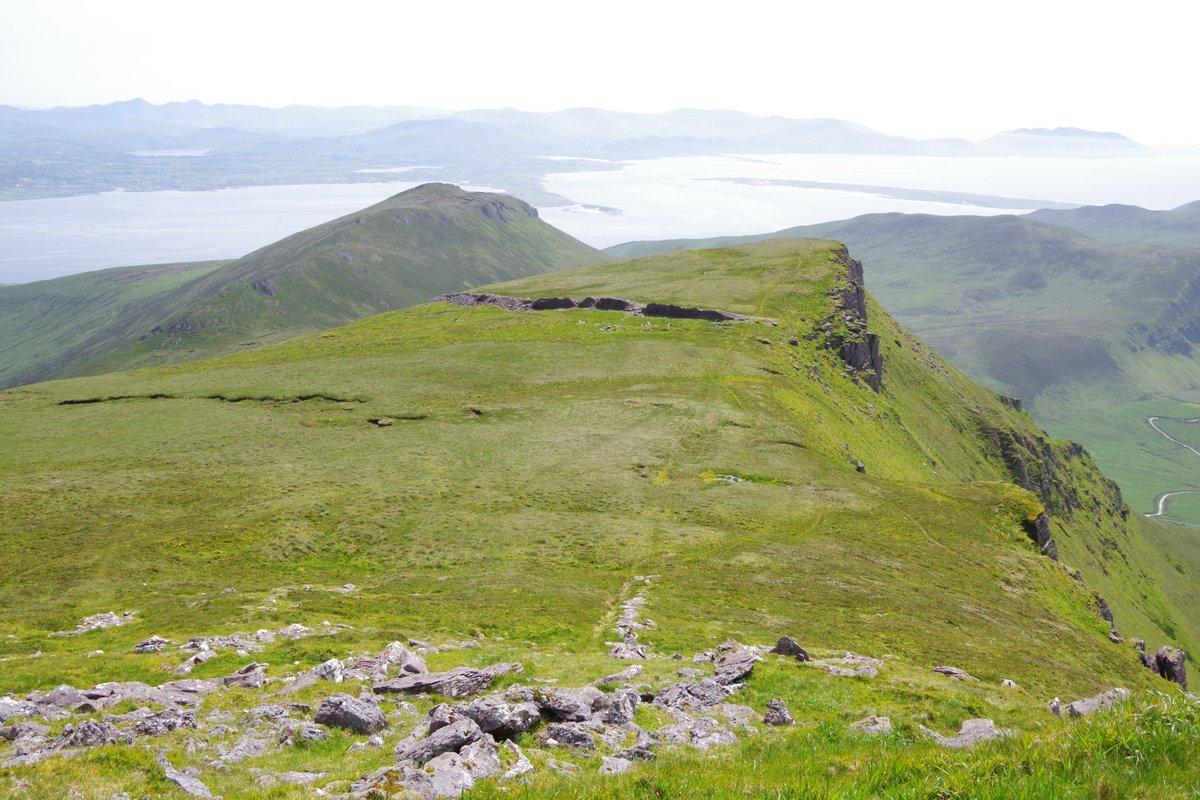
山の上にある古代の砦跡地を訪れた。アイルランド南西部、Caherconree。三角形の断崖を背に作られた岬砦で、赤枝の騎士団の時代に西マンスター王が建てたという伝説がある。遺されている城壁と一緒に、南にそびえる山並み、北の湾岸、下に広がる田園、今ある風景を見渡した
5
36
372
9,810

David🇮🇪 retweeted

Jun 13
#WarsoftheRoses
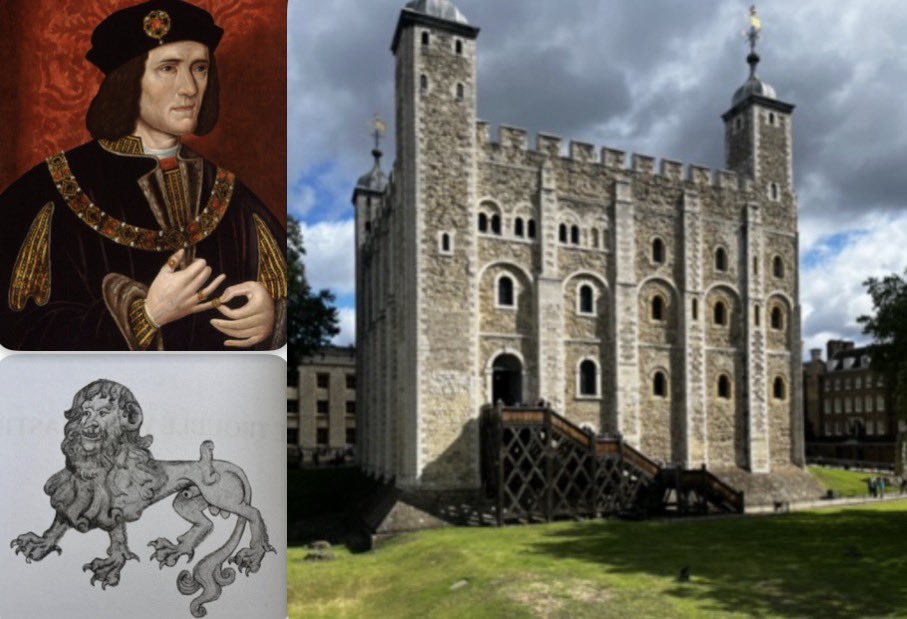
OTD in 1483 - a watershed moment occurred in the 1483 power struggle. William, Lord Hastings (whose badge was a manticore - see image) was executed for plotting with the Woodvilles to murder the Protector, Richard, Duke of Gloucester (later #RichardIII.) The Archbishop of York, Thomas Rotherham, & the Bishop of Ely, John Morton, were arrested for complicity in the same conspiracy.
The allegation was that Hastings & his supporters had brought concealed weapons into the Tower of London & intended to assassinate Richard & Buckingham during a Privy Council meeting. He was alleged to have been communicating in secret with the Woodvilles using Mistress Shore, a former mistress of #EdwardIV & now shared between Hastings & Thomas Grey, Marquess of Dorset (eldest son of Elizabeth Woodville) as a go between. Instead, Hastings ended up being executed as part of the Council meeting where he had intended to carry out his own design.
In the traditional narrative Hastings is presented as an ‘innocent victim’ of Richard’s desire to seize the crown for himself. Hastings’s closeness to Edward IV is always stressed & we’re told that this explained his willingness to support Richard becoming Protector (in line with Edward’s will) but he then baulked at the idea of Richard becoming king in #EdwardV’s place & Richard therefore invented the murder allegations as an excuse to be rid of Hastings. Hastings’s innocence & its presentation as ‘proof’ of Richard’s own tyranny is a dominant theme of accounts written after 1485, especially in Thomas More, History of Richard III, which presents a hyperbolic dramatisation of the events of 13 June 1483 complete with strawberries, withered arms & allegations of witchcraft.
There was one problem with all of this, namely that the real life William Hastings was not the virtuous man of high integrity which he would later be presented as after his death. He was a wily political operator with a history of double dealing. At the August 1475 Treaty of Picquigny Hastings asked the French not to provide receipts for the large pension they were giving him as he didn’t want their enemies the Burgundians to hear of it & halt the pension payments they were already making to him.
Mancini described Hastings as the main facilitator of the late Edward IV’s hedonistic lifestyle - the ‘accomplice & participant in his private gratifications’ - & through this he had achieved great power & influence in the previous reign. However, the historian Annette Carson has also traced how even ahead of Edward’s death Hastings had been losing influence with the King becoming frustrated by Hastings paying retainers to make slanderous accusations against Anthony Woodville, Lord Rivers in 1482.
According to Mancini, Hastings had a ‘longstanding friendship’ with Richard. However, as Annette Carson has pointed out we have no other evidence to corroborate this, quite the reverse. Richard’s own beliefs - his refusal to accept a French pension & his disapproval of Edward’s lifestyle & those who facilitated it - suggests Hastings was not a natural ally.
Seen through the lens of his own m behaviour it seems likely to me that Hastings was attempting to play the rival factions in England - Richard & the Woodvilles - off against each other in the spring & summer of 1483 for his own advantage, exactly as he had previously done with the French & Burgundians.
This perception is strengthened by the fact that Hastings’s own family do not appear to have greeted his execution for treason & plotting Richard’s death on 13 June 1483 with the same horror, which is present in accounts written after 1485. Instead Hastings’s own brother, Richard Hastings, Lord Welles was present at Richard III’s coronation mere weeks later on 6 July 1483 & became a prominent supporter of the new King. Would he really have done that if he had believed his brother’s death to be judicial murder?
Jun 10

#WarsoftheRoses
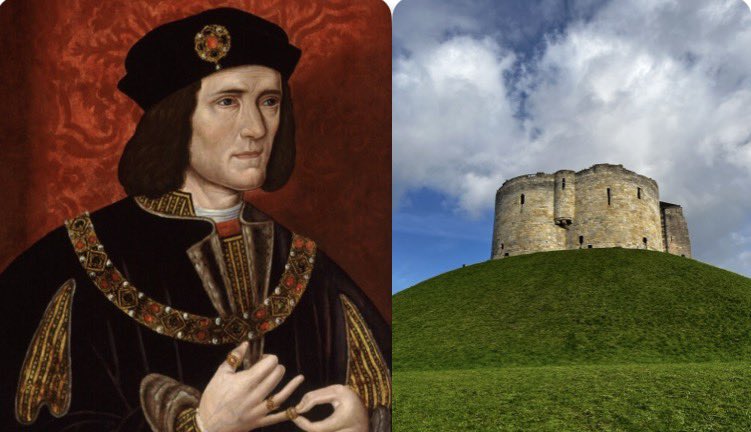
OTD in 1483 - Richard, Duke of Gloucester (later #RichardIII) sent an urgent request to the York authorities for
armed assistance.
‘Right trusty & well-beloved ... we heartily pray you to come unto us in London as speedily as possible after the sight of this letter with as many well-armed men as possible, to aid & assist us against the Queen, her blood & other adherents & affinity who intend to murder & utterly destroy us & our cousin, the Duke of Buckingham & the old royal blood of this realm.’
The context of this letter & Richard’s intentions on 10 June are hotly disputed by historians, not least because of the events which followed at the Privy Council meeting on 13 June. (I’ll be writing more about these later in the week.) Did Richard genuinely fear for his life as the letter suggests? (I think he did & with good cause.) Or was he as his detractors argue simply calling up more resources to strengthen his hand in advance of making a bid for the throne?
Of course, these opposing viewpoints aren’t mutually exclusive & both could have been equally true at once. The reality of living through the power struggle which had ensured in the weeks following #EdwardIV’s death will have undoubtedly shaped Richard’s thinking & subsequent decisions.
2
7
33
1,890
David🇮🇪 retweeted

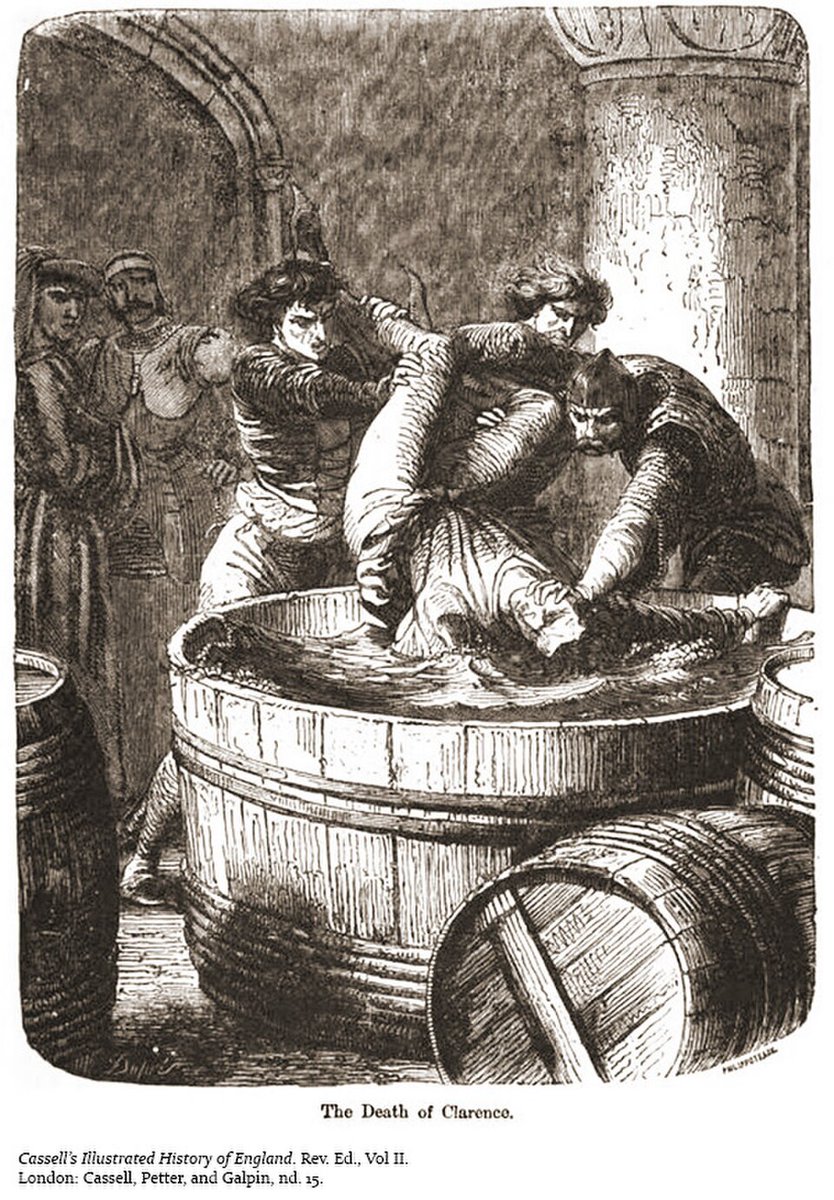
If you think you're having a bad day, remember George Duke of Clarence getting dunked in wine
16
8
90
1,454
David🇮🇪 retweeted

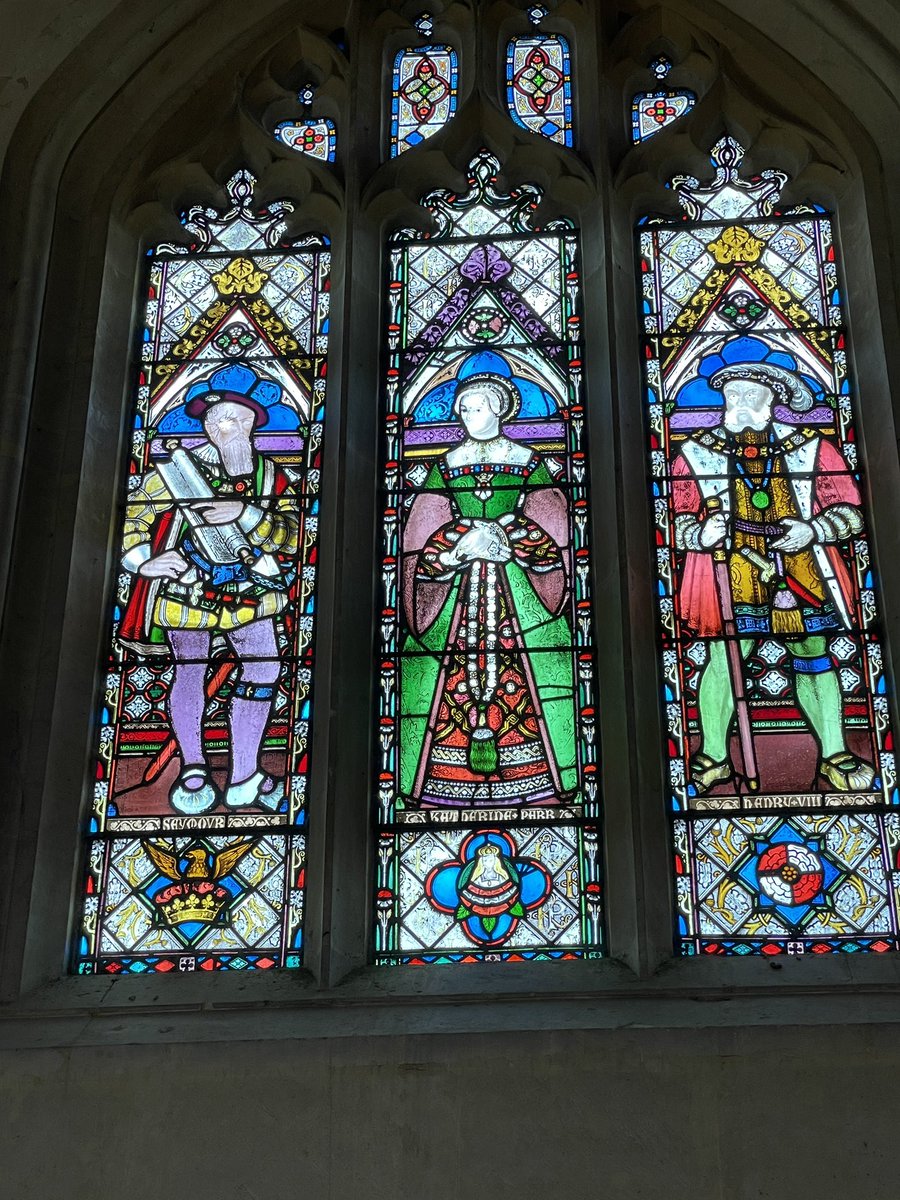
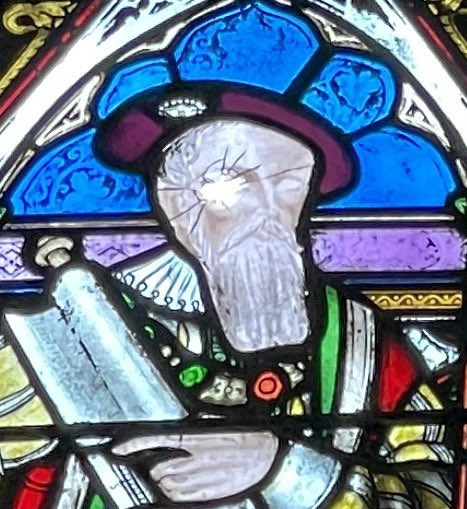
Thomas Seymour, Catherine Parr and Henry viii in stained glass at St Mary’s Chapel, Sudeley Castle . Windows created by Frederick Preedy of Worcester, and installed in 1862.
Someone seems to have taken a potshot at Thomas!
#StainedGlassSunday #tudor
1
6
19
414

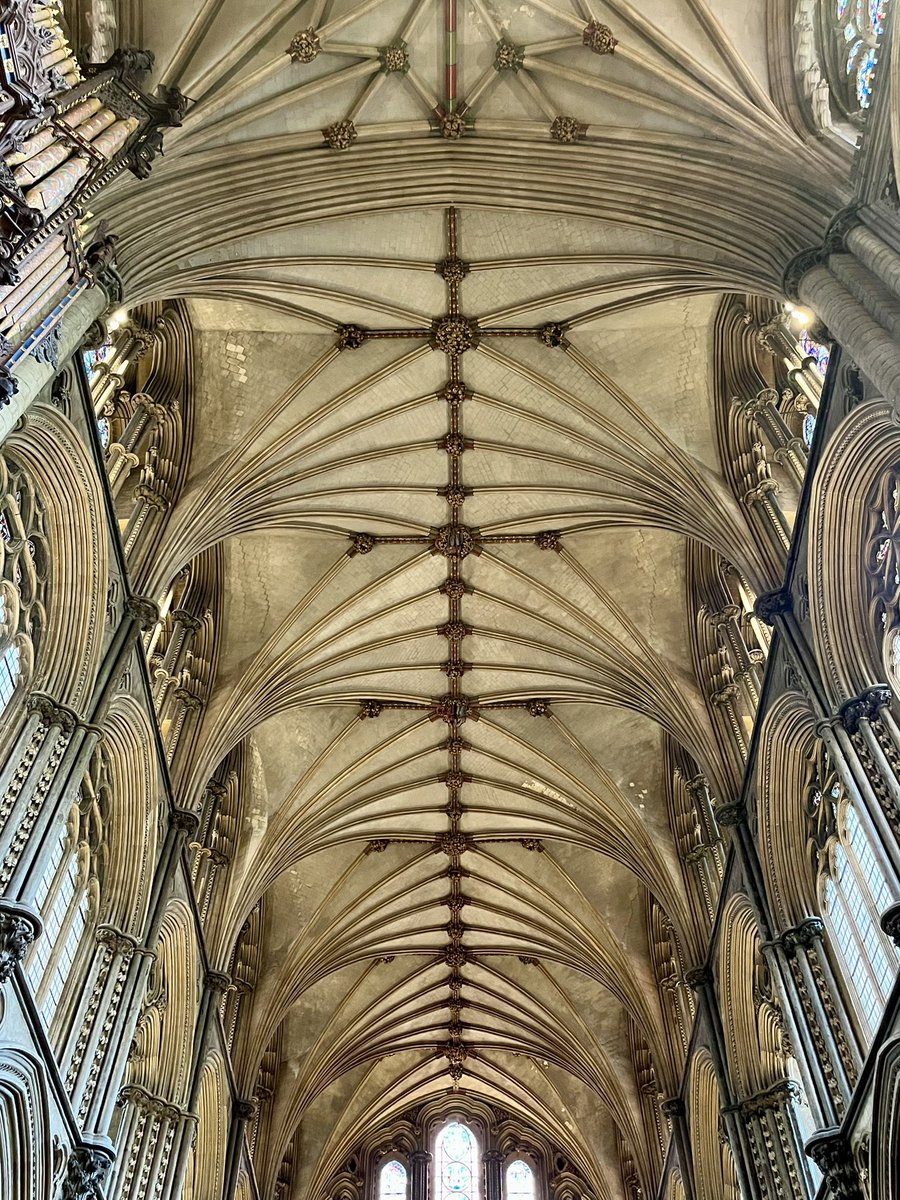
David🇮🇪 retweeted

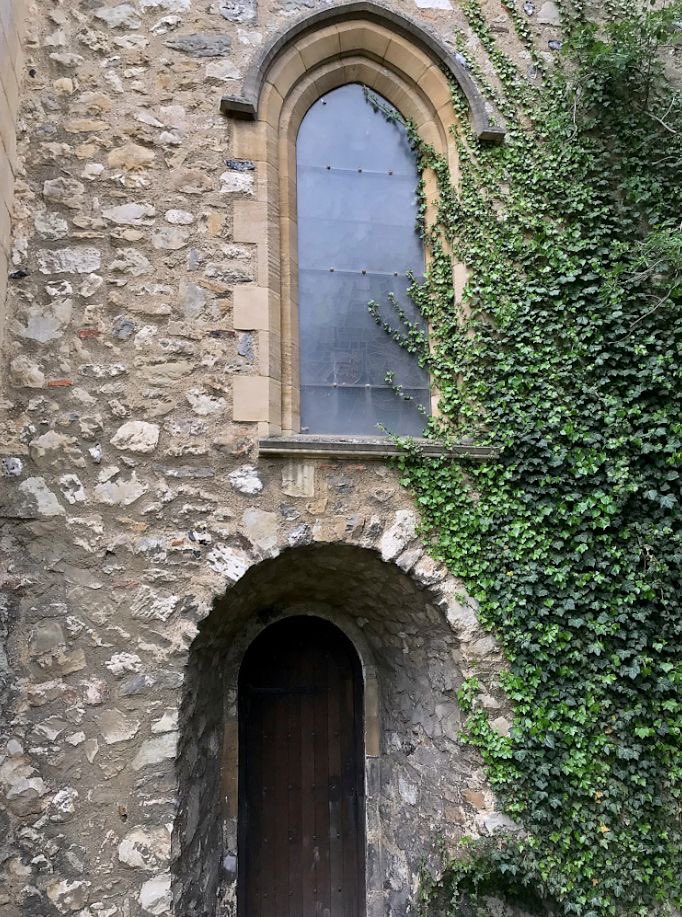
Ghosts in the glass. Half-seen faces. Glimpsed shadows just beyond the pane. A sense of being stared down upon. Rumours shade St. Wulfhere church, act as tourism magnet pulling in those hoping to ghost-gawp. Parishioners in tutting mode when visitors interrupt Sunday services.
1
10
103
1,087
David🇮🇪 retweeted

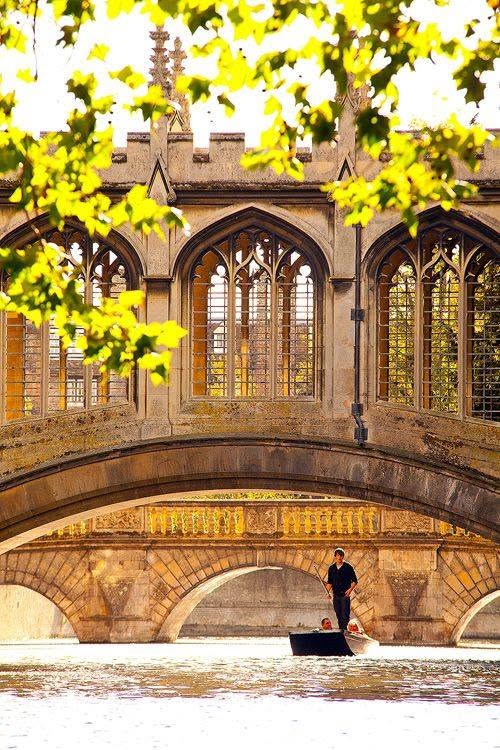
Bridge of Sighs, St John's College - Cambridge, England
3
11
192



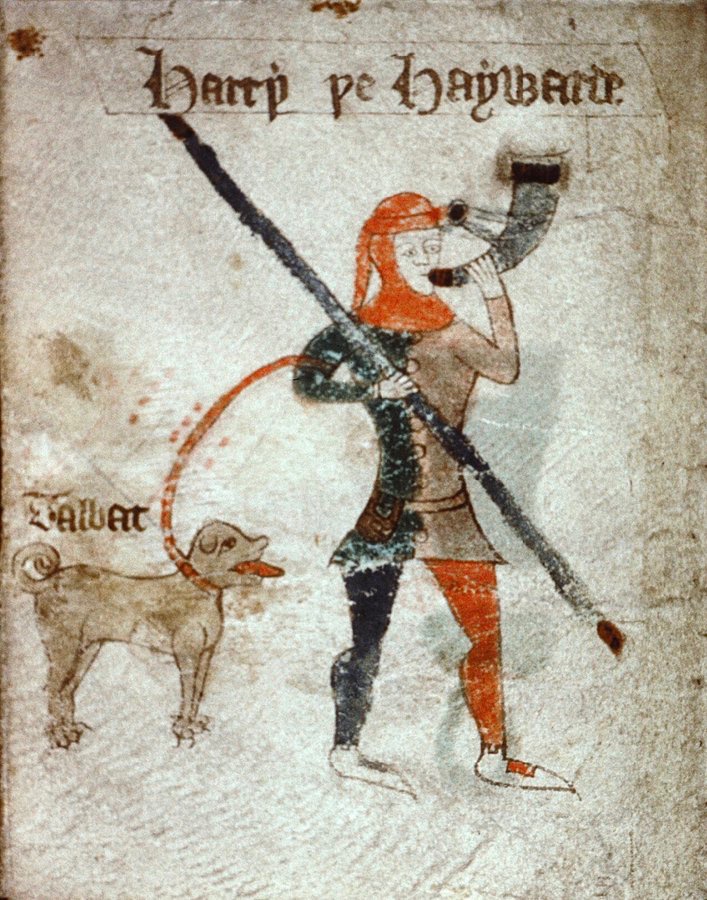
Be like Harry the Hayward and take your Talbat the dog for a walk today! Woof, Woof!
Bodleian Library MS. Rawl. D. 939; Astrological and ecclesiastical calendar in six pieces; 14th century; England; section 1r @BDLSS @bodleianlibs
2
8
30
542
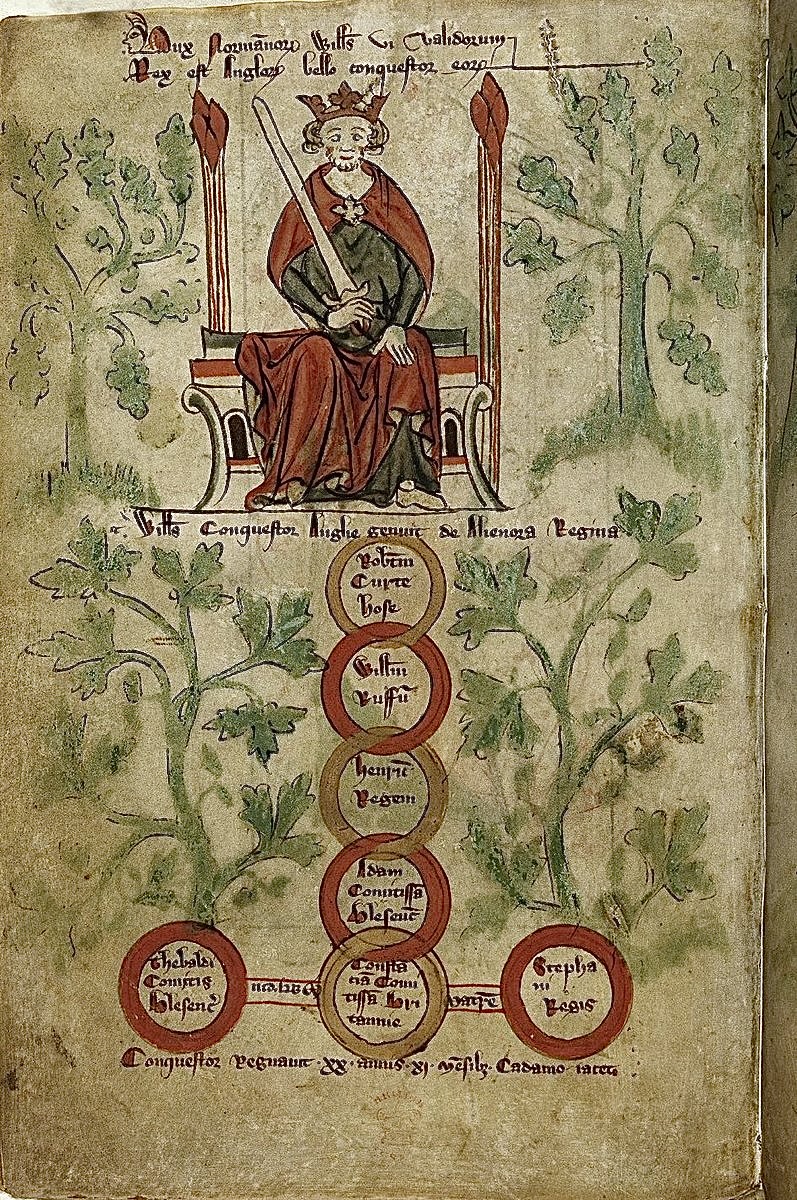
William the Conqueror enthroned
BL Royal MS 20 A II; c1307-c1327; England,N.; f.5v
@BLMedieval
4
20
241
David🇮🇪 retweeted

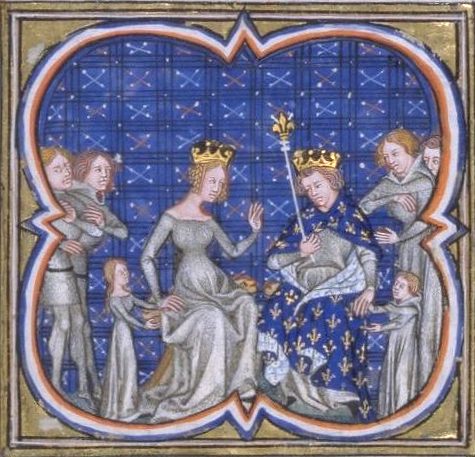
Enluminure des Grandes Chroniques de France (XIVe siècle) représentant Philippe Ier et sa famille.
Source : le Corpus Etampois (tiré de l'œuvre de Basile Fleureau vers 1668)
6
35
517
David🇮🇪 retweeted

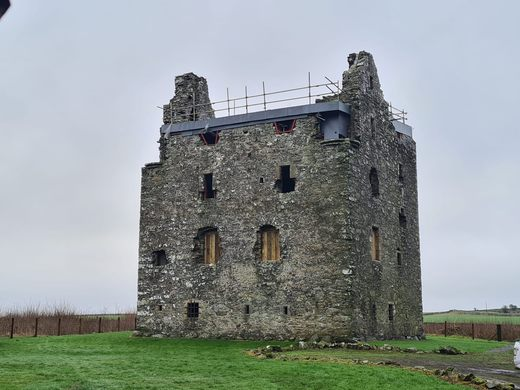
Tomorrow, we're off to repair a castle.
Our mission: to lime point historic castle walls.
We'll be camping around the tower in the beautiful countryside of the Scottish borders. Rain and midges incoming.
We'll have a full report when we get back!
21
93
757
6,732