
I love old movies and new TV. Fight the Empire.
Joined July 2009
- Tweets 41,684
- Following 602
- Followers 917
- Likes 67,699
2,771 Photos and videos
















Pinned Tweet

20 Sep 2023
Finally over on the blue place. Still debbievee.
3
10
6,646
Jun 14
Guess we should just overlook how he was killed by HIS OWN MEN and had to be resurrected. That's not what I call resilience. Just pure dumb luck.
Jun 14

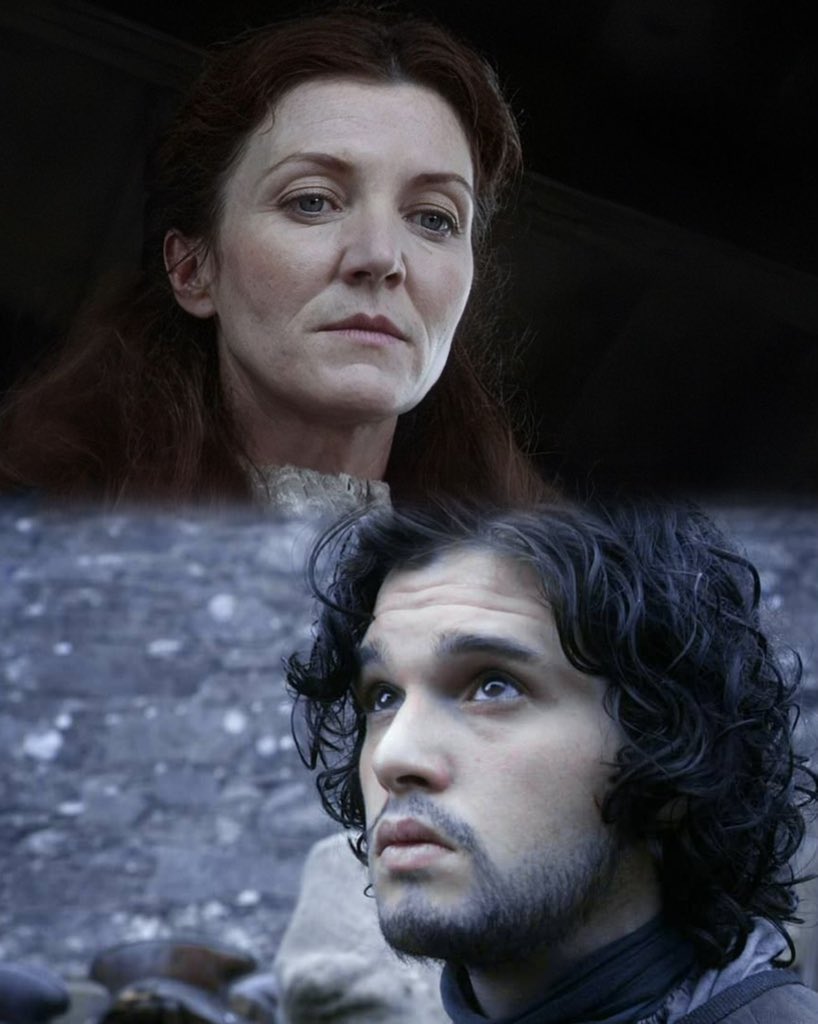
Catelyn Stark spent years worrying about Jon Snow.
Maybe she should’ve spent that time preparing her actual children for Westeros.
Jon learned resilience.
Robb trusted too easily.
Sansa trusted the wrong people.
Bran was never prepared for politics.
The child she treated like a threat survived the game better than most of the children she was trying to protect.
Was Jon really Catelyn’s biggest problem?
Or was Catelyn the Starks’ biggest blind spot?
33
Jun 12


22
Debbie Vega retweeted

Zionist does not in fact just mean “Jew.” For example, some of the very worst Zionists on earth are evangelical Christians.
122
2,505
17,516
190,052
Jun 6
17
Debbie Vega retweeted

Jun 1
this is orson krennic erasure i will not stand for

star wars should spice things up and add an evil gay guy
16
479
4,308
106,623
Debbie Vega retweeted

May 30
The trench run in the original Star Wars was cut by Marcia Lucas. (Yes, there are Special Edition shots in here) She rightfully won an Oscar for her groundbreaking work on the film and contributed to so many more. RIP to an unheralded cinematic genius.
17
71
958
65,406
Debbie Vega retweeted

May 24
Almost bought a new Porsche today. We got 95% of the deal done but couldn’t agree on a price, exact model, color or accessories.

288
2,471
23,228
380,319
Debbie Vega retweeted

May 24
Here's what the comparison you're raising actually contains, if you follow it honestly.
Brazil imported approximately 4.9 million enslaved Africans over the course of the slave trade, more than any other country in the Americas.
The mortality rate was so high that the population did not sustain itself, requiring continuous importation until Brazil became the last country in the Western Hemisphere to abolish slavery, in 1888.
The United States imported approximately 400,000 enslaved Africans.
By 1860, the enslaved population had grown to 4 million.
Do the arithmetic.
400,000 people became 4 million through forced reproduction across generations, in a country that had made it illegal to import more.
American slaveholders did not work enslaved people to death as fast as Brazilian sugar planters.
They bred them instead.
They separated families to sell children at profit.
They used enslaved women as reproductive assets.
They tracked bloodlines and priced people by their fertility and the health of their offspring.
They created what historians call the "domestic slave trade", an internal market in human beings, powered by forced reproduction, that was generating more capital by 1860 than all American manufacturing combined.
You raised this comparison as though it softened something.
It doesn't soften anything.
It adds a dimension of horror that the simple mortality rate comparison was designed, by you, to avoid.
May 23

Have you compared the rate at which slaves died due to the conditions of their enslavement in the US versus for instance, the Sugar plantations of the Caribbean and Brazil?
28
358
1,102
25,599
Debbie Vega retweeted

Conservatives: You'd starve under Communism!
Also Conservatives: Let me tell you why starving yourself is good for capitalism!
35
799
7,245
43,176
Debbie Vega retweeted

May 21
Imagina não gostar de um personagem que tem um discurso desses
17
106
986
15,870

Debbie Vega retweeted

May 12
There is no 'severe form' of the Andes Hantavirus.
It has a 30-40% fatality rate, and like Ebola which its symptoms are almost identical to it leaves almost everyone who 'survive' it severely disabled and most will die within 5 years.
It is ALWAYS extremely severe.
May 12

French infectious disease specialists are now publicly saying the ICU patient has ‘the most severe form’ of Andes hantavirus disease.
157
2,913
16,612
509,374

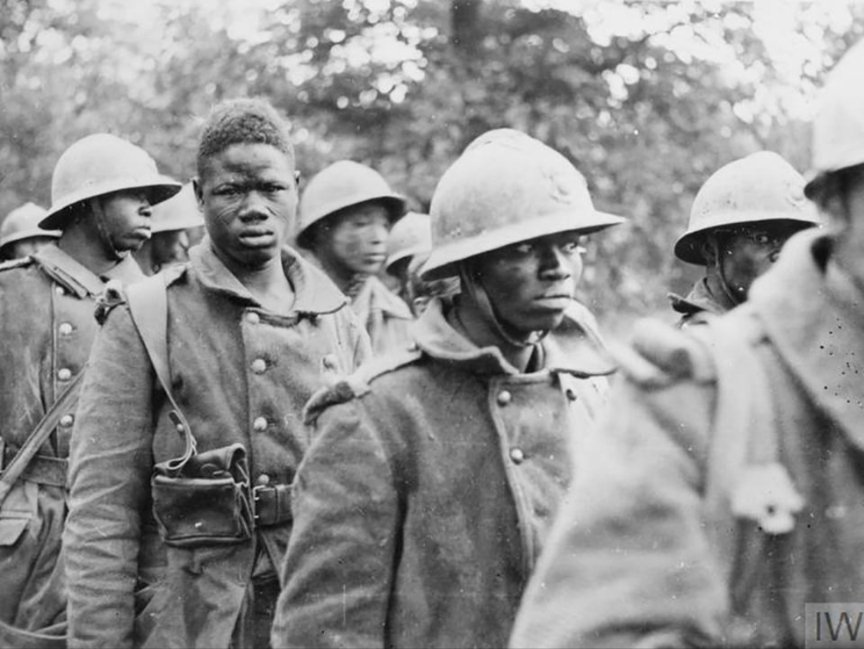
82 years ago, on December 1st 1944, African soldiers who fought and bled to help defeat the Nazis were massacred by the French army at Thiaroye massacre after demanding the salary they were promised. They survived Hitler, only to be murdered by the empire they defended.
149
4,573
8,606
256,558
Debbie Vega retweeted

May 7
The idea is to find a group of people most people regard as terrible examples, use them to make revoking passports a more acceptable form of punishment, then expand it from there.
May 7

The U.S. will start revoking passports this week for parents who owe $100,000 or more in child support and soon will expand the policy. apnews.com/article/passports…
186
8,685
47,034
1,405,829
Debbie Vega retweeted

Aprovecho este 4 de mayo para recordarles que tienen que ver Andor si no han visto Andor. Y también que tienen que repetir Andor si ya vieron Andor.
6
211
1,333
17,637
Debbie Vega retweeted

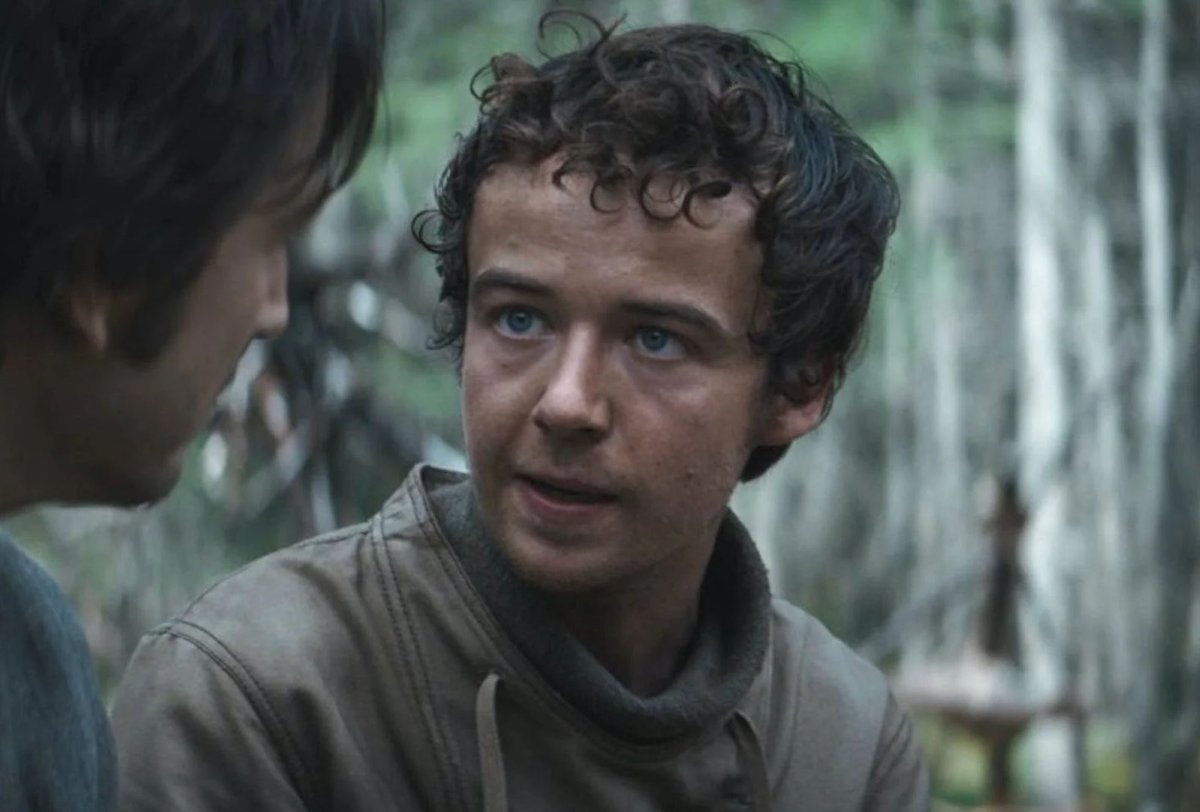
Happy birthday to Alex Lawther, who played Nemik in ANDOR!
One of the most compelling new Star Wars characters is played by an actor born on May the 4th!
May the Force (and the 4th) be with you!
10
231
2,440
35,233
Debbie Vega retweeted
Apr 30
The most damning image of Vietnamese people in American cinema, screaming, sadistic, forcing prisoners to play Russian roulette, was not even conceived as a statement about Vietnam.
It was a Vegas gambling script that a producer bought for $19,000, handed to Cimino, who then transplanted it onto Vietnamese characters.
And the Academy rewarded it with five Oscars.
No research.
No historical basis.
No documented evidence it ever happened.
Just a recycled gambling script with the location changed.
And that image shaped how an entire generation of Americans understood who the Vietnamese were.
Good drama built on a fabricated atrocity attributed to a real people is not just historically inaccurate.
It is a character assassination of an entire nation, dressed in prestige cinema, laundered through awards season, and installed permanently into Western cultural memory.
The Vietnamese had no Hollywood to answer it with.
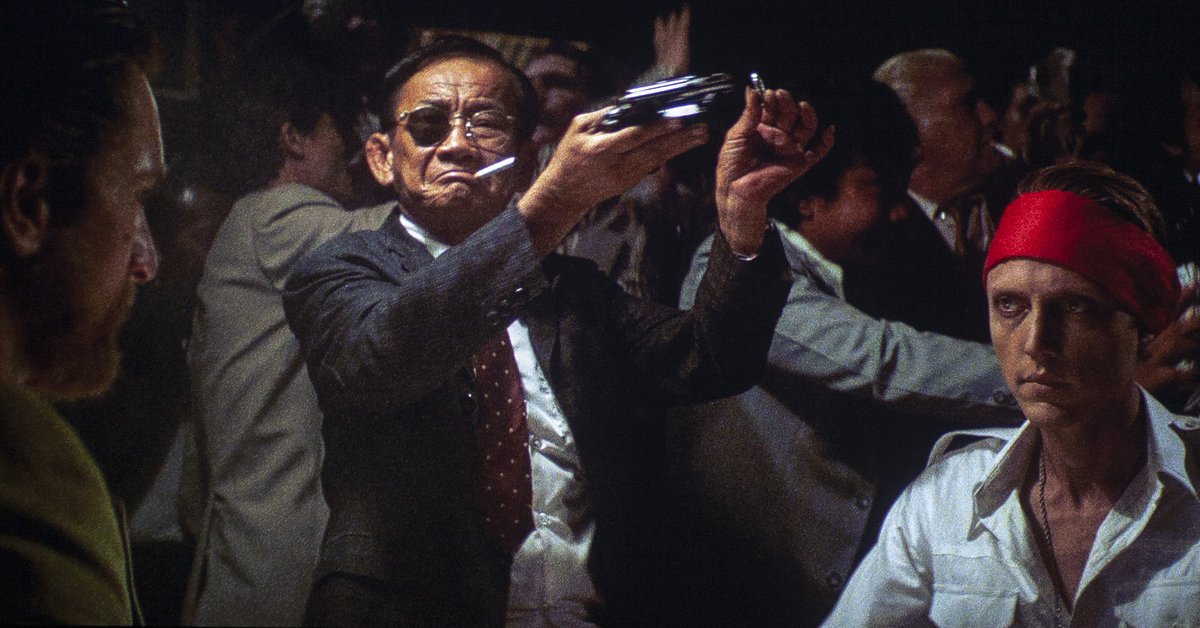
ALT Russian Roulette Scene, The Deer Hunter, 1978.

The Deer Hunter was originally a story about gamblers who played russian roulette in vegas.
So yeah it had nothing to do with Vietnam.
It was rewritten later and became a Vietnam war film.
Good drama but about as historically inaccurate as it gets.
30
270
1,201
62,753
Debbie Vega retweeted

Apr 30
Florida just gerrymandered both Wasserman Shultz's and Moskowitz's districts out and they're still voting with Republicans to surveil Americans.
Fucking ridiculous.
Apr 30

Here are the 42 Democrats who joined 192 Republicans in fulfilling Trump's wishes to reauthorize FISA Section 702 – a warrantless surveillance law that's been used to access Americans' data:

14
240
1,308
18,234

What type of parent names their kid Black Chicago student

Advances in Colon Cancer Cure, Discovered By a Black Chicago student.



Community note
The student is Keven Stonewall from Chicago. His 2013 high school research on a potential colon cancer vaccine showed promise in mice but is not a cure. This is not a recent advance.
diversity.wisc.edu/2014/08/can-19…
possefoundation.org/news-and-event…
536
26,845
244,541
2,915,207