
Dad/Hubby || Former NCAA D1 & D3 Softball Coach || Former FBI || Chicago Fan || NE Hurricanes 18U (RI) Coach || Global Chief Security Officer (CSO)
Joined November 2011
- Tweets 1,638
- Following 1,942
- Followers 383
- Likes 4,060
467 Photos and videos
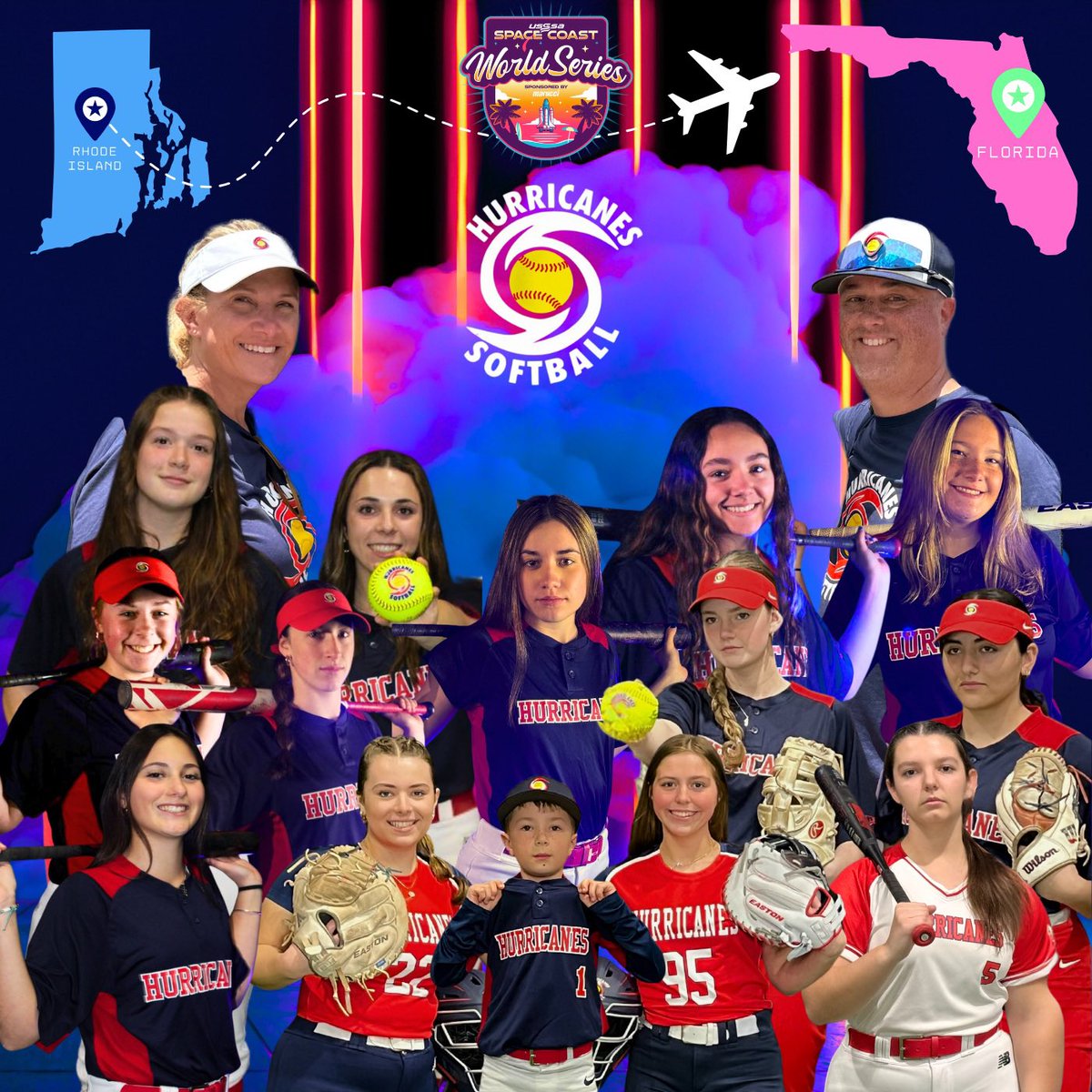

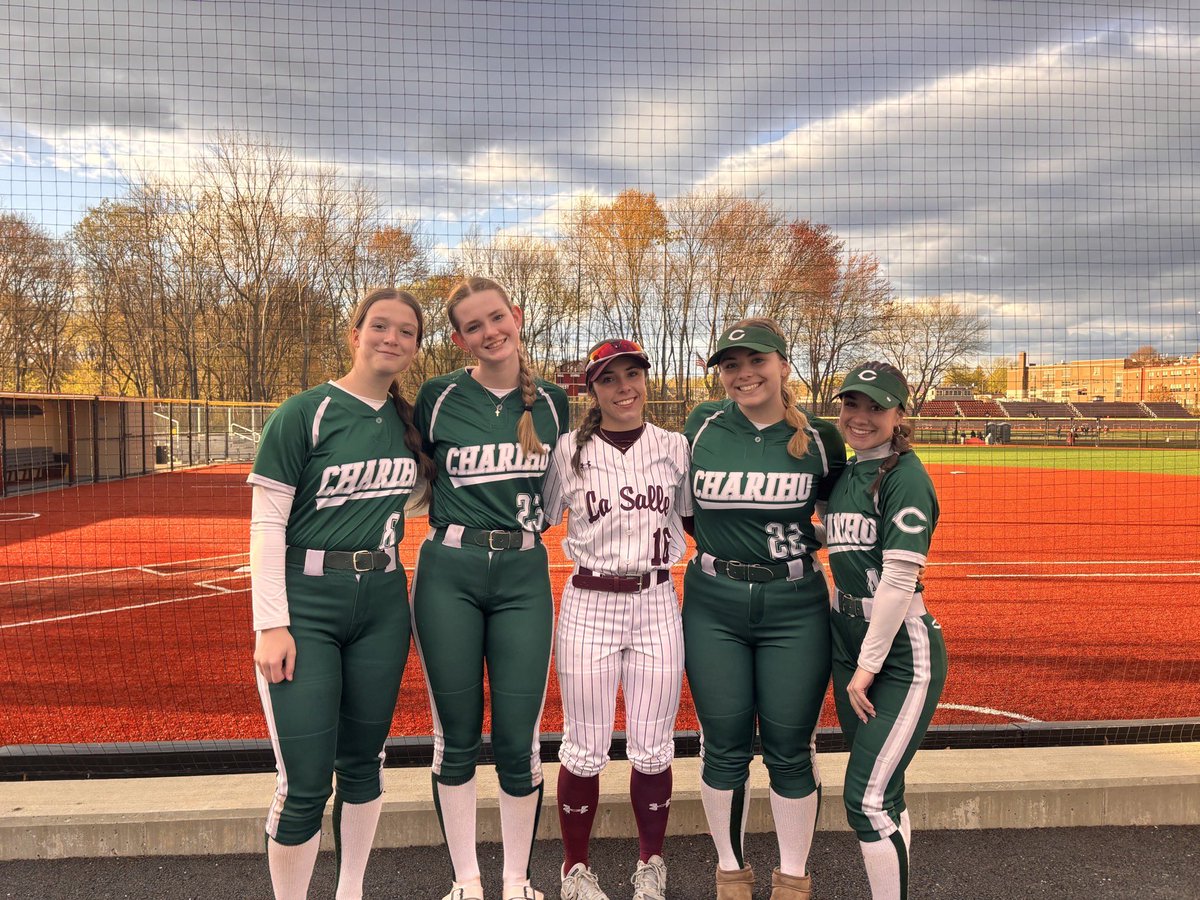
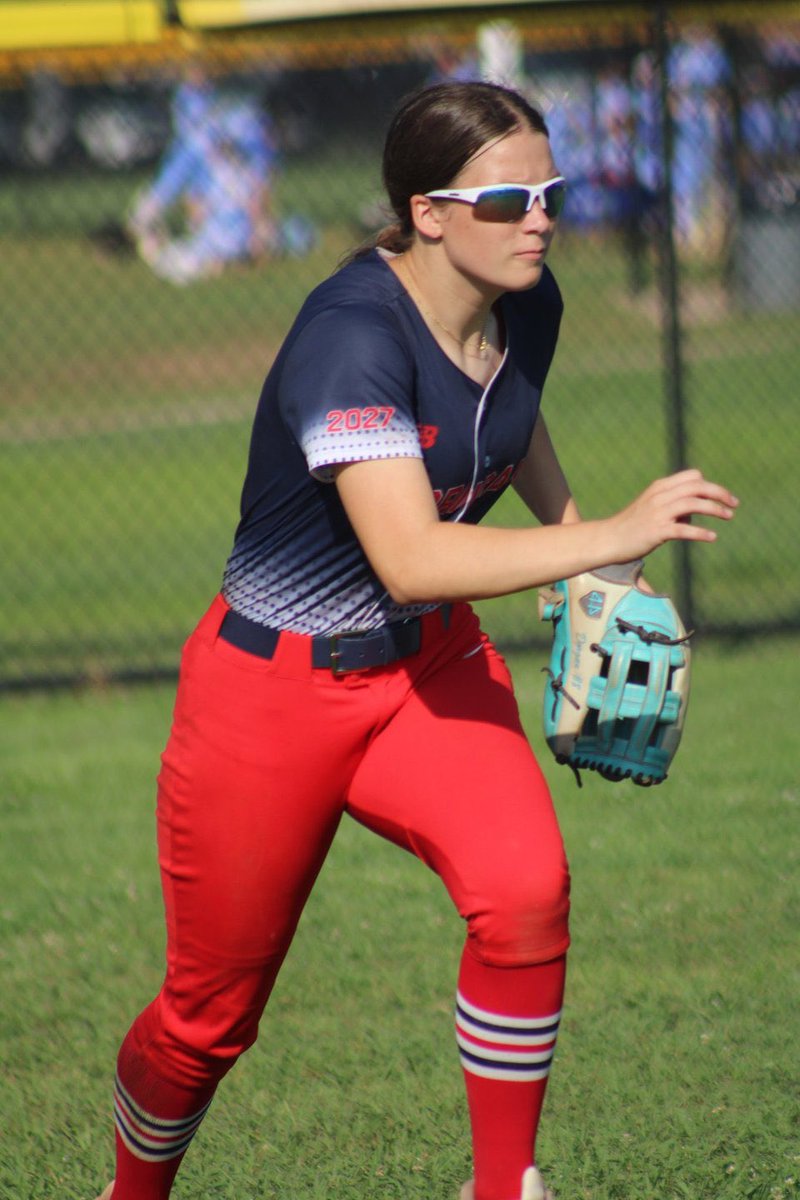
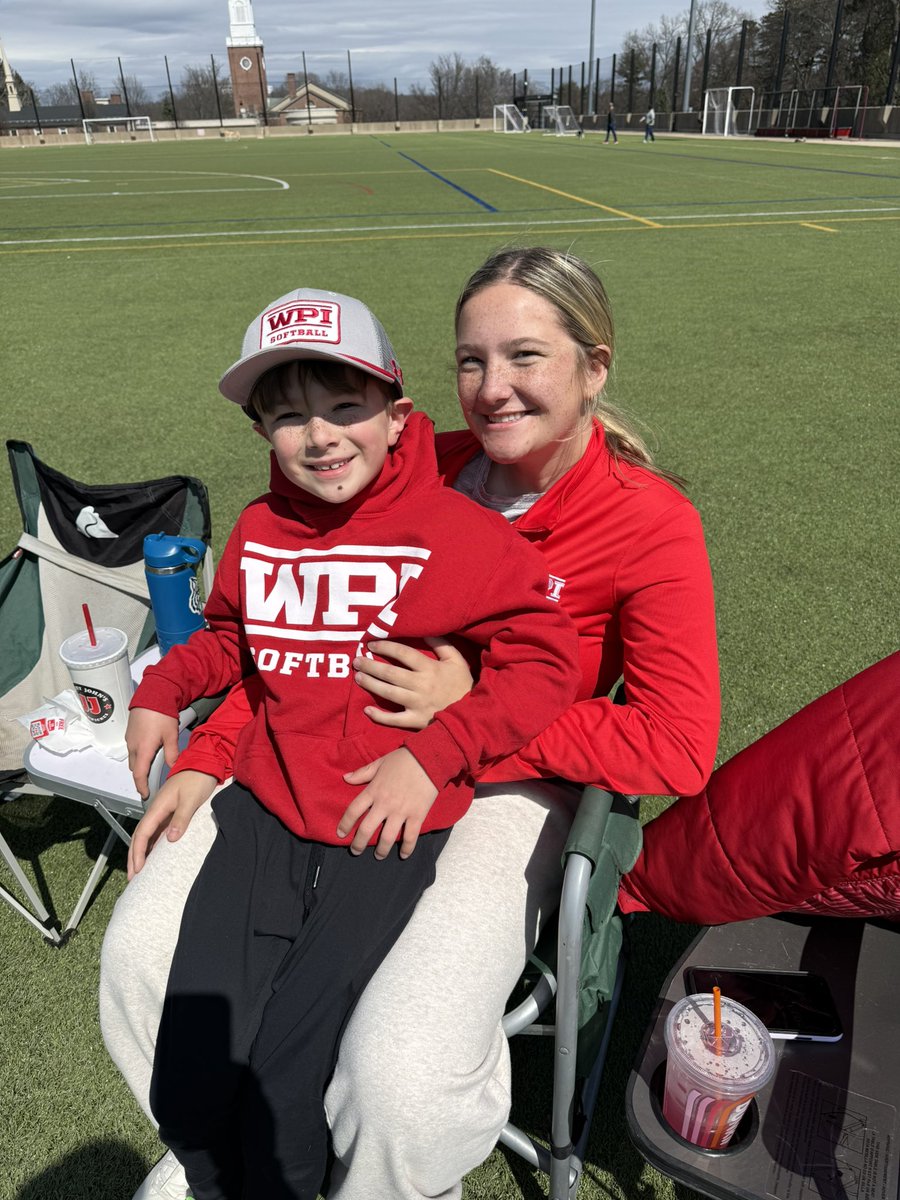
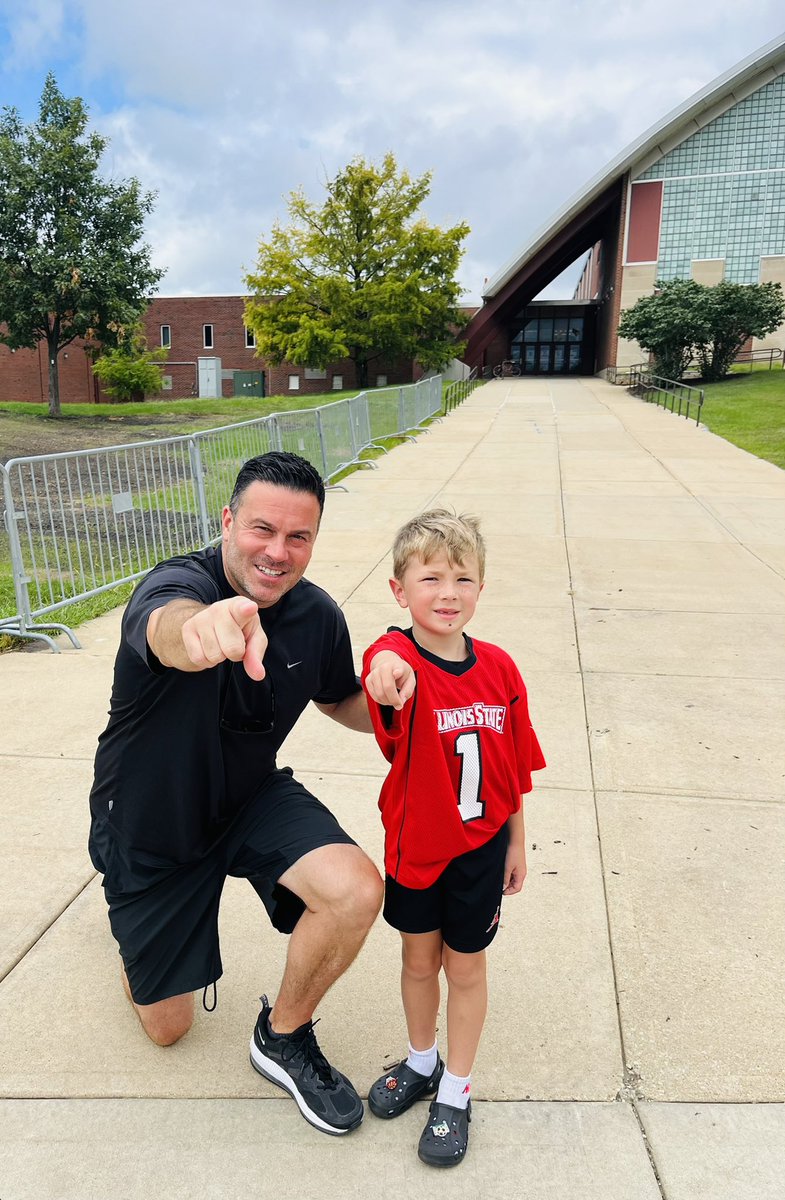
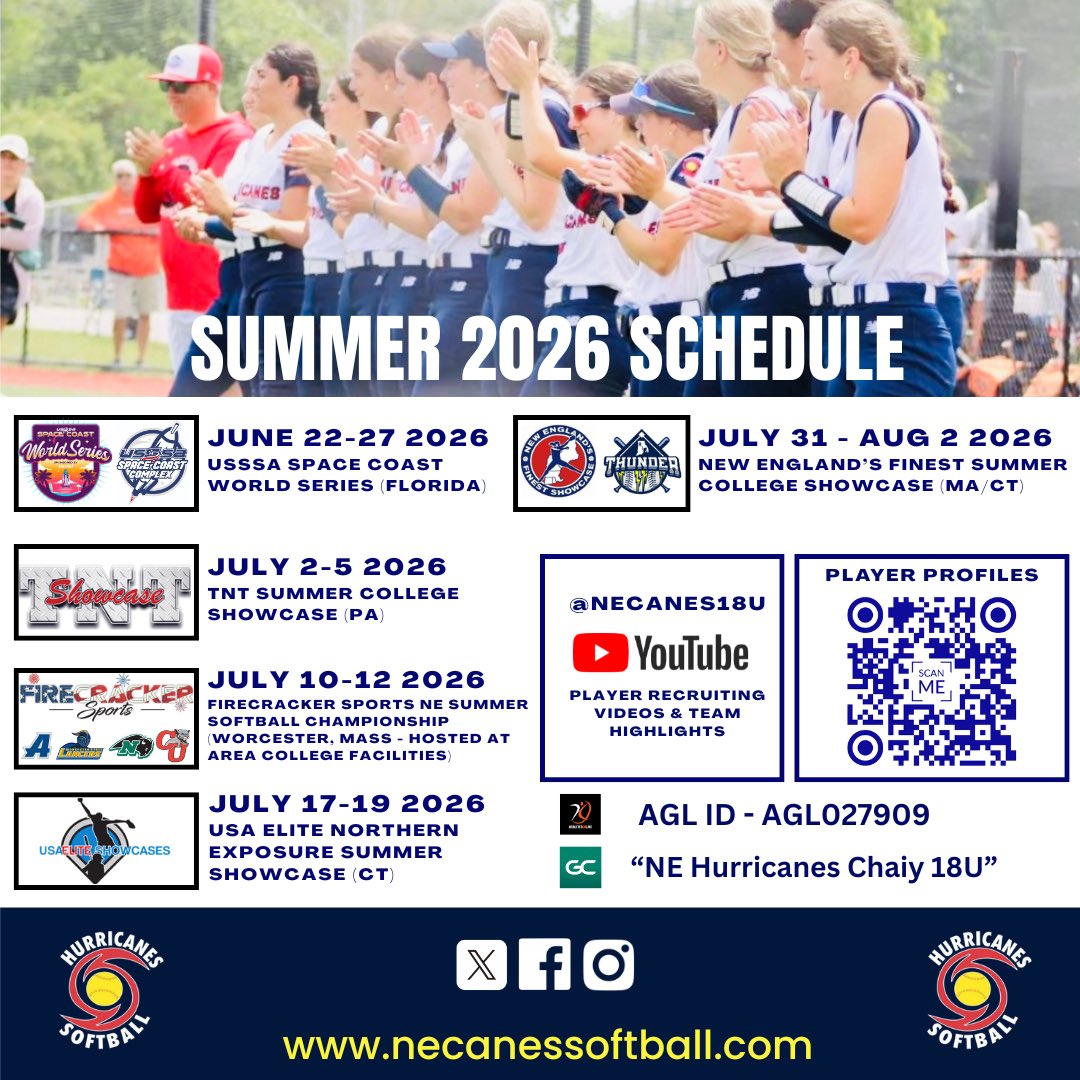
The band is back together again!!!
♥️🌀🥎💙 @NeCanesSoftball
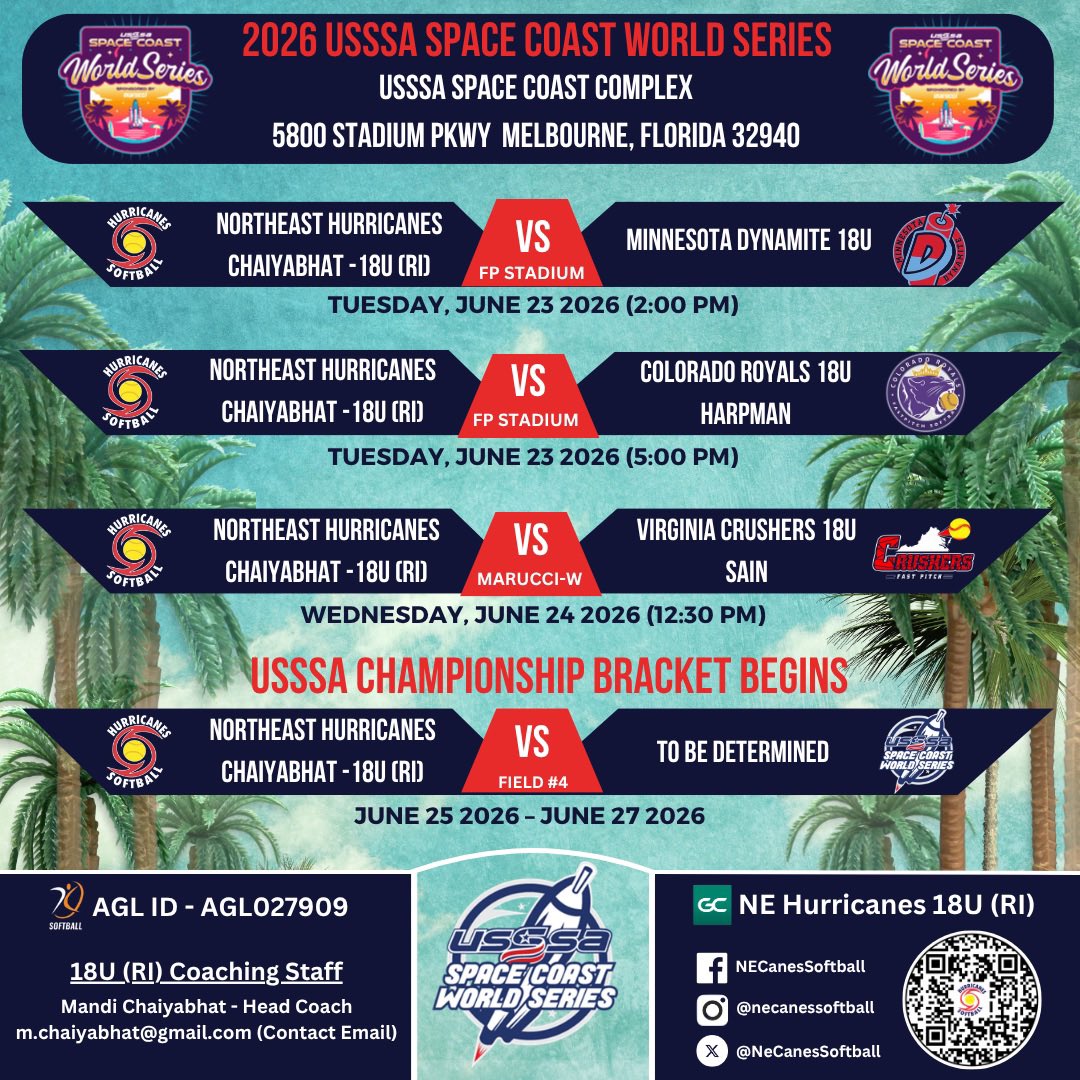
One week until this awesome group is in the sunshine state to play at the amazing USSSA Space Coast complex.
youtu.be/GEZreCmcNMI?is=rz-T…
3
96

Jun 12
💯💪🏼⚾️
Jun 9

A parent asked me the other day how come Pearson's just going Juco?
I laughed.
D1 Juco is where the big boys go to build a resume. College coaches at that level are elite at roster construction and evaluation. You're not sliding in as a freshman and starting. You're competing against some of the best talent in the country.
Out of 300 D1 NCAA baseball programs, D1 Juco is on par with or better than the majority of them. 200 of those D1 schools would struggle to compete with a D1 Juco program heads up.
This isn't a consolation path. This is the right path for athletes who are serious about what comes next.
Pearson's ready. Cincinnati first. Then we go get it.
Don't miss the newest episode of The Process Podcast with @CoachBeede, dropping this Wednesday.
👉 If your athlete is training hard but still not seeing results, DM me. I'll help you figure out what's missing and how to fuel the right way.
#AthleteNutrition #SportsParents #AthleteFuel #Baseball #TexasAthlete #JucoBaseball
1
136
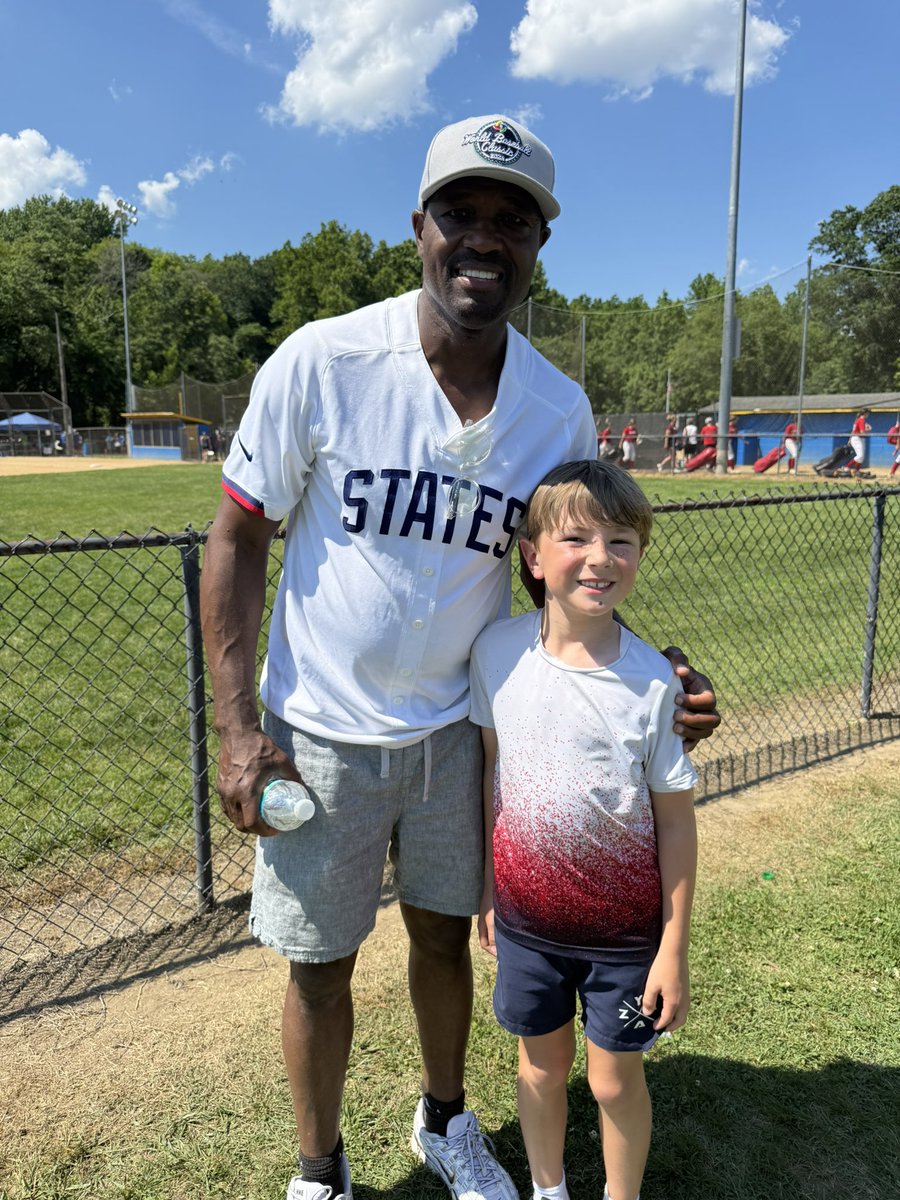
It was fun meeting the legend Harold Reynolds, watching him cheer for his daughter/her team this weekend and him taking a pic with my little dude!
Harold is the best!!! So great that he and MLB are showing true support for 🥎 and AUSL 💪🏼

3-time Pac-12 Defensive Player of the Year and @AUSL_Cascade shortstop Sis Bates demonstrates her technique in the middle infield 💎
⚾️ Powered by @Zoom
192
Whit Chaiyabhat retweeted

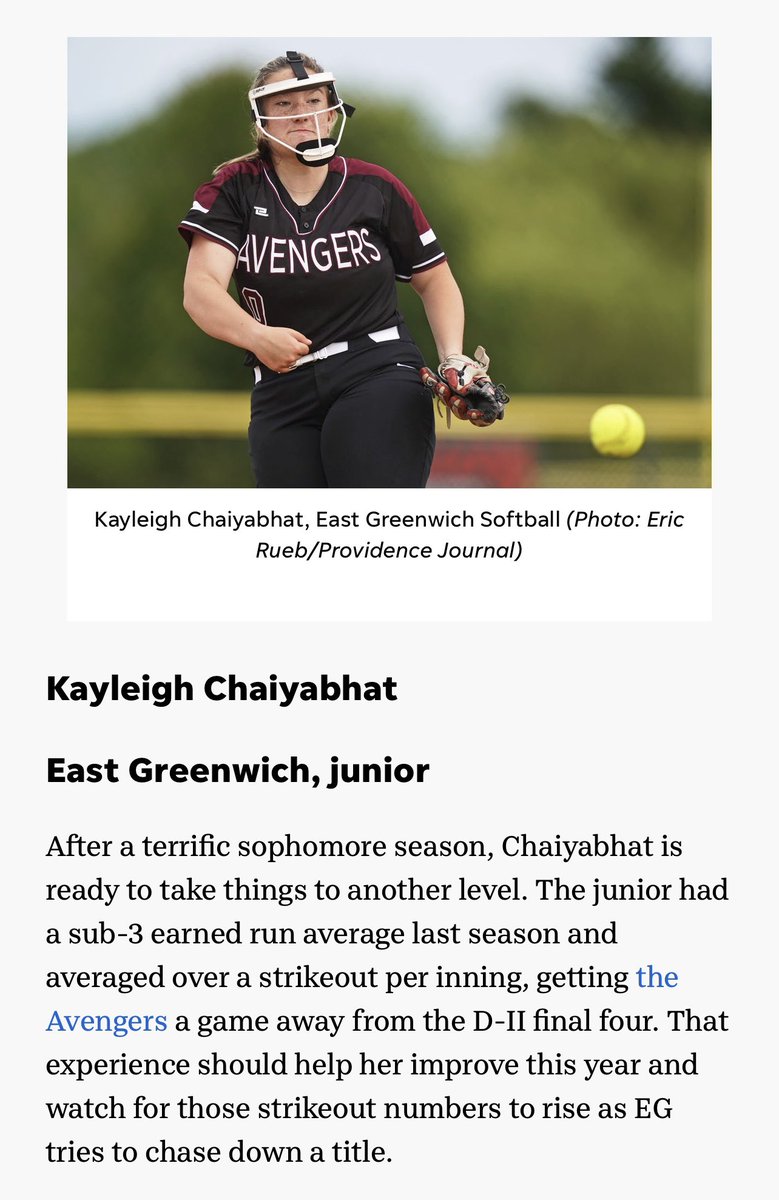
Thanks for playing with us Kayleigh! Coaches…check out Kayleigh with her NE Hurricanes team the rest of the summer! This pitcher can spin it!!

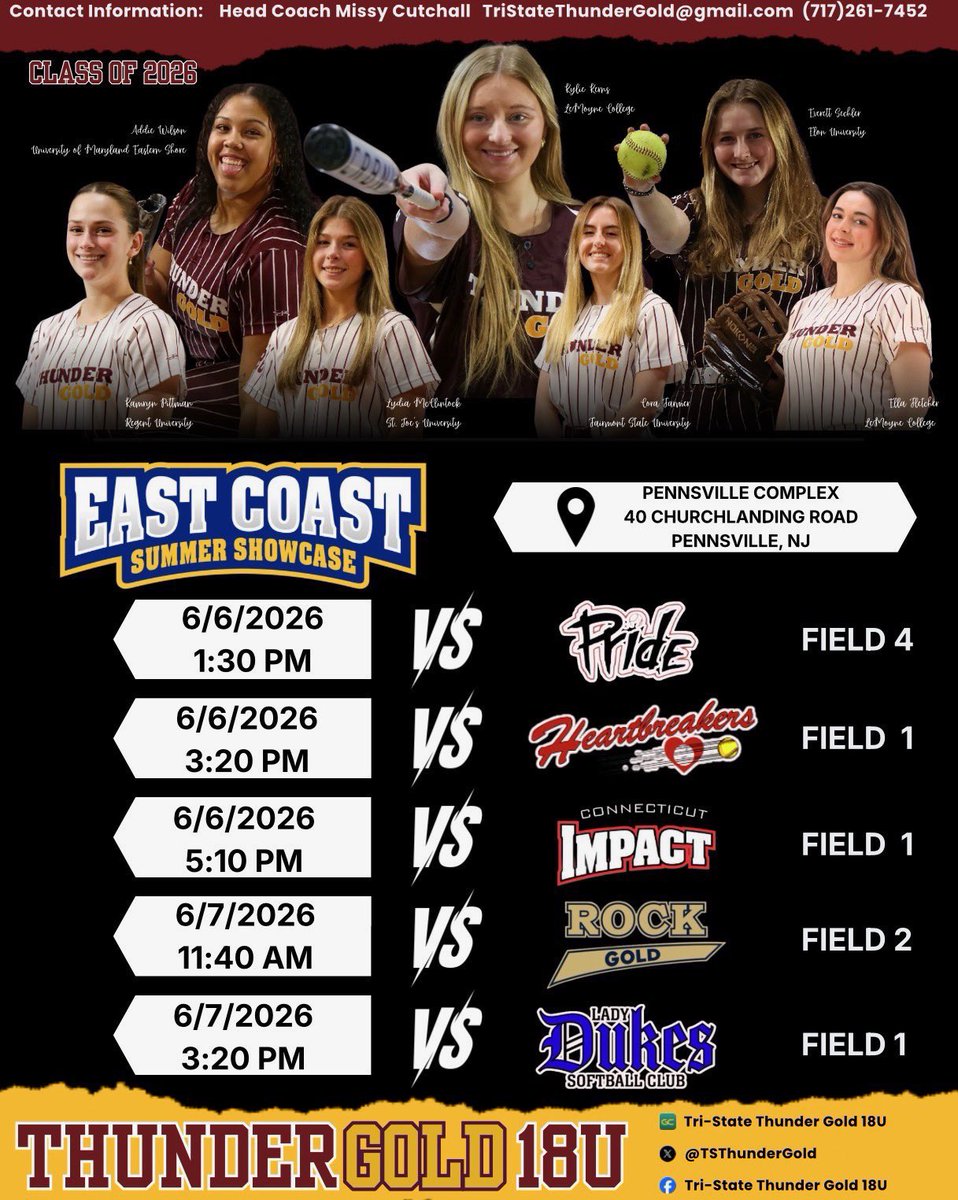
Had a blast guest playing for @TSThunderGold & competing against top national talent this weekend at @eastcoast_sb Summer College Showcase in Pennsville NJ. I contributed by pitching 3 innings for the 16U team with the W against a tough VA Fury Platinum. I threw two 3up/3down innings against the MD Heartbreakers 18U National Team. Wrapped up my time in the circle this weekend with two innings to help the team lock down a big win against a talented NJ Lady Dukes Gold 18U team 6-1. @DoublePlay03 @Rozee03 @HartfordSB @une_softball @BarryUSoftball @RollinsSoftball @EckerdSoftball @FlaglerSoftball @MichelleFrew7 @kayleeallen88
@UTampaSoftball
@BarryUSoftball
@h_kathios19
@HurstSoftball
@CatawbaSoftball
1
9
839
Whit Chaiyabhat retweeted

Had a blast guest playing for @TSThunderGold & competing against top national talent this weekend at @eastcoast_sb Summer College Showcase in Pennsville NJ. I contributed by pitching 3 innings for the 16U team with the W against a tough VA Fury Platinum. I threw two 3up/3down innings against the MD Heartbreakers 18U National Team. Wrapped up my time in the circle this weekend with two innings to help the team lock down a big win against a talented NJ Lady Dukes Gold 18U team 6-1. @DoublePlay03 @Rozee03 @HartfordSB @une_softball @BarryUSoftball @RollinsSoftball @EckerdSoftball @FlaglerSoftball @MichelleFrew7 @kayleeallen88
@UTampaSoftball
@BarryUSoftball
@h_kathios19
@HurstSoftball
@CatawbaSoftball
5
13
1,282
Whit Chaiyabhat retweeted
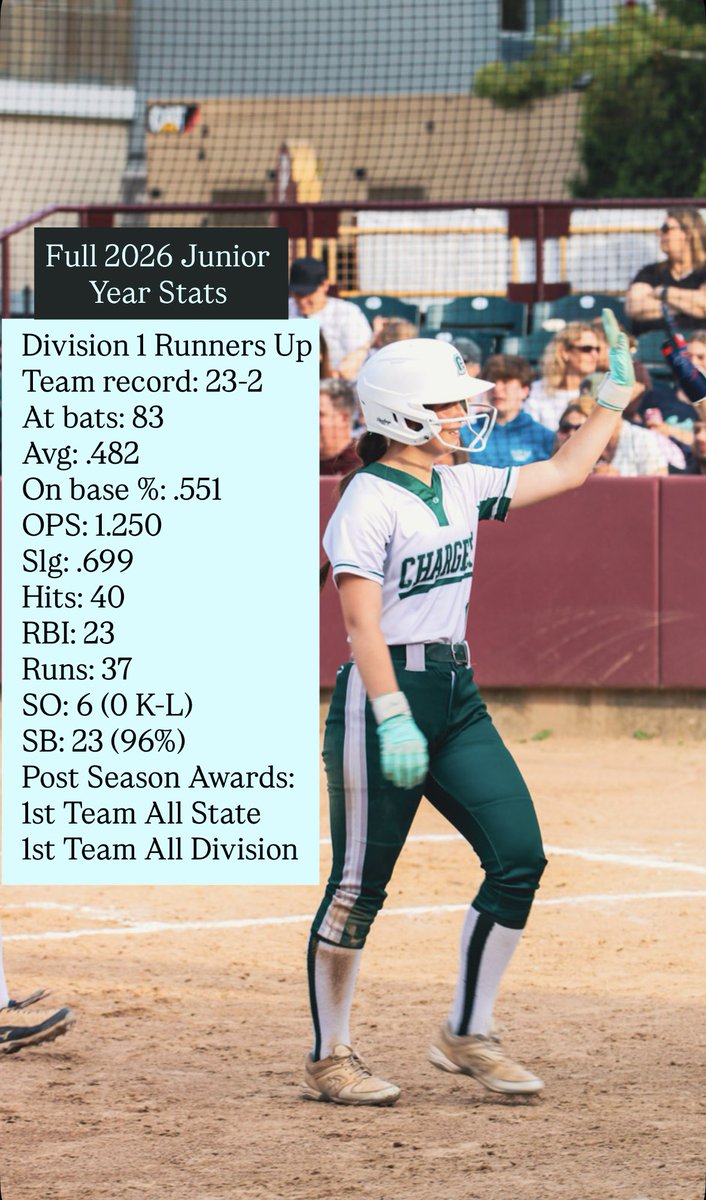
After a long, successful season we came up just short in the final, 5-2. It’s hard losing to the same team in the championship two years in a row but there is so much to be proud of. I wouldn’t want to play with any other group of girls and I wouldn’t want to change a thing. Thank you to our seniors who gave everything to this program, we will miss you so much. My end of season stats are below. I’m very thankful to have been awarded First Team All State and First Team All Division 1. I’m also proud to say I exceeded my own personal goals I set for myself at the beginning of the season. I had a 40 hit season putting myself at 97 career hits. All ready excited for next year with this team but my travel team leaves for Florida in a few weeks and I can’t wait to get back on the field with my @NE_Hurricanes teammates ❤️💚 #uncommitted2027 @DoublePlay03 @Rozee03 @KSCsoftball @EndicottSOFT @HartfordSB @SuffolkSoftball @kevd193213 @CHSRI_Chargers
3
13
727
Whit Chaiyabhat retweeted
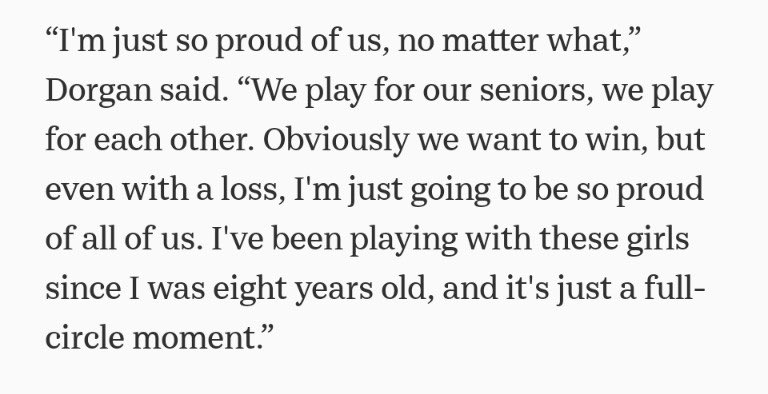
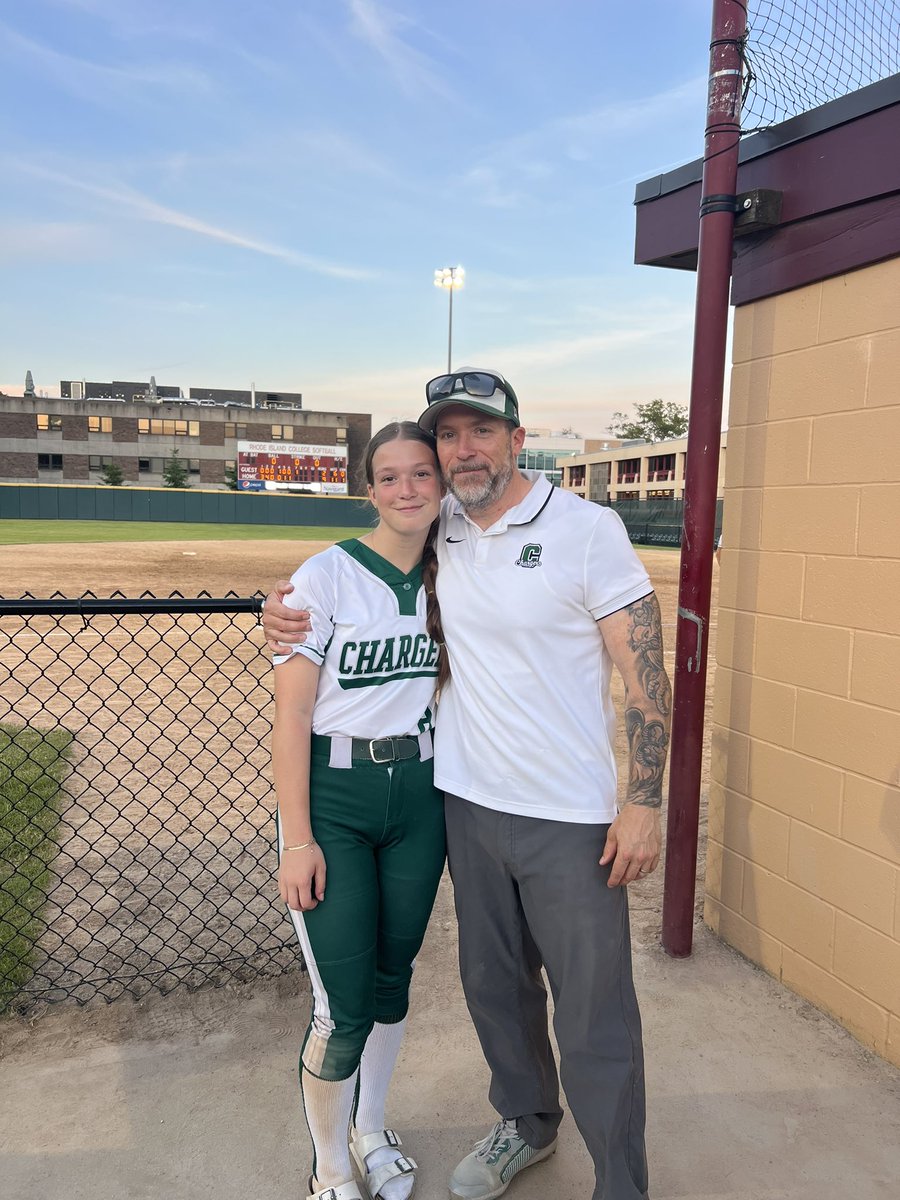
Big win, 9-2, in the losers bracket final last night. After a tough loss on Saturday we worked hard all week to prepare for this game. Back to the championship for the second year in a row! Playing LaSalle at Rhode Island College, Saturday 6/6 at 5pm. Two hits and a stolen base below. Both hits on 3-1 counts, looked for my pitch to drive. #uncommitted2027 @KSCsoftball @EndicottSOFT @HartfordSB @DoublePlay03 @Rozee03 @kevd193213 @CHSRI_Chargers
1
10
1,168

Whit Chaiyabhat retweeted
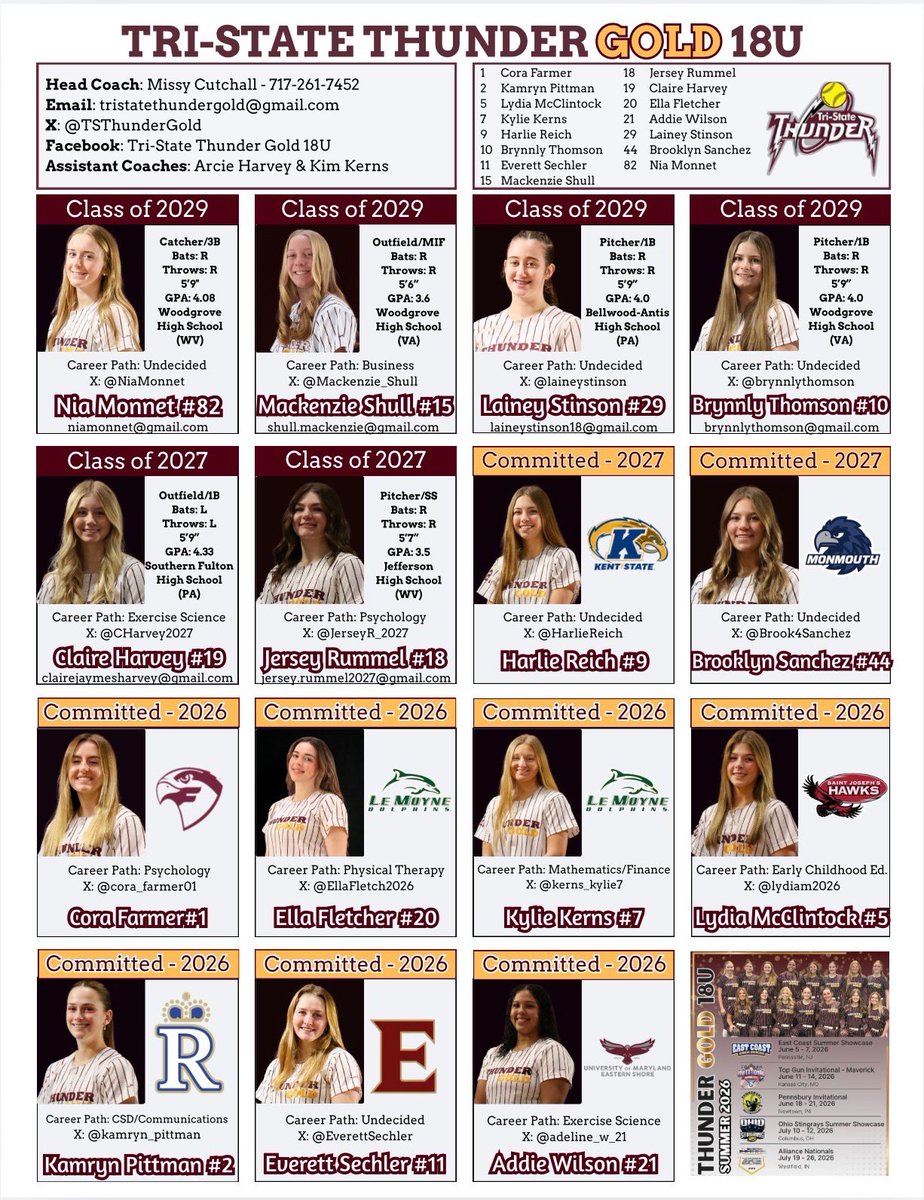
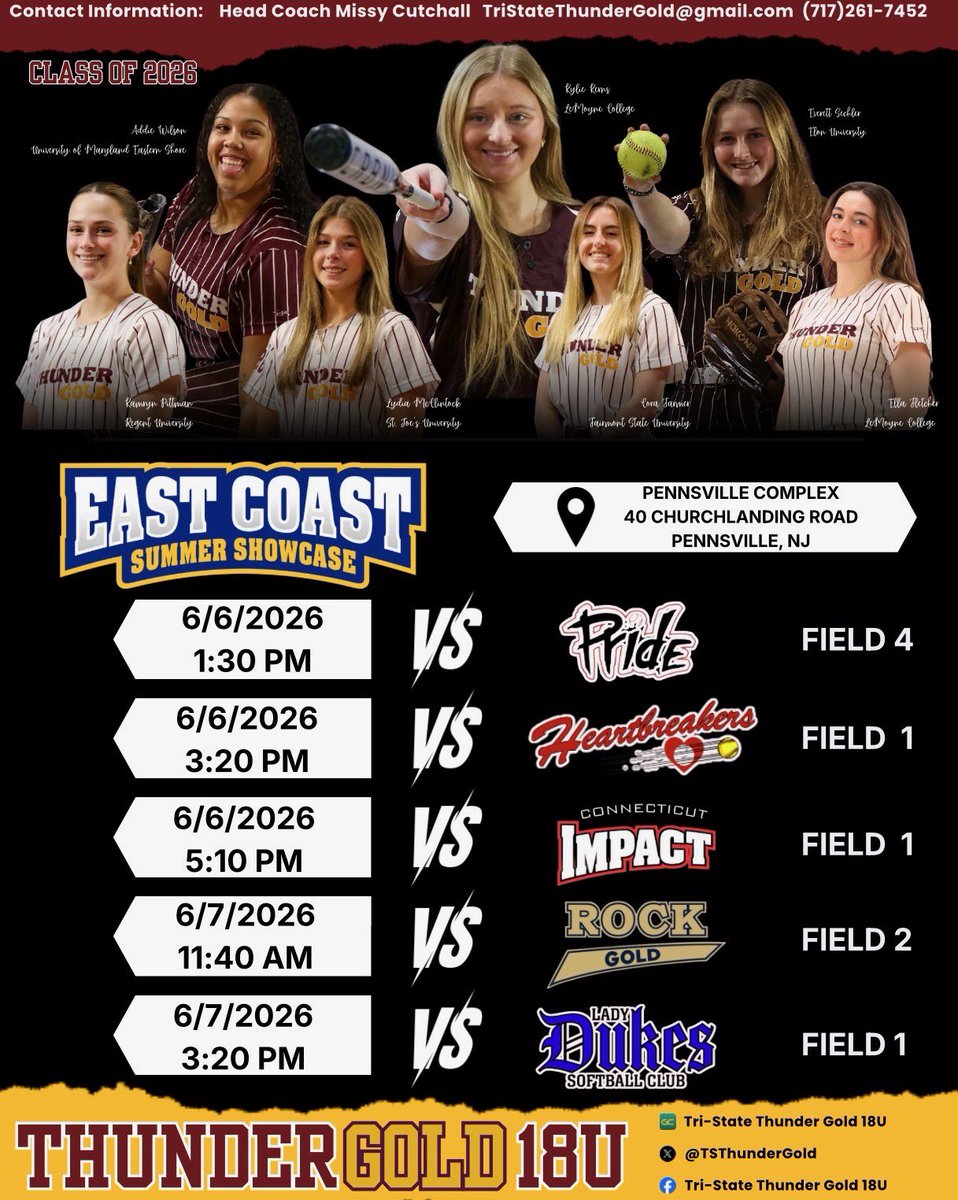
Come see Tri-State Thunder Gold 18U at the East Coast Summer Showcase in Pennsville, NJ this weekend!!
3
9
1,827
Whit Chaiyabhat retweeted
Thankful for the invite and opportunity to guest play/pitch with @TSThunderGold this weekend at the 2026 @eastcoast_sb Summer College Showcase in NJ! @DoublePlay03 @Rozee03 @HartfordSB @une_softball @BarryUSoftball @RollinsSoftball @EckerdSoftball @FlaglerSoftball @MichelleFrew7 @kayleeallen88 @h_kathios19 @CatawbaSoftball
2
9
636
Whit Chaiyabhat retweeted

May 31
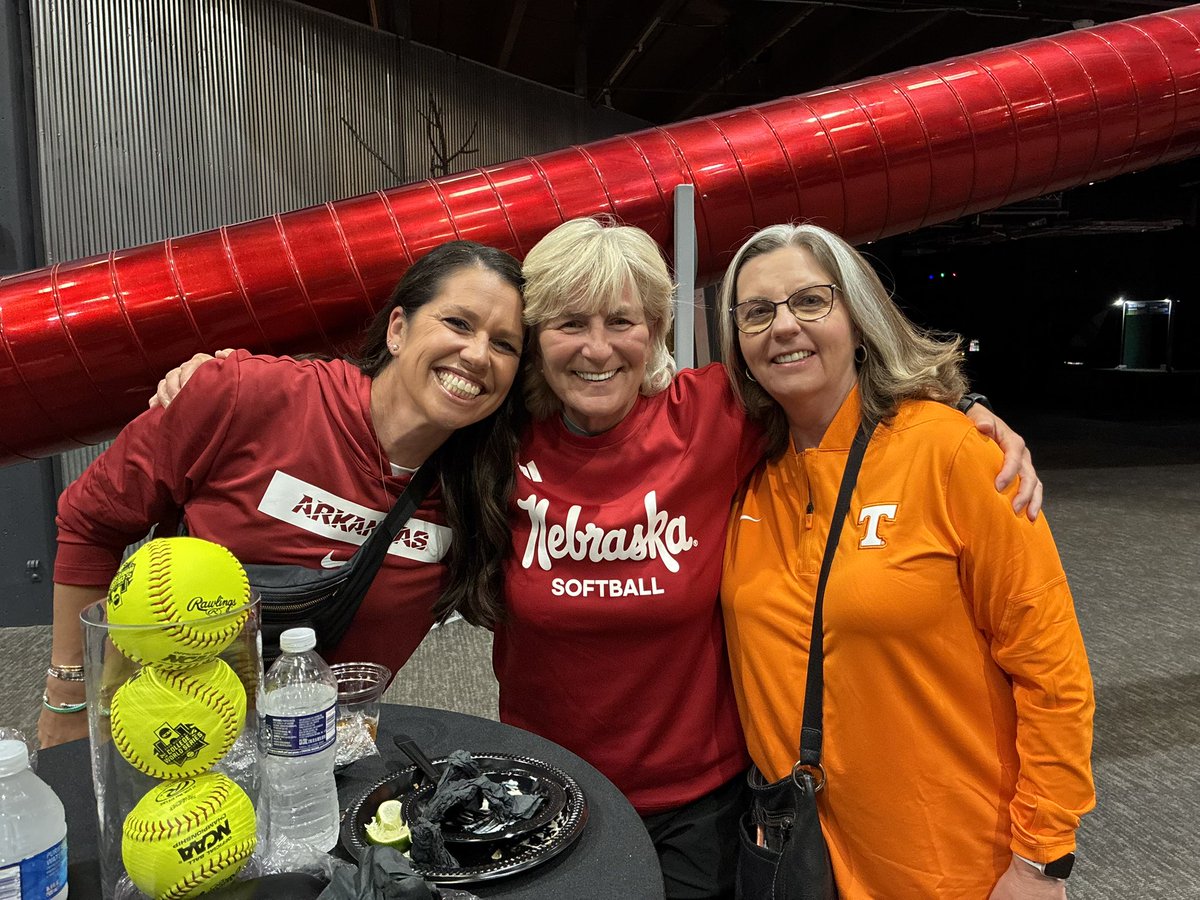
These three amazing coaches are proof that you can win at the highest level AND serve & lead the sport. All are longtime @NFCAorg Board members who prioritize their own programs AND the overall sport. I have never heard them say ‘I don’t have time.’ Instead it’s ’how can I help?’
4
56
1,362
39,547
Whit Chaiyabhat retweeted

I got good reps in the cages today! Getting ready for the first Final game tomorrow!!🥎💣 Go Tigers🐅🐅
@EndicottSOFT @ECSaintsSB @SuffolkSoftball @CCSUsoftball @UNewHavenSB @AssumptionU_SB @BSUsball @Ithaca_Softball @QU_Softball @StagsSoftball @CoachHough413
2
14
354
Whit Chaiyabhat retweeted
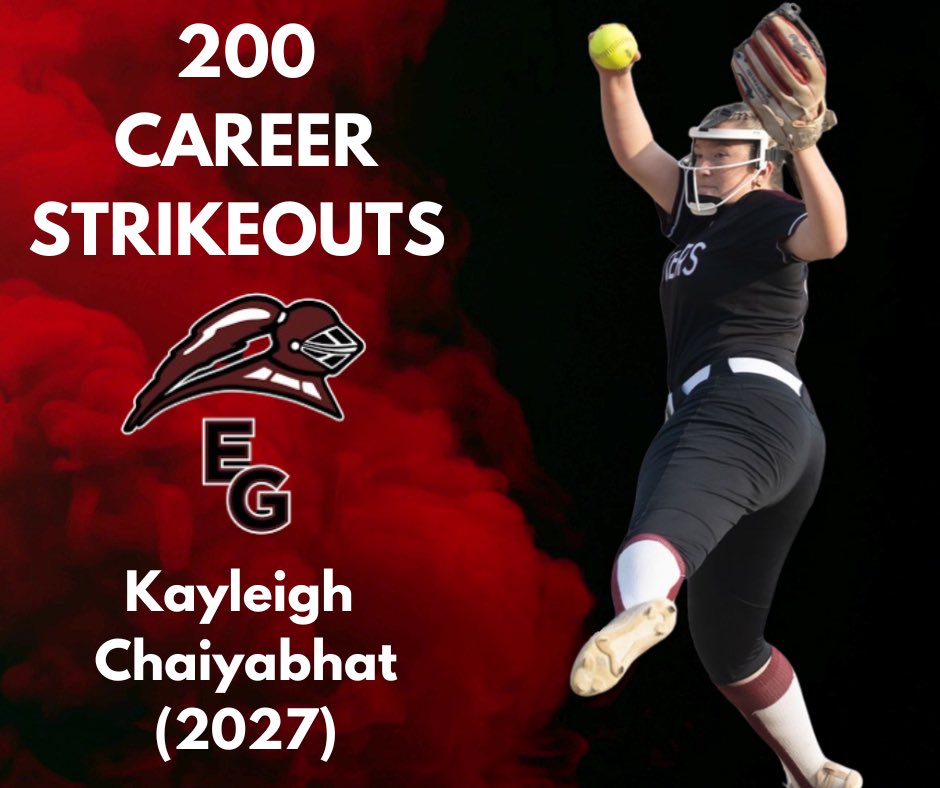
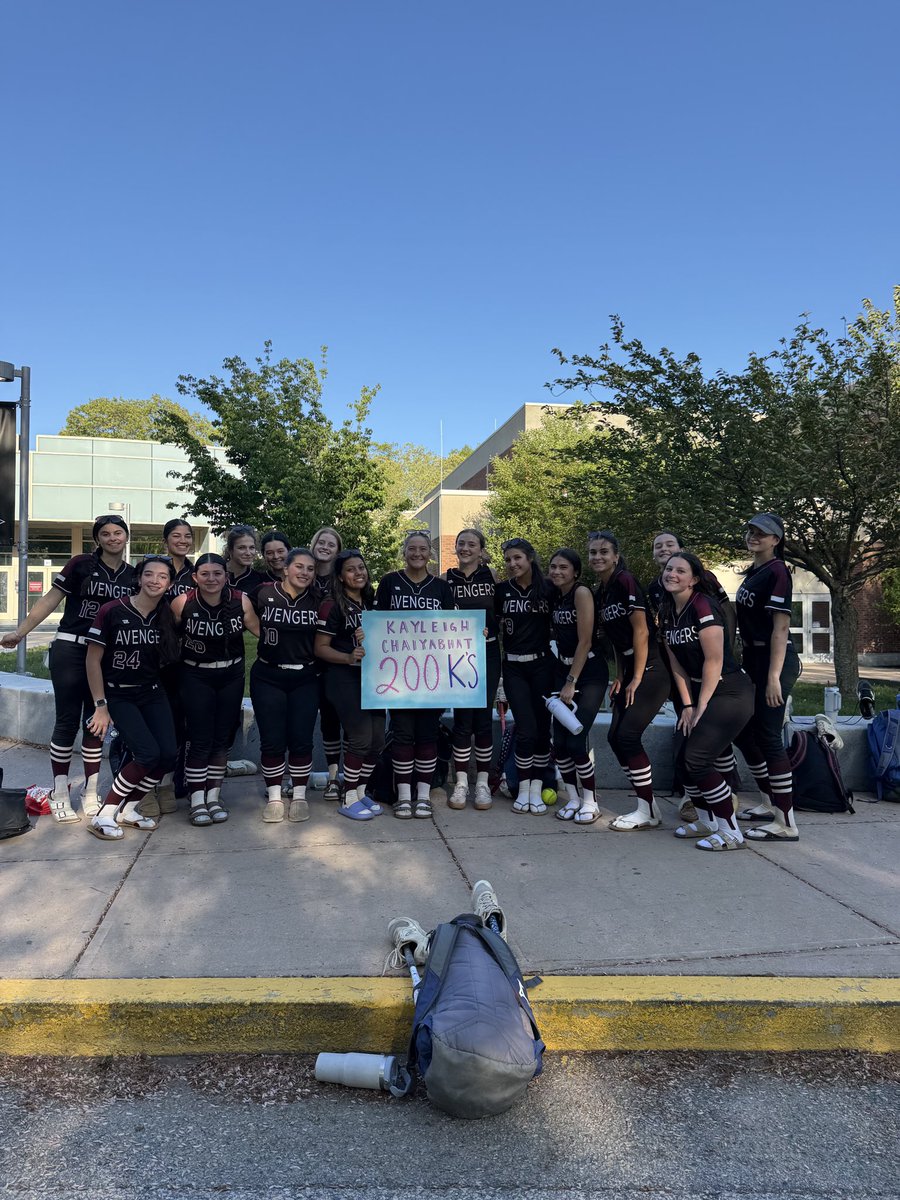
I hit 200 career strikeouts for my HS team (soph,junior year)!! Shoutout to my teammates who celebrated with me! Thank you Coach Emily for helping me throughout my pitching journey!! @BackstopRI @DoublePlay03 @Rozee03 @HartfordSB @une_softball @BarryUSoftball @RollinsSoftball @EckerdSoftball @FlaglerSoftball @MichelleFrew7 @kayleeallen88 @h_kathios19 @CatawbaSoftball
2
3
15
649
Whit Chaiyabhat retweeted

May 28
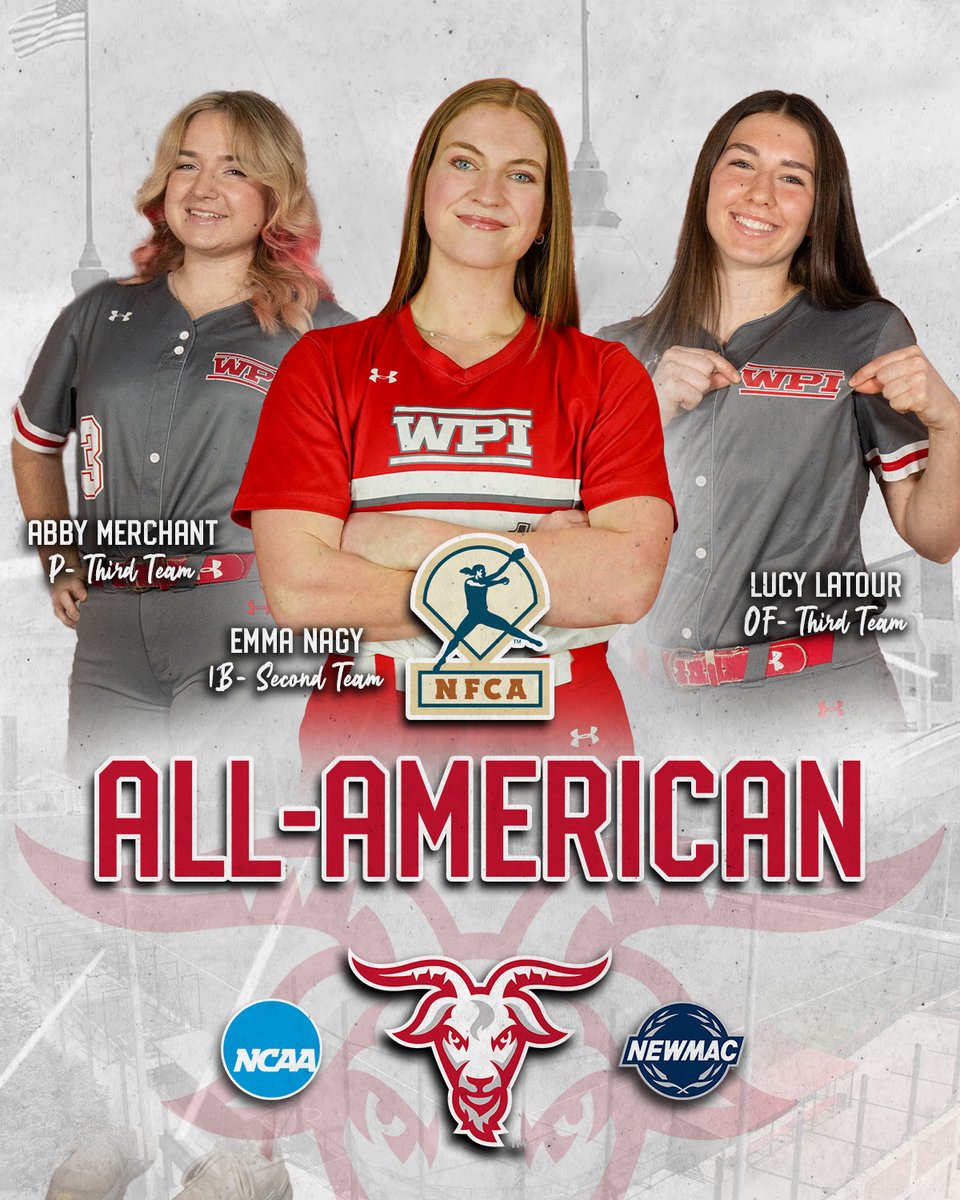
🇺🇸 𝐀𝐥𝐥-𝐀𝐦𝐞𝐫𝐢𝐜𝐚 🇺🇸
@WPISoftball's Emma Nagy, Lucy Latour and Abby Merchant collect @NFCAorg All-America honors 🙌
Read for more⬇️
📰-athletics.wpi.edu/news/2026/…
🥎x🐐
#GoatNation #d3sb
5
22
632
Whit Chaiyabhat retweeted

May 24
As an AD, one of the hardest things I witness our coaches deal with is a parent wanting it more than their child. Coaches use offseason work ethic, skill, athleticism, and what is most valuable to the team when determining playing time.
Parents often hear from their child that the coach does not like them, that it is unfair, or that favorites are being played. In many situations, the harder truth is that the child simply does not love the sport as much as the parent does.
That can lead to parents fighting battles with coaches that their child should be learning to handle themselves. One of the most important lessons sports can teach young people is how to communicate, compete, handle adversity, and advocate for themselves.
Playing time is rarely about one conversation or one moment. It is usually about consistency, effort, preparation, attitude, and trust built over time.
This has become an ongoing trend in sports today. The athletes who grow the most are usually the ones who learn to accept coaching, respond to challenges, and take ownership of their role instead of relying on others to fight their battles for them.
14
85
361
32,992
Whit Chaiyabhat retweeted

May 22
My best hitting coaches were essentially baseball therapists, not ‘swing gurus’
@billmills - The man who helped me go D3 to D1. A summer full of me doubting myself & him instilling confidence. I annoyed him everyday but good hitting coaches know how to deal with that.

Most people think hitting coaches just fix swings.
The best ones do far more than that.
They build relationships.
Manage emotions.
Simplify pressure.
Help players believe in themselves.
The swing is only part of the job.
5
58
30,434
May 22
Amen! Difficult lesson for many parents to learn and embrace…
May 22

PARENTS: Don't build your happiness around your kid’s athletic performance. If you get in a bad mood because they played bad, take a break from the game. Your kid needs to have tough performances to learn, not have great performances to make you feel good.
🗣️ @DrBhrettMcCabe
2
494
Whit Chaiyabhat retweeted
May 22
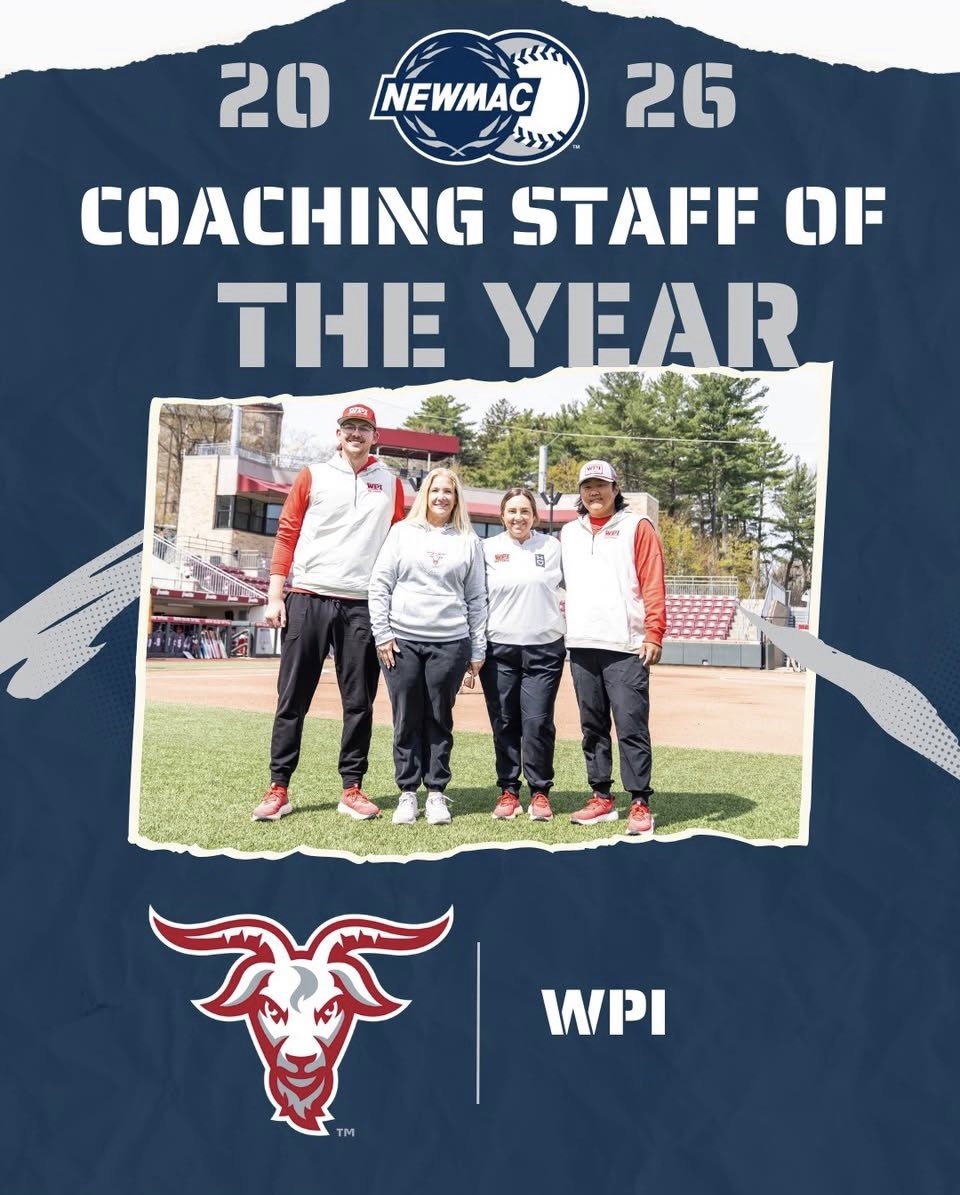
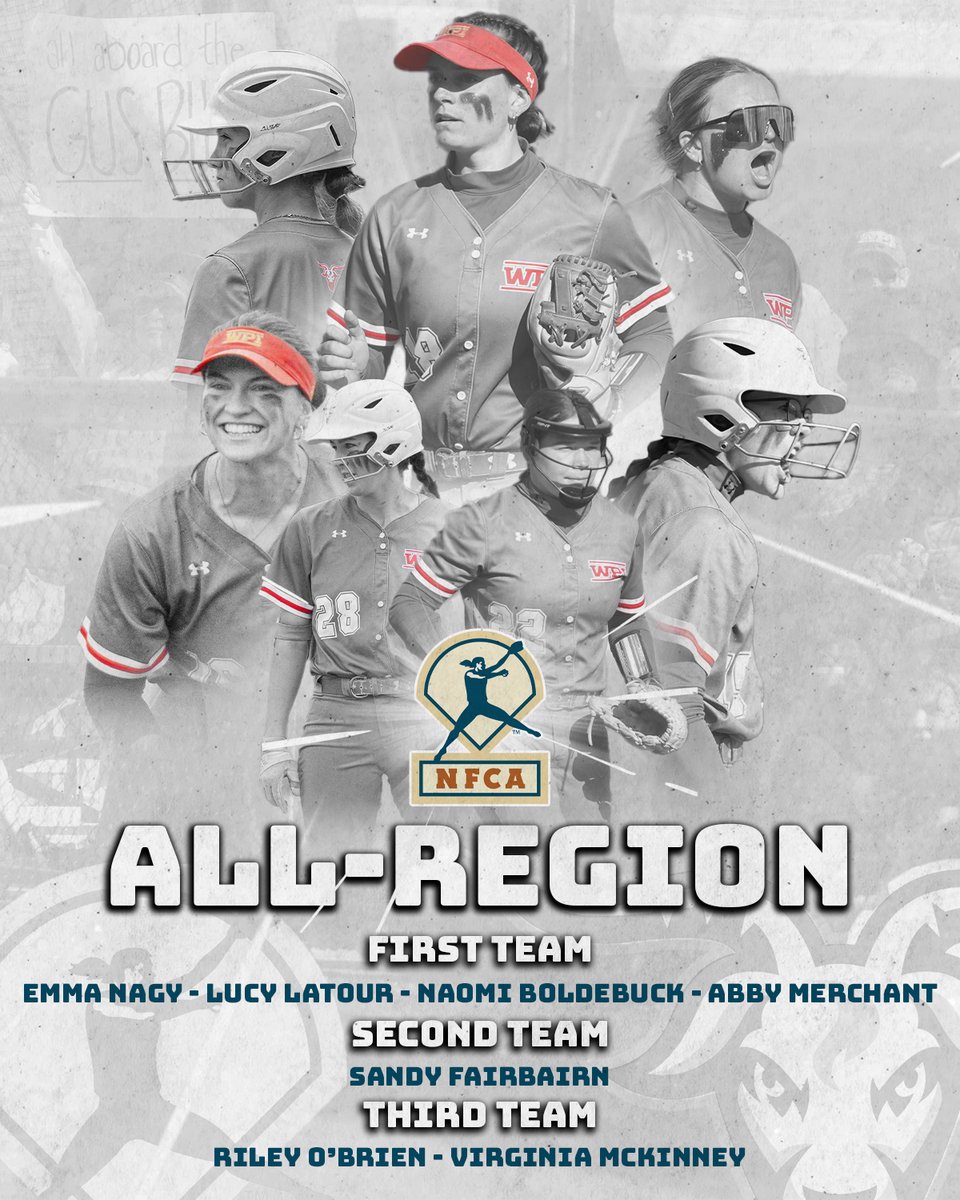
A program-record SEVEN @NFCAorg All-Region honors for @WPISoftball following a historic 44-5 season that included NEWMAC regular season and tournament titles and another NCAA Tournament appearance!
Read for more ⬇️
📰-tinyurl.com/56uet7c7
🥎x🐐
#GoatNation #d3sb
7
26
2,562
Whit Chaiyabhat retweeted

May 21
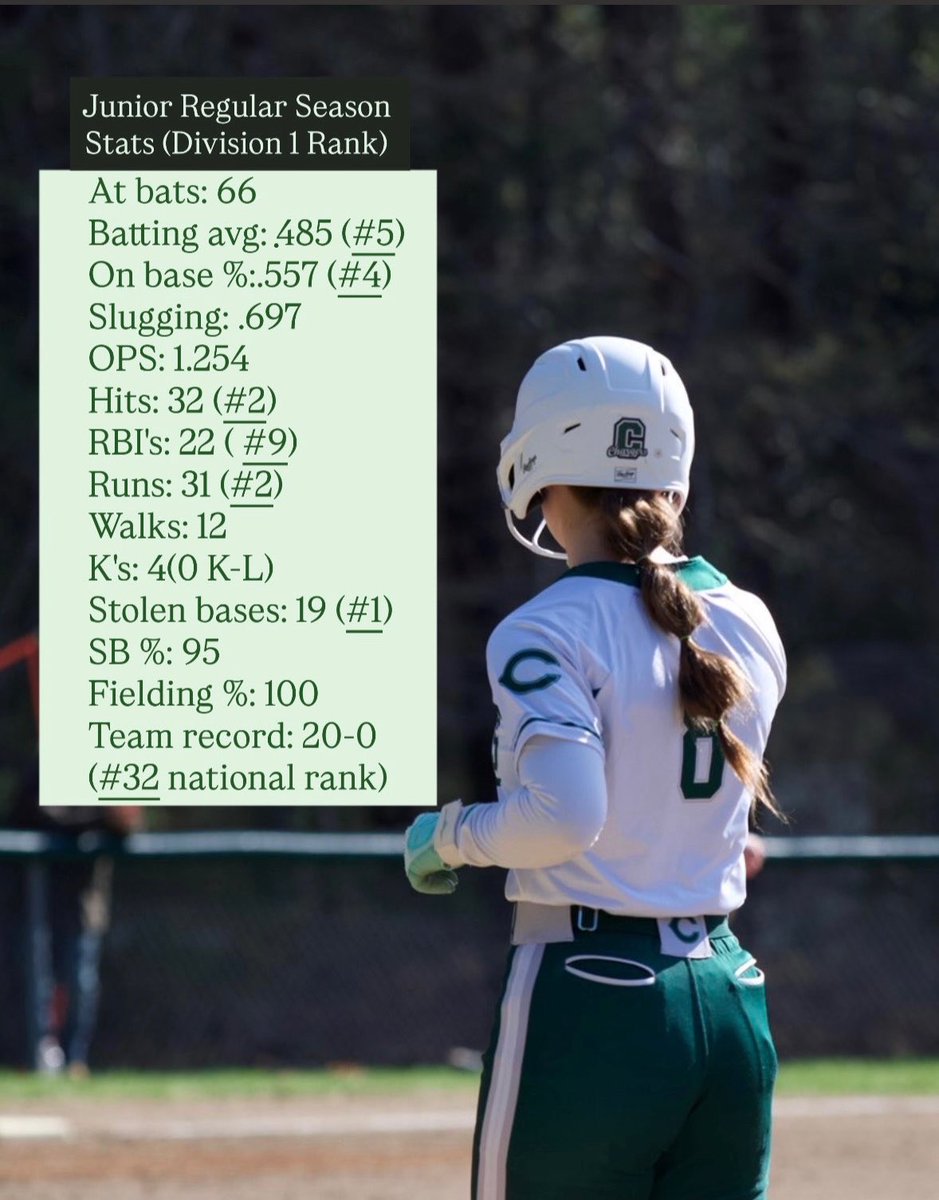
Just finished the regular season of my junior year, stats below ⬇️. Got a bye for the first round of playoffs so we’ll be playing early next week. So proud of all we’ve have accomplished but we still have a lot to prove! #uncommitted2027 @DoublePlay03 @Rozee03 @KSCsoftball @EndicottSOFT @HartfordSB @CoastRecruits @CoastRecruitsSB @CHSRI_Chargers @kevd193213
4
14
1,104
Whit Chaiyabhat retweeted
Putting in the work for playoffs!!💣🥎
@EndicottSOFT @ECSaintsSB @SuffolkSoftball @CCSUsoftball @UNewHavenSB @AssumptionU_SB @BSUsball @Ithaca_Softball @QU_Softball @StagsSoftball @CoachHough413
1
10
203