Joined September 2014
- Tweets 9,885
- Following 1,113
- Followers 1,385
- Likes 22,916
221 Photos and videos








Daniel Schaefer retweeted

Jun 14
This 1982 Miller Lite commercial with Rodney Dangerfield, Dick Butkus, John Madden, Bubba Smith, Deacon Jones & others cannot be topped
152
1,242
8,728
399,325
Daniel Schaefer retweeted

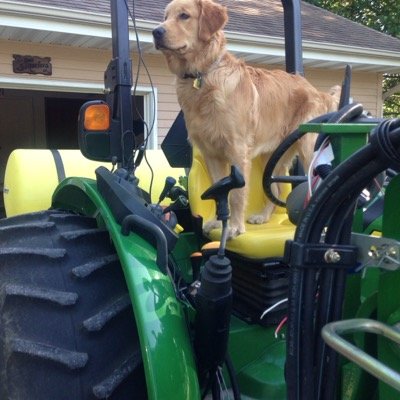
Don’t just want one … I need one! Spent most of the day yesterday cutting my lawn and field
133
238
3,720
1,009,518
Daniel Schaefer retweeted

Jun 14
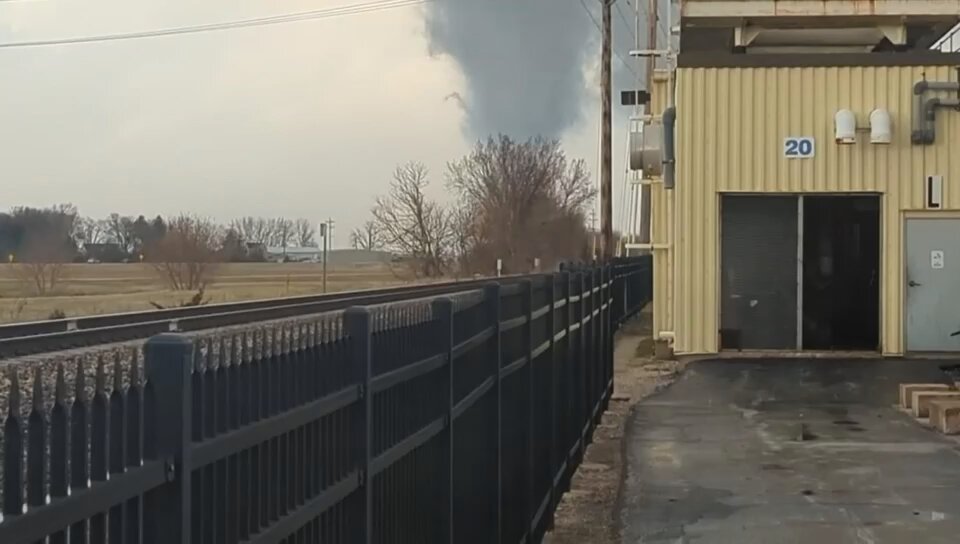
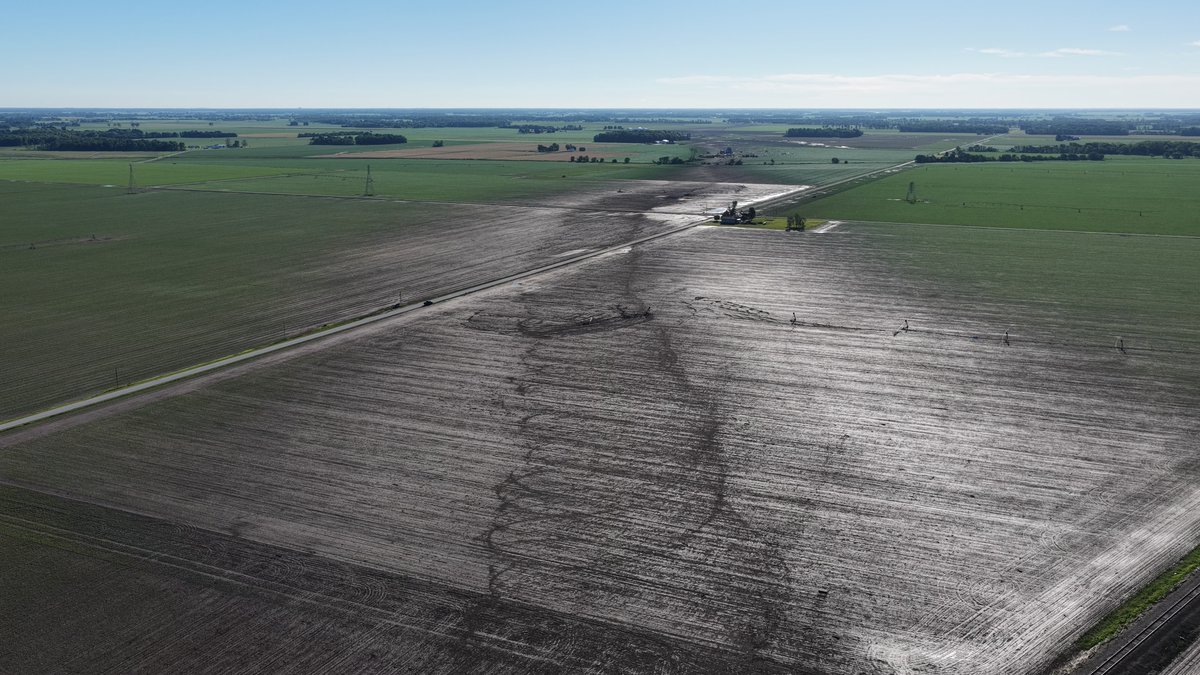
Flying the path of the Dwight, IL tornado where cycloidal swirl marks reveal where individual vortices ripped young corn and soybean plants out of the ground and dug into the top layer of the soil: youtu.be/7n1tkJGO2lQ
2
3
25
2,655
Daniel Schaefer retweeted
Jun 14
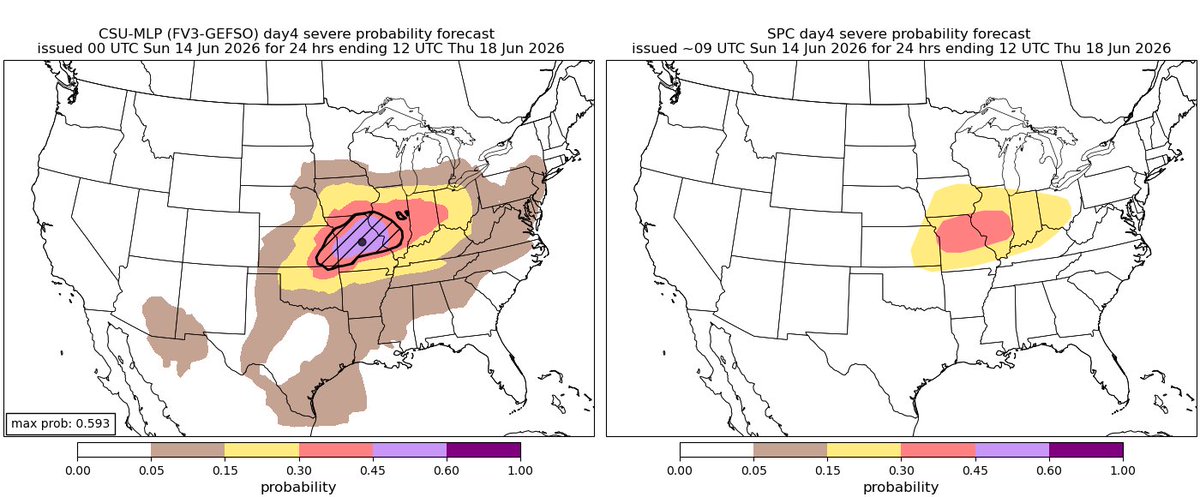
Another day of significant severe weather appears increasingly likely on Wed, June 17th across portions of Missouri and Illinois. Much more to come as details become clear, but high-end wind damage and tornadoes are on the table once again.
1
13
86
8,797
Daniel Schaefer retweeted

Jun 12
Everyone knows Dunkirk. 338,000 men rescued from the beaches, the "miracle" that saved Britain.
Almost nobody knows what happened 8 days later, 100 miles down the coast. This story was buried for years, and once you hear it you will understand why.
While Dunkirk was being evacuated, the 51st Highland Division was deliberately kept in France. Churchill wanted to prove to the French that Britain would not abandon them. So 10,000 Scotsmen kept fighting along the Somme while everyone else went home.
They fought well. Too well to retreat in time.
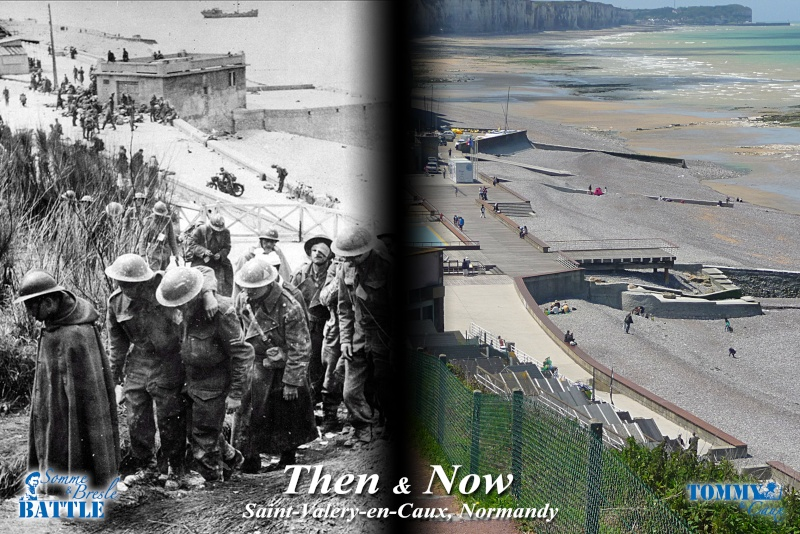
By June 10, Rommel's 7th Panzer Division, moving so fast the Germans called it the Ghost Division, had cut them off from every port. The Highlanders fell back to a tiny fishing town called Saint-Valery-en-Caux, with cliffs at their backs and the Royal Navy on the way.
A second Dunkirk. That was the plan. Operation Cycle, ships waiting offshore.
Then the fog rolled in.
The ships could not reach the beaches in the dark and mist. And by morning, Rommel had artillery on the cliffs above the town, firing down on anything that floated. Men climbed down cliff faces on ropes made of rifle slings trying to reach boats. Some fell. The rescue never came.
On June 12, 1940, Major General Victor Fortune surrendered the 51st Highland Division to Rommel. There is a famous photo of the two men standing together, Rommel grinning, Fortune staring into the distance like he is somewhere else.
10,000 men marched east into 5 years of captivity. In parts of the Highlands, nearly every family knew someone in the bag. They called it the lost division, and for decades many Scots quietly believed they had been sacrificed.
Two details worth knowing.
Fortune was offered better treatment as a general. He refused privileges and stayed with his men for the entire war, organizing care for the sick and keeping discipline in the camps. He was knighted from a hospital bed after liberation.
And in September 1944, the rebuilt 51st Highland Division was given one specific assignment, at the request of its commander. They liberated Saint-Valery-en-Caux. The pipers played in the same square where their brothers had surrendered four years earlier.
Dunkirk got the movie. These men got the long war.
Worth remembering them today.
89
1,153
5,787
138,820

Daniel Schaefer retweeted

Jun 12
This is the full CBS interview of storm chaser Scott Lasker talking about his experience.
But this is downright disgusting and unacceptable to record someone trapped in debris and not having a thought of dropping the camera to help while they are in pain as they look at the camera. This is not what storm chasing is about and should never do in this situation, like help out and stop going for fame. This is also one of the reasons why storm chasers in general get a bad reputation.
Jun 12

WATCH: Man rescued from the rubble of a home in Streator, Illinois following the tornado.
8
20
158
30,791
Daniel Schaefer retweeted

Jun 11
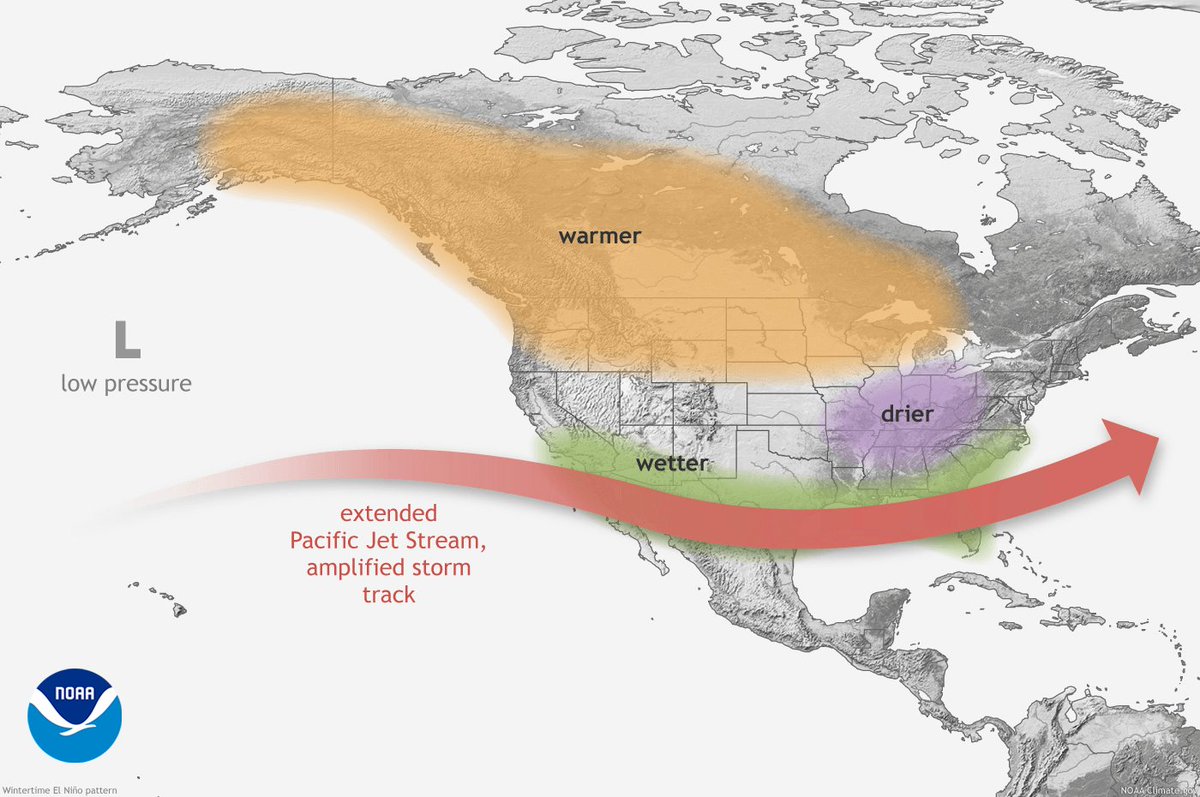
El Niño is officially here! @NOAA National Weather Service announced today that El Niño has developed in the tropical Pacific, issuing an El Niño Advisory. They say it's expected to strengthen through fall and winter, but there's also a 63% chance the event reaches "very strong" status.
The timing is notable: 75% of the U.S. is currently experiencing dryness or drought conditions, a slight improvement from last week. But a year ago, that figure was just 48%.
A stronger El Niño could bring much-needed moisture to some drought-stricken areas. But the two areas meteorologists are still concerned about? The Pacific Northwest and parts of the South.
7
30
131
19,158
Daniel Schaefer retweeted

Jun 12
34
357
3,358
120,531
Daniel Schaefer retweeted
Jun 12
Timelapse shot of just a section of damage path north of Kouts, IN. This was a very violent #tornado with significant ground scaring.
@MyRadarWX #inwx
34
328
2,033
162,518
Daniel Schaefer retweeted
Jun 11
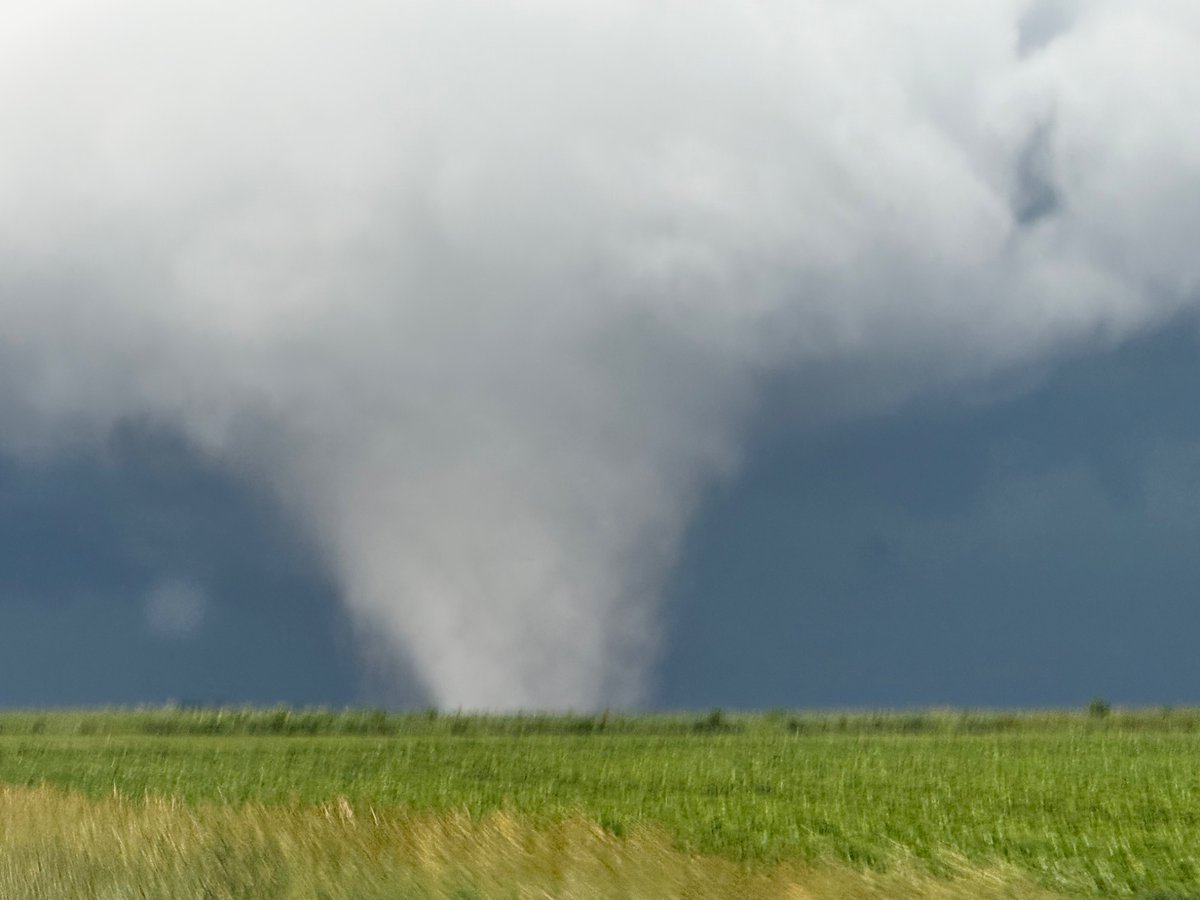
Sorry for radio silence, nonstop, filming tornadoes with my jaw on the floor in North Central Illinois.
49
467
3,135
186,798
Daniel Schaefer retweeted

Jun 12
Quick edit showing some of the intense moments today while documenting 8 tornadoes in northern Illinois into Indiana. Massive shoutout to @skydrama for nailing the forecast in the warm sector. Hands down the craziest tornado outbreak I've ever documented.
Full video will be released in the near future on the @thestormreel YouTube page.
#ilwx #inwx #tornado #outbreak
99
999
6,918
603,927
Daniel Schaefer retweeted
Jun 12
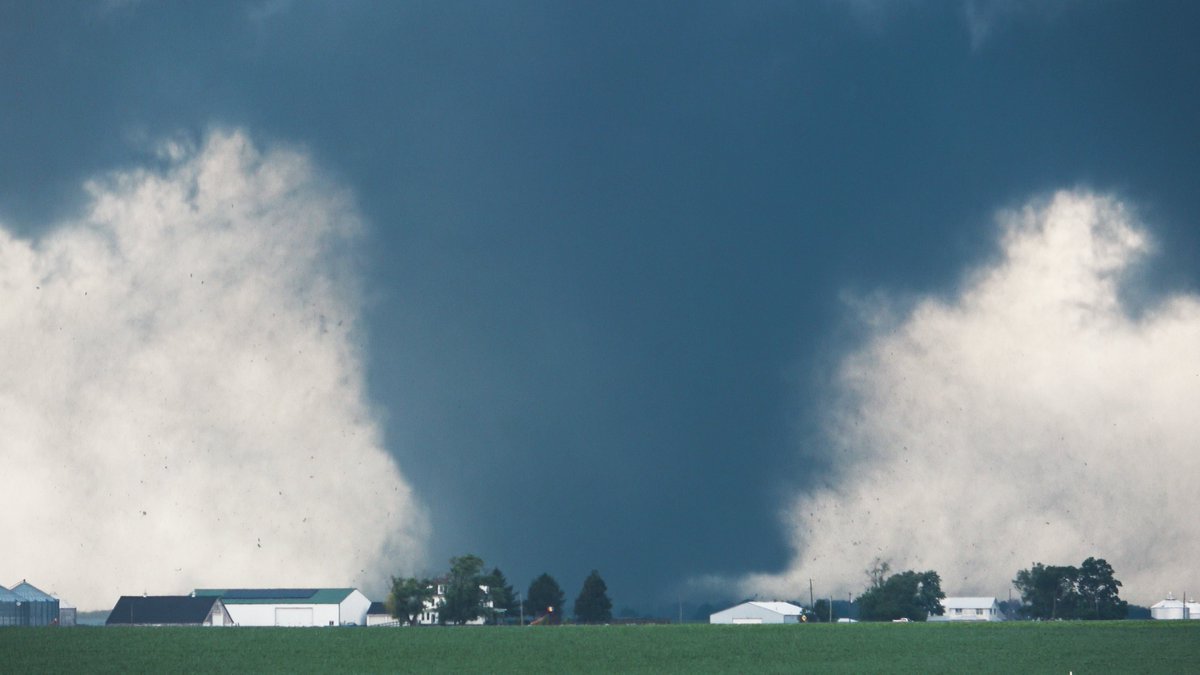
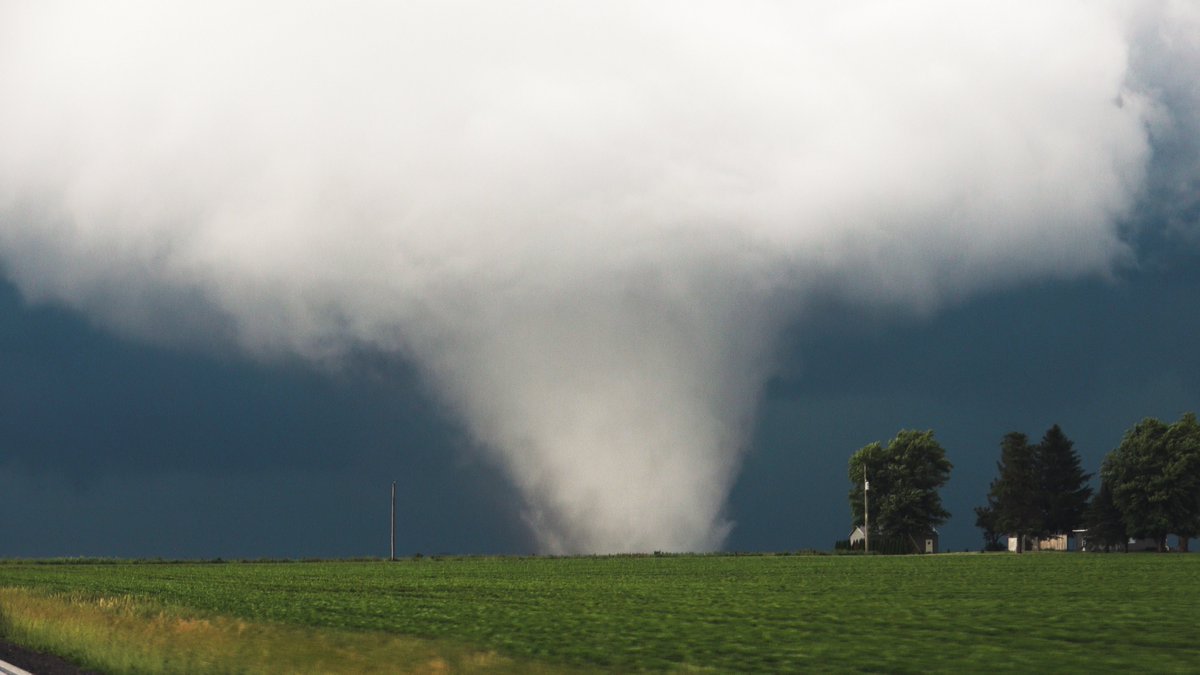
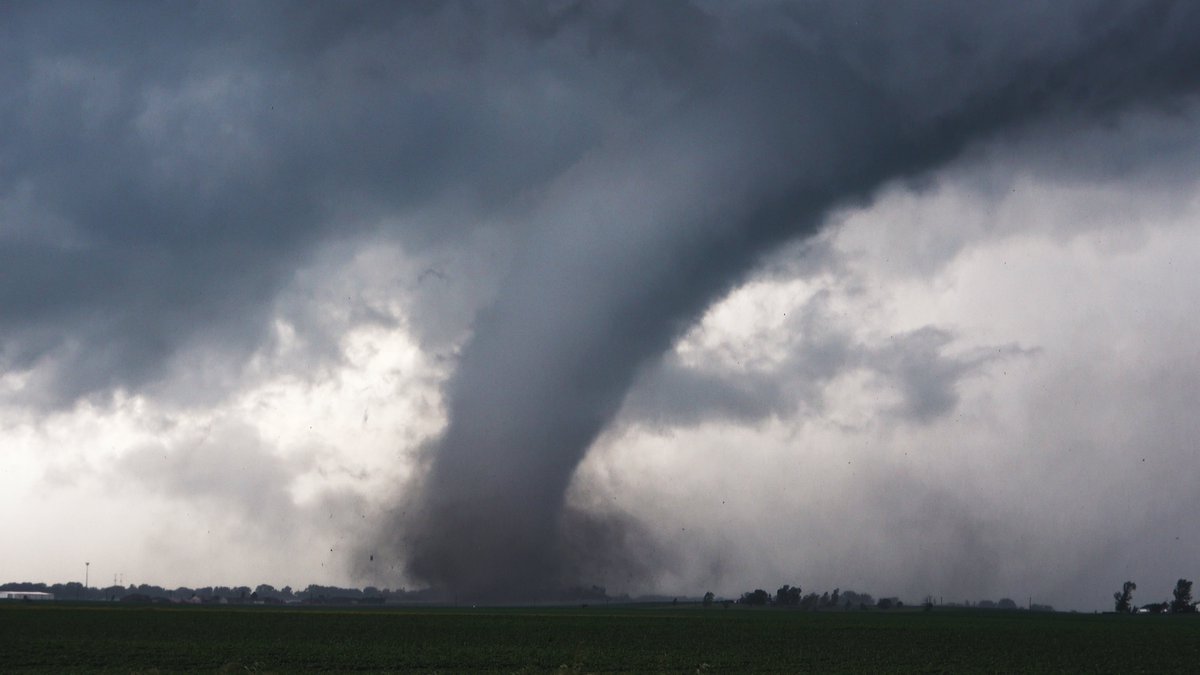
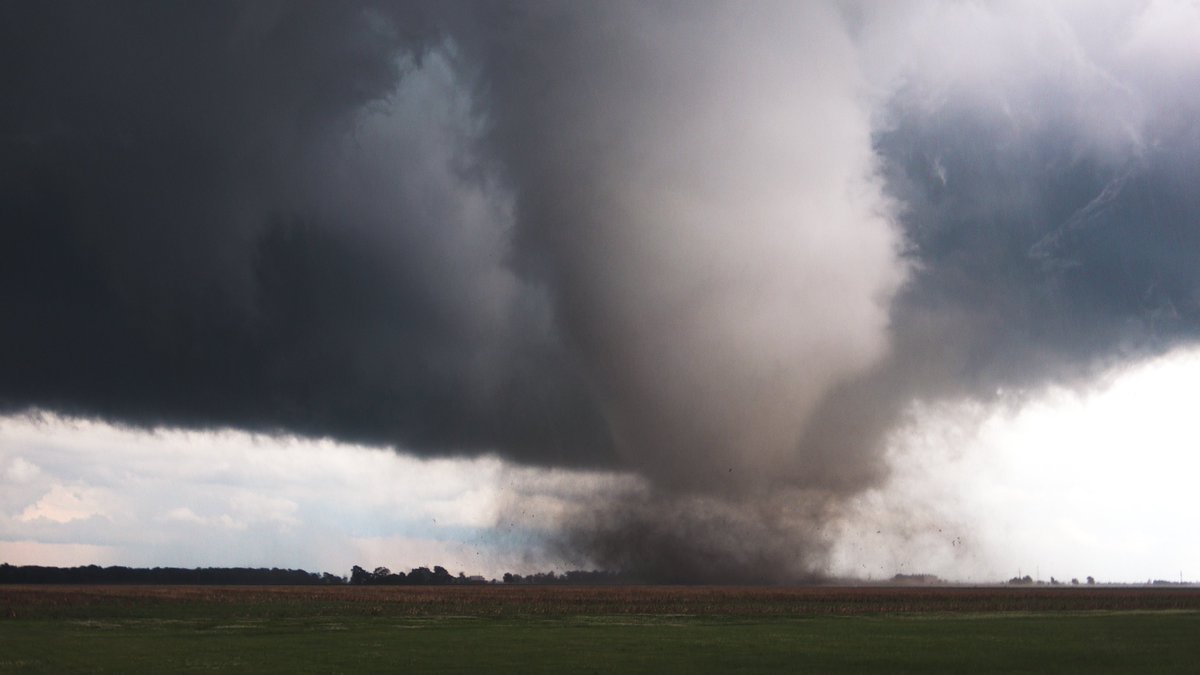
Today will go down as the craziest weather day I have ever covered in my home state. Gambled east in the open warm sector / modifying outflow regime ahead of the PFT/cold front and it paid off in the form of numerous large, damaging, but photogenic tornadoes in central Illinois.
36
261
1,916
54,670
Daniel Schaefer retweeted

Jun 12
Looking a bit western here in eastern Illinois
12
6
76
7,261
Daniel Schaefer retweeted
Jun 10
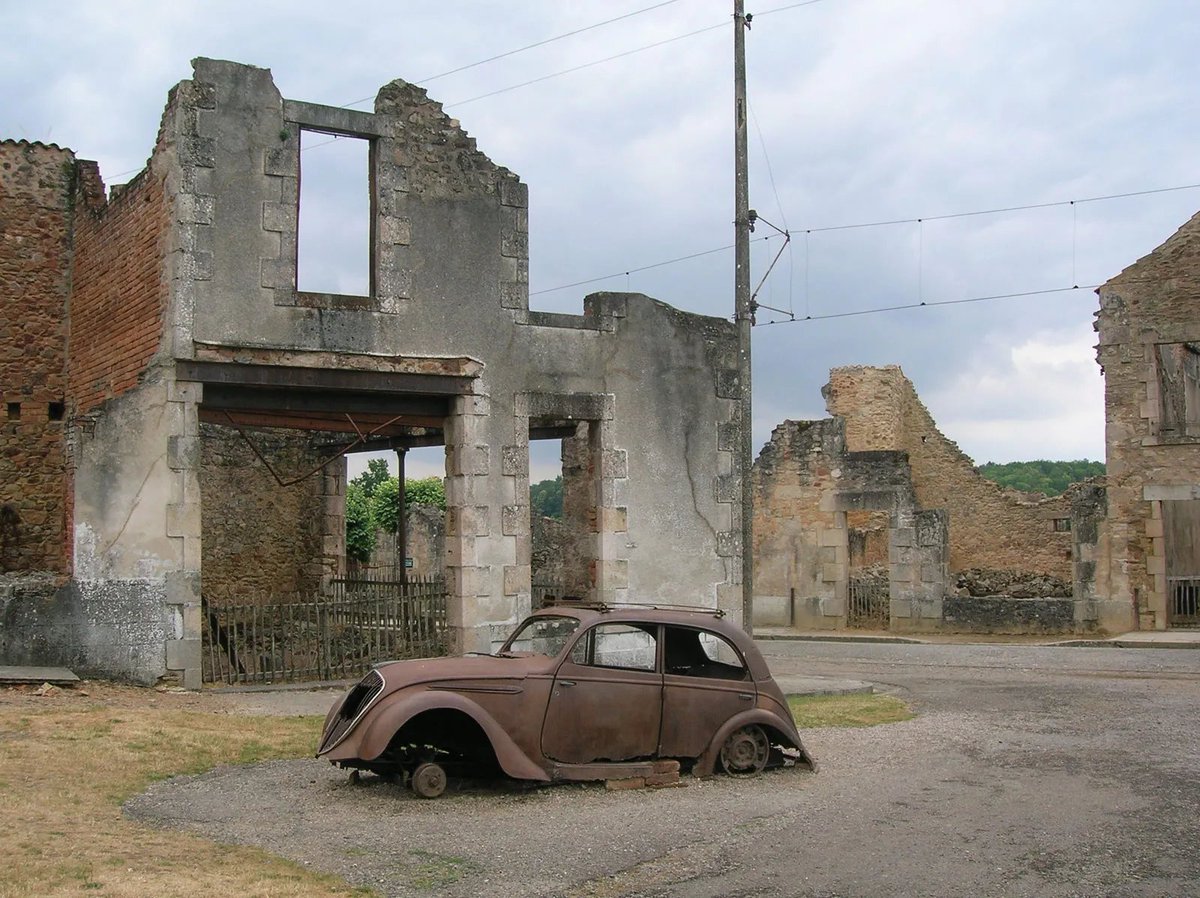
On June 9, 1944, the French Resistance captured a senior SS officer named Helmut Kämpfe near Limoges. The next morning, his unit, the 2nd SS Panzer Division Das Reich, was looking for a response. They had already hanged 99 men from the balconies of Tulle the day before, chosen at random from townspeople, leaving them to strangle slowly in front of their families because they couldn't find enough rope for a proper drop.
Now they needed something more.
On June 10, Sturmbannführer Adolf Diekmann led his men to Oradour-sur-Glane. Some historians believe he confused it with Oradour-sur-Vayres, a different village where the Resistance was actually active. Others believe he knew exactly where he was. Either way, at 2pm his soldiers blocked every road in and out of the village.
They told everyone to gather in the marketplace for a routine identity check. People complied. A dentist came. A farmer left his fields. Schoolchildren were told by their teachers not to worry, they'd be back by dinner. A man cycling through town stopped to see what was happening.
By 2:30pm, around 650 people were standing in the square.
Then the soldiers separated the men.
The women and children were marched to the church. The 190 men were divided into six groups and taken to barns across the village. The mayor, Dr. Paul Desourteaux, reportedly tried to negotiate. There was nothing to negotiate.
In the barns, the soldiers opened fire but aimed deliberately at legs. At thighs. At knees. The goal was not to kill but to incapacitate. To ensure that when they piled straw over the bodies and lit it, nobody could crawl away. Men who were on fire and still conscious screamed while soldiers stood outside the doors.
Six men survived by playing dead beneath other bodies. One died from his burns days later. Five lived.
In the church, the women had been waiting almost two hours with the children. Soldiers carried in a large wooden box and placed it in the nave. They lit a fuse and left. The explosion released a thick, suffocating smoke. Soldiers then entered and opened fire on anyone still moving. Then they piled wood, straw, and chairs onto the bodies and lit everything.
The church bell rang for hours as the fire climbed the tower.
Women broke windows. Those who reached the ledge were shot before they could jump. One woman, 47-year-old Marguerite Rouffanche, crawled behind the altar, found a small window, and squeezed through. She dropped three meters to the ground. A 19-year-old named Henriette Joyeux saw her and followed, throwing her seven-month-old baby out first. Soldiers shot the baby out of the air. Then shot Henriette. Then shot Marguerite five times as she ran.
Marguerite survived by lying still beneath pea plants in a garden while the village burned around her. She lay there until the next morning. She was the only person to leave the church alive.
The youngest confirmed victim was seven days old.
After the killings, the soldiers spent the afternoon looting every building. Food, valuables, livestock, wine. Some burned homes with elderly residents still inside. Then they ate dinner. That evening. In the area.
The next morning, relatives from surrounding villages arrived looking for their families. They found 642 dead and a village of smoking ruins.
The aftermath is almost as horrifying as the massacre itself.
At the 1953 war crimes tribunal, 65 men were indicted. Only 20 could be found. Fourteen were Alsatians, French citizens, and Alsace threatened to riot if its sons were convicted. An amnesty law was quietly passed. Almost everyone walked free within a year.
Nobody spent meaningful time in prison for Oradour-sur-Glane.
By French law, nothing in the original village may be moved, repaired, or altered. The rusted cars sit in the street where they burned. The sewing machines are fused to the shop floors. The baby carriages are still there. The church stands open to the sky with a plaque listing the names of the children killed inside.
You can walk through it today.
82 years ago this morning, those 642 people had no idea. The dentist was thinking about his afternoon appointments. The teachers were relieved the children were behaving. The man on the bicycle was annoyed about the delay.
By 6pm they were all dead, and the soldiers who killed them were eating dinner.
Never forget Oradour-sur-Glane.
94
760
2,930
133,972
Daniel Schaefer retweeted
Jun 9
June 9, 1944. D-Day plus 3.
Rangers finally silenced the gun battery that had been shelling Omaha and Utah Beach for 72 straight hours.
It was not Pointe du Hoc.
Most people have never heard of it.
---
You know the Pointe du Hoc story. 225 Rangers scaled 100-foot cliffs on D-Day. Found the guns missing. Two sergeants tracked them to an orchard and destroyed them.
What nobody tells you is this:
Pointe du Hoc was always the decoy.
The Germans had deliberately focused every piece of Allied intelligence toward that cliff. They made sure reconnaissance photos, agent reports, and pre-invasion planning all pointed to Pointe du Hoc as the primary threat.
Meanwhile, 6 kilometres to the south, they quietly built something else entirely.
---
The Maisy Battery did not appear on a single Allied soldier's invasion map on June 6, 1944.
It wasn't an oversight.
The Germans constructed it under total secrecy, using only forced laborers from Russia, Poland, and Czechoslovakia. No French workers. Not a single local. Specifically because French workers might leak its existence to the Resistance, who would tell London, who would tell the planners.
The site had over 2 kilometres of connected trenches, underground bunkers, a field hospital, a radar station, a kitchen, an officers' quarters, and ammunition storage. It housed a garrison of 450 men.
Its guns: six 155mm French World War One howitzers, four 105mm guns, and four 150mm pieces at a nearby farm. Enough firepower to cover the entire western end of Omaha Beach and the southern end of Utah Beach simultaneously.
Both beaches.
At the same time.
---
On June 6, while the Rangers bled and died climbing the cliffs at Pointe du Hoc, the Maisy Battery opened fire.
On June 7, it kept firing.
On June 8, it kept firing.
For three consecutive days, American soldiers landing on and moving inland from Omaha and Utah were being shelled by a battery that wasn't on their maps, that nobody had been sent to destroy, that the official plan had essentially ignored.
Here is where the story becomes strange.
Colonel Rudder, the Ranger commander, had a full intelligence dossier on Maisy. RAF aerial photographs. Detailed maps. A briefing. He knew it existed. But the orders to assault Maisy were apparently held back somewhere in the command chain and never reached the Rangers in the field.
The men who were sent to silence the guns were never told about the real guns.
---
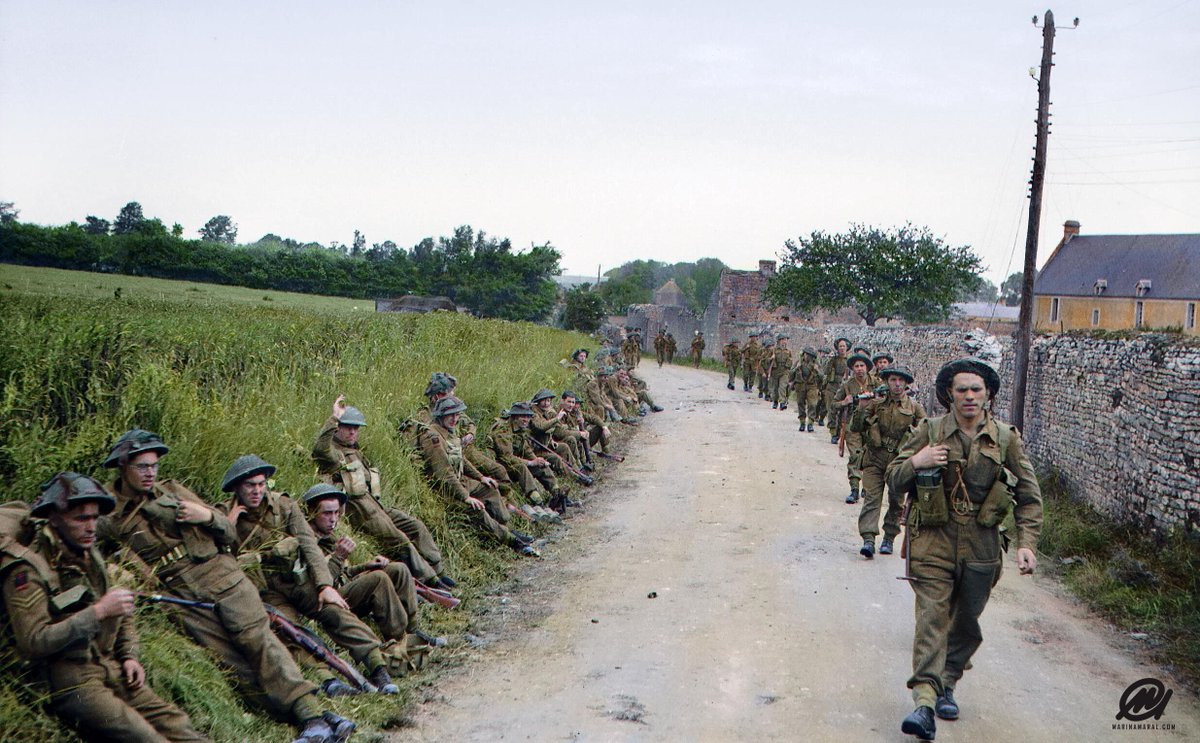
On June 9, five companies of Rangers finally assaulted the Maisy Battery from three directions simultaneously.
The battle lasted five hours. Some of it was hand to hand.
When the German defenders retreated into the underground field hospital, the Rangers blew it up with them inside.
By late morning, the battery was silent.
The guns that had been firing on American troops since the first hour of D-Day were finally destroyed, 72 hours after they should have been.
---
Then something happened that has never been fully explained.
After the war ended, the United States military buried the Maisy Battery.
Not demolished. Not preserved. Buried. Under one to two meters of soil. Every bunker, every trench, every gun emplacement, covered and hidden. The site was returned to farmland.
No memorial. No marker. No museum. No mention.
For 60 years, Maisy vanished.
---
In January 2004, a British amateur historian named Gary Sterne was searching for a location to build a museum near Grandcamp-Maisy. He had found an old invasion map inside clothing that once belonged to an American veteran. Marked on the map, in the area between the beaches, were two words:
"Area of high resistance."
He started digging.
What he found was an intact German fortress. Trenches still connected. Bunkers still standing underground. Gun emplacements preserved. Canteen walls still bearing handwriting from 1943. Czechoslovakian 150mm guns exactly where they had been left.
The largest German gun battery capable of hitting Omaha Beach had been sitting buried under a farmer's field for six decades.
---
Why was Pointe du Hoc made the famous target while Maisy kept firing for three days?
Why did Rudder have the intelligence but the Rangers never get the order?
Why did the United States bury the site after the war?
Nobody has ever given a clean answer to any of these questions.
Pointe du Hoc got the memorial, the museum, and the presidential speech. Ronald Reagan stood there in 1984 and called it the site of the most important mission of D-Day.
Maisy got two metres of dirt.
The real story of what happened between Omaha and Utah Beach in June 1944 was buried on purpose.
It stayed buried for sixty years.
A British civilian with a dead veteran's map found it on a rainy morning in 2004.
33
283
2,430
100,350
Daniel Schaefer retweeted

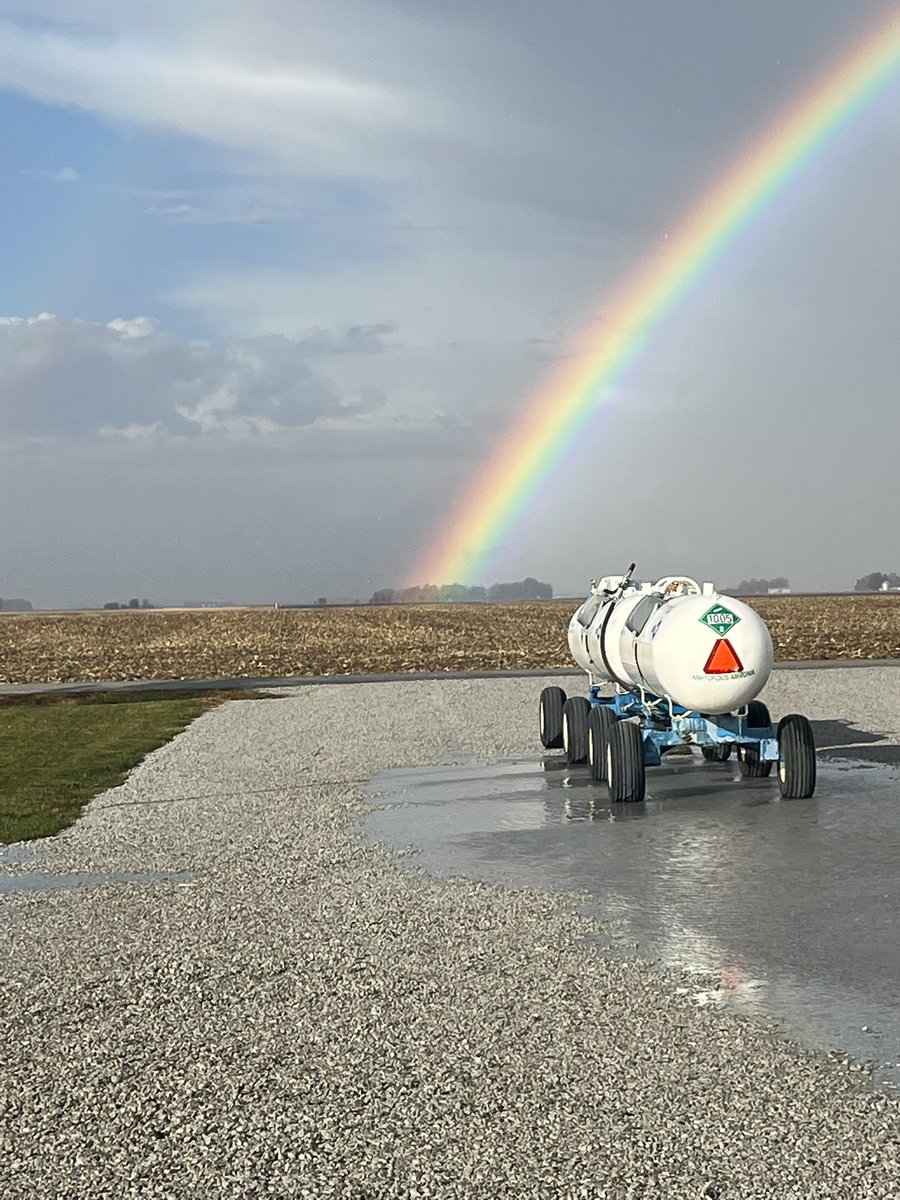
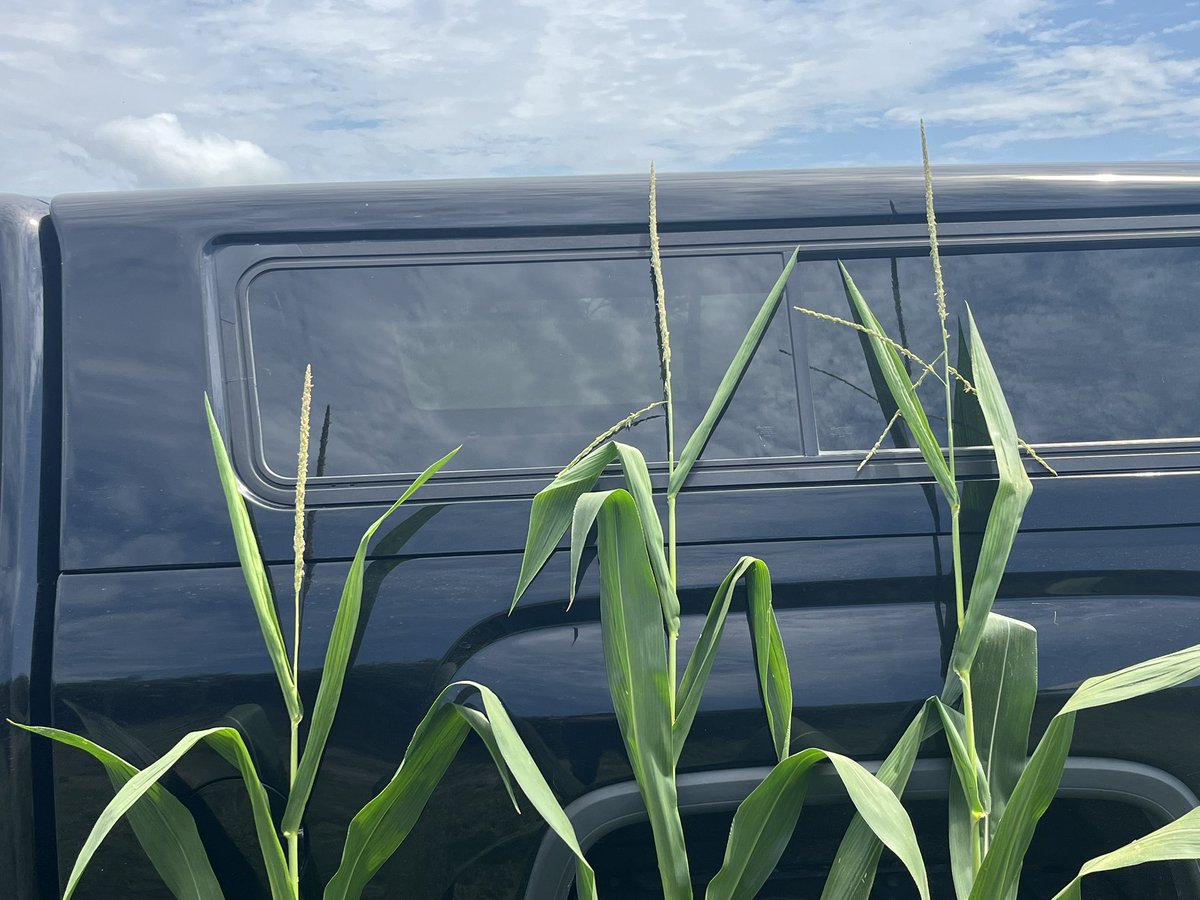
Been 6 weeks since we had a decent rain. Giving the corn character.
13
6
147
20,810
Daniel Schaefer retweeted

The History of the 82nd Airborne in World War II
·
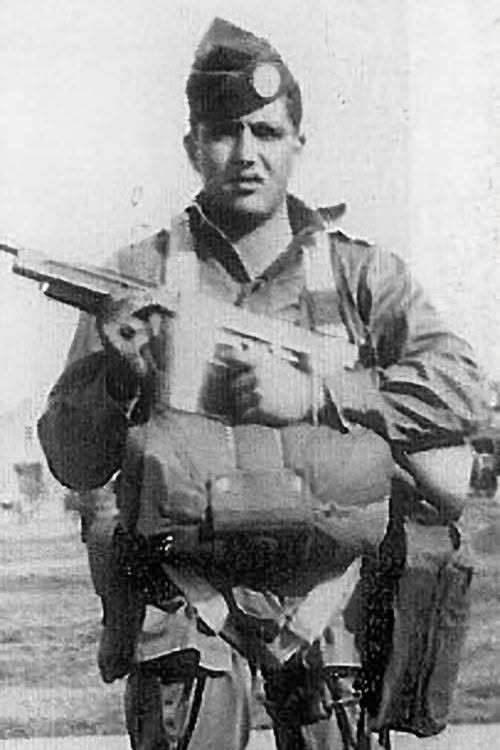
During the early hours of D-day, about 160 paratroopers from the 507th PIR and two sticks from the 501st were misdropped near Graignes, a small village in Normandy surrounded by marshlands. The commanding officer decided to hold the town, unaware that the 17th SS Panzer Division was nearby.
The paratroopers dug in, placed observers in the church steeple and set up machine gun and mortar positions overlooking the marshlands. Graignes became an Alamo-like position while local villagers collected ammo and weapons from the swamps and women provided meals. On June 10, an American roadblock ambushed a German column and discovered it was a recon element of the 17th SS Panzer Division.
The next day, as villagers and soldiers gathered for Sunday Mass, the Germans attacked. The paratroopers rushed to their positions as mortar and artillery fire hit the village. Villagers took shelter in the church, which became an aid station for wounded paratroopers. Despite heavy German attacks, the initial US lines held.
At nightfall, German artillery and mortars bombarded the village, destroying the church steeple and killing the observer. Without this advantage, the paratroopers were forced to retreat through the swamps after fierce fighting. Following the final assault, Germans stormed the church, forced marched the wounded before brutally bayoneting them and dumping their bodies in a pond. Seventeen paratroopers were executed and over 40 were killed during the battle at Graignes. The Germans then burned the church and village and executed 26 villagers.
Surviving paratroopers eventually reached the 101st Airborne Division, which was unaware of the 507th PIR's crucial impact on their objective: Carentan. Days before, on June 7, the 17th SS Panzer Division was ordered to reinforce Carentan. Had they passed through Graignes unopposed, the 101st would have faced a much greater challenge.
📷 One of the men who was brutally executed by the Germans was Pvt Walter Choquette, HQ 507 PIR. Today we remember him...
5
77
468
8,646
Daniel Schaefer retweeted

Jun 6
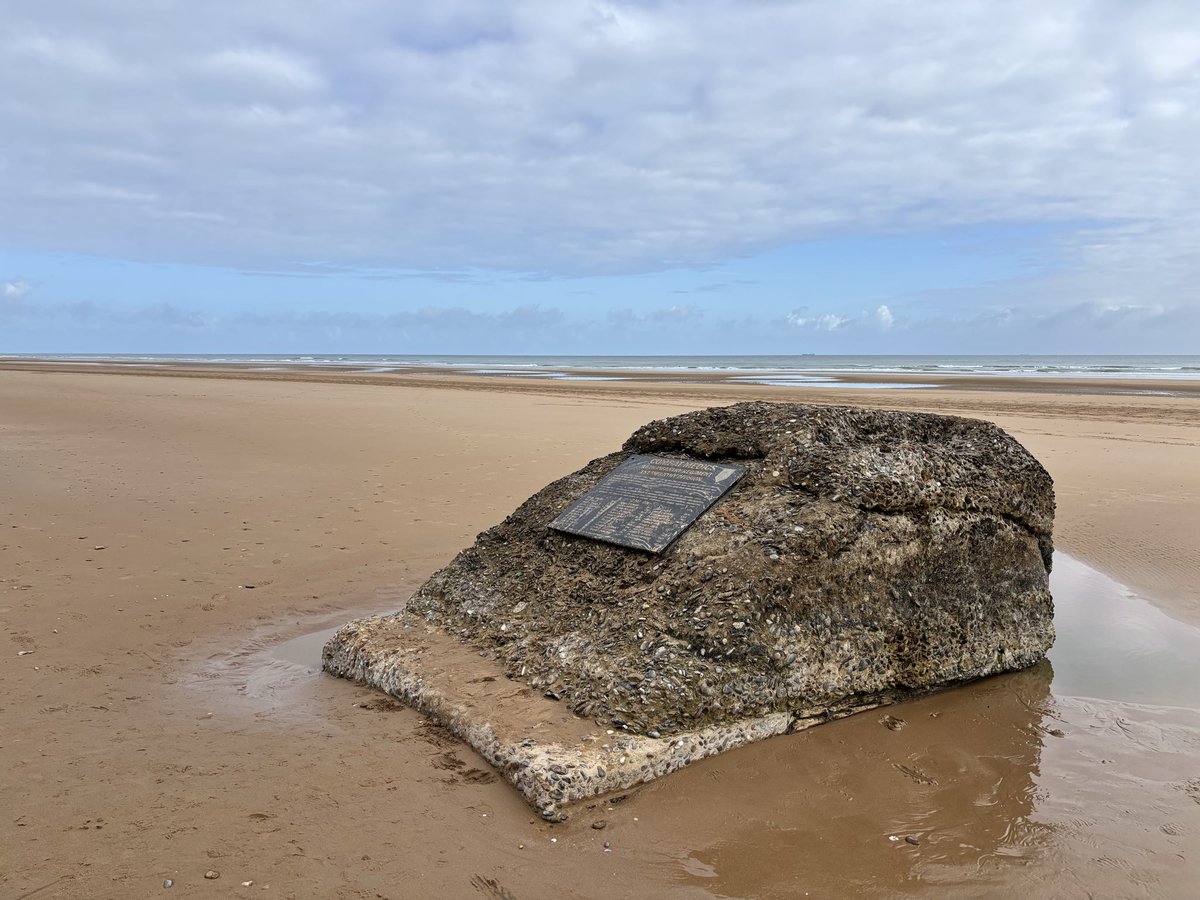
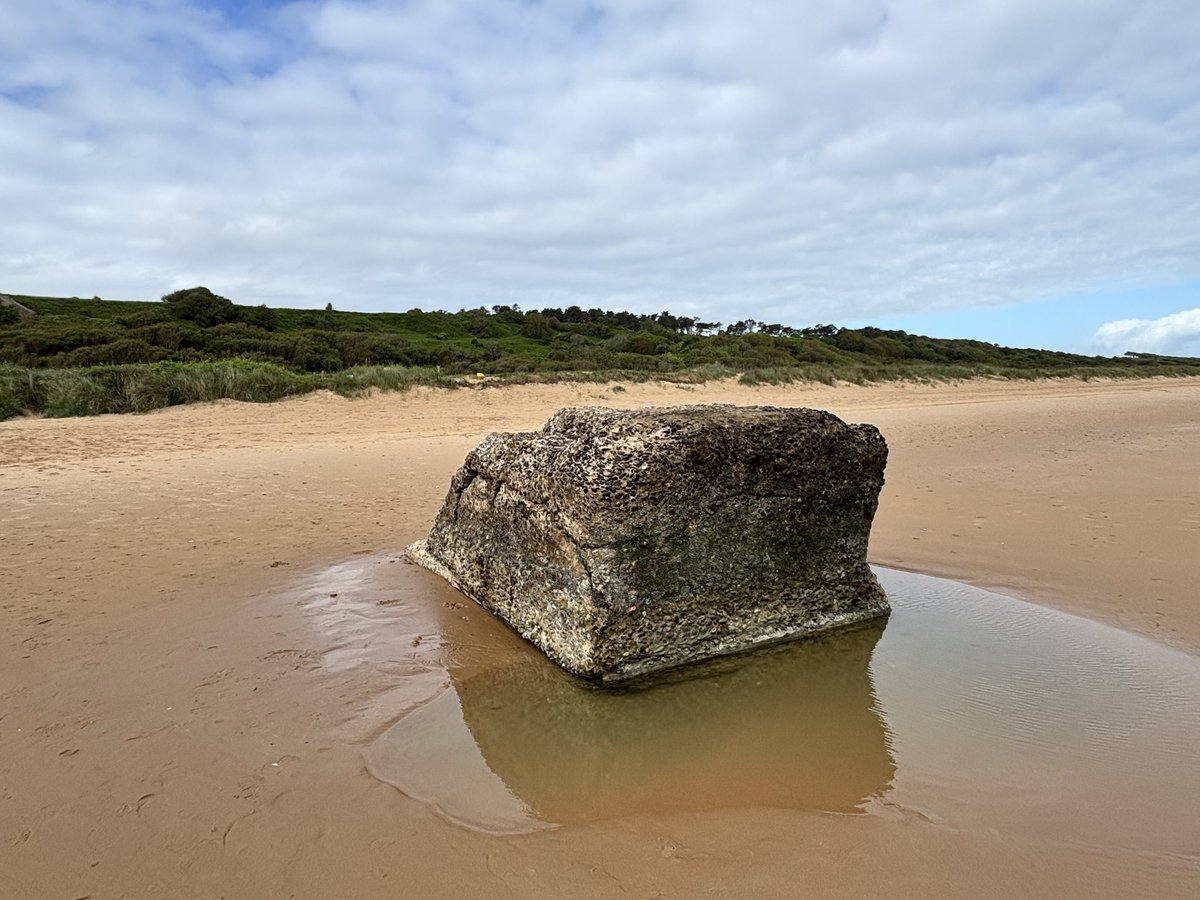
Ray’s Rock - Omaha Beach
On the morning of June 6, 1944, 23 year old Staff Sergeant Arnold “Ray” Lambert came ashore with the first wave of the 1st Infantry Division on the eastern side of Omaha Beach. At this small patch of concrete he saved nearly 20 lives:
The division came under intense fire from several German bunkers surrounding the entrance to the Colville Draw (one of two exits off Omaha Beach). Ray, a medic, immediately went to work.
He was shot in the arm. Moments later he was hit by shrapnel in the leg, but Ray kept pulling men to safety. He pulled nearly 20 wounded soldiers to cover behind this 8ft wide obstacle, treating each soldier before going out in search of others.
After several hours under fire, while pulling a wounded soldier from the ocean, he was struck by a landing craft. It dropped its ramp on top of him, breaking his back. He fell face down in the water, drowning. The craft backed up and nearby soldiers pulled an unconscious Ray to safety, eventually evacuating him off the beach.
Remarkably, Ray had already earned two Silver Stars and three Purple Hearts in Sicily and North Africa, prior to landing in France. But here in Normandy his war would end.
He awoke in a hospital back in England a day later. In the next bed over was his brother, who had also been wounded at Omaha.
When asked about his work on D-Day, Ray simply said, “I did what I was called to do.”
Ray Lambert passed in 2021 at 100 years old. He exemplified the best of American grit and why remembering this day is so important.
231
4,437
24,557
713,082
Daniel Schaefer retweeted

Jun 7
>be Iowa
>36% of the state surface area is literal CORN 🌽
>also number 1 hog and egg producing state🐷🐣
>but wait there's more
>90% of the food is IMPORTED into the state
how can Iowa be the #1 ag state if it doesn't even grow its own food?👉🥹👈

ALT Percentage of Each State Occupied by Corn Fields 🌽
31
21
173
25,599