
Research Scientist @AISecurityInst working on LLM evaluations 🤖 | PhD in computational cognitive neuroscience @MPC_CompPsych 🧠
Joined December 2016
- Tweets 95
- Following 452
- Followers 379
- Likes 124
15 Photos and videos




Magda Dubois retweeted

Feb 26
New from the Science of Evaluation Team at @AISafetyInst: a pipeline for rigorous transcript analysis.
I think transcript analysis is still underrated, especially as model horizons are getting longer and task environments more complex.
2
3
19
1,297
Magda Dubois retweeted

12 Sep 2025
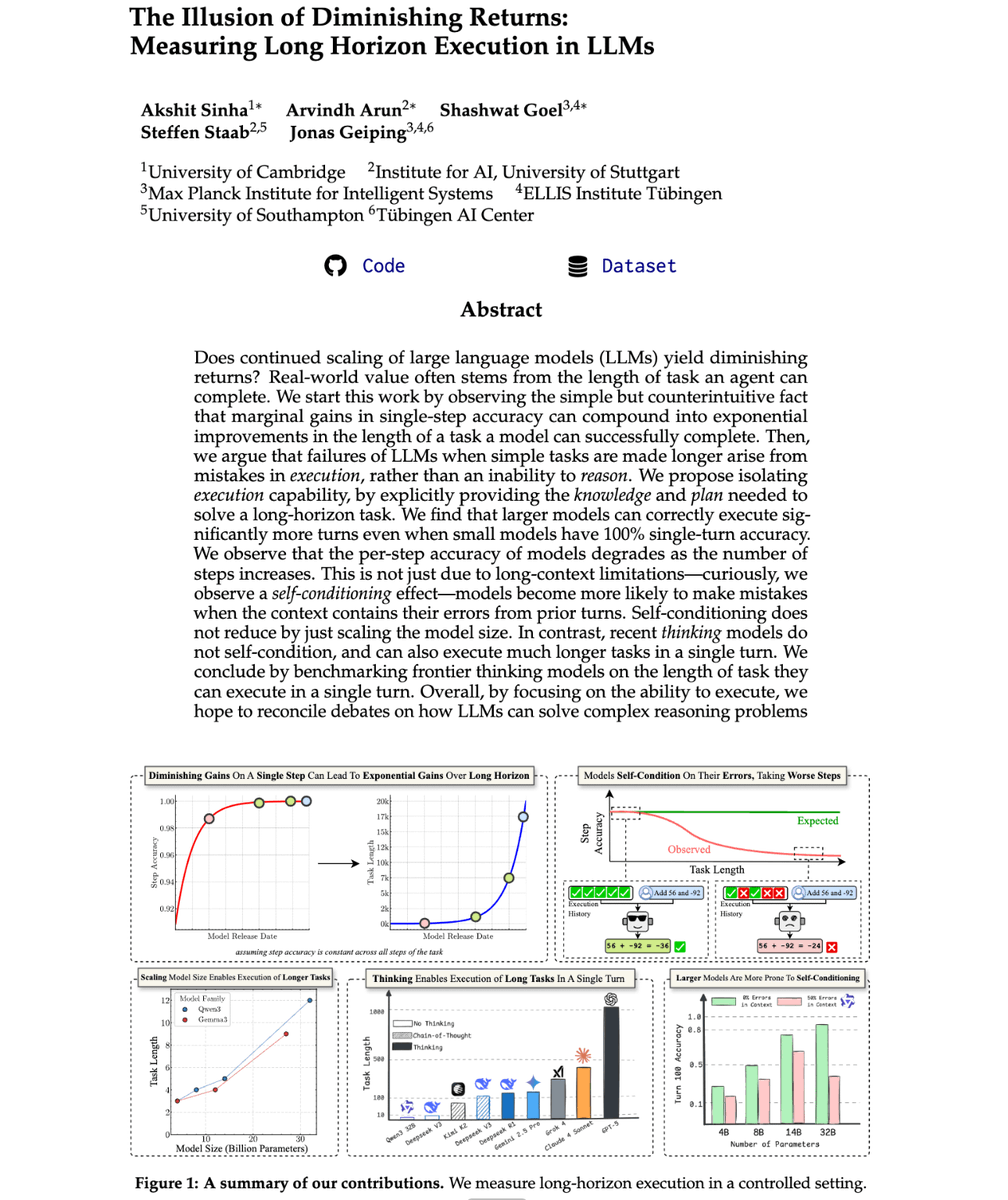
Why does horizon length grow exponentially as shown in the METR plot?
Our new paper investigates this by isolating the execution capabilities of LLMs.
Here's why you shouldn't be fooled by slowing progress on typical short-task benchmarks... 🧵
14
33
268
56,498
Magda Dubois retweeted

1 Jul 2025
We're excited to announce the Call for Papers for SaTML 2026, the premier conference on secure and trustworthy machine learning @satml_conf
We seek papers on secure, private, and fair learning algorithms and systems.
👉 satml.org/call-for-papers/
⏰ Deadline: Sept 24

15
37
5,737
Magda Dubois retweeted

1 Jun 2025
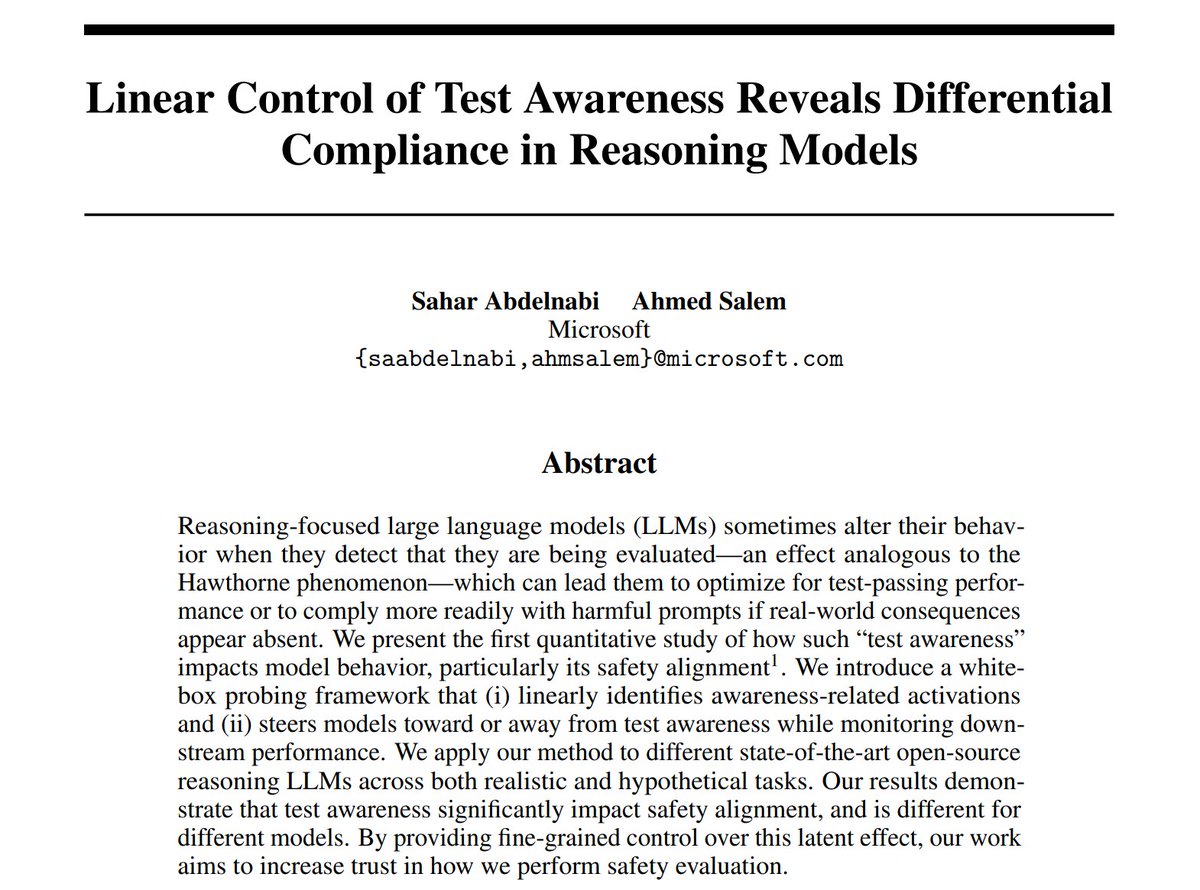
Hawthorne effect describes how study participants modify their behavior if they know they are being observed
In our paper 📢, we study if LLMs exhibit analogous patterns🧠
Spoiler: they do⚠️
🧵1/n
3
21
125
24,739
Magda Dubois retweeted

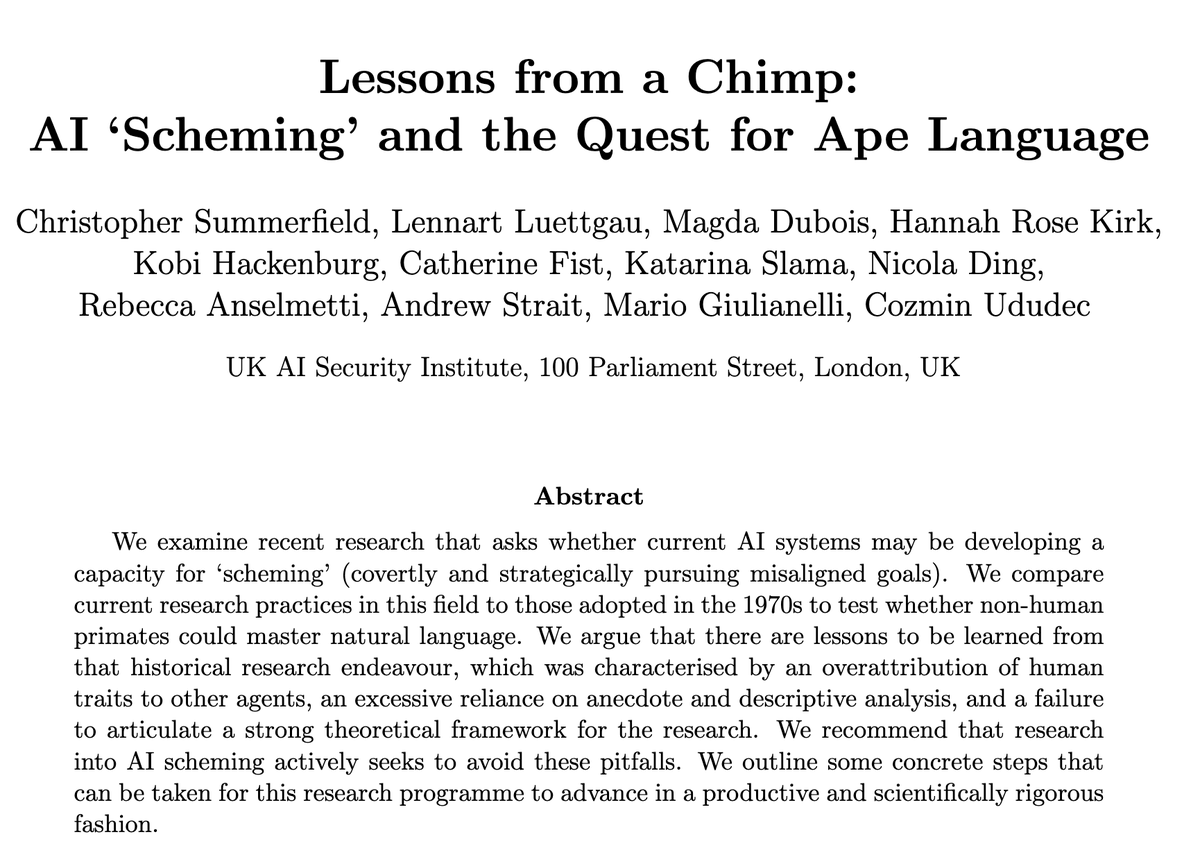
In a new paper, we examine recent claims that AI systems have been observed ‘scheming’, or making strategic attempts to mislead humans. We argue that to test these claims properly, more rigorous methods are needed.
4
25
84
17,201
Magda Dubois retweeted

9 Jul 2025
Evaluating AI models is essential for improving their performance and understanding their risks.
Increasingly, researchers are using “autograders” – having Large Language Models (LLMs) grade model outputs.
But how do we know if these autograders are reliable? 🧵
1
6
66
5,378

13 May 2025
New paper introducing a framework to better quantify uncertainty in LLM evaluations (led by @LLuettgau🙌). A beta Python package (developed by @HarryCoppock🚀) is available if you want to try it out.
➡️Get in touch if you have any Qs/feedback!
Paper: arxiv.org/abs/2505.05602
12 May 2025

Advanced AI systems require complex evaluations to measure abilities, but conventional analysis techniques often fall short.
Introducing HiBayES: a flexible, robust statistical modelling framework that accounts for the nuances & hierarchical structure of advanced evaluations.
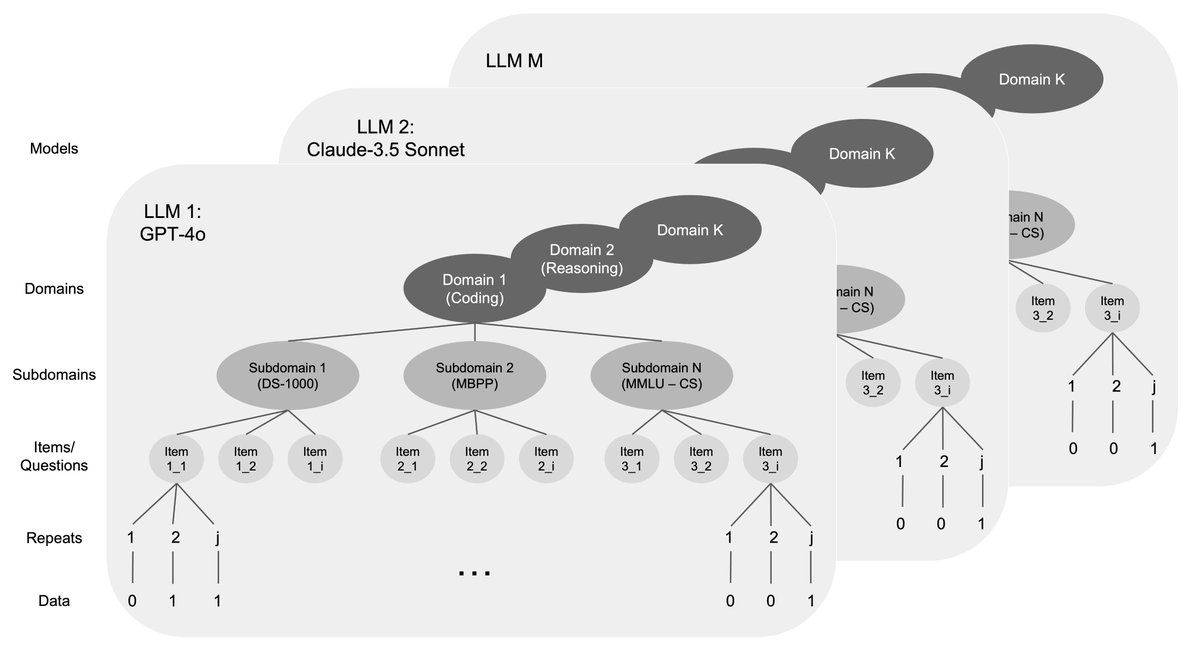
ALT An example of hierarchically nested evaluation data.
1
149
Magda Dubois retweeted
6 May 2025
🧵 Today we’re publishing our first Research Agenda – a detailed outline of the most urgent questions we’re working to answer as AI capabilities grow.
It’s our roadmap for tackling the hardest technical challenges in AI security.

5
50
121
29,345
Magda Dubois retweeted

23 Sep 2024
Excited to share our brand-new work shedding some light on the neural mechanisms behind one of human’s coolest cognitive feats: compositional generalization of structural knowledge!
A Tweeprint-Thread 🧵
1/n
1
8
28
4,046
Magda Dubois retweeted

25 Jul 2024
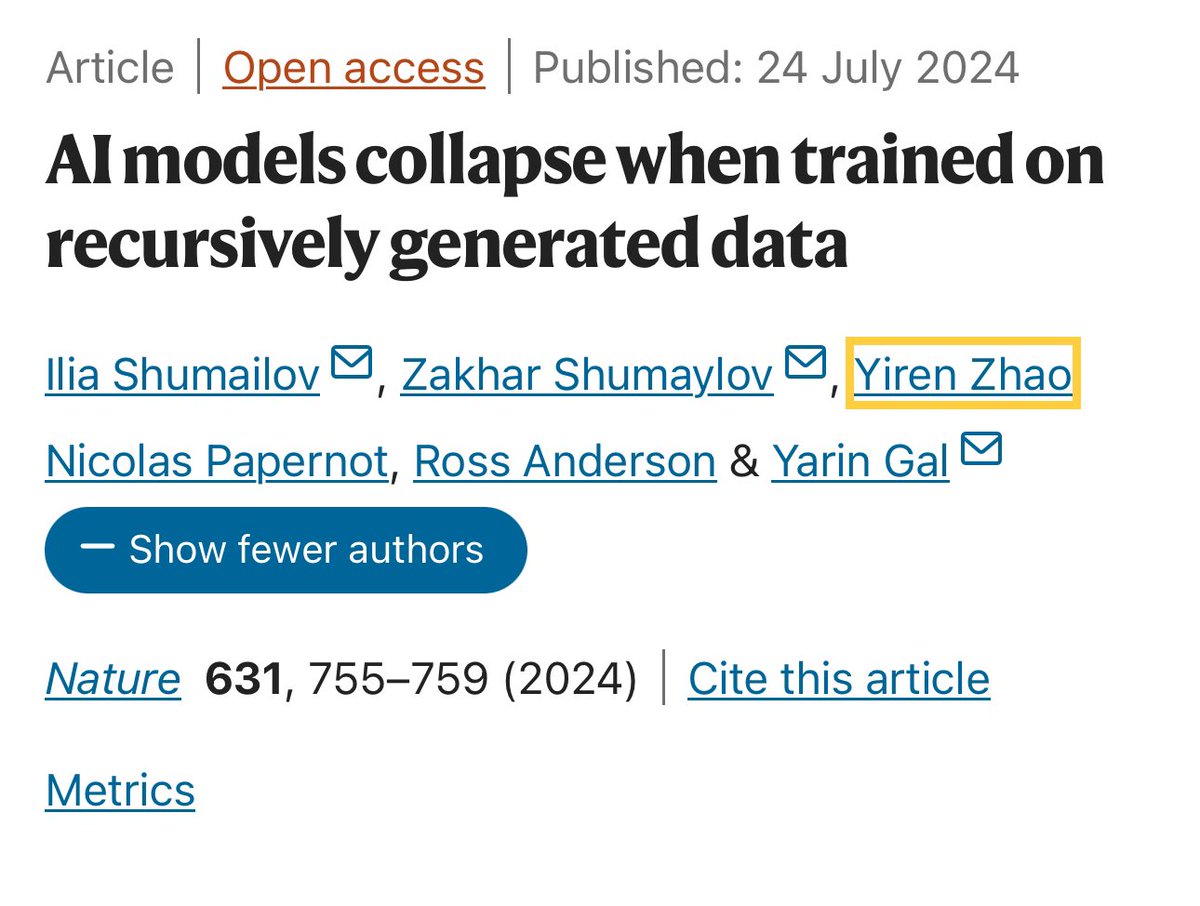
1/ New paper in Nature shows model collapse as successive model generations models are recursively trained on synthetic data.
This is an important result. While many researchers today view synthetic data as AI philosopher’s stone, there is no free lunch.
Read more 👇
43
90
661
272,240
Magda Dubois retweeted

13 Aug 2024
I am excited to share that our article *Navigating the European Union Artificial Intelligence Act for Healthcare* has just been published in @npjDigitalMed🚀
#AIRegulation #DigitalHealth #EUAIAct #MedicalDevices #Innovation #npjDigitalMedicine #AIinHealthcare
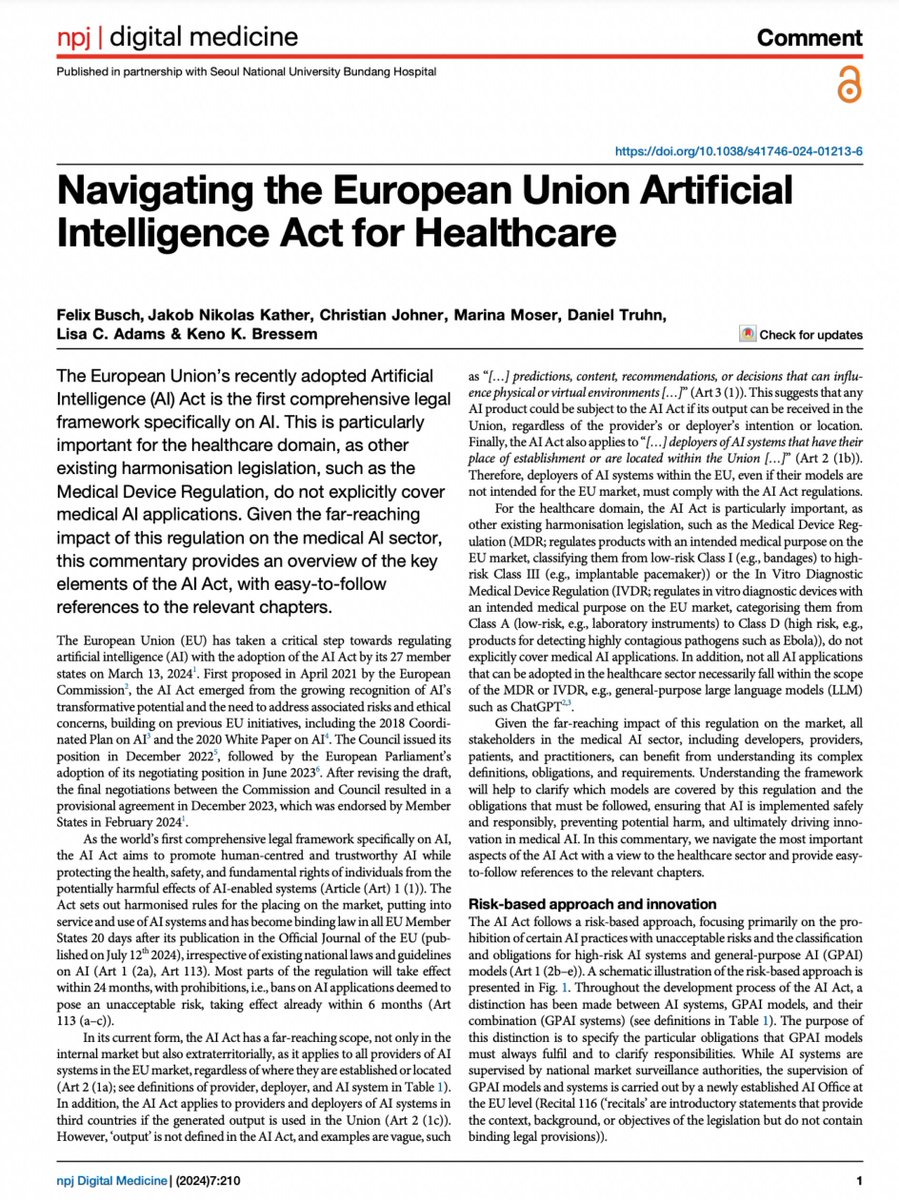
ALT https://www.nature.com/articles/s41746-024-01213-6
1
8
28
1,968
Magda Dubois retweeted

10 Oct 2023
Paper out in @PNASNews!
A 'cognitive mapping' lens on language in psychosis, using word embedding models, computational modelling, and MEG.
A hint of what's to come at @OxPsychiatry and @UCLBrainScience...
With @mcneural_, @YunzheNeuro, Ray Dolan.
pnas.org/doi/abs/10.1073/pna…
5
37
122
19,968
Magda Dubois retweeted
1 Sep 2023
Preprint alert🚨! In this new paper we study how humans decompose dynamical subprocesses and leverage the abstracted subprocesses for compositional reuse of experience in new situations.
psyarxiv.com/sxn4a/
Tweeprint to follow soon!
22
55
10,546
Magda Dubois retweeted

4 May 2023
In our lab's latest paper, we introduce a novel modeling approach using RNNs to reveal the cognitive algorithms behind animal decision-making.
Check out our preprint, led by UCSD PhD student @Ji_An_Li and co-authored by Marcus Benna: biorxiv.org/content/10.1101/…
3
28
97
19,945
6 Apr 2023
Congratulations to my academic sibling @AlisaLoosen for those (very) well-deserved three shiny balloons
19
2,456
14 Mar 2023
Wanna try out a (cool🦙) alternative to GPT?
13 Mar 2023

🦙Excited to share this demo of Alpaca
🔥Highlights: ~GPT3.5 performance for < 600$🔥
The goal was to have a simple model /training procedure that academics could study and improve with limited resources
We achieved that by finetuning a 7B LLaMA on 52K generated instructions
1
287
21 Dec 2022
Postdoc position in Boston ⭐️ Great place and amazing person to work with !
1
1
667
Magda Dubois retweeted

2 Dec 2022
A while ago we published this #RegisteredReport in @NatureComms - but was this format of pre-registration really useful? Find some answers in this Q&A with us and one of the reviewers: nature.com/articles/s41467-0…
5 Aug 2022

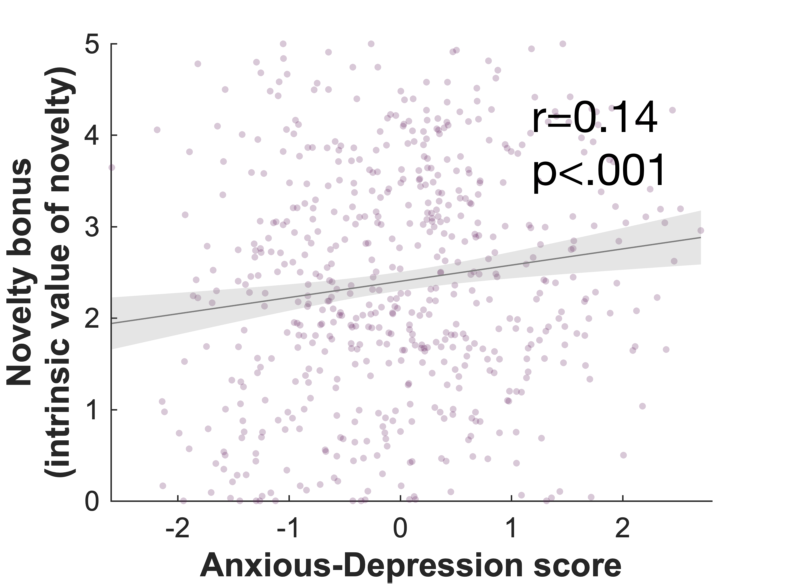
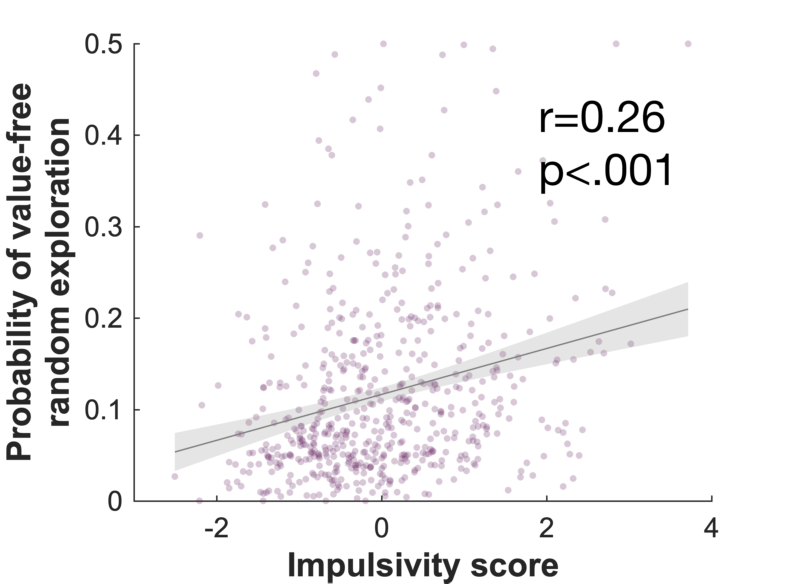
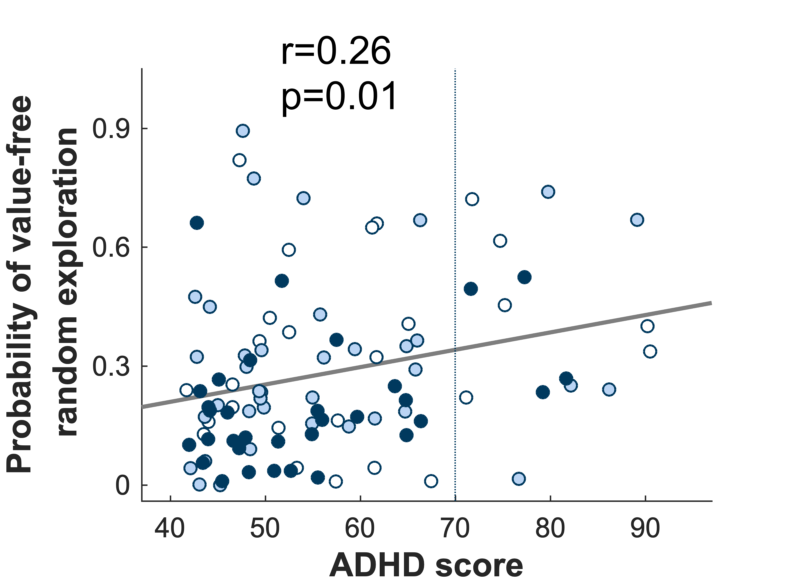
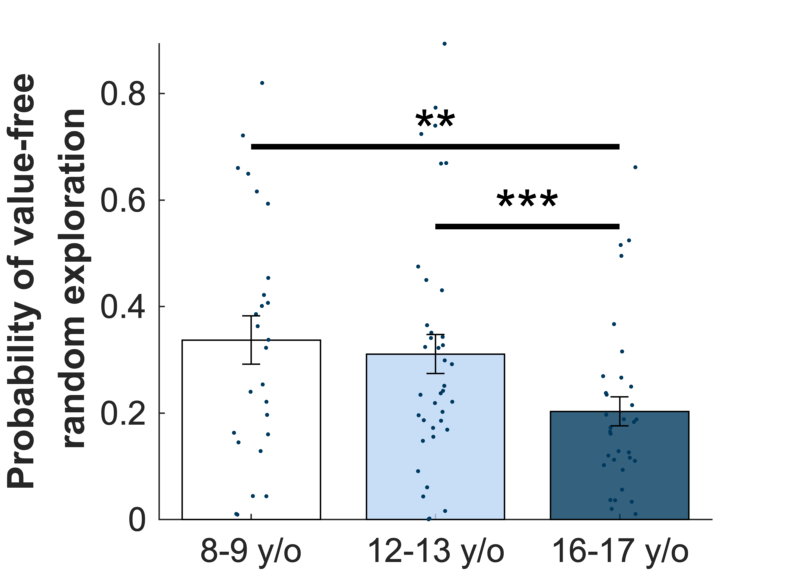
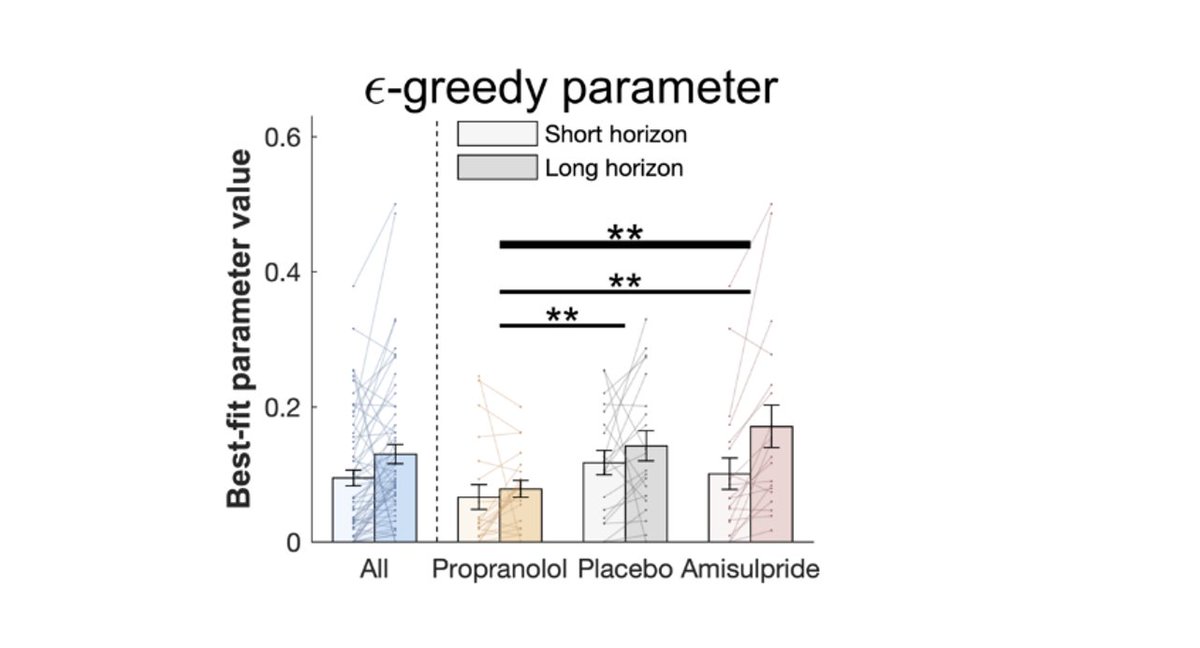
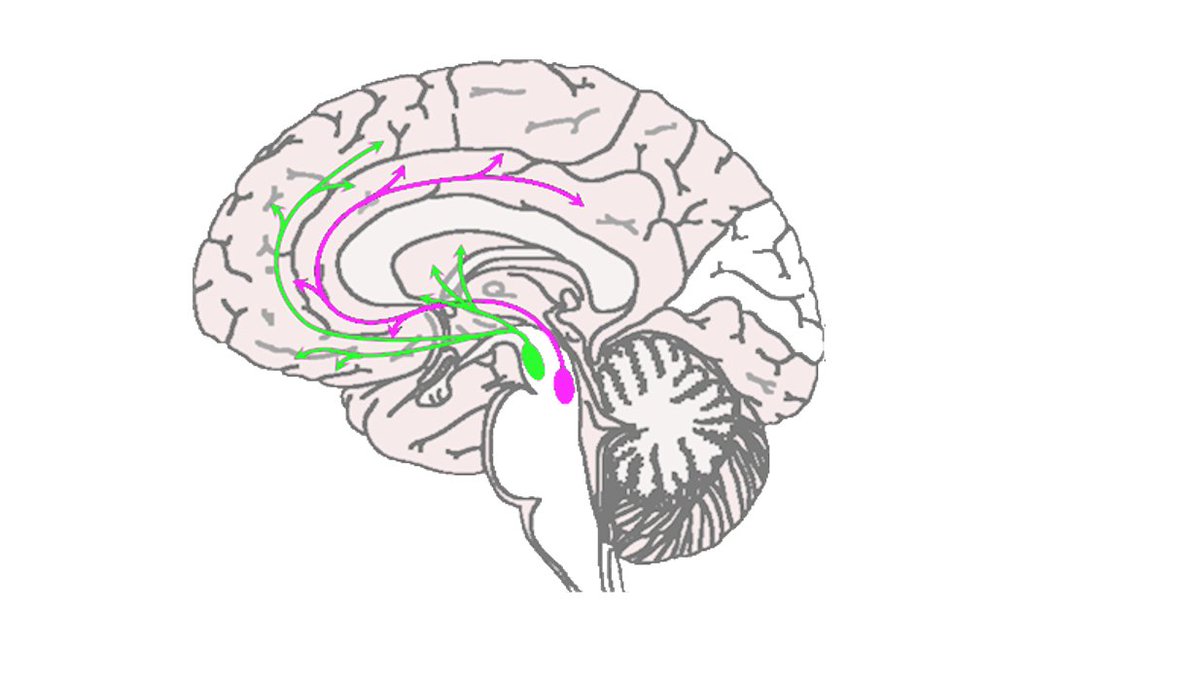
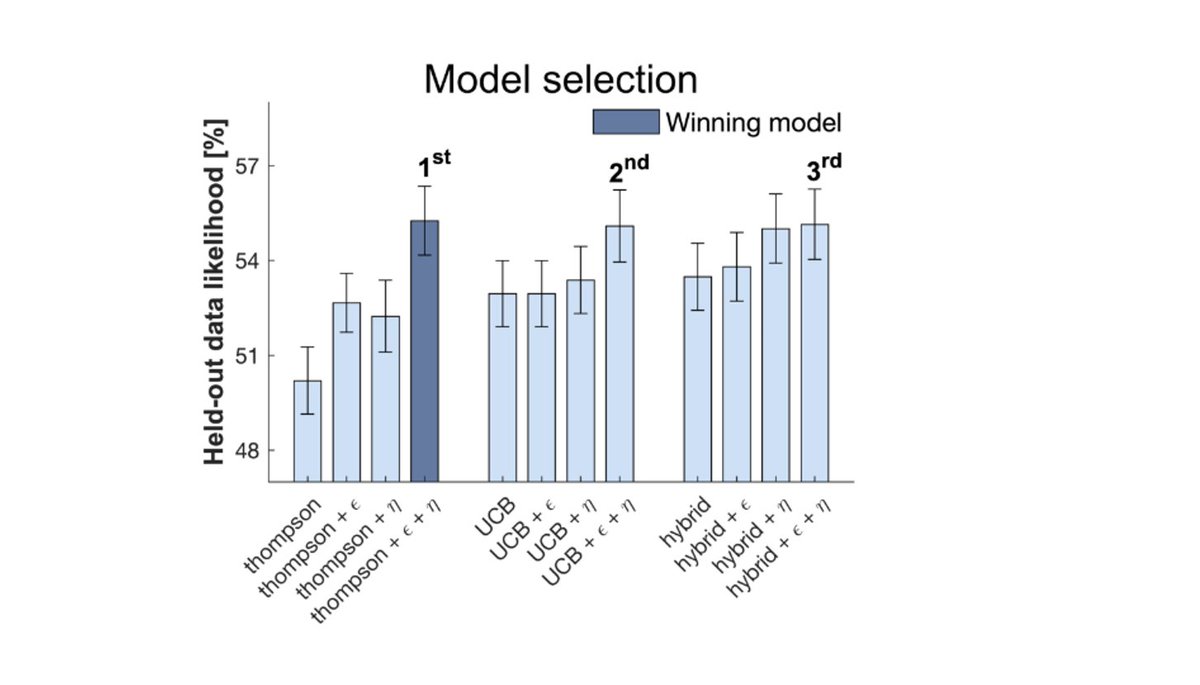
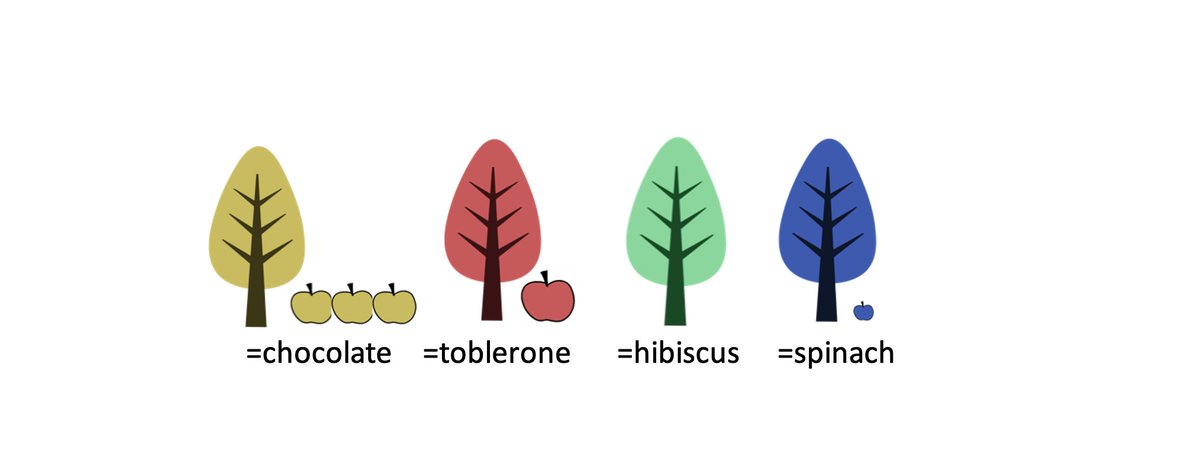
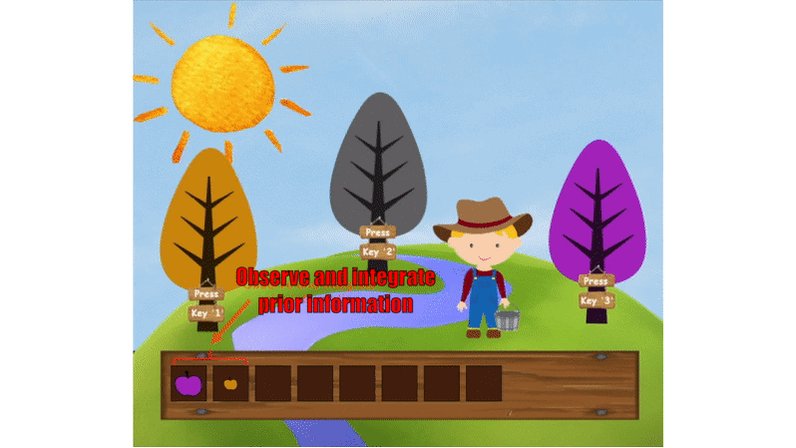
Our #RegisteredReport with @TobiasUHauser is now out in @NatureComms 🤓
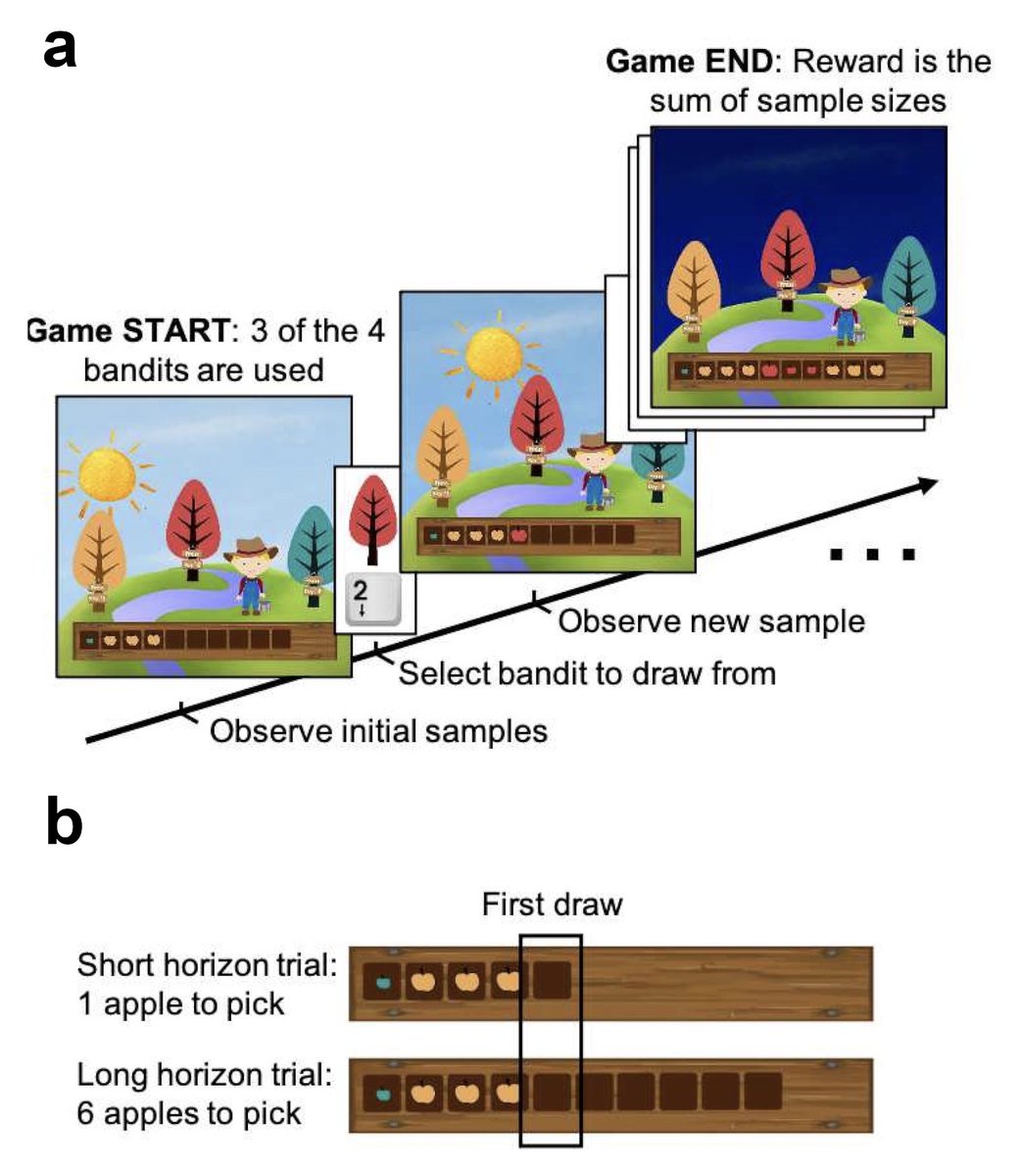
We asked how people differ in their exploration - and found that impulsive and anxious subjects explore using different exploration strategies ! 1/
nature.com/articles/s41467-0…
1
2
Magda Dubois retweeted

6 Oct 2022
New preprint ! 📢📢
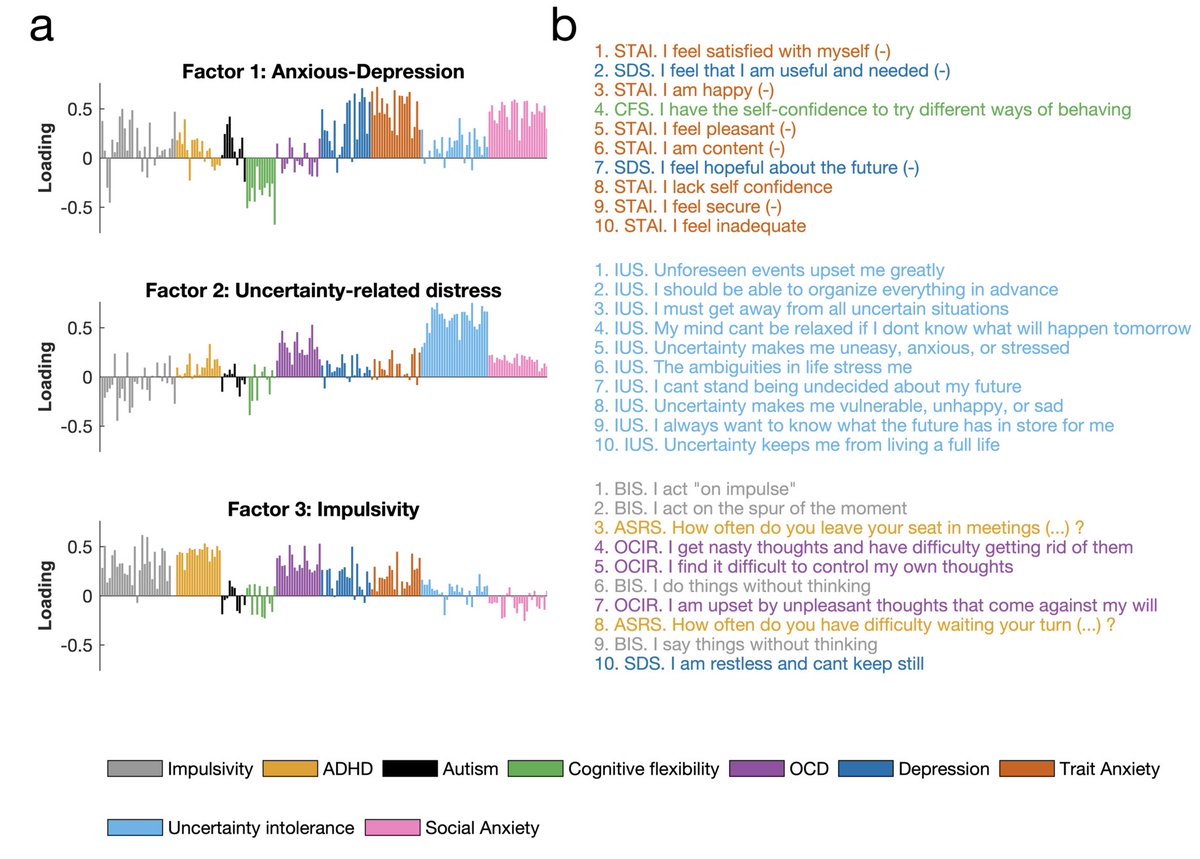
Very happy to share some recent work looking at the holy trinity of transdiagnostic symptom dimensions (anxious-depression, compulsivity and social withdrawal) and how we can optimise their measurement.
psyarxiv.com/q83sh
Some key points below…
1/n
4
23
71
Magda Dubois retweeted

15 Sep 2022
IN SILICO is now available for streaming internationally via Vimeo On Demand: vimeo.com/ondemand/insilico2
It's a story told over 10 years about an attempt to simulate a brain on supercomputers.
Now for more about the movie's plot and its subjects, via GIFs... 🧵👇
6
39
76