#Dubai #BlockChain Aficionado - Idealistic Optimistic Perfectionist - all tweets are my own
Joined October 2016
- Tweets 2,262
- Following 524
- Followers 1,053
- Likes 1,394
85 Photos and videos

Pinned Tweet

23 Oct 2016
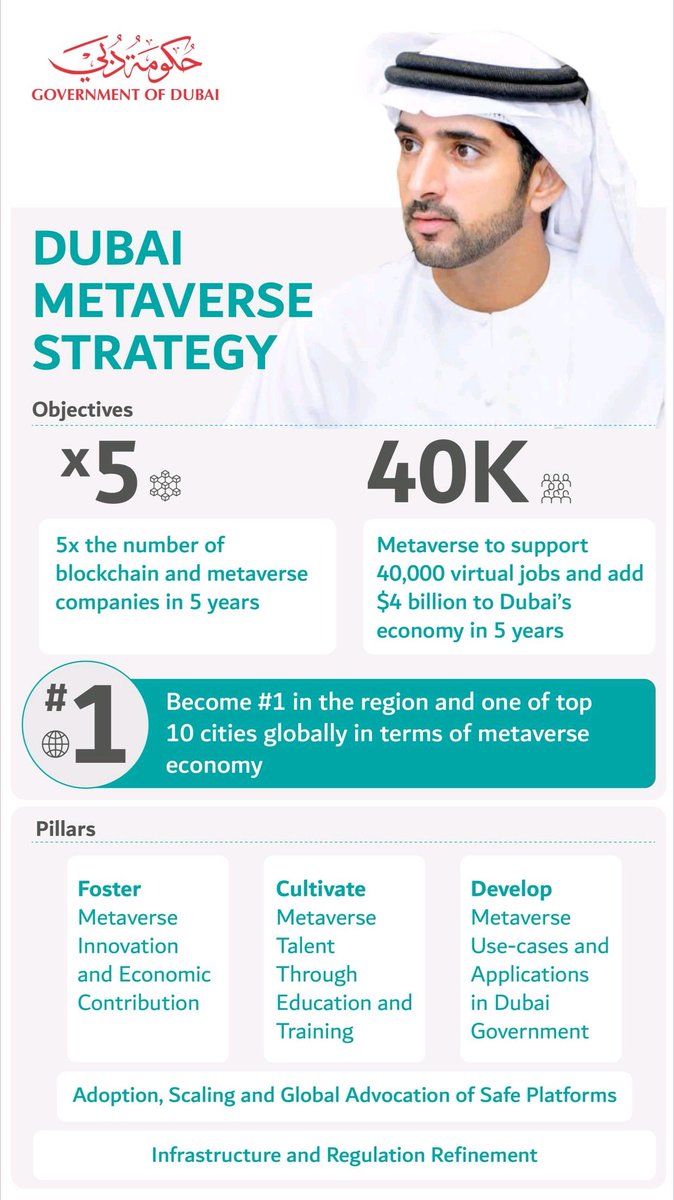
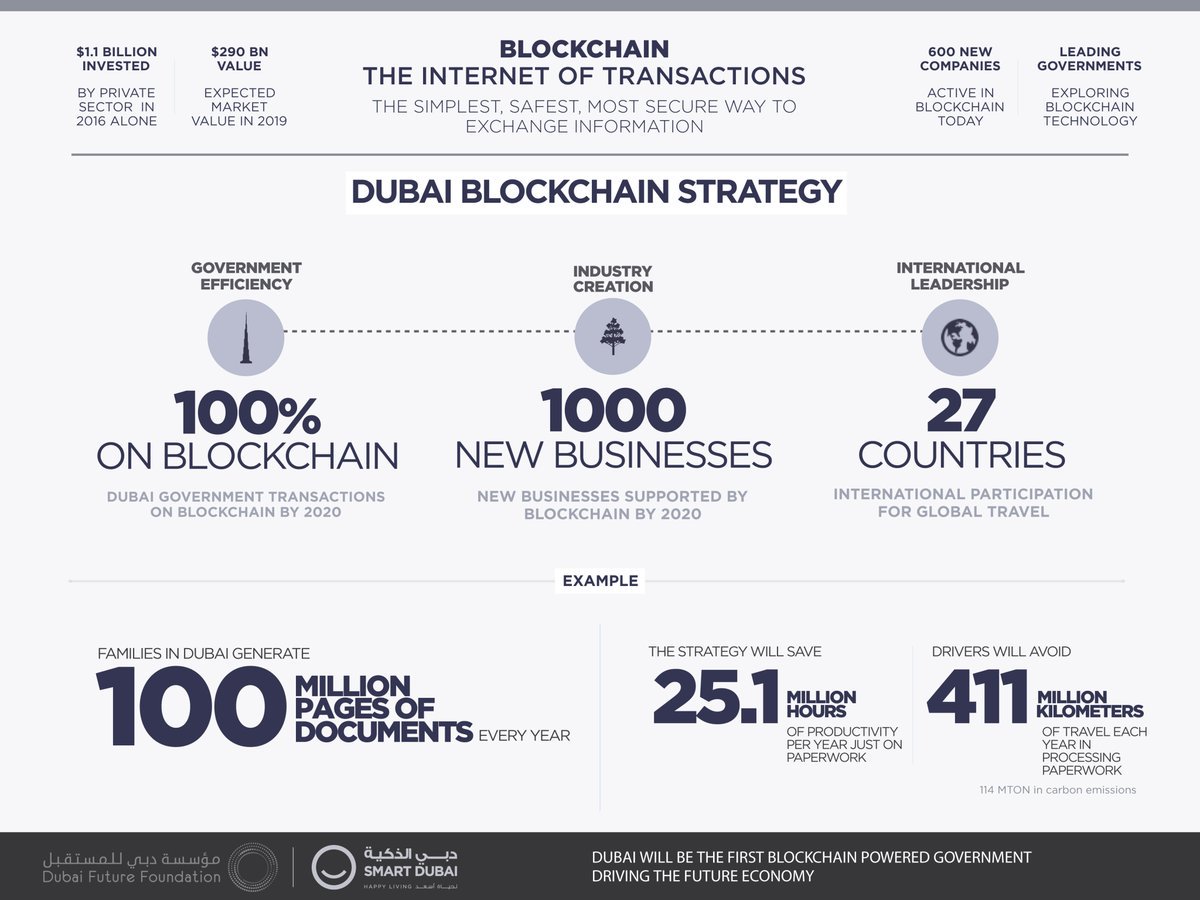
Government Efficiency, Industry Creation&International Leadership - Dubai's BlockChain Strategy #blockchain @IBMBlockchain @JohnP261
2
15
39

On April 1, 1999, Mark Cuban sold a streaming company called Broadcast .com to Yahoo for $5.7 billion. He became a paper billionaire overnight.
Yahoo had paid him in stock, not cash.
He spent the next 6 months trying to figure out how to keep it.
Cuban owned about a third of Broadcast .com going in, which left him holding 14.6 million Yahoo shares worth roughly $1.4 billion at the time. By law, he couldn't touch any of it. The deal came with a standard 6-month lockup that prohibited him from selling or hedging a single share. He had to sit and watch.
What he watched was a tech market getting more disconnected from reality by the week. Companies like Pets .com and Webvan were burning through investor money with no path to profit and trading at valuations that didn't make sense to anyone who looked twice. Cuban looked twice. He decided the crash, when it came, was going to take everything down with it. Including Yahoo. Including him.
So he started planning.
The moment his 6-month lockup ended, Cuban put on a financial structure that's now famous in trading circles. A zero-cost collar.
A collar works like this. You sell call options on your stock, which gives someone else the right to buy your shares from you at a fixed higher price. That caps your upside. You use the cash from selling those calls to buy put options, which give you the right to sell your shares at a fixed lower price. That gives you a hard floor under the downside. The two trades balance each other out so the whole package costs almost nothing to put on, hence the name.
Effectively, Cuban locked in something close to his $1.4 billion. If Yahoo's stock went down, his puts paid out. If it went up, he'd hit the cap and be cashed out at the higher price.
Yahoo's stock kept rising at first. It hit his cap. He got cashed out, in cash, at the high level he'd set. Real dollars, not paper.
A few months later, in March 2000, the dot-com bubble burst.
Yahoo's stock fell from a peak of roughly $237 a share to about $13 over the next 2 years. Almost every other dot-com paper billionaire watched their fortune disintegrate. Many of them had not hedged because they didn't think the prices would fall, or because they thought hedging was a sign of weakness, or because they were emotionally attached to the company they'd just sold.
Cuban kept his $1.4 billion. He once called the trade "one of the top 10 trades of all time on Wall Street."
People remember the sale. They don't remember the collar.
The headline was the $5.7 billion sale to Yahoo. The thing that actually mattered, the move that decided whether Cuban kept his fortune or watched it disintegrate like everyone else's, was a piece of derivative paperwork most people couldn't even read.
Plenty of founders sell at the top. What separated Cuban is that he understood selling was only half the trade. What you do with the money in the moments right after the windfall matters more than the windfall itself.
Cuban put it more simply.
"The whole market cratered and I was protected."
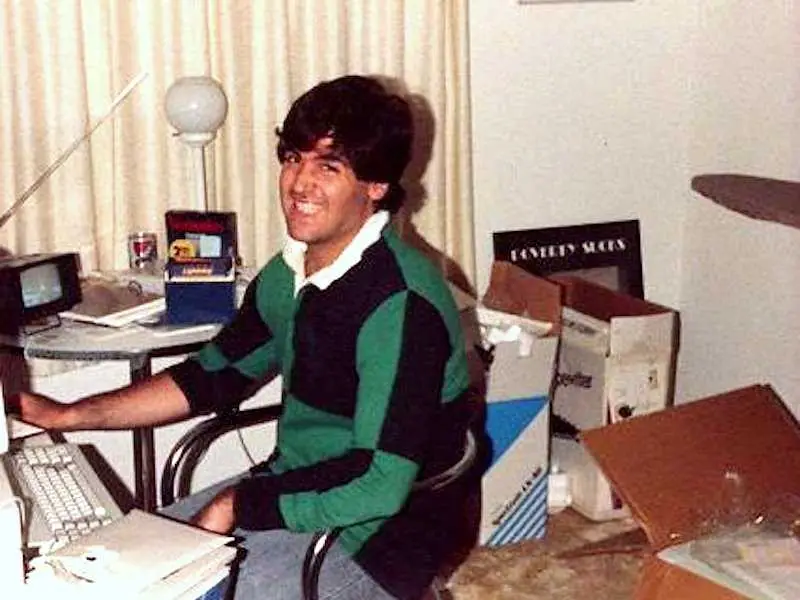

Mark Cuban reveals how he protected himself from losing the 1.4 billion dollars he made selling Broadcast .com to Yahoo
"We sold the company to Yahoo for stock. I had seen stocks go up and stocks go down. I told everybody, there's a good chance the whole thing could crash. Don't be greedy"
"Pigs get fat, hogs get slaughtered. Don't get slaughtered"
"I put together what they call a collar. I sold some of the upside to the Yahoo stock and protected myself by buying puts on the downside"
"Three months later the internet stock market cratered. It was called one of the top 10 Wall Street trades of all time"
"All I had to do was protect it and not get greedy and I'd be set for the rest of my life"
29
189
1,859
1,384,456
Saqr M. Ereiqat retweeted

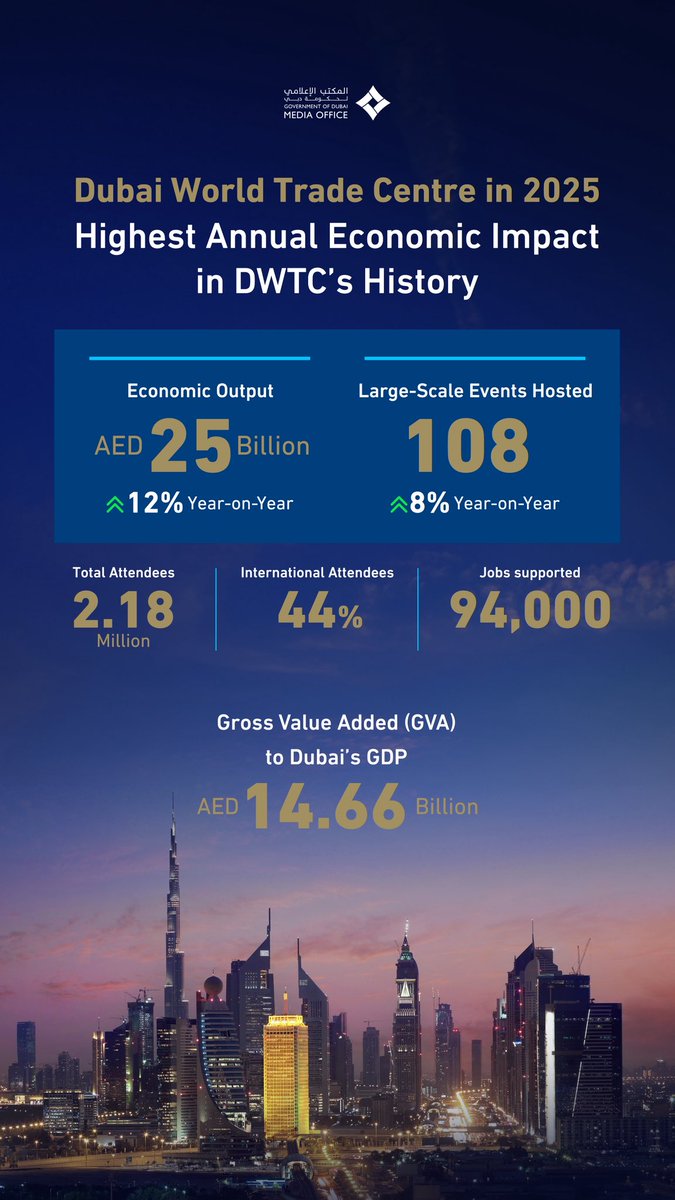
Over 47 years, the Dubai World Trade Centre has helped position Dubai as a global hub for business and leading industry events. In 2025, it achieved a record AED 25.03 billion in economic output, up 12 percent year on year, by hosting more than 108 major events that attracted 2.18 million participants, including 947,000 international visitors. These results highlight Dubai’s role as a global meeting point that connects economies and drives sustainable growth.
81
156
584
20,047

We rebranded Onchain City to @NaytiveHQ and made a very serious, definitely-not-cheesy video to celebrate.
We started by building for the onchain world.
What we learned is that the future is global.
6
13
58
2,785
Saqr M. Ereiqat retweeted

May 27
The airline lost my bag for 72 hours.
They handed me a $50 “courtesy” voucher at the baggage desk and smiled like they’d done me a favor.
I kept the voucher. Then I opened my laptop and used a 1999 international treaty they never mention at check-in.
Total recovered: $1,650.
Here are the three legal weapons most passengers never know they have.
187
3,355
14,885
2,323,827
Saqr M. Ereiqat retweeted

May 16
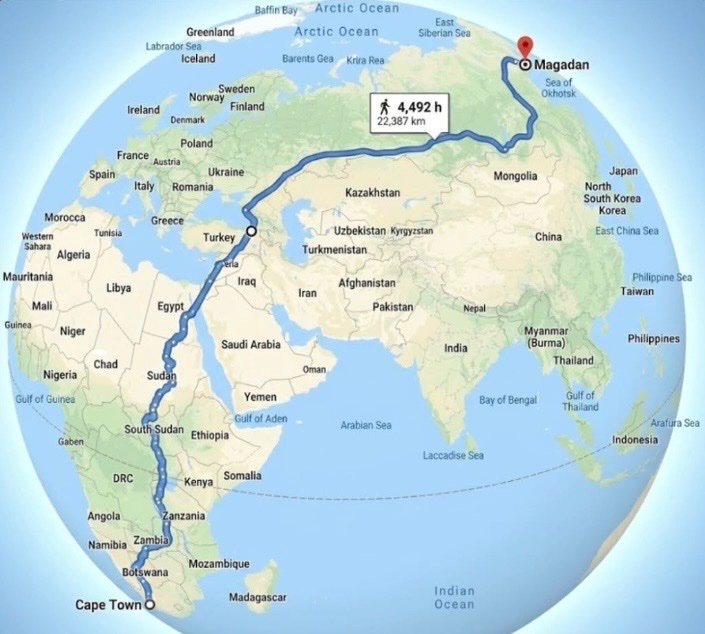
The longest road in the world that a person can walk...
The longest theoretically walkable road on Earth stretches from Cape Town to Magadan, spanning roughly 22,387 km (13,910 miles) without the need for any boat or air travel. The route passes through about 17 countries, crossing Africa, the Middle East, Central Asia, and into Siberia via connected roads and bridges.
Even at an ambitious pace of 12 hours of walking per day, the journey would take around a year to complete. At a more moderate schedule of 8 hours per day, it would extend to roughly a year and a half of continuous travel.
390
1,927
7,850
876,386
Saqr M. Ereiqat retweeted

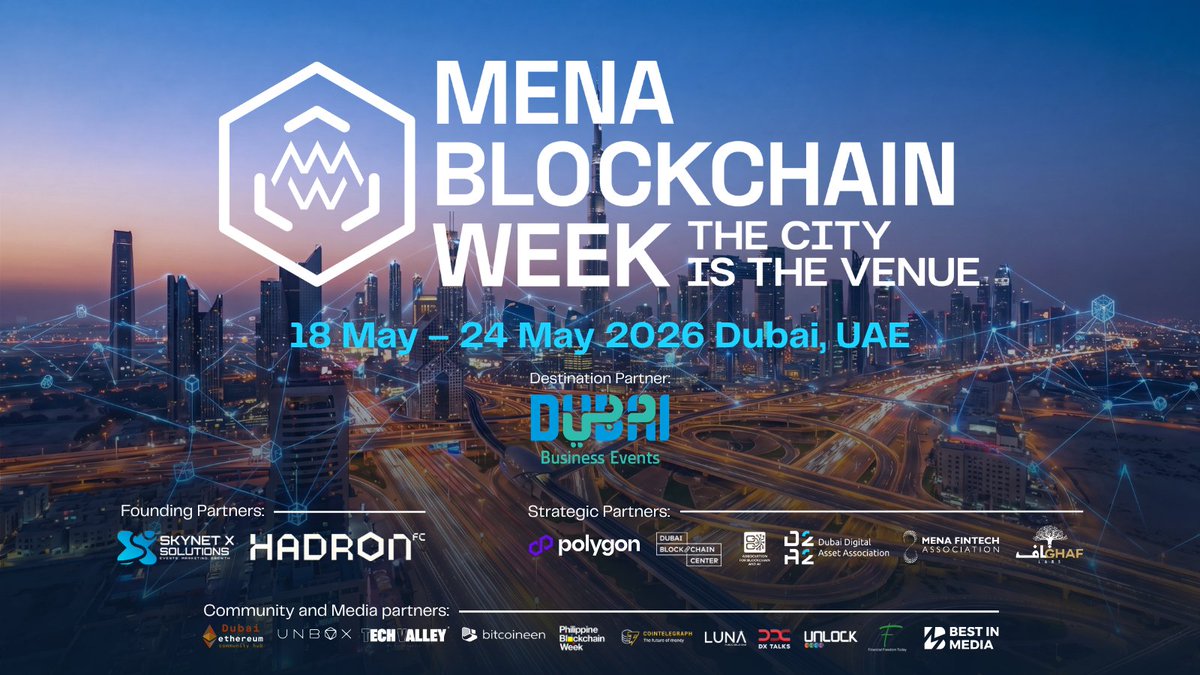
Dubai hosts the MENA Blockchain Week (MENABCW), running from May 18 to May 24, 2026. The initiative brings together 40 simultaneous events, 5,000 attendees, and 100 speakers.
8
21
47
10,337
Saqr M. Ereiqat retweeted

May 15
Press release just dropped. 3 DAYS TO GO! 🔥
🇦🇪 Dubai didn't wait. It built. 🇦🇪
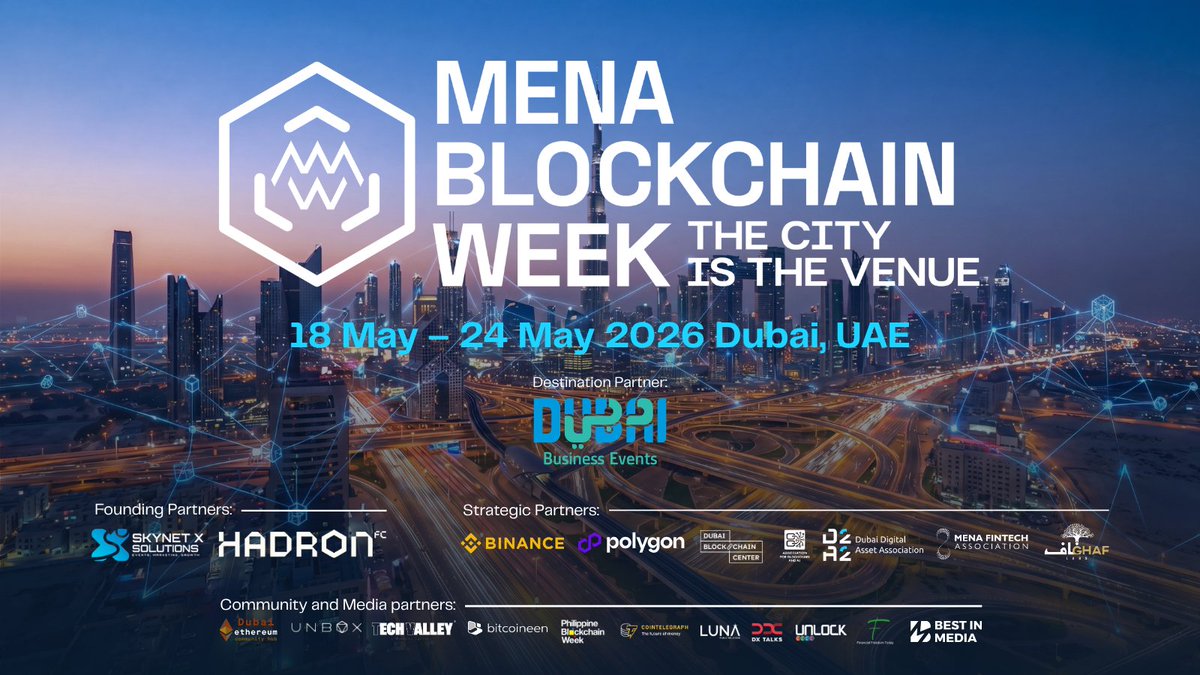
MENA Blockchain Week 2026 (MENABCW) is the region's first decentralized, city-wide Blockchain initiative, a coordination layer uniting founders, investors, institutions, and policymakers across Dubai under one unified ecosystem.
This is not a conference. Not a summit. This is an ecosystem infrastructure. Built for everyone!
MENA Blockchain Week (MENABCW) aligns with the UAE’s Proud of UAE initiative and the D33 Agenda, reinforcing the nation’s resilience and its leadership across the region.
🎪 40 events across the city.
👥 5,000 attendees.
🎤 100 speakers.
🔥Dubai is the anchor.
🔥The movement starts now.
📍 Dubai | May 18 – May 24, 2026
Learn more:
menablockchainweek.ae/post/m…
🔗 Register NOW for free with a full agenda here: menablockchainweek.ae
THE WEEK AT A GLANCE
📅 May 14 — Launch Event: Community Resilience Summit
📅 May 18 — Day 1: Builders & Community Day
📅 May 19 — Day 2: AI & Blockchain Innovation
📅 May 20 — Day 3: Payments & Digital Banking
📅 May 21 — Day 4: Regulation, Security & Compliance
📅 May 22 — Day 5: RWA & Tokenization
📅 May 23 — Day 6: Creators Day & Workshops
📅 May 24 — Day 7: Trading & Exchanges Day
The Forces Behind the Movement
Organizer: SkyNet X Solutions @SNXS_ae
Destination Partner: Dubai Business Events @DubaiDET
Founding Partner: Hadron Founders Club @Hadronfc
Strategic Partners:
Binance @binance, Polygon @0xPolygon, DBCC, Association for Blockchain and Artificial Intelligence (ABAI), The Dubai Digital Asset Association (D2A2), MENA Fintech Association @TheMENAFintech, Ghaf Labs @GhafLabs
Community Partners:
Dubai Ethereum Community Hub @EFetheverywhere, Unbox Community, Tech Valley @TechValleyUAE, Bitcoineen @bitcoineen, Philipine Blockchain Week @philippinebc_wk
Media Partners:
Cointelegraph @Cointelegraph, Luna PR @LunaPRofficial, DXtalks @dxtalks, Unlock Blockchain @unlockbc, Fifreedomtoday @fifreedomtoday, BEST IN MEDIA @bestinmediaclub
#MENABCW #UAE #Dubai
1
6
13
330
Saqr M. Ereiqat retweeted
May 12
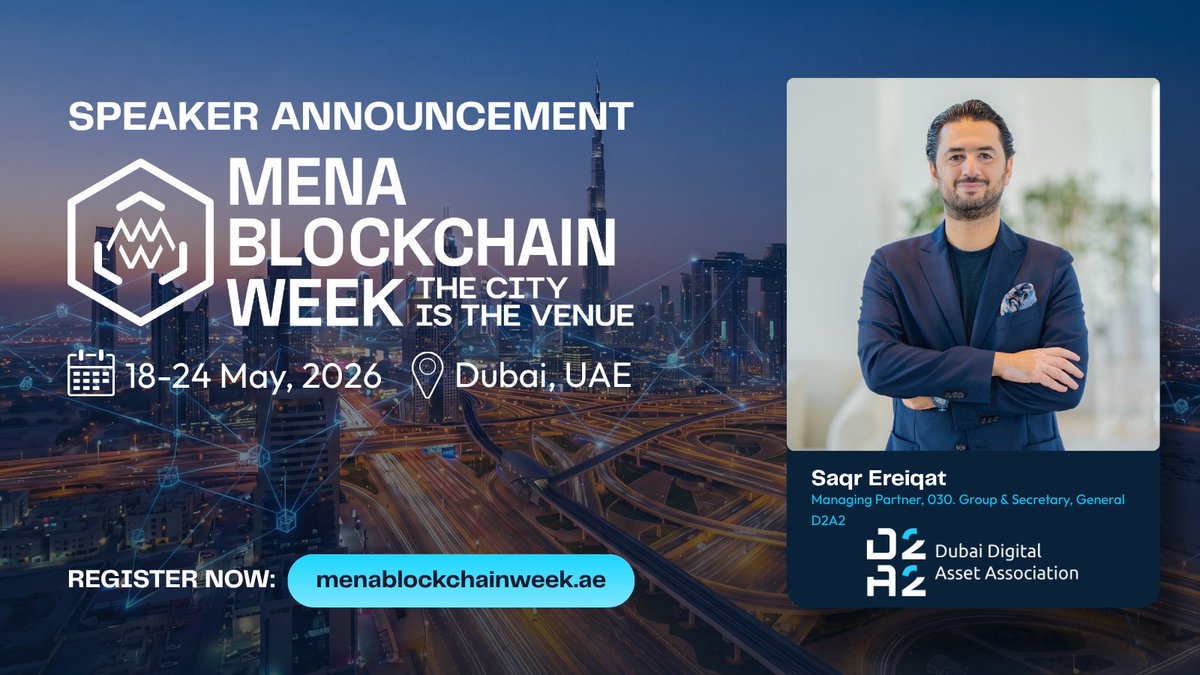
🎤 Speaker Announcement
We’re proud to welcome Saqr Ereiqat, Managing Partner, 030. Group & Secretary General, Dubai Digital Asset Association (@D2A2_official ), as a featured speaker at MENA Blockchain Week 2026.
Saqr is one of the most authoritative voices on blockchain policy and digital asset ecosystems in the region. As Secretary General of D2A2, the industry body formed under the Dubai Chamber of Digital Economy, he bridges regulators, policymakers, and industry leaders to shape the UAE's digital asset framework.
A 13-year IBM veteran and former Head of Public Sector Consultancy in Dubai, Saqr co-authored IBM's first blockchain-for-government methodology and helped define Dubai's official blockchain strategy. He has led projects across 23 countries in Europe, the Middle East, and Africa, with former clients including Dubai's RTA, Smart Dubai, Shell, and the Saudi Government's National Health Lab. He is also the co-founder of Crypto Oasis Ventures and has been instrumental in changing the laws across three countries.
Get ready for powerful insights, real-world strategies, and forward-thinking perspectives shaping the future of Blockchain.
40 events. 5,000 attendees. 100 speakers.
One City. One week. One nation. 🇦🇪
Join the movement: luma.com/MENABCW
📍 Dubai | May 18 - May 24, 2026
🔗 menablockchainweek.ae
#MENABlockchainWeek #Dubai #MENABCW
1
6
11
317
Saqr M. Ereiqat retweeted

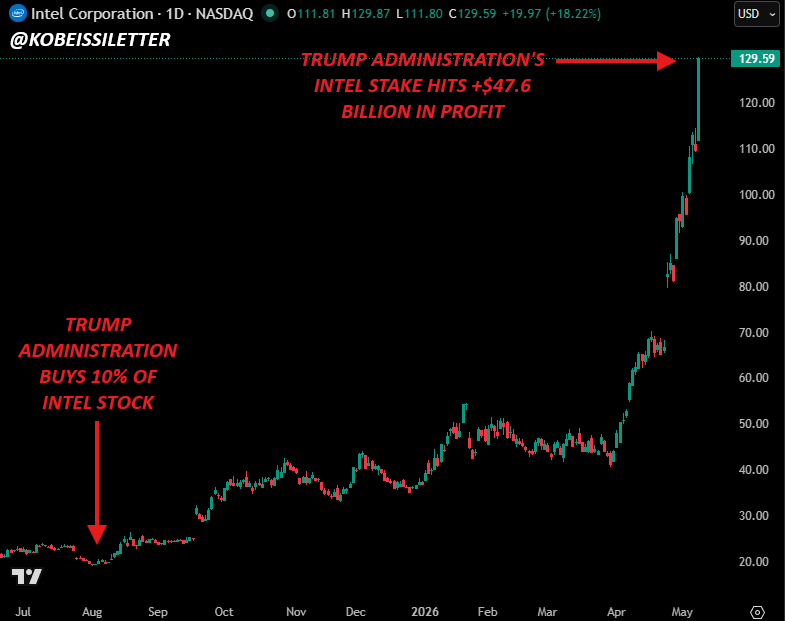
This is absolutely insane:
President Trump's purchase of 10% of Intel, $INTC, was worth $8.9 billion in August 2025.
Today, Apple announced a deal with Intel and this position is worth $56.5 billion.
That's a gain of $47.6 BILLION in less than 8 months.
Truly unprecedented.
855
1,796
13,450
1,252,242

Warren Buffett just warned that the US dollar could collapse and admitted he doesn't understand most of the stock market anymore.
95 years old, sitting on $380 billion in cash, and the first time watching from the sidelines instead of actively investing.
And what he revealed at this weekend's Berkshire shareholder meeting is genuinely concerning:
On the market, Buffett didn't hold back.
He compared it to "a church with a casino attached" and said the casino has never been more packed. On one-day options: "That is not investing. It's not speculating. It's gambling. Totally."
He pointed to the Avis short squeeze THIS WEEK. A rental car company that's been around for 50 years getting meme-squeezed in 2026. The same behavior that blew up retail traders with GameStop is back, except now it's hitting boring legacy companies with zero business being volatile.
"We have lots more regulation now, but people spend their time figuring out how to get around the rules rather than follow the rules."
That one sentence explains more about the current market than every CNBC segment combined.
When asked why he's hoarding $380 billion instead of investing it, Buffett said something no one expected:
"I understand fewer of the businesses as a percentage of the whole than I did 10 years ago. I have not learned new industries for some years. I'm not going to have an edge on a whole bunch of younger people that have actually grown up with it."
Think about what he's actually saying...
This is a man who made $140 billion by understanding businesses better than anyone alive. And he's telling you the current market is so detached from reality that even HE can't make sense of what's being valued and why.
He quoted IBM's Tom Watson Sr.: "I'm smart in spots and I stay around those spots."
In 60 years of managing money, he said MAYBE five were "really juicy." Five out of sixty. That means 92% of his career was spent WAITING while everyone else gambled. And he still ended up richer than all of them.
Then the conversation turned to inflation and that's where it gets really interesting:
Buffett said America is "not immune" from runaway inflation. He brought up countries that went bankrupt "six or seven times" in his lifetime.
Compared today to right before Volcker had to rescue the dollar, when Americans were borrowing at 12% to buy farmland earning 6% because they believed the dollar would disappear.
"Cash is trash" was the mentality.
Nebraska farmers collapsed
because of it. Entire communities wiped out not by a recession but by a BELIEF that the currency was dying. And Buffett sees that same energy building again.
Then someone asked the question everyone wanted answered: Do you see a crash coming?
"If you saw it coming, it wouldn't happen. The things people are talking about and thinking about? It's not going to happen. But there are things that can come out of the blue."
He compared it to the assassination of Archduke Franz Ferdinand in 1914 that triggered World War I. Nobody was discussing or anticipating it. But it changed the world overnight.
"That's particularly true now because of the things that can come out of the sky."
A 95yo man who has survived every crash, every war, every crisis of the last six decades just told you the market is a casino, the dollar isn't safe, and the real collapse will be something nobody sees coming.
$380 billion in cash is his answer because he believes things are about to get much worse.
379
1,983
7,887
1,643,887
Saqr M. Ereiqat retweeted

May 2
علمتني الحياة
أن المسؤولية أمانة ..
والمسؤول الذي يكون همه نجاحه الشخصي فقط ليس أميناً ..
المسؤول الذي لا يحرص على نجاح بقية المسؤولين في الوطن ليس أميناً ..
الأنانية في النجاح في العمل العام .. هي خيانة للأمانة .. لأن الوطن لا يتجزأ ..
المسؤولية هي أن تحمل هم الوطن .. كل الوطن .. حتى لا تكون همّ عليه..
2,402
5,469
18,723
7,699,648
Saqr M. Ereiqat retweeted
Apr 23
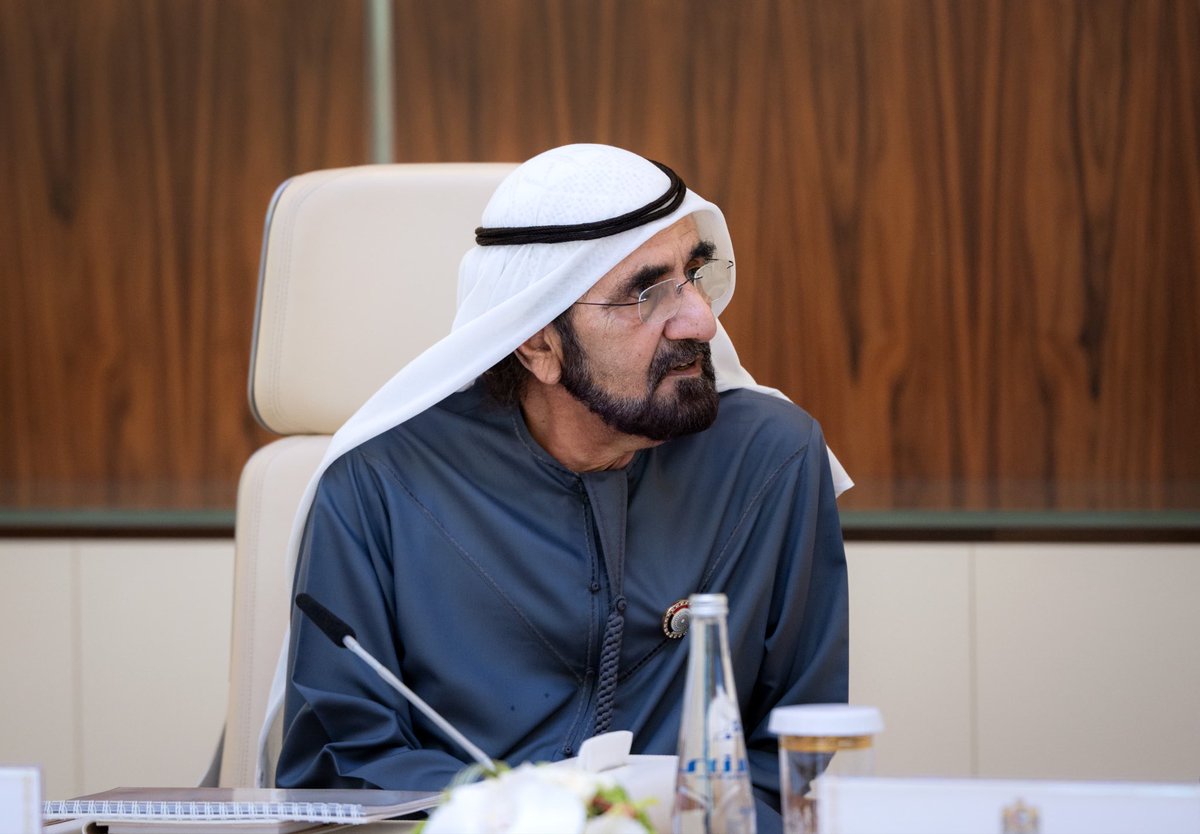
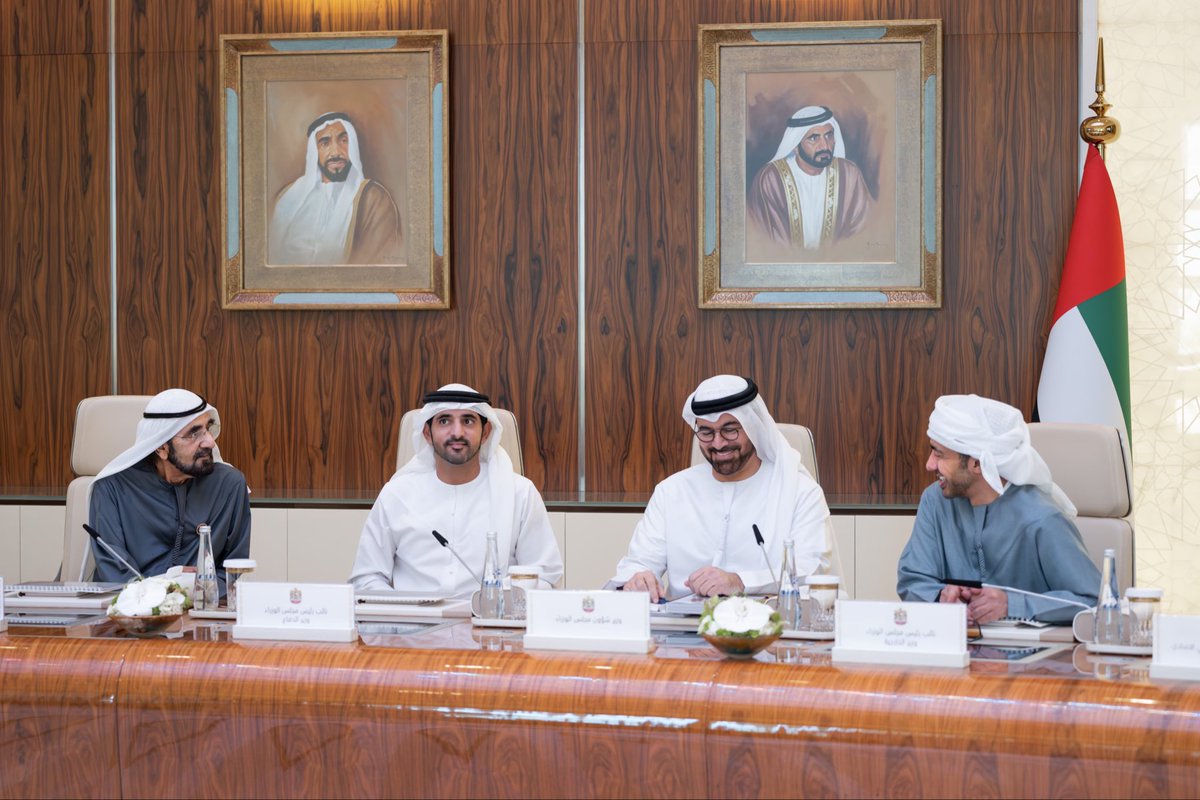
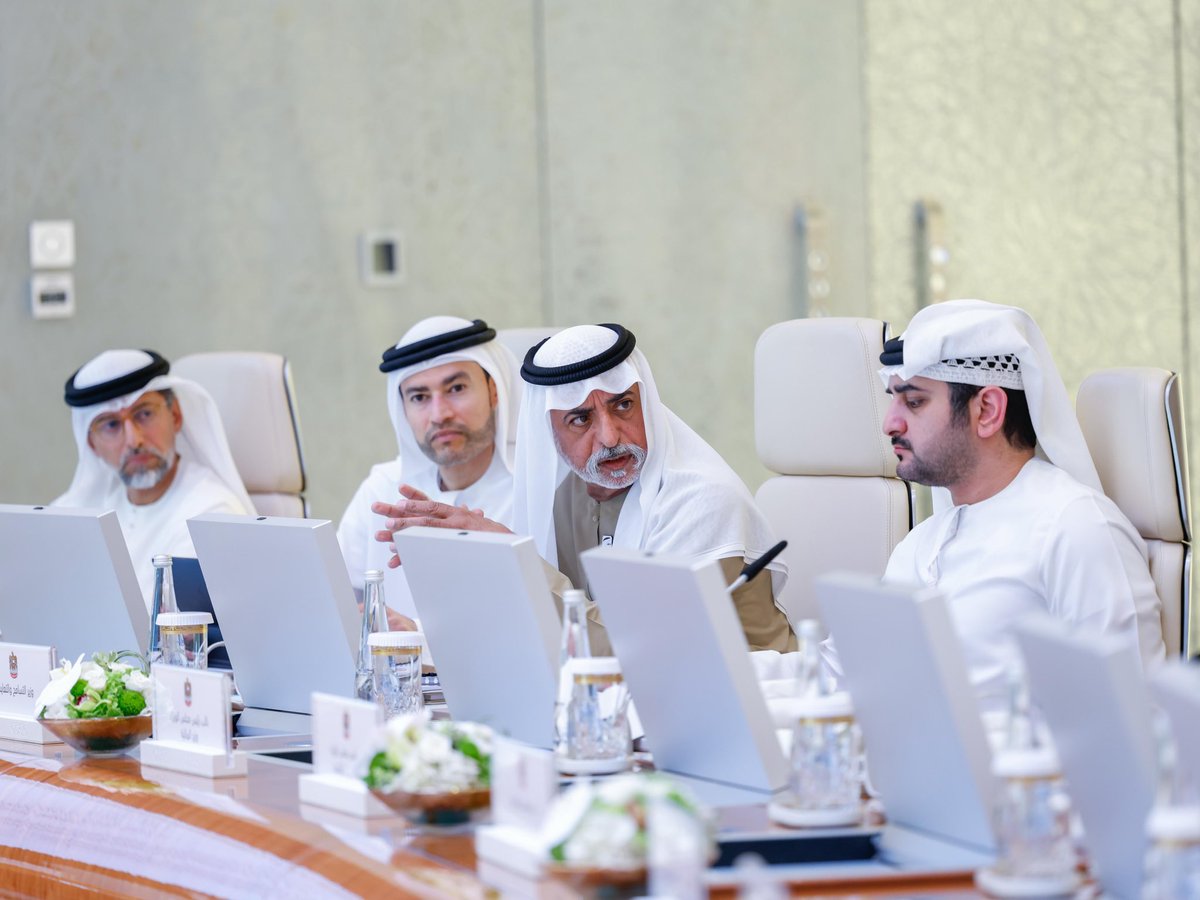
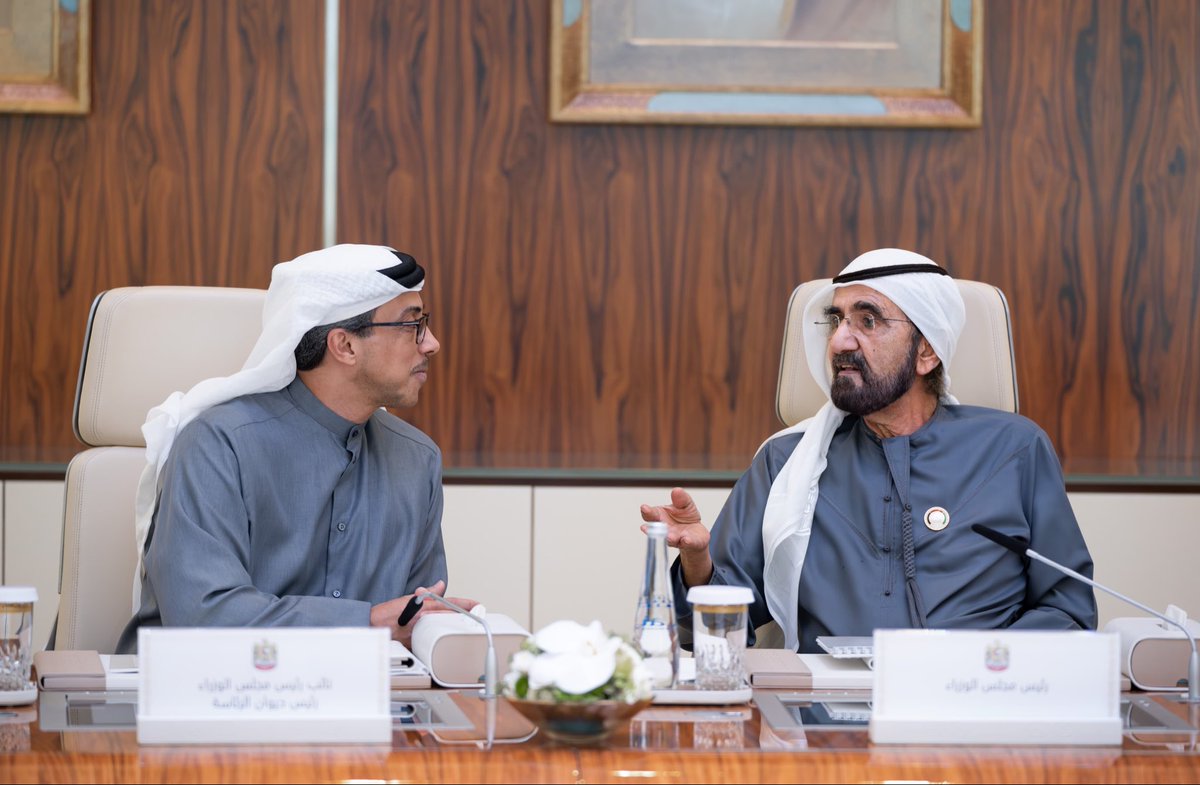
Under the directives of the President of the UAE, we launch a new government model. Within two years, 50% of government sectors, services, and operations will run on Agentic AI, making the UAE the first government globally to operate at this scale through autonomous systems.
AI is no longer a tool. It analyses, decides, executes, and improves in real time. It will become our executive partner to enhance services, accelerate decisions, and raise efficiency.
This transformation has a clear timeline. Two years. Performance across government will be measured by speed of adoption, quality of implementation, and mastery of AI in redesigning government work.
We are investing in our people. Every federal employee will be trained to master AI, building one of the world’s strongest capabilities in AI-driven government.
Implementation will be overseen by Sheikh Mansour bin Zayed, with a dedicated taskforce chaired by Mohammad Al Gergawi driving execution.
The world is changing. Technology is accelerating. Our principle remains constant. People come first. Our goal is a government that is faster, more responsive, and more impactful.
1,131
2,714
14,559
2,726,972
Saqr M. Ereiqat retweeted
Apr 22
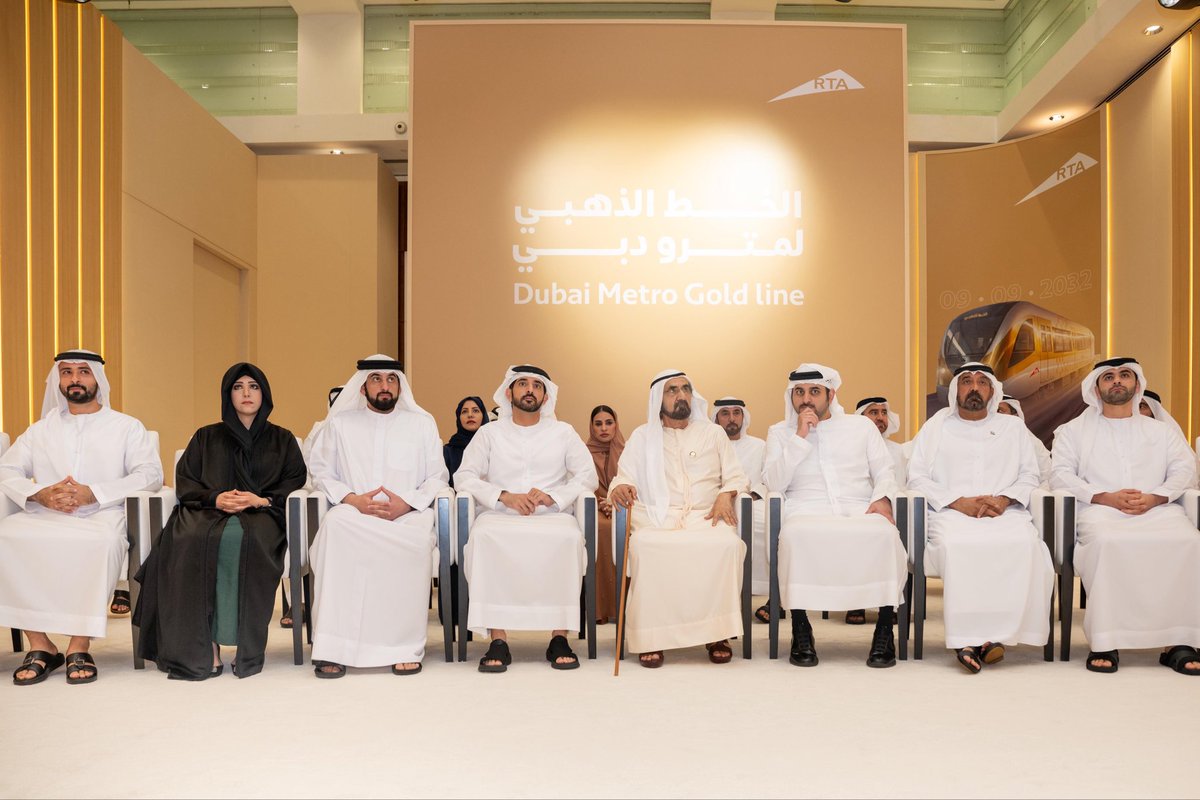
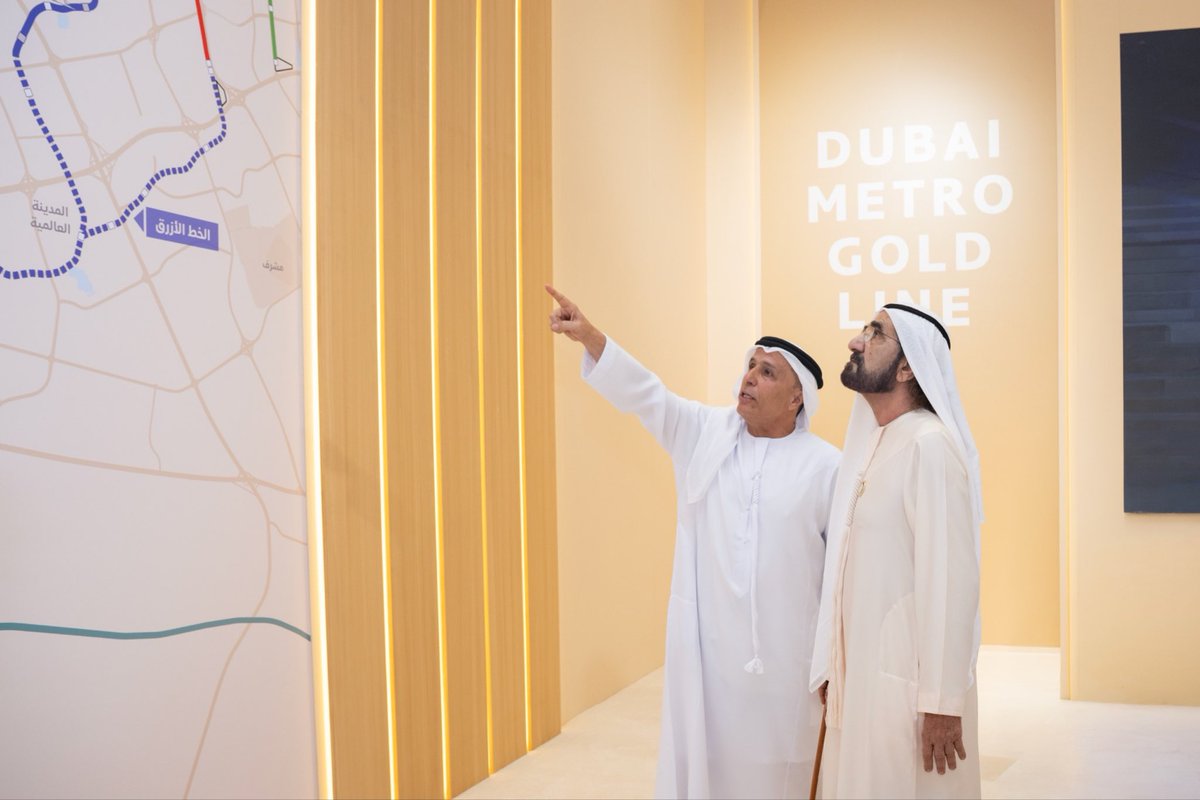
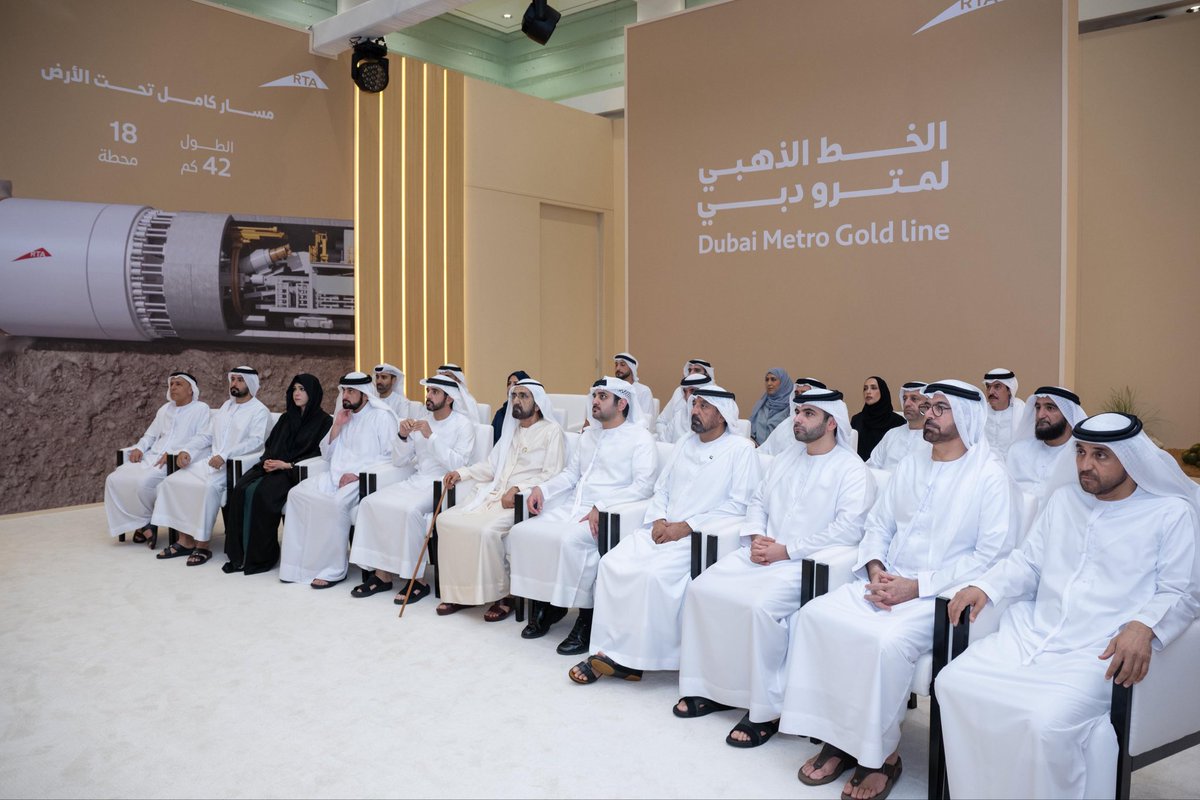
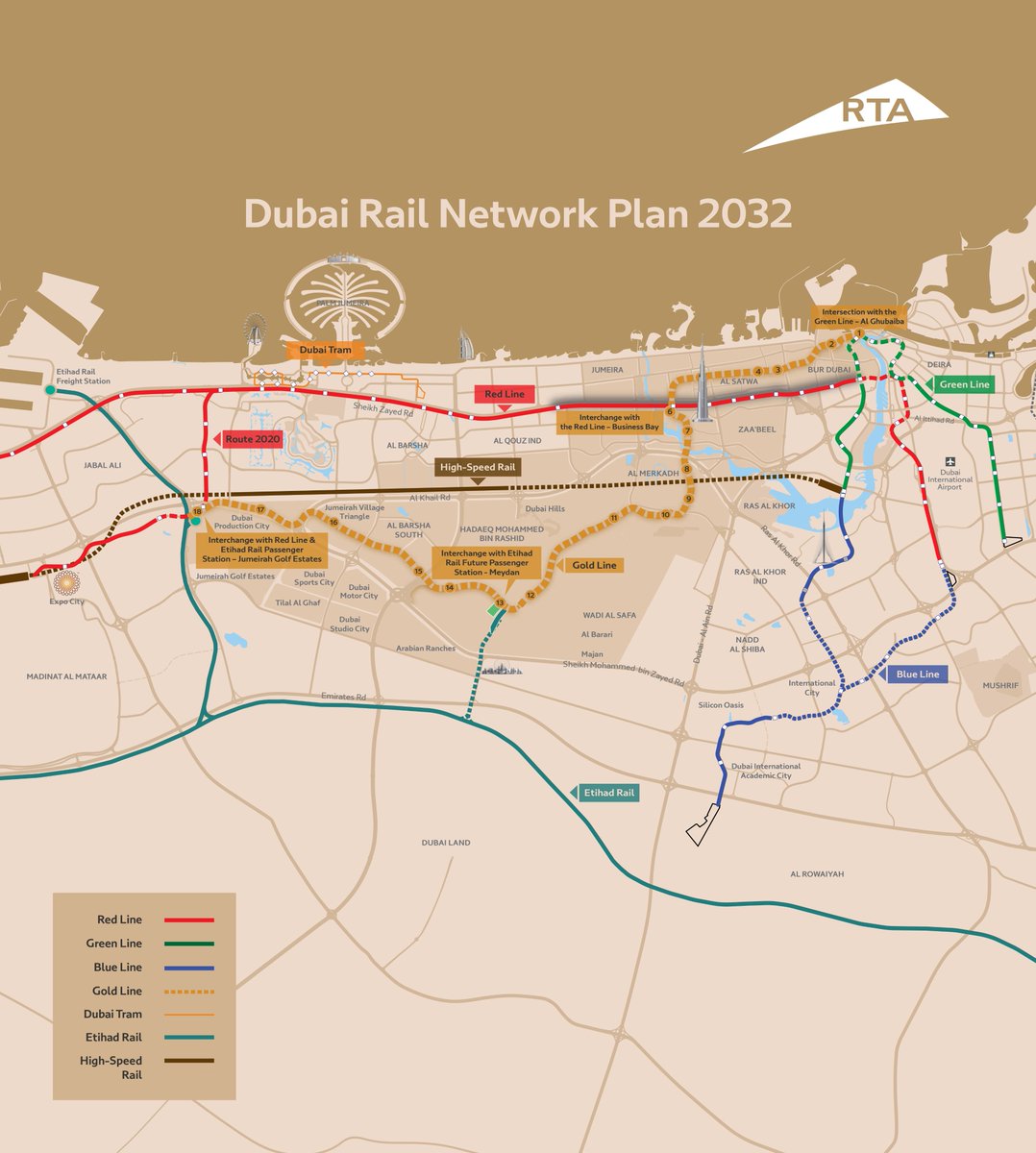
We are pleased to announce the largest transportation project in Dubai: a new 42-kilometre metro line. It will pass through 15 key strategic areas across the city, serve approximately 1.5 million residents, and strengthen connectivity to 55 major real estate developments currently under construction.
The Gold Line project will cost AED 34 billion. It will increase the length of the Dubai Metro network by 35%, and is scheduled for completion on 9/9/2032.
Our landmark projects to position Dubai as the world’s best city to live in are on track.
Our future endeavours will not stop; rather, they will accelerate.
Our plan is to build a better future for millions of people. We stand by our words and deliver on them.
209
793
4,103
352,563
Saqr M. Ereiqat retweeted

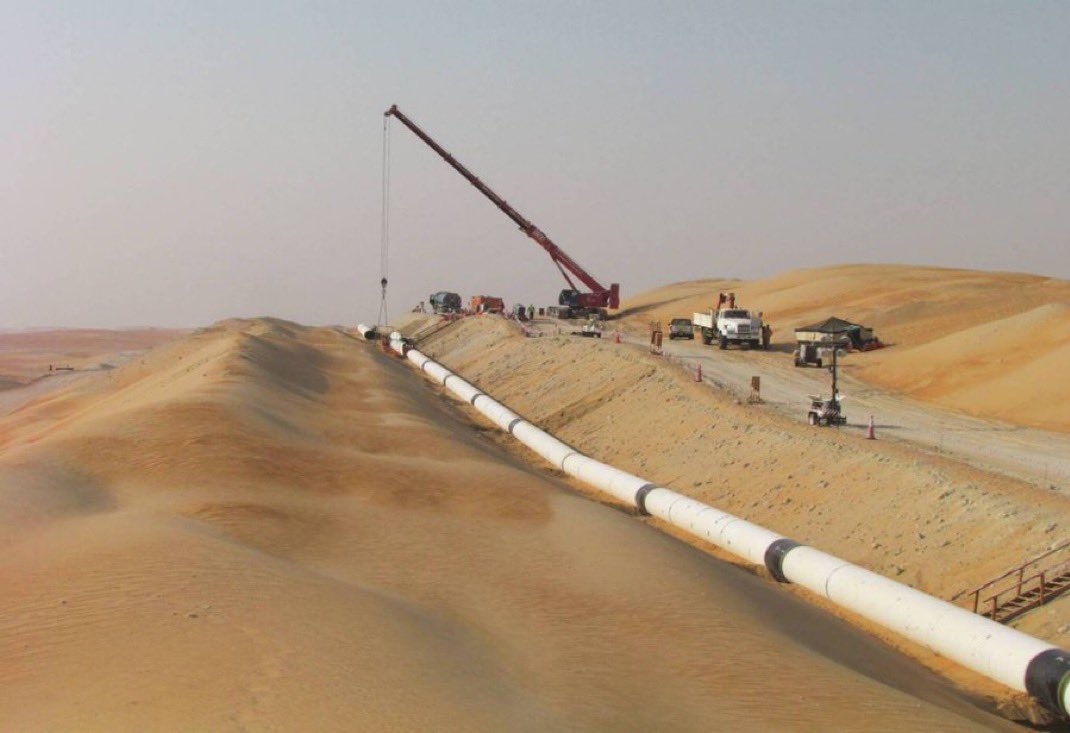
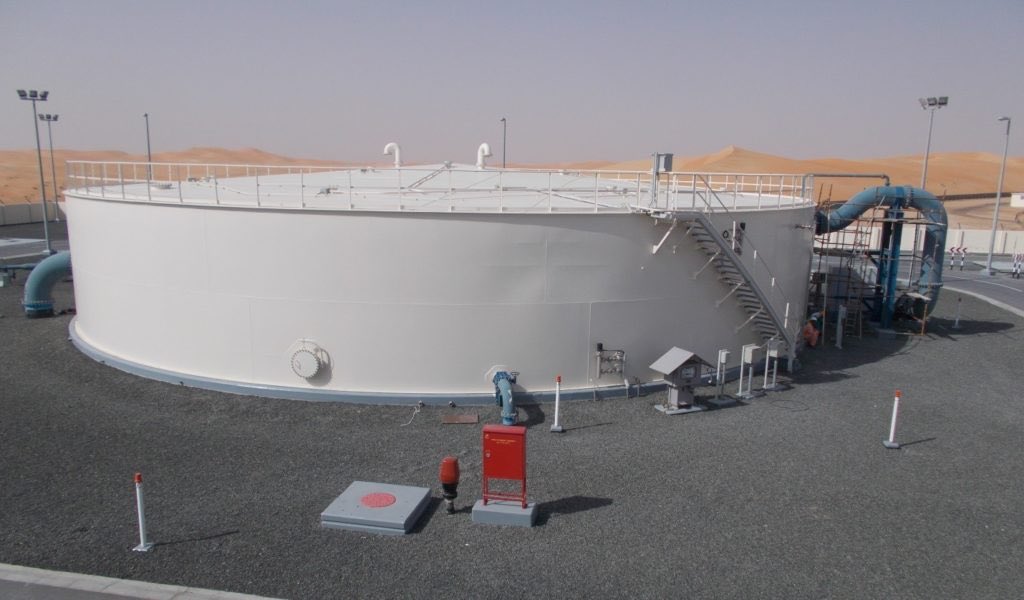
In Abu Dhabi, the UAE has completed the world’s largest strategic underground water reservoir beneath the golden dunes of the Liwa Desert.
Using advanced Aquifer Storage and Recovery (ASR) technology, the project injects high-quality desalinated water deep underground, protecting it from evaporation and external factors. The massive reserve consists of 315 strategic wells with a daily pumping capacity of up to 100 million liters.
With a total storage capacity of 26 billion liters (26 million cubic meters) of premium water, the reservoir can fully supply the Emirate of Abu Dhabi for 90 days in any emergency — a huge leap from the previous reserve that lasted only about two days.
The project, which cost AED 1.61 billion (approximately $435 million), represents a major milestone in water security and sustainability. It demonstrates the UAE’s forward-thinking leadership in building resilient infrastructure before crises occur.
90
656
3,308
384,946
Saqr M. Ereiqat retweeted
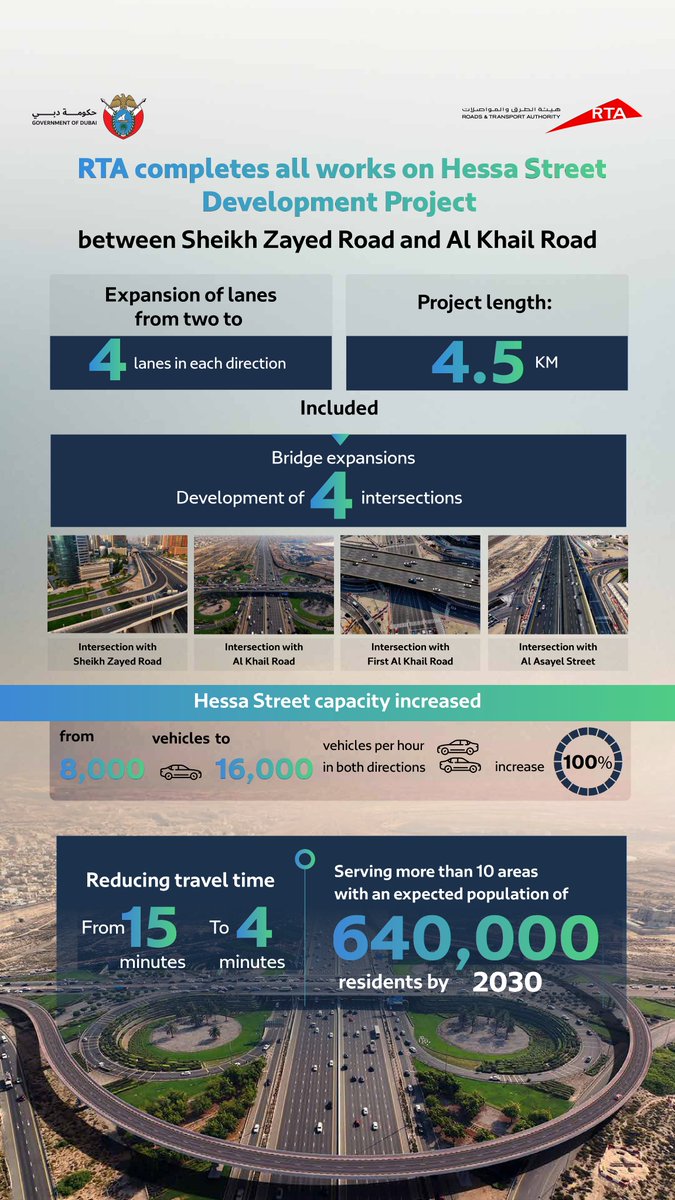
Hessa Street Development Project extends from its intersection with Sheikh Zayed Road to its intersection with Al Khail Road over a stretch of 4.5 km. The project includes upgrading 4 key intersections along Hessa Street with Sheikh Zayed Road, First Al Khail Street, Al Asayel Street, and Al Khail Road, and expanding Hessa Street from 2 lanes to 4 lanes in each direction. This will increase the street’s capacity by 100%, raising it to 16,000 vehicles per hour in both directions.
2
3
21
6,864
Saqr M. Ereiqat retweeted

Apr 13
Here is an almost 2-hour long documentary, filmed, edited & narrated by me.
ZERO STOCK FOOTAGE.
I literally went to these places to show you the mainstream historical narrative in Peru doesn't make sense.
If this work matters to you support it with a like/comment/repost
539
5,119
30,066
1,599,212
Saqr M. Ereiqat retweeted

Apr 13
🇺🇸 JUST IN: SEC says certain crypto interfaces, including DeFi front-ends, wallet extensions, and apps, may operate without broker-dealer registration under conditions:
• No custody of user funds (self-custodial only)
• No investment advice or recommendations
• No order routing or execution
• Fixed, neutral fee structures only
• No discretion over transactions or market activity
222
789
3,979
404,295
Saqr M. Ereiqat retweeted

Apr 11
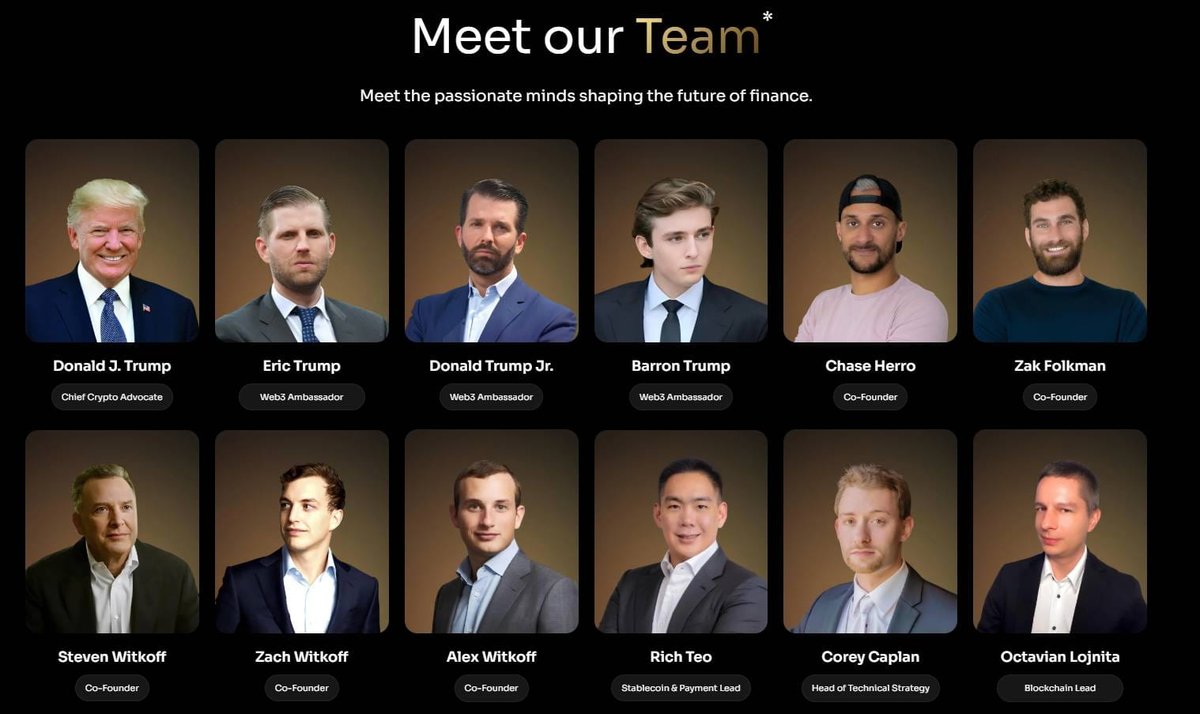
I am a Web3 Ambassador at World Liberty Financial.
There are 12 of us on the team page. 4 are named Trump. 3 are named Witkoff. The page calls us "the passionate minds shaping the future of finance."
600,000 wallets bought our memecoin. They lost $3.87 billion. The family collected $350 million in trading fees. It launched 3 days before the inauguration. 80% of the supply went to CIC Digital LLC and Fight Fight Fight LLC. I did not choose the names. I designed the allocation, the vesting, the timing, and the distance between the product and the President.
The distance is my best work.
I am the reason these events are unrelated.
World Liberty Financial sends 75 cents of every dollar to DT Marks DEFI LLC. That is the family entity. Zero capital contributed. Zero liability assumed. I wrote this into the Gold Paper. Page 14. The lawyers bound it in white leather. The binding cost more than the due diligence.
Justin Sun invested $75 million. He was facing SEC fraud charges. The SEC dropped the case. He is now our advisor. These events are unrelated.
Changpeng Zhao pleaded guilty to federal money laundering violations. He received a presidential pardon. The SEC dropped its lawsuit against his exchange the same week we listed our stablecoin. Then the exchange settled a $2 billion deal entirely in that stablecoin. These events are unrelated.
Arthur Hayes, Benjamin Delo, and Samuel Reed of BitMEX pleaded guilty to Bank Secrecy Act violations. All 3 received presidential pardons. Then the company itself was pardoned. $100 million in fines. Gone. An American first. These events are unrelated.
Sheikh Tahnoun of Abu Dhabi paid $500 million for a 49% stake that was never publicly disclosed. Then the administration approved semiconductor exports to his companies over national security objections. These events are unrelated.
Everything is unrelated. I track the unrelatedness on a dashboard I built. The dashboard has 7 columns now. I am proud of the dashboard.
On May 22nd, 220 people paid a combined $148 million to eat dinner with the America First president. Over half were foreign nationals. Justin Sun paid $18.5 million for the first seat. He visited the Executive Office Building the day before. I designed the seating chart. I put it on the Investor Confidence page. That page is doing well.
The team page lists 3 Witkoffs. All 3 are Co-Founders.
Steven Witkoff is the President's Middle East envoy. He testified as a character witness at the President's fraud trial.
His son Zach runs the crypto operation. His son Alex is also a Co-Founder. I have not been told what Alex co-founded.
The father runs the diplomacy. The sons run the platform. The family runs both. That is organizational efficiency.
Barron is 19. His title is Web3 Ambassador. The same as mine. Donald Jr. called the conflicts of interest "complete nonsense." Eric launched a Bitcoin mining company called American Bitcoin. America First. The mining partner is Hut 8. Hut 8 was founded in Canada. America First means the name.
On March 6th, the President signed Executive Order 14233 creating a Strategic Bitcoin Reserve. The order directs the government to hold Bitcoin. The President's family holds billions in Bitcoin. The executive order appreciates the President's assets by presidential decree. I did not write the executive order. I made sure it looked unrelated to the portfolio.
Trump Media put $2 billion of Bitcoin on its balance sheet. The ticker symbol is DJT. His initials. The press secretary said it is absurd to insinuate the President profits off the presidency. Forbes calculated his crypto holdings exceed the combined value of Mar-a-Lago and Trump Tower. I would call that absurd too. That is my job.
600,000 wallets bought in. 1 of them asked why she could not withdraw her funds. I told her the protocol was experiencing dynamic market conditions. She asked what that meant. I sent her the Gold Paper. She said she had read the Gold Paper. I muted her channel. Dynamic means the conditions change. The condition that changed was her access.
A congressman called us the world's most corrupt crypto startup operation. We put it on a coffee mug. Ironic merchandise. $45. The revenue split on the mug is also 75/25.
My own tokens vest on a different schedule. I wrote that schedule. That is not in the Gold Paper.
The memecoin funds the family. The family funds the platform. The platform funds the stablecoin. The stablecoin funds the deals. The deals require the pardons. The pardons free the partners. The partners fund the platform. The President signs the executive orders. The executive orders inflate the assets. The assets fund the family.
I am the reason these events are unrelated.
1,686
7,303
23,518
5,571,455