
life silly
Joined September 2011
- Tweets 6,425
- Following 530
- Followers 4,029
- Likes 61,053
733 Photos and videos








Pinned Tweet

16 Sep 2022
9
6
223
Apr 27
Best invention ever
Apr 27

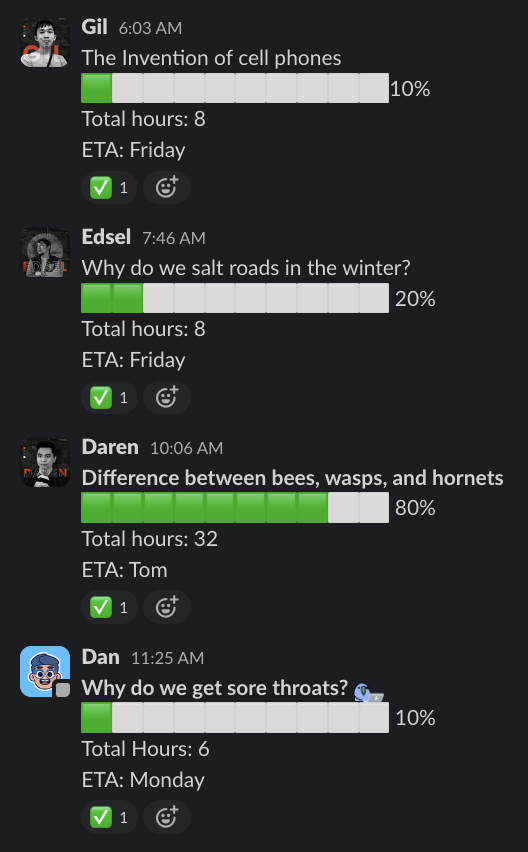
How do we manage video editors?
WE DON'T...
We only use this 1 simple trick –> 🟩
After every day, they send a Slack update with:
1) Video title
2) Percent finished
3) Total hours worked
4) ETA
In 2 seconds, we can see their progress.
No micromanaging needed.
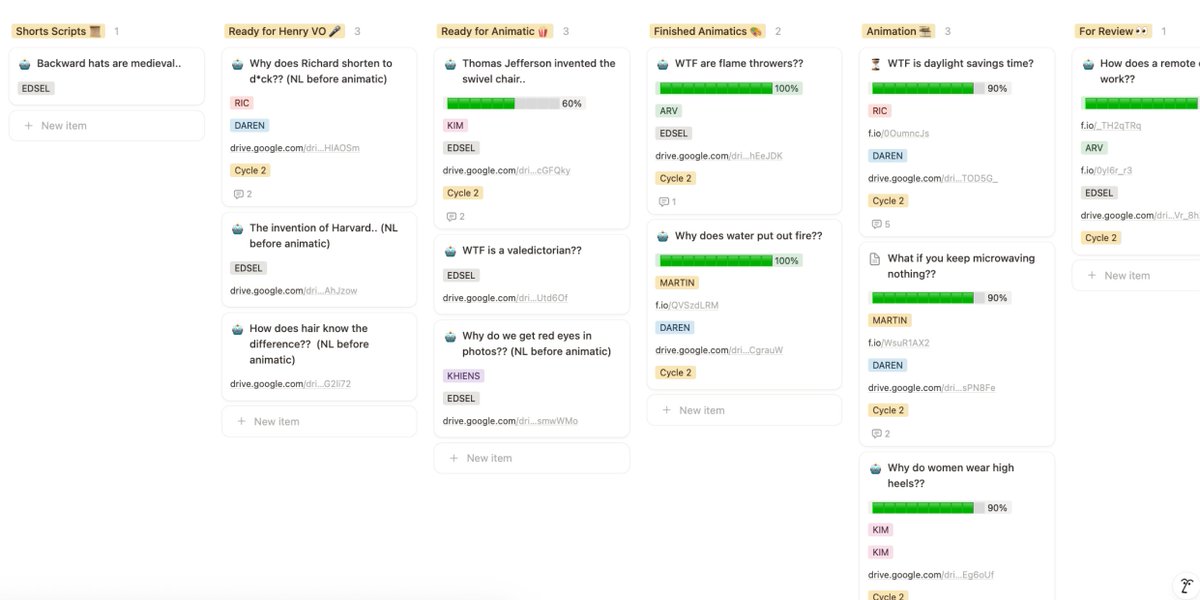
Level 2.0 is upgrading to a Kanban board!
1
10
1,285
Dylan Jardon 🌈 retweeted

Apr 16
Your phone fires 30,000 infrared dots at your face every time you unlock it.
But how does this light recognize…your face?
Take a quick look at your phone, specifically the black notch toward the top, near the camera.
Apple calls this system TrueDepth.
Eight components packed into that little black notch, all firing in the fraction of a second it takes you to glance down.
One of those components: the dot projector.
It…projects dots. 30,000 in a fraction of a second, every time you need to open your phone.
So FaceID isn’t taking a picture of your face. It's building a 3D map of it.
The dot projector casts 30,000 infrared dots across your features, and because your face has contours, those dots distort in predictable ways.
The infrared camera reads that distortion and reconstructs the geometry of your face in three dimensions.
Remember when you had to roll your head around during phone setup? The 3D model gets compared to the mathematical face print you created during setup.
This process uses a TON of data, but it happens so fast.
How?
Apple built a dedicated chip specifically to run this.
The Neural Engine inside the A-series processor handles the face-matching math at a speed and security level the main CPU couldn't manage alone.
And your face data never leaves your device.
It lives in something called The Secure Enclave [*oooooh, ahhhh*], which is an isolated processor that even the operating system can't read.
This system has an error rate of roughly 1 in 1,000,000. Touch ID is 1 in 50,000.
All of that, before you've finished picking up your phone!
2
11
1,835
Mar 18
they duct taped my roommate
Mar 18

We raised a $27M Series A to replace the spreadsheets and human duct tape behind $100 trillion in global assets.
Fund administration is the invisible backbone of private equity and venture capital - and it’s broken.
Why?
Financial data is scattered, stale, and locked inside legacy providers. Books take forever to close. Basic questions about your own fund take days to answer.
So we rebuilt the general ledger, waterfall engine, investor portal, and portfolio management from scratch.
One single source of truth for your firm.
Our AI agents read emails, propose journal entries, and extract portfolio updates in seconds. Our CPAs review every output.
Today, we administer $15 billion in assets - and we’re just getting started.
Every fund CFO keeps getting asked: how will you adopt AI?
Now you have an answer.
Run your firm in real-time with @hanoverpark.
–-
Excited to partner with Jake Saper at @emergencecap @peterjhebert at Lux, @chadbyers/@pratyushbuddiga at Susa and CFOs at the largest private equity firms to forge this future.
1
9
1,188
Dylan Jardon 🌈 retweeted

Jan 17
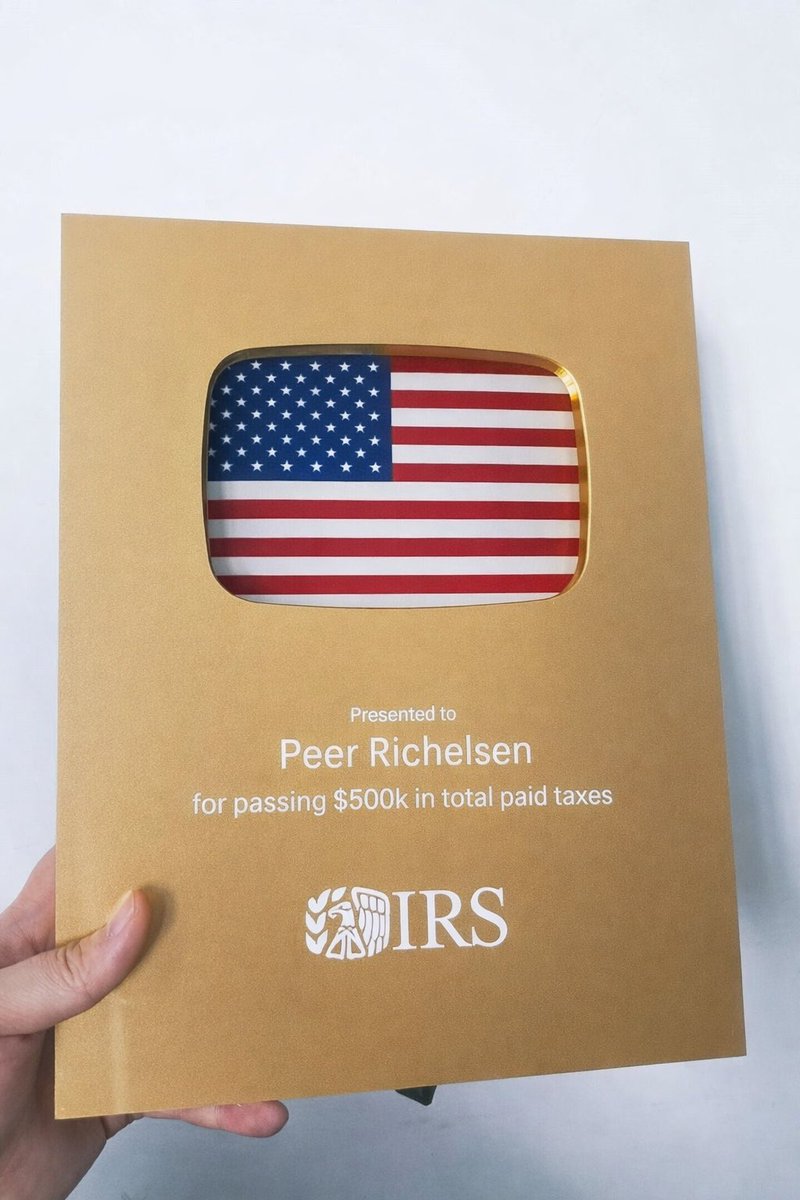
governments need to start gamifying paying taxes
give me a battlepass
awards and unlocks once you paid $ xyz in taxes
notifications what has been paid (you just paid a teachers salary)
the IRS should at least send a plaque
make paying taxes fun
344
235
6,006
773,431
Dylan Jardon 🌈 retweeted

Jan 16
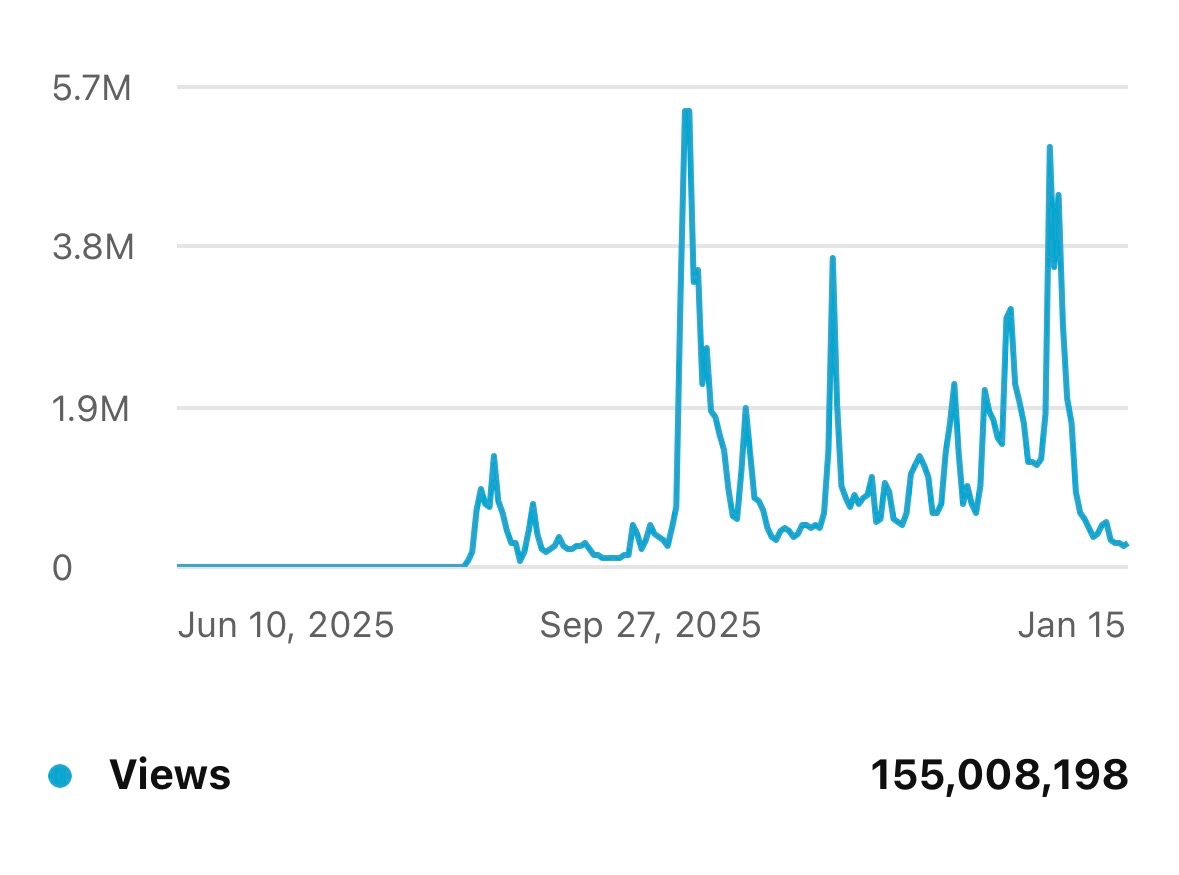
We launched a YouTube channel for our client and grew it to 150 million views and 130k subscribers in just 6 months..
Last month alone it did 55 million views.
So f**k it… I’m going to break down the entire strategy behind it.
2
2
7
860
22 Oct 2025
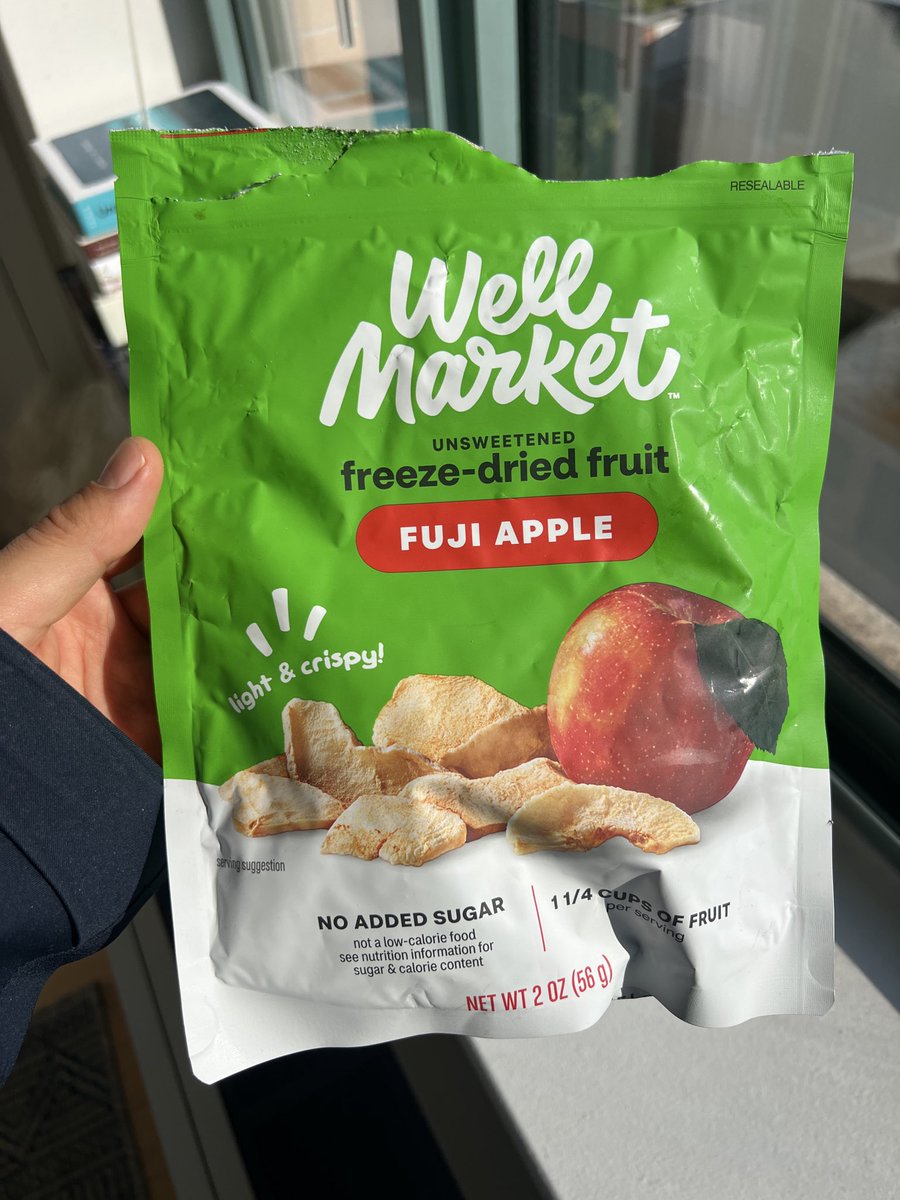
Freeze-dried fruit should be rebranded as “Space Fruit”
2
546
10 Oct 2025
Woah these are actually fun to read
10 Oct 2025

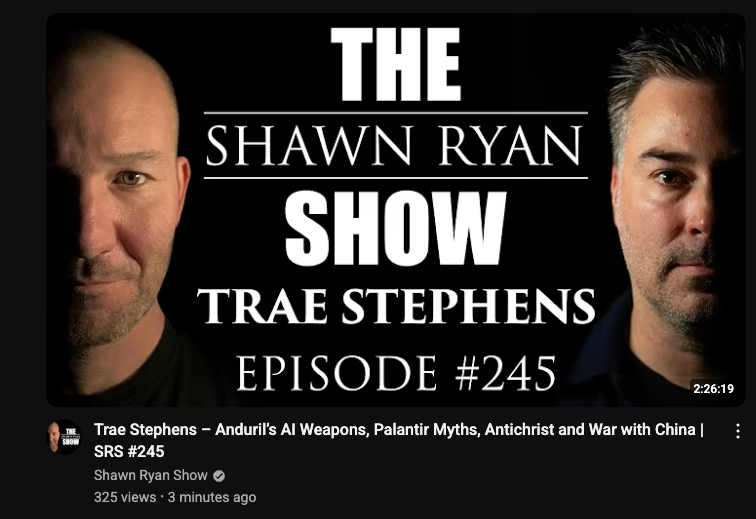
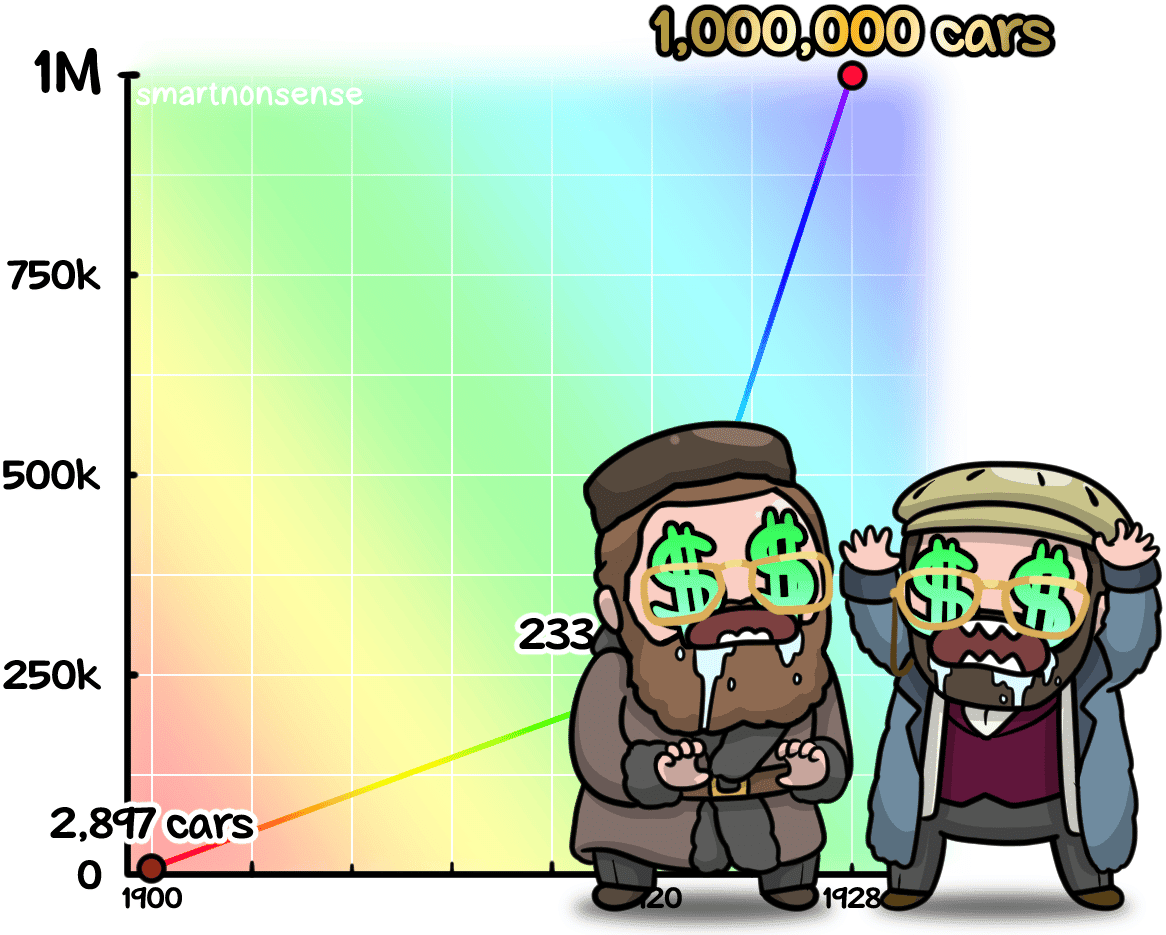
The greatest marketers ever? The Michelin bros.
They sold tires—by inventing fine dining.
Ya... crazy.
Here’s the insane marketing stunt behind Michelin Stars 👇
3
679
24 Sep 2025
I asked Alex Karp:
Why don’t billionaires fight what we all know is broken?
He said they:
1) Aren’t proud of how they made money & don’t want to be attacked
2) Have mistresses
3) Are too old
But I think 4) Most are COWARDS
A good king picks up the sword & charges the front
52
77
1,447
469,661
Dylan Jardon 🌈 retweeted

11 Sep 2025
We are asking for the public's help identifying this person of interest in connection with the fatal shooting of Charlie Kirk at Utah Valley University.
1-800-CALL-FBI
Digital media tips: fbi.gov/utahvalleyshooting


19,610
105,717
311,023
89,641,532
3 Sep 2025
Pro tip: Ignore data and do the thing that’s the purpose of life
3 Sep 2025

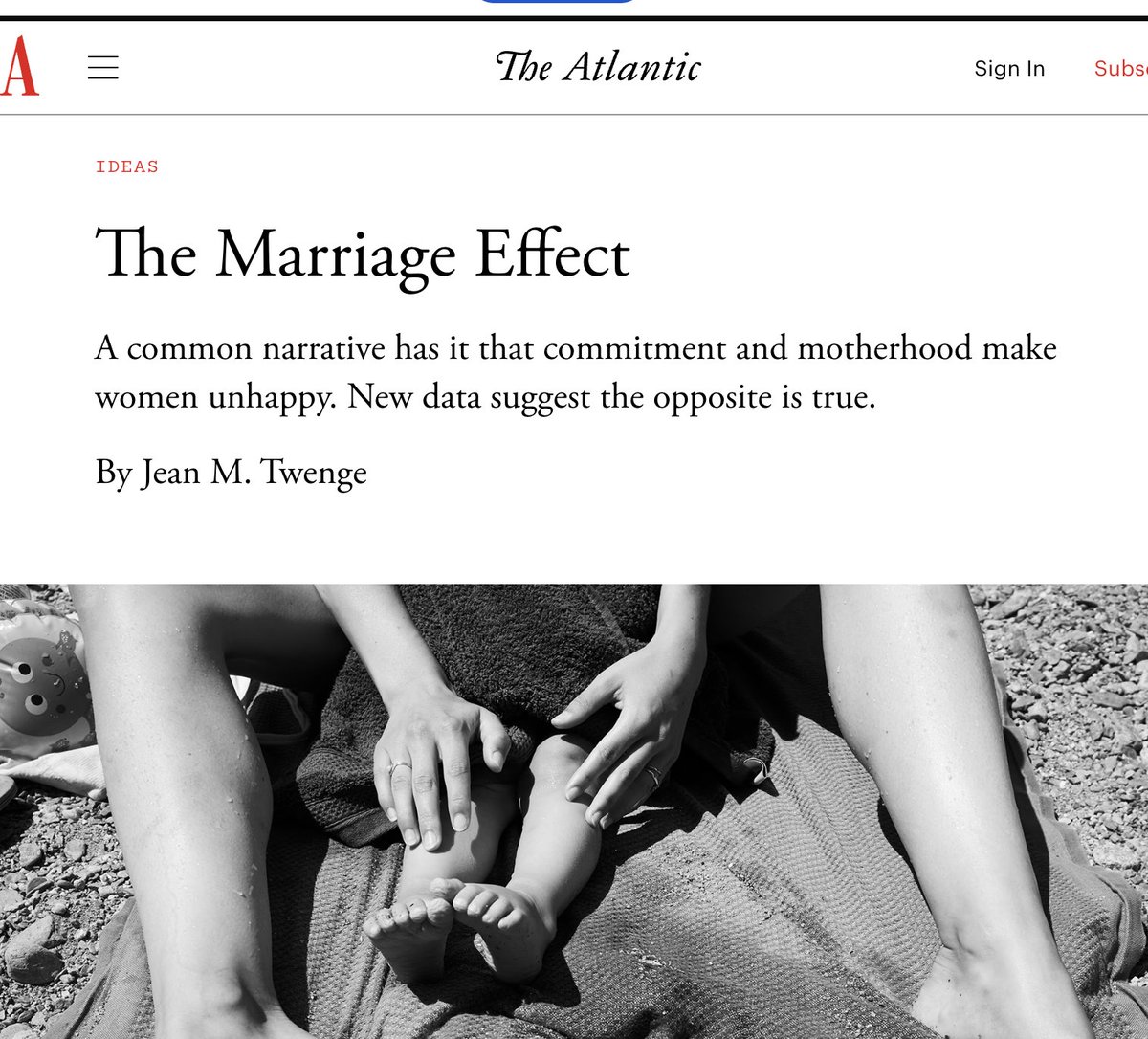
"The Marriage Effect | A common narrative has it that commitment and motherhood make women unhappy. New data suggest the opposite is true" @jean_twenge @TheAtlantic
1
6
1,215
18 Aug 2025
Golf would be much more impressive if measured in feet
350 yard drive? Meh
1,000 feet? HOLY SHIT
7
682
Dylan Jardon 🌈 retweeted

18 Aug 2025
I wrote a 20,000 word Notion guide on what I would do differently as a founder if I were to start from scratch
Covers equity, fundraising, raising money, taxes, hiring & paying my team, running finance, selling secondaries & exiting
Comment or RT & I'll DM you a copy
738
238
985
148,009
11 Aug 2025
The wait is over baby
If you like running and flexing on hoes, download Share Aura
11 Aug 2025

Share Aura is now live in the App Store.
Invite Codes are going out to waitlist this week (20k on it...so please be patient)
Instead of a fancy launch video
I took my camcorder on a run
Thank you for the support the last 6.5 years I've posted online
Retweet/QT for an Invite.
1
1
30
2,852
11 Aug 2025
Would you wear shorts on a plane?
57%
Ya
43%
Na u nasty
28 votes • Final results
1
1
518
18 Apr 2025
Why don’t elevators let you cancel a floor by pressing it again?
3
7
993
10 Jul 2025
10 Jul 2025

If you accidentally pick a floor in the elevators at Apple Park you can push the button again to deselect it. How do I know? I invented the elevator.
664
Dylan Jardon 🌈 retweeted

8 Jul 2025
I had one of the HOTTEST talks at the @aiDotEngineer World’s Fair conference! (now going viral on their YT)
Oleve’s story inspired an entirely new conference track showcasing tiny teams winning big, sharing the stage with legends like:
> @EricSimons (@boltdotnew)
> @thisisgrantlee (@gammaapp)
> @MaxBrodeurUrbas (@gumloop)
> @alexatallah (@openrouter / @opensea)
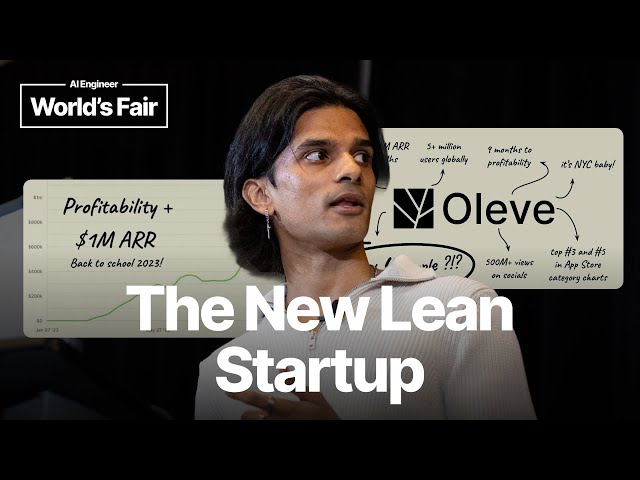
In “The New Lean Startup”, I share the philosophy that’s guided a team of 4 to build a profitable $6M ARR portfolio of consumer software products
the recording is on YT, and it’s one of their most viewed talks from the conference
summary in thread:
2 Jul 2025

🆕 Today's featured talk - The New Lean Startup!
Big Results, Tiny Teams:
@SidBendre burst on the scene early this year, crossing $6m ARR and 5m users with just 4 employees, inspiring us to start an entire track and category:
youtu.be/pQz-PgA1eJw
In this talk he explains how the age of Tiny Teams is here, enabled by and producing AI for everyone, and how is making his AI Engineers 100x more productive with some strongly opinionated product and platform principles, shared here for the first time ever
13
14
115
21,292