
ARCHITECTURAL DESIGNS, STRUCTURAL DESIGN, ELECTRICAL DESIGN, MECHANICAL DESIGN, 2D DESIGN, 3D DESIGNS, ARCHI CAD 3D DWG, AUTO CAD, PROTA STRUCTUE, SKETCH UP
Joined February 2025
- Tweets 1,331
- Following 183
- Followers 210
- Likes 354
156 Photos and videos






Pinned Tweet

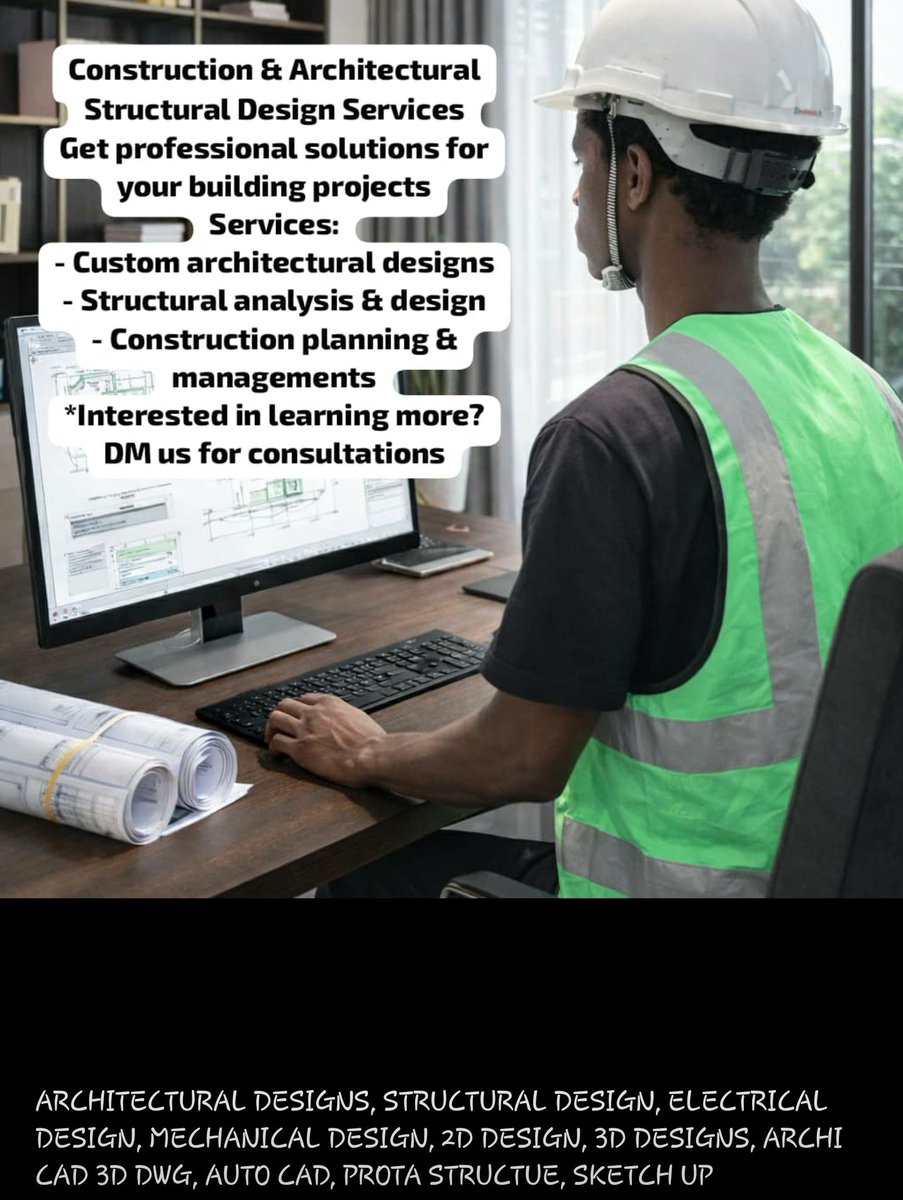
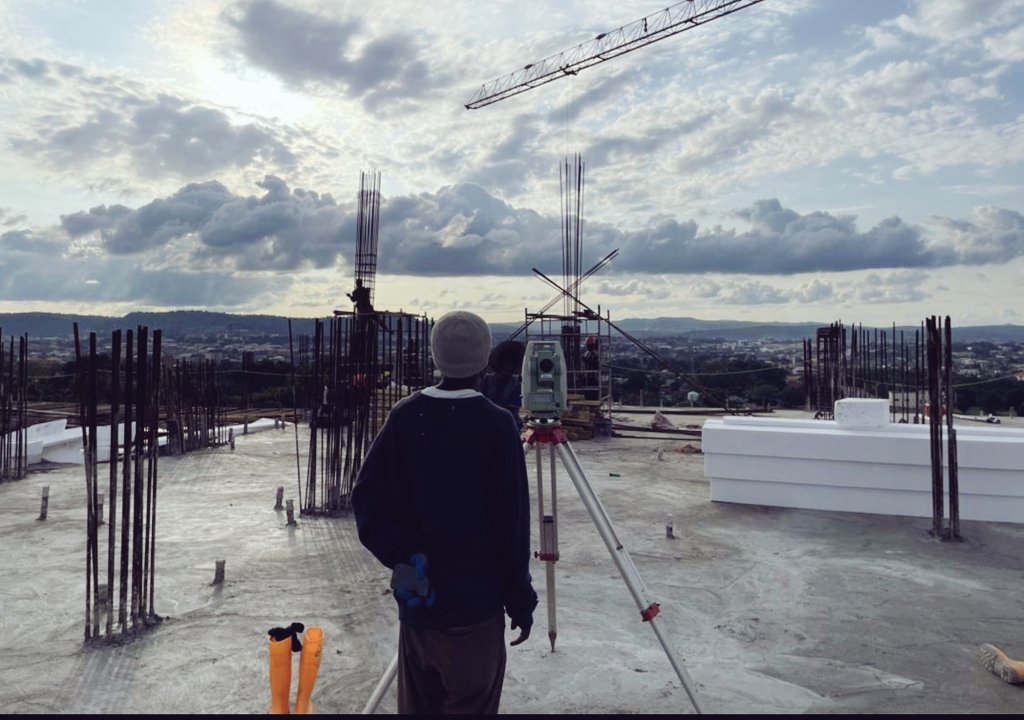
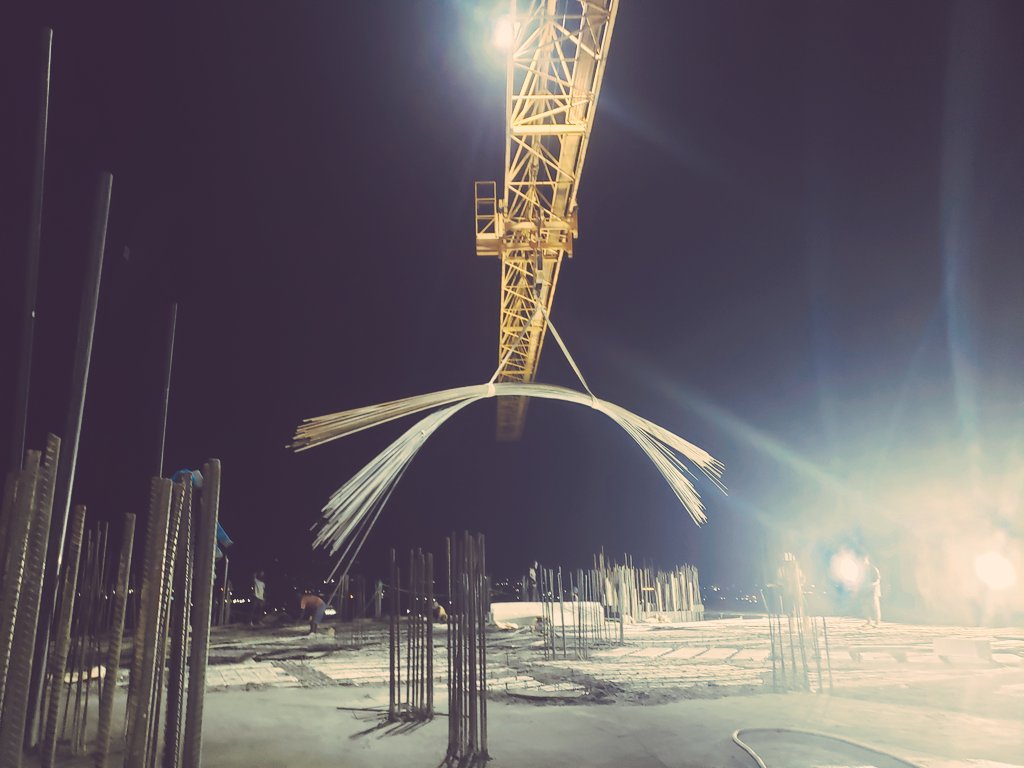
Expert Construction & Architectural Structural Design Services
Get professional solutions for your building projects
Services:
- Custom architectural designs
- Structural analysis & design
- Construction planning & managements
*Interested in learning more?
DM us for consultations
3
540
DYNAMIC DESIGNS & CONSTRUCTION retweeted

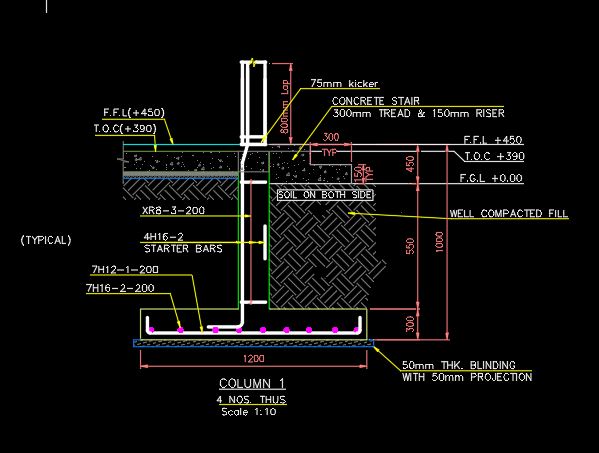
Section through a footing.
5
55
1,279
DYNAMIC DESIGNS & CONSTRUCTION retweeted
Sir you are absolutely right ✅
When its comes to drawings
Most clients do see it as an ordinary stuff
Like as if it not that important
Other professionals like land Surveyors or even quantity Surveyors do earn more than
1
14
DYNAMIC DESIGNS & CONSTRUCTION retweeted
Currently we are facing alot of challenges in the society
Not knowing the values of these team.
1. Civil Engineers
2. Architecturals
3. Electrical engineers
4. Mechanicals
1. When it comes to the Civil Engineers, Artisans are now anticipating in this
1
13
DYNAMIC DESIGNS & CONSTRUCTION retweeted
respect in building designs and construction isn't cool at all
In this case I think we are the only professionals that the world don't usually value that much
Especially Nigerians clients
Is not applicable to other professionals like Doctors
1
11
DYNAMIC DESIGNS & CONSTRUCTION retweeted

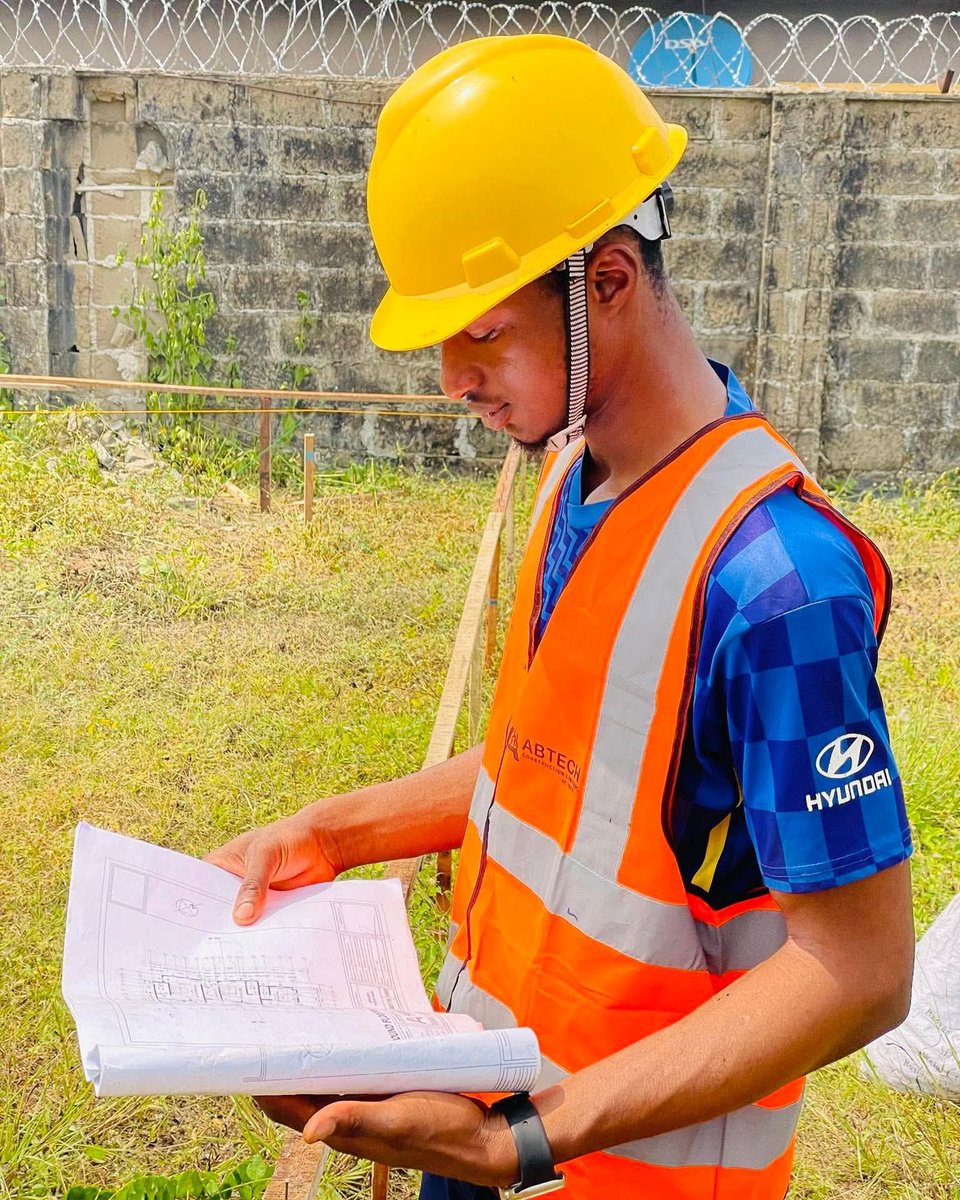
"You’re Charging Me for Drawings?”
This is one of the funniest and most painful conversations many designers, architects, and engineers have with clients.
A client buys land for ₦5 million.
Pays ₦350,000 for a survey plan.
Pays ₦500,000 to a lawyer for documentation.
Then suddenly becomes angry when it is time to pay for architectural, structural, electrical, and mechanical drawings.
Some will even say:
“Can’t you just charge ₦50,000?”
“Why should drawings cost this much?”
“It’s just paper and printing.”
But let us be honest.
Are you paying for paper?
Or are you paying for knowledge, experience, calculations, responsibility, and professional expertise?
The truth is that a building drawing is one of the most important investments in the entire construction process.
Before a single line appears on that drawing, a lot of work has already gone into it.
The architect studies your requirements.
He develops floor plans.
He considers circulation spaces.
He checks room sizes.
He ensures functionality.
He produces elevations and sections.
He may revise the design several times before the client is satisfied.
The structural engineer comes in and begins another stage entirely.
He determines foundation requirements.
He calculates loads.
He sizes beams.
He designs columns.
He designs slabs.
He checks structural stability.
He ensures the building can safely carry loads throughout its lifespan.
The electrical designer plans:
Lighting points.
Socket outlets.
Distribution boards.
Cable routes.
Power requirements.
Safety considerations.
The mechanical designer plans:
Water supply systems.
Drainage systems.
Septic systems.
Overhead tanks.
Pumping systems.
And other building services.
Now let us talk about the expenses professionals face.
Most people see only the final drawing.
They do not see what happens behind the scenes.
Professional software subscriptions.
Laptops and computers.
Electricity bills.
Internet subscriptions.
Office rent.
Transportation to site.
Site inspections.
Printing costs.
Plotting costs.
Training and certifications.
Professional memberships.
Years of education.
Years of practical experience.
Continuous learning to stay updated with industry standards.
Many professionals spent four, five, or even six years in higher institutions.
Some spent additional years acquiring practical experience before becoming competent enough to design safely.
Yet some people expect all of that expertise to be sold for the price of a few bags of cement.
The irony is that the same client who negotiates drawings aggressively may later spend millions on imported tiles, luxury fittings, POP ceilings, and decorative finishes without asking for discounts.
The truth is this:
A mistake in your tiles can be replaced.
A mistake in your paint can be corrected.
A mistake in your furniture can be changed.
But a mistake in design can cost millions to rectify.
In some cases, it can even lead to structural failure.
That is why good drawings are not expensive.
Bad or incomplete drawings are expensive.
Because you eventually pay for the mistakes during construction.
The reality is that professional drawings save money.
They reduce wastage.
They improve planning.
They reduce errors
They help contractors work efficiently
They make approvals easier
They protect your investment
So when a professional gives you a fee for design services, understand that you are not paying for lines on paper
You are paying for years of knowledge, technical expertise, responsibility, and the confidence that your project has been properly planned before construction begins
Remember this:
Nobody complains when paying for land because they can see the land
Nobody complains when paying for blocks because they can touch the blocks
But the drawings are what transform that land and those blocks into a successful building
Without proper drawings, construction becomes guesswork.
© abtechconstructionlimited
5
7
15
805
DYNAMIC DESIGNS & CONSTRUCTION retweeted

Jun 13
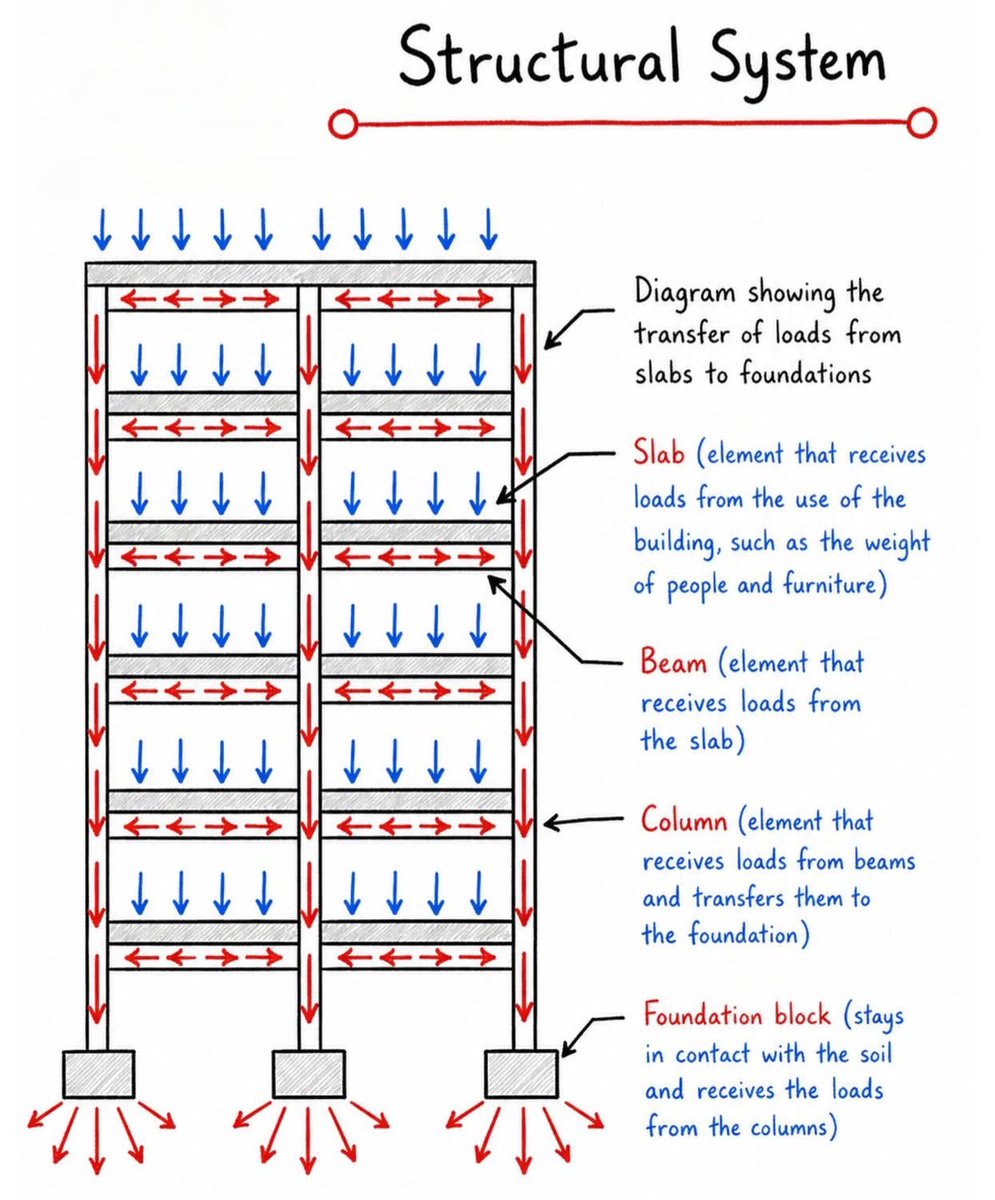
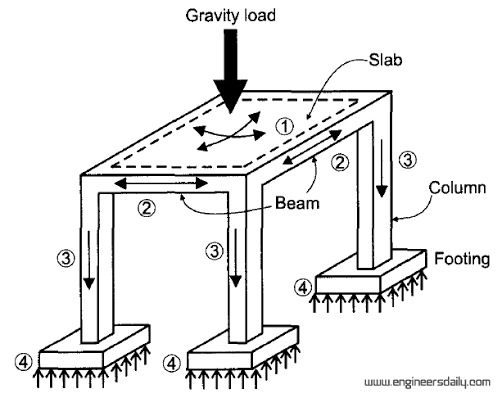
Structural System Explained
Understanding how loads travel from slabs to beams, columns, and finally to the foundation is essential in civil engineering. A simple visual guide to the load transfer process in buildings.
#StructuralSystem #CivilEngineering #Construction #BuildingDesign #StructuralEngineering #Foundation #Beam #Column #EngineeringGraphics #CivilNanet
1
12
61
1,021
DYNAMIC DESIGNS & CONSTRUCTION retweeted
Jun 12
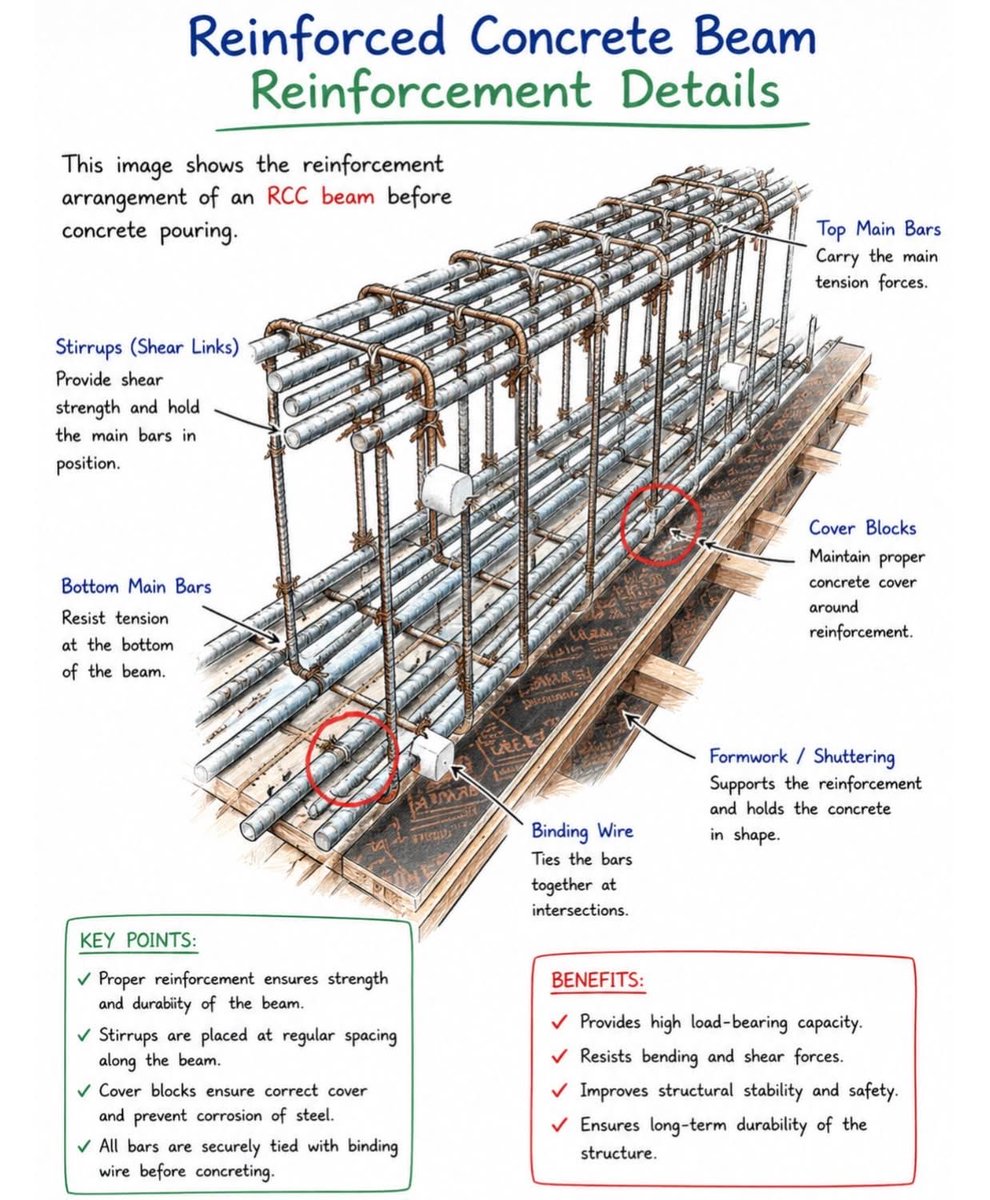
RCC Beam Reinforcement Detailing
This image shows the reinforcement cage arrangement of an RCC beam before concrete casting. Main bars, stirrups, cover blocks, and lap splices are properly positioned to ensure adequate strength, load transfer, durability, and structural stability of the beam.
#CivilEngineering #RCCBeam #BeamReinforcement #RebarDetailing #StructuralEngineering #ConcreteConstruction #ConstructionSite #ReinforcementDetailing #Formwork #BuildingConstruction #SiteEngineering #ConcreteBeam #EngineeringEducation #SteelReinforcement #ConstructionDetailing
2
14
86
1,575
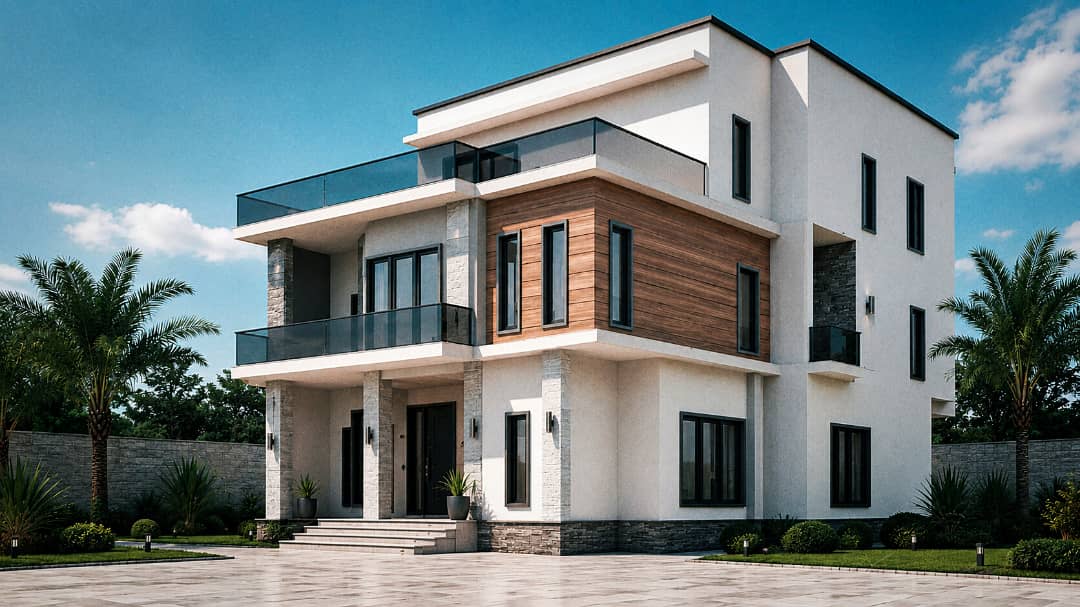
Exquisite 6-bedroom House Design 🏡
Let's design and build your dream house.
All in Suites
Ante room
Double-volume living room
Dining
kitchen
Pantry
6 rooms all en-suite
Home office
BQ
Swimming pool
10
DYNAMIC DESIGNS & CONSTRUCTION retweeted

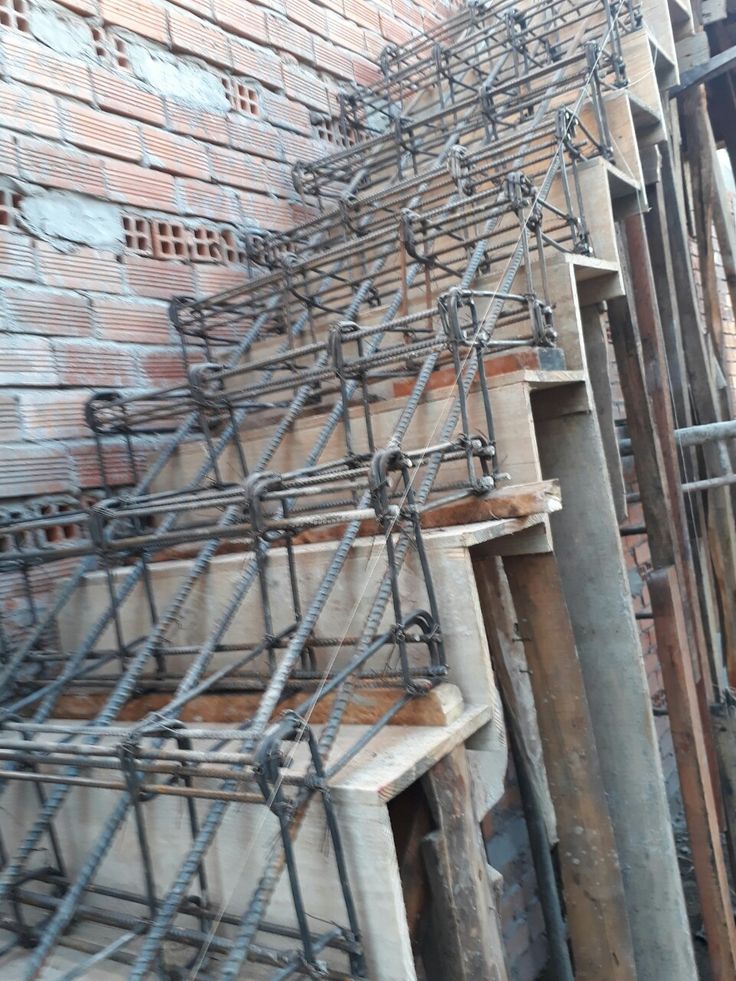
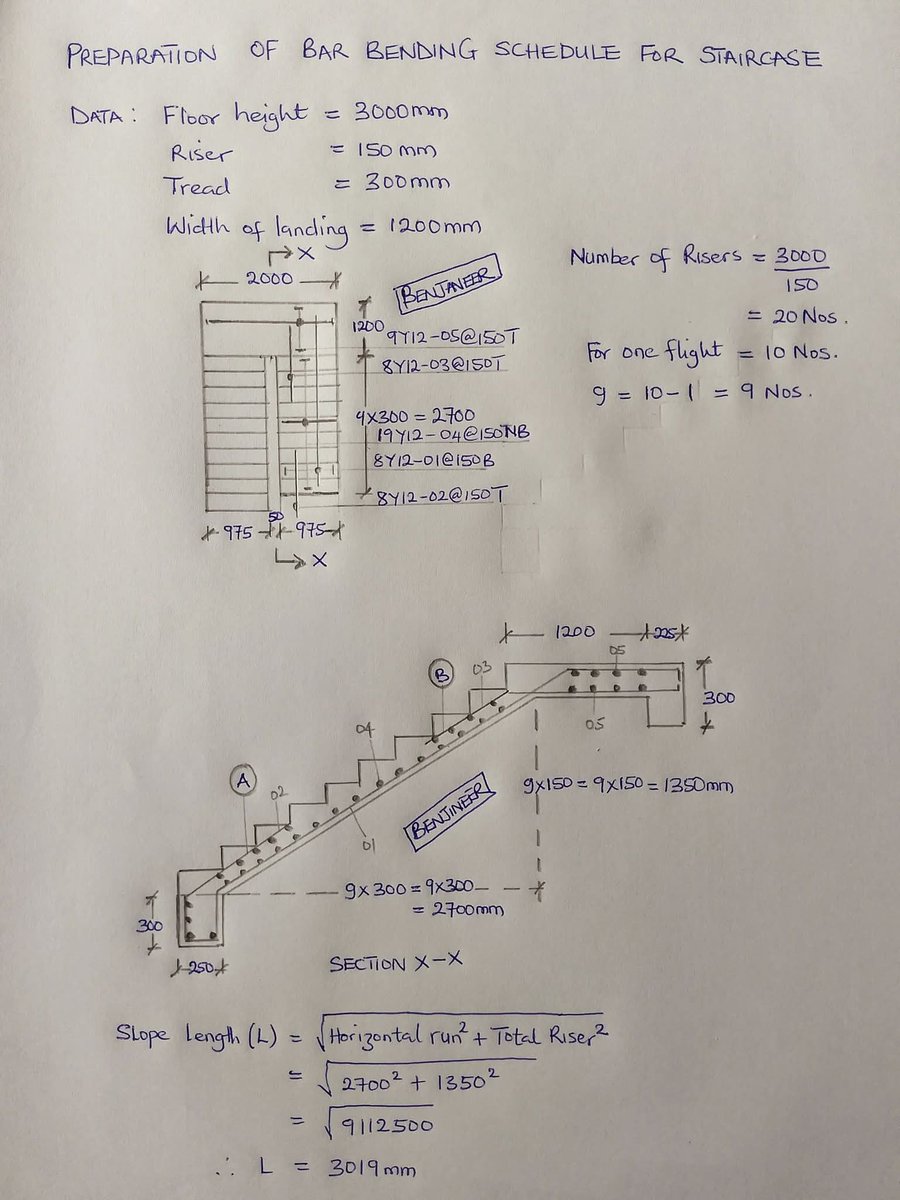
Stair design
1
33
242
7,241
DYNAMIC DESIGNS & CONSTRUCTION retweeted

A lot of people think structural design is just about choosing deep steel sections or thick concrete slabs.
It’s actually about acting as a traffic warden for gravity.
Here's the critical journey of a load path (and where junior designers mess up) ⬇️⬇️
1/4
2
8
21
613
DYNAMIC DESIGNS & CONSTRUCTION retweeted

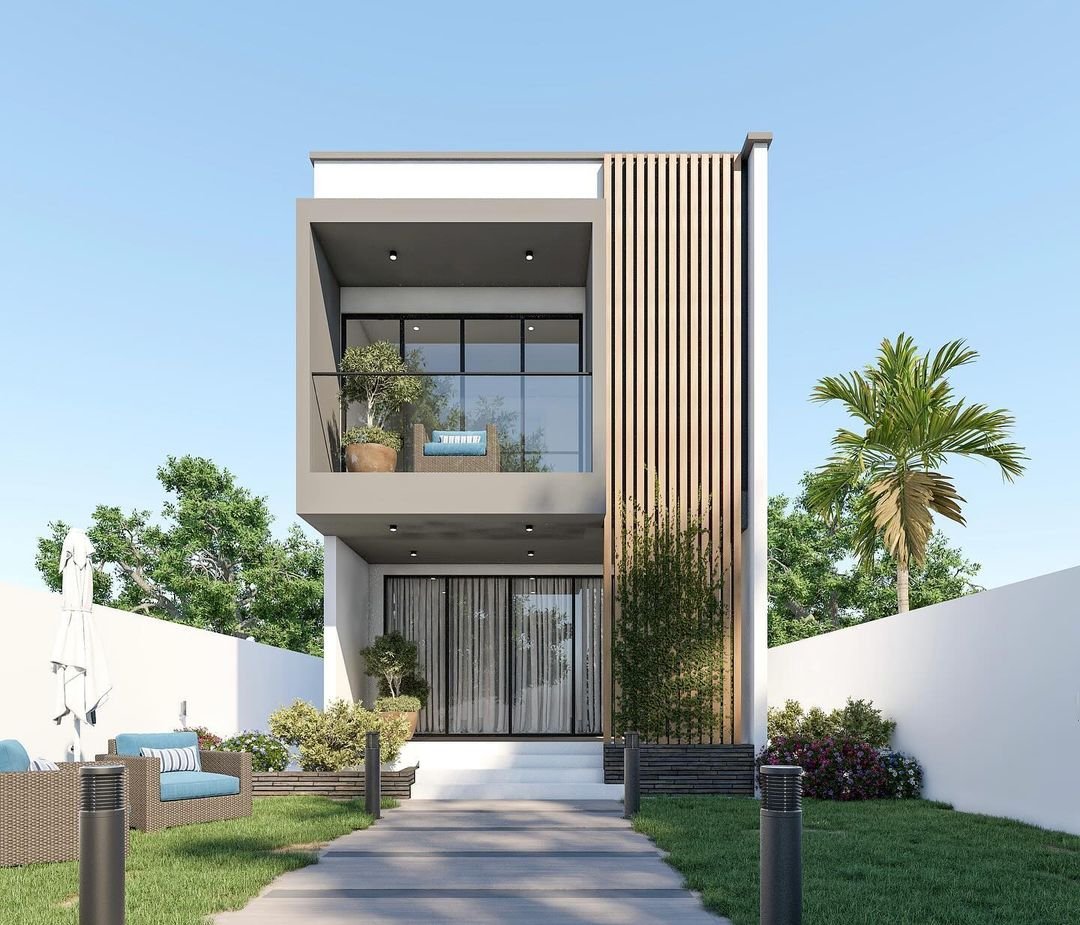
𝐓𝐡𝐢𝐬 𝐰𝐨𝐮𝐥𝐝 𝐟𝐢𝐭 𝐢𝐧𝐭𝐨 𝐲𝐨𝐮𝐫 𝐡𝐚𝐥𝐟-𝐩𝐥𝐨𝐭 🏠
3-Bedroom Duplex Design, all rooms are ensuite with good ventilation, with a good interior layout.
We are currently accepting new project planning, our DM is open!

2
17
58
2,435
DYNAMIC DESIGNS & CONSTRUCTION retweeted

Jun 8
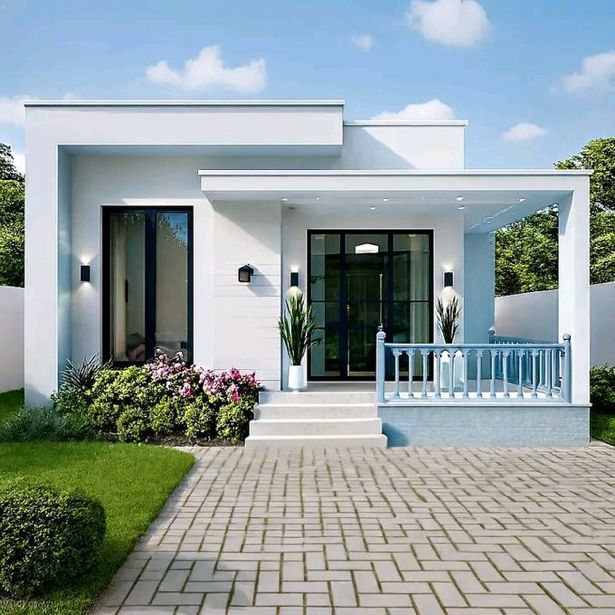
Can ₦40million get me something like this in Nigeria? 🤔

92
74
278
16,239
DYNAMIC DESIGNS & CONSTRUCTION retweeted

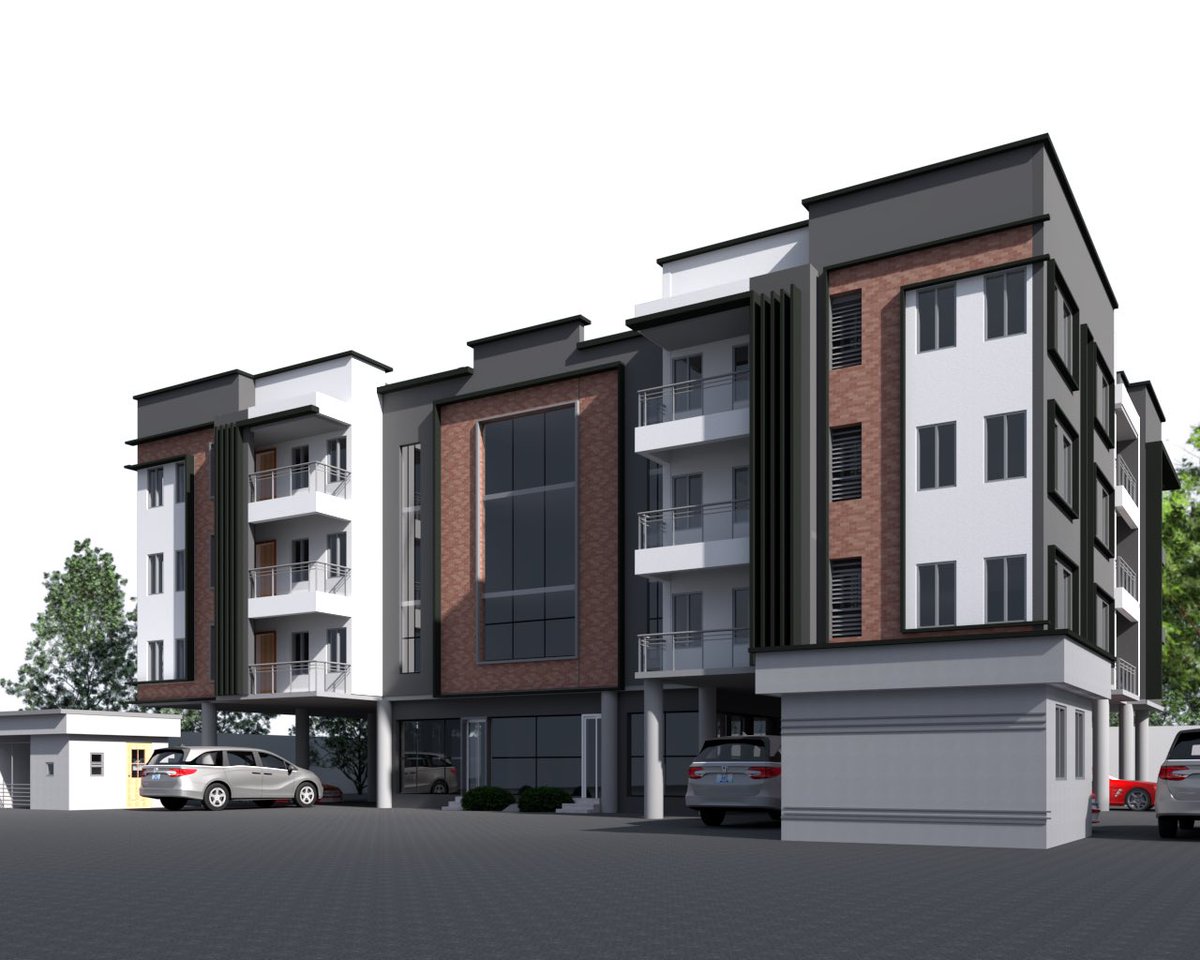
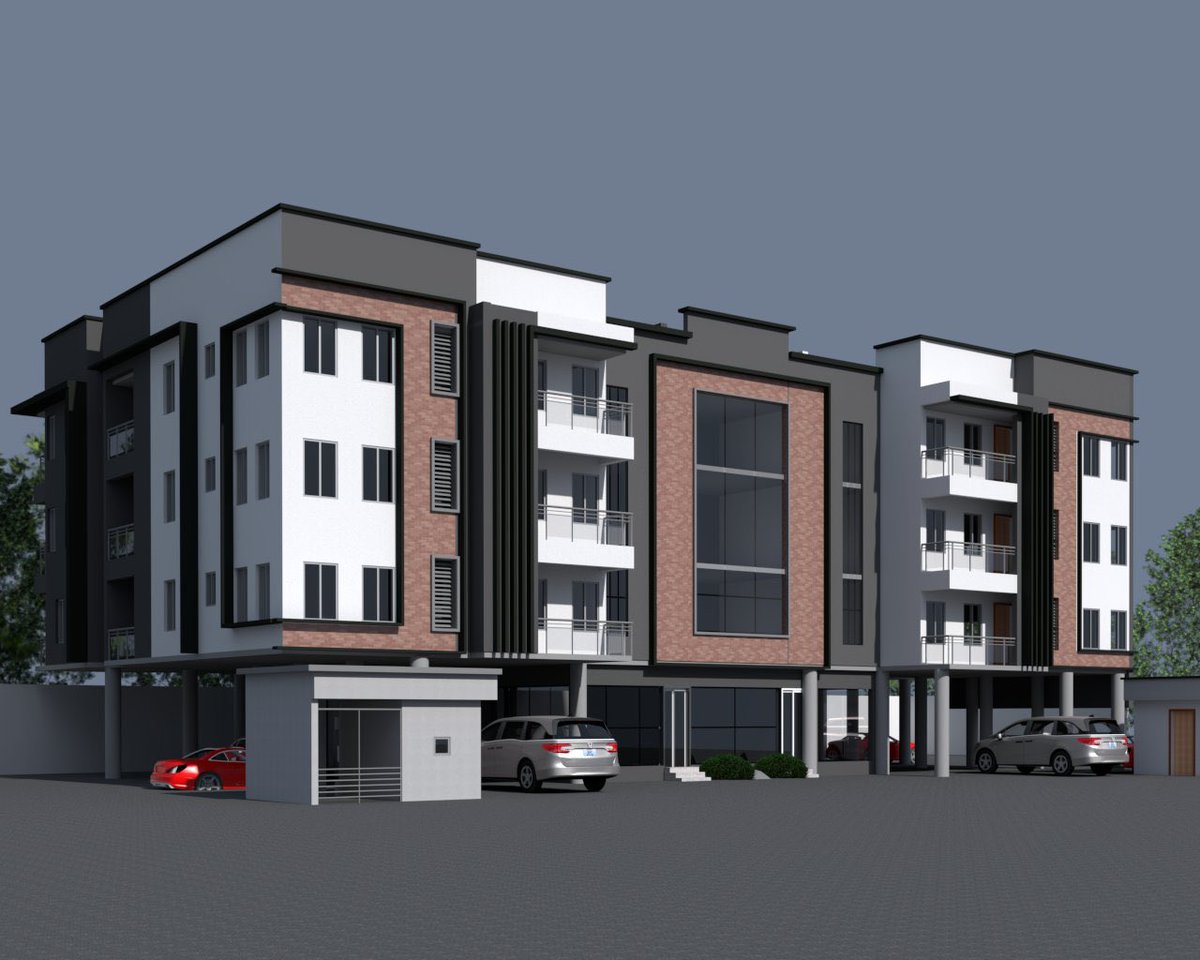
Architects 🤝 Engineers 🤝 Builders 🤝 Surveyors 🤝 Interior Designers
We are all part of the same industry.
Instead of scrolling past each other’s work, let’s support, engage, and grow together.
A stronger network creates more opportunities for everyone.
What do you do in the built environment?
Lekki Residential Apartments
Dm for full details
6
14
79
1,700
DYNAMIC DESIGNS & CONSTRUCTION retweeted

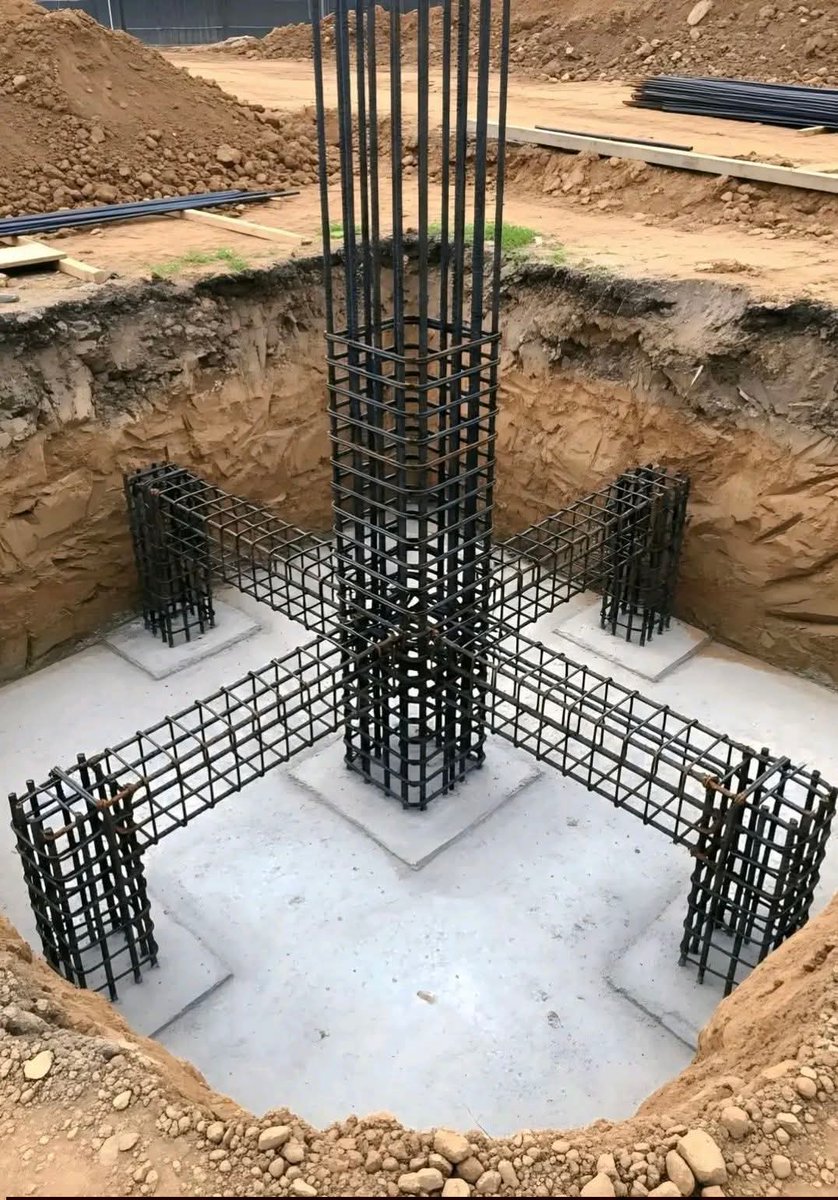
What type of footing is this dear mjengo enthusiasts.
10
9
46
3,313
DYNAMIC DESIGNS & CONSTRUCTION retweeted

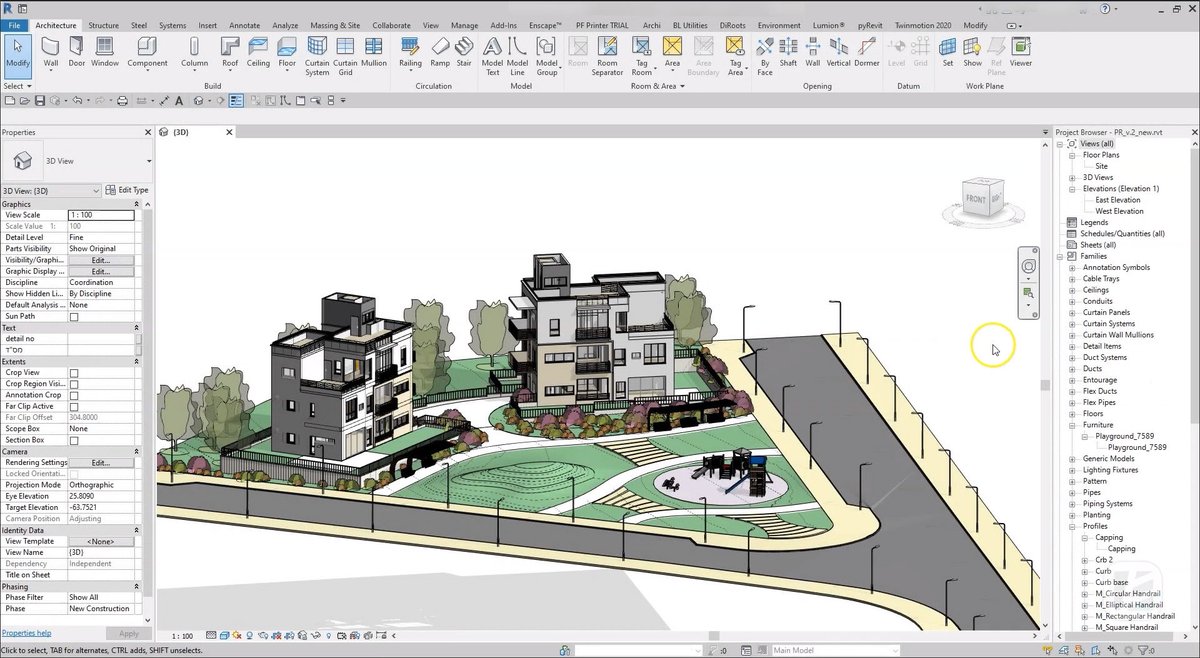
My new favorite Revit Plugin 🤭

14
25
248
15,102

DYNAMIC DESIGNS & CONSTRUCTION retweeted

Jun 8
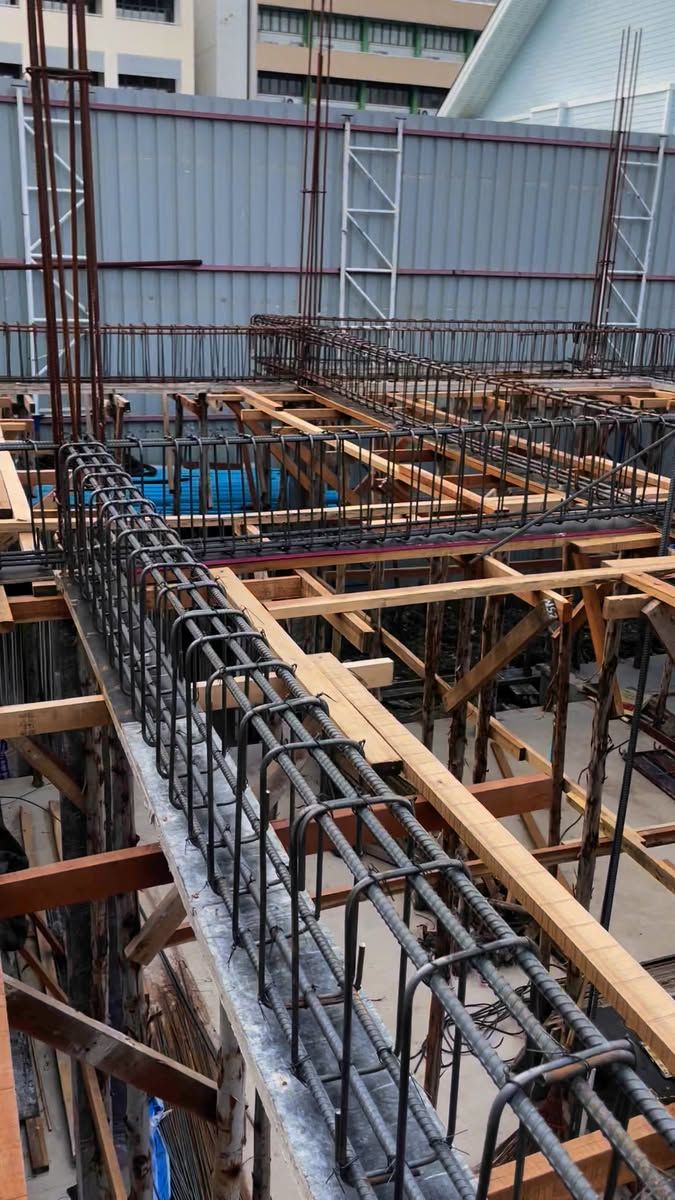
Treat clients' properties properly, he has invested a lot of money on that project only to come and found poor housekeeping, that can be a full lecture on its own.
2
2
13
468