Official Twitter account of ECU Laser TAG: the East Carolina University Laser Technology Applications Group. Co-chairs: @Brain_Maker and Dr. Robert Hughes.
- Tweets 60
- Following 35
- Followers 37
- Likes 12

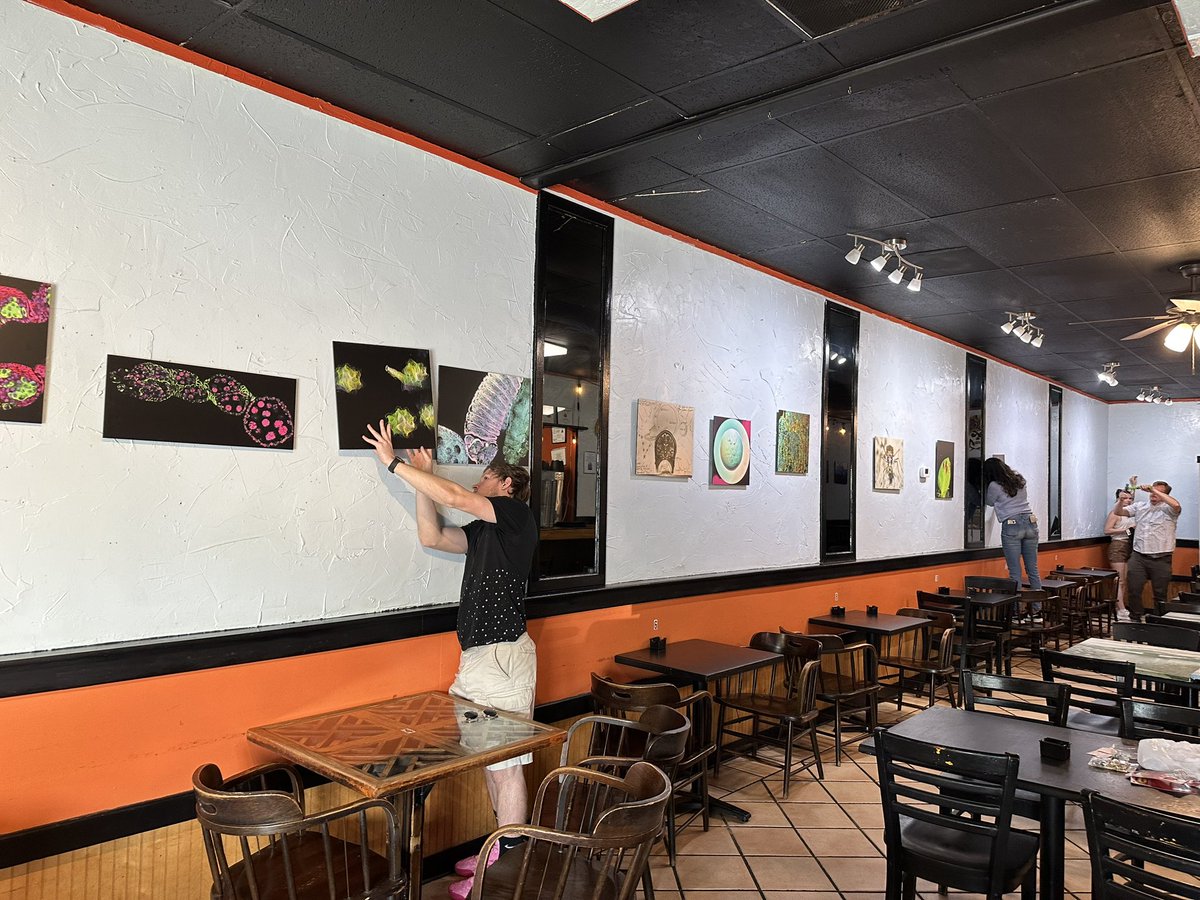
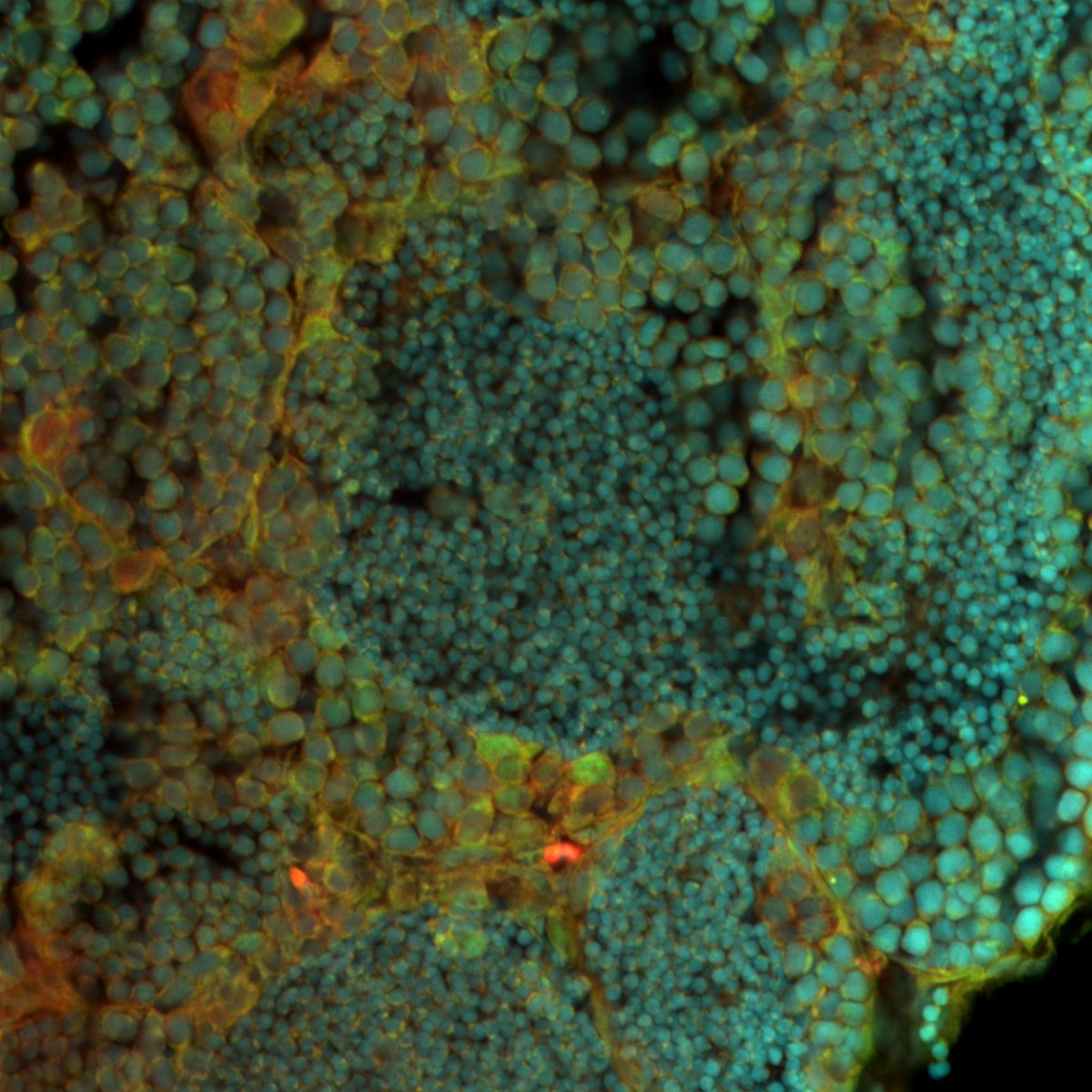

ALT Antoine van Leeuwenhoek (1632 – 1723), now revered as a pioneer in microbiology and microscopy, was a self-taught lens maker, scientist, inventor and was the first person to observe, sketch, and describe the presence of swimming sperm cells in seminal fluid using his invented light microscope. His original sketches of these fast-moving cells were made in 1677, now published and preserved by The Royal Society of London, and with his discovery disproved the common idea at the time that vapors arising from seminal fluid were the cause of fertilization. This image depicts developing sperm inside of spermatogenic cysts from a zebrafish testis, a powerful animal model for understanding how germ cells develop in an adult organism. The tiniest cells shown here are the matured sperm, released from the spermatogenic cyst into the lumen of the testis where they will be excreted to generate new life.
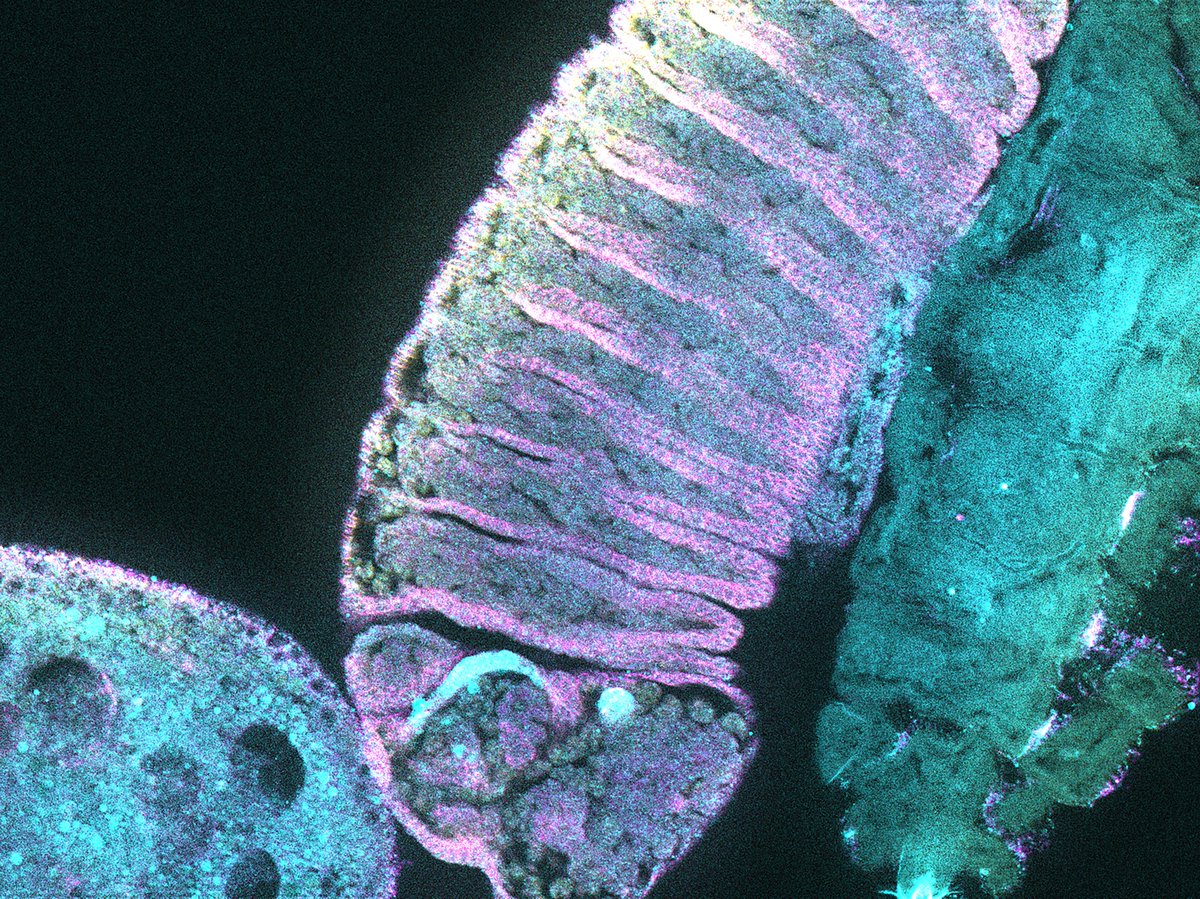
ALT Friendly Fruit Flies What comes to mind when you think of fruit flies? Most people would answer some variation of the following: annoying, dirty, creepy, etc. When I think of fruit flies, however, I think of all the ways they have aided in the advancement of our knowledge of cell biology. Our lab utilizes fruit flies, or Drosophila melanogaster, as a model organism to further our understanding of the stem cell niche and its assembly. Here, a wild-type Drosophila embryo has been stained to allow for analysis of its gut formation.
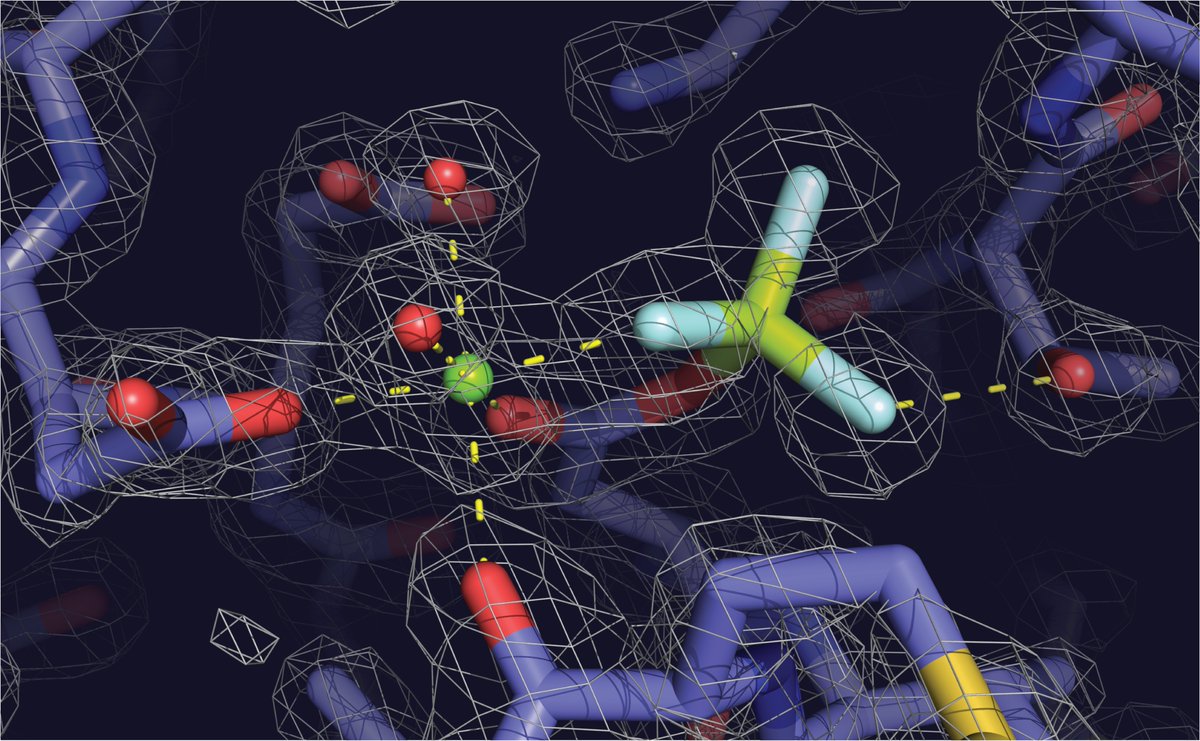
ALT The atoms that make up molecules of proteins are far too small to see with the naked eye. If we want to see them, we must use powerful techniques. The process of X-ray crystallography requires us to analyze data in an imaginary “reciprocal” space. Through this imaginary world defined by math, we can begin to see the clouds of electrons. These electron clouds serve as a map, allowing us to build models of the atomic world.
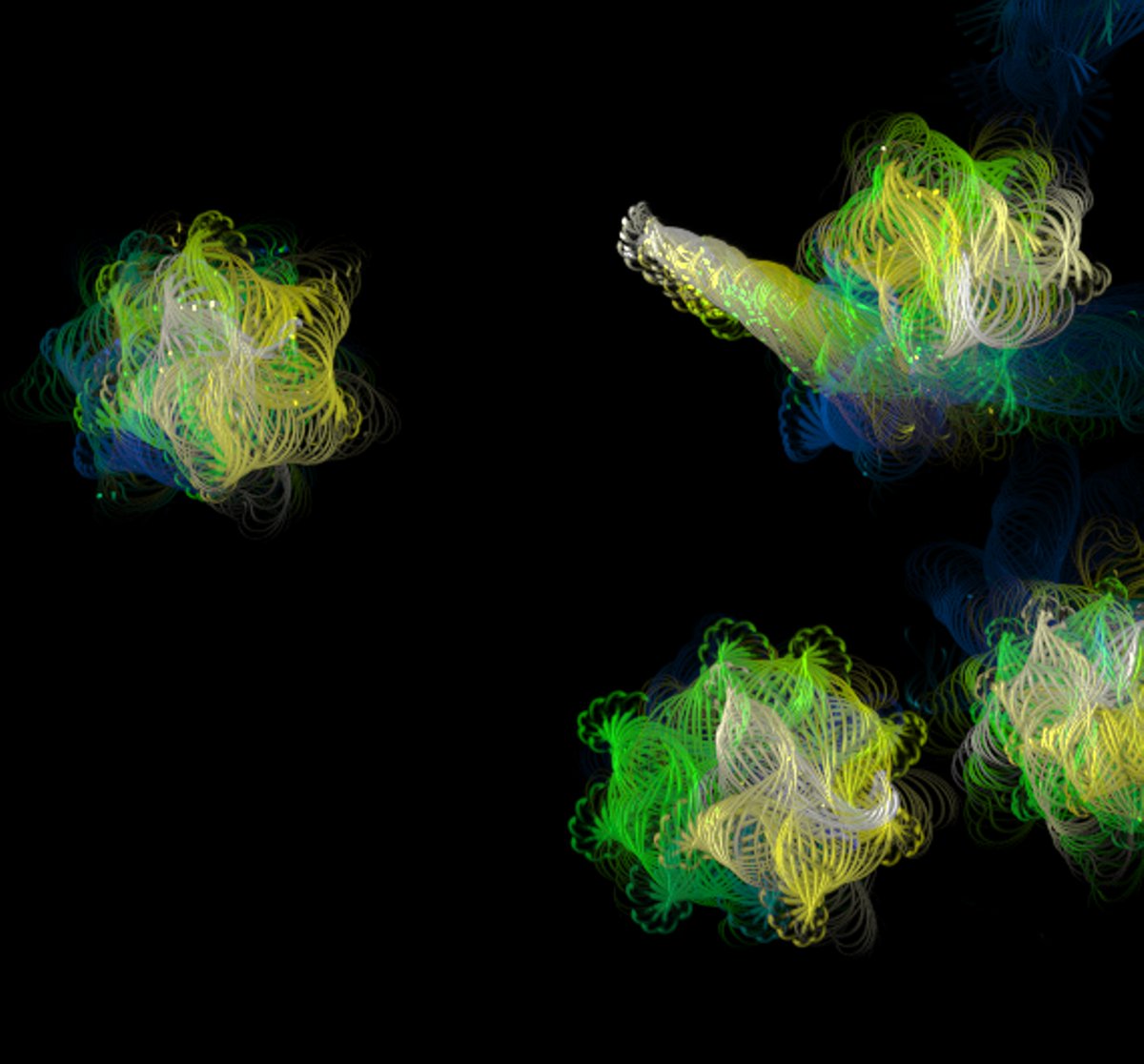
ALT Our interdisciplinary lab group is working to better understand the energy transformation and information that underlines physiological complexity. This project's goal is to understand the bioenergetics of mouse sperm cells and their relationship to motility patterns. Depending on the initial conditions and substrates present they can directly affect the functions of these sperm cells. This image depicts motile mouse sperm with a temporal color code under phase contrast microscopy. These types of images then allow us to parameterize our agent-based model to enhance our understanding of sperm competence in the terms of bioenergetics.
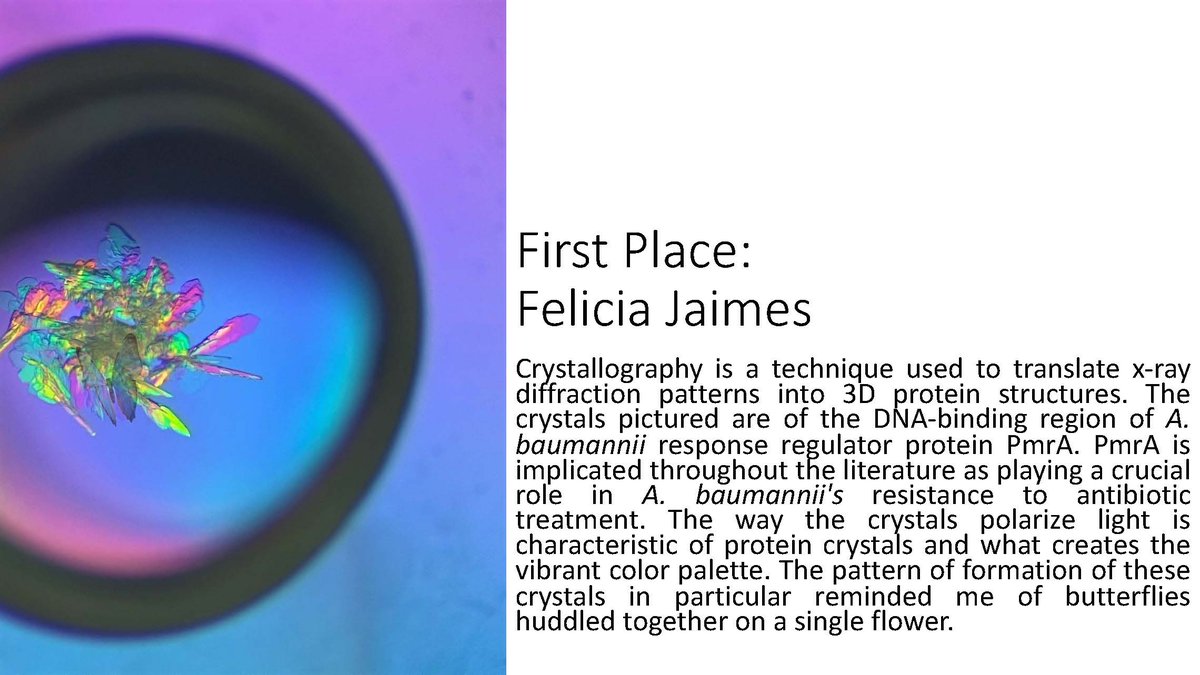
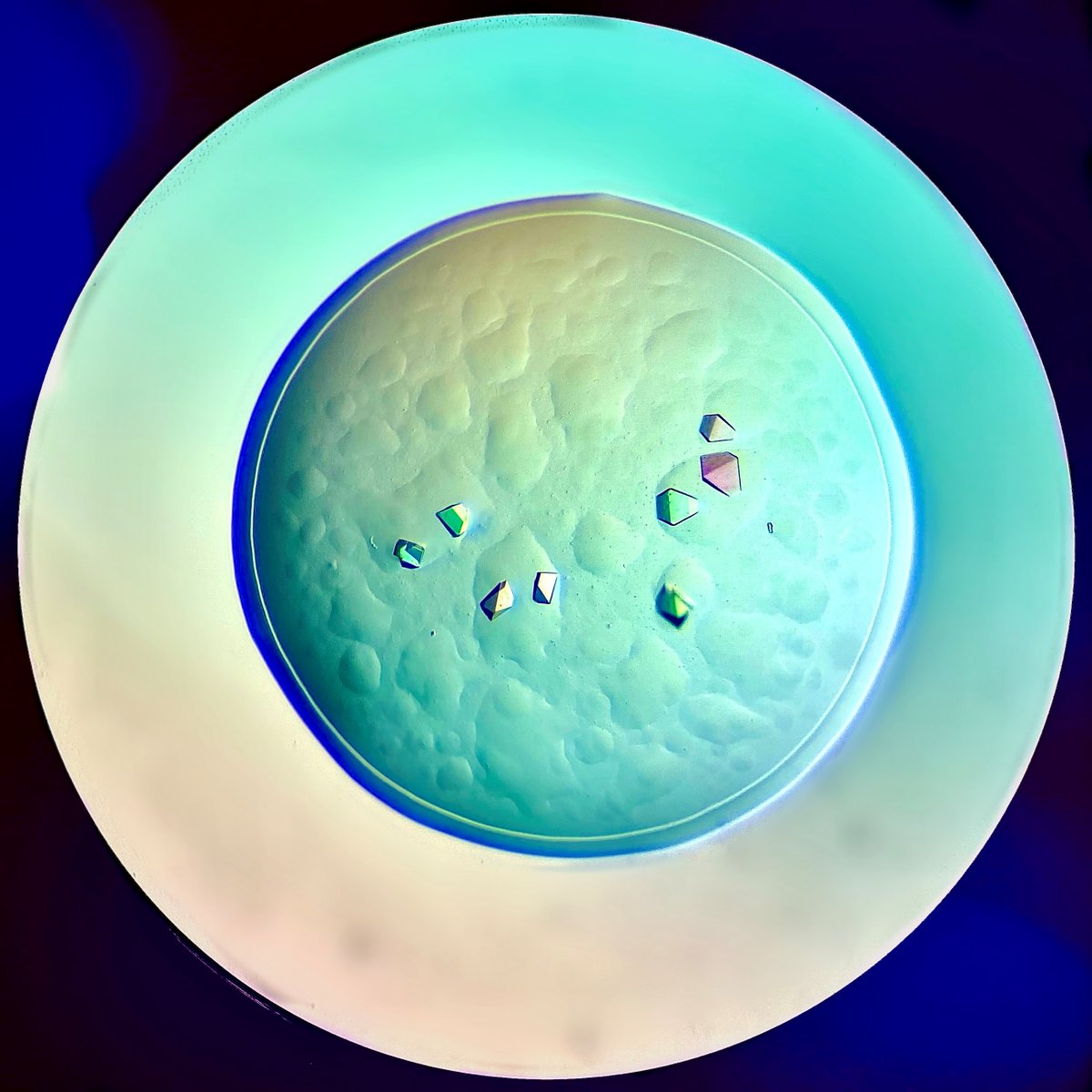
ALT Under the right conditions and concentrations, some proteins can be coaxed to arrange their atoms into three-dimensional repeating and highly ordered arrays that form crystals. The proteins that are pictured here (C1r) belong to an ancient arm of the innate immune system called the complement system and when inappropriately active in the body, kick off a cascade event that activates many pathways involved in driving a host of inflammatory, autoimmune, and neurodegenerative diseases. We crystallized our recombinantly expressed and purified C1r complement proteins, and it has allowed us to utilize a technique called X-ray crystallography to determine the structure and function of the protein so as to aid in the design of small-molecule inhibitors to block C1r function. With these specific crystals, we hope to soon see the work we have put into designing a small-molecule drug succeed with our inhibitor present in the crystal structure and bound to C1r.
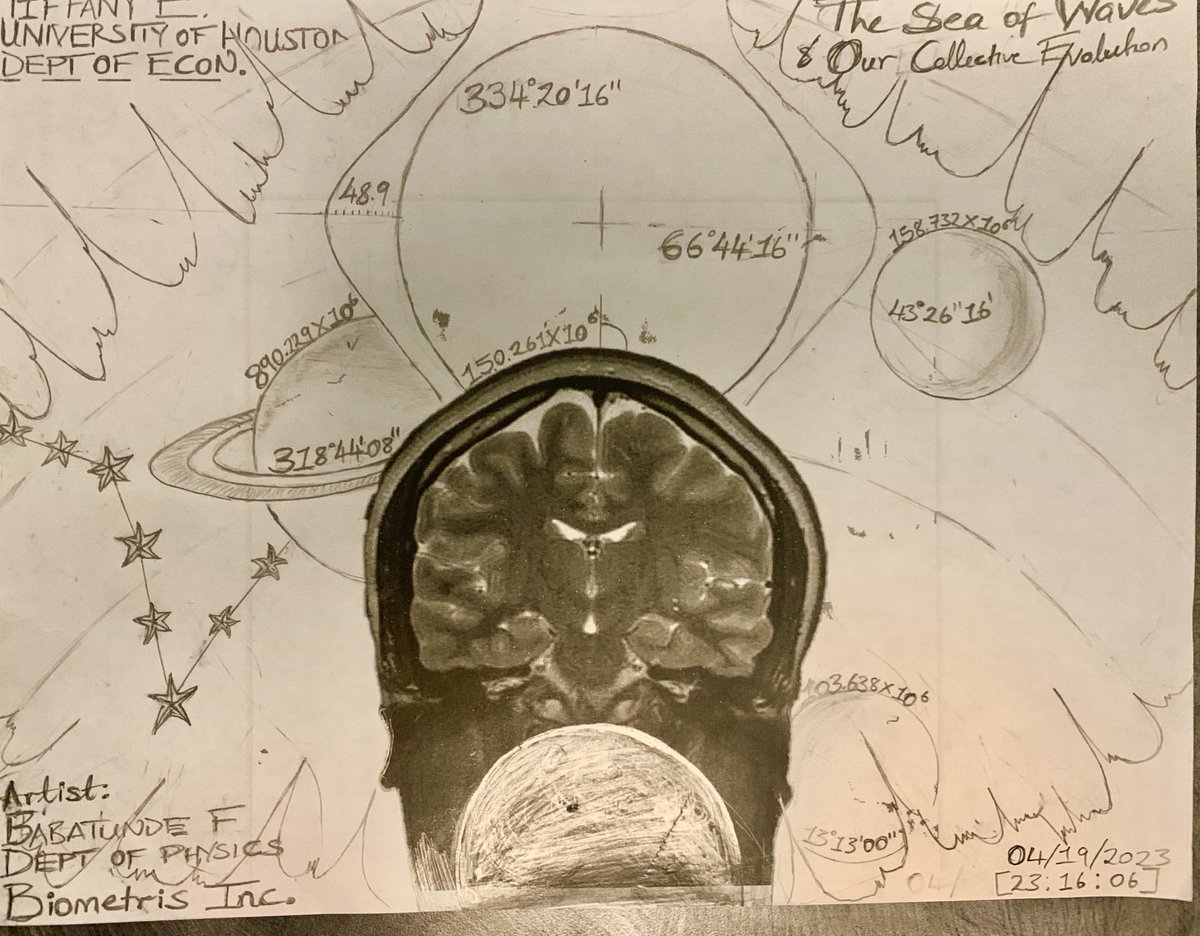
ALT During my most recent career as a clinical imaging technologist, I felt the compelling drive to begin a non-profit organization which I planned to use as a vessel to drive integration and application of advanced bioanalytical technologies and protocols to enable the better understand of physiological processes that affect human health and the impact of the environments within which we exist, as a collective human race. Since the earliest periods in our recorded history, human beings have revered the heavens and used its knowledge of the behavior of stars and planets to guide the orchestration of their cultures and even the rulership of their kingdoms. The image is a graphical template of a MRI image of a student at the University of Houston, which is centered on a background that incorporates a layout of the extraterrestrial environment as it would appear on one of the most interesting celestial phenomena, a solar eclipse.
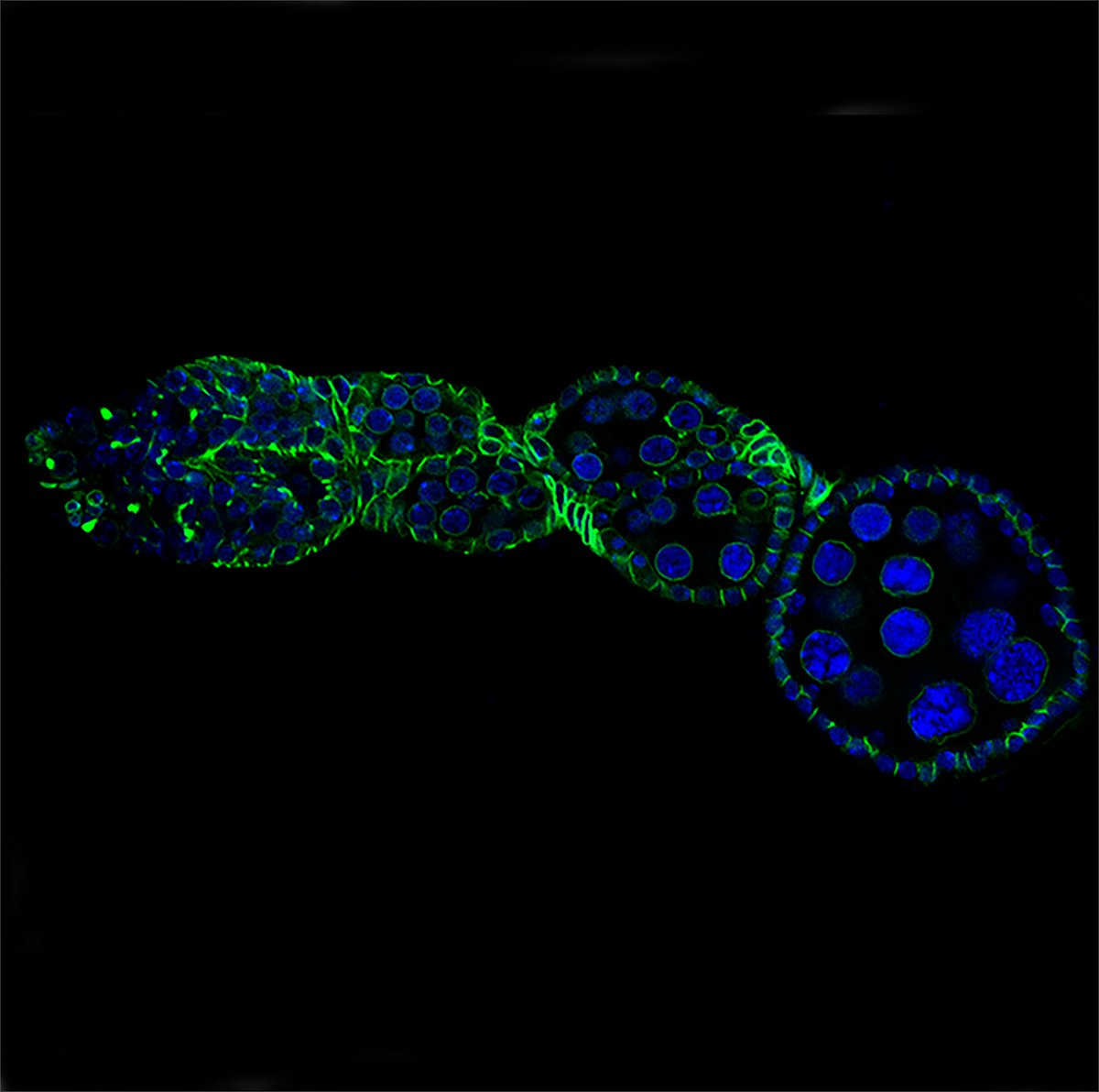
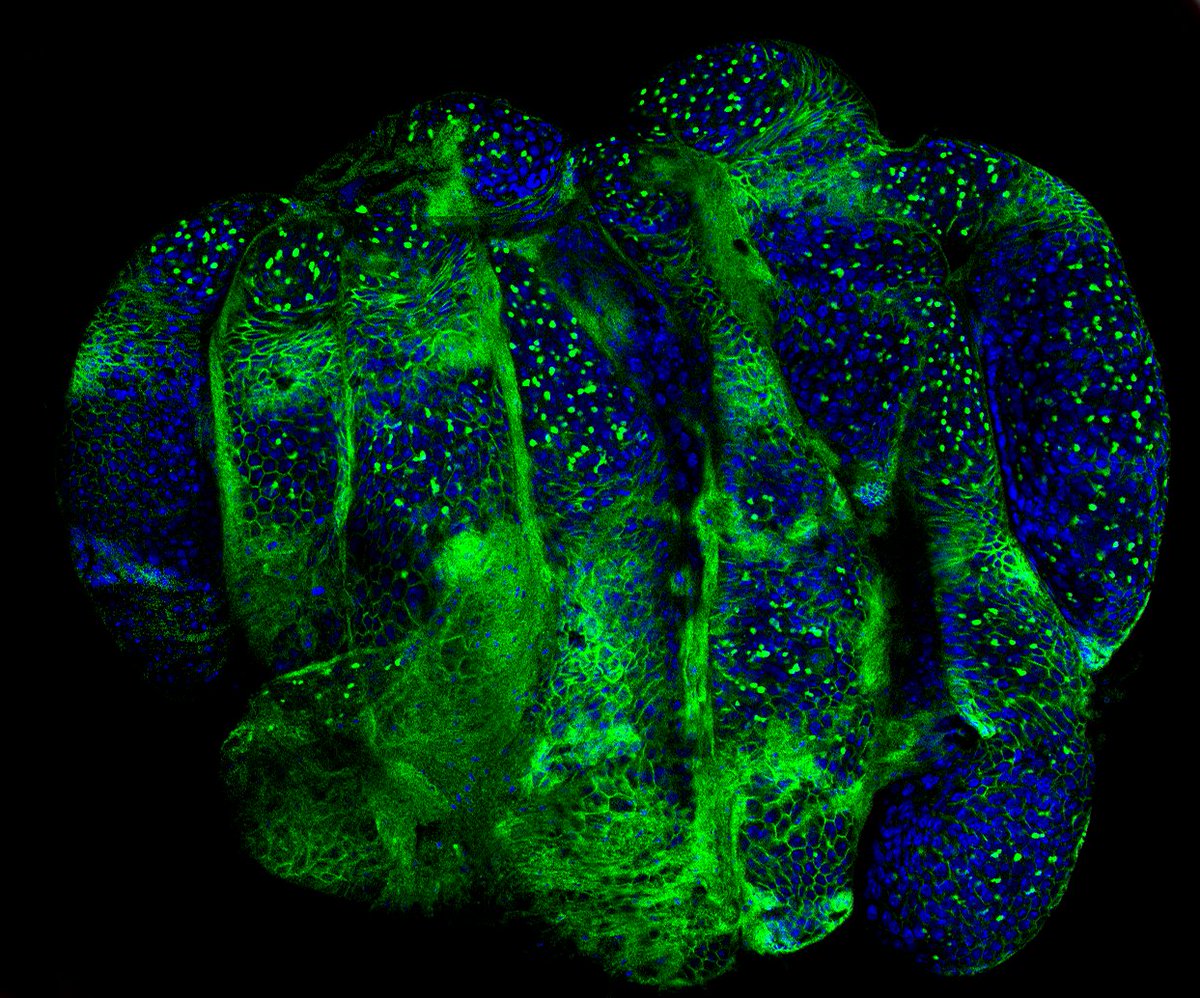
ALT Oogenesis in Parallel In humans, identical twins develop from one shared egg which then splits to form two separate embryos; the likelihood of this happening is about 3 per 1,000 births. In the fruit fly, the occasion of a twin is an anomaly that happened to be captured in this image. In a wildtype ovary, a series of mitotic divisions and signals from the germline stem cell niche produce a singular strand of progressing egg chambers, each encapsulated by somatic cells (green). In this twin, two neighboring strings are produced with a shared egg chamber, containing double the number of nuclei (blue) it should.
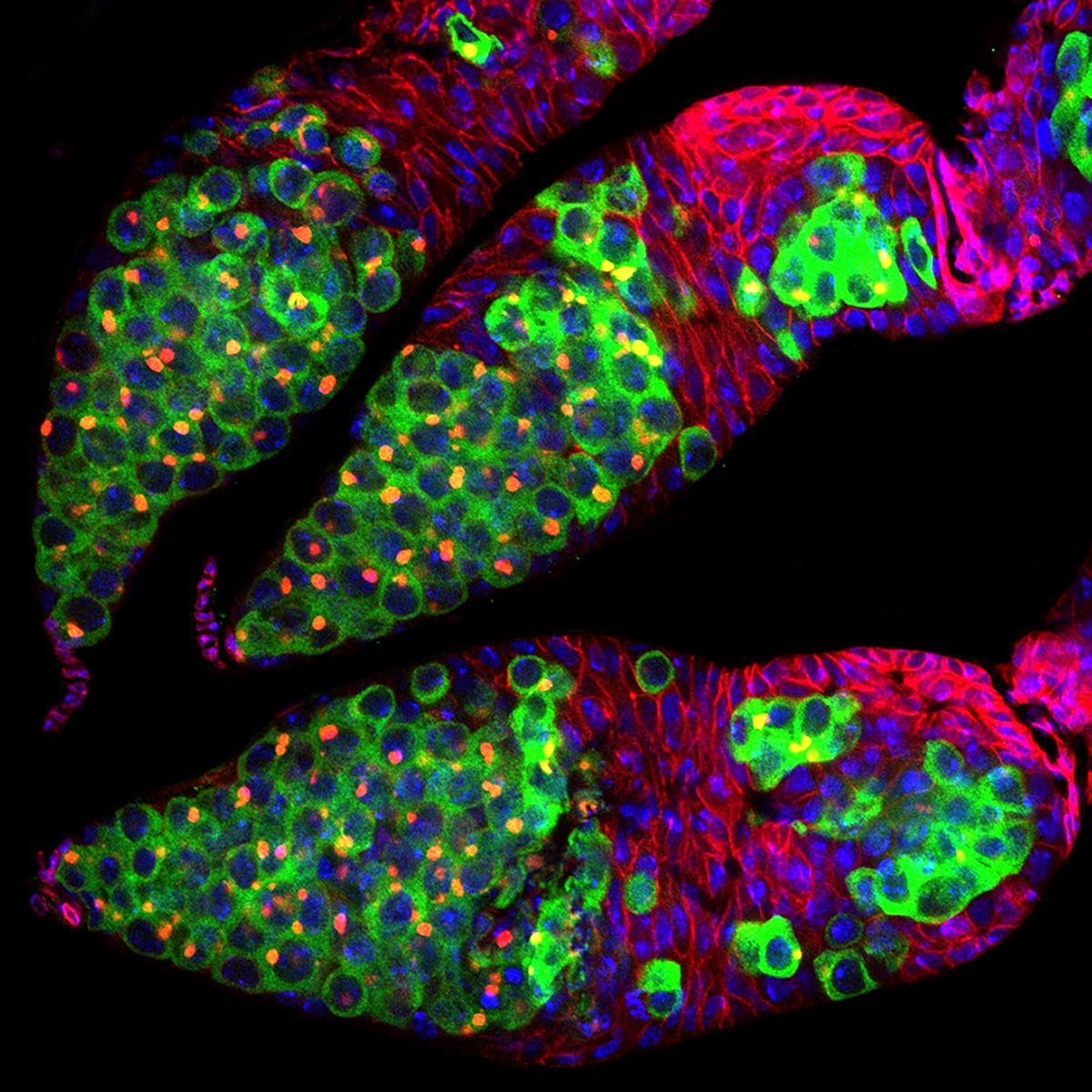
ALT Ventures in Differentiation Production of a differentiated oocyte is a biological process reliant on heavily regulated signaling networks controlling cell division and fate. Using the fruit fly as a model organism, I investigate the intra- and inter-molecular signaling pathways required for making healthy, viable oocytes. When signaling networks fall out of balance, cells can proliferate uncontrollably and form undifferentiated germ cell tumors (in green). Progressive tumors in the germline stem cell niche halt the process of egg chamber production leading to sterility.
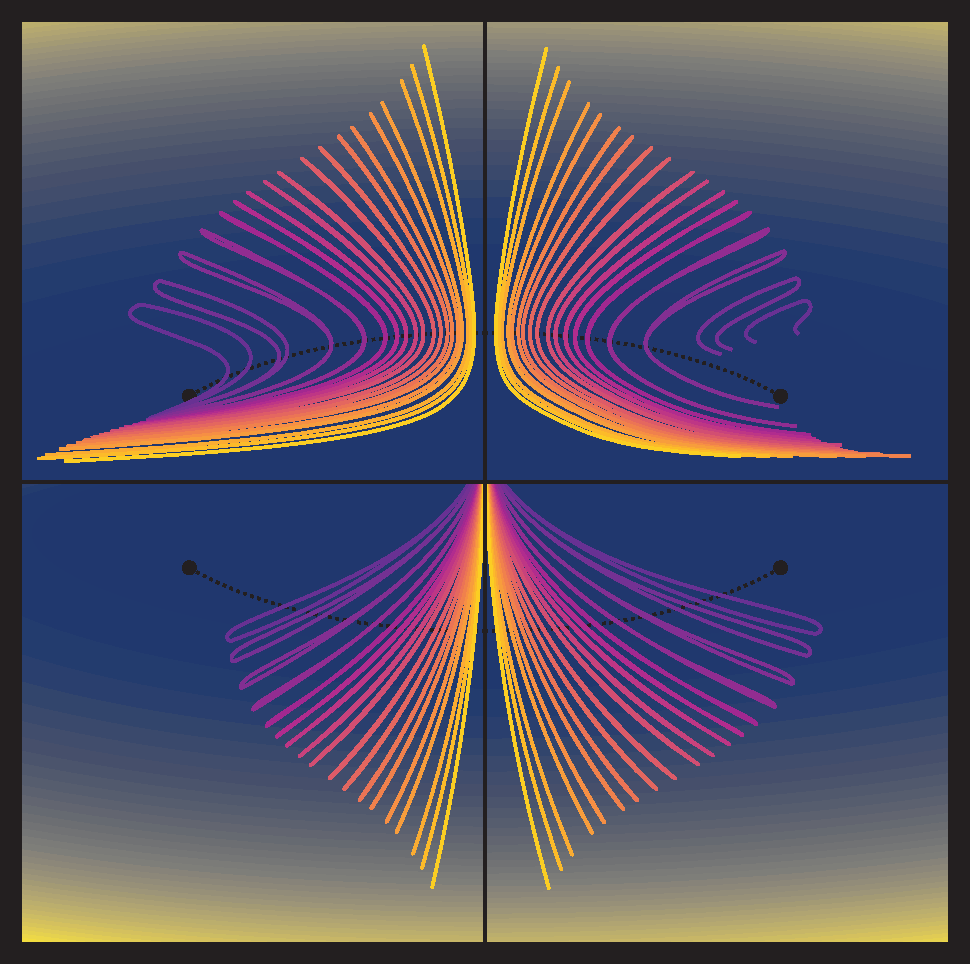
ALT My research project uses a semi-analytical model to calculate the QCD phase diagram trajectories of the matter produced during relativistic nuclear collisions. Different nuclear equations of state (EoS) are used for the results in each quadrant, where reflections over the temperature (vertical) and baryon chemical potential (horizontal) axes highlight differences between two non-conformal (top panels) and two conformal (bottom panels) EoS. Various trajectories from low (purple) to high (gold) collision energy are overlaid on the energy density contours of each EoS and depict the region which is accessible to central Au Au collisions. This work is a useful tool for probing the phase transition (black dotted) from hadronic matter to the quark-gluon plasma and searching for the conjectured QCD critical endpoint (black circle).
ALT ‘Malicious Malignancies’ Developing gametes rely on the careful division and differentiation of germ cells. Unfortunately, when precision fails, catastrophe occurs. In this image, the loss of two key proteins involved in the differentiation of germ cells has formed many ovarian tumors. Germ cells (interior blue) no longer divide and differentiate to produce an oocyte but instead continuously replicate into undifferentiated cell populations. These ovarian malignancies will never produce a healthy gamete and the next generation will likely never occur.