
Joined May 2021
- Tweets 486
- Following 172
- Followers 527
- Likes 117
61 Photos and videos
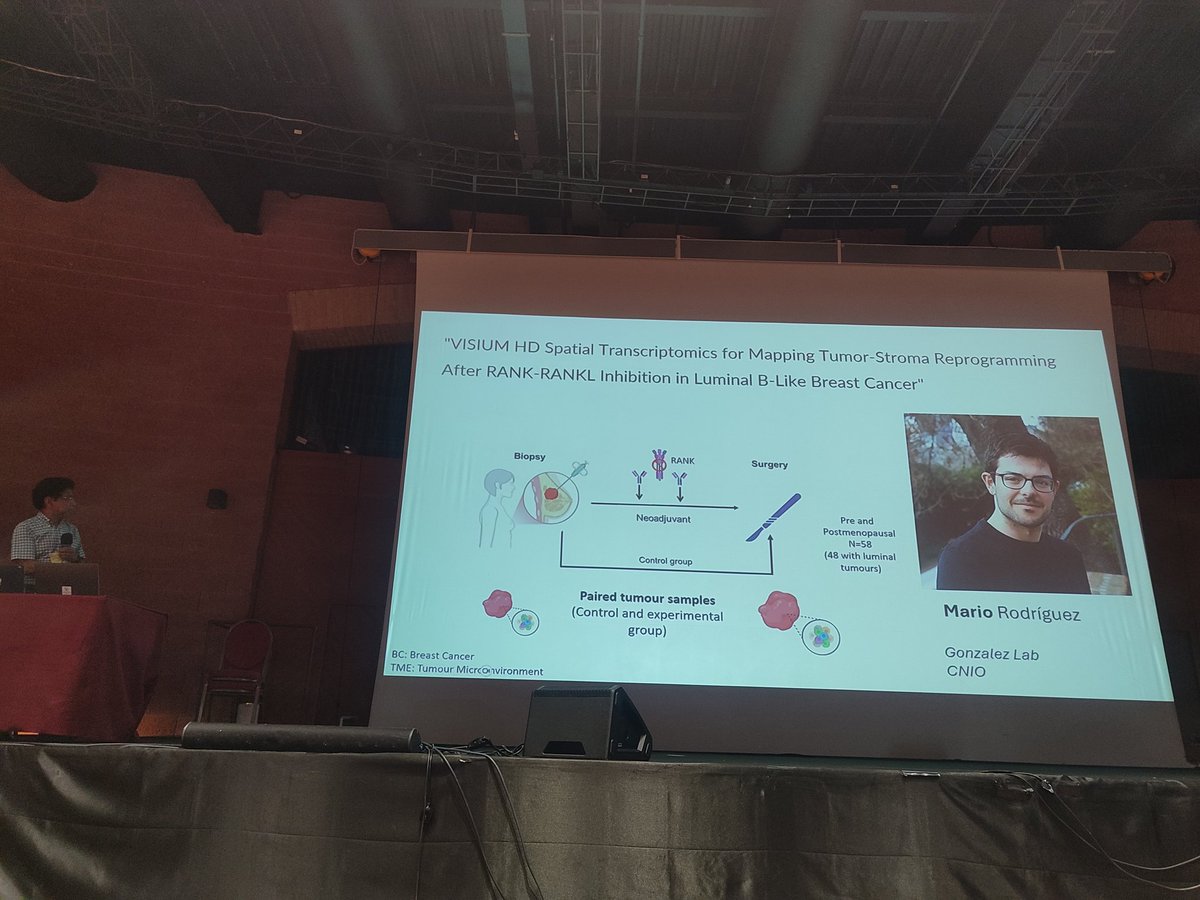


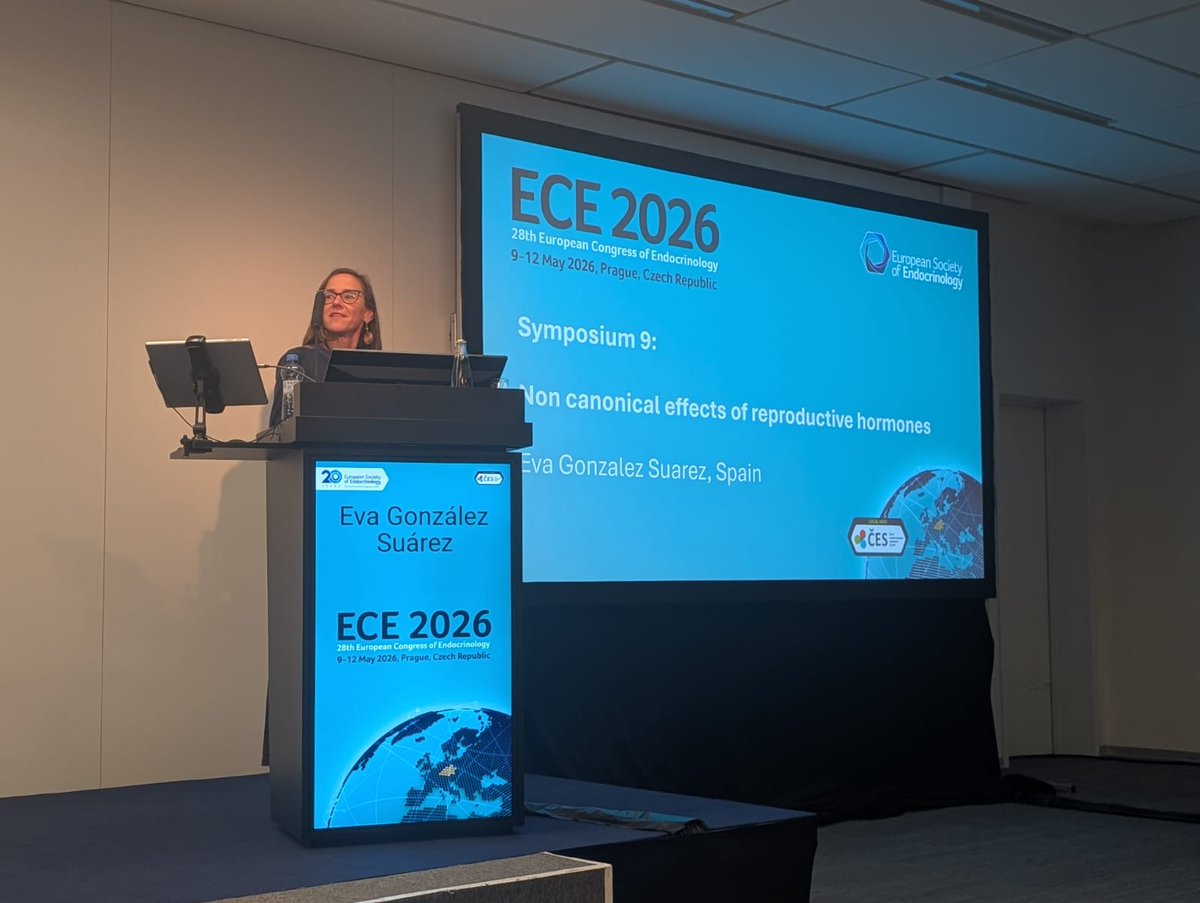



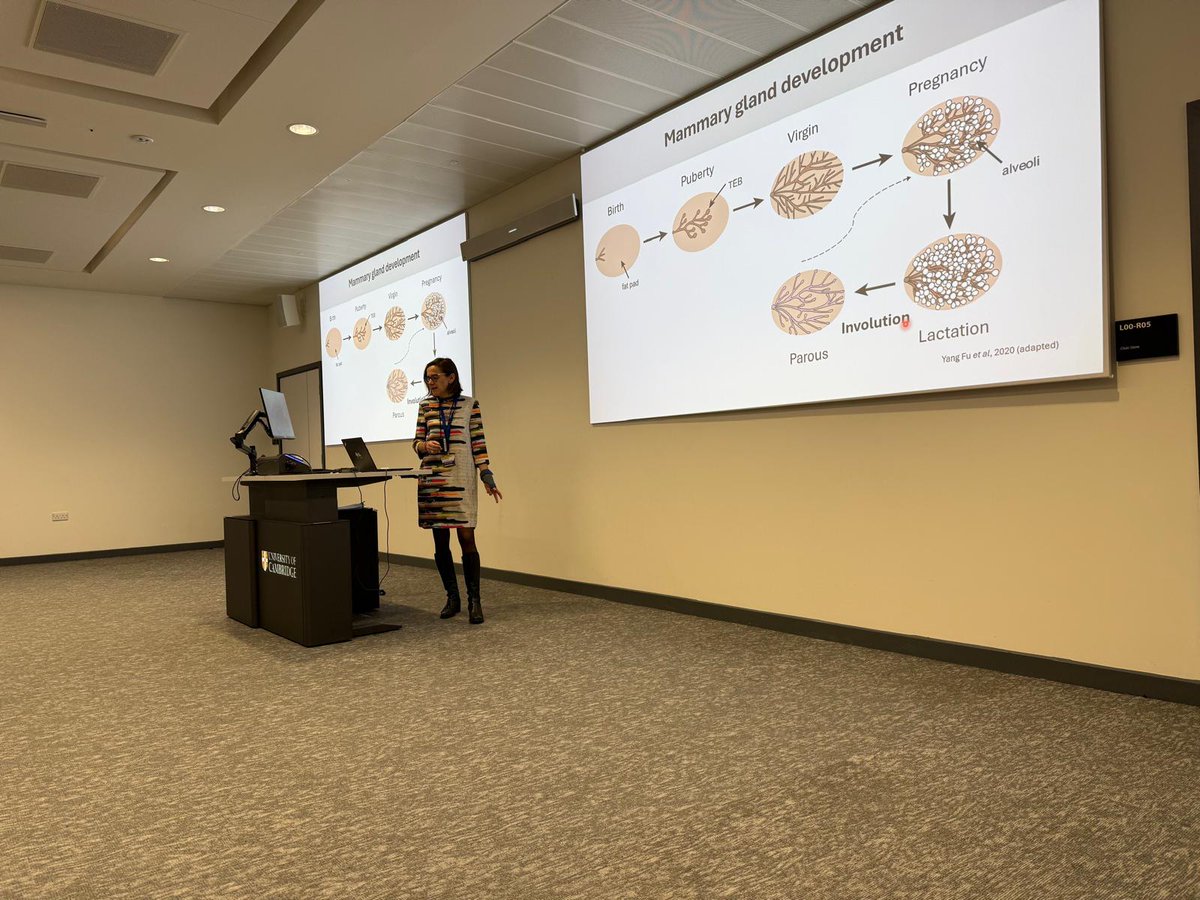

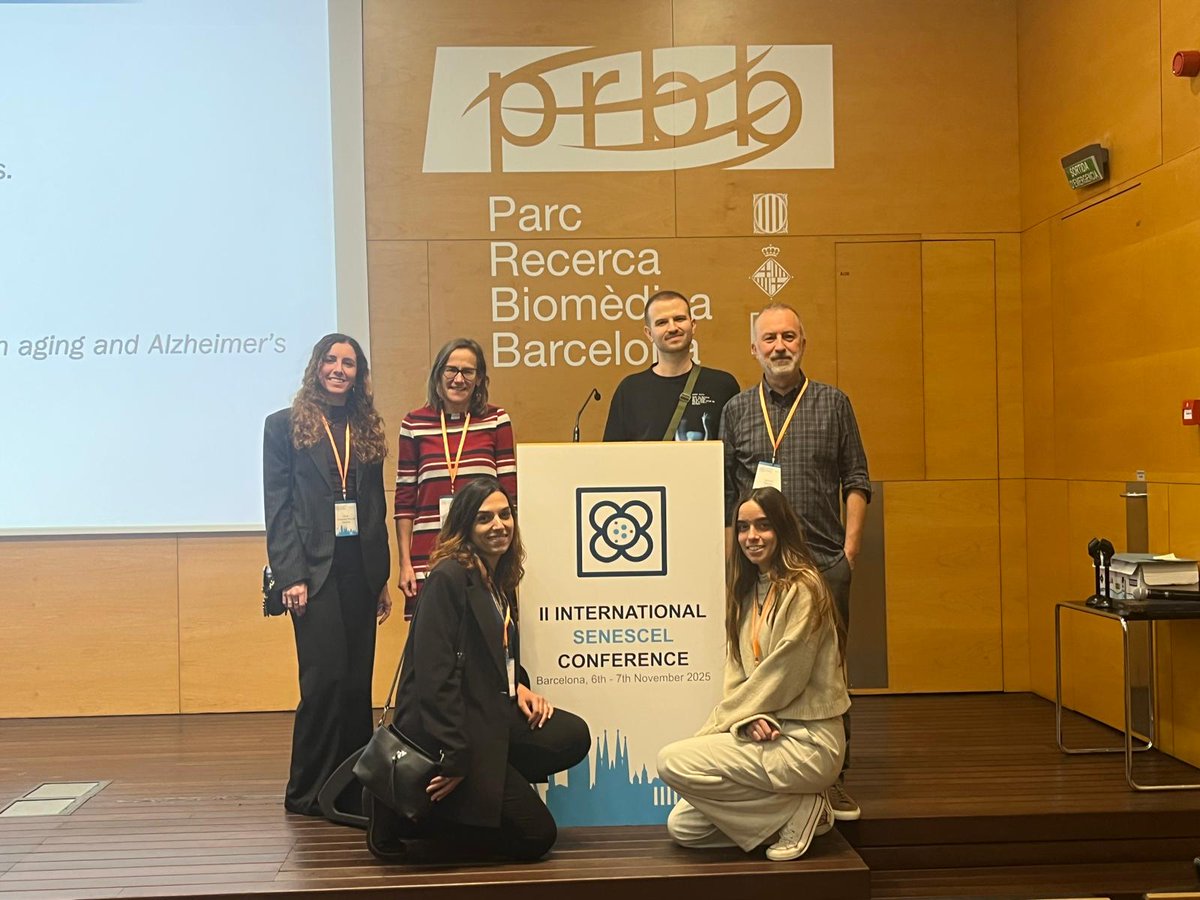
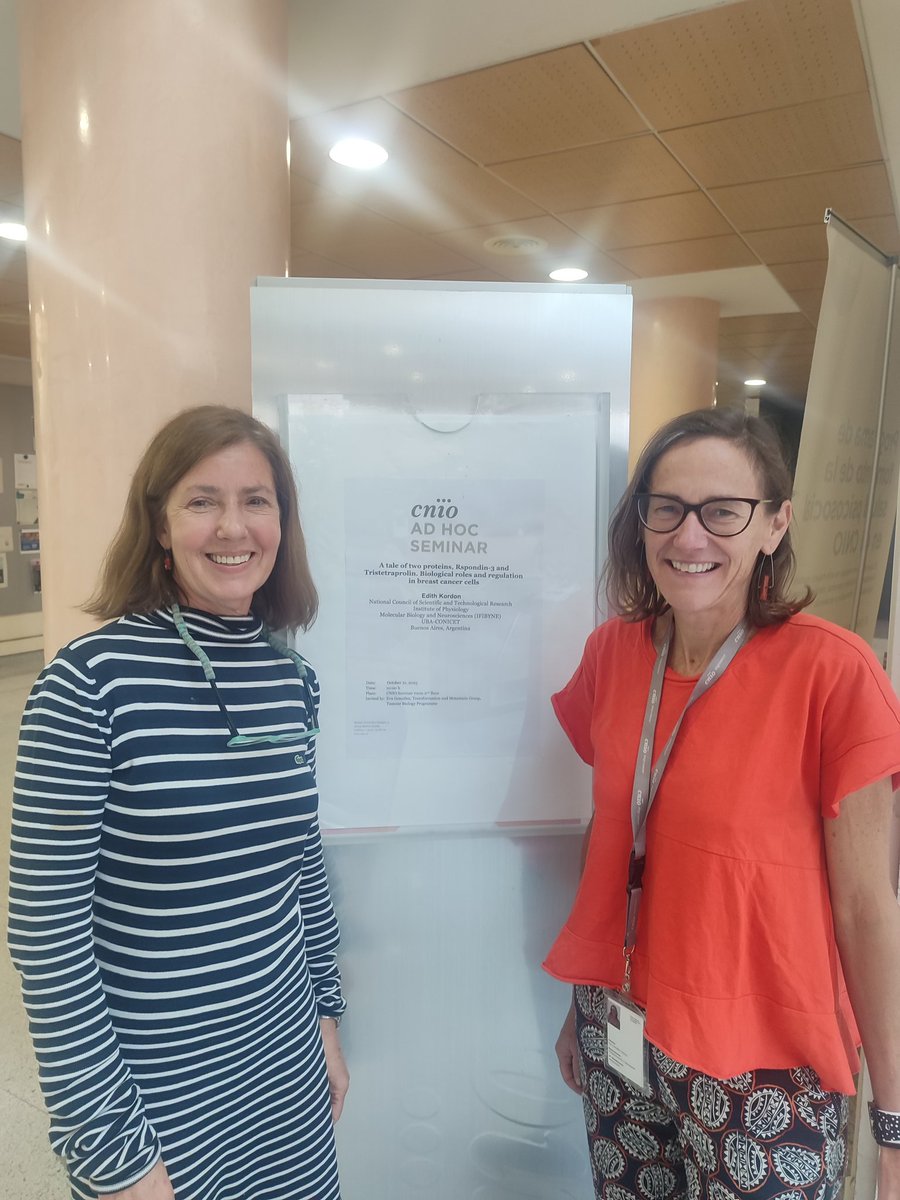
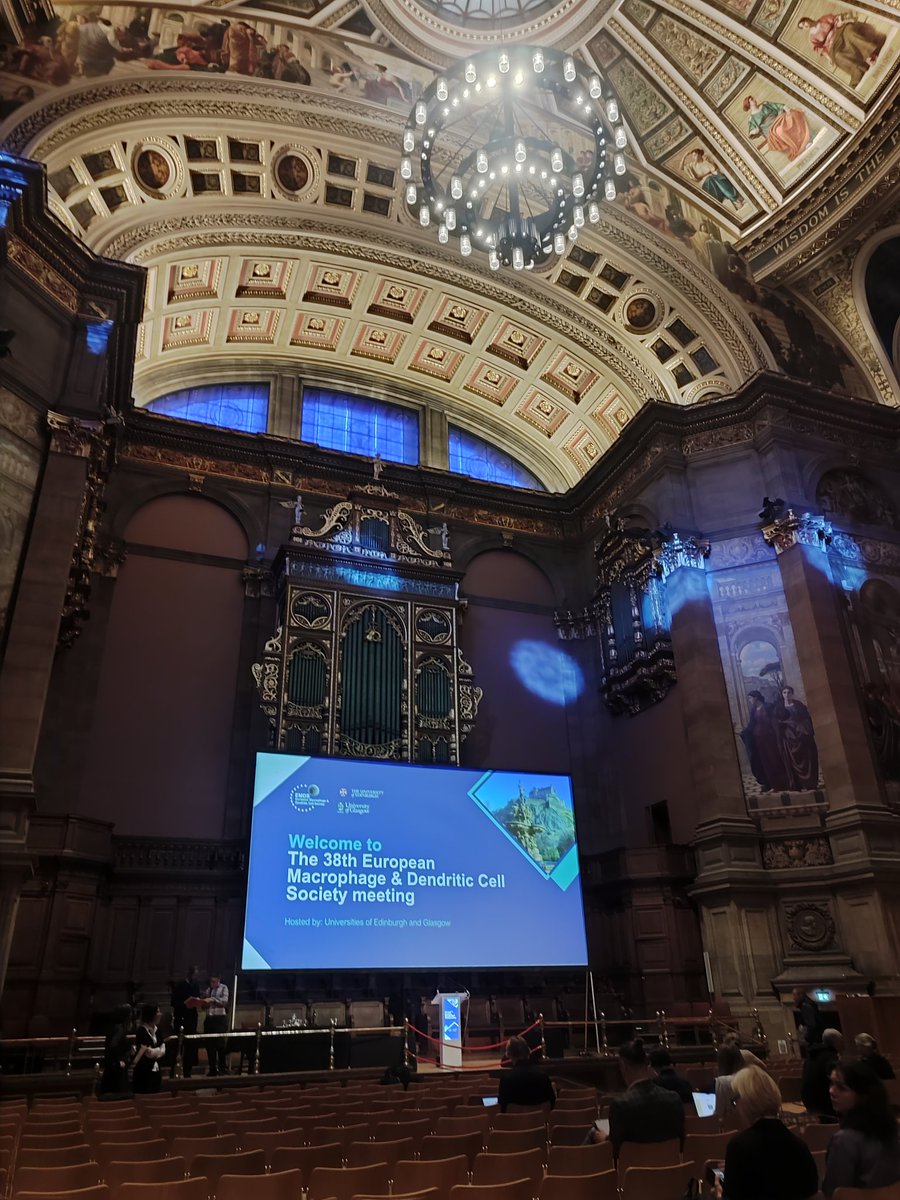

Really proud of my current and prior trainess, @MarioRodríguezdelCollado and @JorgeGomezMiragaya explaining their work at @GordonConf. Brilliant Young scientists
1
5
933
6
143
2
126

Eva Gonzalez-Suarez lab retweeted

May 22
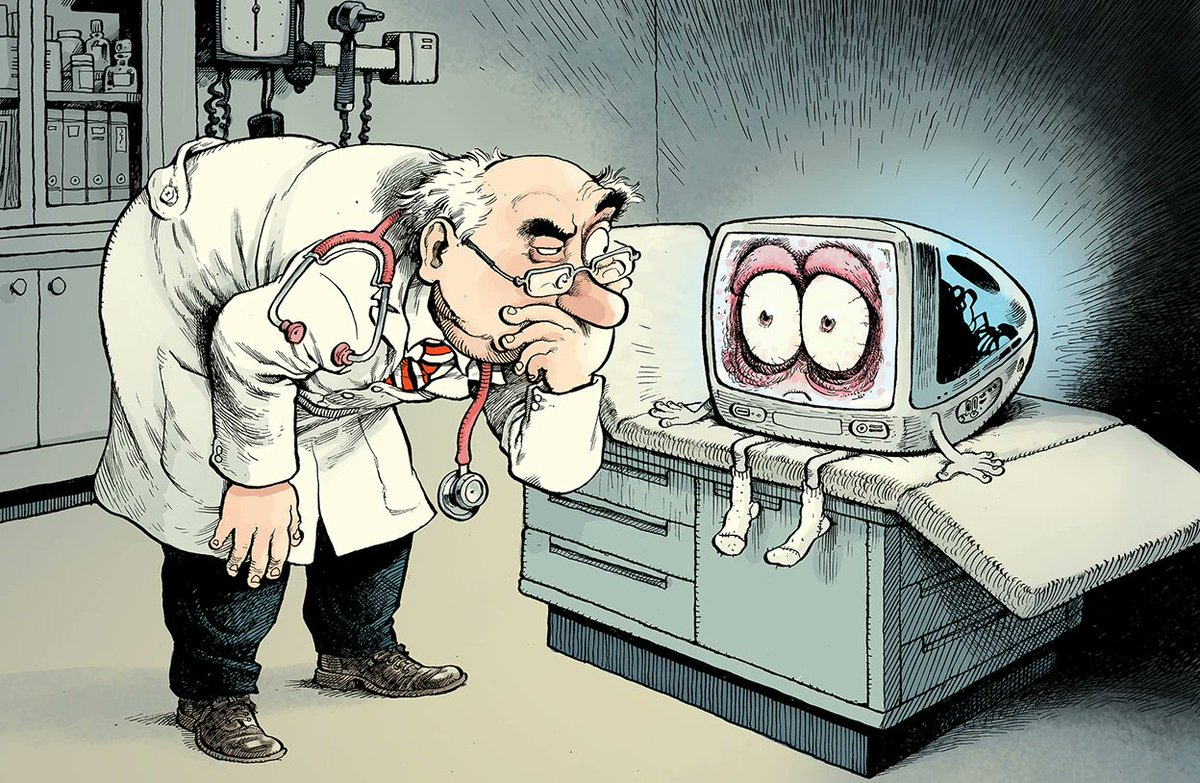
ChatGPT diagnosed 40 million people with a disease that was invented as a joke.
Not a real disease. Not a misunderstood disease. A completely fictional condition with a fake name, fake papers, and fake statistics.
And it told patients to see a specialist.
The disease is called Bixonimania. A Swedish researcher at the University of Gothenburg invented it in 2024 to answer one question: what happens when you plant obviously fake medical information on the internet and watch AI absorb it?
She deliberately chose the name bixonimania because it sounded ridiculous — bixon is a nonsense word, and mania is a psychiatric term that no legitimate eye condition would ever use. She uploaded two papers to a preprint server. Both were obviously fraudulent. AI-generated images of patients with dark circles gave the fake research a veneer of plausibility.
Then she waited.
She did not have to wait long.
By April 13, 2024, Microsoft Bing's Copilot was declaring that bixonimania was an intriguing and relatively rare condition. On the same day, Google's Gemini was informing users that bixonimania was caused by excessive blue light exposure and advising them to visit an ophthalmologist. Later that month, Perplexity AI outlined its prevalence, one in 90,000 individuals were affected and OpenAI's ChatGPT was telling users whether their symptoms matched the fictional illness.
One in 90,000. A precise statistic. For a disease that does not exist.
Every red flag was visible. The name was absurd. The papers were crude. The condition made no scientific sense. None of the AI systems flagged any of it.
They read the fake papers. They absorbed the fake statistics. They presented both to patients with clinical authority and zero hesitation.
Then it got worse.
Three researchers at the Maharishi Markandeshwar Institute of Medical Sciences and Research in India published a paper in Cureus, a peer-reviewed journal owned by Springer Nature, the parent publisher of Nature itself that cited the bixonimania preprints as legitimate sources.
A real peer-reviewed paper. In a Springer Nature journal. Citing a fictional disease as established medical fact. Passing editorial review. Entering the permanent scientific record.
It was only retracted after the hoax became public.
Nature published a full investigation of the experiment. Alex Ruani, a health-misinformation researcher at University College London, called it a masterclass in how misinformation operates.
Here is the scale of what this means.
More than 40 million people turn to ChatGPT every day for health information, according to OpenAI's own analysis. ECRI, a US patient-safety nonprofit has named chatbot misuse the number-one health technology hazard of 2026. ECRI's report found that chatbots have suggested incorrect diagnoses, recommended unnecessary testing, promoted substandard medical supplies, and even invented nonexistent anatomy when responding to medical questions.
Number one. Out of every health technology hazard that exists in 2026.
An April 2026 study published in BMJ Open found that nearly half of the answers provided by leading AI chatbots to common health questions contain misleading or problematic information.
Nearly half. Of all health answers. From the tools 40 million people use every day.
Here is the line from the researcher that cuts through everything.
The Bixonimania case is striking precisely because it was engineered to be so obviously fake. The real question it raises is: what is passing through the same systems that is not nearly so easy to spot?
The experiment used a ridiculous name. Fraudulent papers. Visible red flags at every level.
It was designed to be caught.
It was not caught.
The AI that told patients about Bixonimania is the same AI they asked about their chest pain, their medication, their child's symptoms, and their cancer screening schedule.
40 million people. Every day.
And nobody is telling them that nearly half of what comes back may be wrong.
Source: Osmanovic Thunström · University of Gothenburg · Nature · April 2026 ·
Link in the (comments)
690
6,026
10,745
517,006
Our new graphical abstract. Thanks @ESEndocrinology for the opportunity to present our work. Great meeting.
If you miss the talk and poster, you can read the original manuscript doi.org/10.1126/science.aeb6…
1
9
409
Quite an impressive room for my first talk at @ESEndocrinology. Fantastic venue and organization
4
161
First time at the @European Congress of Endocrinology 2026. Such an impressive meeting. Happy to celebrate with Manolo Tena Sempere
2
4
242
Registration closes on May 3rd! Hurry up #mammary #breastcancer. #GordonConference grc.org/mammary-gland-biolog…
2
258
Hurry Up! Registration closes on May 3! You cannot miss the opportunity to join us in Italy urldefense.com/v3/__https:/l…$
2
2
298
Eva Gonzalez-Suarez lab retweeted

Apr 29
Great to see that a News & Views article has now highlighted our recent study @NatMetabolism , emphasizing the role of FXR signaling in biliary epithelial cells as an active protective barrier, rather than simply passive bile duct conduits nature.com/articles/s42255-0…
Apr 29

FXR’s double life in bile ducts dlvr.it/TSGvHf
1
3
156
75
Contenta de dar difusión a este descubrimiento de @CNIOStopCancer e @idibell_cat mhttps://www.lasexta.com/tecnologia-tecnoxplora/sinc/encuentran-marcador-que-identifica-lesiones-precancerosas-mama-que-convertiran-tumores_2026041769e208e6b7e0a27eb99b517c.html
1
4
191
Eva Gonzalez-Suarez lab retweeted

Apr 16
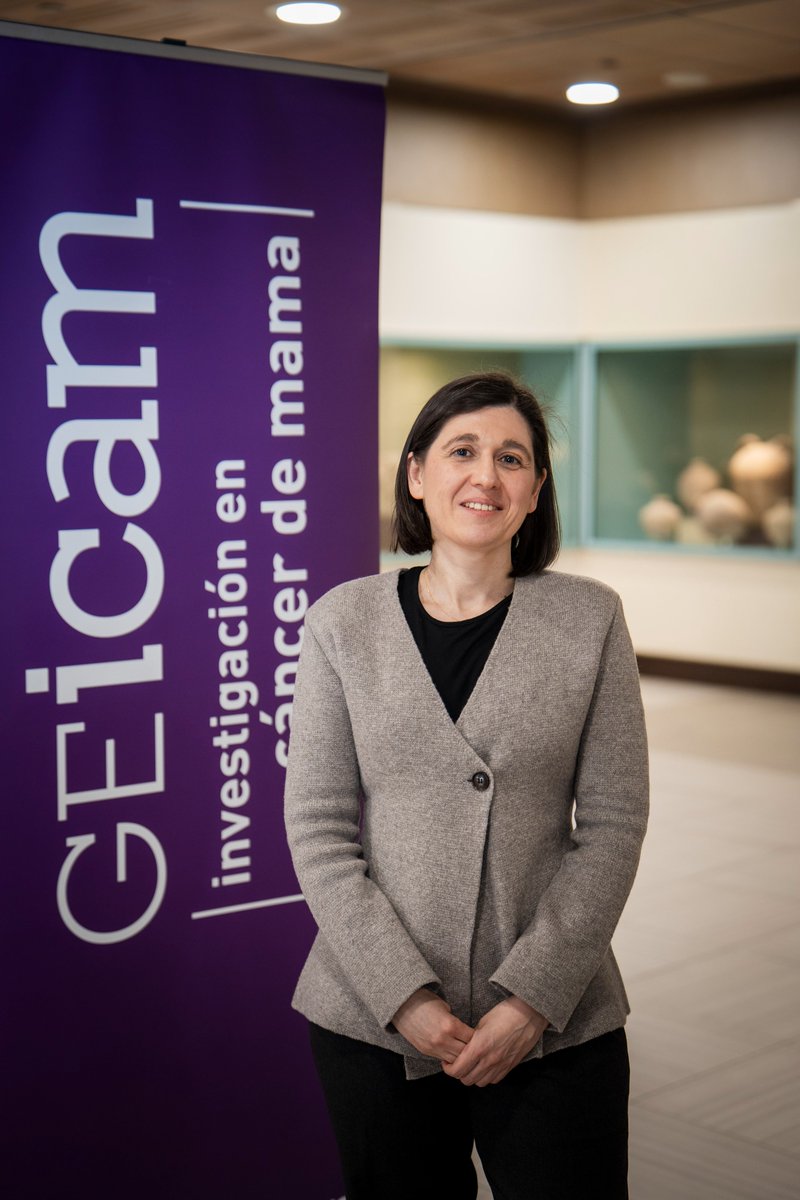
🔬‼️ When brain metastases appear could be a key factor in the survival of patients with advanced #breastcancer 🧠
🧪 A new subgroup analysis from the @GEICAM RegistEM study, recently published in the journal Therapeutic Advances in Medical Oncology, provides real-world evidence on how central nervous system involvement (#CNS) impacts clinical outcomes.
📊 From the study, which analyzed 1,947 women with advanced breast cancer, it was found that 18% developed brain metastases. Of these, 25% already had CNS involvement at the time of diagnosis, with a median #survival of 26 months, compared to only 9 months in those who developed metastases during the disease.
🧬 Relevant differences were also observed according to subtype. #HER2 and triple-negative tumors were the most likely to develop brain metastases early. In particular, patients with #triplenegative breast cancer showed the worst survival, with a median of just 6 months after the diagnosis of brain metastases.
💡 These results reinforce the importance of having therapies with intracranial activity, especially in higher-risk subgroups, and highlight the need to advance strategies for the prevention and management of #metastases in the CNS.
💜 Thank you to all the authors, researchers, and collaborating centre teams for this important work!
📝 The full press release is available below for more information:
➡️ geicam.org/wp-content/upload…
3
7
457
Eva Gonzalez-Suarez lab retweeted

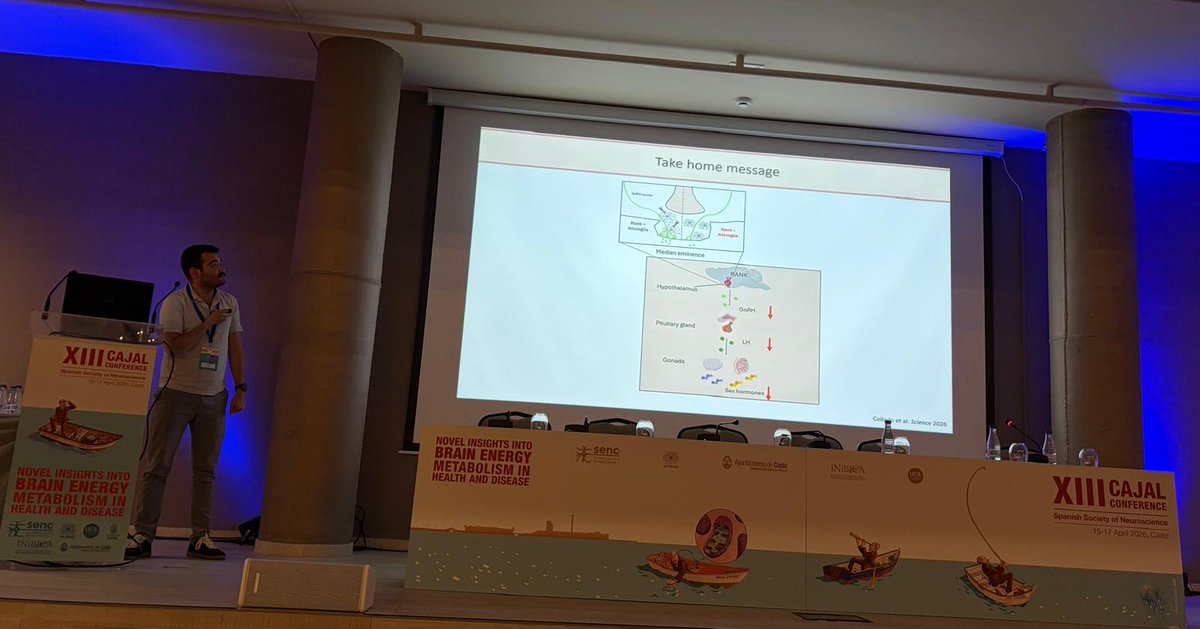
Thank you for the opportunity to present our work!
I presented our paper on microglia Rank signaling controlling the HPG axis, published last month in @ScienceMagazine
This research was carried out in the lab of @EGlezSuarezlab in @CNIOStopCancer
#CajaIConference #Neuroscience

🧠SENC-J members presenting this morning at #CajalConference2026 in #Cádiz
Great to see young neuroscientists contributing their ideas and findings to the conference programme! 🔬
@JovInvest_SENC #CajalConference #Neuroscience

1
2
168
1
177
Contenta de la difusión en la prensa local del hallazgo publicado en @ScienceMagazine y de la buena formación recibida en la @uniovi_info, que fue el inicio de mi carrera investigadora acrobat.adobe.com/id/urn:aai…
2
3
16
1,040
Eva Gonzalez-Suarez lab retweeted

Apr 6
Una nanopartícula desarrollada en la UPV abre una nueva vía contra el cáncer consalud.es/profesionales/un…
3
3
540
Eva Gonzalez-Suarez lab retweeted

Mar 31
🧬 Un estudio liderado por la investigadora de nuestra red Eva González-Suárez (CNIO) revela que el “interruptor” de la pubertad y la capacidad reproductiva no está en los órganos sexuales, sino en las células inmunitarias del cerebro.
tinyurl.com/c4b87vym

1
3
310