
Fellowship for Preventive Medicine and Systems Biology. Our journal: @Longevity_ESPM. Director @drmichaelsagner
Joined June 2013
- Tweets 3,650
- Following 389
- Followers 2,005
- Likes 1,721
76 Photos and videos



Pinned Tweet
We're excited to launch our new journal @Longevity_ESPM, a new initiative to promote longevity science and all related fields.
All open acess publication fees will be waived for the first year! Submit your publications today: tandfonline.com/journals/tpm…
Our editors are @Rcmsiow
@DrMichaelSagner. With @NathanPriceSci @geochurch @isbsci
#Aging #PreventiveMedicine @tandfmedicine @ARK_KCL @ELSA_Study @longescience @LongevityTech @BuckInstitute
2
11
19
3,202

10 Feb 2025
RT @EricTopol: Getting your real-time heart rhythm monitored for 10 days now requires an ECG technician to review and notify your doctor of…
151
European Society of Preventive Medicine retweeted

6 Feb 2025
What's the best place to learn the latest sports nutrition science? If you answered, the "ISSN Conference," go to the head of the class. Register now at ISSN.net
Here is our current list of speakers:
Jose Antonio PhD FISSN
Darren Candow PhD FISSN @darrencandow
Katie Emerson MS RD CISSN
Guillermo Escalante DSc FISSN
Violette J. Gibbs MS
Douglas Kalman RD PhD FISSN (Mel Williams Memorial Lecture) @dougkalmanphdrd
Jennifer Kurtz PhD CISSN
Kworweinski Lafontant MS
Gianna F. Mastrofini MS
Jamie McAllister-Deitrick PhD
Brandon Roberts PhD
Michael Roberts PhD - Keynote - (Roger Harris Memorial Lecture)
Michael Sagner MD @DrMichaelSagner
Antonella Schwarz PhD
Madelin R. Siedler PhD
Landon Shannahan MS
Valentina Rodriguez Da Silva MS
K. Michelle Singleton PhD
Danielle Sterner PhD(c)
Jeffrey Stout PhD FISSN @ExphysPhD - Special Lecture in Memory of Roger Harris PhD
Matthew Stratton PhD CISSN
Richard Swinbourne PhD
Grant Tinsley PhD CISSN
Katie Vasenina PhD
Laurel Wentz PhD
1
8
18
1,966
European Society of Preventive Medicine retweeted

27 Jan 2025
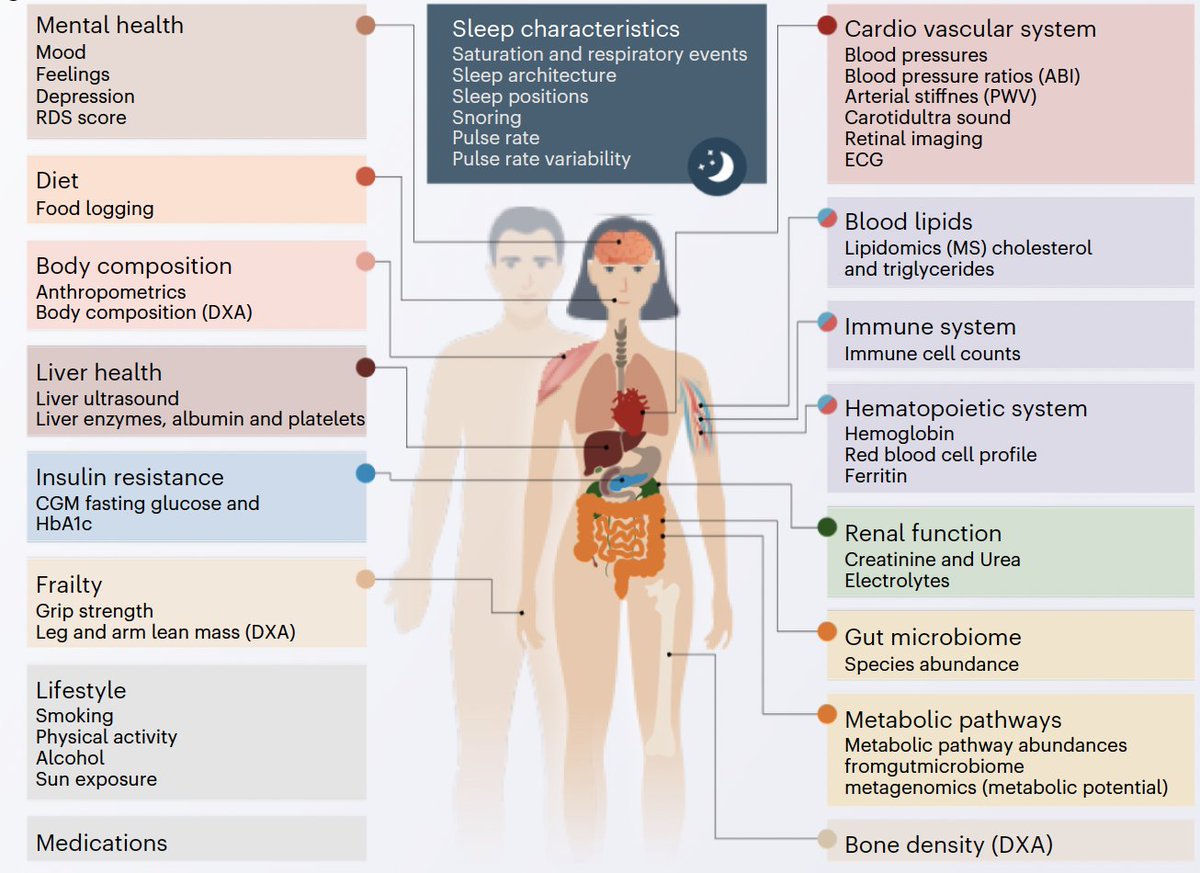
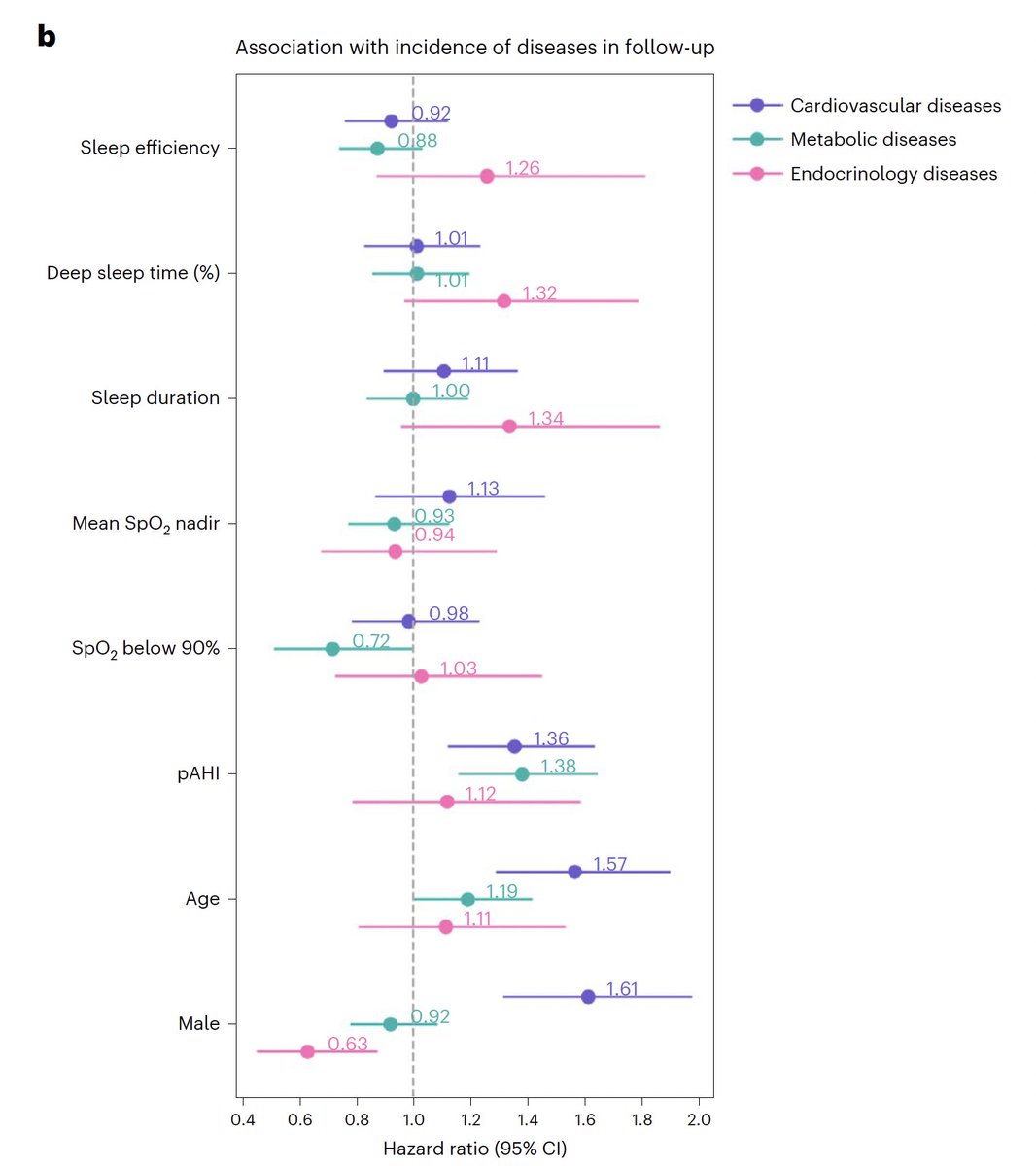
An impressive sleep study goes deep on links to lifestyle and diseases
—impact of gut microbiome and diet re: sleep apnea
—big contribution of lifestyle factors
—ability to predict across 16 body systems from sleep data
@NatureMedicine @segal_eran @WeizmannScience
nature.com/articles/s41591-0…
21
231
856
96,751

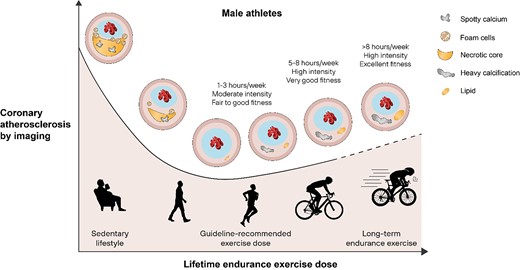
Regular exercise reduces the likelihood of plaque accumulation in the arteries
However, many long-term exercisers appear to have coronary artery calcification, indicating atherosclerosis progression
The fascinating thing is that despite the higher plaque, those people still have lower rates of cardiovascular disease events and mortality
Full video youtu.be/S-NKPZSkbXg
Graph: academic.oup.com/eurheartj/a…
41
273
1,331
177,570
European Society of Preventive Medicine retweeted

22 Jan 2025
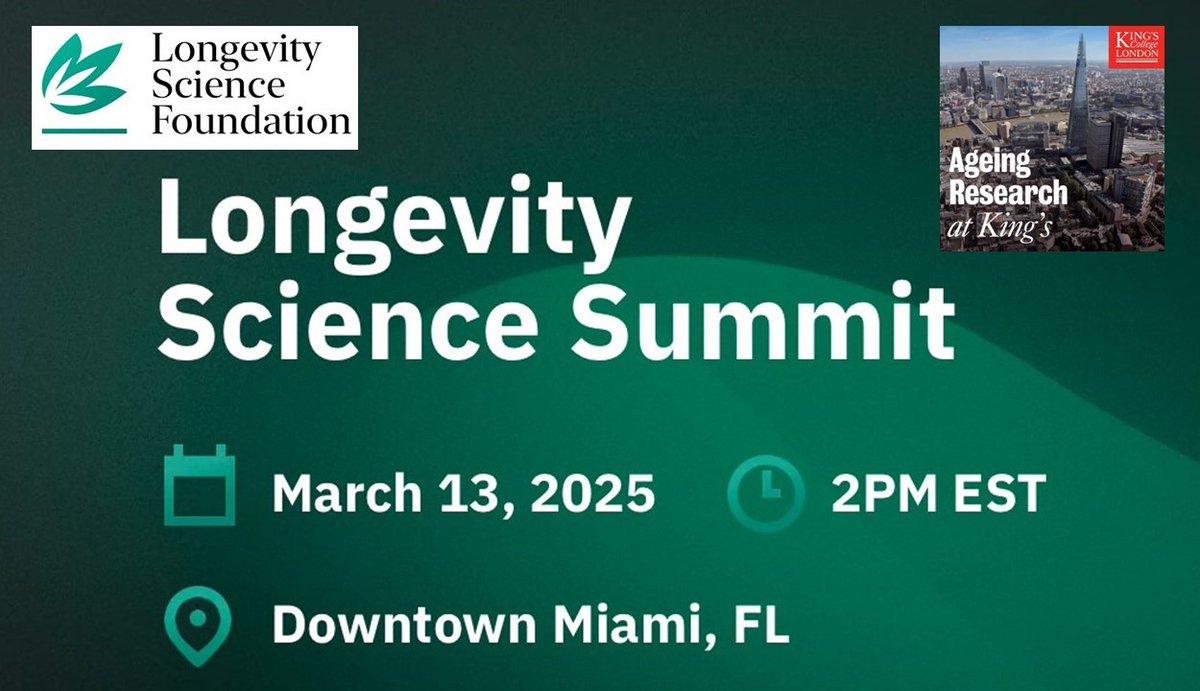
We are pleased to support the #Longevity Science Foundation @longescience Science Summit in Miami, Florida on March 13. Our ARK Director @Rcmsiow will participate as an invited speaker and represent LSF partners @ESPM_org and @Longevity_ESPM Learn more at longevity.foundation/events
5
6
311
European Society of Preventive Medicine retweeted

14 Jan 2025
The NHS is lowering the bowel cancer screening age in England from 60 years to 50 years with the aim of detecting cancer at an earlier stage. The change involves sending home-testing kits which can identify signs of bowel cancer before symptoms appear to people aged 50 to 52.
223
337
3,117
285,603
European Society of Preventive Medicine retweeted

30 Dec 2024
Common questions and misconceptions about caffeine supplementation☕️: pmc.ncbi.nlm.nih.gov/article…
3
11
37
2,461
European Society of Preventive Medicine retweeted

30 Dec 2024
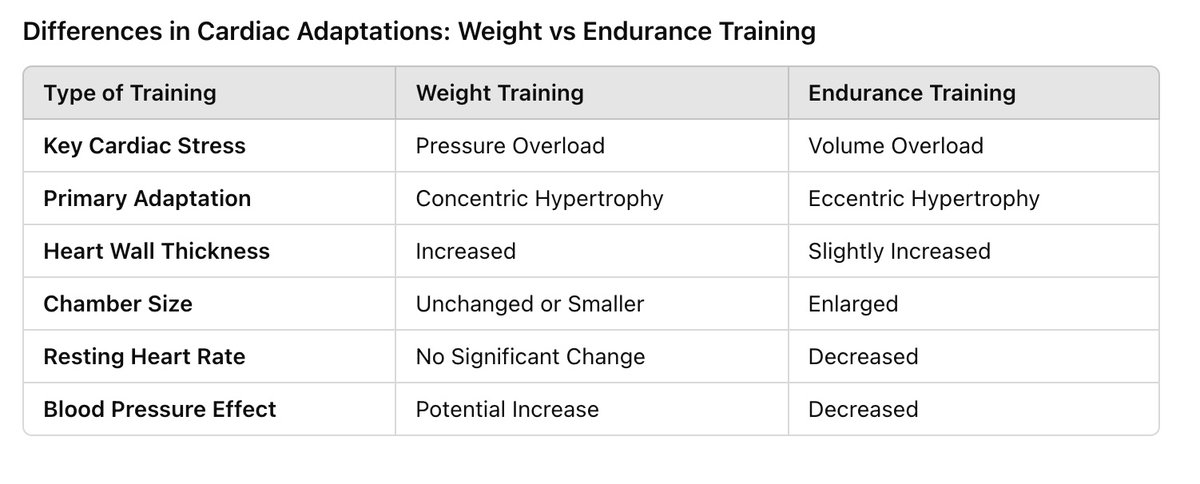
Weight training vs. aerobic training, or both?...
It's the cardiac adaptations that matter.
How do various exercises affect the heart? Let's explore how weight training and endurance training shape your heart differently.
Weight Training: Resistance exercise creates pressure overload, leading to CONCENTRIC hypertrophy, where the heart's walls thicken, but the chamber size remains unchanged. This enhances force generation (power) but may reduce filling efficiency if overdone without aerobic activity. This is important because it doesn't affect stroke volume or the amount you pump with each beat. Furthermore, the thickening can decrease compliance of the tissues and also lead to stiffening of the major vessels leaving the heart.
Endurance Training: Aerobic exercise causes volume overload, resulting in ECCENTRIC hypertrophy, where the chamber enlarges while walls thicken slightly. This improves cardiac efficiency, lowers resting heart rate, and boosts cardiovascular health, though excessive training may have risks.
More importantly... a larger chamber (to a point) increases your stroke volume. That, in turn, is a contributor to improving your VO2 max. The more blood you pump (larger stroke volume), the more oxygen can be delivered to your tissues.
This is why we need to combine bone resistance and aerobic training. Weight training strengthens muscles and metabolism but lacks the heart chamber adaptations of aerobic exercise. Adding aerobic training enhances arterial health, lowers blood pressure, and boosts heart efficiency.
For the best results:
Weight train 2–3 times weekly.
Include 150 minutes of moderate aerobic activity weekly.
Your heart thrives on variety. Aerobic conditioning can balance out some of the less advantageous adaptations that resistance training brings.
keep in mind... this is an orthopedist talking about the heart ;-). So take it for what it's worth
28
69
446
77,238
European Society of Preventive Medicine retweeted

29 Dec 2024
Irritable bowel syndrome (IBS) is a common disorder of gut–brain interaction. It is estimated to affect 5% to 10% of the global population at any one time.
Read a new Viewpoint on the personalisation of therapy in @LancetGastroHep ⤵️ hubs.li/Q030LZRz0
53
157
20,287
European Society of Preventive Medicine retweeted
29 Dec 2024
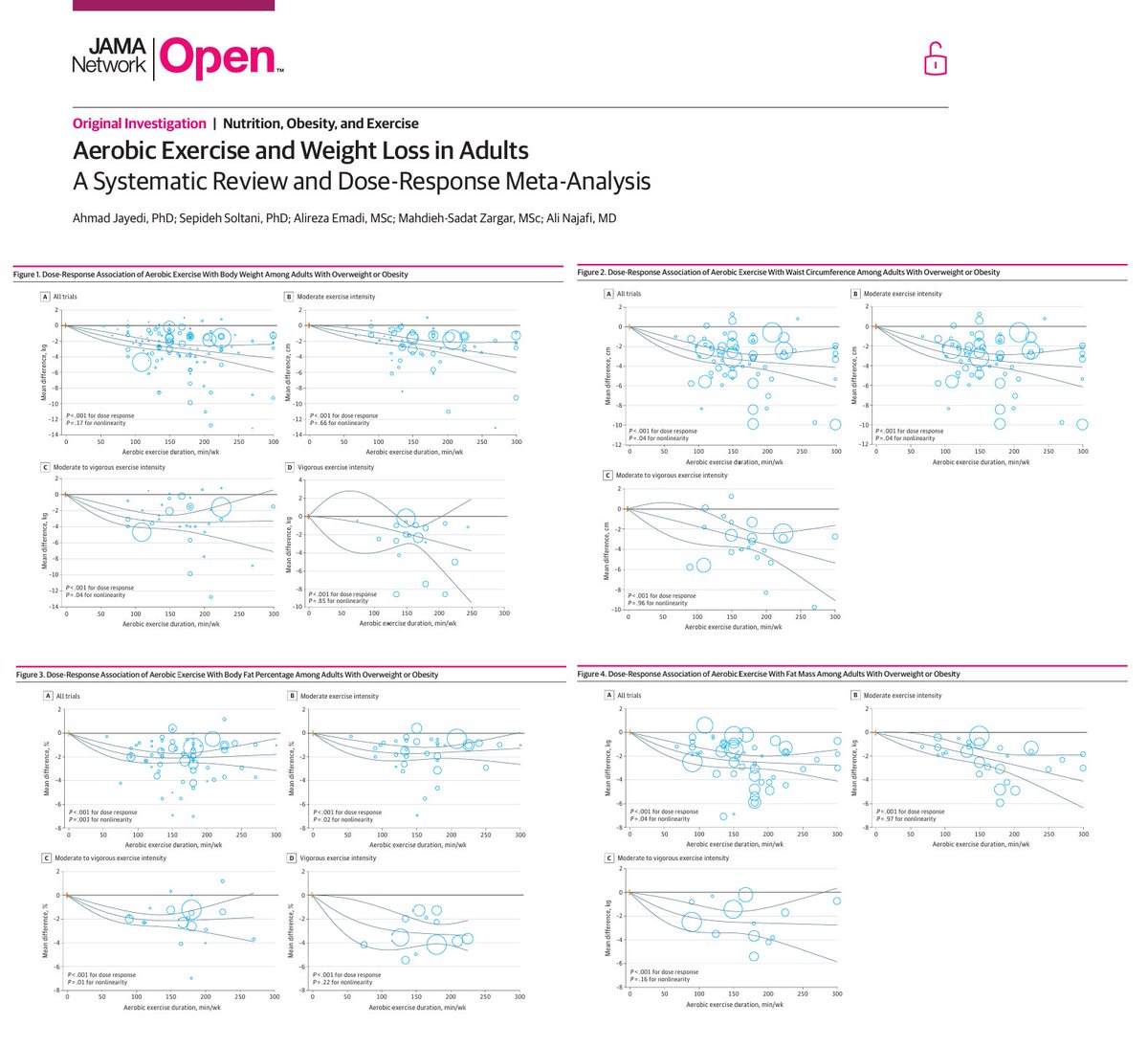
This is for the “exercise doesn’t promote fat loss” crowd.
Depends how much you exercise 🤷🏾♂️ 🏋🏻♀️🤼🤾🏻♂️⛹🏿♂️🤺🏄♂️🚣🏿🚴🏻
29 Dec 2024

This systematic review and meta-analysis finds that exceeding 150 minutes of aerobic exercise per week at moderate intensity or greater may be needed to achieve clinically important reductions in measures of adiposity among adults with overweight or obesity.
6
12
126
14,616
European Society of Preventive Medicine retweeted

10 Dec 2024
These are very important issues to address. @ESPM_org is helping with different projects.
10 Dec 2024

Loneliness and social isolation are important problems in modern society, particularly for older people with long-term medical conditions who live alone; contributing to poorer physical health as well as mental health problems like depression, anxiety and cognitive decline.
1
4
384
European Society of Preventive Medicine retweeted

3 Dec 2024
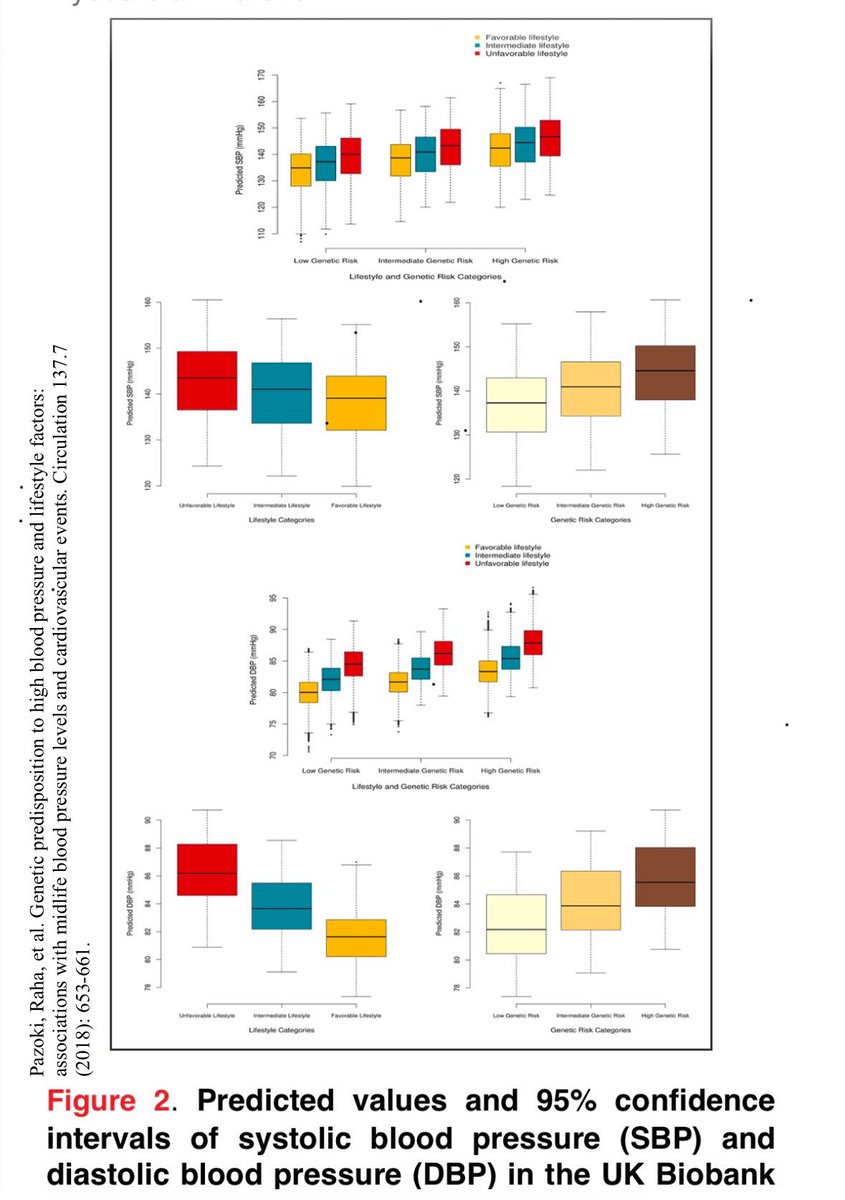
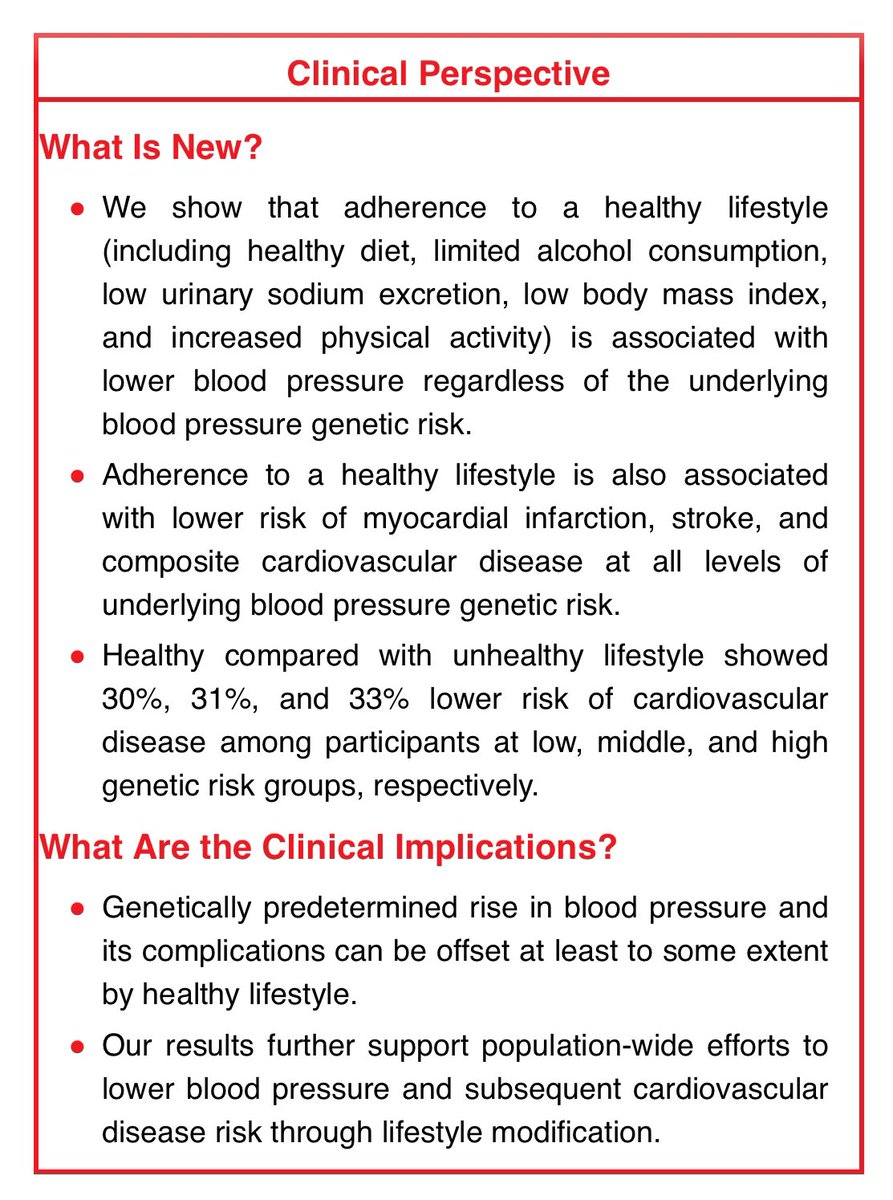
Data showing that genetic predisposition to high blood pressure and its complications can be partially offset by healthy lifestyle.
High genetic risk healthy lifestyle = >30% reduced risk for CVD vs. high genetic risk poor lifestyle.
7
18
2,633
European Society of Preventive Medicine retweeted

1 Dec 2024
Episode 43 - Sports Science Dudes chat with Dr. Sagner about Preventive ... youtu.be/l16DyzAbfL8?si=RPwd… via @YouTube Just had chance to watch this over weekend. Great on explaining what they are doing together, disease management, how healthcare does not really exist, etc. @JoseAntonioPhD @DrMichaelSagner @Longevity_ESPM

1
3
4
233
European Society of Preventive Medicine retweeted
25 Nov 2024
It's great to have you all on board for the new longevity focused peer-reviewed journal LONGEVITY @Longevity_ESPM. @Rcmsiow @ESPM_org @NathanPriceSci
25 Nov 2024

An incredible milestone achieved by our partners, Healthy Longevity Medicine Society!
@Dr_Bischof @AndreaBMaier @DoHSocial
5
9
682
18 Nov 2024
A new mechanism for why weight loss is challenging in clinical practice: epigenetic memory of fat cells. nature.com/articles/s41586-0…
1
1
5
211
European Society of Preventive Medicine retweeted

17 Nov 2024
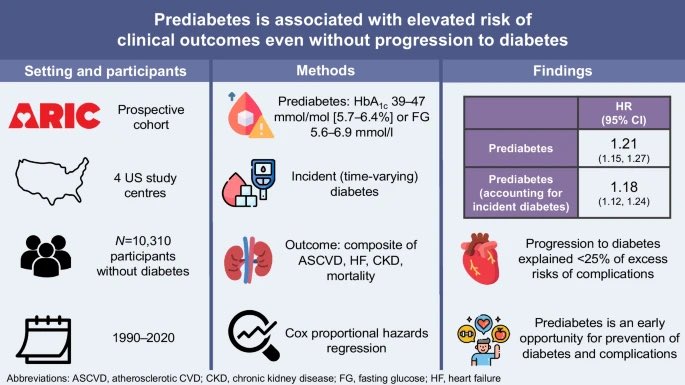
Prediabetes is associated with elevated risk of clinical outcomes even without progression to diabetes.
Via @DiabetologiaJnl
Prediabetes is not a waiting room for diabetes, it is a wake-up call. A more proactive approach is needed.
link.springer.com/article/10…
1
18
30
2,140
European Society of Preventive Medicine retweeted
15 Nov 2024
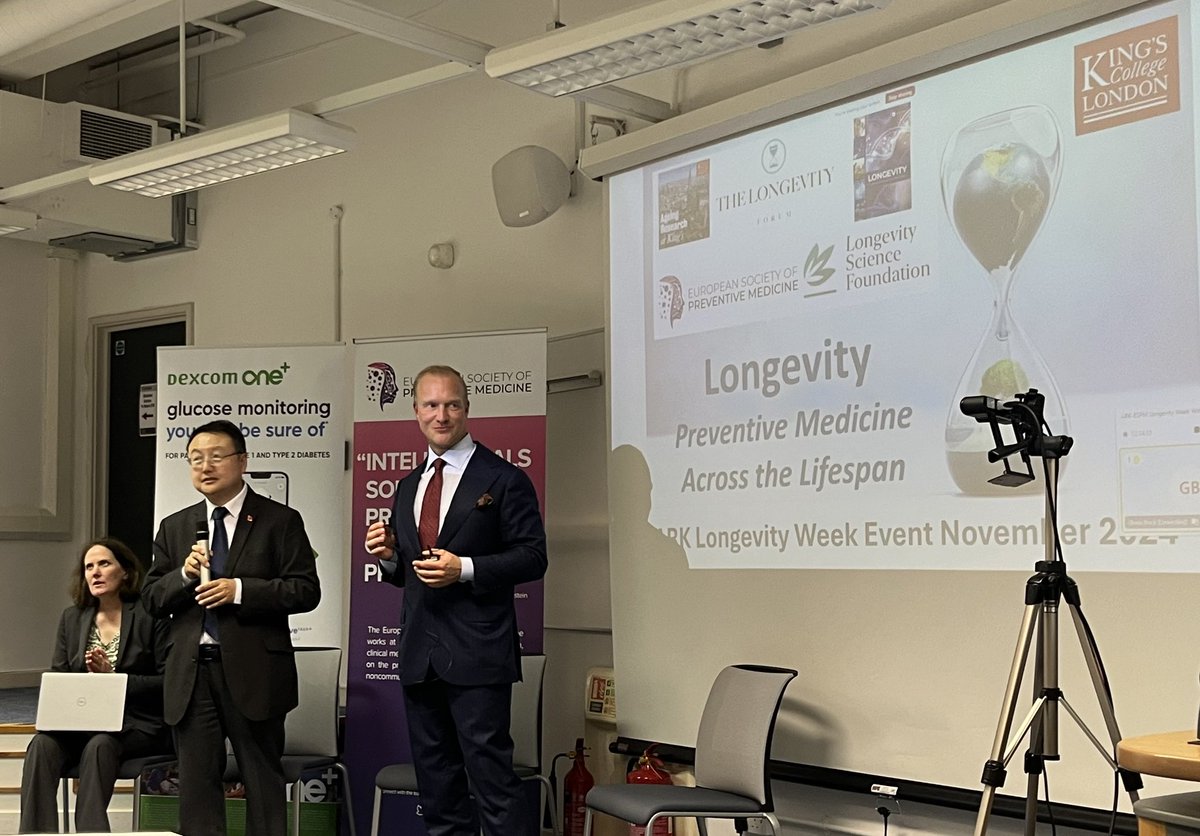
We were pleased to launch @ESPM_org official journal @Longevity_ESPM with publisher @tandfmedicine at @Longevity_Forum #LongevityWeek ARK event yesterday in partnership with @longescience - submit articles at: tandfonline.com/journals/tpm…
Editors in Chief @DrMichaelSagner @Rcmsiow
6
12
454
European Society of Preventive Medicine retweeted

14 Nov 2024
Last day of Longevity Week! Register now for Ageing Research at King's today at 3pm UK both in-person and virtual! This free event will focus on prevention throughout life and is co-hosted @ESPM_org and @longescience.
REGISTER NOW:
eventbrite.co.uk/e/ageing-re…
@ARK_KCL
4
6
776
European Society of Preventive Medicine retweeted
14 Nov 2024
Join ARK #longevityweek hybrid event today 3-6pm GMT at @kingsmedicine @KingsIoPPN @KingsNMES @KingsCollegeLon in partnership with @ESPM_org @longescience @Longevity_ESPM @Longevity_Forum @tandfmedicine program & webinar link: kcl.ac.uk/events/ark-longevi…
14 Nov 2024

Last day of Longevity Week! Register now for Ageing Research at King's today at 3pm UK both in-person and virtual! This free event will focus on prevention throughout life and is co-hosted @ESPM_org and @longescience.
REGISTER NOW:
eventbrite.co.uk/e/ageing-re…
@ARK_KCL
4
7
409