
Joined July 2009
- Tweets 505
- Following 132
- Followers 150
- Likes 499
184 Photos and videos






Apr 26
Como você usa IA hoje? É uma ferramenta profissional, amadora ou frustrante? Muitos buscam maior consistência e resultados melhores para aumentar a eficiência e ganhar tempo. Conte como a IA impacta seu dia a dia! #InteligenciaArtificial #Produtividade
49
Apr 26
A nova qualidade de vida no mundo jurídico não se limita a ter filhos ou ser casado. A liberdade de estar onde quer, fazendo o que quer, é real. Deixe o modelo tradicional para trás e use a IA de forma profissional #Advocacia #InteligenciaArtificial #QualidadeDeVida
47
Apr 25
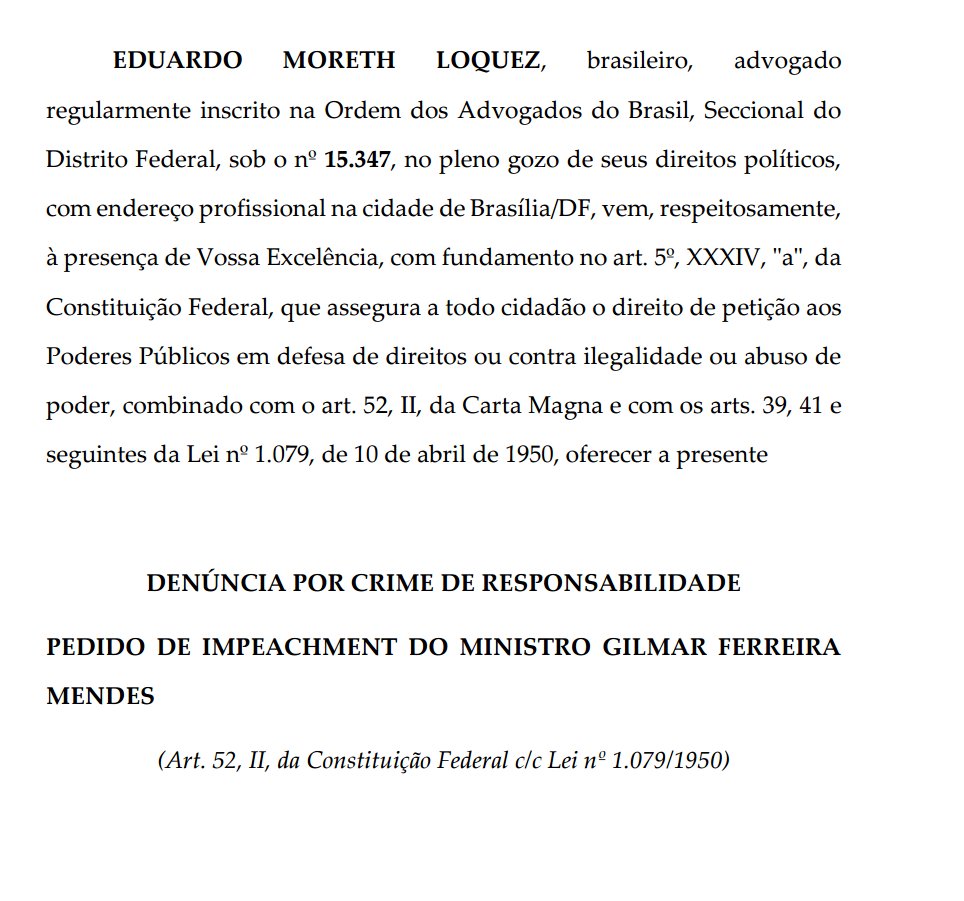
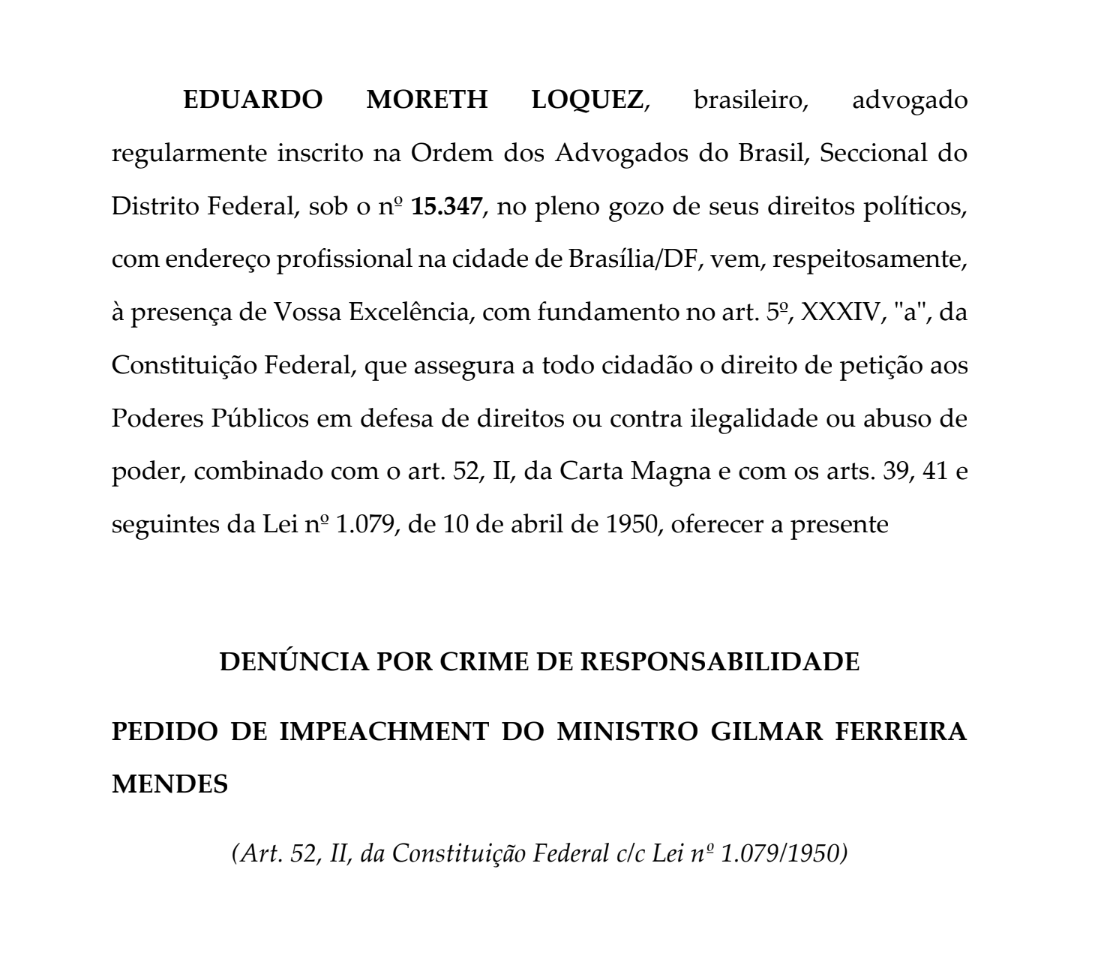
No final do ano passado, em uma manobra espúria, imoral e ilegal, o Ministro Gilmar Mendes decidiu tentar impedir que qualquer cidadão pedisse o impeachment de ministros do STF. Entrei com o pedido de impeachment dele logo após isso - que segue abaixo para todos que quiserem acessar. Nós, O Povo, precisamos este tribunal de exceção que se tornou o STF, com integrantes que NOTADAMENTE fazem parte de um ORCRIM.
Agora temos diversos outros motivos para um novo pedido de impeachment deste senhor - que trabalha em causa própria e não em prol do país.
drive.google.com/file/d/1u2J…
1
32

Apr 24
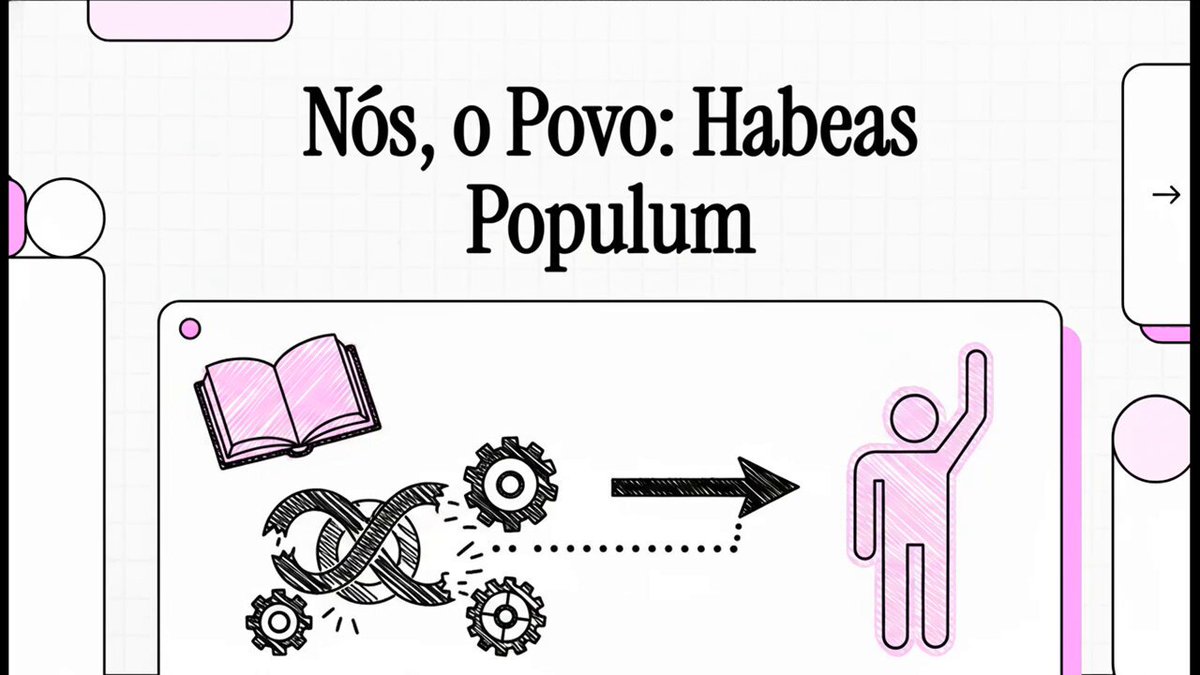
Nós, o Povo.
No direito brasileiro, há um remédio constitucional para a liberdade do corpo: o habeas corpus.
Há um remédio constitucional para os dados pessoais: o habeas data.
Não há, ainda, para o Povo — de onde emana todo o poder — um remédio para sua própria liberdade.
Essa ausência não é meramente terminológica. É estrutural.
E é precisamente essa lacuna que este trabalho busca nomear — e começar a preencher.
A construção latina é deliberada: Habeas Populum — “que se apresente o povo”.
Não como ornamento retórico, mas como categoria jurídica dotada de operatividade.
O art. 1º, parágrafo único, da Constituição Federal é inequívoco:
“todo o poder emana do povo, que o exerce por meio de representantes eleitos ou diretamente, nos termos desta Constituição”.
Três palavras sustentam a tese: “ou diretamente”.
Quando levadas a sério, não apenas complementam o enunciado, mas instauram um regime jurídico próprio — que a prática constitucional brasileira reduziu a um princípio decorativo, invocado em solenidades oficiais, celebrado em datas simbólicas e, não raro, negligenciado em sua concretização no exercício efetivo do poder.
A pergunta técnica é simples:
quando os freios institucionais falham — quando o Congresso não freia, quando o Judiciário não se autocontém, quando os instrumentos ordinários deixam de operar —, o que resta?
Como o Povo, de onde todo o poder emana, protege-se da tirania política ou judicial?
Resta o titular originário da soberania.
Resta — não como resíduo, mas como fundamento — aquele a quem a Constituição nunca alienou o poder, apenas o confiou sob condições.
Resta a instância última de legitimidade, a abertura pela qual o sistema se reconecta à sua origem.
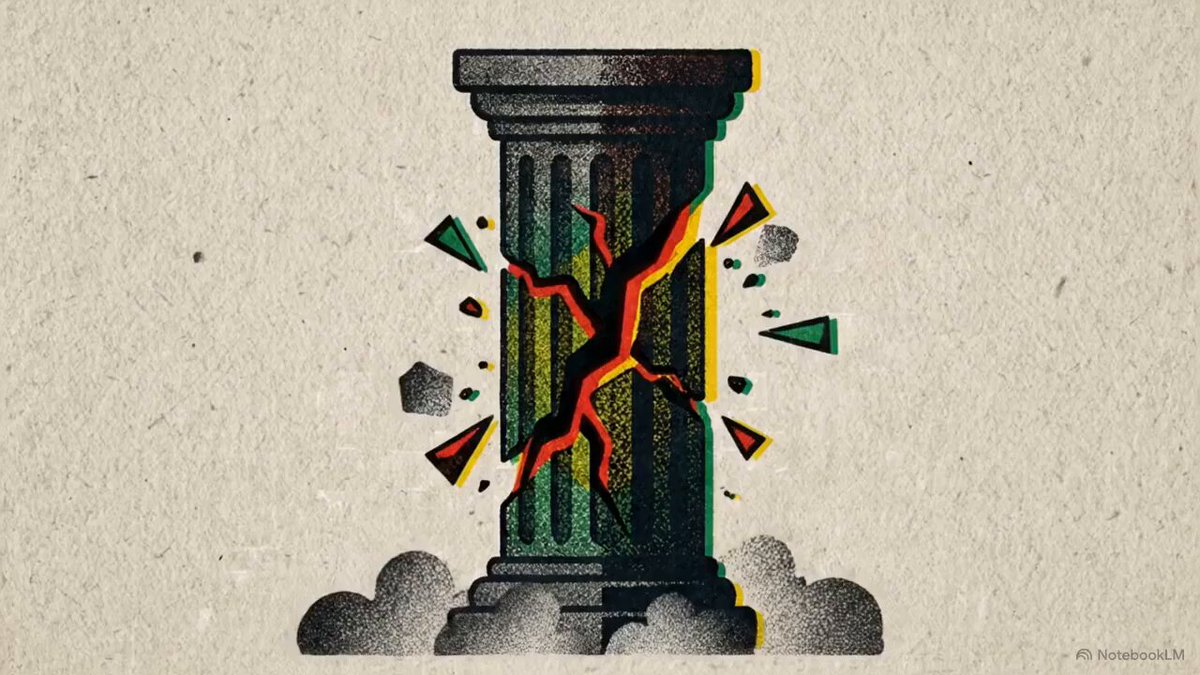
Resta, enfim, a redundância constitucional pensada para os momentos de falha, quando as engrenagens se esgotam e o poder precisa recordar de onde veio.
Habeas Populum designa, assim, a categoria que reúne os instrumentos pelos quais o povo — coletiva ou individualmente — pode acionar mecanismos de controle que os poderes constituídos deixaram de exercer.
Alguns desses instrumentos já existem no ordenamento:
a denúncia por crime de responsabilidade (art. 14 c/c art. 41 da Lei nº 1.079/1950),
o mandado de injunção contra mora inconstitucional (art. 5º, LXXI),
a ação popular (art. 5º, LXXIII).
Outros são propostos como desenvolvimento doutrinário:
Arguição Direta de Nulidade Institucional,
Ação Popular Constitucional de Nulidade Institucional,
plebiscito revocatório.
A objeção é previsível: os instrumentos já existem, mas não funcionam.
São arquivados, neutralizados, absorvidos por uma dinâmica institucional nociva que se retroalimenta.
A crítica é correta — e, justamente por isso, insuficiente.
O problema não é apenas de eficácia, mas de estrutura.
O arquivamento sistemático por decisão monocrática do presidente da Casa — sem remessa à comissão, sem deliberação, sem contraditório — não é um ato neutro:
é uma forma de obstrução do exercício da soberania popular.
E, como tal, reclama resposta jurídica adequada.
Não se trata de retórica.
Trata-se de doutrina constitucional ancorada em Sieyès, Rousseau, Pontes de Miranda, Paulo Bonavides, José Afonso da Silva — e na literalidade do art. 1º, parágrafo único.
O livro se chama:
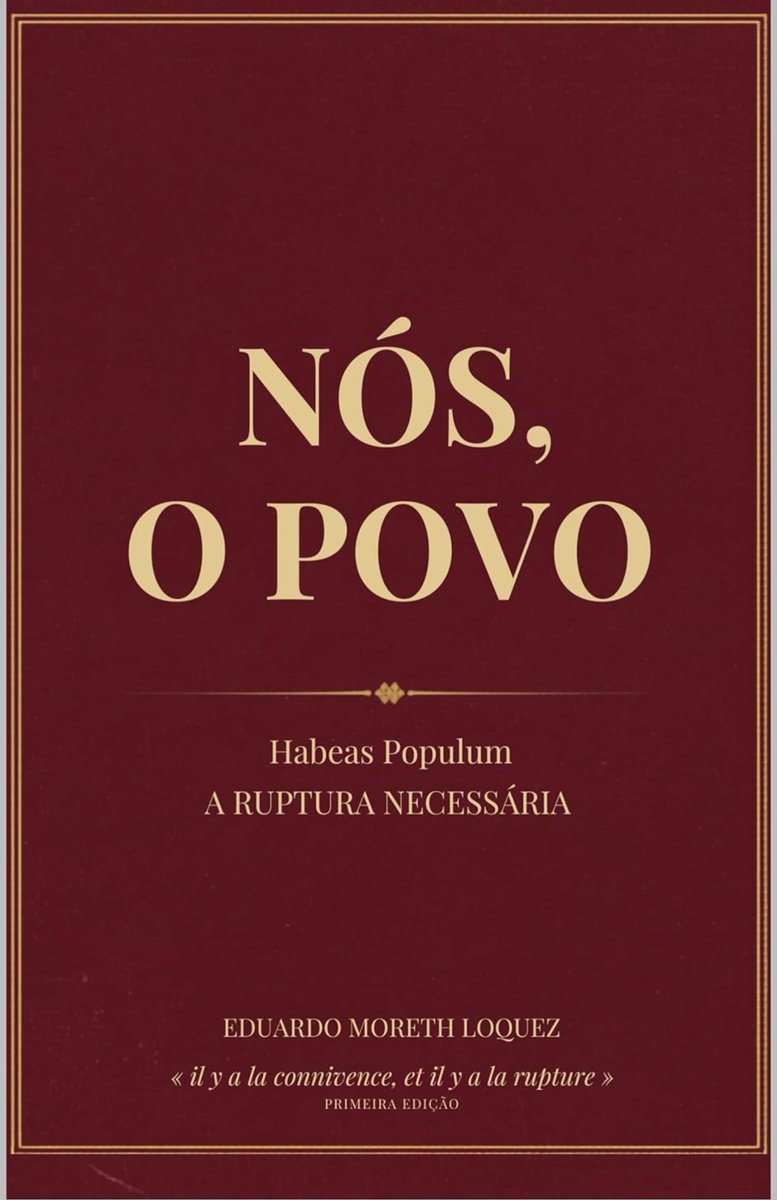
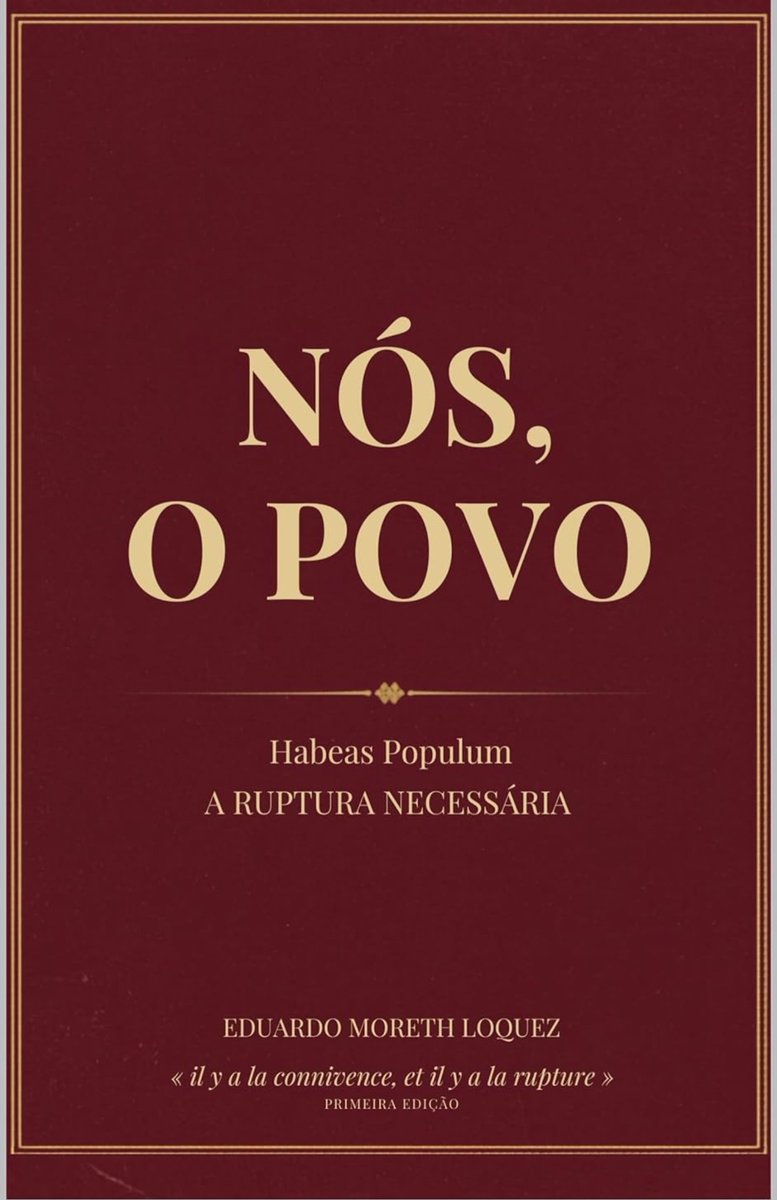
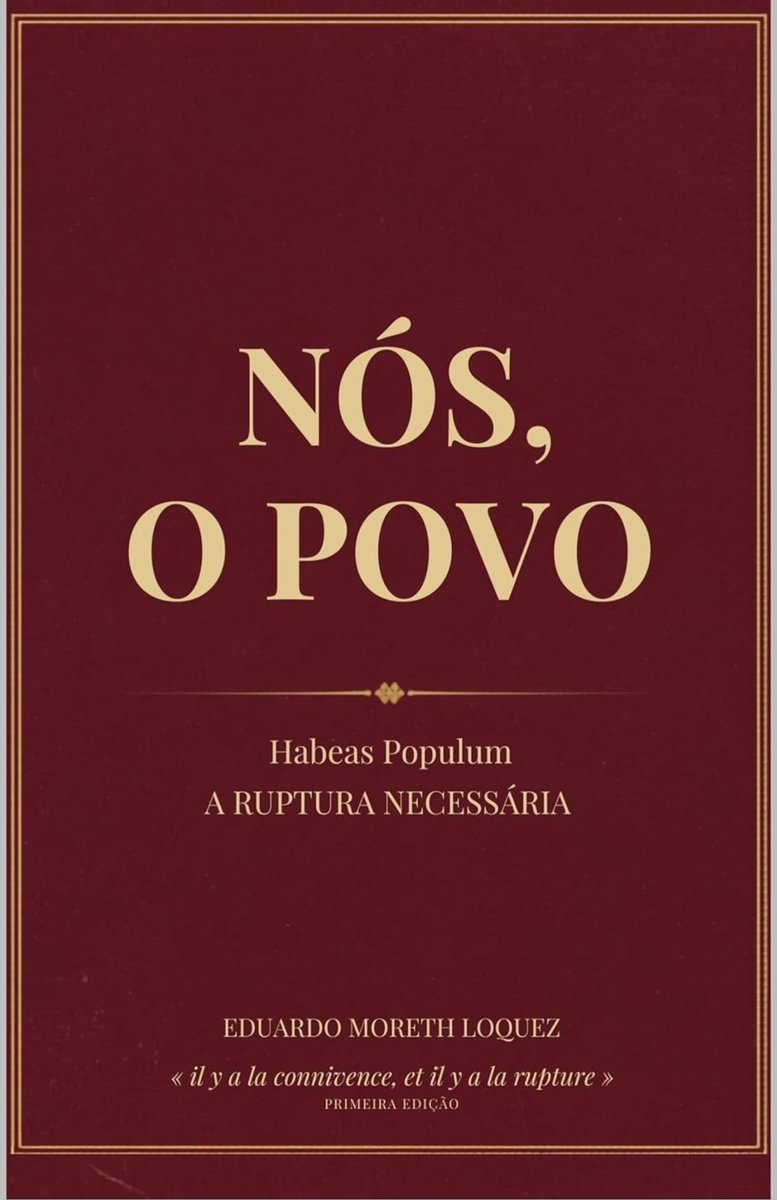
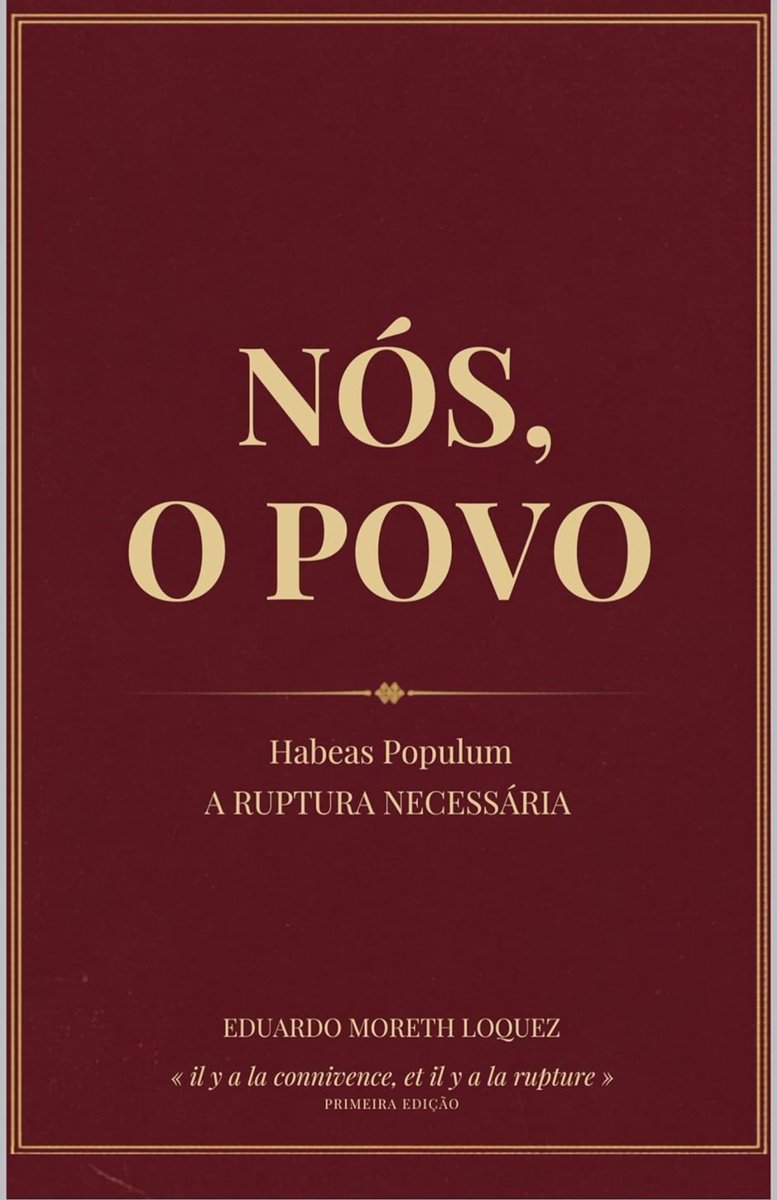
Nós, o Povo — Habeas Populum: A Ruptura Necessária.
É um tratado técnico, não um panfleto.
41 capítulos, cinco partes, quatro anexos com minutas processuais prontas para uso.
Porque o sujeito do art. 1º não pode permanecer decorativo.
Porque o titular da soberania não pode ser reduzido à abstração.
Porque, quando os freios falham, a Constituição já indicou — desde 1988 — quem deve acioná-los.
Nós.
O povo.
#Constituição #DireitoConstitucional #HabeasPopulum
Disponível na Amazon:
amzn.to/3QqK6BO
1
38
Apr 24
Nós, o Povo.
No direito brasileiro, há um remédio constitucional para a liberdade do corpo: o habeas corpus.
Há um remédio constitucional para os dados pessoais: o habeas data.
Não há, ainda, para o Povo — de onde emana todo o poder — um remédio para sua própria liberdade.
Essa ausência não é meramente terminológica. É estrutural.
E é precisamente essa lacuna que este trabalho busca nomear — e começar a preencher.
A construção latina é deliberada: Habeas Populum — “que se apresente o povo”.
Não como ornamento retórico, mas como categoria jurídica dotada de operatividade.
O art. 1º, parágrafo único, da Constituição Federal é inequívoco:
“todo o poder emana do povo, que o exerce por meio de representantes eleitos ou diretamente, nos termos desta Constituição”.
Três palavras sustentam a tese: “ou diretamente”.
Quando levadas a sério, não apenas complementam o enunciado, mas instauram um regime jurídico próprio — que a prática constitucional brasileira reduziu a um princípio decorativo, invocado em solenidades oficiais, celebrado em datas simbólicas e, não raro, negligenciado em sua concretização no exercício efetivo do poder.
A pergunta técnica é simples:
quando os freios institucionais falham — quando o Congresso não freia, quando o Judiciário não se autocontém, quando os instrumentos ordinários deixam de operar —, o que resta?
Como o Povo, de onde todo o poder emana, protege-se da tirania política ou judicial?
Resta o titular originário da soberania.
Resta — não como resíduo, mas como fundamento — aquele a quem a Constituição nunca alienou o poder, apenas o confiou sob condições.
Resta a instância última de legitimidade, a abertura pela qual o sistema se reconecta à sua origem.
Resta, enfim, a redundância constitucional pensada para os momentos de falha, quando as engrenagens se esgotam e o poder precisa recordar de onde veio.
Habeas Populum designa, assim, a categoria que reúne os instrumentos pelos quais o povo — coletiva ou individualmente — pode acionar mecanismos de controle que os poderes constituídos deixaram de exercer.
Alguns desses instrumentos já existem no ordenamento:
a denúncia por crime de responsabilidade (art. 14 c/c art. 41 da Lei nº 1.079/1950),
o mandado de injunção contra mora inconstitucional (art. 5º, LXXI),
a ação popular (art. 5º, LXXIII).
Outros são propostos como desenvolvimento doutrinário:
Arguição Direta de Nulidade Institucional,
Ação Popular Constitucional de Nulidade Institucional,
plebiscito revocatório.
A objeção é previsível: os instrumentos já existem, mas não funcionam.
São arquivados, neutralizados, absorvidos por uma dinâmica institucional nociva que se retroalimenta.
A crítica é correta — e, justamente por isso, insuficiente.
O problema não é apenas de eficácia, mas de estrutura.
O arquivamento sistemático por decisão monocrática do presidente da Casa — sem remessa à comissão, sem deliberação, sem contraditório — não é um ato neutro:
é uma forma de obstrução do exercício da soberania popular.
E, como tal, reclama resposta jurídica adequada.
Não se trata de retórica.
Trata-se de doutrina constitucional ancorada em Sieyès, Rousseau, Pontes de Miranda, Paulo Bonavides, José Afonso da Silva — e na literalidade do art. 1º, parágrafo único.
O livro se chama:
Nós, o Povo — Habeas Populum: A Ruptura Necessária.
É um tratado técnico, não um panfleto.
41 capítulos, cinco partes, quatro anexos com minutas processuais prontas para uso.
Porque o sujeito do art. 1º não pode permanecer decorativo.
Porque o titular da soberania não pode ser reduzido à abstração.
Porque, quando os freios falham, a Constituição já indicou — desde 1988 — quem deve acioná-los.
Nós.
O povo.
#Constituição #DireitoConstitucional #HabeasPopulum
Disponível na Amazon:
amzn.to/3QqK6BO
33
Apr 24
We, the People.
In Brazilian law, there is a constitutional remedy for the freedom of the body: habeas corpus.
There is a constitutional remedy for personal data: habeas data.
There is not — yet — for the People, from whom all power emanates, a remedy for their own freedom.
This absence is not merely terminological. It is structural. And it is precisely this gap that this work seeks to name — and begin to fill. The Latin construction is deliberate: Habeas Populum — “that the people be brought forth.” Not as rhetorical ornament, but as a juridical category endowed with operability.
Article 1, sole paragraph, of the Federal Constitution is unequivocal: “all power emanates from the people, who exercise it through elected representatives or directly, under the terms of this Constitution.” Three words sustain the thesis: “or directly.” When taken seriously, they do not merely complement the provision, but establish a distinct legal regime — one that Brazilian constitutional practice has reduced to a decorative principle, invoked in official ceremonies, celebrated on symbolic occasions, and, not infrequently, neglected in its effective realization in the exercise of power.
The technical question is simple: when institutional checks fail — when Congress does not check, when the Judiciary does not restrain itself, when ordinary mechanisms cease to function — what remains? How do the People, from whom all power emanates, protect themselves from political or judicial tyranny?
What remains is the original holder of sovereignty. What remains — not as residue, but as foundation — is the one to whom the Constitution never alienated power, but merely entrusted it under conditions. What remains is the ultimate instance of legitimacy, the opening through which the system reconnects to its origin. What remains, in the end, is the constitutional redundancy designed for moments of failure, when the gears are exhausted and power must recall where it came from.
Habeas Populum thus designates the category that brings together the instruments through which the people — collectively or individually — may activate mechanisms of control that the constituted powers have failed to exercise. Some of these instruments already exist within the legal order: the complaint for crimes of responsibility (Art. 14 in conjunction with Art. 41 of Law No. 1,079/1950), the writ of injunction against unconstitutional delay (Art. 5, LXXI), and the popular action (Art. 5, LXXIII). Others are proposed as new doctrinal developments: the Direct Action for Institutional Nullity, the Constitutional Popular Action for Institutional Nullity, and the recall plebiscite.
The objection is predictable: the instruments already exist, but they do not work. They are shelved, neutralized, absorbed by a harmful institutional dynamic that feeds upon itself. The critique is correct — and, precisely for that reason, insufficient. The problem is not merely one of effectiveness, but of structure. The systematic dismissal by a monocratic decision of the presiding officer of the House — without referral to committee, without deliberation, without adversarial process — is not a neutral act: it is a form of obstruction of the exercise of popular sovereignty. And as such, it calls for an appropriate juridical remedy.
This is not rhetoric. It is constitutional doctrine grounded in Sieyès, Rousseau, Pontes de Miranda, Paulo Bonavides, José Afonso da Silva — and in the very text of Article 1, sole paragraph.
The book is titled We, the People — Habeas Populum: The Necessary Rupture. It is a technical treatise, not a pamphlet. It comprises 41 chapters, organized into five parts, with four annexes containing procedural drafts ready for use.
Because the subject of Article 1 cannot remain decorative.
Because the holder of sovereignty cannot be reduced to abstraction.
Because, when the checks fail, the Constitution has already indicated — since 1988 — who must activate them.
We. The People.
@SecRubio @POTUS @pfigueiredo08
#Constitution #ConstitutionalLaw #HabeasPopulum
Available on Amazon:
amzn.to/3QqK6BO
26
Apr 24
We, the People.
In Brazilian law, there is a constitutional remedy for the freedom of the body: habeas corpus.
There is a constitutional remedy for personal data: habeas data.
There is not — yet — for the People, from whom all power emanates, a remedy for their own freedom.
This absence is not merely terminological. It is structural. And it is precisely this gap that this work seeks to name — and begin to fill. The Latin construction is deliberate: Habeas Populum — “that the people be brought forth.” Not as rhetorical ornament, but as a juridical category endowed with operability.
Article 1, sole paragraph, of the Federal Constitution is unequivocal: “all power emanates from the people, who exercise it through elected representatives or directly, under the terms of this Constitution.” Three words sustain the thesis: “or directly.” When taken seriously, they do not merely complement the provision, but establish a distinct legal regime — one that Brazilian constitutional practice has reduced to a decorative principle, invoked in official ceremonies, celebrated on symbolic occasions, and, not infrequently, neglected in its effective realization in the exercise of power.
The technical question is simple: when institutional checks fail — when Congress does not check, when the Judiciary does not restrain itself, when ordinary mechanisms cease to function — what remains? How do the People, from whom all power emanates, protect themselves from political or judicial tyranny?
What remains is the original holder of sovereignty. What remains — not as residue, but as foundation — is the one to whom the Constitution never alienated power, but merely entrusted it under conditions. What remains is the ultimate instance of legitimacy, the opening through which the system reconnects to its origin. What remains, in the end, is the constitutional redundancy designed for moments of failure, when the gears are exhausted and power must recall where it came from.
Habeas Populum thus designates the category that brings together the instruments through which the people — collectively or individually — may activate mechanisms of control that the constituted powers have failed to exercise. Some of these instruments already exist within the legal order: the complaint for crimes of responsibility (Art. 14 in conjunction with Art. 41 of Law No. 1,079/1950), the writ of injunction against unconstitutional delay (Art. 5, LXXI), and the popular action (Art. 5, LXXIII). Others are proposed as new doctrinal developments: the Direct Action for Institutional Nullity, the Constitutional Popular Action for Institutional Nullity, and the recall plebiscite.
The objection is predictable: the instruments already exist, but they do not work. They are shelved, neutralized, absorbed by a harmful institutional dynamic that feeds upon itself. The critique is correct — and, precisely for that reason, insufficient. The problem is not merely one of effectiveness, but of structure. The systematic dismissal by a monocratic decision of the presiding officer of the House — without referral to committee, without deliberation, without adversarial process — is not a neutral act: it is a form of obstruction of the exercise of popular sovereignty. And as such, it calls for an appropriate juridical remedy.
This is not rhetoric. It is constitutional doctrine grounded in Sieyès, Rousseau, Pontes de Miranda, Paulo Bonavides, José Afonso da Silva — and in the very text of Article 1, sole paragraph.
The book is titled We, the People — Habeas Populum: The Necessary Rupture. It is a technical treatise, not a pamphlet. It comprises 25 chapters, organized into five parts, with four annexes containing procedural drafts ready for use.
Because the subject of Article 1 cannot remain decorative.
Because the holder of sovereignty cannot be reduced to abstraction.
Because, when the checks fail, the Constitution has already indicated — since 1988 — who must activate them.
We. The People.
#Constitution #ConstitutionalLaw #HabeasPopulum
Available on Amazon:
amzn.to/3QqK6BO
1
1,429
Apr 24
Muitos usam IA como se fosse o Google, de forma amadora. Para ir além, é preciso entender como a IA funciona, dominar a engenharia de prompts e controlar alucinações para entregas mais profissionais. #InteligenciaArtificial #PromptEngineering #DicasIA
31
Apr 24
Eduardo Moretti, com paixão por tecnologia e direito, compartilha sua jornada desde os 14 anos empreendendo com computadores até estudos no MIT em Inteligência Artificial.#InteligenciaArtificial #Empreendedorismo
25
Apr 23
Você usa IA há quanto tempo? Como tem sido o uso no dia a dia: profissional, amador, frustrante ou produtivo? Conta pra gente como a IA te ajuda a ganhar tempo e espaço na vida! #InteligenciaArtificial #Produtividade
14
Apr 23
Como vocês usam IA no dia a dia? Sentem frustração por não extrair o máximo dela para resultados mais consistentes? Compartilhem suas experiências e desafios com a inteligência artificial! #InteligenciaArtificial #Inovacao
10
Apr 22
Entendendo os LLMs: Large Language Models são a base da IA generativa como ChatGPT e Gemini. Treinados com vastos bancos de dados de linguagem humana, eles simulam conversas realistas. #InteligenciaArtificial #LLM #Tecnologia
24