
Joined January 2014
- Tweets 321
- Following 174
- Followers 543
- Likes 499
33 Photos and videos

12 Nov 2025
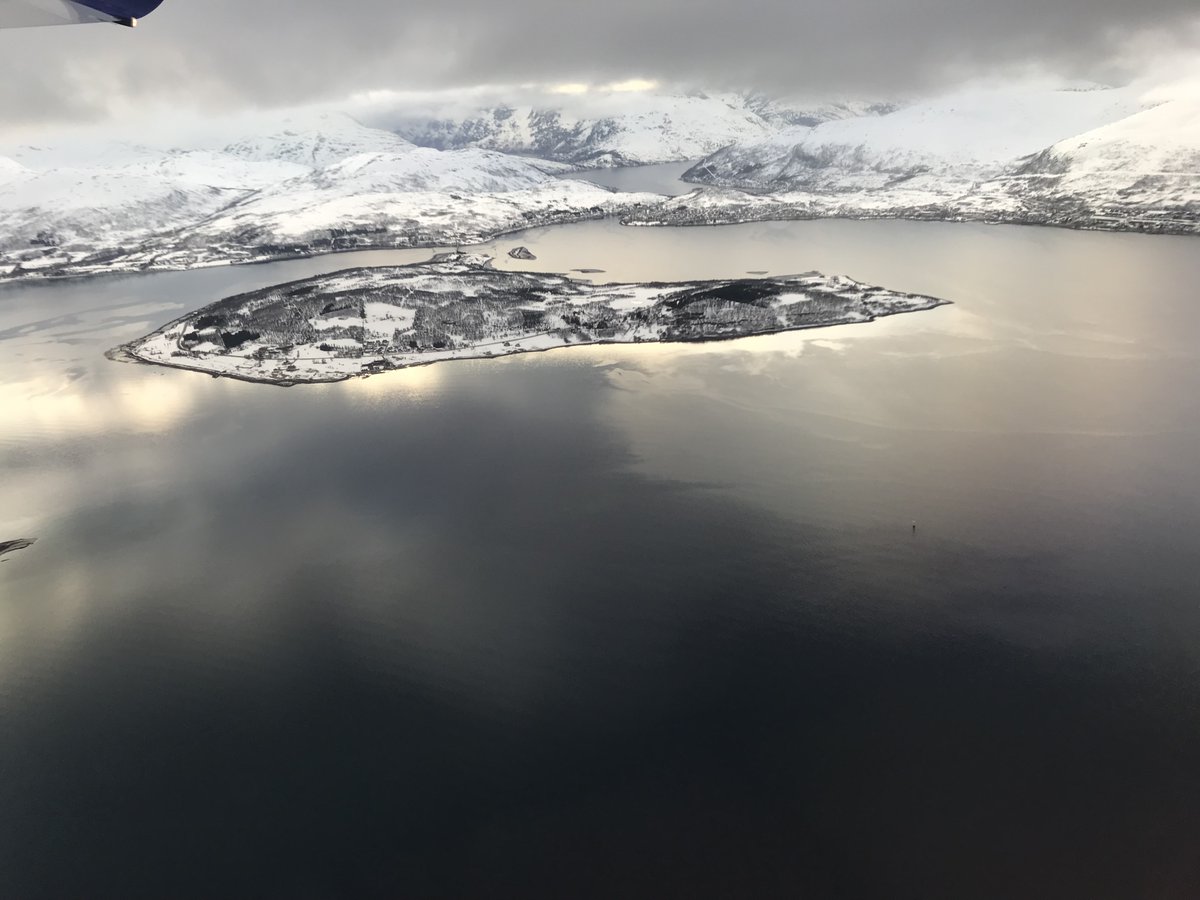
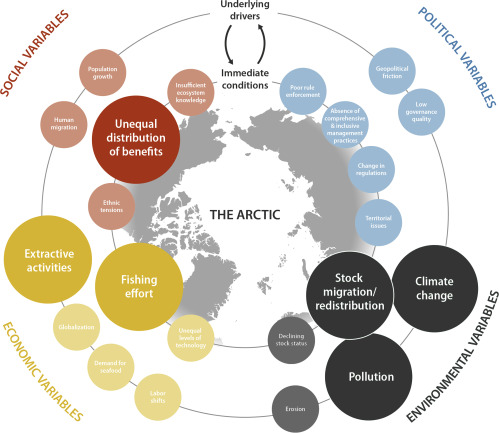
Just in time for #COP30, I left my usual warmer waters to work with a great set of folks on this research that illuminates (pun intended) how climate change will impact the amount of light reaching Arctic marine ecosystems. Key findings include: (1/4) rdcu.be/eOz1L
1
1
1
80
12 Nov 2025
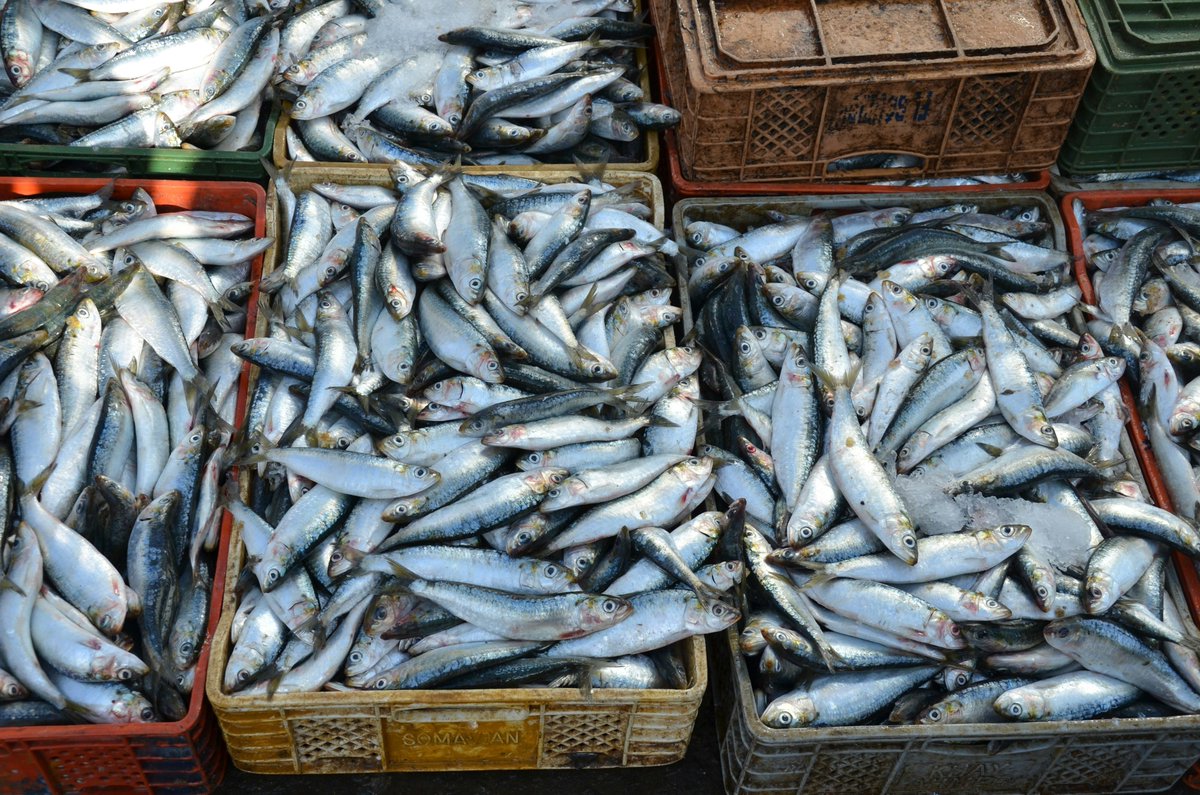
More light, warmers waters, and lower productivity in summer will drive declines in the growth and survival of cold water fish species like polar cod. Warmer water species like walleye pollock and Atlantic cod may capitalize on these changing conditions. (3/4)
1
1
27
12 Nov 2025
Greater northward expansion of warmer water species may ultimately restructure Arctic foods webs. Our work demonstrates the importance of considering the multidimensional impacts of climate change. (4/4)
1
17
9 Sep 2025
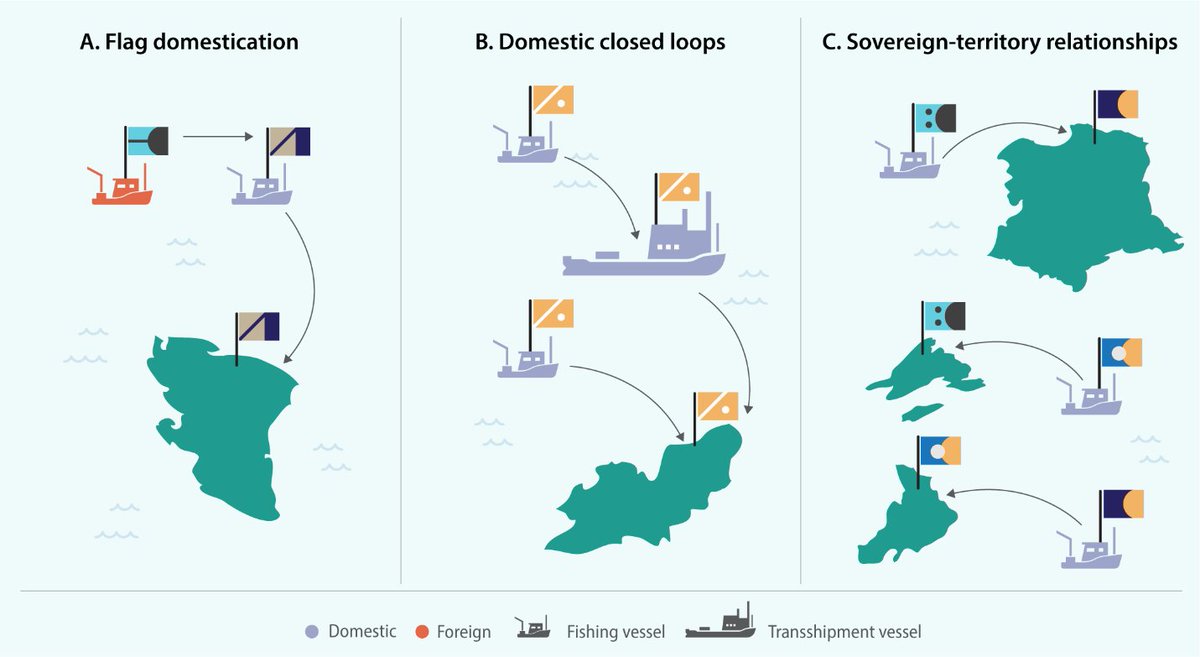
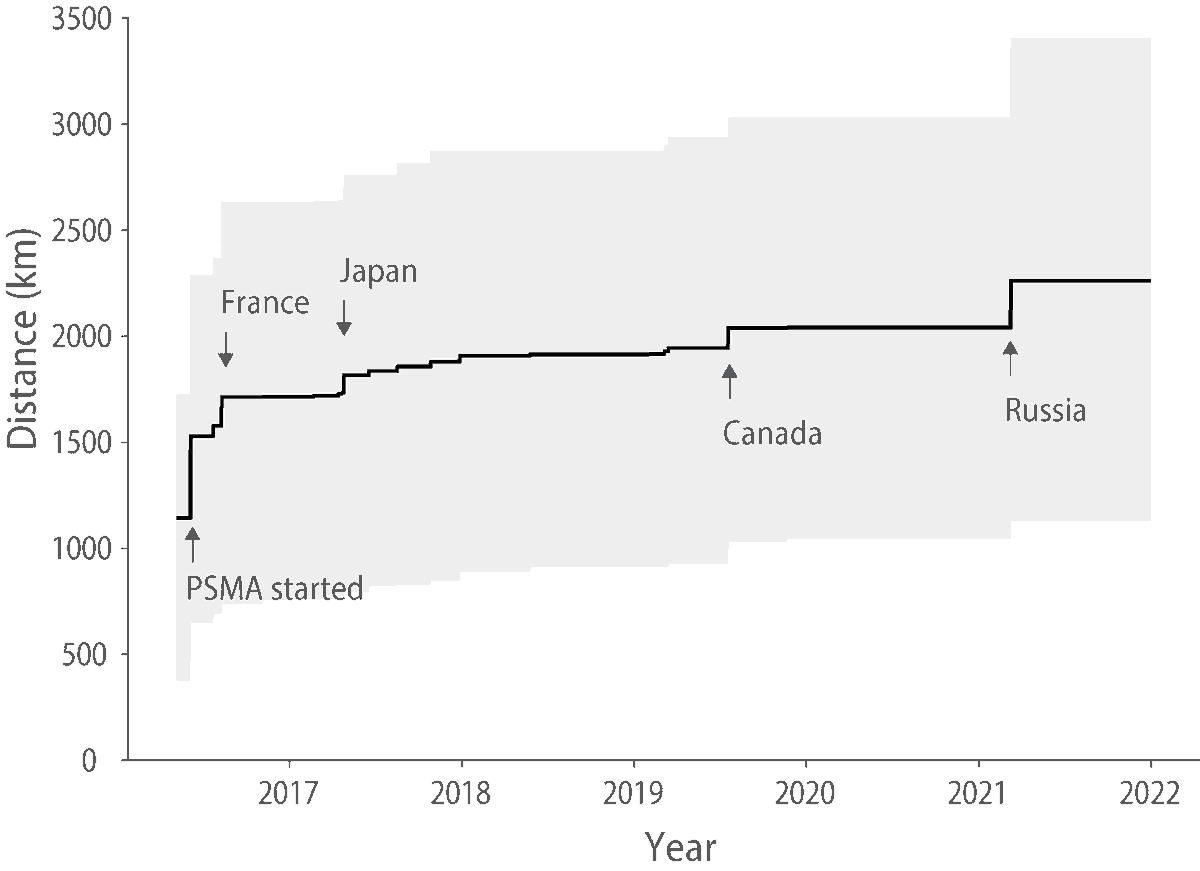
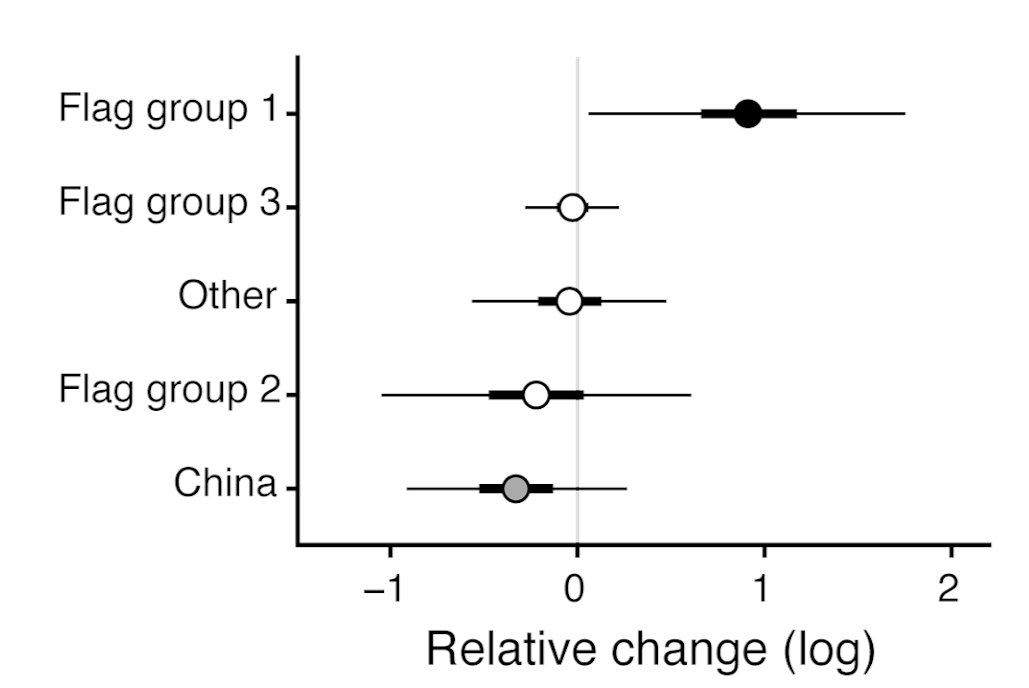
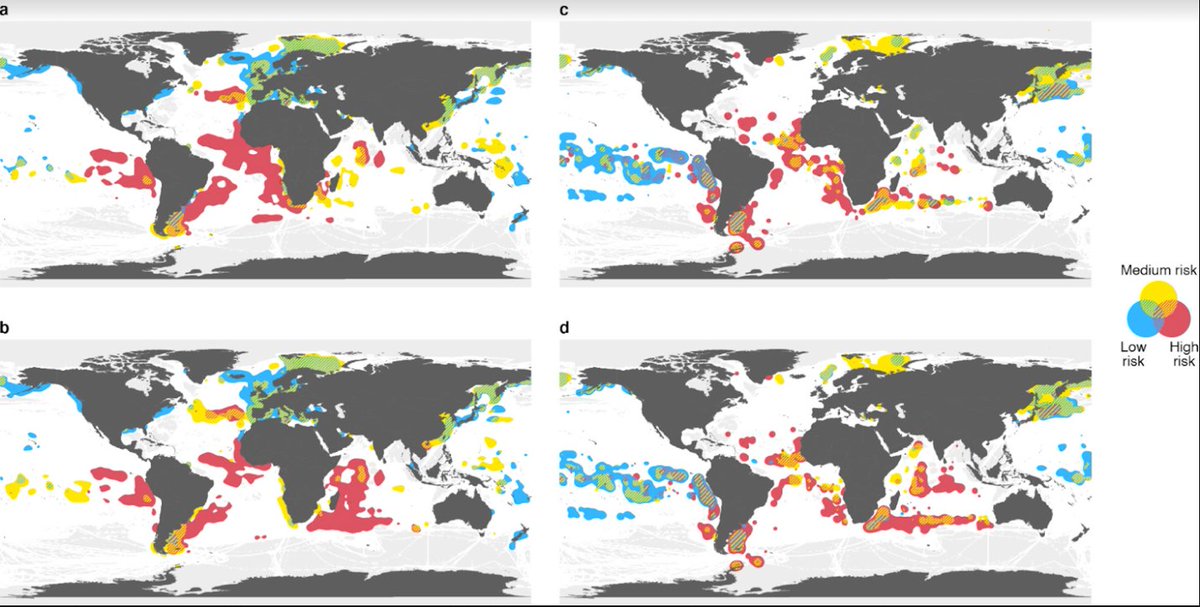
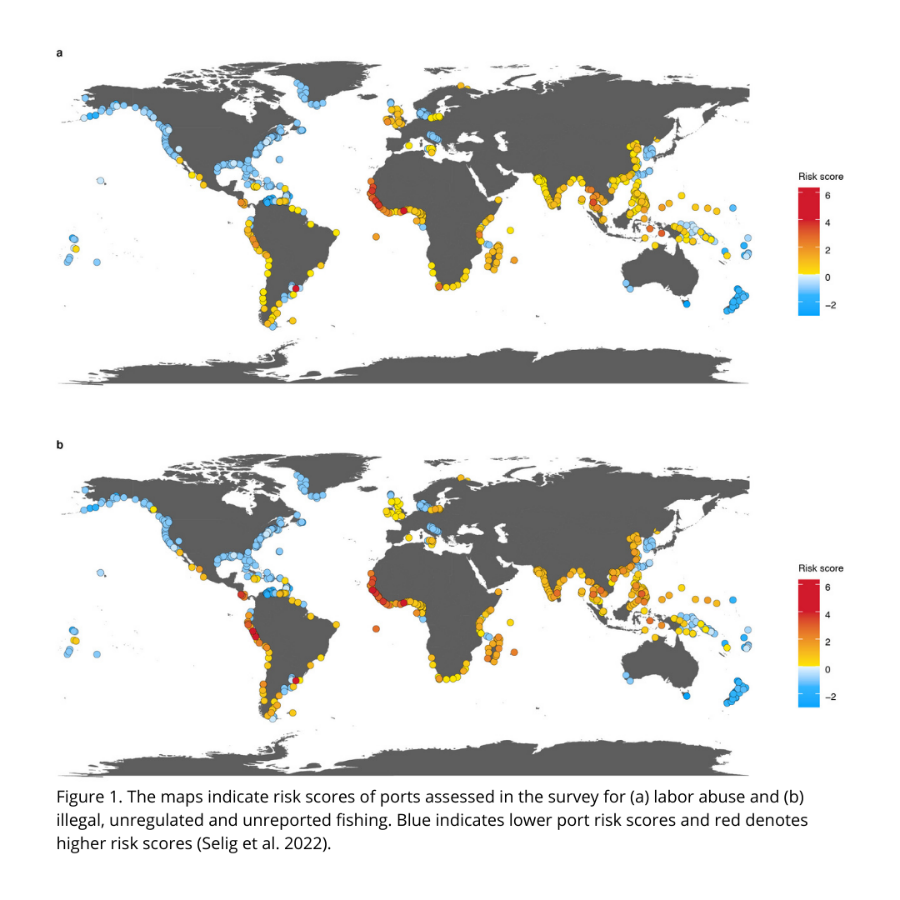
Our paper shows that the Port State Measures Agreement (PSMA), a global agreement to end #IUUFishing, has made it harder for foreign vessels to land catches where they are not subject to PSMA monitoring. We highlight ways to strengthen its impact: 1/ tinyurl.com/yfx5t2hb
1
1
3
217
9 Sep 2025
Our results indicate that similar port state measures for domestic fleets fishing in international waters and effective implementation of PSMA will become increasingly key to fighting IUU fishing. 7/
1
2
14
9 Sep 2025
I am grateful for my incredible group of co-authors who brought their expertise in fisheries, statistics, data science, social science, policy, and law to this work! 8/
ALT Photo credit: Danielle Barnes
1
22
Elizabeth Selig retweeted

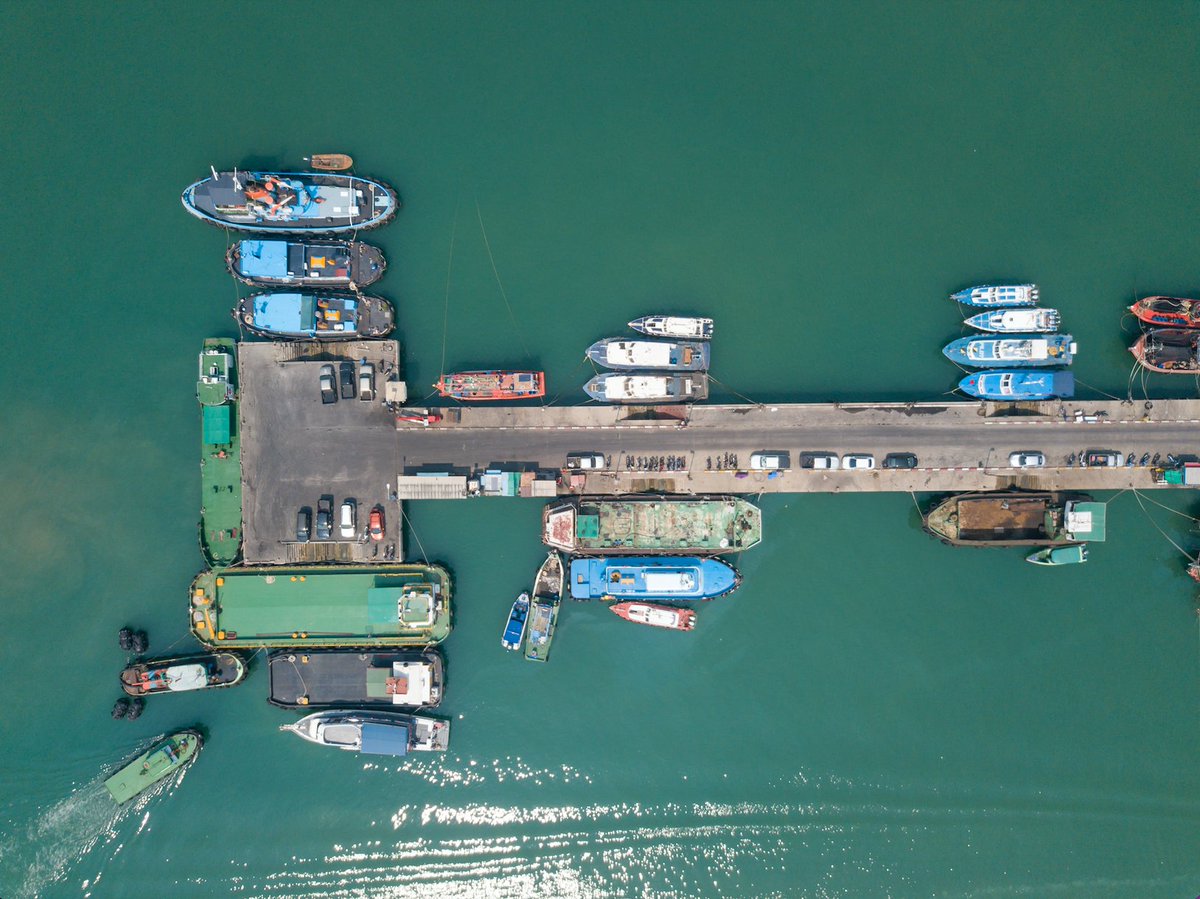
#NewPaper in @ScienceAdvances finds that domestic fishing vessels account for the majority of port visits around the world. Comprehensive inspections at port for both foreign and domestic fishing fleets are a key deterrent for #illegalfishing.
🔗stanford.io/45LXlB2
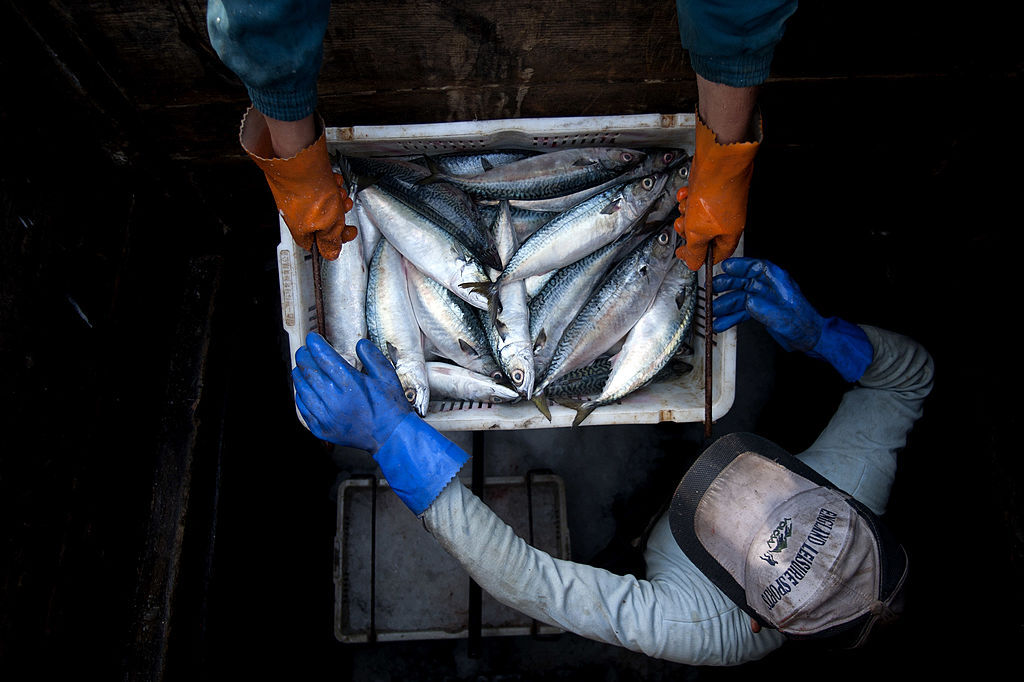
ALT Hong Wu/Getty Images
2
2
475
27 Aug 2025
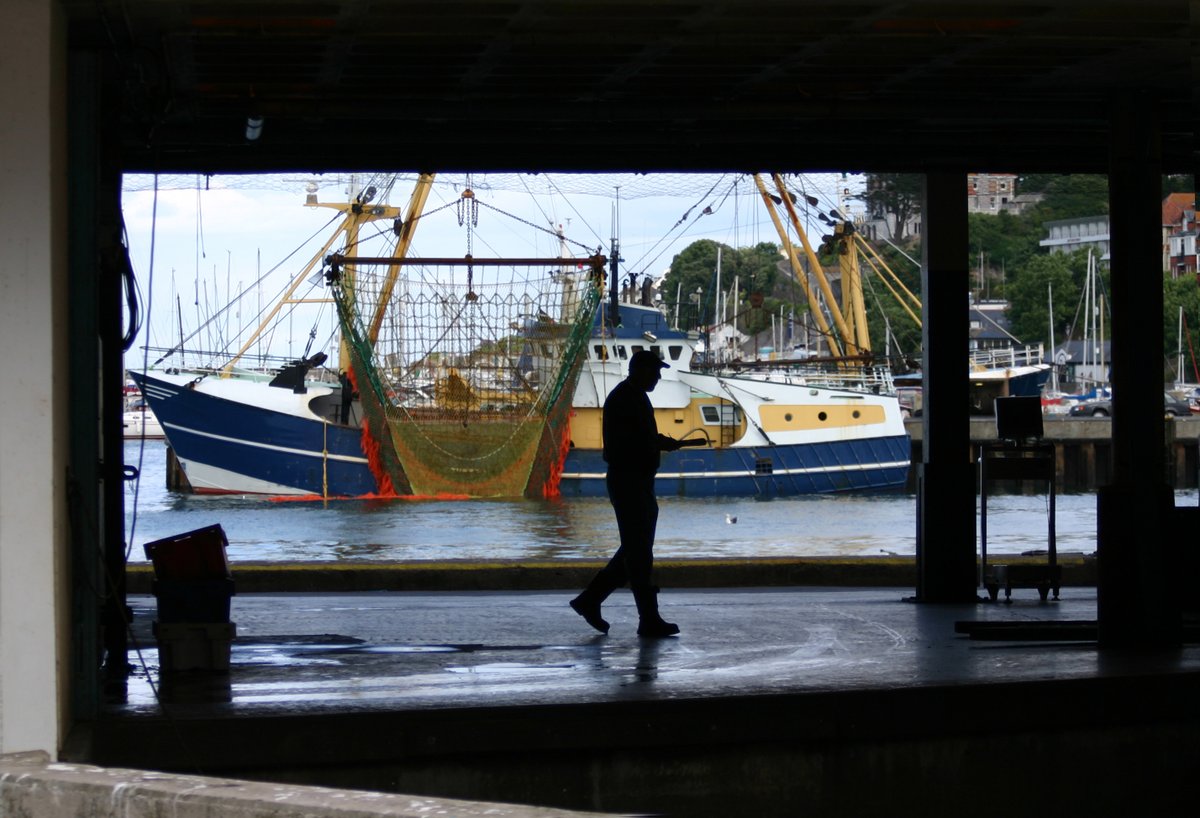
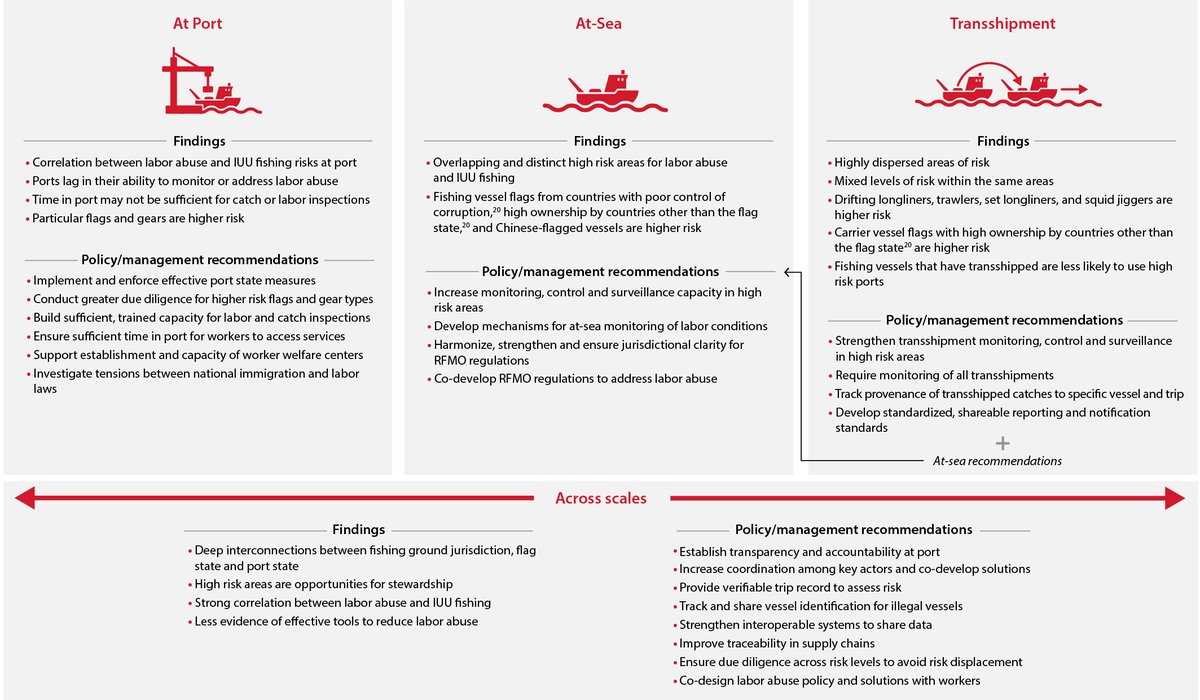
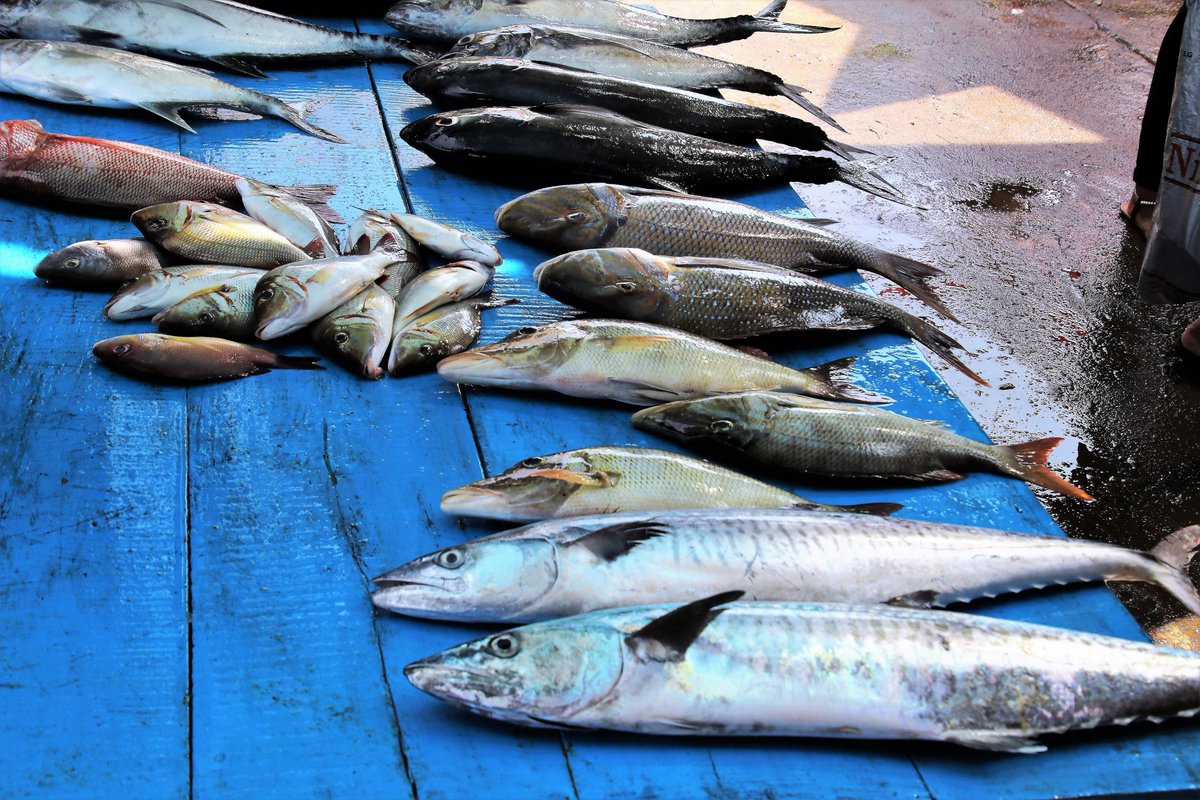
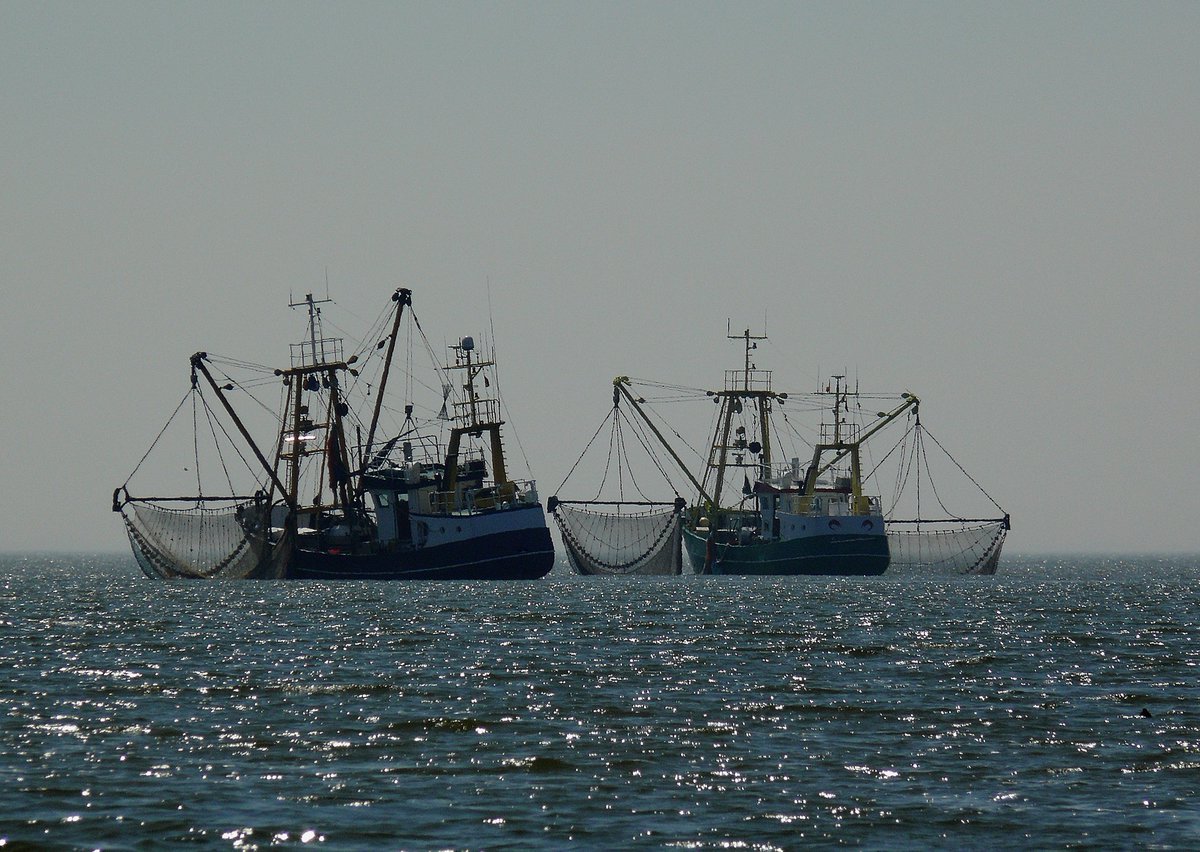
As climate change pushes fish stocks to new places, temperature, rainfall, waves, and storms will impact fishers' health and well-being, especially as they embark on potentially longer journeys to catch the same amount of fish. More in our new paper: tinyurl.com/yc669f8p
1
3
246
27 Aug 2025
Tracking shifting stocks may also change the rules that govern fisher safety and opportunities for them to seek recourse and remedy as they move across jurisdictions.
1
1
11
27 Aug 2025
I am grateful to have learned and worked with experts in human rights, labor, fisheries, occupational safety and health, and climate science on this project.
1
10
Elizabeth Selig retweeted
#HIRING ALERT: Two @oceansolutions roles now open! We're looking for a postdoctoral fellow focused on illegal fishing and an administrative associate to join our team.
Learn more ➡️ stanford.io/4dKn6DU
@StanfordWoods @stanforddoerr
5
8
521
Elizabeth Selig retweeted

29 Jul 2024
🐟🌡️ "If we do make a change, we can rapidly recover and minimise the impacts of warming."
– @elhazen, @NOAA
Failing to keep warming to below 3C could mean a 30% decline in catchable fish in many countries, @FAOfish study suggests.
✍️ @regina_ltc
loom.ly/qBgVlc8
2
1
239
Elizabeth Selig retweeted
Women represent ~1/2 of the fisheries workforce, yet their contributions are undervalued.
8 national reports (with more on the way) highlight opportunities to increase gender equity in the fisheries sector ➡️ bit.ly/3OeQBEv
#InternationalWomensDay2024
📷 Alli Cutting
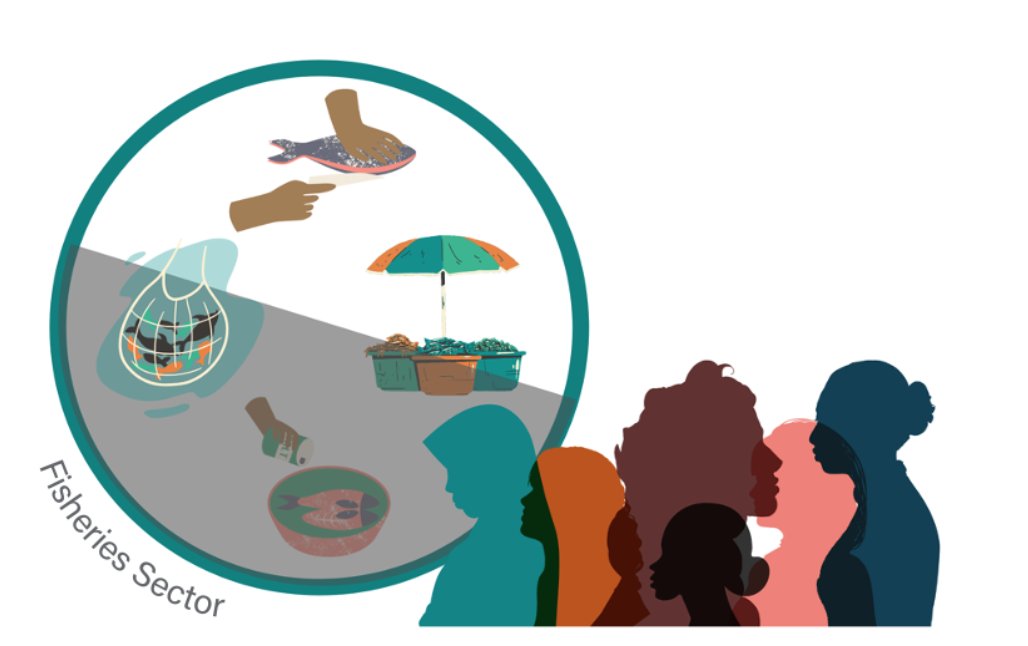
ALT A graphic shows 6 overlapping silhouettes of women and abstract illustrations of their various contributions to the fisheries sector, such as harvesting, processing, and preparation. Graphic created by Alli Cutting on Canva.
9
9
927
Elizabeth Selig retweeted
In the latest Currents newsletter, you'll find:
📸 A snapshot from our Blue Food Policy Lab
🌈 Research on diversity in ocean sciences
🐟 Recommendations for policy design
🙂 A postdoctoral fellow opportunity
Read & subscribe ⤵️
mailchi.mp/oceansolutions/wi…
📷 Andrew Brodhead
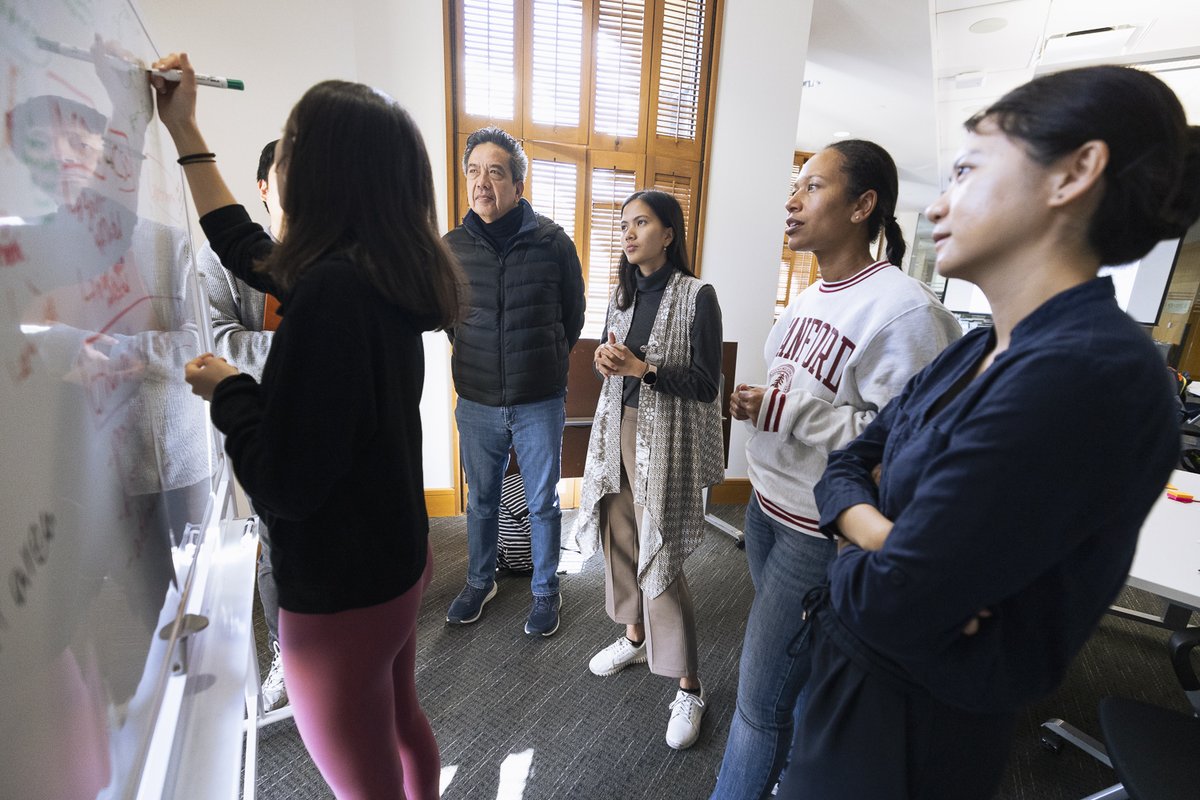
ALT Four students and one project partner gather around a whiteboard in the Stanford Law School as part of a brainstorming exercise about fisheries and aquaculture. One student maps out ideas on the board. Photo credit: Andrew Brodhead.
3
6
636