410 Photos and videos







Ellen retweeted

13 Dec 2025
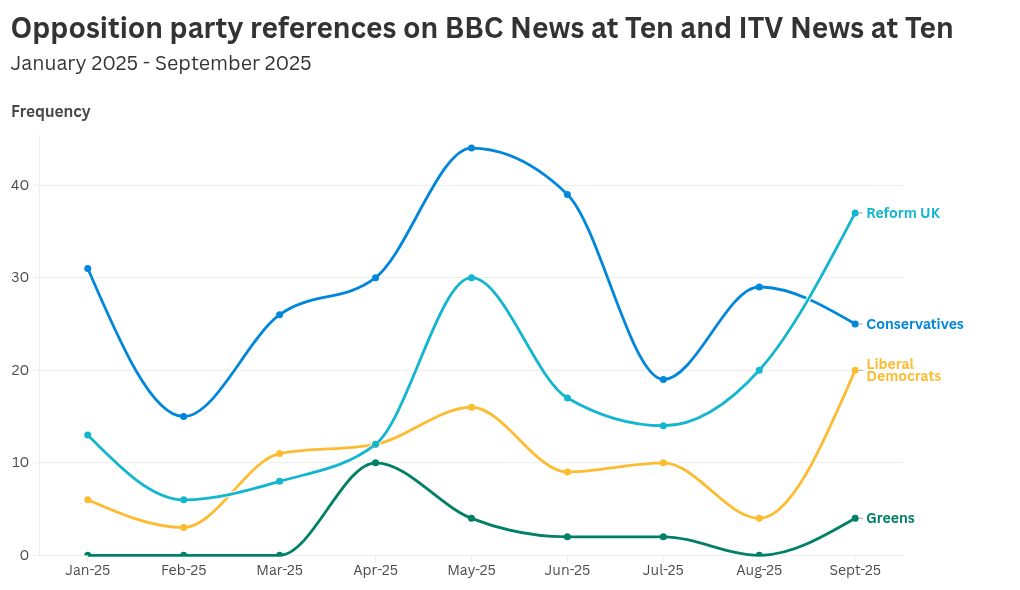
How the BBC & ITV give disproportionate coverage to Farage & Reform: hard evidence from a serious study. BBC & ITV now give Reform more coverage than the Conservatives, more than the Lib Dems & nine times the Greens. Superb research from @Stephen_Cushion.
enhancingimpartiality.com/bl…
96
1,630
2,945
86,894


Ellen retweeted

8 Mar 2025
This International Women’s Day, let’s remember that there is an abundance of men hounding us out of our jobs, institutions, political parties, clubs, cafés, shelters, and spaces—for saying what a woman is. And plenty of women and men who join in the bullying or give it a pass.
3
50
228
6,663
Ellen retweeted

20 Mar 2025
Happy Spring Equinox from Cambridge 🌸
On the first official day of Spring, here's the famous Yoshino Cherry tree in the @CUBotanicGarden.
Explore spring events 👉 botanic.cam.ac.uk
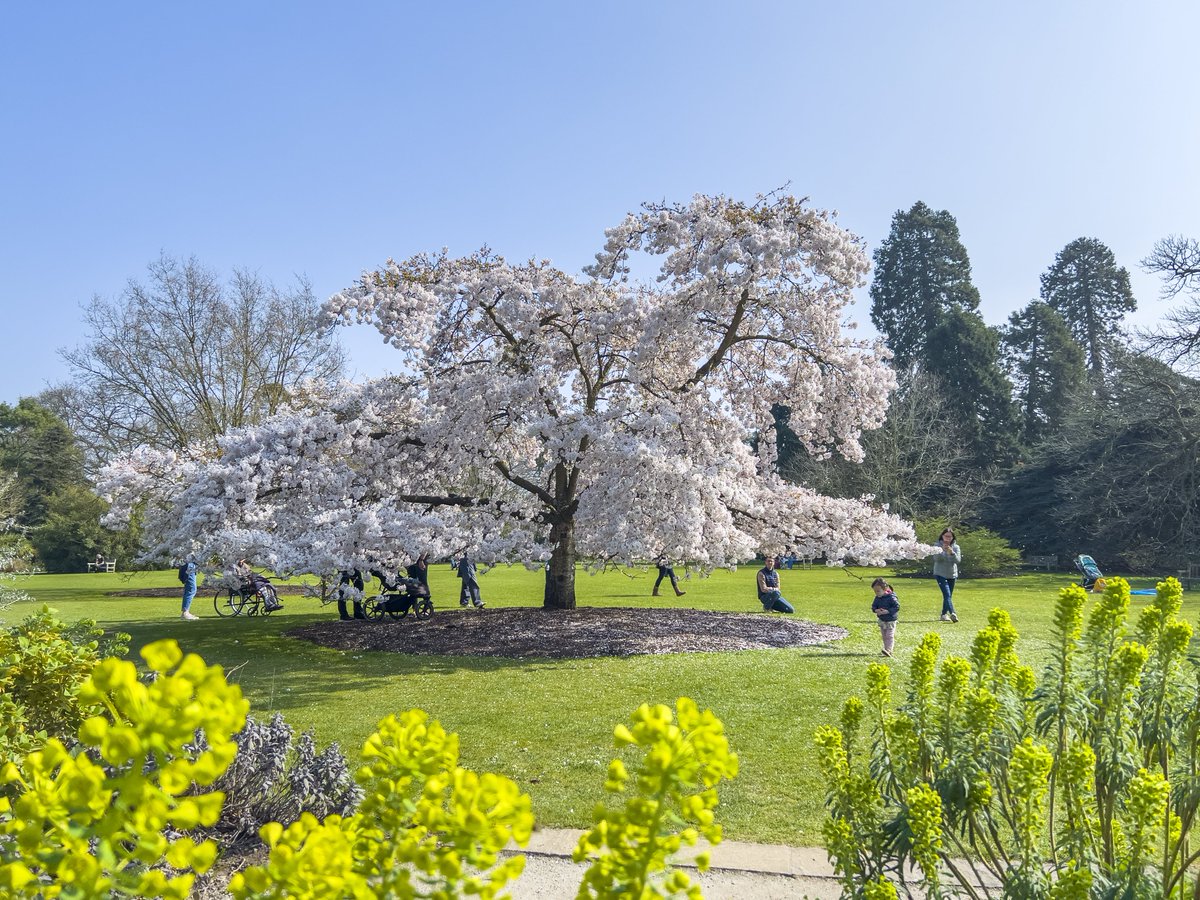
ALT The Yoshino Cherry in bloom on a bright spring day in the Cambridge University Botanic Garden
10
128
689
27,712
Ellen retweeted

8 Mar 2025
People are losing their jobs. Prices keep climbing. Measles continues to spread. Bird flu is raging. Veterans are getting fired. The stock market is a roller coaster. Our alliances are being shattered. Ukrainian civilians are getting bombed by Russia.
Donald Trump is golfing.
3,252
11,476
41,516
757,550
Ellen retweeted

7 Mar 2025
Here's Trump basically saying that he deliberately allows russia to bomb Ukraine and kill Ukrainians to force us to 'settle.'
I don't even know how to comment on this.
5,830
9,106
33,297
1,406,414
Ellen retweeted

23 Jan 2025
The pieces for men and women include a trenchcoat that can be taken off while seated and hidden access points for stomas and insulin pumps
positive.news/society/primar…

8
29
3,223

Ellen retweeted

12 Dec 2024
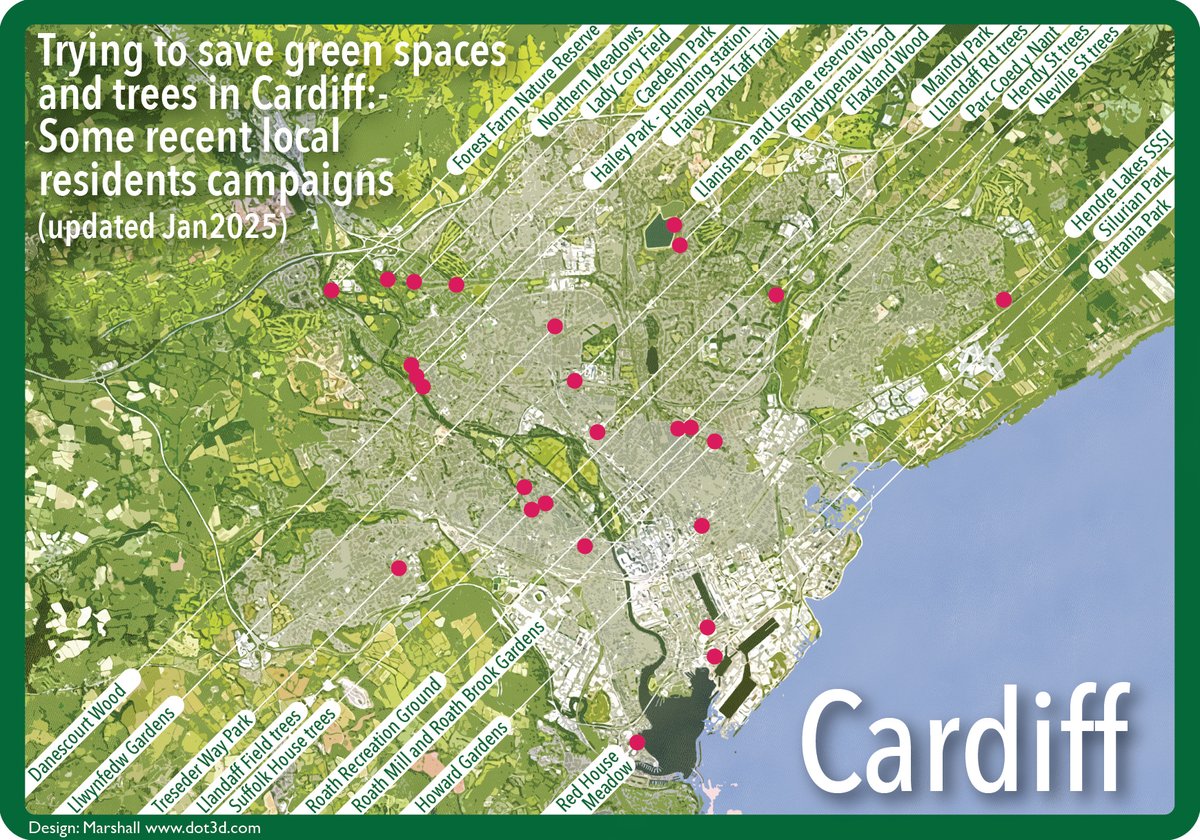
No alternative to flattening our green spaces for unaffordable new build homes ? There is ! Read the briefing and send it to your MP . We need HomesForEveryone.org
@Keir_Starmer @AngelaRayner @SteveReedMP @MaryCreagh_
128
564
1,158
56,995
Ellen retweeted
7 Dec 2024
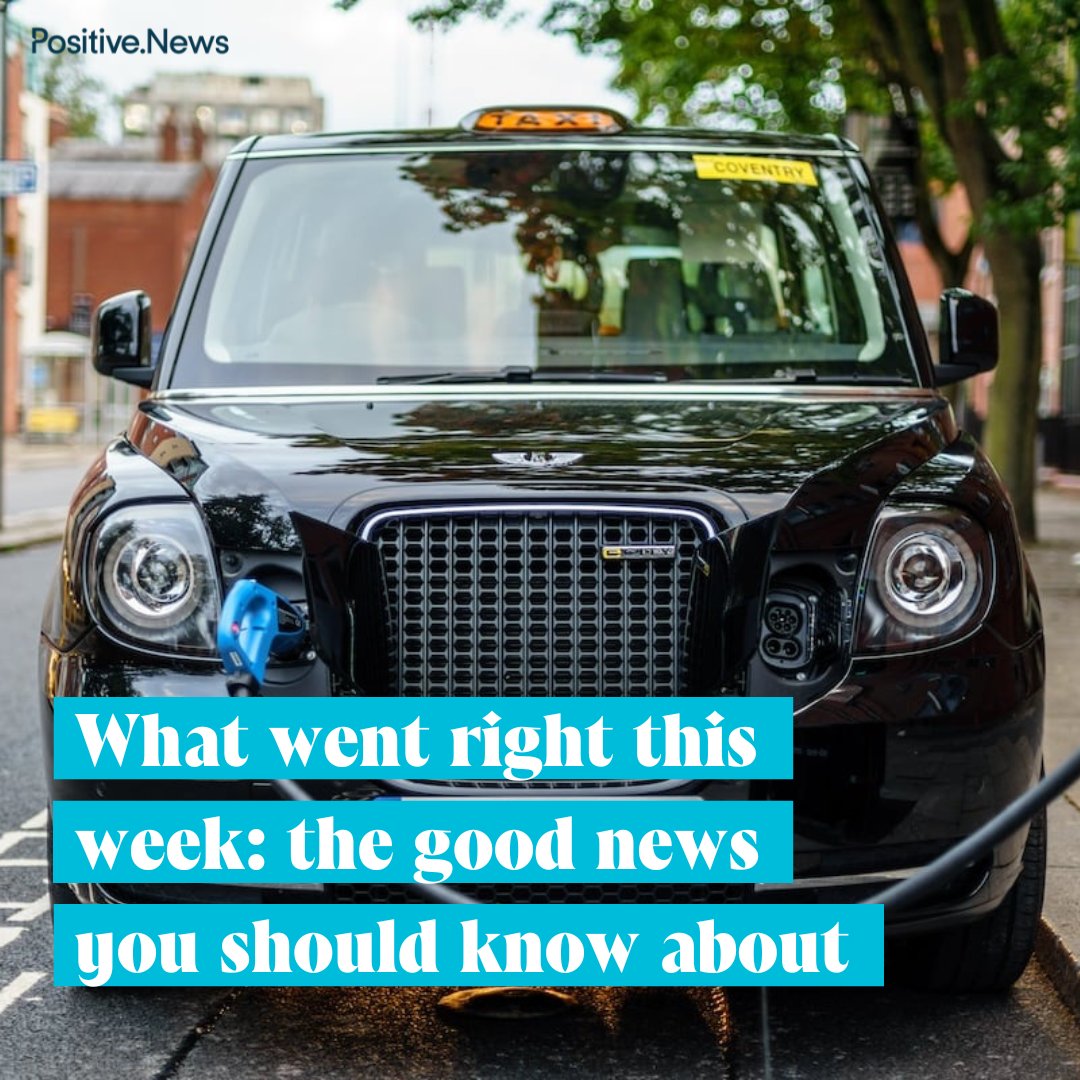
Sex workers in Belgium won full employment rights, Namibians voted in their first female president, and a dog was trained to sniff out a deadly tree disease, plus more
positive.news/society/good-n…
1
6
11
1,684
Ellen retweeted

"A Wrinkle in Time" author Madeleine L’Engle, born on this day in 1918, on creativity, the meaning of hope, and how to get unstuck themarginalian.org/2014/12/1…
2
3
2,192
Ellen retweeted

25 Nov 2024
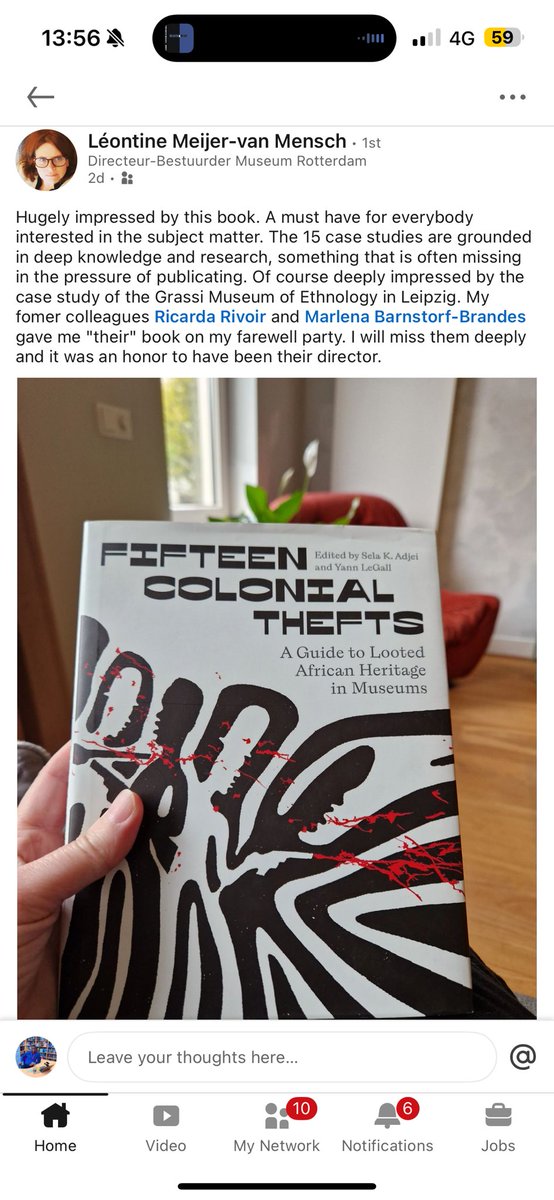
This is a must read : no lies an essential text for those grappling with African cultural heritage objects and ancestors in museums “acquired” as function of colonial violence. Extremely proud to have contributed a co-written chapter in this timely book. Thanks Leo!
18
57
1,930
Ellen retweeted

11 Oct 2024
Western sisters, imagine being lashed 74 times just for your choice of clothing! That’s the reality for Roya Heshmati in Iran- she faced brutal punishment simply for refusing the compulsory hijab. Let this remind us: our freedoms are not universal. We must not turn away! #WomanLifeFreedom #RoyaHeshmati

759
9,973
35,819
7,941,323

Save the Green Corridor! Cambourne to Cambridge – bus lane not busway - Sign the Petition! chng.it/PW4tc4Xdvh via @UKChange
1
37
Ellen retweeted

12 Nov 2024
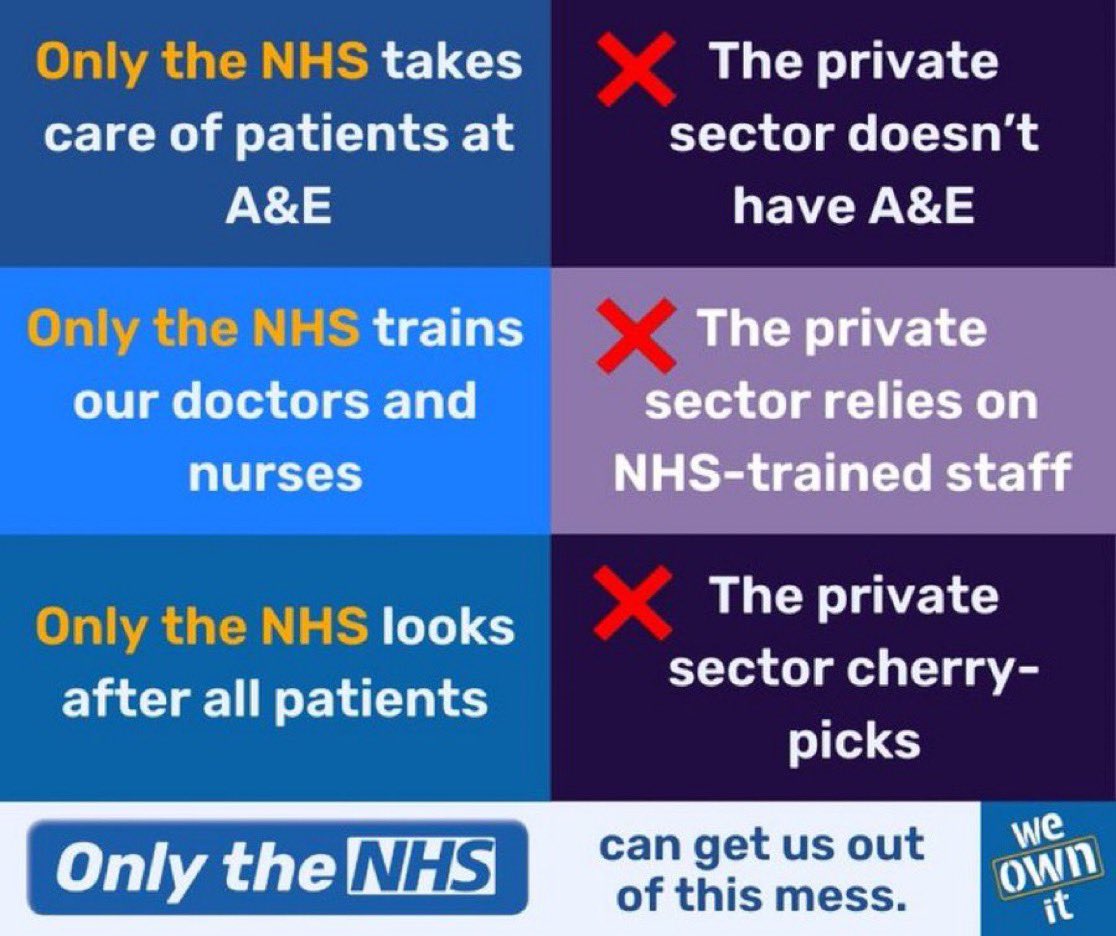
A lot of politicians would have you believe that handing over parts of the NHS to private providers is our only option
But…
* Only the NHS takes care of patients at A&E
* Only the NHS trains our doctors and nurses
* Only the NHS looks after all patients
106
1,271
2,216
81,976
Ellen retweeted

6 Nov 2024
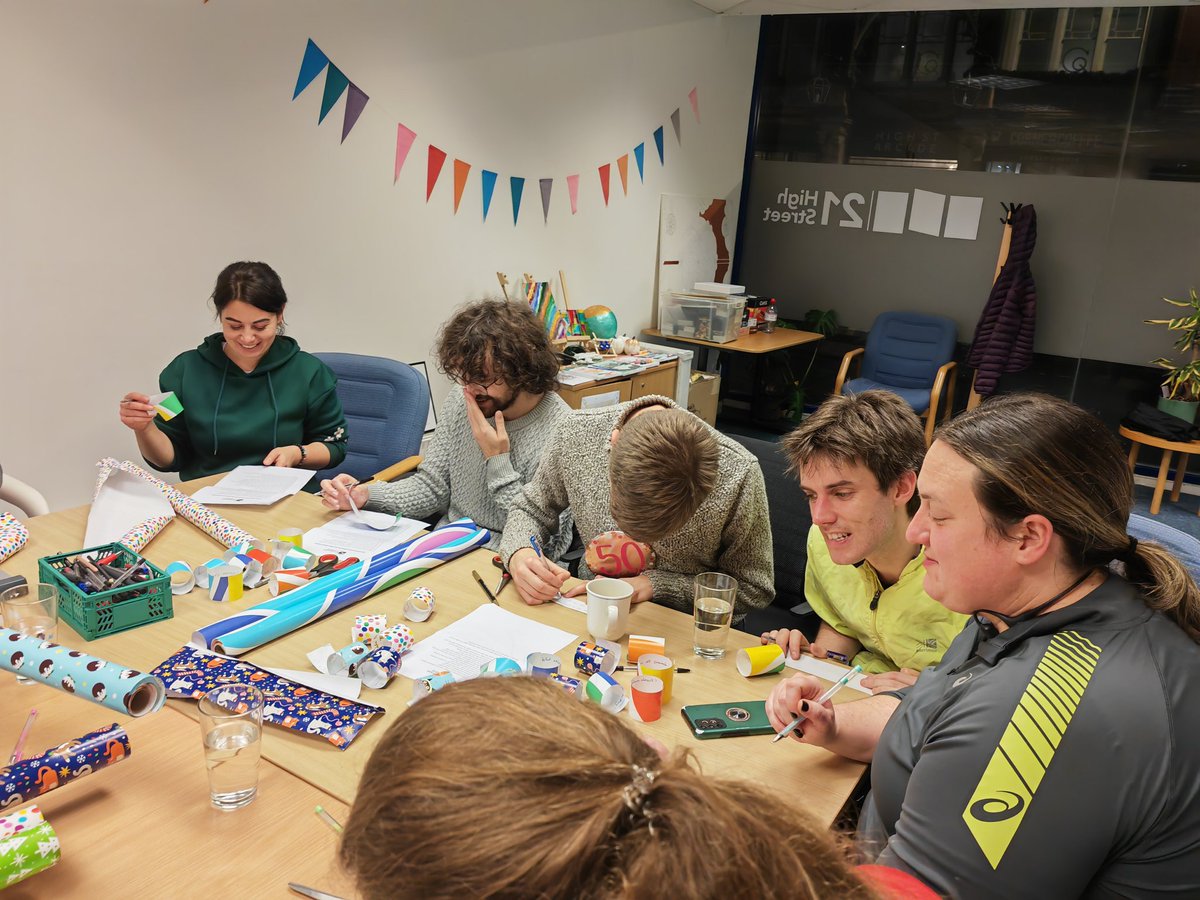
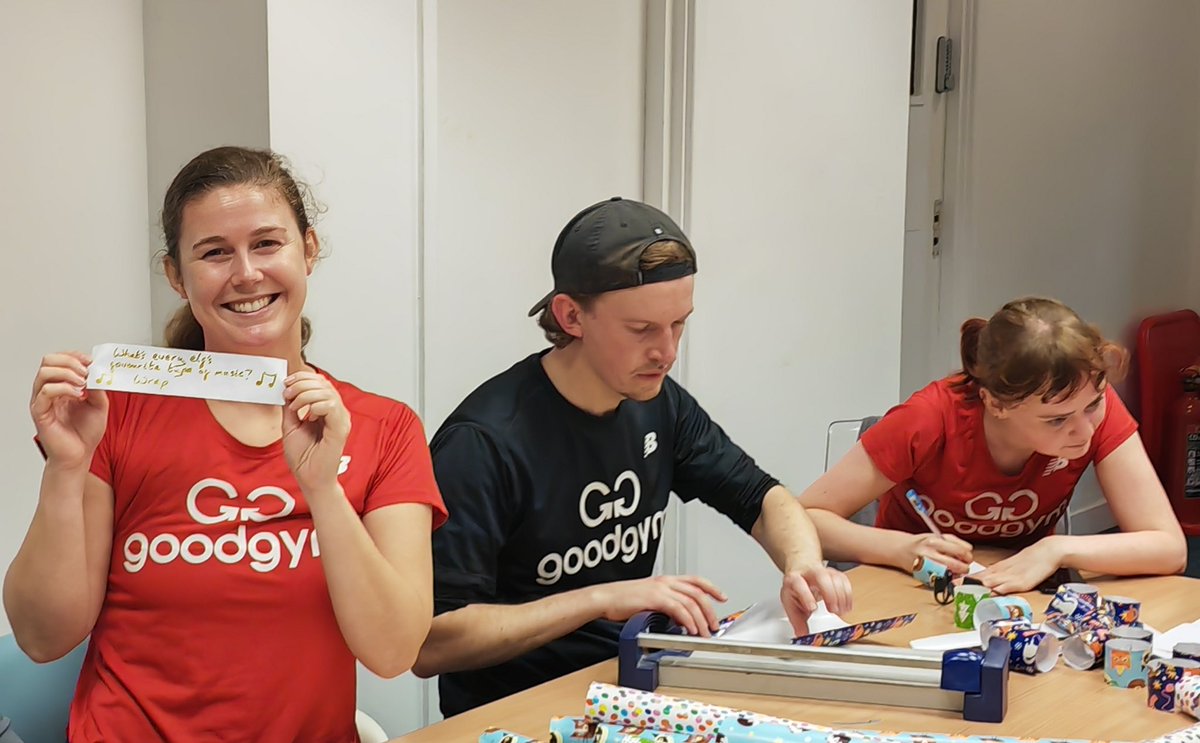
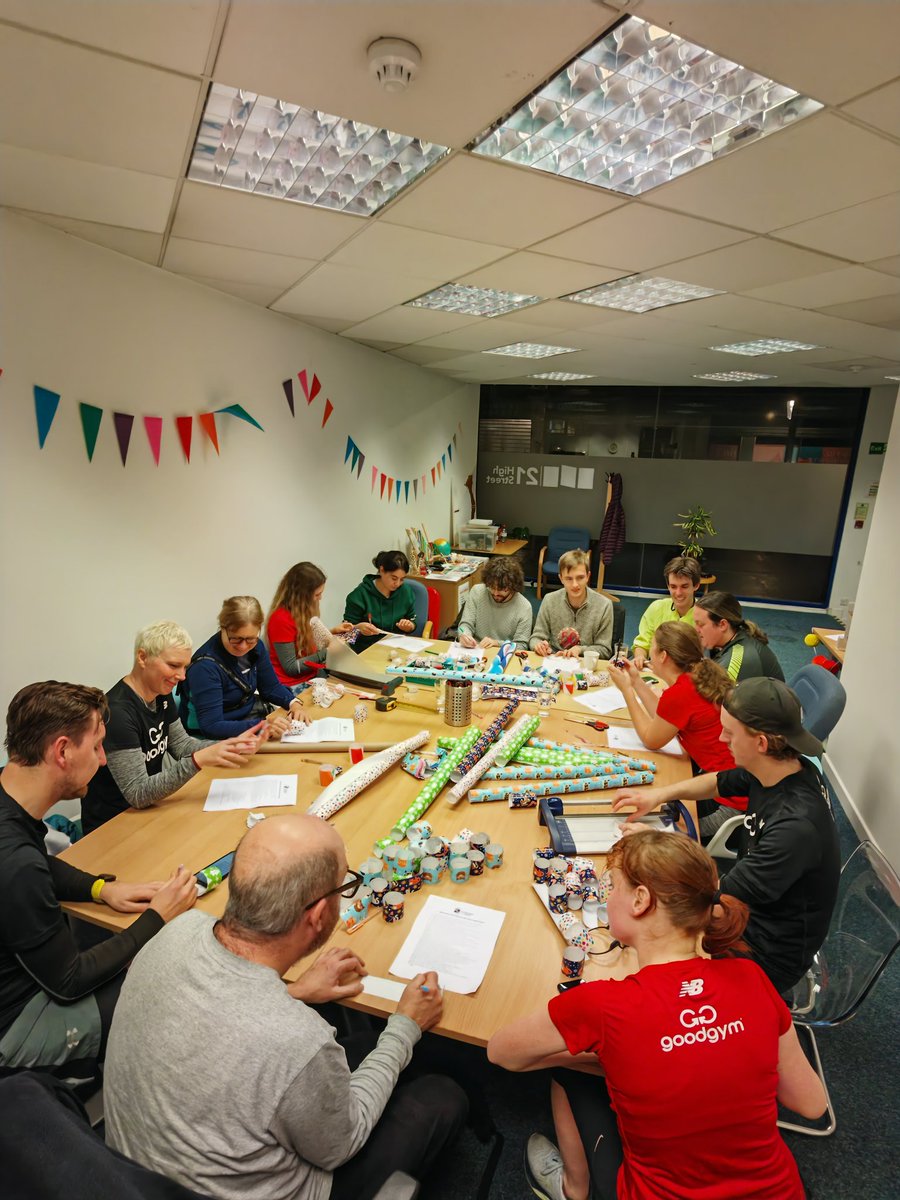
Great first crafty eve after our run, @Xmas4CAMHS thanks to Autism Spectrum Connections Cymru for letting us use their 9ffice space. Great to see charity's helping each other. ❤️

4
10
758
Ellen retweeted

8 Nov 2024
Ireland's Parliament officially passes a motion declaring Israel is committing genocide in Gaza.
The facts on the ground are becoming very difficult to deny, when will the Labour government finally change its position on Gaza, and take some decisive action?!
8 Nov 2024

BREAKING:
Ireland's parliament officially passes a motion declaring that Israel is committing genocide in Gaza.

21
228
492
15,334
Ellen retweeted

8 Nov 2024
Spain refused docking permission to two U.S. cargo vessels carrying weapons for Israel.

922
10,571
71,478
1,078,601
Ellen retweeted

6 Nov 2024
“Life becomes more peaceful when you truly understand and embody the idea that you can’t keep stressing over what’s beyond your control. Life will happen, and people will do and say what they want. All you can do is focus on what you can change and let the rest be.” @VexKing

4
200
814
37,015
Ellen retweeted

2 Nov 2024
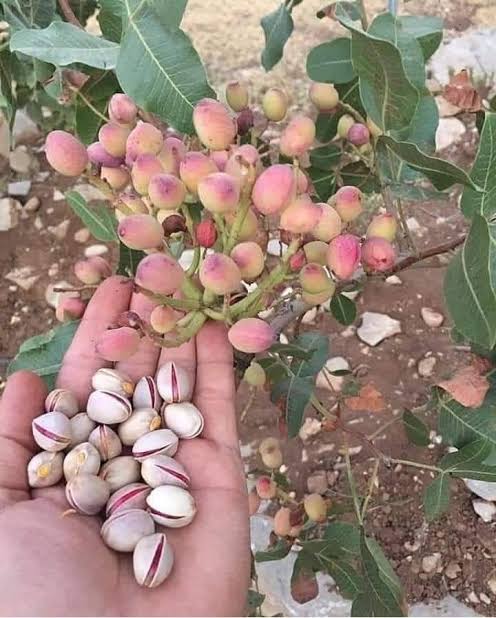
The original homelands of 'Pistachio' were Asia Minor (now Türkiye), Iran, Syria, Lebanon and a bit north to Caucasus in southern Russia and Afghanistan. Archeologists found evidence of pistachios in a dig site at Jerome, near northeastern Iraq, from as early as 6750 BC. Hanging gardens of Babylon were said to have contained pistachio trees during reign of King Merodach-Baladan, 700 BC.
Pistachios are one of only two nuts mentioned in 'Old Testament', that is thought to have been assembled in 5th Century BC. According to Herodotus (484-425 BC), Pistachio cultivation was the part of Persian Culture, around 4000 years old tradition.
“Then their father Israel said to them, “If it must be, then do this: Put some of the best products of the land in your bags and take them down to the man as a gift, a little balm and a little honey, some spices and myrrh, some pistachio nuts and almonds.” - Genesis 43:11
Pistachios are believed to have been one of the foods Adam brought to earth and grew in the Garden of Eden.
Legend has it that Queen of Sheba decreed pistachios an exclusively royal food, going so far as to forbid commoners from growing the nut for personal use. Nebuchadnezzar, king of Babylon, had pistachio trees planted in his fabled hanging gardens. And in 1st Century AD, Emperor Vitellius debuted this prized nut in his capital city of Rome. Apices, Rome’s Julia Child of the period, mentions pistachios in his classical cookbook but did not include any of the recipes in which he used them. The nuts traveled from Syria to Italy in 1st Century AD, and spread throughout Mediterranean from there. Persians used the pistachio abundantly, not only for desserts, but also in ground-up form to thicken and enhance sauces. Arabs learned a few culinary secrets from Persians and included pistachios in their dessert delicacies such as Baklava, a rich treat made from buttered phyllo dough alternately layered with nuts and bathed in sweet syrup after baking. They were vital travel items for early explorers and traders. This was probably due to the pistachio’s exceptional nutritional value and extensive storage life. They were frequently carried by travelers across ancient Silk Road that connected China with West.
Alongside Crusades, Levant trade in Middle Ages was also widespread. Venetian Republic had close trade ties with Syria, one of main cultivation areas for pistachio. Goods reached northern and central Italy via sea trade routes. North of Alps, pistachio remained unknown for a long time. Upon reaching central Europe, it was called “Latin Penny Nut” because of its introduction from Italian sales route, over Alpine passes.
By the time pistachios were imported into Europe on a regular basis, they were quite expensive and not everyone could afford them. However, despite their high cost, merchants of France had an ample supply for anyone willing to splurge on green wonders. While pistachio was used early on, in various ways for cooking in Italy, north of Alps it was used primarily as an expensive addition to baked goods. Only after WWII did pistachio image gradually change from an expensive baking additive to a popular snack.
During 1880s, imported pistachios were popular in USA, especially with Middle Eastern immigrants. California encountered pistachio in 1854 CE, when Charles Mason, a seed distributor for experimental plantings, brought the pistachio to this country. Several years later, in 1875 CE, a few small pistachio trees imported from France were planted in Sonoma, California.
In early 1900’s Chico, California, became home of first experimental Plant Production Station. Funded by USDA, this station brought in a variety of pistachio trees. Pistachio received further distribution through vending machines installed in underground train stations, bars, restaurants, and other common locations. “A dozen for a nickel” soon developed into a familiar slogan.
#archaeohistories
7
135
764
53,374