
Im Zweifelsfalle sprich die Wahrheit (Mark Twain) Fakten / Meinung / Zeitgeist #wissenschaft #politik #ezigaretten #harmreduction #optimist #MehrWirWenigerIch
Joined December 2013
- Tweets 5,141
- Following 211
- Followers 284
- Likes 3,648
871 Photos and videos




Pinned Tweet

17 Jan 2020
ZEIT FÜR FAKTEN
E-ZIGARETTEN sind die beste Option zum Tabak Stopp!
#ezigaretten #endlichrauchfrei
3
78
56
Jun 10
Thanks @GrimmGreen 🙏
Janine ist ein Beispiel von Millionen von Menschen weltweit, welche dank der E-Zigarette den Rauchstopp endlich geschafft haben. Glückwunsch Janine!
#EzigaRETTENleben
3
7
38
1,200
Jun 10
🔬⚠️ Eine viel zitierte Studie, die einen Zusammenhang zwischen E-Zigaretten und Lungenerkrankungen herstellen wollte, wurde zurückgezogen.
Ein wesentlicher Kritikpunkt: Die untersuchten Dampfer waren überwiegend ehemalige oder aktuelle Raucher mit teils langjähriger Tabakkarriere. Treten in dieser Gruppe Lungenerkrankungen auf, ist es naheliegend, dass diese durch das Rauchen verursacht wurden – nicht durch das spätere Dampfen.
Genau solche methodischen Schwächen können zu irreführenden Ergebnissen führen. Die aktuelle Rücknahme zeigt: Peer Review ist wichtig, aber keine Garantie für fehlerfreie Forschung.
❗ Schlechte Studien verzerren die öffentliche Debatte.
❗ Alarmierende Schlagzeilen bleiben oft hängen – selbst wenn die Forschung später korrigiert wird.
❗ Gerade bei E-Zigaretten braucht es eine sachliche Diskussion auf Basis belastbarer Wissenschaft.
#vaping #wissenschaft #harmreduction #ezigarette
clearingtheair.eu/en/post/se…
1
4
13
322
Jun 10
Die Medien haben gestern breitflächig über eine Studie aus Korea berichtet.
Die Clickbait Headlines übertraffen sich:
„Nach Rauchstopp – E-Zigaretten verdoppeln Lungenkrebsrisiko“
Zur richtigen Einordnung der Studie und welchen wissenschaftlichen Wert diese Studie wirklich hat bzw. welche statistischen Schwächen diese aufweist, empfehle ich den Medien diesen Artikel zu lesen.
⬇️⬇️⬇️⬇️⬇️⬇️⬇️⬇️⬇️⬇️⬇️⬇️
snowdon.substack.com/p/how-v…
1
4
315
Peter Engelmann retweeted

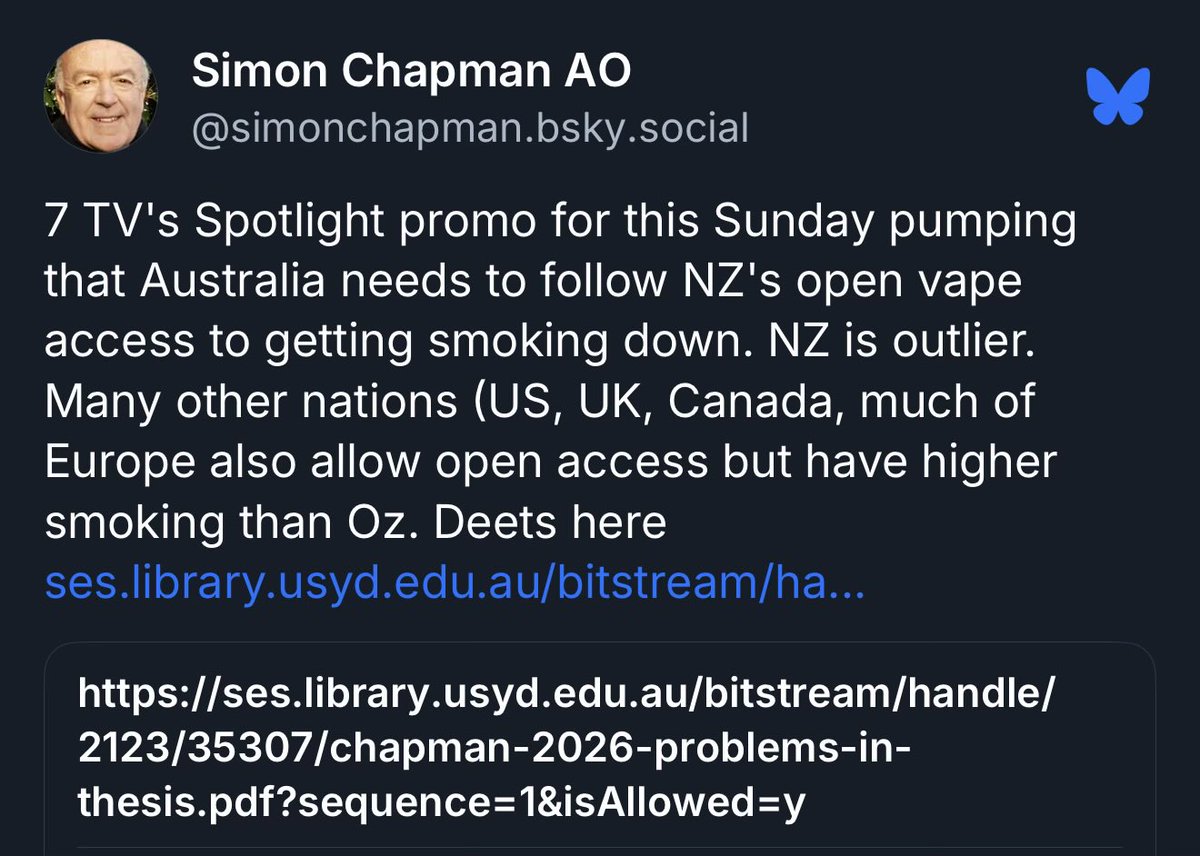
Simon Chapman keeps repeating the same argument: New Zealand is an outlier, therefore vaping cannot be responsible for its rapid decline in smoking.
But that’s not the question many people are asking.
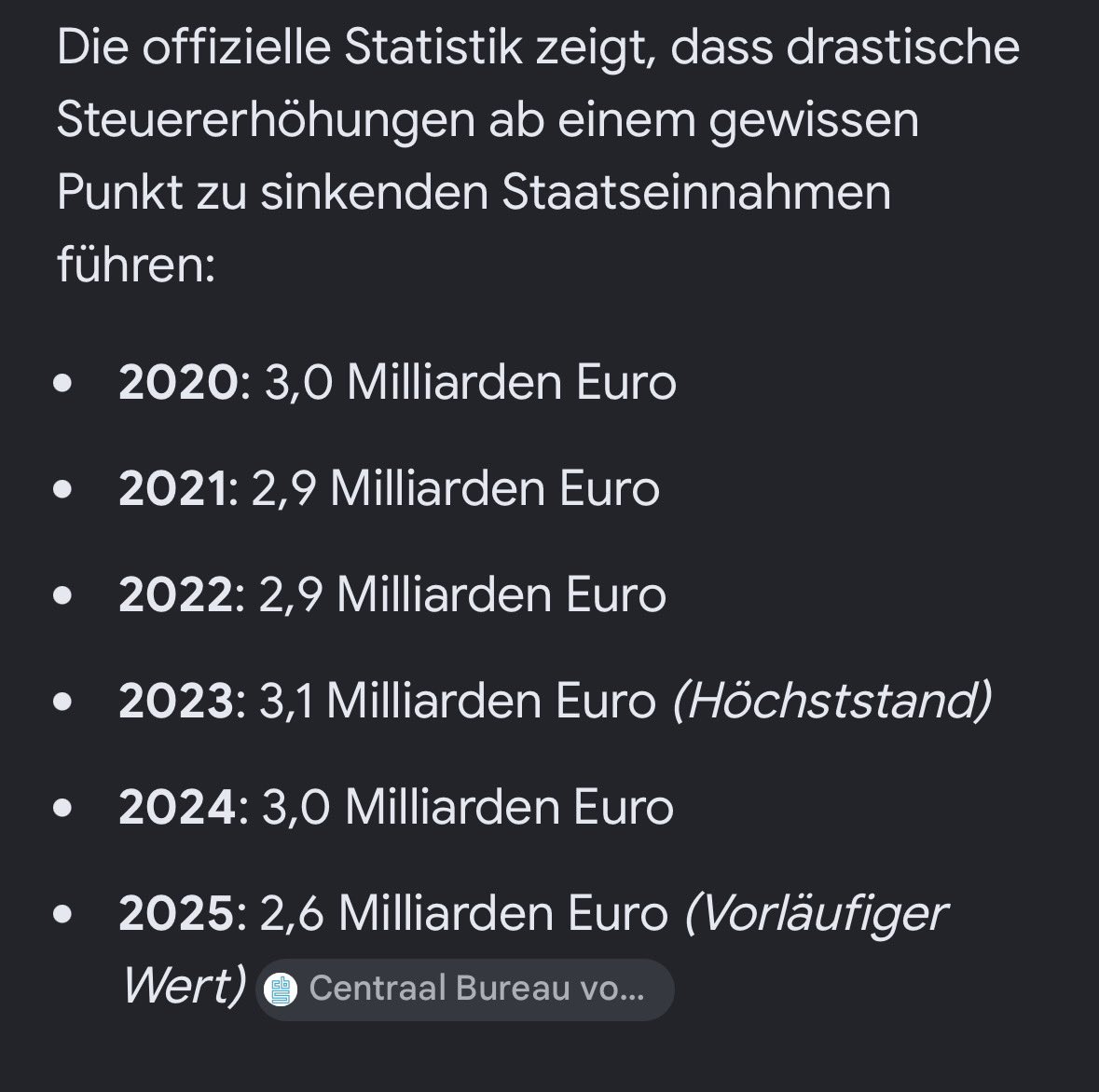
The question is why New Zealand experienced one of the fastest declines in smoking after embracing a regulated consumer vaping market, while Australia chose a prohibition-style pharmacy model and is now grappling with a booming illicit nicotine market, collapsing tobacco excise revenue, widespread illegal vape sales, and concerns that smoking rates may be rising again.
Simply pointing to countries like the US, UK or Canada and noting they have higher smoking rates than Australia ignores important context. These countries started from different baselines, have different demographics, different tobacco control histories, and different social factors influencing smoking. Public health outcomes are rarely explained by a single variable.
More importantly, Australia’s smoking success largely predates the pharmacy-only model. The relevant question is not why Australia had low smoking rates in the past. It’s whether current policies are delivering the outcomes they promised.
When legal access becomes more restrictive but illegal access remains widespread, when former vapers report returning to cigarettes, and when organised crime profits from nicotine prohibition, it seems reasonable to ask whether the policy is working as intended.
Instead of engaging with those questions, critics are often dismissed as industry shills, ideologues, or members of some mythical “vaping theology”.
Public policy should not be a faith-based exercise. It should be judged by outcomes.
And right now, the outcomes deserve far more scrutiny than Simon Chapman appears willing to give them.
13
12
42
1,091
Jun 10
Es ist immer wieder erstaunlich, welchen Unsinn in Interviews gegenüber den Medien verbreiten!!!!
Werte Frau Natascha Sommer…
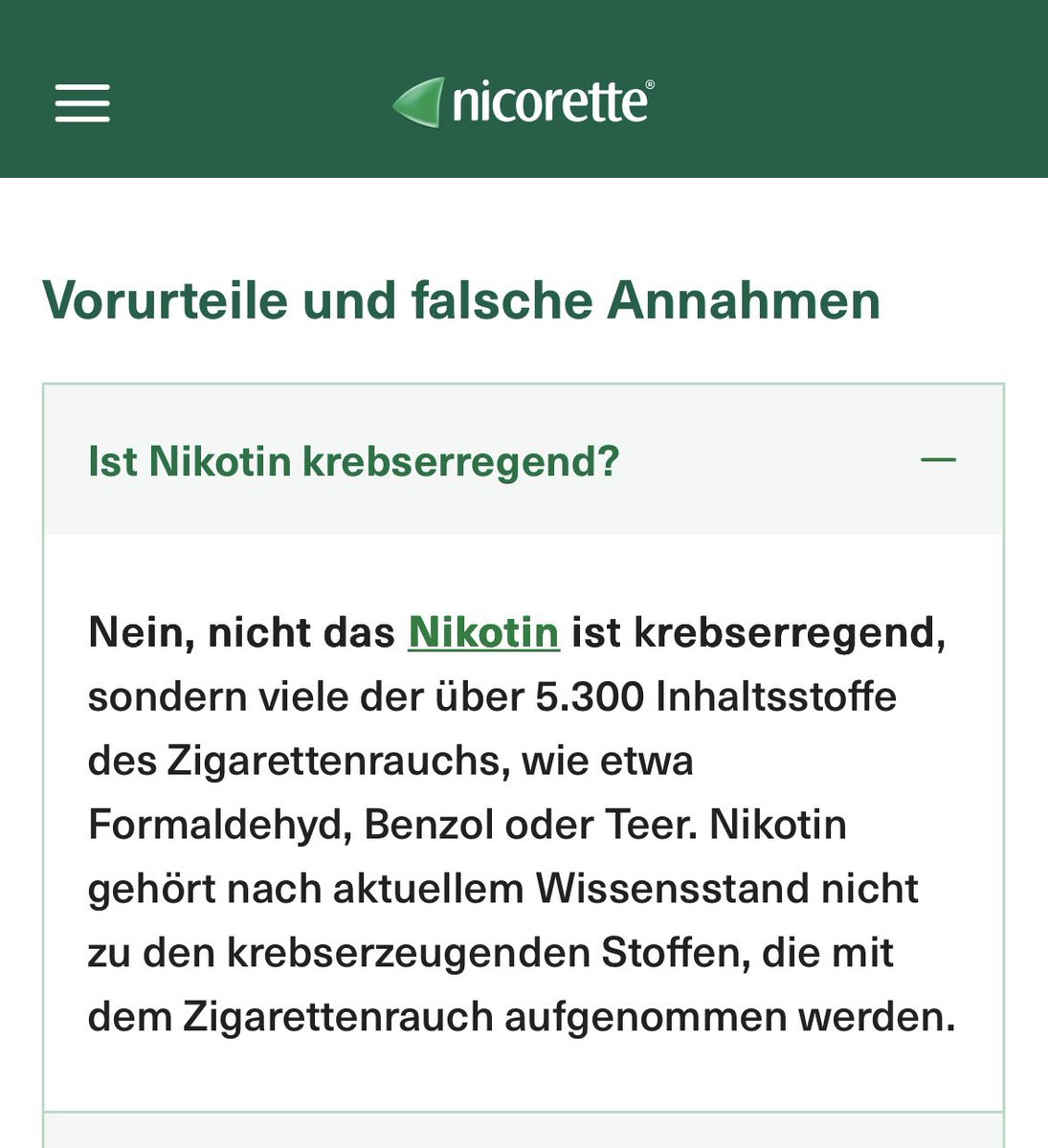
Nein…Nikotin ist nicht karzinogen
Punkt!
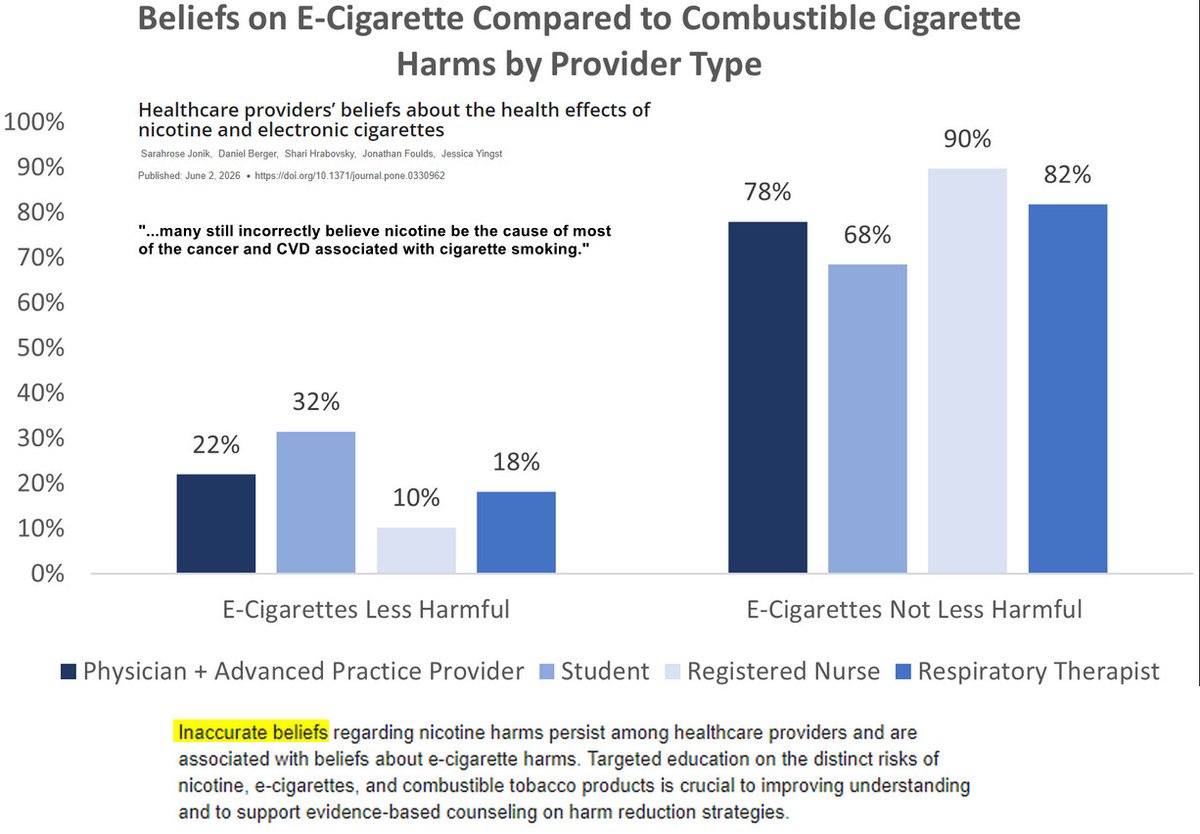
Aber Sie sind in guter Gesellschaft, denn 80% der Ärzte glauben den Mythos, dass Nikotin karzinogen ist.
Das Zitat stammt aus dem Interview beim MDR.
mdr.de/wissen/medizin-gesund…
7
3
39
4,609
Dem Australischen Gesundheitsministerium gefällt offensichtlich die Wahrheit nicht und blendet reihenweise kritische Kommentare aus.
@healthgovau
Sorry, aber dies ist einfach nur erbärmlich!!!! Das Wort „peinlich“ wäre hier nicht angemessen.
⬇️⬇️⬇️⬇️⬇️⬇️⬇️⬇️⬇️⬇️

Vaping is harmful to your health and nicotine is highly addictive. Quitting can be tough but there is support available.
Knowing the facts about vaping can help you support a young person to quit.
💻health.gov.au/vaping
#JoinTheThousandsQuitting
Community note
Australian Government health page omits critical comparative evidence:
gov.uk/government/pub…
rcp.ac.uk/policy-and-cam…
kcl.ac.uk/news/vaping-su…
Nicotine without combustion — no more harmful to health than caffeine
web.archive.org/web/2025071109…
ncbi.nlm.nih.gov/pmc/articles/P…
ash.org.uk/uploads/ASH-ev…
Cochrane gold-standard review — outperforming NRT and medications
cochranelibrary.com/cdsr/doi/10.10…
umass.edu/public-health-…
Australia's policy — independently criticised
onlinelibrary.wiley.com/doi/10.1111/ad…
who.int/europe/publica…
onlinelibrary.wiley.com/doi/10.1111/ad…
1
3
9
204
Peter Engelmann retweeted

The Albanese government is facing renewed pressure to adjust its approach to tackling the illicit tobacco market as new data shows a shocking drop in excise revenue and a huge uptake in illegal products.
skynews.com.au/australia-new…
23
16
41
3,631
Peter Engelmann retweeted
Australia's illegal tobacco control has been branded a “global laughing stock” as data reveals the country’s black market trumps dozens of other nations.
skynews.com.au/australia-new…
33
49
193
17,298
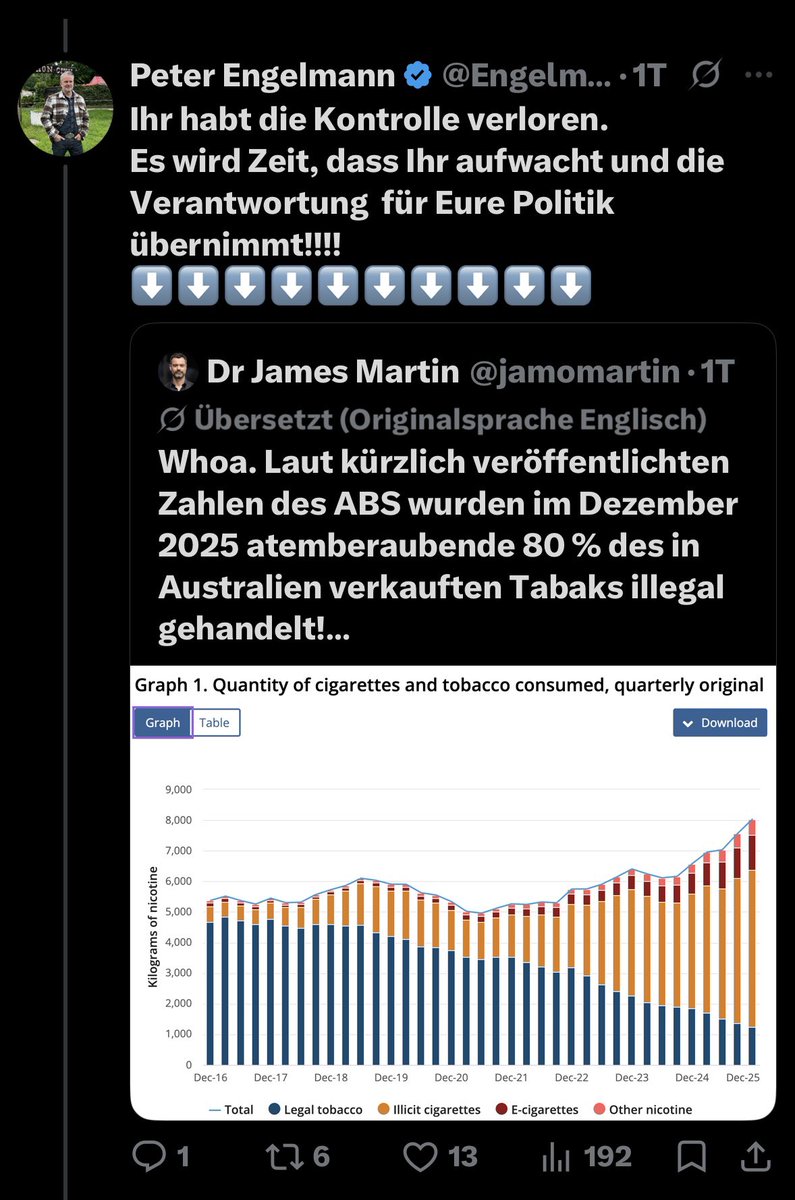
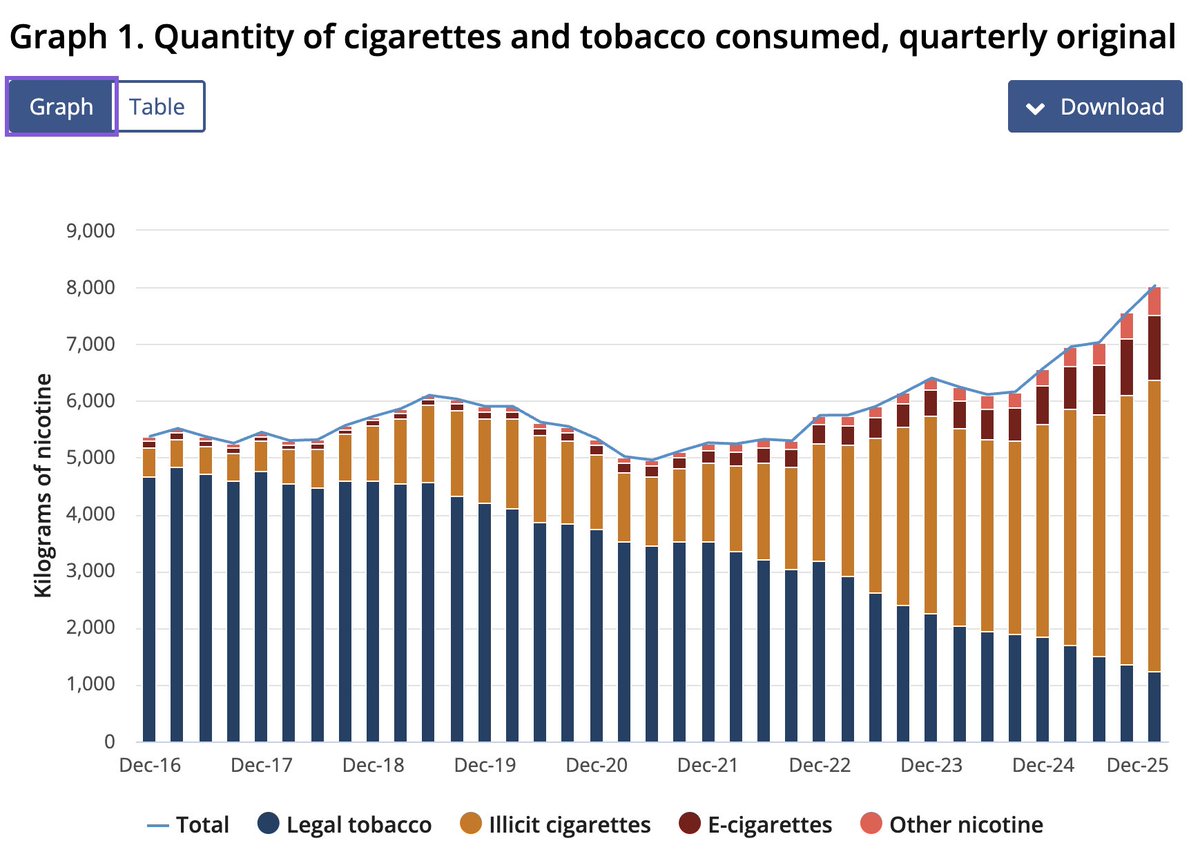
Wer jetzt noch die Tabakkontroll Politik in Australien feiert und als Vorbild für die ganz Welt empfiehlt, hat bei allem Respekt den Schuss nicht mehr gehört!!!!
Tabakkonsum 80% Schwarzmarkt
E-Zigaretten 95% Schwarzmarkt
Die Politik in Australien sollte sich schämen!
Unter der Überschrift: „Wir müssen die Kinder schützen“,
habt Ihr genau das Gegenteil durch Eure kontraproduktive Politik erreicht. Die Kids sind jetzt Freiwild für den Schwarzmarkt.
@BDB_offiziell
@cducsubt
@spdbt
@GrueneBundestag
@dieLinke
@bundesrat
4
11
285
Peter Engelmann retweeted

Jun 3
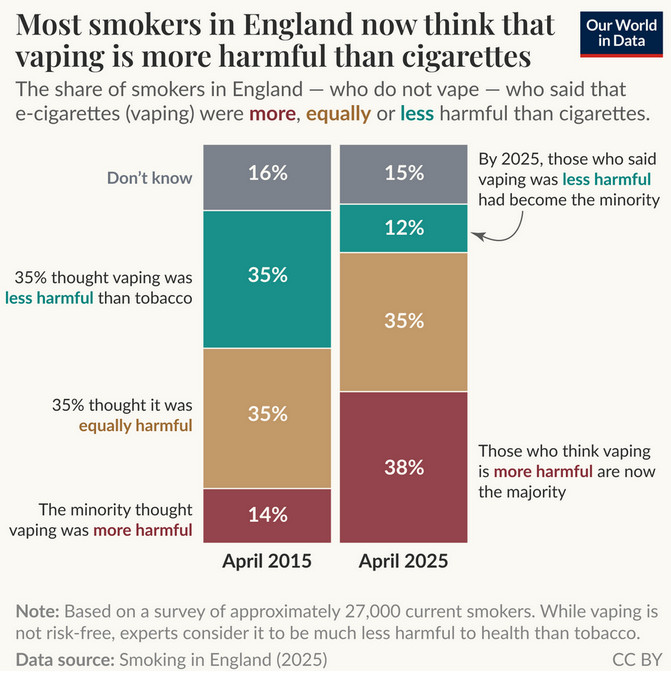
Näin sitten pääsee käymään, kun hoetaan samoja valheita tarpeeksi kauan. Tupakkakontrollin tuhoisa disinformaatiomylly pyörinyt jo vuosikymmeniä. Hinnan maksavat tupakoivat kansalaiset sairastumalla vakavasti ja kuolemalla ennenaikaisesti.
1
5
9
187
Mein Kommentar unten habe am 11.12.2024 geschrieben….
An der Aktualität hat sich leider nichts geändert.
Die Medien sind voll mit Desinformationen, Junk Science, Dramatisierungen etc.
Der Schwarzmarkt explodiert weltweit.
Das Bloomberg Phil. Netzwerk mit seinen Sprechpuppen #WHO #ABNR #DGP #ProRauchfrei etc etc leisten ganze Arbeit.
In der Zwischenzeit sterben weiter unnötig Menschen (erwachsene Raucher) an den Folgen des Tabak Zigaretten Konsums. Denen wir mittels Harm Reductionen hätten helfen können. Aber nein, die Politik fällt leider immer wieder auf die Desinformationen herein und verabschiedet kontraproduktive Gesetze/Verbote!
Fakt ist!
#EzigaRETTENleben
⬇️⬇️⬇️⬇️⬇️⬇️⬇️⬇️⬇️
11 Dec 2024

Fazit:
Frau Schaller…
wir wissen eigentlich nicht viel…
wir wissen nicht ob es evtl. krebserregend sein kann…
Wir haben keine Langzeitstudien….
Passivdampf enthält auch Schadstoffe….
Es taugt nicht zur Rauchentwöhnung, weil es ein Lifestyle Produkt ist
und und und
Schon etwas peinlich Frau Schaller, wissenschaftliche Seriösität schaut anders aus.
Das DKFZ beschäftig sich seit 2008 (seit fasst 16 Jahren!) mit der E-Zigarette und damals kam schon Frau Pöntschke Langer mit den selben inhaltslosen Thesen.
Warum gab es vom DKFZ bisher keine eigenen Langzeitstudien?
Warum werden Studienwerte der Schadstoff Konzentrationen nicht wahrheitsgemäß in Medienberichten dargestellt (Formaldehyde, Nitrosamine etc)
Warum wird dabei verschwiegen, dass diese Verbindungen auch beim normalen Stoffwechsel im menschlichen Körper produziert werden.
Warum zitiert Frau Schaller nicht beim Thema Raucherentwöhnung die Studienlage bei Cochrane, wo die E-Zigarette deutlich besser abschneidet als die NRT Produkte der Pharma Industrie und das Chantix/Champix von Pfizer nicht besser ist als der Placebo Effekt und trotzdem in der S3 Leitlinie empfohlen wird.
Warum fordert Frau Schaller nicht die Bundesregierung und die Länder auf, mehr gegen den Schwarzmarkt vorzugehen. Warum fordert sie nicht stärkere Kontrollen des Verkaufsverbot an Minderjährige und harte Sanktionen bei Vergehen.
Aromen werden von ihr als gefährlich eingestuft, weil wir nicht wissen wie diese wirken!
Ich weiss auch nicht ob meine 3fache Corona Impfung in 20 oder 30 Jahren sich evtl doch als gefährlich für meinen Körper auswirken könnte und ich evtl deswegen in 20 Jahren an Krebs erkranke.
War es vielleicht deshalb ein Fehler das ich mich habe 3fach mit dem mRNA Impfstoff habe impfen lassen.
Nein. Ich habe mich richtig entschieden, weil es eine Risiko Nutzen Abwägung zu diesem Zeitpunkt war.
Genau darum geht es eine Risiko-Nutzen-Abwägung.
Rauche ich weiter Tabakzigaretten und mache weiterhin jedes Jahr erfolglose Rauchstopp Versuche mit den bisherigen NRT Konzepten.
Oder ich nutze die Chance der E-Zigarette als deutliche Schadensminimierung.
Also der Vergleich Tabak Zigarette versus E-Zigarette.
Frau Schaller laut der DEBRA Studie ist der Anteil an Rauchstopp Versuchen auf ein Allzeit Tief gefallen.
Genau diese Desinformation in den Medien, wie Ihr Interview sowie die kontraproduktive Propaganda des DGP und des ABNR in den Medien ist Schuld daran.
Wieviel Menschen müssen noch an den Folgen des Tabakkonsums sterben, bis Ihr ALLE mal aufwacht und begreift, dass Eure Desinformation mehr Schaden anrichtet als Nutzen.
Fakt ist!
#ezigaRETTENleben
4
4
152
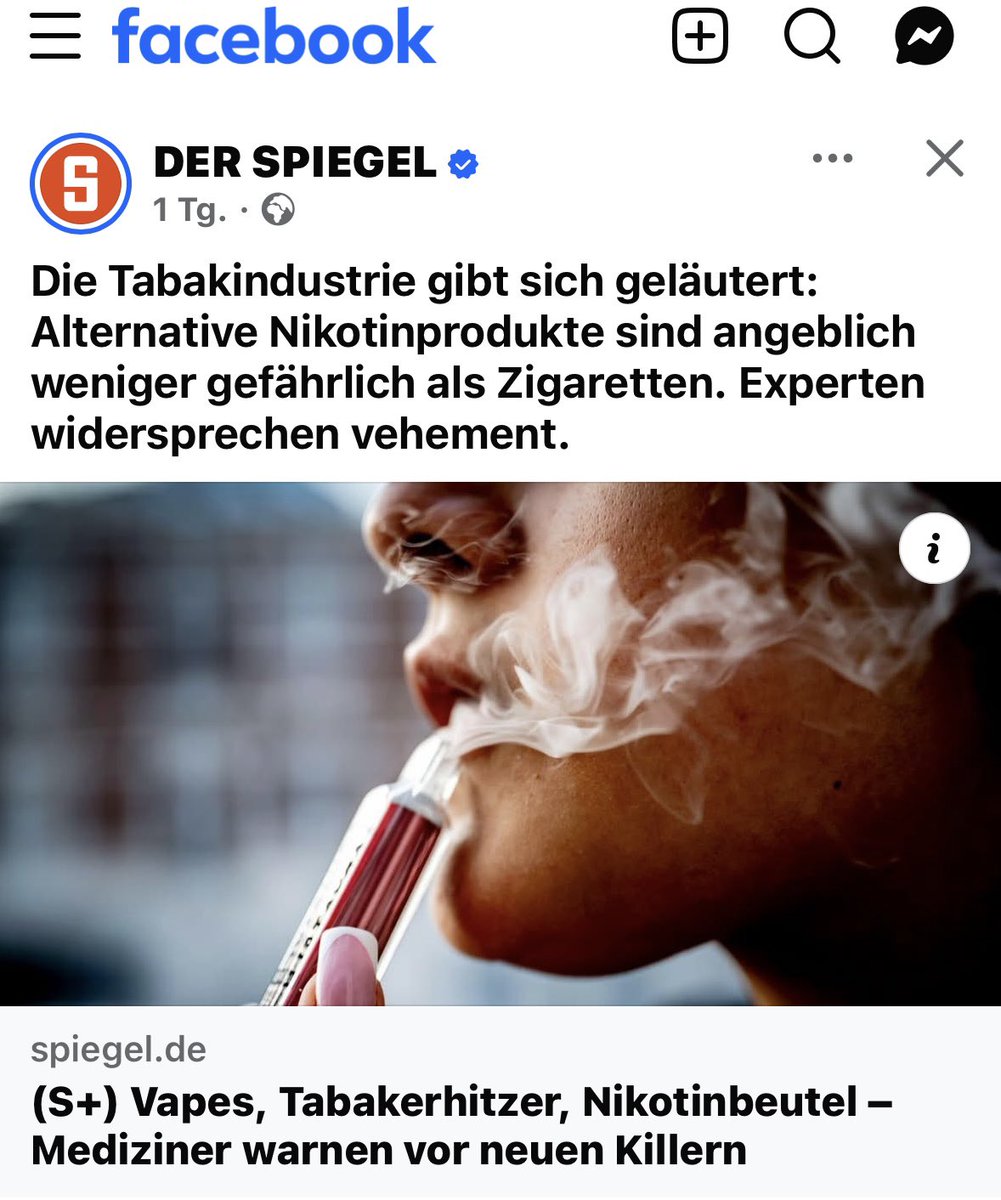
Jetzt bewirbt der @derspiegel auch noch auf Social Media diesen Artikel. Statt die aus wissenschaftlicher Sicht und gemäß Presse-Kodex eher fragwürdigen Headline zu löschen!!!!
„….Mediziner warnen vor neuen KILLERN“
Für wieviel Geld von Bloomberg Phil. hat der Spiegel seine Journalistische Moral verkauft.
Wer sich statt dessen zum Thema seriöse informieren möchte sollte dies lieber bei COCHRANE tun
@CochraneTAG , statt bei der neuen YellowPress @derspiegel .
Der Spiegel hatte früher einmal ein besseres Niveau, aber die Zeiten sind wohl seit Clickbait Hetzjagt vorbei.
#spiegelNiveauLos
May 31
Hallo Herr Marco Evers @MarcoEversHH vom @derspiegel
Was soll diese Headline?!!!!!!
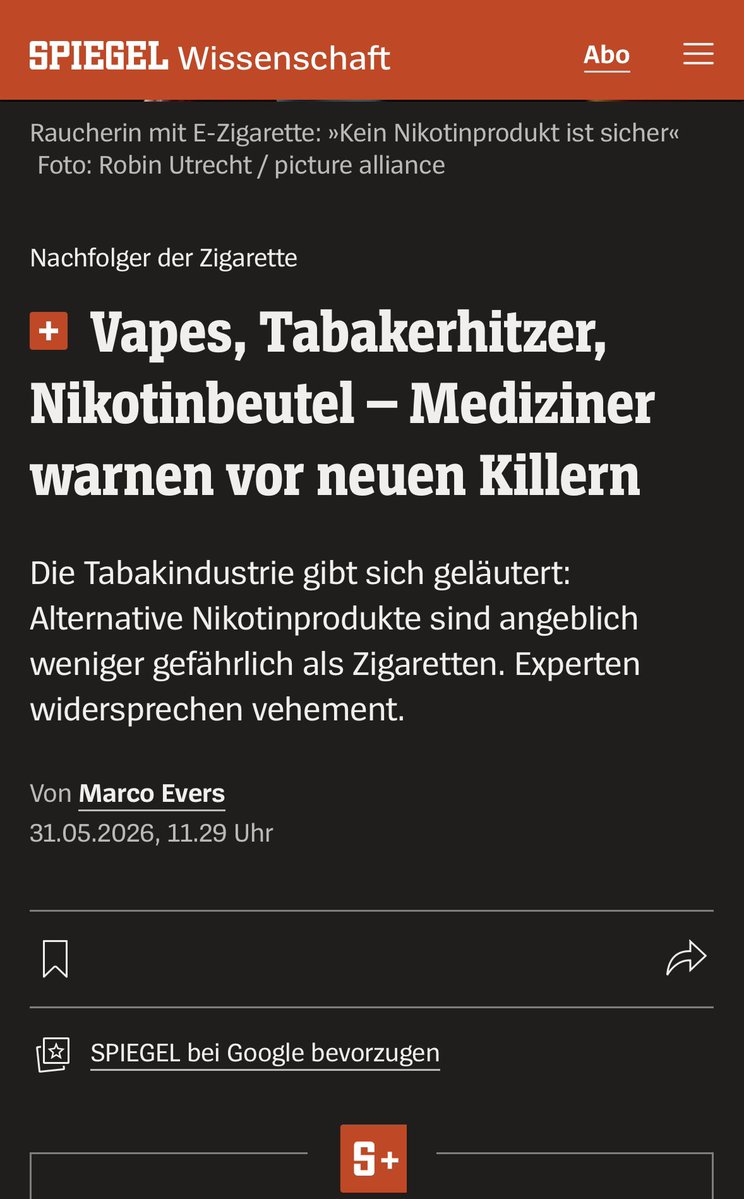
„Vapes, Tabakerhitzer, Nikotinbeutel – Mediziner warnen vor neuen Killern“
Ich habe kein Verständnis dafür und Sie haben in einer Wissenschaftsredaktion nichts zu suchen. Nicht einmal die Bild Zeitung würde so eine niveaulose Headline schreiben!!!!
Herr Dirk Kurbjuweit @derspiegel sind derartige Headlines jetzt das Niveau vom SPIEGEL
1
2
4
244
May 31
Hallo Herr Marco Evers @MarcoEversHH vom @derspiegel
Was soll diese Headline?!!!!!!
„Vapes, Tabakerhitzer, Nikotinbeutel – Mediziner warnen vor neuen Killern“
Ich habe kein Verständnis dafür und Sie haben in einer Wissenschaftsredaktion nichts zu suchen. Nicht einmal die Bild Zeitung würde so eine niveaulose Headline schreiben!!!!
Herr Dirk Kurbjuweit @derspiegel sind derartige Headlines jetzt das Niveau vom SPIEGEL
6
6
22
1,446
May 31
Herr @Dr_Pantazis erklärt:
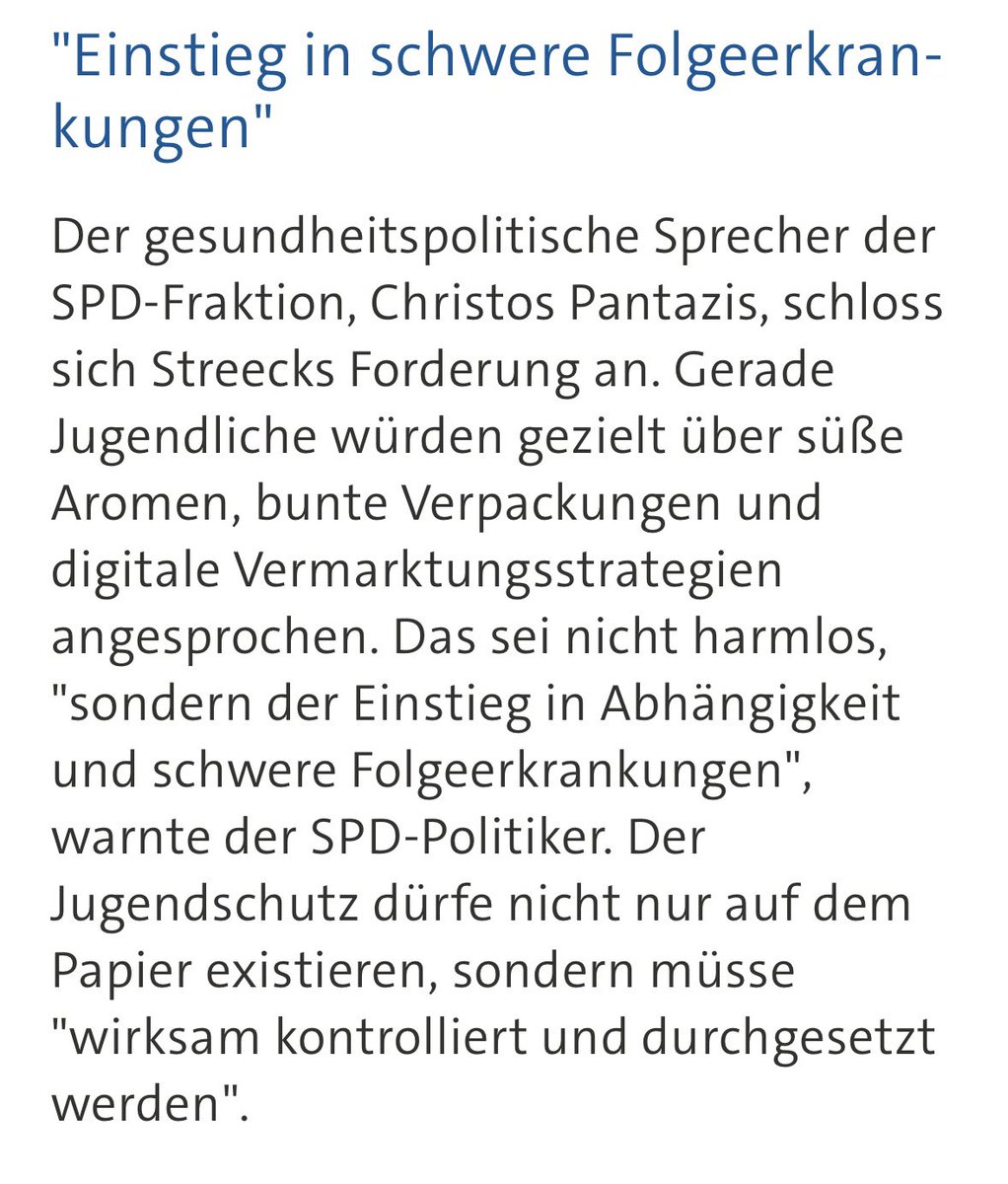
"wirksam kontrolliert und durchgesetzt werden".
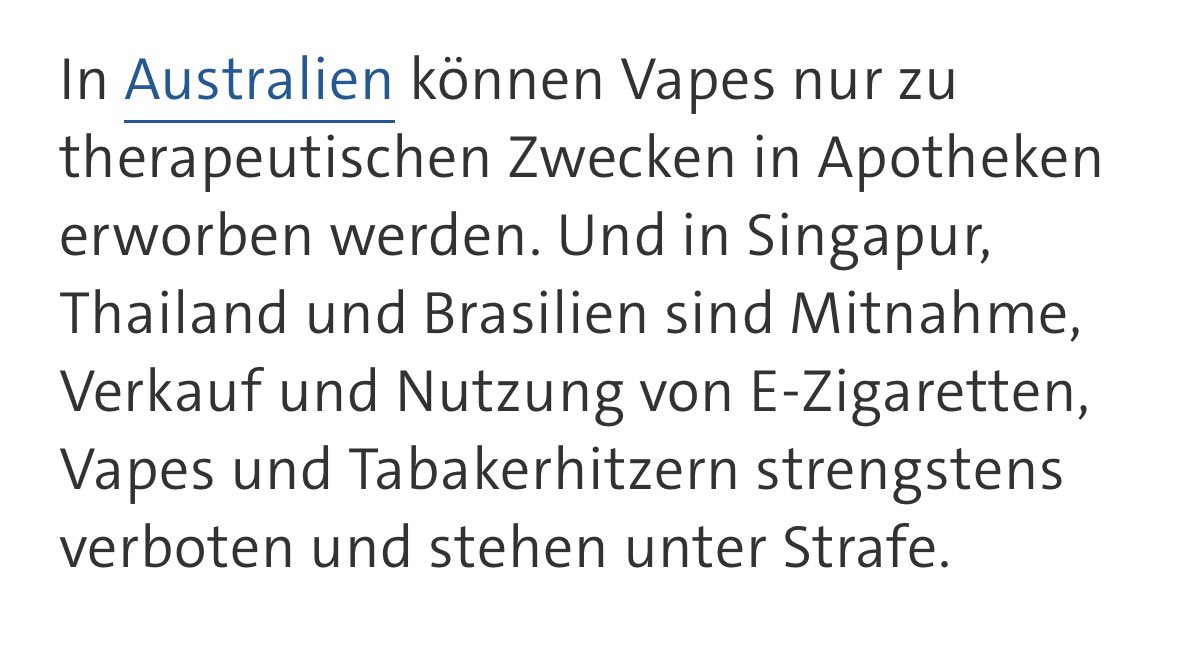
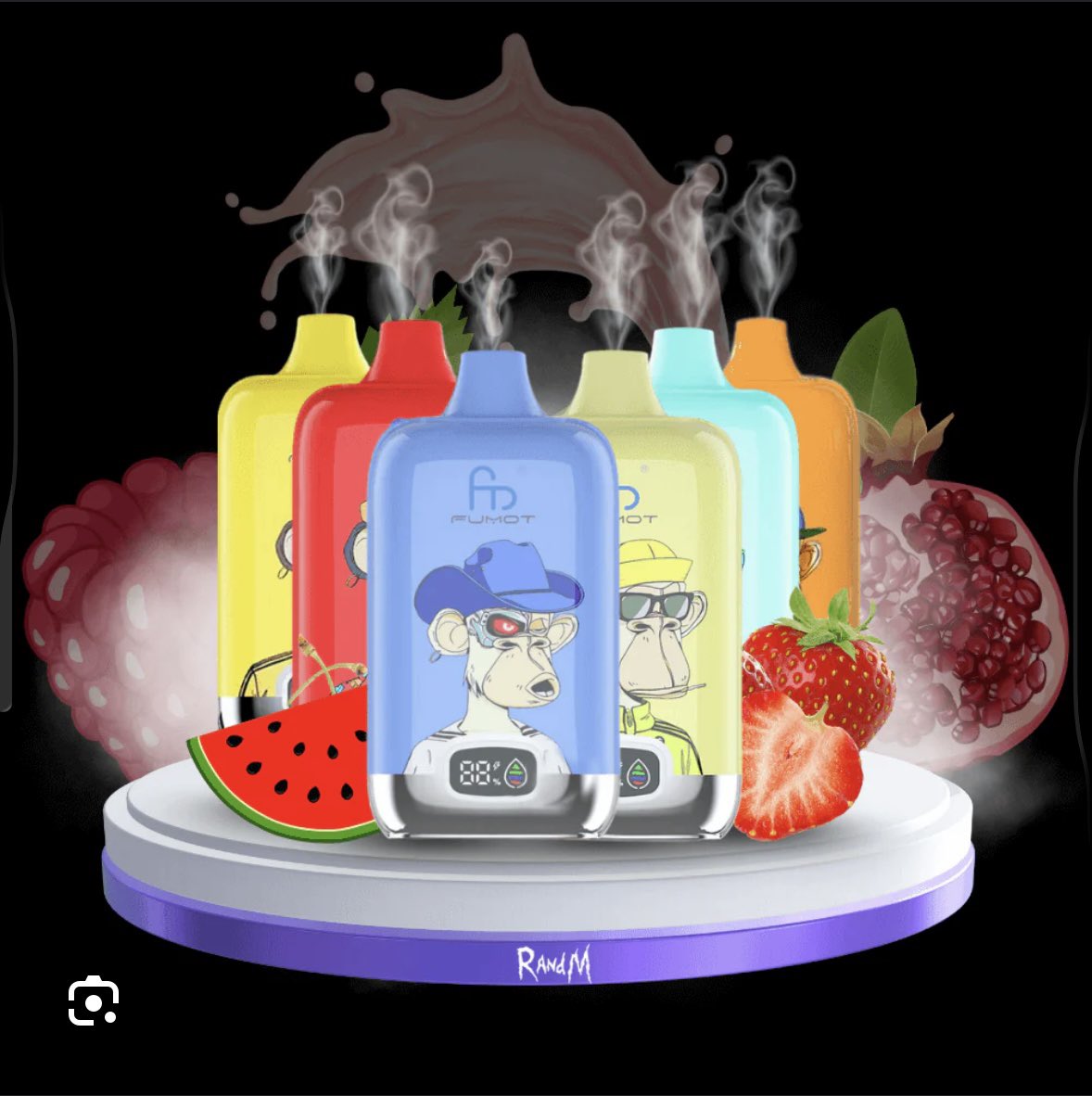
Herr Pantazis, der Schwarzmarkt für E-Zigaretten hat mittlerweile einen Anteil von 50%. Die Kids konsumieren primär illegale BigPuffs vom Schwarzmarkt, welcher fest in der Hand von kriminellen Clan Strukturen ist. Am besten Sie unterhalten sich erst einmal mit dem Zoll und informieren sich richtig über die Realität!
tagesschau.de/inland/gesells…
8
20
673
May 31
Lesen!!!!! ⬇️⬇️⬇️⬇️⬇️⬇️
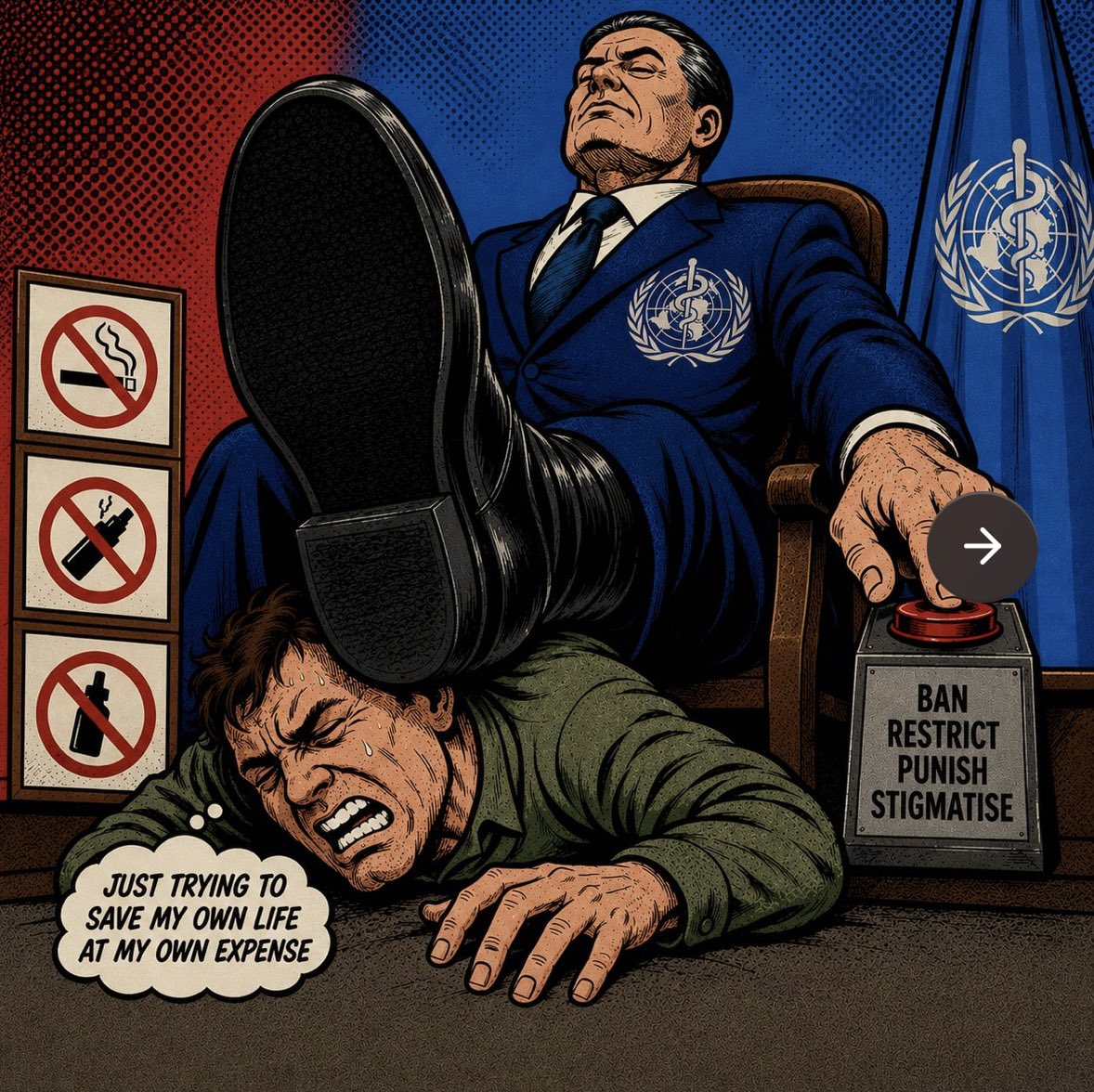
„What's wrong with WHO? Ten fundamentals on tobacco and nicotine“
by @Clive_Bates
open.substack.com/pub/cliveb…
1
7
9
141
May 31
⬇️⬇️⬇️⬇️⬇️⬇️
May 30

It’s World No Tobacco Day and my new Substack is out:
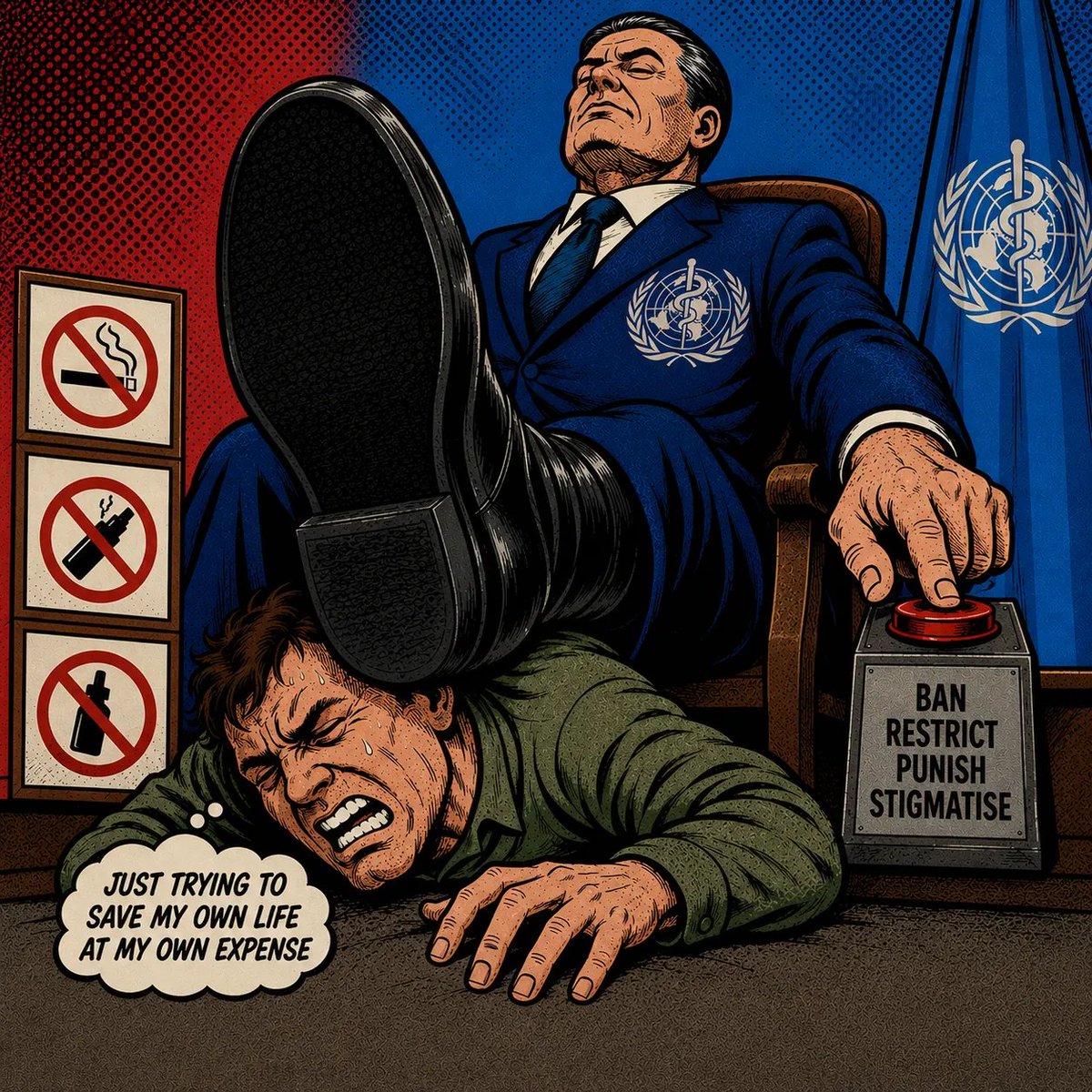
What's wrong with WHO: ten fundamentals on tobacco and nicotine
open.substack.com/pub/cliveb…
CC: @KulikovUNIATF @DrTedros @FCTCofficial @Vinayakmprasad @DougBettcher @JeremyFarrar @etiennekrug #WorldNoTobaccoDay #TobaccoExposed
5
72
May 31
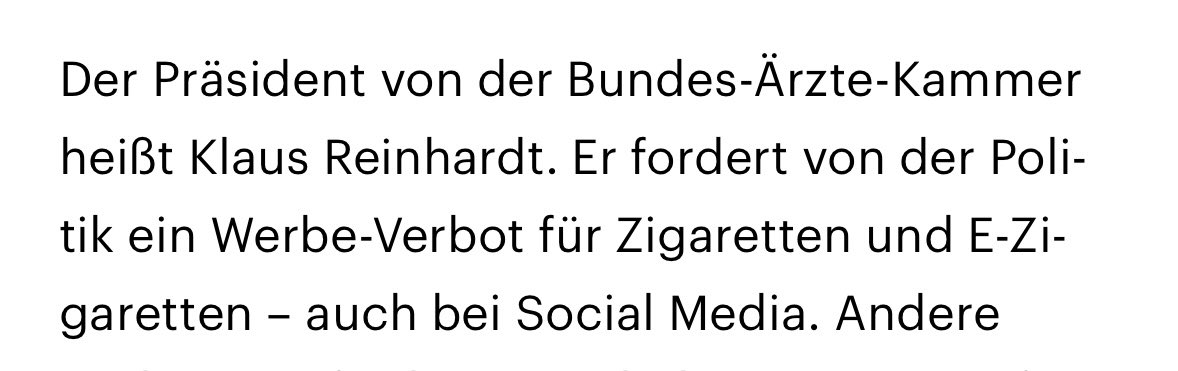
Kann Jemand mal Herrn Klaus Reinhardt #Bundesärztekammer aufklären, dass dieses Werbeverbot auf Social Media per Gesetz bereits existiert. Es nervt langsam, wenn Leute, die eigentlich keine operative Ahnung haben, viel Meinung in Interviews postulieren.
4
7
277
May 31
Kann Jemand mal Herrn Klaus Reinhardt @BAEKaktuell aufklären, dass dieses Werbeverbot auf Social Media per Gesetz bereits existiert. Es nervt langsam, wenn Leute, die eigentlich keine operative Ahnung haben, viel Meinung in Interviews postulieren.
1
2
5
110
May 31
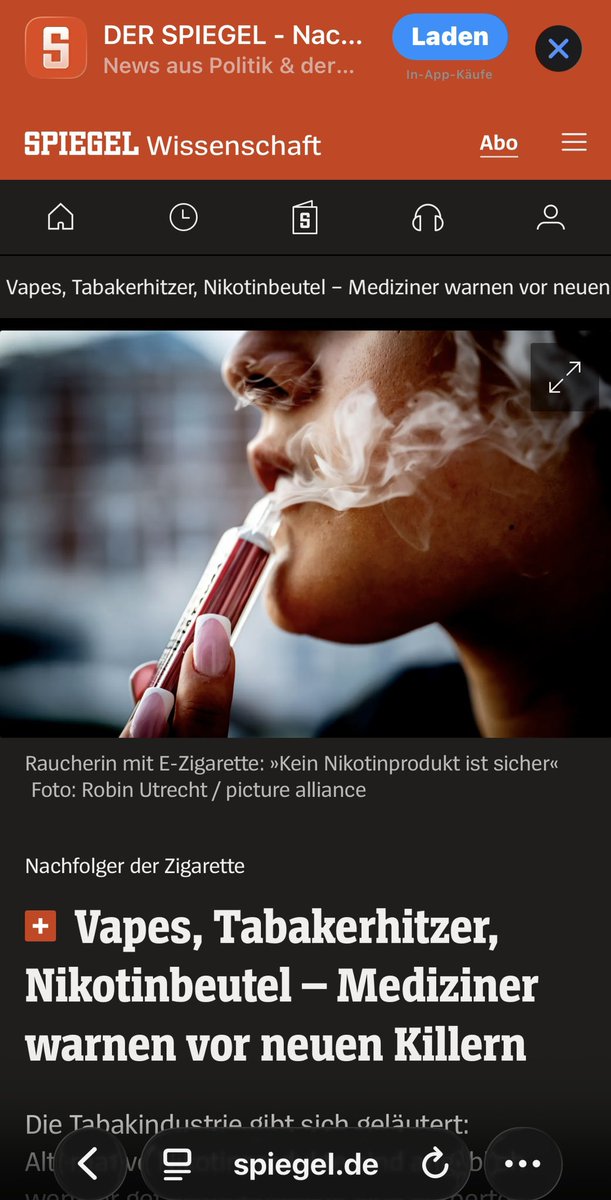
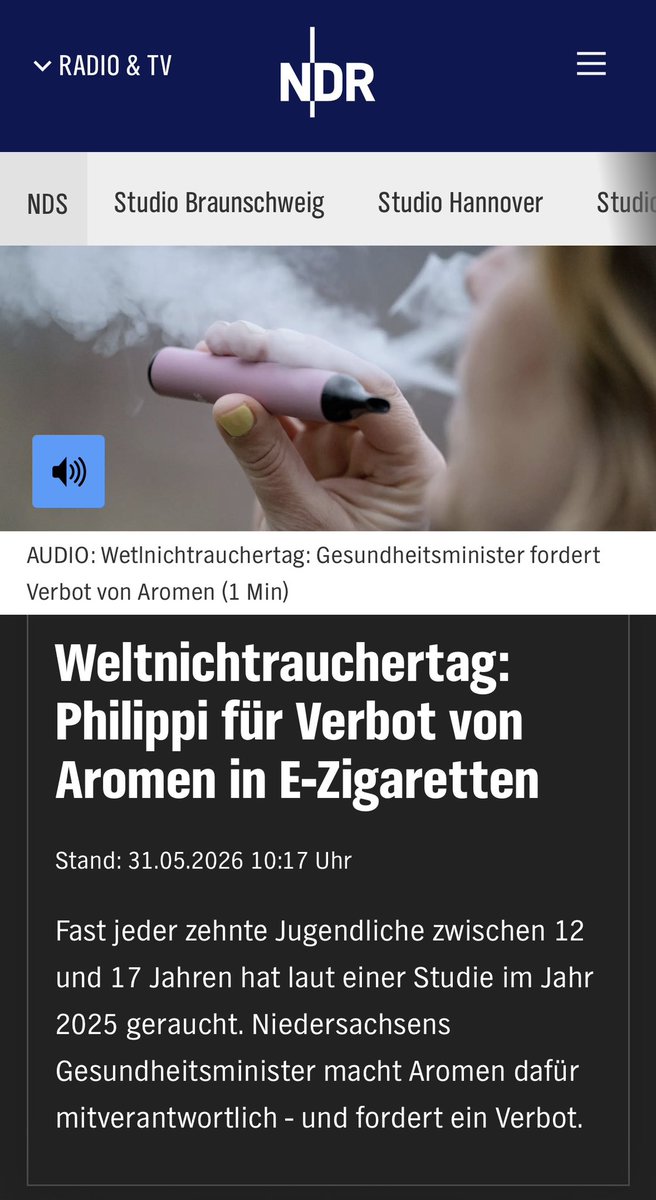
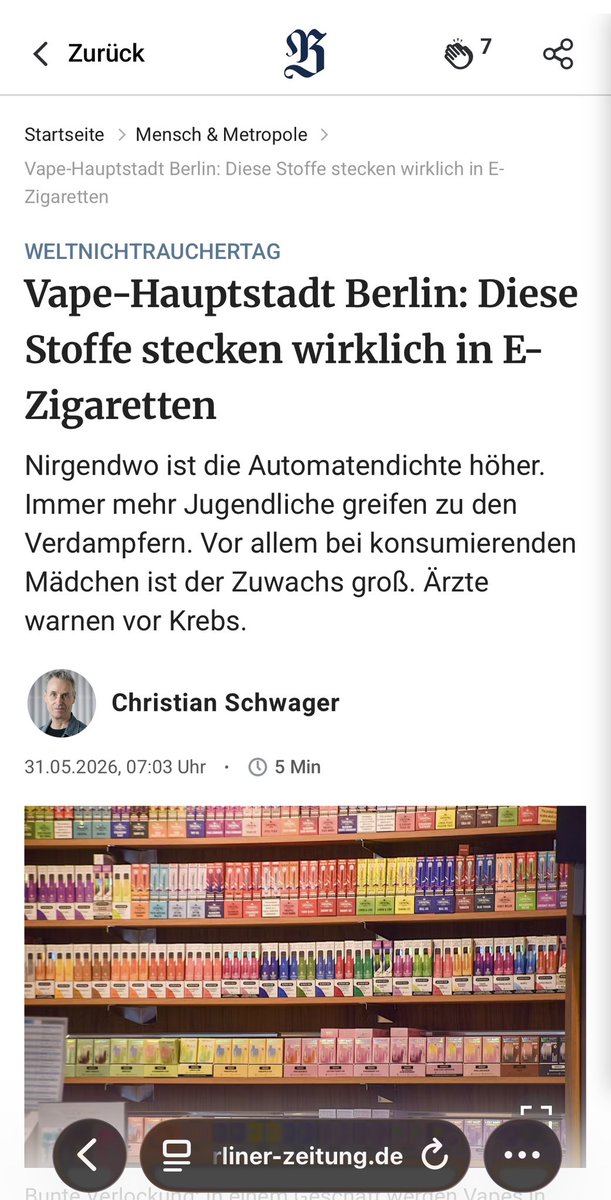
Anlässlich zum #weltnichtrauchertag sind die Medien und Sozialen Netzwerke wieder voll von evidenzfreien Propaganda Bullshit!
Den Hauptpreis für die „Schwarze Headline“ bekommt wieder einmal die Online Redaktion @derspiegel
„Vapes, Tabakerhitzer, Nikotinbeutel – Mediziner warnen vor neuen Killern“
schämt Ihr Euch nicht!
⬇️⬇️⬇️⬇️⬇️⬇️
6
8
201
May 31
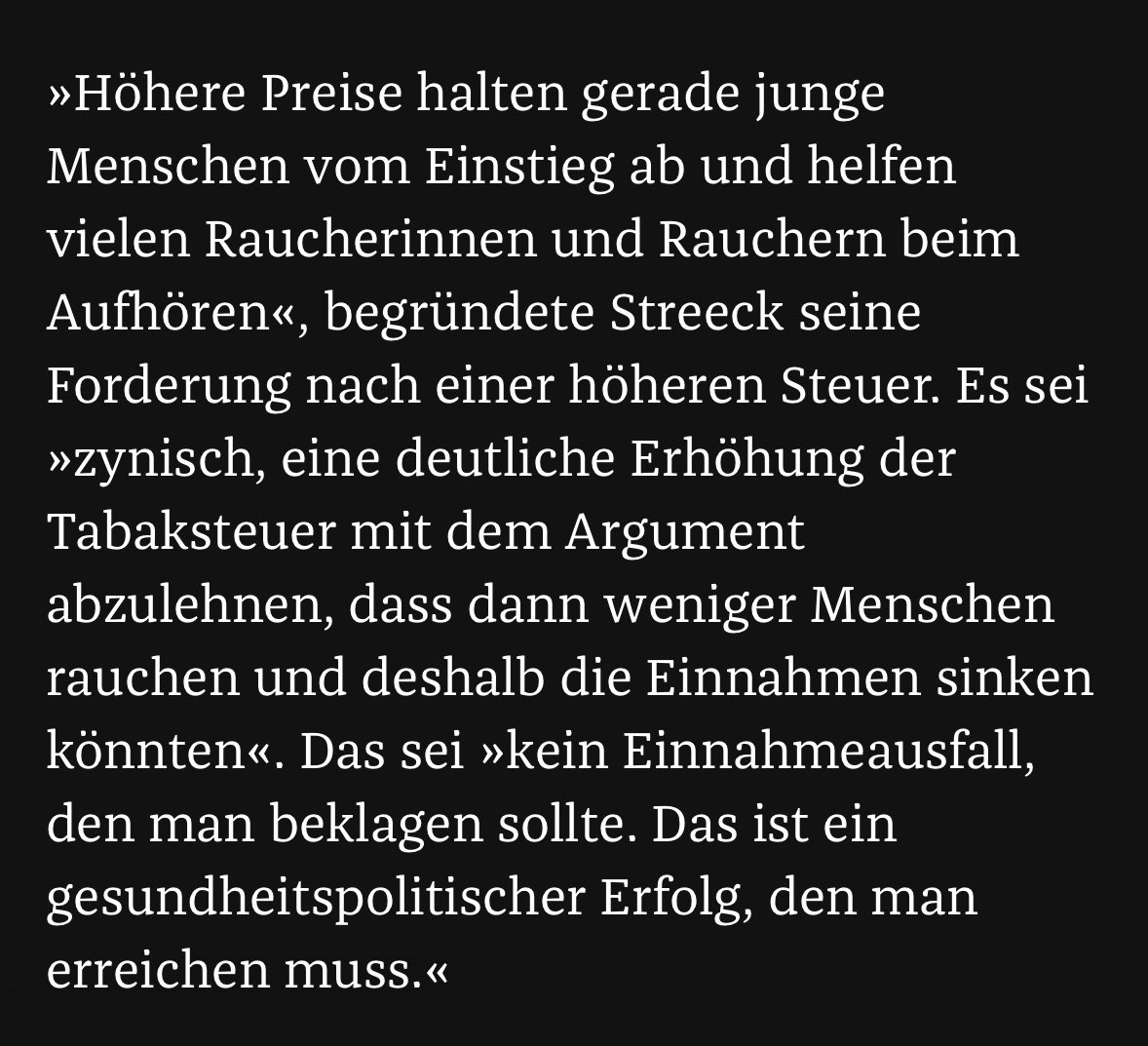
Herr Streeck @BDB_offiziell schreibt im Interview: „höhere Preise halten gerade junge Menschen vom Einstieg ab.
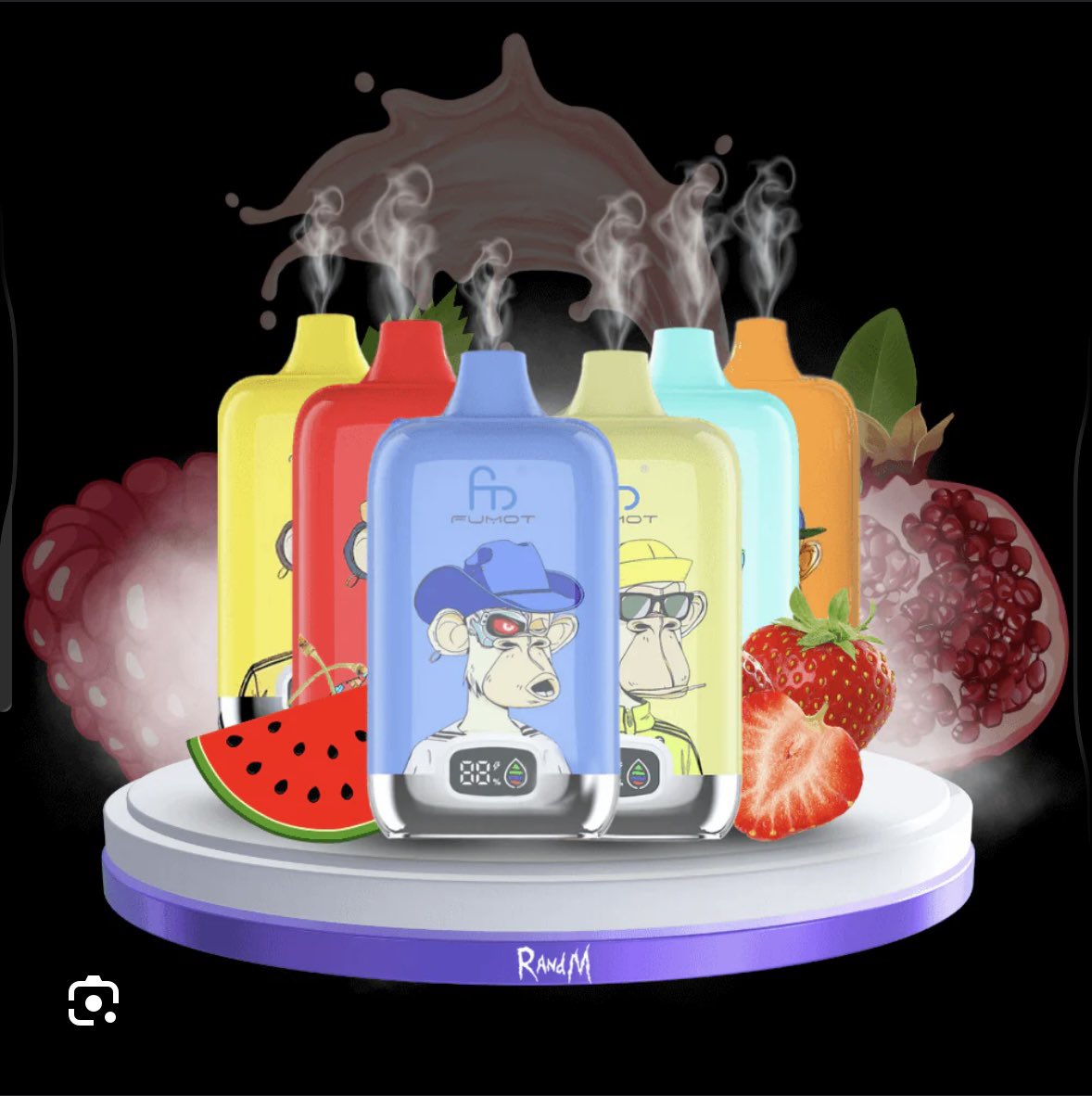
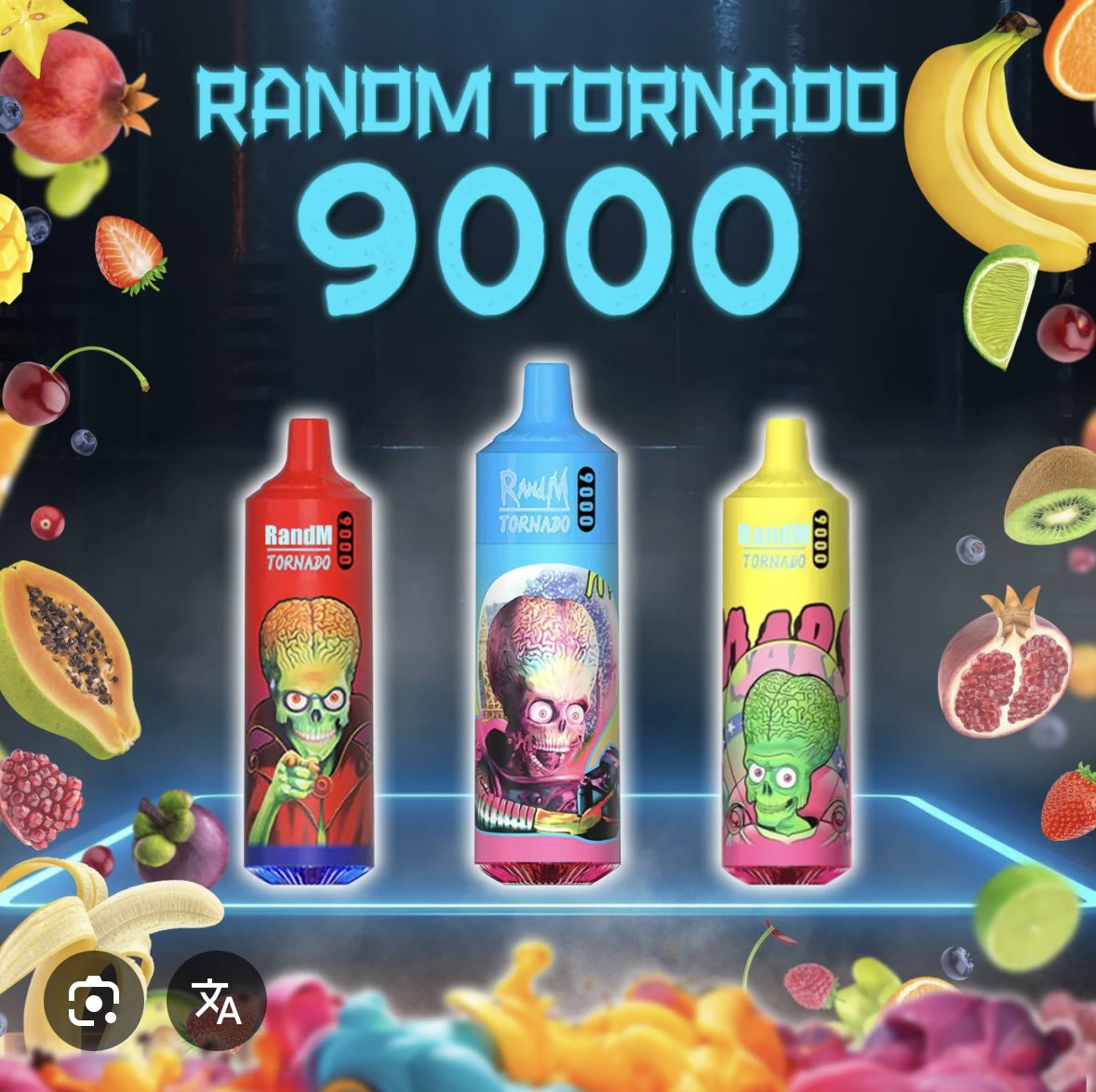
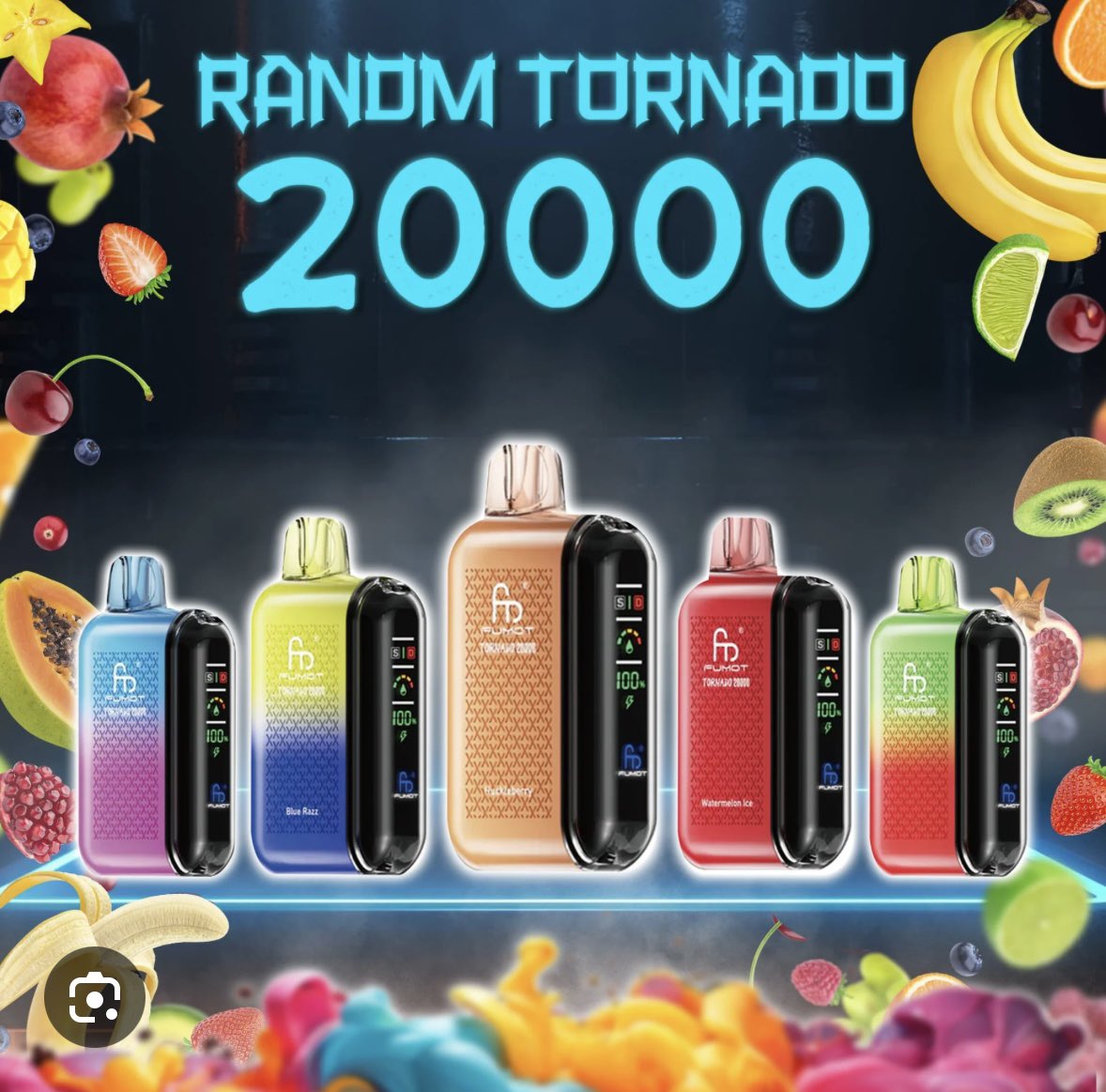
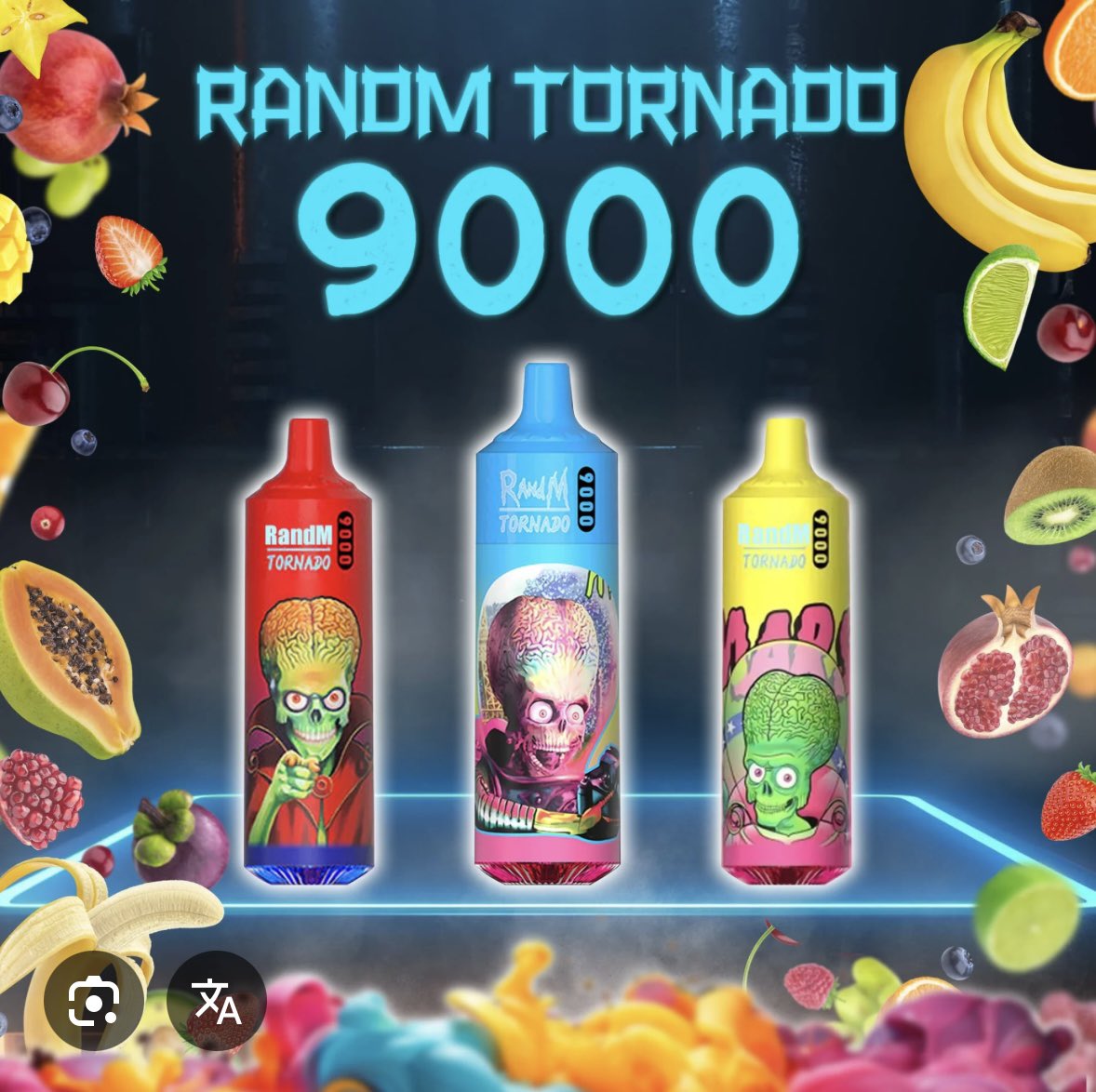
Herr Streeck die illegalen BigPuff Vapes, wie RandM Tornado kosten beim Schwarzmarkt Dealer des Vertrauens die Kids aktuell um die 8€ für 20000 Puffs. Für vergleichbaren Konsum über Produkte im legalen Markt müssen mindestens 20€ investiert werden. Meinen Sie wirklich Sie lösen das Schwarzmarkt Problem durch höhere Preise im legalen Markt und Aromenverbote! Ernsthaft?
Der Schwarzmarkt macht schon heute 50% des Marktvolumens für E-Zigaretten aus. Wollen Sie 87,5% oder 95,7% wie in den Niederlanden oder Australien?

14
15
89
6,653