
Freedom Fighter | Mahasi's Kitchen | Data analytics | Walkable cities | Climate awareness | Stoicism | Sci-fi and fantasy
Joined August 2013
- Tweets 143,925
- Following 1,465
- Followers 2,855
- Likes 350,728
Photos and videos
Pinned Tweet

4 May 2025
MAU MAU: THE PEAK OF AFRICAN POLITICAL ORGANIZATION AND STRUGGLE FOR LIBERATION IN COLONIAL KENYA By Maina-Wa-Kinyatti
🇰🇪🧵 1/n
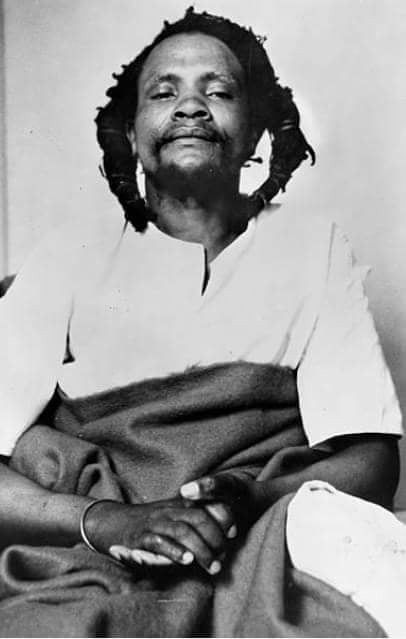
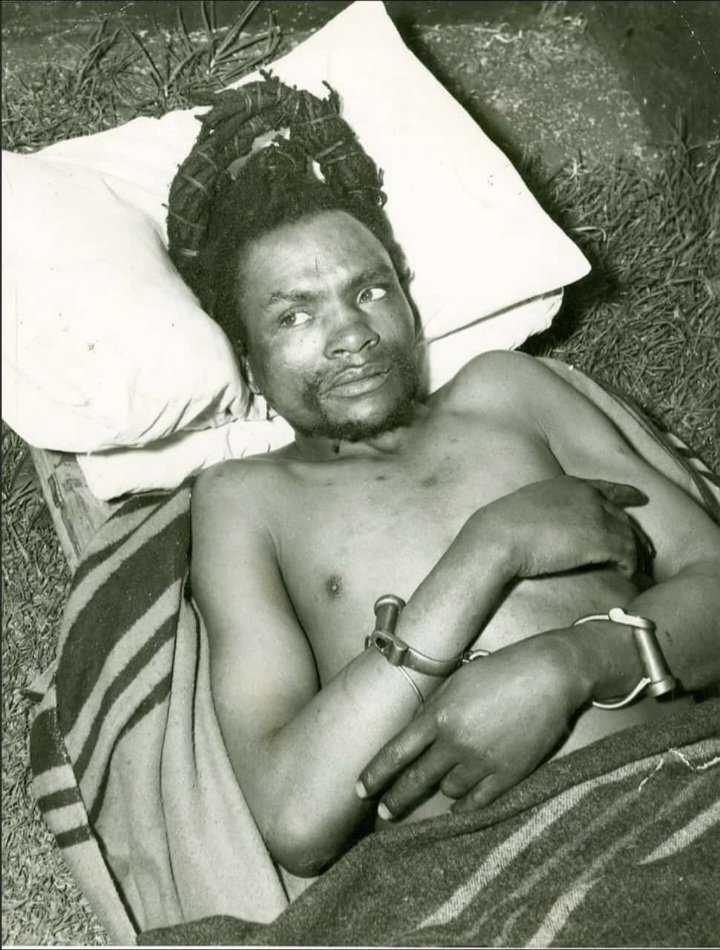
19 Feb 2025

Reflecting on #KimathiLives, where can I learn more about the emergency and how KLFA were able to organize during it? @gakuruuu @Mr_Elmami @ryleague_kenya
9
26
71
9,040
#RutoMustGoNow ☭ retweeted

Kick France out of Africa;
Despite the colonial governor in Ke rolling out the red carpet for French imperialism's poster boy, Kenyans still didn't board the whitewashing train.
Save for his obnoxious "silence" tirade, nothing much was heard of him.
Good riddance to bad rubbish.
1
38
69
809
#RutoMustGoNow ☭ retweeted

From Sana'a to Tehran, Yemen congratulates Iran on its victory."
9
113
704
6,270
#RutoMustGoNow ☭ retweeted

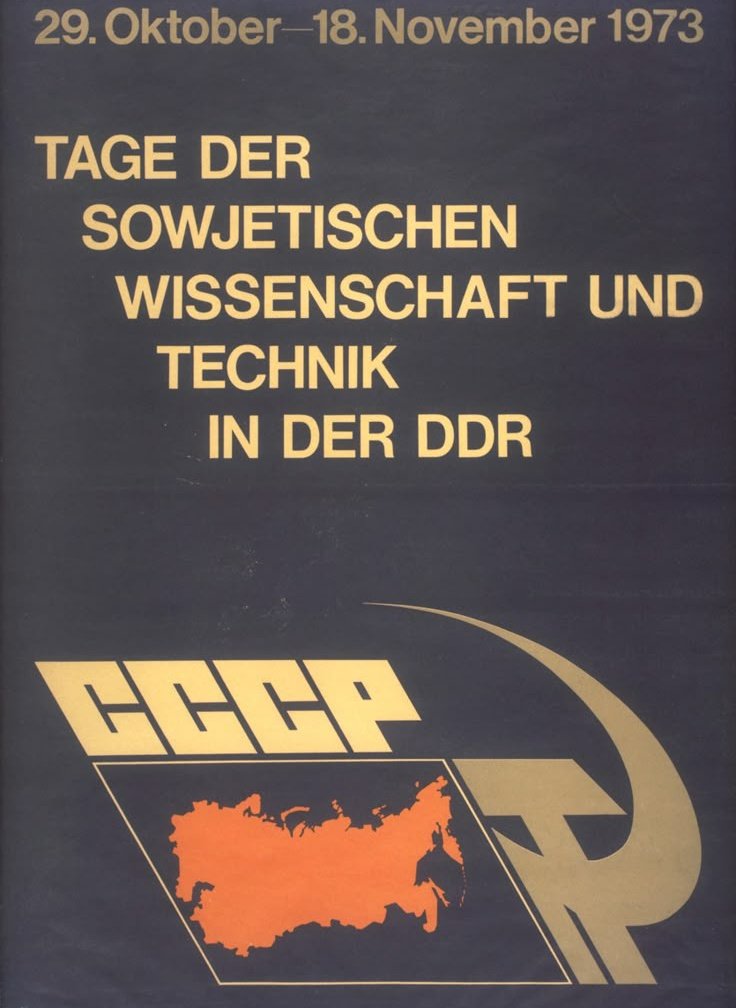
"Days of Soviet Science and Technology in the GDR" poster, 1973.
18
154
3,879
#RutoMustGoNow ☭ retweeted
The bread is stale, the circus is boring;
The reason why everything on the airwaves sounds monotonous, repetitive & desensitising is bc it's all state sponsored.
The majority of visible podcasts, musicians & influencers are remote-controlled from NIS HQs.
Quit feeding the matrix.
8
85
217
3,754
#RutoMustGoNow ☭ retweeted

Human brain matter is the source of human consciousness.
In other words my human consciousness is coming from my brain not from some outer-space idea.
My Consciousness is a reflection of the material conditions around me to understand the world through physics and chemistry
1
4
10
240
#RutoMustGoNow ☭ retweeted

Pole Jaguar.
Are we not reading the mood in the country ama we are vibrating in different frequencies?
90
196
728
60,157
#RutoMustGoNow ☭ retweeted

The first woman in space wasn’t a billionaire.
She was a Soviet textile worker.
The Soviet Union looked at a factory worker and saw a future cosmonaut.
The world got Valentina Tereshkova.

Soviet cosmonaut Valentina Tereshkova was launched on a solo mission on Vostok 6 on June 16, 1963, orbiting the Earth 48 times in three days and making her the first woman in space. #OTD #USSR #Space #WomensHistory

3
268
1,225
13,072


#RutoMustGoNow ☭ retweeted

DEFEND GENERAL SECRETARY BOOKER OMOLE
Political persecution of Booker Omole is class war. Stand with all political prisoners.
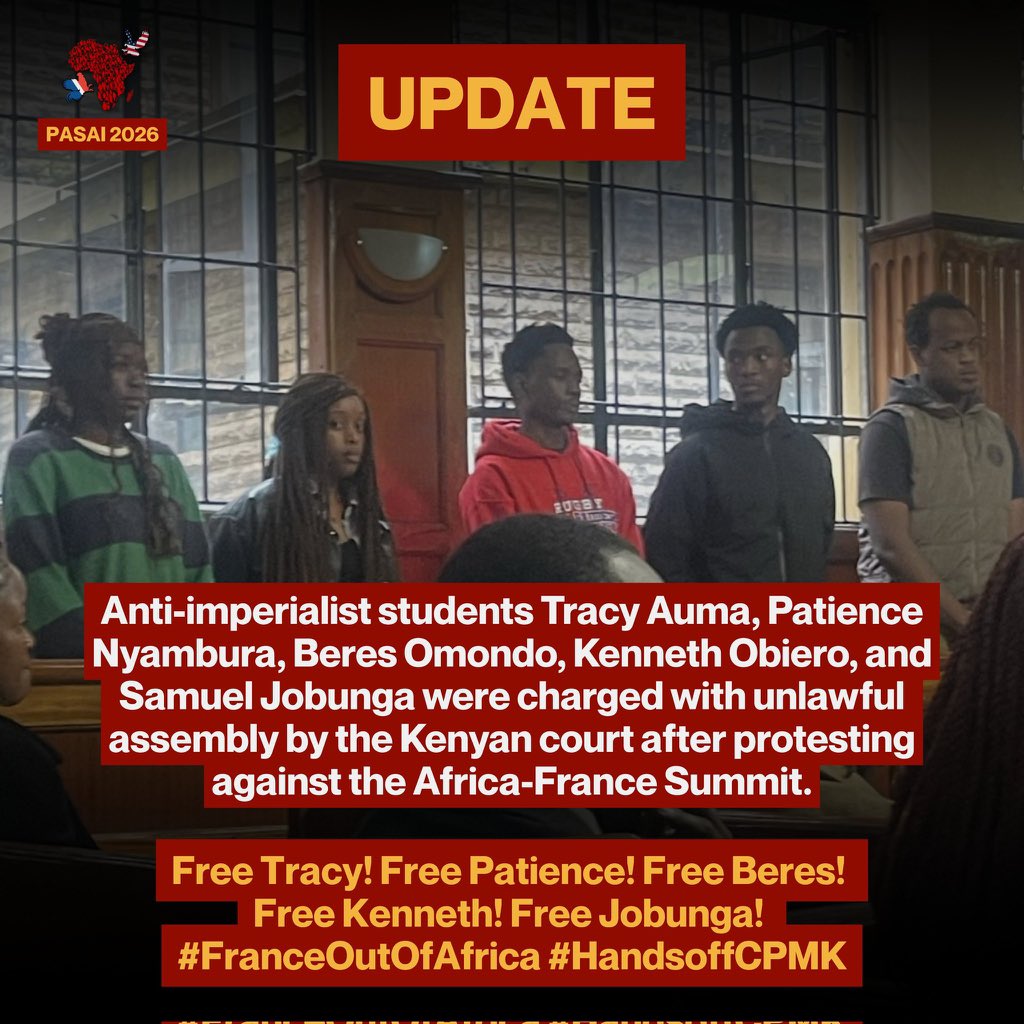

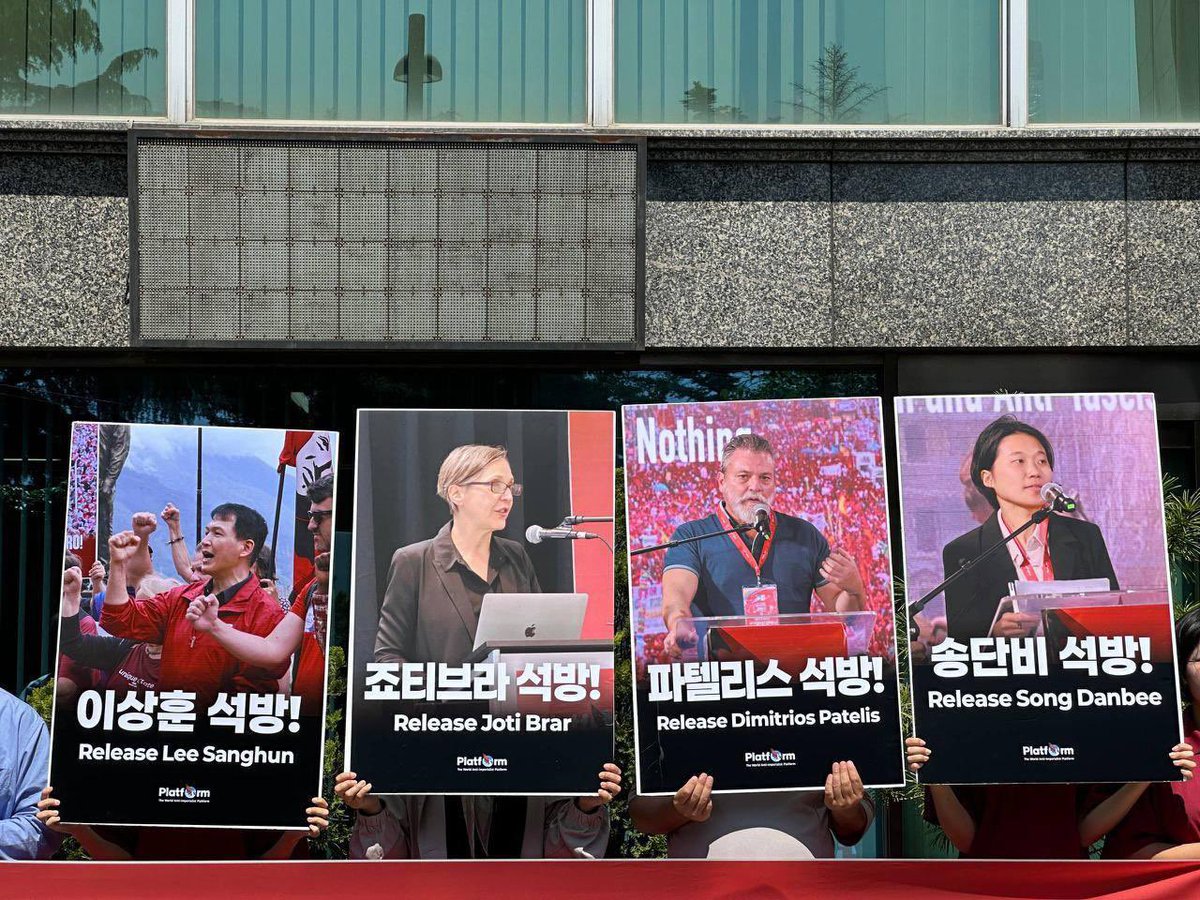
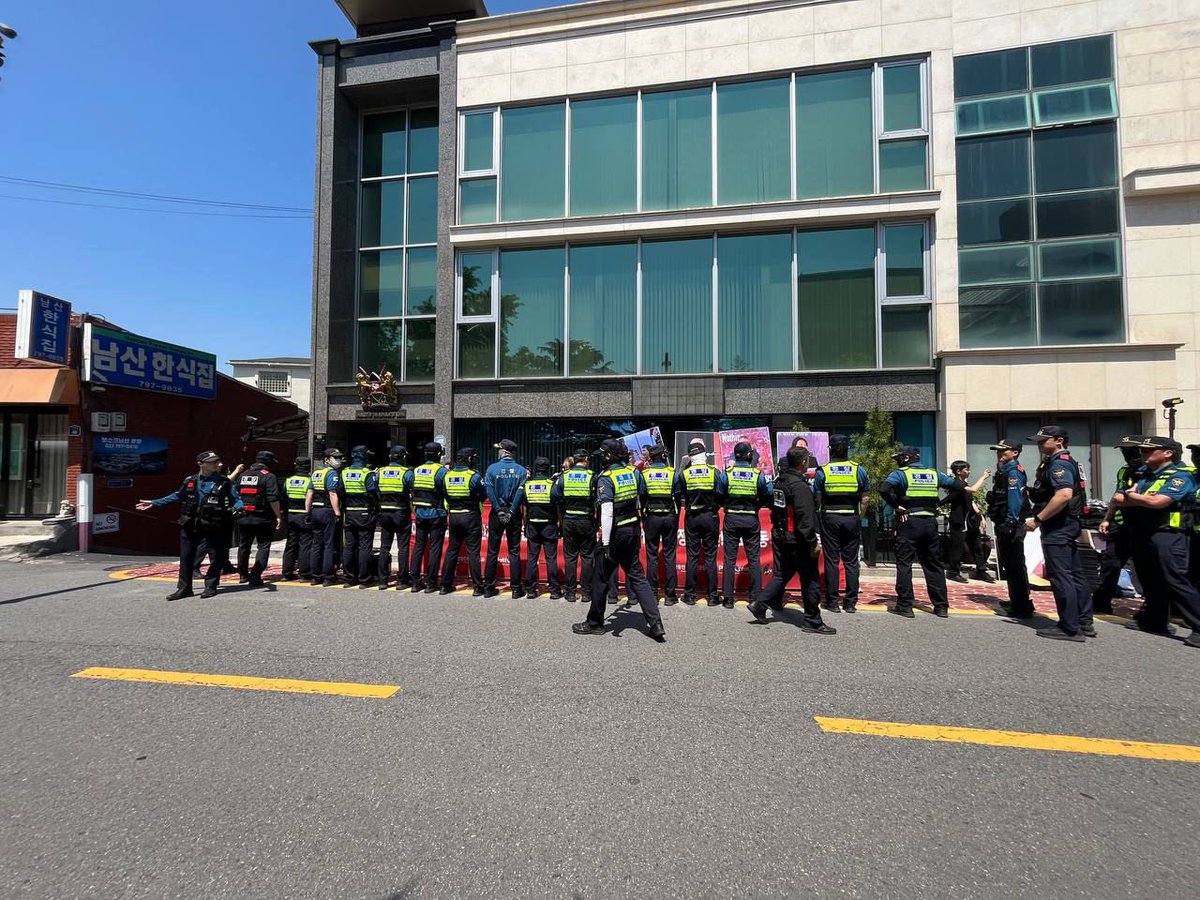
Breaking: Protests erupt in Seoul in solidarity with Communist Party Marxist Kenya. Demonstrators rally outside the Kenyan Embassy demanding the neocolonial regime release the Kenyan comrades together with the international comrades detained in Nairobi.
1
27
57
1,451
#RutoMustGoNow ☭ retweeted

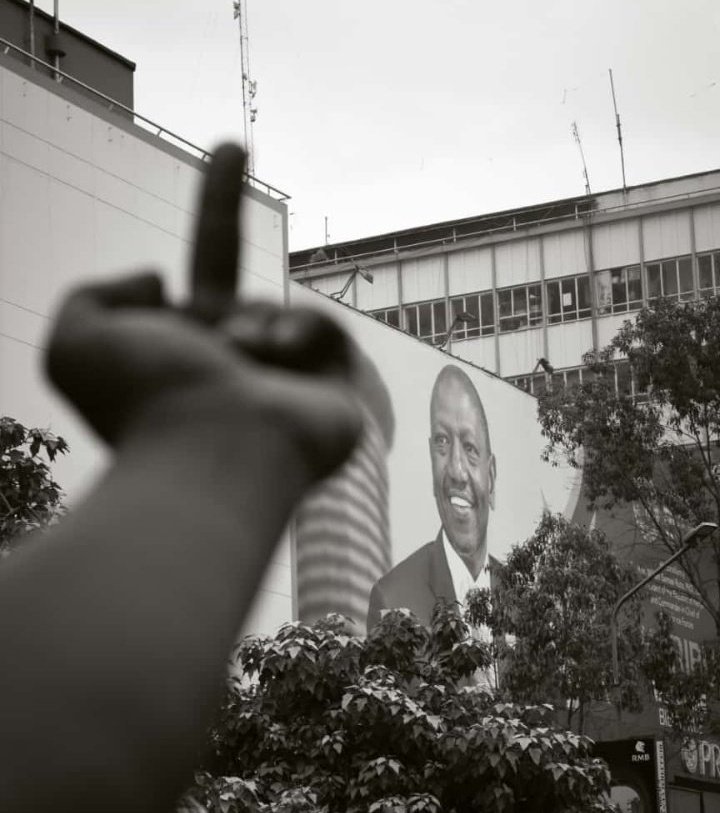
Ruto Must Go.
Jun 14

You already know what to do.
You are just negotiating with comfort.
3
89
328
2,236
#RutoMustGoNow ☭ retweeted

⚠️Sensitive content⚠️
🚨Heartbreaking: A Palestinian father bids farewell by kissing his daughter’s feet, the only part of her body recovered after she was killed by Israeli forces in Gaza.
102
2,380
3,638
62,934
#RutoMustGoNow ☭ retweeted

If I put Ruto in a coffin, DCI and NIS will find me within 24 hours even if I do away with my phone. But the same people cant find a man who kidnapped my niece! Its been 5 days Jameni!
6
191
438
6,900

#RutoMustGoNow ☭ retweeted

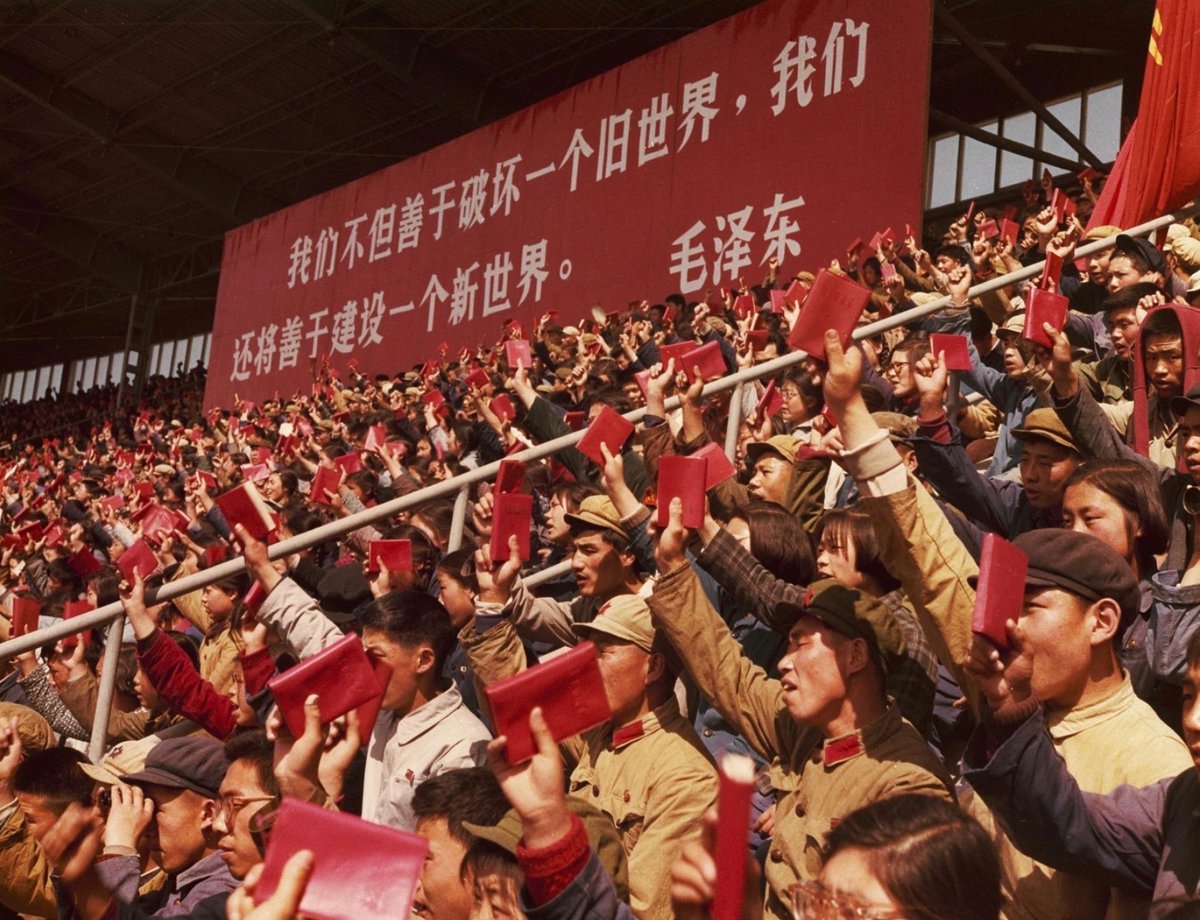
Many pro-China Marxists have come to a synthesis on the Cultural Revolution, where we see that it had ultra-left errors yet we believe it was likely necessary for stopping a Soviet-type breakdown of integrity.
14
19
182
3,880
#RutoMustGoNow ☭ retweeted

Remember
The repression is increasing because they are losing
The mask is off. And it's never going back on
37
1,016
3,339
33,205
#RutoMustGoNow ☭ retweeted

Jun 14
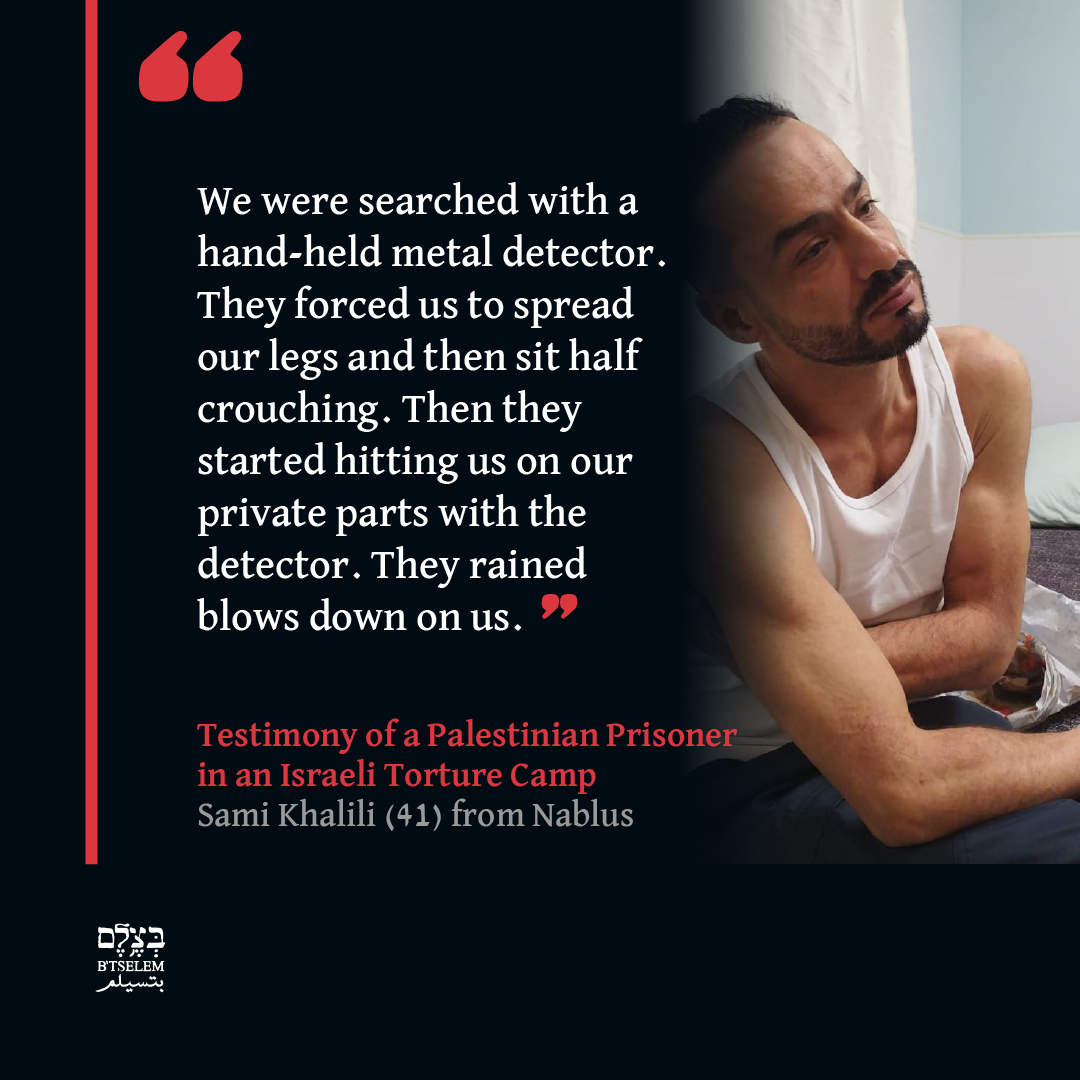
Israel is running a network of torture camps for Palestinians. Our reports, Welcome to Hell and Living Hell, extensively documented a reality of extreme violence, starvation, and torture.
Palestinian prisoners are subjected to severe violence, deliberate humiliation, starvation, sleep deprivation, denial of medical care, and abuse in every facility where they are held.
These abusive practices are fully backed by the political leadership, which openly boasts about the harsh prison conditions. Some inmates are subjected to severe sexual assaults.
At least 89 Palestinians have died in Israeli detention facilities since October 2023 as a result of inhumane conditions, violence, starvation, and the denial of medical treatment.
Despite the extensive evidence, media investigations, and reports issued by Israeli and international organizations documenting torture in Israeli prisons, the international community continues to stand by and allow Israel to commit crimes against the Palestinian people.
Link to the full report >>
Welcome to Hell: btselem.org/publications/202…
Living Hell: btselem.org/publications/202…
76
1,751
1,780
58,556
#RutoMustGoNow ☭ retweeted

Hantavirus, leptospirosis, fleas, other viruses and pests are spreading in Gaza because there's no longer a functioning sanitation system. Children are being bitten and falling sick and there's not enough medication and materials for treatment: this is also part of genocide.
Jun 14

🚨Another consequence of Gaza’s destruction:
Rats and other dangerous rodents are spreading through overcrowded displacement camps, entering tents and climbing over sleeping children.
With entire neighborhoods erased, families have been confined to tents for a third year, without proper sanitation, infrastructure, or waste management. Even sleep has become a struggle.
22
8,006
16,268
190,236
#RutoMustGoNow ☭ retweeted

EU Envoys in Khartoum Reject Parallel Authorities in Sudan and Call for an End to Illegal Arms Flows, Mercenaries, and Foreign Fighters
Khartoum, 15 June 2026
European Union ambassadors to Sudan have rejected any attempt to establish parallel governing structures in the country, calling for an end to the illegal flow of weapons into Sudan and for measures to prevent the entry of mercenaries and foreign fighters.
The position was expressed during a meeting in Khartoum between Sudan’s Chairman of the Transitional Sovereignty Council, General Abdel Fattah al-Burhan, and EU ambassadors accredited to Sudan. The meeting was also attended by Sudan’s Minister of Foreign Affairs and International Cooperation, Ambassador Mohieldin Salem.
During the meeting, al-Burhan briefed the European diplomats on the latest developments in Sudan, particularly the humanitarian and security situation. He gave a detailed account of the war launched by the terrorist militia against the Sudanese state and its institutions, pointing to the violations and atrocities committed against civilians.
Al-Burhan stressed the need to stop the continued support provided to the militia by some states. He said Sudan is a country with a deep-rooted civilization extending back thousands of years, and that its people have the awareness and experience needed to address their own national issues and overcome their challenges.
He also emphasized that the political process is an exclusively Sudanese matter, which must take place inside Sudan and according to the will of the Sudanese people. At the same time, he welcomed any positive support that helps achieve stability, peace, and development while respecting Sudan’s sovereignty.
Speaking after the meeting, EU Ambassador to Sudan Wolfram Vetter said the visit was intended to assess the realities on the ground in Sudan and to listen directly to Sudanese voices about the suffering and tragedies caused by the war.
Vetter said the European Union was prepared to engage with Sudanese parties to help find an urgent way out of the crisis and to support a democratic, independent civilian transition in Sudan.
Most significantly, the EU ambassador affirmed the bloc’s rejection of any parallel authority in Sudan. He also called for an end to the illegal introduction of weapons into the country and for action to prevent mercenaries and foreign fighters from entering Sudan.
He said the EU delegation had met senior Sudanese officials at the highest levels, as well as United Nations agencies and diplomatic missions present in Khartoum, as part of efforts to support Sudan’s sovereignty and territorial unity.
For many observers, the visit carries significance beyond the diplomatic language itself. It matters because of the level of the delegation and the message it delivered, but also because it took place in Khartoum. Only a year ago, large parts of the capital were under the terror of the Rapid Support Militia, with civilians facing killing, looting, displacement, and the destruction of public institutions and private homes. The fact that European ambassadors are now meeting Sudanese officials in Khartoum reflects how far the situation has moved. The capital is slowly recovering its place as the political and diplomatic centre of Sudan, even as the country continues to face the heavy consequences of the war.
The EU position echoes the message delivered by European representatives during the visit, in which they reaffirmed their commitment to Sudan’s unity, territorial integrity, and sovereignty. They also condemned any effort to create parallel governance structures and criticized external support that fuels the conflict.
The warning is particularly important as Sudan’s war continues to be prolonged by foreign interference, illicit weapons flows, mercenary activity, and attempts to impose alternative political structures outside the authority of the Sudanese state. Such moves threaten Sudan’s unity, deepen the humanitarian crisis, and risk turning the war into a wider regional crisis.
The European Union and its member states said they will remain engaged with the Sudanese authorities in the coming period, including on issues related to civilian protection, humanitarian access, accountability for serious human rights violations, and support for a political path that respects Sudan’s sovereignty and territorial integrity.
#Sudan
#RSFisTerroristOrganization
#UAEKillsSudanesePeople
#UAESponsorsTerrorism
1
6
5
476
Blood pours from Trump's birthday cake as Iranian state media releases AI video showing the 168 children killed in Minab school strike returning to haunt him on his birthday
'You gave the order to strike our school, exactly when all my friends were sitting in their classrooms'
27
469
927
15,120
#RutoMustGoNow ☭ retweeted

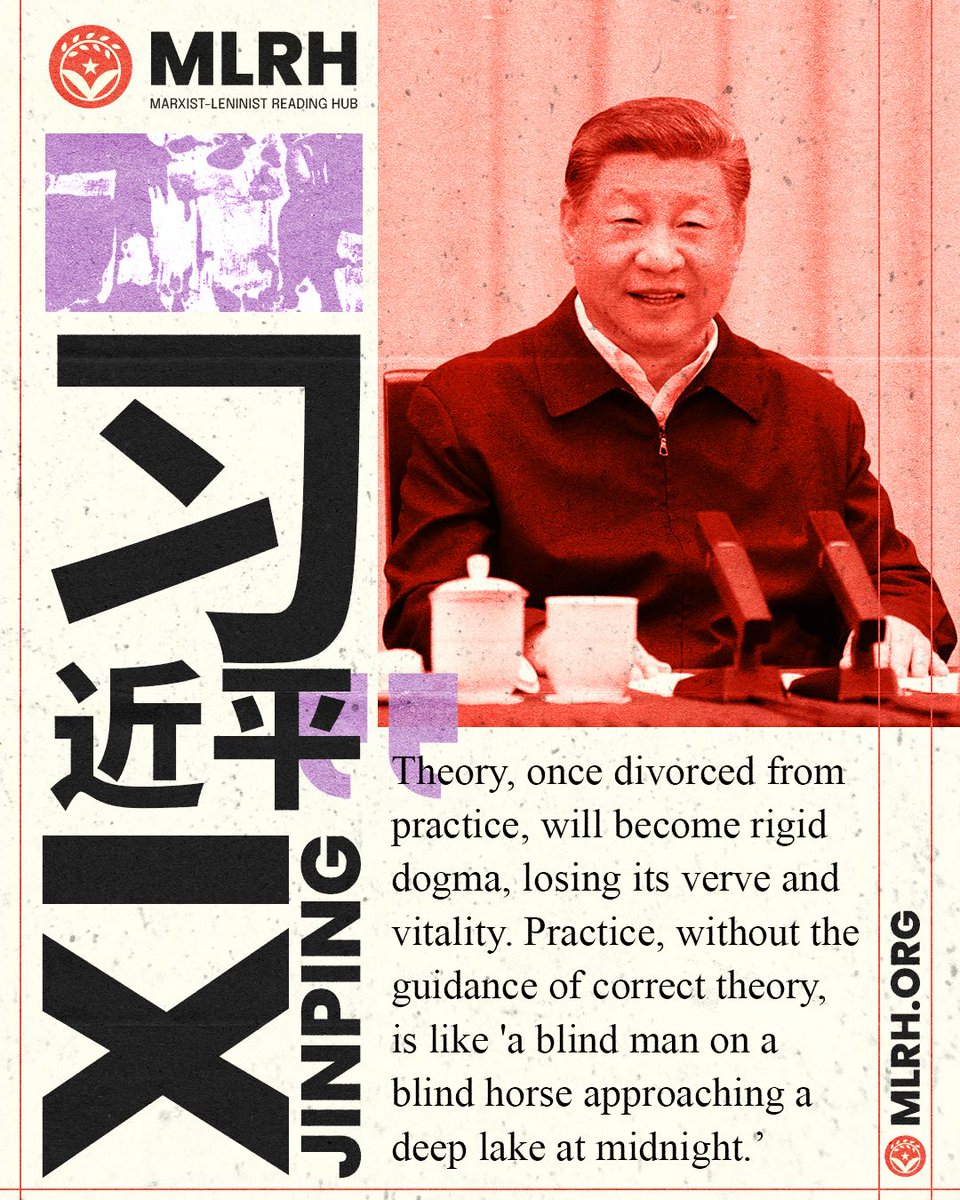
"Theory, once divorced from practice, will become rigid dogma, losing its verve and vitality. Practice, without the guidance of correct theory, is like 'a blind man on a blind horse approaching a deep lake at midnight.'" Xi Jinping
3
10
43
871