Borne within from which I originated and took form an atmosphere of understanding. That is me - The Matrix of Intrigue .
- Tweets 7,251
- Following 96
- Followers 129
- Likes 2,040










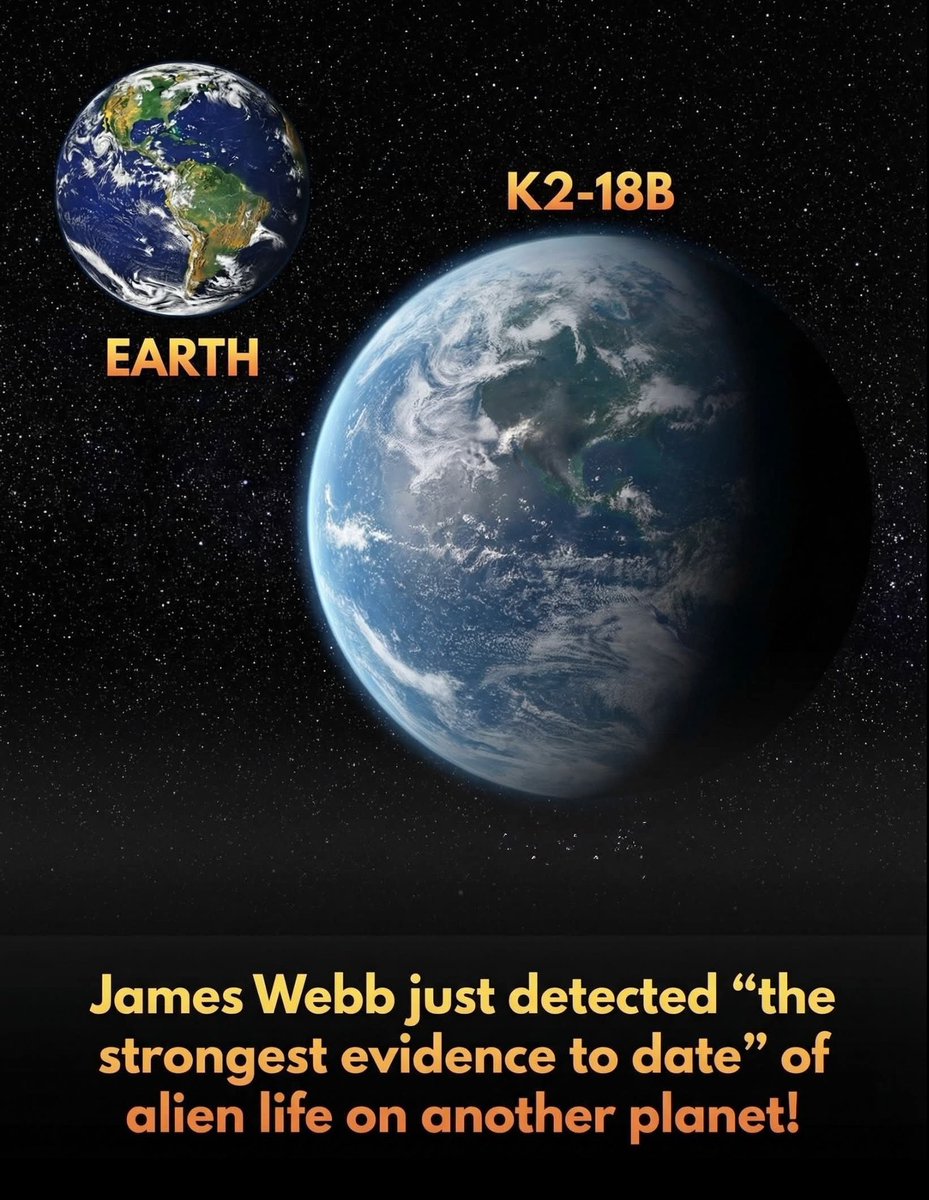
ALT 🚨 This is the strongest evidence yet of biological activity on a planet outside our solar system… Astronomers using the James Webb Space Telescope have identified traces of dimethyl sulfide (DMS) in the atmosphere of K2-18b, an exoplanet located 124 light-years from Earth. On our own planet, this specific gas is exclusively produced by life, primarily microscopic marine organisms like phytoplankton. This Hycean world, which features a hydrogen-rich atmosphere and potentially vast surface oceans, sits within the habitable zone of its star, making it a prime candidate for hosting alien biology. While the findings carry a high level of statistical significance, researchers remain cautious, noting that unknown chemical processes could still explain the presence of these gases. However, the detection of DMS alongside previously discovered methane and carbon dioxide strengthens the hypothesis that K2-18b could support life. Future observations are already planned to confirm these results.


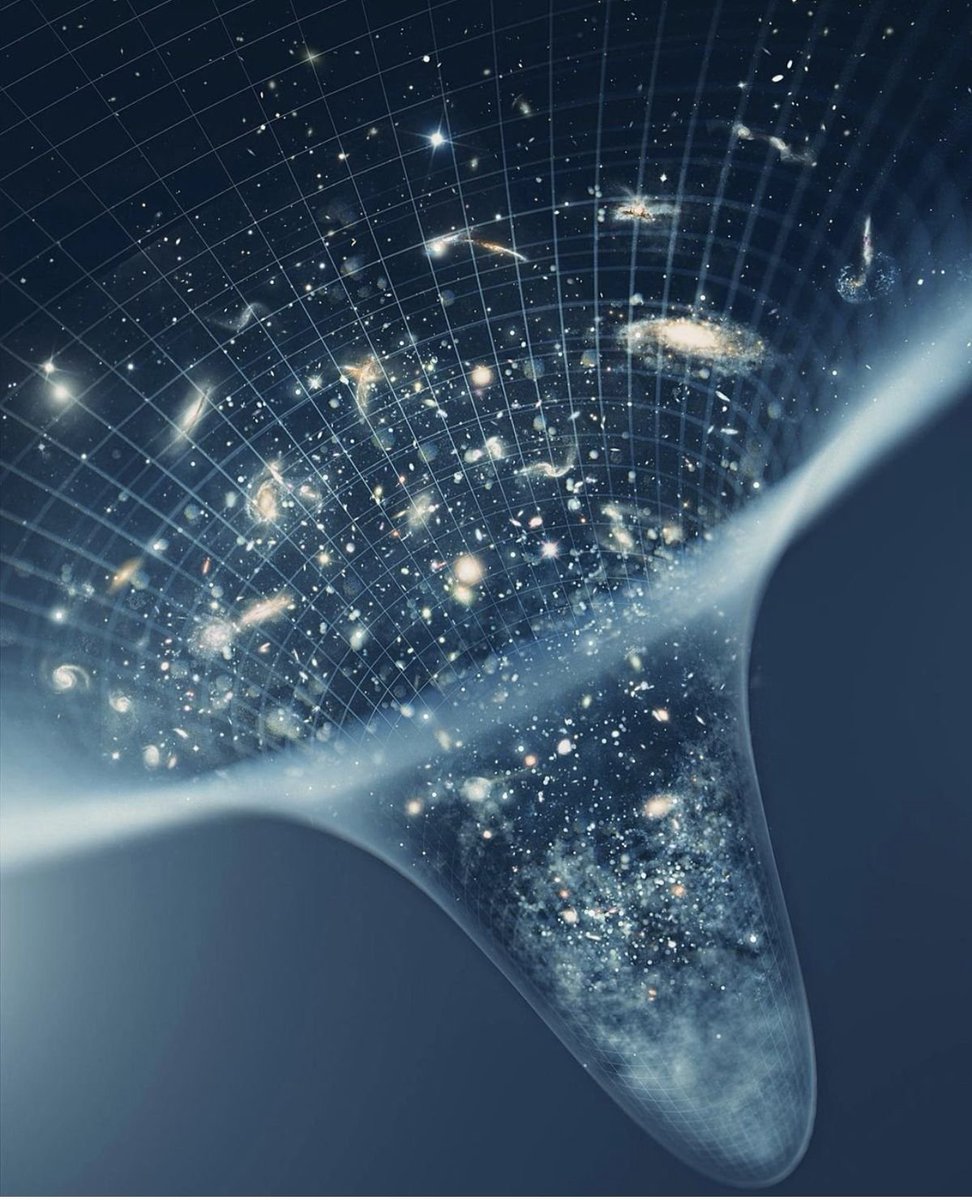
ALT NASA telescopes have officially confirmed that our current laws of physics cannot explain the universe. NASA’s James Webb Space Telescope and the Hubble Space Telescope have officially confirmed the "Hubble Tension," a discrepancy in the universe's expansion rate that defies current scientific models. For years, astronomers hoped the mismatch between different measurement methods was a simple error, but the latest data proves the universe followed different physical rules in its infancy compared to today. This discovery suggests that our foundational understanding of how space-time evolves is missing a critical piece of the puzzle, potentially pointing toward "new physics" that we have yet to define. Beyond the expansion mystery, observations of ancient galaxies are challenging our theories of cosmic evolution. While ordinary matter accounts for only 5% of the universe, the remaining 95% is composed of dark matter and dark energy—forces that remain largely invisible .